Tag: asia

  • Ralph Lauren Indian debut on table

    Ralph Lauren Indian debut on table

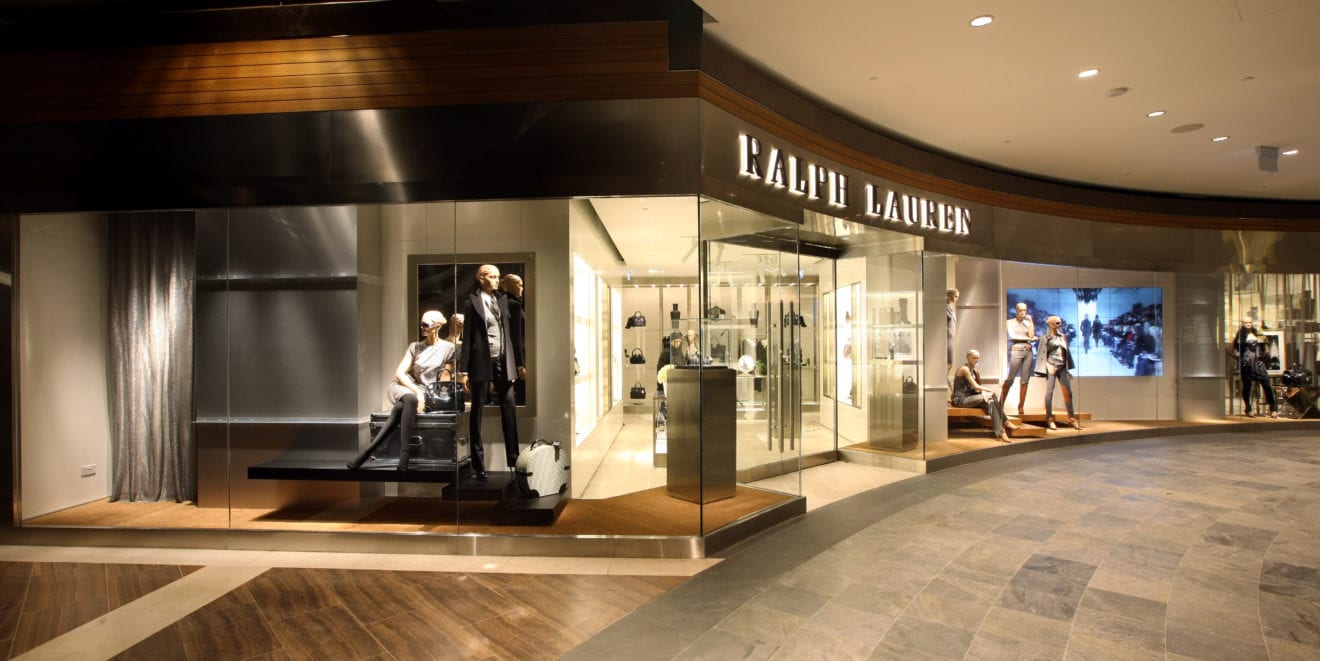
    Ralph Lauren may launch into India through a franchising agreement.

    The premium US lifestyle products company is reportedly negotiating a Ralph Lauren India debut along these lines with Aditya Birla Fashion and Retail.

    Insiders say the first Ralph Lauren store in India will open in the Emporio mall at Chanakyapuri, in New Delhi’s diplomatic enclave, reports The Economic Times. The mall is owned by major commercial real estate developer DLF (Delhi Land & Finance).

    Discussions are at an advanced stage and the store should be launched in the next seven to eight months, an insider says.

    Founded 50 years ago, the New York-­based fashion giant designs, markets and distributes apparel, accessories, fragrances and home furnishings under a wide range of brands.

    According to a report by Indian industry body Assocham last year, the luxury goods market in the nation of 1.2 billion people is likely to grow 25 per cent year ­on ­year.

  • BT completes first stage Michelin deployment

    BT completes first stage Michelin deployment

    BT has delivered the first milestones of its global enterprise networking contract with tyre manufacturer Michelin.

    The contract was signed late 2016 and is now in deployment phase. It is designed to transform Michelin’s global network infrastructure and provide all the advantages of the latest network, unified communications and security technologies.

    Under the terms of the five-year contract, BT is to provide Michelin with managed network services for 216 sites in 43 countries across all continents.

    Managed from France, the services covered by the contract are set to play an important role in delivering Michelin’s strategic IT transformation program.

    Agnès Mauffrey, Group CIO of Michelin, said they are driven to look for new ideas to improve the performance of our products and the efficiency of our business.

    “We see a great match between these requirements and BT’s global reach, local in-country capabilities and strong global portfolio,” said Mauffrey.

    “Our aim is to create a platform for digital innovation which will give our people around the world high performance access to cloud-based services, allowing them to collaborate more effectively, she said. “This is being done in a secure and reliable environment over which we have complete control.”

    Luis Alvarez, CEO of BT’s global services division, said BT will support Michelin globally through a dedicated network operations centre and provide centralised network management.

    The contract includes services from several areas of the BT portfolio: BT Connect (network services), BT Security (security services), BT One (unified communications and collaboration services) and BT Advise (professional services).

    “We understand how important digital is to our customers and how cloud services integration can contribute to their success,” said Alvarez. “In the midst of this digital revolution, we also make sure that organizations retain control of their IT, so that the performance, reliability and security of their cloud applications meet all their business requirements.”

  • China Mobile service revenue up 6.7% in 2016

    China Mobile service revenue up 6.7% in 2016

    China Mobile has recorded a five-year high growth in service revenue growth for 2016, due to strong mobile data revenue growth.

    Operating revenue for the year grew 6% to 708.42 billion yuan ($102.7 billion), with service revenue up 6.7% to 623.42 billion yuan.

    During the year, wireless data traffic became China Mobile’s single largest revenue source for the first time, after growing by 43.5% to account for 46.2% of total service revenue.

    Net profit grew a slim 0.2% to 108.74 billion yuan ($15.78 billion), but excluding the gains from the disposal of tower assets to telecommunications infrastructure sharing joint venture China Tower in the prior year, profit would have grown 10.5%.

    China Mobile added 223 million 4G customers throughout the year, bringing its total 4G base to 535 million and representing a penetration rate of 63%. The company also added 400,000 4G base stations to its network, taking its total population coverage to more than 1.3 billion.

    The operator’s total mobile customer base grew 2.7% from 2015 to 848.9 million.

    On the fixed line front, China Mobile added 22.59 million broadband customers, taking the total to 77.62 million, with 76.9% of these subscribed to services with speeds of at least 20Mbps.

    China Mobile is the last of China’s big three operators to report its results for 2016. China Mobile’s performance compares to a 6.4% increase in operating revenue and 10.2% decline in net profit for China Telecom, as well as a 94.1% slump in net profit and 1% decrease in operating revenue for China Unicom.

  • Tencent Holdings revenues soar 48 per cent

    Tencent Holdings revenues soar 48 per cent

    Revenues for Chinese internet value-added services provider Tencent Holdings grew by 48 per cent last year.

    Total revenues reached RMB151.94 billion (US$21.9 billion), its audited consolidated results show.

    Tencent’s operating profit was RMB56.117 billion, up 38 per cent over 2015, while its operating margin decreased from 39 to 37 per cent.

    Profit for the year was RMB41.447 billion, an increase of 42 per cent, while net margin eased to 27 per cent from 28 per cent the previous year.

    Its unaudited results for the fourth quarter show total revenues grew 44 per cent to RMB43.864 billion. Operating profit was RMB13.9 billion, up 28 per cent, while the operating margin fell from 36 to 32 per cent.

    “During the year, Tencent achieved significant progress in a number of strategic initiatives to further strengthen our leadership, enrich our ecosystem and enhance our competitiveness,” says chairman/CEO Ma Huateng.

    “We substantially increased the market share and daily transactions of our mobile payment services, and achieved rapid growth in commercial payment transactions.”

    Technology investment

    Looking ahead, he says the company will further implement its “Connection” strategy and also invest heavily in cutting-edge technologies such as security, cloud, big data and AI “so as to position us for the next wave of growth”.

    Tencent surpassed 600 million mobile payment monthly active user accounts and average daily payment transactions in December.

    “Our payment-related services provide a fast and seamless experience for a widening range of offline scenarios such as taxi booking, convenience stores, restaurants and supermarkets,” says Huateng.

    “We drove merchant adoption by working with acquiring agencies and simplifying on-boarding procedures.”

    He says the group’s fast-growing commercial payment transaction volume is diversifying from large online merchants to a broad range of offline merchants.

    “Our robust payment infrastructure, which made continuous improvements in payment security, service reliability and transaction speed, enabled us to process peak volume of 760,000 red packets a second during the Lunar New Year.”

  • Macau dining, retail recovering

    Macau dining, retail recovering

    Macau dining revenue is rising with more than half the city’s restaurants surveyed by the Statistics and Census Service (DSEC) reporting improved sales in January.

    And retail was also buoyant, with 53 per cent of retailers reporting increased January sales, up by 11 points from December.

    The data shows growth by 61 per cent of restaurants and similar establishments, up a substantial 27 points from December.

    However, 28 per cent of restaurants covered reported a drop revenue, down by 16 points from December.
    In retail, all leather goods retailers reported higher year-on-year sales.

    Restaurant managers say they expected slower business after the Lunar New Year, with 56 per cent anticipating increased or stable revenues for February. However, 44 per cent predict lower receipts.

    Retailers are also expecting less February business, the DSEC saying that only 17 per cent anticipate higher sales, an eight-point decline.

    For its Business Climate Survey, the DSEC covered 167 restaurants and similar establishments, as well as 135 retailers.

  • AirAsia X starts seventh Chinese route from Kuala Lumpur

    AirAsia X starts seventh Chinese route from Kuala Lumpur

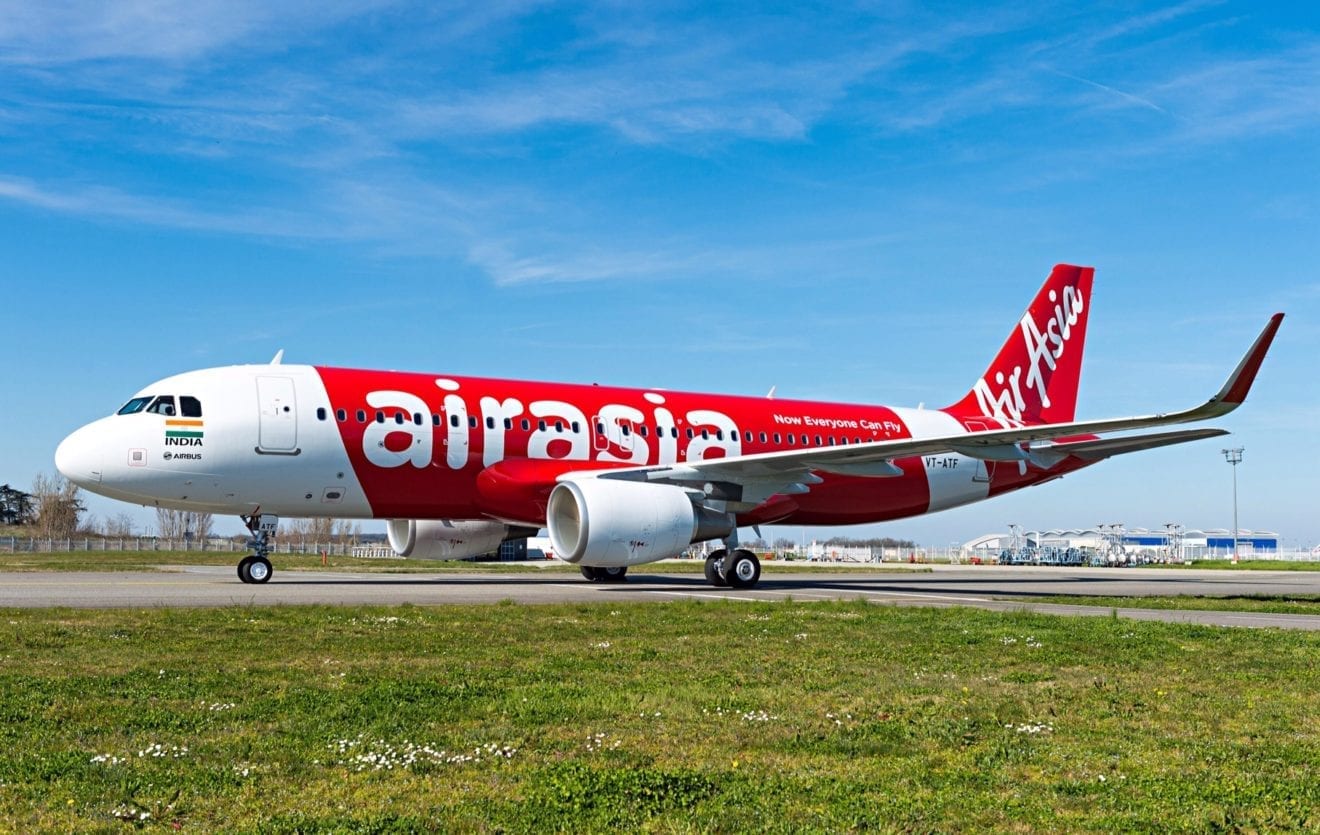
    AirAsia X on 22 March began a daily service from Kuala Lumpur (KUL) to Wuhan (WUH) in China. The 3,381-kilometre route will be flown by the carrier’s A330-300s and will not face any direct competition. Wuhan becomes the airline’s seventh destination in China after Beijing (launched in June 2012), Chengdu (October 2009), Chongqing (September 2016), Hangzhou (February 2008), Shanghai Pudong (February 2013) and Xi’an (July 2014). AirAsia and AirAsia X each have around 29% of the seat capacity between Malaysia and China, well ahead of Malaysia Airlines and China Southern Airlines who both account for around 11% each.

    Benyamin Ismail, CEO of AirAsia X Berhad, said: “We are happy to connect Wuhan directly to Kuala Lumpur after Kota Kinabalu, Bangkok and Phuket operated by our short-haul affiliate AirAsia Berhad and AirAsia Thailand. China is a key market for the AirAsia and AirAsia X Group and this new connectivity option will further strengthen our presence in China. Travellers can enjoy many interesting attractions in Wuhan such as historical sites and natural sites with picturesque scenery.

    Benefitting from its strategic position in central China, Wuhan naturally became a hub for the efficient distribution of products for many industries. We are confident that Wuhan will not only attract leisure travellers to fly with us but also business travellers who want to take advantage of Wuhan’s substantial economic growth.”

    Last year Wuhan Tianhe International Airport handled almost 20.8 million passengers, ranking 14th among Chinese airports. In total AirAsia X now operates 51 flights per week from KL to destinations in China, beaten only by the 53 flights per week it scheduled to Australia.

  • Oppo, Vivo founder reveals how he toppled Apple in China

    Oppo, Vivo founder reveals how he toppled Apple in China

    Duan Yongping is convinced Tim Cook didn’t have a clue who he was when they first met a couple years ago. The Apple boss probably does now.

    Duan is the reclusive billionaire who founded Oppo and Vivo, the twin smartphone brands that dealt the world’s largest company a stinging defeat in China last year. Once derided as cheap iPhone knockoffs, they leapfrogged the rankings and shoved Apple Inc. out of the top three in 2016 — when iPhone shipments fell in China for the first time.

    They managed to do it because the American smartphone giant didn’t adapt to local competition, the entrepreneur told Bloomberg in what he said was his first interview in 10 years. Oppo and Vivo employed tactics Apple was reluctant to match, such as cheaper devices with high-end features, for fear of jeopardizing its winning formula elsewhere, Duan said.

    “Apple couldn’t beat us in China because even they have flaws,” the 56-year-old electronics mogul said. “They’re maybe too stubborn sometimes. They made a lot of great things, like their operating system, but we surpass them in other areas.”

    That’s not to say Duan doesn’t appreciate the iPhone maker’s global clout. In fact, the billionaire’s obsession with his US rival is legion: he’s long been a big-time investor in Apple and an unabashed fan of its chief executive officer.

    “I’ve met Tim Cook on several occasions. He might not know me but we’ve chatted a little,” Duan said. “I like him a lot.”

    Apple couldn’t confirm Duan’s meeting with Cook when contacted by Bloomberg. But Duan has blogged incessantly about Apple’s products, share price and operations since 2013, when the company was worth half what it is today. He needs “a really big pocket” because he carries four devices, including a heavily-used iPhone. In a 2015 post, he argued Apple’s profit should reach $100 billion within five years. Today, Duan won’t say when he actually bought in but says much of his overseas wealth remains tied up in the iPhone maker. He even lives in Palo Alto, an easy drive from Apple’s new UFO-like headquarters in Cupertino.

    “Apple is an extraordinary company. It is a model for us to learn from,” Duan said. “We don’t have the concept of surpassing anyone, the focus instead is to improve ourselves.”

    Oppo’s gains against Apple may now earn an even broader following for the billionaire dubbed China’s Warren Buffett by local media for his investment acumen. Born in Jiangxi, a birthplace of Mao Zedong’s Communist revolution, Duan began his career at a state-run vacuum tube plant before making his name with homegrown electronics.

    Duan left the factory floor around 1990, when China was just embracing capitalism and opening industries to private investment. He headed to southern China’s Guangdong province, then the cradle of liberal reforms, to run a struggling electronics plant. His first product was the “Subor” gaming console with dual-cartridge slots — a direct shot at Nintendo Co.’s classic Family Computer, known elsewhere as the Nintendo Entertainment System. The 100- to 400-yuan Subor became a hit in the absence of local competitors. Duan even enlisted Kung Fu star Jackie Chan to endorse the device. By 1995, revenue from the Subor exceeded 1 billion yuan.

    Duan left to set up a new business that year as the operation flourished — a pattern he would repeat in later years. He christened his second venture Bubugao, literally “rising higher step-by-step.” BBK, as the company came to be known, created a popular line of VCD and MP3 players but later also made DVD players for global brands. Subsidiary Bubugao Communication Equipment Co. became one of the country’s biggest feature-phone makers around 2000, going head-to-head with Nokia and Motorola.

    It was the first iPhone in 2007 that paved the way for Oppo and Vivo. While they share a common founder in Duan, the sister brands are fierce competitors, trotting out dueling marketing campaigns in markets from India to Southeast Asia. Their salesmanship philosophy plays well in emerging markets, IDC research manager Kiranjeet Kaur said.

    “The companies fully understand how to make the best of their people, a specialty they inherited from Duan,” said Nicole Peng, a senior director at Canalys. Importantly, they understood their millennial audience. “Many of their managers are young and have been working at the company since graduation.”

    Duan’s latest endeavors were, in part, dreamed up in Apple’s backyard. By 2001 at the age of 40, Duan had decided to move to California to focus on investment and philanthropy, later installing his family in a mansion he reportedly bought from Cisco Systems Inc. Chairman John Chambers. But the advent of the smartphone forced the entrepreneur out of retirement.

    By the second half of 2000s, BBK was on the verge of falling apart as sales of its basic devices slowed. The likes of Huawei and Coolpad were making smartphones priced at around 1,000 yuan. That nearly put the company under, Duan recalled.

    “We were in serious discussions about how to close the company peacefully — in a way that the employees can leave unhurt and suppliers don’t lose money,” he said.

    Those intense brainstorming sessions spawned the two businesses that would go on to embody Duan’s greatest success. In 2005, the entrepreneur and his protege Tony Chen decided to create a new company. Dubbed Oppo, it sold music players but ramped up to smartphones in 2011. In 2009, BBK itself created Vivo, headed by another of Duan’s disciples, Shen Wei.

    “Making mobile phones was not my call,” said Duan. “But I reckoned we could do well in this market.”

    At first, neither label garnered much attention. The iPhone was captivating users with its revolutionary apps system and elegant interface, while BlackBerrys lorded over the corporate market. But Oppo and Vivo then developed a marketing-blitz approach that relied on local celebrity endorsement and a vast re-sellers’ store network across China. They crafted an affordable image that appealed to a millennial crowd, then tricked out their devices with high-end specs. On the surface, Oppo and Vivo phones now routinely surpass the iPhone on measures such as charging speeds, memory and battery life.

    It paid off. The duo together shipped more than 147 million smartphones in China in 2016, dwarfing Huawei Technologies Co.’s 76.6 million units, Apple’s 44.9 million and Xiaomi’s 41.5 million, IDC estimates. Oppo and Vivo both doubled their 2015 haul. In the fourth quarter, they were No. 1 and No. 3, respectively — Huawei was second. Their approach worked particularly well in lower-tier cities, where mid-range phones became a mainstream hit, said Tay Xiaohan, an IDC analyst.

    Duan’s smartphone progeny are also gaining some momentum beyond their home turf. In the fourth quarter, Oppo and Vivo were fourth and fifth in the world, respectively. About a quarter of Oppo’s shipments went to markets like India, where it hopes to dig in before Apple establishes a meaningful presence.

    “Smartphones are an unprecedented opportunity. We forecast at least for the next 10 or 20 years, there’s no replacement. But we don’t know,” Duan said.

    Cook said on the weekend that Apple doesn’t have a specific goal for market share.

    “The competition is more fierce in China — not only in this industry, but in many industries,” Cook told the China Development Forum in Beijing. “I think that’s a credit to a number of local companies that put their energies into making good products.”

    Duan has increasingly kept his distance from the Chinese smartphone makers despite remaining a significant shareholder (he won’t say how much). He says he prefers to stay out of the spotlight and enjoy California with his journalist wife and kids. In fact, he attends board meetings but claims to get most of his information on Oppo and Vivo from the internet, to avoid “disturbing them.”

    His rivals have been less considerate. Last October, Xiaomi Corp. co-founder Lei Jun lambasted competitors who build dense store channels in rural areas in pursuit of quick sales. In an interview with China Entrepreneurs Magazine in October, Lei accused such players of using “imbalanced information” to trick buyers into shunning Xiaomi, precipitating its decline from the top spot.

    “Those who said this were insane,” Duan said without naming names. “When someone talks about an information imbalance, deep down they believe consumers are idiots.”

    His most visible passion these days is stock investment, which is why he agreed to pay a then-record $620,100 in 2006 to lunch with Buffett. Quotes from the Sage of Omaha still pepper Duan’s blogposts, right alongside tips on golf and Apple.

    Duan cemented his reputation as a savvy financier in part by digging his friend, Netease Inc. founder William Ding, out of a hole. Ding’s internet company tanked to as low as 13 cents after the dot-com bubble burst, then almost became the first U.S.-listed Chinese company to get tossed off the Nasdaq over an auditing issue. Duan came to his friend’s aid, buying about 5 percent of Netease with just $2 million in 2002, when the stock price averaged 16 cents. Company filings show he still held just over 4 million shares as of March 2009, but Duan said he sold much of that when Netease hit $40.

    His other much-studied holding is premium-liquor company Kweichow Moutai Co. He said he bought in at 180 yuan in late 2012. While it nearly halved in 2014, Moutai today trades above 370 yuan.

    Duan isn’t shy about talking up his trades, not least of which is Apple, which remains near a record high despite a rare sales decline in 2016. But looking back on his decades as first entrepreneur then stock-picker, his proudest moments remain rooted in BBK. Though he claims to keep it at arm’s length, he admits to worrying about succession and whether the company culture will survive another generation of leaders.

    And while BBK’s Vivo and Duan’s own Oppo have done well, there’s no certainty in a fast-moving business. Both are starting to ramp up everything from the features on their phones to marketing campaigns: Oppo notably used Barcelona’s Mobile World Congress to unveil its most advanced camera technology yet, signaling a new maturity.

    One thing’s for sure, Duan doesn’t see himself returning to an active executive, leaving others to deal with the next challenge.

    “I’ve made it clear many years ago, I will never make a comeback,” he said. “If there’s a problem they can’t fix, then neither can I.”
  • Vietnam plans to send more skilled workers abroad to curb unemployment

    Vietnam plans to send more skilled workers abroad to curb unemployment

    Vietnam’s labor ministry is outlining a new plan to send more skilled workers abroad in the next few years as the number of unemployed Vietnamese has surpassed the million mark.

    According to Deputy Minister Doan Mau Nghiep, the plan will focus on sending engineers to South Korea and health workers to Japan and Germany and also exploring new markets like Slovakia, the Czech Republic and Israel.

    “The ministry wants to find solutions for well-trained workers, who have graduated from universities or colleges but can’t find jobs,” he said. “But we have to assess whether the quality of our labor force meet the requirements of recipient countries.”

    According to official data, Vietnam had around 1.1 million unemployed workers, 2.3 percent of the workforce. Around one third were college graduates.

    Experts have said that the quality of Vietnamese labor force is generally low compared to Asian peers such as South Korea, India and Malaysia.

  • Vietnam tables Brazilian meat imports

    Vietnam tables Brazilian meat imports

    Vietnam is considering whether to ban imports of livestock and poultry products from Brazil as the Latin American country investigates the quality of its meat exports.

    The animal health department said on Wednesday meat imports from Brazil have been low so far this year, but it has asked the agriculture ministry to halt imports if any low-quality products are found.

    Following a two-year investigation, Brazil’s federal police last week accused more than 100 people, mostly health inspectors, of taking bribes and allowing the sale of rancid products, falsifying export documents and failing to inspect meat packing plants, as reported. Brazil is the world’s top producer of beef and poultry.

    BRF and JBS, the world’s biggest meat producers, are among dozens of firms targeted in the police investigation into what would be the biggest scandal to hit Brazil’s agricultural sector. Both companies have denied any wrongdoing.

    The trade office at the Vietnamese Embassy in Brazil has called on agencies in Vietnam to tighten inspections of livestock and poultry products from Brazil.

    Hong Kong, Japan, Canada, Mexico and Switzerland all announced partial or all-out bans on Brazilian meat imports on Tuesday, following steps taken a day earlier by China, the European Union, South Korea and Chile, Reuters reported.

    But South Korea said on Tuesday it will lift the ban on poultry imports from BRF, the world’s largest exporter of the meat.

    Vietnam has imported around 3,000 tons of meat and meat products from Brazil so far this year, the animal health department said.

    “The amount is very small compared to the 6 million tons that Brazil exports every year to countries around the world,” said an official from the department.

    Brazil, recognized by the World Organization for Animal Health for doing a good job in controlling animal diseases, exports livestock and poultry products to 150 markets around the world.

    Last year, it took the lead in beef and chicken exports with outbound sales of the two products hitting 1.8 million tons and 4 million tons, respectively. Its major buyers are the E.U., Russia, Japan, China and Singapore.

    Two-way trade between Vietnam and Brazil stood at $2.29 billion in the first nine months of last year, down 15.7 percent against the same period in 2015, with Vietnam’s imports totaling $1.35 billion, Vietnam Customs data showed.

  • Ayala Malls the 30th offering Uber service

    Ayala Malls the 30th offering Uber service

    Ayala Malls has teamed up with ride-sharing service Uber to improve access to its newest mall, and may expand the service to the rest of its empire.

    Ayala 30th Uber

    Initially, Ayala Malls the 30th is teaming with carpool service UberHop, which offers fixed-rate ride shares for people heading in the same direction during rush hour.

    Ayala 30th Uber 1

    For a flat rate, people going to and coming from Ayala Malls the 30th in Ortigas will be linked to the business hubs of Makati City and Bonifacio Global City on weekdays.

    “The beauty of this is that it brings six to eight people together who would have otherwise taken their own cars from Makati and back, so that’s about six fewer cars on the road during rush hour,” says Uber Philippines communications head Cat Avelino.

    The test program may eventually lead to UberHop and other services being used by more Ayala malls.

    “Definitely we hope this will be the first of many more partnerships with Ayala. Ayala has more than 40 malls in Metro Manila and around the Philippines, so we’re definitely open to extending the benefit people get from ride-sharing,” says Avelino.

    The partnership ties in to Ayala’s Easy Ride project, which aims to give customers convenient access to various modes of public transport to and from its malls.

    “The real value-add of Uber is that it can direct where the drop-off and pick-up points are, and that really helps with the flow, the customer experience and our traffic,” says Ayala Malls the 30th GM Mariana Zobel de Ayala.

  • GoToMalls.com expands to Indonesia

    GoToMalls.com expands to Indonesia

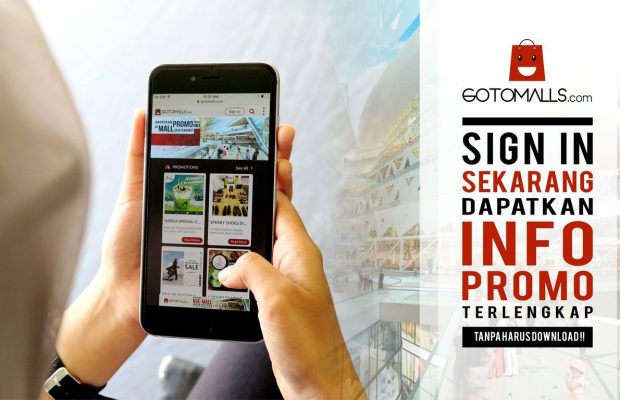
    Singapore-based company DominoPos has launched its proximity marketing and digital media platform GoToMalls.com in Indonesia.

    Offering a geo-located, profile-based smart directory of malls and stores in Indonesia, the website aims to revive offline transactions, “bringing the community’s spirit back to the malls through digital media support”.

    CEO Bruno Zysman says the platform helps offline retail brands publish their own call-to-action campaigns, and promote products or services on a digital platform to their target audience. It lists up to 375 malls and shopping complexes, along with 19,000 stores.

    To ease its entry into the Indonesian market, the site has partnered with telecommunications company PT Indosat, also known as Indosat Ooredoo, and ride-hailing app Grab.

    GoToMalls launched in Singapore in February and plans to expand further internationally.

  • Eye-pleasant artful NikeLab exhibition

    Eye-pleasant artful NikeLab exhibition

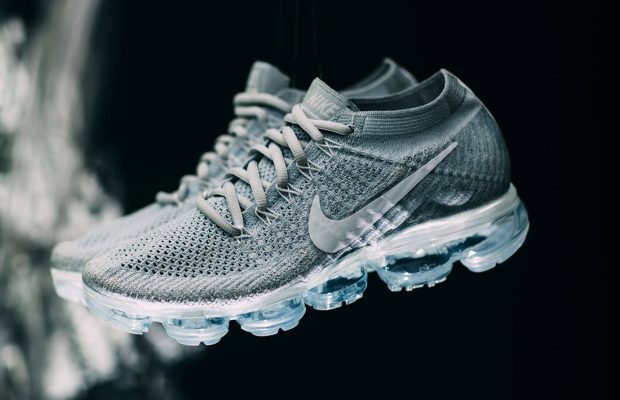
    A NikeLab exhibition in Hong Kong draws on artists to help launch its latest sneaker.

    It marks the rebirth of Nike Air via the Air Vapormax sneaker, which builds on nearly 30 years of Air Max legacy to provide lightweight, consistent cushioning that is both reliable and rigorous, says the shoe company.

    Inside Hong Kong Art Central’s space for Art Basel Hong Kong 2017, the NikeLab exhibition is dubbed “The Vision-Airs”. The installation was designed by Collective and showcases the work of artists Feng Chen Wang, WanBing Huang and Anals Mak of Jourden, plus photographer Laurent Segretier. Sound artist h0nh1m (Chris Cheung) is also featured with his latest “vapor-reactive” piece.

    The exhibition explores the techniques used to create the shoe, as well as its possibilities.

  • Lazada launching website to sell Taobao products to Singapore shoppers

    Lazada launching website to sell Taobao products to Singapore shoppers

    Alibaba’s bringing its teeming Taobao internet marketplace to Singapore.

    Alibaba Group Holding and Lazada Group are teaming up to sell select Taobao products direct to shoppers in the affluent island-state, striking their first partnership since the Chinese company took control of Southeast Asia’s largest e-commerce operator a year ago.

    Lazada is launching a dedicated website that links directly to Alibaba’s largest shopping platform, said Alexis Lanternier, chief executive officer of Lazada Singapore. To start with, the new site will add 400,000 Taobao products that aren’t available now to an existing lineup of about 5 million products, he said.

    In linking Taobao with Lazada, the two are trying to ease a process that’s gained momentum in recent years. Bargain hunters in Singapore already buy directly from Alibaba’s Chinese marketplace, an eBay-like online bazaar where small merchants and individuals hawk items from electronics to bed-sheets. Its items often go for a fraction of retail prices in Singapore, the world’s most expensive city according to the Economist Intelligence Unit.

    Many people however buy through agents who help with English translations, payments and deliveries – for a fee. That’s led to problems with returns, Lanternier said. Scams may be another issue: Taobao re-joined the Notorious Markets list last year, a name-and-shame pool of global markets the US Trade Representative considers rife with counterfeits.

    Taobao can be difficult to police because it’s an open marketplace, but Lazada will take swift action to protect consumers if it’s notified of fakes, Lanternier said.

    “We want to solve those difficulties, enabling an effortless way for them to shop,” Lanternier said, sharing the new initiative for the first time. “Now it’s all translated into English and you don’t have to worry about shipping options, payment method, returning. You are going to be able to track your order end-to-end.”

    The move is another small step abroad for Alibaba, which has ambitions to expand beyond a slowing Chinese home market. The company and Lazada are now preparing to deepen their operations in the fast-growing region, anticipating Amazon.com’s entry this year.

  • Tencent brand is still China’s most valuable

    Tencent brand is still China’s most valuable

    Chinese technology giant Tencent remains China’s most valuable brand, growing its worth 29 per cent to US$106 billion, according to the BrandZ top 100 most valuable Chinese brands report.

    It shows that technology brands continued to lead the way, with the Tencent brand strengthening its hold on the top spot thanks to the popularity of its social-media platform WeChat. Tencent was also one of three technology brands in the top 20 “risers” listing.

    With Tencent on the top 100 list are NetEase (31) and Sina (61). Making its debut in the 40th spot is e-commerce brand VIP.com.

    Web portal Sina’s initiatives in live video and self-broadcasting through its Weibo platform helped build its following among young people and attract advertising revenue, driving a 43 per cent rise in brand value to $900 million.

    NetEase, which makes online and mobile games and offers an e-mail service, grew 36 per cent to $2.6 billion.

    Sectors still dependent on the traditional economy, such as banks, insurance, and oil and gas, have declined 6 per cent in value. The exceptions are alcohol, and food and dairy.

    Several brands of baijiu, China’s traditional rice wine, have expanded distribution and adjusted pricing and marketing to reach a broader audience. This allowed them to make up for a decline in sales after government measures to limit extravagance at official events reduced demand for alcohol, especially premium brands. Moutai increased 41 per cent in value, entering the top 10 for the first time in ninth position.

    Some entrepreneurial Chinese brands are looking for overseas success before returning attention to their home market, such as digital brands Anker, DJI, Elex and Ninebot.

    Millennials are playing an increasing role in commercial and brand success in China, says the report. They tend to favour brands that are famous or trendy, and the research reveals the brand most successful at increasing millennial loyalty is mobile phone Oppo, up 157 per cent since 2014.

    “Chinese brands are taking the leap and going global on the back of three key factors: the country’s rising international stature, pressure to find alternative sources of growth as the domestic market slows, and increasing overseas consumer receptivity to Chinese brands,” says BrandZ global head Doreen Wang.

  • Alipay HK Strikes Deal with Standard Chartered to Expand into Hong Kong

    Alipay HK Strikes Deal with Standard Chartered to Expand into Hong Kong

    Alipay, China’s biggest payments service, has struck a partnership with Standard Chartered as the company looks to expand its footprint and deepen its mobile-payment push into Hong Kong.

    The company controlled by billionaire and Alibaba co-founder Jack Ma gained a license for e-payments from the Hong Kong Monetary Authority last year, and already began to roll out accounts denominated in the local currency back in October.

    Alipay HK is partnering with Standard Chartered in order to make it easier for Hong Kong residents to top up their account in HK dollars through online and mobile banking. Specifically, the unit of Chinese e-commerce giant Alibaba will work with Standard Chartered to facilitate Alipay payments via the bank’s merchant network in Hong Kong, while the bank will provide its users with digital ways to fund their accounts.

    The size of its newest partner in Hong Kong could bring Alipay to a considerable number of stores. The deal with Alipay will also allow Standard Chartered to target Chinese tourists particularly with Alipay users cannot link the HKD account to their existing yuan- denominated one, nor can they transfer money into the new account.

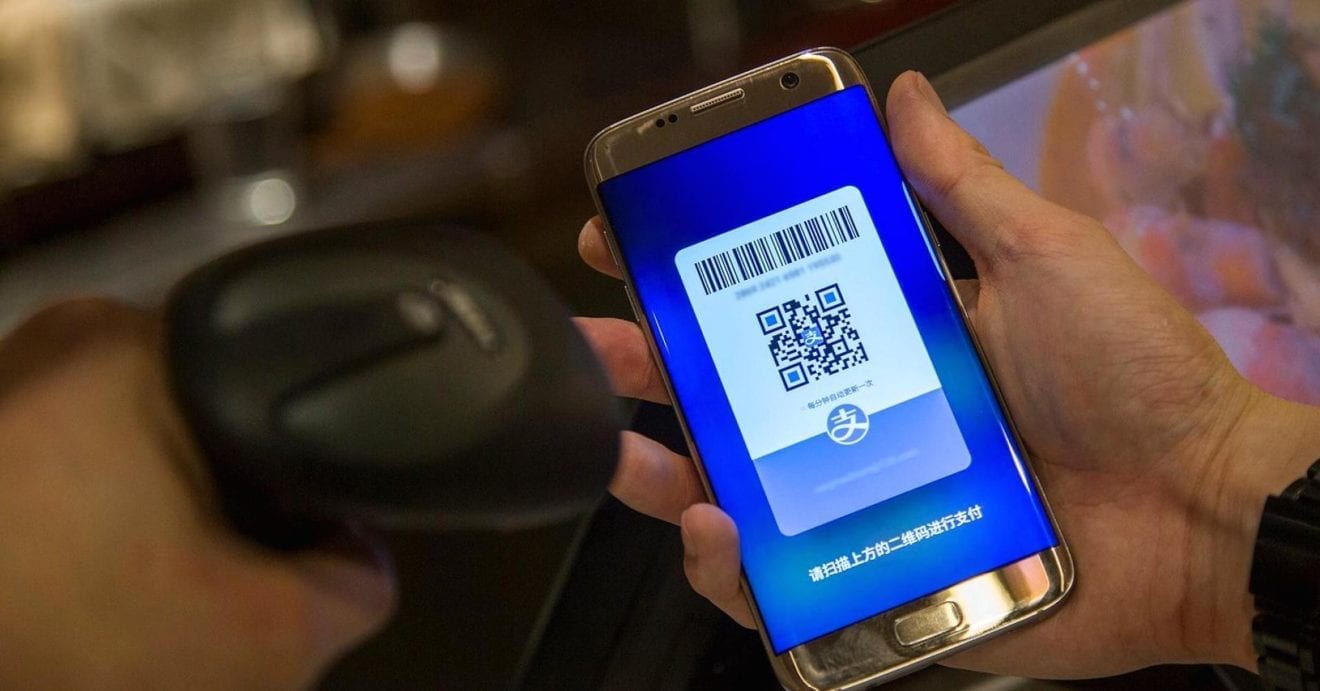
    Alipay, which is operated by Alibaba’s financial services arm Ant Financial, is a separate app on devices that allows customers to pay for their purchases in-store through opening the Alipay app, then scan a QR code provided by the retailer.

    Alipay holds nearly 70 percent of China’s third-party mobile payment market share and processed more than 380 million daily transactions as of June 2016.

    Vicky Kong, head of retail banking at Standard Chartered Hong Kong, said: “We believe the partnership with Alipay, the world’s largest online and offline payment platform with over 450 million active users, will enhance customer engagement with our existing clients on one hand, and help reaching out to new clients, especially the active online users on the other.”