Tag: asia

  • Amazon Japan adopts UnionPay to attract Chinese shoppers

    Amazon Japan adopts UnionPay to attract Chinese shoppers

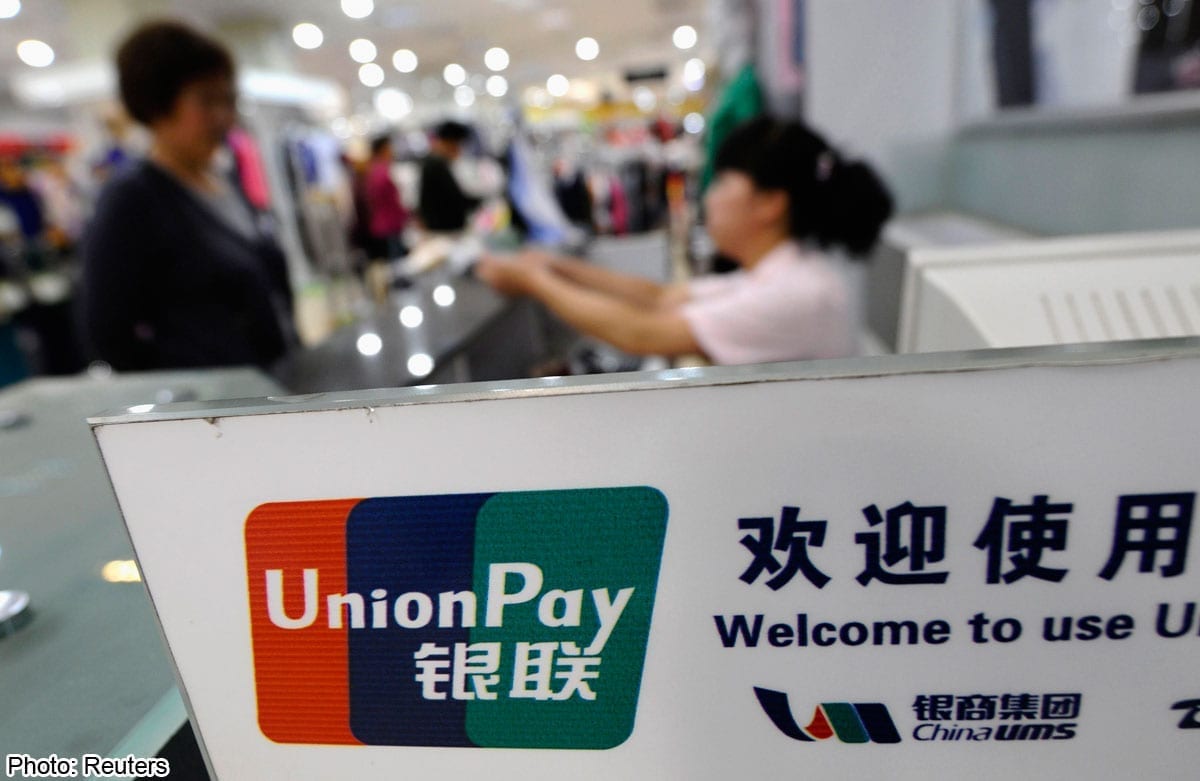
    Amazon.com Inc.’s website in Japan will start accepting UnionPay cards, as the web retailer steps up efforts to sell more merchandise to Chinese shoppers across Asia.

    China UnionPay Co., with more than 6 billion cards in circulation, is now a key rival to Visa Inc., Mastercard Inc. and other issuers and has become an important way for retailers around the globe to attract Chinese tourists and consumers. UnionPay can now be used across Amazon Japan’s website from Wednesday, the Seattle-based company said.

    Amazon, which debuted in Japan in 2000, rolled out a Simplified Chinese-language version of its website last year to cater to booming demand by shoppers seeking everything from Japanese books and music to cosmetics and baby products. The number of online customers from the mainland rose fivefold since early 2016, according to Jasper Cheung, president of Amazon Japan. Amazon’s revenue in the country rose 31 percent to $10.8 billion in 2016.

    “We continue to drive more selection available for export, and we’ve increased it by 50 percent,” Cheung said. “The biggest-selling categories have been books, health and beauty, baby products and kitchen appliances.”

    Amazon Japan is catering to an emerging class of consumers who are willing to shop online within Asia, and offers reduced shipping rates to homes and businesses in mainland China, Macau, Hong Kong, Taiwan and South Korea. E-commerce demand from China to Japan alone is projected to almost triple to 2.34 trillion yen ($22.5 billion) in 2019, according to Japan’s Ministry of Economy, Trade and Industry.

    Chinese tourists, now a constant presence in Tokyo’s stores, often stock up on authentic Made-in-Japan products during their visits to the archipelago. The number of Chinese tourists in Japan rose 28 percent last year to 6.4 million visitors.

  • Japan duty-free on arrival shops planned

    Japan duty-free on arrival shops planned

    With upcoming tax reforms, Japan duty-free on arrival stores could soon be opened.

    A Narita International Airport Corporation official says arrival channels would be permitted as part of the update of tax regulations, says Narita International Airport Corporation retail official Hiroomi Eguchi.

    He says details still need to be worked out with Customs and Immigration at the airport, and the management team is hopeful Narita will be first to open arrivals duty-free stores in Japan, which could happen “within months”.
    Liquor, tobacco and cosmetics are likely to be key categories, with inbound Japanese the main target audience.

    “It could appeal to returning Japanese who do not want to carry bottles of liquor around on their trip, and also be a convenient last-minute shopping option,” says the airport company.

    The tax change is also seen as a big boost in particular for the newly privatised Kansai and Sendai International Airports.

  • China’s online retail market is expected to reach RMB 1.3 trillion in 2021

    China’s online retail market is expected to reach RMB 1.3 trillion in 2021

    Despite rapid growth in recent years, the Haitao market is expected to peak within China’s overall online retail market. New research from Mintel reveals that in China the total combined online cross-border e-commerce market, including Business-to-Business and Business-to-Consumer e-commerce, grew by a factor of 10, from RMB 53 billion in 2011 to an estimated RMB 626 billion in 2016, representing a CAGR (compound annual growth rate) of 64%. From 2016 to 2021, growth is expected to slow to a still-strong CAGR of 15%, to reach a total value of RMB 1.3 trillion (RMB 1281 billion).

    Today, the majority of Chinese consumers shop for foreign imported products from domestic shopping websites (73%), compared with only one quarter (27%) who shop from overseas retail websites. Indeed, more than double the proportion of consumers buy from physical stores within China (56%), rather than from overseas shopping websites.

    There is a clear association among Chinese consumers for some products to be more desirable from certain countries. Mintel research reveals that 31% of consumers buy imported food from Taiwan; 36% buy alcoholic drinks from France (principally wine); and 45% buy beauty and personal care products from South Korea.

    SEE ALSO: China retail sales grow slower 9.5% in first two months

    According to Mintel, the only territory seeing an increase in purchasing among urban Chinese consumers over the past two years was France. Of those who have bought imported products online, 16% bought imported products from France in 2016 up from 15% in 2015. Of those who have bought imported products this year, 20% have bought beauty and personal care products from France, while 36% have bought alcoholic drinks, including wine.

    Matthew Crabbe, Director of Research, Asia-Pacific at Mintel, said:

    “While the Haitao market has seen rapid growth over recent years, and should maintain strong growth for the foreseeable future, it is likely to peak soon as a proportion of online retail in China. This does not stop the Haitao route to Chinese consumers from offering significant potential market opportunities to foreign brands, but it does mean that Haitao is likely to be more relevant to brands looking at initial market entry. Retailers and brands should therefore play to their different country specialities when attempting to differentiate from their competitors.”

    When choosing where to buy imported products online, Chinese consumers who have bought imported products online rank proof of quality of products as important (68%), followed by ability to use third-party payment systems (44%). They also want detailed product information (36%) and Chinese-language customer service (25%).

    Additionally, four in 10 (39%) purchasers said they would like to see a better choice of payment options on overseas online shopping websites. Currently, 35% are less confident about the returns policies of overseas websites than they are of domestic online shopping websites.

    Crabbe added, “As well as providing a better and more entertaining experience for Chinese online shoppers of imported foreign products, brands and retailers can improve by providing better practical solutions. Offering better delivery, refund and returns options is a key area where overseas online retail websites can improve, as compared to domestic websites. This does create logistical issues, however, but having links through domestic online retail portals can help combat this.”

    Mintel research reveals that 62% of surveyed consumers who have purchased overseas products agree that online shopping for imported products lacks the excitement of shopping when travelling overseas, with 20% strongly agreeing with this. Additionally, 34% of consumers agree that they are excited when shopping from websites that run interesting advertising campaigns.

    “When selling foreign products online to Chinese consumers, brands and retailers really need to create a sense of excitement and entertainment about the whole process if they are to stand out in an increasingly competitive market. Simply offering a new product is no longer enough.” Crabbe concluded.

  • Concept store Uniqlo Move opens in Tokyo

    Concept store Uniqlo Move opens in Tokyo

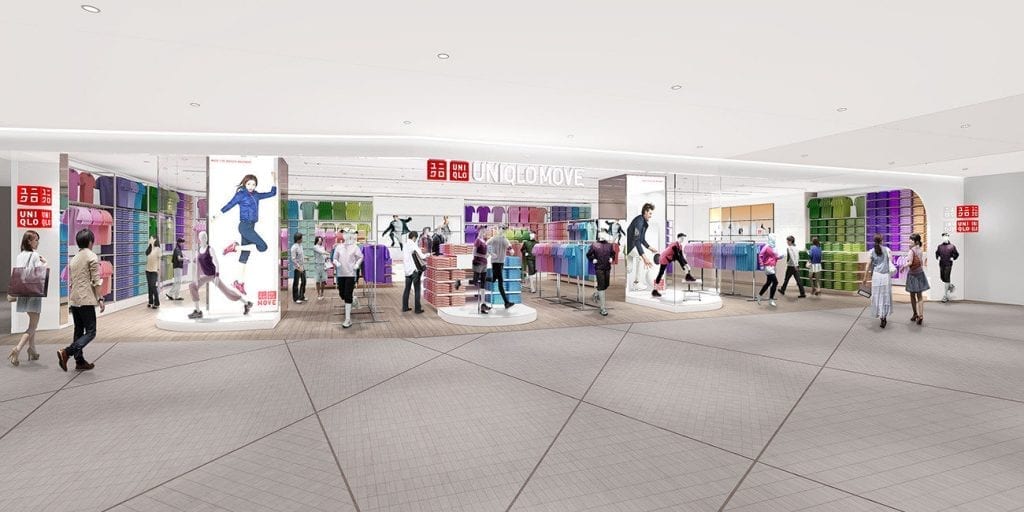
    A lifestyle-focussed concept store, Uniqlo Move, has been launched in Tokyo by the Japanese fashion basics retailer.

    It features its LifeWear range of activewear in a space on the eighth floor of Shinjuku Takashimaya department store.

    Sections of the 75 sqm store will be arranged according to movement, ranging from everyday life to exercise. Not only will the store offer products and visuals different to Uniqlo stores, but it will also act as an information hub for tips on making everyday life “more active and comfortable”, says the retailer.

    Dubbed “The Science of Lifewear” in its entirety, the brand’s first global campaign launched last year, being described by creative director John Jay at Uniqlo parent company Fast Retailing as “the ongoing innovation of simplicity”.

    As the range was developed last year, mountaineer Marin Minayama has appointed the brand’s first female ambassador.

  • India poised to be third largest consumer economy

    India poised to be third largest consumer economy

    In less than a decade, the world’s widget makers, entertainers, and beauty products will be focused on three core economies: the United States and China, of course, and in third place and gaining fast: India. They’re young. They’re the poorest of the big emerging markets, so have lots of momentum on their side. And they’re tech savvy smart. India is the new China. If you have something to sell, India is now an on-radar must.
    The Boston Consulting Group (BCG) said in a report released on Tuesday titled The New Indian that the country will be the third largest consumer market in the world by 2025.

    Rising incomes is the biggest driver here. Although poor, income distribution is evolving even as the population of one-percenters rises. In 2005, some 44% of the country were considered struggling, with 42% just getting by. Today, the extreme poor rural Indians account for 31% while greater number of them have moved up the ladder, accounting for 45% of the working class. Between 2005 and 2016, what BCG refers to as the “aspirers” — or the upwardly mobile — went from 8% of Indian households to 15% and by 2025, 20%. Affluent Indians have gone from 3%, or roughly seven million households back in 2005 to 17 million last year. That is seen rising to 33 million by 2025.

    And for the super elite, those who are buying Tata Motors’ Jaguars and Land Rovers, the numbers went from 3.1 million in 2005 to 6.5 million last year. By 2025, it will more than double to 15.8 million, based on BCG analysis.

    For businesses, these new consumers, and shifting consumer tastes, have big implications for companies looking to build their business in India.

    BCG’s report said that Indians are no longer as fascinated as they once were with foreign goods. Some 60% prefer and are willing to pay extra for Made in India. They are increasingly interested in learning about their own local roots.

    Trends such as family generations splitting up and getting their own homes has been a factor in big cities like Mumbai, but as adult children move out of their parents homes, they need apartments.

    Women in India are also becoming more of a force. Women rights are becoming front and center in India, and women are receiving better healthcare than they ever did, and more relevance in the media. The most important factor is educational opportunity, BCG says. From 2005 to 2014, the enrollment rate of girls in secondary education went from 45.3% to 73.7%. It’s now greater than that of boys in the high school level.

    Younger women have bridged the gap in higher education too. Their enrollment rate is 20% versus 22% for young men. This shift will have a broad impact on societal factors long term, such as workforce demographics and economic independence.

    Long term businesses in India may have to “fundamentally rethink their business models, including product offerings, consumer engagement and marketing” to the Indian consumer, the consultant firm believes.

  • Record US$1.1 billion profit for Hermes

    Record US$1.1 billion profit for Hermes

    French luxury goods brand Hermes made a record net profit last year of €1.1 billion (US$1.19 billion), doing “better than we expected”, according to CEO Axel Dumas.

    “We are entering this year on a solid base, but remain cautious in view of an uncertain environment.”
    Known for its $10,000 Birkin bags and $400 printed silk scarves, Hermes says its net profits rose by 13 per cent while its operating margin hit an historic high of 32.6 per cent of sales against 31.8 per cent in 2015.

    Its sales growth mainly stemmed from the strong performance of its leather goods, which accounts for half of group sales. Other divisions also performed well with the exception of its watches unit.

    Hermes joined other luxury companies such as Kering and LVMH in reporting an improvement in the luxury goods sector, which has been hit by slowing demand in China as well as terrorist attacks in France deterring tourism in Europe.

  • Amazon Japan is second biggest foreign market after Germany

    Amazon Japan is second biggest foreign market after Germany

    Online retail giant Amazon has revealed Germany was its biggest market outside the U.S. in 2016. However, Japan, coming in second for total country sales, experienced the most percentage growth last year, up double-digits on the back of heavy investment in distribution and the increase of China-focused tactics.

    On a US dollar basis, Amazon Japan sales leapt 30% in 2016 to US$10.7 billion (¥1.16 trillion). Amazon Germany gained just under 20% and the UK by 5.6%. US sales rose 28%. As a result Japan has moved ahead of the UK to become the U.S. giant’s second biggest overseas market.

    It’s also the first time a foreign firm has surpassed ¥1 trillion in Japan, making Amazon the most successful international retailer to operate in the archipelago nation.

    While Yahoo and Rakuten serve as rival platforms in the local market, Amazon Japan’s strong investment in its own distribution centre network is paying off. Amazon Japan has 12 centres and four Prime Now centres, making it easy for the e-tailer to sell directly via its marketplace vendors.

    Amazon Japan has also managed to poach talent from other consumer goods businesses, since its debut in 2000.

    On a consumer level globally, the Amazon brand sits favourably. Some 67% of Amazon’s sales came from direct sourcing last year and 17% from third party vendors on Amazon Marketplace, according to a recent survey.

    And Amazon is winning across lifestyle and fashion categories.

    “The biggest-selling categories have been books, health and beauty, baby products and kitchen appliances,” Jasper Cheung, president of Amazon Japan, told Bloomberg.

    Cheung was speaking to media as Amazon revealed this week its website in Japan will start accepting UnionPay cards, in an effort to sell more merchandise to Chinese shoppers across Asia. In 2016, Amazon Japan launched a Simplified Chinese-language version of its website, as the volume of mainland Chinese shoppers continues to rise in Japan, up 500%, according to Cheung.

    Meanwhile, e-commerce demand from China to Japan alone is projected to almost triple to 2.34 trillion yen ($22.5 billion) in 2019, according to Japan’s Ministry of Economy, Trade and Industry.

  • When Forever 21 join India’s Jabong

    When Forever 21 join India’s Jabong

    Indian fashion portal Jabong has added American fashion brand Forever 21 to its product portfolio. It definitely will give another option for India’s shopper to check the collections of Forever 21.

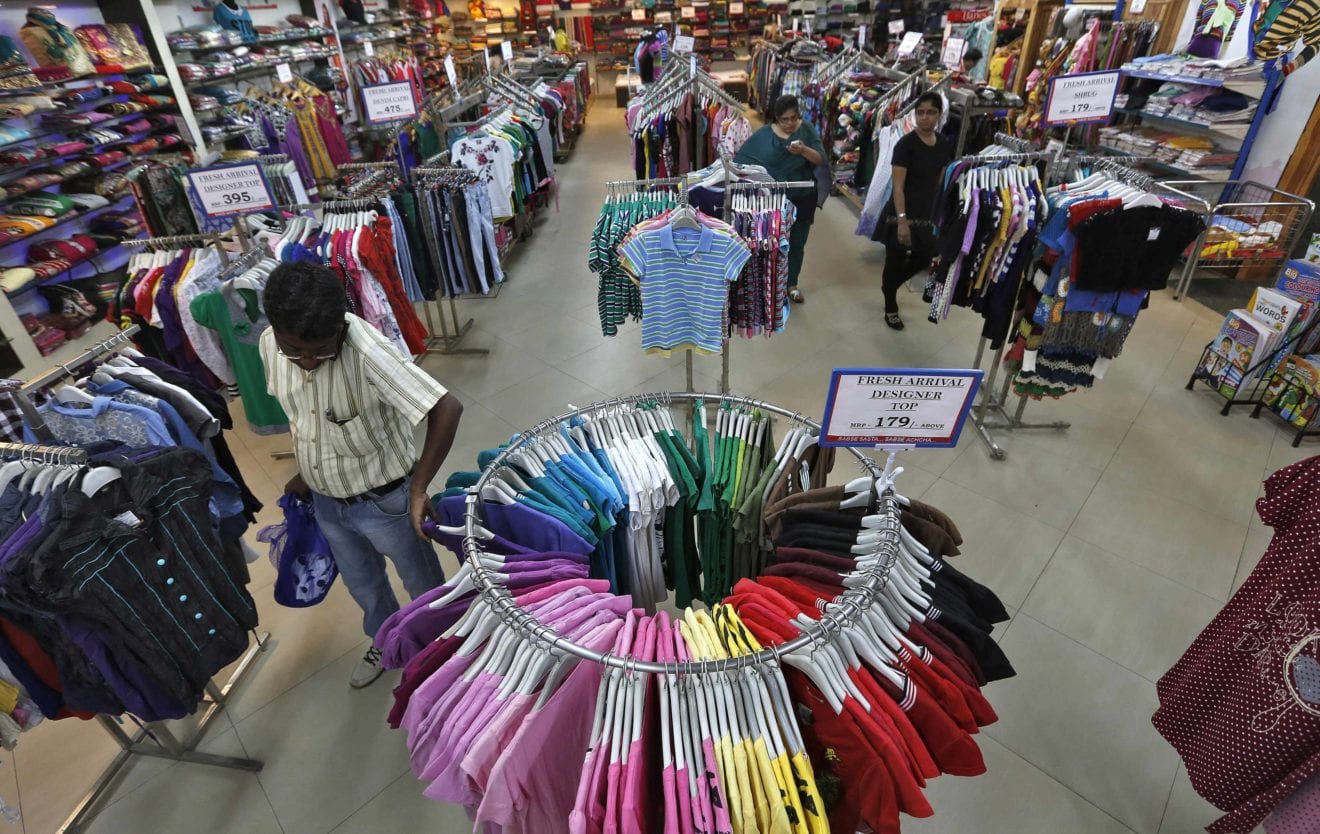
    A selection of goods including play-in tops, dresses, t-shirts, cosmetics, intimates and shoes will go online on Jabong, priced from Rs.499 to Rs.2400 (US$7.50 to $37).

    Jabong has introduced 20 new fashion brands this month and says it will add a further 15 before March 31. These include New Era Caps, WROGN, Mothercare, Roadster, Cover Story, AAY, Zivame and Mast and Harbor. Jabong now has approximately 2000 brands in its product portfolio, out of which 50 brands have been launched in 2017 alone. Its portfolio also includes Topshop, Topman, Dorothy Perkins, Missguided and Next.

    “At Jabong, we continuously strive to offer the best of global fashion brands to our shoppers. Forever 21 is a pioneer and global leader in the fast fashion category and its addition will strengthen the comprehensive line of finely curated international portfolio on Jabong,” said Gunjan Soni, head of Jabong.

    Abhinav Zutshi, India business head of Forever 21, said the combined strengths of Jabong and Myntra will give the brand exposure to a major share of India’s online fashion retail market.

    “This complements our aggressive offline strategy and we are excited to herald a long association with Jabong,” he said.

    Jabong is a multi-brand fashion e-store offering some 350,000 products across footwear, apparel, jewellery and accessories.

  • Digital Free Trade Zone For Malaysian E-commerce Growth

    Digital Free Trade Zone For Malaysian E-commerce Growth

    The announcement of the much-anticipated Digital Free Trade Zone (DFTZ) by Prime Minister Datuk Seri Najib Tun Razak today comes amidst a time where businesses in Malaysia are encouraged to capitalise on this initiative to boost the Digital Economy in the country. First-ever and a pilot programme, we foresee the DFTZ to benefit local SMEs and entrepreneurs, and pave the way to a more global market for them.

    With the implementation of a DFTZ in Malaysia, the comprehensive approach, covering fulfilment, global supply chain, payment gateways, training and employment prospects, will set a conducive platform to cement Malaysia as a digital hub in the Southeast Asia region, as well as to encourage traditional brick-and-mortar businesses especially local SMEs to transition onto the e-commerce sphere, and trade across ASEAN countries and soon, the world.

    Furthermore, the Government’s introduction of a Digital Free Trade Zone exemplifies an intention to impart knowledge and equip entrepreneurs with the knowledge and know-hows of e-commerce complementing the vast facilities that the trade zone will stand to offer. Resonating this intention, 11street’s owned training programme which is recognised by the Malaysian Digital Economy Corporation (MDEC) aims to help e-entrepreneurs understand the basic rudiments of online business, sharing with them the effective strategies that will propel their businesses to a different height and be competitive in the global market.

    In conclusion, the Digital Free Trade Zone is shaping up to be a boon to local SMEs. The trade zone will serve as gateway to the ASEAN market and allow local products to tap into a wider market. We at 11street will continue to support to initiatives to evolve e-commerce in Malaysia, so as to open up opportunities for a better e-commerce climate for both e-commerce platforms and also entrepreneurs.

  • Biforst Logistics Selects Oracle Cloud Applications to Swiftly Modernize its Retail Operations

    Biforst Logistics Selects Oracle Cloud Applications to Swiftly Modernize its Retail Operations

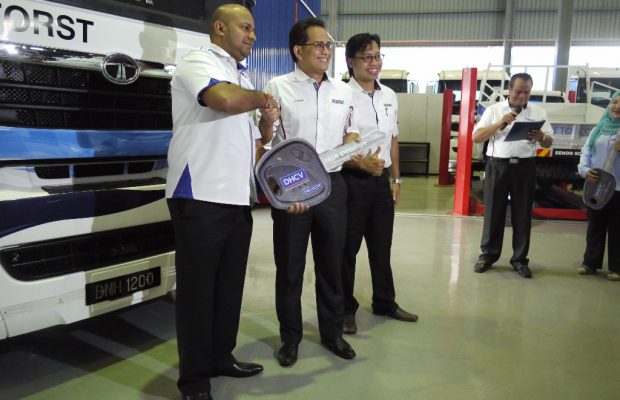
    Oracle today announced that Biforst Logistics Sdn Bhd, a Malaysian logistics solutions provider, has successfully shifted to Oracle Cloud Applications to enhance its speed-to-market delivery. The entire project was completed in just five weeks from the date of placing the order for service. Biforst selected Oracle Enterprise Resource Planning (ERP) Cloud and Oracle Supply Chain Management (SCM) Cloud to manage the surge in their business, drawing on Oracle Modern Best Practice for Logistics for their transformation to the cloud.

    Biforst Logistics was in need of an improved internal and external IT infrastructure, as well as a need to rapidly scale business operations efficiently via a recent mega-project to procure and fulfill nearly 1,000 stores throughout the country. The implementation of cloud solutions was also critical to curb the increasing internal operational and IT maintenance costs from its older enterprise systems.

    “We received an exciting business opportunity this year to provide our services to one of Malaysia’s leading retailers in the convenience retail sector. This opportunity meant that we needed to quickly scale our internal and external operations, enhance the financial insight into our business, and digitally transform into a modern logistics company, said Karthegesan Bala, COO, Biforst Logistics. “With Oracle ERP Cloud and SCM Cloud solutions, we will lower our IT spend, redirect our resources to more strategic efforts, and streamline our logistics processes, so that we can procure, store, and distribute approximately 2,000 stock keeping units to all the outlets nationwide, and in a much shorter timeframe than before.”

    Oracle ERP Cloud enabled Biforst Logistics to spend more time analyzing financial results and to align its business strategies by automating time-intensive tasks including administrative work, routine transactions, and reporting. Similarly, Oracle SCM Cloud has delivered greater insights and capabilities, along with the visibility and control of its overall transportation network required by Biforst Logistics, to improve and modernise their supply chain, with minimal risk, at a lower cost, and with maximum flexibility.

    “We are delighted to be a part of Biforst Logistics’ journey in modernising their business. They were looking to integrate modern best practices and adopt solutions with embedded analytics to help them meet their business requirements and deliver quick return on investment,” said Jasbir Singh, vice president, ERP/SCM cloud applications of Oracle Asia Pacific. “With guidance from our modern best practice, Oracle’s complete, modern, and proven ERP Cloud and SCM Cloud tools enable Biforst Logistics to leverage  mobile, analytics, and social collaboration capabilities, thus allowing employees to work more efficiently and with the agility to better to meet the needs of their customers.”

    “We are pleased to witness more local companies like Biforst Logistics embrace Oracle Cloud Applications to help grow their business,” said Fitri Abdullah, managing director for Malaysia, Oracle. “We truly appreciate Biforst Logistics’ decision to entrust Oracle to modernise their business and look forward to a continued partnership and success in the year ahead.”

    Oracle delivers the industry’s broadest suite of enterprise-grade Cloud services, including Software as a Service (SaaS), Platform as a Service (PaaS), Infrastructure as a Service (IaaS), and Data as a Service (DaaS).

  • India’s Flipkart closes $1 billion funding round

    India’s Flipkart closes $1 billion funding round

    Indian e-commerce giant Flipkart has closed a US$1 billion funding round, with plans to raise an equal amount over the next few months.

    Investors who have contributed to this round include eBay, Microsoft and Tencent Holdings, Bloomberg reports.
    The funding comes at a valuation of $10 billion, up from $5.39 billion when its minority investor and the mutual fund managed by Morgan Stanley slashed Flipkart valuation by 3 per cent last month. Its peak valuation was $15.5 billion in 2015.

    Launched in 2007, Flipkart was one of the first Indian tech companies to enter the global Unicorn startups club. It had an invincible run until Amazon entered India in 2012.

    In 2014, Flipkart raised $1 billion, a record amount for an Indian company, from investors including Accel Partners, Russia-based DST Global and Tiger Global, whose former MD Kalyan Krishnamurthy has joined Flipkart as CEO.

  • Casinos still off-limits to Vietnamese

    Casinos still off-limits to Vietnamese

    Seven businesses have been licensed to operate casinos in Vietnam. Pham Ngoc Nam, deputy general director of Royal International Corp – the owner of a five-star hotel complex with a casino in Halong City, told the paper that the firm has been waiting for a guiding circular on the implementation of Government Decree 03/2017/ND-CP which allows Vietnamese passport holders to enter casinos.

    He said the decree allows Vietnamese people in casinos for a three-year period, but the Government has yet to issue official guidelines. The requirements for casino entry, especially income, are unclear.

    He said other casinos in Quang Ninh Province and other localities are in wait-and-see mode as well.

    That gamblers must prove their monthly income of at least VND10 million (around US$439) seems to be a tough challenge, said a representative of another casino.

    “Many casino goers are self-employed and wealthy but unwilling to apply for income certificates,” he explained.

    A representative of the Ministry of Finance said the Department of Banking and Financial Institutions is finalizing draft guidelines for the implementation of the decree on casino business. However, he refused to say when it comes out.

    The representative said the delay in issuing the guidance circular is unavoidable, as this is the first time Vietnamese gamblers have got the green light for entering casinos in the country.

    Many issues should be taken into careful consideration. Economist Nguyen Minh Phong shared the same view, saying that technically, the guidance circular should be available upon the promulgation of the decree.

    However, there is no precedent for this, thereby requiring careful preparation.

    The decree specifies Vietnamese citizens admitted to casinos must be at least 21 years old with regular monthly income of at least VND10 million or being subject to the third range of taxable income which is VND10-18 million a month under the Law on Personal Income Tax.

    The Ministry of Finance is responsible for providing them with application forms for these conditions.

    Gamblers will not be allowed in if their family members like parents, parents-in-law, spouses and children submit formal requests for preventing them from casinos.

    Besides, those who have violated national security rules or committed other crimes abroad resulting in more than three years of imprisonment will not be allowed in casinos.

    This includes those serving jail terms, with or without bail, or any other form of legal punishment.

  • Valmet to build new Mercedes-Benz compact cars

    Valmet to build new Mercedes-Benz compact cars

    Finland’s Valmet Automotive said on Wednesday it had signed a new contract to build future Mercedes-Benz compact cars for Daimler AG.

    The company said it would hire about 1,000 staff to help with its existing contract under which it manufactures Mercedes-Benz passenger cars and SUVs. The plant currently has 2,300 employees.

    The facility is one of the bright spots in the Finnish economy which is slowly recovering from a decade of stagnation.

    In January, Chinese battery maker Contemporary Amperex Technology Ltd bought a 22 percent stake in Valmet Automotive.

  • StarHub opens Hubtricity innovation center

    StarHub opens Hubtricity innovation center

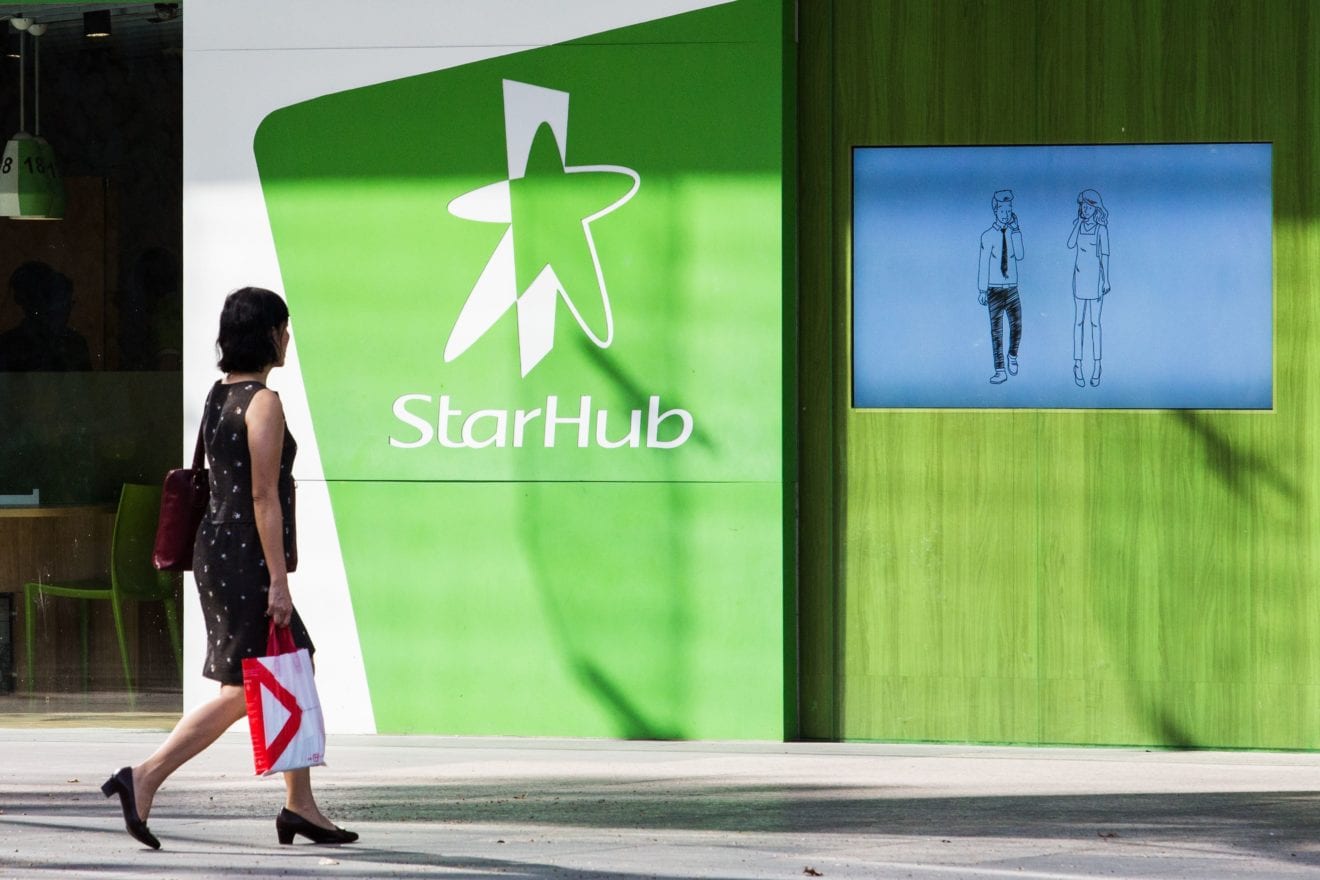
    Singapore’s StartHub has opened a new innovation center and converged operations cockpit named Hubtricity, aimed at accelerating Singapore’s transformation into a Smart Nation.

    The 58,000 square feet facility will act as a foundation to foster service innovation and co-creation with partners and customers.

    The centerpiece at Hubtricity is the converged command cockpit, where StarHub with real-time data can monitor how its fixed, mobile and pay TV networks and services are performing and understand how customers are using and responding to its service offerings through call center metrics and social media analytics.

    Tan Tong Hai, CEO of StarHub said Hubtricity is derived from three words Hubbing – the convergence of technology and services; Tri – the three core networks that power Hubbing; and City – where it is about the consumers.

    “Hubtricity not only showcases our extensive connectivity and deep competency in data analytics and cyber security, but is also a co-working space for partners and start-up companies to create solutions for a Smart Nation,” said Tan.

    “Currently, we are working with both local and global partners to build platforms, such as smart home, intelligent vehicles, connected buildings, virtual reality and smart retail, to meet the future needs of our customers,” added Tan.

    As a home-grown company, StarHub supports the nurturing of local talent and is keen to help drive the local tech startup ecosystem. Hubtricity aims to bring local technopreneurs together, who can create ideas and test out their solutions, catalyzing greater collaboration and innovation from Singapore.

    Kiren Kumar, assistant managing director at Singapore Economic Development Board, said that with Hubtricity, StarHub is investing in capabilities that will enable it to innovate and develop new digital products, services and solutions with partners across industries.

    “Hubtricity will add to Singapore’s position as the Digital Capital of Asia and will create exciting jobs in Singapore in areas such as cyber security and social media analytics,” said Kumar.

  • Airlines to increase airfares

    Airlines to increase airfares

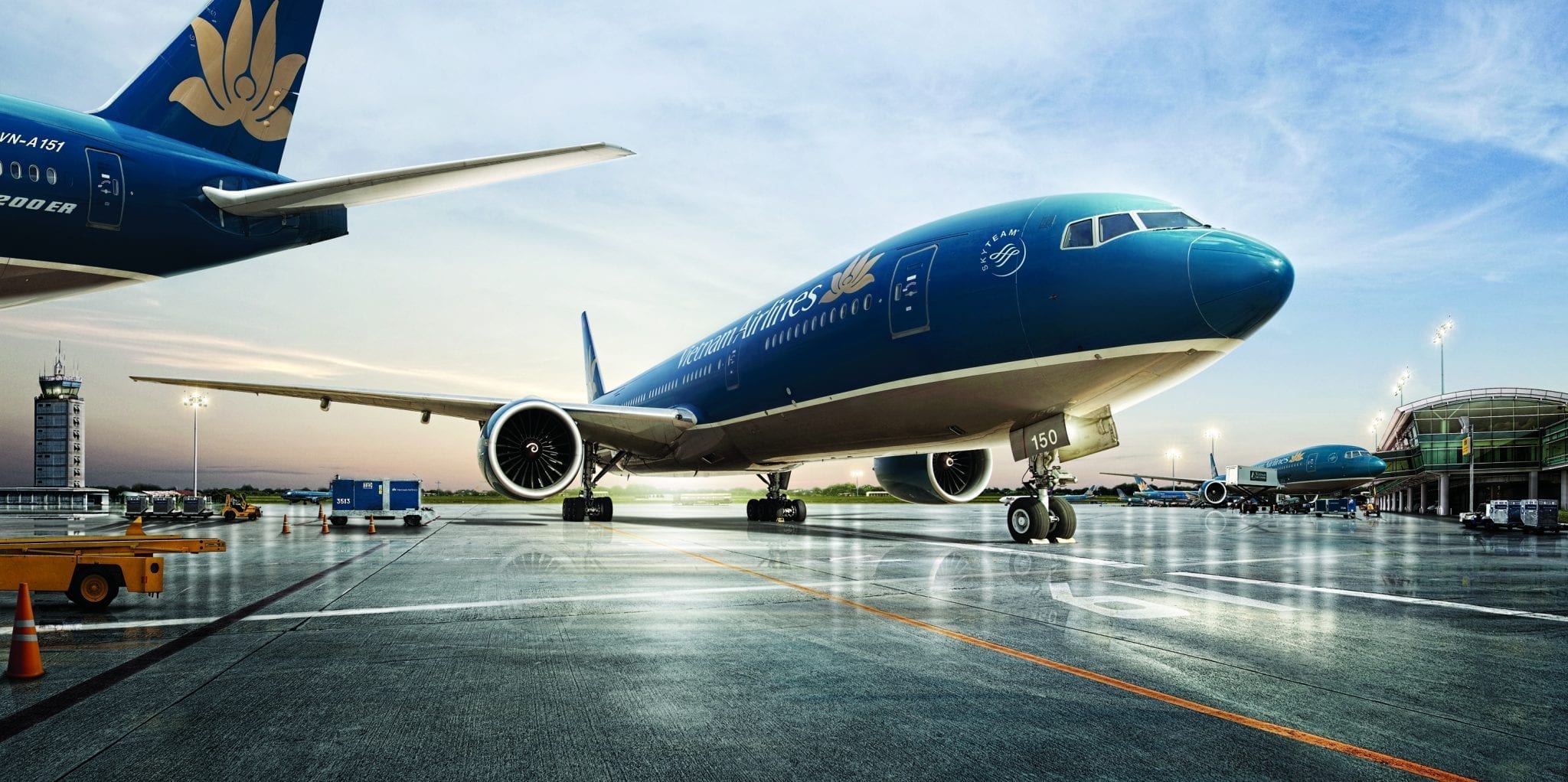
    The national flag carrier Vietnam Airlines increased tickets for business class on for domestic flights by 100,000 – 500,000 VND per leg; and economy class 40,000 – 300,000 VND.

    The airfare adjustment will be applied from April 1 for specific flights.

    However, Vietnam Airlines will maintain around 10 low-cost prices for each domestic flight, and keep unchanged prices for some specific routes.

    Vietjet Air also increased service fees from 100,000 VND to 140,000 VND per domestic leg and from 120,000 VND to 160,000 VND per international leg from March 22.

    Meanwhile, Jetstar Pacific announced to increase management fees from 100,000 VND to 130,000 VND per leg from March 15.

    The adjustment of airfare is based on the market demand and regulations of the Civil Aviation Authority of Vietnam and Ministry of Transport, a representative from Vietnam Airlines said.

    It also aims to ensure healthy competition in the aviation sector, a representative from Vietjet Air said.

    The Civil Aviation Authority of Vietnam in early this month sent a proposal to the Ministry of Transport to raise several aviation service charges in order to reduce peak-hour overloads and raise money for infrastructure development.

    Under the proposal, take-off and landing service charges at major airports, including Noi Bai and Tan Son Nhat, would be raised by 15 percent during rush hours and reduced by 15 percent during off-peak hours.

    The Civil Aviation Authority is also proposing a hike in security charges of 0.5 USD per passenger for international flights, and 18,181 VND (0.9 cents) per passenger for domestic flights – double the current charge.

    A hike of 40,000 VND in passenger service charges is also being proposed, raising them to 90,909 VND for arrivals and departures at type A airports, and 72,727 VND at type B airports.

    The increase is explained by the upgrading of many airports and passenger service quality.