Tag: asia

  • Rupiah May Extend Gain

    Rupiah May Extend Gain

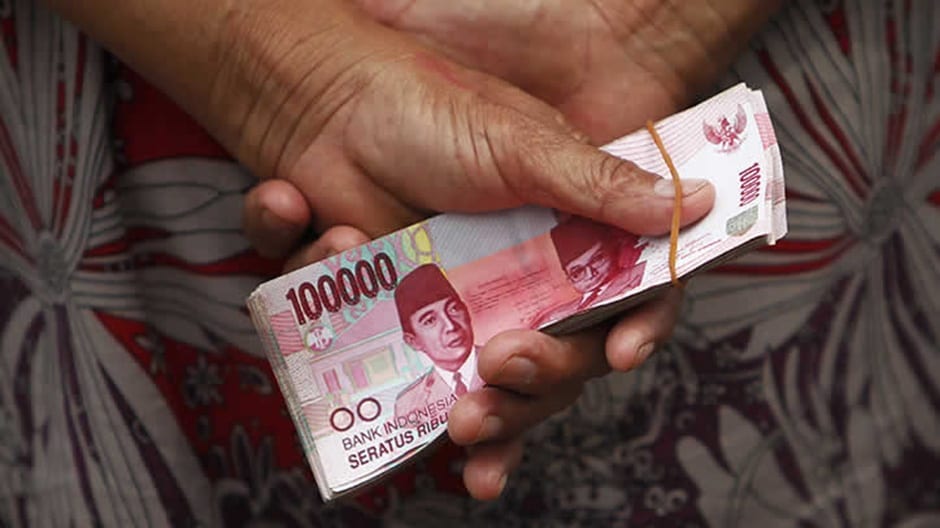
    Reza Priyambada, a senior analyst of PT Binaartha Sekuritas, predicts that the rupiah will extend its gain. The rupiah is expected to move to around a support level of Rp13,385 and resistance level of Rp13,327.

    “Recent strengthening of the rupiah may open the opportunity for a rebound in the rupiah to extend its gain,” Reza said in a written statement on Tuesday, March 7, 2017.

    Rupiah moved in the positive zone yesterday. It strengthened by 33 points or 2.5 percent to Rp13,350 per US dollar. Raza said that stronger rupiah was due to weaker US dollar as Asian currencies got stronger.

    Rupiah has also strengthened as the Indian Ocean Rim Association (IORA) Summit takes place. The summit is expected to stimulate increase in foreign investment in Indonesia which may trigger economic growth and bolster foreign exchange reserves.

    Rupiah remained strong despite negative sentiment over China who has cut its growth target for 2017, from 6.5-7.0 percent to 6.5 percent.

  • Vietnam’s internet environment ranked 32nd in the world

    Vietnam’s internet environment ranked 32nd in the world

    The country is number one in the world for local content, but scores poorly on internet education.

    A new index that measures a country’s internet for its availability, affordability, relevance of content and public access has found that Vietnam is doing better than more than half of the world.

    The 2017 Inclusive Internet index compiled by the Economist Intelligence Unit assessed 75 markets on how they enable the adoption and beneficial use of the internet.

    Vietnam stands in 32nd place overall for internet availability, affordability, relevance and readiness.

    The country stands above its Southeast Asian neighbors Indonesia and the Philippines, but far behind Malaysia, Thailand and the number 1 position holder Singapore.

    It performs “relatively strongly” in terms of relevance, with a global ranking of 18th out of 75, supported by a top score in local content.

    Many non-English-speaking markets have made considerable progress in ensuring that domestic internet users have content available to them in their country’s primary language, said the Economist.

    Vietnam is among 13 markets tied for first place in the local content category, along with China, Japan and Russia.

    But the country scores low in terms of internet readiness due to limited support for digital literacy and web accessibility, based on the index. Vietnam’s education and preparedness for internet use ranks 63rd worldwide.

    Availability ranks 40th worldwide with a high score for quality, but network infrastructure is poorly developed.

    Its affordability ranks 32nd with a top score for fixed-line monthly broadband costs.

    More than 49 million Vietnamese people, or more than half of the country’s population, are online.

  • China to end domestic roaming fees by October

    China to end domestic roaming fees by October

    China’s big three mobile operators have revealed plans to stop charging domestic roaming fees by October.

    China Mobile, China Telecom and China Unicom have announced they will end the practice of charging inter-province roaming voice and data fees.

    The operators are also planning to introduce discount pricing for small and midsize businesses in a bid to encourage corporate customers to adopt more network technologies such as cloud computing.

    The operators are responding to pressure from the government to reduce the price of telecoms services to spur consumer spending and encourage greater adoption of network technologies.

    China has also been seeking to encourage price competition in the mobile sector, and opened up the market to MVNOs in 2013.

    These efforts were also extended to the fixed broadband market in 2014.  According to the Reuters report, the government recently announced it has approved applications from 198 private enterprises seeking to provide broadband services under a pilot project.

    China’s move to abolish domestic roaming will take the industry one step closer to meeting current GSMA chairman and Bharti Airtel founder Sunil Bharti Mittal’s recent call and doing away with roaming altogether – including international roaming.

  • President Jokowi calls for better transportation between Sumatra and Java

    President Jokowi calls for better transportation between Sumatra and Java

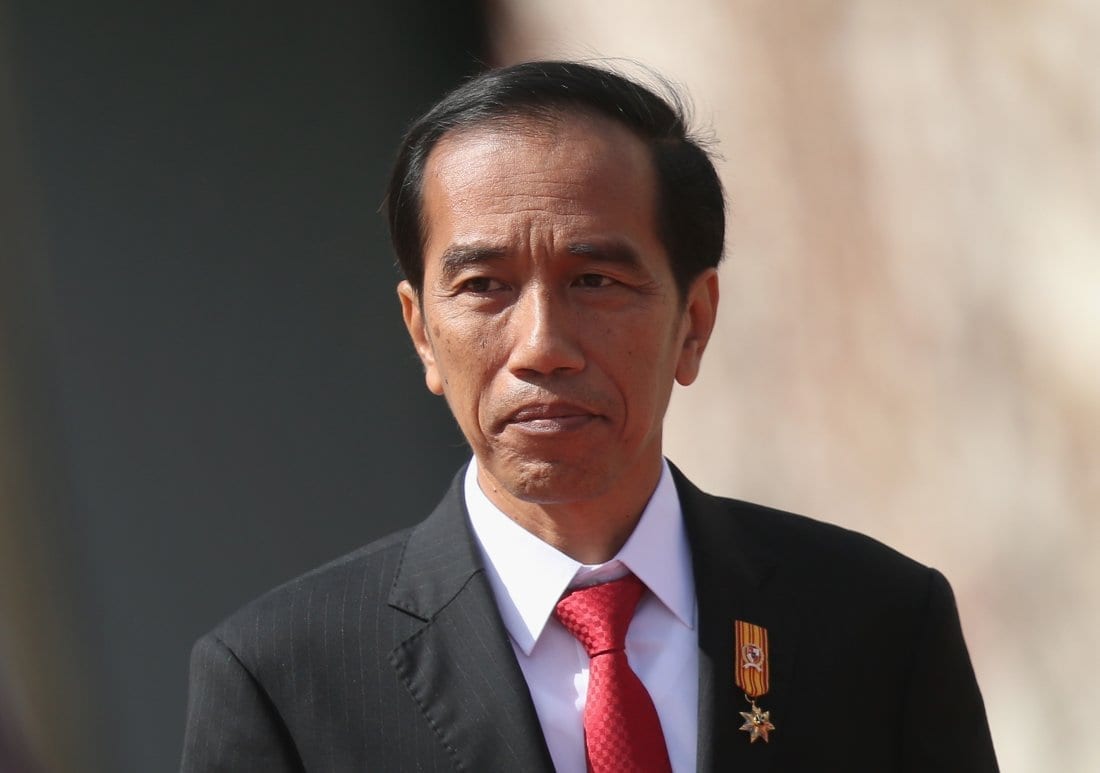
    President Joko Widodo (Jokowi), during a closed-door meeting on Monday, emphasized the need for improving transportation services between the islands of Sumatra and Java by operating better ferries.

    “We are concerned about the operation of the toll road from Lampung Province to Palembang, which leads to vehicle queues in Merak-Bakauheni crossing lane,” the Lampung Governor M Ridho Ficardo stated here on Monday.

    Jokowi and Vice President M. Jusuf Kalla (Jokowi), along with Ricardo and other officials, held a meeting in the Presidents Office to discuss the National Strategic Project and Prioritized Program.

    Ficardo stressed that the transportation authority should deploy several ferries of better quality to improve cargo transportation between Merak and Bakauheni ports that connect Sumatra and Java islands.

    According to Ficardo, the authority should operate ferry trips every hour to transport cargo and passengers.

    He reiterated that the authority can increase the ticket price to provide better services and deploy faster ferries.

    “The improved toll road should be offset by better crossing access. It is fine to increase the price to provide better services,” Ficardo pointed out.

    The meeting also discussed the development of industrial areas in Tanggamus District that builds maritime industry, Mesuji District, and Waypisan District.

    The governor added that the industrial area in Mesuji District could be developed, because the region has a mine of low calorie coals that can supply fuel for power plants.

    The Trans Sumatera toll road has entered the second phase of construction with the development of toll road of 250 kilometers. The government is targeting its completion in 2018.

  • AirAsia India Offers All-Inclusive Tickets

    AirAsia India Offers All-Inclusive Tickets

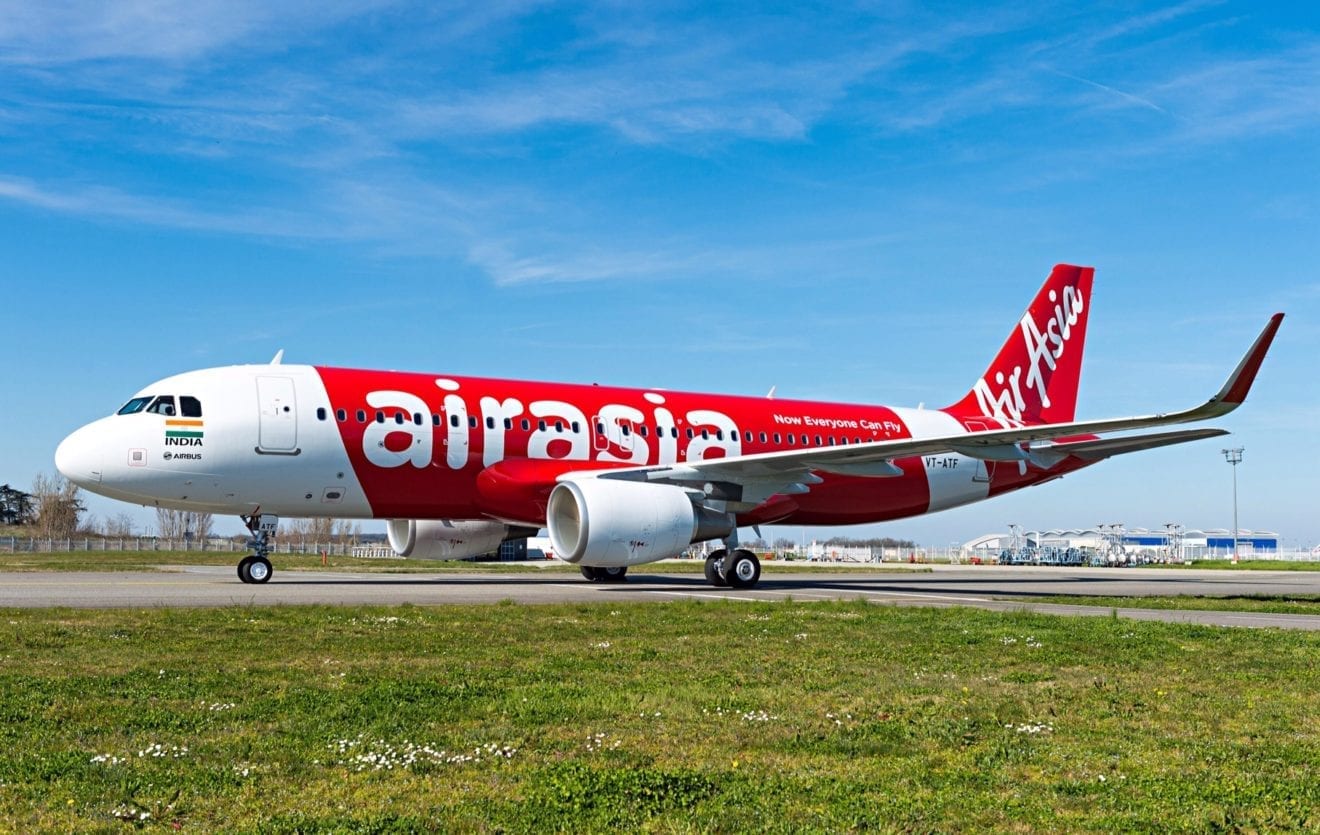
    Ahead of the Holi festival next week, AirAsia India has announced a promotional offer, selling tickets starting Rs. 1,499. Bookings for this AirAsia India offer are open till March 12, 2017, the airline – which is a joint venture between Tata Sons and Malysian carrier AirAsia – said on its website. AirAsia India’s special fares scheme is applicable on travel till June 30, 2017, said the airline, which competes with the likes of Air India, IndiGo, Jet Airways and SpiceJet in the domestic market.

    Under the special all-inclusive tickets programme, aimed at the upcoming Holi festival, tickets between Hyderabad and Bengaluru are being offered from Rs. 1,499 – the lowest under the scheme.

    “Celebrate the festival of colours with your loved ones in #Srinagar, #Pune & other awesome destinations!” AirAsia India said in a tweet.

    Some of the other routes covered under the offer include Imphal-Guwahati from Rs. 1,999, Pune-Jaipur from Rs. 2,999, and Pune-Bengaluru and Visakhapatnam-Bengaluru from Rs. 2,399, as per the AirAsia India website.

    Discounted fares from various airlines have spurred strong growth in air travel market in India. The country’s domestic air passenger traffic zoomed 25.13 per cent to 95.79 lakh last month, data from aviation regulator DGCA (Directorate General of Civil Aviation) showed.

    Rival airlines IndiGo, SpiceJet and Jet Airways had also announced discounted tariffs recently.

    Also, AirAsia India is likely to commence international operations from the second half of next calendar year. “We will have 14 aircraft in the fleet within this year, depending on the business performance. And, we will add another six planes by the middle of the next year. Then we will get to international operations,” its CEO Amar Abrol had said earlier.

  • Bank Indonesia Prepares for Fed Rate Hike

    Bank Indonesia Prepares for Fed Rate Hike

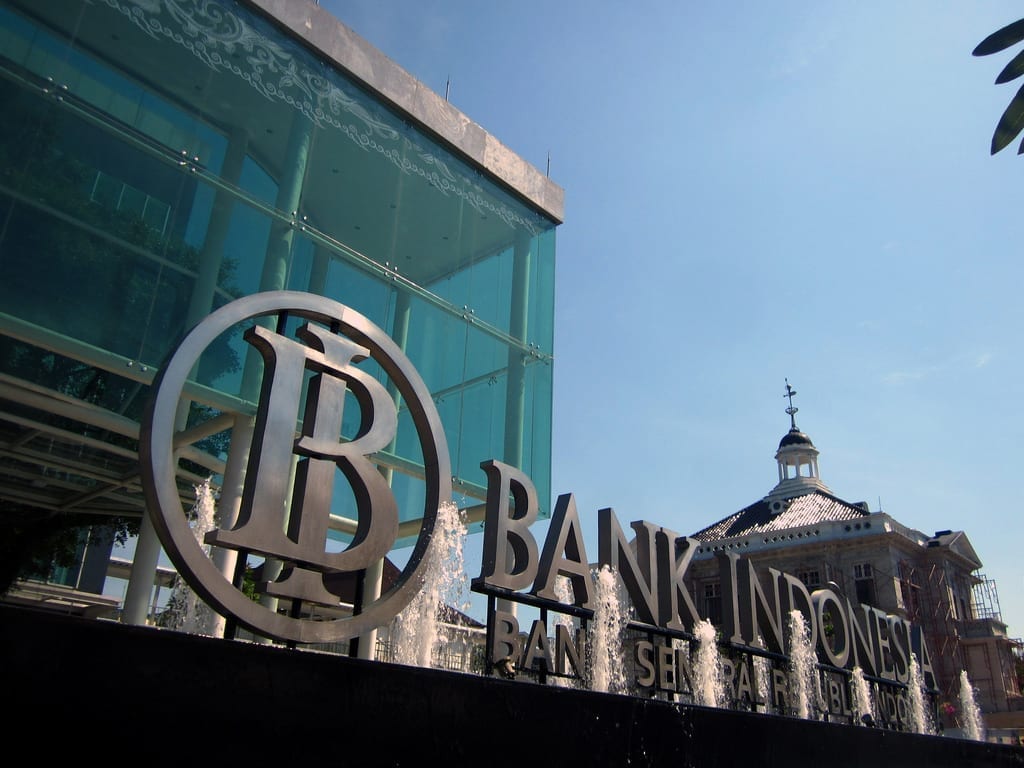
    Bank Indonesia Governor Agus Martowardojo said the central bank is preparing for the impact of Fed Fund Rate (FFR) hike in March. Agus said there were clear signs of a US’ interest rates increase during The Federal Reserves’ monthly meeting in February.

    “The probability is 90 percent, that’s why all market participants are getting ready,” the former finance minister said yesterday.

    Agus said that although a Fed Rate hike will likely be followed by a rupiah correction, the impact will not negatively impact the domestic monetary situations.

    He claimed the country’s economic resilience is quite strong, referring to the sustained economic growth in the range of 5.0 percent. Similarly, inflation has been within a safe range of three to five percent in the last two years.

    Other defensive factors are Indonesia’s healthy balance of payments that goes well in hand with a controlled current account deficit. As of February 2017, the country’s balance of payment was at a surplus of US$4.5 billion. The foreign exchange reserve was around US$116.9 billion.

    Bank Mandiri chief economist Anton Gunawan predicts the Fed Fund Rate will rise three times this year. However, he said there is a tendency that investors will prefer Asian markets rather than return to America’s.

    Anton said the rupiah could still see a fairly stable exchange rate to trade between Rp13,200 and Rp13,400 per US dollar.

    “The hedging liability also serves to reduce pressure on the rupiah,” he said.

  • Indonesia Offers Cooperation With IORA Member States

    Indonesia Offers Cooperation With IORA Member States

    The Indonesian government decided to use the Indian Ocean Rim Association (IORA) Summit as an opportunity to broaden its partnership in the industrial sector by offering several sectors for investment to IORA member states.

    Some of the sectors being offered include the shipping industry and its equipment, seafood processing, automotive components, petro chemical and coal gasification, and downstream agriculture products.

    “The abovemetioned sectors are included in export-oriented labour-intensive industries and import substitution,” said Industrial Minister Airlangga Hartanto on Monday, March 6, 2017.

    The partnership will allow Indonesia to access IORA members states market, which mostly consists of non-traditional markets. “The partnership can be done through a bilateral supply chain cooperation,” Airlangga said.

    Airlangga added that other efforts that need to be done are initiating business matching with IORA member states, and optimizing the role of Indonesian Embassies in promoting the domestic industrial ability and its market potential.

    “Improving partnership as in industrial capacity development training, has been conducted in cooperation with Mozambique and Seychelles at the small and middle-sized industry,” Airlangga said.

    Airlangga asserted IORA member states present highly prospective economic potential, including its large market of 2.7 billion population, and the fact that around 70 percent of the world’s trade passes through the region.

    The IORA also stores 55 percent of the global oil reserve and 40 percent of the global gas reserve. IORA member states also produce on-third of the world’s total tuna production.

  • Fluff Bakery taking cupcakes international

    Fluff Bakery taking cupcakes international

    Four years after opening cupcake shop Fluff Bakery, a Singapore couple plans to launch franchises in Indonesia and Malaysia.

    Ashraf Alami and Nursyazanna Syaira Mohammad Suhimi left their jobs to set up in a shophouse four years ago, and from 600 cupcakes a day they now sell double that.

    Their venture has been highlighted in Parliament by Minister for Trade and Industry S Iswaran when talking about bright spots in Asean countries and the potential for small businesses in the region.

    “A rising middle class has created demand in sectors such as retail and food and beverage,” he said. “The digital economy also presents unprecedented opportunities for companies – no matter how small – to reach out.”

    Fluff Bakery’s social-media presence has found fans as far away as Malaysia, where it has launched some pop-up stores. The first saw all 500 cupcakes snapped up in 30 minutes, and the second time around they sold 1000 cupcakes in about an hour.

    Ashraf says they hope to open a store in Kuala Lumpur in May.

    Meanwhile, it its latest budget Singapore’s government has pegged S$600 million (US$424.5 million) to establish an international partnership fund to help Singapore firms scale up and internationalise.

    “As an SME, expanding overseas is very daunting, because you don’t have many resources,” says Ashraf. “Any assistance or guidance – financial, networking – is more than welcome.”

  • Bangkok home to Asia’s first Playboy Cafe

    Bangkok home to Asia’s first Playboy Cafe

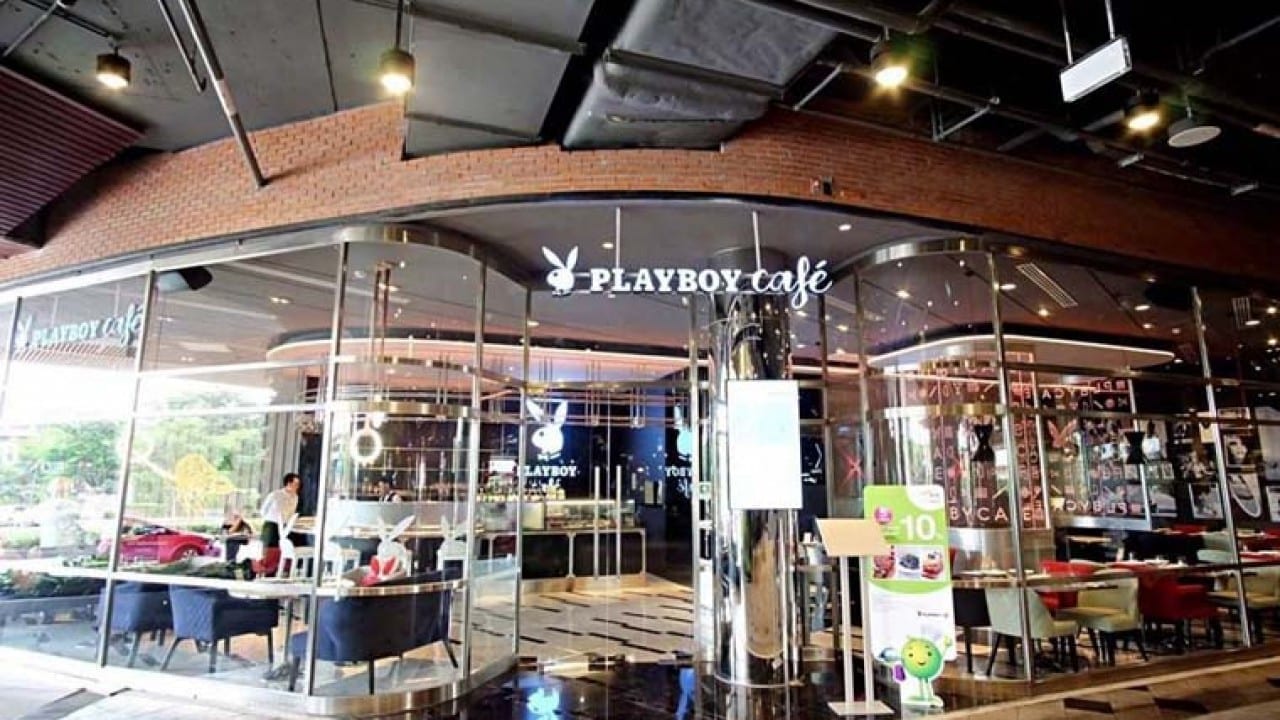
    Lam Yook Millenium Millennium (2002), the distributor of Playboy clothing in Thailand, has opened the first Playboy Cafe in Asia.

    It is in the Central Festival EastVille complex in Bangkok, with a second cafe scheduled to open in Central Marina Pattaya next month.

    Playboy cafe 1

    A budget of Bt30 million (US$856,000) has been earmarked for the opening of about 30 Playboy Cafes across Thailand within five years.

    Flying in from the US to preside over the opening, Playboy heir/chief creative officer Cooper Hefner says about 3000 Playboy outlets sell fashion accessories and clothes in such markets as China, India and Taiwan.

    She says Lam Yook has beenwith Playboy for more than 15 years in Thailand. It is the first company in Asia to gain a licence to run a Playboy Cafe.

    Lam Yook COO Pornpat Wangworawong says his company outlined its plans last year after setting up Playboy outlets in five department stores in Thailand. It plans to open a Playboy outlet at Central Plaza Korat this year and is introducing a business line to mark the Year of the Rooster. A Thai website will be launched in June.

    Playboy cafe 2

    “Before opening the cafe, we ran a market survey and learned that Thais like hanging out with friends and eating,” says Pornpat. Playboy Cafe’s signature item is the Bunny Burger.

    Covering 158 sqm in Central Festival EastVille, the cafe has capacity for 70 customers.

    Sales of the brand in Thailand have risen 30 per cent on average over the past few years, but last year’s growth was only 10 to 15 per cent because the global slowdown affecting the garment industry. To counteract this, the company plans to renovate its standalone shops and turn the outlets in department stores into unisex models.

  • Many businesses stop advertising on YouTube

    Many businesses stop advertising on YouTube

    Some major brands in Việt Nam had to stop advertising on the world’s largest online video site, YouTube, when these brands’ advertisements were linked to clips containing poor content.

    According to information from the Authority of Broadcasting and Electronic Information under the Ministry of Information and Communications, the authority received official dispatches from Vietnam Airlines, Mead Johnson Nutrition Việt Nam and Vinamilk explaining an incident in which their brands appeared in clips with pornographic, slanderous or anti-government content on YouTube.

    At the same time, businesses have also confirmed that they stopped advertising on the online video site.

    A Vinamilk’s representative told media that the company signed a co-operation contract with WPP Media Company Limited (Mediacom) to promote the brand to consumers through mass media.

    According to a commitment between the two parties, Mediacom has to conduct communication services in compliance with Vietnamese laws, as well as take responsibility in monitoring and reporting for Vinamilk, if there are problems affecting its images and reputation.

    After receiving the dispatch from the Authority of Broadcasting and Electronic Information regarding the incident, Vinamilk asked Mediacom to coordinate with YouTube to remove advertisements on clips with unwanted content, at the same time, suspending all advertisement plans on YouTube until the media partner and the site send reports to Vinamilk to find solutions for the problem.

    Earlier, the Authority of Broadcasting and Electronic Information sent dispatches to several large enterprises in Việt Nam asking for reports about these brands or their products appearing in clips with improper contents posted on YouTube.

    The authority found 17 clips with advertising inserted into videos on YouTube that had contents violating the country’s law.

    Additionally, the Ministry of Information and Communications has coordinated with the Ministry of Culture, Sports and Tourism to decide upon a fine for YouTube for not obeying the regulations on advertising for cross-border advertising activities on websites in Việt Nam.

    The ministry also invited YouTube and Google representatives to cooperate in resolving these violations.

  • GreyOrange and Ninja Van partner on advanced sortation system for last-mile delivery

    GreyOrange and Ninja Van partner on advanced sortation system for last-mile delivery

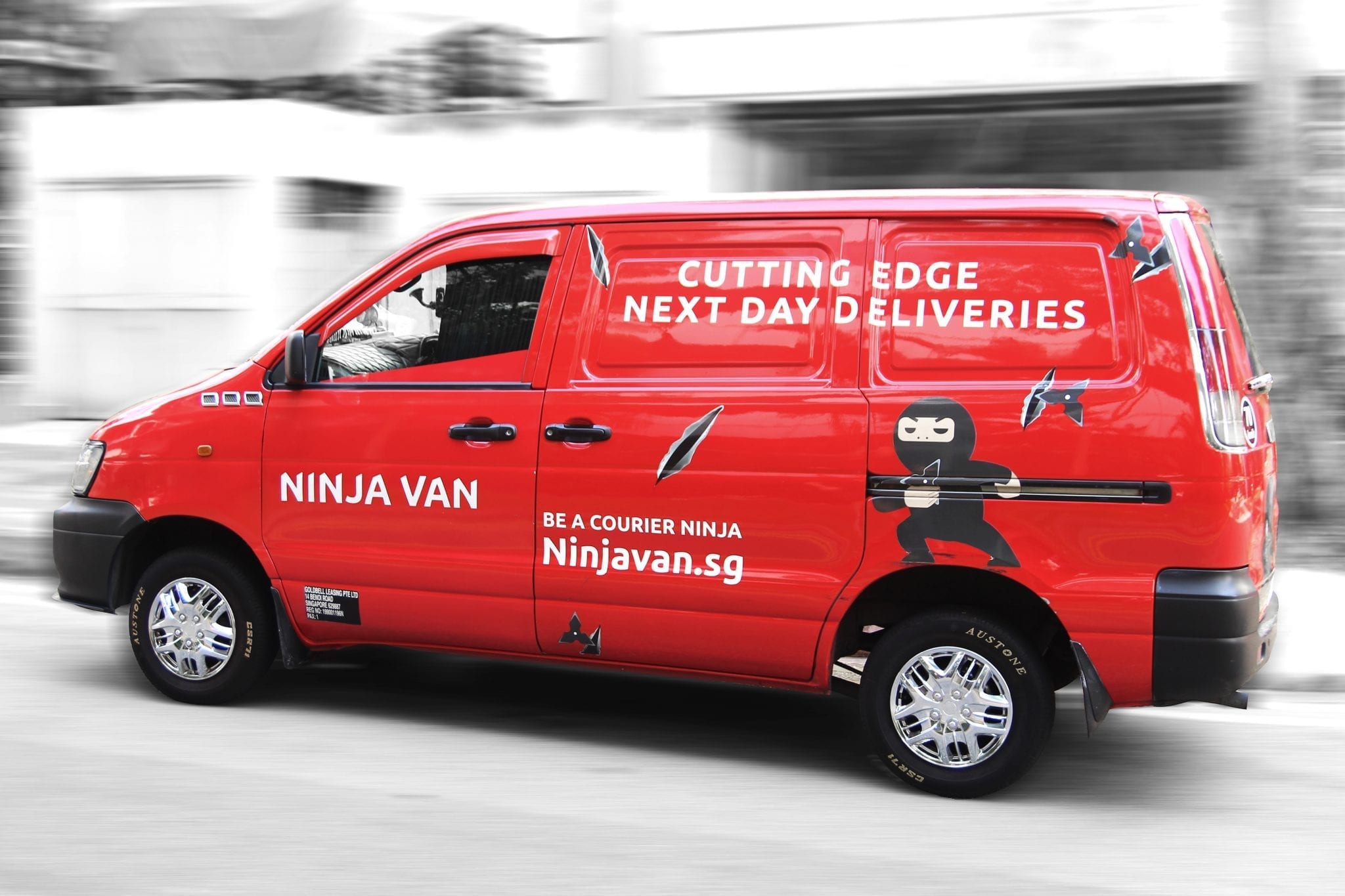
    GreyOrange and Ninja Van have announced the commission of their first high-speed advanced Sortation System capable of handling 6000 parcels an hour at the Singapore hub of Ninja Van, Southeast Asia’s fastest growing last-mile logistics company. Recognised as one of the world’s Top 50 Robotics Companies by Robotics Business Review, GreyOrange, headquartered in Singapore, specialises in the design, manufacture and deployment of advanced robotics and automation systems for distribution and fulfilment centres.

    Nalin Advani, CEO, GreyOrange Asia-Pacific said, “The Linear Sorter has been tried and tested by many of Asia’s leading e-commerce and logistics companies and we are proud to welcome Ninja Van to this family. Both our companies share a similar history in recent years operating in a fast-paced logistics industry that has seen explosive growth in e-commerce and last mile delivery. We know what Ninja Van wants and are looking forward to installing the complete system within the next weeks.”

    Tan Bo Xian, co-founder and COO, Ninja Van Southeast Asia said, “At Ninja Van, technology is always at the heart of everything we do, and we are always looking to optimise and automate processes to improve efficiencies. We have been studying a solution such as this since our early days, and are happy to have grown to the point where our volumes well justify the investment. The GreyOrange Sortation system allows us to operate round the clock with a much leaner team of staff, reducing labour costs significantly. We are also pleased that the line is very compact, optimising space utilisation while increasing productivity.”

    The proprietary embedded system of the GreyOrange Linear Sorter combines advanced software and two lines of high-speed sortation conveyors capable of sorting thousands of parcels in various shapes and sizes including polybags, plus irregular and fragile packages. The system starts at the Auto-spacer where sensors determine how the parcels are spread to ensure gaps between the parcels are even. Each parcel is then identified by 1D or 2D barcodes where both its gross and volumetric weights are automatically recorded, before it quickly moves along the high-speed conveyor which sorts the parcels according to dispatch time, destination and other parameters as determined at different times of the day, including service levels such as same-day and next-day delivery.

  • Indonesia Dominates Global Retail Coffee Market

    Indonesia Dominates Global Retail Coffee Market

    Indonesia increases its dominance over the global retail coffee market with an average sales growth of 19.6 percent each year throughout the last five years, followed by India (15.1 percent average growth) and Vietnam (14.9 percent average growth in second and third position, respectively.

    The data gathered by Mintel also revealed that the growth of the global retail coffee market in 2016 had reached 2.7 percent from the previous 2.5 percent in 2015. Meanwhile, Asia continues to dominate the fastest growth in the global coffee market.

    According to the data, the slowest growth in the global coffee market throughout 2011-2016 is recorded by Finland with a -3.7 percent average growth, followed by Australia with a 0 percent growth, Poland with a 0.1 percent growth, Dutch with a 0.5 percent growth, and Belgium with a 0.5 percent growth.

    Mintel’s Global Drinks Analyst Jonny Forsyth, stated that Asia’s coffee market is increasingly growing following the high level of innovations in various processed coffee products in the region. Throughout the same period, the number of newly introduced coffee products in Asia grows by 95 percent.

    In comparison, the number of new tea products introduced in Asia in the same period only grew by 55 percent. Jonny asserted that the numbers showed that the majority of Asian citizens have shifted from the tradition of consuming tea to coffee.

    “In 2016, there was a drastic increase in the number of new coffee products that rivals the previously booming tea product in Asia. It is true tea drinking tradition has been the main obstacle for Asia’s coffee products. But, currently there are many tea-coffee hybrid products that have been introduced in order to solve the problem,” Jonny explained.

  • Peugeot poised to buy GM’s Opel, creating a car giant

    Peugeot poised to buy GM’s Opel, creating a car giant

    France’s PSA Group is set to announce a deal to buy Opel from General Motors (GM.N) on Monday after striking an agreement with the U.S. carmaker and winning the blessing of its board for the acquisition.

    The maker of Peugeot, Citroen and DS cars said on Saturday it would hold an early Monday press conference with GM, at which the transaction is expected to be presented after Reuters reported that a deal had been struck between the two automakers.

    By acquiring Opel, the French group will leapfrog rival Renault (RENA.PA) to become Europe’s second-ranked carmaker after Volkswagen (VOWG_p.DE) by market share. Between them, PSA and GM Europe recorded 71.6 billion euros ($76 billion) in revenue and 4.3 million vehicle deliveries last year.

    The tie-up was approved on Friday by the PSA supervisory board, on which the French government, Peugeot family and China’s Dongfeng (0489.HK) are represented as shareholders, one source with knowledge of the matter said.

    Spokespeople for PSA and Opel declined further comment.

    The two carmakers, which already share some production in an existing European alliance, confirmed last month they were negotiating an outright acquisition of Opel and its British Vauxhall brand by Paris-based PSA, sparking widespread concern over possible job cuts.

    In their jointly issued invitation to a Paris press conference at 0815 GMT on Monday, PSA and GM gave no indication of its subject. Separate briefings for the German press and Opel unions are expected to be held the same day.

    Sources close to the talks had reported progress on Thursday after the carmakers narrowed differences on a near-$10 billion Opel pension deficit and other issues. GM’s European arm recently posted a 16th consecutive year of losses.

    The negotiations had encountered problems over GM demands that a PSA-owned Opel be barred from competing against its own Chevrolet lineup in markets including China, they said.

    But the “non-compete” issues were finally resolved as GM agreed to inject “substantially more” into the pensions than the $1 billion to $2 billion it had initially offered, another person said. The sources declined to give further details. Detroit-based GM, which came close to selling Opel to Magna (MG.TO) in 2009, has faced investor pressure to offload its struggling European arm and focus on raising profitability rather than chase the global sales crown currently held by VW.

    After fending off 2015 merger overtures by Fiat Chrysler with support from her board, GM Chief Executive Mary Barra agreed to target a 20 percent minimum return on invested capital and pay out more cash to shareholders.

    For PSA, the Opel deal caps a stellar two-year recovery under cost-cutting CEO Carlos Tavares, who said on Feb. 23 he would apply the same methods to Opel if the deal went through. PSA averted bankruptcy by selling 14 percent stakes to France and Dongfeng in 2014, to match a diluted Peugeot family holding.

    The acquisition offered an “opportunity to create a European car champion” and quickly exceed 5 million annual vehicle sales, Tavares told analysts as he presented full-year earnings. PSA also expects savings of up to 2 billion euros ($2.1 billion) from the tie-up, sources have said.

    Tavares also told his board that PSA would redevelop the Opel lineup with its own technologies to achieve rapid savings, according to people with knowledge of the matter.
  • Cebu Pacific receives new airplane

    Cebu Pacific receives new airplane

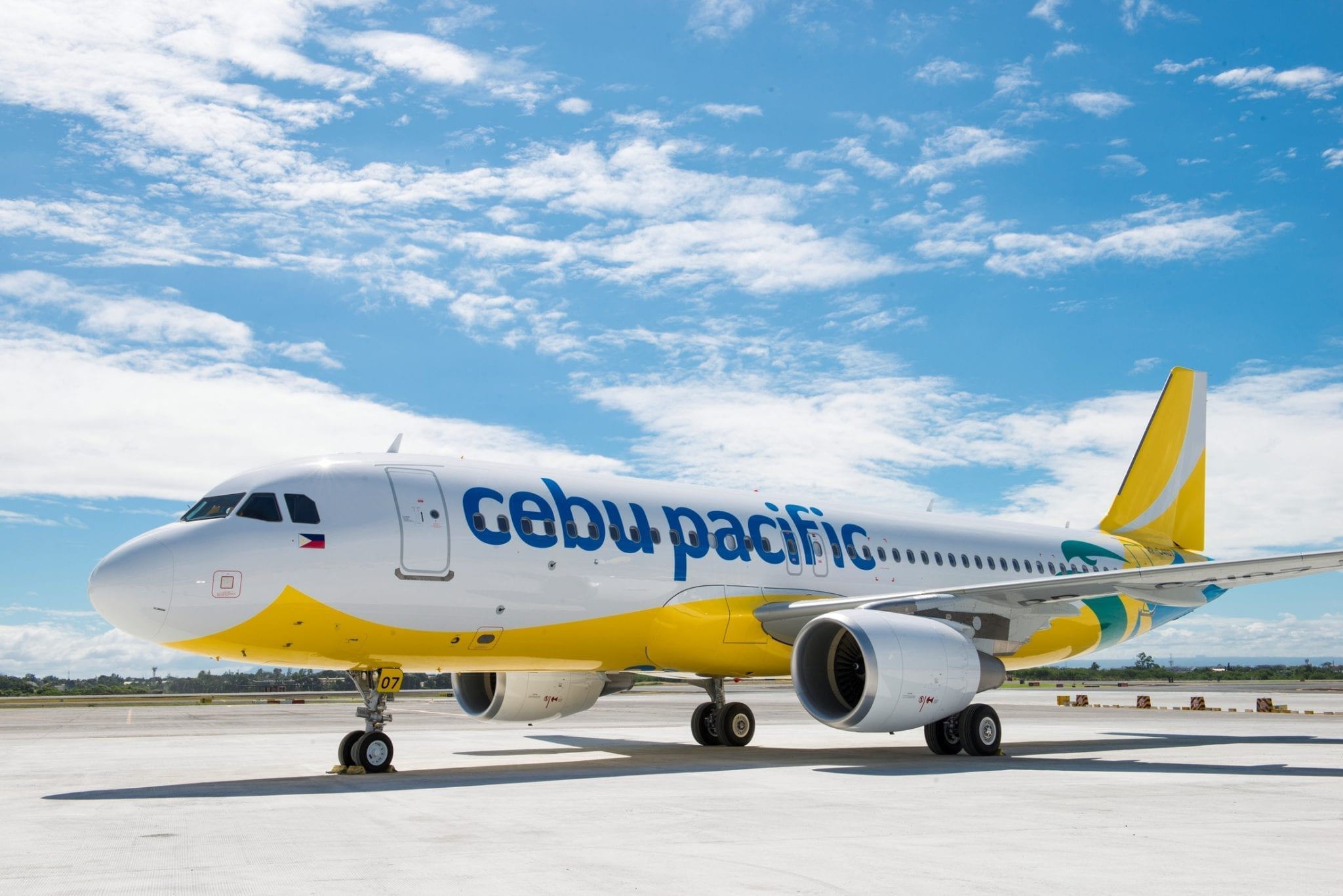
    In a statement released on Friday, Cebu Pacific said it took delivery of a new ATR 72-600 on Feb. 28, bringing the budget carrier’s current fleet to 59 planes. It was the fourth of the 16 firm orders Cebu Pacific made last year.

    The arrival of the new ATR 72-600 will serve wholly owned unit Cebgo’s new flights from Cagayan de Oro to Tagbilaran and Bacolod starting on March 15.

    “We are eager to receive this year another addition to our ATR fleet, supporting our expansion plans in the archipelago,” Cebgo President and CEO Alexander G. Lao was quoted in the statement as saying.

    Between 2017 and 2021, Cebu Pacific expects the delivery of one more brand-new Airbus A330, 32 Airbus A321neo, and 12 ATR 72-600 aircraft.

    Listed Cebu Air, Inc., which operates Cebu Pacific, offers flights to 37 domestic and 29 international destinations.

    Shares in Cebu Air fell by P1.95 or 2.10% to close at P90.95 each on Friday.

  • Kerry Logistics supports fast fashion label Missguided’s global expansion

    Kerry Logistics supports fast fashion label Missguided’s global expansion

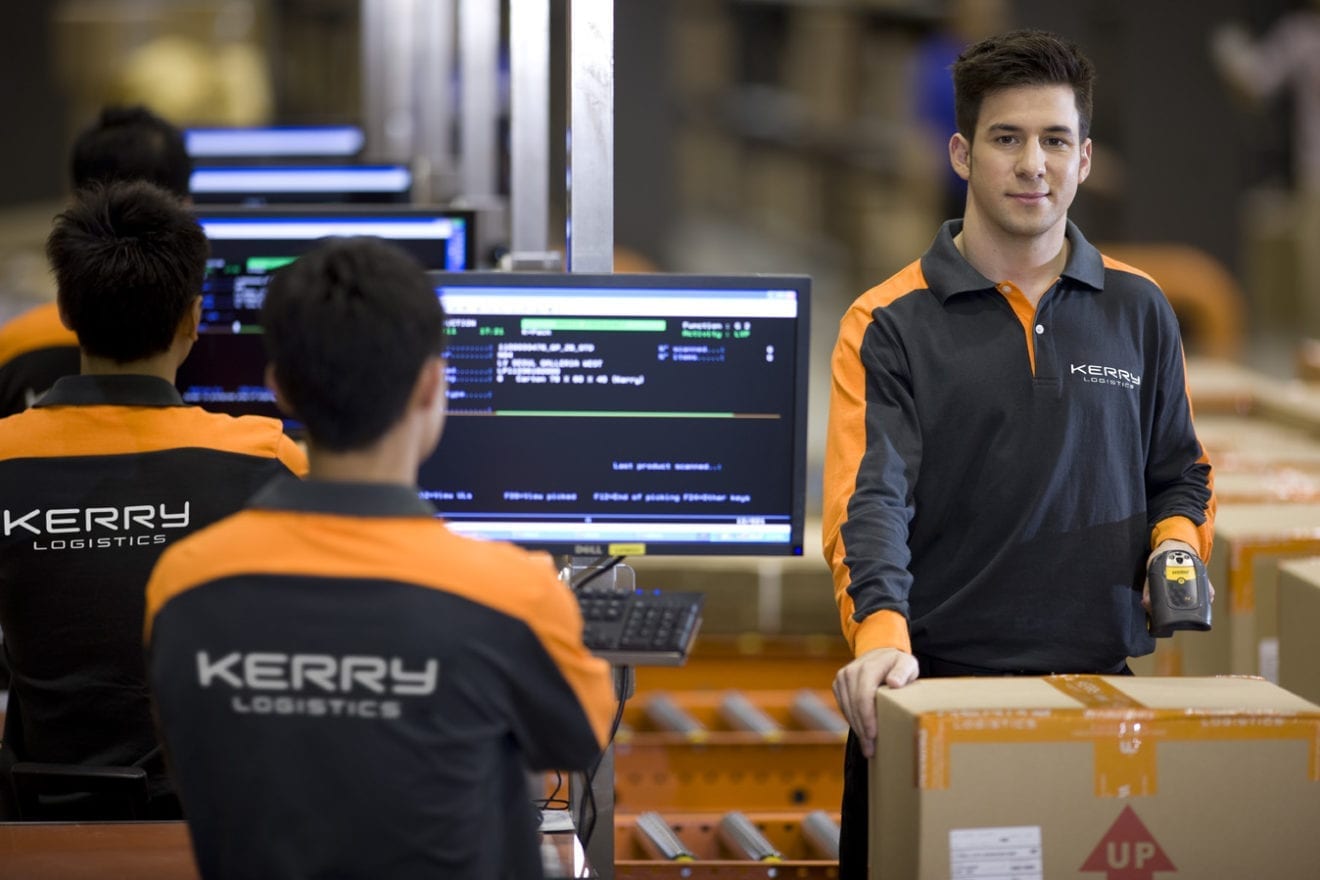
    Multi-channel fast fashion retailer Missguided is working with Kerry Logistics Network Limited, Asia’s leading logistics service provider, as supply chain partner to support its ongoing global growth.

    Kerry Logistics will handle all international air and ocean needs for the UK-based retailer, as well as providing a wide range of value-added services and on-the-ground logistics support through its extensive network across the Greater China region and Asia.

    Missguided will make use of Kerry Logistics’ Virtual Buying Office (VBO), a web-platform with supply chain and planning functions designed to provide visibility from Purchase Order (PO) creation through to final delivery, addressing inventory risk whilst further enhancing overall efficiency of its operations.

    “It is fundamental to our business strategy that we have a global logistics partner that has the flexibility to react quickly to our demands no matter where the consignment is coming from or going to,” said Brett Young, operations director of Missguided.

    “Our customers receive market leading options together with a high level of service for a very reasonable price, therefore the initial stock movements are imperative to our overall customer experience.”

    “By using proven, forward thinking partners such as Kerry Logistics, we are able to build on new initiatives, continually improve our customer experience, and in turn support our aggressive growth strategy,” added Young.

    “We are delighted to be working with one of the UK’s fastest growing and innovative brands. Seamless transparency will be fundamental in managing the fast-moving supply chain for Missguided. Our VBO is a highly functional supply chain management tool linking together all supply chain partners into one global system, optimising information flow and efficiency, and thus minimising risks along the supply chain,” said Emma Rowlands, sales director of Kerry Logistics (UK).

    “Our strengths in Asia, combined with the recent acquisition of Apex Maritime and its affiliated companies in the US, will enable a strong platform to manage the client’s strategic growth and expansion across the globe,” added Rowlands.

    Missguided opened its first physical retail space in Westfield, Stratford City, London, in November 2016, and its second, in Bluewater, Kent, is due to open in summer 2017.