Tag: asia

  • Singtel working with Ericsson to build shared IoT ecosystem

    Singtel working with Ericsson to build shared IoT ecosystem

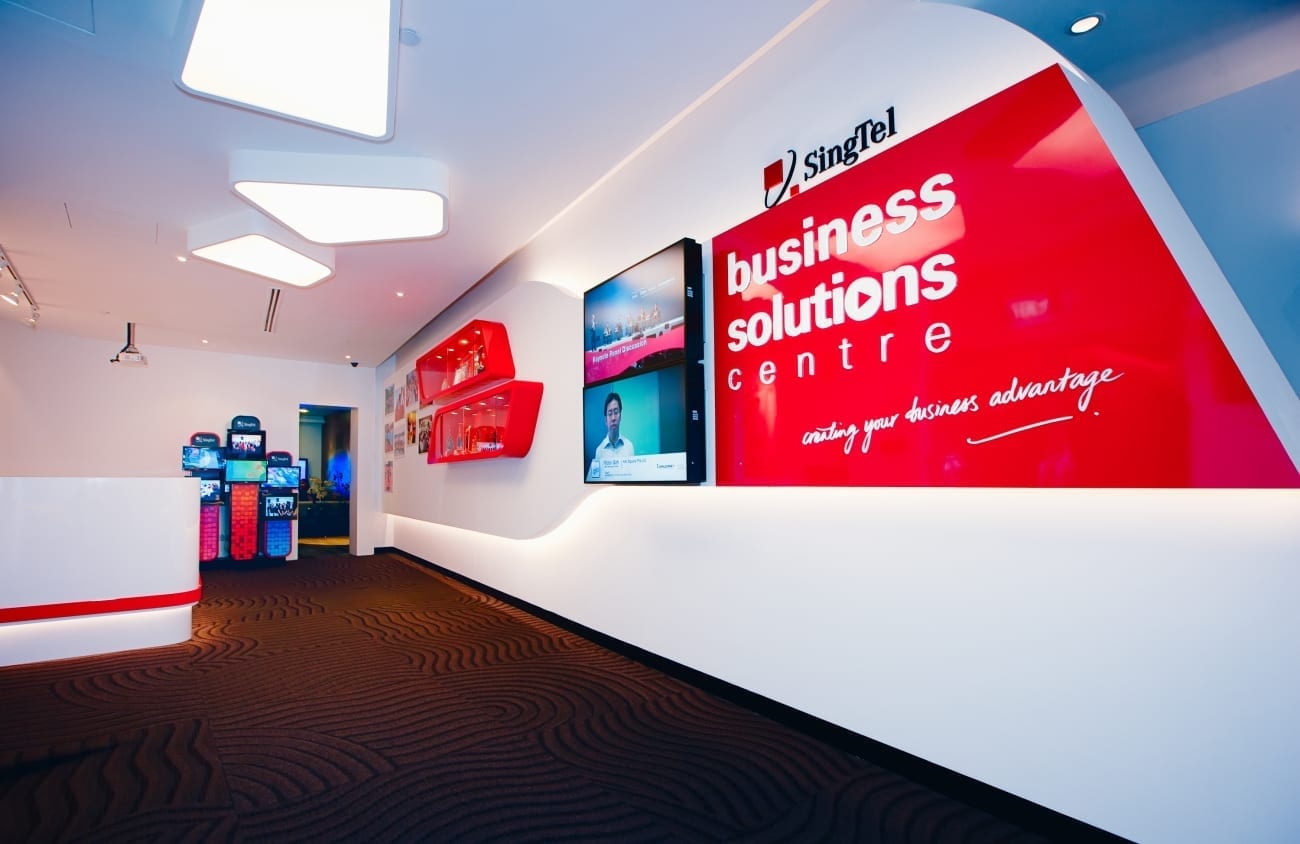
    Singtel and Ericsson are using Mobile World Congress 2017 in Barcelona to conduct a joint demonstration of their Assured+ integrated IoT platform.

    The companies are working to co-create a shared IoT ecosystem for operators, networks and devices.

    The jointly-developed Assured+ will support IoT applications including elder care, connected cars and other IoT applications focused on providing connected life management for consumers.

    It aims to address industry challenges associated with a fragmented IoT market, whereby most devices developed today are place-centric and closed.

    “In order to realise the full potential of IoT and offer our customers the best user experience, we need to ensure collaboration between people, devices and networks,” SingTel CEO consumer Singapore Yuen Kuan Moon said.

    “Singtel believes an open ecosystem and the Assured+ solution will enable us to achieve these aims. By integrating standalone applications into one solution, Assured+ will bring convenience to our customers and also pave the way for more IoT solutions, such as smart home, to be launched in a seamless manner.”

    Ericsson has projected in its latest Mobility Report that there will be 18 billion IoT related devices by 2022.

    US operator AT&T has separately forged a long term agreement with members of the Bridge Alliance mobile operator group aimed at extending connected car initiatives into new territories.

    The two organizations will work to grow the number of connected cars on the road in territories covered by Bridge Alliance members, which spans the Asia-Pacific and MEA regions.

    The agreement sets forth a framework to extend the geographic coverage AT&T will be able to provide to automotive manufacturers for their infotainment and other offerings.

    Bridge Alliance members will meanwhile be able to access solutions like Wi-Fi hotspots, internet radio and live traffic for car makers to implement.

    “Our collaboration with AT&T is based on the alignment and integration of processes,

    platforms and propositions. This presents exciting possibilities for the automotive industry,

    helping to accelerate the delivery of cutting-edge connected car solutions in our markets,” Bridge Alliance CEO Eileen Tan said.
  • Singapore Airlines lifts KrisFlyer award rates

    Singapore Airlines lifts KrisFlyer award rates

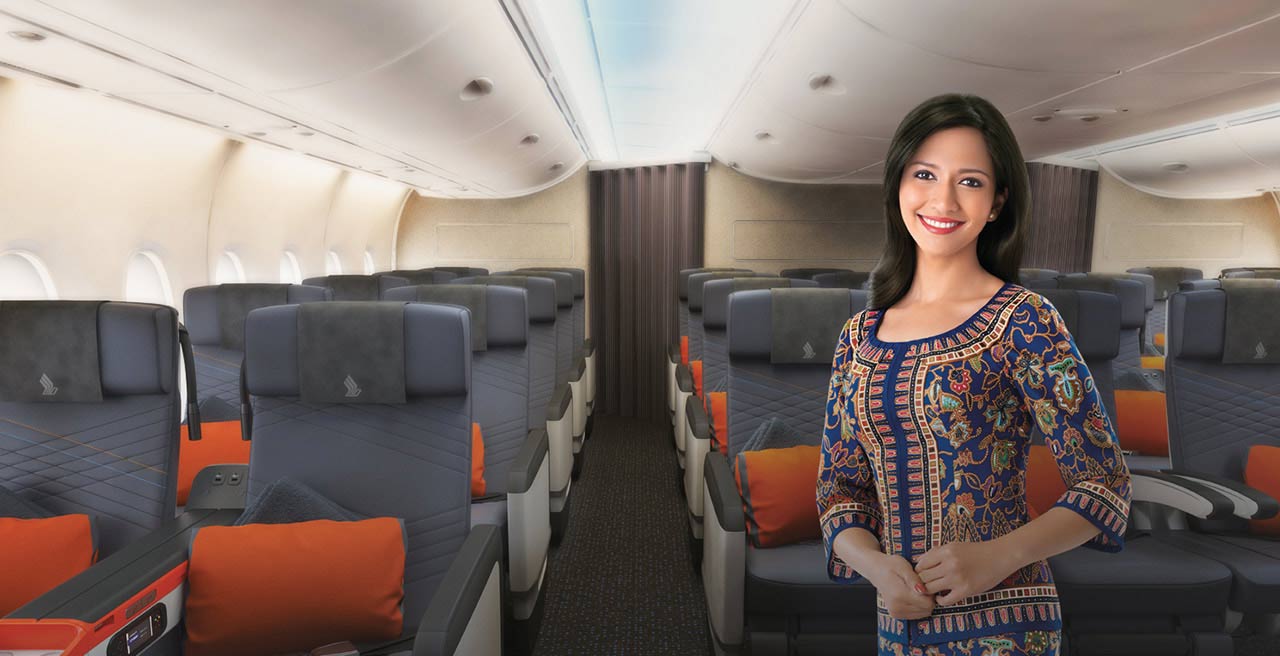
    Turning your Singapore Airlines KrisFlyer miles into a business class seat and first class suite will require more miles from this month, with the Singaporean flag-carrier boosting the cost of Saver-category award flights out of Australia.

    The 15% discount for making your frequent flyer redemption booking online rather than over the phone has also been axed.

    However, fuel and insurance surcharges will no longer be added to KrisFlyer award bookings.

    The changes kick in on March 23, 2017, although miles-based award bookings made and ticketed before March 23 will escape the hike.

    There’s no change to the Standard award rates for flights from Australia to Singapore or Europe – but if you’re looking to snare a cheaper Saver award flight, here’s the uplift.

    Who’ll pay more, and how much…

    Business class flights between Australia (excluding Perth and Darwin) and Singapore bump from 55,000 KrisFlyer miles to 58,000 miles, with first class and A380 suites bookings nudging from 75,000 miles to 80,000 miles.

    Economy Saver awards rise from 25,000 miles to 28,000 miles, with no change in the number of KrisFlyer miles needed for a premium economy booking.

    No change either for flyers from Perth or Darwin, whose redemption rates remain the same if they’re headed to Singapore.

    Going all the way to the UK or Europe?

    First class and Suites awards from Australia (excluding Perth and Darwin) and Singapore go from 132,500 KrisFlyer miles to 148,000 miles; business class rates are up from 95,000 miles to 105,000 miles; and economy from 47,500 miles to 53,000 miles.

    Perth and Darwin don’t escape that increase, with a business class bump from 85,000 KrisFlyer miles to 95,000 miles, and economy up from 40,000 miles to 43,000 miles.

    The changes are part of a broader overhaul of SQ’s fare structure which will also see fuel and insurance surcharges progressively folded into base fares from late March through to May 2017.

    You’ll find more information on the Singapore Airlines website here, where you can also download the current and new KrisFlyer Award charts.

  • @Cosme hitting debut in Taiwan

    @Cosme hitting debut in Taiwan

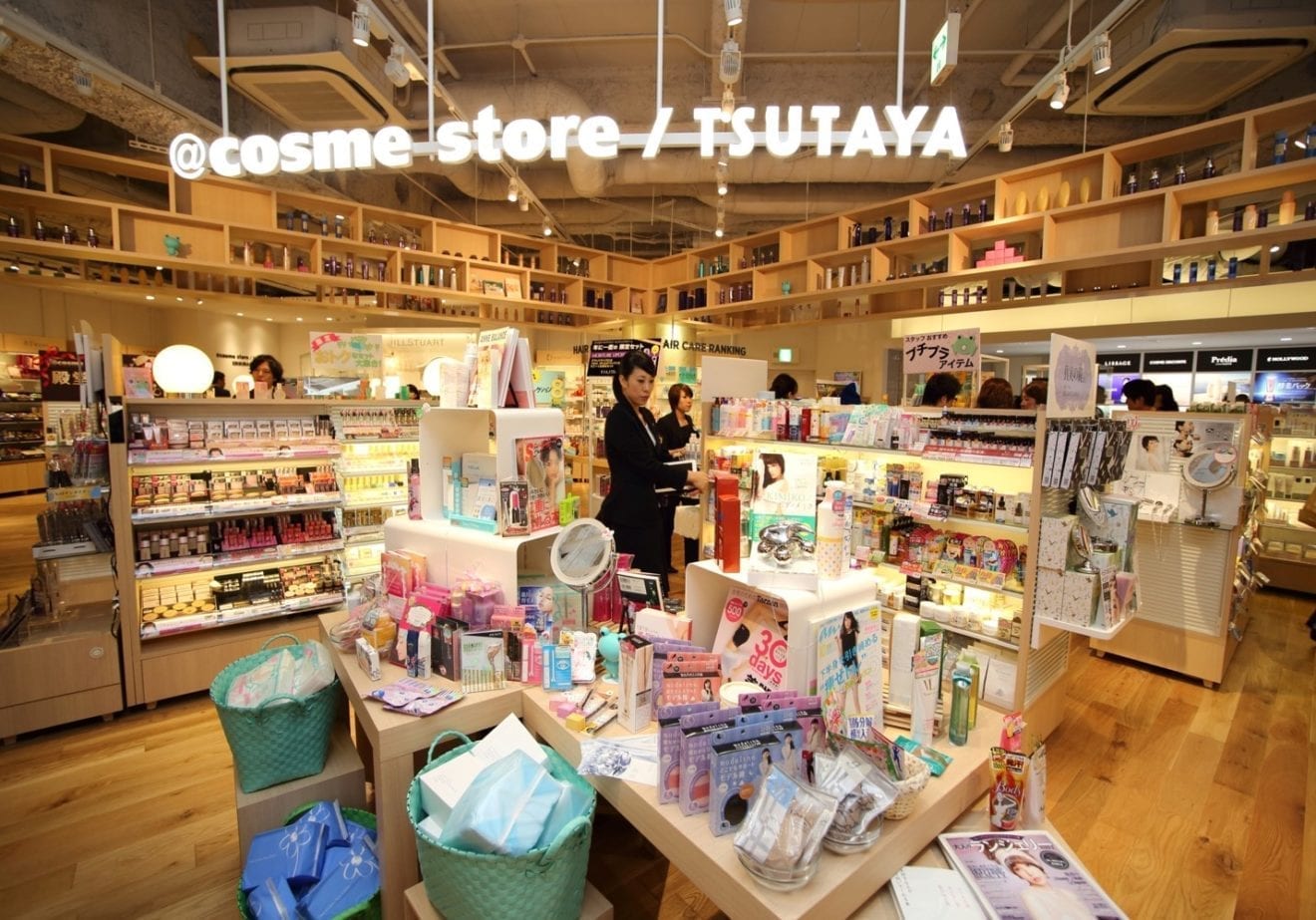
    Japanese online cosmetic store @Cosme is to open a brick-and-mortar store in Taiwan in May.

    It is the spearhead of a plan by its owner, Istyle, to open stores across Asia.

    Istyle began opening @cosme stores in Japan in 2007, bringing together drugstore and specialty store brands. The chain grew from a website that gained popularity by word of mouth, the stores making it easy for customers to find products that rank high on the site.

    However, Istyle’s business plan for the rest of Asia will follow the exact opposite path of its success in Japan: it will first open stores, then launch websites in the native language.

    “We will establish a foothold in foreign markets by first opening stores,” says Istyle president Tetsuro Yoshimatsu.

    The company plans to add three or more stores in Taiwan and Hong Kong this year.

    So far, most of Istyle’s overseas business dealings have been focussed on wholesaling cosmetics and crossborder e-commerce in China.

  • SM Simply Shoes plans 100 stores

    SM Simply Shoes plans 100 stores

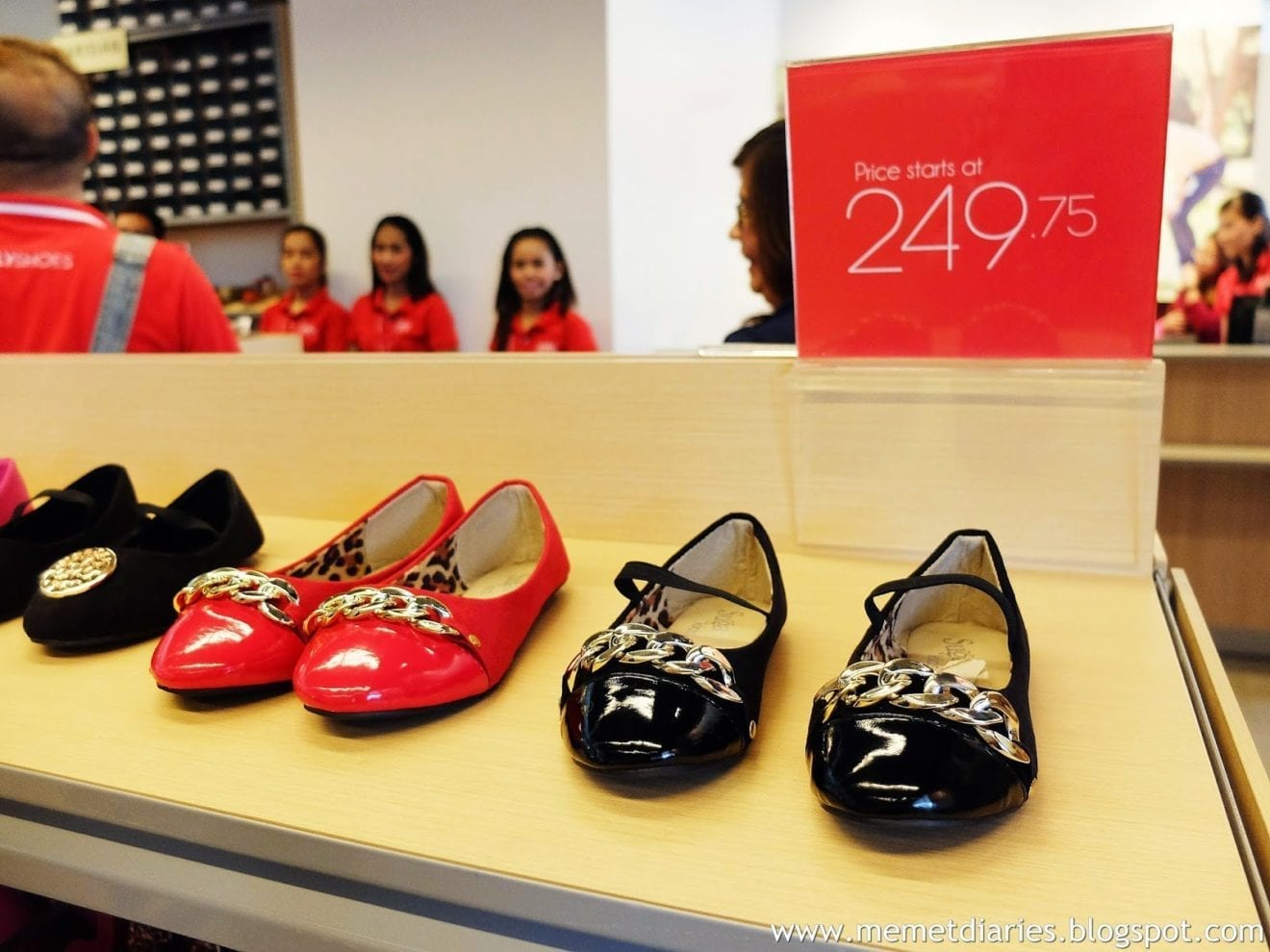
    Retail chain SM will help its footwear affiliate SM Simply Shoes reach a total of 100 stores across the Philippines by the end of next year.

    SM Simply Shoes has 24 outlets since opening in September 2014, and aims to reach its 60th store by the end of this year, says SM assistant VP Elizabeth Nathalia Tinio.

    She says the shoe store targets emerging cities and towns while the main SM malls serve the metropolitan cities and sell more expensive branded footwear.

    SM has also set a target to reach 75 stores by next year.

    Four Simply Shoes stores have opened already this year, in Kabankalan and Victorias in Negros, in Boracay in Aklan, and, this week, in the new CityMall in Tagum, Davao del Norte. It plans more stores in Bulua, Cagayan de Oro City, inside MinPro Mall in Zamboanga, inside CityMall in Dipolog City, in Lam-an, Ozamis City, and in Surigao City.

    Simply Shoes offers affordable shoes and bags and carries 20 brands including SM’s Parisian brand and Solemate.
    “The shoe industry in the Philippines is growing by 5 to 10 per cent every year,” says Tinio.

    Simply Shoes’ stock comes from suppliers in China as well as from Filipino shoe manufacturers in Marikina.

  • Sales soar for major Korean retailers

    Sales soar for major Korean retailers

    Major South Korean retailers saw their sales soar in January from a year earlier, driven by convenience stores and supermarket chains, government data shows.

    Combined sales for department stores, large outlets and online malls gained 8.3 per cent for the month, snapping a slide for three straight months, according to figures from the Ministry of Trade, Industry and Energy.

    Brisk sales and particularly soaring demand during the Lunar New Year holiday in late January helped boost sales, says the ministry.

    Sales by convenience stores surged 15.5 per cent year-on-year, followed by those of supermarkets with an 11.3 per cent gain. Department stores saw their sales rise 4.6 per cent.

    More “lone diners” – people who prefer to live and eat alone – has in part fuelled sales of prepared meals at convenience stores and frozen dishes at supermarkets, says the ministry.

    Convenience stores saw sales of instant meals, such as microwavable lunch boxes, hike 35.1 per cent, while the number of such stores grew by 13.3 per cent in the same period.

    Food sales by supermarket chains also helped boost growth with an 18.5 per cent gain.

    In contrast, online social commerce sites saw their sales inch down 0.1 per cent in January, largely because of increased marketing costs amid fierce competition. Online retailers overall saw their combined sales edge up 6 per cent for the month.

  • Lotte plans second Hanoi mall

    Lotte plans second Hanoi mall

    South Korean conglomerate Lotte is to build a second Hanoi mall.

    It will be in a 200,000 sqm complex near West Lake in the Vietnamese capital, The Korea Heraldreports.

    Included in the mall will be a department store, supermarket and a cinema, all to be directly run by Lotte affiliates.

    Construction is set to start within the next couple of months for completion in 2020.

    It has been reported that the project, previously known as Ciputra Ha Noi Mall and owned by the Citra West Lake City Development Company, was acquired by Lotte this year.

    Started in 2007 with an estimated investment of US$2 billion, the project has been stalled for various reasons.

    The total investment capital of the new Lotte project is expected to reach nearly $300 million.

    The Lotte Group invested $400 million in the 65-storey Lotte Center Ha Noi mall, currently the second-tallest building in the city.

    The Korean giant plans to expand its retail network in Vietnam through mergers and acquisitions, and plans 60 shopping malls in the country by 2020 – a five-fold increase, reports Nikkei.

    Lotte has 285 shopping centres in Asian countries including China, Indonesia and South Korea, and views Vietnam as one of the fastest-growing retail markets in the region. In October, Lotte Mart launched its e-commerce channel in Vietnam following the introduction of Lotte Shopping TV in 2012.

    As well as providing South Korean products to Vietnamese consumers, Lotte plans to export Vietnamese products like coffee, dried fruit, wooden artifacts and ceramics back to its home market.

  • Modest rise for Macau retail sales

    Modest rise for Macau retail sales

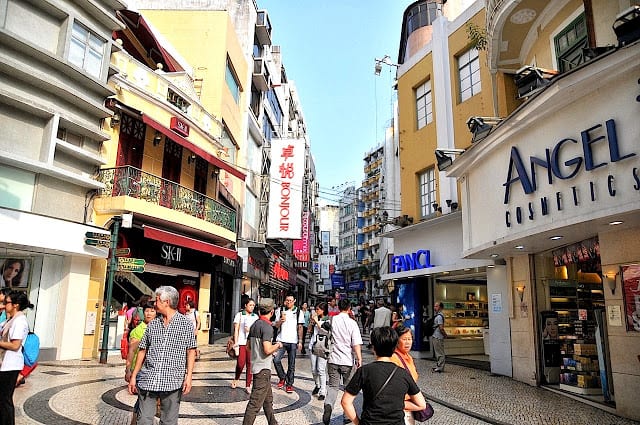
    Macau retail sales posted a modest rise of 1.1 per cent in the fourth quarter of 2016, according to data from the Statistics and Census Service (DSEC).

    Sales totalled MOP 15.89 billion, driven by a rebound in visitor spending coupled with the festive seasons such as Christmas.

    The increase was the first year-on-year growth in Macau retail sales since the second quarter of 2014.

    The value of retail sales for the fourth quarter rose by 16.2 per cent compared with the revised figure of MOP 13.67 billion in the third quarter, reflecting the impact of Christmas. Retail sales of watches, clocks & jewellery accounted for 21 per cent of the total, followed by sales of goods in department stores (15.1 per cent), adults clothing (13.2 per cent), leather goods (11.5 per cent) and goods in supermarkets (6.5 per cent).

    Year-on-year changes in value were driven by leather goods (up 18.1 per cent). Pharmacy sales fell 17.4 per cent.

    Notable quarter-on-quarter increases were observed in retail sales of adults clothing (up 31 per cent), watches, clocks & jewellery (up 21.6 per cent), communication equipment (up 18.3 per cent), leather goods (up 18.1 per cent) and department store sales, up by 17.1 per cent.

    Full year data

    The total value of Macau retail sales for the whole of 2016 was MOP 57.51 billion, down by 6.6 per cent year-on-year.

    Sales of communication equipment fell 19 per cent and of watches, clocks & jewellery by 14 per cent. In contrast, leather goods sales rose 6.1 per cent, cosmetics & sanitary articles by 5 per cent and adult clothing by 4.1 per cent.

    The volume of retail sales for the whole year of 2016 dropped by 5.5 per cent, with marked decreases in sales of watches, clocks & jewellery, down 14.1 per cent. Leather goods sales soared 18.4 per cent.

    The DSEC also records retailers comments along with data. It reports 49.8 per cent of retailers anticipate sales volume in the first quarter of 2017 will remain stable compared with the same quarter of 2016, 46.2 per cent forecast a decrease and 4 per cent expected an increase. “Meanwhile, 74.5 per cent of the retailers anticipate stable retail prices in the first quarter of 2017 compared to the same quarter of 2016, 17.2 per cent expect a decrease, and 8.3 per cent predict an increase,” the DSEC said in a statement.

    “Moreover, 48.9 per cent of retailers anticipate business will worsen in the first quarter of 2017 compared with the fourth quarter of 2016, 44.3 per cent expect the business to remain stable, and 6.8 per cent expect an improvement.”

  • Giorgio Armani consolidating brands

    Giorgio Armani consolidating brands

    Italian designer Giorgio Armani says he plans to consolidate his various collections under three labels as the fashion company undergoes an internal restructuring.

    “There will only be three lines: Giorgio Armani, Emporio Armani and A|X Armani Exchange starting with the spring-summer 2018 season,” he says.

    Armani Collezioni and Armani Jeans will be blended into the main three lines.

    “There was too much confusion with so many collections,” says Armani. “Times have changed, and we have to evolve.”

  • 7-Eleven Malaysia sales grow 4.8 per cent

    7-Eleven Malaysia sales grow 4.8 per cent

    Despite the impact of GST and subdued consumer sentiment, 7-Eleven Malaysia recorded 4.8 per cent sales growth last year.

    It had the same percentage growth for its fourth quarter. But profit fell.

    The average spend per customer grew by 3 per cent for the year, with 204 store openings giving a total network of 2122 outlets as at December 31.

    “We remain confident that continuous store expansion, refurbishment, promotional activity, improved merchandise mix and expanded in-store services will continue to deliver positive results despite the challenging headwinds,” says CEO Gary Brown.

    “It has been a difficult year for everyone involved in the FMCG retail and manufacturing sector with weak consumer confidence and spending, as well as rising costs. However, we have continued to grow and expand our sales.”

    For the fourth quarter, the group’s revenue grew to RM523.6 million (US$117.7 million).

    Gross profit of RM160.7 million was in line with the corresponding period in the previous year, albeit with the positive impact of non-recurring one-off tobacco sales as a result of change in excise duty.

    The profit before tax of RM7.8 million was a 39.3 per cent drop from RM12 million for the same period a year ago, despite positive sales growth.

    For the 12 months to December 31, revenue grew to RM2.1 billion, while gross profit improved by 4.6 per cent.

    Profit before tax of RM70.8 million dropped by 9 per cent despite the revenue growth, attributed to higher selling and distribution expenses from store expansion as well as the impact of the minimum wage increase from July 1.

  • Indonesia’s startups continue to attract investors

    Indonesia’s startups continue to attract investors

    After dominating the investment market for the past few years, startups continue to attract investors this year.

    Investors see a startup as a company which fulfills three categories required in businesses, said Morgan Stanley president director Oki Ramadhana.

    “There are three things, which are usually used as benchmarks in potential businesses that will give profit to investors. Those are scalable, profitable and tractable records,” he added.

    Tokopedia and Gojek are two examples of successful startup businesses in Indonesia, said Northstar co-founder and managing partner Patrick Walujo during a seminar at the University of Indonesia (UI) over the weekend.

    “Tokopedia only started with the capital worth 200 million rupiah (US$15,000) from its founder and former boss. But now, the company has gained US$1 billion,” he said.

    However, Patrick stressed that it is not only a matter of big money for startup companies but also sustainability.

    “It’s not only about being rich, but how to make the company grow over time. Therefore, startup owners need to find an investor partner that will help them to step up to the next level,” he added.

  • BMW plans more purchasing with Daimler

    BMW plans more purchasing with Daimler

    BMW plans to expand its cooperation with Daimler in purchasing components, the carmaker’s new head of purchasing said in an interview with Frankfurter Allgemeine Zeitung.

    “It’s not been fully exploited; there are regular talks and we are discussing jointly purchasing more components,” Markus Duesmann was quoted as saying in an advance copy of the interview, due to be published on Friday.

    He did not give details of the plans or the possible savings that were being targeted.

    Daimler and BMW first started cooperating on purchasing of parts that aren’t crucial to their brand identity in 2008, such as tyres and seat frames.

    Duesmann also said BMW would have to alter its procurement to buy more software in the next few years to meet the trend for electric cars and autonomous driving. BMW could envisage using other battery suppliers too, he added.

    “We are in talks with all the major manufacturers and will make a decision for each model generation,” he said.

    BMW currently gets its batteries from Samsung.

  • Cebu Pacific beats daily record as it carries more passengers

    Cebu Pacific beats daily record as it carries more passengers

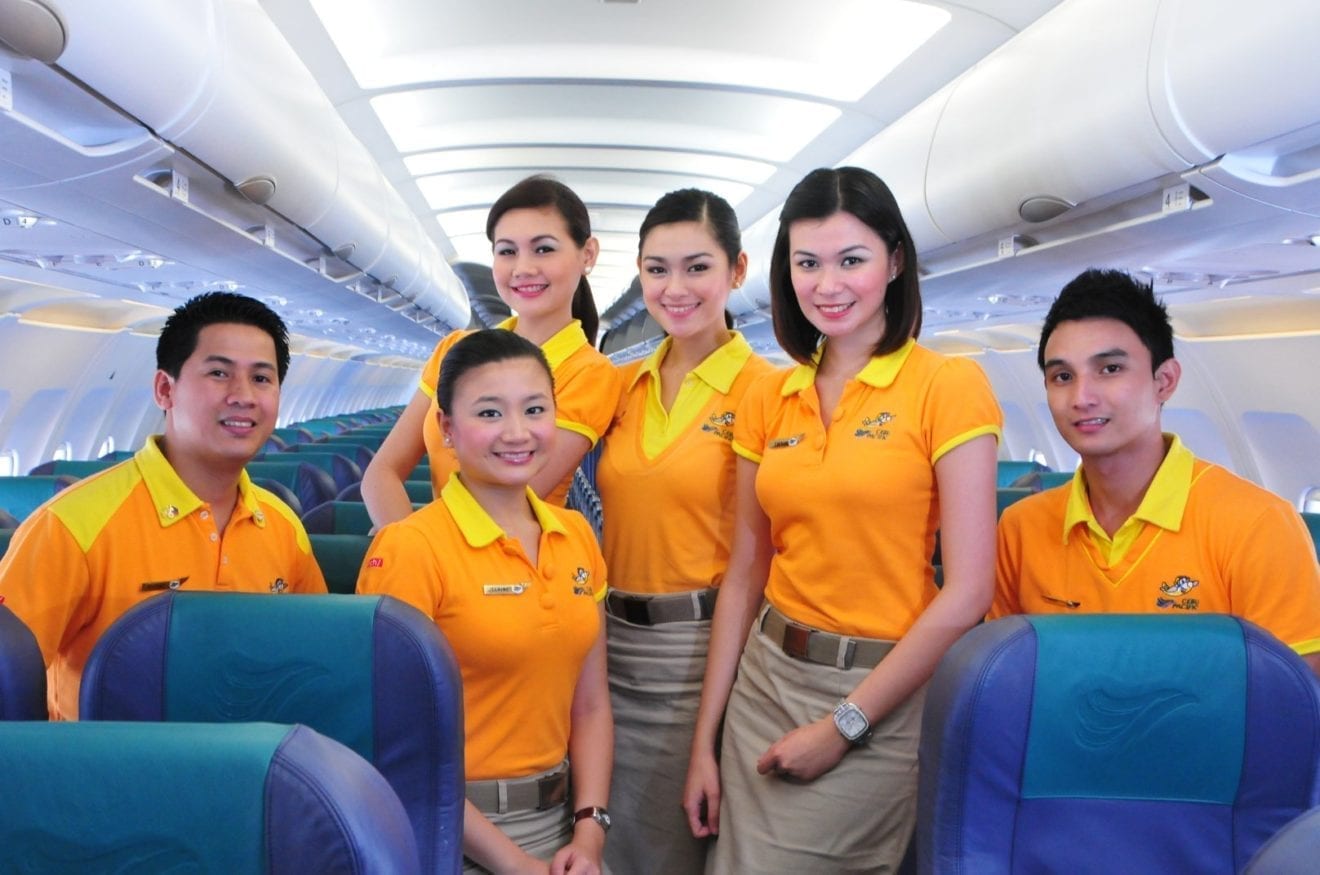
    The Philippines’ largest airline, Cebu Pacific (CEB), flew 19.1 million passengers in 2016, an increase of 4 per cent from the 18.4 million passengers flown in 2015. On average, CEB flights were 86 per cent full during the year.

    Growth in passenger volume was largely driven by the airline’s low-cost short-haul services, and increased frequencies in key domestic markets. Specifically, the former recorded a 9.3 per cent growth compared to 2015, while the latter reflected a 2.6 per cent increase.

    “Last December 27, 2016, the Cebu Pacific Air Group carried a total of 64,684 passengers– the highest number of travellers we have ever flown in one day. This surpasses our prior record of 62,947 passengers flown last January 3, 2016, translating to 1,737 additional passengers,” said J R Mantaring, the CEB vice president for corporate affairs.

    “This significant increase in number only shows our firm commitment in trafficking trade and tourism in all the destinations we operate in, while at the same time enabling everyJuan to connect with their families and friends all around the world,” added Mr Mantaring.

    CEB posted passenger growth in international destinations such as Beijing, Shanghai and Xiamen in China, Taiwan (Taipei) and Hanoi and Ho Chi Minh in Vietnam. In the Philippines, domestic traffic increased in Cauayan, Siargao and Ozamiz.

    CEB currently offers flights to a total of 37 domestic and 29 international destinations, operating an extensive network across Asia, Australia, the Middle East, and United States.

    Its 58-strong fleet is comprised of Airbus and ATR aircraft. Between 2017 and 2021, CEB expects delivery of one more brand-new Airbus A330, 32 Airbus A321neo, and 13 ATR 72-600 aircraft.

  • Starbucks Coffee Japan aims to blend in

    Starbucks Coffee Japan aims to blend in

    Starbucks Coffee Japan is aiming to blend in with its first cafe in Uji, Kyoto, giving it a local tea culture theme.

    The branch of the US coffee chain will be opened by the front gate of Byodoin temple, a UNESCO World Heritage site, on March 31.

    It will occupy a space along the front approach to the temple, offering customers a view of the Ujigawa promenade. The 142 sqm outlet will have 41 seats inside and 19 outside.

    Starbucks Japan

    A gable roof will match local custom, and decor features will be related to Uji tea culture.
    Another cafe and a parking lot stood on the site until last year.

    Ten years ago, Starbucks had a 19 sqm outlet in the 587-year-old Forbidden City in Beijing, but protests led to the Seattle-based company closing it.

  • 20,000 farmers join in international standard tea production

    20,000 farmers join in international standard tea production

    Nearly 30 firms and 20,000 farmers will take part in producing 25,000 tonnes of tea of international standards in a project to promote the private-public partnership (PPP) model in tea production.

    The information was released at a conference to launch the second phase of the project “promoting tea farmers to join the sustainable and quality tea supply chain” in Hanoi on February 28.

    The project, jointly implemented by the sustainable trade initiative (IDH) organisation of the Netherlands, the Unilever group and the Ministry of Agriculture and Rural Development (MARD), aims to train and provide technical assistance for farmers to produce tea certified by the Rainforest Alliance (RA).

    Le Quang Chuyen, Deputy Director General of the My Lam Tea JSC in northern Tuyen Quang province said the PPP model has helped improve tea quality and productivity while saving production costs and labour. Their tea products meet food safety requirements of the EU and Japan.

    Tran Vu Hoai, Vice President of Unilever Vietnam, underlined tea quality improvements after three years of implementing the PPP model, saying that the group raised its import volume of Vietnam’s tea from 5,000 tonnes to 11,000 tonnes.

    He expressed his hope that with the model will continue improving Vietnam’s tea quality and the group can import up to 20,000 tonnes of tea from Vietnam.

    Under the second phase of the project, 15 factories and 6,500 households are expected to work together and produce 25,000 tonnes of tea, including 15,000 tonnes of RA certified tea, which are shipped overseas and supply for Unilever.

    So far, only eight firms have registered to join the project.

    Besides, the Vietnam Tea Association is implementing an IDH-funded project on the quality and sustainability of the tea industry. The project aims to enhance Vietnam’s tea quality to meet international standards.

  • Honda hits one-million unit production milestone in Indonesia

    Honda hits one-million unit production milestone in Indonesia

    PT Honda Prospect Motor (HPM) has crossed the one million-unit automobile production milestone in Indonesia, 14 years after it began manufacturing operations in the country.

    HPM began local automobile production in February 2003 with the Honda Stream at its factory located in Karawang, West Java, Indonesia. The Karawang Factory, built on an area of 512,500 square metres, has with a production capacity of 80,000 units. The second factory was inaugurated in January 2014 with a production capacity of 120,000 units, augmenting total production capacity to 200,000 units per year.

    Honda rides demand curve
    Over the years, the Japanese carmaker has seen demand grow for its products. In 2003, the company sold around 22,000 units. Since then, sales have risen considerably and Honda recorded 200,000 unit sales in 2016 with a 19% market share in the country. Currently, HPM produces seven models at its two factories, which include the Mobilio, BR-V, HR-V, Jazz, Brio RS, Brio Satya and CR-V.

    Indonesia is the best-performing global market for Honda. Sales reached an all-time record of 190,229 units, accounting for 44% of the carmaker’s overall 2016 ASEAN sales. The company attributes the sales increase of 14% over 2015 to its existing model line-up including the HR-V, Brio Satya and Mobilio, along with contribution from the newly-introduced BR-V.

    The Karawang Factory currently plays an important role in Honda’s global automobile component export worldwide. Its export destinations include neighbouring ASEAN countries such as Thailand, Malaysia, the Philippines, Vietnam, other Asian countries such as India and Pakistan, as well as Latin American countries, including Mexico, Brazil, and Argentina.

    HPM also delivers component parts to Japan. In 2016, Honda’s component export from Indonesia significantly grew and increased the number of containers exported from 5,600 in 2015 to more than 7,700 containers. In 2017, HPM plans to increase the export quantity to nearly 10,000 containers.

    Honda further strengthened its production operations with the opening of its stamping factory, which produces automobile component parts such as side panels, roof panels and floor panels. The factory began its operation in May 2016. The factory has implemented advanced production technology, including automatic continuous process and robotic system and has the production capacity of up to 2 million pieces component parts per year for both domestic sales and export.

    In September 2016, HPM made an additional 228 billion rupiah investment and started operation of its new factory for crankshafts. Honda employed advanced and environmentally friendly technology and adopted high-precision machines at this new factory to produce maximum of 240,000 crankshafts per year. This crankshaft factory meets regulations enforced by the Indonesian government for Low Cost Green Car (LCGC) models. Currently, HPM has achieved up to 87% local content in its products.

    Seiji Kuraishi, executive vice-president of Honda Motor Co, said, “It is a great achievement to arrive at this milestone in just 14 years and follows in Honda Motor Company’s 100 millionth unit of cumulative automobile production worldwide in September last year. Honda sales in Indonesia were ranked in fourth position for Honda globally, behind only US, China and Japan. Indonesia has always been and always will be an important market for Honda. We will continue to dedicate ourselves to doing business in Indonesia and the expansion of automobile production capacities with new factories is a testament to that commitment.”

    – See more at: https://www.autocarpro.in/news-international/honda-hits-million-unit-production-milestone-indonesia-23812#sthash.kzip7tzI.dpuf