Tag: asia

  • Retailers snag prime spots for flagships amid lower rentals

    Retailers snag prime spots for flagships amid lower rentals

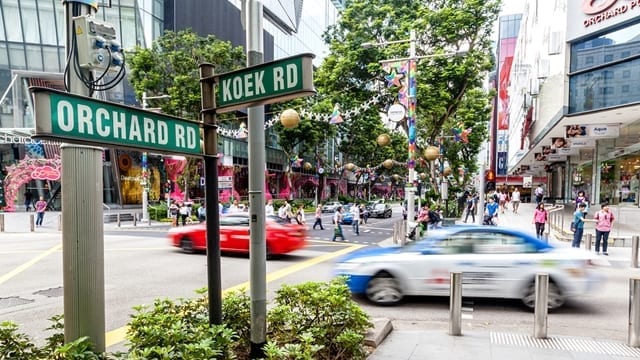
    Rising vacancies and plunging rentals in shopping malls may be a headache for landlords, but it is not all bad news for retailers who have taken advantage of lower rentals to snag prime locations for their flagship stores.

    More than 10 flagship stores were set up islandwide last year, noted property consultancy Cushman & Wakefield’s research director Christine Li. This is the highest number since the global financial crisis in 2009, she said.

    The last wave of flagship stores were set up between 2007 and 2009, when Orchard Road was undergoing a makeover.

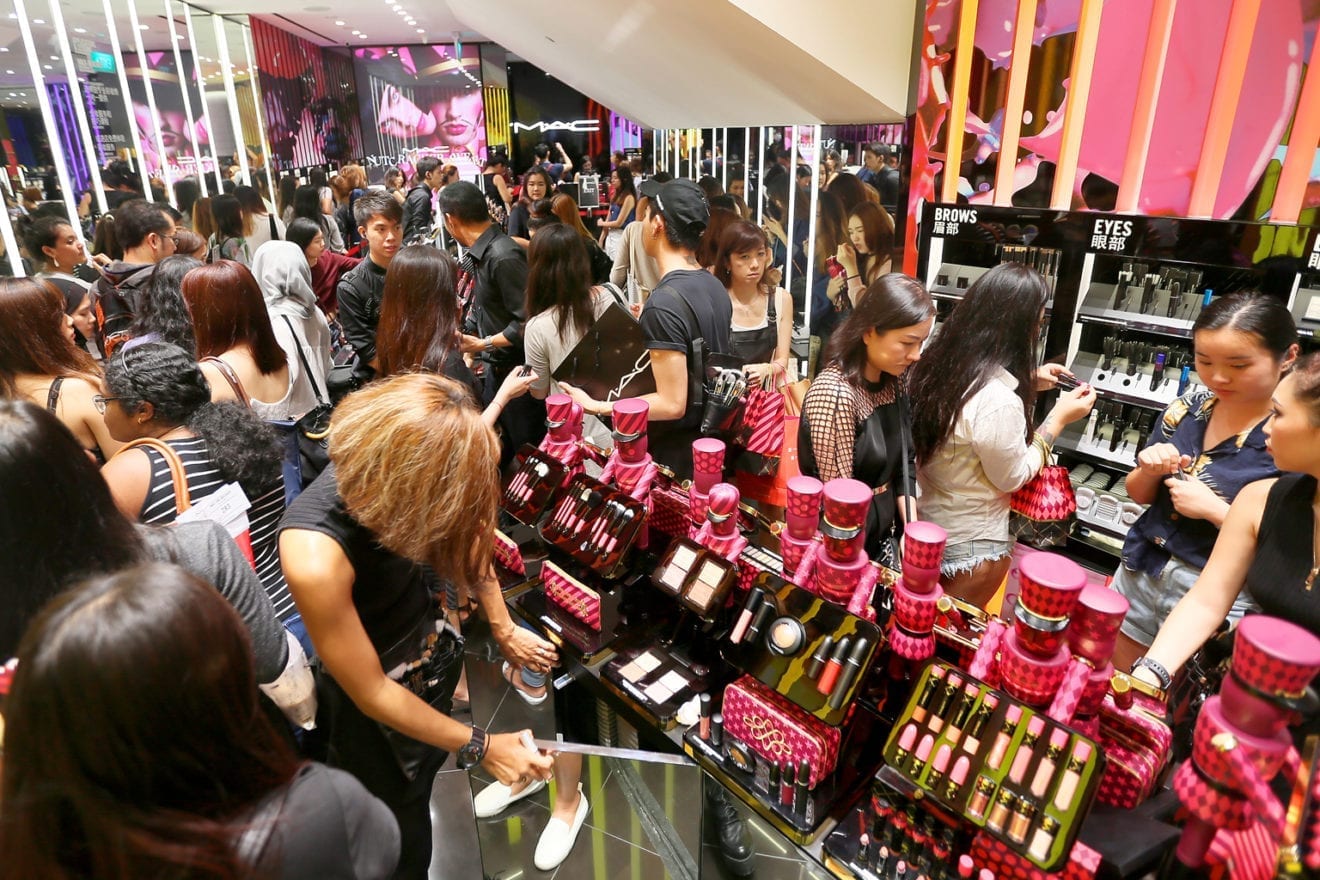
    Last year, cosmetics label MAC and Sephora opened flagships at Ion Orchard, while Japanese fashion retailer Uniqlo unveiled a three-storey store in Orchard Central. Other new flagships include those of watch brand Rolex at Marina Square and German leather goods brand Braun Buffel at Marina Bay Sands.

    Ms Li said: “In the lower rent environment, 2016 saw a ‘flight to quality’ as retail brands that are still optimistic on expansion took this opportunity to upgrade to larger prime retail spaces vacated by previous tenants.”

    • 10 At least this number of flagship stores were set up islandwide last year. This is the highest number since the global financial crisis in 2009.

    She said flagships are strategic, as they reinforce and enhance a brand’s presence and status.

    Uniqlo’s founder Tadashi Yanai said the firm decided to open a flagship in Orchard Road as it sees Singapore as a gateway to not only the markets in South-east Asia but also in the Middle East and Africa.

    “Despite the faltering retail climate in Singapore, Uniqlo’s belief in the potential of this region is what has driven (our) decision to launch the three-storey Global Flagship store here,” he said.

    The islandwide vacancy rate for retail space was 7.5 per cent at the end of last year, up from 4.5 per cent at the end of 2013, Urban Redevelopment Authority (URA) data showed.

    The climbing vacancy rate has, in turn, reduced rental rates. The median rental rate for retail space in the third quarter of last year was the lowest on record, falling to $9.82 per sq ft per month for the Orchard Road area – the first time it fell below $10, URA data showed.

    Riding on the wave of soft rents, French sporting goods retailer Decathlon even secured a 15-year lease for a 35,000 sq ft outlet in Viva Business Park in Chai Chee, which opened in January last year.

     

  • Mall bad news but some bright spots

    Mall bad news but some bright spots

    In just over a year, clothing retailer Hang Ten has closed more than a third of its stores.

    The 12 outlets, in suburban malls, had been bleeding money. Consumers were spending less but Hang Ten’s landlords were still charging high rents, said its general manager Andrew Kee.

    “We started to close non-profitable suburban shops since Q4 2015 to reduce losses and just concentrate on a few strategic locations.”

    The days of suburban malls as the retail sector’s bright spot are coming to an end, said property consultancies.

    For the past five years, as the rise of e-commerce and growing economic uncertainty pushed Orchard Road retailers out of business, suburban malls were fairly resilient.

    Such malls could fall back on shoppers living in the area, unlike the tourist-reliant Orchard Road, which is susceptible to competition from overseas destinations and lacklustre tourist arrivals.

    The turning point was last year, when the pace of decline of suburban rents quickened – from 1 per cent quarter-on-quarter in the first quarter to 2 per cent in the fourth quarter, said R’ST Research’s director Ong Kah Seng. This is a sign that rents in suburban malls are going downhill, he added.

    But as the challenges drag on, suburban malls are being dealt a belated reality check.

    Some mall managers are fighting back by offering short-term leases, filling their spaces with food and beverage outlets, and adding more lifestyle elements to their malls.

    According to property research consultancy R’ST Research, rents of retail properties in Orchard Road fell by about 11.1 per cent on average from 2012 to 2015.

    Over the same period, rents of suburban retail spaces dipped only marginally at about 1.4 per cent.

    The turning point was last year, when the pace of decline of suburban rents quickened – from 1 per cent quarter-on-quarter in the first quarter to 2 per cent in the fourth quarter, said R’ST Research’s director Ong Kah Seng.

    This is a sign that rents in suburban malls are going downhill, he added.

    Tenants are also feeling the heat.

    Czech shoe company Bata’s country manager Pierluigi Pontecorvo said it is increasingly difficult to operate in suburban malls now, compared with two years ago.

    Footfall has reduced “drastically”, while little has been done by malls to attract customers, he said, adding that landlords were also not flexible in reducing rental costs to help retailers cope with the challenges.

    To retain customers, Hang Ten – which has 21 stores – revamped its loyalty programme in 2015.

    With online stores such as Taobao, Zalora and Lazada gaining traction, retailers that sell mass market items and clothing are finding it harder to survive.

    Malls are hence devoting more space to food and beverage, a trend that became more prominent since mid-2015, according to real estate consultancy Knight Frank Singapore.

    Its executive director and head of retail Wendy Low said F&B, on average, makes up up to half of a suburban mall’s tenants, compared to about a quarter previously.

    Mr Desmond Sim, head of CBRE Research for Singapore and South-east Asia, said suburban malls are banking on experiential elements to draw shoppers.

    Next month, Waterway Point in Punggol will launch a new party room next to the mall’s playground on the second storey, where shoppers can hold family gatherings.

    Frasers Centrepoint Malls is working with existing tenants to pilot new ideas, including temporary short-term leases or pop-up stores, said its general manager of retail properties Stephanie Ho.

  • KL Gateway has been launched

    KL Gateway has been launched

    Kuala Lumpur has a new mall, KL Gateway, with a gross floor area of about 500,000 sqft (46,451 sqm).

    Connecting with corporate office towers, KL Gateway has a 10,000 sqft outdoor landscaped garden and offers free Wi-Fi internet access in its common areas. A 100m link bridge connects the mall to the KL Gateway-Universiti LRT station.

    Tenants at the mall include Daiso, H&M, Home’s Harmony, Mr DIY, Times Bookstores and Village Grocer.

    Korean fashion brand The Twee will be opening its first flagship store for Southeast Asia on the ground floor. The store, with more than 929 sqm of retail space, will stock a broad range of trendy Korean apparel, accessories and footwear for both men and women.

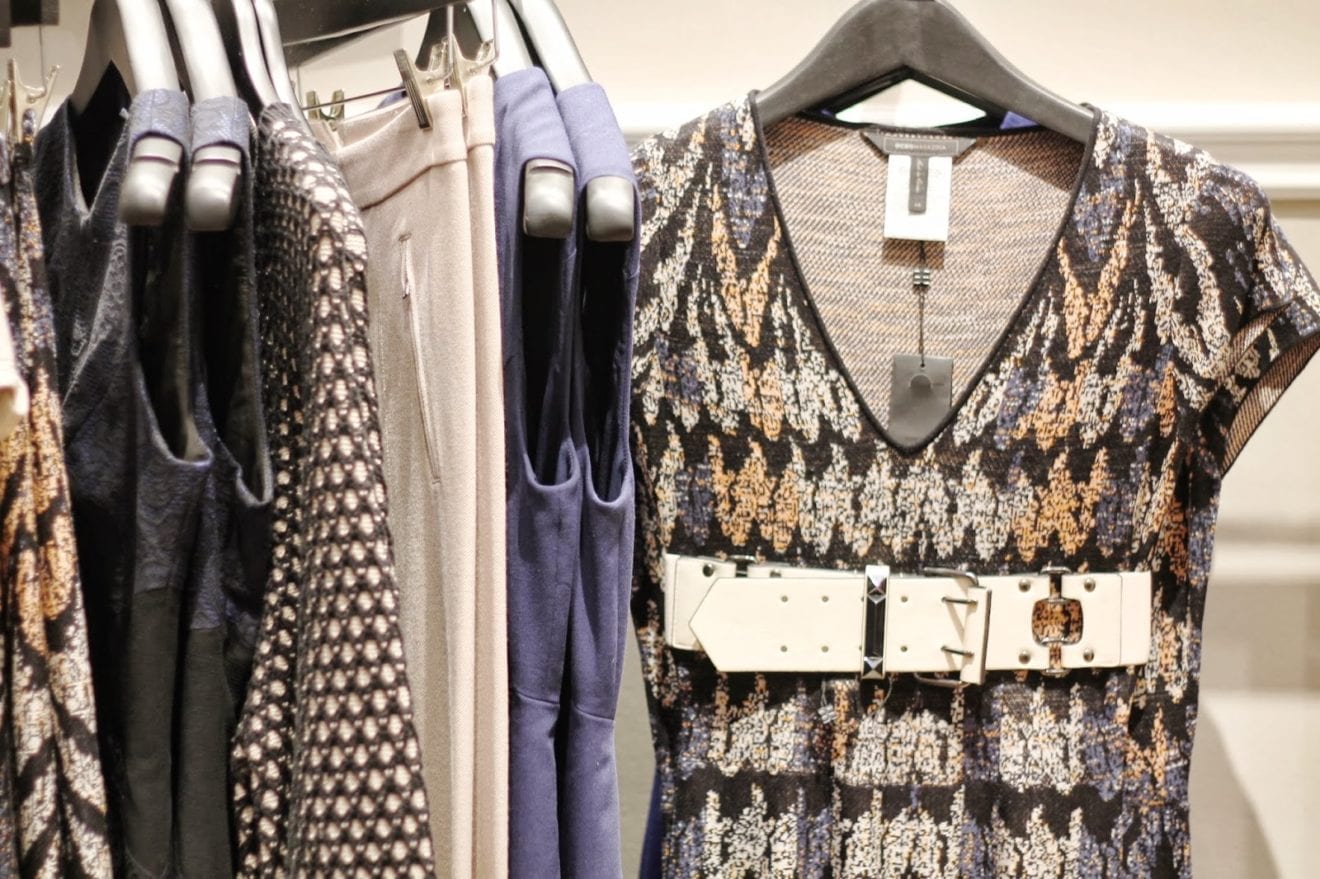
  • BCBG Max Azria bankruptcy is on process

    BCBG Max Azria bankruptcy is on process

    BCBG Max Azria has filed for bankruptcy protection.

    The filing is the latest step in a restructuring plan aimed at rescuing the business, following the closure of 120 stores.

    “Like many other apparel and retail companies, BCBG has fallen victim in recent years to adverse macro-trends, including a general shift away from brick-and-mortar to online retail channels, a shift in consumer demographics away from branded apparel,” said chief restructuring officer Holly Felder Etlin in papers filed with the Federal Court in Manhattan.

    As reported in January, the fashion label is crippled with a debt said to be as high as US$665 million. More recent reports say the “secured debt” is worth about $485 million. But its total sales last year were just $600 million. The restructuring plan is dependent on a $45 million loan which must be approved by the court.

    The company had embarked on a restructure which would involve slashing its US store network and refocusing on e-commerce and wholesale sales. The company has flagship stores in Tokyo and Hong Kong, but it is the wholesale division which supplies stores bearing the brand’s name in other Asian cities, including Ho Chi Minh City. Retail accounts for 71 per cent of its turnover.

    One of BCBG Max Azria’s advisors told landlords in February that its retail sales had declined 20 per cent during the past three years – a major change of fortune for a company which in 2013 was mulling an offer valued at $1 billion.

    Under January’s restructure plan, the company was looking at closing 120 of its 200 US stores – but now reports suggest almost all of them will be closed under bankruptcy protection. The company also has mounting debt to landlords in unpaid rent.

    BCBG Max Azria Group was founded by Tunian Max Azria in 1989. Educated in France before developing a passion for fashion, he was later based in California where he drove the BCBG Max Azria brand, but he is no longer associated with the company. His brother Serge founded women’s fashion labels Joie, Current/Elliott and Equipment.

    Dresses from BCBG Max Azria have been photographed firmly fitting celebrities including Selena Gomez and Drew Barrymore.

    BCBG is an acronym for the French phrase “bon chic, bon genre” or “good style, good attitude”.

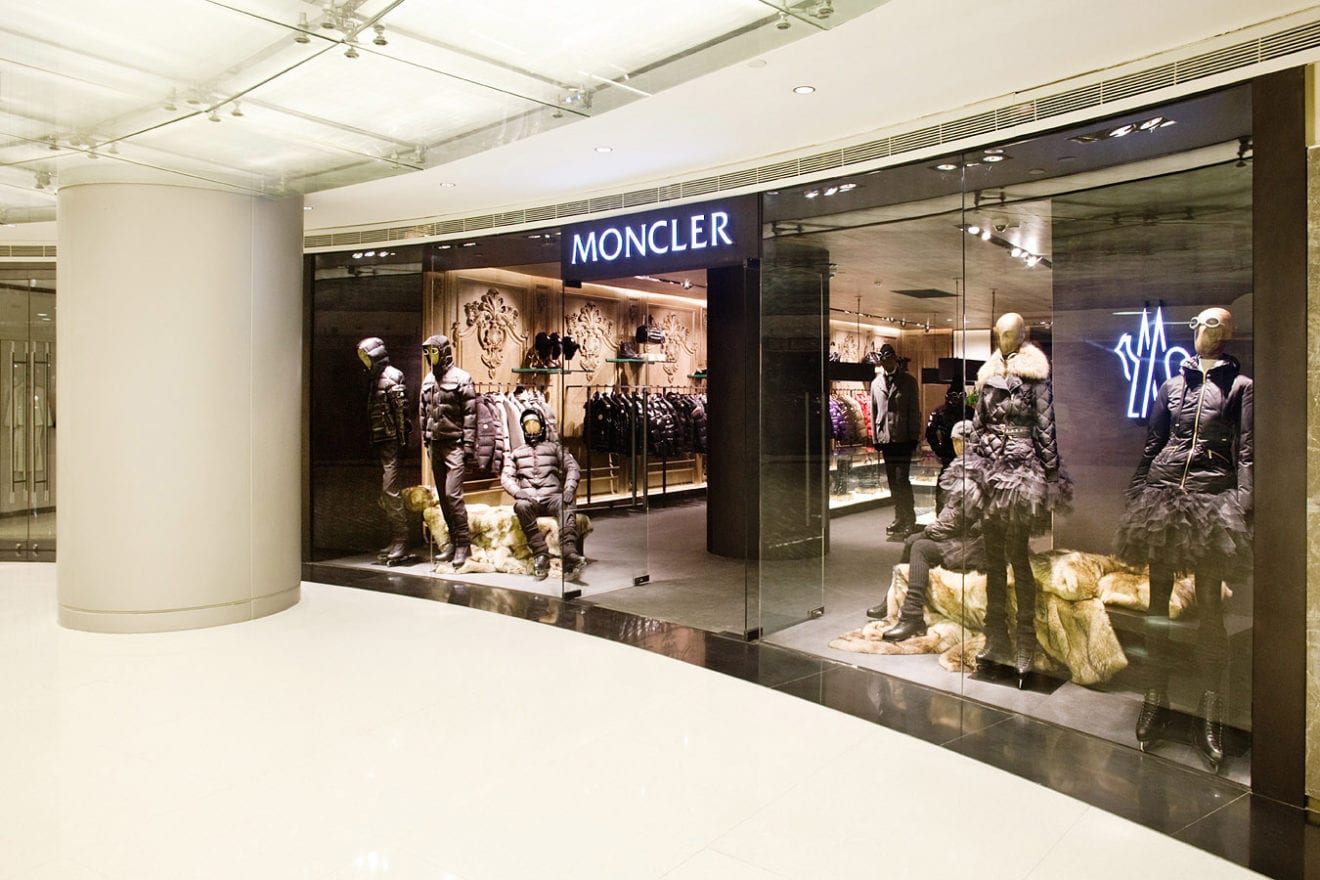
  • Asians top buyers of Moncler clothing

    Asians top buyers of Moncler clothing

    China and South Korea were the top markets, along with the US, for Italian luxury clothing maker Moncler last year.

    Sales of Moncler clothing rose 18 per cent with revenues of €1.04 billion (US$1.1 billion). Same-store-sales were up 7 per cent, and at the end of the year the group had 190 directly owned stores, 17 more than 12 months previously.

    Moncler chairman/CEO Remo Ruffini says he is convinced the group will continue to grow this year.

    COO Roberto Eggs says the group has started talks with Swiss travel retailer Dufry to open in airports, with timing depending on opportunities.

    CCO Luciano Santel says most of the company growth last year came from volume, with prices being mostly stable.

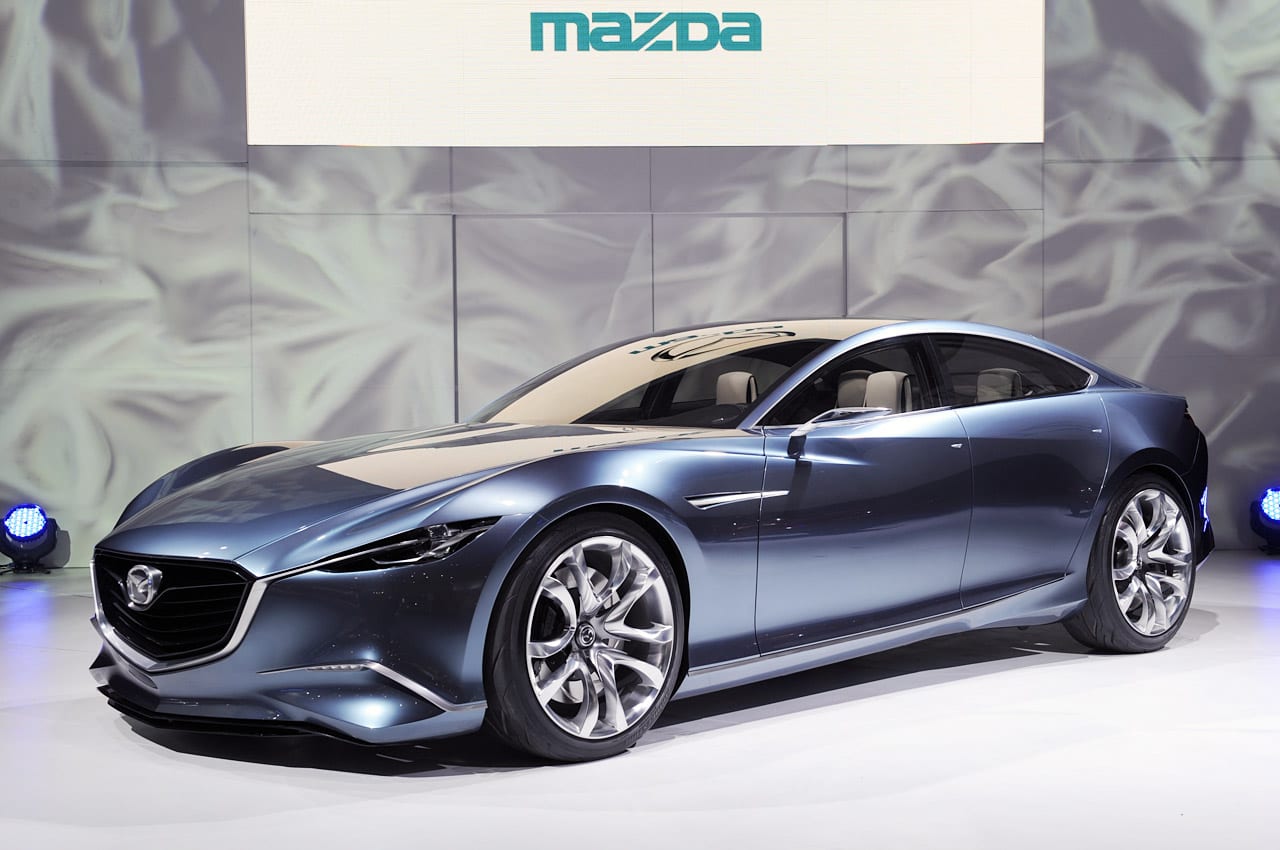
  • Mazda to recall 460,000 cars globally for diesel engine defects

    Mazda to recall 460,000 cars globally for diesel engine defects

    Japan’s Mazda Motor Corp said on Thursday it was recalling about 460,000 CX-5, Mazda3 and Mazda6 cars globally to fix multiple defects in their diesel engines, including a problem that could lead to engines stalling.

    The cars subject to the recalls were produced between Feb. 13, 2012 and Feb. 2 this year. No injury or fire has been reported from the defect, Mazda said.

    Of the total, 170,000 cars were sold in Japan and the remainder overseas.Japan’s Mazda Motor Corp said on Thursday it was recalling about 460,000 CX-5, Mazda3 and Mazda6 cars globally to fix multiple defects in their diesel engines, including a problem that could lead to engines stalling.

    The cars subject to the recalls were produced between Feb. 13, 2012 and Feb. 2 this year. No injury or fire has been reported from the defect, Mazda said.
    Of the total, 170,000 cars were sold in Japan and the remainder overseas.

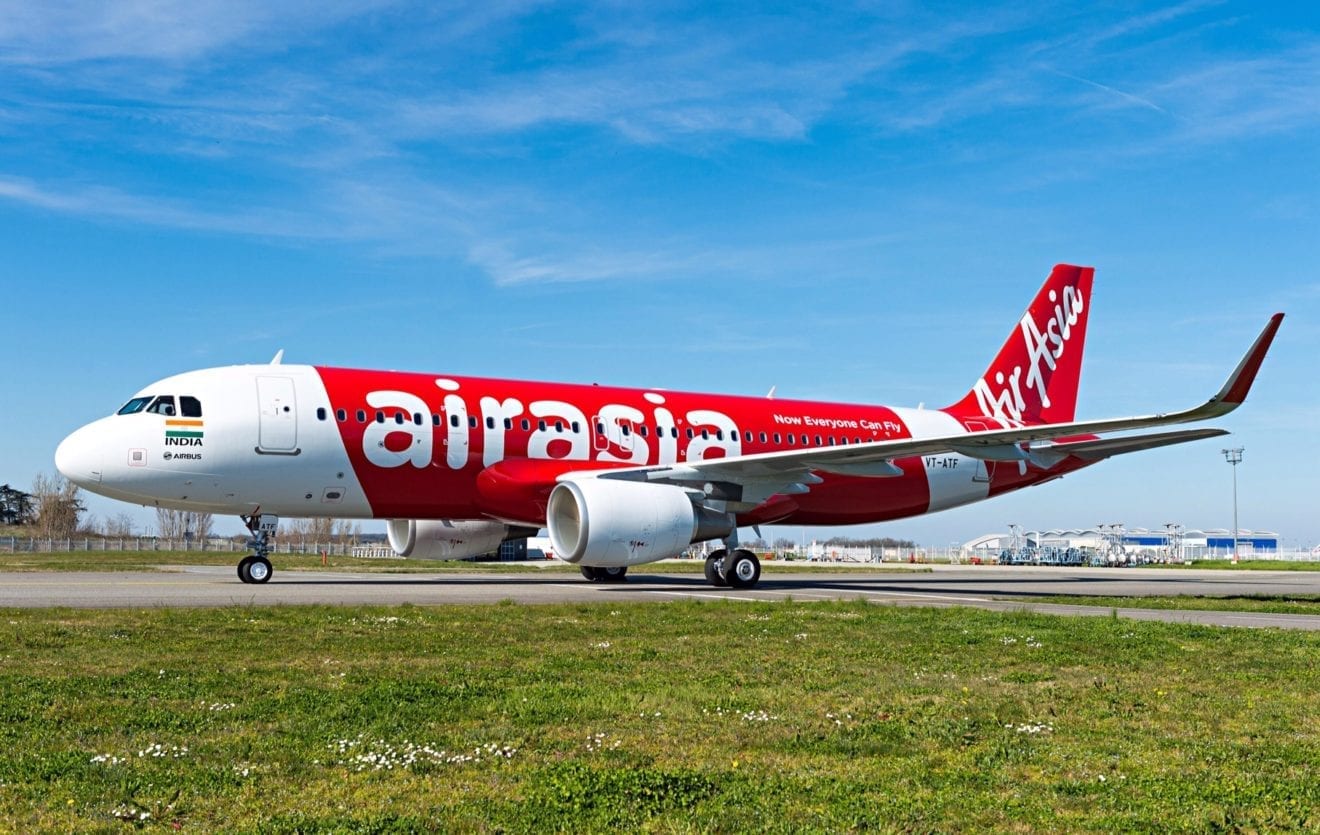
  • AirAsia plans to restart expansion, fly international by 2018

    AirAsia plans to restart expansion, fly international by 2018

    AirAsia India, which is in the midst of a court case about foreign control and investments, plans to restart expansion and fly international by next year after regulatory authorities gave it tacit approval last month.

    Aviation regulator Directorate General of Civil Aviation (DGCA) said in a 8 February ruling that it would not terminate AirAsia’s licence as the airline had not violated any rules. The order, however, noted that the airline’s budget, airfares, ancillary services and aircraft leasing among other things are approved by the parent AirAsia Group in Malaysia under the brand licence agreement signed between AirAsia India and AirAsia Group.

    “The issues continue but the DGCA ruling on the brand license agreement was quite in our favour. We have always maintained it. It’s not new to us, it’s probably new to the competition,” AirAsia India chief executive Amar Abrol said at a media roundtable in Delhi on Thursday. “We are again getting ready for the second wave of growth.”

    The Bengaluru-based airline plans to expand its fleet to 14 Airbus A320 planes by October from the current eight. These will be used planes and not from the AirAsia Group, Abrol stressed.

    Planes previously used by US-based Frontier Airlines will be leased from the aircraft lessor who owns the plane. The airline will fly largely between metros and tier-II cities as it expands, Abrol said, adding that “the overall strategy is route dominance rather than getting hammered everywhere”.

    Abrol said a new team was coming in to work on the international plans. “There is a project team coming in to get us ready for international. It will take us at least one year to get to international—so if not summer, autumn next year (we will fly international),” he said.

    The airline will focus on South-east Asia, where it has several sister airlines under the AirAsia group providing ready infrastructure. “We literally don’t have to do anything we just have to land up in Kuala Lumpur… airports ready, staff is already there. It’s all there,” Abrol said.

    AirAsia Indonesia is starting Bali-Mumbai flights, AirAsia Thailand is flying into Kolkata, AirAsia Malaysia is flying into Bhubaneswar and AirAsia X is looking at increasing its frequency to Delhi.

    It only makes sense to marry the traffic so AirAsia India will tie-up with these airlines and make its network in such a way that they can sell common tickets, he said. For example a passenger can buy a Jaipur-Bengaluru-Kuala Lumpur ticket, where AirAsia India does the first leg and AirAsia Malaysia the second, he explained.

    The sister airlines and AirAsia will gain 12% traffic each after these agreements are in place, Abrol estimated.

    To be sure, the airline is yet to make profits and Abrol did not specify when it expects to become profitable. He said the next fiscal will be an investment year for the firm, and while the airline has already received two rounds of funding since inception, it will look at more funding at the end of the year if required as it goes international.

    Tony Fernandes-promoted AirAsia Bhd, through AirAsia Investment Ltd, owns 49% in AirAsia India. The Tata group owns 49%, and two directors of AirAsia India—S. Ramadorai and R. Venkataramanan (both Tata loyalists)—hold the rest.

    Bharatiya Janata Party (BJP) leader Subramanian Swamy, who sought the quashing of the airline’s licence by the court, told Mint on 10 February that he was not convinced by the DGCA ruling and would pursue his case in the courts.

    Abrol said he hoped 2017 would be better than 2016.

    “By the end of the year we will have 1,800 people working for us. I am sure the government will take cognizance of investments, Make in India, people employed,” he said.

  • Fintrax and Lotte form JV to boost tax-free shopping in Korea

    Fintrax and Lotte form JV to boost tax-free shopping in Korea

    Eurazeo Capital portfolio company Fintrax Group has formed a joint-venture (JV) with The Lotte Group subsidiary Lotte Data Communications Corporation (LDCC).

    Fintrax will join Lotte as shareholding partners in CubeRefund, an existing refund operator in Korea and will drive the business forward together.

    Fintrax Group is the second largest tax-free operator in the world with over 150,000 retail outlets including leading luxury and retail brands such as Dior, Gucci, Dolce and Gabbana. The JV will firmly establish CubeRefund, which will use the Fintrax Group’s tax-free subsidiary Premier Tax Free’s name and logo, as the leading VAT refund company in Korea.

    The JV project will contribute to the expansion of Lotte Group’s sales as well as the economy by increasing visits to overseas tourists through duty-free shops, department stores, and outlets in the mid to long-term.

    CubeRefund is recognised for its innovative technology, which aligns with Fintrax Group values. Through this agreement, CubeRefund (t/a Premier Tax Free) will provide high-quality tax refund services to foreign tourists visiting Korea. In addition, the company plans to become more active in expanding its business by promoting international joint marketing, increasing the luxury goods tax refund business, and establishing a bridgehead for overseas market entry.

    Fintrax CEO Patrick Waldron commented: “We are delighted to invest in this joint venture with CubeRefund. We have a great partner in the Lotte group, who is one of Asia’s leading companies. This latest investment underpins our commitment to Asia as a growth strategy for our Group.”

    Waldron will be joined on the board of the JV operation by Gary Byrne, head of New Markets at Fintrax, who leads the Asian strategy and led the deal on behalf of Fintrax. Byrne added, “We are pleased to begin our operations in Korea, this is increasingly an important market for our international brands.”

    “CubeRefund is the first successful case to attract foreign investment as an excellent venture company discovered by LDCC,” said LDCC CEO Yong-deuk. “We will continue to explore various win-wins. I will take the lead in spreading the culture of mutual growth.”

    The tax refund market in Korea has grown almost 10 times since 2010 from circa W41.7bn to  circa W413bn in 2017 and is expected to grow in the future in line with the continued growth of overseas tourists. Tax-free shopping is a fundamental part of the country’s Government strategy to attract Chinese and other international tourists.

    Fintrax were advised by Natixis and LDCC were Advised by PWC Korea.

  • Optus, Huawei complete Massive MIMO field test

    Optus, Huawei complete Massive MIMO field test

    Australia’s Optus and Huawei have announced they have completed a successful infield test of Massive MIMO as part of the operator’s upgrade path to 5G.

    The trial used 128 transmit 128 receive Massive MIMO technology, achieving aggregate cell throughput of 665Mbps over a single 20 MHz carrier on the 2300-MHz frequency band, shared by 16 devices.

    Optus managing director for networks Dennis Wong said the trial demonstrated an aggregated speed improvement of up to eight times the capacity of existing 4G cell sites.

    “We’re seeing a 75% year on year increase in data consumption. Massive MIMO is an important step along the journey to 5G as it allows us to immediately increase cell site capacity and spectrum efficiency,” he said.

    “For customers, this means that their experience will be of consistently high standard even in high usage situations – regardless of whether your neighbour is downloading movies, or the person across the hall streaming 4K videos off YouTube.”

    He said the testing also indicates that the beamforming capabilities of Massive MIMO can deliver significant improvements in areas with high density populations, such as high-rises.

    In January, Huawei also completed field verification of the first FDD-based Massive MIMO technology, in collaboration with China Unicom. Major vendors showcased Massive MIMO technologies at Mobile World Congress 2017 this week.

  • Limited Editions Thrive in Secondhand Markets

    Limited Editions Thrive in Secondhand Markets

    The latest hype in Korea has been over the Adidas Yeezy Boost 350 v2 “Zebra,” co-designed by American rapper and producer Kanye West. This extremely limited edition pair of shoes sold for a retail price of 289,000 won ($255.75), but they now cost somewhere around 1.5 million won on secondhand platforms online. 

    Similarly, the pair’s predecessor Yeezy Boost “Bred” (black + red) with the same retail price now sell for at about 600,000 won on secondhand markets, which isn’t as impressive but still double the original amount. 

    Such popularity, and the subsequent resale of limited or special edition shoes is nothing new. 

    The Nike Air Max 95s, launched in August 2015 to celebrate their 20th anniversary, sold out in Korea in less than two hours, and were later resold at prices roughly 100,000 won higher than their retail price of 189,000 won. 

    Nike’s Air Jordans, likewise, have long been popular among shoe fanatics with every new release. The Air Jordan 1 Bred (2016), for instance, peaked at 600,000 won on secondhand platforms after selling for 199,000 won at shoe stores. The shoes are still traded at a little over 400,000 won.

    Overseas collectors share the same enthusiasm. The most notable is perhaps Kanye’s Air Yeezy 2 “Red October,” which the rapper co-designed with Nike before he teamed up with Adidas. A pair of the shoes, which were produced in a limited run of only 1,000 pairs, was traded for $93,000 on eBay at one point in 2012, and they still cost thousands of dollars for anyone trying to add them to their collection. 

    Some resellers have even decided to take this business model to a professional level. 

    For example, Yeezy Mafia, a group of some 50 individuals from countries around the world, provides shoe collectors with early information on new Adidas releases (often before official announcements) and resells them to those with a Yeezy Mafia membership. Sneaker resellers Allen Kuo and Benjamin Kickz are also big players in the market. 

    Of course, shoes are not the only items that attract devotees.

    Starbucks’ special edition merchandise usually sells out quickly in Korea, and items are later traded online for higher prices, while clothes by specialty retailers or private label manufacturers co-designed with other designers are also frequently found on secondhand markets. 

    H&M’s collaboration products – which the company releases each year with world-class designers such as Balmain, Isabel Marant, Alexander Wang, and Maison Margiela – are particularly popular. In 2015, hundreds camped out at an H&M outlet in Myeongdong for days to get their hands on the newest Balmain x H&M collection. 

    One of the dresses, which rose to prominence after Suzy of idol group Miss A was seen wearing one on a local TV show, was going for roughly 250,000 won, up from its retail price of 159,000 won.

  • Ooredoo launches 10Gbps FTTH service

    Ooredoo launches 10Gbps FTTH service

    Ooredoo has used Mobile World Congress 2017 to announce it is launching a new 10Gbps FTTH service.

    The company has been offering 10Gbps fiber speeds to select VIP customers in Doha in Qatar, ahead of a planned wider nationwide commercial rollout later this year.

    Ooredoo has been trialing the service since December. In Doha, itt currently costs 7,500 rial ($2,059) per month, bundled with the Ooredoo tv service.

    Ooredoo Qatar CEO Waleed Al Sayed said the ongoing 10Gbps upgrade will also support Ooredoo’s broader strategy involving introducing 5G services, offering 8K TV streaming and positioning Qatar as the world’s best-connected country.

    “We’re delighted to be officially launching our 10Gpbs Fibre service for Qatar at Mobile World Congress,” he said.

    “This week is all about demonstrating Ooredoo’s data experience leadership, and we continue to set new milestones by expanding and enhancing the Ooredoo Supernet for mobile and fiber customers.”

  • Millennials still like traditional carriers, says CSG study

    Millennials still like traditional carriers, says CSG study

    More than one third of millennials – young people reaching adulthood in the 21stcentury – interviewed in a four country survey say that in five years’ time they will choose mobile services offered through a traditional carrier.

    This is one of the findings of a research study on the digital opinions of almost 1000 millenials in Australia, Brazil, the UK and the US conducted by BSS solutions provider CSG International, and released at Mobile World Congress in Barcelona.

    According to the research, 35% of respondents say they expect they will choose traditional carriers in 2022, while a lesser 33% believe they will choose a non-traditional player such as Google, Amazon, or a company yet to be identified.

    “So much of the industry talk is about the move away from traditional carriers to new entrants,” says CSG’s Ian Watterson.

    “The research gives encouragement to carriers that there is loyalty there from millennials, which is something of a surprise.”

    Watterson said CSG had conducted the study because the telecoms industry was continually anticipating the digital consumption patterns and tastes of millennials, and yet there was a lack of detailed research on this.

    Asking respondents to look five years into the future also gave some indication on where the industry might be heading.

    In other findings, the industry move to personal assistants was validated, with 53% of respondents saying they would pay more for a mobile service which included an assistant.

    49% of millennials say they will want their mobile phone service to become a more intuitive personal assistant with the ability to anticipate needs and take actions, such as automatically checking-in a for a flight, 24-hours before flight time

    The survey also showed a clear willingness to give providers access to providers if that resulted in more personalised services.

    More than seven out of ten millennials said they were likely to provide their data in exchange for personalised recommendations on entertainment services and small conveniences.

    In good news for telco revenues, 59% of millennials are likely to spend more for a service specifically customized to their usage patterns across voice, data, entertainment and other personalized services.

  • Shake Shack Korea tops global sales chart

    Shake Shack Korea tops global sales chart

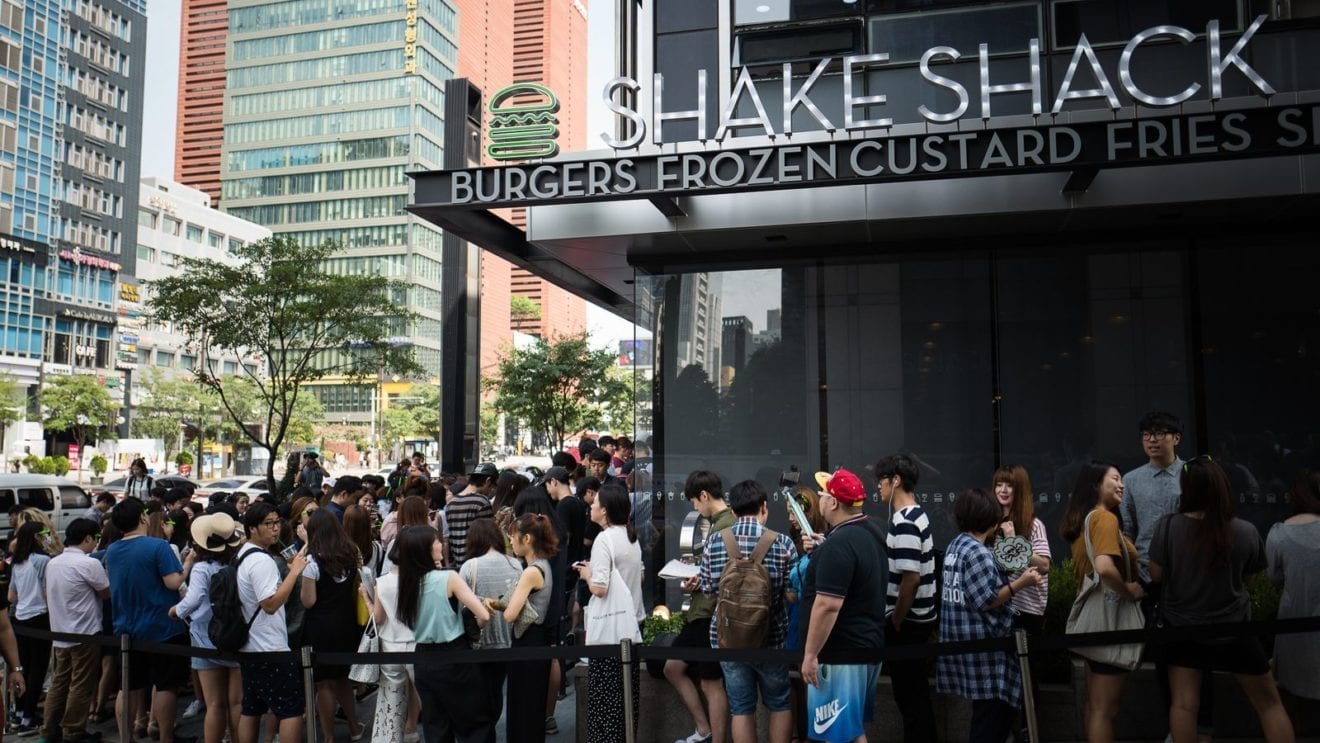
    Sales at a Shake Shack Korea store are the highest of any store worldwide.

    Just seven months after the chain launched in Korea, Shake Shack’s 13th international market, the Gangnam branch has outstripped some 120 branches outside the US. It sells 3000 to 3500 burgers a day, according to the Union Square Hospitality Group (USHG), the Shake Shack franchisor.

    Also known as the maker of the “New York burger,” the fast casual restaurant started out as a food cart inside Madison Square Park in 2001, expanding its menu from New York-style hotdogs to hamburgers and milkshakes.

    It made a foray into the South Korean market last year through an exclusive partnership contract with SPC Group, South Korea’s major food manufacturer and distributor.

    Another branch in Chungdam, southern Seoul, has also made it to one of the top three in terms of sales.

    A third shop is scheduled to open in April in Dongdaemun, a busy shopping district.

  • Amdocs launches aia to enable the “self-driving telco”

    Amdocs launches aia to enable the “self-driving telco”

    Amdocs has used Mobile World Congress 2017 to introduce aia, a new digital intelligence platform for the telecoms and media industry designed to enable the “self-driving telco”.

    The platform combines AI and machine learning capabilities – including cognitive computing services from IBM’s Watson – to deliver real-time intelligence into customer needs.

    Real-time data will be used by aia to make predictions, automate decisions and directly manage conversations with customers. Self-learning capabilities will be used to adapt to changing dynamics.

    The platform has the ability to manage around 50 operational business processes covered by the Amdocs OSS portfolio.

    “Imagine a world where your business intuitively understands your customers’ needs and automatically adapts to address them, where service providers embrace cognitive learning within their operational strategies, boosting customer experience, dynamically managing the product catalog and optimizing increasingly complex networks,” Amdocs CMO Gary Miles said. “aia will make that world a reality.”

    aia uses a data model compliant with the SID information framework component of TM Forum’s Frameworx digital transformation blueprint.

    Cloudera CEO Tom Reilly commented that Amdocs is “uniquely positioned to integrate intelligent data into a service provider’s Hadoop-based ecosystem.

    “The relevance of AI for service providers is very real and they get it; the question is how quickly they can act on it. By injecting intelligence into our portfolio, aia gives them a pragmatic and straightforward way to embrace AI into their business.”

  • First Starbucks Roastery to open in Europe

    First Starbucks Roastery to open in Europe

    The Milan Reserve Roastery will be the fifth top open globally after Seattle, Shanghai, New York and Tokyo.

    Located at the historic turn-of-the-century Palazzo Delle Poste building on Piazza Cordusio, this one-of-a-kind 25,500 sqft retail space will feature the company’s premium, small-batch Reserve coffees served in a variety of brewing methods.

    “It took us some time to find it, but once I walked through the former Post Office building, I knew that it would be the perfect location to honor the craft of coffee and pay respect to the uniquely Italian culture in which it will be served,” said Howard Schultz, Starbucks chairman and CEO.

    “This store will be the culmination of a great dream of mine – 34 years in the making – to return to Milan with one of the most immersive, magical retail experiences in the world.”

    At a recent Investor Day, Starbucks announced its ongoing investment in the premium Reserve brand, including opening 20 to 30 Roastery locations around the world, over time.

    “This new location will be designed specifically for the Milanese customer, integrating the world-famous theatre of coffee in Italy and will offer freshly baked food on site from Italian artisan baker Rocco Princi, the exclusive food provider for all new global Roastery locations,”the company said in a statement.

    Following the Roastery opening, Italian licensee and business partner Percassi will open a small number of Starbucks stores in Milan for the balance of 2018.  Each new store will be designed and curated to respect the local community and unique Milanese context.

    “Taking a respectful and measured approach to store openings is at the heart of the Starbucks strategy in Italy,” said the statement.