Tag: asia

  • PGEON delivers eCommerce orders to convenience stores

    PGEON delivers eCommerce orders to convenience stores

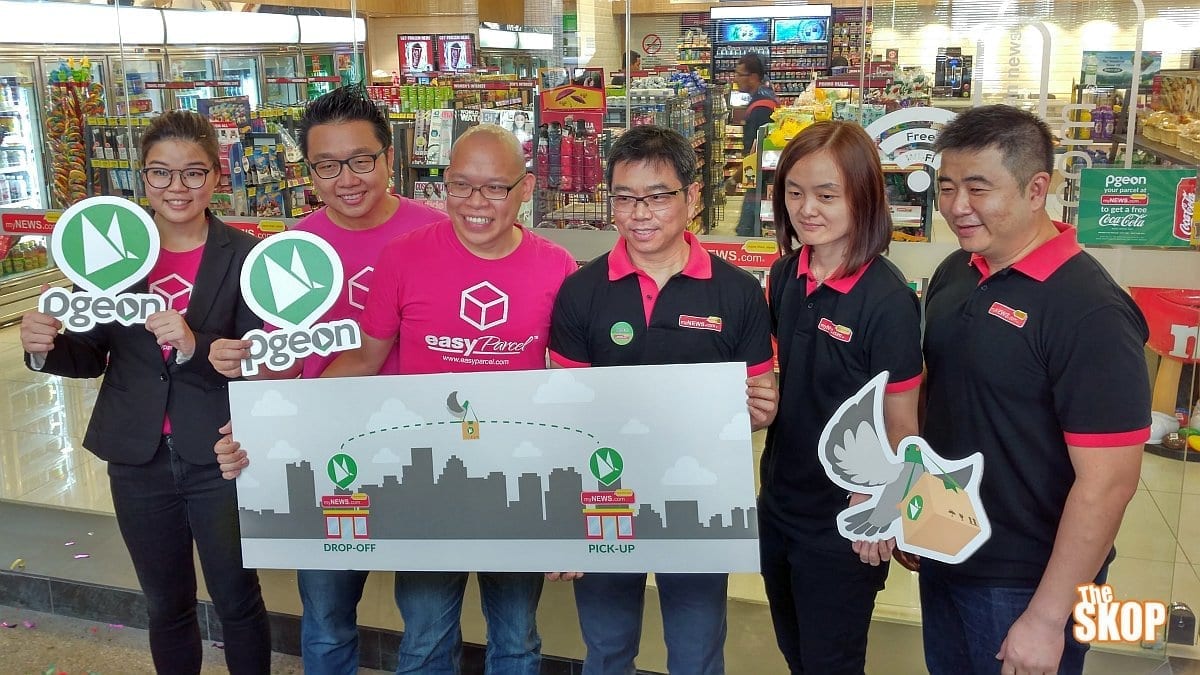
    Malaysian eCommerce customers have a new last-mile delivery service, PGEON, which lets them pick up their parcels at any MyNews.com convenience store.

    PGEON is a partnership between eCommerce delivery service EasyParcel and MyNews.com owner Bison Consolidated, which started out as a print media retailer. There are 320 MyNews.com outlets throughout Malaysia.

    Pgeon delivery. 1

    EasyParcel co-founder/CEO Clarence Leong says the need to deliver items quickly – ”on time” or “same-day delivery” – was the main reason for EasyParcel to initiate the partnership with MyNews.com.

    “We want to enable the mailing of their parcels with minimum stress or worries, allowing more flexibility for consumers to manage their deliveries,” says Leong. “More often than not, consumers are not home to receive deliveries.”

    PGEON is also a win-win for both courier companies and postal service users. Couriers do not need to go to individual doors to collect or deliver parcels, instead visiting only the designated MyNews.com outlet. This also ensures customer privacy.

    Pgeon delivery

    EasyParcel was launched by Exabytes in 2014 as Malaysia’s first integrated logistics service platform connecting logistics and shipping suppliers such as Airpax, DHL, Nationwide, Poslaju and Skynet to businesses and consumers.

    “Logistics plays a huge part in eCommerce,” says Leong. “It can be the defining factor for success for eCommerce companies.”

    Bison executive director/CEO Dang Tai Luk says the company is looking at opening 70 outlets in Malaysia by the end of this financial year. “A parcels pick-up and drop-off service will be a great addition to our outlets, as the eCommerce industry is growing in Malaysia.”

  • Canterbury New Zealand opens in Bangkok

    Canterbury New Zealand opens in Bangkok

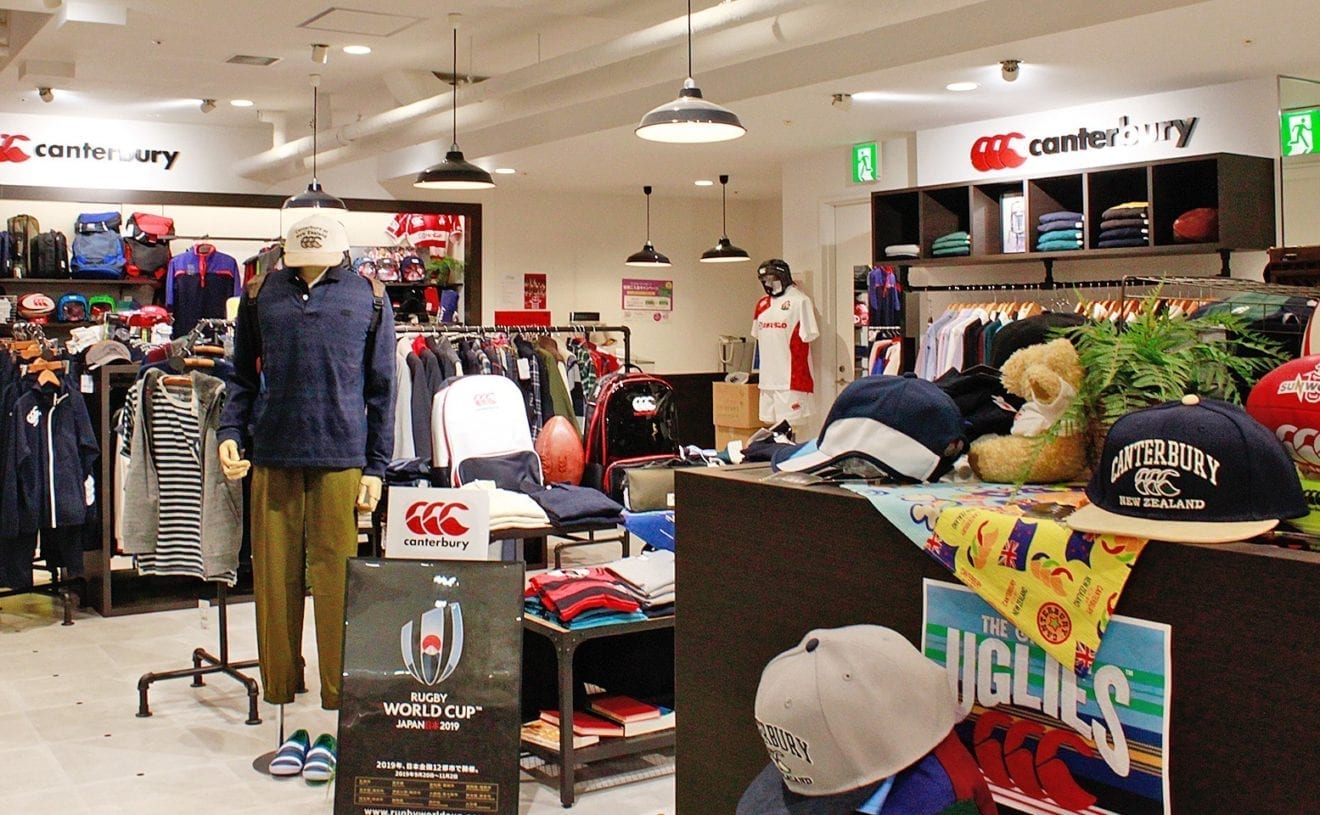
    Sports brand Canterbury New Zealand, established in 1904, has opened its first Thai flagship store in Bangkok.

    Located in the Phayathai Building, the 70 sqm shop offers 120 products in four major categories: men’s training, women’s training, on-field accessories and a British-Irish line. The retailer has kitted out some of the top sporting teams in the world.

    Silver Fern Holdings, the exclusive distributor for Canterbury in Thailand, has set a three-year expansion plan. This includes standalone stores in major tourist cities such as Chiang Mai, Hua Hin and Phuket, plus shop-in-shop outlets at major shopping malls in Bangkok including Emporium, Siam Paragon and The Emquartier.

    “We aim to increase annual sales of Canterbury products in Thailand from the Bt15 million [US$1.7 million] expected for this year to about Bt60 million in three years,” says Silver Fern Holdings MD Mark Bennett.

    The investment for standalone outlets will be about Bt1.5 million a store, each with about 70 sqm of retail space. Pop-up and shop-in-shop stores will have about 30 sqm of retail space.

    Canterbury claims to be the world’s original rugby brand, and is official kit supplier to a host of rugby teams globally. It says its clothing is designed for training, workouts and general fitness.

    “We see Thailand as a potential market for Canterbury sportswear products thanks to a growing middle class and the health-and-fitness trend,” says Bennett.

    The company will introduce its latest Control Gear and Compression Gear technologies into Thailand. Control Gear is engineered to optimise training performance, while the Compression Gear range provides graduated levels of constant compression in key zones to optimise sports performance.

    Canterbury products are also available through distributors in Japan, Hong Kong, Malaysia, Singapore and South Korea.

  • Ajinomoto becomes SEA Games sponsor as healthy eating promoter

    Ajinomoto becomes SEA Games sponsor as healthy eating promoter

    Japanese food company Ajinomoto has signed an agreement to become a top sponsor for the 29th Southeast Asian Games (SEA Games) and the 9th ASEAN Para Games in Kuala Lumpur this year.

    Ajinomoto Co., the parent company of Ajinomoto Vietnam, will provide support for both events as Platinum Sponsor. This is the first time a Japanese company has become an official sponsor for these regional events.

    Since 2003, Ajinomoto Co. has been working on the Victory Project®, which supports activities including sports nutritional guidance and amino acid conditioning for top-level athletes at international tournaments.

    The project provides top level athletes in Japan with Ajinomoto Group’s products and nutritional support through Kachimeshi® program, Ajinomoto’s sports nutrition meal program for building a winning physique.

    Being an official sponsor for the SEA Games and the ASEAN Para Games gives Ajinomoto Co. the opportunities to provide various supports through its subsidiaries in the Southeast Asian region based on a wealth of knowhow on nutritional support for athletes that the company has accumulated in Japan.

    Under the agreement, Ajinomoto Co. will provide products including seasonings, soups and coffee, depending on the cuisine of each country. It will also supply Amino VITAL®, the amino acid based product which aids in conditioning during extreme workouts, provides substantial muscle-building properties as a typical protein supplement and helps replenish energy during endurance sports.

    Ajinomoto Group representative inks deal making it the Platinum Sponsor of the 29th SEA Games and the 9th ASEAN Para Games.

    Ajinomoto Group representative inks deal making it the Platinum Sponsor of the 29th SEA Games and the 9th ASEAN Para Games.

    Founded in 1909, Ajinomoto is now operating in 28 countries and regions. It earned net sales of $9.87 billion in fiscal 2015.

    As a global manufacturer of high-quality seasonings, processed foods, beverages, amino acids, pharmaceuticals and specialty chemicals, Ajinomoto has for decades contributed to food culture and human health through wide-ranging application of amino acid technologies. Today, the company is becoming increasingly involved in finding solutions for improved food resources, human health and global sustainability.

    The company has established business bases in many Southeast Asian countries including Vietnam, Malaysia, Thailand, Indonesia, the Philippines and Singapore. The company has developed a consumer food business in these countries for many years, and thus has maintained a strong connection with the local food culture.

    Ajinomoto Co. established its Vietnam business in 1991. Ajinomoto Vietnam follows the mission of contributing to the growth of Vietnam, and to the happiness and good health of Vietnamese people through food culture and food resources development. The company specializes in “Delicious No.1” seasoning, food and beverage products.

    With the company’s specialty in food and health, Ajinomoto Vietnam is now taking initiatives in ASV, short for “Ajinomoto Group Creating Shared Value” which represents Ajinomoto Vietnam’s unchanging commitment to the creation of economic value and growth by contributing to the resolution of social issues, to create value together with the society and local communities.

    The company is now helping improve nutrition status for healthy living, develop food resources in agriculture sector and become model citizen in saving energy and natural resources.

    The Victory Meal as part of the Kachimeshi Program includes five dishes which provide nutritional balance with carbohydrates, protein and fiber.

    The Victory Meal as part of the Kachimeshi Program includes five dishes which provide nutritional balance with carbohydrates, protein and fiber.

    Under its School Meal Project, Ajinomoto Vietnam is collaborating with education and nutrition authorities to perform its social responsibility in the education sector. The project aims to improve the state of health among children and enhance their awareness of nutrition through primary school meals, to improve nutrition and health for the country’s next generation.

    The company’s expansion to the sports area aims to further its contribution to advances in food and health for general public as well as athletes in each country.

    The SEA Games and the ASEAN Para Games are held every two years to help forge strong regional cooperation, understanding and unity in the Southeast Asian community. They are the largest sports events in the region, attracting more than 600 million people each time.

    The 29th SEA Games and the 9th ASEAN Para Games are mainly held in Kuala Lumpur, Malaysia and hosted by Malaysia Organising Committee, with the participation of 11 nations: Vietnam, Brunei, Cambodia, East Timor, Indonesia, Laos, Malaysia, Myanmar, Philippines, Singapore, Thailand and Vietnam. The 29th SEA Games will take place between August 19-31, 2017 and the 9th ASEAN Para Games September 17-23.

  • Myanmar firm set for return to Ambiente next year

    Myanmar firm set for return to Ambiente next year

    Thanks to the firm’s satisfactory business performance over the past two years, Bella Interiors, which produces a spectrum of Myanmar crafted rattan furniture and accessories, hopes to return to the Ambiente, an annual global consumer-goods platform held in Frankfurt, next year.

    Stellabeth Swezin Le, business development director of Bella Interiors, said that the firm received some new clients at the recent Ambiente 2017, and also aroused the interest of big names during its second presence at the event.

    “As a market leader in Myanmar, we are proud to represent the country at such a mega fair again. We are confident that international branding will lead us to further growth in the long run,” she said.

    She is excited that the Netherlands will make a special presentation at the 2018 edition of the fair as the new Ambiente Partner Country. Following Denmark, France, Japan, the USA, Italy and the United Kingdom, the Netherlands will be the seventh partner country of the fair, which will be held from 9 to 13 February next year.

    Earlier this week, a total of 142,000 buyers from 154 countries made their way to Germany’s commercial hub for the fair, an increase of almost four per cent when compared to last year. There, 4,454 exhibitors from 96 countries presented the latest trends and innovations on 308,000 square metres (gross) in 27 exhibition halls.

    Top German and international decision makers were also better represented than in 2016, and this ensured good export business and a positive atmosphere in the halls. The top ten visitor nations after Germany were Italy, China, France, the United States, Spain, the United Kingdom, the Netherlands, Switzerland, South Korea and Turkey.

    More than 3,000 visitors came to Frankfurt from the United Kingdom, this year’s Ambiente Partner Country, an increase of around 200 over last year. There was also above-average growth in the number of visitors from China, Hong Kong, Taiwan and Vietnam, as well as the US, Canada, Australia, Russia, United Arab Emirates and South American nations such as Brazil, Uruguay and Argentina. Parallel to this, there was a significant upsurge in the number of visitors from Germany. 95 per cent of the visitors said they were satisfied with the fair.

    “It is also the number one for the German retail trade. Covering the dining, living, and giving sectors, it is the professional venue for numerous German retail outlets where they order large parts of their assortment. The trade had the opportunity to discover the main trends and order the latest products,” said Thomas Grothkopp, director general of German Home and Office Association.

    Matthias Schöffel, marketing manager of Schönwald, said that the event is indispensable for his firm, especially when it comes to international sales.

    “The whole world comes to Frankfurt and it is an excellent opportunity to meet the vast majority of our sales partners and potential customers from all around the globe. In addition to general marketing themes and discussions with customers, the fair is also of enormous importance for us with regard to trend developments,” he said.

    According to Arnold Maier, chief executive officer of AM Design, the halls are always full and that is a good sign.

    “In principle, the age of order fairs is past. Making new contacts is what it is all about nowadays,” he said.

    Lars Adler, chief executive officer of Hoff Interieur, said that they were very pleased with their business at the fair.

    “Both the number of customers and average sales are very encouraging. We even had some unexpected customers from countries such as Iceland, Finland and Sweden. We have been able to maintain our export quota and expect to finish with a slight increase over last year. Accordingly, we are highly satisfied,” he said.

    The top visitor nations on the firm’s exhibition stand were the Middle East, Lebanon and Turkey. There was a slight decline in the number of visitors from Italy. However, this was compensated for by increases from France and Spain.

  • Hotpot giant Haidilao set to enter Hong Kong soon

    Hotpot giant Haidilao set to enter Hong Kong soon

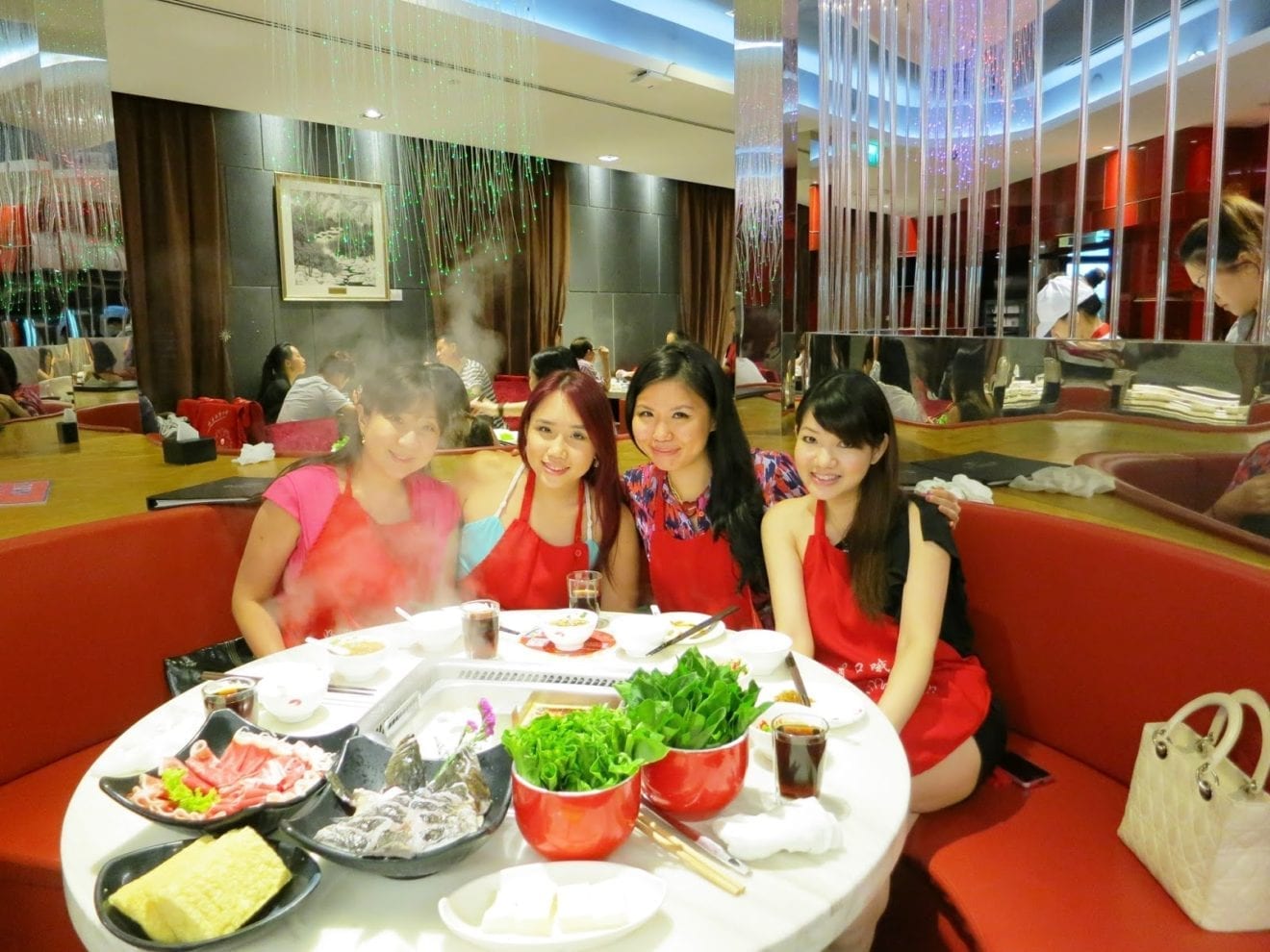
    Hotpot chain Sichuan Haidilao Catering is said to be making inroads into Hong Kong, joining a cluster of mainland counterparts whose business in Hong Kong has been chequered.

    Edwin Leong Siu-hung, founder of Tai Hung Fai Enterprise and one of Hong Kong’s largest retail landlords, confirmed that one of his company’s properties in Mong Kok had been leased to Haidilao and could be decorated within two months at the soonest.

    The Beijing-based restaurant operator also confirmed the news. It said that if everything goes according to plan, the company’s first restaurant in Hong Kong will open three months later.

    Reports of Haidilao’s expansion and initial public offering have been circulating since the end of 2015. Yihai International Holding Ltd, a hotspot seasonings producer and Haidilao’s exclusive supplier, was already a few steps ahead of it, having raised HK$861 million ($110 million) on the Hong Kong Stock Exchange in July.

    Haidilao would follow in the footsteps of rival hotpot chains such as Little Sheep, Simmer Huang and Xiao Yu Hotpot Restaurant in Hong Kong, a market the company said it bets big on.

    Those early comers, however, failed to get very far in the Hong Kong market. Inner Mongolia-based Little Sheep, which has operated in Hong Kong for more than a decade, only has one of the six restaurants it initially opened.

    Likewise, having entered Hong Kong no more than two years ago, Simmer Huang shut its one and only restaurant in Hong Kong at the end of last year.

    “As for Haidilao, this may be a good timing to enter the Hong Kong market, where the commercial rental market has been under sustained downward pressure for quite a time and is showing signs of hitting bottom,” said Hannah Li Wai-han, a strategist at UOB Kay Hian (Hong Kong).

    The hotspot chain will pay a monthly rent of HK$550,000 for the three-storey store.

    Founded in 1994, Haidilao is known for its spicy Sichuan-style food and impressive customer services, which include free manicure, shoe polishing and shoulder massage services, as well as noodle-pulling shows and dance performances.

    The restaurant chain now operates 168 outlets across 51 cities in Chinese mainland and has set up nine branches in Singapore, Los Angeles, Seoul and Tokyo.

  • China Duty Free Group confirms Kunming arrivals award

    China Duty Free Group confirms Kunming arrivals award

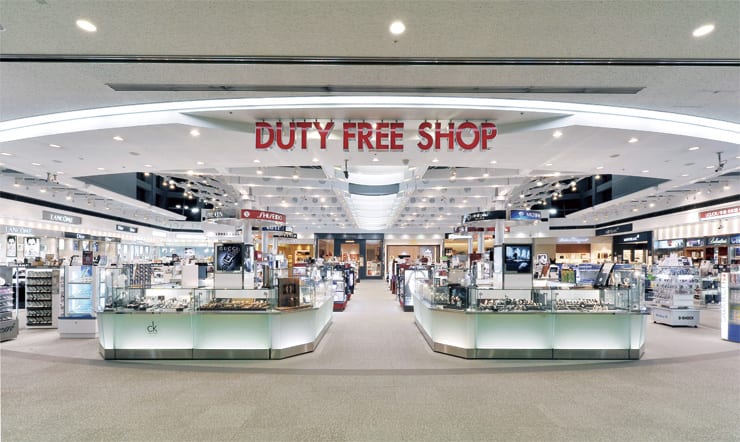
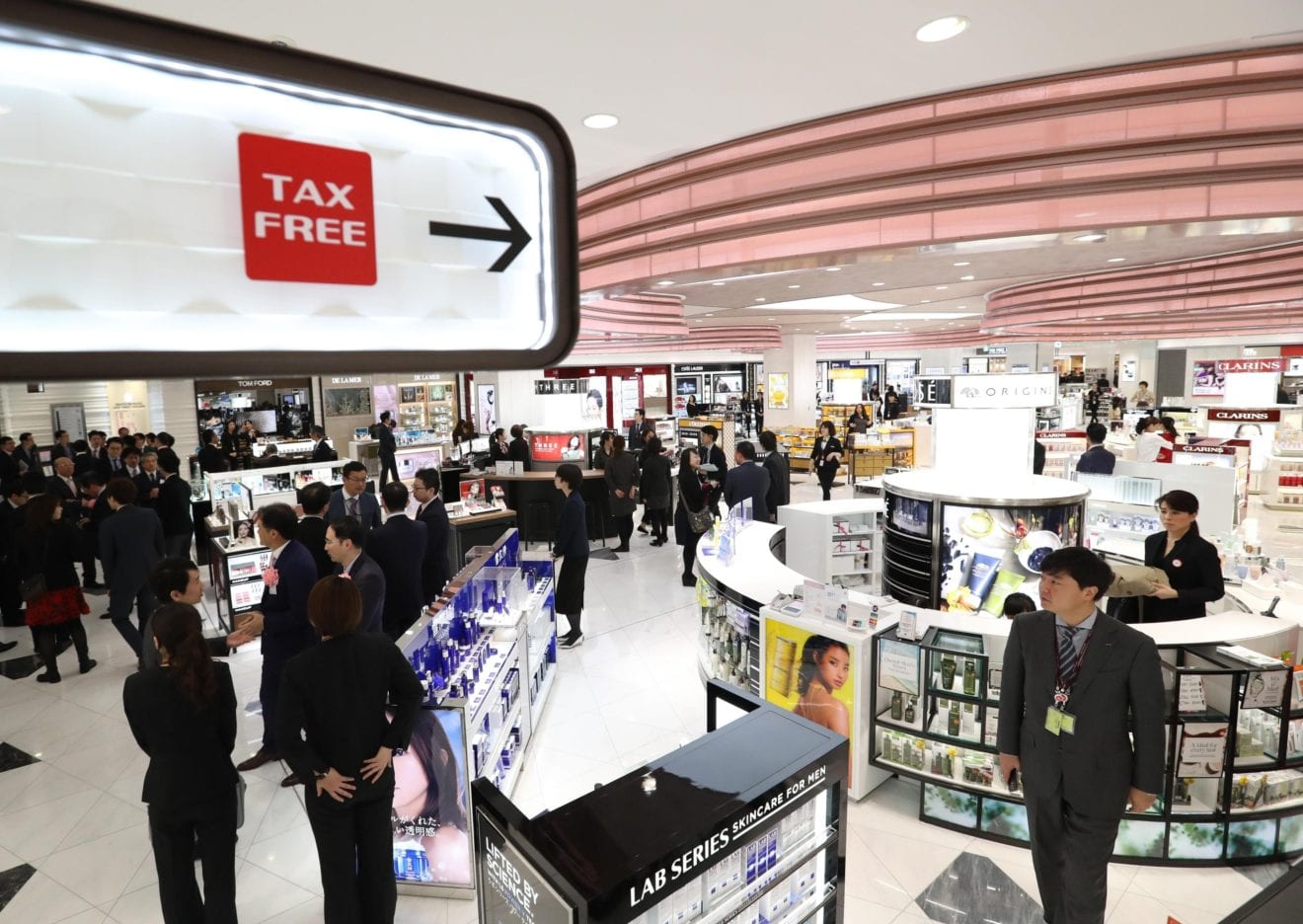
    China Duty Free Group (CDFG) has confirmed to DFNIonline it has been awarded the 489sq m Kunming airport arrivals duty-free contract. The airport handled 37.7 million passengers in 2015, an increase of  16.8% on 2014.

    The award follows China National Service Corporation for Personnel Working Abroad’s (CNSC) recent capture of the five-year Chongqing airport arrivals contract spanning 572 sq m.

    Speaking in the Cannes issue of DFNI last year, CDFG chairman Peng Hui said: “In recent years, the Chinese have undoubtedly been the main force for luxury spend. Maintaining high-end consumption at home is a key part of the government’s strategy. The opportunities in inbound shops are in response to this national strategy.”

    News of the government’s plan to open arrivals duty-free shops in Chinese airports and seaports to boost the domestic economy was first revealed in 2015. The motive was to encourage domestic consumption and deter Chinese consumers was purchasing duty-free products overseas. Duty-free arrivals shops are already operational at Beijing Capital and Shanghai Pudong and Hongqiao International airports. But in February 2016 the government announced it will be extended to 13 other airports and six border port locations as previous reported.

    The full list of those Chinese airports comprise: Guangzhou Baiyun, Hangzhou Xiaoshan, Changdu Shuangliu, Nanjing Lukou, Shenzhen Bao’an, Kunming Changshui, Chongqing Jiangbei, Tianjin Binhai, Dalian Zhoushuizi, Shenyang Taoxian, Xi’an Xianyang, Urumqi Diwopu and Qingdao Liuting International airports. Four border ports are located in Shenzhen (Futian, Huanggang, Shatoujiao and Wenjindu) with the others located in Zhalou (Zhuhai) and Heihe (Heilongjiang).

    The situation further developed last November with the announcement CDFG, CNSC, Shenzhen Duty Free and Zhuhai Duty Free had been named as qualified bidders for the licenses.

    All contract awards are expected to be awarded by March or April, according to CNSC deputy general manager Duty Free Department Jacky Yan, who told DFNIonline during a visit to Beijing last year: “All winners should be revealed by March or April after the airports have registered results through the Ministry of Finance.”

  • What exactly is wrong with China’s ‘Apple’ Xiaomi?

    What exactly is wrong with China’s ‘Apple’ Xiaomi?

    Although it crossed $1 billion in revenue in 2016 within the first two years of its operations in India, Xiaomi — once touted as the “Apple” of China — has slipped to fourth spot back home as the demand for its smartphones declined 22 per cent annually — eventually taking it to seventh spot in the global smartphone ranking with a 16 per cent drop in sales.

    The decline came even as Hugo Barra, Xiaomi’s high-profile head of international operations, left the company in January and joined Facebook to lead its virtual reality (VR) project.

    According to the experts, the key reason for this decline is Xiaomi’s rivals racing ahead with key features, better innovations, bigger marketing budgets and wider online and offline distribution channels.

    “Until 2016, Xiaomi relied only on online channels for smartphone sales which contributes approximately 30 per cent of the total smartphones sales in China, leaving a huge chunk of the market untapped. Its competitors invested heavily in building strong offline channels, expanding their reach to tier-2 and tier-3 cities and moving ahead of Xiaomi,” Shobhit Srivastava, Research Analyst, Mobile Devices and Ecosystems at market research firm Counterpoint Research, told IANS.

    Another reason for Xiaomi’s slipping growth is the rising average selling price (ASP) of the maturing China smartphone market, experts noted.

    “Bulk of the sales in China is coming from upgrades where Huawei, OPPO and Vivo are gaining market share while Xiaomi remains in the below-$150 category. Xiaomi also lacks in research and development unlike its Chinese counterparts which are vertically integrated,” Srivastava added.

    An email sent to the company for its reaction to the decline in global smartphone sales didn’t elicit any response.

    Xiaomi’s main markets have been China and India which combined get more than 95 per cent shipment share. While performance in India improved in 2016, the company lost market share in China resulting in the decline of overall global smartphone ranking.

    Huawei, Oppo and Vivo have emerged as clear winners with Oppo and Vivo registering significant growth in China.

    Shipping 44.9 million iPhones to China, even Apple has beaten Xiaomi that shipped 41.5 million smartphones in 2016, market research firm International Data Corporation (IDC) revealed earlier this month.

    According to IDC’s “Quarterly Mobile Phone Tracker” report, Apple dropped from 58.4 million iPhones in 2015 and Xiaomi from 64 million Mi phones — drops of 23 per cent and 36 per cent, respectively.

    Amid the global gloom, it is the Indian smartphone market that has helped Xiaomi gain profits.

    “They (Xiaomi) have already established their presence in India with a revenue of more than $1 billion in 2016 in the country. They will keep going as they have a strong management team,” Jaideep Mehta, Managing Director, IDC South Asia, told IANS.

    “On Barra, I would say that a senior executive has just moved on. Of Course, he will be missed, but the company is bigger than one individual,” he added.

    Coincidently, Xiaomi is not going to showcase any product at the upcoming Mobile World Congress (MWC), the telecom industry’s largest event, in Barcelona, Spain, later this month. There are reports that Xiaomi doesn’t have new devices to showcase during the MWC show.

    This indicates there is something wrong somewhere and the company needs to plug the problem fast before its global presence plunges further.

    “To recover and sustain growth, Xiaomi will have to focus on building strong offline channels as it will open up a significant market for the company. It needs to concentrate more on its R&D and come up with a device in the higher-mid end segment for the increasing Chinese middle-class population with higher disposable incomes,” Srivastava emphasised.
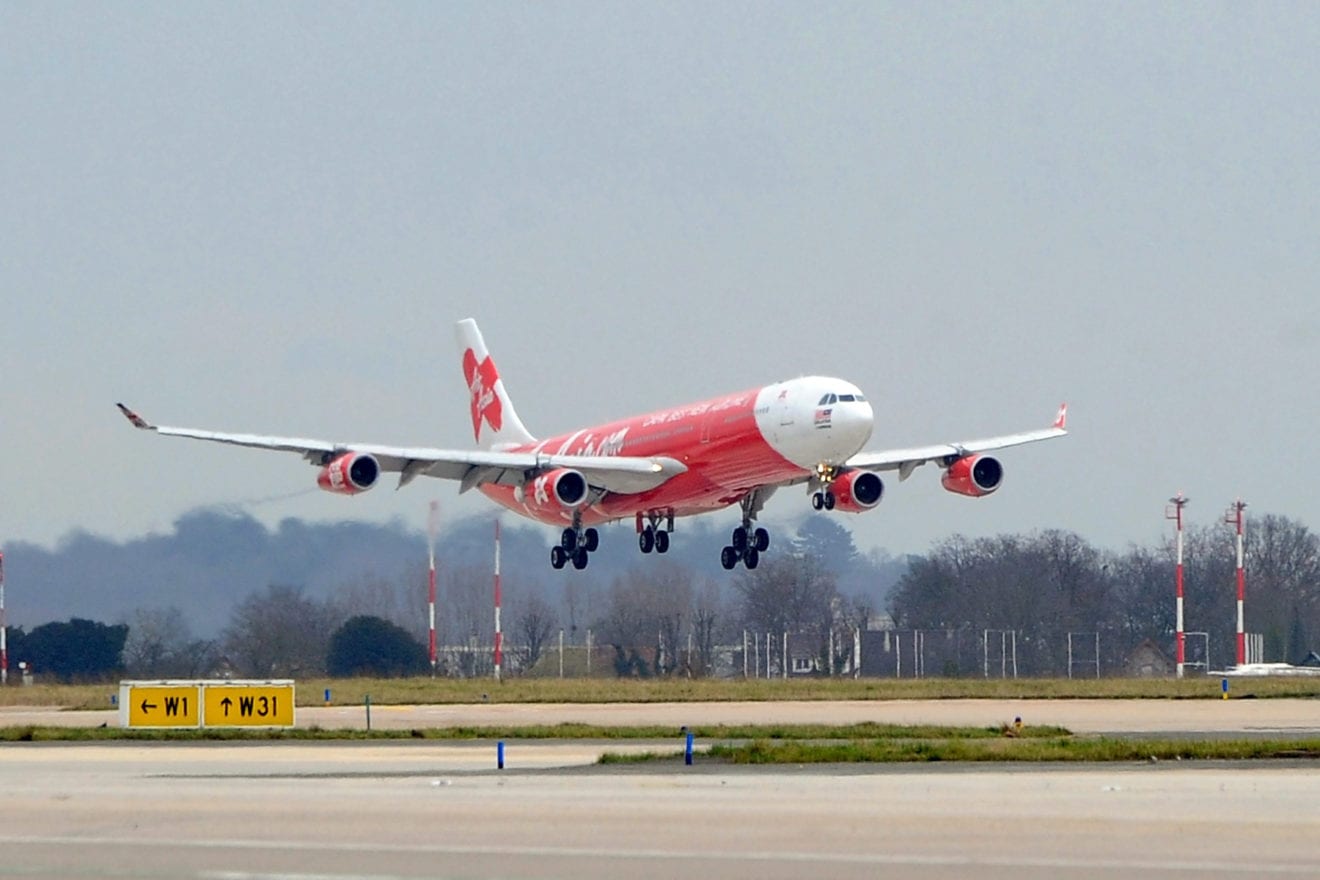
  • AirAsia inks pact with Odisha to run direct flights to Kuala Lumpur

    AirAsia inks pact with Odisha to run direct flights to Kuala Lumpur

    Malaysia-based low-cost carrier AirAsia on Friday signed a memorandum of understanding (MoU) with the Odisha government for running direct international flights from Bhubaneswar to Kuala Lumpur.

    The agreement was signed between Nitin Bhanudas Jawale, Director of tourism department in the state and AirAsia Chief Executive Officer (CEO) Aireen Omar.

    “AirAsia’s engagement is very important for Odisha. This pact marks the culmination of our efforts and very soon, we will be starting international flights. We have asked for permission to ply two to three flights per week. The state government is offering subsidy in the form of Viability Gap Funding (VGF)”, said Jawale
    AirAsia CEO said an announcement would be made shortly regarding the commencement of international flights from Bhubaneswar — a development industry experts feel could attract other players to launch operations from Odisha’s capital.
    “Sometime in April,  the services will start but it may be in the first or the last week. The exact date will be known in a week’s time. Air Asia will also be starting another flight to Bangkok in the next three to four months. With Air Asia launching its operations, we are hopeful that other players will be attracted to start their operations from Bhubaneswar. Invest Bhubaneswar has been pursuing Air Asia for the past five years to start operations from the city”, said Debasish Patnaik, convenor of the Invest Bhubaneswar event.
    AirAsia has selected through competitive bidding. The state government had invited an Expression of Interest (EoI) from the scheduled air carriers for running flights to destinations in South East Asia like Singapore, Bangkok and Kuala Lumpur. To woo the air carriers, the state government had agreed to provide reasonable VGF in the form of subsidy grant.
    The state government has offered to provide the subsidy grant initially for six months with the possibility of extending it for a year from the date of starting commercial flight operations. The continuation of subsidy grant would depend on the trend in passenger traffic.
    If an operator is already running flights from an Indian city to Singapore, Bangkok or Kuala Lumpur and is keen to use Bhubaneswar as a hopping destination, the state government would offer subsidy grant. However, the grant would be released on the condition that the operator reserves 30 per cent of seats for passengers flying from and to Bhubaneswar.
    The subsidy would be provided on a monthly basis and would be given if there are regular flights on scheduled days irrespective of the passenger flow. If the operator chooses to increase or decrease the frequency as per demand, the state government would vary the subsidy grant accordingly. Despite getting the international tag since October in 2013, international flight operations are yet to take off from Bhubaneswar except for Air India, which currently routes international passengers from the city via New Delhi.
    To incentivise global flight operations, the state government has announced the complete waiver of VAT (value added tax) on aviation turbine fuel (ATF).
  • Tata Steel explores Myanmar

    Tata Steel explores Myanmar

    Boosted with the success of its solution business in the retail segment in the domestic market, steel major Tata Steel is now exploring possibility of entering overseas markets like Bangladesh and Myanmar with retail branded steel solution products.

    “We have a great success in developing brands and distribution network in B2C markets in India.

    Bangladesh and Myanmar are the two B2C markets which have similar profile as India.

    We see the opportunity there in the B2C markets to build the brand and distribution network,” Tata Steel MD (India and South East Asia) T V Narendran said.

    Tata Steel terms consumer products as B2C and has marketed these steel products similar to FMCG strategy.

    Narendran however, did not elaborate further on the overseas foray.

    Tata Steel offers branded rebars, doors, windows, modular housing, toilets and water ATMs etc in the Indian market and generates some Rs 700 crore revenue annually and was aiming to increase the same to 20 per cent of the topline over the next few years.

    Speaking at Bengal Chamber of Commerce organised Metal 2017, he said country’s steel industry had been spending less towards R&D compared to global standards.

    “Most industries and countries spend about 2 per cent (of the revenue) towards R&D.

    Indian steel industry is spending less than 0.5 percent to it.

    The government is providing incentives to the industry to invest more in R&D,” he said here.

    “R&D expenditure is not about spending the money but having the right projects,” he added.

    Narendran also mentioned that India lacks in high end steel processing for automotive sector.

  • Coffee Craft cafe takes culture to Beijing suburbs

    Coffee Craft cafe takes culture to Beijing suburbs

    Beijing’s new Coffee Craft cafe takes coffee culture to the capital’s suburbs.

    It is in the largely residential area of Beixuaguan, in Beijing’s northwest. Covering 400 sqm, the outlet has been designed by United Units Architects, a practice based in both Beijing and London.

    Coffee-Craft-Cafe-by-United-Units-Architects-Beijing-China-04

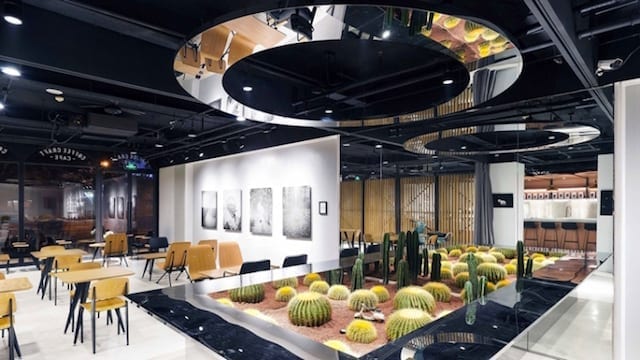
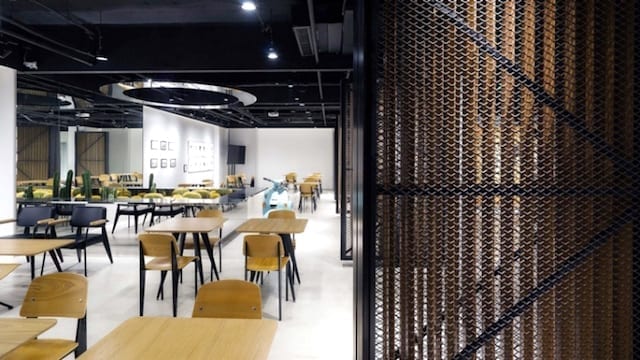
    While primarily a venue for specialty coffee, it also anticipates the hybrid lifestyles of today’s young generation, says Retail Design Blog. It features four specific areas – a bar, a seating area, two meeting rooms and a kitchen space – all separated by partitions crafted from a mix of vertical louvres and wire mesh, allowing for a variety of configurations.

    Each space has a distinct feel while seamlessly blending with the other sections.

    The bar comprises wall panels of shiny steel and capsule-shaped copper equivalents on the ceiling, while the seating area features an indoor cactus garden as a focal point. It is framed and encapsulated on one side by slabs of mirror that make it appear double its actual size. Hovering directly above is a large circle made of the same material. A Vespa scooter installation adds a quirky and frivolous touch to the austere aesthetic, says Retail Design Blog.

    Coffee-Craft-Cafe-by-United-Units-Architects-Beijing-China-05


    Coffee Craft’s menu features specialty coffee from such countries as Brazil, Colombia, Ethiopia , Guatemala, Indonesia, Kenya and Panama, all marked on a wooden wall plaque with a pinboard world map.

    Coffee-Craft-Cafe-by-United-Units-Architects-Beijing-ChinaCoffee culture is not only catching on in China, but accelerating and diversifying to meet the lifestyle requirements of the country’s growing demographic of savvy consumers, says the blog.

    “Obviously, this trend has manifested itself most vigorously in plush downtown neighbourhoods of the country’s booming first- and second-tier cities. The middle class continues to expand with leaps and bounds – it has doubled from 399 million to 784 million in just a decade – and coffee and modern lifestyle appreciation has grown in equal measure across suburban fringe, and increasingly in surprising contemporary form.”

  • Clarion Events Asia Announce the Acquisition of RetailEX ASEAN

    Clarion Events Asia Announce the Acquisition of RetailEX ASEAN

    Clarion Events Asia, part of the global Clarion Events Group – a leading event organiser, producing and delivering innovative and cutting edge events since 1947 – today announced that they have acquired RetailEX ASEAN, a fast growing trade exhibition serving retailers in the ASEAN region. Co-organising the event with IMPACT, the premium venue in Thailand, Clarion Events look to enhance its offering to the retail industry in Asia.

    The purchase of RetailEX, based in Thailand, further increases Clarion Events involvement in the Asian retail market. “The combination of RetailEX ASEAN’s early success with Clarion’s history of nurturing events will provide our clients with the business intelligence to transform retail in Asia” said Richard Ireland, Managing Director of Clarion Events Asia. “The acquisition is expected to result in a show that can support the needs of retailers across ASEAN as they transition through the next 5-10 years of exciting transformation. We are grateful that the co-founder of RetailEX ASEAN, Ms Rosalind Ng, Managing Director of Globe International Events Consultancy has set a good foundation for us to bring the event to the next level.”

    “A partnership was formed with Clarion Events Pte Ltd (Asia) to broaden and strengthen RetailEX ASEAN’s position in the ASEAN region,” commented Mr Loy Joon How, General Manager, IMPACT Exhibition Management. “This new collaboration with Clarion Events could not have come at a better time for us as we are anticipating new upcoming challenges for the ASEAN retailers in this digital age of disruption. Clarion Events, with their success in e-Commerce and Internet Retailing events will bring a whole new dimension to RetailEX ASEAN, which now promises to be the most complete and most exciting retail trade show in the region.”

    RetailEX Asean will continue to operate under that name. Clarion Events will leverage the IMPACT team’s knowledge of the market and to work closely with them during the integration of both companies – which will take place over the next 6 months, leading to the RetailEX ASEAN show happening on 14-17 September, at the IMPACT Exhibition Hall, Bangkok. “With the involvement of Clarion Events, our clients will expect higher international quality services,” stated Mr Loy. 

    To augment the offering to retailers of the region, Clarion Events will introduce Internet Retailing Expo (IRX) ASEAN to co-locate with RetailEX ASEAN. With a successful history in Indonesia the event provides a vital digital/ ecommerce offering to retailers looking to compete in the online retail space. “We look to offering the Thailand retail market even more expertise from around the world and seeing more visitors attracted to the show this September” says Richard Ireland. 

  • Lotte Duty Free sales up 25 per cent

    Lotte Duty Free sales up 25 per cent

    Lotte Duty Free has reported a 26 per cent increase in turnover to W5.9 trillion (US$5.1 billion) for last year.

    The figures are believed to excludes sales from its overseas airport and downtown outlets (Guam, Indonesia, Tokyo), reports DFNI Online.

    For 2015, its sales reached W4.82 trillion, a decline from W4.55 trillion the previous year.

    The Mers outbreak hit the retailer, despite it being awarded five-year contracts for two perfumes and cosmetics concessions and a liquor and tobacco concession at Seoul Incheon airport. It also beat off competition for a downtown duty-free shop in Jeju. The disease outbreak chopped off Chinese tourist arrivals to South Korea.

    Lotte Duty Free was further dented by the loss of its pivotal World Tower licence to travel retail newcomer Doosan Corporation (Doota Duty Free), but it has since regained the licence and re-opened the store.

    Marketing division manager Bo Joon Kim describes it as “one of the most chaotic times” in the group’s history.

    Lotte accounted for 48.7 per cent of total Korean duty-free sales last year, which amounted to W12.3 trillion. It started the year by opening its 4396 sqm Korean-style downtown duty-free store in Tokyo.

    Other developments included the reopening of its Gimpo airport store in August and the re-launch of its Gimhae airport outlets.

  • Real Singapore retail sales slightly rising

    Real Singapore retail sales slightly rising

    Real Singapore retail sales – the data excluding motor vehicles – recovered 0.7 per cent in December over November – and by an even smaller 0.3 per cent year-on-year.

    Retail sales index Feb.

    The total value of retail sales in December 2016 was estimated at $4.2 billion, similar to that of December 2015.

    Sales of computer & telecommunications equipment and department stores fell 6.8 per cent and 2.2 per cent month-on-month.

    But sales of watches & jewellery, medical goods & toiletries, optical goods & books, recreational goods, mini-marts & convenience stores, furniture & household equipment, petrol service stations and supermarkets increased between 1.2 per cent and 6 per cent. Retailers of wearing apparel & footwear and food & beverages recorded marginal growths of 0.2 per cent and 0.1 per cent respectively.

    Year-on-year, retail sales of medical goods & toiletries, recreational goods, furniture & household equipment, mini-marts & convenience stores, optical goods & books and supermarkets rose between 0.8 per cent and 9.9 per cent in December 2016.

    In contrast, sales of computer & telecommunications equipment fell 9 per cent, with sales of petrol service stations, food & beverages, wearing apparel & footwear, watches & jewellery and department stores down by between 0.3 per cent and 2.2 per cent.

    Food & beverage services

    Sales of food & beverage services (seasonally adjusted) fell 2.2 per cent in December 2016 month-on-month. Compared to the same period last year, sales of food & beverage services declined 0.3 per cent in December 2016.

    F&B index Feb.

    After seasonal adjustment, turnover of fast food outlets decreased 5.6 per cent month-on-month, while sales of other eating places (such as cafes), restaurants and food caterers fell between 1.5 per cent and 1.8 per cent over the same period.

    Year-on-year, restaurant sales declined 7.9 per cent, but turnover at other eating places, food caterers and fast food outlets rose between 3.7 per cent and 5.1 per cent.

  • Singapore soya-sauce chicken chain for Taipei

    Singapore’s soya-sauce chicken hawker outlet is heading overseas with Taipei as its first stop.

    The Michelin star restaurant’s Taiwanese debut will be at Hoyii North Station in the first half of this year.

    Owner Chan Hon Meng says he is excited to share Singapore’s food culture with the rest of the world, and hopes this will encourage more young people to join the hawker profession.

    Like Hawker Chan, which opened in Smith Street in November, the Taipei outlet will be a quick-service restaurant.

    Chan’s signature soya-sauce chicken dish earned a one-star rating in the inaugural Singapore Michelin Guide last July. His hawker stall at Chinatown Food Complex is touted as the cheapest Michelin-starred food establishment in the world, with its award-winning noodles selling at only S$2.50 (US$1.76).

    If the Taipei branch succeeds, Chan hopes to next expand into Malaysia.

  • Record growth boosts Jollibee Foods’ income 24pc

    Record growth boosts Jollibee Foods’ income 24pc

    Philippine-headquartered quick-service restaurant chain Jollibee Foods income jumped 24.6 per cent to 6.14 billion pesos (US$123.26 million) last year, thanks to aggressive store openings.

    Jollibee says it opened 340 outlets across nine brands – its biggest expansion in a single year – of which 243 stores were in the Philippines. Including JVs, such as Smashburger in the US and Highlands Coffee in Vietnam, Jollibee opened 468 stores last year.

    This pushed system-wide retail sales, derived from franchised and company-owned stores, by 14.1 per cent to 149.14 billion pesos.

    Jollibee Foods Philippines CEO Ernesto Tanmantiong says the company is spending 14 billion pesos this year, up from 10.4 billion pesos last year, to open more outlets and expand its commissaries.

    Jollibee says its business in China – about half of its overseas interests – has returned to growth, with sales expanding by 6 per cent in the fourth quarter.

    Poor sales in China earlier prompted the company to reorganise there. It unloaded its San Pin Wang noodle chain and took over a food-processing company.