Tag: asia

  • Online Furniture Retailer Castlery Builds Scalable E-commerce Fulfilment Platform

    Online Furniture Retailer Castlery Builds Scalable E-commerce Fulfilment Platform

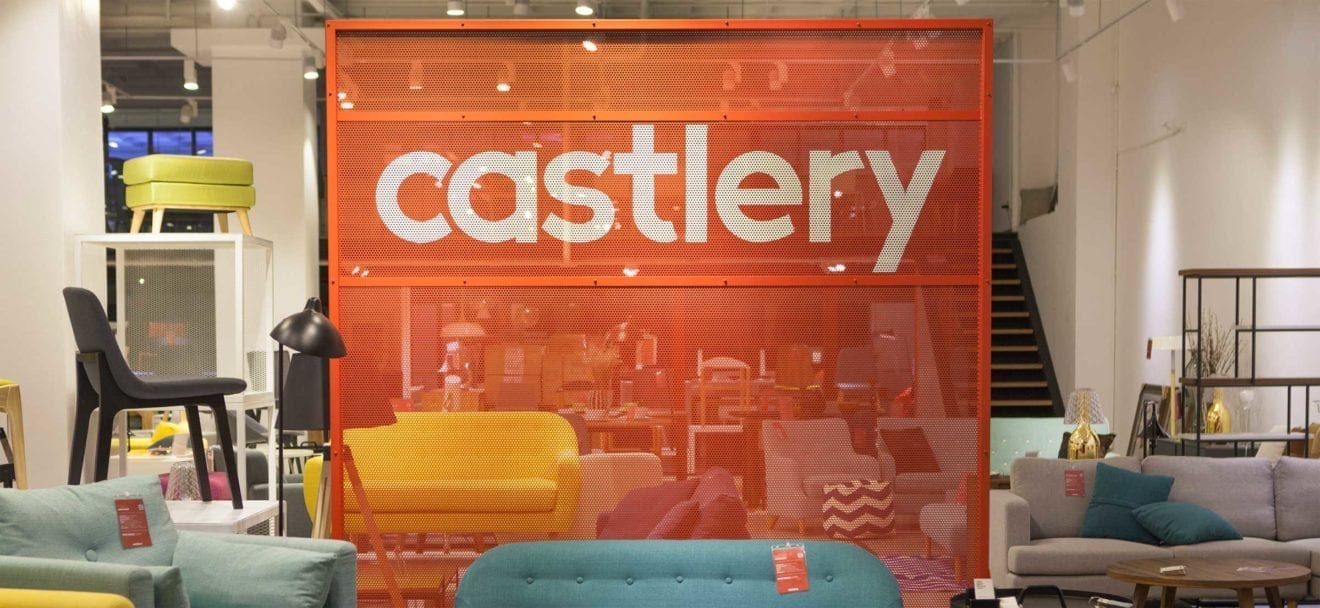
    Manhattan Associates today announced that Castlery, the Singapore-based online furniture retailer, has selected Manhattan SCALE as a key component of a business transformation programme to build a world-class order fulfilment capability that will ensure a seamless service experience for customers and drive ongoing business growth.

    Launched in 2013 with a mission to make designer furniture accessible to everyone, Castlery has quickly established itself as a leading furniture and homewares designer in Southeast Asia. In order to meet its target of over 100 percent year-on-year growth, Castlery recognised it needed to invest in an order fulfilment technology that would scale in line with its business growth, ensure service level improvements for customers and drive future sales and margin expansion.

    Castlery selected Manhattan SCALE for its ability to handle the unique logistical challenges associated with furniture retailing and distribution and its proven track record supporting ecommerce and omni-channel operations around the world. With a pressing need to be set up before the peak sales season, Castlery needed the Manhattan fulfilment platform to be live and ready for one of its busiest times of the year. Working closely with the Manhattan team, Castlery successfully completed the solution deployment at its Mapletree Logistics Hub in Toh Guan, Singapore, in under three months, remarkably fast for a first implementation.

    Zhou Zhiwei, Chief Technology Officer at Castlery, commented: “As the leader in the Gartner Magic Quadrant for Warehouse Management Systems (WMS) and with many companies we admire already using SCALE, Manhattan ticked many boxes. Their experience with solving problems like ours, high calibre teams, and flexible solutions made picking Manhattan as our partner an easy decision.”

    Travers Tan, Chief Operating Officer at Castlery, added: “Since the solution has been deployed, process execution has improved across our entire distribution operation. We’ve hit 99.99 percent inventory accuracy and seen a 23 percent month-on-month increase in order transactions. We now have a complete view of inventory across the distribution network whilst our order-to-delivery cycle times are compressed significantly. Also, the solution is fully integrated with our ERP system, giving us a “live” picture of available inventory for sale and enabling accurate lead-times to be reflected on our website. Because the system can support multiple DCs, it is perfectly suited to our future plans for expansion into overseas markets. The Manhattan solution’s capabilities support our vision to become the leading furniture e-retailer globally.”

    Richard Wright, Managing Director, Southeast Asia, at Manhattan Associates, commented, “Manhattan provides the expertise and technology to help clients deliver on their brand promise. We’re delighted to see Manhattan SCALE already driving order volume growth for Castlery and are confident that Castlery will continue reaping the rewards from our constantly evolving solutions for many years to come.”
     

  • Vietjet receives approval to establish Vietjet Aviation Technology Centre

    Vietjet receives approval to establish Vietjet Aviation Technology Centre

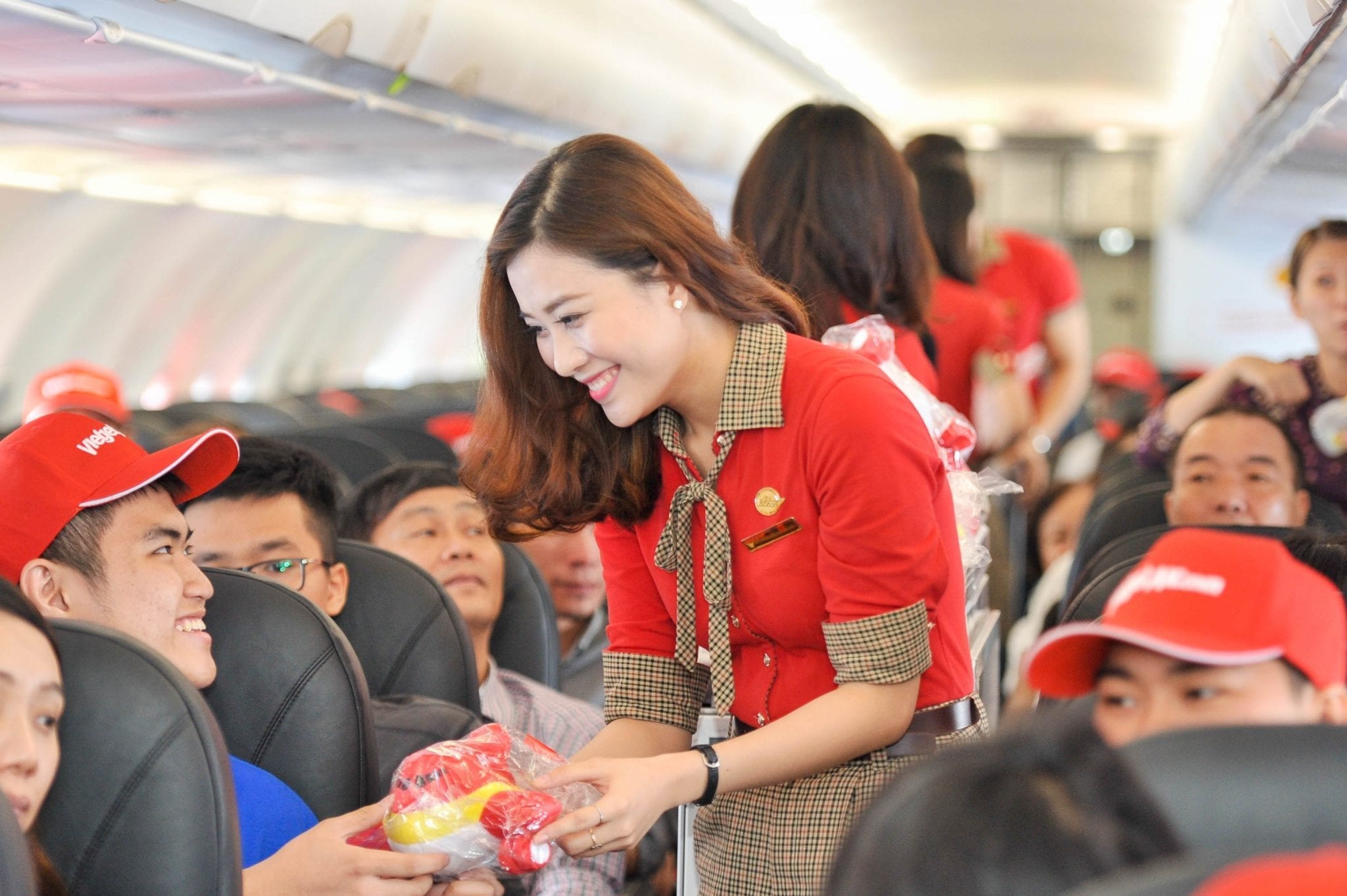
    Vietjet on February 18, 2017 received investment approval from the People’s Committee of Ho Chi Minh City – Board of Management of the Saigon Hi-Tech Park for the establishment of its Aviation Technology Centre project. 

    As part of the massive program to the develop the Vietjet Aviation Academy in the Saigon Hi-Tech Park, the project will break ground next month and is scheduled to go into operation in December, 2017. The First Phase of the project will be a Full Flight Simulator Centre for pilot training, providing run in operation with aircraft manufacturer Airbus.

    The Vietjet Aviation Technology Center will be built on a 5.54 hectare site at the R&D Training and Incubation Zone (Science Zone) – “the heart” of the Saigon Hi-tech Park. With its detailed planning and comprehensive organization, Vietjet targets to develop the Aviation Technology Center as a professional aviation research and training center of international standards

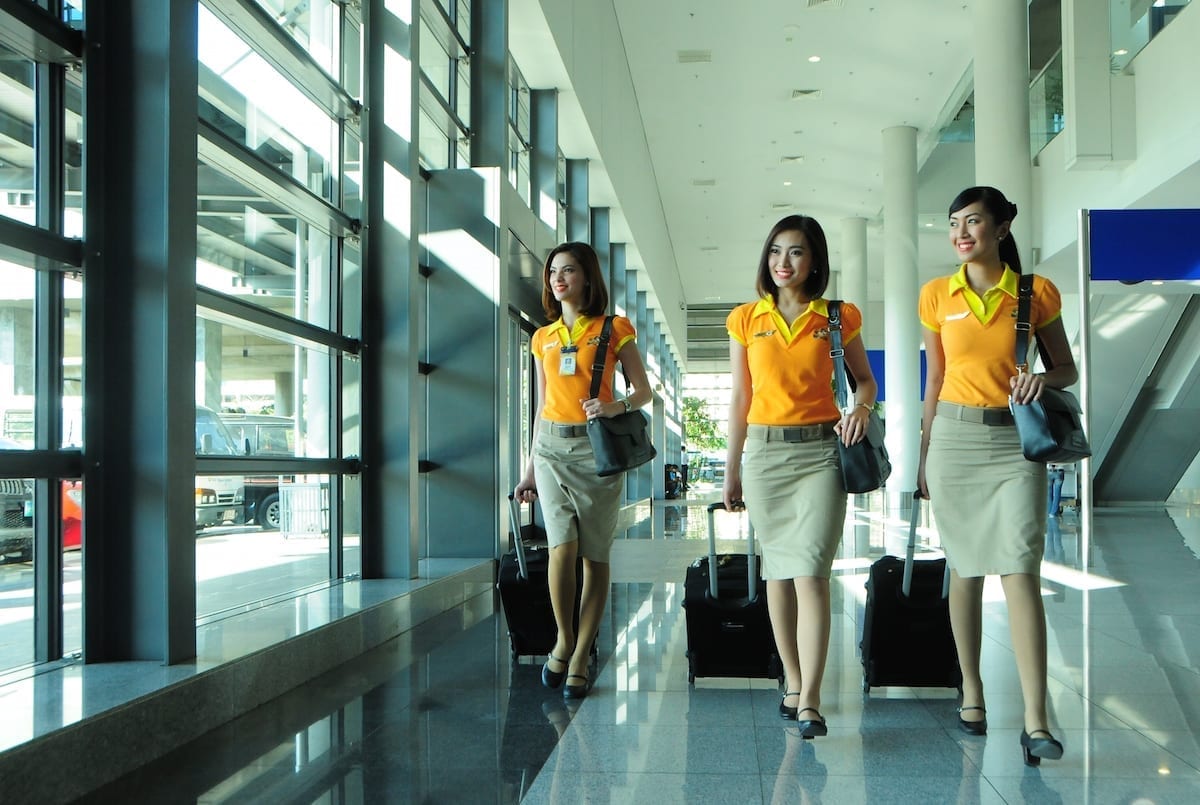
    In keeping with the airline’s rapid expansion, Vietjet attaches great importance in training. The airline’s training center, which opened in early 2015, has so far trained 8,287 staff and provided 655 training courses for a total of 25,249 training hours with 3,351 certificates issued, all of which guaranteeing the development of Vietjet’s international standard and professional expertise that will oversee the airline’s steady and sustainable growth. 

    In another positive development on the same day, Vietjet today received full membership from the International Air Transportation Association (IATA), affirming the new-age carrier’s role and position in both the Vietnamese and international aviation community.

    Prior to attaining the full membership, Vietjet had been certified by the IATA Operational Safety Audit (IOSA). IATA, the most professional, consistent and comprehensive voice of the international aviation industry, actively seeks to support and increase the benefits for all airline members through international recognition, orientation for the industry priorities, encouragement for promotion and innovation in the industry, cost management and cooperation campaigns for communication, training and other services.

    In his congratulatory letter to Vietjet, Antony Tyler, Former Director General & CEO of IATA said: “I am honored to congratulate Vietjet on receiving IATA’s full membership. IATA’s mission is to represent, lead and serve the airline industry and is the collective voice of some 272 airlines from over 117 countries worldwide. Our vision is to be the force for value creation and innovation driving a safe, secure and profitable air transport industry that sustainably connects and enriches our world. I believe in Vietjet and hope the airline will continue to have more fruitful achievements by maximizing the benefits of being an IATA’s member.”

    During its five years of operations, Vietjet has been honored with 32 domestic awards and nine international renowned awards. Besides being named as one of “Top 500 Brands in Asia 2016” by global marketing research company Nielsen, Vietjet was also voted as the “Best Asian Low Cost Carrier” at the TTG Travel Awards 2015 and “Vietnam’s Most Favorite Airline” by The Economic Times of Vietnam. The airline has also been consistently awarded as the “Best Work Place” and “Best Employer Brand” in Asia.

  • Hudson Travel bookstores launch at Chengdu Airport

    Hudson Travel bookstores launch at Chengdu Airport

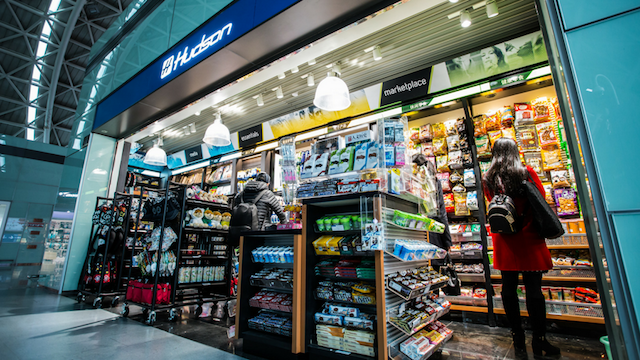
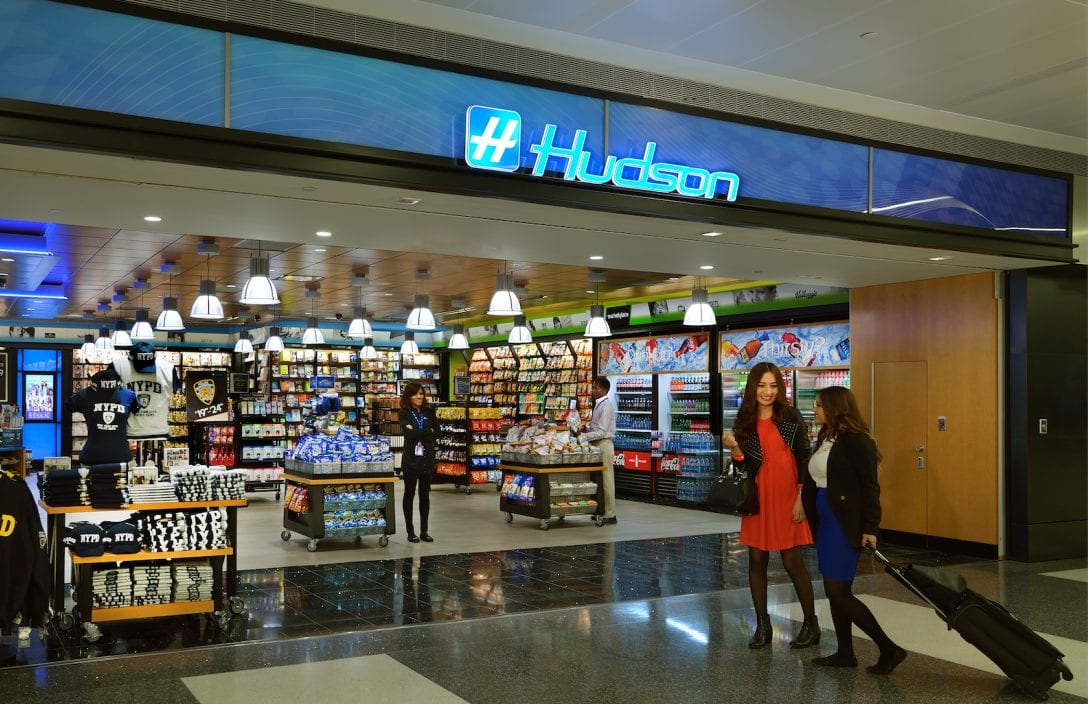
    Swiss travel retailer Dufry has launched the Hudson Travel Essentials Convenience Bookstore brand with eight outlets at Chengdu Shuangliu International Airport.

    The Hudson Travel bookstores are being run by Hudson Bright Power Beijing, a JV between Dufry and bookstore company Bright Power Beijing.

    Chengdu Shuangliu International Airport handled more than 44 million passengers last year, and is ranked as the fourth-busiest airport in China behind Beijing Capital International, Shanghai Pudong and Guangzhou Baiyun International airports.

    The new Hudson Travel Essentials Convenience Bookstores offer travellers “one-stop shopping with an international ambiance”, says Dufry. As well as magazines and books, the shops offer international snacks and soft drinks, Chinese cultural and destination souvenir items, travel convenience products, and digital and electronics accessories.
    Dufry plans to roll out the Hudson brand across China and expand the retail concept globally.
    China is poised for significant growth in passenger numbers both at airports and railway stations, says the company.

    The Civil Aviation Administration of China says there were about 500 million air passengers in China last year, 13 per cent more than in the previous year.

    “With its remarkable number of passengers, Chengdu is the ideal starting point to further grow in China, which is a very attractive market for us,” says Dufry Asia/Middle East/Australia division CEO Andrea Belardini.

    “Besides the Hudson convenience stores, we are also able to offer our landlords a complete range of retail formats and solutions, from typical core categories to multi-brand formats such as sunglasses, fashion watches, electronics and leisurewear.”

    Bright Power was founded in 2005 as a book-publishing company, and has evolved from book wholesaling to magazine and book retailing. It has bookstores in four out of the 10 major Chinese airports and at six of China’s top 10 high-speed railway stations.

  • Hard Rock Hotel tuning up for China

    Hard Rock Hotel tuning up for China

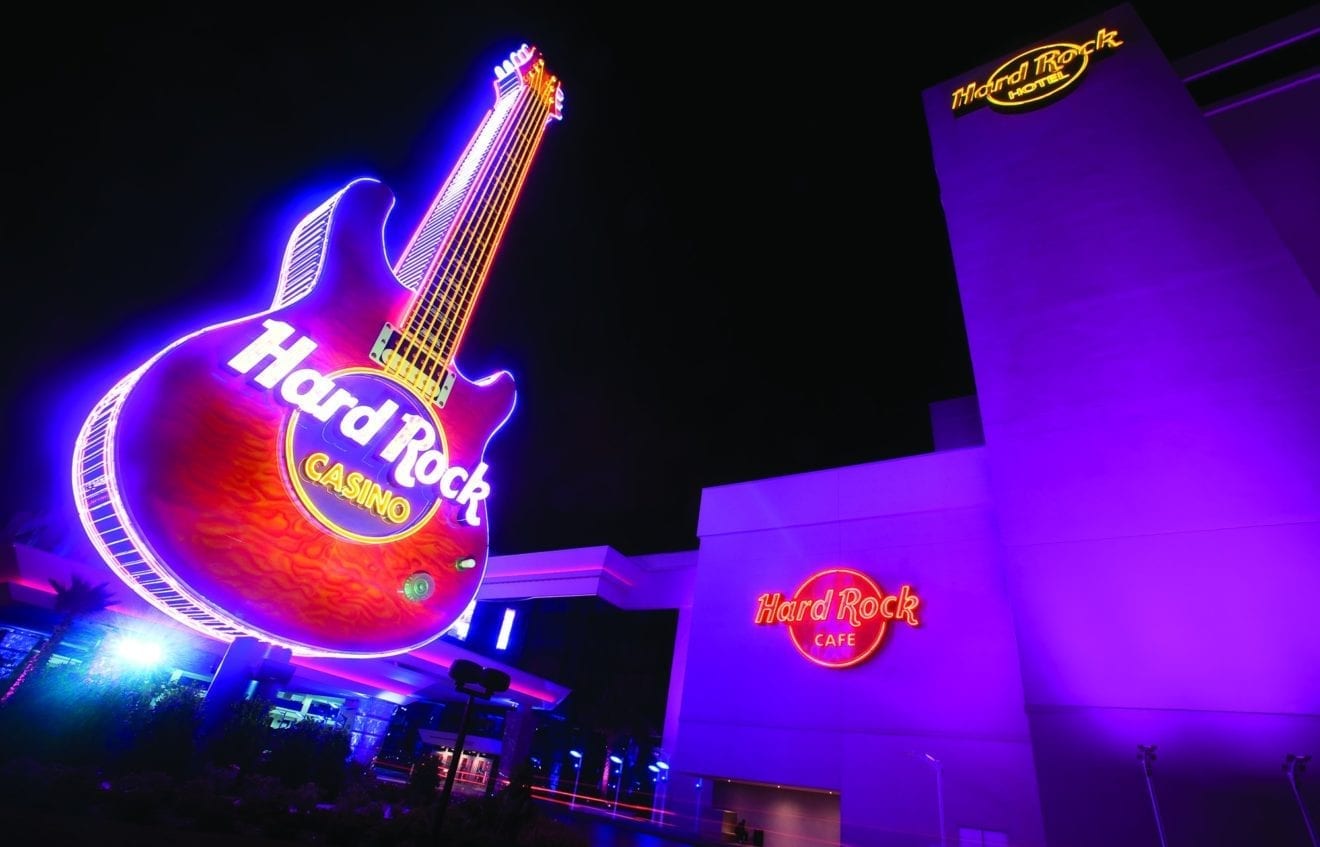
    Mainland China’s first Hard Rock Hotel will open in Shenzhen this year.

    It will feature a rooftop restaurant and pool, and offer about 1021 sqm of meetings space.

    As a point of difference, the 258-room Hard Rock Hotel Shenzhen will offer complimentary in-room Fender electric guitars. There will also be a kids’ club.

    The hotel is part of the Mission Hills Centreville resort district that opened last year and includes an 18-hole golf course and a retail mall.

    Hard Rock opened a 322-room hotel in Macau in 2009.

  • Online retail uploads into rapidly expanding Vietnamese market

    Online retail uploads into rapidly expanding Vietnamese market

    E-commerce is forecast to hit $10 billion by 2020, accounting for 5 percent of the country’s retail market. Vietnam’s e-commerce market climbed to about $4 billion in 2016 as one of the fastest-growing markets worldwide.

    Revenue from online retail in Vietnam is forecast to hit $10 billion by 2020, accounting for 5 percent of the country’s retail market.

    “The growth rate of Vietnam’s e-commerce market is estimated at about 35 percent, which is 2.5 times higher than Japan,” said industry expert Duc Tam at the recently-held Vietnam Online Business Forum 2017.

    Online sales in Vietnam have expanded rapidly in recent years, currently accounting for 3.39 percent of the country’s retail market. The total retail market grew 10.2 percent last year to $118 billion, mainly fuelled by a growing middle-class with expanding disposable incomes and an increasing number of internet users.

    The World Bank forecasts that Vietnam’s $200 billion economy is likely to grow to a trillion dollars by 2035. More than half of its population, compared with only 11 percent today, is expected to join the ranks of the global middle class with consumption of $15 a day or more.

    According to one estimate, about 30 percent of the population will be buying goods and services over the internet in 2020, with each shopper spending an average of $350 per year.

    Just three years ago Vietnam was ranked the smallest e-commerce market in Southeast Asia in terms of sales. Now its online retail is gaining momentum with more than half of the country’s 92 million people increasingly turning to online shopping.

    According to Internet World Stats, Vietnam is currently ranked 18th in the world in terms of the number of internet users, with mobile subscription rates as high as 4 out of 10 people.

  • Juniper Networks forms new SDSN alliances

    Juniper Networks forms new SDSN alliances

    Juniper Networks has announced technology alliance partnerships with several security providers, covering areas including endpoint security, cloud access security and network access control.

    The companies joining Juniper’s existing alliances include Carbon Black, Netskope, CipherCloud, ForeScout and HPE’s Aruba.

    These partners will integrate their technologies with Juniper’s software-defined secure networks (SDSN) platform, allowing customers to create cohesive security infrastructures with easily managed and deployed best-in-class products for advanced threat intelligence sharing and prevention.

    Through the addition of these partners, Juniper aims to expand the platform’s protection against cyber threats on-premises as well as off-premises. This includes defense in the network, at the endpoint and in the cloud.

    By enabling the network to be the center of a modern security infrastructure, Juniper said it will bring simplicity to a complex network of disparate security products and ensure customers have the flexibility to use best-of-breed solutions to protect mission-critical IT and business assets.

    These partners will leverage Juniper’s APIs to integrate their security capabilities into the SDSN framework and deliver comprehensive protection across the cyber crime lifecycle.

  • Cebu Pacific flight soars from Masbate to Manila for 1st time

    Cebu Pacific flight soars from Masbate to Manila for 1st time

    The first and inaugural commercial flight of the Cebu Pacific connecting Masbate province to Manila flew on Tuesday morning, the Department of Tourism Bicol regional Director Maria Nini Ong-Ravanilla said.

    Seventy-six (76) passenger flights between Masbate and Manila have been flying daily since Feb. 15 (Wednesday), said Alexander Lao, CEO/President of the Cebgo,

    “This is the first time Cebu Pacific is flying Manila to Masbate (and vice versa). With this commercial flight, it will boost tourism, investment and business generation,” Ravanilla said on Wednesday.

    Two commercial airlines are now flying in Masbate.  The  other is Philippine Airlines.

    She said the additional flights would surely increase the tourist arrivals for Masbate. In 2015, Masbate hit the target of 262,850 tourist arrivals with a marked increase of six percent over previous records.

    “The data show that 300,000 are achievable with this development. Masbate is confident to hit its target of 350,000 tourist arrivals,” Ravanilla added.

  • 11street Thailand launched by SK Planet

    11street Thailand launched by SK Planet

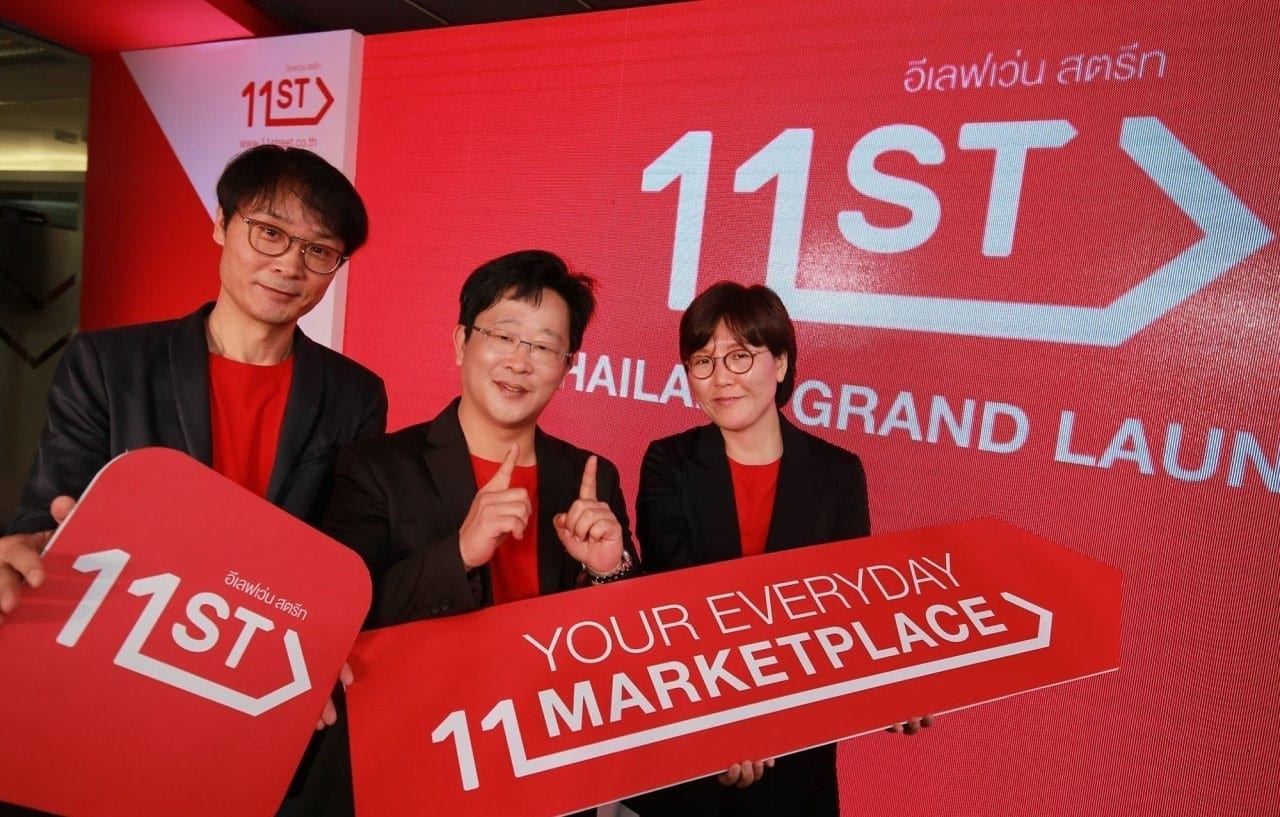
    Korean-headquartered online marketplace 11street has launched in Thailand.

    Parent company SK Planet says 11street Thailand is the first Korean-owned eCommerce marketplace to open in the Southeast Asian nation.

    An opening ceremony was held at Bangkok’s CentralWorld shopping centre this week, and prominent advertising livery has appeared on BTS stations to promote the brand.

    Korean actor Song Joong-ki and Thai actress Mew Nittha, who feature in marketing for the business, attended the launch event.

    Thailand is the fourth overseas market for SK Planet, a division of SK Telecom. It follows Turkey, Indonesia and Malaysia.

    11Street Thailand will offer “millions of trendy high-quality products at competitive prices,” the company said.

    “11Street will be a leading eCommerce firm that promotes the Korean wave in retail industry,” 11Street Thailand CEO Jeon Hong-cheol said. “We expect our entrance to Thailand will stimulate Korean manufacturers and ICT firms to make their presence felt in Southeast Asian markets.”

  • Vodafone India, Idea may announce a merger soon

    Vodafone India, Idea may announce a merger soon

    Vodafone India and Idea Cellular are reportedly on the verge of finalizing the terms of a major merger that would create India’s largest operator by subscribers.

    The operators are expected to finalize the agreement within a month and could be ready to announce a deal by the end of the week.

    Vodafone Group has brought in former India head Martin Pieters to work on the proposed merger, according to the report.

    But the proposed merger could be complicated by the fact that Indian regulations prohibit an operator from holding more than 25% of the total spectrum allocated in a single circle, 50% of the spectrum from a single band within a circle and 50% revenue or subscriber market share.

    The operators may therefore need to agree to divest certain spectrum and other assets to secure regulatory approval.

    A merger between the two operators would create an entity with a revenue market share of around 40% and a subscriber base of over 380 million, propelling the combined company ahead of current market leader Bharti Airtel.

    India’s crowded mobile industry is going through a consolidation phase, triggered by intensifying competition as a result of the entry into the market of disruptive and deep-pocketed newcomer Reliance Jio Infocomm.

    Aircel and Reliance Communications are reportedly also negotiating a merger, and Telenor India is said to be attempting to get in on the deal to make it a three-way merger. The combined company would be the second largest operator in the market behind Airtel, or the third largest in the event of a Vodafone-Idea merger

  • Zara, Gap, Body Shop slash Indian retail prices

    Zara, Gap, Body Shop slash Indian retail prices

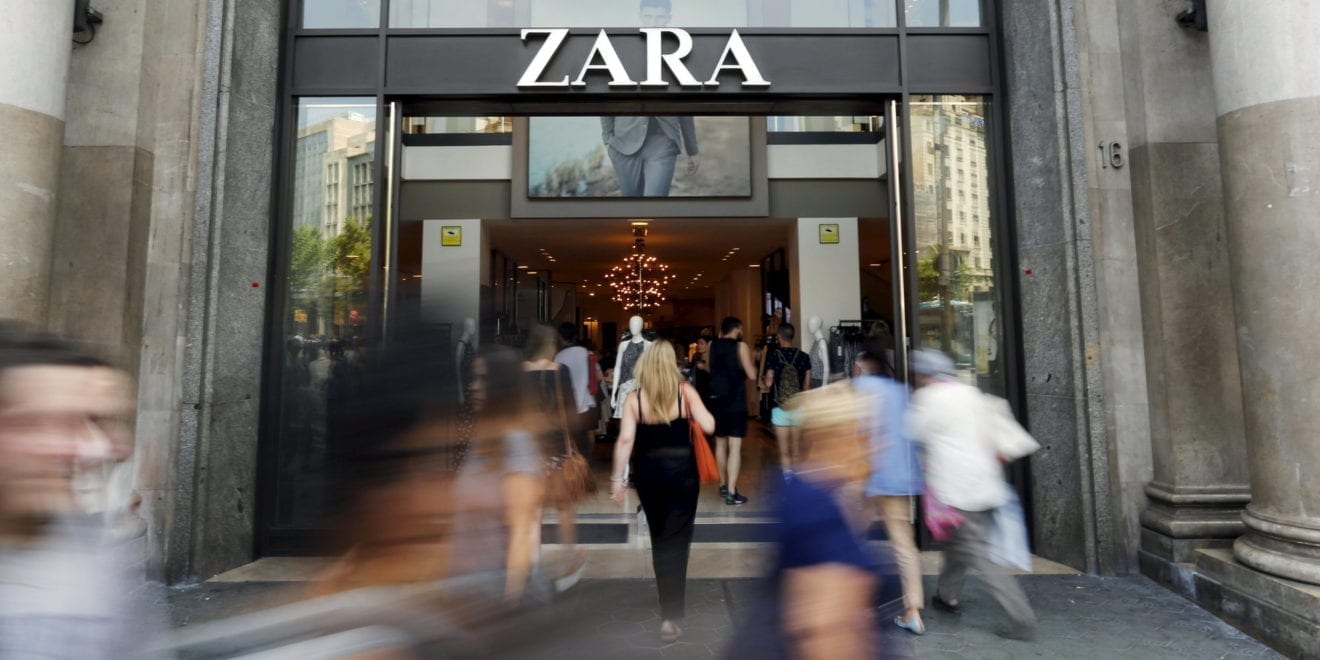
    Global brands like Gap, The Body Shop and Zara are slashing Indian retail prices to stay competitive in the heavily price-sensitive market.

    UK cosmetic brand The Body Shop slashed prices across categories in India by 20 to 30 per cent last week, and US fashion brand Gap is looking to have up to 40 per cent of its products made locally, which should allow prices to drop by 10 to 15 per cent.

    “The process has started,” says CEO J Suresh of Gap’s India franchisee Arvind Lifestyle Brands. The Indian-made items will be introduced next year.

    The Body Shop India COO Shriti Malhotra says its price cuts will make its products more accessible.

    Spanish fast-fashion brand Zara is also looking at slashing its prices to bring them closer to Swedish rival H&M.

    It quotes experts as saying price cutting is one of the most effective ways to boost sales and market share in India, particularly in highly competitive and fast-growing segments.

    “Most brands strategically lower prices for the value-conscious Indian consumer,” says CEO Devangshu Dutta of retail consultancy firm Third Eyesight.

    Inditex-owned fashion brand Zara reduced prices by up 15 per cent when H&M entered the Indian market in October 2015 with its global strategy of aggressive pricing. The move helped Zara record 17 per cent sales growth last year.

    When Arvind Lifestyle Brands took over the business of beauty and wellness retailer Sephora from former franchisee DLF Brands in September 2015, its first move was price correction. “We looked at pricing in Dubai and Singapore and kept it in the band of 5 to 10 per cent lower than that,” says Sephora India CEO Vivek Bali.

  • Manila hosts Sugar Factory Asia debut

    Manila hosts Sugar Factory Asia debut

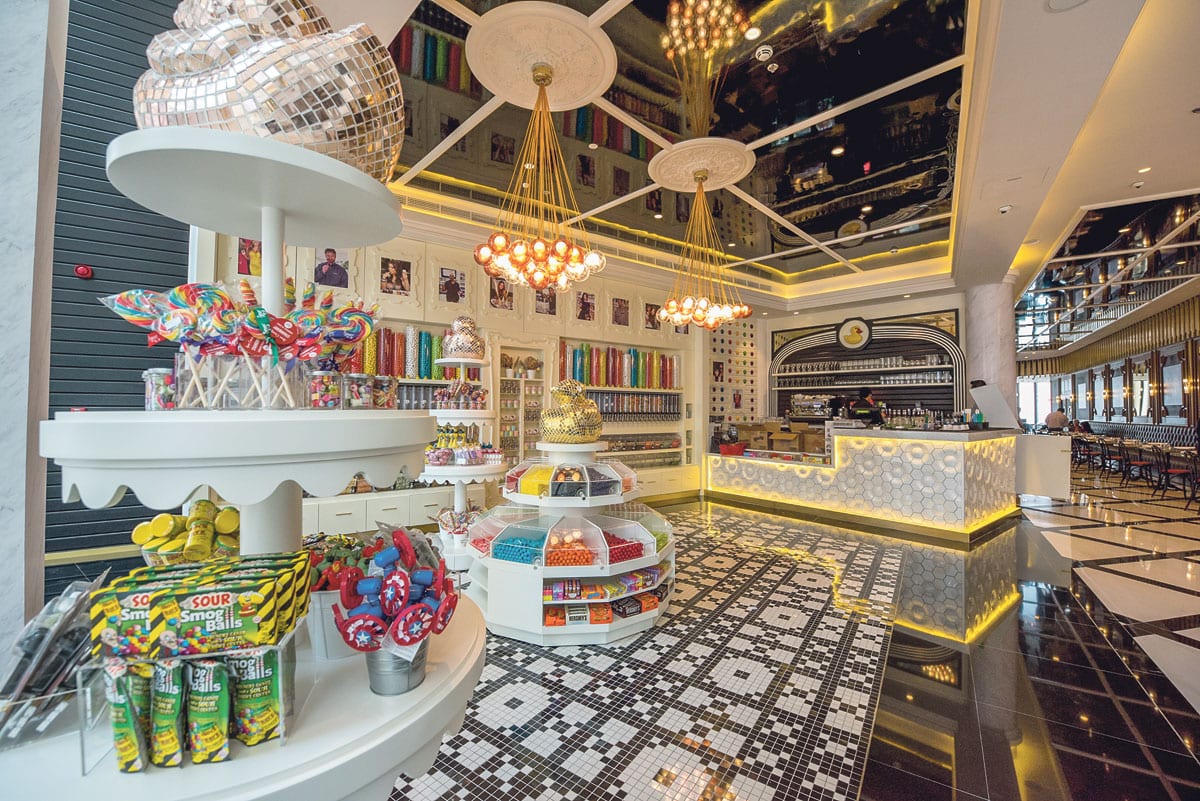
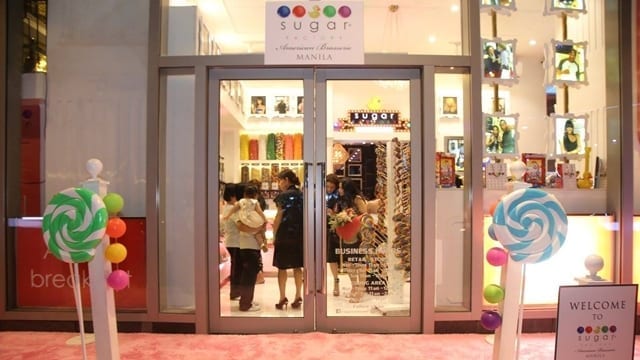
    Restaurant/bar/candy shop Sugar Factory American Brasserie has opened at Shangri-La at the Fort in Bonifacio Global City, Taguig.

    The Philippines is home to the first Sugar Factory Asia outlet, with more regional markets on the horizon.

    Following a soft opening four months ago, the Manila venue was officially launched with an exclusive party for VIPs, celebrities and media. Guests of honour, including Filipino Vice-President Maria “Leni” Robredo, billionaire businessman Fernando Zobel and his wife Kit, and dermatologist/TV personality Dr Vicki Belo, who all walked down a pink carpet.

    Sugar Factory’s menu includes pancakes, salads and burgers, while for adults the bar offers spiked beverages including the brasserie’s signature smoking candy goblets.

    The chain is known for its “couture pops”, sparkly lollipops that have been seen in the hands of such celebrities as Britney Spears, Carmen Electra and Eva Longoria. Other supporters of the restaurant include Charlie Sheen, Katy Perry, Kylie Jenner, Rihanna and Sting.

  • Huawei launches GigaHome smart home platform

    Huawei launches GigaHome smart home platform

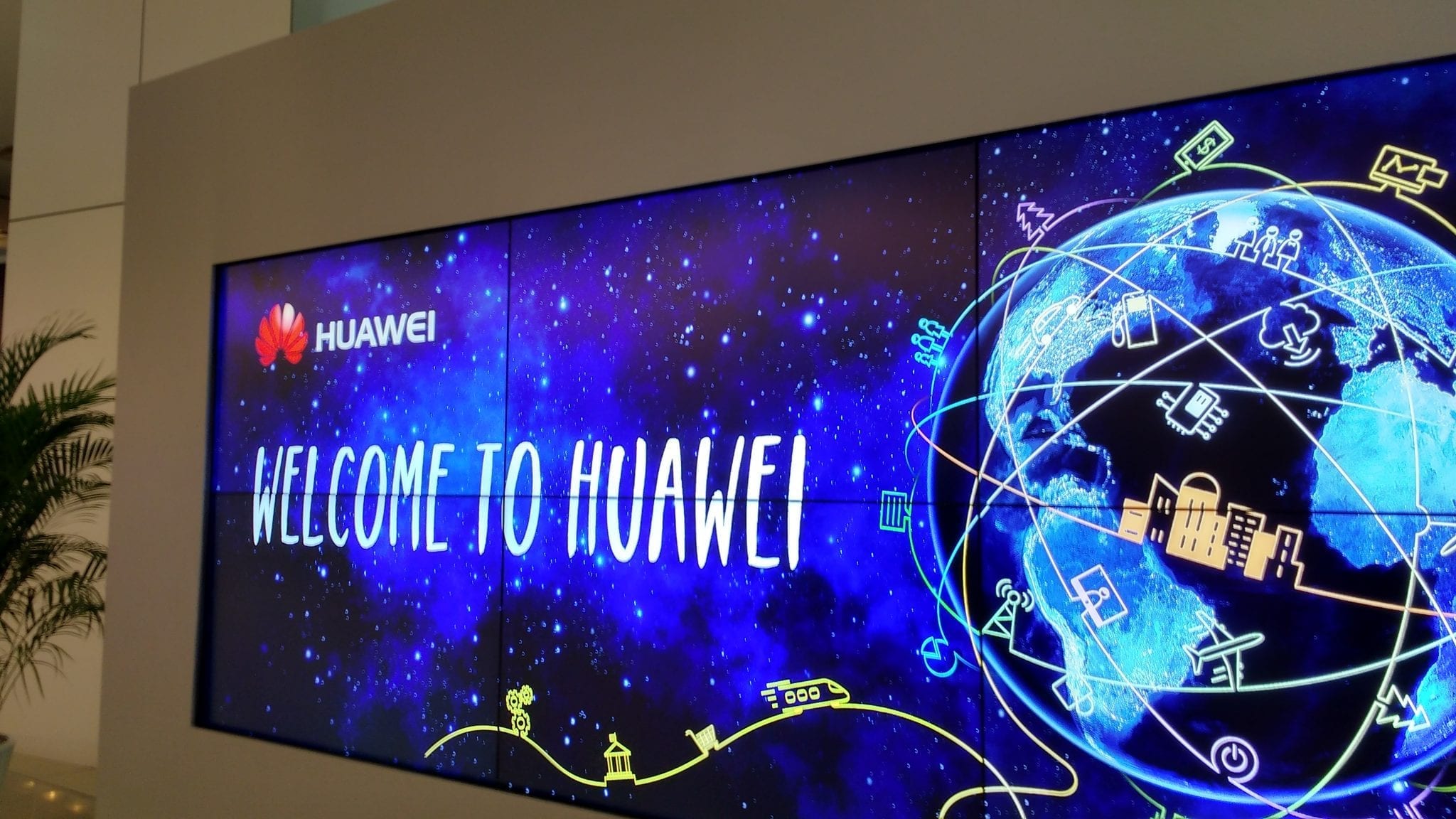
    Huawei launched its new GigaHome solution at the FTTH Conference 2017 in Marseilles, France last week, to help operators build smart and high-performance home networks for customers.

    The GigaHome platform is designed to support multiple digital home applications to deliver smart home services that are efficient, secure and accessible.

    The E2E solution focuses on home gateways and supports flexible Wi-Fi extension through media including CAT5 lines, power lines and wireless repeaters.

    Huawei said the solution can provide smart home coverage with a Wi-Fi speed rate of up to 300Mbps. Under the solution, home gateways adopt dual cores and enable gigabit Wi-Fi access by using technologies including Wi-Fi hardware forwarding, dual-band, 802.11ac and 4×4 MIMO.

    Ultimately the solution is designed to help operators shift focus from providing traditional home broadband to smart home services capable of generating a higher ARPU.

    Huawei Access Network president Jeff Wang said the vendor plans to continue to focus on helping operators accelerate their digital transformation by supporting them in offering video and smart home services.

    “Focus on customer demand is the driving force for Huawei’s continued development and continuous innovation,” he said.

    “Huawei’s home network solution provides a full Wi-Fi coverage, and a good performance home network infrastructure, operable and manageable cloud-based management platform and open ecological system to enhance the home network experience, operational efficiency and bring new value-added services to operators.”

  • Tag Heuer on Tmall

    Tag Heuer on Tmall

    Swiss watchmaker Tag Heuer has launched a flagship store on Tmall.

    The opening of Tag Heuer on Tmall takes to five the number of LVMH units to have a presence on the Alibaba-owned site.

    The launch is the latest sign of luxury goods makers, faced with slower sales in the once-hot China market, embracing new sales channels and digital marketing in an attempt to reach the country’s internet savvy younger generation.

    Leo Poon, Tag Heuer’s GM for Greater China, called the move “a right decision, since Tmall is the largest B2C platform in China and can help us to reach our target customers.” More than 75 per cent of Alibaba users are 35 years old or younger. The company’s China retail marketplaces had a total of 443 million annual active buyers as of December 31.

    China’s share of the global luxury goods market declined slightly from 31 per cent to 30 per cent in 2016, according to a recent report released by consulting firm Bain. But the country remains an engine of growth for luxury goods as China’s middle class continues to increase in size and purchasing power. Tighter government controls on “grey market” imports are bolstering domestic consumption through legitimate sales channels; meanwhile, online shopping in China grew a brisk 26 per cent last year, according to China’s National Bureau of Statistics.

    Against this backdrop, luxury good makers are targeting a younger demographic through digital sales and marketing strategies.

    “If you want to win the future, you should establish a relationship with the young generation early,” said Liu Xiuyun, general manager of Tmall’s apparel division. “Confronted with the internet and e-commerce, conservative luxury brands will lose the future in China.”

    Tmall is not only a sales channel, Liu added. Because it is part of Alibaba’s online ecosystem, which includes mobile apps, social media and entertainment portals, merchants can engage consumers where they live online. Alibaba also has a wealth of data allowing merchants to more precisely target and cultivate individual customers as well as predict general consumption trends, “and this is exactly what luxury brands are looking for,” Liu said.

    In addition to Tag Heuer, other LVMH flagship stores on Tmall are cosmetics brands Make Up For Ever and Guerlain, beauty brands retailer Sephora and premium luggage brand Rimowa.

    LVMH’s venerable Louis Vuitton label has also partnered with Alibaba. Last year, Louis Vuitton invited members of Alibaba’s exclusive Apass Club – online shoppers who spend an average of $45,000 a year in Alibaba marketplaces – to visit the company’s headquarters in France. In addition, Louis Vuitton became one of the first international brands to join Alibaba’s recently launched Big Data Anti-Counterfeiting Alliance, an organisation set up to share industry and technical know-how in order to combat the online sale of counterfeit goods.

    At a February 13 ceremony marking the opening of their Tmall store, Tag Heuer unveiled a pair of his-and-her watches, priced at $,852 for both, as a special Valentine’s Day promotion in China. The launch ceremony, broadcast via Tmall’s mobile app, featured a livestream of Chinese actress Song Jia.

    -Susan Wang

  • IoT devices drive DDoS attack traffic in Q4

    IoT devices drive DDoS attack traffic in Q4

    Unsecured IoT devices continued to drive significant DDoS attack traffic in the fourth quarter of 2016, according to Akamai’s latest State of the Internet / Security Report.

    The fourth quarter report also revealed that attacks greater than 100 Gbps increased to 12 during the quarter, a 40% year-over-year increase.

    Seven of the 12 Q4 2016 mega attacks, those with traffic greater than 100 Gbps, can be directly attributed to the Mirai IoT botnet.

    But the largest DDoS attack in Q4 2016, which peaked at 517 Gbps, came from Spike, a non-IoT botnet that has been around for more than two years.

    The number of IP addresses involved in DDoS attacks grew significantly this quarter, despite DDoS attack totals dropping overall. The United States sourced the most IP addresses participating in DDoS attacks – more than 180,000.

    “With the predicted exponential proliferation of these devices, threat agents will have an expanding pool of resources to carry out attacks, validating the need for companies to increase their security investments,” said Martin McKeay, senior security advocate and senior editor of the report.

    “Additional emerging system vulnerabilities are expected before devices become more secure.”

    Of the 25 DDoS attack vectors tracked in Q4 2016, the top three were UDP fragment (27%), DNS (21%), and NTP (15%), while overall DDoS attacks decreased by 16 percent.

    Akamai started tracking a new reflection DDoS attack vector this quarter, Connectionless Lightweight Directory Access Protocol (CLDAP), which attackers abuse to amplify DDoS traffic.

    “If anything, our analysis of Q4 2016 proves the old axiom ‘expect the unexpected’ to be true for the world of web security,” continued McKeay.

    “For example, perhaps the attackers in control of Spike felt challenged by Mirai and wanted to be more competitive. If that’s the case, the industry should be prepared to see other botnet operators testing the limits of their attack engines, generating ever larger attacks.”

  • Nokia showcases LTE drones for public safety

    Nokia showcases LTE drones for public safety

    Nokia has conducted a demonstration showcasing the use of LTE-enabled drones to facilitate efficient rescue operations in disaster areas.

    The demonstration involved the creation of an instant LTE network using its Ultra Compact Network portable base stations to establish connectivity between camera-mounted drones and a control center.

    Nokia conducted the demonstration at the UAE Drones for Good Award event in Dubai. The company said the drones can be used to stream video and other sensor data in real time from the disaster site to a control center.

    At this control center, data is analyzed using Nokia’s video analytics technology to help emergency responders make informed decisions to ensure efficient and safe rescue operations.

    “Nokia always strives to expand the human possibilities of technologies for the benefit of mankind. We are committed to corporate social responsibility, and with ‘Nokia Saves Lives’ we want to use our technologies with drones to show efficient rescue operations in collaboration with NGOs and network operators,” Nokia head of Middle East Bernard Najm said.

    “The selection of this initiative by the UAE Drones for Good Award for a public demonstration in Dubai clearly shows usefulness of this innovative initiative for smart disaster recovery.”