Tag: asia

  • Vodafone New Zealand’s merger with SKY TV rejected

    Vodafone New Zealand’s merger with SKY TV rejected

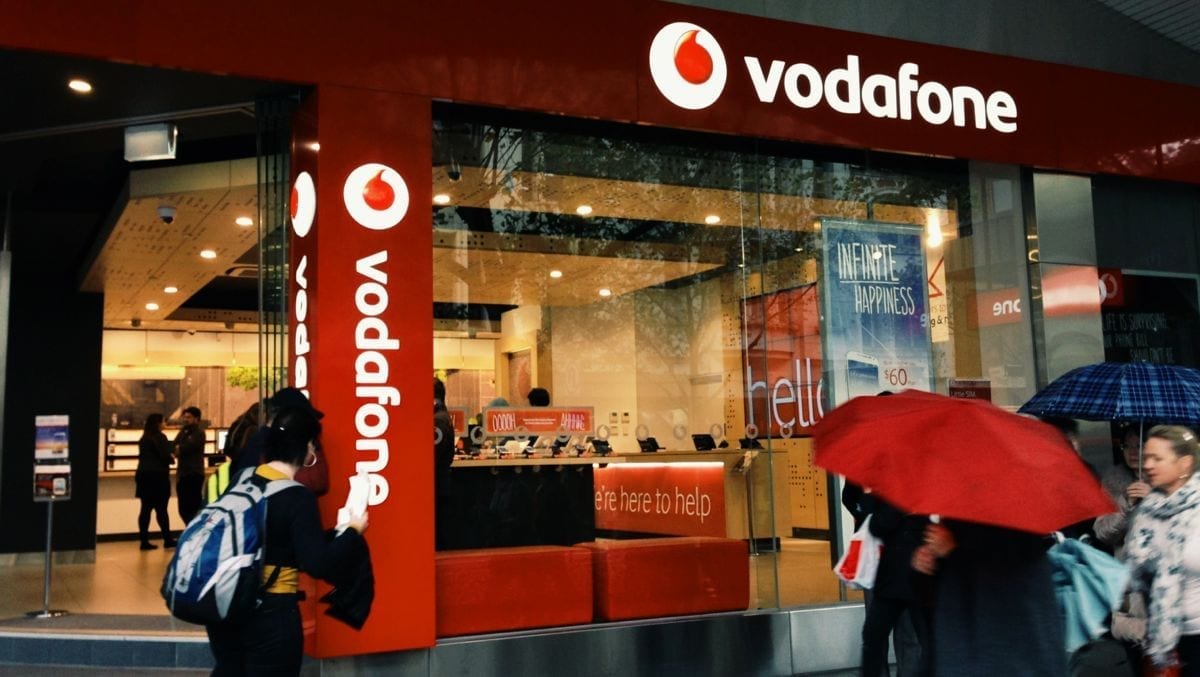
    New Zealand regulator the Commerce Commission has declined to approve the proposed merger between Vodafone New Zealand and SKY Network Television on competition grounds.

    The commission held that a merger between the companies would negatively impact competition in the premium sports content market.

    “The proposed merger would have created a strong vertically integrated pay-TV and full service telecommunications provider in New Zealand owning all premium sports content,” Commerce Commission chair Dr Mark Berry said.

    “We acknowledge that this could result in more attractive offers for Sky combined with broadband and/or mobile being available to consumers in the immediate future…[but] the evidence before us suggests that the potential popularity of the merged entity’s offers could result in competitors losing or failing to achieve scale to the point that they would reduce investment or innovation in broadband and mobile markets in the future.”

    The Commerce Commission said it had particular concerns that the merger could impact the competiveness of key third players in these markets such as 2degrees and Vocus.

    “This is also against a backdrop of fibre being rolled out, making it an opportune time for the merged entity to entice consumers to a new offer,” Berry said.

    “If significant switching occurred, the merged entity could, in time, have the ability to price less advantageously than without the merger or to reduce the quality of its service. Given we are not satisfied that we can say that competition is unlikely to be substantially lessened by the proposed merger, we must decline clearance.”

    In a terse statement, Vodafone New Zealand acknowledged the regulator’s decision but made no further comment.

    Under the proposed merger, Vodafone Group would have taken up to a 51% stake in Sky TV, which itself would acquire up to 100% of Vodafone New Zealand. The merged entity would have been controlled by Vodafone Group.

  • World’s largest container ship docks in southern Vietnam

    World’s largest container ship docks in southern Vietnam

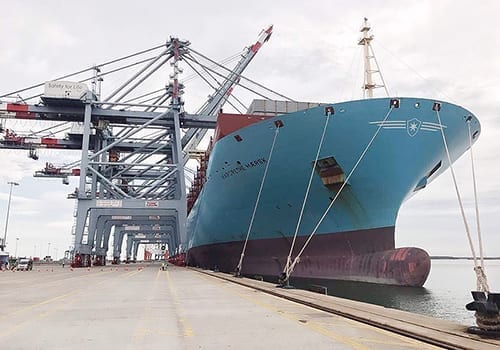
    A giant container vessel arrived at Cai Mep International Terminal in Vietnam’s southern region Monday, helping mark the port on the world’s shipping map.

    The 194,000-DWT Margrethe Maersk of 399 meters long of the world’s biggest container ship family was built in 2015 and is owned by Denmark’s Maersk Line. The vessel can carry 18,300 TEU (twenty-foot equivalent unit).

    Cai Mep in the southern province of Ba Ria-Vung Tau is now among the world’s 19 ports which can accommodate Triple-E class container ships of more than 18,000 TEU.

    Vietnamese transport officials said the arrival marked “a milestone” in the country’s shipping history as they aim to develop Cai Mep into a transit port for cargo shipping between Asia and northern Europe.

  • Taxis claim unfair competition

    Taxis claim unfair competition

    Ta Long Hy, chairman of HCM City Taxi Association, told a conference on Thursday that the taxi market has seen unfair competition between traditional firms and foreign companies with strong financial potential and state-of-the-art technologies.

    Hy said the number of licenced traditional taxis with less than nine seats in HCM was reduced from 20,000 in 2010 to 11,000 this year. The rapid development of Uber and Grab has quickly narrowed the traditional taxi market share, hurting cabs in their own playground due to decreasing number of passengers and incomes.

    Tax policies are also causing concern for traditional taxi firms, including a 10 per cent value added tax and 20 per cent corporate income tax. “The Ministry of Finance (MoF) levies 3 per cent VAT for Uber. We urge authorities to impose a common tax policy for both traditional and tech-based taxis of 5 per cent,” he said.

    Do Quoc Binh, chairman of Ha Noi Taxi Association, said taxi companies are bound by strict business conditions regarding parking areas, registration licences, logos, price lists, uniform and price registration, while Grab and Uber are not subject to any conditions.

    “The Government’s policies seem to be tightening the operation of traditional taxis while loosening management of Grab and Uber,” Binh said.

    He said Uber and Grab should be managed as regular taxi firms to create fair competition.

    Truong Dinh Quy, Vinasun Corp’s deputy general director, claimed Uber and Grab had broken the law to enjoy low tax rates, hurting the State budget.

    Figures from the General Taxation Department showed that the total tax collection from 15,000 Uber and Grab taxis in 2014-15 was VND19 billion (US$832,000), while Vinasun contributed VND692 billion from its 6,000 taxis.

    “We can see that the State budget has lost a big tax amount. This has been unfair to traditional taxi firms,” Quy added.

    Nguyen Van Thanh, chairman of the Viet Nam Automobile Association, said the association would work with the MoF’s agencies to review tax calculation and ensure their fairness.

    “We should ask legal agencies to resolve the issue. We should prevent Uber from conducting tax evasion. We will not ask to stop Uber operations in Viet Nam but require that they complete their business registration,” he added.

    In addition, he urged taxi companies to update their business systems, improve service quality and thus enhance their competitiveness.

  • India’s Jio introduces its first price plans

    India’s Jio introduces its first price plans

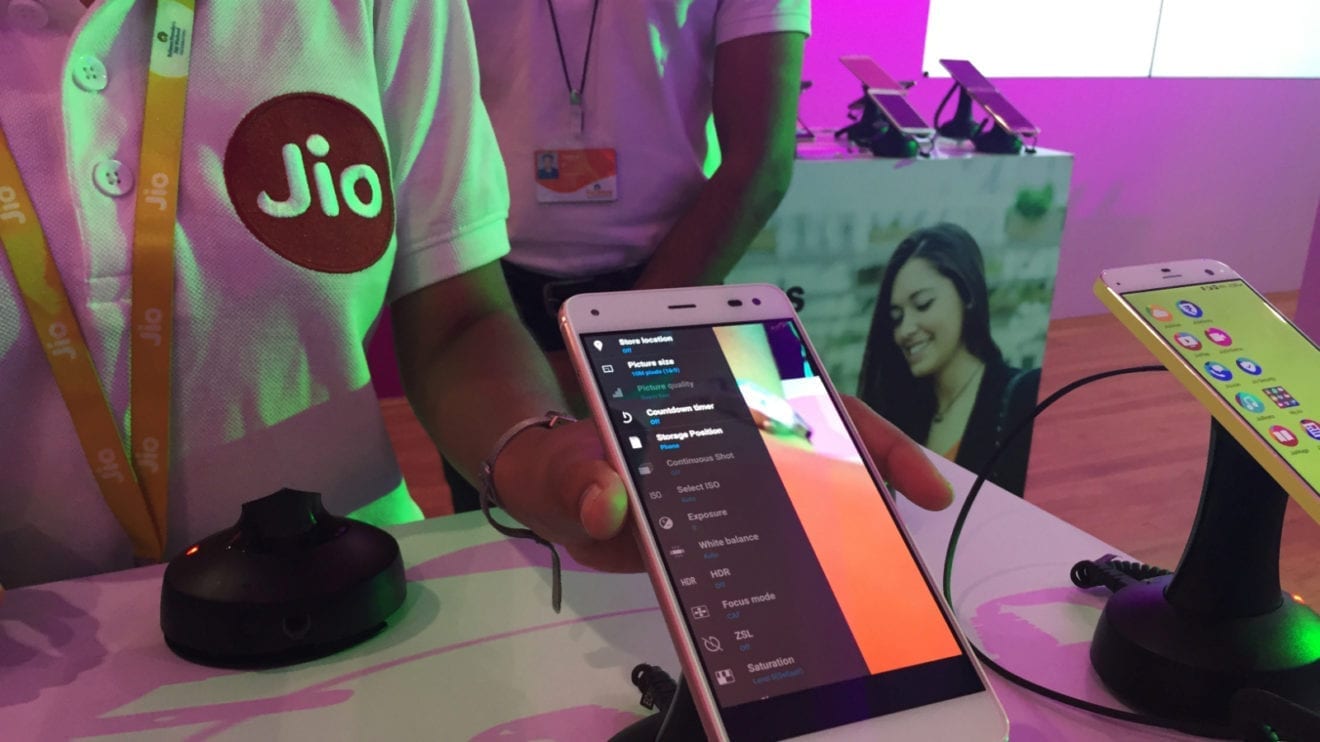
    Disruptive new Indian 4G operator Reliance Jio’s free services offer will soon be coming to an end, but the operator has announced an aggressive new pricing strategy in a bid to retain as many of its new customers as possible.

    Jio launched nationwide services in September last year, but made all services available for free as a promotional offer. The company subsequently extended this promotion until March 31.

    The aggressive marketing strategy has helped Jio sign up new customers at a record rate – the operator recently revealed it is nearing 100 million customers. But a number of these are expected to port out once the free services period comes to an and, due in part to the current patchy nature of Jio services.

    In an attempt to limit churn, Jio has introduced a new Prime offer that will take effect from April 1. Under this offer, customers will be able to pay a one-time 99 rupee ($1.48) fee for prime membership, and another 303 rupees a month for unlimited voice calls and 30GB of allocated data.

    Jio’s rivals, which have already been feeling the impact of the operator’s entry into the market and been pushed into making their offers more competitive, may find themselves needing to further cut prices or increase allocations in response.

    This could put even more pressure on a hotly-competitive telecoms market and accelerate the consolidation trend.

  • Cathay Pacific Is Brewing Its Own Beer

    Cathay Pacific Is Brewing Its Own Beer

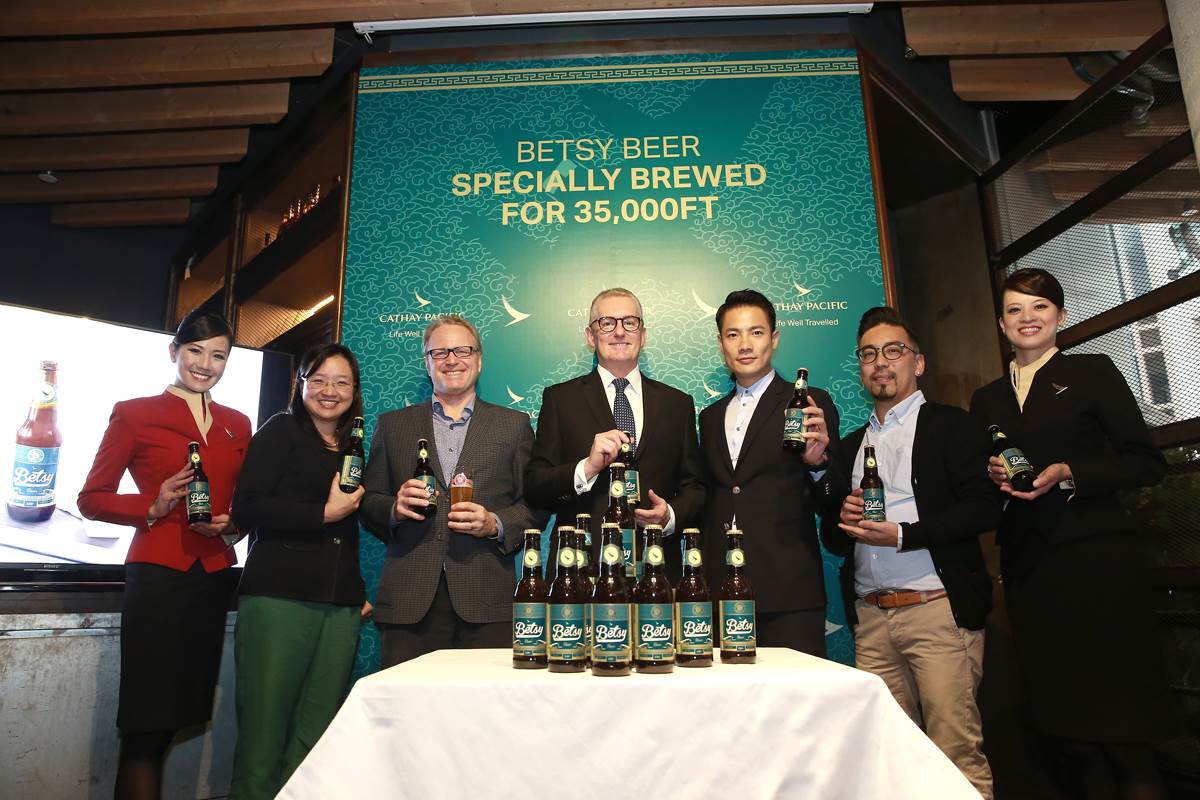
    In efforts to beat out their aerial competition, Cathay Pacific has employed something that will appeal to almost everyone, the universally beloved: beer. They’re not giving it away for free or anything, but instead they have decided to make their own custom brew named Betsy Bee (after their first aircraft), in collaboration with Hong Kong Beer Co. The craft ale has Dragon-Eye fruit, honey, and a special type of hop called Fuggle.

    Going along with their marketing drive, ‘Travel well,’ Betsy beer is a “product designed purely with the traveller, and beer lover, in mind,” according to their Generar Marketing Manager, Julian Lyden.

    They will be offering Betsy to business and first class passengers on flights between Hong Kong and the United Kingdom from March 1 until April 30. It will also be sold online at Deli Delight.

  • First Japanese apartments in Phu My Hung launched

    First Japanese apartments in Phu My Hung launched

    Prestigious real estate developer Phu My Hung plans to launch its new apartments, developed in cooperation with three leading Japanese partners, in Ho Chi Minh City in the coming weeks.

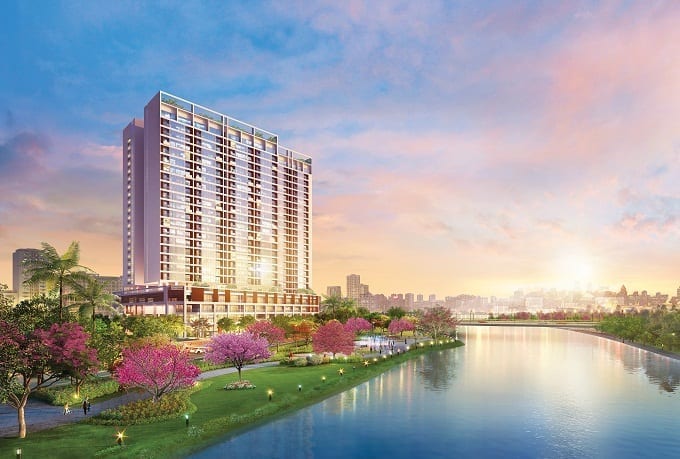
    The Grande is built over 5,540 square meters. The 26-floor building, with two basements, has 309 apartments and 13 shops. There are options for apartments ranging from 69 and 249 square meters with one to four bedrooms. Two-bedroom apartments account for 62 percent of all the units.

    Customers will have 28 months to pay for half of the prices, the investors said. They will pay another 45 percent when receiving the apartment and the remaining 5 percent when receiving the ownership certificate.

    The project is guaranteed by Vietcombank’s South Saigon Branch and Vietnam International Bank, which also work with the investors to provide interest rate support for customers seeking bank loans.

    Midtown, a complex of condos, office and retail space and amusement centers, is Phu My Hung’s biggest investment the past three years, with many high-end facilities, some of which have never appeared at any Phu My Hung projects.

    Phu My Hung Midtown hopes to bring a new concept about living space, which should be a perfect combination of facilities instead of an individual house.

    The complex is the first one built with cooperation from three leading Japanese property developers – Daiwa House Group, Nomura Real Estate Group and Sumitomo Forestry Group, which together account for 50 percent of the property market in Japan.

    A Phu My Hung executive said Japan is a country with good infrastructure and great experience in infrastructure development, especially for complex and high-rise buildings.

    “Our meaningful cooperation with strong, experienced partners will help achieve desired goals and quality in our construction projects,” he said.

    The complex is designed as a multi-facility zone at different levels, allowing its residents to access all kinds of services from inside to outside the house without having to go far.

    Golf simulation studio inside The Grande.

    Golf simulation studio inside The Grande.

    The Grande, for example, is designed with many exclusive services for its residents such as swimming pools, BBQ areas, gardens, yoga courts, golf simulation studio and libraries.

    All the facilities are built based on careful research of the habits and interests of residents, making sure all members of a family can find some activities that suit them.

    The residents will also be able to enjoy the value of Sakura Park, which stands across the apartments with riverside views of beautiful trees and flowers.

    There are other facilities such as a sports complex, a recreational area for children with sections for different ages, a flower square, a water fountain and a pavilion. The project is entirely protected with a security system that will guarantee the privacy of all residents.

    Sakura Park runs 602 meters along the Ca Cam River. It covers 11,722 square meters, with construction on 6,414 square meters or 54.7 percent of the area, and natural plants on 5,308 square meters (45.3 percent). The park comprises three parts – the main square, a kids playground and a sports area.

    Facilities around the complex, including a cherry blossom park, represent a new style in Phu My Hungs quality housing development.

    Facilities around the complex, including a cherry blossom park, represent a new style in Phu My Hung’s quality housing development.

    The recreational area for children and two gardens nearby allow residents to relax while watching their children. Sakura Plaza, a square at the center of the park, carries the shape of a cherry blossom. The square features a fountain with beautiful jets at different heights, dotted by colorful flowers.

    Besides the sports complex and the mini football court, the sports area of the park also gives families some space if they want to have a picnic day and enjoy the fresh air.

    The park also has parking space for more than 150 cars, which is conveniently connected to other parts in Midtown.

    Phu My Hung Midtown complex with the impressive Sakura Park promises to be a must-visit place for Saigon residents in the future. Here we have a lot of green space, natural harmony and many interesting activities for sports, dining and entertainment,” the investor said.

    The first phase of Sakura Park will complete in 2019, around the same time with the first apartment building of the complex, The Grande.
  • Image leak suggests new Samsung phone ‘made in Vietnam’

    Image leak suggests new Samsung phone ‘made in Vietnam’

    A leaked picture would suggest Samsung’s latest smartphone, the Galaxy S8+, is being manufactured in Vietnam, despite last year’s Galaxy Note 7 saga.

    The picture shows the back panel of a phone tagged with “Made in Vietnam” below the “Galaxy S8 6” branding.

    The number “6” has been interpreted by people familiar with the matter as the 6 GB RAM variant of the Samsung Galaxy S8.

    Samsung is expected to officially unveil its next flagship devices, the Galaxy S8 and Galaxy S8+, on March 29 in New York. The phones will go on sale on April 21.

    Other leaked images of purported technical specifications have fueled rumors of a 5.8 inch and 6.2 inch display, backed by a 3000 mAh battery or 3500 mAh battery.

    Samsung’s production in Vietnam incurred a loss of $122.6 million in the third quarter of last year after it was forced to recall 2.5 million Galaxy Note 7s globally following battery explosions.

    The recall affected production at its two plants in the northern provinces of Bac Ninh and Thai Nguyen, which produce a combined 35 percent of all smartphones that Samsung supplies to the global market.

    However, that did not affect Samsung’s dominant position in Vietnam’s export sector last year. The company earned $39.9 billion in revenue from shipping electronics, up 10 percent against 2015 and contributing 23 percent to Vietnam’s total export revenue.

    Samsung Vietnam said no jobs had been cut due to the Galaxy Note 7 incident. The company is targeting an export growth rate of between 7 and 10 percent this year.

    Related news:
  • SIA among 5 airlines told to compensate passengers for delays

    SIA among 5 airlines told to compensate passengers for delays

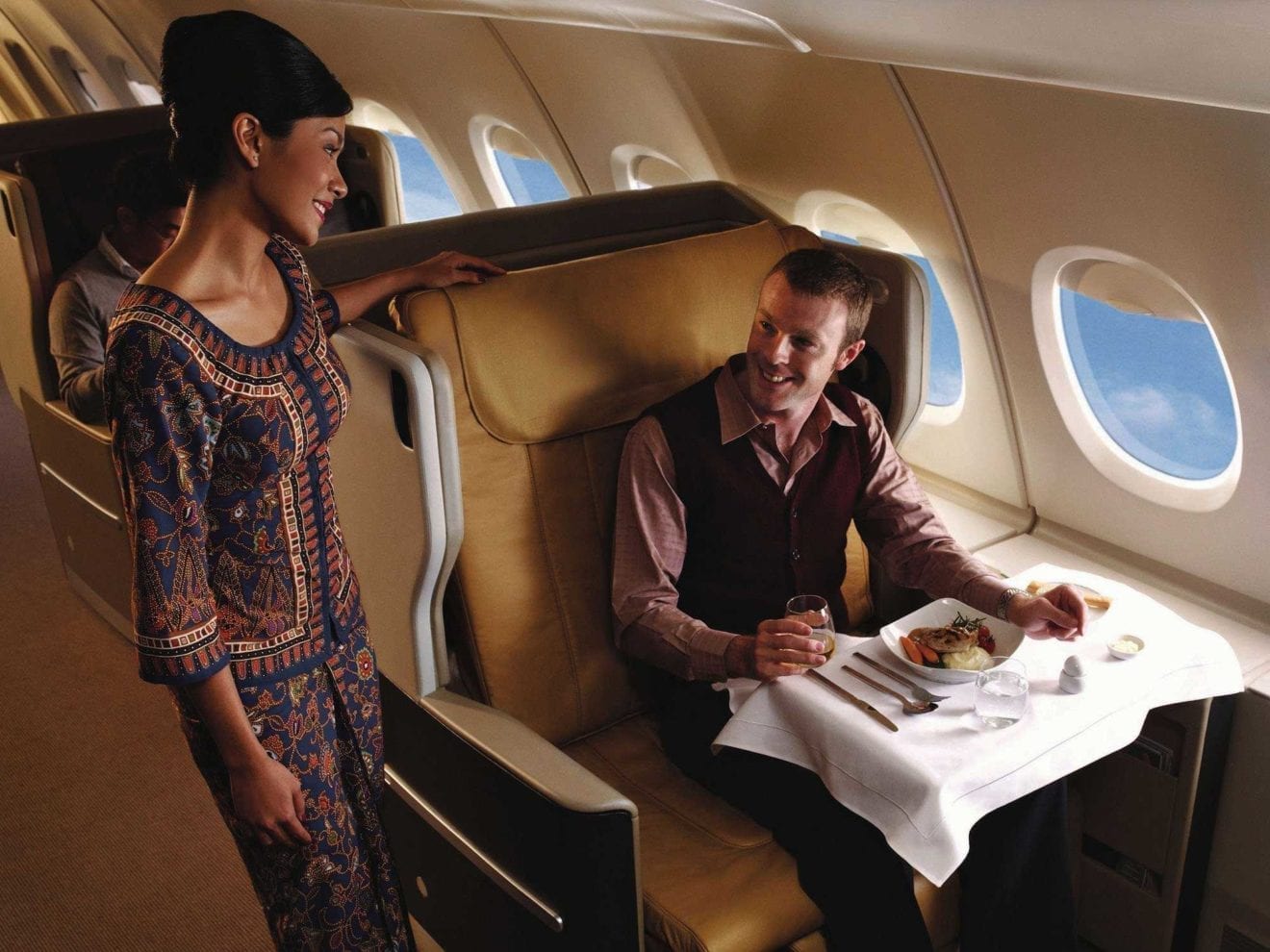
    Singapore Airlines (SIA) is among five international airlines that fly into Europe that have been told to pay passengers for delays they may have experienced.

    The UK Civil Aviation Authority (CAA) said in its press release on Wednesday (Feb 22) that American Airlines, Etihad Airways, Emirates, SIA and Turkish Airlines will have to obey European laws or be taken to court. They all face enforcement action after a CAA review found them to be breaching consumer law, it added.

    These airlines had told the UK Civil Aviation Authority (CAA) that they did not pay compensation to passengers who had experienced a delay on the first leg of a flight that caused them to miss a connecting flight and, as a result, arrive at their final destination more than three hours late, the press release said.

    CAA added that SIA currently places compensation claims for these delays “on hold”.

    Under European Union (EU) law, airlines may have to provide compensation if passengers arrive at their destinations late. These rules, however, only apply to certain flights to, from or within the EU and only if the airline was at fault, such as if it was through poor aircraft maintenance or flight crew being available, the UK CAA website said.

    Compensation ranges from 250 euros (S$372.70) for delays of more than three hours for short-haul flights to 600 euros for delays of more than four hours for long-haul flights, it added.

    Mr Richard Moriarty, director of Consumers and Markets at the CAA, said: “Airlines’ first responsibility should be looking after their passengers, not finding ways in which they can prevent passengers upholding their rights.

    “So it’s disappointing to see a small number of airlines continuing to let a number of their passengers down by refusing to pay them the compensation they are entitled to,” he said.

    In response to queries, SIA said it has been in contact with the UK’s CAA on the issue “for some time”.

    “There is a lack of clarity in the law which is currently the subject of ongoing litigation before the Court of Appeal,” a spokesperson for the airline said, adding that SIA will continue to work with the CAA to resolve differences with respect to the application of the regulation to missed connections.

  • Vietnam now ranks among the world’s top 5 most optimistic nations

    Vietnam now ranks among the world’s top 5 most optimistic nations

    Vietnamese consumers’ higher confidence late last year has helped lift the country to be among the world’s five most optimistic nations, Nielsen said.

    The ranking is measured for the fourth quarter of 2016, with Vietnam’s Consumer Confidence Index moving up five percentage points from the July-September quarter to a score of 112, the global information and measurement company said in a statement following a survey that ended last November.

    The Southeast Asian nation now ranks behind India, the Philippines, the U.S. and Indonesia. At 112, Vietnam ranks third in Southeast Asia after the Philippines and Indonesia, Nielsen said in the poll attended by more than 30,000 online consumers in 63 countries.

    Vietnam’s growing middle class population with rising disposable income, higher education level plus the country’s stable economic outlook remain the main drivers for its ranking, Nguyen Huong Quynh, Nielson managing director in Vietnam, said in the statement.

    Up to 76 percent of the Vietnamese consumers surveyed said they would place spare cash in savings, down from 78 percent in the previous quarter. Vietnam remains in its top position globally on keeping savings, the survey found.

    It also found that, after covering essential living expenses, around two in five Vietnamese consumers were willing to spend big on holidays and vacations (35 percent), new clothes (33 percent), new technology products (30 percent), home improvements (27 percent) and out of home entertainment (26 percent).

    “Vietnamese consumers have a strong desire for a better life,” Quynh said. “This reflects in their saving intention to prepare for the better future.”

    Health and job security topped the list of Vietnamese consumers’ concerns, the survey showed.

    “As consumers are looking to lead healthier lives, the need for food safety and product’s quality arise,” Quynh said, suggesting manufactures and retailers could get opportunity to tap into new markets to meet the consumer’s demand.

    Just 20 percent of the respondents in the survey expressed concern over Vietnam’s economic growth prospect, down from 26 percent in the second quarter.

    Vietnamese consumers’ rising confidence is in line with the trend in Southeast Asia, which grew five points between the first and the fourth quarter to 115, the index showed.

  • The Burger Laboratory by Lotteria

    The Burger Laboratory by Lotteria

    In recent years the world of fast food has been in panic mode. An explosion of casual dining brands and a public that perceives fast food as poorly sourced, artificially flavoured, and uncaring of animals and the environment has reduced both credibility and revenue.

    LOTTERIA’s response was to follow the lead of discount supermarkets, reducing ranges and hugely improving the provenance and quality of ingredients. Fresh sustainable and well sourced meat and vegetables are now at the heart of the offer, which is completely made to order, all achieved by efficient, transparent and sustainable logistics and sourcing.

    JHP’s commission was to design and develop this new experience, including the store architecture, internal environment, brand identity, product strategy, packaging, internal communication, multi-sensory strategy, advertising and service strategy.

    The Response

    The BURGER LABORATORY’s ingredients are entirely sourced from LOTTERIA’s own vertically integrated farms and are of the highest quality in terms of both environmental sustainability and animal husbandry. In addition to beef, chicken and shrimp burgers and fries, LOTTERIA’s new BURGER LABORATORY offers local specialties and vegetarian options.

    An entirely open kitchen has been introduced combined with a made-to-order process allowing customers to watch the BURGERISTA preparing every stage of their meal. Customers can place orders via an app on their journey to the LAB, in-store through bespoke tablets or in person at the counter.

    The BURGER LABORATORY’s science and experimental theme is reflected in every aspect of the customer experience.

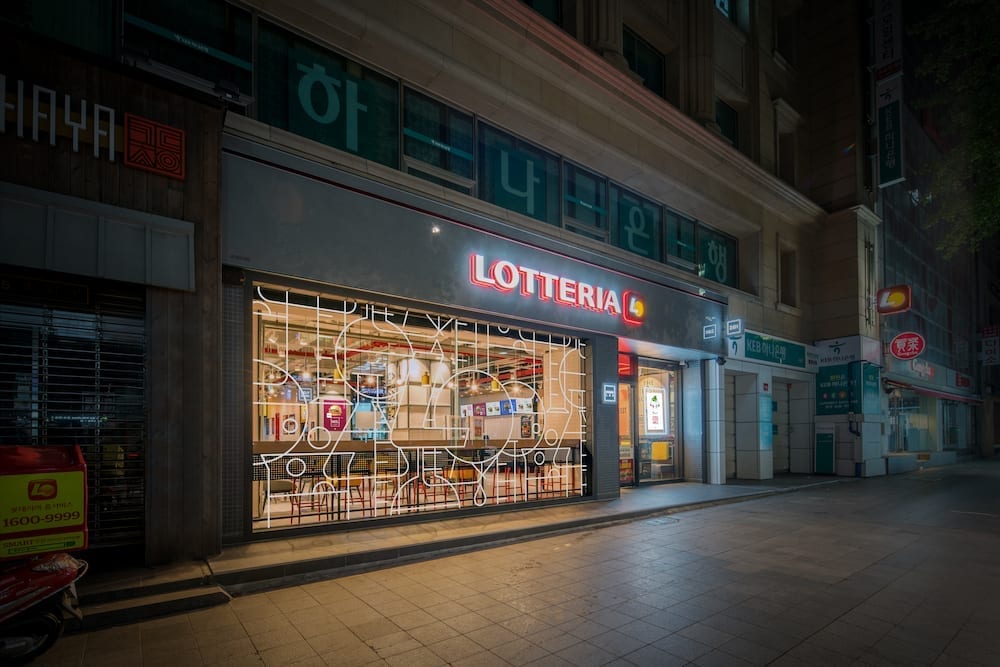
    A red industrial ceiling mounted pipe winds its way from the front of the laboratory to the back guiding the customer journey. The ceiling also features an illuminated digital clock indicating how long customers must wait for their order to be ready.

    The restaurant’s walls are decorated with periodic tables, food assembly diagrams and science based icons. Chairs have chemical resistant wire frames whilst tables are equipped with power plugs for charging mobile devices instead of Bunsen Burners. (Free WI-FI access is of course a hygiene factor in Korea).

    The stainless steel drinks machine enables customers to mix and refill their own beakers. The seating area offers individual code writing tables, long laboratory benches and breakout booths reminiscent of those found in high tech start-ups.

    Restrooms use acid resistant white glazed tiles with ‘radioactive’ yellow and black doors and frames. The materials used are not only consistent with the laboratory’s look and feel but were also selected for their low environmental impact.

    Recycled strawboard, reclaimed porcelains and salvaged waste pipes have all been combined in an environment that is lit entirely with low energy LED sources and uses hyper-efficient induction cooking equipment. All packaging is recycled and biodegradable.

    The Outcome

    The first 300 M2 BURGER LAB opened its doors in Seoul’s Jonjak in November 2016. Built in a remarkable four weeks including all equipment and services, the total project cost was a modest $480,000.

    The BURGER LABORATORY’s results have been outstanding consistently trading 35% higher than its previous incarnation.

    The concept is now being rolled out across the companies 3,000 outlets throughout Asia and has received numerous positive comments in the press and on social media.


  • 7-Eleven starts hiring ahead of Vietnam debut

    7-Eleven starts hiring ahead of Vietnam debut

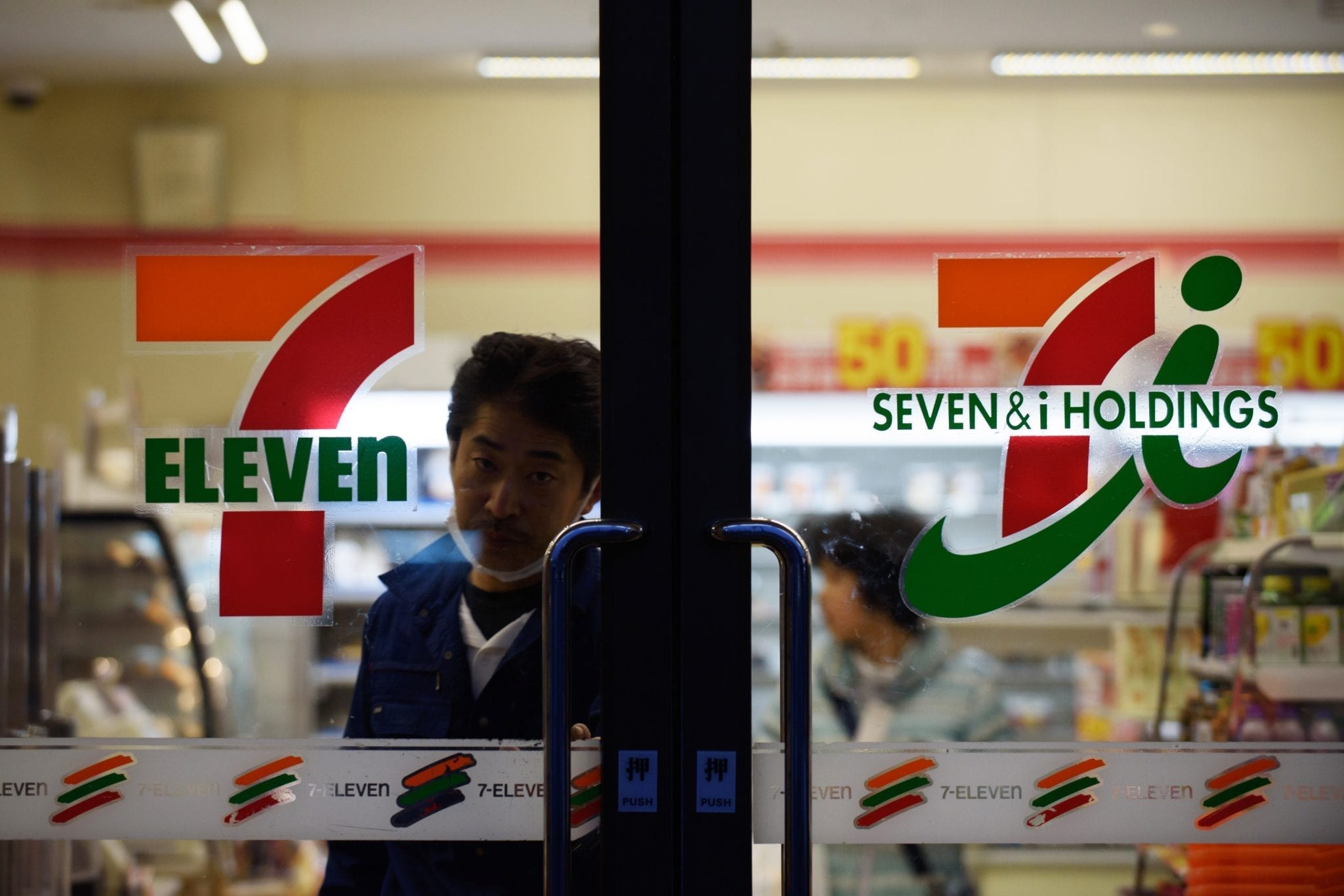
    Japan’s convenience store chain 7-Eleven has started hiring staff for its Vietnam operation, as it seeks to expand retail business to one of Asia’s fastest-growing economies.

    The retailer is looking for full-time staff, including shop manager, salesperson, shop developer, marketing associate and trainer, all to be based in Ho Chi Minh City, Seven System Viet Nam Company said in a statement Monday.

    In 2015 7-Eleven’s U.S. subsidiary signed with the firm a licensing agreement to open stores in the Southeast Asian country.

    The date of opening or the number of outlets planned for the city are not yet disclosed. 7-Eleven has said the first store was expected in spring 2017.

    The launch of 7-Eleven stores is believed to heat the stiff competition among foreign investors in Vietnam’s retail market, which has grown at around 10 percent annually in recent years, and sales are likely to reach $109 billion in 2017, according to the Economist Intelligence Unit.

    7-Eleven, owned by Japan’s Seven & I Holdings, is an international chain of convenience stores with over 60,000 stores across 17 countries and territories. It has stores in five Southeast Asian markets, namely Thailand, Malaysia, the Philippines, Singapore and Indonesia.

  • T Galleria By DFS Celebrates Our Love of Travel With Exclusive Collection

    T Galleria By DFS Celebrates Our Love of Travel With Exclusive Collection

    T Galleria by DFS, the world’s leading luxury travel retailer, is proud to announce the launch of “From Venice with Love”, an exclusive collection of over 50 covetable products celebrating the most romantic city in the world, Venice, and our love of travel. Inspired by the colors of Italy and the opening of T Fondaco dei Tedeschi in Venice, DFS partnered with over 30 brands across the retailer’s five pillars of luxury to create the exclusive collection available in T Galleria and DFS stores worldwide beginning March 1. From the best of Italian fashion to fragrance to food, the collection features a range of international and Italian designers with standout pieces from Armani, Aquazzura, Gucci, Longines, Salvatore Ferragamo and Valentino.

    “For centuries, Venice has inspired generations of craftsmen with its heritage of luxury. With the opening of our first European location at T Fondaco dei Tedeschi in Venice, we wanted to create a collection that epitomizes a sense of place and captures the essence of Italy for travelers visiting DFS locations all over the world,” said Sibylle Scherer, President Merchandising and Consumer Marketing, DFS Group.

    Located on the Grand Canal, a few steps away from the famous Rialto Bridge and within walking distance from St. Mark’s Square, T Fondaco dei Tedeschi occupies one of the city’s most venerated buildings, the 800-year old Fondaco dei Tedeschi, which began its life as a place of exchange for northern merchants and was used for centuries to trade spices, silk and other goods between the Orient and Europe. Renowned for its curated collection of over 200 brands, the Alajmo family’s latest restaurant AMO and an Events Pavilion dedicated to showcasing Venice’s arts and culture, T Fondaco dei Tedeschi is a destination unto itself, encapsulating the spirit of Venice within its ancient walls.
    image004.png
    The launch of “From Venice with Love” corresponds with the debut of T Galleria’s Spring 2017 campaign – “Love of Travel” which follows British model Alex Libby and Hong Kong fashion blogger Cindy Ko as they embark on a journey of discovery through the maze of Venice’s streets and canals, all captured by British documentary photographer Tom Craig.

    “This season we were inspired by travel and the way a place or experience shapes and changes you. Alex and Cindy bring that journey to life as they share their adventure of exploration, uncovering Venice’s beauty, art, architecture, music and people. Through Tom’s lens, we created a visual love affair with Venice, sharing with our customers that joy of discovering something for the first time and providing a new take on the Floating City,” said John Gerhardt, Senior Vice President Creative Branding Direction, DFS Group.

    Throughout March, April and May, customers can immerse themselves in the campaign across DFS’ 17 airport and 18 downtown T Galleria stores as well as online and on DFS’ social media channels. Visitors to DFS.com will encounter a dedicated microsite that utilizes 360-degree video to transport viewers to hotspots around Venice, including the Peggy Guggenheim Museum, Harry’s Bar and T Fondaco dei Tedeschi. In stores, shoppers will discover window displays and photo opportunities that serve as jumping off points to their next journey as well as art installations and in store activations that bring the spirit of Venice to life.

    All T Galleria and DFS stores will have dedicated pop-up spaces to showcase the “From Venice with Love” collection, allowing travelers to take home a piece of Italy no matter which DFS location they visit.

    “Ultimately, both our campaign and collection speak to a value at the core of the DFS experience – that thrill of discovery and passion for travel,” added Scherer. “We’re confident travelers will love joining us for this new and exciting journey as they continue to make memories with DFS.”

    Discover the exclusive “From Venice with Love” collection of great gifts and covetable pieces starting March 1 at T Galleria and DFS stores worldwide.

  • Ho Chi Minh City seeks to tax sales on Facebook

    Ho Chi Minh City seeks to tax sales on Facebook

    The Ho Chi Minh City government should work with Facebook on how to collect tax from businesses running on the social media site, officials said.

    The city currently hosts a dynamic e-commerce scene with more than 80,000 websites, half of which have stable business, but tax collection from the segment is low, said Pham Thanh Kien, head of the city’s trade department.

    “In particular tax collection has not been done from sales via Facebook,” Kien said at a meeting with the city’s tax authority. “(We) propose the People’s Committee work with Facebook on a mechanism to control tax collection.”

    Ho Chi Minh City, where the most active e-commerce in Vietnam takes place, should find out measures to prevent losses in tax revenues, Deputy Finance Minister Vu Thi Mai told tax officials at the meeting on Sunday.

    Just a quarter of Vietnam’s non-state businesses have declared value-added tax, Mai was quoted by the Tuoi Tre (Youth) newspaper as saying at the meeting.

    A majority of online businesses using social networking sites such as Facebook do not issue invoices, which has prevented the authority from collecting tax.

    Vietnam’s e-commerce market, which has one of the world’s fastest growth rates, jumped 37 percent in 2015 to around $4 billion, based on government statistics.

    The growth rate is about 2.5 times faster than that in Japan, according to Tran Duc Tam, an industry expert.

    The government has projected revenue by Vietnam’s online retail to hit $10 billion by 2020, accounting for 5 percent of the country’s retail market. Last year retail sales rose 10.2 percent from 2015 to $118 billion, based on government data.

    The online tax tightening plan has received mixed responses.

    “Facebook is just a channel to advertise products and communicate with customers. With no electronic invoicing, how to tax them?” a reader’s comment.

    Others raised concerns that many online retailers use anonymous accounts for transactions, while some others could be one-time or small-time sellers with insignificant revenues, making it hard for tax authorities to regulate activities.

    Online marketplaces such as Facebook have made it easy for small businesses and start-ups to set up business due mainly to the convenience they provide and the opportunity to connect with customers, Tuan Anh Pham wrote in another comment. He suggested market regulators take a cautious approach when it comes to requiring online retailers to pay taxes.

  • Vietnam’s fast moving consumer goods market ends 2016 on a high note

    Vietnam’s fast moving consumer goods market ends 2016 on a high note

    Fast moving consumer goods (FMCG) sales showed the best improvement in three years in the last quarter of 2016, with 7.3 percent growth against the same period last year, according to the latest Market Pulse quarterly report released by Nielsen on Thursday.

    “The build-up and positive sentiment towards the Tet period was one of the key drivers for FMCG growth,” said Nguyen Anh Dung, Nielsen Director of Retail Measurement Services.

    Beverages continued to be the key contributor to the total FMCG sales in the last quarter, accounting for 40 percent, followed by food and milk based products, which made up 15 percent each of the total.

    After being hit by a year of adverse weather conditions, growth in rural areas experienced a strong bounce-back from October-December with a 7 percent on-year jump, contributing 51 percent to total FMCG sales nationwide.

    “Rural areas are still the biggest consumer base and these consumers have increasing incomes that give them higher spending power,” Dung said.

    The Market Pulse Report is published quarterly based on the results of a Nielsen Retail Measurement study of FMCG in six cities across the country: Hanoi, Ho Chi Minh City, Hai Phong, Can Tho, Nha Trang and Da Nang.

    Fast-moving consumer goods refers to products that are sold quickly and at a relatively low cost.

  • SM Prime Holdings’ net profit rises 14 per cent

    SM Prime Holdings’ net profit rises 14 per cent

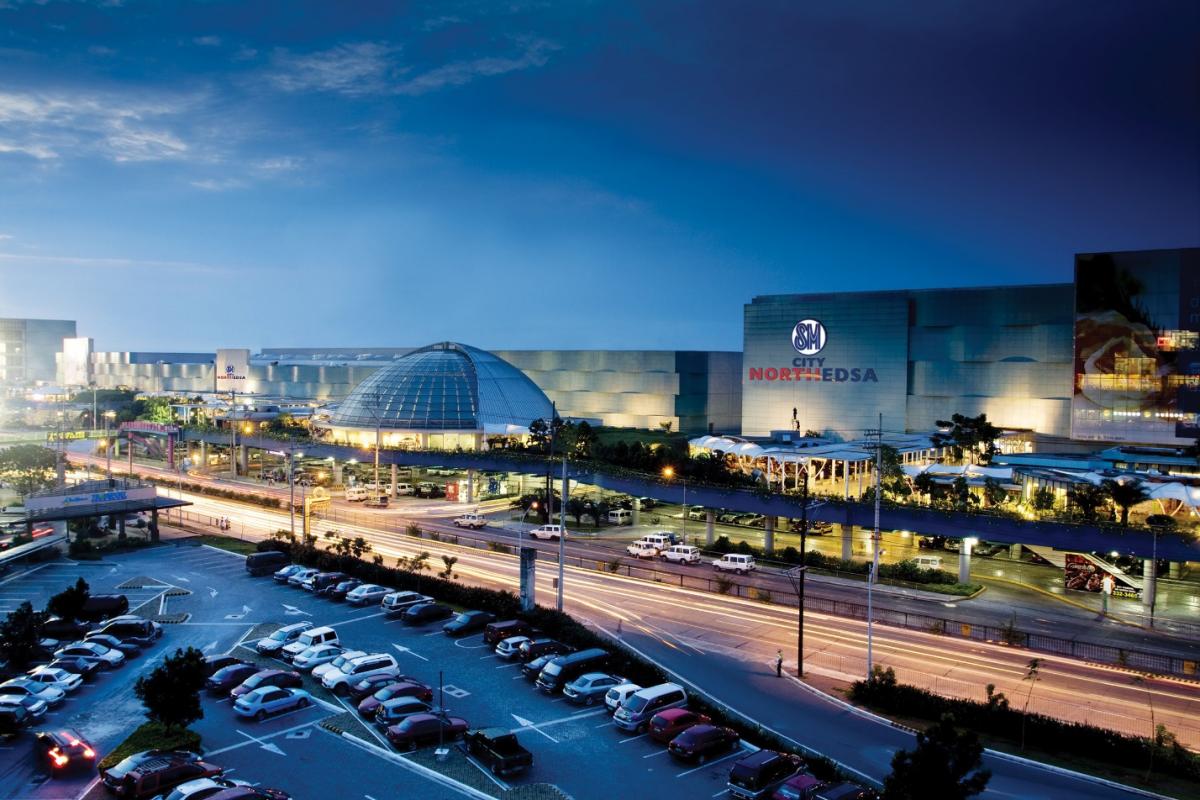
    Continuing mall expansion helped drive a 14 per cent rise in SM Prime Holdings’ net profit last year.

    In a stock exchange filing yesterday, the company said it achieved a net income of P23.8 billion (US$473.7 million) last year. Strong sales by its residential arm, which accounts for 32 per cent of its business, also contributed to the healthy profit rise.

    SM Prime has 60 shopping malls in the Philippines, with 7.7 million sqm of gross floor area and seven in China, with 1.3 million sqm of GFA. The company plans to open at least four more centres in its home market in 2017, adding a further 300,000 sqm of space.

    Total revenue last year rose 12 per cent to P79.8 billion.

    “SM Prime sustained its overall performance in 2016 on the account of focusing more on recurring income stream complemented by the solid performance of the housing group,” said president Jeffrey Lim in a statement.

    “SM Prime is well-positioned to capture the positive impact of the higher infrastructure spending intended by the government that will also spur overall economic growth of the country,” he added.

    Revenues from shopping malls rose by 9 per cent last year to P48.6 billion, driven by the addition of 1.5 million sqm of additional space during the past two years.

    Excluding new openings, sales growth was up 7 per cent, but cinema sales were down 3 per cent.