Tag: asia

  • AirAsia Malaysia Expands Flights to China

    AirAsia Malaysia Expands Flights to China

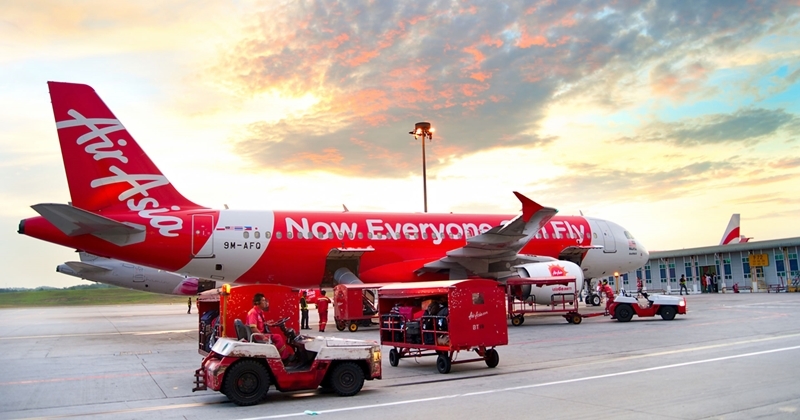
    AirAsia Malaysia (AK) has resumed flights to China and unveiled its plans for the country.

    The popular low cost carrier will resume four China destinations from two hubs – Kuala Lumpur and Kota Kinabalu to Macao, Shenzhen, Guangzhou and Kunming, with a total of 10 flights weekly and plans to increase the frequency by up to 27 flights weekly in March.

    The first flight to/from China recommenced on 10 February 2023 to/from Guangzhou with strong load factors both ways.

    Complementing the resumption of the short-haul destinations, AirAsia X Malaysia (D7) will reconnect Kuala Lumpur to Shanghai, Hangzhou and Chengdu with 10 flights weekly starting 1 March 2023.

    “China is an integral market for AirAsia Aviation Group, where we were the largest international low-cost carrier by capacity pre-pandemic,” said Riad Asmat, AirAsia Malaysia CEO. “Based on the impressive load factor of our inaugural flight to/from Guangzhou, the restart of our services will not only provide greater value and accessibility to essential travellers from Malaysia and tourists from China but will significantly boost tourism, trade and economic growth in both countries.”

    AirAsia Malaysia operates flights with Airbus A320 aircraft while AirAsia X Malaysia operates Airbus A330 aircraft featuring flatbed seats in its premium cabin.

    Benyamin Ismail, AirAsia X Malaysia CEO, said, “China will be our next primary market focus as we resume our growth strategy flying our most popular and profitable routes. We have witnessed tremendous success with our services to China in the past where we carried over 1.8 million guests to/from China in 2019 alone. We believe the recommencement of our services to China will be popular for business travellers, international students, those visiting family and relatives as well as stimulating regional demand between two large markets through great value airfares and services.”

    As the entry to China is currently limited to certain visas, travellers are advised to always check the very latest travel requirements of the country they are travelling to.

  • Gold prices gain

    Gold prices gain

    SJC gold price rose 0.22% to VND67.4 million ($2,854.72) per tael Tuesday afternoon.

    Gold ring price dropped 0.18% to VND54.65 million per tael. A tael equals 37.5 grams or 1.2 ounces.

    Globally gold prices went up on Tuesday as the dollar retreated, with investors bracing for U.S. inflation data that could determine the Federal Reserve’s next monetary policy moves.

    Spot gold was up 0.5% at $1,861.93 per ounce after falling to its lowest since early January in the previous session.

    Gold is susceptible to rising interest rates, which lift the opportunity cost of holding the non-yielding asset.

    “If the disinflation trend in the U.S. shows signs of slowing (even if it’s temporary), then caution over a hawkish Fed could undermine risk sentiment and gold, while USD may find further support,” said OCBC FX strategist Christopher Wong.

  • iPhone 14 prices in Vietnam cheapest in the world only after US

    iPhone 14 prices in Vietnam cheapest in the world only after US

    Low demand has driven iPhone 14 prices in Vietnam to the second lowest levels in the world after only the U.S. According to German data portal Statista, the price starts at US$799 in the U.S. while authorized Apple resellers in Vietnam sell it at VND19.7 million ($834.7).

    “The iPhone 14 is not popular, and so stores are selling them at close to import prices to recover capital,” said Thanh Son, the owner of a mobile phone showroom in HCMC’s District 1.

    But in other Asian markets, the prices are higher. They start at VND22.3 million in Singapore, VND20.7 million in Hong Kong, and VND23 million in Thailand.

    In Vietnam, the prices of two high-end models, 14 Pro, and 14 Pro Max, are only VND1 million lower than in the U.S.

    The iPhone 14 Pro Max costs VND28 million, down VND3.5 million within just one month. “This is an unexpected development because in previous years, it was not until June or July that iPhone prices fell steeply,” Nguyen Lac Huy, a manager at retail chain CellPhoneS, said.

    Unlike at the end of last year, the supply of iPhone 14s is now abundant, so people can choose colors and capacities.

    Nguyen Minh Khue, a manager at another retail chain, Viettel Store, said the prices of the entire iPhone 14 range were recently cut by up to VND2 million due to the falling demand and increasing supply.

    Some other Apple products are also among the cheapest in the world in Vietnam. An iPad 9 starts at VND7.5 million and a MacBook Air M1 at VND19.9 million, while in the second cheapest market, Hong Kong, the latter still sells at VND23.4 million.

  • Foreign startups eye Vietnam’s young population

    Foreign startups eye Vietnam’s young population

    Foreign startups are eyeing Vietnam as one of their main markets thanks to the country’s large and young population, low costs and cheap and abundant labor force abundant.

    Vietnam has been among the top markets in terms of revenue for Singapore’s insurance startup Igloo ever since the company was launched in 2021.

    “Vietnam is becoming one of our key markets,” Nguyen Huu Tu Tri, CEO of Igloo Vietnam. “The country’s insurance industry is set to reach $3.5 billion in 2026, but only 2-3% of that goes to tech insurance,” he said, adding that this means there is a large room for tech insurance growth.

    In its two years of operation, Igloo has sold 13 million insurance policies in Vietnam,10 million in last year alone. The target customers are people with low incomes who are not yet insured.

    The company also chose Vietnam as a site to launch its first insurance policy aimed at protecting rice farmers using weather data and blockchain.

    Igloo hopes to become the top insurtech company in Vietnam.

    For India’s car rental startup Zoomcar, the market in Vietnam is promising as the country has a population of nearly 100 million people and a growing demand for cars.

    Zoomcar connects unused car owners with renters and has recorded over 100,000 registered users, including 3,000 car owners.

    “We are approaching the breakeven point on each trip and expect to grow 200%-300% this year,” said Kiet Pham, national manager of Zoomcar Vietnam.

    Vietnam’s advantage lies in its young and tech-savvy population and its rising middle-class, the two startup leaders said.

    Tri said that after the Covid-19 pandemic people are starting to be more interested in insurance products, with a surge in the number of those who are ready to make purchases.

    Zoomcar sees a large demand for car usage in Vietnam. However, the company says that the cost of owning a vehicle is high, which means there will be a large demand for rental services.

    Vietnam’s car rental market is set to reach $884 million by 2027 with a compound annual growth rate of nearly 14%, according to market researcher Mordor Intelligence.

    “Vietnam is the fastest growing market for Zoomcar in Southeast Asia,” Kiet Pham said.

    The number of start-ups from Singapore venturing overseas through Enterprise Singapore’s Global Innovation Alliance (GIA) acceleration programs has ballooned to more than 400 in less than five years. And one of the more popular destinations is Vietnam, with its large workforce, lower labor costs and sizable market.

    From 2020 to 2022, nearly $2 billion has been poured into startups, according to the Ministry of Planning and Investment.

    The Vietnam Silicon Valley Capital Investment Fund, a partner of Lotte Ventures and Korean government agency KISED, last year introduced 14 excellent Korean startups, which plan to bring new products to Vietnam.

    Hong Sun, vice president of the Korean Chamber of Commerce and Industry, said that Korean startups tend to invest in Vietnam after they see many successful companies in the market. He also forecast that many new startups will come to Vietnam in the near future.

    Last year, a report by the World Intellectual Property Organization (WIPO) said that Vietnam ranked 48th out of 132 countries and territories in achieving the greatest progress in the past decade.

    Although Vietnam has fallen four places compared to 2021, it is still in the third position in Southeast Asia, after Singapore and Thailand. Vietnam is also ranked 54th in the global innovative startup ecosystem, up five places compared to 2021

    But startup insiders have found many challenges, especially in changing user attitudes.

    The technology insurance industry, people’s confidence in insurance in general is low and therefore people are not willing to pay for it.

    Furthermore, the lack of high-quality human resources in the technology sector will make it a struggle for Vietnam to meet the development needs of foreign startups.

  • Cointreau revamps bottle design, a first in 140 years

    Cointreau revamps bottle design, a first in 140 years

    French liqueur brand Cointreau has unveiled a redesign of its popular amber bottle, the first significant revamp in 140 years.

    Cointreau, an orange liqueur, has been produced in Angers, France since 1849. It is distilled with a combination of sweet and bitter orange peels to produce a clear spirit that enhances the flavour of cocktails.

    The new bottle has an updated shape, including a longer neck – making it easy to pour – and features a minimal illustration of the Maison embellished with Cointreau’s signature copper foiling.

    The lid now features an embossed pattern to enhance form and function while adding grip to the cap.

    In the last three years alone, the brand has reported a 40 percent increase in sales of its 700ml bottles as margaritas reign as a consumer favorite.

  • Zuum energy gum rolls out in Chemist Warehouse stores

    Zuum energy gum rolls out in Chemist Warehouse stores

    A Melbourne-based startup is offering a fresh take on the caffeinated foods market by launching a sugar-free “energy gum” in Chemist Warehouse stores nationwide.

    Zuum is a sugar-free gum infused with caffeine, guarana, and B vitamins that claim to boost energy, reduce fatigue and support focus.

    Each piece of gum contains only four calories but has the equivalent caffeine content of a coffee or energy drink – sans sugar, aspartame, and other nasties.

    Friends Alex Chambers, Eamon Roderick, and Hugo Gray created Zuum in 2020 because they were fed up with sickly-sweet energy drinks and the inconvenience and expense of coffee.

    “We knew there had to be a better way to get a boost,” remarked Chambers.

    “The idea actually came to us whilst we grimaced through a lukewarm energy drink during Covid quarantine. It was as simple as – why don’t we just put caffeine in gum?”

    One packet of Zuum is equivalent to five cups of coffee and is compact enough to keep in a pocket or purse for a “fresh-tasting” energy boost.

    “We were humbled and overwhelmed with the level of interest and excitement this week,” added Roderick.

    “We’ve had a huge number of high-profile athletes, professional sports clubs, entertainers, and even a well-known former politician reach out to us wanting to jump on board because they loved the product so much,”

    Zuum is available at RRP$5.99 in Chemist Warehouse stores nationwide and online.

  • Collins Foods expands its Dutch KFC network

    Collins Foods expands its Dutch KFC network

    Collins Food’s wholly-owned Dutch subsidiary (Collins Foods Netherlands Operations) has entered into a share purchase agreement to acquire eight KFC restaurants in the Netherlands from R. Sambo Holding.

    The purchase price, which will be funded from Collins Foods’ existing debt facilities, is structured with an initial payment of €8 million (A$12.33 million) and an additional €4.6 million (A$7.1 million) tied to the restaurants’ EBITDA during the next two years.

    Collins Foods MD & CEO Drew O’Malley said the acquisition is another “step forward” for the business’ European growth strategy.

    “The eight restaurants we are acquiring in the Netherlands add another quality network of restaurants to our portfolio, as well as enhance our people capability as we continue to grow and increase our operational scale in the Netherlands,” he said.

    The deal is subject to the satisfaction of various conditions, including obtaining all relevant government permits and the franchisor’s consent to the purchase. If prerequisites are fulfilled, the business will be fully acquired by May.

    Once completed, Collins Foods’ KFC Netherlands store count will reach 56 restaurants, accounting for 64 percent of the brand’s network there.

  • Gasoline prices up, oil down

    Gasoline prices up, oil down

    Gasoline prices unexpectedly rose Monday by VND540-620 (US$2.3-2.6 cents) per liter, while oil products dropped by VND300-980 per liter.

    This is the fifth time retail fuel prices have been adjusted in only six weeks this year.

    The price of the Vietnam’s number one selling gasoline RON 95-III went up by VND620 to VND23,760 per liter, and the cost of E5 RON 92 increased by VND540 to VND22,860.

    Meanwhile, the diesel price fell by VND960 to VND21,560, kerosene dropped by VND980 to VND21,590 dong per liter, and mazut oil decreased VND300 to VND13,630.

    The price hikes announced by the Ministry of Industry and Trade and the Ministry of Finance surprised businesses because it went against the previous forecast.

    However, the two ministries said their fuel price management plan would help curb inflation and stabilize the market.

  • Apple releases software updates for three mobile devices

    Apple releases software updates for three mobile devices

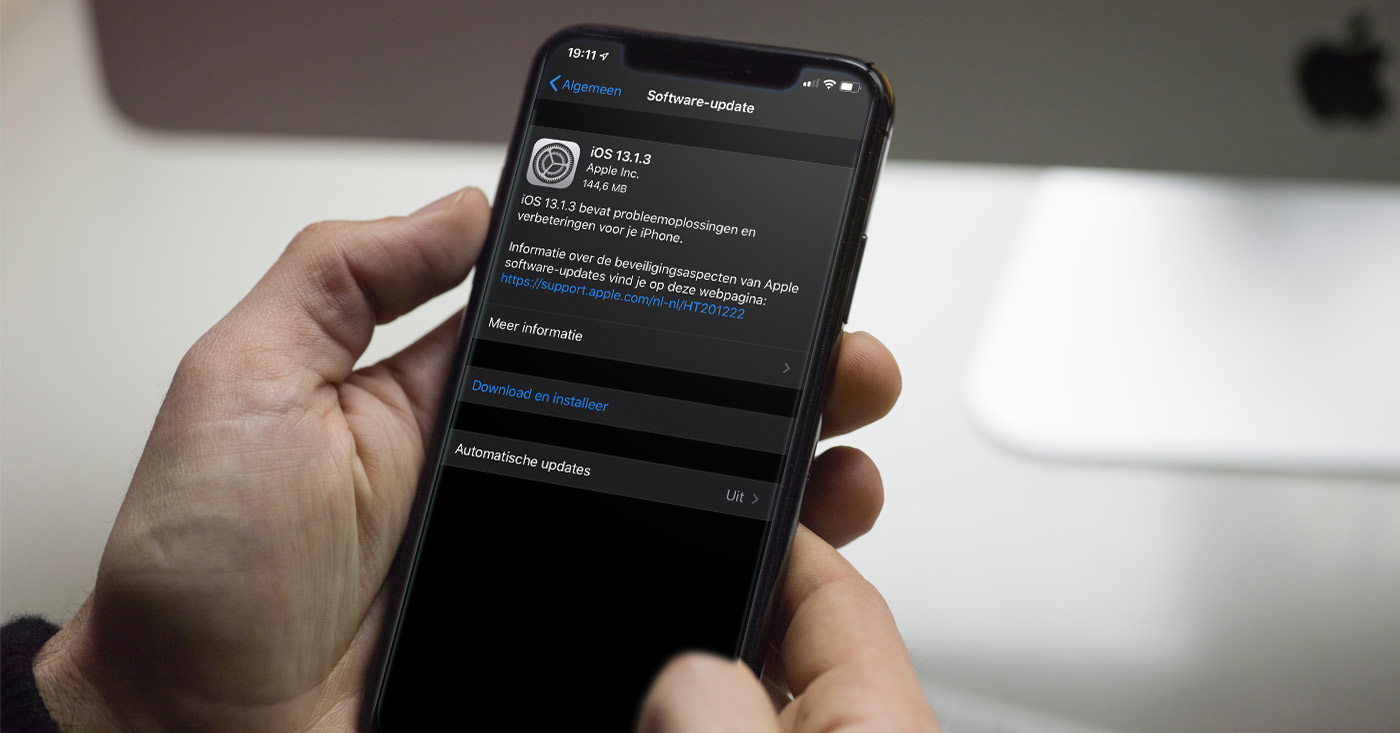
    Apple released updates for some of its mobile devices today including iOS 16.3.1 for the iPhone, iPadOS 16.3.1 for the iPad, and watchOS 9.3.1 for the Apple Watch. Which should we start with? Let’s begin with iOS 16.3.1. Apple’s release notes indicate that the update will exterminate a bug that caused iCloud settings to be unresponsive. Another issue fixed by the update is one that prevented Siri users requesting the Find My app from having that app open on the screen.

    The iOS 16.3.1 update also adds some optimizations to Car Crash Detection on the iPhone 14 Pro and iPhone 14 Pro Max. Hopefully, this will stop the feature from getting set off by roller coaster riders, skiers, and others experiencing sharp movements unrelated to a car accident. Car Crash Detection uses sensors in the iPhone to detect when there has been an accident and rings an alarm. If the user fails to respond to the alert, Emergency SOS is triggered and emergency help is summoned.

    To download and install iOS 16.3.1, go to Settings > General > Software Update and follow the directions.
    Next, let’s take a look at the iPadOS 16.3.1 update. The changelist here includes a couple of the bug fixes included in iOS 16.3.1:
    • A bug that caused iCloud settings to be unresponsive is exterminated.
    • An issue that prevented Safari from opening the Find My app is fixed.
    To download and install the update on your compatible iPad, go to Settings > General > Software Update.

    Lastly, we now take a look at the watchOS 9.3.1 update for the Apple Watch. There isn’t much to discuss since the changelist merely says, “bug fixes and important security updates for your Apple Watch.” What bug fixes? Apple doesn’t say. What security vulnerabilities were patched? Again, we don’t know.

    To download and install the update directly from your timepiece, go to Settings > General > Software Update. If a software update is available, tap install and then follow the  instructions on-screen.
    Or, you can open the Apple Watch app on your phone. Tap My Watch, go to General > Software Update, then, if an update is available, tap Download and Install.
    Even though there aren’t any amazing features being added to your iPhone, iPad, and Apple Watch, it’s always good to have the latest versions of the appropriate operating system installed.
  • Dollar drops at banks

    Dollar drops at banks

    On Monday morning, the U.S. dollar dropped at banks but remained unchanged at unofficial exchange points.

    Vietcombank sold the dollar at VND23,740 Monday, down 0.02% from Sunday. Eximbank and Techcombank sold the greenback 0.04% lower at VND23,720, and VND23,745, respectively.

    The USD/VND exchange rate has increased by 0.04% since the beginning of the year. The State Bank of Vietnam (SBV)’s reference rate is at VND23,628, up 0.01%. The dollar remained stable at VND23,680 on the black market.

    On Monday, the dollar hovered near a five-week high against major peers on rising bets for prolonged Federal Reserve policy tightening ahead of a crucial consumer price report the following day.

    The dollar index – which measures the greenback against six counterparts including the yen, euro and sterling – added 0.068% to 103.65, keeping close to last Tuesday’s high of 103.96, the strongest level since January 6.

  • AirAsia offers 5 million free seats

    AirAsia offers 5 million free seats

    AirAsia pledged 5 million free seats last week to boost travel recovery across the 10 ASEAN countries.

    ASEAN’s top low-cost airline announced it was releasing the free seats* at a joint tourism briefing held with the Minister of Tourism, Arts & Culture, YB Dato’ Sri Tiong King Sing, on 10 February.

    According to the airline, 5 million free seats are available to travellers booking domestic and international flights linking in the 10 ASEAN countries; Brunei, Cambodia, Indonesia, Laos, Malaysia, Myanmar, Philippines, Singapore, Thailand and Vietnam.

    Travellers can fly to Penang, Langkawi, Kuching, Sibu, Kota Kinabalu and more from MYR23* and to international destinations, including Bali, Krabi, Jakarta, Macao, Shenzhen, Guangzhou, Phu Quoc, Ho Chi Minh City, Singapore and more from MYR60*.

    For those seeking to adventure out further, AirAsia X offers flights to Gold Coast, Busan, Taipei, Tokyo and more with all-in low fares from MYR329* one-way economy. The fares are available for bookings until 19 February 2023, with the travel period from 1 March 2023 to 10 December 2023.

    Malaysia’s Minister of Tourism, Arts and Culture YB Dato’ Sri Tiong King Sing, said: “The tourism sector is a major economic driver for Malaysia, accounting for almost 15% of our gross domestic product (GDP), and air connectivity is the backbone of our tourism sector. As we target to receive 15.6 million tourist arrivals with MYR47.6 billion in tourism receipts for 2023, we would like to commend AirAsia for outlining its plan to revitalise the tourism industry and play an integral part in achieving this outcome.”

    AirAsia has carried close to 800 million guests in the past two decades. Pre-pandemic in 2019 alone, the airline carried over 25 million guests to Malaysia, more than 40 million guests to the ASEAN region, and 17 million guests to North Asia.

    Capital A CEO Tony Fernandes said: “As they say, size matters. When it comes to airlines, bigger is always better so we can leverage economies of scale and pass on to our guests in the form of lower fares and deliver more value and choice. AirAsia has been a major contributor to Malaysia and Asean’s GDP. AirAsia alone contributes to more than 2% of Malaysia’s GDP. You may think 2% is a small number, but for a big country like Malaysia, with a GDP worth more than MYR1.5 trillion, 2% is a sizable contribution.”

  • Exploring the Opportunities and Future Potential of the Asia-Pacific Renewable Energy Market

    Exploring the Opportunities and Future Potential of the Asia-Pacific Renewable Energy Market

    The Asia-Pacific region is expected to be a major player in the global renewable energy market, with estimates projecting that it will account for 40% of the world’s renewable energy investments by 2030.

    This is due to several factors, including increasing demand for green energy sources, government initiatives and subsidies, technological advancements, and an increase in awareness about environmental protection.

    Let’s learn more about the potential of renewable energy in the Asia-Pacific region and how it can benefit the environment and economy.

    Overview of Asia-Pacific’s Renewable Energy Market

    Asia-Pacific is currently the largest market for renewable energy investments. It has a total installed capacity of around 1,500 GW and this number is expected to grow in the coming years. China and India are two of the leading countries in terms of investment and capacity.

    China accounts for more than half of the total installed capacity in the Asia-Pacific region, while India is the second-largest market for renewable energy investments.

    The region also has a significant amount of potential for further development, with an estimated 2,700 GW of technical potential available for solar and wind power alone.

    Solar and wind energy in the region is estimated at 5.5 and 2.5 terawatts respectively, which is enough to meet the electricity needs of several countries. Solar energy is also going to be a big part of the Asia-Pacific region’s renewable energy mix.

    There is high solar battery demand in the region making it an ideal spot for investors to take advantage of the technology.

    In addition, Asia-Pacific is home to some of the world’s largest hydropower projects, including China’s Three Gorges Dam and India’s Tehri Dam.

    These projects have been instrumental in providing clean energy to millions of people in these countries.

    Opportunities

    The Asia-Pacific region has some of the world’s fastest-growing economies. This includes China, India, and Bangladesh. As these economies continue to get bigger, the demand for energy will go up too.

    This provides a great opportunity for renewable energy to replace traditional energy sources and make up for the increased demand.

    For example, solar battery energy is becoming more popular in many countries in the region as they look to reduce their reliance on fossil fuels. You can store the energy from solar panels in a solar battery and use them as you, please.

    In addition, countries in the region are increasingly investing in the research and development of new technologies, such as solar photovoltaics and wind turbines. These advancements can help reduce costs associated with producing renewable energy and make it more affordable.

    China produces more solar batteries and wind energy than any other country. It has around 696 gigawatts of renewable energy while India has nearly 118 gigawatts. China also leads the world in most production technologies, such as solar, wind, and hydropower.

    India is quickly emerging in the region as a prominent source of renewable energy, thanks to rigorous industrial tariffs and rules along with an abundance of power plants. Solar energy will be the major contributor to India’s renewable energy portfolio, as it grew 50% in 2018 alone.

    The future of the Renewable Energy Market in Asia-Pacific

    When it comes to the future of the renewable energy market in Asia-Pacific, there are many developments that could potentially drive growth.

    The market is expected to see more growth in the next five years (2023- 2028) because people are becoming more aware of environmental issues. The demand is expected to increase, which could drive investment and innovation.

    In addition, countries in the region are becoming increasingly committed to renewable energy sources, with some committing to producing 100% of their energy from renewables by 2050.

    Finally, technological advancements and cost reductions associated with renewable energy sources will also be a major driver of growth in the coming

    The most important development would be the continued adoption of renewable energy sources across the region. Governments in the region have already begun investing heavily in developing their own energy resources and infrastructure to support this transition.

    Furthermore, technological advancements are also likely to play a big role in the development of the renewable energy market in Asia-Pacific. Advances in solar, wind, and hydropower technology will continue to make renewable energy more cost-effective and efficient.

    Lastly, investments in training and research are also likely to drive the growth of the market. As it stands now, there is a need for trained professionals who can fill positions in the renewable energy industry in Asia-Pacific.

    By providing more resources to train and educate these professionals, the region can benefit from a larger pool of qualified workers who can help drive the renewable energy sector.

    Conclusion

    Overall, the Asia-Pacific renewable energy market is poised for growth in the years to come. With continuing investments in technology and increasing demand for clean energy sources, this market will continue to expand. So the future of the renewable energy market in Asia-Pacific looks bright.

  • Unilever expects Chinese ‘consumption boom’ in wake of lockdowns

    Unilever expects Chinese ‘consumption boom’ in wake of lockdowns

    Unilever said on Thursday it expects a “consumption boom” in China as lockdowns ease, flagging $1.5-$2 trillion in “excess household savings” it believes could boost its sales in the country and in Southeast Asia.

    After almost three years of a “zero-COVID” strategy, Beijing dropped restrictions almost completely in early December. In January, China’s cabinet said it would boost imports and promote a consumption recovery to boost the economy.

    As Chinese consumers have limited options where they can invest their savings, with the housing market not a viable option, Unilever Chief Executive Alan Jope said: “We are expecting to see a little bit of a consumption boom in China.”

    “If you look at things like air flight bookings, travel and hotels, cinema occupancy, China’s coming back quite quickly,” Jope said.

    Chinese tourists will also boost consumption in Southeast Asian countries including Thailand and Vietnam, the company said.

    Lunar New Year consumption was reported in January as 12.2% higher than last year by China’s tax authority, while domestic holiday trips for the same period surged 74%, as people celebrated outside their homes for the first time in years.

    The country’s economic activity swung back to growth in January, with domestic orders and consumption driving output higher.

    Unilever reported on Thursday that full-year underlying sales in China fell 1% as people stayed home. The country is one of the company’s top three markets by sales, with the other two being the United States and India.

    On Wednesday, ratings agency Fitch revised its forecast for China’s economic growth in 2023 to 5.0% from 4.1%, led mostly by consumption.

    The luxury industry is also keeping an eye on China, with hopes high-end spenders will once again splurge on designer goods.

  • Netflix’s crackdown on password-sharing extends to more countries

    Netflix’s crackdown on password-sharing extends to more countries

    After announcing its plan to prevent its customers from sharing their accounts with friends and family, Netflix started to trial new changes to password sharing in several countries from Latin America, including Chile, Costa Rica, Peru, Argentina, El Salvador, Guatemala, Honduras, and the Dominican Republic.

    Earlier this week, Netflix announced that the changes to account sharing revealed last year will be rolled out in more countries. Detailed at the beginning of this month, these changes are now introduced in four countries before being rolled out globally in March.

    Starting today, changes to account sharing are rolling out in Canada, New Zealand, Portugal and Spain. If you live in any of these countries and share your account with one or more people, you’ll have to pay extra. But first, customers in these four countries will be asked to set their primary location, allowing them and anyone who lives in the household to use the Netflix account.

    Next, Netflix customers who’d like to provide access to their account to someone else will be able to do so from the Manage Access and Devices page. Another important change involves the ability to transfer a profile to a new account, which is paid for, thus keeping personalized recommendations, viewing history, My List, and saved games.

    Don’t worry, even after setting your primary location, you will still be able to watch Netflix on your personal device or log into a new TV when you’re not at home.

    The most important part of these changes is the option to buy an extra member. To continue to share your account with others, you will have to pay for each extra member who uses your account. Netflix customers subscribed to either Standard or Premium plan and live in one of the four countries mentioned can add an extra member sub account for up to two people they don’t live with.

    Each sub account comes with a profile, personalized recommendations, login and password of their own. As far as the price goes, a sub account costs CAD$7.99 a month in Canada, NZD$7.99 in New Zealand, 3.99€ in Portugal, and 5.99€ in Spain.

  • Google Translate gets new design, new languages and new gestures

    Google Translate gets new design, new languages and new gestures

    Google announced a bunch of new features for its services and the first Android 14 preview the first Android 14 preview, all in just a few days. Google Translate is one of the apps that got some love from the Mountain View company, so if you’re using it regularly, you’ll notice some significant changes.

    In a time when AI has become more prevalent in our day to day lives, companies are trying to power some of their products with artificial intelligence. The most recent Google Translate update introduces many AI-powered features that further enhance the app’s functionality.

    For starters, thanks to the AI-related features added, Translate will now provide users with more contextual translation options with descriptions and multiple examples in the translated language. This will work with several languages, including English, French, German, Japanese, and Spanish, but don’t expect these improvements to be available for a few more weeks.

    The most obvious change revealed this week is the new design that Google Translate is getting. The Translate app on Android has just received a brand-new design, while the iOS version will be getting its own fresh look in just a few weeks. The redesign Translate experience includes larger canvas, voice input, as well as Lens camera translation.

    Another important part of the update is related to gestures. To make the app more accessible, Google has added new gestures such as the ability to select a language with fewer taps, holding the language button to pick a recently used language with a swipe, and swiping down on the home screen text area to bring up recent translations.

    Finally, the update expands the number of languages by an additional 33, which are also available on-device in the Translate app. The new languages include Basque, Corsican, Hawaiian, Hmong, Kurdish, Latin, Luxembourgish, Sundanese, Yiddish and Zulu, among others.