Tag: asia

  • Volvo to sell EVs in Vietnam from 2023

    Volvo to sell EVs in Vietnam from 2023

    Volvo Vietnam said it is planning to sell electric vehicles assembled in Malaysia this year.

    The first EV model expected to arrive in Vietnam is the C40, an SUV. Volvo Car Malaysia (VCM) has announced plans to export EVs to Vietnam and the Philippines this year as part of efforts to transform Malaysia into an EV hub.

    “Our assembly plant here in Malaysia plays an important role in our electrification ambition as we bring our EVs to two more ASEAN countries — Vietnam and the Philippines,” Charles Frump, managing director of VCM, said.

    At present both the XC40 Recharge Pure Electric and C40 Recharge Pure Electric are assembled in Shah Alam city.

    Volvo is among the world’s luxury automakers most actively preparing for an all-electric future. It targets that from 2030 onwards all its cars will be electric.

    In Vietnam, its product range is fully hybrid.

    If it brings the XC40 and C40 to Vietnam, Volvo will become the fourth luxury brand after Porsche, Audi and Mercedes to do so.

    Because the product range is small and sales are low, no company has invested yet in installing public charging stations except Vietnamese carmaker VinFast.

    Firms offer support to customers seeking to install charging stations at home or charge in their showrooms.

    Over the past two years the EV trend has taken shape more clearly in Vietnam, but growth is slow compared to other Southeast Asian countries such as Malaysia, Thailand and Indonesia.

    Except for VinFast, which has a clear target of becoming a pure EV company, others are only moderately interested in the EV market because demand is not high and charging infrastructure remains limited.

    Japan’s Toyota sells hybrid cars such as the Camry, Altis and Corolla Cross, and South Korea’s Kia brought back the Sorento hybrid to the Vietnamese market late last year.

    Luxury brands offer few EV models: Porsche has only one, the Taycan, Audi has the e-tron GT and e-tron SUV and Mercedes has the EQS.

  • Heineken Vietnam, National Traffic Safety Committee renew strategic partnership

    Heineken Vietnam, National Traffic Safety Committee renew strategic partnership

    Heineken Vietnam is continuing its 14-year partnership with the National Traffic Safety Committee for developing a “road safety” culture and inculcating the habit of “When you drink, never drive.”

    The two-year program has trialed activities to reinforce a “road safety” culture and promote healthy drinking and driving habits among government and other employees based on Heineken Vietnam’s Traffic Safety framework.

    The program will offer comprehensive and practical solutions with the sole purpose of safeguarding people against dangerous consumption and behaviors after getting a grasp of the social context and employees’ habits.

    Tran Huu Minh, head of the NTSC office, said: “The company has proactively organized awareness campaigns for state agencies and enterprises to encourage their staff to adopt healthy habits towards responsible consumption for the benefit of personal health and the community.

    “I hope this program becomes an impactful model program to be implemented on a bigger scale in future.”

    The set of traffic safety regulations and the “When you drink, never drive” framework will be trialed at two units: the Ho Chi Minh Public Transport Management Center, and the Vitranimex Transportation and Trading Joint Stock Company.

    After conducting an examination at these two units and evaluating the results, NTSC will establish a set of standards for the application of “When you drink, never drive” at enterprises and government agencies and seek to make these rules widely available in the coming years.

    “Path to moderation and no harmful use” is one of the core features of Heineken Vietnam’s sustainability program “Brewing a better Vietnam,” Tran Minh Triet, the company’s deputy managing director said

    The 2022-2023 project is an opportunity for Heineken to support and disseminate the “Traffic safety – When you drink, never drive” program to state agencies, enterprises and consumers, he added.

    For years Heineken Vietnam has been building a program for traffic safety and a set of traffic safety laws within the company, including a number of activities to enhance employees’ knowledge and driving skills.

    As part of its commitment to the scheme, Heineken Vietnam has deployed a “Safe Pick-Up” program to ensure they get home safely every day.

    Since 2008 Heineken Vietnam has collaborated with NTSC to simultaneously spread the “When you drink, never drive” message throughout Vietnam.

  • Vontobel Sees Sharp Decline in Assets Under Management

    Vontobel Sees Sharp Decline in Assets Under Management

    Zurich-based Vontobel experienced overall money outflows last year which, along with unfavorable market conditions led to a sharp decline in its assets under management. Net Profit fell sharply.

    After a record level of assets under management (AuM) in 2021, Vontobel experienced a 16 percent decline in AuM last year as they dropped to 204.4 billion Swiss francs ($220.9) from 243.7 billion, according to results released Wednesday.

    Unfavorable market conditions mainly contributed to the decline, but there were negative outflows of new money. Net new money was down 5.2 billion last year, declining 2.1 percent on a yearly comparison, after netting 8.1 billion in 2021.

    Of the overall AuM decline, 36.9 billion francs was due to performance, with a further 3.4 billion decline from foreign exchange-related effects.

    Vontobel’s AuM decline was tempered by a positive 6.2 billion franc impact from the acquisition of Swiss Financial Advisors from UBS, according to the statement.

    The decline in its asset management unit was 7.4 percent as «clients stayed on sidelines rather than reinvesting or making new investments in various asset classes,» according to the statement. AuM in the unit stood at 107.2 billion francs at the end of the year.

    Wealth management performed better with AuM «stable» despite the market downturn and achieved a gross margin of 71 basis points. In contrast to net money outflows in asset management, the wealth management division attracted 5.4 billion of net new money. That left AuM at 92.6 billion last the end of last year compared with 95.8 billion at the end of 2021.

    Vontobel’s Group’s net profit fell 40 percent to 229.8 million Swiss francs as operating income fell 16 percent to 1.29 billion francs last year. At the same time, its return on equity was 11.2 percent, reflecting a decline of 7.6 basis points.

    After the strong performance in 2021, Vontobel increased its dividend to three Swiss francs per share from 2.25 the year before. For 2022 it will recommend the same three-franc dividend.

  • EV startup Vinfast to cut US jobs amid restructuring

    EV startup Vinfast to cut US jobs amid restructuring

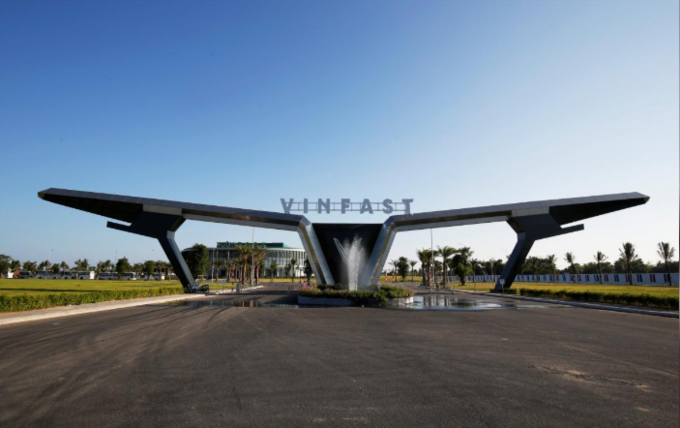
    Vietnamese electric vehicle maker VinFast is cutting its workforce in the United States, the company said on Monday, amid a restructuring in its major overseas market as the startup grapples with a stalled shipment of its first cars and prepares for a potential stock listing.

    The Vietnamese company, a subsidiary of conglomerate Vingroup JSC (VIC.HM), has been moving to expand in the United States, where it hopes to compete with existing automakers.
    EUnited States.

    VinFast vehicles are not eligible for the $7,500 tax credit in the United States because they are not Vbuilt in North America.

  • Interbank rate climbs up to 13%

    Interbank rate climbs up to 13%

    Nine-month interbank rate has climbed from 9.61% to 13% annually as of February 2, according to the central bank’s latest data.

    On February 2 banks borrowed VND225.7 trillion ($9.6 billion) from each other overnight at the rate of 6.26% per year, up 1.7% points from the end of last year.

    Other terms such as two weeks, one week, six months and nine months have seen rates increased from before the Lunar New Year holidays, which lasted from January 20-26.

    Interbank rates are rising even though the State Bank of Vietnam had pumped liquidity in five trading sessions after Tet holiday with a total supply of nearly VND70.8 trillion.

    Analysts have said that interbank rate will unlikely fall soon as globally central banks will likely continue to raise their rates.

    Deposit rates are forecast to peak in the middle of this year before cooling down.


  • Vietnam rice exports plummet on lower global demand

    Vietnam rice exports plummet on lower global demand

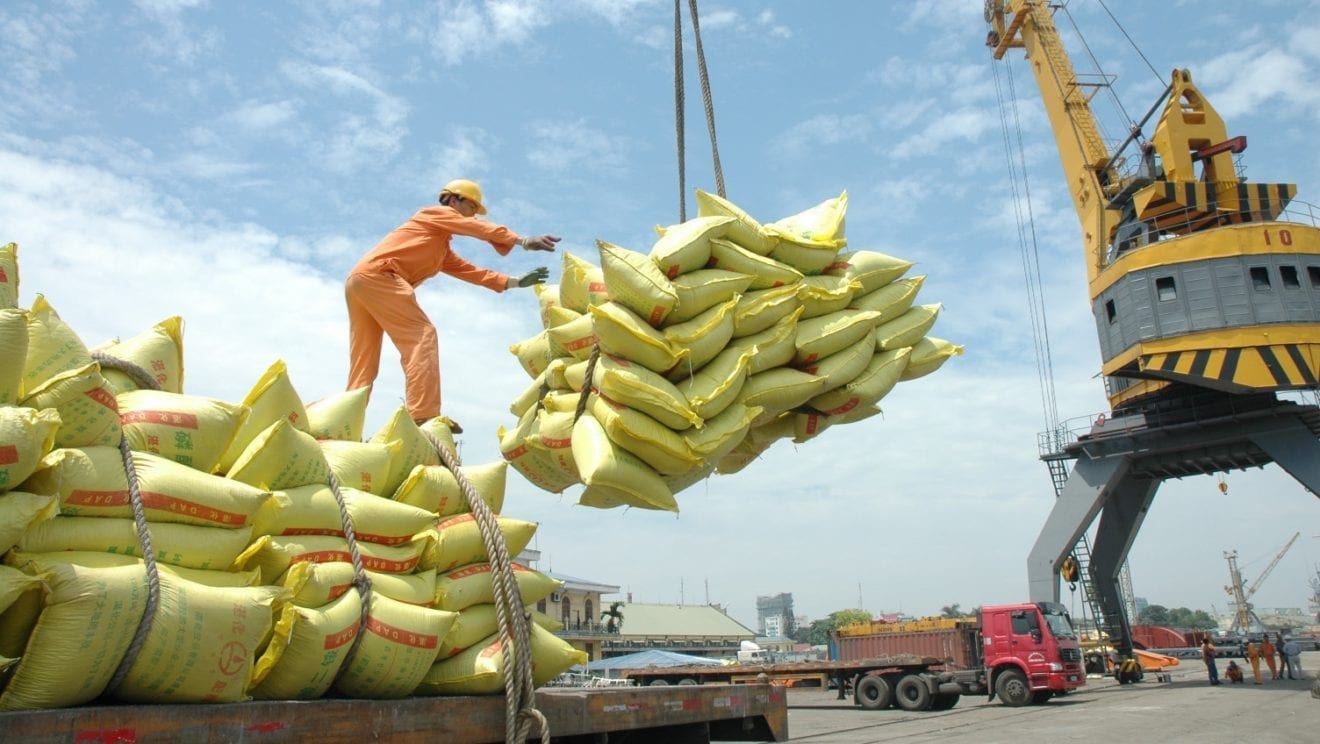
    Rice exports fell 17.4% year-on-year in January to US$203 million as global demand shrank.

    In volume terms, they declined by 20.9% to 400,000 tons, according to the Ministry of Agriculture and Rural Development.

    Global demand was lower since inventories remained high in many countries, it said.

    The U.S. Department of Agriculture said in its January report that the global rice trade is set to fall by 4% this year to 54.4 million tons, the first drop since 2019.

    The Thai Rice Exporters Association has lowered the export target for this year from 8 million tons to 7.5 million tons, fearing global crises would affect trade.

    Vietnam expects exports to recover by the end of March as the Thai baht continues to gain against the U.S. dollar, making that country’s rice less competitive.

  • Taxing housing necessary but challenging

    Taxing housing necessary but challenging

    Experts say that taxing housing will help make the real estate market more transparent and prevent speculation, but it is necessary to digitize data, ensure fairness, and avoid overlapping taxes.

    The government plans to enact a new law on real estate taxation in place of the Law on Agricultural Land Use and the Law on Non-Agricultural Land Use, and separating houses and land for tax purposes.

    There is currently a very low tax on lands and, unusually for any country, none on houses.

    The Government is on course to submit the bill to the National Assembly for comments in October 2024 and approval in May 2025.

    Several experts said they agree that taxing houses and lands is necessary in the context that the property market is opaque and plagued by speculation, lack of systematization and ineffective management.

    Le Hoang Chau, chairman of the Ho Chi Minh City Real Estate Association, said taxing housing and land would help make the real estate market fairer and more transparent.

    Nguyen Van Duoc, general director of Trong Tin Accounting and Tax Consulting Company, supported an increase in the tax rates on lands but warned it is necessary to safeguard the interests of the public and not adversely affect the market.

    “Taxing houses and other construction is also reasonable. Many countries around the world have done it for a long time.”

    Nguyen Mac Hoai Nam, general director of Nam Phat Investment Consulting Company, said tax policies often have a direct and almost immediate impact on investment behavior, speculation and buying and selling of properties.

    He explained that taxing houses and lands would enable authorities to monitor the market closely, increasing its transparency and making policymaking and management more efficient.

    But analysts also warned there would be many challenges in doing this.

    Duoc pointed out that taxing depends on databases and the capability of management agencies.

    Chau said to tax houses and other properties, it is necessary to reduce land-use fees to avoid excessive taxation.

    The land-use fee is collected once and not annually and accounts for 10% of the value of an apartment and 30% of a townhouse.

    In the case of villas, it accounts for 50%.

    If land-use fees remain high, the addition of property tax would make the burden excessive, he said, pointing out that developed countries collect house and land taxes annually.

    Nam suggested starting taxes on housing and land at moderate rates and then gradually increasing them so that people could get used to it.

    “It is also necessary to consider lowering the land-use fee.”

    First, government agencies need to get comprehensive data on housing and lands and come up with a convincing valuation method for the taxes.

    The data should be collated in time to ensure the new law is passed by mid-2025.

    Huynh The Du, a lecturer in public policy at Fulbright University Vietnam, said the database cannot be completed anytime soon.

    The country has over 27 million households living in more than 2.5 billion square meters of housing, but data on their prices is scant and many houses have not been traded for decades, he pointed out.

    In any case, the prices registered during transactions are much lower than market rates, he further pointed out.

    Dang Hung Vo, a former deputy minister of natural resources and environment, said the government should not rush to tax houses and apartments, but focus on taxing lands.

    This is more feasible because the country has an established land management system, he said.

    Urban residential lands are managed relatively well, and so taxing them is easy and efficient, he said.

    Meanwhile, it is necessary to perfect the system for assessing land prices to ensure they are close to market rates.

    “This is the first step before thinking about taxing houses.”

    It is difficult and complicated to tax housing due to the lack of an effective management system, he said.

    Analysts said local governments should collect the housing tax for investing in infrastructure and utilities like bridges and roads and planting trees.

  • Stock market plunges

    Stock market plunges

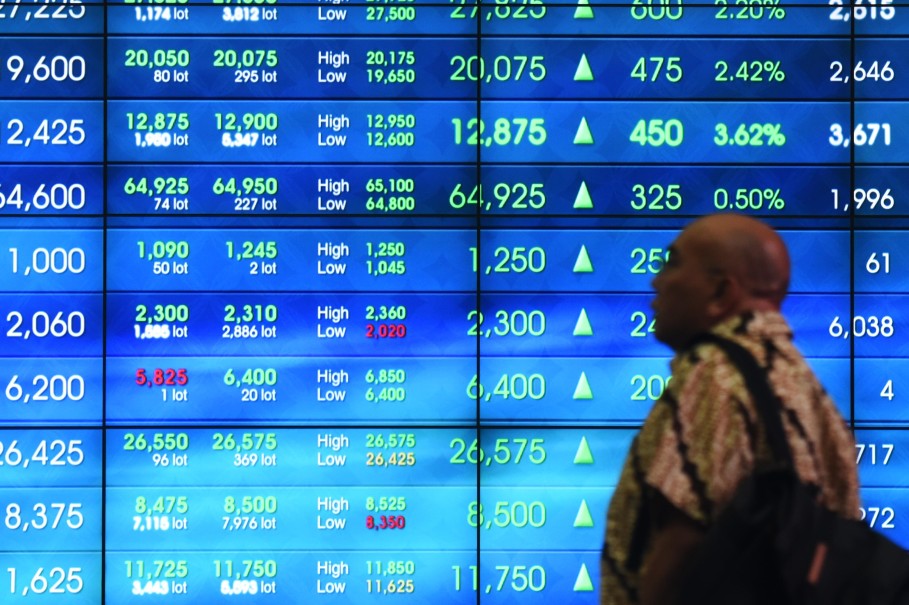
    Vietnam’s benchmark VN-Index dropped 2.15% to 1,065.84 points Tuesday.

    The index closed 23.45 points lower after gaining 12.14 points on Monday.

    Trading on the Ho Chi Minh Stock Exchange (HoSE) increased by 26.65% to VND12.17 trillion ($515.35 million).

    The VN-30 basket, comprising the 30 largest capped stocks, saw 24 tickers dropped.

    PDR of Phat Dat Real Estate Development hit the floor with a 6.9% fall.

    HPG of steelmaker Hoa Phat Group fell 6.6% and NVL of property developer Novaland Group lost 5.2%.

    GVR of Vietnam Rubber Group went down 5.1% and SSI of leading brokerage SSI Securities Corporation declined by 4.7%.

    Five blue chips bucked the trend.

    TPB of private TPBank went up 1.2% and PLX of fuel distributor Petrolimex gained 0.5%.

    Foreign investors were net buyers to the tune of VND37.26 billion, mainly buying STB of Ho Chi Minh City-based lender Sacombank and CTG of state-owned lender VietinBank.

    The HNX-Index at the Hanoi Stock Exchange, where mid and small caps list, was down 2.08% while the UPCoM-Index at the Unlisted Public Companies Market was down by 0.55%.

  • Nintendo Finally Breaks the $70 Game Barrier

    Nintendo Finally Breaks the $70 Game Barrier

    Video game and system developer Nintendo recently accidentally revealed that its upcoming release of The Legend of Zelda: Tears of the Kingdom will be the first of its titles to break the US$70 barrier. Formerly offering the game at $60, this new price point has been updated across all pre-order stores, officially making Nintendo the last of the console systems to take a step up from the previous $60 standard.

    A New Price for a New Age

    As reported by Gamerant, the first of the big three consoles to cross into the $70 price range was Sony with the PS5. Stated reasons for this rise in cost include how many hours of entertainment a game could give, the rising cost of video game development, and adjustments for inflation. Some of these arguments have been heavily criticized, though the argument from inflation does hold water.

    The standard $60 price tag for games was set around 1998-2001. According to US Inflation Calculator, this cost in the year 2000 would adjust to a real modern cost of just over $100. From this perspective, a $70 price tag is only fair, but players have repeatedly pointed out that there are issues in viewing costs from this perspective.

    Issues and Solutions

    On the other side of the rise of cost are players who point out that the rising cost of game developers is because of the scope which developers reach for. Players had no direct say in this, and since many would and do choose smaller games at lower price points, the argument falls apart. The want of lower costs is further bolstered by more games being sold than ever, so economies of scale should dictate lower prices. Finally, the fact that full games are locked behind DLC means that the $60 price point often illustrates only a base package, where all the content might eventually be worth double what was paid for a barebones initial release.

    As for solutions, a popular idea that appears in some bundle games is to allow the player to choose their own cost over a certain point. This is similar to what is adopted with online betting, like in the titles from Stake Casino. Not only does this casino allow players to deposit as much as they want over the minimum through fiat and cryptocurrencies, but the games also allow enormous variety in how much is put down. Already applying to more than 3,000 games, this idea would be a similarly huge hit in the video gaming space, though the odds of any AA.

    Other than through access from some type of game pass, which Nintendo doesn’t offer for AAA titles, the only way to lower the cost of Nintendo’s new games is through a paid voucher system. As Kotaku covers, this can let players save $20 on two purchases, but it’s not helpful for players who only want one game. Ultimately, like it or not, the $70 price point for AAA titles is here to stay. At least for gamers on a budget, the expansive and only improving indie market can be just as good.

  • Vietnam raises electricity price range

    Vietnam raises electricity price range

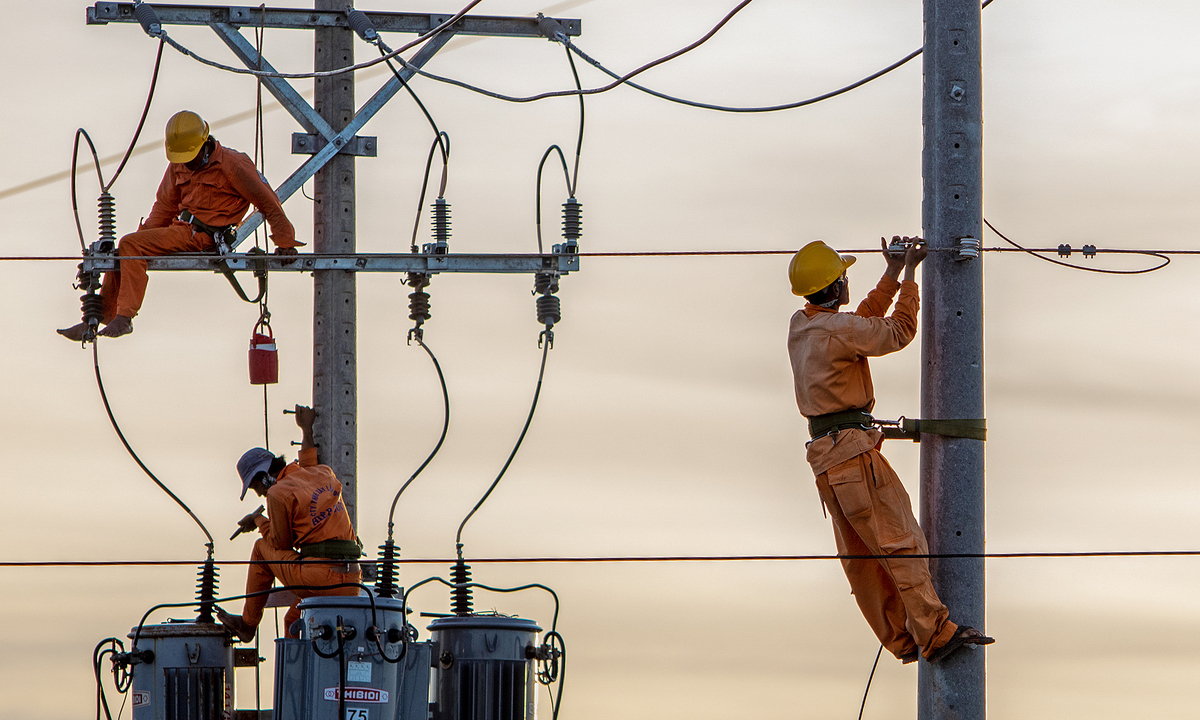
    Vietnam has raised its electricity price range by double-digits for the first time since 2017, paving the way for a hike in retail prices.

    The minimum electricity price was increased 13.7% to VND1,826.22 (7.8 U.S. cents) per kilowatt-hour beginning February 3, according to a decision signed by Deputy Prime Minister Le Minh Khai.

    The maximum price was raised 28.2% to VND2,444.09 per kilowatt-hour.

    An increase in the electricity price range does not necessarily equate to a retail price hikevi. However, the new range, along with an updated cost of electricity production in 2022, will be key inputs for the Ministry of Industry and Trade to determine Vietnam’s retail prices for this year.

    Vietnam’s electricity retail price had remained unchanged since 2019 at VND1,864.44 per kilowatt-hour.

    Vietnam Electricity posted a loss of VND31 trillion last year, which it blamed on rising input and production costs. It recently proposed an increase in retail prices.

    The industry ministry has said that it was reviewing the proposal and will announce a “reasonable plan” to raise prices.

    Prime Minister Pham Minh Chinh said last week that the electricity price hike should be kept reasonable and in line with real Vietnamese incomes.

    Vietnam’s electricity price is 50% lower than that of the Philippines, where electricity is more expensive than anywhere else in Southeast Asia. Vietnamese prices are also lower than those in Indonesia and Thailand, according to energy data platform GlobalPetroPrices.

    On the other hand, electricity costs more in Vietnam than it does in Laos, Russia, Bangladesh, India and Turkey.

  • Vietnamese delivery app on the brink of turning profitable

    Vietnamese delivery app on the brink of turning profitable

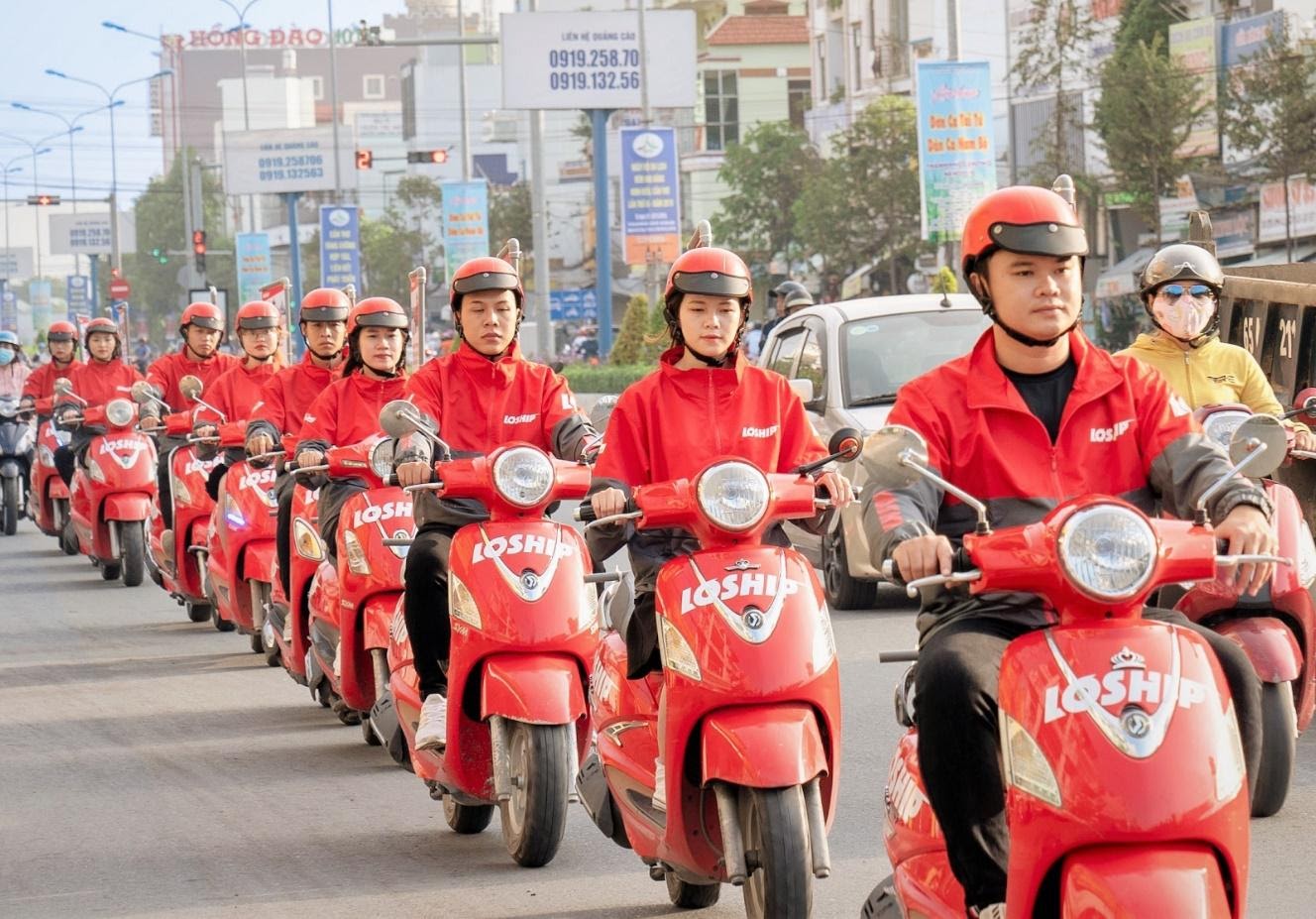
    Delivery startup Loship is confident it will make profits this year, something most of its competitors have yet to achieve.

    Nguyen Hoang Trung, CEO of one of only two delivery startups in Vietnam said that Loship suffers “very little” loss.

    Last year its revenues increased by 500% thanks to business optimization with 250,000 locations and more than five million customers.

    It expects to turn profitable this year.

    Losing money is the norm in the food delivery and ride-hailing industry.

    As of 2021, Grab Vietnam had chalked up cumulative losses of VND4.365 trillion (US$186 million). Gojek is also VND4 trillion in the red.

    Both incur huge selling expenses running ino trillions of dong.

    Trung said all other apps are also affected by Regarding the increase in gasoline price, this but “honestly not too much”. When the Russia-Ukraine war took place, it was a nightmare in the beginning. But so far, the gas price has not changed too much and it’s even cheaper than at the beginning of the crisis. It shows that gas price will continue to increase and then decrease. In the short term, this affects the income of shippers, but not in the long term.

    He said gasoline price increases have a knock-on effect on all prices, including restaurants’. But when they go down, other prices do not follow suit and remain high, and this causes people to gradually stop ordering food, which affects shippers, he said.

    Over time many shippers decide to stop working for apps, as is happening in places like China, Europe, the U.S., and India.

    In 2021 and 2022 Loship spent a lot of money on acquiring new customers, and so marketing costs accounted for over 60% of its expenses. This led to some differences of Loship from others in the market that weren’t “properly recognized” by the customers. One of these differences is that Loship offers free delivery within a certain distance.

    Trung and his team wondered if Loship would be any different from its competitors if they continued to do this. Existing users are still Loship users but they can also be using other apps. Realizing the problem, Loship began to cut its promotions, reducing costs.

    Trung explained: “No matter how big you are, there is always a limit. Money doesn’t fall from the sky.

    “Each company has a long-term strategy for the amount of money it has. The better their strategy, the more money in in their account. Then, even during difficult times they can afford to be generous to their customers.”

    To achieve the goal of breaking even this year Loship is prioritizing cash flows. Last year the company cut 50% of its payroll. Besides, from the second quarter all marketing activities essential ones were frozen.

    Trung thinks the reason Loship is approaching breakeven is that it has found the balance between customers, shippers and restaurant partners, something he admitted was not easy to achieve. Any increase in price could drive customers into the arms of another platform, and any cut in payments to shippers could cause them to take out their frustration on customers, he pointed out.

    In the next three years food delivery and supermarkets would still be the markets that have great competition. Apps would also offer additional services like their own e-wallets to increase convenience for users, he said.

    But he made it clear Loship has no intention of entering the fintech industry since that would require a big investment. Instead, they want to exploit the number of restaurant partners for raw materials supply.

    A recent report by iPOS, a platform that provides sales, operations, and human resource solutions for more than 100,000 restaurants and coffee shops, shows that the food delivery market in Vietnam grew three-fold since the Covid outbreak to VND29.9 trillion last year.

    More than 12 million people ordered food delivery through online platforms, with the number growing annually at 17.5%.

    But the market is dominated by foreign enterprises with 58% of consumers choosing to order on ShopeeFood. It was followed by GrabFood, Baemin and Gojek.

    The only two homegrown players in the market, Loship and beFood, accounted for around 7%. The market still has a lot of room for competition when most of the big applications on the market recorded a reduction in percentage of users.


  • Dragon fruit prices triple

    Dragon fruit prices triple

    Dragon fruit prices have tripled year-on-year in southern farms after China resumed border trading.

    Farmers in Tien Giang Province are selling red-fleshed dragon fruit at VND38,000 ($1.62) per kilogram and white-fleshed for VND32,000, up 10% from before the Lunar New Year holiday and triple from the same time last year.

    Nguyen Thi Hanh, a farmer said that she sold five tons at VND32,000 per kilogram and earned a profit of VND110 million.

    In Binh Thuan Province, prices of white-fleshed dragon fruit have also tripled to VND25,000.

    Industry insiders say that the resumption of border trade with China after three years of restrictions has helped boost prices. China accounts for around 90% of Vietnam’s dragon fruit exports.

    Binh Thuan’s Department of Agriculture and Rural Development said that as trucks can pass the border easily without having to wait for days as they did during the pandemic, dragon fruit is being sent to China quickly, and farmers are set to report large profits as the main harvest season approaches.

    “We are working to connect farmers with possible export locations in China to help them sell their fruit with ease,” said Mai Kieu, director of the department.

    Since January Chinese customs no longer requires goods to be tested for Covid-19 at border gates with Vietnam and it has also lifted all other pandemic safety measures.

    Vietnam’s exports to China rose 8% to $119.3 billion in 2022 compared to a year earlier, while imports climbed 4.5% to $58.4 billion.

  • Telegram introduces profile photo maker

    Telegram introduces profile photo maker

    Telegram typically pushes out major updates once a month, and February is no exception. After adding the ability to hide spoilers in media content and other features in late 2022, Telegram recently released yet another update that brings even more new features to Android and iOS users.

    The highlights of February’s update include a profile photo maker, real-time message translation, and emoji categories. Depending on how you’re using Telegram, some of these new features might be more important than others.

    As the first Telegram update of the year, the new piece of content introduces no less than 10 major features. With the new profile pictures maker, Telegram users can turn stickers or animated emoji into a profile pictures that can be used for accounts, groups, and even channels. The new feature is not locked behind the Premium subscription, so everyone can use it once they updated to the latest version of Telegram.

    Another premiere for Telegram is the ability to translate entire chats, groups and channels in real time. The Translate bar at the top of the app will make this complex task a breeze. You can even hide the bar and control which languages are translated. The bad news is you have to pay for Premium to be able to use real-time chat translation.

    For those who are obsessed by data, the update makes it possible to see how much data has been used by the app with detailed pie charts for both mobile data and Wi-Fi. You can even adjust the auto-download settings the way you want.

    There’s also a new menu from where Telegram users can control when media is saved automatically to the gallery based on size, type and which chat it was received from. Additionally, the menu makes it possible to filter your media by using exceptions.

    Telegram has so many emoji that more often than not it’s hard to find what you want. The latest update introduces emoji categories in the panel. You can also hold any emoji to zoom in to get a better look at it before sending.

  • H&M to shut high-profile Singapore store

    H&M to shut high-profile Singapore store

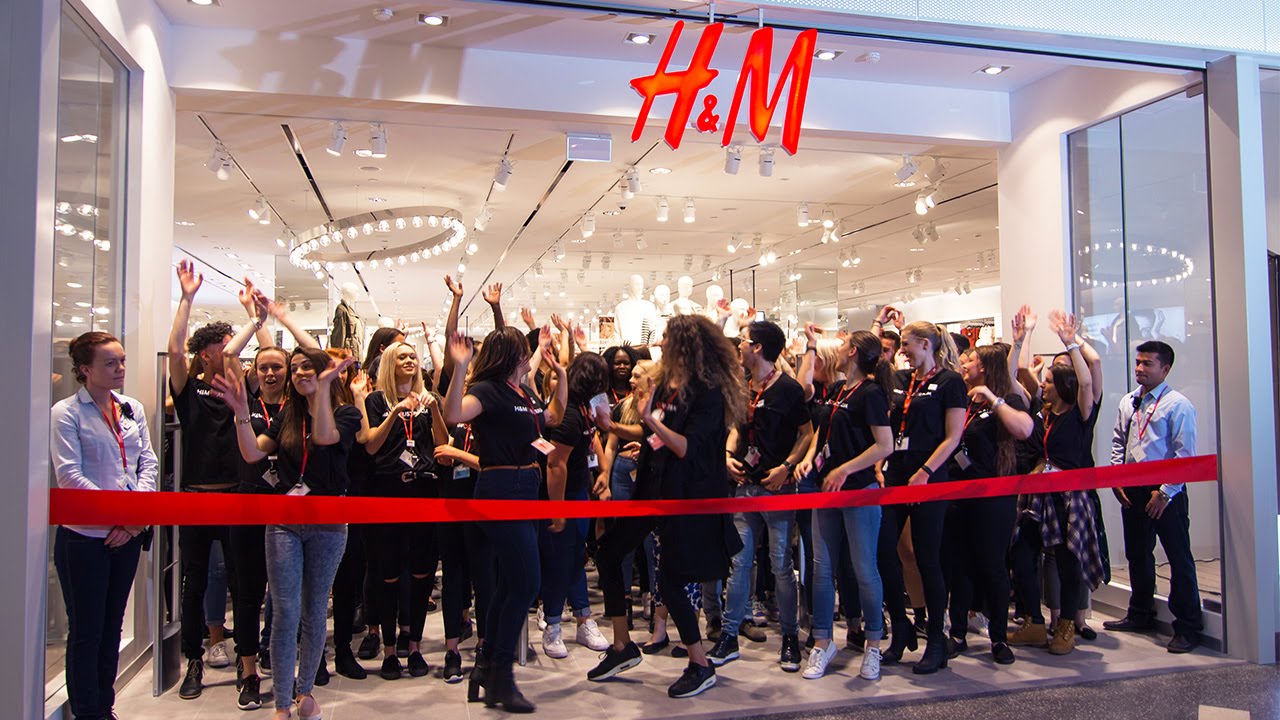
     H&M’ s two-storey Ion Orchard outlet is closing in March, after a run of more than a decade.

    Opened in 2012, the store’s last day of operations is on March 12, according to a Facebook post by the Swedish fast-fashion brand on Feb

    The post added: “But don’t worry. We’ll meet in other places.” The retailer, which currently has nine outlets in Singapore, shuttered two outlets in recent years.

    H&M’s Tampines Mall outlet was shut in August 2020, while its Waterway Point outlet in Punggol closed in January 2021.

    The Straits Times has contacted H&M for comment.

    H&M entered the Republic in 2011 with a flagship store at Somerset.

    The world’s No. 2 fashion retailer – behind Inditex, which owns Zara – has had a spate of closures in Europe, spurred by factors such as the Ukraine-Russia conflict and high inflation.

    According to media reports, one in five of its Britain-based stores had closed in the past few years, with four more stores earmarked to close this year citing “a rapid change in customer behaviour”.

    In October 2020, the retailer said it planned to cut 250 of its stores globally. As at Nov 30, 2022, it had 4,465 outlets worldwide.

    Luxury brands have weathered factors such as the Ukraine-Russia conflict far better than their high-street counterparts.

    While H&M saw its net profit fall 68 per cent from 2021 to 3.6 billion Swedish kronor (S$450 million), French multinational LVMH – which owns brands including Tiffany & Co, Christian Dior and Sephora – had a record year in 2022, raking in a 23 per cent jump to hit €79.2 billion (S$112.9 billion) in 2022.

  • Gold prices increase

    Gold prices increase

    SJC gold price rose 0.15% to VND67.3 million ($2,859.27) per tael Tuesday morning.

    Gold ring price went up 0.18% to VND54.9 million per tael. A tael equals 37.5 grams or 1.2 ounces.

    Globally gold prices gained on Tuesday as the dollar pulled back slightly, with traders awaiting U.S. Federal Reserve Chair Jerome Powell’s speech later in the day for hints about future rate hikes after last week’s strong economic data.

    Spot gold was 0.4% higher at $1,873.96 per ounce, as of 0316 GMT, after hitting its lowest since Jan. 6 in the previous session.

    “Despite another round of upmove in the dollar and yields, the downside in gold prices is more limited, which points to some attempts to stabilise after recent sell-off,” said Yeap Jun Rong, a market analyst at IG.

    The dollar index was down 0.2% after touching its highest level in nearly a month on Monday. A weaker greenback makes dollar-priced gold more attractive for buyers holding other currencies.