Tag: asia

  • Apple Korea targets 15pc market share

    Apple Korea targets 15pc market share

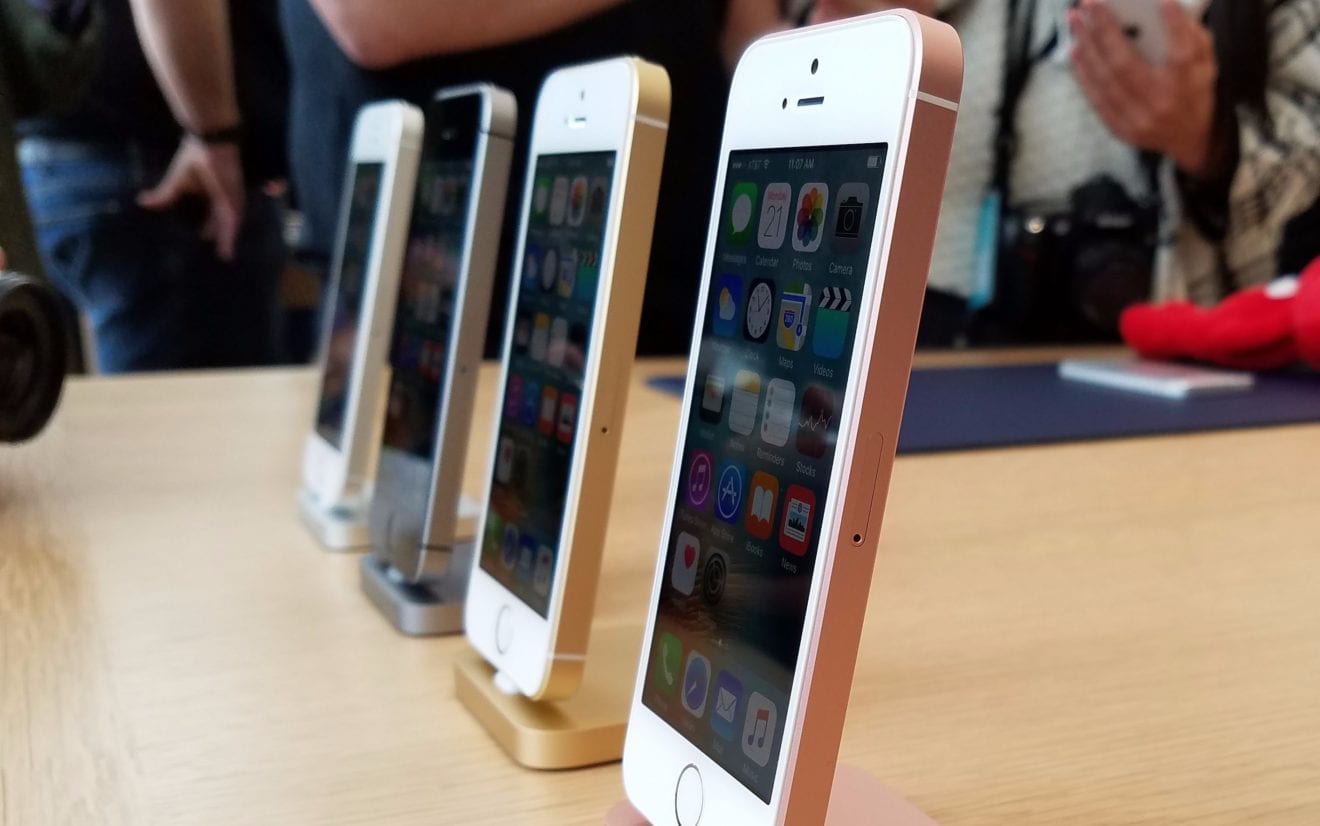
    Apple Korea is going head on to Samsung on its home turf, on target to sell 2.9 million iPhones in South Korea this year, giving it a market share of about 15 per cent.

    At the end of last month it had sold 2.6 million iPhones, and is forecasting improved results for the year. Its operating profit has reached more than KRW800 billion (US$684 million) on revenue of KRW3 trillion, according to Yonhap News Agency.

    Sales of iPhones account for more than 75 per cent of Apple’s revenue in Korea, sources say. It launched the iPhone 7 in October with the opportunity to take share from market leader Samsung after its Galaxy Note 7 debacle.

    On top of that, the Cupertino-based tech company is building its first flagship retail store in Seoul, expected to be completed next November, right across the street from Samsung’s headquarters.

    Apple’s market share in Korea peaked at 33 per cent in the fourth quarter of 2014 following the launch of the iPhone 6, according to Counterpoint. Samsung and LG now have a combined market share of more than 80 per cent. LG had a 19 per cent market share in the second quarter of this year.

    South Korea and Japan, where the iPhone had more than a 50 per share for the three-month period ending October 30, are rare growth markets in Asia for Apple. Its iPhone shipments in China plunged 31 per cent to 7.5 million units in the third quarter, with market share falling to 6.2 from 10.3 per cent, according to Strategy Analytics.

    Apple reportedly reduced orders from component suppliers for its iPhone 7 models early this month because of demand being weaker than expected in many markets, including China.

  • Significant investor interest as SPAR Shandong introduces initial public offering

    Significant investor interest as SPAR Shandong introduces initial public offering

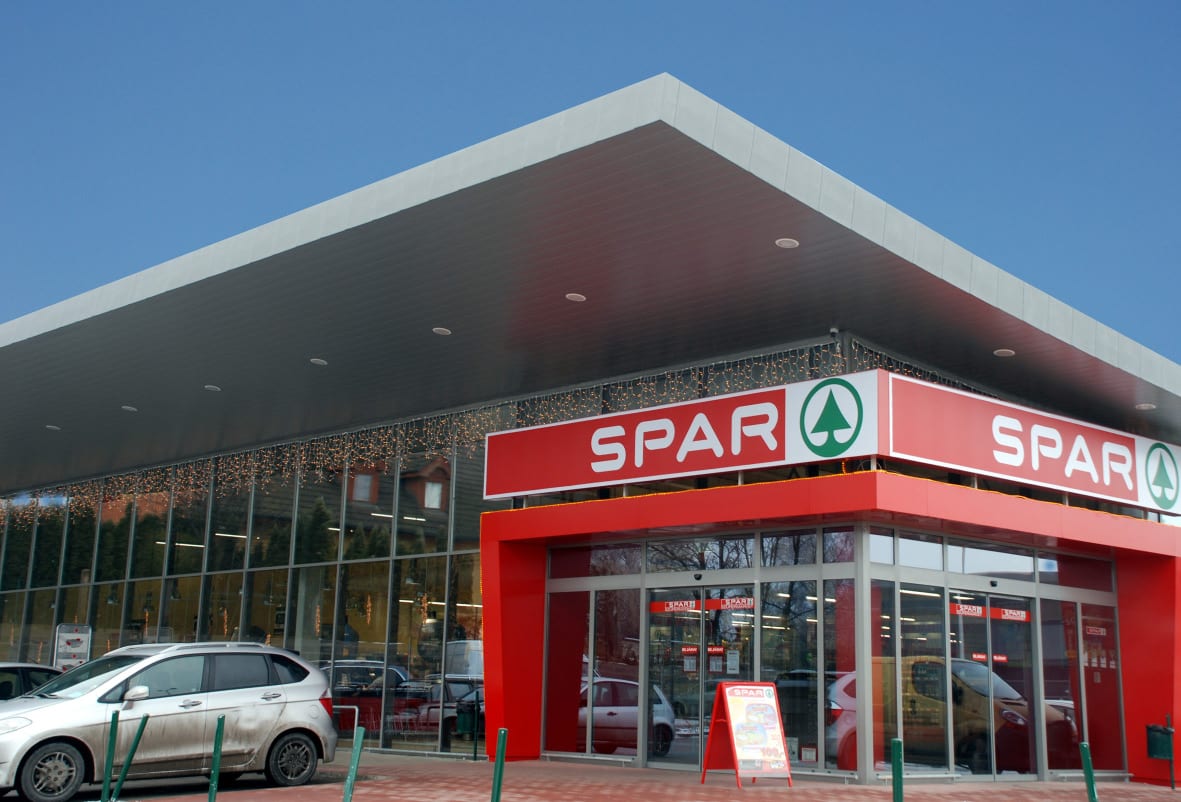
    SPAR Shandong operators, Jiajiayue Group, who became SPAR International’s first retail partner in China in 2004, have launched an initial public offering (IPO) which saw the company listed on the Shanghai Stock Exchange. 

    Jiajiayue issued 90 million shares priced at 13,64 yuan per share to raise 1,23 billion yuan ($178,12 million). In late November, interest from investors saw the online portion of the IPO oversubscribed 4,407 times. The listing on the main A-Share exchange in China saw trading activity begin immediately after the opening on Tuesday ending 43% up on the first day of trading.

    The market funding will be used to strengthen the business further by financing new store openings and existing store upgrades, developing distribution centres and logistics infrastructure and enhancing the existing technology and IT infrastructure. 

    Jiajiayue was the first SPAR partner in China and opened its first store in 2005 in the city of Weihai, north east China. Since then, SPAR China has opened 360 stores with nearly 1,000,000 sqm of selling space in eight provinces, employing over 30,000 people. It also operates eight distribution centres delivering across 50 cities.

    Speaking at the launch, Tobias Wasmuht, Managing Director of SPAR International said: “Today is a significant milestone, not just for SPAR Shandong, but also for the wider SPAR China family. All at SPAR are delighted to have contributed to the success of Jiajiayue, our founding partner of SPAR in China. Over the last 12 years the company has continued to lead the way, working closely with the growing list of SPAR Partners in China to grow and enhance the brand. Investor interest in today’s IPO is testament to the strength and vision of the company and its management team. This partnership embodies the values of SPAR and we look forward to growing together the scale of our retail network in Shandong and China as a whole.”   

    In addition to its partnership with SPAR, Jiajiayue Group Co. Ltd is involved in food processing, wholesale of agricultural products and foreign trade business. In total it operates over 400 stores with a selling space of 900,000 sqm in 34 cities within Shandong province such as Weihai, Yantai, Jinan, Weifang, Qingdao, Linyi, Laiwu and Zaozhuang.

    The store formats cover hypermarket, supermarket, department store, neighbourhood store and discount store. The company has been recognised with a number of awards, including top 100 China FMCG Chain, Customer Satisfied Company in Shandong Province and Top Employer of China Retailing.

    SPAR is the world’s largest voluntary retail chain with retail sales of €33 billion in 2015. With a presence now in 44 markets around the world, SPAR continues to be the partner of choice for independent retail partners keen to embrace retail best practice and fast-track their development in the face of international competition. SPAR International’s multi-format strategy sees its Partners operate over 12,100 hypermarket, supermarket, neighbourhood and convenience stores serving the needs of 13 million customers daily.

  • 3 in 4 shoppers demand loyalty rewards from retailers

    3 in 4 shoppers demand loyalty rewards from retailers

    They want more personalised reward programmes, not just the traditional point-based ones. Amidst Singapore’s retail doldrums, more than 75% of Singapore consumers indicate that the will buy more from retailers if they are better rewarded for their loyalty.

    According to a study by ICLP, this is despite the fact that many consumers are currently lukewarm about their relationships with brands and retailers, giving average to low scores in terms of passion, commitment, and intimacy.

    The study noted that only 3% of consumers considered themselves to be devoted to their preferred brands.

    The research suggested that in order for retailers to take their relationships with customers to the next level, they have to go beyond just giving traditional-points based reward programmes.

    “Much like in a relationship with friends and loved ones, they would engage more when they receive genuine gestures that surprise and delight them,” the study explains.

    ICLP country manager Bruno Tay said many Singaporean consumers still relate to brands and retailers at a transactional level, so when times are uncertain, they easily resort to the myriad of choices that are at their disposal.

    “It’s not too late to turn things around, though. In fact, retailers now have a chance to truly stand out if they appeal to the heart too – by approaching communication, reliability, consistency, reward and recognition from a human perspective,” he noted.

  • Lotte promises +$2bn in World Tower support

    Lotte promises +$2bn in World Tower support

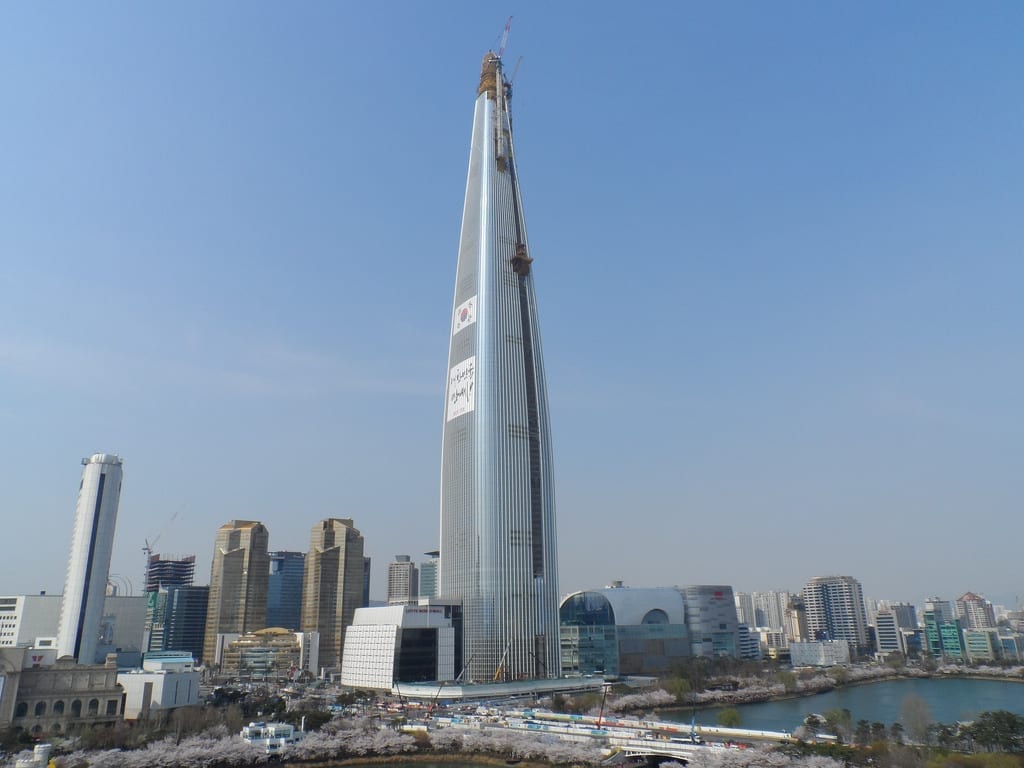
    Ahead of this Saturday’s highly anticipated downtown duty free license awards in Seoul, South Korea, Lotte Duty Free has promised to invest Won2.3 trillion ($1.97bn) on tourist-related investments in the upmarket Gangnam quarter of Seoul between 2017 to 2021.

    It has also pledged to include support for small and medium-sized business partners while finding ways to attract more than 17m foreign tourists.

    This unprecedented offering from South Korea’s biggest duty free operator also includes an undertaking to create 34,000 direct and indirect jobs, while creating substantial foreign exchange income.

    UNPRECEDENTED SUPPORT PACKAGE FROM LOTTE

    Lotte has also promised to contribute substantially to social needs, while offering ‘win-win management’ arrangements and solutions for small and medium business partners.

    In a lengthy communication, Lotte Duty Free adds that all of these promises and much more are ‘included’ within the business plan it has already submitted to the Korea Customs Service on October 4.

    As such, it is obviously hoping this will be enough to secure one of the Seoul downtown duty free store licenses which now comprise 10 years in length, rather than five.

    SK GROUP ALSO HOPES FOR A LICENSE ‘REPRIEVE’

    Needless to say, Lotte is not the only company looking to secure a downtown license since there are three on offer in the capital Seoul, with SK Networks also hopeful that it will win a license and be able to restore its duty free offer at the WalkerHill casino and hotel in Seoul.

    Another three licenses are also expected to be offered to retailers operating in smaller South Korean cities, including Busan.

    SK Networks (part of the SK Group) lost its Seoul license last November at the same time as Lotte Duty Free, although Lotte holds other licenses in downtown Seoul and at Incheon Airport.

  • 70 companies honoured at Hong Kong Awards for Industries

    70 companies honoured at Hong Kong Awards for Industries

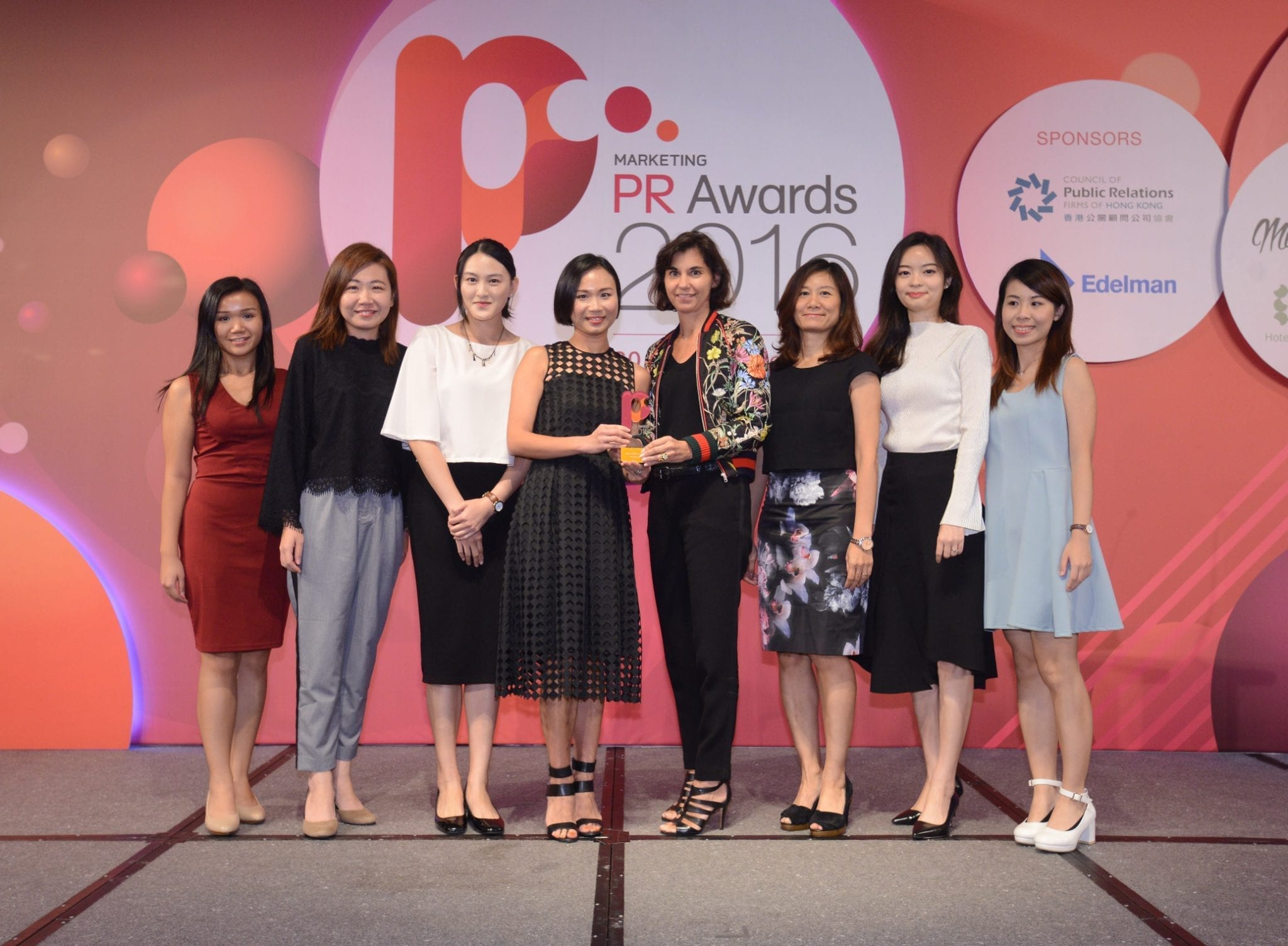
    Seventy companies were honoured today (December 13) at the 2016 Hong Kong Awards for Industries (HKAI) presentation ceremony, at which the Chief Executive, Mr C Y Leung, officiated.

    The Grand Award winners were WowWee Group Limited (consumer product design), the Hong Kong Research Institute of Textiles and Apparel (equipment and machinery design), Sidefame Limited – Anteprima Wirebag (customer service), Gammon Construction Limited (innovation and creativity), Chow Tai Fook Jewellery Group Limited (productivity and quality), Comba Telecom Systems Holdings Limited (technological achievement) and Sinomax Group Limited (upgrading and transformation).

    A total of 234 entries were received at the 2016 HKAI. The winners were decided by the final judging panels chaired by Professor Joseph Sung.

    The HKAI was launched in 2005 by merging the former Hong Kong Awards for Industry and the former Hong Kong Awards for Services, established in 1989 and 1997 respectively. The HKAI aims to recognise the outstanding achievements of Hong Kong enterprises in pursuit of high technology and high value-added activities, and to commend excellence in various aspects of their performance.

    The 2016 HKAI covered seven categories, namely the consumer product design category organised by the Federation of Hong Kong Industries; the equipment and machinery design category organised by the Chinese Manufacturers’ Association of Hong Kong; the customer service category organised by the Hong Kong Retail Management Association; the innovation and creativity category organised by the Hong Kong General Chamber of Commerce; the productivity and quality category organised by the Hong Kong Productivity Council; the technological achievement category organised by the Hong Kong Science and Technology Parks Corporation, and the upgrading and transformation category organised by the Hong Kong Young Industrialists Council.

    The 2016 HKAI media partners were Hong Kong Economic Times and Metro Finance.


  • Giant Zara Barcelona store opens

    Giant Zara Barcelona store opens

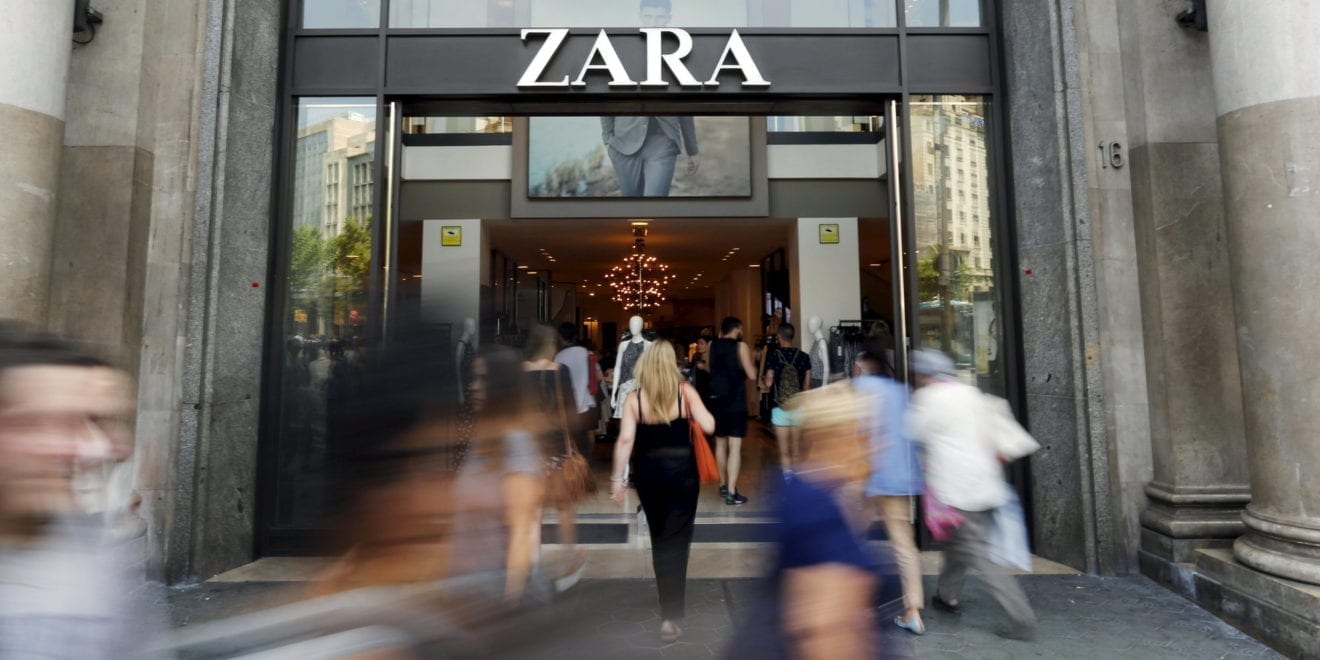
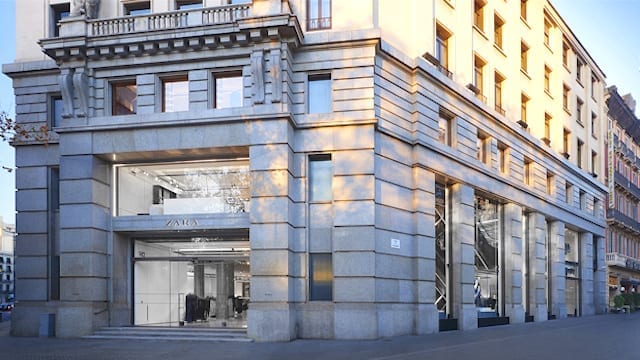
    A giant Zara Barcelona flagship store has opened its doors at Number 5, Plaça de Catalunya, Barcelona’s tourist and commercial epicentre.

    Zara describes the store as one of its “most emblematic”, housed in a 1930s property which has been fully refurbished and recovered for the city. It has more than 3600 sqm of space spread over three floors, housing the Zara Woman, Man and Kids collections.

    The new Zara Barcelona shop occupies a building designed in 1931 as the Barcelona head office of Banco de Bilbao by Basque architect Eugenio Pedro Cendoya, also responsible for the Montjuïc National Palace, built to accommodate the World Fair celebrated in the city in 1929.

    The architectural plans devised for this new store, spearheaded by Coruña-based architect Elsa Urquijo, focused on preserving the former bank’s original architectural treasures such as its impressive glass dome, the atrium flanked by columns and decked with the marble floors characteristic of the public buildings of the time and the murals decorating the pedestrian staircase. The interior is dominated by a pale colour palette and textures that tone down the spaces. The layout of the store fittings was articulated around free-standing units in neutral tones that place the spotlight on the brand’s collections and the building’s impressiveness.

    “The result is a diaphanous and uncluttered retail space with a ground floor open to the city and two upper floors demarcated by the majestic central space that is visible from anywhere in the store, bathed at all times by the daylight filtered in through its glass dome,” says Zara parent Inditex.

    In keeping with Inditex’s Environmental Plan, the new store has been built to stringent green building standards, sustainability criteria applying to its actual construction as well as ongoing operation and usage. Over half of Inditex’s worldwide stores are now eco-efficient, implying electricity and water savings of 30 per cent and 40 per cent respectively compared with conventional stores.

  • Ameriabank, Best Card unveil new cashback project, AYO card

    Ameriabank, Best Card unveil new cashback project, AYO card

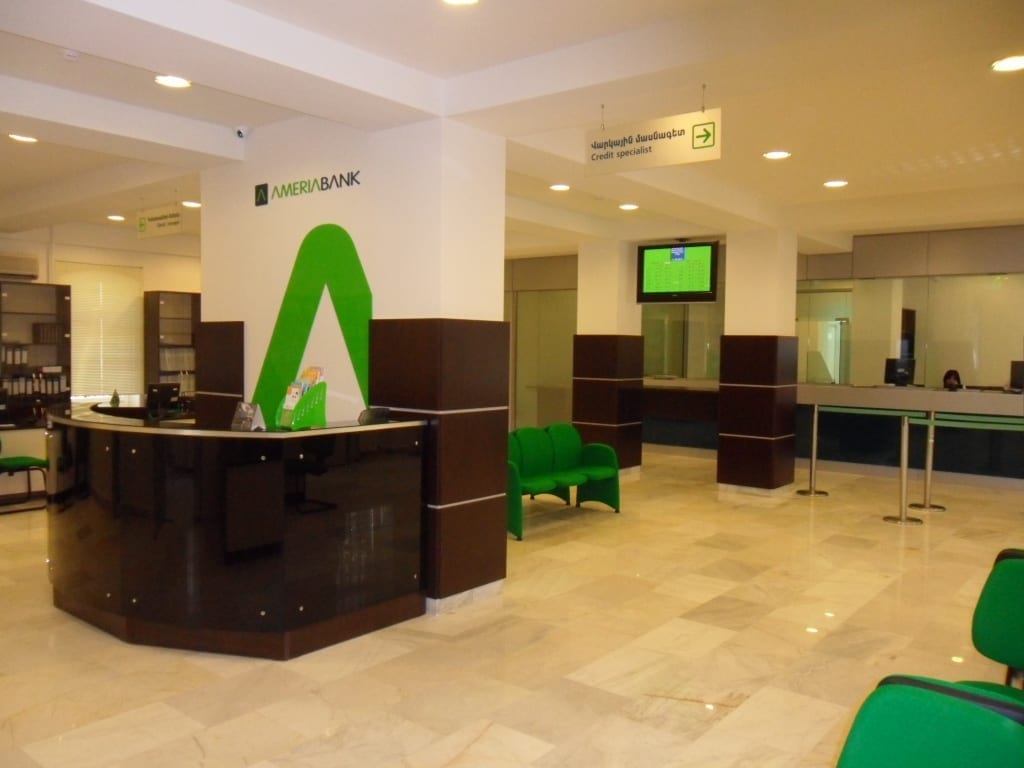
    Ameriabank and Best Card company on Tuesday, December 13 unveiled a new cashback project, as well as the AYO card and AYO program. The AYO program enables all Ameriabank cardholders (except for gift and business cards) to receive cashback for every payment made at partner shopping centers and service points. The amount of the refund will vary depending on a particular program and could reach up to 20%. Payment cards AYO Visa Classic and Visa Gold are intended for non-cash payments and online purchases both in Armenia and abroad, allowing customers to also obtain a line of credit on Ameriabank’s terms.

    According to Ameriabank Retail Director Arman Barseghyan, the program is implemented as part of the bank’s strategy to enhance the retail market through new services and changes of existing terms.

    “AYO cashback project means that an amount will be returned to client’s card in case of non-cash payments, and it actually means a certain discount,” said Barseghyan.

    He also said that not only do the the card AYO Visa Classic and Visa Gold provide a payment mechanism with the cashback possibility, but they also allow the use of Ameriabank’s standard credit lines.

    In turn, General Director of Best Card Marina Dallakyan noted that the difference between AYO project and other similar programs is that it comprises the largest list of partner companies operating in various fields, including supermarkets, gas stations, shoe stores, clothing stores, leisure and entertainment centers, insurance companies, etc.

    According to her, cooperation with Rosgosstrakh makes virtually all users of AYO cards insured against accidents. In addition, holders of Visa Gold cards will be provided with certain discounts by partner companies.

    AYO cards can be obtained by Armenian citizens, who are 18 and older, as well as foreign citizens, while the credit cards can be obtained by persons between the ages of 21 to 63 years if they comply with Ameriabank requirements. Soon, AYOCARD mobile application will be available on the App Store and the Google Play.

  • The Twee flagship in Kuala Lumpur

    The Twee flagship in Kuala Lumpur

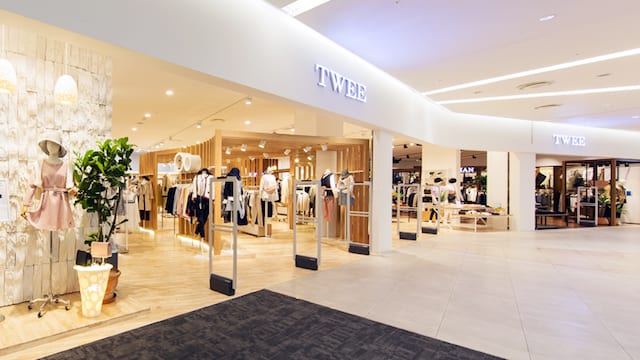
    Korean fashion retailer The Twee will open its first Southeast Asia flagship store at the new KL Gateway Mall in Kuala Lumpur.

    Set to open on January 12, the mall is part of the KL Gateway mixed development by Suez Capital in Bangsar South, Jalan Kerinchi.

    Along the Federal Highway, it offers a net lettable area of about 400,000 sqft (37,161 sqm) across seven levels, with more than 200 retail outlets.

    Covering about 11,000 sqft, The Twee flagship will be the brand’s biggest store in Southeast Asia, says Suez Capital head of asset management Michael Chee Soon Hin.

    Launched in 2009, The Twee has 28 fashion stores as well as kiosks in major department stores across Korea as well as in Shanghai. It targets women between 19 and 25 years old.

    Chee says the mall is already 80 per cent occupied and there are hopes it will achieve full occupancy by April. Secured tenants include Cotton On, Daiso, Doutor Coffee, H&M, Home’s Harmony, Mr DIY, Times Bookstore, Village Grocer, Yamazaki Bakery and Yubiso.

    There will also be free WiFi throughout the common areas of the mall.

    “The concept of the mall is based on a street mall – you will not be bored,” says Chee. Each floor is inspired by elements from different continents, and there will be an outdoor landscaped garden where residents in the residential units above the mall can grow vegetables.

    Suez Capital has invested in an automated car-park system for shoppers. “It will be the biggest automated car park in Southeast Asia with 1230 automated parking bays as well as 900 normal parking bays,” says Chee.

    The projected footfall for KL Gateway Mall is more than 10 million annually, with about 40 per cent from LRT (light-rail transit) commuters. A 100m covered, air-conditioned bridge will link the mall to the KL Gateway-University LRT Station.

    The integrated development includes four residential towers of more than 1180 units, which will be completed next year, while two Grade-A corporate office towers are being delivered in stages.

  • Hyundai buying SK Networks’ fashion sector

    Hyundai buying SK Networks’ fashion sector

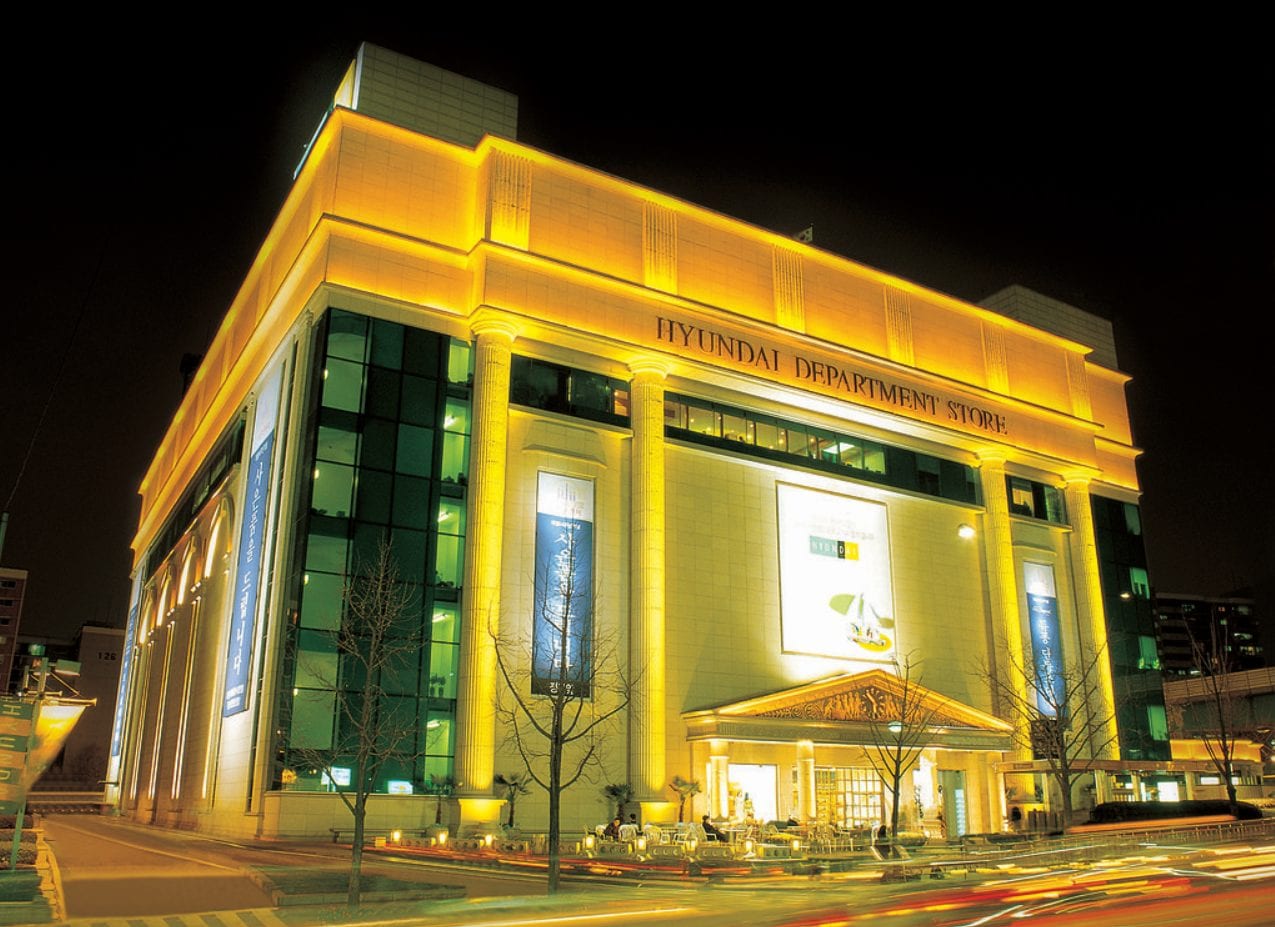
    South Korea’s Hyundai Department Store is buying trading company SK Networks’ fashion business for KRW326.1 billion (US$284 million).

    When the purchase is complete, probably by February, SK Networks (SKN) will no longer have interests in the fashion industry.

    The two companies have signed a deal to merge SKN’s 12 fashion brands into Hyundai’s Handsome fashion unit, which has annual sales of KRW750 billion. With SKN’s KRW600 billion added in, the merged group becomes the fourth-largest fashion company in South Korea behind E-Land, Samsung C&T and LF.

    Hyundai says it will retain SKN’s 400 designers, merchandisers, marketers and production staff, guaranteeing their jobs for five years.

    Analysts say the two businesses are a good fit and are unlikely to cannibalise each other’s trade as Handsome is known largely for its local womenswear brands while SKN is a major importer of global labels such as American Eagle, Club Monaco, DKNY and Tommy Hilfiger.

    Its house brands  include Obzee, O’2nd and Rouge & Lounge.

  • Cellco IoT revenues reach $11.7b in 2016

    Cellco IoT revenues reach $11.7b in 2016

    Mobile operators worldwide earned a combined €11 billion ($11.7 billion) in revenues from the IoT in 2016, but revenues remain relatively low compared to lofty industry projections, according to Berg Insight.

    Despite a significant early install base, low monthly ARPUs are restraining growth, Berg Insight senior analyst Tobias Ryberg said.

    The global monthly ARPU for cellular IoT devices is estimated at €1.40 this year, but with major variations between regions. In some emerging economies ARPUs were less than €0.30, and in some less competitive developed markets, ARPUs exceeded €3.00.

    “Until recently, the principal financial metric for IoT has been projected, not actual, revenues. Now the market has entered a new phase in which hard business facts take precedent over lofty projections,” Ryberg said.

    “Wireless connectivity is now near ubiquitous and there will be half a billion cellular IoT connections in 2017, but revenues are still relatively small.”

    But in the third quarter Vodafone and Verizon each generated €200 million in IoT sales revenues, and next year Berg Insights predicts that a handful of major operator groups will generate over €1 billion each from the IoT.

    Many early operator-led IoT efforts have focused on the automotive market as a starting point, with major players including  AT&T, Vodafone, Verizon and Deutsche Telekom establishing dedicated ventures centered on the connected car.

    But Berg Insight said a better strategy for smaller operators is to develop a broad IoT ecosystem and sell IoT solutions from preferred partners through existing B2B channels.

  • Delivery Hero takes control of Foodpanda

    Delivery Hero takes control of Foodpanda

    Control of the Foodpanda business has been sold by parent Rocket Internet, including the remaining Asian operations.

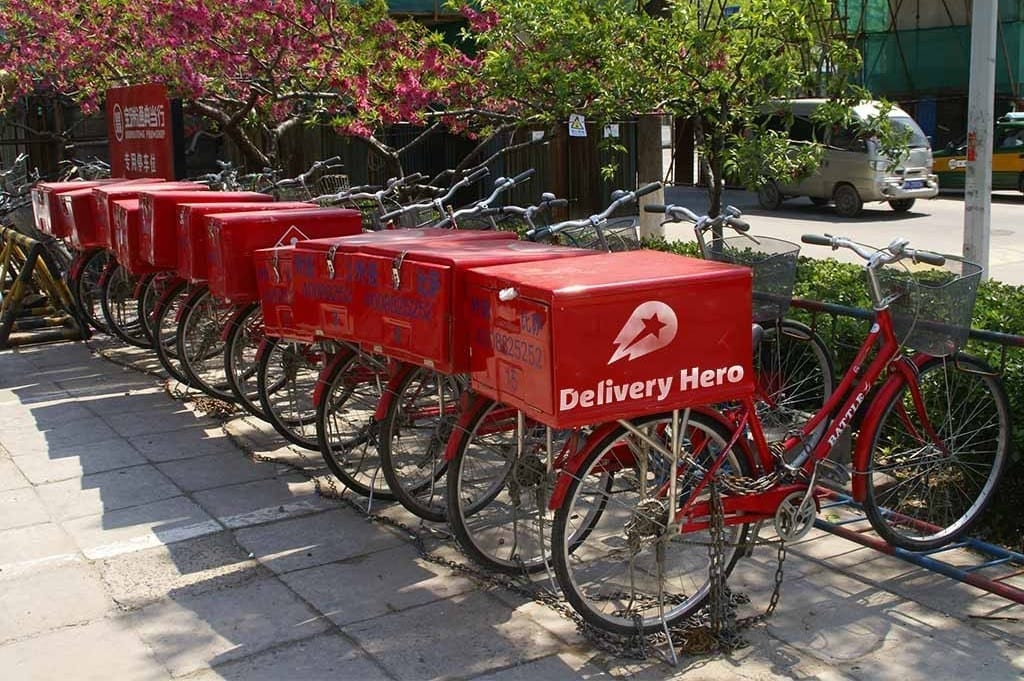
    German-based online food-ordering service Delivery Hero Holding, which is active in 33 countries, has acquired Rocket Internet-backed Emerging Markets Online Food Delivery Holding, parent of the shrinking Foodpanda business.

    Foodpanda, 49 per cent owned by Rocket Internet, has a presence in 22 countries, but shut its Indonesia business in October in the face of growing competition from app-based ride-hailing services that also offer food delivery, such as Go-Jek and Grab Bike. It has also exited Vietnam but remains operational in Singapore, Hong Kong, Thailand, Malaysia, the Philippines and Taiwan.

    In a partial share swap, the deal will see Rocket Internet’s stake in Delivery Hero increase from 30 per cent to 37.7 per cent. The sale will strengthen Delivery Hero’s global leadership position in online food ordering and delivery, with the combined group processing more than 20 million orders a month across 47 countries, says Rocket Internet.

    Bloomberg data shows that both companies together have raised more than $1.5 billion across several funding rounds with investors including Goldman Sachs and Insight Venture Partners.

    “The combination of Foodpanda and Delivery Hero, one of our most important companies, further consolidates key markets,” says Rocket Internet CEO Oliver Samwer. “Delivery Hero is also acquiring new markets.”

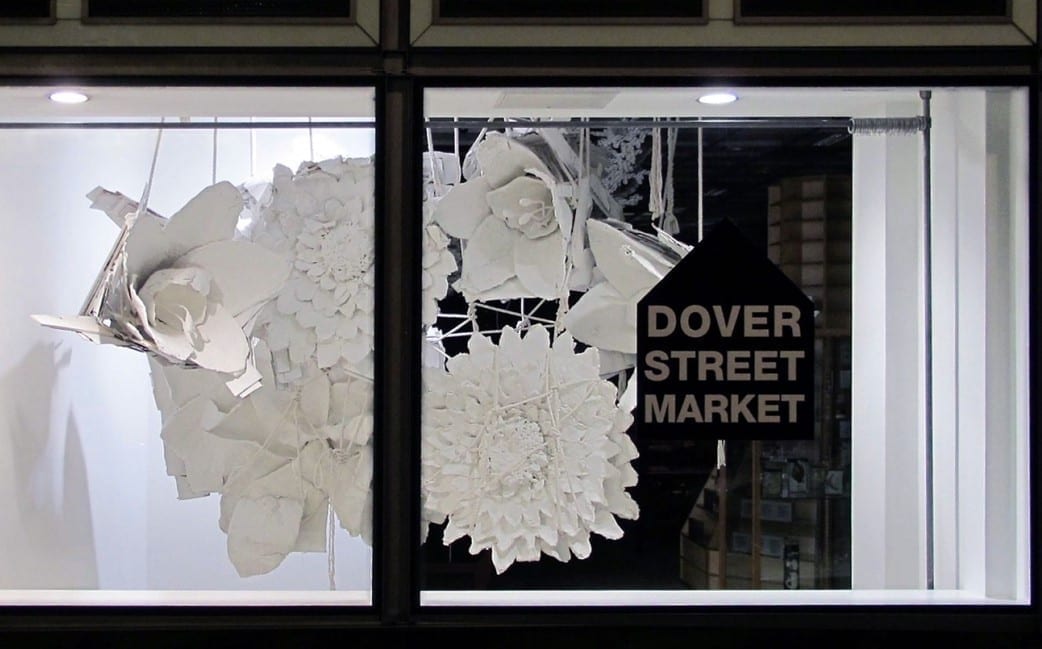
  • Dover Street Market Singapore to open in 2017

    Dover Street Market Singapore to open in 2017

    Dover Street Market Singapore will debut at Tanglin Village early next year, marking the fashion brand’s fourth global site.

    To be known as DSM Singapore, the hip Japanese concept will sell a curated range of labels.

    Founded by 74-year-old Japanese fashion designer Rei Kawakubo, who also founded Comme des Garcons, the outlet follows stores in London, New York and Tokyo.

    In the upmarket Dempsey area, DSM Singapore is expected to be a highlight of the Tanglin Village renovation project Como Dempsey, which takes over the space vacated by Chang Korean BBQ Restaurant and antique store Shang Antique. The complex will also house a concept restaurant and bar by French restaurateur Jean-Georges Vongerichten.

  • Metro China changes track

    Metro China changes track

    Surging property costs and a changing consumer landscape have forced German retail giant Metro Group to change its approach to the market in China.

    In the 20 years since it opened its first Metro China wholesale store in Shanghai, the retailer has had a rigid policy of building its Metro Cash & Carry stores rather than renting.

    Now, in Wuhan, the capital of central China’s Hubei province, Metro is trying to redevelop one of its stores into its first shopping complex.

    “We are partly turning to asset-light from asset-heavy,” says expansion director and head of project development for China Geoffrey Guo. Metro Jinjiang Cash & Carry, a JV with Shanghai-based Jinjiang Group, has partnered with a local developer to build the Wuhan project, and has transferred property ownership to the developer. The plan is to expand the outlet into a 167,000 sqm German-themed town comprising a mall, office buildings and apartments.

    The complex will include a smaller cash-and-carry shop, and Metro will buy back the store ownership. Meanwhile, it will participate in running the complex and try to introduce German brands through tenant leasing.

    “Some of our land used to be in remote areas, but after a decade or two it became the city centre,” says Guo, “so we need to negotiate with local governments and change our plan.”

    City plans

    As well as Wuhan, Metro China is considering redeveloping some of its stores in Shanghai and other cities into five-star hotels, office buildings or neighbourhood centres.

    Metro has grown slowly in China compared to its peers, opening 86 stores in 58 cities so far, about two-thirds of them owned by the company. In comparison, US-based Walmart has 423 stores in China.

    With the rise of eCommerce, the German retailer has started renting more stores in the past few years to enable quicker expansion. It also launched its first two My Mart convenience stores in Shanghai this year.

    “The demand for supermarkets is not so strong in places like Shanghai, where convenience stores are thriving,” says Guo.

    My Mart offers Metro’s exclusive imported products, private-label lines and fresh fruits, as well as about 100 ready-to-eat items. Metro plans to roll out the concept to other cities in China through franchise.

    While Guo says Metro’s focus will always be its wholesale stores, the company is seeking to open more stores in western Chinese cities such as Xi’an and Zhengzhou.

    Metro’s sales in China climbed 17.4 per cent to €2.662 billion (US$2.8 billion) in the year to September 2015.

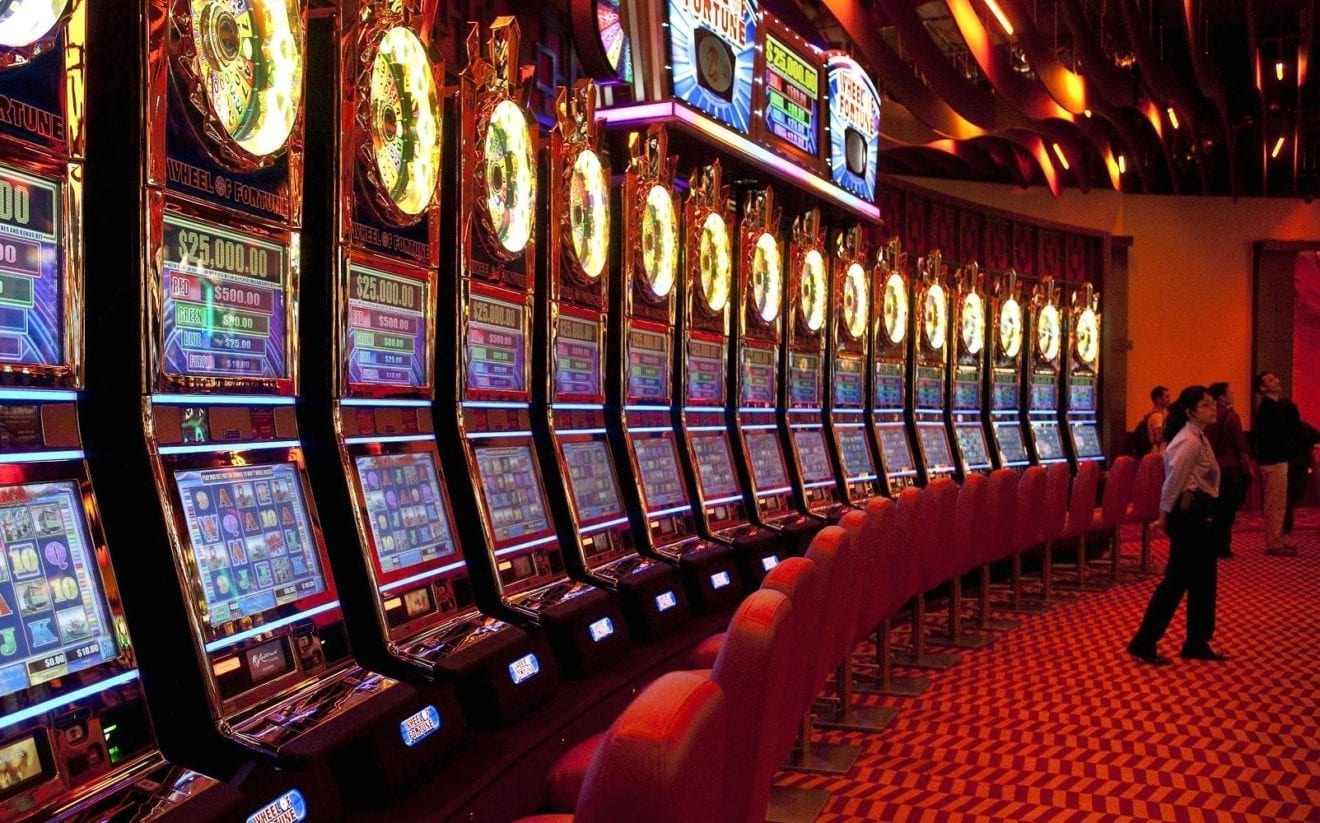
  • Tourists visiting Singapore chase bargains, not baccarat

    Tourists visiting Singapore chase bargains, not baccarat

    Research from HSBC shows a growing number of Chinese tourists visiting Singapore fuelled a 44 per cent increase in retail spending in the first half of this year, versus the same period last year. That put retail ahead of casinos in terms of tourist spending for the first time in five years.

    The number of  Singapore-bound Chinese tourists totalled about 2.1 million in 2016 – twice the number of 2009, the year before the country opened the first of its two casinos.

    Erwan Rambourg, London-based global co-head of consumer and retail research with HSBC, said Chinese, Indonesian and Indian visitors were the top three spenders in the second quarter of 2016, accounting for 40 per cent of total tourist spending. A quarter of spending went on shopping – up from just 18 per cent in the same period last year.

    Last year, Chinese spent S1.15 billion in Singapore stores – compared with just $175 million spent by Indians and $112 million by Japanese. But they spent less than any other nationality on food and accommodation.

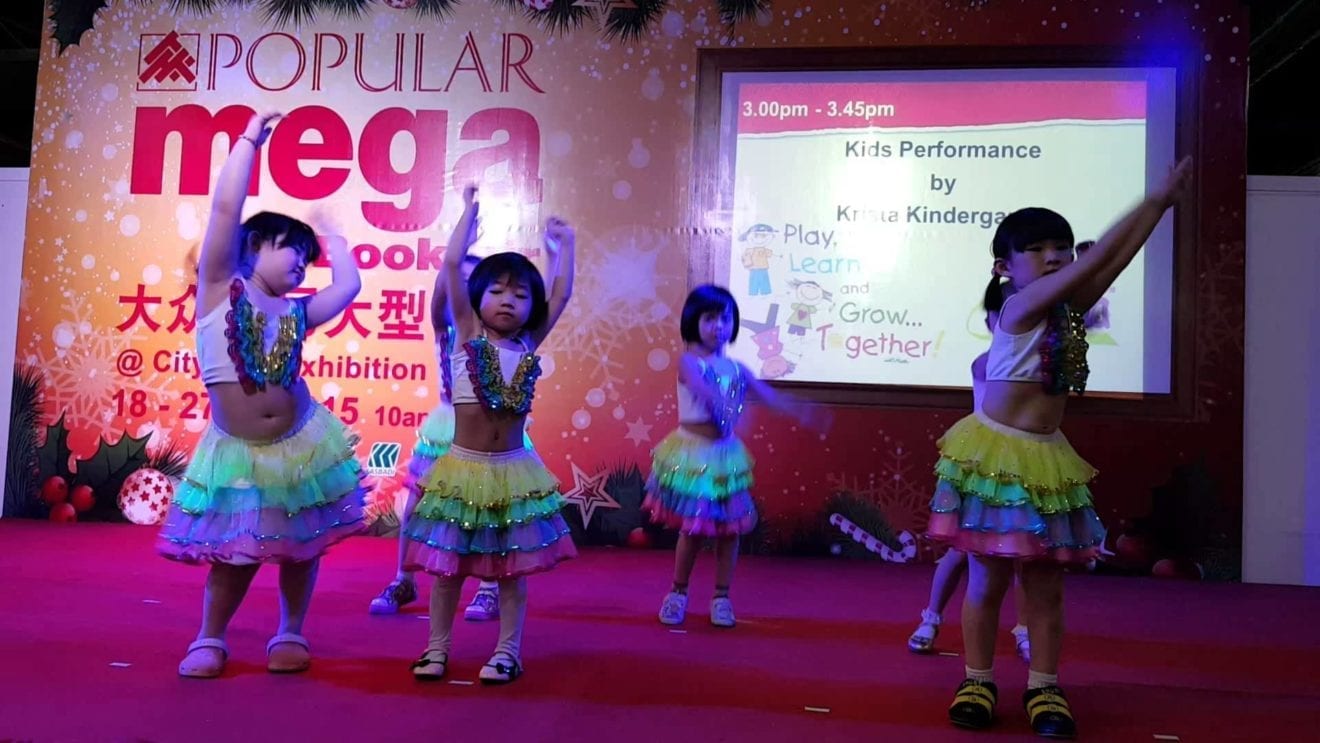
  • Popular Mega bookfair draws 90,000 visitors

    Popular Mega bookfair draws 90,000 visitors

    Malaysia’s trusted bookstore, Popular, achieved its goal of inculcating love for reading to around 90,000 visitors during its 10-day long Sabah Popular Mega Bookfair 2016.

    Popular Book Co (M) Sdn Bhd senior retail manager Samantha Tai said the third edition of the event maintained the previous years momentum with visitors traveling from across the state to visit the mega bookfair.

    Tai believes this further enforces the relevance of educational materials and that parents would not be stingy when it comes to equipping their children with the necessary tools for them to be competitive in the real world.

    “I still believe parents would not ignore education,” she said on the last day of the mega bookfair at 1Borneo Hypermall yesterday.

    “When it comes to education, I don’t think, whether economy is bad or good, parents will still spend,” added Tai, reiterating the journey of knowledge is also lifelong learning experience.

    In addition, she said the Daily Specials deal, which offers exclusive large discounts on a rotation of selected items, is one of the main factors attracting visitors to the Popular Mega Bookfair 2016.

    Popular Book Co (M) Sdn Bhd senior retail manager Chin Pau Choi said the bookstore will continue to organize the event at the same location to fit in their vast array of educational materials and other related products for the large number of customers.

    “We need a big platform to do the Popular Mega Bookfair and need at least 25,000 sq feet for it,” explained Chin.

    “At the moment only 1Borneo Hypermall has the space to accomodate that need,” he added.

    Popular has around 20,000 members in the state today and will open its seventh Sabah outlet in Tawau in March 2017.

    “This is due to the good response. People in Tawau come all the way to Kota Kinabalu to purchase a lot of books from us,” said Tai.