Tag: asia

  • Rocket Internet sells Foodpanda business

    Rocket Internet sells Foodpanda business

    Rocket Internet has sold its mobile and online food ordering portal foodpanda to rival Delivery Hero for an undisclosed sum.

    Berlin-based Delivery Hero was founded in 2011 by Niklas Östberg. The company said in its announcement that the purchase would increase its stake in the global online food ordering and delivery business. With the acquisition, the combined group will now be processing over 20 million orders per month across 47 countries.

    Delivery Hero will also be able consolidate its market leadership position in the Middle East and will be adding 20 new countries in Eastern Europe, MENA, and Asia to its platform. Before the acquisition, foodpanda operated in 22 countries with market leading positions in 17 of them, according to Rocket.

    In exchange for all its shares in foodpanda, Rocket Internet received newly issued shares in Delivery Hero, which effectively increases its stake in the company to 37.7% (on a fully diluted basis).

    “The combination of foodpanda and Delivery Hero, one of our most important companies, further consolidates key markets resulting in significantly improved market positions. Delivery Hero is also acquiring new markets with leading market positions further broadening its geographic footprint,” said Oliver Samwer, Rocket Internet’s CEO, in a media statement.

    The transaction is subject to customary closing conditions and is expected to close prior to December 31.

    “We look forward to working with the team to continue creating unparalleled take away experiences for our customers around the world,” Östberg said.

    In the first half of the year, Delivery Hero reported more than 83 million processed orders globally, which is up 45% compared to the same period the previous year. It said revenues during the first half of 2016 also grew by 53%.

  • Cebu Pacific looking into Hawaii, Melbourne flights

    Cebu Pacific looking into Hawaii, Melbourne flights

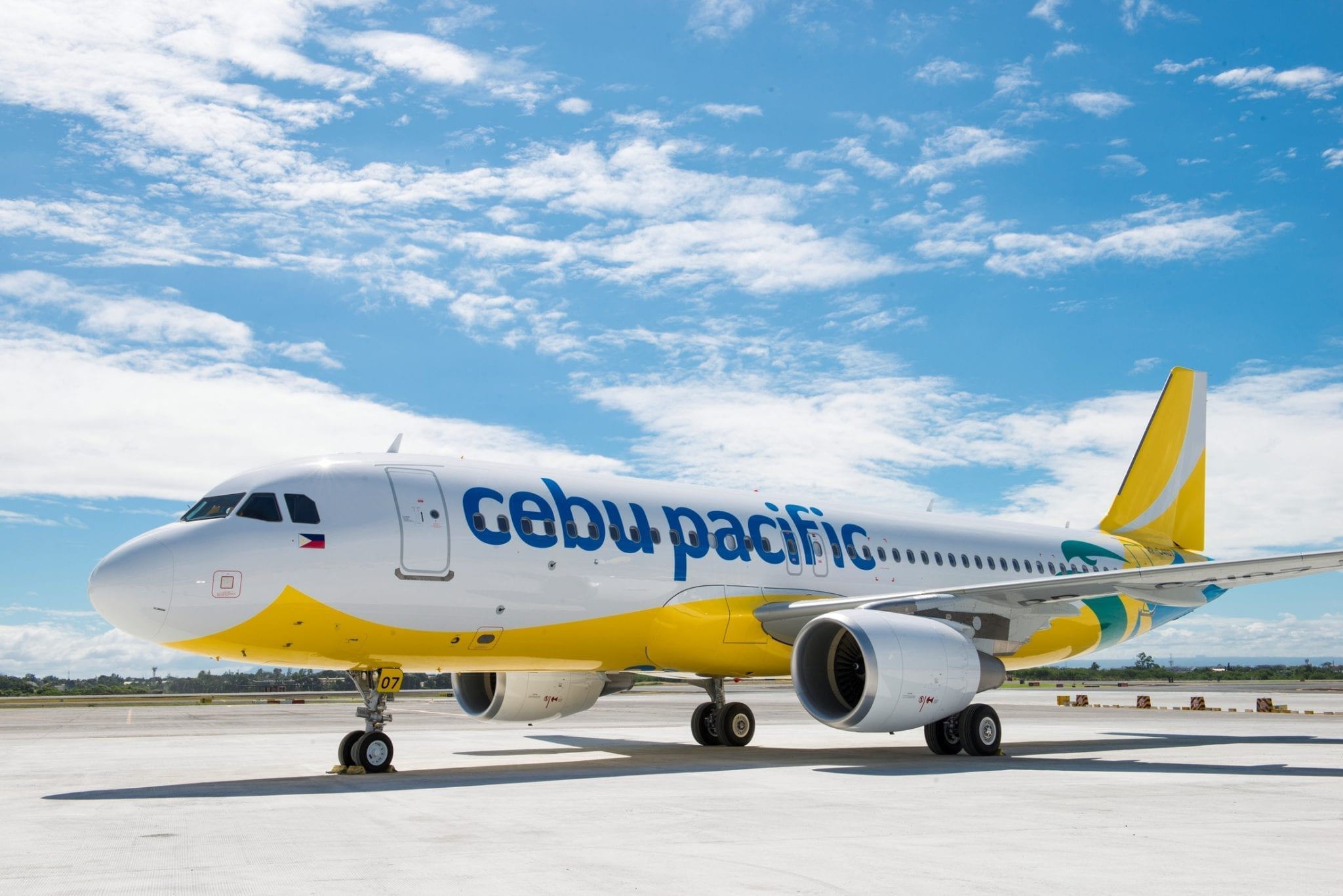
    Cebu Pacific may offer additional flights to Australia and the United States as part of efforts to expand its international network, its chief executive officer said.

    The Gokongwei-led carrier earlier said it expects its long-haul business to post a profit, driven by new flight services and increased frequencies in its existing international routes.

    “We are still considering… looking at Hawaii and Melbourne,” Cebu Air, Inc. President and Chief Executive Officer Lance Y. Gokongwei told reporters at the sidelines of a recent event when asked for the low-cost airline’s next planned long-haul route after its maiden Guam flight last March.

    Mr. Gokongwei, however, noted that there are “no firm dates” yet for the said flights.

    Cebu Air currently operates across 36 local and 30 international destinations with a fleet of 58 aircraft. It operates from six hubs: Manila, Cebu, Clark, Kalibo, Iloilo, and Davao.

    Asked whether Cebu Pacific would also consider mounting flights to Europe, Mr. Gokongwei: “I think we would consider it, but right now, we don’t have any immediate plans at this point but it’s something we should be considering as we get additional long-haul aircraft into the system.”

    “Frankly, I don’t see it happening from a Cebu Pacific perspective for 2 or 3 years,” he added.

    Mr. Gokongwei said Cebu Pacific expects to ferry 19 million passengers this year, a record passenger volume, driven by the airline’s low-cost long-haul services and increased frequencies in key domestic markets from 18.4 million passengers in 2015 and also up from the 16.9 million passengers flown in 2014.

    As of the nine months ended September, Cebu Pacific said passenger traffic was up 6% to 14.48 million, as capacity inched up by 0.4%.

    Cebu Air, operator of budget airline Cebu Pacific Air, saw its profit double in the first nine months of the year to P7.1 billion from P3.56 billion a year ago, led by strong passenger volume, higher ticket prices and lower fuel costs during the period, it told the stock exchange in its quarterly report.

    Demand remained strong during the nine-month period as Cebu Air reported its total revenue hit P46.69 billion, up 10.5%. Passenger revenue rose 10.1% to P35.36 billion while ancillary revenue — from non-ticket revenues such as baggage fees and onboard meals — was up 14.9% to P8.79 billion.

    Shares in Cebu Air closed at P97.80 apiece on Friday down P3.90 or 3.83% from its previous finish of P101.70.

  • AIS, True must launch low-cost 4G SIMs for poor

    AIS, True must launch low-cost 4G SIMs for poor

    Thailand’s telecoms regulator NBTC has issued an order requiring AIS and True Move to provide low-cost 4G SIMs for disabled and low-income citizens.

    The order is based on the terms of the licenses for 1800-MHz and 900-MHz 4G spectrum won by the two operators in an auction last year.

    As per the order, low-cost 4G SIMs must provide tariffs at least 10% cheaper than the maximum cap on 4G voice and data tariffs imposed by the regulator.

    Caps in the 1800-MHz and 900-MHz bands have been set at 0.69 baht ($0.019) per minute for voice calls and 0.26 baht per megabyte for data services.

    The new low-cost SIMs will need to be available by March, and the operators will be required to design a process to meet this deadline.

    The NBTC is yet to set definitions of disabled and low-income for the purposes of determining eligibility for the discount plans, but has suggested that low-income may be defined as earning less than 10,000 baht ($281) per month.

    According to NBTC secretary-general Takorn Tantasith, last year’s 900-MHz and 1800-MHz auctions had the explicit purpose of bridging the digital divide, and all Thais must be able to benefit from national resources including spectrum.

  • Thailand signs up for eCommerce initiatives

    High-level witnesses attended the signing of a letter of intent in China that will see Thailand co-operate with Alibaba on eCommerce initiatives.

    Thailand’s deputy prime minister Somkid Jatusripitak was invited by the eCommerce giant to its headquarters in Hangzhou to witness the signing alongside Alibaba Group executive chairman Jack Ma.

    Initiatives covered by the agreement include training for SMEs and individuals, and exploring ways to enhance logistics capabilities to support digital economy strategies as well as the government’s new Thailand 4.0 economic model, aimed at steering the country toward a value-based economy.

    Other senior Thai government officials also attended the signing along with private-sector representatives. Thailand’s permanent secretary Wiboonlasana Ruamraksathe and Alibaba Group president Michael Evans signed the documents.

    “This visit to Alibaba represents a continuation of the bilateral talks between the prime minister and Jack Ma,” says Somkid Jatusripitak. “To strengthen the competitiveness of Thailand’s SMEs and help them succeed in an increasingly digital era, the prime minister earlier assigned responsibilities to a task force made up of government agencies and private enterprises to work with Alibaba in a joint effort to lift the export capabilities of Thai businesses, starting from the grassroots and community level and extending to mid-tier businesses.”

    “We are very honoured to have this opportunity to work with the Thai government,” Ma said at the signing ceremony, “and I would like to thank the Thai people for their trust, because trust is the basis of any successful partnership.”

    Long-term vision

    He said that since Alibaba was founded 17 years ago, its vision had always been about empowering small businesses and young people, particularly those in developing nations.

    “We want to partner with governments and organisations that share this vision and commitment. By working together and applying technology and innovative ideas, I believe we can make that vision a reality, and magic will happen.”

    Four key areas are covered by the Thailand agreement, the first involving eCommerce training for 30,000 Thai SMEs to help them access both domestic and international platforms. Alibaba and its majority-owned eCommerce platform in Southeast Asia, Lazada Group, will help provide the training.

    The group will also share its experience and expertise with the Thai government to help build the nation’s own national eCommerce platform.

    Secondly, Thailand and Alibaba will collaborate on creating a nationwide program to train around 10,000 individuals so they can be proficient in digital technology. The two sides will also work on nurturing software developers, who will be given access to the China market via Alibaba Cloud’s marketplace for the software apps they create.

    Training for officials

    Furthermore, senior government officials will receive training at the Thailand Digital Government Academy, initially on big data and AI technologies. Alibaba and Lazada will jointly run a train-the-trainer program to groom eCommerce business co-ordinators who will in turn help SMEs establish their own online export capabilities.

    Thirdly, Alibaba and Lazada will contribute to the development of the Thailand’s supply-chain and logistics systems by sharing their experience and expertise with Thailand Post in a bid to expand domestic delivery services to all provinces. Thailand Post will also study Alibaba’s inventory-management systems and international eCommerce fulfillment services to gain insight into the establishment of bonded warehouses and fulfillment centres.

    Finally, Alibaba and the Thai government will explore co-operation opportunities under the Eastern Economic Corridor Development (EECD) project with the aim of helping establish Thailand as a hub of digital technology and regional data centres in Southeast Asia.

    Various Thai agencies lead the taskforce in charge of building upon the bilateral talks, including the Ministry of Commerce, Ministry of Digital Economy and Society, Ministry of Science and Technology, the Office of Small and Medium Enterprises Promotion, the Small and Medium Enterprise Development Bank of Thailand, the Export-Import Bank of Thailand, the Electronic Government Agency (a public organisation), and Thailand Post.

  • Michael Jordan wins trademark dispute

    Michael Jordan wins trademark dispute

    Following a four-year legal battle over a trademark dispute, US basketballer Michael Jordan now owns his Chinese name.

    China’s highest court has decided in his favour against Chinese sportswear maker Qiaodan Sports. Its name, pronounced “Cheeow-dan”, is a transliteration of “Jordan” in Mandarin, and the company was selling its own shoes and sportswear with Qiaodan as its registered trademark.

    Jordan has been known by the Chinese characters for “Qiaodan” since he became popular in the 1980s, and previously argued unsuccessfully in Beijing courts that Qiaodan Sports had used his Chinese name, his old jersey number, 23, and basketball player logo to make it look like he was associated with its brand.

    Now, the Supreme People’s Court has overturned two rulings by Beijing courts against Jordan, from 2014 and 2015, that had found there was not sufficient evidence to support the athlete’s allegations over the use of his image, and that “Qiaodan” was the translation of a common family name as claimed by the Chinese company.

    It also ordered the trademark bureau to issue a new ruling on the use of the Chinese characters in the brand name “Qiaodan”, effectively awarding the trademark to Jordan. The company can continue to use the Romanised spelling of the name, however.

    Chief judge Tao Kaiyuan says there was an established link between Jordan and the Chinese characters for “Qiaodan”, which are commonly used by the public when referring to the former basketball player, meaning that Jordan was entitled to protection under the trademark law.

    Jordan says millions of Chinese fans and consumers have always known him by the name Qiaodan.

    “Chinese consumers deserve to know that Qiaodan Sports and its products have no connection to me. Nothing is more important than protecting your own name, and today’s decision shows the importance of that principle.”

    After the ruling, the company defended its actions but said it would respect the court’s decision.

    In a twist, Qiaodan Sports was able to counter-sue Jordan in 2013 for preventing it from pursuing a stock-market listing because of the trademark lawsuit.

  • Young Zalora CEO changes fashion retail

    Young Zalora CEO changes fashion retail

    A 32-year-old executive is driving the growth of electronic commerce in the Philippines, encouraging millennials to shop for fashion items through their smartphones.

    Paulo Campos III, the Princeton University-educated co-founder and managing director of Zalora Philippines, says his company is scaling up operations to keep up with the frenetic activities during the holiday season.

    “The market is accelerating this year compared to last year and even faster than the last time we talked. Christmas is drawing more and more customers to shop online,” Campos says in a news briefing.

    “Sales momentum started to pick-up as early as October, a few weeks earlier than last year. And the peaks and highs are even higher than last year. But I can tell you in December we’re averaging more than double the traffic last year, or more than 100 percent,” says Campos, while announcing Zalora’s biggest sales event—12.12 Online Fever—a four-day campaign that starts midnight of Dec. 12 across Southeast Asia.

    Zalora Philippines co-founder and managing director Paulo Campos III

    Zalora Philippines, which is supported by Germany’s Rocket Internet GmBh, is Asia’s leading online fashion retailer. Campos helped establish Zalora Philippines in January 2012 when he was 28, after working for The Boston Consulting Group in Singapore and Ayala Land Inc.

    Campos graduated magna cum laude with a Bachelor of Arts Degree from Princeton University in 2005.  He also has an MBA degree from Harvard Business School.

    Campos says this year’s cyber sales event offers exclusive deals on more than 200 fashion and beauty brands across six markets, including the Philippines, Singapore, Malaysia, Hong Kong, Taiwan and Indonesia.

    Campos says 12.12 Online Fever is a region-wide sales event that aims to drive the e-commerce industry across the region, bringing to consumers some of the best deals that encourage online purchases and convert traditional shoppers into e-consumers.

    He observes that buyers have been spending more time on the net, especially when the holiday season peaks.

    From browsing an average of 10 minutes in previous years, consumers are now spending 13 to 14 minutes per browse on the net “which maybe small from a consumer point of view but big for us already.”

    “The more they spend time visiting our site, the more they get engaged, the more they tend to make a purchase,” he says. “More engagement, I think, is because of more brands [and] better assortment [of products]. They are more coming to the website and the figure is doubling.” Globally, Zalora has seen an increase in new customers by 32 percent.   With most of the major brands now housed in Zalora, the company is focused on deepening engagements with brands and with customers.

    “We are always adding  more brands,  but at this rate we got almost the big ones. Now we’re going deeper as we are shifting our focus to deepening the engagement with customers. We will be doing other brands, as well. Those big names that haven’t signed up up with us, we intend to convince them more,” Campos says.

    “The thing about big brands is that they create incremental demand. In fashion, it’s all in the brand. Our progress this year, why we move from strength to strength, is because we’ve proven that our brand profile is one of the best in the online world,” says Campos.

    As sales grow brisk, operations are also expected to keep up with the volume. Zalora is beefing up its delivery system, hiring more riders on top of the current fleet of 400.

    Zalora is pro-active, he says, as it moves to determine fashion trends, globally and on the regional scale. It also helps consumers arrive at a decision via the shopper’s price comparison.

    Cyber shopping has changed the mindset of Filipino consumers, he says. In 2016, the Philippines reached the average global e-commerce penetration rate.

    A study by an independent research company in Singapore shows that about 46 percent of Filipinos now have access to the internet, while 29 percent of Filipinos have experienced online shopping.


  • Easyship raises more funding

    Easyship raises more funding

    Hong Kong logistics startup Easyship has raised an undisclosed amount of pre-series A funding from 500 Durians, a fund managed by Silicon Valley’s venture capital major 500 Startups.

    Easyship is an online platform providing crossborder logistics services for eCommerce companies, claiming to have access to more than 80 shipping companies and offering visibility on delivery time, cost breakdown, reliability and tracking.

    To date, it has raised aggregate funding estimated at US$2.5 million. The latest round will help it expand into Southeast Asia via Singapore, following the validation of its business model and building of traction in the Hong Kong market.

    Its expansion to Singapore provides strategic access to Southeast Asia and leverages off the city-state’s logistics infrastructure and networks – just as US eCommerce giant Amazon is establishing a presence there.

    The venture originates from problems with international shipping encountered by co-founders Tommaso Tamburnotti and Augustin Ceyrac when they were trying to build the crossborder business of Rocket Internet’s Lazada, as reported. At the time, Lazada was trying to attract more vendors to its platform in China and Hong Kong selling into Malaysia, Singapore, Thailand, and the Philippines.

    However, Lazada’s rapid sales growth was inhibited by a “very unstructured and fragmented” logistics industry. Easyship streamlines this process, providing an end-to-end process for packaging, labelling and tracking goods with couriers. It charges no fees for these services, with sellers paying the couriers. Revenue is generated from courier commissions.

    Easyship claims its saves its 1000-plus clients in Hong Kong up to $20,000 a month on shipping fees.

  • South Korea worries about growing economic risks, amid impeachment push for President Park

    South Korea worries about growing economic risks, amid impeachment push for President Park

    South Korea’ finance ministry said on Thursday it is concerned about further risks to the economy from “domestic issues”, as parliament prepares to hold an impeachment vote on South Korean President Park Geun-hye.

    The ministry did not explicitly point to the deepening political scandal surrounding Park in its monthly assessment of the economy, but said it was concerned domestic issues may result in weaker consumption and investment at a time when many global uncertainties persist.

    That would put more pressure on an economy that is grappling with record household debt, dozens of zombie companies under restructuring and weak exports, which have been further dampened by Samsung Electronics Co’s decision to scrap its fire-prone flagship smartphone Galaxy Note 7 and a strike at Hyundai Motor Co.

    South Korea is bracing for another possible hit to trade if President-elect Donald Trump follows through on his protectionism rhetoric once he takes office in January, while its financial markets – like other emerging economies – have been roiled by expectations of more U.S. interest rate hikes starting as soon as next week.

    South Korea’s manufacturing activity shrank for the fourth straight month in November and export orders also fell, albeit at a slower pace than in October, a private survey showed last week.

    “We’re seeing a pause in investment and policymaking in general due to political uncertainties,” said Jung Kyu-chul, an economist at state-run Korea Development Institute.

    While the think tank forecasts the economy will grow 2.4 percent next year, down from 2.6 percent estimated for 2016, “it could easily be cut to just above 2 percent in 2017 if this scandal drags on and takes steam out of everything from consumption to investment to job market,” he said.

    The ministry report came a day after Finance Minister Yoo Il-ho cited the uncertain outlook for leadership in Asia’s fourth-largest economy as a risk to growth.

    Consumers already have turned the glummest since the global financial crisis.

    A Bank of Korea survey showed consumer sentiment last month fell to its lowest since April 2009, on the same week that Park’s approval rating sank to an all-time low of 4 percent.

    Park’s embattled presidency faces a critical juncture, with parliament expected to hold an impeachment vote on Friday.

    But even if the motion is passed, it must be upheld by the Constitutional Court, a process that could mean the political crisis will drag on for months.

    Park is accused of colluding with a friend and a former aide to pressure big business owners to pay into two foundations set up to back policy initiatives. She has denied wrongdoing but apologized for carelessness in her ties with the friend, Choi Soon-sil.

    Kwon Young-sun, a Hong Kong-based economist with Nomura Securities, sees the Bank of Korea cutting interest rates only once in 2017 if an early election is held.

    “We now expect only one 25 basis point policy rate cut to 1 percent in the fourth quarter of 2017, after a likely early presidential election in the first half of 2017,” Kwon said in a report released on Thursday.

    Previously, he had expected the bank to make two cuts to 0.75 percent, but said the country isn’t likely to see “any significant macro policy changes in the first half of 2017 until after the election,” he said.

    The ministry said private consumption has rebounded in recent months but largely due to government-led retail promotions.

  • Charging-device producer Anker aims to tap Indonesian market

    Charging-device producer Anker aims to tap Indonesian market

    Anker, a company based in Seattle, the US, and which specializes in USB charging products, has opened an official store in Jakarta, its first in Southeast Asia, in the hope of reaping benefits from the Indonesian market, the largest economy in the region.

    Anker’s regional sales head for Asia Pacific Romeo Luo told that the company had sold more than 300 million products globally this year and hoped to expand its leverage in Indonesia, particularly “with those people who are concerned about quality and safety, not just price.”

    “We are sure that our products can guarantee safety for smartphone users in Indonesia, particularly for high-end brands,” he said in Jakarta on Thursday.

    He said that opening the official store in Indonesia, home to around 250 million people, would be the first step by the brand before penetrating further into other countries in Southeast Asia.

    “I know the speed of the mobile phone sales growth here. The quantity is huge and most of those users will need power banks when stuck in traffic,” he said.

    He said he was confident that the brand could gain popularity in Indonesia, mainly as a result of the lack of similar competitors that exclusively specialized in power-charging products and consumer trends toward accessing social media, which is power consuming.

    Romeo added that by the end of 2017, the firm established in 2011 by former employees of search engine giant Google, expected to open 50 new outlets spread across major cities in Indonesia.

  • MasterCard eyes Indonesians craving exclusivity

    MasterCard eyes Indonesians craving exclusivity

    Global payments and technology company MasterCard is intensifying efforts to tap opportunities in the Indonesian premium market segments by offering a variety of exclusive rewards and services for its premium card holders.

    Among the select opportunities are wine privileges for the holders of MasterCard Platinum cards, access to passenger lounges at 750 airports for MasterCard World card holders and concierge services and exclusive dining for holders of MasterCard World Elite cards.

    “Premium customers currently want payment solutions that provide exclusivity and special access, and can be accepted globally and providing a variety of special services,” MasterCard’s president for Indonesia, Malaysia and Brunei, Safdar Khan, said recently.

    MasterCard is aiming for double-digit growth in debit and credit cards users in Indonesia next year, amid low credit card penetration in the country.

    Data from Bank Indonesia show that, as of September, there were around 123 million active ATM cards and debit cards in Indonesia. The number of credit card holders, meanwhile, reached 17.22 million in October, up 2.85 percent on the year.

    MasterCard has also recently sealed collaboration with domestic lender Bank Negara Indonesia (BNI) Syariah to provide ATM cards for the bank’s customers who go on the haj and umrah. They have cooperated with a private bank in Saudi Arabia to provide special ATMs to better assist Indonesian pilgrims.

    As the country with the largest Muslim population, Indonesia sees nearly 200,000 people go on the haj every year.

  • McDonald’s trims plans to sell parts of Asian operations

    McDonald’s trims plans to sell parts of Asian operations

    McDonald’s has downsized plans to sell parts of its Asia franchise after failing to find a suitable buyer in South Korea. The world’s largest fast-food retailer has a stringent list of terms for the deal, including keeping management and existing suppliers in place for a period of time in the hope of protecting the brand.

    Potential buyers balked at those demands, and prompted the decision to cut the country out of the current deal, said two people close to the matter.

    McDonald’s also plans to take a minority stake in the sale of the franchise in China and Hong Kong of up to 25 per cent, in an attempt to exercise greater control over the business that has in the past suffered from food safety scandals.

    The changes to the deal, which is near closing, with China’s Citic Group Corp and US private equity house Carlyle as the buyers, would reduce the size of the transaction to between $1bn and $2bn from what was originally expected to be as much as $3bn.

    The deal could close by the end of the month, said one of the people close to the deal.

    The sale of the 20-year franchise of 2,400 stores in China and Hong Kong has forced McDonald’s to strike a balance between reducing its exposure to China while also protecting its brand in the region.

    The deal attracted several Chinese bidders but people close to the process said the company turned many of them away because they were not deemed suitable to run the operation. The list of bidders included Sanpower Group, the owner of UK retailer House of Fraser, as well as Cinda Asset Management, a state-run bad-debt investor.

    The terms of the deal were unappealing to some of the private equity funds that originally were interested because McDonald’s has insisted the franchise not be publicly listed. Some private equity investors hoping to squeeze value out of the franchise considered terms such as maintaining management and suppliers for two years oppressive.

    US private equity house TPG, which partnered with Chinese retailer Wumart Stores, dropped out of the process at an early stage, followed later by Bain Capital and Shanghai-based partner GreenTree Hospitality.

    Yum Brands, which is nearly double McDonald’s presence in China, struggled with similar problems earlier this year.

    Yum Brands spun off its China business in a New York Stock Exchange listing in October with China-based private equity fund Primavera Capital and Ant Financial Services, an affiliate of Alibaba, taking a $460m stake in the operation.

    One investor has raised concerns about McDonald’s Latin American partner’s performance and whether McDonald’s would face similar issues in Asia by stepping back from operations on the ground.

    CtW Investment Group, which has a 0.2 per cent stake in McDonald’s and is affiliated to a federation of unions representing more than $250bn in assets, wrote to McDonald’s earlier this year citing worries over corporate governance at the fast-food chain’s master franchiser in Latin America, Arcos Dorados, which it says is hampering the chain’s performance in the market.

  • WCA launches e-commerce logistics network

    WCA launches e-commerce logistics network

    WCA Ltd has launched the world’s first dedicated eCommerce logistics network in response to the changing global economy and a marked shift towards online consumerism. The network is open to all players in the cross-border eCommerce supply chain, according to WCA.

    By 2020 it is projected that freight forwarding will be 20 per cent eCommerce driven,” said David Yokeum, founder and chairman of WCA. “Our decision to become involved in eCommerce is a direct result of these projections. Our utmost concern is that network members are supported, and provided with the tools and opportunities necessary for them to become leaders in eCommerce logistics.”

    Launched in mid-October, the network has already seen over 100 logistics companies apply for membership and has attracted the interest of a wide range of companies within the supply chain. “The response has been phenomenal,” said Dan March, WCA chief executive officer. “We have been approached by a number of the world’s largest internet retailers and online marketplaces, all wishing to employ the network to meet their ambitious international expansion plans for B2B, B2C, and C2C business.”

    The WCA eCommerce network is open to all independent freight forwarders regardless of their knowledge or experience in the sector. Companies first join at the eMember level where valuable resources – such as webinars, training sessions and expert consulting – can be utilised to help them become proficient in eCommerce logistics. Once accomplished, eMembers may apply for certified eVendor status, allowing them to trade directly and build volumes and business with fellow eCommerce partners and eTailers.

    “To become a certified eVendor a member must undergo a comprehensive eCommerce capabilities audit,” said Alex Allen, WCA eCommerce’s managing director. “As an eVendor, the company is free to offer logistics services back to the network. The beauty for eVendors is that they are also fully covered by WCA’s industry-leading financial protection programme.”

    WCA eCommerce is the world’s only neutral platform; promoting product development, new partnerships, and business growth in the eCommerce sector. In 2017 WCA eCommerce plans to launch a range of additional benefits, including comprehensive eCommerce shipment insurance, a range of innovative eCommerce-specific IT solutions, preferred rates on global and domestic last-mile and courier deliveries, and regional eCommerce consolidation programmes.

  • IMDA to ban 2G-only device sales from Jan 1

    IMDA to ban 2G-only device sales from Jan 1

    Singapore’s Infocomm and Media development Authority (IMDA) has announced it will ban the sale of 2G-only mobile devices from January 1.

    After this time, retailers and equipment suppliers will not be allowed to sell 2G handsets for use in Singapore, the regulator said.

    Suppliers with a dealer’s individual license will be able to continue selling the devices, but only for export purposes or overseas use.

    The order applies to devices in the GSM900 and GSM1800 frequency bands, and covers other cellular devices besides handsets including POS terminals and M2M equipment. Retailers and suppliers found to be in violation of the new rules could face financial penalties.

    Singapore’s mobile operators will shut down their 2G networks from April 1 to allow IMDA to re-allocate spectrum for more advanced mobile services.

    IMDA is working with operators to facilitate the migration of remaining 2G users to 3G or 4G networks, allowing subscribers to upgrade their devices while maintaining their plans and monthly subscription costs.

    Singapore is on track to introducing a fourth mobile network operator. Last month, local fiber ISP MyRepublic and Australian fixed line operator TPG Telecom were pre-qualified to take part in a special auction for the fourth mobile license.

  • Garuda Indonesia now flies from Surabaya to Medina

    Garuda Indonesia now flies from Surabaya to Medina

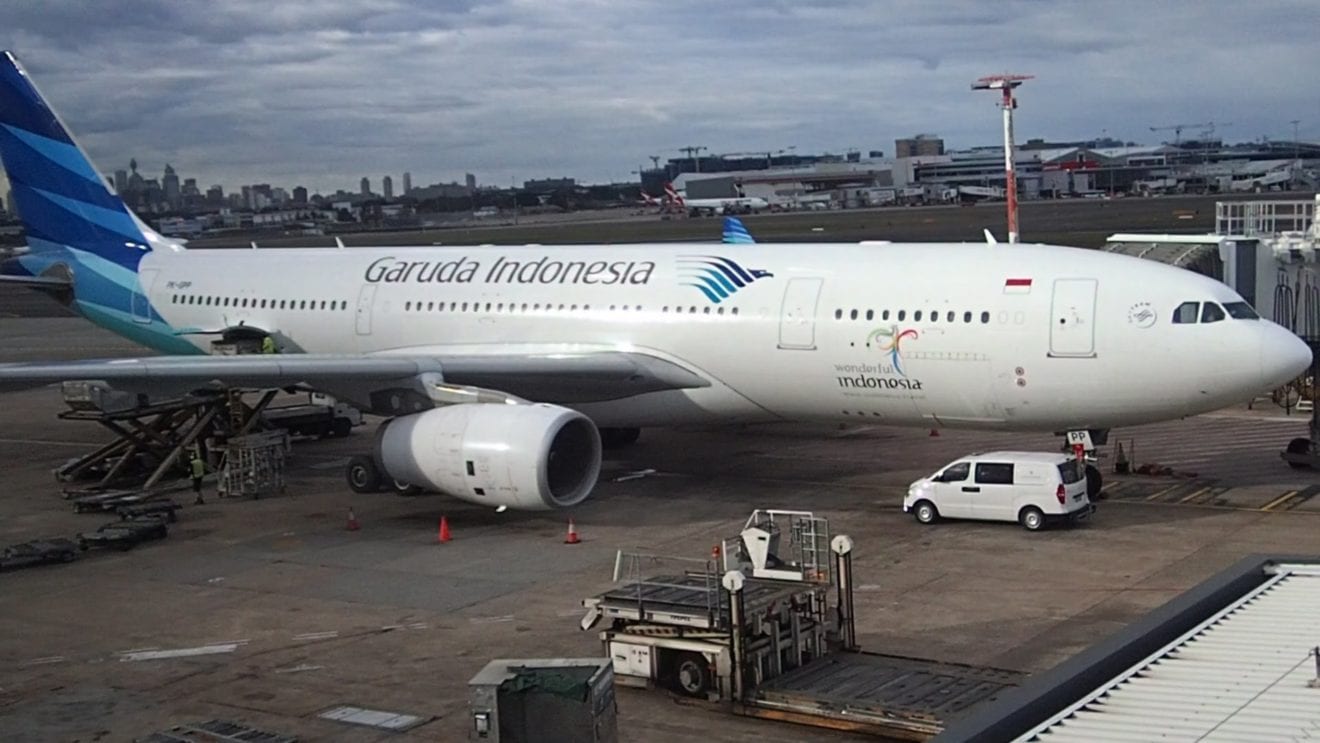
    Garuda Indonesia has opened a new route to connect Surabaya in East Java to Medina in Saudi Arabia in a bid to expand its flight network in the Middle East and tap into the potential umroh (minor haj) market.

    Introduced on Tuesday at Surabaya’s Juanda International Airport, the all economy class flight will be available once a week on Tuesday using Airbus A330-300 that can accommodate 360 passengers.

    “Hopefully we can provide ease and comfort to East Javanese residents and others who are traveling on a pilgrimage since this direct flight will help save time and money,” said Garuda Indonesia Cargo Director Sigit Muhartono in a press release.

    The national flag carrier currently operates two direct international routes from Surabaya, to Singapore and Jeddah.

    Following the opening of the Surabaya-Medina route, Garuda Indonesia now operates a total of 34 flights to the Middle East from major cities in Indonesia.

  • DHL invests in new e-commerce distribution centre at Narita, Japan

    DHL invests in new e-commerce distribution centre at Narita, Japan

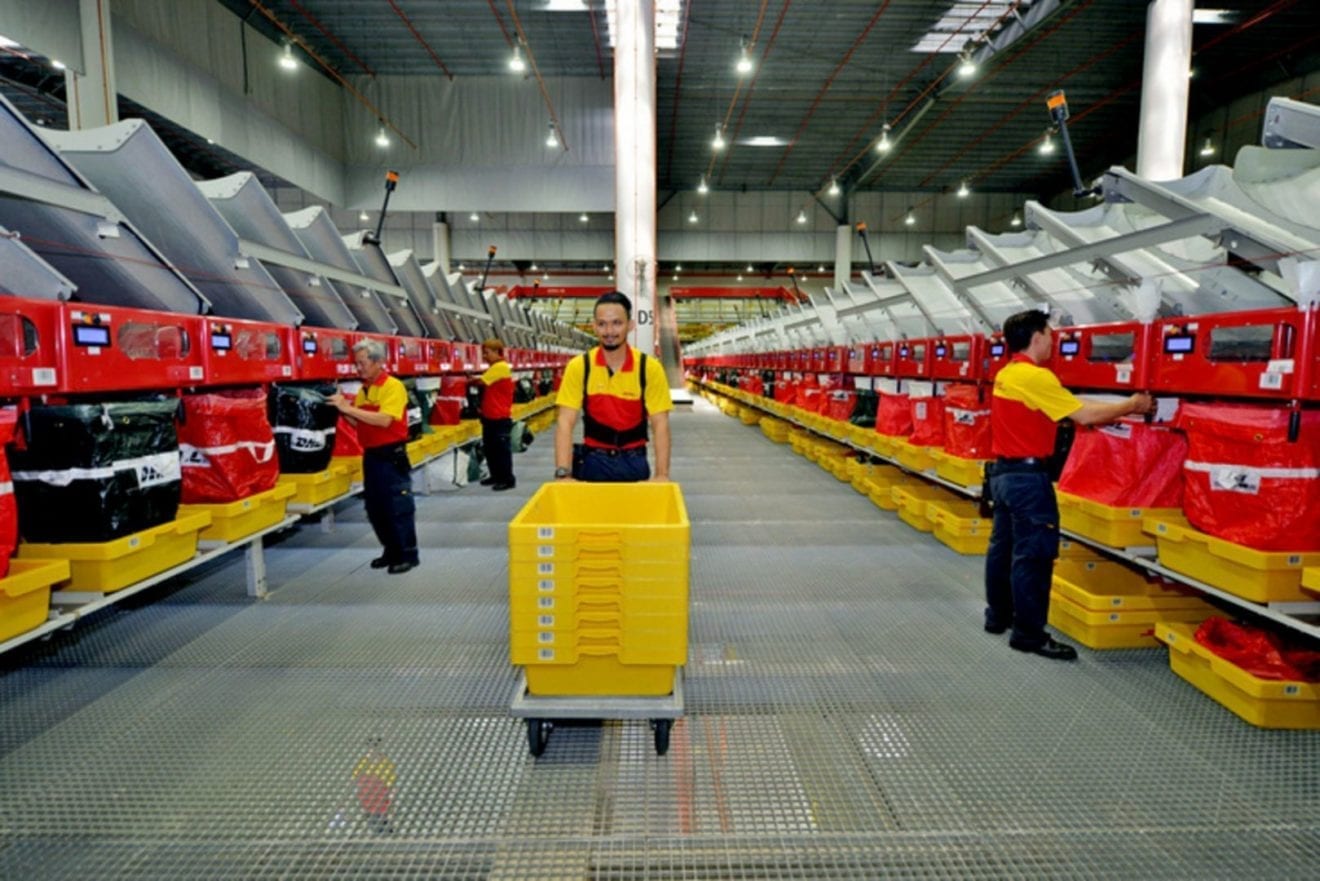
    DHL eCommerce has announced plans to build an Outbound Cross-Border eCommerce Distribution Center in Narita, Japan. The facility, expected to be completed by by April 2017, will broaden the range of e-commerce logistics services available to e-tailers and marketplaces operating in the country.

    New shipping products specifically designed for e-tailers will offer greater choices to reach consumers in Europe, the US and the UK, DHL said. Focused on reliability and value-for-money, the services are tailored according to the unique needs of e-tailers and marketplaces in the Japanese market. This latest development by DHL eCommerce will help drive Japan’s booming cross-border e-commerce market, which is growing at a CAGR of 16 per cent and estimated to hit over €1.1 billion in 2018.

    DHL Parcel International Direct, a cross-border shipping product, will offer affordable deliveries from Japan to the US and the UK, DHL said, adding that this product promises transit times of 4-6 business days, a game changer in the current Japanese logistics landscape. Another cross-border shipping product, DHL GlobalMail Packet Plus will offer the best rates for Japan – Europedeliveries, with transit times of 5 to 10 business days and a high degree of visibility into the status of packages.

    These products will help Japanese e-tailers handle the increasing pressure when it comes to servicing more overseas customers, making timely deliveries, and keeping operating costs low. Major marketplaces will also be better equipped to handle rising volumes of e-commerce deliveries and offer Japanese e-tailers a global reach and value-added services.

    With an estimated cross-border e-commerce value of €38.5 billion, the US is one the top export destinations for Japan’s e-commerce products. Roughly 25 per cent of digital shoppers in the country have made a cross-border purchase in the past 12 months. Europe also presents a tremendous opportunity for Japanese e-tailers. There are currently 303.1 million digital buyers in the region and total e-commerce sales volume has hit €349.4 billion.

    “We are seeing incredible growth in the Japanese cross-border e-commerce market and look forward to helping local players surmount their challenges. Our solutions offer easy one-stop gateway services for e-tailers, enabling them to deliver greater customer experiences while remaining in control of their costs. In addition, we will help them connect with overseas markets by partnering with popular marketplaces to deliver reliable services with a global reach,” said Yoshihiko Sasaki , managing director, DHL eCommerce Japan.

    The distribution centre will be co-located with the Japan Global Distribution Center in Narita established by one of DHL’s divisions. Leveraging a cross-divisional approach, this will help bring Japanese e-tailers to more customers overseas, and enable them to also tap into comprehensive supply chain solutions. This means that customers who utilise the new DHL eCommerce offerings will get access to more in-depth supply chain expertise and an extensive logistics network that serves over 220 countries and territories globally.

    “The power of e-commerce lies in its ability to break physical barriers. E-commerce companies are not limited by geographical borders and have the flexibility to offer services and products to customers in other countries. By combining the deep understanding of the Japanese market which DHL eCommerce has, with the warehousing and transport management capabilities of our sister division, we will be able to explore operations such as fulfilment as part of a global partnership for our customers,” added Sasaki.

    The expansion plans in Japan are part of a larger Asia Pacific strategy by DHL eCommerce. The company also recently revealed its €70 million investment in India to boost the capabilities of the Delhi and Mumbai air hubs to enhance B2C e-commerce delivery in India .

    In June 2016 , DHL eCommerce announced that it will grow its overall presence in China by 50 per cent, with the expansion of the distribution centres in Shenzhen, Shanghai and Hong Kong. Along with the huge growth of e-commerce in China , the distribution centres will enable maximum volumes of over 130 million shipments a year combined.

    Earlier in January 2016 , DHL eCommerce launched domestic delivery operations in Thailand and announced plans to double its fleet and number of depots by 2017. Thailand, with its tremendous growth potential, fast e-commerce adoption, and high smartphone penetration rates, was identified as the first Southeast Asian country to launch the DHL eCommerce domestic delivery service – in line with the Group’s Strategy 2020.