Tag: asia

  • E-retailers must offer personalized services to win customer trust

    E-retailers must offer personalized services to win customer trust

    With its uniquely young population, the lack of big-box retail and unmatched digital adoption rates, Southeast Asia’s e-commerce market is growing much faster than the global rate.

    A report by Google and Singapore investment company Temasek forecasts that the e-commerce market in Southeast Asia will grow from $5.5 billion in 2015 (0.8 percent of the total retail market) to US$87.8 billion in 2025 (6.4 percent of the total).

    According to the report, Singapore’s e-commerce market was valued at $1 billion in 2015, with online shopping making up 2.1 percent of retail sales. By 2025, Singapore’s e-commerce market is expected to make up 6.7 percent of all retail sales, at a value of $87.8 billion.

    Unique characteristics, unique challenges

    While digital adoption in Southeast Asia is exceptionally high, the industry has some unique characteristics and faces some unique challenges.

    Southeast Asia’s later uptake of digital technology means that e-commerce ventures in the region have the luxury to learn from others’ mistakes made in mature e-commerce markets like the US and China.

    What we are seeing is a compressed timeframe of e-commerce business model development, with the established evolution from classified sites like Craigslist through C2C (eBay, Taobao), B2C (Amazon, JD.com), B2B2C (Amazon, Tmall, Lazada) to Brand.com (Estee Lauder, Nike) happening faster and in many cases, simultaneously.

    This pattern is very much influenced by consumer preferences and online behavior. The region is a unique e-commerce market. Consumers here are leapfrogging technologies. Outside of tier-one cities, many have bypassed PCs, accessing digital platforms primarily through mobile phones.

    In Thailand for example, 85 percent of consumers not living in major metropolitan hubs use mobile devices for their online purchases.

    While in mature e-commerce markets desktop C2C still plays a pivotal role, Southeast Asia’s leapfrogging towards mobile is disrupting traditional, desktop-first marketplaces. Mobile-only C2C marketplaces like Carousell and Garena-backed Shopee are making aggressive moves against their older desktop counterparts like Tarad in Thailand and Tokopedia in Indonesia.

    Kicking the tyres on social media

    As a result of this fragmentation, shoppers are more likely to head first to search engines when looking for products as opposed to checking company websites. They show little loyalty to retailers and shop via social media. More than 80 percent of Southeast Asia’s digital consumers use social media such as Instagram to research and review products.

    Since sales via social media comprise up to 30 percent of all transactions, companies are rapidly expanding their services to attract consumers. The message to retailers is that the game changer will be the use of data to build real relationships with customers.

    Capture the data – then interpret it

    Beyond ease of purchase and the ability to consult the opinion of other consumers, e-commerce has revolutionized the way information about a retail customer’s journey to purchase is captured.

    Today, such information is captured on a more individual basis. E-commerce enables retailers to know what particular customers looked for, how they reached the site, what they bought, and even associated and abandoned purchases.

    Reconstructing the customer’s journey was difficult when the sole purchasing channel was the physical store and the only traceable element the purchase. At best, the customer was only identified at the checkout, which militated against personalized recommendations.

    Thanks to a better understanding of the journey to purchase, e-commerce has made it possible to better understand customer behaviour and react in real time. Distributors have considered applying these concepts across all sales channels – stores, call centers, etc. So, retailers today are challenged with fully understanding the customer journey across each one, while benefitting from greater accuracy.

    This is not easy. Depending on the channel chosen by the customer, the knowledge obtained by the seller is not the same: as we know, while at the checkout, the customer will only be recognized if they own a loyalty card or have already visited the store. But, in the latter case, it will be extremely complex to make the link with past purchases.

    Similarly, a website may enable the collection of data on the intention to buy but it is extremely difficult to correlate these events with the purchasing transactions if they are not made online and in the same session. The stakes are high, given that 78 percent of consumers now do their research online prior to making a purchase .

    Talend suggests that one solution is to integrate sensors into the elements that constitute a customer’s purchasing journey, then analyze and cross-reference this data to extract information from it.

    Some of our customers are already engaged in this process. It all usually begins with a detailed analysis of the customer’s online journey, to collect information on intent, cross-reference it at an aggregated level with actual purchases, at the catchment area level, for example, to determine correlations and refine segmentations.

    Then, this information is cross-referenced for a second time with transactional data from the physical stores and the website, which enables us to map the customer’s journey from intention to buy to the purchase or beyond. Thirdly, it’s a matter of developing a recommendation system in real time throughout the customer’s journey to drive increased sales and greater loyalty.

    Value-added services

    The main future challenge facing distributors lies in the value-added services that they may be able to provide to customers, to accompany their products or service offering. Consumers have learned to be wary of digital technology. More than ever, they will only be inclined to share information on their intentions and their profiles if their trust has been gained and they can perceive the benefit in it.

    How do you create this trust? Via value-added services: when consumers see that their interests are being considered, they do not feel constrained or trapped by a commercial logic that is beyond them.

    Amazon, with its “1-Click” ordering, has shown the way. In other sectors, such as the taxi industry, newcomers have gone even further, revolutionizing the customer’s journey by utilizing digital technology, from searching for a service to payment through a range of innovative services that make the customer’s life easier, such as the automated capture of expense forms.

    In a world in which advertising and tracking are increasingly present, data analysis carried out with the sole aim of commercial transformation is doomed to failure, as it is based on an imbalance between the benefits offered to the customer and those gained by the supplier. Until now, personalization in retail has tended to limit itself to marketing and measure itself in conversion rates, except for distributors, who have increasingly relied on customer loyalty.

    Multichannel is not the invention of the distributors but a reaction to consumers’ wishes. Think about it, even Amazon is going to start opening physical stores. Why? Because it has fully understood that a key element was missing in its bid to become better acquainted with its customers’ journey, while responding more effectively to their wishes.

  • Apple tipped for strong growth in South Korea

    Apple tipped for strong growth in South Korea

    Apple Korea is forecast to post improved results for the year, with its operating profit reaching more than KRW800 billion ($684 million) on revenue of KRW3 trillion.

    The vendor is expected to sell 2.9 million iPhones in South Korea this year, giving it a market share of about 15 per cent, sources told the news agency. At the end of November it had sold 2.6 million iPhones.

    Sales of iPhones account for more than 75 per cent of Apple’s revenue in Korea, the local sources said.

    Apple launched the iPhone 7 in the country in October and has the opportunity to take share from market leader Samsung in its home country after its Galaxy Note 7 debacle. The Cupertino-based vendor is building its first flagship retail store in Seoul, which is expected to be completed in November 2017 and is located across the street from Samsung’s headquarters.

    The US vendor’s market share in South Korea peaked at 33 per cent in Q4 2014 following the launch of the iPhone 6, according to Counterpoint.

    Samsung and LG now have a combined market share of more than 80 per cent. LG had a 19 per cent market share in Q2.

    South Korea and Japan, where the iPhone had more than a 50 per share for the three-month period ending 30 October, are rare growth markets in Asia for Apple.

    iPhone shipments in China plunged 31 per cent to 7.5 million units in Q3, with Apple’s market share falling to 6.2 per cent from 10.3 per cent in Q315, according to Strategy Analytics. Earlier this month Apple reportedly reduced orders from component suppliers for its new iPhone 7 models due to weaker than expected demand in many markets, including China.

  • Keppel Logistics aims to stay relevant with e-commerce

    Keppel Logistics aims to stay relevant with e-commerce

    Staying relevant in a fast-changing sector is a key strategy for Keppel Logistics, said chief executive Desmond Gay.

    This is why the company – a wholly-owned unit of Keppel Telecommunications & Transportation – embarked on a $4.6 million acquisition of a majority stake in e-commerce logistics company Courex in October.

    Mr Gay told us recently: “We are constantly striving to innovate and evolve, and the Courex acquisition has allowed us to structure ourselves in a way that we become more relevant to the market and the new economy. It is just the first step of things to come.”

    Courex is a third-party logistics service provider that supports the needs of retailers, from last-mile delivery to international shipping and warehousing. It counts Singapore Airlines and Hachi.Tech among its clients.

    Keppel Logistics holds a 59.6 per cent stake in Courex, while the remaining 40.4 per cent is held by founder Joe Chua, who continues to lead the company.

    Mr Gay noted that the acquisition came as a “natural progression” for Keppel Logistics, as it moved to expand from its traditional B2B (business to business) business into the B2C (business to consumer) space, or the e-commerce market.

    “As companies, including our customers, begin to re-look and evolve their supply chains against the backdrop of an e-commerce dominated landscape, we likewise have to adapt and grow new muscle, and develop new capabilities and competencies,” he said, noting that doing so will ensure the company remains competitive.

    Incorporating Courex’s capabilities into Keppel Logistics’ business also allows the firm to better cater to its customers, he said. This is key as more brick-and-mortar retailers turn to online platforms to complement their sales channels.

    The growth prospects for e-commerce in South-east Asia are significant, Mr Gay noted.

    He cited a recent study by Google and Temasek Holdings, which says e-commerce in the region is expected to soar from US$5.5 billion (S$7.8 billion) last year to about US$88 billion over the next decade, and possibly up to US$128 billion even. Singapore’s e-commerce market is forecast to grow from US$1 billion to US$5.4 billion over the same period.

    “Being in the middle of a region like South-east Asia, with more than 600 million people – there we have a huge market opportunity,” said Mr Gay. “With the acquisition, we’re only just starting, and we’re ready to have a bite of the e-commerce pie.”

    Mr Gay expects Keppel Logistics, which has a presence in Australia, China, Indonesia, Malaysia, Singapore and Vietnam, to grow its e-commerce logistics business by at least 15 per cent in annual revenue over the next few years.

    He singled out Indonesia and Vietnam as “bright spots”, noting that Indonesia, in particular, is expected to make up over half the South-east Asian e-commerce market by 2025. The firm will explore opportunities to enter new markets such as Thailand, the Philippines and Myanmar.

    Amid a hyper-competitive market – reports last month said the US-based Amazon is set to enter South-east Asia next year – Mr Gay is positive Keppel Logistics will be able to maintain its edge.

    “A market that is US$88 billion and possibly US$128 billion is big enough, I think, for the various players,” Mr Gay, said.

    “If you look at South-east Asia, it’s still very fragmented. This means you have specialists that provide only last-mile services, for example, or parts of the supply chain, but not quite the entire supply chain.”

    He added: “Our synergies with Courex will also help us move towards being an omni-channel logistics service provider, while retaining our core strengths in providing best-in-class third-party logistics solutions.”

  • Singapore Airlines Wants to Be a Budget Carrier

    Singapore Airlines Wants to Be a Budget Carrier

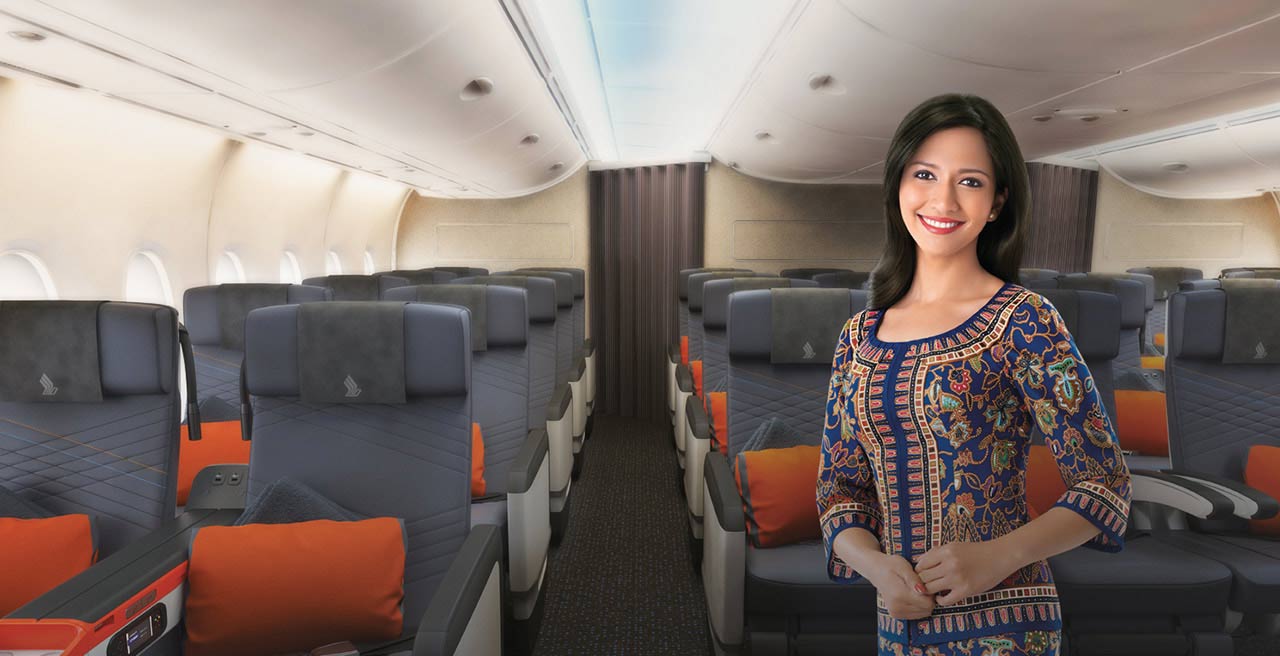
    When you think of Singapore Airlines, visions appear of cushy premium cabins, bespoke leather seats, and free-flowing Champagne poured by the carrier’s throwback “Singapore girls” flight attendants.

    It’s all that, yes. But the luxury carrier is working hard to diversify with budget airlines under its corporate banner. It owns low-cost carrier Scoot; 49 percent of Vistara, a joint venture in India with Tata Sons Ltd.; and NokScoot, a low-cost Thai airline Singapore owns in a joint venture with Nok Airlines. This collection of airlines—plus a new “ultra long range” Airbus A350 variant scheduled to arrive in 2018—enables Singapore to explore a range of expansion plans, many of which are currently focused on North America.

    It’s no coincidence that the region continues to be the runaway success story of airline profitability. It will provide roughly two-thirds of the industry’s projected $29 billion net income next year, according to estimates released Dec. 8 by the International Air Transport Association.

    Singapore’s portfolio of carriers offers “a lot more nimbleness and flexibility in addressing the needs of the markets,” Chief Executive Officer Goh Choon Phong said during an interview Dec. 6 in New York.

    Squeezed on all sides

    Last month, Singapore reported a 70 percent drop in net income and warned that 2017 could be challenging as well. The airline has struggled amid the expansion of low-cost carriers in its home region, and moves by a trio of Middle East-based full-service airlines to encroach on its core franchise of premium business travelers.

    “It’s not going to be business as usual,” said Goh, an M.I.T.-trained engineer in computer science who chose an airline career over academia. “These are structural changes; these are changes that are not going to go away.”

    Into this environment, the CEO has prescribed a diversification of revenue, a renewed focus on cabin comforts for big spenders, and new markets.

    A chief pillar of the company’s expansion rests on further long-haul expansion, driven by firm orders for 67 new Airbus A350s and 30 of Boeing Co.’s largest 787 variant, the -10. The newest 787 is scheduled to enter commercial service in 2018. Of its A350s, Singapore will take seven from Airbus in an “ultra long range” configuration, which includes software changes and modest modifications to the landing gear. Other A350-900s can be altered to the ULR version, which is able to fly 8,700 nautical miles.

    “We have called it a game changer for us and there’s a reason for that,” Goh said, alluding to the growth opportunities the A350 affords.

    With these new, more fuel-efficient planes, Singapore executives have been keen to resume the nonstop flights from the city state to New York and Los Angeles, which operated for nine years before ending in 2013 because of the route’s extreme fuel costs. The airline is also considering the potential for new U.S. destinations, having for years studied traffic flows in places like Boston, Chicago, and Miami, Goh said. Many weren’t feasible, given the mix of large seat counts and the range limits of its existing aircraft. But the new, more fuel-miserly A350 may well change the math for such an expansion. (In March, for example, Singapore is swapping the 777 it flies to Houston with an A350.)

    “The U.S. is an important market for us,” Goh said, but technological limitations required a stop between American cities and Singapore. No more.

    Gateway to India and Southeast Asia

    The airline is envisioning a day when the new fleet allows its hub at Singapore’s Changi Airport to become a connection for U.S. and Canadian corporate travelers bound for places such as India, Malaysia, Indonesia, and Thailand. It sees a precedent in the operations Emirates Airlines and Qatar Airways Ltd. have built at their hubs in the Persian Gulf, particularly for traffic to and from India.

    Yet beyond the moneyed travelers who want frills on long flights, Singapore’s Scoot budget airline is also keen to expand. In June, Scoot will commence its longest flight to date, to Athens, a city where Singapore has ended service with its flagship. Scoot is increasing its all-787 fleet to 20 over the next few years, and is likely to look to markets where premium-cabin traffic is insufficient for flights by the flagship Singapore brand, Goh said.

    “Scoot might also look to some kind of operation to the U.S,” Goh said. “At some point in time they will look at the U.S. to see if it makes sense.”

    On the premium side of their house, Singapore executives have been cagey about the cabin configuration for the A350-ULRs to be deployed on the new U.S. nonstops to Los Angeles and New York. The latter will reclaim its title as the world’s longest route, at 19 hours or more, depending on winds. The airline plans a two-class service, but has declined to reveal the cabin mix or how many seats the planes will carry. They will have fewer than the 253 seats now on the three-cabin aircraft Singapore currently flies, with a stop in Asia, en route to Singapore, Goh said.

    “The beauty of it is that this aircraft is not too big,” he said. “We can size it to best fit the traffic number that makes sense.”

    Beyond the U.S., Singapore has identified India as a top priority in terms of greater market access. Within a decade, the nation is projected to become the No. 3 international travel market after China and America. Singapore’s Vistara venture will benefit from the Indian government’s recently altered “5-20” regulation that required local carriers to fly at least 20 aircraft for five years before they could offer international service. The change abolished the five-year flight period, and should help Vistara expand internationally sooner. It now has 13 Airbus A320s, with plans to reach 20 by 2018.

    Some day, if it makes sense for Vistara, Goh says, the airline may acquire long-haul aircraft and set out for Europe and North America with nonstop routes. That’s a proposition that Emirates, Qatar, and Etihad can’t offer. “Logically speaking,” Goh says, “you can imagine Vistara should have a lot of potential for growth.”

  • Alibaba Looks to Tighten Its Hold on Thai Ecommerce

    Alibaba Looks to Tighten Its Hold on Thai Ecommerce

    Having established a dominant position in China, ecommerce giant Alibaba is setting its sights on expanding in Southeast Asia. Last week the Chinese firm inked a deal with the Thai government to speed the development of the country’s ecommerce sector.

    The agreement calls for ecommerce platform Lazada—the leading ecommerce site in Thailand—to provide ecommerce training to 30,000 small- and medium-sized Thai businesses. Alibaba acquired a controlling stake in Lazada earlier this year.

    The deal also calls for Alibaba to advise the country’s postal service, Thailand Post, on shipping and logistics.

    Ecommerce makes up just a tiny sliver of Thailand’s total retail sales (1.5%), but it is growing rapidly. eMarketer projects that ecommerce sales, excluding travel, will grow at a rate exceeding 15% annually over the next four years, reaching total $5.69 billion by 2020.

    While other large international ecommerce players like Rocket Internet and Rakuten have been pulling up stakes in Southeast Asia this year, Alibaba has dug in.

    Alibaba has the capital to outlast local competitors in order to gain market share, as well as deep experience handling payments and logistics problems in emerging markets. And it owns Lazada Thailand.

    But Alibaba faces two potentially significant challenges in Thailand. One is that Thailand still lags behind developed markets in terms of internet usage. eMarketer estimates only 49.8% of the population of Thailand uses the internet as of 2016. Markets that are still in the early stages of internet adoption tend to need time to grow into ecommerce.

    The second challenge for Alibaba is the other 800-pound gorilla in the global ecommerce sector: Amazon, the only competitor with the budget and will to battle Alibaba in a Southeast Asia turf war.

    Alibaba already competes with Amazon in India via two surrogates in which it holds sizable stakes: Paytm, a payment and ecommerce company, and marketplace Snapdeal. The battle shaping up in India is likely a harbinger of things to come in Southeast Asia, according to Pawoot (Pom) Pongvitayapanu, the CEO and founder of local Thai ecommerce marketplace Tarad.com. “I think in the next 10 years there will be a few very big ecommerce sites,” Pongvitayapanu said. “Alibaba or Amazon, they‘re going to control the world. That’s coming for sure.”

  • World Debut Of A New Motorcycle Brand

    World Debut Of A New Motorcycle Brand

    Conceived, designed and built in New York City, Vanguard is an exciting, entirely new and wholly distinct motorcycle brand. Vanguard, with its forward-thinking design and pioneering features, is a product without equivalent as well as a brand with the potential to bring new perspectives to the motorcycle industry.

    Vanguard is excited to invite members of the media and public to come see its new Roadster in person. The world premiere is scheduled for the Progressive International Motorcycle Show in New York City on December 9th.

    DESIGN

    Form and function have never been more complimentary. The Vanguard Roadster has a striking contemporary silhouette, the result of clear and well-informed design decisions. The lines emerged from breaking everything down into rethinking needs and solutions.

    MOTORCYCLES

    The Vanguard Roadster is a running prototype, with production slated for 2018. It boasts many unique features including a frameless structural engine, unitized crankcase, integrated exhaust and a tablet-size digital dashboard with rear-view camera.

    The Roadster is the first of 3 motorcycles built on a common powertrain platform that will cover all riding positions: Roadster, Cruiser and Racer.

    PRODUCTION

    Vanguard motorcycles will be assembled in New York City at the Brooklyn Navy Yard. The modular construction, based on large sub-assemblies, revisits traditional manufacturing methods. Combined with worldwide sourcing and the support of key motorcycle vendors, Vanguard will deliver exceptional value and quality.

    SALES

    Starting at $29,995, a premium price within reach, the Vanguard Roadster is a strong alternative to current premium motorcycles. Selected dealers are signing up to be the ambassadors of this game-changing brand.

    PEOPLE

    Vanguard is led by renowned designer Edward Jacobs and serial entrepreneur Francois-Xavier Terny. Together they form a dynamic team of drive and vision.

    With a fresh perspective and unique approach, Vanguard promises to be a premium motorcycle brand of revolutionary effect.

  • Charles & Keith Japan stores close

    Charles & Keith Japan stores close

    Singapore-headquartered footwear brand Charles & Keith says it will close all its Japanese locations.

    According to a report published by Fashion Network, Charles & Keith Japan has already closed 13 stores in Tokyo, Osaka, Nagoya, and Hakata, with the flagship in Harajuku (pictured) scheduled to close on December 31.

    The company reportedly wants to focus on its eCommerce offer and other Asian markets closer to home.

    The Charles & Keith website is close for an overhaul on December 26 before being relaunched in Spring.

    The brainchild of brothers Keith and Charles Wong, the 20-year old brand specialises in quality footwear at affordable pricing. It currently sells in Asia, Africa and Europe.

  • Huawei releases X-Ethernet tech for 5G

    Huawei releases X-Ethernet tech for 5G

    Huawei has proposed a new X-Ethernet technology for 5G bearer networks at the ITU-T 2020 FG Workshop and Demo Day Wireline Technology Enablers for 5G conference in Swizerland.

    The company has also proposed X-Ethernet for integrated fronthaul and backhaul networks to introduce likely 5G requirements including deterministic low latency and end-to-end network slicing.

    Huawei’s Network 5.0 team has developed X-Ethernet to address the problems presented by the high bandwidth, determinacy, low-latency, hard isolation and low-cost requirements of 5G.

    The technology includes innovations including a Layer 1.5 switch based on the native Ethernet kernel and compatible with traditional Ethernet, as well as hybrid multiplex with TDM-like characteristics and a flexible hard pipe based on an SLA-based path optimization algorithm.

    Rival vendor Nokia Networks has meanwhile announced it teamed up with Vodafone to trial cloud-based radio access technology for macro networks as part of a project to evaluate methods to enable a smooth transition from 4G to 5G.

    The trial at Vodafone’s testing facility in Italy used the Nokia Cloud RAN platform to evaluate the performance of centralized 5G-ready architecture.

    “Working with Nokia on this trial we have seen how the application of Cloud RAN architecture can help the network react to changing demands quickly. It speeds up the delivery of services and will help with the transition to 5G,” Vodafone Group head of networks Santiago Tenorio said.

  • Hanon Systems Expands Engineering Capability in China

    Hanon Systems Expands Engineering Capability in China

    Hanon Systems, a leading global provider of automotive thermal solutions, is enhancing its ability to serve vehicle manufacturers in China by opening a new engineering center in Shanghai.

    Located in Shanghai’s Songjiang district, the new 3,612 square meter multi-story facility will serve as the engineering epicenter of technical collaboration for application engineering and system evaluation supporting Chinese automakers and global vehicle manufacturers operating in China.

    “Supporting customers is a top priority and China is an important market to Hanon Systems,” said In-Young Lee, president and chief executive officer of Hanon Systems. “We are pleased to open this new engineering center in Shanghai to provide automakers with local technical expertise and testing capability to better support the growing China market.”

    The engineering center also is equipped with state-of-the-art test equipment to provide in-house design verification, product validation and in-process testing. Specific test capability includes noise, vibration and harshness (NVH) evaluation; air handling performance and durability of heating, ventilation and air conditioning modules; and thermal system component testing for electric vehicles.

    “Hanon Systems is well-positioned to support the demand for new energy vehicles (NEV) in China with a suite of products that are proven with global vehicle manufacturers and designed specifically for NEV architectures,” said Dr. Kwangtaek Hong, chief technology officer of Hanon Systems. “This new engineering center is a testament to our commitment to support the China market and the NEV trend.”

    Hanon Systems is relocating its Shanghai technical staff from an existing site approximately 25 kilometers in distance to the new facility in the Songjiang district, which has the capacity to accommodate additional resources to support growth based on business and customer needs.

    The Shanghai center is one of 14 engineering locations supported by four global technical centers that are responsible for developing advanced technologies, core product development and global standardization of new technologies. Hanon Systems’ global technical centers are located Daejeon, Korea; Kerpen, Germany; Nový Jičín, Czech Republic; and Van Buren Township, Mich.

  • Fraudulent transactions hitch for e-commerce growth

    Fraudulent transactions hitch for e-commerce growth

    Interbank network provider Artajasa Pembayaran Elektronis says that the popularity of conventional payment methods in e-commerce has made the sector prone to fraudulent transactions, creating potential obstruction to the growth of e-commerce in Indonesia.

    Artajasa information technology (IT) and operation director Bayu Anantasena said in Jakarta on Wednesday that fraudulent transactions happened due to the lack of a payment authentication procedure in conventional payment methods, including bank transfers and cash-on-delivery (COD) payment.

    The company records that 75 percent of Indonesian e-commerce customers make payments through bank transfers, 20 percent through COD and the remaining 5 percent through credit cards and other methods.

    “Fraudulent transactions occur due to a lack of authentication between e-commerce merchants, issuing banks and customers. As e-commerce businesses grow in Indonesia, transaction security becomes more important for their development,” he said.

    The government expects that by 2020, that nation will record US$130 billion in e-commerce transactions, in line with the country’s anticipated digital boom in following years.

    As many as 87 issuing banks are currently using Artajasa’s ATM Bersama network, including Bank Mandiri, Bank Rakyat Indonesia (BRI) and Bank Tabungan Pensiunan Nasional (BTPN).

  • Australia plans controversial rural NBN levy

    Australia plans controversial rural NBN levy

    The Australian government is planning to impose a monthly levy on rival networks to the state-funded National Broadband Network (NBN) to help fund the roll out of the NBN to rural areas.

    Communications minister Mitch Fifield said the government will seek to pass legislation that would establish an A$40 million ($30 million) Regional Broadband Scheme.

    This scheme would be funded by a levy of A$7.30 per month for each fixed line connection provided by rival superfast broadband providers, increasing every year into 2022 when it reaches A$8 per month.

    The levy would not apply for small companies with under 2,000 customers. Australia’s largest operator Telstra and main rival Optus will also be exempt because they are transitioning their fixed line operations onto the NBN as part of separate deals with the government.

    But the government’s own advice indicates that such a levy will be passed on to consumers resulting in higher prices.

    High-speed providers have complained that the proposed levy could “cripple” their operations, destroying 30% of their revenue, the report adds. The proposal has also been slammed as extremely anti-competitive.

    The presence of competing fiber networks to the NBN has been a contentious issue since the project was first announced in 2007, with successive governments fearing that the rival services could “cherry pick” the network’s most lucrative customers in dense population centers without needing to invest large sums to reach sparse regional areas.

  • Angkasa Pura II Launches Airports App

    Angkasa Pura II Launches Airports App

    State-owned airport operator Angkasa Pura (AP) II president director Muhammad Awaluddin said that airports under AP II management are ready to serve passengers in this year’s holiday season. Awaluddin added that three airports have opened new terminals, namely Soekarno-Hatta International Airport in Jakarta, Husen Sastranegara Airport in Bandung, and Sultan Thaha Airport in Jambi.

    “We believed that the new terminals will improve our services for passengers, particularly in terms of capacity during peak seasons, such as this year end,” Awaluddin said on Monday, December 12, 2016, in Jakarta.

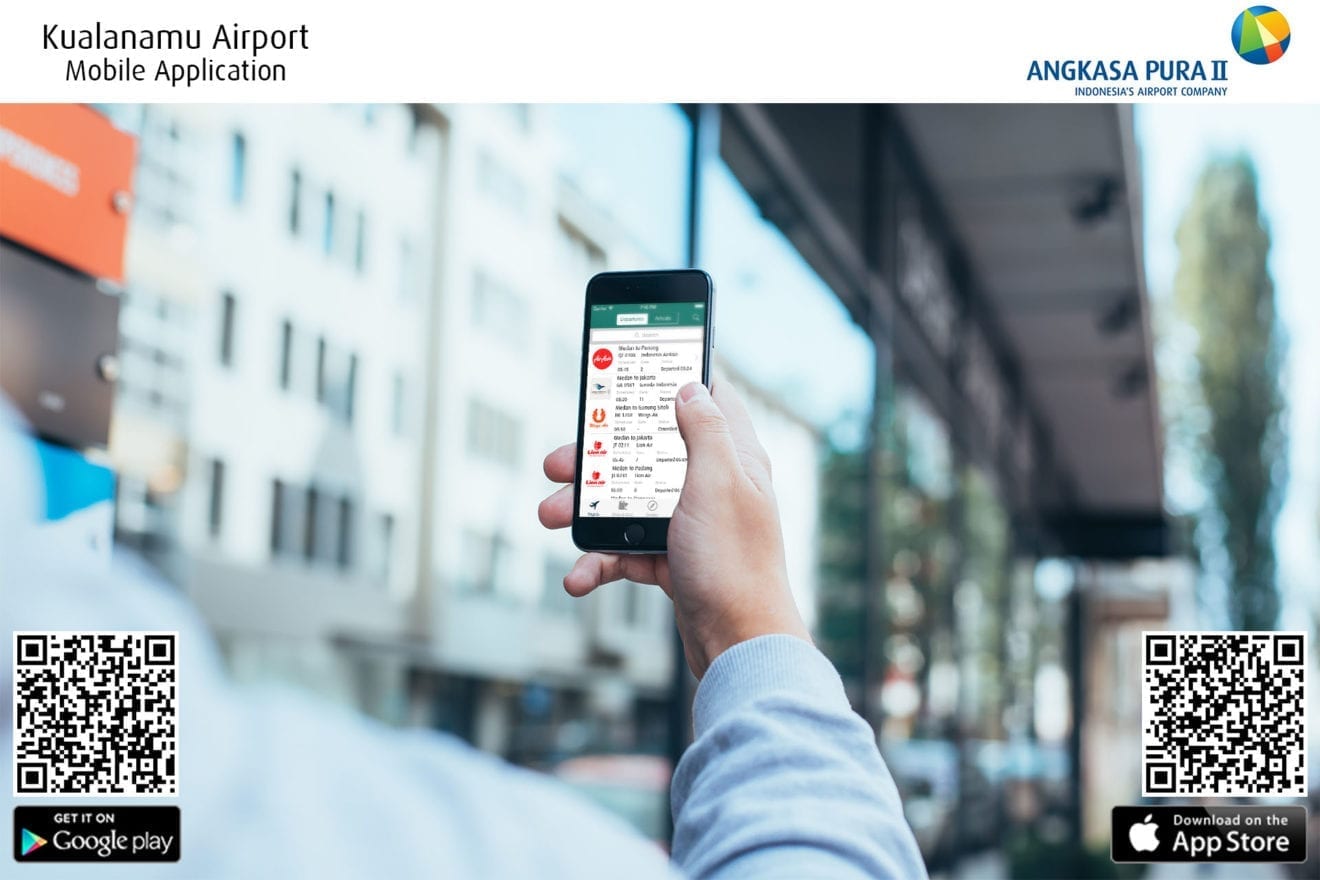
    Awaluddin revealed that passengers can now access information on flights, commercial tenants at terminals, and other important information related to airports operated by AP II via an app called Indonesia Airports.

    “The app is our new service, aimed at improving services, and a part of the smart airport campaign,” Awaluddin explained.

    Passengers at the Soekarno-Hatta International Airport can also enjoy superfast Wi Fi connection up to 50 Mbps.

    The number of passengers at 13 AP II airports during the year-end holiday season from December 22, 2016 to 4 January, 2017, is expected to reach 4.18 million, increasing by nine percent compared to that on regular days. Meanwhile, the number of flights is predicted to increase by 4.54 percent from 28,220 to 29,502.

    AP II will continue to intensify coordination with other stakeholders, such as airlines, the customs office, the immigration office, military and police to ensure smooth operation during the holiday season.

    The number of passengers is predicted to peak on December 23, 2016, while the counter-flow of passengers is expected to occur on January 1, 2016.

    AP II forecasted that the number of passengers at the 13 airports in 2016 would grow by 11 percent to 93 million passengers when compared to last year. The company expects that the number will exceed 100 million next year.

  • President Jokowi announces Garuda Indonesia`s direct flight to Mumbai

    President Jokowi announces Garuda Indonesia`s direct flight to Mumbai

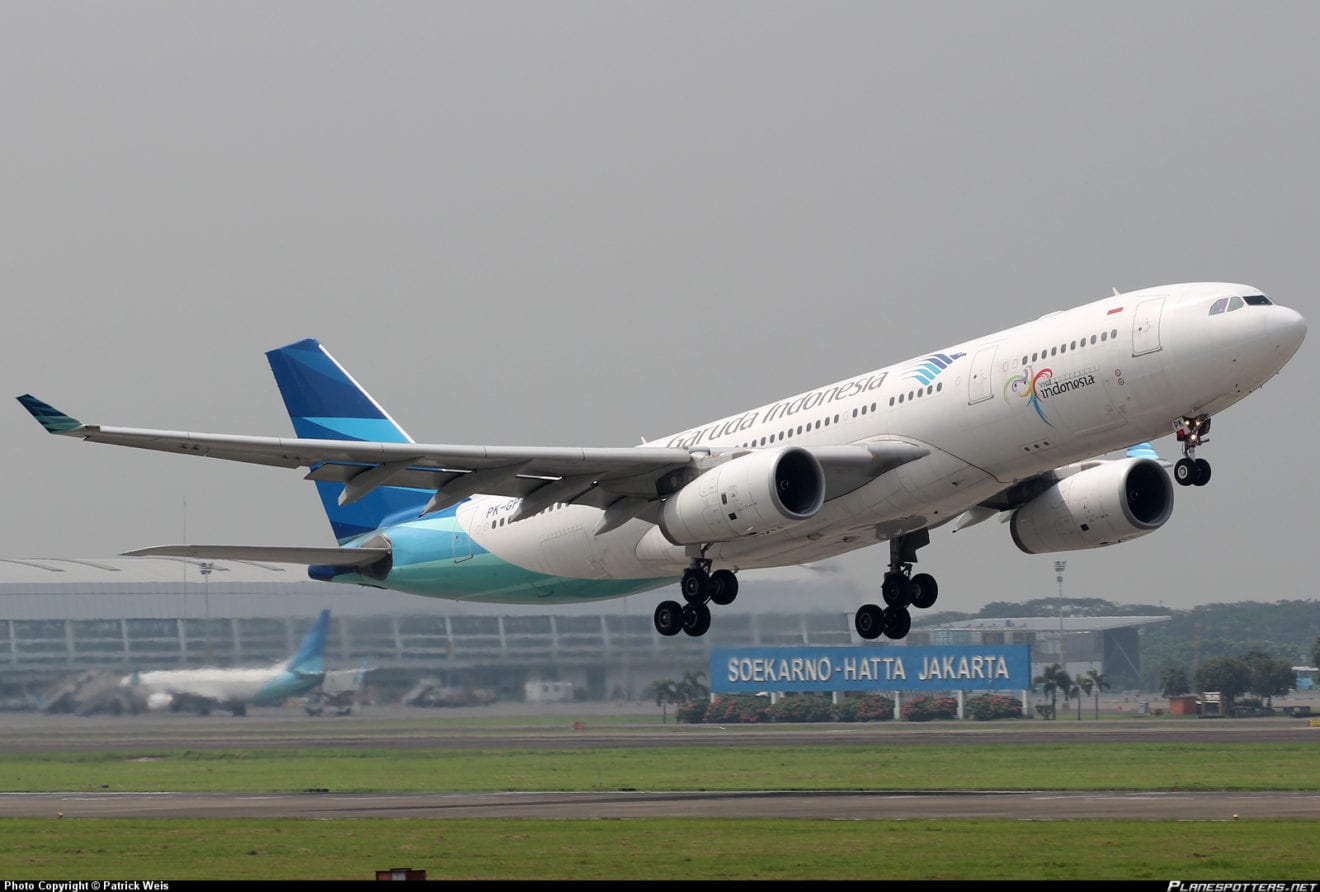
    National carrier Garuda Indonesia will operate a direct flight from Jakarta to Mumbai, India, President Joko Widodo (Jokowi) has announced.

    The announcement was made during a joint press conference by President Jokowi and Indian Prime Minister Narendra Modi at Hyderabad House here on Monday.

    “I am pleased to announce that Garuda Indonesia, beginning today, will fly directly to Mumbai from Jakarta,” he said.

    The direct flight connecting the two metropolitan cities will help strengthen bilateral cooperation between the two countries, and support economic cooperation as well as people-to-people contact, the president said.

    Garudas maiden Jakarta-Mumbai flight on Monday was a Boeing 737-800 NG with a seating capacity of 156, comprising 12 business class seats and 144 economic class seats.

    The direct flight service is aimed at supporting the Indonesian governments objective of attracting more Indian tourists to Indonesia and strengthening the cultural and historical relations between the two nations.

    Around 270 thousand Indian tourists visited Indonesia last year, and 350 thousand this year, President Director of Garuda Indonesia M Arif Wibowo said in a statement.

    “As the number of Indian tourists continues to increase annually, we are sure that Mumbai is a prospective market for us,” Wibowo stated.

    Indian tourists now have better access to fly to Indonesian tourist destinations such as Bali, Yogyakarta, Surabaya (East Java), and Medan (North Sumatra), from Jakarta, he remarked.

    Garuda Indonesias Jakarta-Mumbai flight GA 862 via Bangkok will operate thrice a week. It will depart Jakarta at 5:55 am local time and arrive in Bangkok at 9:25 am local time. It will depart Bangkok at 10:20 am local time and land in Mumbai at 3 pm local time.

    The Mumbai-Jakarta flight GA 861 will also fly three times a week. It will depart from Mumbai at 5:35 pm local time, and arrive in Bangkok at 9:55 pm local time. It will depart Bangkok at 11:35 pm local time and arrive in Jakarta at 3:05 am local time.

    Garuda operates direct flights from Jakarta to various Asian countries such as Singapore, Malaysia (Kuala Lumpur), Thailand (Bangkok), China (Beijing, Guangzhou, Shanghai), South Korea (Seoul), Japan (Tokyo, Osaka) and Saudi Arabia (Jidda and Madinah).

  • Toyota chief shifts gear, to boost electric vehicle division

    Toyota chief shifts gear, to boost electric vehicle division

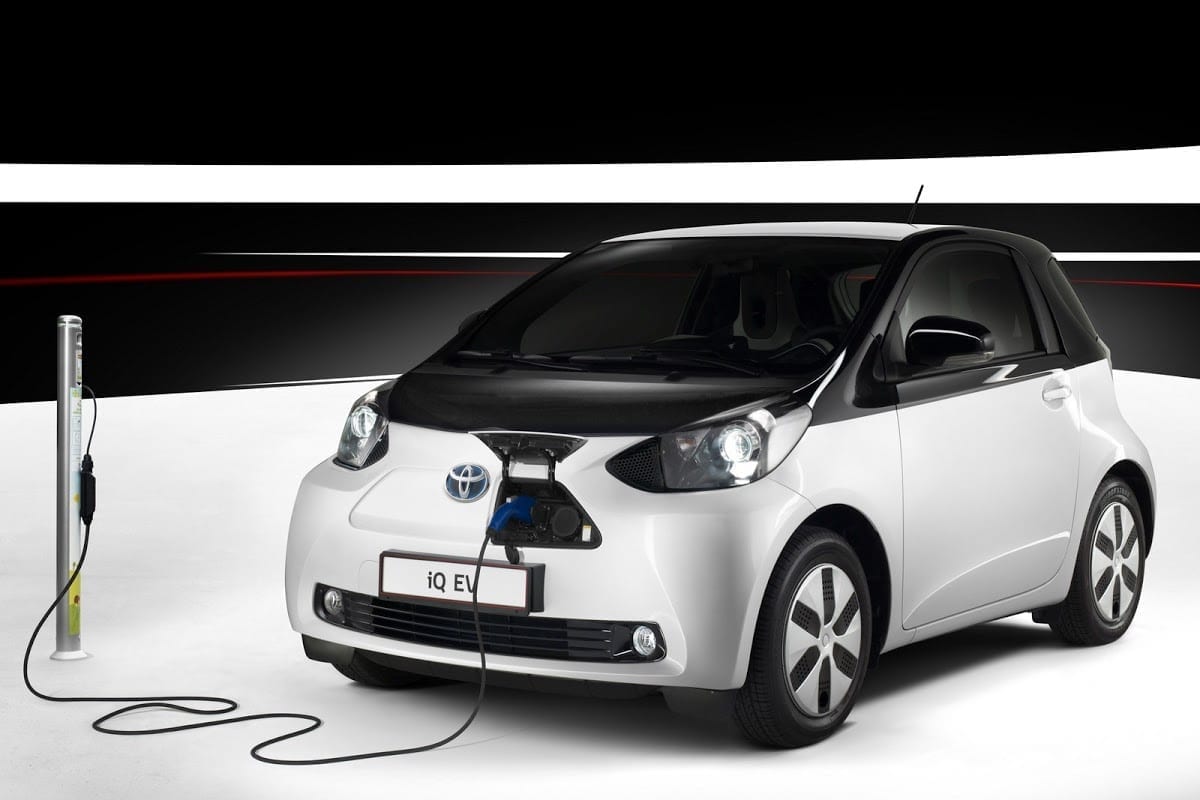
    Toyota Motor Corp on Wednesday appointed its president to lead their newly formed electric car division, flagging its commitment to develop a technology that the automaker has been slow to embrace.

    The change comes as the United States, China and European countries are encouraging automakers to make more all-electric battery cars as they push alternative energy strategies.

    Akio Toyoda, grandson of the company’s founder Kiichiro Toyoda, has been at the helm of the world’s largest automaker since 2009. He will head the company’s electric vehicle (EV) planning department along with Executive Vice Presidents Mitsuhisa Kato and Shigeki Terashi.

    “By putting the president and vice presidents in charge of the department, we plan to speed up development of electric cars,” said Toyota spokeswoman Kayo Doi, following a personnel change announcement by the company.

    “The president will directly oversee the department’s operations to enable decisions to be made quickly and nimbly.”

    The department comprises a new in-house unit to plan Toyota’s strategy to develop and market electric cars as part of the company’s efforts to keep pace with the tightening global emissions regulations.

    Toyota is also shifting the chief engineer of its Prius petrol-hybrid to its EV efforts, appointing Koji Toyoshima to head the division’s engineering team. Toyoshima will also join the four-member EV strategy unit, which will include representatives from group suppliers – Denso Corp, Aisin Seiki Co, and Toyota Industries Corporation.

    Rivals such as Nissan Motor, Volkswagen and Tesla Motors have touted pure electric cars as the most viable zero-emission vehicles.

    However, Toyota until recently said it favored EVs for short-distance commuting given their limited driving range and lengthy charging time. It has been investing heavily in hydrogen fuel-cell vehicles (FCVs), which the company considers as the ultimate “green” car.

    Earlier this month, Toyota said it will develop cars with up to 15 percent greater range and battery life in the next few years.

  • Tag Heuer sales buck watch trend

    Tag Heuer sales buck watch trend

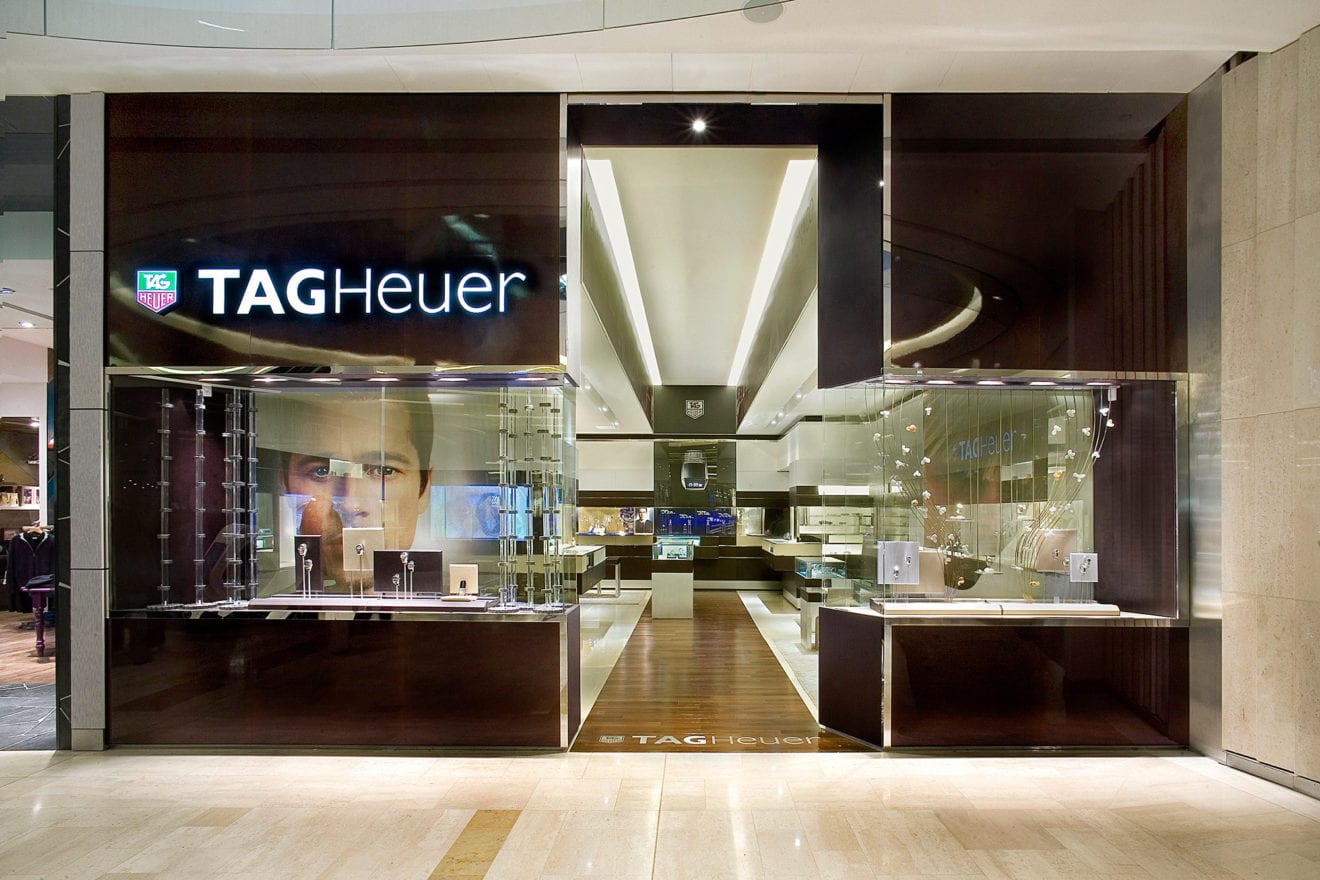
    Tag Heuer sales have soared as the LVMH-owned luxury watch brand defies the downturn in the Swiss watch industry.

    And now the company is eying a greater presence in China, undeterred by the routing of the luxury retail market in Hong Kong.  It has opened 60 new points-of-sale in Greater China this year.

    In an interview with Reuters, CEO Jean-Claude Biver said sales for the brand have risen more than 10 per cent so far this year – and is confident more growth is ahead. That contrasts with a 10 per cent sales plunge just two years ago.

    He cites new models and a smart watch for the improved fortunes, with the most growth in the company’s core US$1000 to $2000 price bracket.

    Tag Heuer’s remarkable growth has come as Swiss watch exports fell 11 per cent year-to-date.

    “For us, China is a country where historically we were not very present, so it is huge opportunity,” Biver told Reuters.

    “We are investing massively in China while the others are cutting their investments,” he said.