Tag: asia

  • Starbucks Vietnam And The Asia Foundation To Prepare Disadvantaged People to Work

    Starbucks Vietnam And The Asia Foundation To Prepare Disadvantaged People to Work

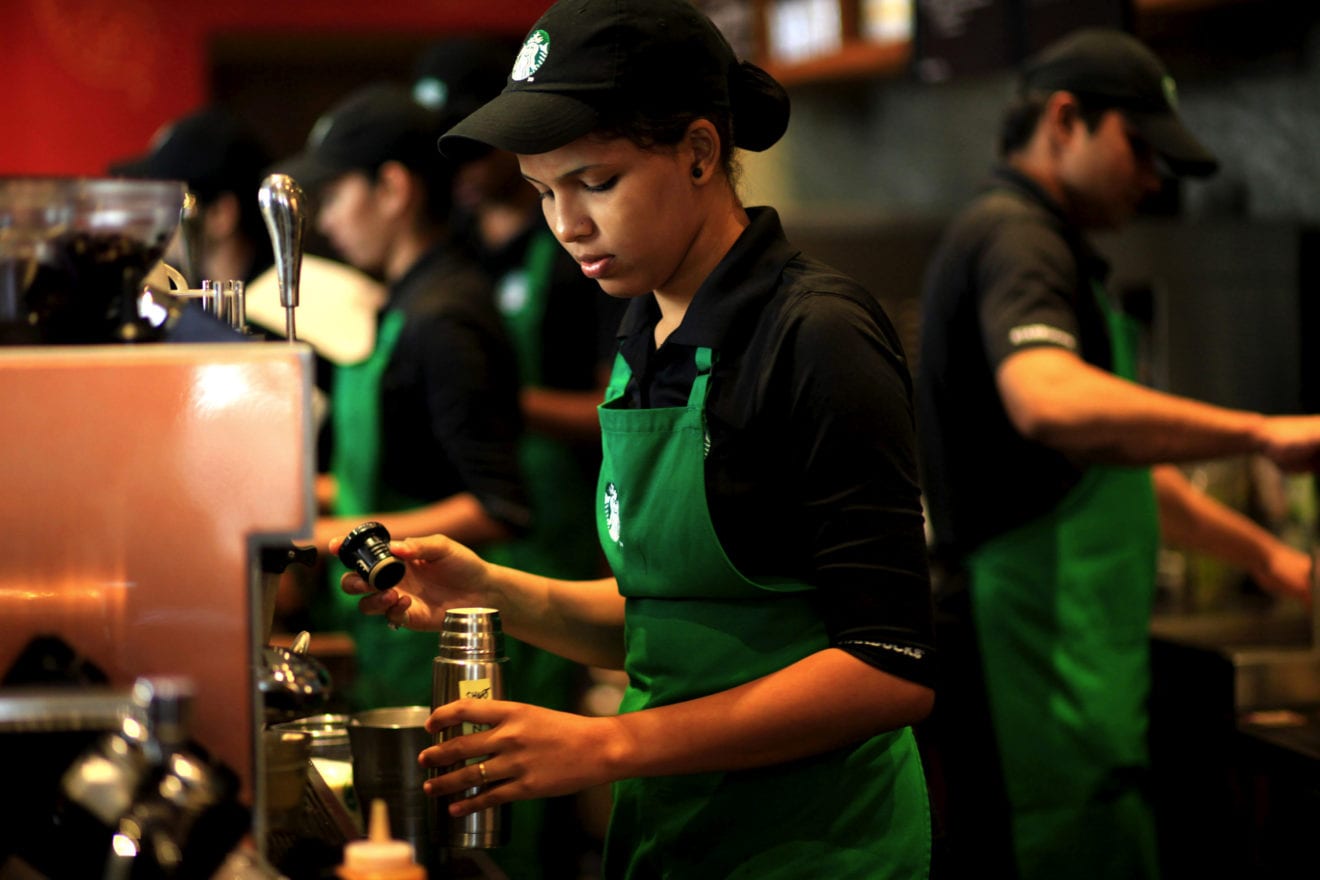
    Starbucks Vietnam and The Asia Foundation, a nonprofit international development organization, today announced a one-year vocational training program in Hanoi to prepare young people from disadvantaged backgrounds for careers in Vietnam’s fast-growing food and beverage industry. The Starbucks Vocational Training program will engage 50 youth between the ages of 18 and 24, including those who have been affected by family violence, human trafficking, and poverty, in a training program where they will acquire the professional and life skills required to succeed in the retail sector.

    As part of the program, youth will receive both classroom instruction focused on subjects such as customer service, English language learning, financial literacy, and work readiness, as well as on-the-job training. Starbucks partners (employees) will actively engage in the program, providing seminars and in store experience. Upon completion of the program, youth will receive six months of follow-up assistance to help them secure full-time employment.

    “Being an active part of the communities we serve in is intrinsic to who we are as a company,” said Mark Ring, president of Starbucks Asia Pacific. “As Starbucks continues to grow in Vietnam and across Asia, so too does our aspiration to build a different kind of company – one committed to performance that is driven through the lens of humanity – and being a positive force in building the future success of young people.”

    “We are proud to partner with The Asia Foundation and REACH to provide lifelong experiences and skills for disadvantaged young people,” said Patricia Marques, general manager for Starbucks Vietnam.

    “Youth in Vietnam represent a huge pool of talent for this dynamic country, but at the same time there are also challenges for many young people to gain access to work. We have created this project to build confidence, self-esteem and training, which will help them to succeed in the economy.”

    Figures from the General Statistics Office in 2015 indicate that the unemployment rate among youth is more than triple the overall unemployment rate, standing at 6.75%. While well-educated workers are able to access expanding opportunities in the private sector, for less educated workers, and particularly those from rural areas, it is much more challenging due to their lack of education, skills and business connections. This leaves them with fewer options and makes them more vulnerable to exploitation.

    “The gap between supply and demand in Vietnam’s fast-growing industries is an opportunity to provide disadvantaged youth with market-driven, practical vocational training. And by providing employers with skilled young people, we are proud to partner with Starbucks Vietnam to contribute to the development of a workforce that can help to meet the demands of Vietnam’s rapidly changing economy, while empowering some of the country’s most disadvantaged communities,” said Dinh Thi Kieu Nhung, The Asia Foundation’s project manager.

    Starbucks Vietnam and The Asia Foundation will implement this program in partnership with REACH, a local non-governmental organization specializing in providing vocational training, career advice, and job placement to some of Vietnam’s most disadvantaged youth. Funding for the project is supported by The Starbucks Foundation.
  • HSBC to step up hiring in China

    HSBC to step up hiring in China

    HSBC Holdings plans to step up hiring in China for its retail and wealth business next year. The London-based lender is persisting with its expansion in China despite Britain’s economic slowdown and measures to stem capital outflows.

    The bank increased the number of retail bank employees in China’s Pearl River Delta by 57 per cent in the 12 months to September, according to Mr Kevin Martin, the firm’s Asia-Pacific head of retail banking and wealth management.

    The pace of hiring may accelerate next year as HSBC Holdings expands in areas like mortgages, credit cards, personal lending and wealth services in the Pearl River Delta, he said.

    “We’re exactly where we expected to be,” Mr Martin said in an interview in Hong Kong last Friday, referring to his unit’s growth in the region.

    “Historically, our customers in Shenzhen were Shenzhen-Hong Kong customers. Now the Shenzhen customers stay in Shenzhen because we’re building our local business as well as our cross-border business.”

    HSBC started its credit card business in China yesterday after it received regulatory approval to issue cards by itself. It had previously partnered Bank of Communications to do so. HSBC is seeking to issue more than 3 million cards in the short to medium term and add “a handful more” branches across China next year, Mr Martin said.

    HSBC is trying to capture business from China’s swelling ranks of affluent individuals even as economic growth slows and the authorities take steps to curb outflows of yuan from the country and cool the property market.

    Chief executive officer Stuart Gulliver said in February that HSBC will hire 4,000 employees mainly in the Pearl River Delta over five years instead of three, as a result of the economic downturn. Retail banking and wealth management accounted for 36 per cent of the bank’s Asian pretax profit in the third quarter.

    Mr Martin said: “Despite everything that’s happened, we’ve done everything we said we would. Retail business is a long-term business. We don’t make decisions based on changing regulations on the day. It’s the honest answer.”

  • Hong Kong’s Ocean Park sees record deficit, announces entry fee hike

    Hong Kong’s Ocean Park sees record deficit, announces entry fee hike

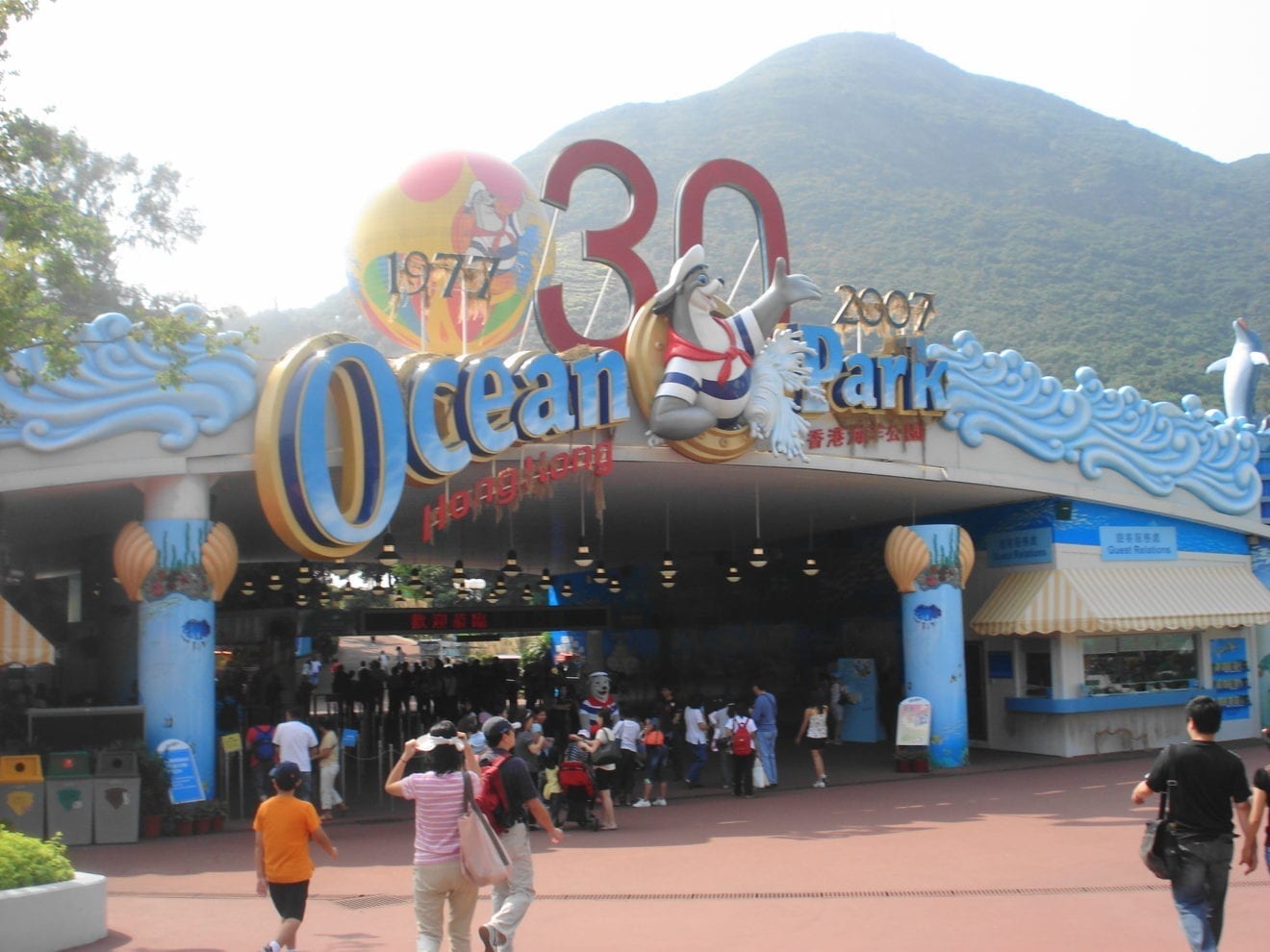
    Iconic Hong Kong theme park Ocean Park announced an entrance fee hike after recording its first deficit since 2003, local media reported on Wednesday.

    The park recorded a deficit of HK$241.1 million (S$44.2 million), its largest since 1987 according to the South China Morning Post. It announced that entrance fees would be raised to HK$438 for adults and HK$219 for children from Jan 1 next year, a 13.8 per cent increase.

    “The 2015/2016 fiscal year has been challenging for both the tourism and retail sectors in Hong Kong, and Ocean Park has not been immune,” Ocean Park chairperson Leo Kung told the South China Morning Post.

    He blamed a drop in tourism to Hong Kong and slowing economic growth in mainland China. In Ocean Park’s Annual Report for 2015-2016, Kung said that the drop in tourist arrivals to Hong Kong resulted in a 18.8 per cent drop in attendance to six million guests.

    “The number of inbound tourists to Hong Kong has dropped due to a combination of factors,” said Kung to the South China Morning Post. “These include intensified competition from other regional destinations, the strengthening Hong Kong dollar against the renminbi and other currencies, and slowing economic growth in China, which has affected mainland visitor flows to the city.”

    He added that there would be no redundancies or pay cuts to full-time staff.

    The park will launch a new entertainment and dining area at the entrance to woo visitors, Ocean Park executive director of sales and marketing Vivian Lee told the South China Morning Post. She added that the park would boost efforts to attract regional visitors from markets such as South Korea, Indonesia and Taiwan.

  • Singapore Myanmar Investco hinges growth on Myanmar’s robust tourism

    Singapore Myanmar Investco hinges growth on Myanmar’s robust tourism

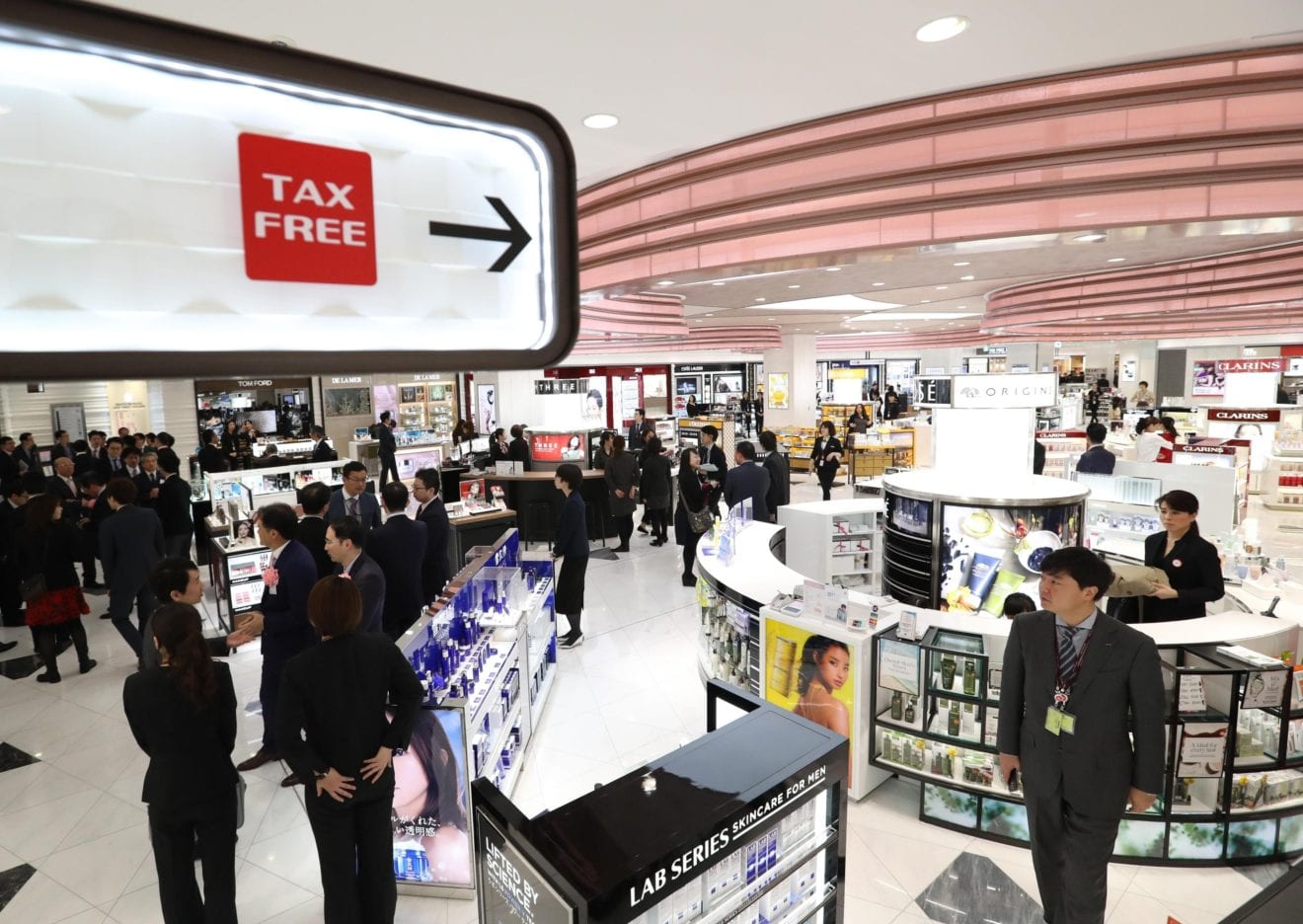
    It secured 90% of commercial space in YIA’s new terminal. Singapore Myanmar Investco’s duty free shops, retail outlets and car rental services are seen benefitting from growing tourism in Myanmar, said DBS Vicker Securities.

    The research house notes that the influx of tourists, estimated by the Tourism Ministry to increase from 5m in FY2016 to 7.5m in FY2020 on the back of the improved political and economic stability, will lead to the capacity expansion of YIA from 2.7m to 8m passengers by 2019.

    As such, with 90% of the commercial space secured on a 10-year agreement with merchandise supplied by DFS Venture Singapore at the new terminal at YIA which opened in mid-March, it believes SMI is set to benefit from the rising tourism in Myanmar.

    SMI will also manage three F&B outlets; with franchise agreements signed with Crystal Jade, IPPUDO (Japanese ramen restaurant) and The Coffee Bean & Tea Leaf.

    SMI plans to expand its range of F&B franchise concepts into the domestic market.

  • AirAsia India adds more direct flights

    AirAsia India adds more direct flights

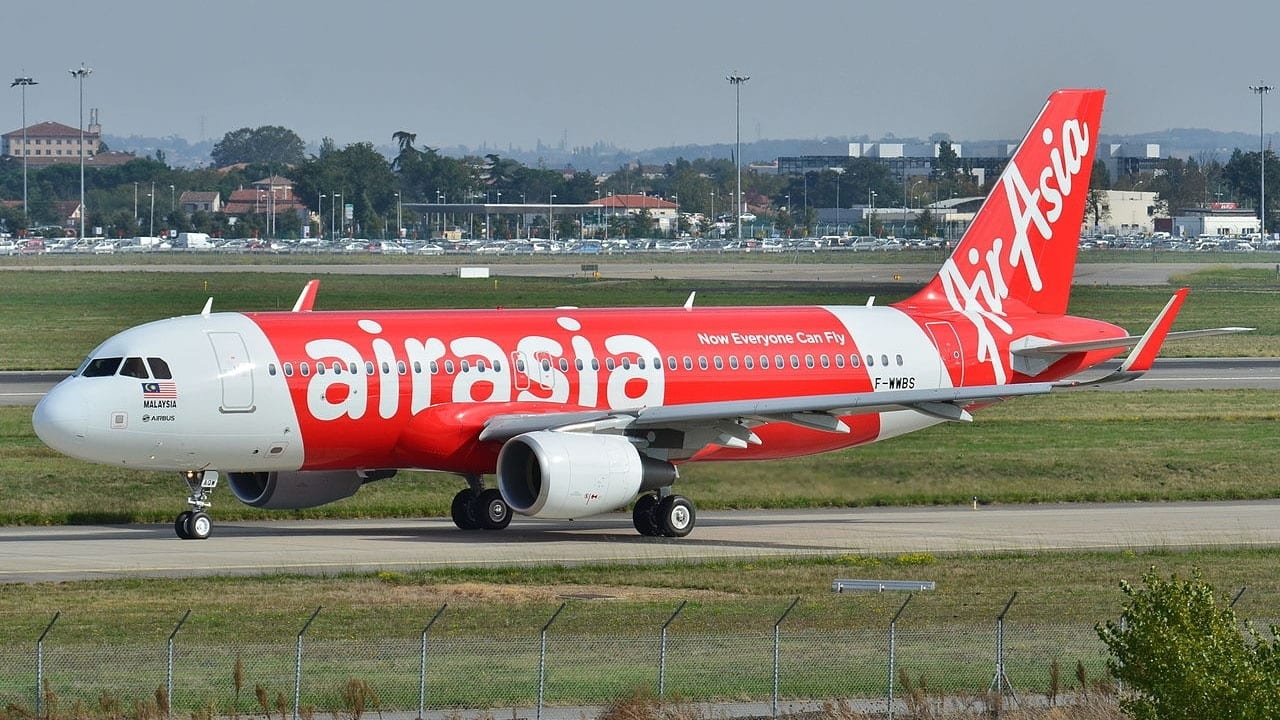
    AirAsia India today announced an additional flight connecting Bengaluru to Goa and Pune starting fourth week this month.

    The airline currently operates one daily connection between Bengaluru and Pune, and with this additional flight, the airline will operate two daily flights connecting the two cities, the company said in a release issued here.

    AirAsia India will also operate its fourth daily connection between Bengaluru and Goa starting December 18, 2016, it added.

    “Our flights from Bengaluru to Pune are doing extremely well and so are our three existing connections to Goa. We see immense demand in this sector. We are constantly working towards providing our guests the most convenient options for them to pick from. We are confident that this new connection is going to be well received by our guests,” AirAsia Managing Director and CEO Amar Abrol said.

    AirAsia India currently flies to 11 destinations with its two hubs in Bengaluru and New Delhi covering Chandigarh, Jaipur, Guwahati, Imphal, Pune, Goa, Vizag, Kochi and Hyderabad.

  • Optus secures $30m Suretek contract

    Optus secures $30m Suretek contract

    Australia’s Optus announce it has secured an A$40 million ($29.7 million) contract extension to continue to provide networking services for specialist security provider Suretek.

    Under the agreement, Suretek’s 1345 Surecall services will be delivered via the Optus network through to the end of 2020.

    Optus, Singtel’s wholly-owned Australian subsidiary, will provide Suretek with inbound voice as well as fixed and wireless data services.

    Suretek provides security services including wireless alarm communications, remote video monitoring and redundancy assurance services.

    “We are delighted to extend our relationship with Suretek as they continue to deliver innovative services to the security industry,” Optus managing director John Paitaridis said. “We look forward to collaborating with Suretek on developing ways to deliver innovative security services.”

  • Tourism a driving force behind Vietnam’s economic growth

    Tourism a driving force behind Vietnam’s economic growth

    The country is on track to welcome more than 10 million visitors this year.Driving economic growth in Vietnam, the country’s government portal reported yesterday.The country’s economic growth prospects are strongly driven by its travel and tourism sector, the EIU said.

    Foreign arrivals reached more than 9 million from January – November this year, a staggering 25 percent increase from a year ago, the EIU noted, citing official data from the National Tourism Administration.

    The country is on track to welcome more than 10 million visitors by the end of this year, the administration forecast, which would exceed the target by 17.6 percent and last year’s arrivals by 26 percent.

    The EIU said that tourism continues to make a significant contribution to Vietnam’s economy. The tourism sector has not only created job growth in the wider economy, but also supported the development of other sectors such as retail.

    The study attributed the tourism industry’s growth prospects partly to Vietnam’s efforts to relax its visa policy to pave the way for a bigger inflow of international tourists.

    It has already offered visa exemptions for tourists from South Korea, Japan and those from Southeast Asian countries, as well as extended its visa-free policy through to June next year for travelers from the United Kingdom, France, Germany, Spain and Italy.

    With the aim of giving the tourism industry an even bigger push, the Vietnamese government has approved much-touted online visas for travelers on short holidays or casual business visits. The new visa rule, which is expected to come into effect from February next year, but it will be limited to those arriving from Vietnam’s top tourist markets.

    Vietnam’s top 10 tourist markets include China, South Korea, Japan and the United States.

    According to the World Tourism and Travel Council, tourism revenue directly contributed 6.6 percent of Vietnam’s gross domestic product last year. If you take into account that tourism drives other areas like spa and wellness services, dining and retail, the sector contributed around 13.9 percent of GDP.

    EIU experts suggested the Vietnamese government should improve the quality of transport infrastructure, which will in turn further boost growth in the tourism sector.

  • BT partners with DCI on Indonesia cloud venture

    BT partners with DCI on Indonesia cloud venture

    BT, DCI Indonesia, and Equinix, a DCI partner, announced that they are working together to provide private cloud infrastructure in Indonesia.

    The companies said by using BT’s private cloud solutions as part of the BT Compute portfolio, enterprises active in Indonesia will now be able to reap the full benefits of the cloud to realise their digital transformation, launch new services more rapidly, mitigate risks, reduce costs and focus on business growth.

    The combination of BT and DCI data center capabilities also enables international businesses expanding into Indonesia to accelerate market entry, as they no longer need to invest time and resources to set up their own data center infrastructure and deploy business critical applications.

    Ron Totton, Southeast Asia managing director, BT, said, “Indonesia is a promising market for BT, where demand for private cloud and data center services is growing fast, especially in sectors such as finance, energy, and the telecom industry.”

    “This collaboration with DCI builds on our Cloud of Clouds portfolio strategy and is aligned to our ambition to be the world’s leading cloud services integrator. This will help give BT customers a competitive advantage in Indonesia and beyond,” Totton said.

    Through this collaboration, BT becomes the first global networked IT services provider to offer private cloud infrastructure in Indonesia. BT will be hosting its Point of Presence in DCI’s data center. By using the BT Private Compute platform, businesses can run a full range of applications, from network and storage to computing and security without having to invest into their own cloud infrastructure.

    DCI Indonesia is the only tier-IV data center service provider in Indonesia providing the most stringent service level agreement of 99.999% uptime through dual configuration infrastructure that ensures redundancy.

    Marina Budiman, president director of DCI, said “DCI is well-positioned to support the BT Private Compute platform.”

    “With DCI’s fault-tolerant infrastructure, strong financial ecosystem and global interconnection through Equinix’s Cloud Exchange, we believe our collaboration will provide BT’s customers with the best-in-class service in Indonesia,” Budiman said .

    Last year, BT was awarded the Siskomdat license, enabling it to offer its portfolio of networked IT services and applications directly to customers in Indonesia.

    DCI Indonesia has zero history of downtime since the first time it serves the market. This exceptional performance comes from solid experience from industry players with more than 20 years of experience in information technology, data center services and infrastructure management.

  • Apple’s iPhone 7 Sees Discounting as China Sales Fall

    Apple’s iPhone 7 Sees Discounting as China Sales Fall

    Jun Zhang today reiterates a Neutral rating, and a $102 price target, warning that sales of the iPhone in China, he estimates, are “still weaker than retail channels” as discounting of the phone has popped up across the country.

    iPhone sales, presumably in dollars, he doesn’t specify — fell by 6% in November, and are probably down “slightly” from November this month, as discounting takes hold outside of tight supplies at Apple’s online store:

    Overall iPhone sales in China were down 6% in November and slightly down MoM in November due to some pushes in “single day” sales. In our view, iPh- one 7 sales will continue trending down and many retailers in China have al- ready started discounting ($50) the iPhone 7 in November. iPhone 7 Plus sup- ply is catching up in November, and sales have grown MoM in November. iPh- one 6/6S sales continue to be weak. The 7 Plus model currently accounts for 60% of iPhone 7 sales in China. We started seeing some retailers discounting this model in November. In our view, there is a waitlist if ordered from Apple’s online store, but consumers can easily buy them from local stores and third party retail stores. Since the jet black mod- el has high return rate, Apple might try to control capacity. Overall, we believe iPhone sales in China are still weaker than retail channels expected.

    Zhang also cautions investors not to be mislead if they hear of component orders rising come the March quarter. In his view, “Some noise of Apple increasing orders might come from the iPad instead of the iPhone,” given he sees Apple refreshing the various iPad models in March.

  • China Duty Free Group appoints Lee Charn Cheng as COO

    China Duty Free Group appoints Lee Charn Cheng as COO

    China Duty Free Group (CDFG) has announced the appointment of Lee Charn Cheng (CC Lee) as Chief Operating Officer.

    A seasoned retail professional with a wealth of travel-retail experience, Lee spent 26 years with DFS Group, serving as managing director of Singapore and subsequently  managing director for Australia before leaving to join Valiram Group as Country Manager for Singapore. His most recent position was CEO for Lagardère Travel Retail responsible for Singapore and Malaysia and overseeing business developments in Hong Kong.

    Lee commented: “My last five years with Lagardère Travel Retail has been exciting as we see significant business growth. I thank my bosses Dag and Emmanuel for their support. I look forward to the exciting challenge of assisting CDFG in realising its vision and global ambition. CDFG has a great team and I am highly confident of building on their strengths.”

    A CDFG statement said Lee’s broad retail background and portfolio was a strong asset and would bring CDFG to the next level as a top global retailer offering a broad new exciting spectrum of retail experience to customers.

  • Closure of Ralph Lauren Hong Kong flagship store

    Closure of Ralph Lauren Hong Kong flagship store

    “We are in the midst of transforming our presence in China, a region that we believe will become an important driver of growth for us over the long term,” Ralph Lauren said in 2012 after the fashion conglomerate of which he was then chief executive announced plans to open 60 stores in greater China by 2015.

    A year later, Ralph Lauren launched its first men’s flagship store in Asia in the Landmark Prince’s in Hong Kong’s Central district, and in October 2014 it opened an enormous “mansion” store at the Lee Gardens complex, presenting accessories, watches and jewellery as well as men’s and women’s fashions.

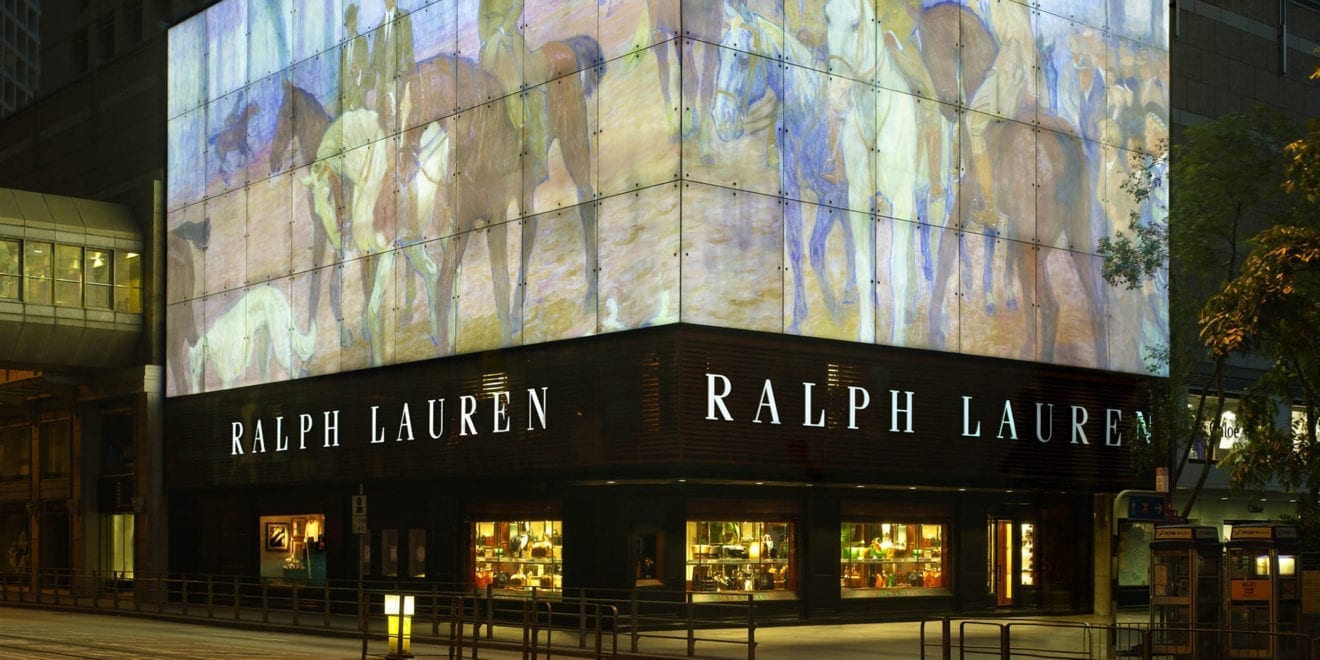
    Fast forward two years, and the 20,000 sq ft store in Causeway Bay is no more, having closed overnight late last week.

    Contacted for comment about its abandonment of the doubtless expensive space in the Lee Gardens, a representative of the brand said the closure was “part of our strategic and financial plan”, adding: “We are redeploying assets to focus on new concept stores and transition away from unprofitable formats and locations.”

    We are redeploying assets to focus on new concept stores and transition away from unprofitable formats and locations

    Ralph Lauren spokeswoman

    Ralph Lauren is “combining men’s and women’s flagships in the recently renovated Prince’s Building location, as well as remaining focused on providing our customers with the authentic style and luxury shopping experience they expect from us,” the spokeswoman said.

    The move is part of a new strategy from Stefan Larsson, who worked for Swedish fast-fashion retailer H&M for 15 years and who replaced Lauren as chief executive in late 2015 (Lauren remains executive chairman and chief creative officer). The restructuring will, according to reports, cut over 50 stores and 1,000 jobs worldwide and save the publicly traded company between US$180 million and US$220 million a year. Its share price has been under pressure in the past 12 months, twice falling below US$85. Ralph Lauren shares closed at US$108.19 on Monday, down more than 9 per cent on their US$119.59 close on December 7, 2015.

    Ralph Lauren’s sudden exit from its Causeway Bay flagship store is the latest high-profile fashion closure to have occurred or been flagged in 2016. American fast-fashion label Forever 21 has announced it will close its multi-storey Causeway Bay flagship store. British label Paul Smith closed its Times Square store and Abercrombie & Fitch is set to leave its prime location in the Pedder Building in Pedder Street, Central – although, with a flailing brand reputation, poor sales and that famous HK$7 million monthly rent to pay, the move by Abercrombie & Fitch came as no surprise. Italian luxury clothing and accessories label Tonino Lamborghini also shut down more than 10 stores and in-store counters in the city earlier this year.

    Abercrombie’s Pedder Street closure will leave it with no stand-alone stores in Hong Kong, an effective withdrawal from the market, following on the closure of some 50 stores in the US in 2016.

    Although the “umbrella revolution” protests in 2014 that were a factor in a downturn in Hong Kong’s retail sales have long ended, political turmoil continues and visitor numbers, having dropped, have not fully recovered. Competition for high-spending Chinese consumers has been stiff, with destinations such as Japan, South Korea, Milan and London stealing some of the traffic from Hong Kong.

    The city’s retail sales dropped 10.5 per cent in the first half of 2016, their worst performance since 1999.

    Still, for all the negative news there are nuggets of hope. Italian brand Versace is opening a huge flagship store opposite the Landmark in Central next year, and mega brand Louis Vuitton is revamping its Hong Kong stores and continuing to invest in the city. Louis Vuitton chief executive and chairman Michael Burke told me a few months ago that “the leader in the market still believes in Hong Kong”.

    However, Louis Vuitton and Versace are definitely in the minority.

    With little sign of major recovery, Hong Kong’s economic outlook uncertain and retail sales continuing to fall, the fashion industry is on tenterhooks and braced for tougher times ahead. Since I wrote about Gucci’s rent dispute with its landlord Hongkong Land in 2015, there have been a spate of big-brand store closures, and threats by more prestige brands to shut up shop if rents aren’t adjusted.

    A few agile, smaller brands may exploit their departure, and subsequent rent drops, but times continue to be tough for the majority. Ralph Lauren probably won’t be the last big brand to close an expensive Hong Kong flagship store. Swire Properties chief executive Guy Bradley said in August he saw no signs of a retail turnaround.

  • China’s Social Consumer Retail Sales Up 10% In October 2016

    China’s Social Consumer Retail Sales Up 10% In October 2016

    China’s social consumer retail sales in October 2016 reached CNY3.112 trillion, representing a year-on-year nominal increase of 10% and actual increase of 8.8% if deducting price factors.

    Meanwhile, from January to October 2016, China’s total social consumer retail sales reached CNY26.96 trillion, a year-on-year increase of 10.3%.

    By location of operating units, China’s urban consumer retail sales were CNY2.689 trillion in October, a year-on-year increase of 10%; while rural consumer retail sales were CNY422.6 billion, a year-on-year increase of 10.3%. During the first ten months of 2016, China’s urban consumer retail sales were CNY23.183 trillion, a year-on-year increase of 10.2%; and rural consumer retail sales were CNY3.777 trillion, a year-on-year increase of 10.9%.

    By consumption type, China’s food and beverage sales in October were CNY349.2 billion, a year-on-year increase of 10%; and commodity retail sales were CNY2.763 trillion, a year-on-year increase of 10.1%. From January to October 2016, China’s food and beverage sales were CNY2.911 trillion, a year-on-year increase of 10.9%; and its commodity retail sales were CNY24.05 trillion, a year-on-year increase of 10.3%.

    In addition, during the first ten months of 2016, China’s Internet retail sales reached CNY3.929 trillion, a year-on-year increase of 25.7%. Of the total, Internet sales of physical goods increased by 24.9% year-on-year to CNY3.174 trillion, accounting for 11.8% of the total social consumer retail sales of China.

  • Lippo Investment Trust to Acquire Lippo Mall Kuta in Bali

    Lippo Investment Trust to Acquire Lippo Mall Kuta in Bali

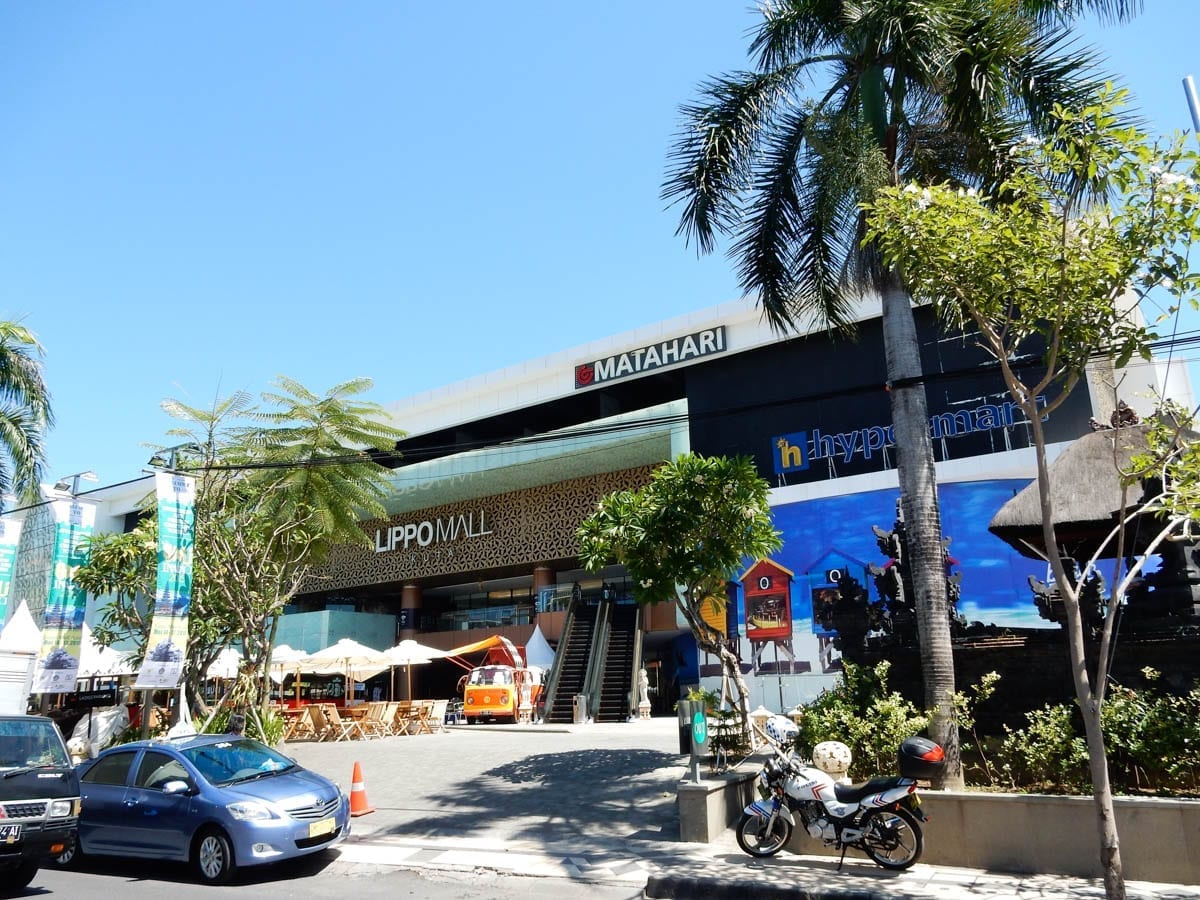
    Opened in 2013, Lippo Mall Kuta is a three-floor mall that offers 21,132 square meters to international and local tenants, such as Nike, Bata, Quicksilver, Planet Sports, Amazing Kuta, Matahari Department Store and Cinemaxx.

    Lippo Karawaci president director Ketut Budi Wijaya said the acquisition is part of “light assets program,” by which the property developer expects to increase its revenue and reduce operating cost.

    LMIRT has been listed on Singapore Stock Exchange since 2007. Its diversified portfolio of income-producing real estate in Indonesia includes 19 retail malls and seven retail spaces.

    The company had $760 million in market capitalization as of November.


  • Japan tech firms start Lao PDR data center project

    Japan tech firms start Lao PDR data center project

    Toyota Tsusho, Internet Initiative Japan, and Mitsubishi UFJ Morgan Stanley Securities announced the start of a joint demonstration project in the Lao PDR.

    The firms said the project is aimed at evaluating the effectiveness of greenhouse gas emission reduction effect and energy efficiency using advanced container-type data center technology.

    Lao PDR’s first government-operated eco data center was completed in Vientiane on November.

    With integrated cloud infrastructure and security solutions, the new data center will serve as a cornerstone of Lao PDR’s IT foundation and contribute to the development of e-government applications for their people.

    Additionally, the data center will be utilized for training future generations of IT engineers, industrial development and for a broad range of other initiatives. By operating the data center, the Lao PDR government also aims to strengthen its IT governance.

    This data center is also expected to serve as a springboard for the maturation of the local IT industry, encouraging Japanese-related companies to expand their IT business in the country.

    The highly energy efficient data center leverages IIJ’s IT/cooling all-in-one packaged design “co-IZmo/I.”

    This design approach made it possible to complete the data center in just 7 months after construction began in May 2016 (about one-third the time typically required for conventional building-type data centers).

    This project is conducted on the basis of the commission by the New Energy and Industrial Technology Development Organization (NEDO), as part of its Global Warming Mitigation Technology Promotion Project selected in July 2015.

    The governments of Japan and Lao PDR have signed the bilateral document concerning the Joint Crediting Mechanism.

  • Ansals Plaza announces grand opening of its key brands

    Ansals Plaza announces grand opening of its key brands

    Delhi’s first mall, Ansal Plaza, repositioned as Delhi’s ultimate Sports and F&B Destination, has opened its door to its two anchor brands, Decathlon, the global sports retail giant and The Arena, Ultra Luxury lounge. During a daylong celebration, Ansal Plaza hosted the grand opening of one of India’s biggest two level Decathlon Khel Gaon store, which is equipped with smart LED screens and open space for sports activities. Agala evening party was also organized to announce the grand launch of The Arena.

    With a bagful of new and unique sporting events like Capoeria (Afro Brazilian marital arts), Blind Cricket, Free motion Ski, Basketball and Zumba , the Grand opening of the Decathlon Khel Gaon store at Ansal Plaza promises to be an exciting affair for the sports enthusiasts of Delhi. A unique costume run for kids and five to 10 km run for adults was also scheduled as a part of Decathlon Khel Gaon store’s Opening Run on Sunday, December 4, 2016.

    The Arena with approx. 13000 sq. feet extravaganza spread across two levels with indoor and outdoor party areas, private and VIP event space, great ambience and a fully stocked up bar. With a great dance floor, superior customer service and exceptional pricing The Arena is another wonderful reason to visit Ansal Plaza.

    Talking about the two grand openings on Saturday, Amit Phull, Head Retail Ansal API said, “We identified that sports shopping experience is one of the niches that lacks in other South Delhi malls and the event and experience that Ansal Plaza offers will help us live up to our promise of being the ultimate sports hub of Delhi. Also, the launch of The Arena along with other premium F&B Brands will help us in establishing the mall as an ultimate destination for various kinds of world cuisine.”

    Caroline Mulliez of Decathlon said, “We are proud to be associated with Ansal Plaza. The strategic location offers the best catchment of sports enthusiast and its vast open space also supports what Decathlon stands for, which is sporty fun at exceptionally affordable prices.”

    Mukul Bajaj, Co-founder, The Arena, said, “We are excited about the launch. We are definite that the prime location of Ansal Plaza at the heart of the city will draw the kind of patrons The Arena is looking for.”

    Sahil Madaan, Owner, Taksim, “Trends meet chic in our very own of serving world cuisine. Taksim, with its International concept offering fusion Turkish and Indian cuisine, is trying to find a balance between a cafe and a restro bar.”

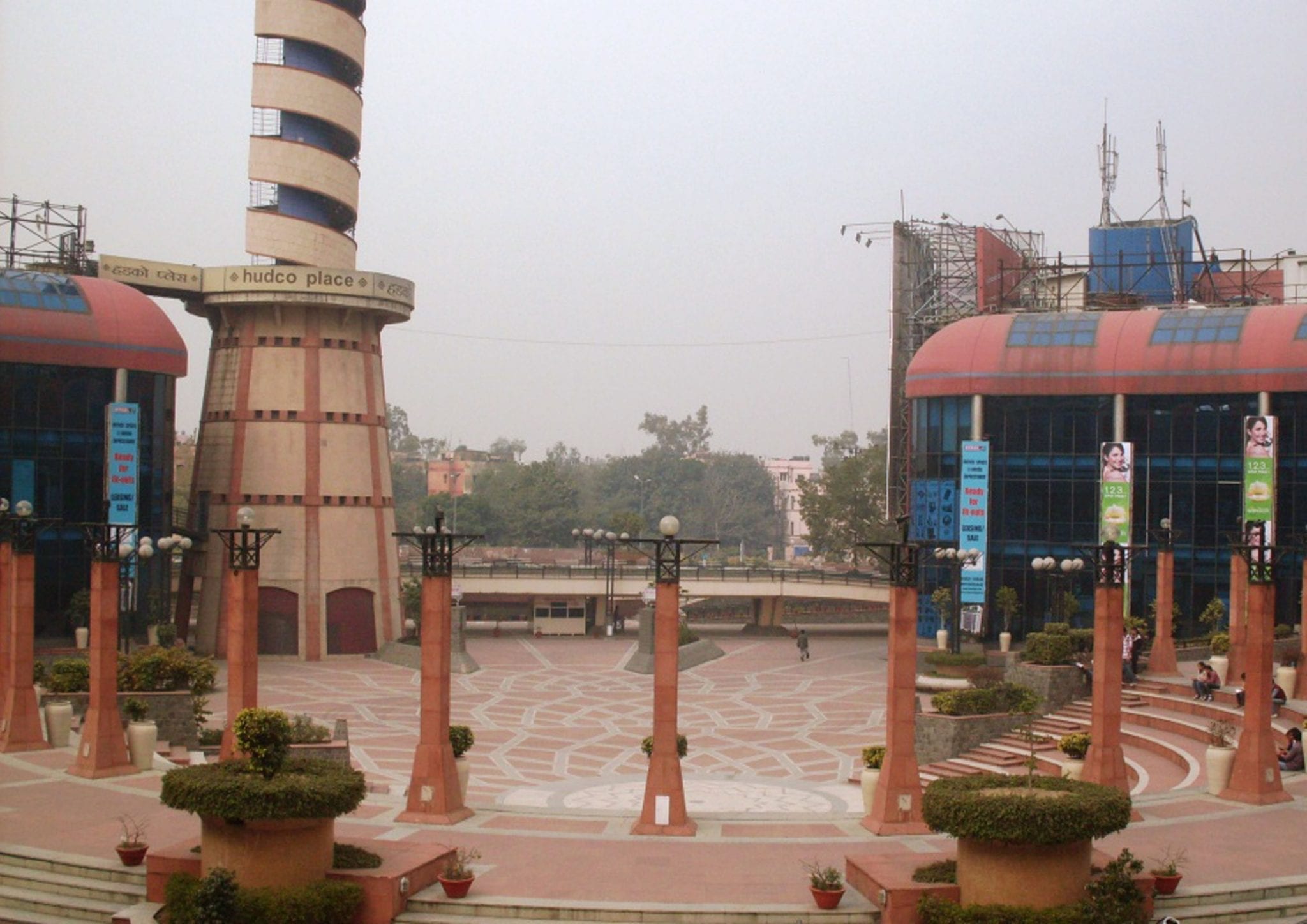
    Ansal Plaza has been the hub of entertainment in Delhi since 1999 as the city’s first mall. With its prime location, excellent parking facility and vast green space, Ansal Plaza promises to continue the tradition of excitement and celebration in its new avatar.