Tag: asia

  • Huawei announces mobile app X Labs

    Huawei announces mobile app X Labs

    Huawei has announced a new research platform that aims to bring together operators, technology providers and vertical industry partners to explore future use cases for mobile applications.

    The X Labs initiative will aim to encourage mobile operators to build application-centric networks and help establish an open industry ecosystem.

    The research platform is designed to explore three areas of mobile communications – people, verticals and the household, Huawei said. The mLab focuses on creating immersive user experiences for emerging mobile applications including live video, VR and AR.

    A second lab, vLab, focuses on ways mobile technology can enable digital transformation across all industries. The third is hLab, which will concentrate on connecting more households with smart home applications utilizing broadband connections.

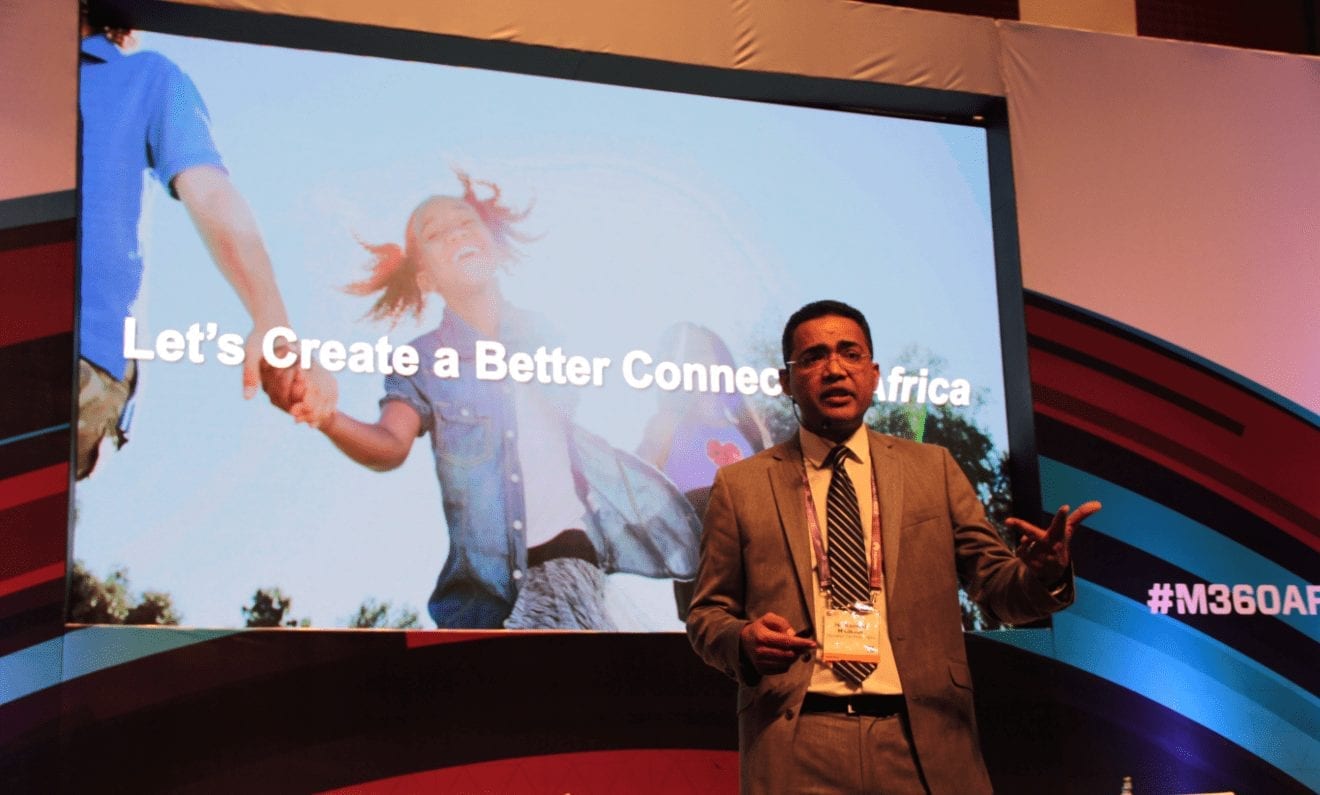
    During a keynote speech announcing the initiative, Huawei rotating CEO Ken Hu said mobile applications are reshaping everything in the world.

    “I firmly believe that in the future, all services will be delivered through mobile applications,” he said. “I would say that we are living in a wild world of mobile applications.”

    Hu noted that when Apple’s App Store launched eight years ago, it had just 500 apps. It took just six years for that number to reach 1 million, and this figure doubled in another two years. Android app stores have even more apps – around 5 million.

    “At Huawei, we aim to support and enable the mobile ecosystem. We have made a lot of progress, and we want to do more,” he said.

  • Axiata Group 9M16 revenue grows 8.6%

    Axiata Group 9M16 revenue grows 8.6%

    Malaysia-based Axiata Group has reported an 8.6% growth in revenue for the first nine months of the year, due in part to strong growth from the South Asia region.

    Total revenue reached 15.8 billion ringgit ($3.55 billion), with ebitda up 13.4% to 6 billion ringgit. But net profit slumped 55.7% to 929 million ringgit due to one-off gains in the previous year, higher financing costs and increased forex losses from the weaker ringgit.

    For the third quarter, total revenue grew 2.8% quarter-on-quarter and 8.6% year-on-year to a record 5.5 billion ringgit, due largely to the performance of its newest acquisition, Nepal’s Ncell. Q3 represented the first full quarter of contribution from Ncell.

    Net profit reached 296 million ringgit, up 27.3% quarter-on-quarter but down significantly from 955 million a year earlier.

    Across Axiata’s operation, improvements were seen at domestic mobile unit Celcom and Indonesia’s XL for the third quarter, with service revenue at Celcom returning to growth after three consecutive quarters of declines.

    XL revenue grew 1.6% quarter-on-quarter and year-to-date net profit grew by over 100% mainly due to forex gains associated with the refinancing of XL’s US dollar debt to Indonesian rupiah.

    In South Asian markets, Ncell reported a 16.9% year-to-date profit growth, Sri Lanka’s Dialog posted a profit growth of 18.7% over the same nine-month period, but Bangladesh’s Robi reported a 1% decrease in normalized profit.

    “We are pleased with the improvements in revenue and EBITDA, although the Group performance continues to be affected by the weaker operating environment and increased competitive pressures across our markets,” Axiata chairman Tan Sri Azman Hj Mokhtar said.

    “We remain especially focused on management’s plans for recovery and turnaround strategies at XL and Celcom.”

    Axiata group CEO Tan Sri Jamaludin Ibrahim added that 2016 “2016 remains challenging for the group across most of our markets – particularly in Malaysia, Indonesia, Singapore and India where fiercer competition and rising capex have weighed in on overall performance and profitability.”

  • BMW to offer new version of i3 electric car in 2017

    BMW to offer new version of i3 electric car in 2017

    German luxury carmaker BMW plans to launch a new version of its i3 electric car next year with a longer range and revamped design, German weekly Welt am Sonntag reported, citing company sources.

    BMW will rework the front and rear of the i3 and equip the car with a new battery to increase its range substantially beyond the current 300 km maximum, the paper said, adding that the increase would be below 50 percent.

    BMW has been torn about whether to accelerate development of new electric cars given its expensive early investment has only resulted in lacklustre sales, with 25,000 i3s delivered last year.

    To help improve sales, BMW has already increased the battery range of its i3 city car by 50 percent this year.

    BMW was not immediately available for comment on the newspaper report.

  • MManila 53rd most expensive retail property location in the world

    MManila 53rd most expensive retail property location in the world

    The Philippines has slipped by a notch on the list of most expensive retail property locations this world due to lower-than-expected sales volume so far in the year, a global real estate services firm said.

    In a report, Cushman and Wakefield said in Metro Manila dropped from the 52nd spot last year. It cited a slowdown in the sales of luxury properties.

    “The luxury segment experienced a slowdown as lower-than-expected sales volumes in existing stores led to upscale brands re-evaluating expansion plans,” the report said.

    In spite of the slowdown, Cushman and Wakefield noted the Philippine market continues to enjoy the support of international brands.

    “International brands continue to drive the Philippine retail sector, supported by the rising disposable income of a growing middle class population,” the report noted.

    Global mid-tier brands accounted for a significant volume of leasing activity in recent quarters.

    “In particular, fast fashion retailers and F&B operators are leading the growth of the segment as brands such as Uniqlo and H&M continue to aggressively expand their footprints within and outside Metro Manila,” Cushman and Wakefield said.

    Growing competition among mall developers has led to the formation of new retail concepts as a way of expanding market share.

    “There is also a shift in the tenant mix, where mall operators are increasing the share of F&B in their retail developments,” the report said.

    By region, the Asia Pacific retail market has been seeing a cautious 2016.

    “Overall, retailers continued to be cautious in their store expansion across the region due to a number of concerns including continued global economic instability, and we see this trend continuing well into 2017, said Cushman and Wakefield Asia Pacific Head of Retail Theodore Knipfing.

    Once retailers start expanding, the focus would be on high-performing malls and high streets with strong pedestrian traffic, Knipfing noted.

    “All in all, despite the cautious outlook across the region, major international and regional retailers will have to eye overseas growth, as their respective domestic markets reach saturation point and investors demand results,” Knipfing said.

    Moreover, Upper 5th Avenue encompassing 49th—60th Streets in New York, USA remains number one on the list of most expensive shopping locations in the world at $3,000 per square feet.

    This is followed by Causeway Bay in Hong Kong at $2,878 per square feet and Avenue des Champs Élysée in Paris France at $1,368.

    Retail rent in Philippines, particularly Rockwell and Century City in Makati, is at $57 dollars per square feet.

  • HP’s Elite x3 now available in Hong Kong

    HP’s Elite x3 now available in Hong Kong

    Back in September, Hewlett-Packard launched its Elite x3 in Hong Kong. The company detailed some of the most important features of the device at the event in Hong Kong back in September. Today, it’s available for purchase from its official online store. Along with the device itself, HP is also selling a bundle and some accessories. Here’s a breakdown:

    • HP Elite x3 for HK$6499
    • HP Elite x3 Monitor Bundle (Elite x3, Desk Dock, HP Pro Display P222va 21.5-inch Monitor) for HK$6,499
    • HP Elite x3 with Desk Dock for HK$7698
    • Elite x3 Lap Dock for HK$4899
    • Elite x3 Desk Dock for HK$1199
    • Elite x3 Anti-Fingerprint Screen Protector for HK$240
    • Elite x3 Wireless Charger for HK$490
    • Elite x3 Rugged Case for HK$199
    • Elite x3 Wallet Folio Case for HK$179
    • Elite x3 Lap Dock Privacy Screen HK$300
    • Elite x3 Silicon Case for HK$159
    • Elite x3 Anti-Shatter Glass Screen protector for HK$119
    • Elite x3 Privacy Screen for HK$240

    The Elite x3, for those unfamiliar, features a Qualcomm Snapdragon 820, a 5.96-inch WQHD AMOLED display, 4GB RAM, 64GB of internal storage, and a 4150mAh battery. As for the cameras, HP has included a 16MP sensor on the back of the Elite x3, and there’s an 8MP front-facing camera. For security, HP has included a fingerprint scanner and an Iris scanner on the Elite x3. Lastly, it is worth noting that the HP Elite x3 also supports Continuum for phones which users can use with the HP Desk Dock.

    If you live in Hong Kong, you can get the device and its other accessories from the official HP store here.

  • Rupiah continues to fall to Rp13,529 per dollar on Friday evening

    Rupiah continues to fall to Rp13,529 per dollar on Friday evening

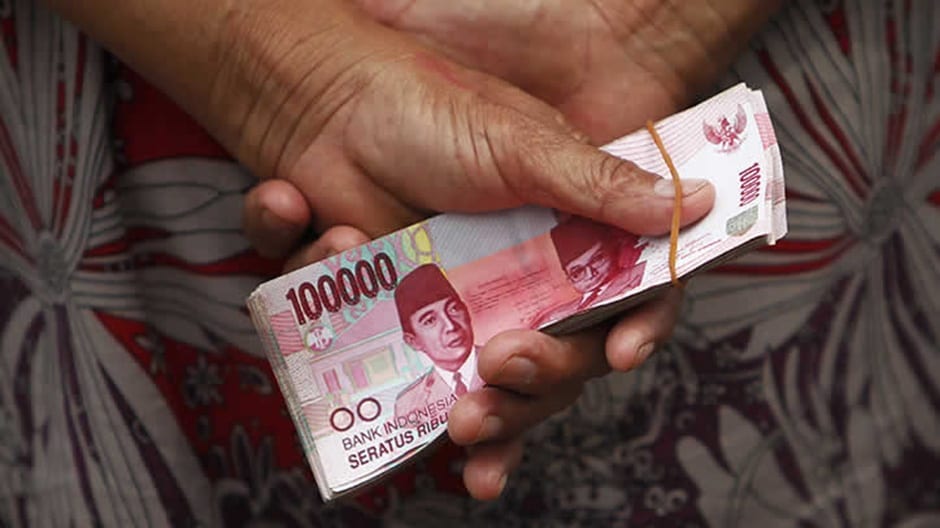
    The Indonesian rupiah fell 20 points to close at Rp13,529 per dollar in the Jakarta interbank spot market on Friday evening, compared to the previous close of Rp13,509 per dollar.

    “The US dollar continued its rally against the majority of the main global currencies, including rupiah, along with investors optimism about the looming Fed rate hike in December 2016,” chief researcher Ariston Tjjendra of Monex Investindo Futures said here on Friday.

    The US dollars appreciation was also supported by US president-elect Donald Trumps plan to raise fiscal budget and slash taxes to boost economic growth and curb inflation rate.

    “The faster-than-expected US economic growth will lead to an increase in the inflation rate, which may encourage the Fed to tighten its monetary policy in 2017,” he stated.

    Under these circumstances, funds parked abroad in developing nations will move to the US, which will automatically cause the dollar to appreciate against other currencies, he noted.

    On the other hand, the prices of global crude which dropped this weekend also influenced commodity currencies, including rupiah.

    On Friday evening, WTI Crude fell by 0.88 percent to US$47.54 per barrel, while Brent Crude dropped 1.18 percent to touch US$48.42 per barrel.

  • 90% of retail space at upcoming Bukit Panjang mall taken up

    90% of retail space at upcoming Bukit Panjang mall taken up

    Retail space is filling up at Bukit Panjang’s upcoming shopping centre called Hillion Mall, announced Sim Lian Group on Friday.

    It said in a press release that 90 percent of the approximately 174,730 sq ft of lettable area has been taken up by about 100 retail as well as food and beverage (F&B) tenants.

    There are five anchor tenants – NTUC FairPrice, PCF Sparkletots Preschool, Amore Fitness and Boutique Spa, Kopitiam and Best Denki.

    The mall along Petir Road, which is slated to open in the first quarter of 2017, is part of Bukit Panjang’s upcoming integrated transport hub. The Land Transport Authority (LTA) had announced that the hub will seamlessly connect the existing Bukit Panjang LRT station and the future Bukit Panjang MRT station with retail, F&B and residential developments at the same site.

    Basement 2 of Hillion Mall will be directly linked to the MRT station via an underpass, said Sim Lian Group.


    Above the mall is the 546-unit Hillion Residences. It is expected to receive its Temporary Occupation Permit (TOP) by September 2018.

    This is Sim Lian Group’s first mixed-use development in Singapore. When complete, the mall will serve more than 220,000 residents and 760,000 commuters, it said.

  • More retailers open doors for Black Friday sales

    More retailers open doors for Black Friday sales

    If the downtown area seemed like it was more crowded at the weekend, it was because the usual end-of-year sale season came earlier this year for some retailers.

    More brick-and-mortar shops jumped on the Black Friday bandwagon this year in a bid to attract more customers.

    Stores like Robinsons, Courts, Topshop, Topman, Harvey Norman and H&M were out in full force to roll out promotions for what is known in the United States as Black Friday – the day after Thanksgiving.

    All three Robinsons stores slashed their prices by up to 80 per cent. The retailer also brought forward its opening time from 10.30am to 7am.

    Furniture, IT and electronics retailer Courts, which has taken part in Black Friday sales since 2013, offered a priority pass for the first time this year – 280 shoppers who pre-registered could skip the queue and get access to exclusive discounts. The chain also offered discounts of up to 80 per cent at all its 14 outlets and online store.

    Meanwhile, Swedish fashion chain H&M launched a Black Friday collection for the first time, with black as the key colour palette – selected items went on sale from $10.

    Retailers said Black Friday sales helped to increase footfall and sales amid a soft retail climate.

    Wing Tai Retail executive director Helen Khoo said the crowd at some of its stores doubled, compared with normal weekends and Fridays, while sales were between two and four times better than usual.

    A Robinsons spokesman said the turnout was “overwhelming”, adding that some shoppers queued for hours before its stores opened at 7am on Friday. Highly sought-after items included home and electrical appliances, tableware, kitchenware and bedding products.

    Courts Singapore country chief executive Stan Kim said mattresses, TVs, action cameras and smart watches were among the popular items. Black Friday, he added, is gaining momentum as there is growing awareness among consumers with the rise of online shopping.

    He said: “Courts’ online store showed a significantly stronger performance against last year, and our offline stores also benefited from the Black Friday campaign, a testament to the fact that shoppers look to both online and offline platforms alike for great deals.”

    Administrative executive Janet Neo, 29, and her 30-year-old husband spent about four hours in Orchard Road on Friday evening.

    The couple dropped by outlets such as Sephora, Fred Perry and Robinsons for clothes, make-up and bedding material, and saved about $500, thanks to the discounts. Ms Neo said: “The discounts were really worth it. If it wasn’t so crowded, I would have bought more things.”

    Black Friday, an annual American tradition, was coined to describe the day retailers turned in profits and went “into the black”.

    It is usually immediately followed by Cyber Monday, where stores offer further deals online. Some retailers in Singapore, including Robinsons, are expected to take part.

  • Lendlease shifts its focus back to Asia

    Lendlease shifts its focus back to Asia

    Australian developer Lendlease – in a new global strategy to shift its focus from its home ground to Asia, Europe and America – has refreshed its targets for the region for the next five years.

    In his first media interview since being appointed Asia CEO in May, Tony Lombardo says he wants to grow Lendlease’s portfolio of urban regeneration projects of around S$6 billion to over S$10 billion in the next five years by adding 3-5 such projects in the region.

    Urban regeneration projects involve revitalising places that have fallen into disuse.

    For instance, in Barangaroo South in Sydney, Lendlease has turned a former container wharf into a vibrant new waterfront financial district with not just office towers but also retail outlets, an integrated hotel resort, and apartments.

    The Paya Lebar Quarter is a local equivalent, currently under construction in what used to be an industrial area. Lendlease is building a massive S$3.2 billion mixed development comprising offices, shops and private homes next to the MRT station.

    Another of Lendlease’s targets is to export its senior-living expertise in Australia to Asia – particularly China, capitalising on the country’s rapidly ageing population.

    Mr Lombardo says: “In Australia, we are the No 1 senior-living owner and operator. We are using that expertise to export that to China and hopefully build the business around senior living. We hope to secure and deliver about 5,000 units over the next five years.”

    Lendlease is also planning to build more telecommunication towers in Japan. On the property investment side, it is planning to grow its funds under management of S$5.6 billion to S$15 billion over the next five years.

    In Asia, its fund management business makes up about a significant 60 per cent of its profits, mostly because the development profits of its ongoing projects will be booked only upon completion. It has five funds under management and one single-investor joint-venture mandate in Asia.

    Lendlease says it is one of the few large developers to secure investors at the development stage, versus others whose investors participate mostly in asset purchases.

    Lendlease has raised A$8.2 billion (S$8.7 billion) in third-party equity in the last five years to support the growth of its investment management platform and development pipeline.

    This strategy also allows the developer to capture profits at every step of the process – from development to construction to fund management.

    Mr Lombardo expects Asia to turn in a better performance going forward. In its FY16 ended June, the group’s revenue from the Asia region of A$406 million made up a mere 3 per cent of the total pie, while losses after tax were A$20 million.

    Mr Lombardo says the negative earnings for FY16 was mainly due to the downward revaluation of 313@somerset, of which Lendlease owns 25 per cent, as the retail environment in Singapore softened and rentals fell.

    Its Asian performance was not always so poor, he says. “Asia at one point in 2012 and 2013 was delivering about 20 per cent of the group’s profits. But it has sort of gone through a restocking process in the last couple of years.

    “We have got new projects in development, and these projects won’t be completed till 2019-20. Therefore, the Asia contribution will start to increase again only then.”

    Paya Lebar Quarter, together with the Tun Razak Exchange (TRX) Lifestyle Quarter in Kuala Lumpur – an RM8 billion (S$2.6 billion) project – made up more than a fifth of its FY16 development pipeline. Paya Lebar Quarter is expected to complete in phases in 2018 and 2019, and TRX in stages over the next 3-8 years.

    Explaining the drive to diversify back into Asia, Mr Lombardo says the group has been adjusting its domestic-to-international share of projects in tandem with the global macroeconomic environment.

    Pre-financial crisis, about 65 per cent of Lendlease’s earnings came from offshore, and 35 per cent from Australia. During the financial crisis, a concerted effort was made to switch the portfolio mix to mostly domestic. The group sold off assets in Europe and the US, and reinvested capital back Down Under. In FY16, 70 per cent of its earnings came from Australia and 30 per cent from international markets.

    But high GDP and population growth in Asia has now caused Lendlease to sit up to look at the region again.

    “At the moment, I’m focusing on Singapore, Malaysia, China and Japan – the four core markets we are already present in,” Mr Lombardo says. “We will try to scale up each of the businesses so that we can have a sustainable profit line and don’t see the losses that we saw years back.”

    Last year, the group also generated A$853 million of operating cash, compared to its net profit of A$698 million, as a commercial tower at Barangaroo and a number of apartment projects were finished.

    “So now, we are looking to deploy that cash back in other markets around new investments,” he says.

    In Singapore, that would mean acquiring more land. But this has its challenges, illustrated none more clearly than the recent record bid put in by Malaysia’s IOI Properties of S$2.57 billion for a white site on Central Boulevard.

    “There was S$13 billion of capital bidding for that one site,” Mr Lombardo says. “There is a scarcity value to property in Singapore, and there always will be.”

    But he adds that it shows there are people who take a long-term view of property investment here, despite the subdued commercial property market right now.

    “They don’t look at the cycles, and it’s the same for us,” Mr Lombardo says. “There will be up-and-down cycles and you just have to manage your business through those cycles.”

  • Air Asia Philippines cuts net loss to P1.2b

    Air Asia Philippines cuts net loss to P1.2b

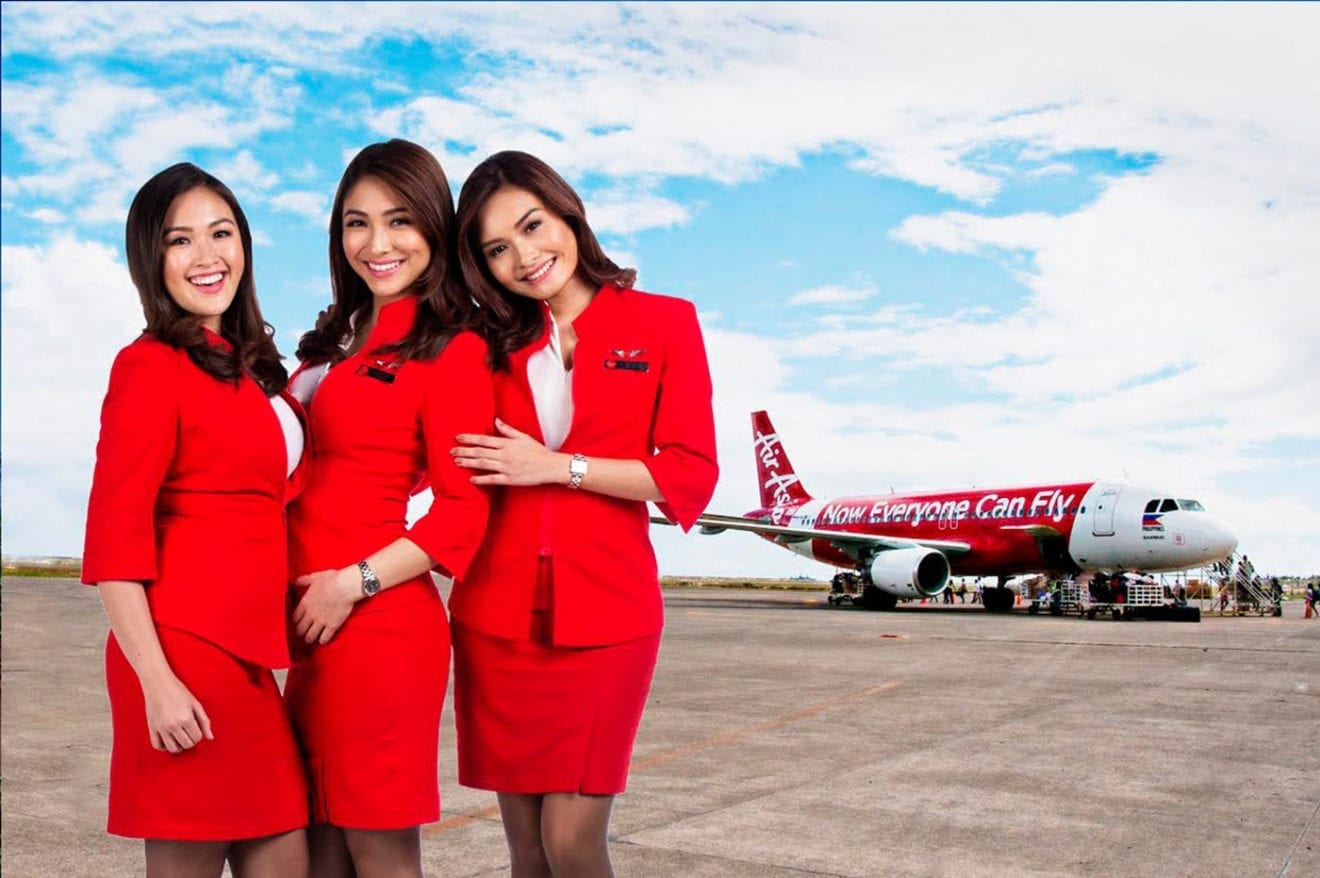
    The Philippine unit of Southeast Asia’s largest budget airline said it reduced  net loss by 12 percent in the third quarter on higher passenger traffic.

    Air Asia Philippines said net loss amounted to P1.2 billion in July to September, down from the P1.4-billion loss it reported a year ago.

    Revenues increased 24 percent to P2.57 billion in the third quarter from P2.07 billion in the same period last year.

    “The increase in revenue can be attributed to higher passenger volumes which increased by 8 percent year-on-year and the increase in average fare by 21 percent year-on-year,” Air Asia Philippines said.

    Passengers carried by AirAsia Philippines increased 8 percent to 976,765 from last year’s 901,957, while load factor went down by 1 percentage point to 83 percent from 84 percent.

  • Sa Sa profits dive

    Sa Sa profits dive

    Sa Sa profits took a hit of 37.3 per cent for the six months to September 30.

    The Hong Kong-listed beauty products retailer’s interim results show turnover easing by 4 per cent to HK$3.628 billion (US$467.7 million) for the period, with retail sales in Hong Kong/Macau decreasing by 3.6 per cent to HK$2.9032 billion.

    Profit fell from $153 million to $96 million with its gross profit margin dropping from 42.9 to 41.2 per cent.

    During the six months, the group rationalised its retail network from 291 to 283 – six fewer Sasa stores and two fewer single-brand stores/counters.

    While sales fell in Hong Kong/Macau, the number of transactions rose by 0.2 per cent for local customers and 4.4 per cent for Mainland Chinese tourists. The value of each transaction, however, fell by 6.3 and 6.6 per cent respectively.

    Retail sales in Hong Kong continued to be weak, mainly because of average transaction values being lower. The company says the underlying reasons were a change in consumer preferences, a strong Hong Kong dollar and a depreciating yuan. Also, the policy change limiting Shenzhen residents’ multiple-entry permits to one visit a week has had a “significant” impact.

    However, Sa Sa reports an uptick toward positive growth in July as the company adapted with faster product launches, shorter product cycles and cheaper trendy products.

    Korean swing

    As an indication of market change, Sa Sa’s Korean product mix grew from 16.7 per cent of total sales to 23.5 per cent, and the parallel-imported product mix increased from 29.1 to 31.7 per cent. Sales for house brands dropped from 41.5 to 38.5 per cent.

    Overall turnover for Mainland China decreased by 4.3 per cent to $135 million, while same-store sales fell 5.1 per cent. The loss for the period amounted to $13.7 million. Profitability was impacted by the relocation of warehouses.

    Turnover for Singapore at $101.3 million was a drop of 11.1 per cent. As well as weaker sales, management issues impacted performance. While turnover was high, this created difficulties in retaining the knowledge base. However, a restructuring process has drawn on the resources of the relatively strong Malaysian management team.

    Malaysia’s turnover was down 19.1 per cent to $163.4 million, though same-store sales rose 11.2 per cent. Retail sales growth exceeded other markets thanks to the group’s strong retail network and effective marketing campaigns.

    Turnover in Taiwan fell by 23.1 per cent to $98.3 million, with same-store sales tumbling 19.5 per cent because of weak consumer sentiment and ongoing restructuring of the management team.

    Logistics problem

    In eCommerce, Sasa.com turnover reached $193 million, a dip of 0.1 per cent. Sales were affected by the appointment of a new logistics provider in April with the aim of increasing scalability. However, changeover difficulties resulted in a decision to return to the original service provider.

    “Significant numbers of orders had to be cancelled, and further costs were incurred by moving inventory back and forth as well as the running of two warehouses in parallel during the period,” says the company.

    Building on the growth of mobile internet use, the company launched a mobile app and started a collaboration with eCommerce platform Kaola in addition to its partnership with JD.com, Suning.com and T-Mall.

    On the mainland, the dynamics of the cosmetics market are changing with internet retailing growing at a rapid pace, says the company. Because of these challenges, it is continuing to strengthen management and recruit staff.

    “We are also seconding experienced staff from Hong Kong to improve the attractiveness of our product offerings and strengthen inventory management.”

  • Consumer brand loyalty at record low

    Consumer brand loyalty at record low

    Global loyalty-marketing agency ICLP has found that consumer brand loyalty to retailers has dropped to a record low in Hong Kong.

    A mere 1 per cent are “devoted” to their preferred retail brands, an ICLP survey shows.

    The company surveyed 750 consumers in Hong Kong to rate their relationship experiences with friends, loved ones and brands using seven core criteria: recognition, rewards, reciprocity, reliability, respect, trust and communication.

    ICLP partnered with a global authority on relationship dynamics, Professor Ron Rogge of the University of Rochester in the US, to create a model based on Sternberg’s Triangular Theory of Love which focusses on three key components of a relationship: intimacy (willingness to share information with a retailer), passion (brand enthusiasm) and commitment (loyalty). When incorporated into a retail context, these components become tools for brands to foster devoted relationships with consumers.

    Relationships range from empty (the least desirable) through liking, casual, romantic and companionate to devoted (the most desirable). All customers in the devoted group would recommend a brand, demonstrating the value of a devoted consumer base for word-of-mouth business.

    Significant variation

    Levels of advocacy vary significantly in the other five relationship groups. Only 6 per cent of customers in a “liking” relationship would recommend a retailer to others, with 26 per cent in an “empty” relationship, 21 per cent in a “casual” relationship and 50 per cent in a “companionate” relationship.

    “Romantic” relationships, which Sternberg says are characterised by high levels of passion and intimacy, have a 74 per cent inclination to recommend brands.

    But as only 1 per cent of customers are at devoted level, retailers need to develop a deeper relationship with customers, says the study.

    It says loyalty programs are a major factor in driving spending, with 75 per cent of consumers surveyed saying they would shop more often with brands that have a loyalty program.

    Loyalty programs are more significant than traditional points-based reward programs, says the survey, which offers advice for retailers to help them inspire more “devoted” customer relationships…

    Foster brand advocacy: All “devoted” customers would recommend a retailer to others.

    Create stronger rewards programs: Consumers in “empty”, “liking” and “casual” relationships may have lower expectations about reward programs, but 75 per cent of survey respondents say they would buy more if they were better rewarded.

    Take time to understand customer needs: If retailers use their data to better understand individual shoppers’ needs, 69 per cent of those surveyed say they would buy more.

    Build respect and trust among consumers: If treated with more respect, 63 per cent of respondents say they would buy more, while 55 per cent would also buy more if they had better trust of brands.

    Improve communication with customers: With better communication from brands, 60 per cent of respondents say they would buy more.

    “Buy with hearts”

    “ICLP’s study is ground-breaking in understanding the key components of brand loyalty,” says Professor Rogge. “Interestingly, most of the respondents approached their relationships with favourite brands in a similar way to their personal relationships.

    It seems that developing a strong and devoted relationship with a brand might not be so different from developing a strong and caring bond with another person.

    “This suggests that people might buy with their ‘hearts’.

    “This is exciting work, as it allows us to better understand and track the various types of brand loyalty and, at the same time, provide retailers with critical insights into targeting the needs and desires of consumers to promote greater loyalty.”

    ICLP GM Mary English says brands are finding it hard to connect with their customers in a meaningful way. “The unprecedented level of choice available today has become a distraction for the consumer. Our research shows that consumers want the same from a brand as they do from their friends and loved ones- they want to build an emotional connection.”

    English says that retailers seeking to build and maintain “devoted” customer relationships should begin to truly understand the emotional factors that drive consumer loyalty.

  • Manolo Blahnik Malaysia debuts in KL

    Manolo Blahnik Malaysia debuts in KL

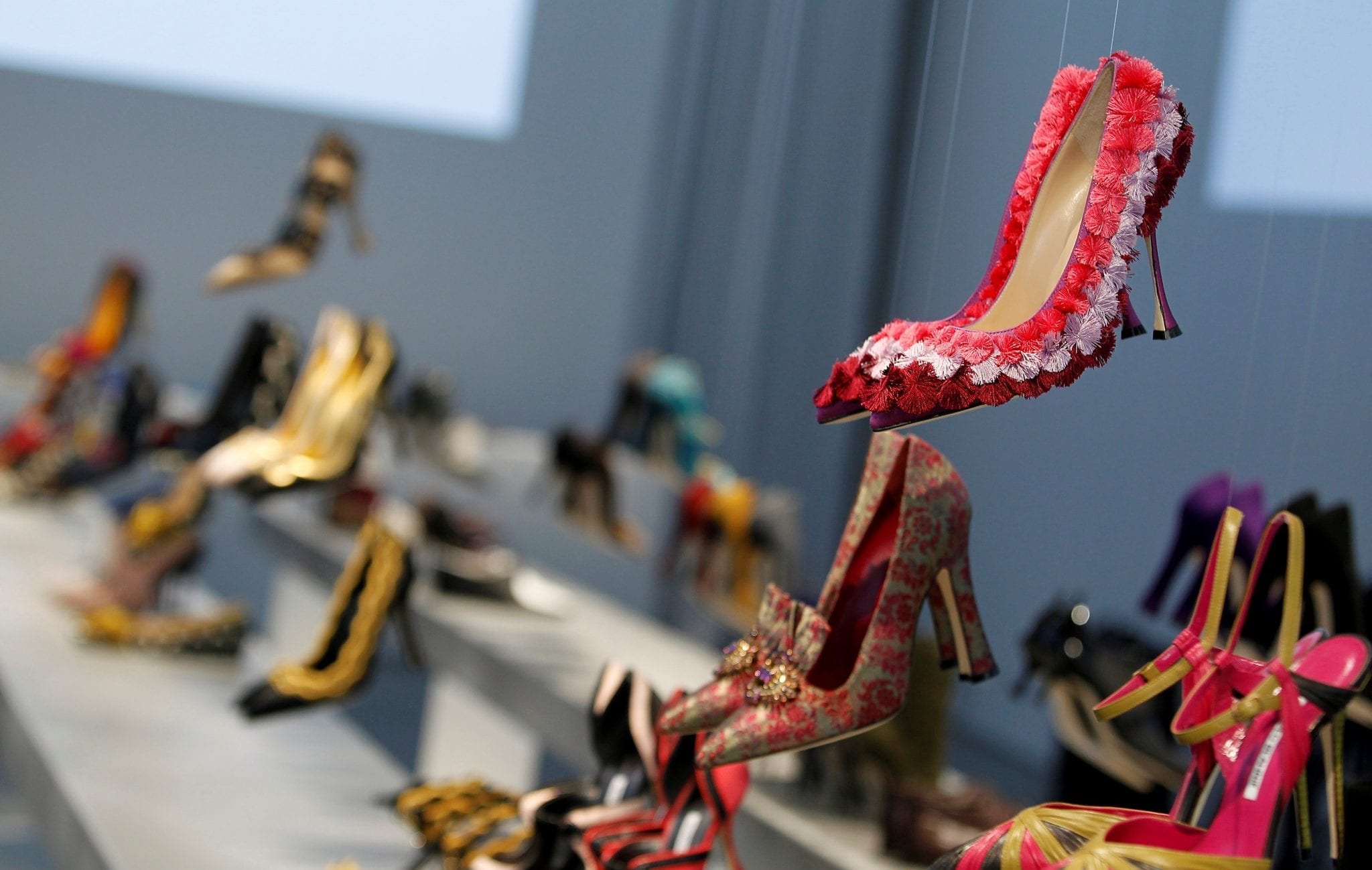
    Women’s shoe retailer Manolo Blahnik Malaysia has launched its first store, in Pavilion KL.

    The 95 sqm store is part of an Asia expansion plan that includes the refurbishment of its Singapore store at Takashimaya, as well as the launch of a flagship store in Tokyo next year. The brand is partnering with retailer Bluebell Group on the projects.

    Founder Manolo Blahnik, who opened his first shop in Chelsea in London in 1973, was born in the Canary Islands to a Spanish mother and Czech father. He studied languages and art in Geneva before moving to Paris in 1965, where he became a set designer.

    On a visit to New York in 1970, he showed his theatre designs to Diana Vreeland, then editor-in-chief of American Vogue, who encouraged him to concentrate on his shoe designs.

    Blahnik learnt the art of making shoes by visiting factories, and by 1971 was in London making shoes.

  • Veeko, Wanko and Colourmix parent finds Singapore tougher than HK

    Veeko, Wanko and Colourmix parent finds Singapore tougher than HK

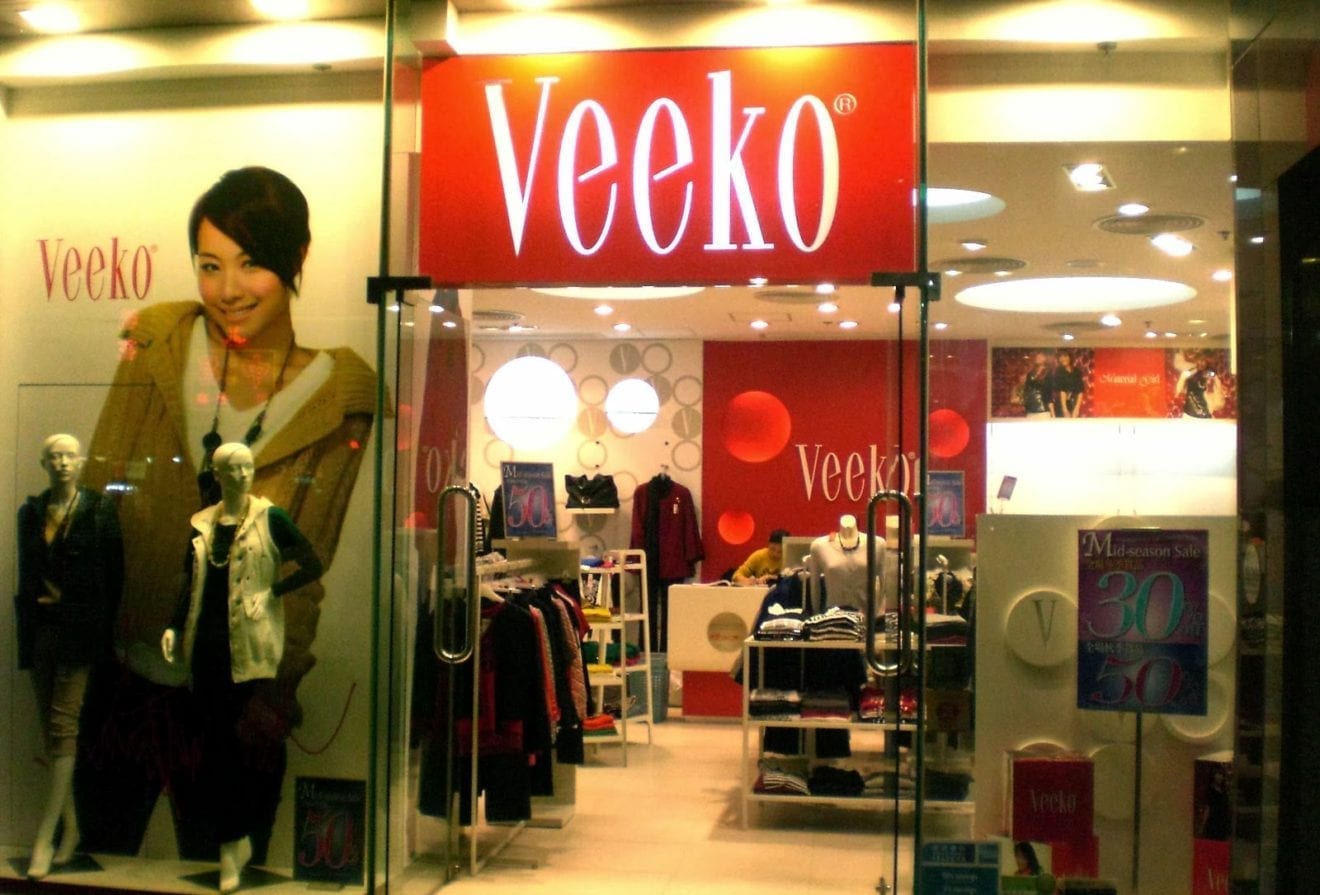
    Hong Kong-headquartered fashion retailer Veeko – the Wanko and Colourmix parent – has found Singapore more challenging than its home market.

    For the six months to September 30, Veeko International Holdings recorded a turnover of

    HK$1.029 billion, down 3.5 per cent year-on-year.

    Its cosmetics business, the Colourmix and Morimor stores, sales were stable, down by just 0.1 per cent at $828 million, accounting for 80.5 per cent of the company’s business, compared with 77.6 per cent last year.

    That highlights the core of the company’s problem – its fashion stores, trading under the Veeko and Wanko brands – which recorded a 16.1 per cent decline in sales to $200.7 million.

    Sales in Singapore, where it closed one store and now has eight, plunged 23 per cent year-on-year.

    Yet in Hong Kong and Macau, where the overall decline in retail sales during the half year was nudging double digits, sales declined by a more modest 7.6 per cent and the gross profit margin rose marginally from 71.8 per cent to 72 per cent. It added three stores during the period, taking the network to 83.

    In Mainland China, fashion sales declined 14.3 per cent and it closed three stores, leaving a net 38.

    Colourmix holds its own

    Beauty is the powerhouse of the Veeko business. The company has 87 Colourmix stores – five more than at the same time last year – of which 82 are in Hong Kong, four in Macau and one in the mainland.  In August 2015, the group launched another cosmetics store brand Morimor, with seven now trading in Hong Kong. This brand is positioned as offering “high-quality trendy skin care and cosmetics products by integrating global premier skincare and beauty concepts, with diversified products covering skin care, fragrance, make-up, hairdressing, body care and cosmeceuticals and health food”.

    Veeko chairman Johnny Cheng Chung Man says the South Korean series of cosmetics and beauty products are very popular among young customers.

    “In addition, the professional beauty consultants offer customised personal services and consultations on skin care so that customers can enjoy the relaxed and pleasant experience of beauty services.”

    The gross profit margin of the cosmetics business for the period was 32.4 per cent, down 3.3 percentage points year-on-year. The cosmetics business for the period recorded a segment profit of HK$1.319 million, representing a significant decrease of 97.7 per cent.

    “As a result of the rapid growth in the cosmetics business experienced in the past consecutive years, a considerably high base has been accumulated. With the continuously weak retail market and overall consumption environment in Hong Kong as well as a drop in the number of visitors to Hong Kong during the period under review, it was necessary for the group to offer several promotional discounts and organise marketing activities to stimulate sales, which led to a reduction in gross profit margin and a significant decrease in segment profit as compared with the same period last year,” said Man.

    Looking forward

    Man says looking forward, the group expects the challenges faced by the retail business to continue.

    “The retail environment in Hong Kong is anticipated to remain severe while a cautious consumption sentiment prevails. The group will continue to enrich its product portfolio of cosmetics products, increase trendy beauty products with exclusive distributorship, conduct staff training on providing quality professional services, and strengthen its internal consolidation.”

    Man said the fashion retail business will continue to focus primarily on the Hong Kong and Macau market. “To cope with the stagnant retail environment as well as to meet constantly changing needs in the market, the group will continue to optimise product designs and improve customers’ shopping experience. As for the overseas markets, the group will continue its cautious control on its overseas stores portfolio. Underperforming stores will be closed down further to focus its business on profitable stores.”

    In Hong Kong, given the slowdown in the retail market and a decline in rental charges for stores located in prime districts, the enhanced bargaining power of the retailers will therefore help reduce the rental pressure for stores with expiring lease terms, he said.

    “As the group will close down certain stores with low profitability and open new stores in prime locations, additional rental saving will be expected in the near future.”

  • Mitsui Outlet Park expansion starts

    Mitsui Outlet Park expansion starts

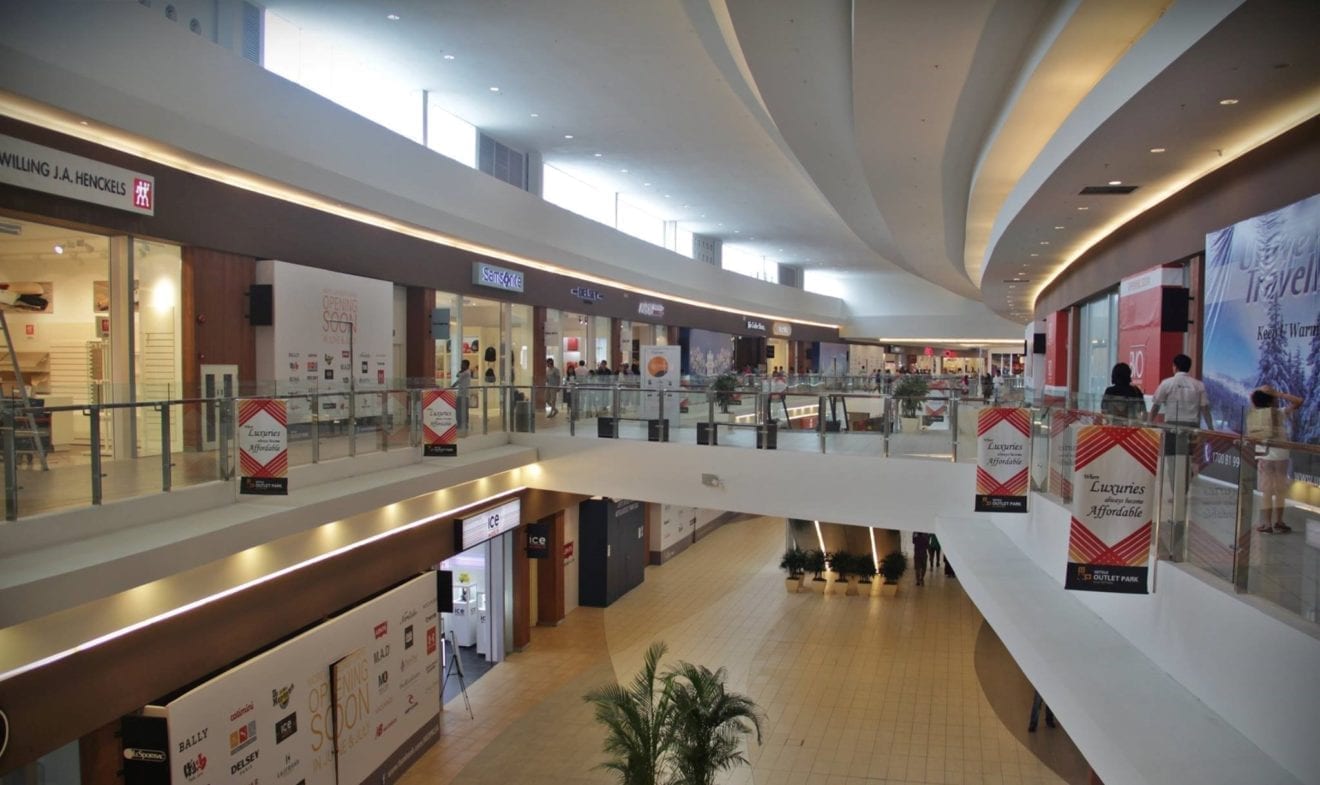
    Ground has been broken for the second phase of the Mitsui Outlet Park KLIA Sepang, claimed to be the largest factory-outlet shopping mall in Southeast Asia.

    On a 27,500 sqm site next to the current outlet near Kuala Lumpur International Airport, the double-storey extension will feature 60 shops and 500 parking lots to complement the existing 2100 bays, and is expected to open in January 2018. The present 24,000 sqm development has 130 shops.

    mitsui-sepang

    It will introduce more premiums brands in fashion, cosmetics, sportswear and accessories, with a diversification into entertainment and amusements.

    Tourism and Culture Ministry secretary-general Tan Sri Dr Ong Hong Peng officiated at the ground-breaking ceremony, which was attended by Mitsui Fudosan managing officer Osamu Obayashi.

    To complement phase one’s Paradise Village architectural concept, which features a Sunshine Square, Pier Walk, Beach Walk and Tropical Plaza concept, phase two introduces a new ambient experience with Sky Walk and River Walk themes. Sky Walk will have simulated clouds on its ceilings while River Walk will resemble a creek.

    Mitsui Outlet Park KLIA Sepang is a JV between Japanese real estate developer Mitsui Fudosan and Malaysia Airports Holdings. The outlet is managed by the JV company, MFMA Development. Free buses connect the development with the two airport terminals.