Tag: asia

  • Myeong-dong ranked as world’s 8th most pricey retail area

    Myeong-dong ranked as world’s 8th most pricey retail area

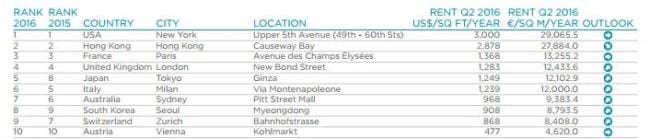
    Seoul’s Myeong-dong street was ranked the eighth most expensive retail street in the world, according to a report by real estate service company Cushman & Wakefield Thursday.

    (Cushman & Wakefield)

    Cushman & Wakefield’s “Main Streets Across the World 2016/2017” priced real estate in Seoul’s shopping district Myeong-dong at $908 per square foot (0.093 square meter) per year, with an outlook to further rise. Although consumers in South Korea are increasingly turning online for shopping, the report said the “inflow of Chinese tourists” is supporting the demand for shop units.

    Other major shopping streets noted in Korea were around Gangnam Station and Garosu-gil, as well as the trendy Hongdae district.

    The Nature Republic cosmetics store in Myeong-dong has been the most expensive plot of real estate in Korea for the past 12 years, according to the Ministry of Land, Infrastructure and Transport this year.

    According to the Cushman & Wakefield report, the most expensive shopping district in Asia is Hong Kong’s Causeway Bay at $2,878 per square foot, followed by Japan’s Tokyo Ginza district at $1,249. The most expensive shopping street in the world is Upper 5th Avenue in New York City, at $3,000 per square foot.

  • China approves 16 duty free arrivals shops

    China approves 16 duty free arrivals shops

    China’s Ministry of Finance has approved applications to open 16 duty free arrival shops in 10 international airports and at six land border crossing points, introducing limited competition to the nation’s growing duty free market for the first time.

    Four state-backed enterprises with existing duty free retail operations have qualified to bid for the 16 arrival shop licenses that are due to be awarded during the next six months.

    The four companies are: China Duty Free Group (CDFG), China National Service Corporation For Chinese Personnel Working Abroad (CNSC), Shenzhen Duty Free and Zhuhai Duty Free.

    “There is departure, arrival and downtown duty free shopping in China, now arrival shopping will be open to limited competition,” commented a source at one of the operating companies selected to bid for the licenses.

    CDFG AND CNSC HEAD TO HEAD…

    “The four companies are qualified to bid for all the duty free arrival shops. Probably Shenzhen Duty Free and Zhuhai Duty Free are not interested in operating nationally, but will bid for local arrival border shops, so the airport competition will be between CDFG and CNSC as they are the only two national operating companies.”

    The 10 airports approved to open duty free arrival shops include some of China’s top ten airports. The list does not include Beijing Capital International Airport, Shanghai Pudong International Airport and Shanghai Hongqiao International Airport, however, as these already offer duty free arrival shopping services under a special government dispensation issued in 2008 to assist in the preparation of tourist facilities for the Beijing 2012 Olympic Games.

    New airports selected to open duty free arrival shops are believed to include: Chengdu Shuangliu International Airport, Chongqing Jiangbei International Airport, Dalian Zhoushiuzi International Airport, Guangzhou Baiyun International Airport and Tianjin Binhai International Airport.

    Ministry of Finance regulations permit the arrival shops to sell perfume and cosmetics, liquor and tobacco, confectionery, fashion items, accessories and watches.

    MOSTLY L&T AND P&C

    “Airport authorities rely on duty free operators to arrange the merchandise categories,” the source remarked. “The airports will want to sell mostly liquor and tobacco, and perfume and cosmetics. Airports care more about the sales volumes as that’s where their revenue comes from.”

    The largest arrival shop application approved is understood to be Chongqing Airport’s plan to open a 500sq m arrival store while the smallest arrival outlet approved is Tianjin Airport’s 50sq m arrival shop.

    Most airports have applied to open one arrival shop, though several with sufficient arrival halls have received permission to open two arrival stores.

    Under Ministry of Finance regulations each of the 16 duty free arrival shop operator licenses awarded will be for 10 years. All the licenses are required to be tendered and awarded within six months of the date of the arrival shop application being approved.

    TENDERS UNDER PREPARATION

    While results of all the tenders will be registered with the Finance Ministry, China’s General Administration of Customs will be the controlling authority regarding arrival shop retail operations. Selected airport owners and land border crossing authorities are just starting to prepare their arrival shop tender specifications.

    The various licenses are expected to be awarded in March and April 2017 as all 16 applications were approved at the beginning of November.

    Constructing the arrival shops is expected to take about six months after each license is awarded. Consequently most of the new arrival shops are likely to begin trading around September and October 2017.

    SHENZHEN AND ZHUHAI FOR LAND BORDER SHOPS?

    Meanwhile, competition is likely to be fierce between CDFG and local operators Shenzhen Duty Free and Zhuhai Duty Free to win the land border arrival shop licenses as all the locations are busy crossing points.

    Five of the six land border arrival shop licenses are for crossings on Guangdong Province’s southern border – four of these are for crossing points on the Shenzhen-Hong Kong border and one on the Zhuhai-Macau border where Shenzhen Duty Free and Zhuhai Duty Free operate departure duty free shops.

    The other land border arrival shop license is for Heihe in northern China on the border with Russia where CDFG operates a large departure duty free shop.

    The opening of border arrival shops in southern Guangdong also could have important implications for retailers in Hong Kong and Macau who will soon be competing with China’s new arrival border shops for mainland tourists’ custom.

  • iPay you now: Singapore’s millennials demanding mobile wallets

    iPay you now: Singapore’s millennials demanding mobile wallets

    Millennials demand faster and easier ways to pay. It seemed awkward at first, as J.D Power Director Gordon Shields recalls it, having to pay using his phone at a local supermarket in Singapore. He tells how the checkout assistant confusingly shouted “Apple Pie, Apple Pie” across the store when he handed her his iPhone in an attempt to pay using the mobile app Apple Pay at that time.

    “It makes you wary of trying the payment option again,” he says, although the cashier team finally managed to make it work.

    Launched in just May by Apple and followed in June by Samsung and Android, mobile wallets have now been adopted by one in four Singaporeans but one in three millennials. Shields said that as mobile wallets allow transactions to be made quickly and also for notifications to be registered on the mobile phone, this allows cardholders to have access to their most recent account activities, as well as to receive any alerts or messages from the card issuer on their account.

    “It also helps to improve overall transparency over the account and can work to provide greater control on spending – either for someone who wants to manage their spend on certain categories, or others who may be working towards a certain cashback or rewards spend target,” he says.

    He adds, “In essence, as consumers like to have greater transparency over their accounts and prefer quicker access and control, without going through certain hurdles with OTPs or hard tokens, mobile wallets offer a good solution. However, the barriers to usage are multifold, including acceptance level across merchants, perception of fraud or misuse by cardholders, as well as the simple awkwardness for some users when trying the first time.”

    Contactless payments using mobile phones in Singapore have gained popularity only this year with more than 30,000 retail points in Singapore have enabled payment through apps such as Apple Pay, Samsung Pay, and Android Pay.

    “We expect overall usage to increase, as people move more to having their cards and loyalty programmes on the smartphone rather than in the physical wallet. However, how fast the growth will be still remains unclear,” he explains.

    A certain way to gauge how fast mobile wallet will gain more traction is by looking at how banks in Singapore embrace the innovation. OCBC Bank says it has seen over 35% growth in contactless payments for the past year.

    “It was an easy decision to embrace digital wallets, be it Apple Pay, Samsung Pay or Android Pay, as we want to make this convenient payment method available to as many OCBC customers as possible,” says OCBC lifestyle financing group head Desmond Tan.

    For Usman Khalid, Standard Chartered Singapore’s payments head, mobile wallets dissolve friction from payments.

    “Customers have strongly embraced these platforms as part of their lifestyles, with our customer engagement metrics showing a positive increase. We are also seeing significant growth in customers’ overall contactless spends,” he notes.

    Standard Chartered says it is the only international bank in Singapore to have launched services in three mobile wallets for its clients. As the technology cuts across all three mobile phone operating systems, Khalid said they have seen consumers use mobile wallets for small ticket size “everyday spend” categories such as supermarkets, coffee shops and fast food restaurants.

    Meanwhile, Maybank Singapore Community Financial Services Head Choong Wai Hong notes that their card members have the option to pay using Samsung Pay app. More than the ease of using one, Choong says customers could rely on the added security the technology offers.

    “The mobile wallet is also safe to carry and use. While some consumers may forget to bring their cards or wallets when leaving home, they rarely forget their mobile phones. Hence it provides the added comfort that they have their wallets with them even when they forget to bring their physical cards,” he underscores.

    Wai stresses that one challenge for banks is to get more customers to adopt the new mode of payment.

    “Another challenge is that not all models of mobile handsets support the respective mobile payment apps, so we have seen cases where customers want to embrace this form of digital payment, but their current mobile handsets are not compatible,” he says.

    Out of all the apps, only Android Pay can be used by older NFC-enabled mobile phones. Samsung Pay and Apple Pay support only the latest handsets of their respective brands.

    But for users who had positive experience using mobile wallets, Wai acknowlodges it is likely that there will be high penetration of mobile wallets in the long run.

    “In the short to medium term, what’s more likely is the scenario of consumers using a combination of physical card payment and mobile payment. Furthermore, physical cards are still necessary for payment in other countries where there is no or low mobile payment acceptance,” he says.

    OCBC’s Tan has the same sentiment, adding that financial institutions should speed up their innovation process or risk becoming a laggard in this rapidly-changing world of payments.

    “We are expecting digital wallets to lead the next revolution in the rapidly growing world of payments,” he foresees.

    Some banks have gone so far as creating contactless ATMs. UOB, aside from launching Asia Pacific’s first contactless payment option through its UOB Mighty app, has promised to roll out 60 contactless ATMs around the city-state by January next year. It ambitiously eyes to replace all of its 634 ATMs with NFC-enabled ones by the end of 2018.

    UOB Head for Personal Financial services Dennis Khoo says the bank even worked with partners to introduce contactless mobile payments at all MRT stations in Singapore.

    “This means that UOB cardmembers can now simply top up their EZ-Link cards at any General Ticketing Machine with a tap of their smartphone,” he notes. “It is as important to grow acceptance points in areas that are most relevant to our customers’ lives, from retail and groceries to transit. “

    He, like Shields, believes that it will be millennials who will advance the adoption of mobile wallet technology in Singapore.

    “We have noticed that they are generally early adopters of new innovations such as contactless mobile payments. As they will soon make up the largest demographic of consumers in Singapore, it is natural that they will continue to influence and shape the consumer landscape in Singapore,” he concludes.

  • 7 Tips To Gain More Followers On Instagram For Retail Businesses

    7 Tips To Gain More Followers On Instagram For Retail Businesses

    Retail businesses often don’t know where to start when it comes to getting an Instagram account set up for their sites. However, there are a number of great things you can do to ensure you start off on the right foot.

    So you wish to gain more followers for your Instagram account? These tips are here to help

    Make a Brand Story to Connect with People

    Instagram was created to help users connect with others things they are interested in. Keep in mind that the brand is not just the object that it is meant to sell and Instagram is one of the best places to bring that out. One of the ways to take advantage of Instagram is to share photos that embody the brand lifestyle. Do not limit yourself to sharing photos of only your products.

    These photos showing the lifestyle represented by your brand will help in enhancing the appeal of your brand to potential customers who may not necessarily have looked at the photo of your products and help them show how your brand fit in their lives.

    This is not the only benefit of sharing photos other than your products. Do not forget that Instagram personalizes their users’ feed. The new update of the app has also made it more difficult for brands to show the users things they don’t like by updating the timeline style to the best comes first from chronological. In other words, it also means that your photos will have the potential to get more likes and appear in the feeds of more followers in case you are successful in showing what your brand represents.

    Instagram Was Created to Connect with Others

    Share with others the inside photo of your shops and how the products are being made. Instagram service Vibbi advises that you share pictures of your CEO working. Help your customers connect with you. Your customers are also interested in knowing the people behind the company. Sharing their efforts through high-quality images can be used for showing what your company stands for. For instance, if your company likes to do good deeds or donate, these should be shared on your Instagram.

    Young consumers these days also find it important to give back. Take the example of Toms. While this tip may seem similar to the tip given above, the major difference is that the above mentioned tip is focused on showing what your brand represents whereas this tip is more about giving a human face to your company and brand.

    Take Advantage of the Events

    One of the best ways to take advantage of Instagram is to take advantage of the big events such as the World Cup or Fashion Week. Share some images which tie your brand to these events. For instance, a hat shop can certainly take advantage of the Kentucky Derby Day by sharing photo of their employees wearing different types of hats to #DerbyDay. In simple terms, the end goal is to connect with the audience on the platform and clearly showing your followers your place in their world.

    Use the Existing Foundation to Grow Your Fan Base

    Use your existing fans to grow the number of followers. Ask them to post photos with items they have already bought from you. This will lead to their friends seeing your brand in their feed and they will be curious to know what’s up and if they find your feed interesting, they may also follow you. In other words, it will boost your brand’s credibility as the reviews are very important.

    Another way to use your existing fans is to organize promotional contests on Instagram. Ask your existing customers to share photos of the products they have bought from your store with a certain hashtag and also to tag your store. Give an awesome prize to the chosen winner.

    Location Tags and Hashtags Are a Must

    You will get many more views on your feed if you regularly use location tags and hashtags, especially if they are relevant. Do search for hashtags with around 500 to 1000 posts. It should have enough posts which means people are looking at the feed with this hashtag but the posts should be limited as overwhelming number of posts may lead to your post being lost in the sea of all the other posts.

    Hashtags are also great because it makes everyone searching for that hashtag a potential customer and not just the people who are already aware of your brand. For instance, a user from India who has never known me or known someone who knows me can also find me by searching for a specific hashtag feed that also includes my post.

    Instagram for Retail

    Have fun with hashtags and break them down. For instance, break up #bohostyle in to #style and #boho. It’s fine even if it looks repetitive. Also, mix specific hashtags with generic hashtags. As a clothing retailer, using generic hashtags such as #style in your posts will help you get maximum views but using specific hashtags such as #beachdress will also get you views from people who are interested in that particular hashtag.

    Location tags are extremely important for brick and mortar stores. With the help of location tags, people near your store (who are currently looking at their location feed which includes all the posts from places near that user) will also be able to find you. Location tags may inspire a customer who is sipping coffee next door to drop in to your store and by that thing they just looked at. Using location tags also puts your location in the customers’ heads.

    Your Profile Should Be Consistent and Close to the Store Name

    By having a consistent profile, you will make it easy for fans to find you on Instagram. Also, once they have located you on Instagram, it will be easier for them to find your brand on Facebook, Twitter and other places in case you use the same bio, photo and username.

  • ITU Telecom World 2016 highlights importance of collaboration across ICT ecosystem

    ITU Telecom World 2016 highlights importance of collaboration across ICT ecosystem

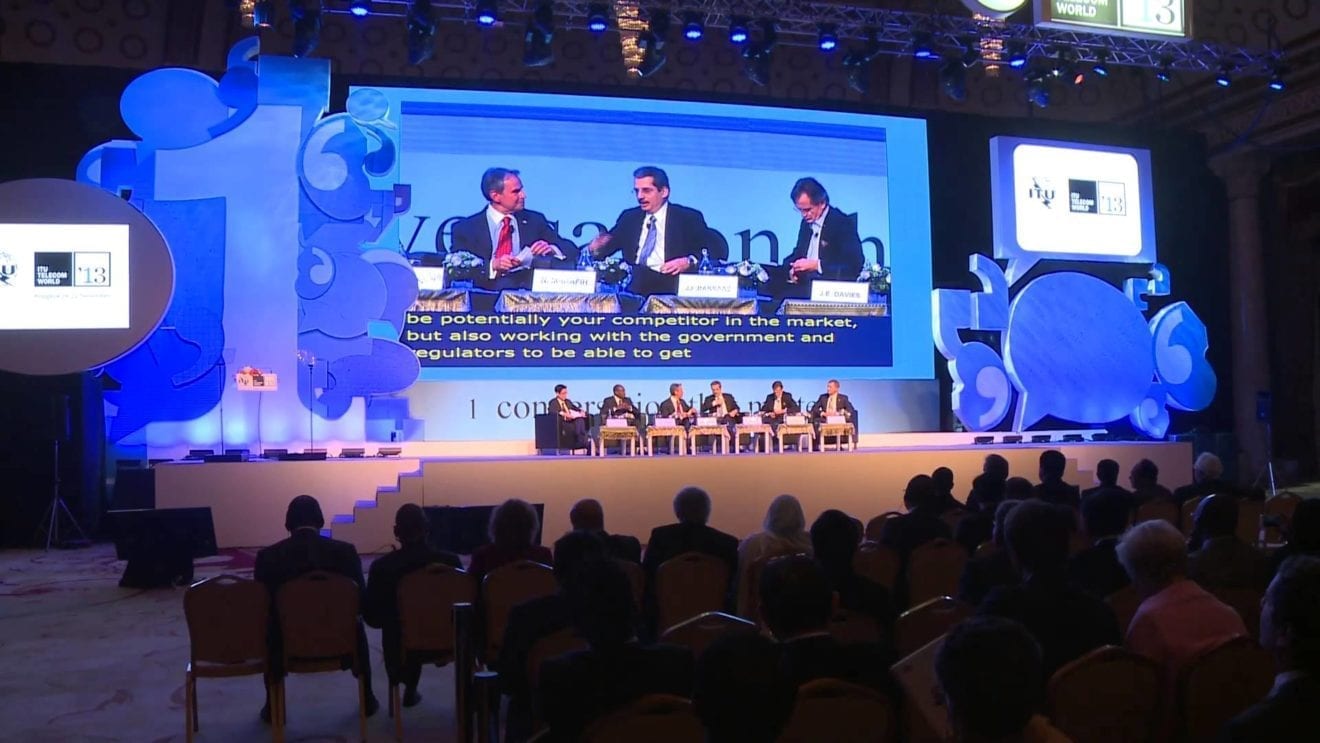
    ITU Telecom World 2016 wrapped up proceedings today at IMPACT Convention and Exhibition Center, Bangkok, following an action-packed programme of showcasing, debate, networking and Awards. 

    The event, which was formally opened in the presence of H.R.H Princess Maha Chakri Sirindhorn, Kingdom of Thailand and  General Chan-o-cha Prayut, Prime Minister, Kingdom of Thailand included big names, countries and SMEs from around the world and welcomed over 8,800 participants.  

    Among the high-level guests in attendance were: H.R.H. Tapouto’a Ulukalala, the Crown Prince of Tonga; Xavier Bettel, Prime Minister of Luxemburg; Charlot Salwai Tabimasmas, Prime Minister of Vanuatu; Debretsion Gebremichael Deputy Prime Minister of Ethiopia; and Mukhisa Kituyi, Secretary General of UNCTAD.  

    Some 250 Exhibitors, including 107 exhibiting tech-SMEs and 60 partners and sponsors took part in the event. Over 330 leaders from 90 countries joined the debates, including top-level representatives from Hungary and the Republic of Korea – past and future ITU Telecom World host countries. 

    “From its high-level Forum debates to the activities on the show floor, ITU Telecom World has successfully moved towards becoming the truly inclusive international platform connecting tech-SMEs with global governments and industry leaders,” said ITU Secretary-General, Houlin Zhao. “The dialogues, showcases, networking and other activities I have joined this week have given all our community and stakeholders – be they senior government officials, international organizations, leading corporate players or SMEs – the chance to examine issues vital to accelerating ICT innovation, and explore the many ways in which ICTs can help meet the SDGs.” 

    “Thailand is pleased to be the host of the very successful ITU Telecom World 2016,” said Air Chief Marshal Prajin Juntong, Deputy Prime Minister and Acting Minister of Digital Economy and Society. “I have received positive feedback from Thai participants that the event has been extremely useful in showcasing Thailand’s thriving digital economy and society and, importantly, demonstrating innovations and entrepreneurship which are key drivers for national development today. The event and speakers have provided many lessons and case studies on how the government’s forward looking and inclusive digital economy policies are being turned into action by the private sector including SMEs and start-ups.” 

    The Exhibition featured the types of technology driving our digital economy, from 5G and cloud computing to smart devices, smart city solutions and national broadband plans, as well as investment and partnership opportunities from around the world. 

    Reflecting the significance of ICT across key verticals, ITU welcomed new vertical sectors to the event, such as MasterCard, Honda or Toyota, joining debates in sessions such as the Connected Car or Cashless Future. 

    Leadership Summit & Forum debates 

    162 speakers from 55 countries took part in plenaries, panel debates, workshops, high-level roundtables and networking sessions in the Forum and at the Leadership Summit. Speakers spanned heads of state and governments from across the globe, leaders from the ICT industry and key verticals, SMEs, entrepreneurs and innovators to international organizations and academia. They provided truly global perspectives and viewpoints from developed and developing countries alike. 

    Discussions launched with the Leadership Summit, on 14 November, which brought highly influential participants together to share views and explore why working together is so important for growing the digital economy. Forum sessions delved into an exciting set of topics such as AI, how ICTs can meet the UN’s Sustainable development goals (SDGs), the connected car, digital financial inclusion and fiscal incentives and taxation in the industry. 

    Other debate highlights included the B2G and B2B dialogues, which brought together tech-SMEs and large companies for an open exchange; the Ministerial Roundtable on the crucial role of governments in advancing digital economy; Economic and Industry Roundtable, bringing together global ICT consulting firms, R&D entities, regional and international organizations; and the Asia Pacific Exchange on Broadband Regulation and Policy (co-hosted with Huawei).  

    The event showcased sponsored sessions on topics spanning 5G, reaching the next billion, digital financial services, towards a digital Nigeria and enabling third network services for the digital economy. Key players included Huawei, KT, Japan’s MIAC, GTI, China Mobile and TDIA, Intel, MasterCard, GSMA/GSA, Nigeria and MEF.  

    Panel lunches hosted by the Smart Africa Alliance and CITRA, helped facilitate networking and discussion, along with high profile networking occasions, such as the Leaders Lunch, sponsored by Huawei, or Korea night sponsored by ITU Telecom World 2017 host, Republic of Korea’s MSIP. Networking breaks sponsored by Rohde & Schwarz and URCA of the Bahamas helped ensure conversation continued between Forum sessions. 

    Global Platform 

    As the international platform connecting ICT SMEs with corporations and governments, it was no surprise that high-level participants used the opportunities and influential audience that the event offered to conclude many important agreements between business and business (B2B), business and governments (B2G) and business and governments to UN, as well as launching new reports.  

    ITU Telecom World Award 

    The Event Closing and ITU Telecom World Awards Ceremony brought ITU Telecom World 2016 to a close on the final day of the event and also saw the much-awaited announcement of the winners of the ITU Telecom World Awards. During the week of the event, finalists pitched their ideas and innovations to judges and a global audience. In keeping with ITU Telecom World’s focus on SMEs and their role within the broader ICT ecosystem, these Awards recognized excellence and innovation in ICT solutions with social impact from SMEs and corporations alike. The winning entries included: 

    • Global SME Award: BRK, Kenya
    • Host Country SME Award: ServisHero, Kingdom of Thailand
    • Thematic Award (eGovernment): Nile Center for Technology Research (NCTR)
    • Thematic Award (eHealth): Neofect, Republic of Korea
    • Thematic Award (eEducation): Academic Bridge, Rwanda
    • Thematic Award (Disaster Prevention/Recovery Communications): MasterCard, United States 
    • ITU co-hosted events  
    • The event also welcomed perspectives from across ITU and its membership and partners, who used the international platform which the event provides in order to hold a series of important co-hosted events. A series of closed meetings took place a day before the official opening. These were the advisory boards meetings of the Smart Sustainable Development Model Initiative (SSDM) and m-Powering Development Initiative, 7th Private Sector Chief Regulatory Officers (CRO) meeting, 8th Chief Technology Officers (CTO) Meeting.  
    • For the first time this year, the event proposed an extensive program engaging with academia in the global debate. Activities included the ITU Secretary General Academia Consultation, 2nd Brainstorming Meeting of Impact Study on ICT4SDGs, ITU Kaleidoscope Academic Conference 2016, World Standards Cooperation Academic Roundtable, organized in cooperation with International Organization for Standardization (ISO) and the International Electrotechnical Commission (IEC).  
    • Important side-events working on technical standards included the 4th APT and ITU Conformance and Interoperability (C&I) event – IPTV Testing, Third ITU Test Event on Compatibility of Mobile Phones and Vehicle Hands-Free Terminals, and showcasing of the implementation of recommendation ITU-T X.1255 promoting interoperability of heterogeneous systems via digital labelling. A strong gender equality agenda focused events, such as EQUALS: the Inaugural Meeting of the Global Partnership for Gender Equality in the Digital Age, Mentorship Sessions: Promoting Women’s Digital Entrepreneurship, and the Gender Equality and Mainstreaming in Technology (GEM-TECH) Awards, a joint ITU/UN Women prize recognizing outstanding efforts in using the power of information and communication technology (ICT) to empower women and girls was conferred during a prestigious ceremony at Telecom World. 

    Event Baton passes to Republic of Korea 

    For 2017, ITU Telecom World will head to Busan, Republic of Korea, focussing on the creative digital economy and fostering SME growth. Telecom World 2017 will take place from 25-28 September. ITU warmly invites Member States, regulators, and heads of international organizations, global media, digital experts and visionaries, leading ICT corporations and cutting-edge tech-SMEs from the region and across the globe to save the date and prepare to join us at the event. 

    Key Telecom World 2016 Statistics

    • Over 8,800 Participants
    • 250 exhibitors, including 107 exhibiting SMEs, 60 partners and sponsors from 37 countries
    • 162 speakers from 55 countries in the Leadership Summit and Forum
    • 338 Leaders from 95 countries, split between public and private sectors
    • 7 Agreements/Contracts signed during the period of ITU Telecom World 2016 between Governments, Regulatory Bodies and Private Entities.
    • 235 accredited media attended from 17 countries
  • Central Group Vietnam plans $30m investment

    Central Group Vietnam plans $30m investment

    Thailand’s Central Group plans a $30 million investment for its Vietnam expansion in the next five years.

    Central Group Vietnam will double the number of supermarkets as well as develop 13 commercial complexes by 2021.

    The Thai-based retailer has been expanding rapidly in Vietnam since 2013 targeting middle class customers.

    Since then, the group has acquired several operations to gain a strong foothold there.

    Last year, it acquired 49 per cent of electronics retail chain Nguyen Kim, followed by fashion eCommerce marketplace Zalora Vietnam.

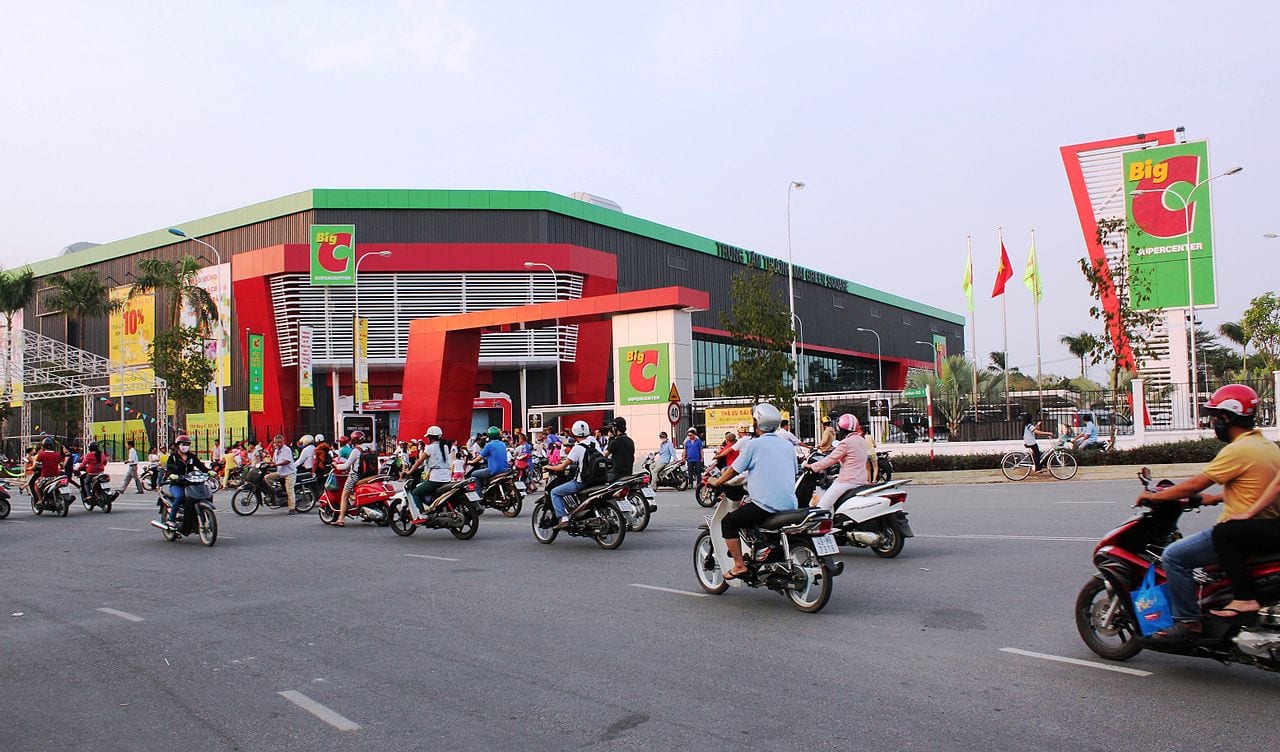
    This April, Central bought out Big C Vietnam from the French group Casino in a deal worth $1.14 billion. The retail chain has 33 supermarkets nationwide which serves more than 50 million customers annually.

    With the population of more than 90 million, Vietnam has the world’s second-fastest growth per person since 1990, behind only China. In terms of retail growth, the country ranks in the top five in Asia and 11th globally.

  • President Trump ‘good for Asia’

    President Trump ‘good for Asia’

    Global Brands CEO Bruce Rockowitz is confident President Trump will be good for Asia’s apparel industry.

    Speaking at the release of the company’s half yearly results in Hong Kong Thursday afternoon, Rockowitz, who knows Trump personally, does not believe tariffs will be imposed on goods imported from China because it will hurt too many American businesses.

    A growing US economy would benefit Global Brands Group because it was already performing well in a weak market. “We’re not banking on it, we’re not budgeting for it.” But if the US economy improves, the company is ready to reap the rewards, he said.

    “He [Trump] is a businessman. A very smart businessman. He is pragmatic. He is a person who will put the right people around him and he will listen to them

    One thing we believe is that there is going to be an economic boom in the US because of his policies and the fact he controls both houses. Lowering the corporate tax to 15 or 16 per cent will result in a lot of new jobs in the economy.”

    With lower company taxes and more jobs, more money will be circulating in the economy. ON top of that Trump plans infrastructure planning – meaning more spending.

    “The one thing he will want to be remembered for is for a great economy.”

    If he imposed taxes on imports, giant American companies like Apple, Walmart and car makers who rely on imported components (and in Apple’s case complete products) would be adversely impacted and Trump would not want that, Rockowitz said.

    “Forty-five per cent import duties would be catastrophic, so I don’t think he will do that.

    “The election is over and we are seeing now he is being more conciliatory.”

  • Tencent revenues up 13pc

    Tencent revenues up 13pc

    Third-quarter revenues grew by 13 per cent to RMB40.388 billion (US$5.951 billion) for China’s Tencent Holdings, an investment holding company whose subsidiaries provide media, entertainment, internet and mobile-phone value-added services, and online advertising.

    Tencent revenues from value-added services business increased by 9 per cent to RMB27.975 billion for the quarter, while revenues from online games revenues rose by 6 per cent to RMB18.166 billion, mainly driven by positive seasonality for PC online games and by continued contributions from new smartphone games.

    Social networks revenues went up by 15 per cent to RMB9.809 billion, reflecting growth from digital content subscription services, and to a lesser extent from virtual item sales.

    Revenues from online advertising increased by 14 per cent to RMB7.449 billion, performance-based advertising revenues grew by 18 per cent to RMB4.368 billion, and brand display advertising revenues increased by 9 per cent to RMB3.081 billion, primarily driven by higher contributions from mobile platforms such as Tencent News and the positive impact of the Rio Olympic Games.

    Profit attributable to equity holders of the company eased by 1 per cent to RMB10.646 billion for the quarter.

    Strategy continues

    Tencent Holdings continued its “Connection” strategy during the quarter by strengthening its social platforms and leveraging social traffic. More interactive social and performance advertising formats were added to drive user engagement, while advertiser tools were sharpened to improve performance measurement and deliver deeper data insight.

    For digital content, the company’s CMC (China Music Corporation) and QQ Music management teams were integrated, and there was “aggressive” investment in content for its video platform, resulting in a substantial growth in subscriptions. Partly because of a healthier copyright control environment, more users paid for content on the company’s digital literature platform.

    For payment-related services, the company says it made significant progress in driving merchant adoption. Nearly 700,000 merchants participated in its Weixin Pay “Cash-free Day” promotion in August – an increase of more than seven times year-on-year. A Weixin Checkout feature was introduced for merchants to simplify onboarding procedures and minimise payment integration work.

    Cloud services revenue more than tripled year-on-year as more enterprise accounts were opened and use by key accounts increased, particularly in sectors such as online games, online video and O2O services.

    During the year the company strengthened its mobile security in such areas as virus scanning, phony base-station detection, anti-fraudulent phone-number library, phone memory optimisation and speed boosting.

    More users

    For its key platforms, the company says monthly active users (MAU) for QQ increased by 1 per cent to 647 million, with new features including SMshow, offering animated personal avatars.

    During the Rio Olympics, more than 100 million QQ users participated in a virtual torch relay campaign by building augmented reality into phone-to-phone interactions.

    For Qzone, smart-device MAU also grew by 1 per cent, to 584 million. For WeChat and Weixin together, MAU reached 846 million, representing year-on-year growth of 30 per cent.

    Revenue growth was strong for the company’s social networks business through more game-related virtual items being generated, plus digital content sales.

    There was an 87 per cent leap in revenue from smartphone games, to about RMB9.9 billion. This was mainly driven by portfolio expansion and strong performance by major titles. At the end of September, Honour of Kings surpassed  a record 40 million daily active users.

    Advertising saw robust expansion, with Weixin and the mobile news app being the key contributors to year-on-year growth. Initiatives featuring the Rio Olympics attracted about 700 million unique visitors across the news and video platforms.

  • US investor buys into Mitra Adiperkasa

    US investor buys into Mitra Adiperkasa

    US private-equity company General Atlantic has made its first investment in Indonesia by buying into lifestyle retailer Mitra Adiperkasa (Map).

    It has subscribed for Rp1.08 trillion (US$80.5 million) in bonds issued by Map which are convertible into shares in its F&B subsidiary Map Boga Adiperkasa (MBA), which runs Cold Stone Creamery, Godiva, Krispy Kreme, Pizza Express and Starbucks in Indonesia. It has more than 300 stores across 24 cities, and has more than doubled its store count over the past five years.

    Map runs multi-channel retail concepts in Indonesia across a diversified portfolio of department stores, sportswear, specialty fashion, F&B, and lifestyle products. It has nearly 2000 retail stores.

    “We believe the rapid rise in Indonesia’s middle and young working classes, the increase in this population’s disposable income, and the continued rural-to-urban migration represents an opportunity for us to strengthen our international food brands and cement our leadership position in the F&B market,” says Map CEO V.P.

    Sharma. A portion of the investment money will be used to accelerate the F&B division’s network expansion.
    “Indonesia’s domestic consumption comprises more than half of gross domestic product, and consumption patterns are increasingly shifting toward modern and aspirational lifestyle brands,” says General Atlantic Southeast Asia head Wai hoong Fock. “These secular trends position MBA’s food & beverage portfolio well for further expansion.”

    Regional commitment

    The partnership, General Atlantic’s first investment in Indonesia, indicates its commitment to long-term market prospects in South-east Asia,” says Fock, who joined General Atlantic from CVC Capital Partners last year to lead its South-east Asia investing program. He is based in the firm’s Singapore office.
    General Atlantic has 18 investment professionals in Asia, based in offices in Beijing, Hong Kong, Mumbai and Singapore. The firm opened its Singapore office in 2011, investing three years later in Singapore-based online mobile entertainment/communication Garena platform. It has also supported the growth of retail and F&B companies including lifestyle brand Tory Burch, luxury fashion brand Zimmermann, restaurant group Barteca Holdings, urban juice-bar concept Joe & The Juice, community accommodation marketplace AirBNB and transportation network company Uber.

    Map has 1921 retail outlets in 68 cities throughout Indonesia. Its retail concepts include department stores (Debenhams, Galeries Lafayette, Seibu and Sogo), fashion and lifestyle (Crabtree & Evelyn, Kipling, Lacoste, Marks & Spencer, Massimo Dutti, Nautica, Sephora, Swarovski, Topman, Topshop and Zara), sports (Converse, Golf House, Oakley, Payless ShoeSource, Reebok, Rockport, Skechers, The Athlete’s Foot and The Sports Warehouse), F&B (Burger King, Cold Stone Creamery, Domino’s Pizza, Godiva, Krispy Kreme and Starbucks), kids (Kidz Station and Oshkosh B’Gosh) and bookstore Kinokuniya.

  • Korean duty-free stores suffer losses

    Korean duty-free stores suffer losses

    Korean duty-free stores newly opened in Seoul are losing money as heavy marketing costs erode profits.

    A review of financial documents from the major players show heavy competition is taking its toll on all players.

    Five duty-frees stores opened new shops in the capital city after winning licenses in two bids — one in July and the other in November 2015 — in hopes of courting deep-pocketed Chinese customers, but none of them has reached the break-even point since opening.

    Shinsegae Duty Free, which opened in mid-May, posted 121.2 billion won (US$103.8 million) in sales over the past four months, but it accumulated 37.2 billion won of operating losses, its regulatory briefing showed.

    Galleria Duty Free 63, a duty-free store run by Hanwha Galleria, said it booked 193.4 billion won of sales between December 28 and September 30, but the operating deficit reached 30.5 billion won over the period.

    HDC Shilla Duty Free, a joint venture between Shilla Hotel and Hyundai Development, said it posted 228.7 billion won and 16.7 billion won in sales and operating deficit, respectively, in the January-September period.

    SM Duty Free, a unit by leading tour agency Hana Tour, said it logged 71.1 billion won in sales and 20.8 billion in operating losses from its opening on February 15 to September 30.

    Doota Duty Free, a unit by power equipment and construction conglomerate Doosan Group, logged 10.4 billion won in sales and 16 billion won in operating losses in the first half of this year. It has not yet disclosed the third quarterly report.

    Business prospects remain grim for the fledgling operators as the government is set to give out four new operating licenses in Seoul as a way to promote tourism.

    The Korea Customs Service earlier said it will pick the winners next month, but it remains unclear as a snowballing influence-peddling scandal involving the business community has prompted investigation into the companies that donated funds to two sports foundations, involving those vying for duty-free shop licenses.

  • ‘Forever in Thai Hearts,’ an exhibition hosted by Thailand’s Ministry of Culture

    ‘Forever in Thai Hearts,’ an exhibition hosted by Thailand’s Ministry of Culture

    Thailand’s Ministry of Culture, assigned by the government, joins hand with Siam Paragon to host ‘Forever in Thai Hearts,’ a photo exhibition portraying historical moments of Thai nation to mark the Royal Funeral of His Majesty King Bhumibol Adulyadej. Locals and visitors are invited to join a vowing campaign by recording their pledges to carry on his legacy and royal teaching. All images and video clips are to be included in ‘The People’s Archives’ memorial book. This exhibition runs from 19-30 November 2016 at Lifestyle Hall, 2nd Floor, Siam Paragon.

    On this occasion, General Thanasak Pratimaprakorn, Deputy Prime Minister, presided over the opening ceremony on 19 November 2016. Joining the opening ceremony were Vira Rojpojchanarat, Minister of Culture, Chadatip Chutrakul, Executive of Siam Paragon, Thanpuying Angkarb Boonyatthiti, Khunying Charmaree Snidvongs Na Ayudhya and M.L. Kwanthip Devakul. As the highlight of the opening ceremony, the song ‘Kao Dern Tor Pai ’ or ‘Moving Ahead’ composed by Dolchai Boonyaratavej with the melody written by Pongpoon Pibulkasetkij was performed by Chitralada School Choir to encourage everyone in moving forward with conscience and hope.

    General Thanasak Pratimaprakorn, Deputy Prime Minister, pointed out that “In making a memorial book titled ‘The People’s Archives’ and a documentary ‘Forever in Thai Hearts,’ the government has assigned Ministry of Culture to collect images and video clips contributed by public sectors, various organizations and medias. Aiming to preserve and publish Thailand’s historical moments related to the passing of the late monarch, highly revered by all Thais, we have received great feedback from people across the country. Over 30,000 images and video clips including images reflecting the sense of deepest respect and appreciation to His Majesty the Late King Bhumibol Adulyadej, images of mourners from near and far traveling to pay their respects before the royal remains as well as messages of condolences and heartfelt gratitude were shared via our provided platforms. Hence, we have also chosen images uploaded to Facebook , Line application and email to be exhibited at ‘Forever in Thai Hearts’ exhibition at The Bangkok National Museum since 28 October 2016.

    “To offer wider opportunities for both Thais and foreigners in expressing their boundless gratitude to the late monarch and witnessing these historical moments, Ministry of Culture together with Siam Paragon has organized ‘Forever in Thai Hearts’ exhibition at Lifestyle Hall, Siam Paragon. On this occasion, 100 unseen images are specially curated to be on display.

    Joining the Ministry of Culture, Mayuree Chaipromprasith, executive of Siam Paragon, added, “The passing of our revered King Bhumibol Adulyadej is the greatest loss and despair in the lives of all Thais nationwide. As his royal subjects, we would like to express our deep-felt gratitude and humble loyalty by organising ‘Forever in Thai Hearts’ photo exhibition. This exhibition narrates the story of a deep mutual bond between the longest serving monarch and his people through images and films portraying his lifelong works and devotion. We also would like to invite everyone to join a vowing campaign by recording the ‘do-good-deeds, follow-the-King’s-teaching’ videos, all of which are to be included in ‘The People’s Archives’ memorial book. In this exhibition, each participant will receive a portrait of His Majesty the Late King Bhumibol Adulyadej.”

    Nopakun Kunsujarid, the President of Bangkok Photographic Society, one of photographers whose image was included in the exhibition said, “I took this picture on 22 October 2016 when massive mourners filled Sanam Luang to capacity in order to join the historic mass singing event being filmed by MC Chatrichalerm Yukol. That heartfelt tribute to the Late King on that day was another momentous day in our history that Thai people across the nation united as one. From this picture, many mourners are seen holding both new and old portraits of His Majesty the Late King Bhumibol Adulyadej. People were smiling and being helpful to each other. The passing of our revered king united everyone together again. As a photographer, I intended to communicate these emotions as best as I could.

    Adul Tanthakosai, whose image was also on display stated, “This picture was taken on 14 November at the festival of the Illuminated Boat Procession known as the sacred ‘Lai Reua Fai’ festival in Nakon Panom Province. I was impressed by the unity of locals. Not only had they come to participate in the festival, but also to express their profound appreciation to His Majesty the Late King Bhumibol Adulyadej through lighted candles and the formation of Thai number ‘9’. Many people cannot travel to pay their final respect at the Grand Palace in Bangkok, so they took this chance to do their part in this festival as a token of humble loyalty.”

    Tanakrit Kalaseranee, also added, “I wished to take pictures that demonstrate deepest emotion of mourners coming to pay their final respects to the royal remains as well as pictures of those working as volunteers, so I chose to capture moments from a prime spot inside the walls of Royal Palace where the majestic Chakri Maha Prasat Throne Hall stood tall as a background. This image was taken on 15 November 2016 and it truly conveys my true feeling. The image of students assisting elderly people on their wheelchairs portrays the value of togetherness, sincere gratitude and unconditional love we all share.

    Please be invited to witness and be part of ‘The People’s Archives’ in remembrance of His Majesty the Late King Bhumibol Adulyadej by joining the ‘Forever in Thai Hearts’ exhibition taking place on 19-30 November 2016 at Lifestyle Hall, 2nd Floor, Siam Paragon.

  • Honor Malaysia launches first concept store

    Honor Malaysia launches first concept store

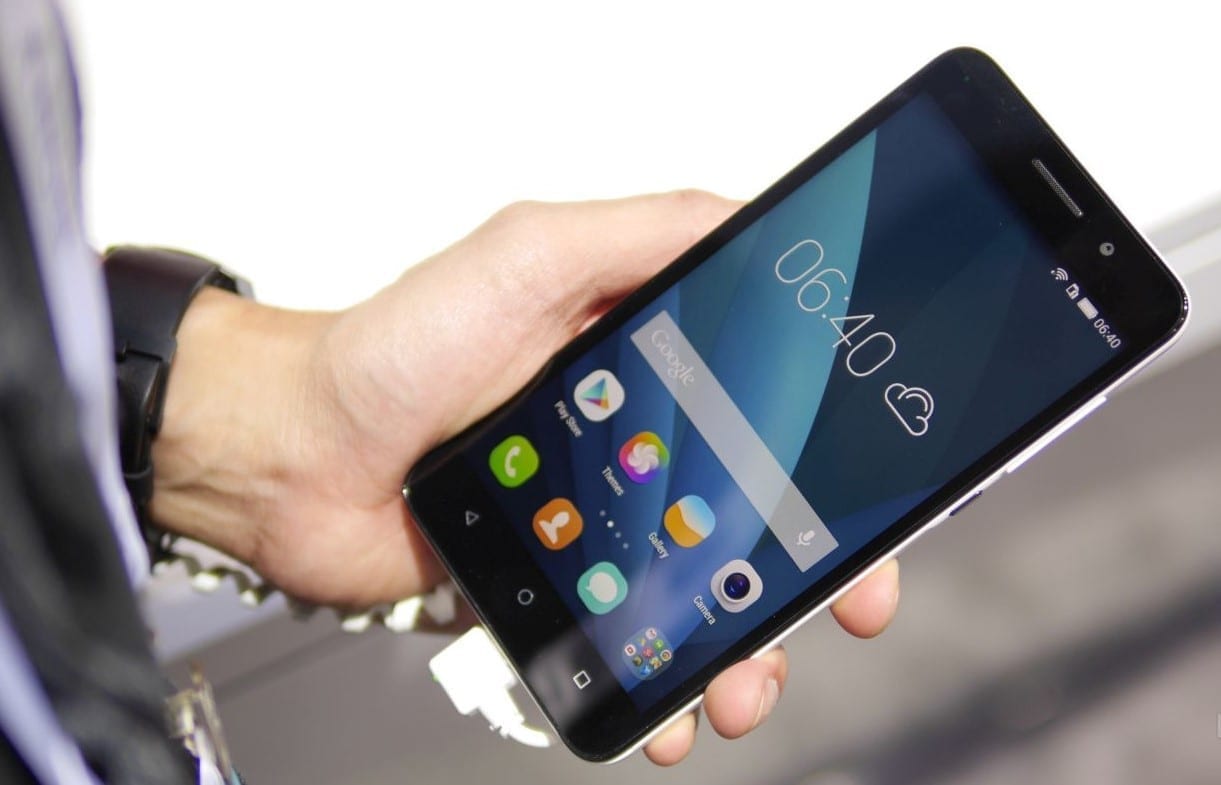
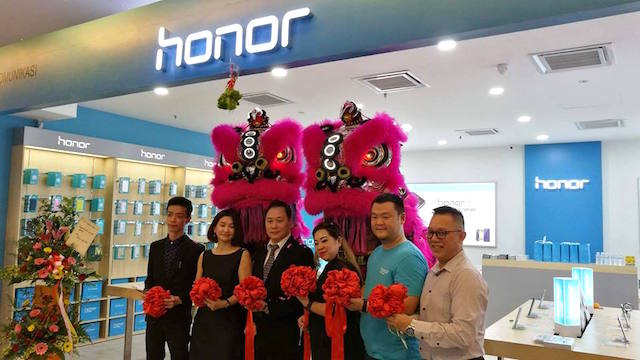
    In collaboration with mobile phone retailer TF Mobile Enterprise, technology brand Honor Malaysia has opened its first concept store at Plaza Low Yat in Kuala Lumpur.

    Honor Malaysia instore

    A spokesman says the move aims to strengthen the company’s interactions with consumers by complementing its eCommerce presence with retail stores.

    Honor Malaysia 1

    Featuring its line-up of Honor devices, the store has a launch promotion until November 21 during which buyers will receive gifts. They can also enter a draw to win Honor products.

    Honor Malaysia is a subsidiary of Huawei Technologies (Malaysia).

    honor-malaysia-open

  • Jet Airways to fly to Singapore from Bengaluru daily

    Jet Airways to fly to Singapore from Bengaluru daily

    Leading private carrier Jet Airways will operate a daily service to Singapore from here from December 14 to expand its connectivity in the Asean region, the airline said on Monday.

    “The new flight is introduced to meet the demand for a direct flight to Singapore from business travellers across southern cities — Hyderabad, Mangaluru, Coimbatore and Thiruvananthapuram,” it said.

    Jet will operate Boeing 737-800, departing at 11.10 a.m. and landing in Singapore at 6.10 p.m. The return flight will depart at 7.15 p.m. and arrive in Bengaluru at 9.15 p.m.

    Jet Airways currently operates daily flights from Mumbai, Delhi and Chennai to Singapore.

  • Bridgestone appoints M&C Saatchi Singapore as APAC AOR

    Bridgestone appoints M&C Saatchi Singapore as APAC AOR

    Bridgestone China & Asia Pacific has appointed M&C Saatchi Singapore as its agency of record (AOR) from January 2017 following a closed-door pitch involving four global agencies.

    This win follows the agency’s recent wins as AOR for Shell Retail Singapore and the social media accounts of NETS and Bank of Singapore.

    M&C Saatchi Singapore will partner with Bridgestone China and Asia Pacific to drive digital transformation of customer experience and related operational processes.

    The agency’s remit includes developing a through-the-line brand campaign, with a focus on a thorough revamp of the current website and social media strategy. Malaysia will be the first focus market for the agency.

    In a statement, Chris Yang, GM, Bridgestone China and Asia Pacific, said the agency impressed with “their understanding of consumer insights and how it translates into solutions for our brand and business across all touch points.”

    “Consumer experience has always been at the heart of what we do at Bridgestone,” he added.

    Tanuj Philip, CEO of M&C Saatchi Singapore, said the agency has been focused on building a specialist digital and social unit within the agency, and that the win is “a testament to the expertise and experience of the team”.

    “We look forward to partnering with Bridgestone to reinvent customer experience in the category,” he added.

  • Thai farmers receive government loans to stabilize market prices

    Thai farmers receive government loans to stabilize market prices

    Thailand is the world’s second largest rice exporter, and it is confronted by a fall in prices that has mostly affected the rice farmers, with prices hitting a thirteen months low. Now the Thai Government has taken action and has proposed a set of measures with would help alleviate the pressure from the country’s rice farmers.

    According to Thailand’s Minister of Commerce Apiradee Tantraporn, rice farmers will receive 10,500 baht, or 299 US dollars, for every tonne of white paddy stored. The measure is aimed at all Thai farmers, with those who store Thai Pathum Thani fragrant rice to receive 11,300 baht, that is 322 US dollars, per tonne.

    “The overall budget is set at 18 billion baht ($514 million). This is to help relieve grievances farmers are facing while the main crop is being harvested,” Mrs. Apiradee Tantraporn told journalists.

    Last week, the government announced it would offer loans worth 1,3 billion US dollars to jasmine rice farmers, if they store the grain for at least six months to slow down market supply.

    Another measure the government has taken is easier access to open rice paddy markets. Mrs. Tantraporn said this is in order to boost competition among rice farmers and for their benefit, in the middle of this period’s price depression. According to state officials, in the province of Udon Thani’s retail centres and PTT gas stations, markets will be opened in the next weeks. Here the farmers will be allowed to sell their rice and negotiate the prices directly with the buyers, circumventing the need for intermediaries.

    Action is also taken in Lopburi and Sukhothai, where the government and other agencies have joined forces in order to promote and allow farmers to sell their rice directly. In Sukhothai, milled rice was on sale at up to 40% discount prices, while in Lopburi, the Si Sa Ket police was put together a market for farmers to sell the rice to their families and police staff.

    In total, there will be no less than  109 open markets organised in 44 provinces, all with the sole purpose to to help farmers sell rice paddy directly to consumers.