Tag: asia

  • John Little to close final outlet at Plaza Singapura – 174 years of history at a glance

    John Little to close final outlet at Plaza Singapura – 174 years of history at a glance

    John Little, the oldest department store in Singapore, will close its last outlet by the year end. The store has operated since 1842, and the Plaza Singapura branch since 1979. Robinsons Group, which manages John Little, said that the brand may live on as a pop-up store.

    Here is a rundown of the store’s 174-year history:

    1842: John Martin Little, a Scotsman just 18 years of age, joins forces with his relative Francis S. Martin to go into the retail business together at Commercial Square (now Raffles Place).

    1845: Francis S. Martin sells all his stock in trade to the new firm Little, Cursetjee & Co, run by John Martin Little and Parsi businessman Cursetjee Frommurze.
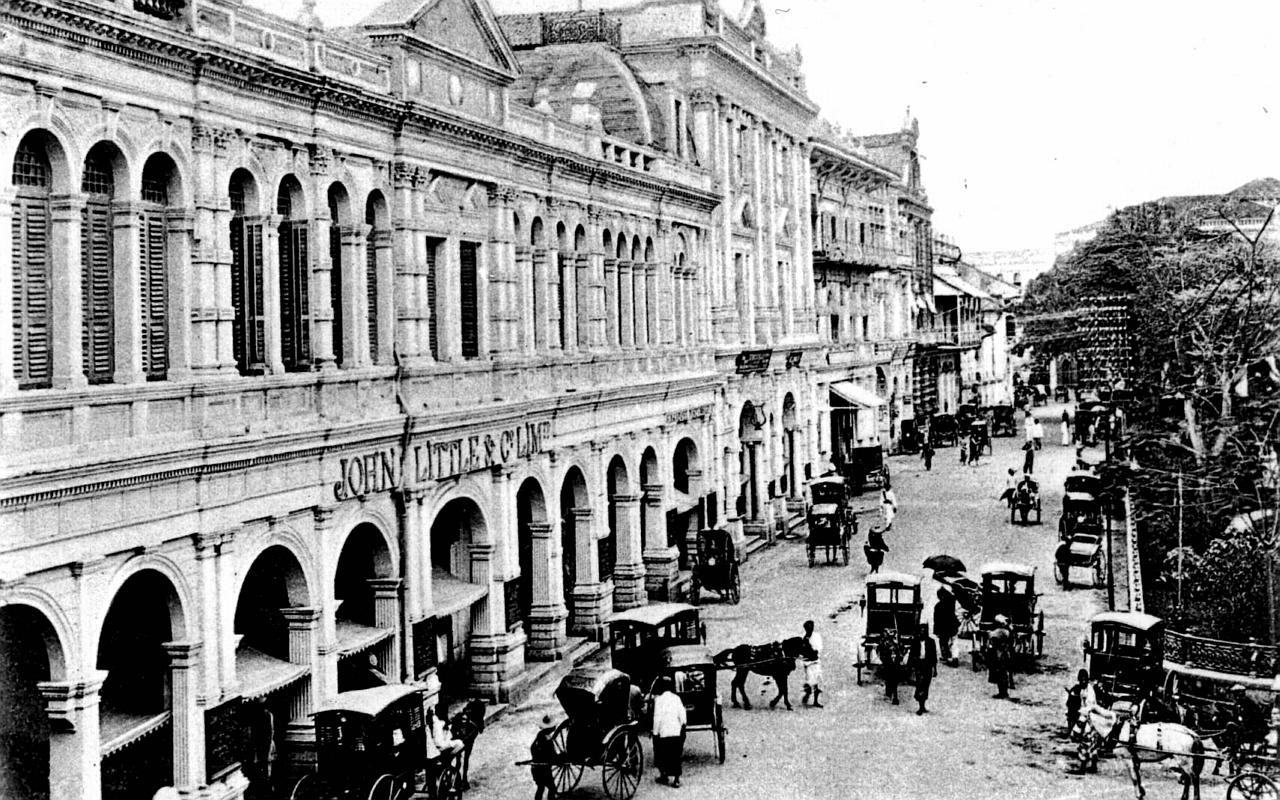

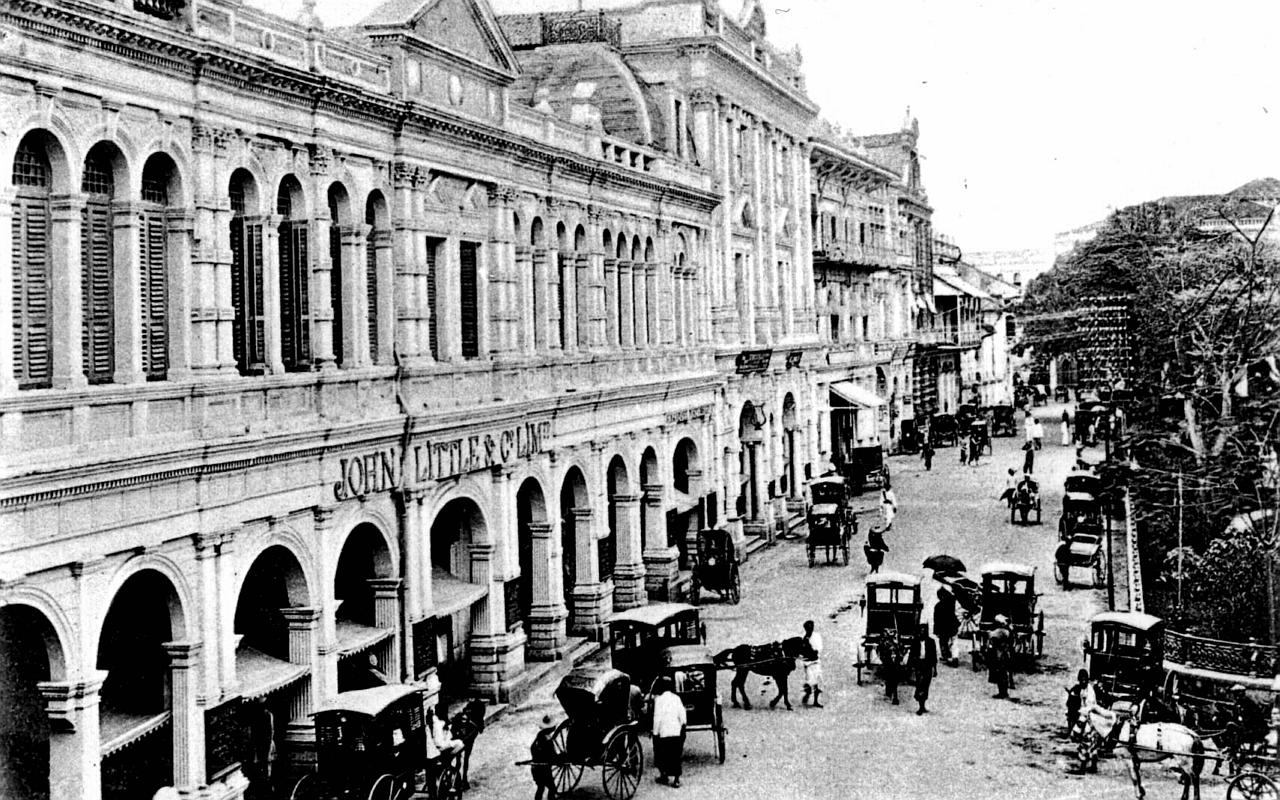
    John Little & Co in Raffles Place in the early 1890s.1853: Cursetjee Frommurze leaves the partnership and sets up shop on his own as Cursetjee & Co.

    Cursetjee’s new business hires an ambitious English businessman from Australia, by the name of Philip Robinson – who will strike out on his own to form Robinsons predecessor Spicer & Robinson in 1858.

    John Martin Little’s brother Matthew comes on board the Little enterprise and the business becomes John Little & Co.

    1894: In January, John Little & Co, Limited is registered in London with a capital of £75,000 (S$3 million in today’s dollars), to acquire the Singapore business as a going concern “and to carry on business as exporters, importers, and general storekeepers”.

    John Martin Little dies in April, at the age of 70, in London.
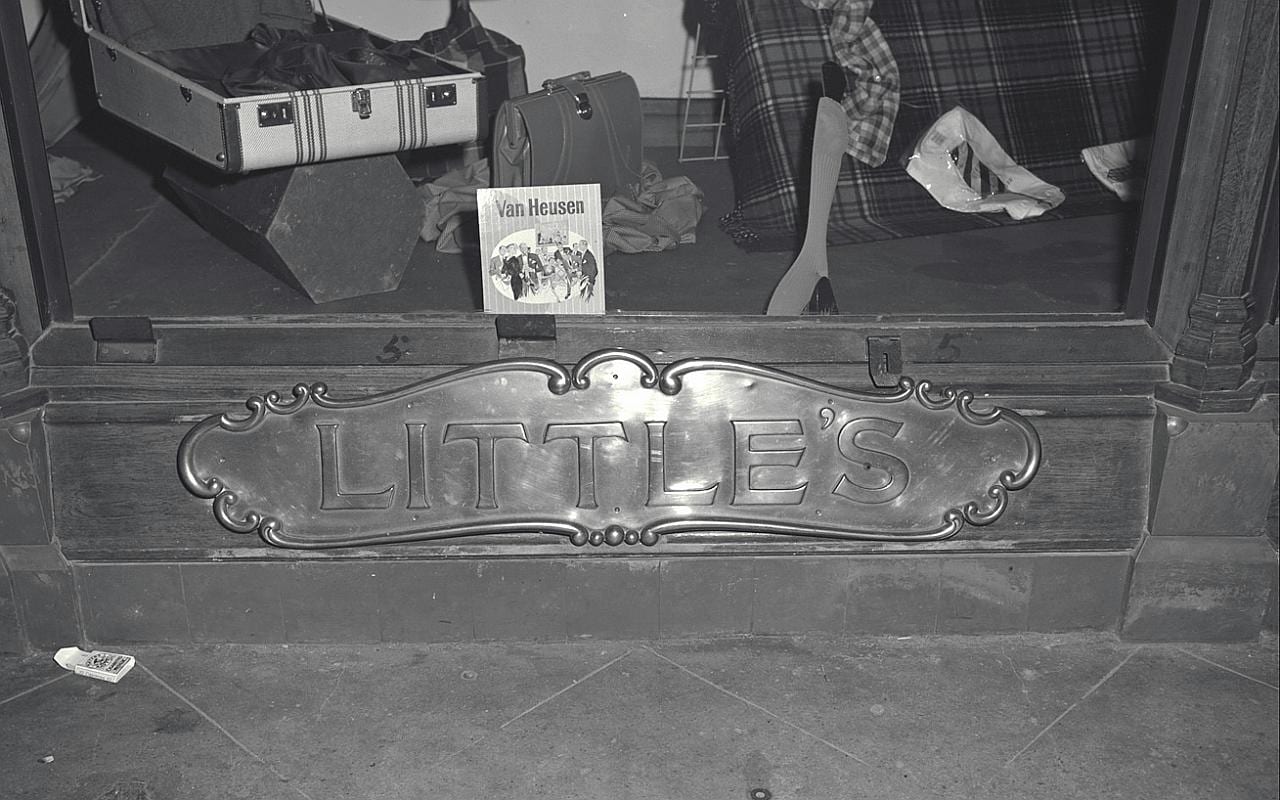

    A sign outside the John Little building showing the emporium’s name.
    1897: The Mid-day Herald’s “Impressions of a New-comer” column lauded the millinery department at John Little for being “under the supervision of thoroughly experienced modiales (fashionistas)”, adding that “they are quite competent to satisfy even the most fastidious of their sex as regards fashion, the material to be used, and all the rest of it”.

    The author of the column was impressed, writing: “Emporiums they are, verily and indeed… and, though they are few in numbers, they entirely suffice to meet the demands here, by reason of the vast and varied stocks they keep.”

    A model displaying a half-slip during a fashion show at John Little in 1955. PHOTO: ST FILE

    1900: John Little is converted into a limited company.

    1909: The April opening of the annual sale at John Little makes the news for causing a “tremendous” traffic jam. The Straits Times reported that every spot of space outside the store was “taken up by carriages and rickshas (sic) awaiting their fares, who were making purchases inside”.

    1914: John Little opens a branch in Kuala Lumpur in April, after having had an office in the city for eight years.

    The Straits Times reported then, that the new store was “three storeys high and boasts an electric lift in addition to a beautifully modelled staircase, of easy gradient”.

    It featured menswear and womenswear sections, a grocery and wine department, and a furniture department. There was also a “luxurious refreshment room” for customers.

    1926: John Little opens a branch in Penang.

    1929: John Little opens a branch in Ipoh.

    1939: John Little becomes the first European store to feature Chinese as models alongside Europeans. It was common practice at that time for retailers to show off the latest fashions by having live models in “mannequin parades”.

    1942: The Japanese Occupation of Singapore begins. John Little’s Singapore premises are converted into a Japanese-only department store, Daimaru.

    Its Malaysian operations do not survive the war.

    Model Mercy Undersan wearing a swimsuit during a fashion show for John Litte, in 1953. PHOTO: ST FILE1946: John Little’s Singapore premises are among the commercial buildings commandeered by the British military authorities after the ouster of the occupying Japanese forces at the end of World War II.

    The Straits Times urges the normalisation of civilian retail operations in post-war Singapore, so as to quell the growth of the black market.

    The newspaper wrote in March then: “It is of the utmost importance that the premises of large European retail stores should be made available to their owners the moment those owners are in a position to resume business.”

    The authorities seem to agree. By August, John Little is back in business.

    1955: John Little is acquired in February by Jardine Matheson, the Hong Kong firm founded by two Scotsmen in 1832 to trade in smuggled opium.

    John Little is bought over by home-grown Robinsons in July.

    1959: Workers are unionised under the Singapore Textiles and General Merchants’ Employees’ Union.

    1960: John Little moves its retail operations out of its building in Raffles Place, which had expanded to four storeys since the day of John Martin Little.

    The John Little building is leased out as office space to other companies.

    The department store goes on to set up shop across the island.

    The John Little building is seen in Raffles Place in 1960. PHOTO: ST FILE1972: Specialists’ Shopping Centre opens in Orchard Road. Robinsons opens an outlet by December.

    John Little will go on to be the anchor tenant in four of the building’s seven storeys.

    1973: The Raffles Place premises are sold to the Singapore Land and Investment Company for S$27,965,000 (S$130.5 million today).

    1977: John Little closes shop in Liat Towers.

    1979: John Little opens shop in Plaza Singapura in August, its fourth and biggest outlet at the time.

    In December, it closes down its Straits Trading Building branch “as the space requirements are too limited”.

    1985: The Plaza Singapura outlet is closed, as are John Little stores in Robina House and Clifford Centre.

    1987: John Little is rebranded “JL” in an attempt to win over younger customers.

    2003: John Little returns to Plaza Singapura. It has seven other branches across the island – in Specialists’ Shopping Centre, Northpoint, White Sands, Causeway Point, Jurong Point, Compass Point and Parkway Parade.

    2005: John Little closes shop in Parkway Parade.

    2006: John Little closes shop in Compass Point and White Sands Shopping Centre.
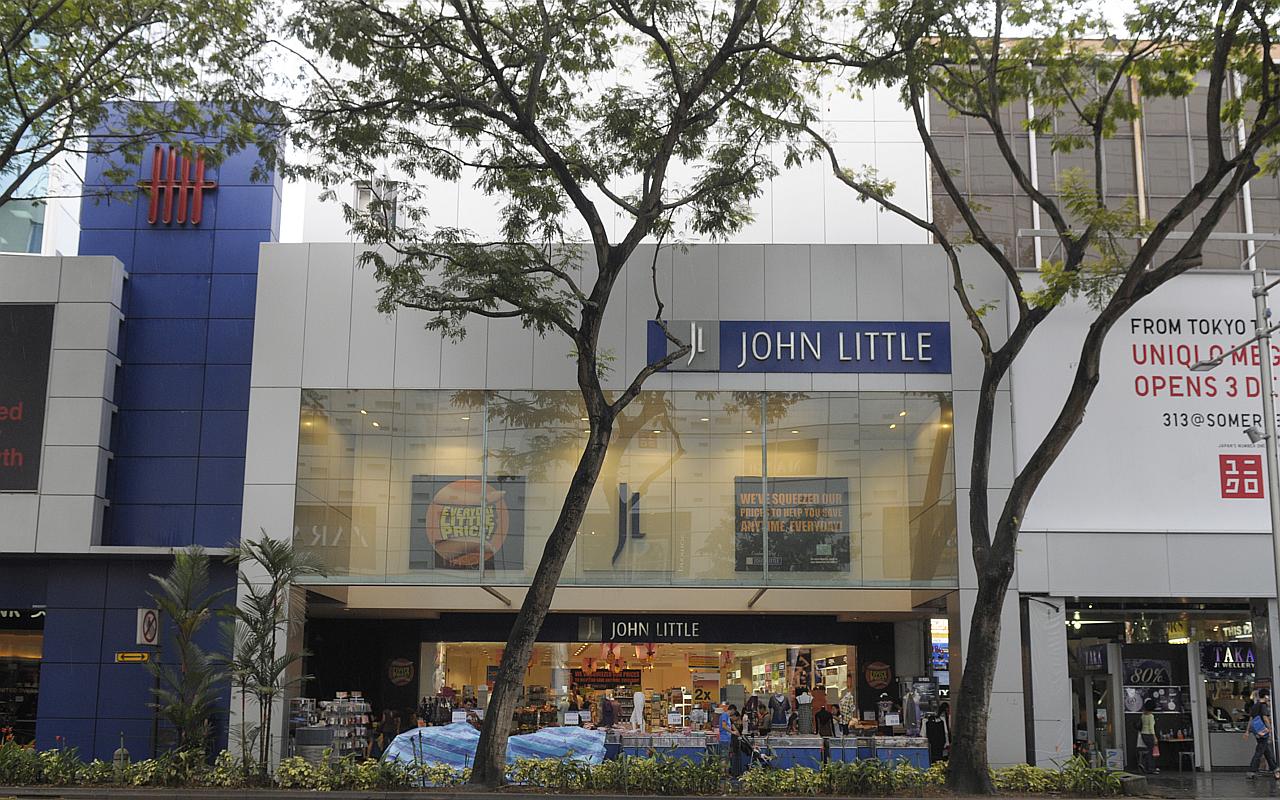

    2007: John Little shutters its flagship Specialists’ Shopping Centre premises.

    It relocates to the seven-storey Orchard OG Building, where it is the sole tenant, and opens a new flagship outlet in Marina Square.

    2008: Dubai’s Al-Futtaim Group takes over Robinsons.

    John Little closes shop in Northpoint.

    2010: John Little leaves the Orchard OG Building and also closes its Causeway Point outlet.

    2015: John Little closes shop in Marina Square and Tiong Bahru Plaza.

    2016: John Little closes shop in Jurong Point and prepares to wind down at Plaza Singapura.

  • CapitaLand Mall Asia Showtime in Cannes

    CapitaLand Mall Asia Showtime in Cannes

    Targeting global retailers who are looking to Asia to chart growth, CapitaLand Mall Asia has its biggest presence ever at international retail event Mapic in Cannes, France.

    It is the fifth consecutive year CapitaLand has exhibited at Mapic, one of the world’s largest events matching developers with retailers. It runs over three days this week.

    Crowds at CapitaLand's booth at MAPIC

    CapitaLand is preparing to open eight malls in three Asian countries next year with a combined retail gross floor area (GFA) of nearly 1 million sqm, the group’s largest-ever retail offering in a single year.

    Of the eight malls, six are retail components of integrated developments in China and the others are stand-alone malls in India and Malaysia. They are Raffles City Changning, CapitaLand’s second Raffles City project in Shanghai; LuOne, also in Shanghai; Raffles City Shenzhen; Raffles City Hangzhou; Suzhou Center Mall (pictured); CapitaMall Westgate in Wuhan; Melawati Mall in Kuala Lumpur; and Forum Mall in Mysore.

    Raffles City Changning

    Raffles City Changning


    Ready catchments

    CapitaLand Mall Asia CEO Jason Leow says the opening of the malls underscores the group’s strength in connecting retailers to ready catchments of shoppers.

    At September 30, 76 per cent of CapitaLand’s assets contributed to recurring income, of which shopping malls and integrated developments form the bulk, says Leow.

    “Our 103 malls in Singapore, China, India, Japan and Malaysia provide brands with access to about 3 billion consumers in these five markets combined.”

    He says Mapic is an excellent platform for CapitaLand to boost its brand visibility and strengthen its retailer network.

    Mr Jason Leow with retailers at MAPIC

    Its presence at the trade show has been enhanced by one of its joint ventures being nominated for the Mapic Awards. Listed for Best Futura Shopping Centre Award, Jewel Changi Airport was developed by Jewel Changi Airport Trustee – a JV between Changi Airport Group and CapitaLand Mall Asia – as a mixed-use complex featuring lifestyle offerings including a five-storey indoor garden, play attractions, shopping and dining options, a hotel, and airport services.

    It is scheduled to open next year. The Futura award recognises retail developments with outstanding architectural qualities and strong, original concepts.

    Jewel Changi Airport is the only Singapore entry among 50 projects shortlisted across 12 categories at the Mapic Awards, with the results to be announced at a gala dinner.

    CapitaLand Mall Asia CapitaLand Mall Asia, a wholly owned subsidiary of real-estate company CapitaLand, is one of the largest shopping mall developers, owners and managers in Asia by total property value of assets and geographic reach.

  • Singapore shoppers look to online shopping for good deals

    Singapore shoppers look to online shopping for good deals

    The extended season will lead to an eleven percent ($9.1 billion) increase in online sales to a total of $91.6 billion, according to Adobe’s 2016 Digital Insights Shopping Predictions report. Large retailers expected to account for the bulk of the growth, with an average growth rate of 16.6% compared to smaller retailers at 7%.

    “We expect to see a five percent spike in online shopping in early November and a record 24 percent increase in the last two weeks of December,” said Mickey Mericle, the vice president of marketing and customer insights at Adobe.

    “‘Click and collect,’ faster shipping and retail promotions starting earlier than ever are all contributing to the extended shopping season. Despite the uptick in sales we expect to see slower growth in total online sales this year,” he says.

    Singapore shoppers

    Closer to home, findings specific to the Singapore market show that consumer budgets are tight and the savvy shopper prefers online shopping due to the higher likelihood of finding good deals and bargains this way.

    Marketers can also expect fewer last-minute shopping rushes as respondents are now shopping slightly earlier in November. This suggests that marketers should make the effort to reach out to these early birds accordingly.

    Notably, consumers report visiting an average of 3-5 sites before making a purchase, which offers marketers a critical chance to target these potential customers once more and bringing them back on-site via remarketing

    Almost half of Singaporean millennials (49%) surveyed value experiences more than material goods, with a sizeable 41% echoing this sentiment when all local consumers who are surveyed are factored into the picture.

    Finally, the study shows that mobile shopping is king as consumers praise retailers for better optimizing their sites for mobile browsing, allowing them to shop on the go with their hectic schedules.

  • China’s personal shoppers are cashing in

    China’s personal shoppers are cashing in

    Julie Li is laden with Harrods carrier bags full of cosmetics, but they are not hers; the 30-year-old finance graduate from Beijing is a fulltime freelance retail consultant, something known in China as a daigou.

    “I worked as a daigou alongside my day job for about three years, but six months ago, I decided to quit my job to fully concentrate on the business because the profit margin is lucrative and the hours are more flexible,” said Li, who asked to be known by a pseudonym.

    Dressed in a fashionable white Reiss dress and holding a light color Chanel leather handbag, Li is glued to her smartphone. She is using the messaging app Wechat to communicate with clients in China who are willing to pay a premium for authentic luxury goods that are usually relatively cheaper than they are in China.

    Having developed three major wholesale clients, each with around 300 customers, Li buys 10,000 pounds’ worth of top-end lipsticks on behalf of clients every day.

    “The weak pound after Brexit is also giving a boost to my business and sales have doubled in recent months,” Li said.

    Charging 5 percent of the retail price and handling large quantities on a daily basis, she is able to pocket as much as 20,000 pounds in commission during a good month.

    “My clients are usually middle-incomers in China who have a strong appetite for high-quality products,” she said. “I believe the quality standards, the product ranges and the cheaper prices are the main reasons why Chinese consumers look to the West.”

    Li said a high-end daigou has to know about products, prices, colors, range, and availability.

    Experts say the agents have challenges because customers need to be convinced the goods they receive are genuine and that suppliers are reliable.

    “An important issue is the uncertainty faced by consumers who wonder whether products are genuine because, the higher the demand for a product, the more there is a chance it will be a fake or an adulterated product,” said Pervez Ghauri, professor of international business at Birmingham Business School.

    The buyers are mainly from the Chinese mainland and specialize in helping customers in China buy luxury products, including bags and cosmetics, as well as health supplements, such as baby milk formula.

    Business has boomed in recent years, accounting for RMB 34 billion to RMB 50 billion ($5 billion to $7.4 billion) in global sales last year, according to a report from consultants Bain & Company.

    In 2008, the baby milk scandal, in which Chinese milk and infant formula was contaminated with melamine, led to many Chinese parents shopping overseas for milk formula. At the height of the boom in demand for milk formula, retailers in the UK rationed the sale of powdered baby milk to ensure availability for domestic parents.

    Observers note that safety standards are one of the reasons why some Chinese consumers buy Western products.

    Geoffrey Wood, dean of the Essex Business School, said many Chinese consumers believe Western countries have more rigorous production standards, and the will to enforce rules ensuring quality.

    Seizing the opportunity presented by the baby milk scandal, 29-year-old Jimmy Zhen-not his real name-began buying milk powder for his Chinese customers in 2009 while working a fulltime job.

    “In the beginning, I only shopped for family and friends who knew I was abroad and felt the authenticity of the products was assured. Through word of mouth, I developed a large customer base, and built trust with my clients,” he said. After demand rose, he became a fulltime shopper in 2011.

    A restriction brought in by the UK government in 2013 to cap the sales of milk formula at two cans per customer stacked the deck against Zhen’s business, but he managed to find a way out by paying students 50 pence above the retail price for every can they sold him. He currently ships more than 8,000 tins each month.

    Earlier this year, the Chinese authorities tightened regulations around cross-border online shopping. Commentators say the changes, to Chinese customs regulations and ecommerce has dented the daigou’s trade, but Zhen has adjusted by shipping four cans at a time instead of six. It ensures he avoids paying import tax.

    Daigou shoppers admit their industry exists in a grey zone legally and is likely to be short-lived, but Li is cashing in for as long as she is able.

  • Finnish Hartwall Original Long Drink now in Hong Kong

    Finnish Hartwall Original Long Drink now in Hong Kong

    Since the summer of 2016 there is new beverage on the market in Hong Kong that originates in Finland – the legendary Hartwall Original Long Drink. This world’s first long drink was originally developed for the 1952 Helsinki Olympics, a very innovative product back then, to say the least: a cocktail in a can, easy to serve and ready to drink.

    It has been a Finnish success ever since but only as recently as in 2015 also been taking Sweden by storm.

    “Hartwall Original Long Drink was supposed to be served only for the Olympic visitors, but since Finns fell so much in love with it, the production has continued ever since. Moreover, it even created a whole new category of ’long drinks’ in Finland – better known as ’lonkero’ among the Finns”, says Eeva Ignatius, Brand Manager of the Hartwall Original Long Drink.

    Hartwall Original Long Drink is a mix of Finnish premium gin and grapefruit soda. “The gin manufacturing process is a carefully cherished artisan work, and the drink is still produced according to the original recipe from 1952.

    All the gin ingredients are hand-selected, and the final quality is ensured with triple filtering. The original taste, a mix of gin and grapefruit, is totally unique and cannot be found anywhere in the world.”

    Year after year, Hartwall Original Long Drink rules the sales statistic as Top 1 alcoholic beverage in Finland. “It is a true Finnish icon and many Finns consider it as our national drink. Even the package symbolizes our national heritage as the blue and white colours come from the Finnish flag. The thin white stripes on the other hand symbolize the running track of Helsinki Olympic stadium and remind us of the history.”

    Now Hartwall Original Long Drink has started to conquer the world, with the long-waited sales started in Sweden in April 2015, resulting in immediate success. At the same time, Hartwall signed a distribution contract in the Netherlands and Belgium.

    “Hartwall Original Long Drink was originally invented to be shared with the world and now it is about to happen”, Ignatius concludes.

    Now the Finnish “lonkero” is sold in 900 7-Elevens around Hong Kong, as Hartwall earlier in 2016 started cooperation with major distributors in Japan, Taiwan and Hong Kong.

    In In Taiwan, the local retail store chain Simplemart added Hartwall Original Long Drink to its selection in its 500 stores.

    “We were not expecting such huge success. In Hong Kong, for instance, many shops are struggling to meet the high demand. The sales figures of long drink are ten times higher that those of a famous international beer brand that was launched using the same retail channel,” says Matti Ristola, Director of Export at Hartwall.

    hartwall-long-drink2

    “The unique taste, great story and easy-to-identify container of Hartwall Original Long Drink have become popular across the world. Furthermore, the long history and strong success of the beverage in the Finnish market give it credibility; before winning over consumers, we must attract distributors to the product,” says Eeva Ignatius.

    “Hartwall has a fine history as a provider of Finnish products that spans 180 years. Finns love our brands, and our foothold in the Finnish market is strong. I believe that many of our high-quality brands that are successful in Finland have what it takes to succeed also abroad. The success story of Hartwall Original Long Drink is a good example of this. Exports are an important part of our growth strategy, and we will continue to investing in them in the future,” Hartwall CEO Kalle Järvinen says.

  • Hong Kong still tops Asian retail rent rankings

    Hong Kong still tops Asian retail rent rankings

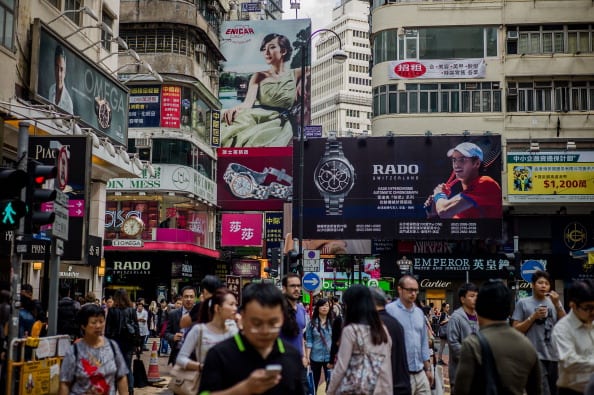
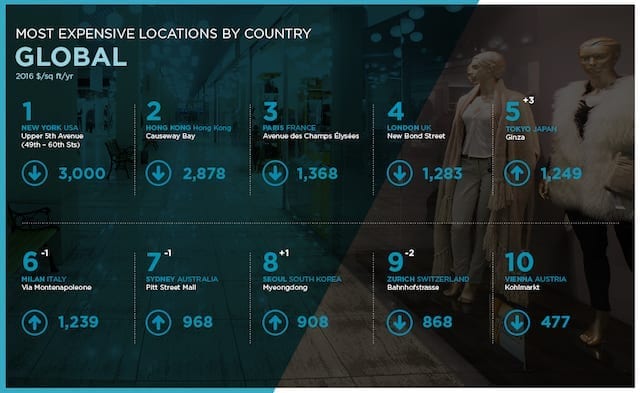
    Tokyo’s Ginza has overtaken Sydney into second spot behind Causeway Bay in the latest DTZ/Cushman & Wakefield Asian retail rent rankings.

    The annual Main Streets Across the World report tracks 462 of the top retail streets around the globe, ranking them by their prime rental value.

    Globally just 36 per cent of the markets witnessed an increase in rent rates, a reflection of the growing power of eCommerce and economic challenges in many economies around the world.

    New York’s Upper 5th Avenue, which saw its first decrease in annual rents per square foot since the financial crisis, and Causeway Bay remain more than twice as expensive as the leading street in any other country. So while Causeway Bay rents fell year-on-year, it had no impact on its ranking.

    But DTZ/Cushman & Wakefield says the downward pressure on Hong Kong retail rents is creating an opportunity for some retailers looking to snap up units on prime pitches in good rental terms.

    In Asia, Beijing’s Wangfujing has lept two places into eighth at the expense of Guangzhou’s Ti Yu Zhong Xin District, and Kuala Lumpur’s Pavilion has fallen one spot to 12th. Ho Chi Minh City in Vietnam has jumped two spots to 14th and is now more expensive than Auckland, Nanjing and New Delhi.

    DTZ/Cushman & Wakefield commentators say advances in technology will shape the consumer experience of retail as well as drive the way how people shop and live in the future, placing more pressure on retail rents.

    “We have seen an increasing number of retailers in Hong Kong continually enhance shoppers experience through leisure offerings and differentiate their market positions to maintain competitiveness under the impact of eCommerce disruption,” said Kevin Lam, DTZ/Cushman & Wakefield’s head of business space, Hong Kong.

    Key fact APAC

    “Though we could see that some high street rents were close to the bottom in Q3, eCommerce disruption so far on rents is rather indirect in view of close proximity in Hong Kong.”

    Elsewhere, Chinese brick-and-mortar retailers are facing stiff competition from the growing eCommerce market and the emerging trend is to partner with online-to-offline platforms in an attempt to capture these changing trends in consumer behavior. In parallel, both retailers and landlords are raising the bar on the experience offered to consumers by expanding the food and beverage and leisure offerings.

    Theodore Knipfing, Cushman & Wakefield’s, head of retail, Asia Pacific, says retailers continue to be cautious in their store expansion across the region due to concerns including continued global economic instability, and this will continue well into 2017.

    “When expansion does happen, the focus is typically on quality over quantity. All in all, despite the cautious outlook across the region, major international and regional retailers will have to eye overseas growth, as their respective domestic markets reach saturation point and investors demand results.”

    Most expensive locations by city Pacific chart

    Global rankings

    In the global rankings, the Champs Elysees in Paris comes third followed by New Bond St, London, Tokyo’s Ginza and the Via Montenapoleone in Milan. Pitt St mall in Sydney is seventh followed by Seoul’s Myeongdong district, the Bahnhofstrasse in Zurich and Vienna’s Kohlmarkt.

    global

  • Globe Telecom to secure controlling stake in Taodharma

    Globe Telecom to secure controlling stake in Taodharma

    “Accordingly, the change of our stake in Taodharma shall be reflected in the pertinent regulatory reports,” Globe Telecom said in its statement. Taodharma does buying, selling, distributing, marketing all kinds of goods, including mobile communication devices and accessories.

    It is also engaged in establishing, operating and maintaining retail stores in the Philippines that sell telecommunications or internet-related services, gadgets and devices.

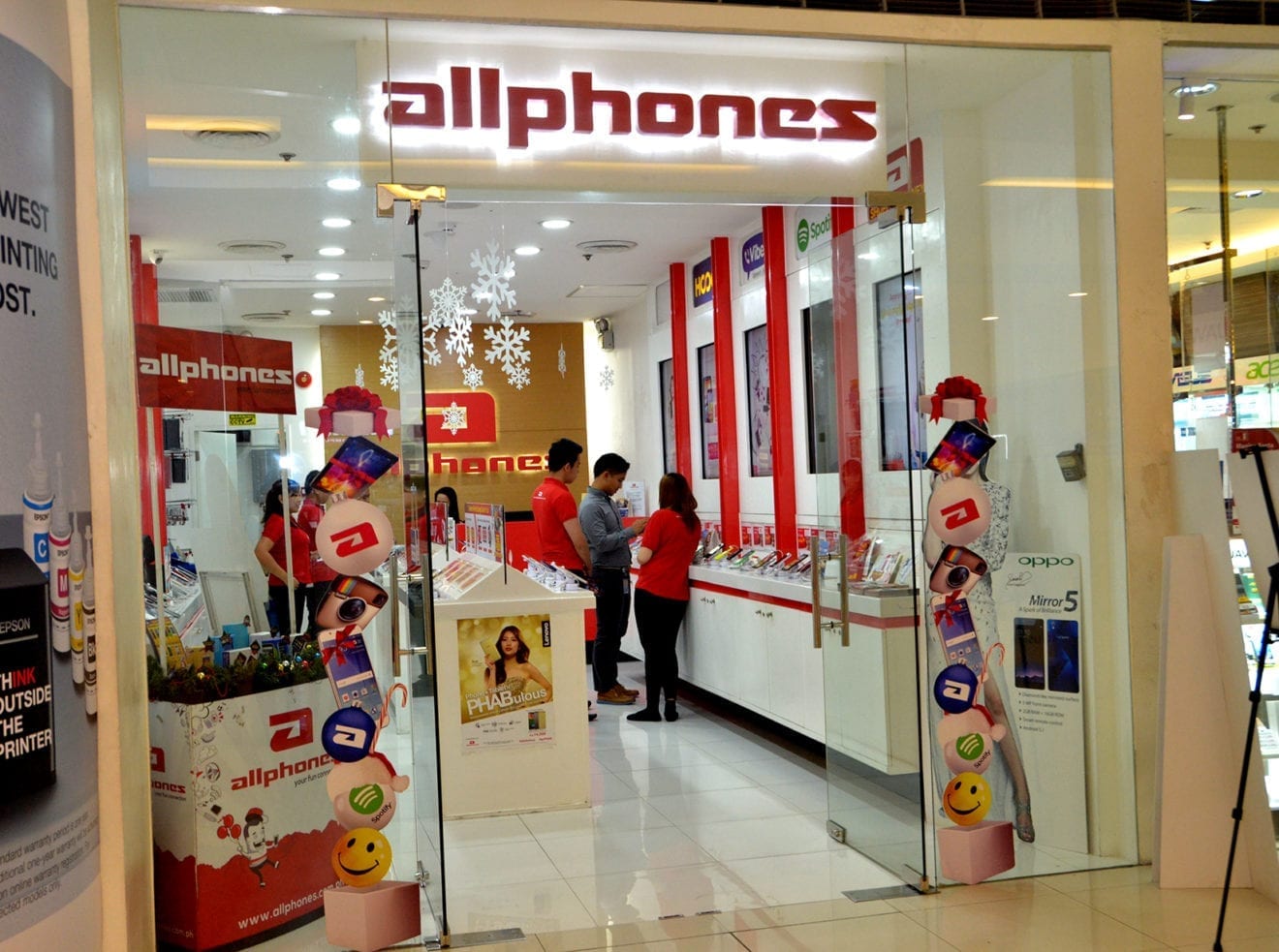
    Globe Telecom partnered with Allphones Australia, and Taodharma’s parent firm Tao Corp in 2014 to boost its postpaid customer base by expanding its sales distribution channels. This gave birth to Allphones Philippines, a national reseller of mobile phone solutions across multiple carriers.

    Tao Corp is a community of companies in the Philippines focused on supply-chain services related to health & wellness, distribution and marketing, resources, and financial services.

    Allphones claims to be the largest specialist multi-carrier mobile telecommunications retailer in Australia having over 170 retail outlets. Australia Philippines currently has 46 retail outlets.

  • Instant noodles sales slumps in China

    Instant noodles sales slumps in China

    Instant noodles, once an easy meal for millions of Chinese workers, is getting less popular. Workers scrapping instant noodles are seen as a symbol of the chaining lifestyle of the working class. The sales of instant noodles fell 12.5 percent last year. The King of noodles in China, Taiwanese Tingyi, known for its brand Master Kong (Kong Shifu), was evicted from the Hang Seng Index on the Stock Exchange of Hong Kong in September. Its profits declined by 60 percent last year. According to Bloomberg, this is a classic example of the economic and demographic transition in China.

    Between 2003 and 2008, the instant noodle market has exploded in China, from $ 35 billion to 59 billion yuan ($ 4.7 billion to EUR 7.9 billion). At the time, Chinese growth exceeded 10% of the average (14.2% in 2007). The industry flourished with the boom of construction, heavy industry, and the low-end factories, which needed cheap labor. The coast provinces attracted millions of migrant workers, who relied on these convenient meals.

    Unfortunately for the noodle industry, China has developed. Today, the 25 cents noodle is less exciting. Because of the policy of one-child, the Chinese population of working age began to decline in 2010. And by 2015, for the first time in 30 years, the population of migrants has declined, after having exceeded 250 million.

  • Changi Airport Group issues tenders for T3 Fashion & Jewellery

    Changi Airport Group issues tenders for T3 Fashion & Jewellery

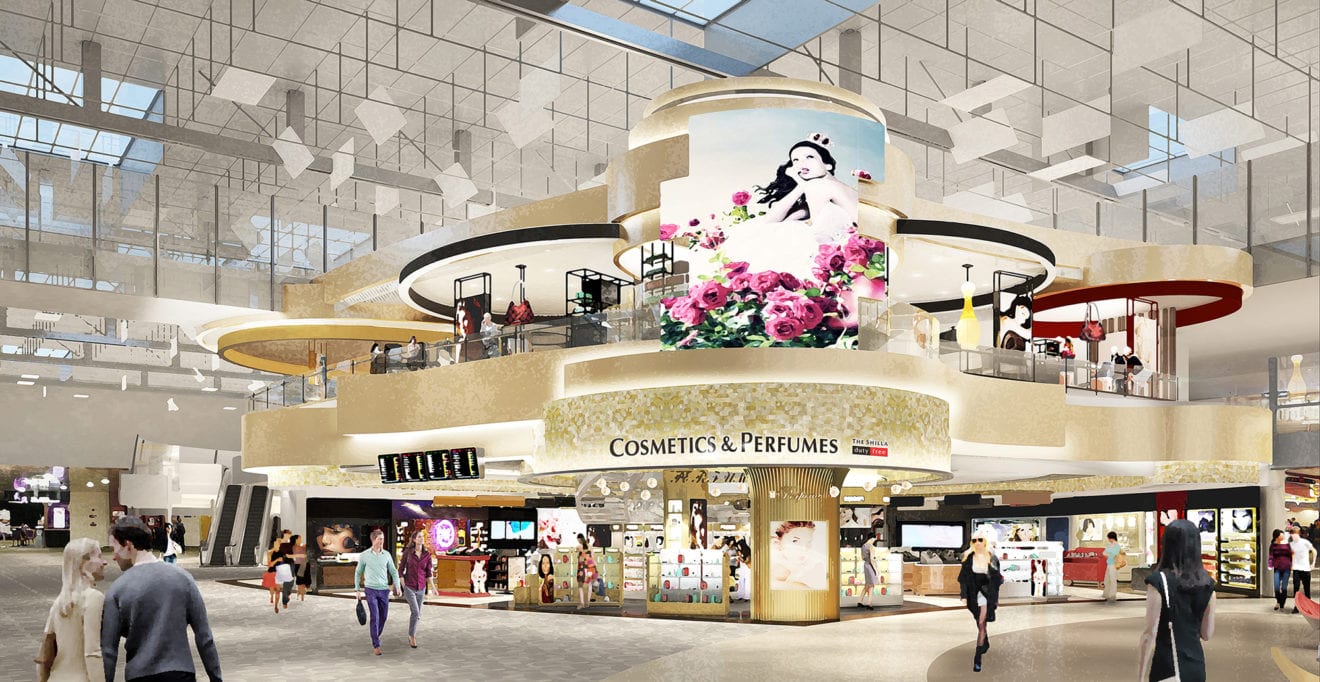
    Changi Airport Group (CAG) has issued retail tenders across fashion and jewellery categories, as well as for a short-term tenancy shop.

    CAG has opened two individual commercial opportunities in fashion, in search for established mid-price fashion names to operate at the terminal three North departure/transit lounge, spanning 94sq m and 41sq m respectively. The operators will run the units for three years between July 9 2017 to July 8 2020.

    One retail unit will be designated for a jewellery name to operate a 35sq m store concession at T3’s South departure/transit lounge. The three-year tenancy contract will also begin from July 9 2017 to July 8 2020.

    The airport operator stated it was searching for “unique and exciting mid-price fashion brands and concepts as well as unique and exciting jewellery brands that are currently not represented at terminal three of Singapore Changi airport that will inject buzz to and differentiate the retail offerings at Singapore Changi.”

    This is in twine with a short-term tenancy shop totalling 21sq m at T2 North departure/transit lounge, with a tenancy period of one year from May 20 2017 or upon the date of physical handover of the premises to the successful operator. The airport said all product categories may be considered, with the exception of liquor and tobacco and perfumes and cosmetics concepts.


  • Mobile marketing cuts printing cost for Pizza Hut

    Mobile marketing cuts printing cost for Pizza Hut

    With over 70 restaurants in the city, half of Pizza Hut’s business in Hong Kong is dine-in. This gives the diner a great incentive, but at the same time, huge pressure to improve its customer experience.

    In 2014, Pizza Hut started its mobile marketing campaign project. The primary objective was to better serve its customers. Additionally, it wanted to cut out a huge portion of its printing costs on direct marketing materials.

    Pizza Hut has been a customer of Salesforce. “When we started the mobile marketing campaign project in 2014, however, we didn’t know that Salesforce Marketing Cloud could help us to manage marketing campaigns,” said Ravel Lai, group IT director at Jardine Restaurant Group Hong Kong and Macau, in an interview with Computerworld Hong Kong. Jardine Restaurant Group operates Pizza Hut and the KFC restaurants throughout the city.

    Lai’s team studied different marketing solutions and decided to adopt Salesforce Marketing Cloud. “We considered other marketing tools such as those from Oracle and Adobe. We had even approached IBM, but they didn’t have a marketing solution,” he recalled.

    Evaluating a marketing solution was different from that of an IT solution. “This was not a traditional ERP solution, but something new to the IT team. We invited the marketing people and bosses at Pizza Hut and KFC to view the solution demo, and then we let everybody vote,” Lai said.

    Extra 7-10% revenue

    “We were not trying to solve a particular technology problem, but to improve on our marketing campaign management,” said Lai.

    In the past, Pizza Hut used to mail cash coupons to its customers. This involved different stages of production, which were all time-consuming, such as graphic design and printing, before it can finally distribute and mail out the coupons.

    With the new solution, conducting mobile marketing campaigns has become much easier. Now, Pizza Hut would only need to involve an in-house graphic designer to design the digital marketing material, which could be ready for distribution in just two hours.

    “Last year on one rainy morning, I asked my team to send a mobile message along with a coupon to our customers. After preparing the customer segmentation, we decided to send the message to 15,000 housewives and office workers at around 11:00 am to catch up with lunchtime at noon,” said Lai. “The results were good, as we generated an extra 7-10% in revenue for the day.”

    90% printing cost savings

    In the past, Pizza Hut used to distribute paper coupons to customers. The printing and mailing costs involved had been 10 times higher than if the marketing campaigns were conducted on Salesforce Marketing Cloud.

    “This is a very good tool for us to do the job. Instead of sending physical leaflets, we now use the mobile marketing platform, which incurs just 10% of the original printing cost,” said Lai.

    “Besides, the replacement of physical leaflets with mobile marketing messages makes Pizza Hut more environmentally friendly, too.”

    Express ticket

    According to Lai, many restaurant groups have developed their own mobile applications, but their primary function is largely limited to remote ticketing. “When everybody does the same thing, we ask ourselves, ‘How should we do it differently?’”

    To distinguish its restaurant mobile app from the competition, Lai borrowed the idea of “Fast Pass” from Disneyland theme park. A Disneyland Fast Pass allows a visitor to shorten his or her waiting time by getting a pass in advance for selected attractions, and return within specific timeframes.

    Using Pizza Hut HK’s mobile app, a user can obtain a queue number before they even reach the restaurant. This cut down the time and money required for us to issue queue numbers.

    By doing proper customer segmentation on Salesforce Marketing Cloud, Pizza Hut can send messages to customers whose last visit was over one month. The typical message would read: “Dear customer, you visited us one month ago and purchased a meal in our restaurant. We are so sorry that you had to wait for 15 mins. Here is an express ticket for you so you can jump queue upon your next visit. The express ticket is good for two weeks,” Lai suggested.

    Loyalty points reward system

    Pizza Hut HK’s mobile app also provides a points rewarding system. With every HK$5 of purchase at the restaurant, a customer gets one point. “With 50 points, our customers can redeem four pieces of chicken wings,” Lai said.

    Pizza Hut’s loyalty points are transferrable. “When you come to the restaurant with your friends, you and your friends can combine the points together to redeem the reward, for example, 50 points for a pizza,” said Lai.

    Social CRM

    With Salesforce Marketing Cloud, Pizza Hut’s mobile marketing campaign platform has enabled the restaurant group to tap on social CRM. “When I sold the idea of social CRM to the management, I emphasized not just on the benefits, but the improvement on the customer journey,” Lai said.

    Regarding Pizza Hut’s implementation of mobile marketing campaign project, Lai summed up, “If I do it now, I am the pioneer. If I do it later, I would just be a follower.”

  • Fintech investment fund Senjo Group opens new HQ in Singapore

    Fintech investment fund Senjo Group opens new HQ in Singapore

    Senjō Group, a privately held investment firm, unveiled today its new global headquarters in Singapore. The leading financial technology investor has leased the entire 56th floor of One Raffles Place in Singapore’s Central Business District.Established in 2015, Senjō Group was first set up as a holding company for a portfolio of payments and financial technology companies with operations spanning Asia, Europe, North America and Africa.

    This growing portfolio of companies operate across payments processing, cross-border remittance, foreign exchange, trade finance, e-commerce, mobile payments, commodity trading and factoring – functions split between Senjō’s core business units: Payments, Commerce, Ventures, Trading and Finance.

    “Senjō offers deep operational expertise across e-commerce, payments, technology and corporate finance. Our strategy has always been to invest in profitable financial technology firms with high growth potential in Asia and around the world. Our goal is to build a world-class financial technology group, and to do that we need the right space,” said Yoshio Tomiie, Head of Commerce, Senjō Group, “Singapore has established an enviable position as a leading Asian financial technology centre with an exciting innovation eco-system, a great talent pool and fantastic infrastructure. It also boasts a business-friendly environment so it was therefore an obvious winner when considering locations for new headquarters for our global operations.”

    Senjō invests in both start-ups and established companies that are profitable and scalable, as well as partnering with companies who are looking to benefit from its global footprint, financial support and operational expertise. Senjō aims to increase its portfolio significantly over the coming years.

    “Our mission is to make commerce better, faster, easier. All our portfolio companies are dedicated to identifying and addressing inefficiencies – in transactions and payments, e-commerce, financial markets and trading – to create value for our customers, our partners and our shareholders,” added Yoshio Tomiie, Head of Commerce, Senjō Group. “Senjō’s management team has had significant experience in the acquisition, operation, and growth of financial technology companies, and we’re very well equipped to continue operating in this space.”

    The Group’s commitment to expanding their business is also reflected in recent executive appointments: Gavin Lock joins as Chief Operating Officer and Sam Evans joins as the Vice President of Business Development and Head of Ventures. Lock has had over 20 years of global experience working in both technology and communications sectors, and he has held primarily executive roles in strategy, M&A and management consulting. He joins from Accenture, where he was Senior Manager/ Principal of Strategy Consulting. Evans brings over 30 years of experience from the financial technology and payments industries, where he has held positions in business development, sales and general management, with familiar names such as Unilever, First Data and Sun Microsystems.

    In addition to the new Singapore headquarters, Senjō also has regional offices in Japan, Indonesia, Malaysia, Myanmar, Thailand, Luxembourg and the UK, and operations in most major markets.

  • Globe’s Fintech Subsidiary Mynt Selects Amdocs to Power its Casa Service

    Globe’s Fintech Subsidiary Mynt Selects Amdocs to Power its Casa Service

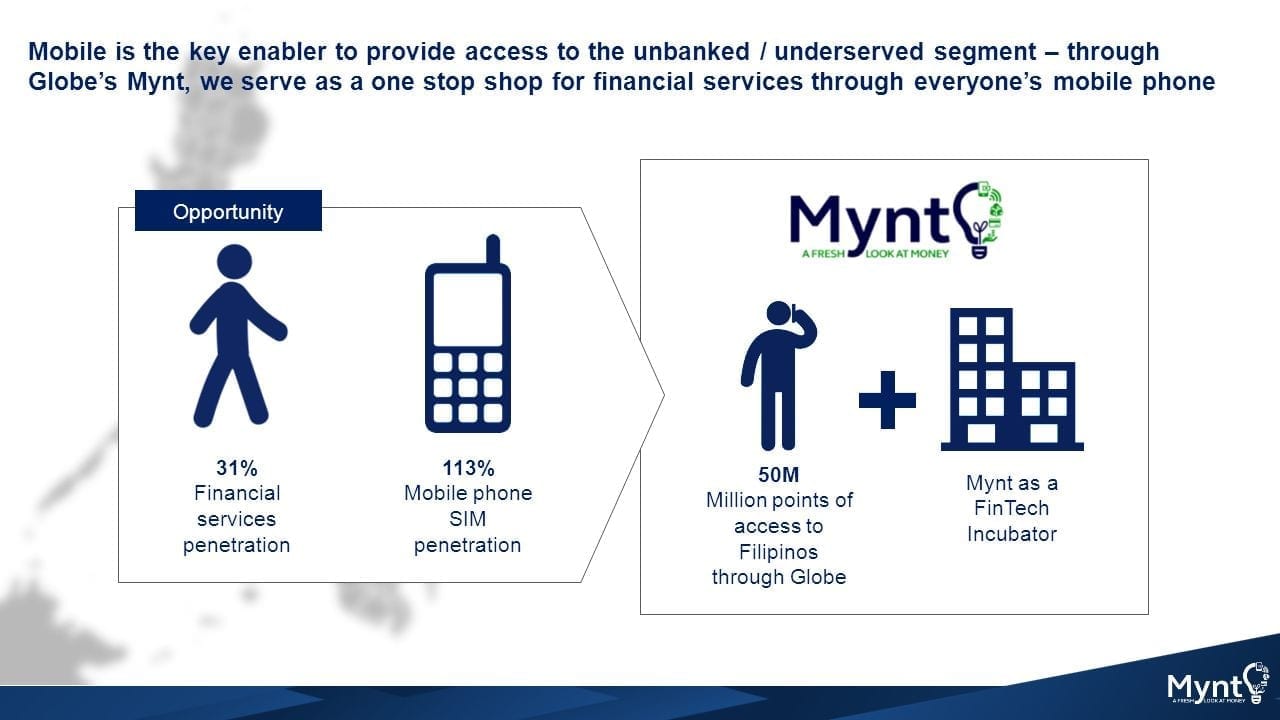
    Amdocs, the leading provider of customer experience solutions, today announced that Mynt, Globe Telecom’s fintech subsidiary, has selected the Amdocs Mobile Financial Services solution to power Casa – a new service that will enable Mynt to offer retailers a cloud-based, financial-grade, white-label digital money fintech platform, providing retailers with the means to offer a wide range of financial services and generate a new revenue stream.

    The Mynt Casa service, which will be powered by the Amdocs Mobile Financial Services solution, will enable retailers to offer bill payments, money transfers, closed-loop merchant payment solutions and loyalty program management. In addition, a card management feature will support them in issuing a closed-loop companion prepaid card to any customer, even if they do not hold a bank account. Cards will be linked to the user’s mobile wallet account, allowing them to pay for purchases at retail and online stores.

    The Amdocs solution will be deployed on Amazon’s public cloud. Based on a multi-tenant system, it will enable retailers in different locations to be hosted as separate tenants on a centralized platform, wholly managed by Amdocs. Under a five-year software as a service (SaaS) agreement, Amdocs will assume complete responsibility for development, deployment, operation and maintenance of the Amdocs solution via a revenue-sharing model with Mynt.

    “Retailers in emerging markets such as the Philippines need their own e-money solution that allows them to offer financial services such as point-of-sale payments, using cashless methods such as mobile wallets, payment cards and loyalty points,” said JM Aujero, chief sales officer at Mynt. “With Casa’s easy-to-use cloud-based platform, we will be able to provide for this need in a way that is tailored to each individual retailer. At the same time, it will enable them to offer wider financial services, such as third-party bill payments and money transfers without having to invest in new infrastructure deployment and operations.”

    “The ability for retailers and merchants to offer their own financial services solutions is a huge opportunity for mobile financial services providers to drive usage and adoption,” said Patrick McGrory
    , president for Amdocs’ emerging offerings. “Casa, powered by Amdocs’ cloud-based solution, provides superior, retail-specific capabilities, combined with a time-to-market advantage that will enable Mynt to quickly roll out services to its retail partners across the Philippines.”

    Amdocs also separately announced the availability of its Mobile Financial Services Card Management System (CMS). CMS supports any service provider in issuing both closed loop and open loop prepaid and debit cards to their customers, even to those who have no bank account. The card can be linked to a consumer’s mobile wallet with a stored value and/or loyalty point account as the source of funds. They can use the card to pay for purchases at a retail point of sale terminal, withdraw cash from an ATM, or for online shopping.


  • Grand Opening of the Second “Lukfook Jewellery” Shop in New York

    Grand Opening of the Second “Lukfook Jewellery” Shop in New York

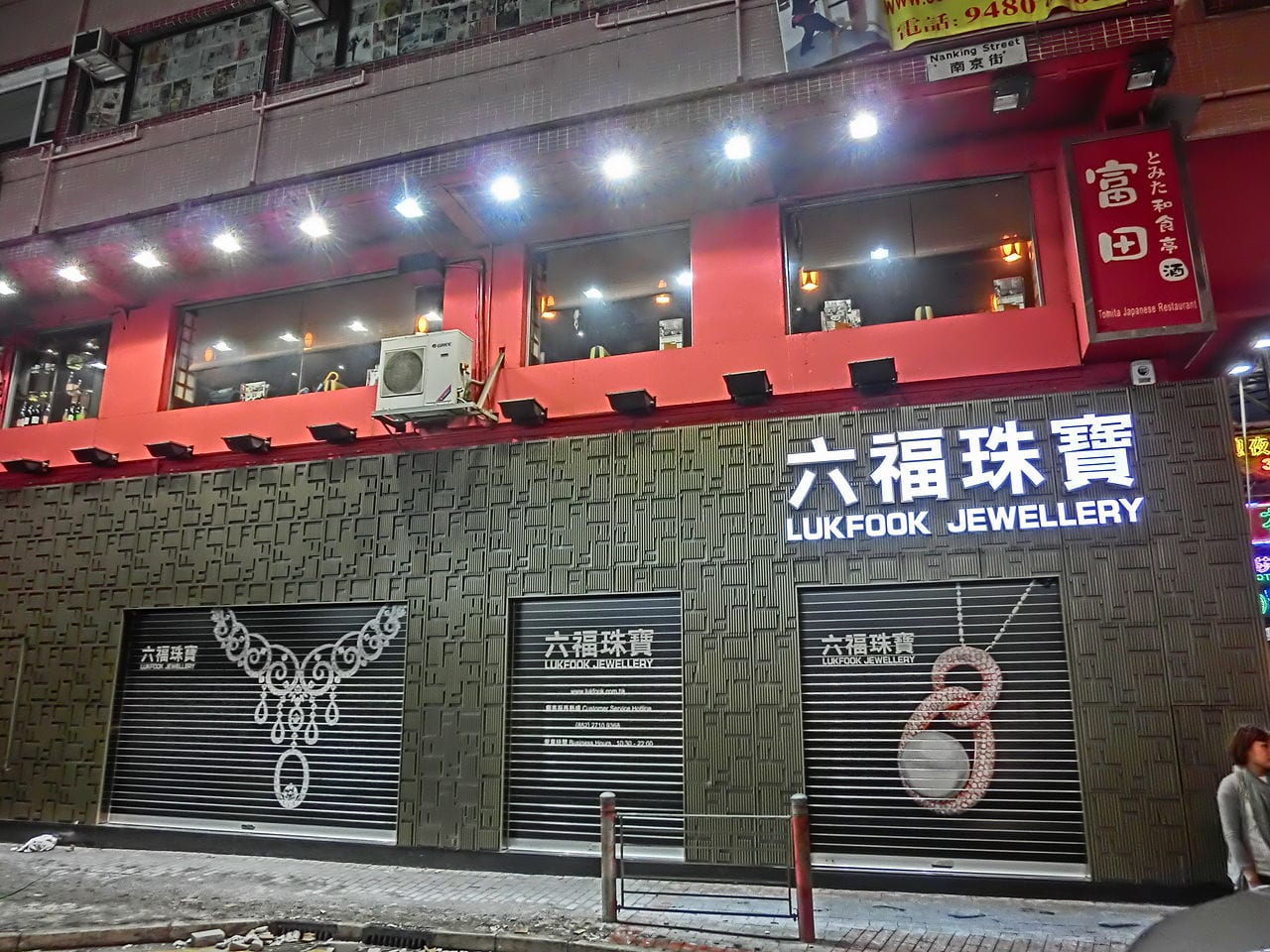
    Luk Fook Holdings is pleased to announce that the Group opens its new retail shop in New York City. Located on first floor, New World Mall in Flushing, this new shop is the Group’s second retail shop in New York City after opening its first shop in Manhattan. To mark this occasion, the Group hosted a grand ribbon-cutting ceremony on 29 October. Officiating guests including Ms. Toby Ann Stavisky, the New York State Senator, Ms. Grace Meng, U.S. Congresswoman and Ms. Pauline Yeung, co-founder of the Group and winner of Miss Hong Kong Pageant, witnessed this significant moment together with many other guests.

    Mr. Wong Wai Sheung, Chairman and Chief Executive of the Group said, “Adhering to our corporate vision of “Brand of Hong Kong, Sparkling the World”, we have been actively expanding our retail network globally. Currently, the Group has over 1,460 shops in eight countries and regions. With the opening of the second shop in New York, the Group anticipates to further penetrate into the Chinese communities in the overseas market. We will continue to pursue high quality and innovation to enhance our brand competitiveness, and endeavour to provide quality jewellery products and professional services to customers all over the world, in order to build Lukfook as a premier jewellery brand for customers.”

    The Group has tapped into the North American market since 2003 and opened shops in Canada and the United States, laying the foundation for further overseas expansion. The new shop is located in New World Mall, which is one of the largest indoor Asian malls in the northeastern region of the United States. The mall features over 100 shops, offering jewellery, clothing, cosmetics, electronics, world cuisine and many more. With convenient location and easy accessibility, New World Mall is a popular shopping and entertainment hotspot for the Chinese in Flushing and Queens.

    Address: Space Nos. 112 – 116, First Floor, New World Mall, 136-20 Roosevelt Avenue, Flushing, New York, NY 11354, USA

  • Korea’s Eland Aims At Ten Shopping Centers In China In 2016

    Korea’s Eland Aims At Ten Shopping Centers In China In 2016

    South Korean apparel brand Eland plans to develop ten shopping centers in China before the end of 2016. Eland started tapping the shopping center market in China from January 2016. By cooperating with Parkson, the company aims to transfer traditional department stores into city outlets. For the next step, Eland will cooperate with other department stores and shopping malls in China, aiming to open ten shopping centers in this marketplace before the end of 2016. For the year 2017, the company aims to have over 30 outlets and by 2020, they aim at 500 outlets and sales scale of CNY200 billion.

    Eland Group has 56 Newcore Outlets in South Korea. The company plans to bring its successful operating model and experience into China and transfer traditional department stores into city outlets to attract young consumers.

    At present, Eland has opened two shopping centers in China, one cooperating with Parkson in Shanghai and the other cooperating with Hualian in Chengdu. In addition, Parkson previously closed a store in Nanchang in September 2016 and said they will team with Eland Group to implement transformation and upgrades for the store.

  • Private banks lacking scale exit Singapore

    Private banks lacking scale exit Singapore

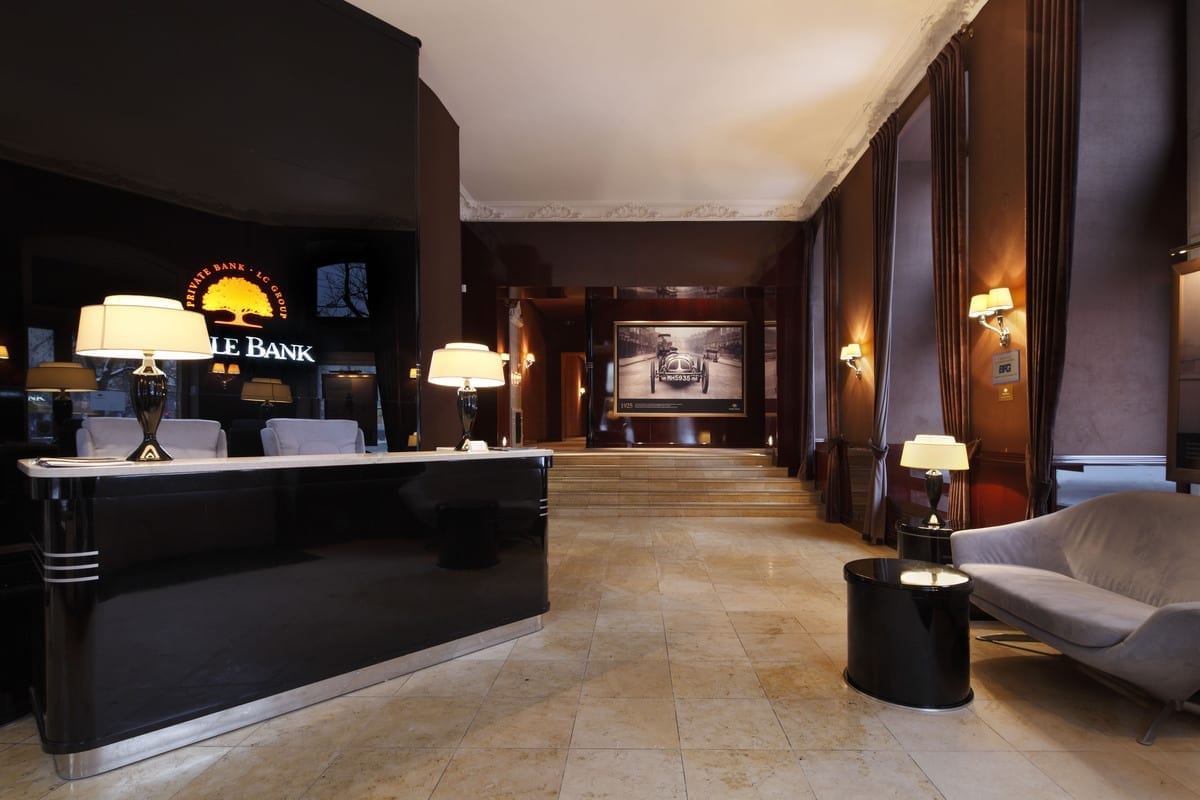
    Just like real estate is about location, location and location, private banking is about scale, scale and scale – it is what’s needed to cope with the high cost of the business, say industry players.

    Monday’s surprise move by DBS Bank to snap up most of ANZ’s wealth and retail business in Asia for a bargain-basement price of S$110 million, or 0.5 per cent of the S$23 billion of assets under management, once again hammered home the point that scale is needed to run a private bank.

    Over the past two years, eight foreign private banks (ANZ included) have exited or will soon exit Singapore. Of the eight, two were closed by the Monetary Authority of Singapore for anti-money laundering violations. ABN Amro is reportedly the eighth departure, with the Dutch lender soon to sell its Asian private bank.

    Both DBS and ANZ, Australia’s fourth largest bank, mentioned scale as the reason for the sale. It wasn’t that the business didn’t turn a profit. It did; for FY16, it turned in a cash profit of A$50 million.

    ANZ is not a small player in Asia, and this sale does not signal its retreat from the region, it said. In fact, ANZ regards Asia as core to its strategy of banking large corporate and institutional clients, driven by trade and capital flows, particularly with Australia and New Zealand.

    ANZ Institutional Asia employs 1,490 people across 15 markets in the region.

    But, as ANZ chief executive Shayne Elliott said of the sale to DBS: “In retail and wealth, although we have grown a profitable business in Asia, without greater scale, ANZ’s competitive position is not as compelling.”

    Tan Su Shan, DBS’s group head of consumer banking and wealth management, said Asia continues to clock decent growth rates, so the organic growth outlook for the wealth-management business remains intrinsically intact, despite cyclical volatility.

    She said: “For banks looking to create a sustainable wealth-management business here, there are a few things to consider. Firstly, it is the bank’s ability to build scale, be sustainable and invest for the future.

    “Secondly, banks must be able to serve the local and global needs of Asian clients.”

    DBS has been aggressively building up its private bank business, timing it nicely with Asia’s explosive wealth growth. A joint survey by PwC and UBS last month said that, in Asia last year, a new billionaire was minted every three days.

    DBS chief executive Piyush Gupta said that, with Asia growing at 6 per cent, Europe at 1 and the US, 2, “you’d all give a left arm to be in Asia under the current economic conditions”.

    As Asia is tipped to be the richest region in the near future, private banks in the region need to adapt their business models to meet the growing demand.

    Bahren Shaari, Bank of Singapore’s chief executive, said: “For instance, with the rising cost of doing business, banks need to achieve scale, so further consolidation is inevitable. In the case of Bank of Singapore, we have enough scale to aspire to be among the top three private banks in our core markets.”

    But while Asia has the right conditions to attract private banks, it has to be borne in mind that the bulk of the rich are self-made or entrepreneurial; the joint PwC-UBS survey said about 85 per cent of Asian billionaires are first-generation.

    This means banks need to offer investment-banking services and access to debt and equity markets for clients looking to expand their businesses. They should not just sell wealth-management products or throw rare-whisky parties, which have become fashionable in some quarters.

    A private banker who turned down an offer from a major distiller to host a rare-whisky party said: “My clients are too busy making money to come for the whisky.”

    Credit Suisse, the third-largest private bank in Asia, decided in a strategic review last year to combine investment banking with private banking.

    Francesco de Ferrari, the bank’s head of private banking for the Asia-Pacific, said earlier this year: “The business model that is best suited to Asian clients’ needs is the integrated bank with private banking as a core business and its DNA, but also strong investment banking and asset-management capabilities.”

    So if some foreign banks have decided to exit Singapore, it doesn’t point to foreign banks beating a retreat from Asia.

    DBS’ Ms Tan noted that the largest private banks in Asia are, in fact, Swiss or American: “While some foreign players have left the scene, there are several who are still fairly dominant here.

    “These are primarily the large Swiss and US and banks who have managed to build scale in their private-banking businesses, either through long-term organic growth or through combining their wealth management business with a retail, corporate/investment banking or asset management business.”

    UBS, Citi, Credit Suisse, HSBC and DBS are Asia’s top five private banks. Julius Baer, Morgan Stanley, JP Morgan, BNP Paribas and Deutsche Bank round up the top 10.

    Ms Tan said: “That said, there remains more scope and opportunities for dominant local or regional players like DBS to gain market share as clients here look for customised solutions with a safe and steady name who remains committed to the region and the business.”