Tag: asia

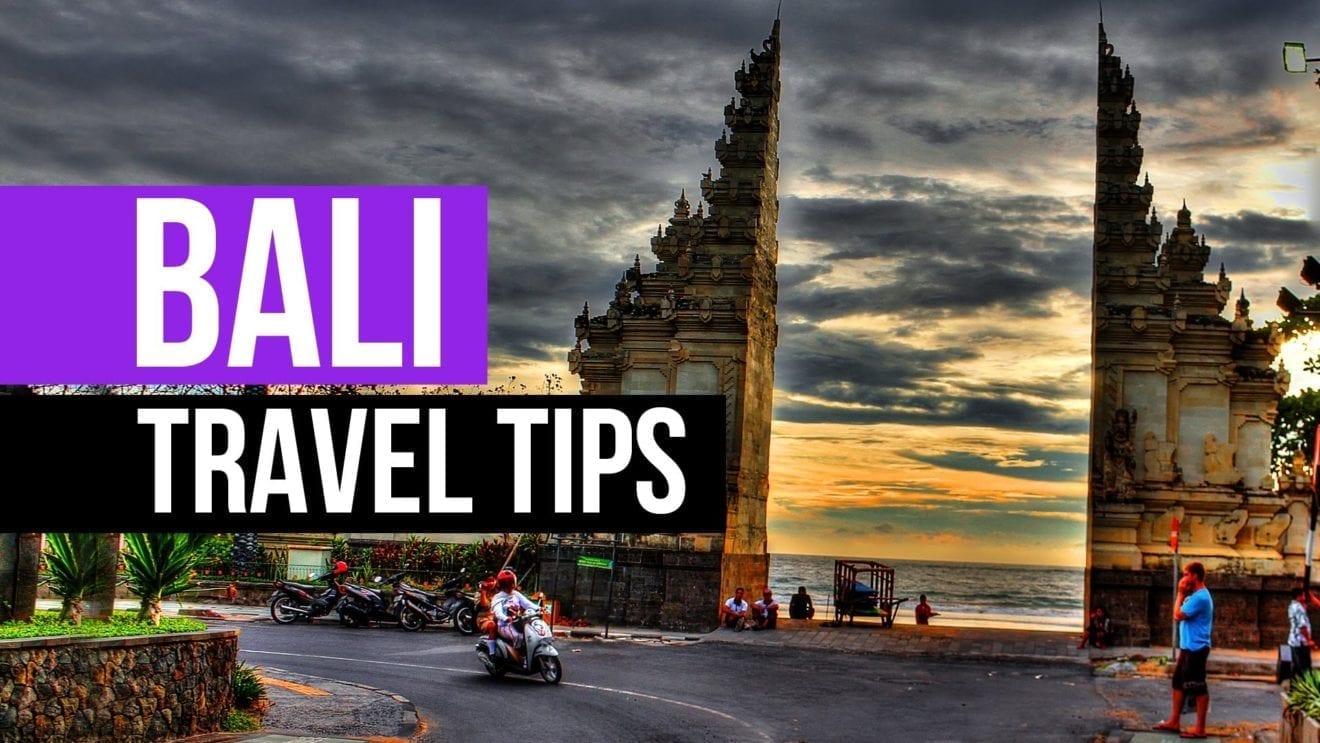
  • Number of Indian tourists to Bali rises by 61.57%

    Number of Indian tourists to Bali rises by 61.57%

    The number of Indian tourists visiting Bali has increased by 61.57 percent — the highest rise among all countries — compared to the same period last year, from 72,969 to 117,897 people.

    “India ranks fifth among the top 10 countries visiting the island, after Australia, China, Japan and the UK,” Adi Nugroho, head of Balis Central Statistics Agency (BPS), said on Wednesday.

    Indian tourists constitute 3.69 percent of the total foreign tourists visiting Bali. About 3.19 million tourists have visited the destination in the first eight months of 2016. This figure is by 22.76 percent higher than the number of visitors seen during the same period last year, which was 2.6 million.

    India tops the list of countries that have seen the highest rise in the number of visitors to Bali, followed by the UK (42.56 percent) and China (35.06 percent), Nugroho said. The number of German tourists has risen by 35.05 percent, French by 31.48 percent, Australian by 18.51 percent and Japanese by 7.98 percent.

    Bali tourism practitioner Made Sudana said Bali is seeing an increasing number of Indian tourists because of the similarity between both places in terms of art, culture and Hinduism. Improved cooperation between India and Indonesia has also had a positive effect. Bali has actively pursued this as it expects more and more Indian tourists to visit the island.

    Earlier, Indonesian Ambassador to India, Rizali W Indrakesuma, said the Indonesian government is seeking direct flights to India and vice-versa. Direct flights are important as they will help increase the number of Indian tourists as well as facilitate business and investment opportunities between both countries.
  • BRI Syariah plans to conduct IPO

    BRI Syariah plans to conduct IPO

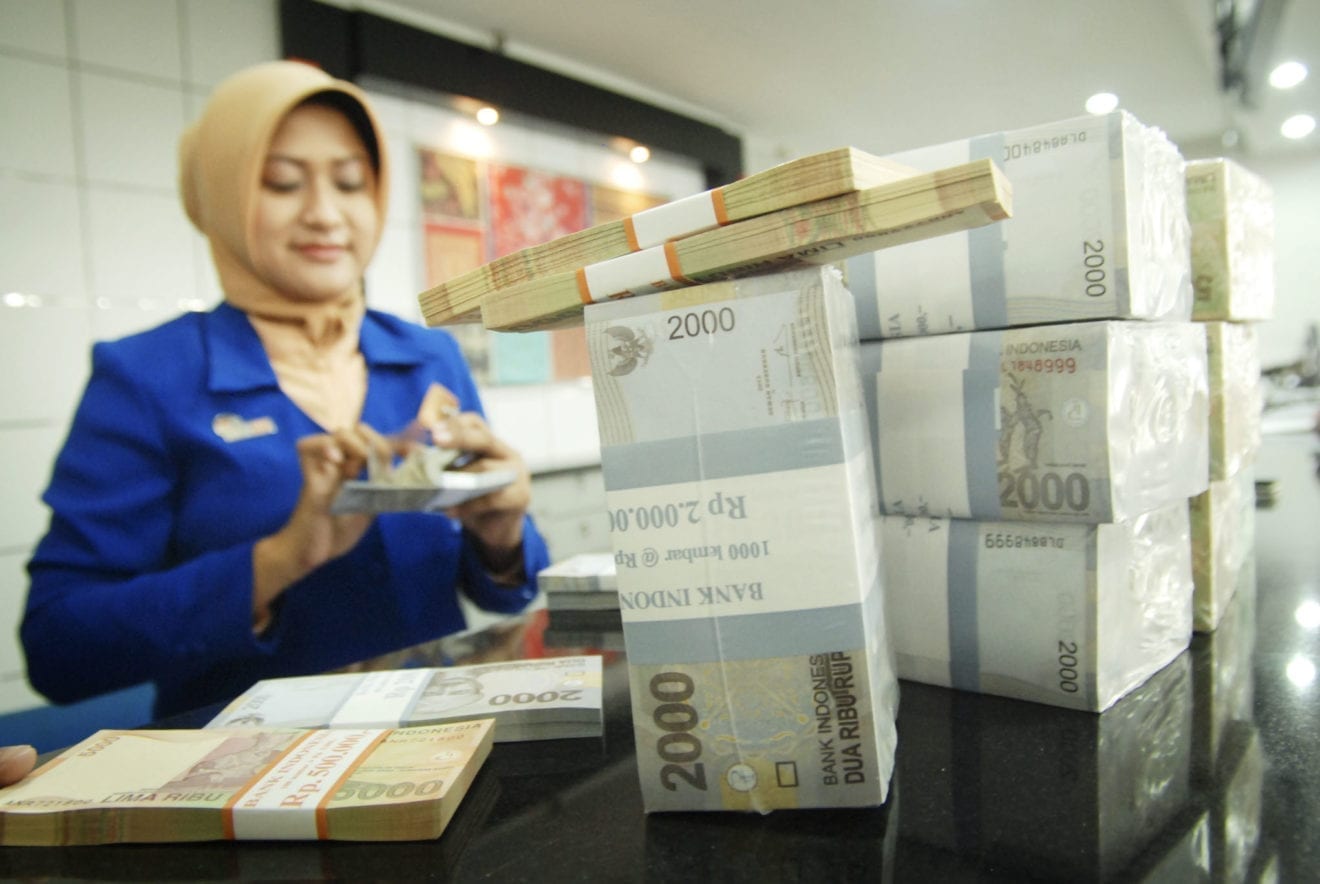
    PT Bank BRI Syariah, a sharia compliant subsidiary of state lender Bank Rakyat Indonesia, plans to conduct an initial public offering (IPO) of its shares in 2018 to boost alternative funding sources.

    “During the IPO we will float our shares worth Rp1 trillion to the stock exchange,” BRI Syariah President Director Moch. hadi Santoso said after a press conference here on Wednesday.

    The decision to turn the bank into a publicly listed company was taken to strengthen capital structure particularly at “Tier 1”, he said.

    The bank wants to strengthen its capital through various funding sources to expand its financing business. Moreover, the bank wants to expand its financing portfolio from retail and business segments to infrastructure financing, he said.

    “After the IPO, we will continue to expand our business. This year we have been engaged in infrastructure financing,” he said.

    Also this year, the bank has explored several commitments for infrastructure financing. But its amount is not yet significant to boost the business growth of PT Bank Rakyat Indonesia Ybks subsidiary,” he said.

    The BRI Syariah has set itself the target of boosting its financing growth at 13 percent year on year from to Rp18.8 trillion from Rp16.5 trillion at the end of this year.

  • Trade Expo lures visitors with prime Indonesian products

    Trade Expo lures visitors with prime Indonesian products

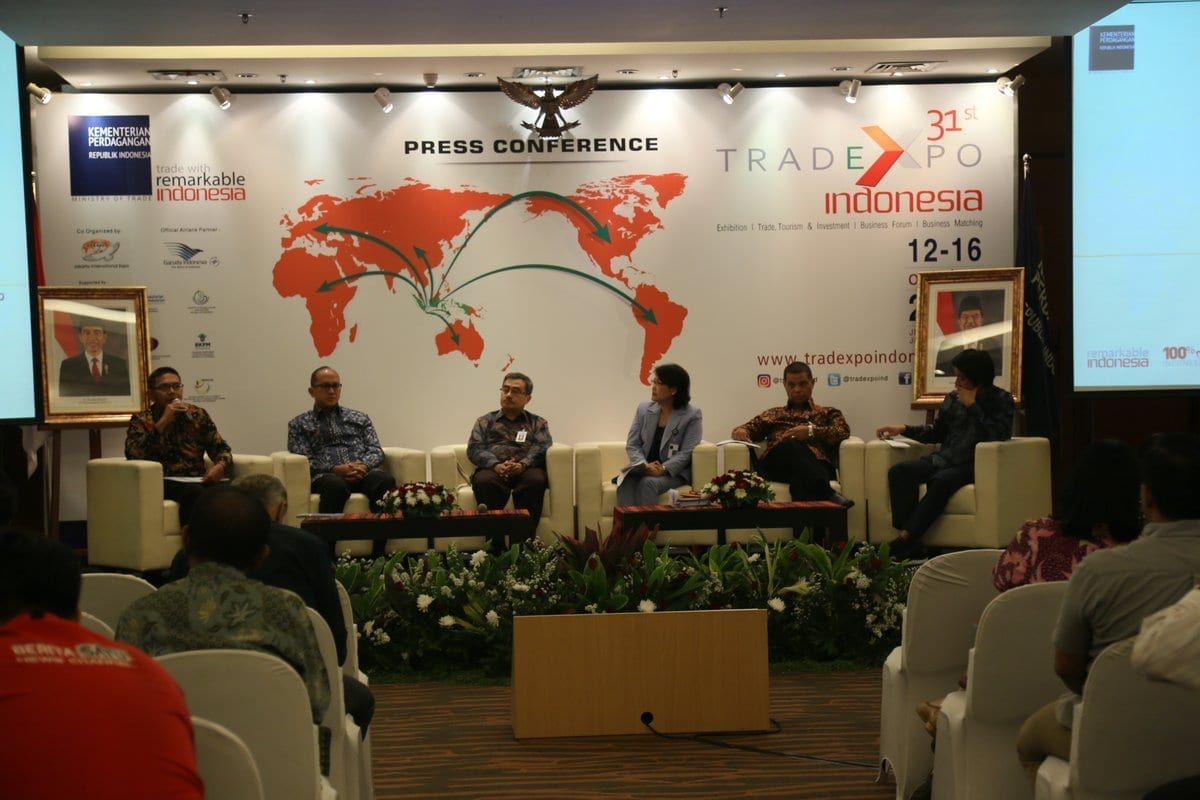
    Visitors to the 31st Indonesia Trade Expo are sounding out the possibility of buying Indonesian products they consider to be of good quality.

    Visiting the Trade Expo on Wednesday, Syrian Mohammed Khair Hadiaf said he was looking for Indonesia-manufactured pharmaceuticals.

    “I work in the medical sector and my specialty is cancer. I came here to seek more information about Indonesia’s medical technology and products,” he told us through a translator application on Wednesday when he visited a booth at the expo, held at the Jakarta International Expo (JIExpo) venue in Kemayoran, Central Jakarta, from Oct.12 to Oct.16 . It was the first time Hadiaf had come to Indonesia.

    In another booth, Palestinian Shokri Zahedah and an Iranian calling himself only Amir were looking for snacks and sweets they could sell in their respective countries. Shokri and Amir frequently visit Southeast Asia to buy products from countries in the region, including Malaysia, but it was the first time they had looked at Indonesian products.

    “You have good products. In Iran, snacks mainly come from Malaysia. Indonesian products need more promotion,” Amir said. He said if he found interesting products he would return on Thursday to make a deal.

    The Foreign Ministry through its diplomatic missions invited 1,200 potential buyers from 70 countries to the expo, including those from small countries.

    Foreign Minister Retno LP Marsudi said 225 buyers from Middle Eastern countries attended the expo, followed by African and South Asian countries, which sent 49 buyers each, Eastern Europe ( 48 ), Afghanistan ( 42 ), Palestine ( 42 ), Latin America ( 35 ) and Fiji ( 22 ).

    Poor communication skills appeared to be the biggest obstacle for buyers from small countries to make deals at the Trade Expo. Most of them could not speak English well while the expo lacked liaison officers who can speak foreign languages besides English, especially Arabic.

  • Indonesia, Romania strengthen economic ties

    Indonesia, Romania strengthen economic ties

    Indonesia and Romania have agreed to boost economic ties through the signing of a cooperation agreement between the chambers of commerce and industry of the two countries during the visit of Romanian Foreign Minister Lazăr Comănescu to Jakarta.

    “The fact is, last night, upon my arrival to Indonesia, the chambers of commerce and industry from both Indonesia and Romania have signed a memorandum of understanding on their cooperation. The agreement has opened up the path for both chambers to diversify contact between business players from both countries,” Comănescu said following a bilateral meeting with his Indonesian counterpart, Foreign Minister Retno LP Marsudi, in Jakarta on Wednesday.

    Comănescu brought a team of business delegates from various industries, including energy, construction, customer goods and agriculture. While in Indonesia he is also participating in the Trade Expo Indonesia 2016. Trade between Indonesia and Romania reached US$117.64 million in 2015.

    Comănescu’s visit to Indonesia is the first from a Romanian foreign minister since relations between the two countries were established 66 years ago.

    Both Retno and Comănescu highlighted the potential for strengthening cooperation in infrastructure development.

    “There is a possibility for our two countries to strengthen bilateral relations in infrastructure because it is one of the priorities of the Indonesian government,” Retno said.

    Comănescu is set to meet with Transportation Minister Budi Karya Sumadi to discuss possible forms of cooperation.

    The two countries have expressed mutual support for a non-permanent seat on the UN Security Council. Indonesia hopes to secure a seat for the 2019-2020 term, while Romania is eyeing a seat for the 2020-2021 term.

  • Indonesian President Inaugurates Trade Expo Indonesia (TEI) 2016

    Indonesian President Inaugurates Trade Expo Indonesia (TEI) 2016

    President Joko Widodo inaugurated Trade Expo Indonesia (TEI) 2016, which opened today at the Jakarta International Expo Kemayoran. Accompanied by Enggartiasto Lukito, Minister of Trade, and Djarot Saiful Hidayat, Vice Governor of Jakarta, the President also awarded the Primaduta Award and Primaniyarta to the best 30 Indonesian exporters.

    Widodo also urged Indonesian exporters to expand to new markets, such as African countries and India, despite the unpredictable global economic conditions. “We have to start to turn our heads to the markets we used to overlook, the markets like India and Africa that offer a huge business opportunities from populations that reach over 60 million people,” stated the President at the opening ceremony.

    Not only Africa and India, which provide lucrative opportunities for Indonesian products, the President also noted that other developing markets like South Asia and Latin America hold great potential for Indonesian exporters to expand markets and distribution of their products. “I urge Indonesian exporters to make moves toward the markets we have previously overlooked,” added President Widodo.

    The President also mentioned that design and packaging play an important role in grabbing the consumer’s attention. “I highly appreciate the Ministry of Trade and the Creative Economy Agency’s initiatives in helping our SMEs to design attractive packaging for their products,” stated Jokowi.

    In addition to showcasing the quality Indonesian export products, TEI 2016 also serves as a trade making platform for businesses, both local and foreign. Trade Minister Enggartiasto said that the event would see approximately 1,100 exhibitors, including SMEs, and expects 15,562 potential buyers from 152 countries. He added that business commitments already sealed totaled Rp 2.6 trillion from 14 countries.

  • Indonesia’s Indosat Ooredoo & XL Axiata Suspected of Cartel Practices

    Indonesia’s Indosat Ooredoo & XL Axiata Suspected of Cartel Practices

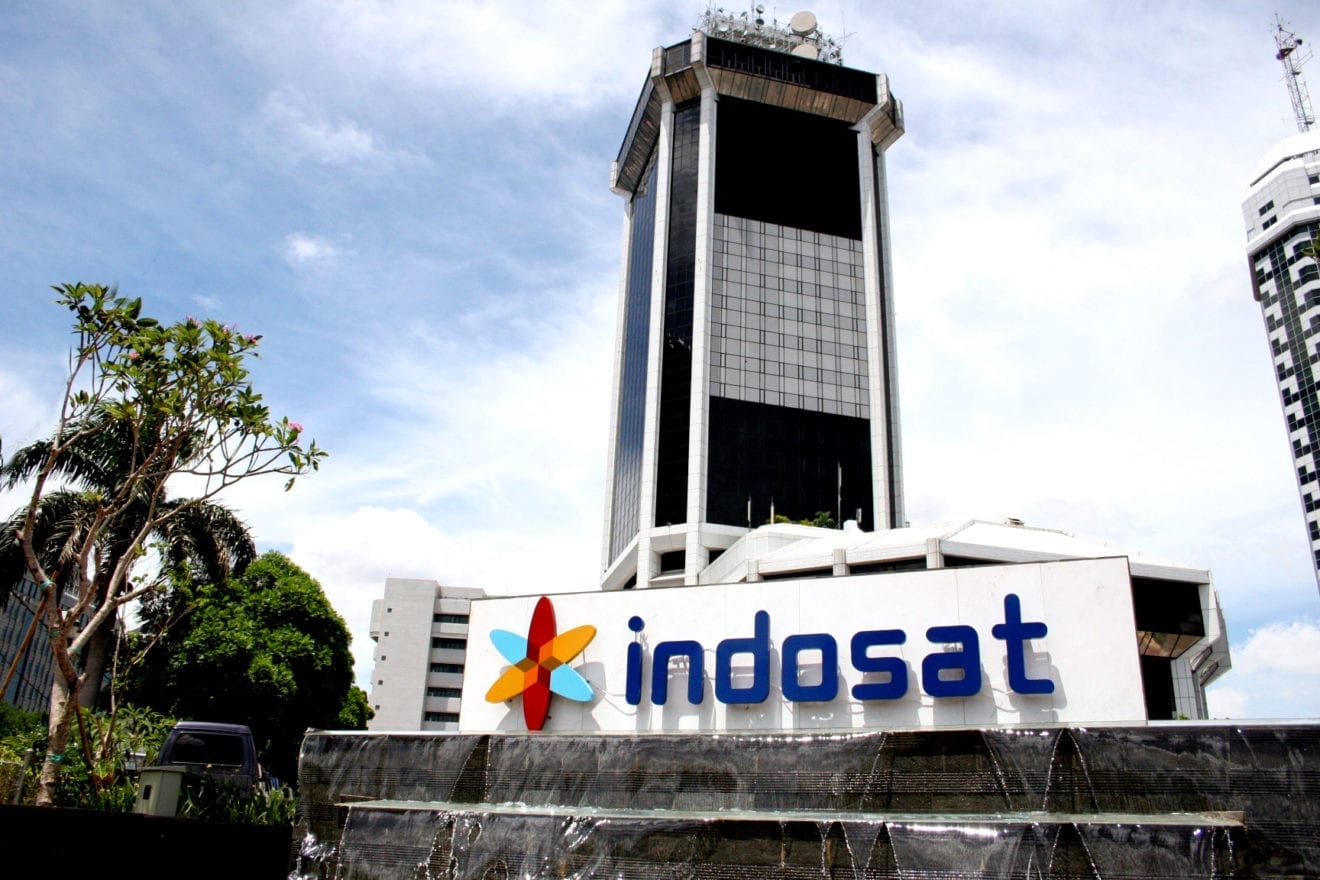
    Muhammad Syarkawi Rauf, Chairman of the KPPU, informed that there are indications that both telecommunication operators – both listed on the Indonesia Stock Exchange (IDX) – are (1) coordinating to determine prices, (2) coordinating to divide geographical areas for their products, and (3) coordinating to restrict the output of their products. These allegations are the result of the establishment of their joint venture One Indonesia Synergy.

    Turina Farouk, Vice President Corporate Communication of XL Axiata, said the company cannot respond yet to the KPPU’s summon as XL Axiata is yet to receive the full details of the case. However, regarding One Indonesia Synergy Farouk said this joint venture is not a vehicle used to engage in cartel practices but is part of cost efficiency efforts for the development of their 4G LTE network. Farouk added that One Indonesia Synergy is not operational yet as it awaits several permits from authorities.

    Cooperation is a strategy of Indosat Ooredoo and XL Axiata to make their operations more efficient in the future. Indonesia’s telecommunication sector is dominated by state-controlled Telekomunikasi Indonesia.

    Indosat Ooredoo and XL Axiata each own a 50 percent stake in joint venture One Indonesia Synergy. Alexander Rusli, President Director and CEO of Indosat, said One Indonesia Synergy will offer consultation services for both companies’ cooperation in telecommunication networks, for example the so-called multi operator radio access network.

  • Thai Union takes bite of Red Lobster

    Thai Union takes bite of Red Lobster

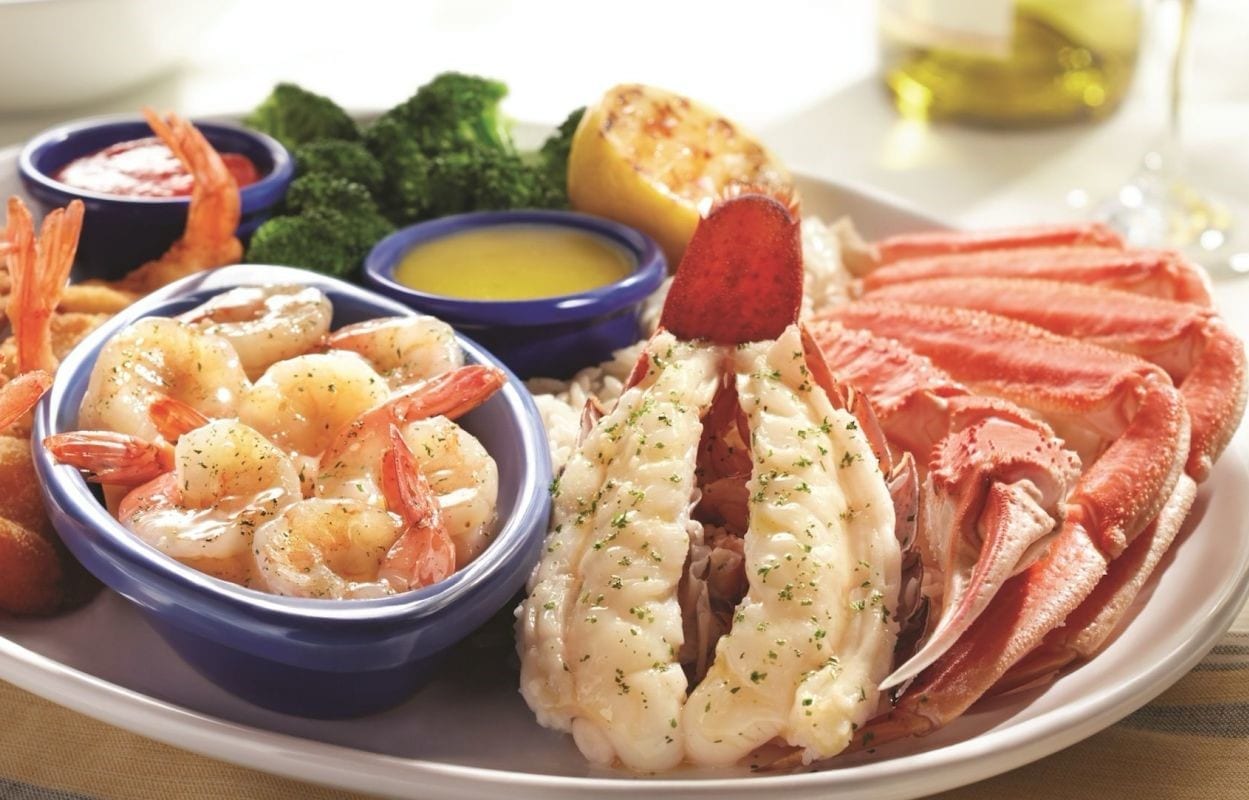
    Seafood producer Thai Union has made a US$575 million strategic investment in US seafood restaurant company Red Lobster.

    Golden Gate Capital retains its majority shareholding in Red Lobster.

    Thai Union is regarded as the world’s largest producer of shelf-stable tuna products with annual sales exceeding THB 125 billion (US$ 3.7 billion) and a global workforce of more than 46,000 people. It says it has taken a 25 per cent interest in the restaurant chain, with the option to acquire an extra 24 per cent through the conversion of preferred shares.

    “Red Lobster is an iconic brand, with a leading market position in seafood casual dining and a world-class management team, and has delivered strong performance since Golden Gate acquired it in 2014,” says Thai Union Group CEO Thiraphong Chansiri.

    “This investment marks a strategic step to build Thai Union’s direct-to-consumer channel, and will enable us to benefit from the extensive restaurant industry expertise of both the Red Lobster management team and Golden Gate.”

    He says Thai Union has worked closely with Red Lobster for more than two decades.

    With 40 years’ industry experience, Thai Union has expanded its product lineup to include lobster, shrimp, sardines, mackerel, tuna, salmon and crab. Its brands include Chicken of the Sea, John West, King Oscar and Petit Navire, and it has production units in 12 countries.

    JP Morgan acted as exclusive financial adviser to Thai Union for the investment.

    Headquartered in Orlando, Florida, Red Lobster claims to be the world’s largest seafood restaurant company. As a private company owned by Golden Gate Capital, Red Lobster has 58,000 employees in more than 700 restaurants in the US and Canada, with a growing international footprint.

    Golden Gate Capital is a San Francisco-based private-equity investment firm with more than $15 billion of capital under management. In addition to Red Lobster, investments sponsored by Golden Gate Capital include California Pizza Kitchen, Pacific Sunwear, Payless ShoeSource and Zales.

  • Harvey Nichols Hong Kong reopens

    Harvey Nichols Hong Kong reopens

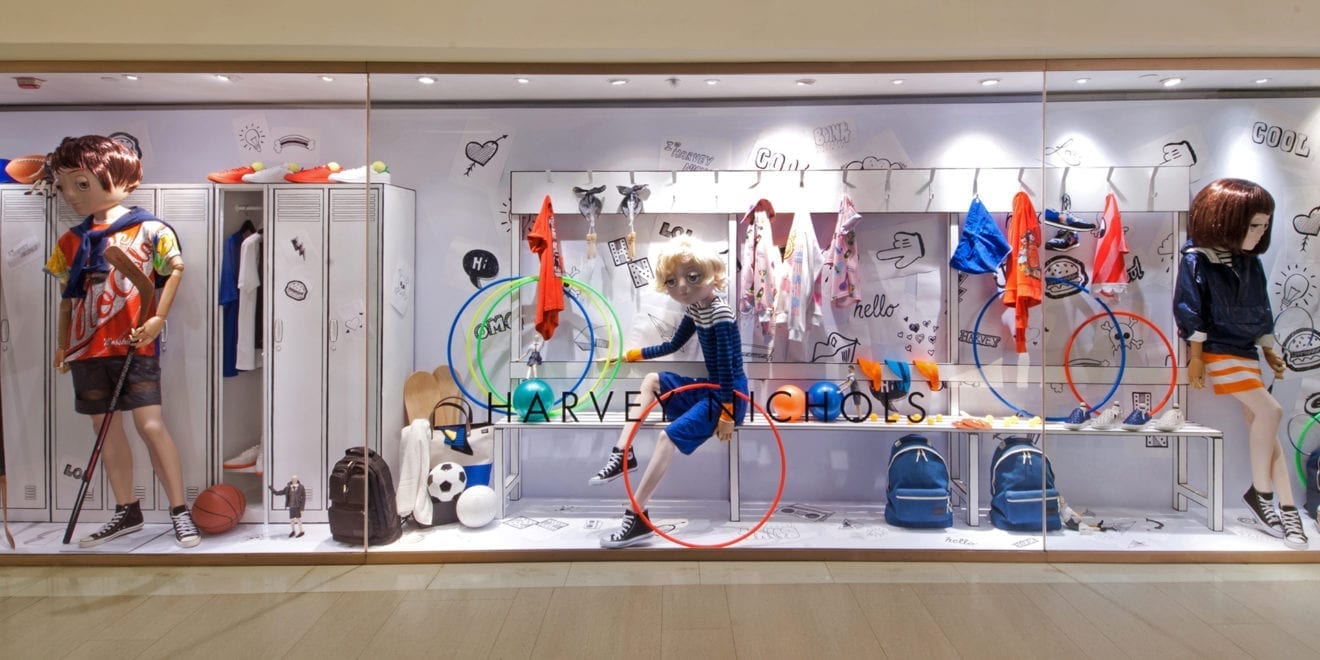
    Harvey Nichols Hong Kong has reopened its store at The Landmark following a three-month renovation.

    Originally opened in 2005, the five-storey store now offers the Style Concierge, a personalised service that helps customers with their wardrobe makeover. It also offers makeovers for every occasion, invitations to events, private sales, special offers, gift suggestions, beauty advice and delivery services.

    Harvey Nichols Hong Kong Landmark

    Also new is Mixology, a permanent pop-up area that features new designer labels and fashion trends. Its first showcase is Korean fashion power houses including Customellow, CY Choi, D-Antidote and Solid Homme.

    Harvey Nichols Hong Kong Landmark 2

    More than 30 makeup and skincare labels have been introduced as well, including Addiction, La Mer, Nail & Lash by Per Face, Tom Ford Beauty and Whoo.

    From Copenhagen Fashion Week, Harvey Nichols has introduced designer labels including Han Kjøbenhavn, Henrik Vibskov and Tonsure. These add to the line-up of labels from other international fashion weeks including Hilfiger Collection, Maison Margiela and Vera Wang for women, and Lavin and Marni for men.

    Harvey Nichols Hong Kong Landmark 3

    The store’s facade is a geometric-faceted floating panel sitting prominently with the inherited adjacent architecture, with the abstracted lines from the “H” and “N” creating a pattern that is illuminated at night.

  • Taiwan’s DaYung’s Tea opening in US

    Taiwan’s DaYung’s Tea opening in US

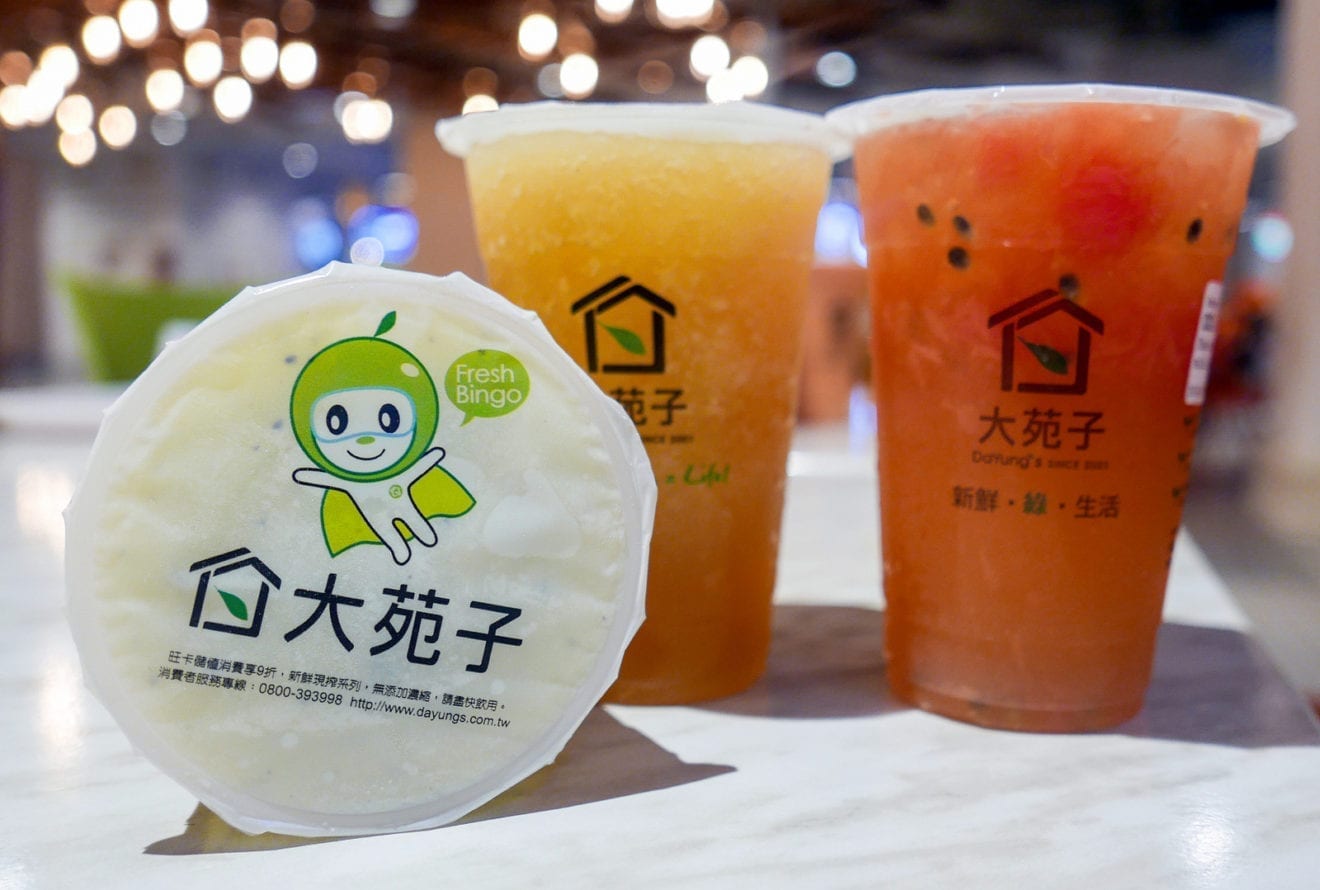
    Taiwan company DaYung’s Tea is about to launch in the US.

    It has leased a 1400 sqft (130 sqm) unit at Mill Plaza in Tempe, in Phoenix, Arizona.

    With 270 stores throughout Asia, DaYung’s offers a mix of fruit tea and smoothie drinks.

    “This hot new concept will blend in perfectly with the other new restaurants at Mill Plaza,” say Judi Butterworth and Lacey Guardado of Orion Investment Real Estate, who represent the tenant. They say the store will be able to serve a huge Asian customer base, as well as a student population.

    More than 61,000 cars drive by the shopping centre each day, according to the Phoenix Business Journal.

  • Inside Starbucks Cambodia flagship

    Inside Starbucks Cambodia flagship

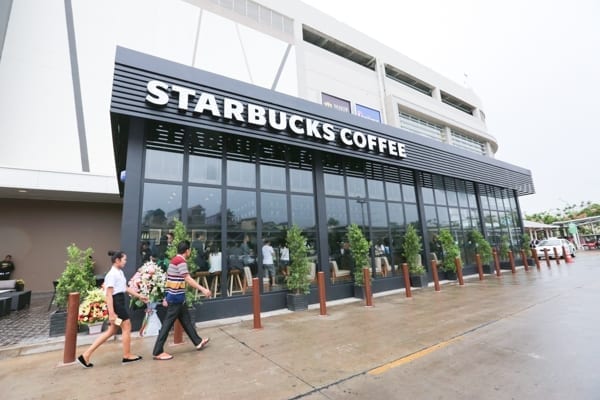
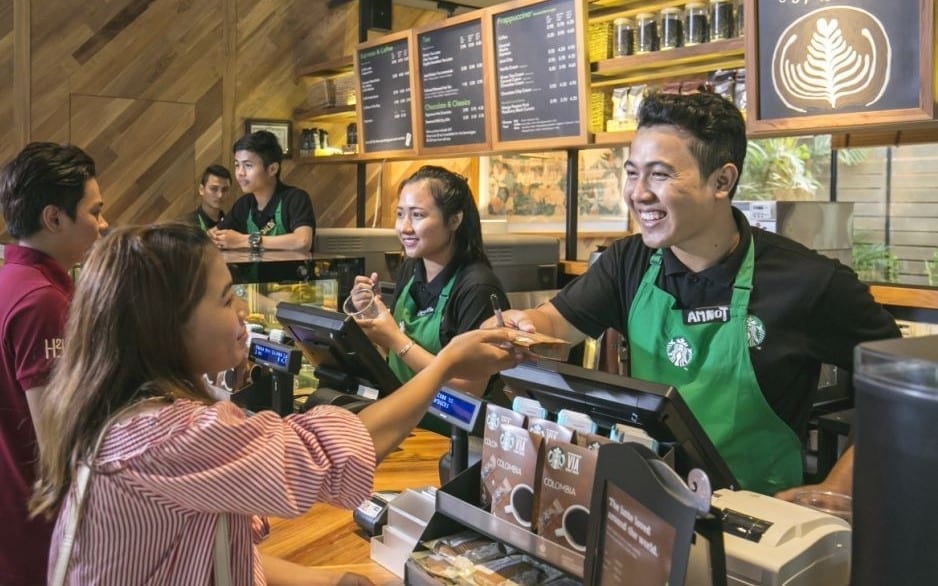
    Starbucks Cambodia has opened a new flagship store in Phnom Penh, in partnership with regional partner Maxim’s Group of Hong Kong.

    Cambodia is Starbucks 16th market in the China/Asia Pacific region, where it has more than 6200 stores. This is the third store in the country. Last month, Starbucks celebrated 20 years since the opening of its first store outside North America – in Japan.

    Starbucks BKK

    The Starbucks Cambodia Phnom Penh flagship, in the Boeung Keng Kang neighbourhood, will introduce Starbucks Reserve coffees to Cambodia, says Starbucks Asia Pacific president Mark Ring. An interactive coffee bar will allow customers to experience a range of brewing techniques including siphon, cold brew, pour-over, coffee press and espresso machine.

    Starbucks BKK

    Inspired by Starbucks’ 45-year history, the flagship store features not only the brand’s core menu but also rare, small-lot coffees. For the store opening, baristas handcrafted two small-lot Starbucks Reserve coffees, Colombia La Union 16 and Papua New Guinea Luoka. Over time, the store will showcase a variety of coffees from small-lot coffee farmers in various countries. All Starbucks Reserve coffee is roasted in Seattle.

    Starbucks BKK

    Starbucks BKK

    Through its licensed partner Coffee Concepts (Cambodia), a subsidiary of Hong Kong Maxim’s Group, Starbucks entered the Cambodian market in December 2015. It has two stores at Aeon Mall and Phnom Penh International Airport.

    Photo: Nick Sells at www.SoShootMeStudio.com

    It latest store covers 650 sqm over two levels and features local craftsmanship as well as iconic global images, including a hand-carved Cambodian sandstone siren, an illustration of Starbucks first store on a textured rattan canvas, a coffee landscape tapestry made of fabric woven on a rattan frame, and a metal sculpture over the bar.

    Starbucks BKK

    The centerpiece is a hand-painted mural over the stairs to the second floor, illustrating the Cambodian folklore of Sovann Maccha, the siren princess with a tail that is transformed into two Naga dragons.

    Starbucks BKK

    Starbucks is working with Cambodian Children’s Fund, a non-government organisation that works with children in one of the most underserved areas of Phnom Penh.

  • Chinese celebs promote ‘K-beauty’

    Chinese celebs promote ‘K-beauty’

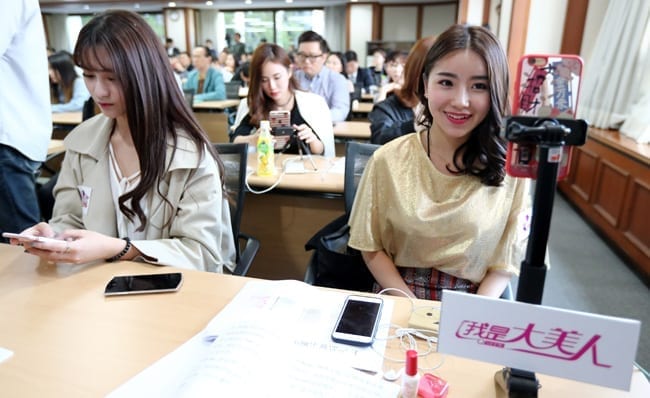
    Internet celebrities in China, known as “Wang Hong” there, have been in the limelight among Korea’s cosmetics and retail industry officials, amid a chilly relationship between the two countries. Bilateral relations have soured since Korea decided to deploy the Terminal High Altitude Area Defense (THAAD) missile system.

    The online stars, who have millions of followers on the internet, exert a strong influence over young Chinese people. According to CBN Data, a commercial data company affiliated with Alibaba, the “Wang Hong economy” is set to be worth 58 billion yuan ($8.7 billion) in 2016, more than China’s box office in 2015.

    Korea’s cosmetics industry officials have recently paid attention to them, as more have promoted K-beauty fever in China, evaluating or recommending Korean cosmetics online.

    Some cosmetics companies have even invited them to Korea to promote their products.

    AmorePacific invited some to Korea in March and September this year to promote its oriental herbal shampoo “Ryoe.” After the invitation, AmorePacific’s shampoo sales in China grew seven times year-on-year. LG Household and Health Care invited nine celebrities to Korea on Sept. 22 to promote its cosmetics brand SU:M37. The Face Shop invited five others and introduced their products to them earlier this year.

    Retail industry officials are looking for opportunities from the celebrities as well.

    Aekyung invited 10 in May to promote its cosmetics brand “Luna,” and HDC Shilla I’PARK Duty Free hosted an overnight trip for five to sightsee spots in Yongsan, central Seoul. Shinsegae broadcasted its “K-beauty fashion week” event to China through the channels of a few of the internet celebrities and Galleria Duty Free Shop employed two to promote the store in China through their social media.

    On Oct. 3, Minister of Culture, Sports and Tourism, Cho Yoon-sun said, “We would like you Wang Hongs, who lead the trend in China, to be a bridge between Korea and China,” meeting six celebrities at Jongno Hanok Village in central Seoul.

  • IPhone 7 to officially launch in Thailand on Oct. 21

    IPhone 7 to officially launch in Thailand on Oct. 21

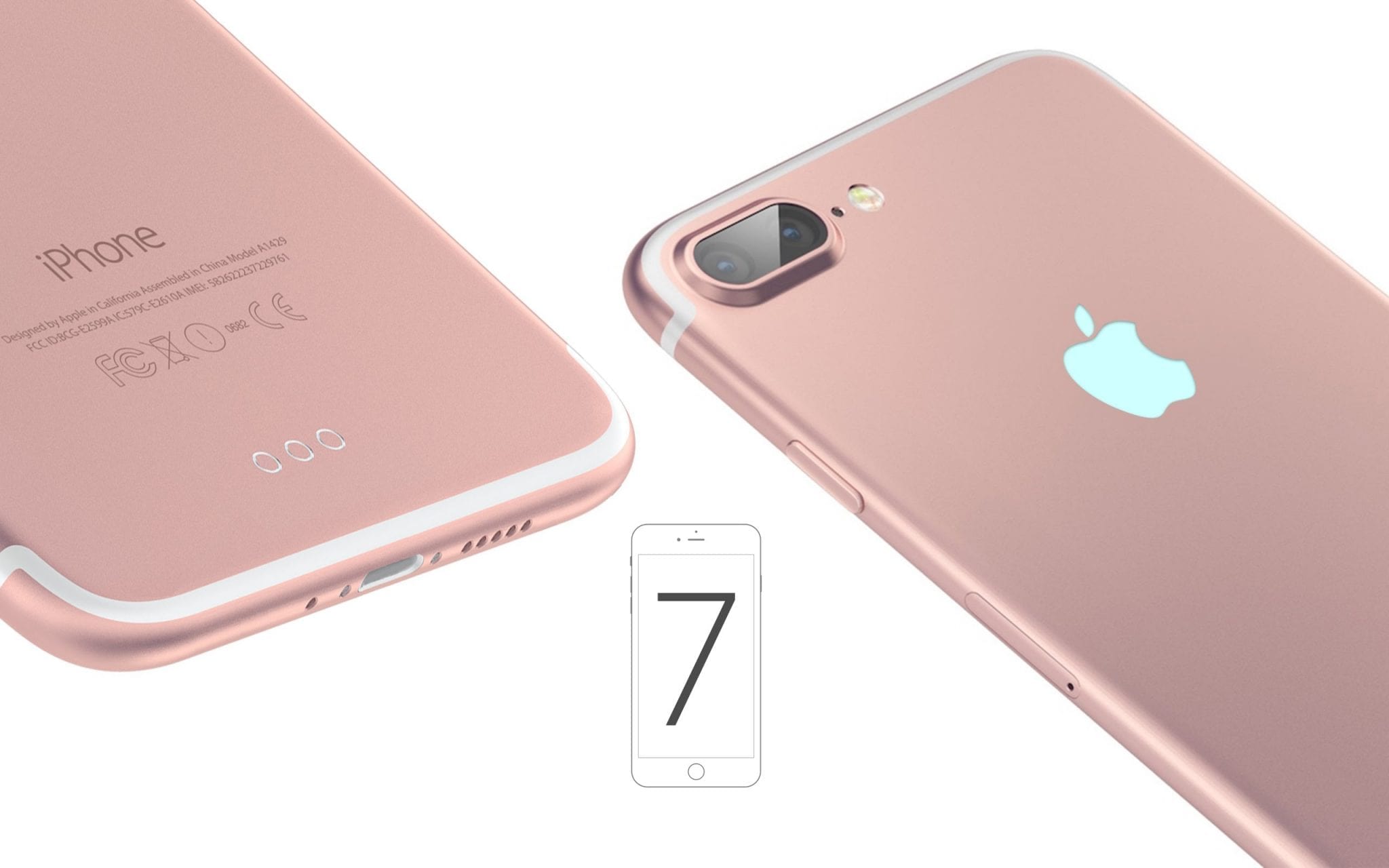
    Three major mobile operators in Thailand including AIS, DTAC and TRUE have announced will begin selling the iPhone 7 and iPhone 7 Plus on Oct. 21.

    While the pre-ordering will start early on Oct. 14 for all three companies, AIS and DTAC have opened a page for interested customers to register and guarantee the chance to pre-order the phones.

    Apple Watch Series 2, a product announced by Apple at the event in San Francisco on the same day as the new iPhone, will also launch in Thailand on Oct. 21.

    Apple has faced controversy by removing the headphone jack in the iPhone 7 in order to offer a waterproof handset. However, the new phone comes with a 12-megapixel camera and optical image stabilization, an impressive upgrade from the camera in iPhone 6s.

    The iPhone 7 comes in Silver, Gold and Rose Gold and the new colors Black and Jet Black.

  • South Korea’s Largest Retailer Joins Hands With Sinar Mas Land in Indonesia

    South Korea’s Largest Retailer Joins Hands With Sinar Mas Land in Indonesia

    South Korea’s largest retailer, GS Retail, opened its first supermarket in Cibubur, East Jakarta, on Friday (07/10) in partnership with Indonesian property developer Sinar Mas Land, to target the country’s upper-middle class.

    “We decided to choose Legenda Wisata for GS Retail’s first supermarket because Cibubur is home to middle- and high-income families,” GS Retail  senior executive Won Yong Kim said in a statement.

    The supermarket offers a wide range of food, household, electronic, beauty and hygiene products, as well as the popular South Korean bakery shop Tous le Jours and Indonesian café Bengawan Solo Coffee.

    The 2,913 square-meter supermarket, which is located inside the Legenda Wisata housing estate, was constructed by Sinar Mas Land.

    In October 2014, Sinar Mas Land was assigned to build a megastore for one of the Southeast Asia’s largest retailers, Courts Asia Limited, in Kota Harapan Indah residential estate in Bekasi, West Java, and in January 2015, to build another in BSD City in Tangerang, Banten.

    Established in 1971, GS Retail has 11,000 convenience stores and 290 supermarkets in South Korea. It booked $5.7 billion in revenue last year.

    The company has had a presence in Indonesia since March 2014.

  • Starbucks Coffee Company opened the doors to its store in Phnom Penh, Cambodia

    Starbucks Coffee Company opened the doors to its store in Phnom Penh, Cambodia

    Starbucks Coffee Company last week opened the doors to its newest flagship store in Asia, located in Phnom Penh, Cambodia, building on its long-term relationship with Hong Kong Maxim’s Group. Cambodia is Starbucks 16th market in the China and Asia Pacific region. In September, Starbucks celebrated 20 years since the opening of its first store outside North America in Japan and today, the company has more than 6,200 stores across the China and Asia Pacific Region.

    “We are proud to bring an elevated experience to Cambodia with the introduction of our Starbucks Reserve™ coffees,” said Mark Ring, president, Starbucks Asia Pacific. “Our new flagship store in Phnom Penh’s vibrant Boeung Keng Kang neighborhood will excite Cambodian customers with a unique coffee experience that showcases our deep passion for some of the finest coffees from around the world, while honoring the country’s rich heritage and culture.”

    At the flagship store, customers can discover exceptional coffees, engage with Starbucks partners (employees) and form a deeper connection with Starbucks coffee heritage. With an atmosphere that invites customers to explore the tastes and flavors of coffees from around the world, they can sit at the interactive coffee bar and experience a range of brewing techniques including Siphon, Cold Brew, Pour-over, Coffee Press and the state-of-the-art Black Eagle espresso machine. In the hands of Starbucks skilled baristas, the Black Eagle espresso machine delivers a smooth quality and consistent taste profile that complements Starbucks® signature handcrafted beverages.

    Inspired by Starbucks 45-year history of sourcing, roasting and serving some of the world’s finest coffees, the flagship store features Starbucks core menu in addition to rare small-lot coffees through its exclusive Starbucks Reserve™ coffee program. For the store opening, baristas are handcrafting two small lot Starbucks Reserve™ coffees: Colombia La Unión 16 and Papua New Guinea Luoka. Over time, the store will showcase a rich variety of coffees that draw on Starbucks relationships with small lot coffee farmers from the world’s coffee growing regions. All Starbucks Reserve™ coffee is roasted at the Starbucks Reserve™ Roastery and Tasting Room in Seattle.

    To further elevate the coffee experience for customers, select partners at the store are Starbucks Coffee Masters. The Coffee Master program recognizes their expertise with the special designation of the black apron after they pass written and taste tests.

    Through its licensed partner Coffee Concepts (Cambodia) Limited, a subsidiary of Hong Kong Maxim’s Group, Starbucks entered the Cambodian market in December 2015 and currently operates two stores at Aeon Mall and the Phnom Penh International Airport.

    “We are pleased to further strengthen the partnership between Maxim’s and Starbucks in Asia and look forward to continuing to deliver the unique Starbucks Experience through coffee leadership, high-quality products, exceptional service and engaging baristas in a welcoming environment to customers across Cambodia,” said Michael Wu, Chairman and Managing Director, Hong Kong Maxim’s Group.

    A Perfect Blend of Cultures

    The design of the new two-story, 650 square-meter (7,000 square-feet) store features local craftsmanship and iconic global images, including a hand-carved Siren made of Cambodian sandstone, an illustration of Starbucks first store at the Pike Place market on a textured rattan canvas, a coffee landscape inspired tapestry made of fabric tightly woven on a rattan frame, and a metal sculpture hanging over the bar inspired by the coffee aroma.

    The centerpiece is a hand-painted mural over the staircase to the second floor, and illustrates the popular Cambodian folklore of Sovann Maccha, the siren princess with a tail that is transformed into two majestic Naga dragons. Illustrated by prominent local urban artists Peap Tarr and Lisa Mam, the artist highlights the distinct beauty and characteristics of urban Khmer art.

    Long-term Community Investments
    As Starbucks continues to expand its store footprint in Cambodia, it is deeply committed to being an active member of the community and a catalyst for positive change. Currently, Starbucks is working with Cambodian Children’s Fund, a non-government organization that works with children in one of the most underserved areas of Phnom Penh. The Cambodian Children’s Fund aims to transform the country’s most impoverished children into future leaders, by delivering education, family support and social development programs to the local community.


  • Duterte may break Philippine telecoms duopoly

    Duterte may break Philippine telecoms duopoly

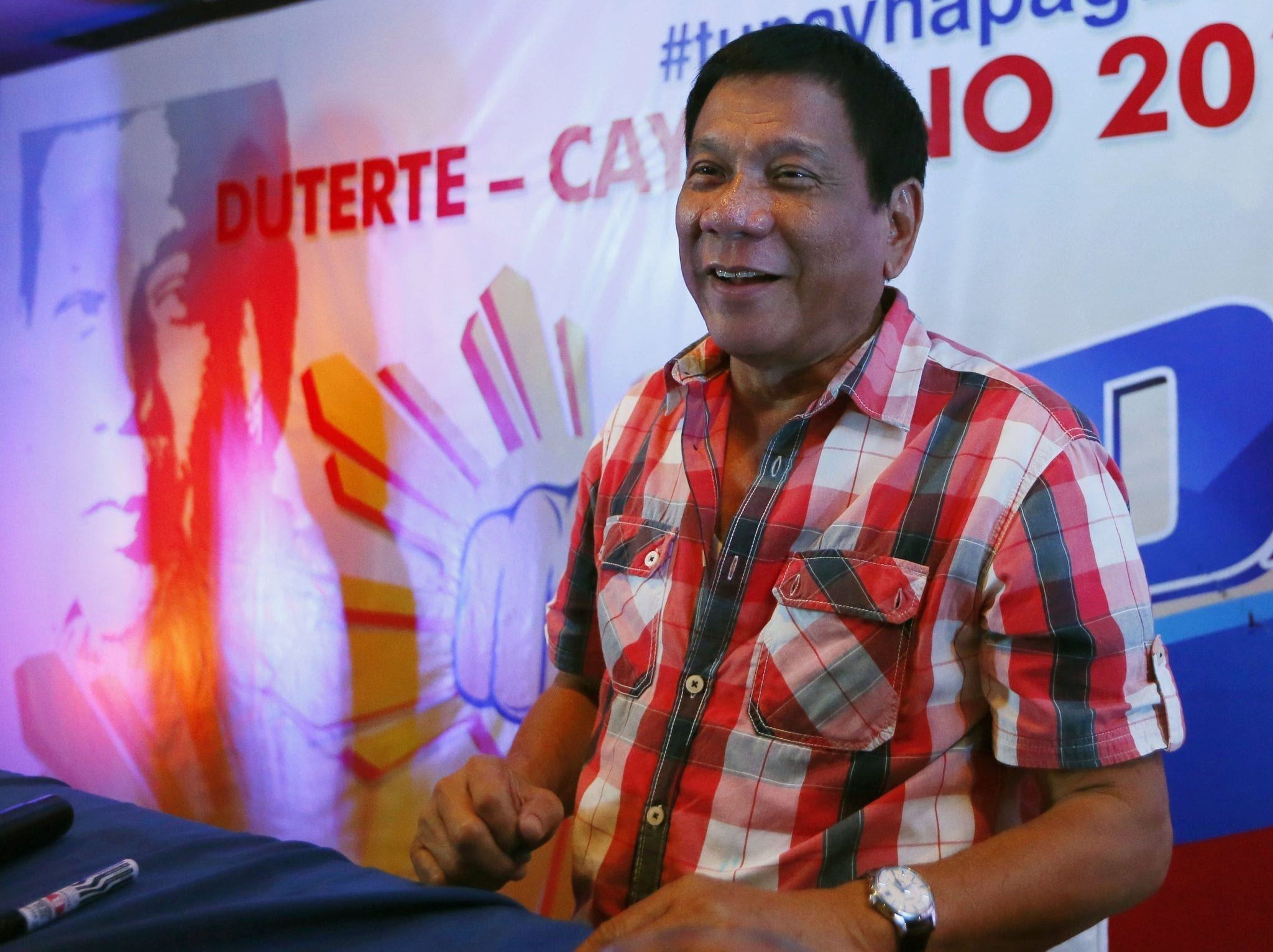
    Philippine president Rodrigo Duterte has threatened to break up the market’s telecoms duopoly if incumbent operators Globe and PLDT do not improve their services.

    Duterte has indicated he may bring in competitors from China unless consumer complaints about poor service quality and slow internet speeds are addressed.

    According to sources quoted in the report, when Australia’s Telstra tried to enter the Philippines market last year, the company was met with a hostile reception from the former Aquino administration, with the company told that the president supports PLDT and Globe and that cases seeking to delay its entry into the market will be filed in court.

    But Duterte has by contrast taken a more antagonistic approach to the oligarchs controlling PLDT and Globe, and is more receptive to disrupting the duopoly.

    China’s state-owned operators are likely to jump at the chance to enter the Philippines market, and if the Philippine Competition Commission blocks the planned sale of conglomerate San Miguel Corp’s 700-MHz spectrum to Globe and PLDT, Chinese operators would have a go-to partner for a Philippine venture.

    Philippine consumers have long complained about the market’s slow internet speeds. Akamai’s recent State of the Internet report measures the Philippines’ average speed at 4.3Mbps, well below the global average of 6.1Mbps.