Tag: asia

  • Shopping patterns in Singapore shift amid slowdown

    Shopping patterns in Singapore shift amid slowdown

    And yet, amid this gloom, consumers continue to spend – though there is a shift in the pattern and quantum of their spending.

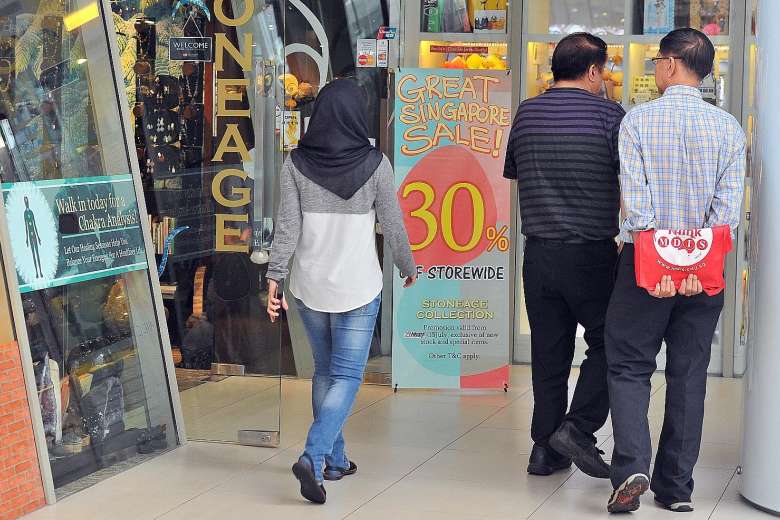
    In June, the first month of the Great Singapore Sale, retailer sales were down 3 per cent compared with the same month last year. It is not just tourists who are staying away, but local consumers are also looking more closely at price tags.

    The mood has not been helped by the fact that about 4,800 people were laid off in the second quarter, 48 per cent more than in the same period last year.

    Landlords are feeling the pinch as well. Average monthly gross rents for prime first-storey speciality retail shops dipped 1.2 per cent in the three months to September from the previous quarter, said property consultancy Edmund Tie & Company recently.

    Vacancies in the Orchard planning area rose again in the second quarter to 9.2 per cent, after reaching what was then a five-year high of 8.8 per cent in the first quarter.

    ANZ economist Ng Weiwen pointed out that home prices have fallen for 12 consecutive quarters, while bank lending has shrunk for 11 straight months. This has translated into weaker spending.

    However, the decline has been gentle across the board and there have been some bright spots. Those who find this surprising should look at the unemployment rate. While it rose from 1.9 per cent in March to 2.1 per cent in June, it remains quite low. Said OCBC economist Selena Ling: “When unemployment rate is anything below 3 per cent, it is effectively at full employment.”

    It could be one reason why consumers continue spending on mid-range goods and services, such as travel and at cafes, even as they cut back on luxury items and seek better deals for necessities.

    ANZ’s Mr Ng said: “For the different tiers of consumer spending, the high-end consumer segment will be more sensitive to changes in consumer income, so it’s not surprising.

    “The mid-range segment will still hold up in the near term as wages are still holding up.”

    In fact, more are paying their credit card bills on time. Only 32.25 per cent of card holders did not pay their bills in full for the second quarter, down from 33.91 per cent in the first quarter. Ms Ling said: “People have been turning slightly more cautious with spending.”

    They may spend less on fashion. And malls could take a hit if their offerings are the same as the ones available on Taobao and the like, she added.

    But cheaper options like house brands at supermarket chain FairPrice are seeing stronger demand.

    This is what a slowing economy looks like – in Singapore.
     

  • DBS debuts digital tokens in corporate m-payments

    DBS debuts digital tokens in corporate m-payments

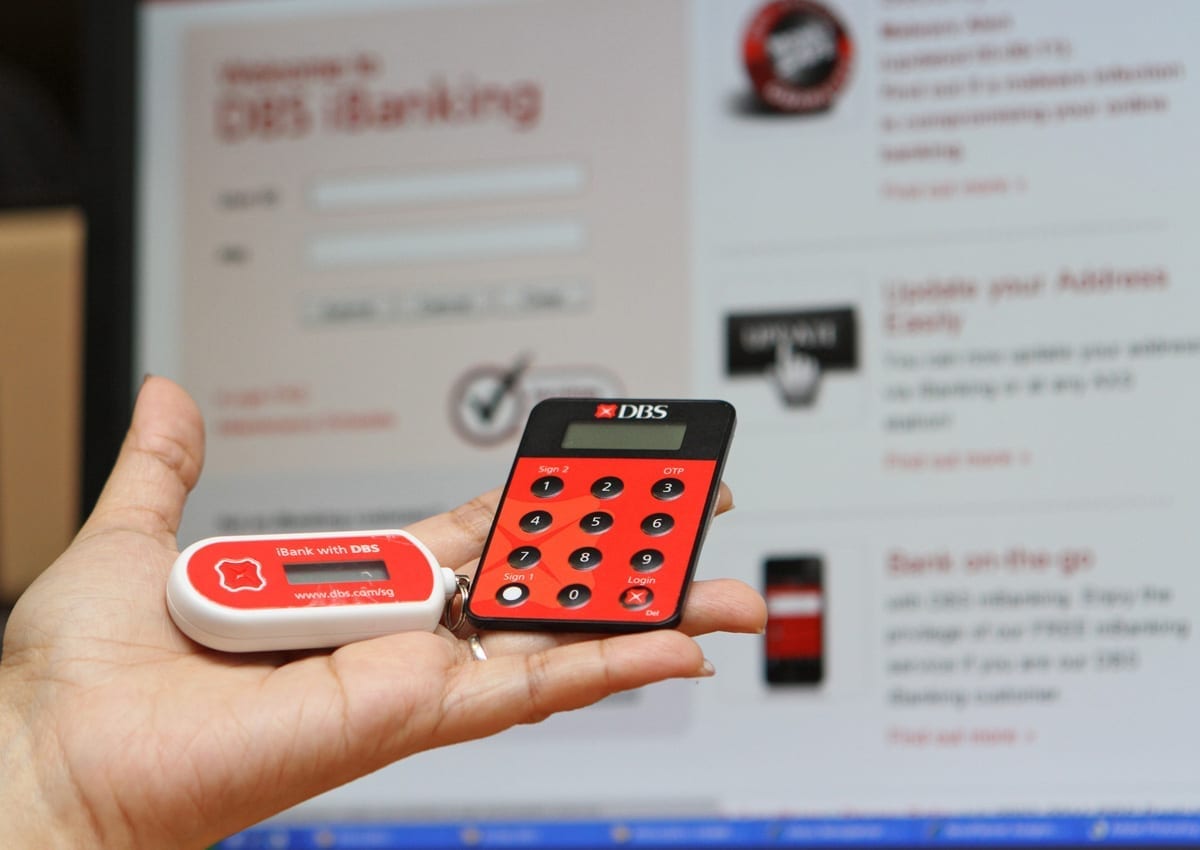
    DBS Bank has launched a new mobile banking feature that eliminates physical tokens for corporate transactions.

    The feature added to DBS IDEAL Mobile uses digital tokens to make banking on the go simpler and more convenient for corporate treasurers and small business owners.

    Available to both Apple and Android users, the bank claims to be the first Asian bank to offer this integrated service on one mobile platform.

    Currently, corporate treasurers often have to carry several security tokens to conduct their business banking, with some having up to six physical tokens with them at any one time.

    Specifically for iPhone users, the digital token utilises the user’s fingerprint to ensure identity confirmation and conduct secure online transactions. Android users will continue to key in their PIN to carry out transactions.

    This new service is available to over 140,000 DBS IDEAL and DBS IDEAL Mobile customers across 10 markets. Over 3 million transactions a month are conducted on DBS IDEAL.

    “As a bank that is shaping the future of banking, we want to provide an easy, more convenient and secure solution to our corporate customers. The new digital token feature on DBS IDEAL Mobile is a great example of how we are leveraging technology to help create a more intuitive and seamless banking experience for them,” DBS Bank head of global transaction services John Laurens said.

  • Telecoms billing market on pace to $14b in 2022

    Telecoms billing market on pace to $14b in 2022

    The global telecom billing and revenue management market is expected to reach$14.2 billion in 2022 with a CAGR of 8% from $7.6 billion in 2014.

    The factors that are favoring the market growth include, hastily growing telecommunication sector, deployment of innovative services and increasing number of customers, whereas factors such as quick growth of subscribers, network clogging, plunge in quality of services, and fallout of services area are inhibiting the market growth.

    North America and Europe have the highest adoption of billing and revenue management in the telecom ecosystem and regions such as Asia-Pacific, Middle East and Africa along with Latin America offer a lot of opportunities for the vendors.

    Countries in Asia Pacific such as China and India have large subscriber bases and ever changing regulatory scenarios, thus creating demand for billing and revenue management solutions.

    The global telecom billing and revenue management market is segmented on the basis of deployment type, service, software, and geography. On the basis of deployment, the market is segregated into on-site and cloud.

    On the basis of service, the market is categorized into system integration, planning and consulting services, operations and maintenance services, managed services and others. The market is segmented on the basis of software into negotiation, revenue assurance, partner management, fraud management, billing and charging and others.

    The key players in the global telecom billing and revenue management market include Accenture, Cisco, Oracle, Ericsson, Hewlett-Packard (HP), SAP, Huawei Technologies, NEC, Amdocs and Comverse.

  • Ericsson, Equinix enter hybrid cloud alliance

    Ericsson, Equinix enter hybrid cloud alliance

    Ericsson and Equinix have developed a joint offering designed to help enterprises capture the true benefits of hybrid and multi cloud adoption.

    The offering leverages the Equinix Cloud Exchange (ECX) and the Apcera platform from Ericsson.

    The initial target enterprises will be finance and insurance companies in Southeast Asia and Oceania to help solve their challenges on data compliance and regulation and at the same time give the agility that enterprises need.

    The finance and insurance industry have strict compliance regulations on data and this limitats their ability to pursue a multi-cloud strategy. Ericsson and Equinix’s joint offering will address this challenge by enabling enterprises to deploy any application on any cloud infrastructure with high performance and secure connections that meet compliance regulations.

    “To be able to meet the market demand for hybrid cloud and multi cloud, Ericsson is delighted to partner with Equinix,” commented Ludvig Landgren, VP for network applications and  cloud infrastructure at Ericsson Southeast Asia and Oceania.

    “We will jointly support enterprises, initially addressing South East Asia and Oceania customers, moving workloads and data across multiple clouds using one port with on-demand, automated connectivity.”

    The initial deployment is scheduled for December, 2016.

  • MasterCard deploys biometric verification

    MasterCard deploys biometric verification

    Mastercard has deployed Identity Check Mobile in Europe, a new payment technology application that uses biometrics like fingerprints or facial recognition to verify a cardholder’s identity.

    The technology is now being introduced across 12 markets in Europe including the UK, Germany Austria, Belgium, Czech Republic, Denmark, Finland, Hungary, the Netherlands, Norway, Spain, and Sweden.

    Aimed at simplifying online shopping, the deployment follows a series of successful trials in the Netherlands, the US, and Canada. The technology will be rolled out across the world in phases in 2017.

    The move comes after trials and research discovered European consumers prefer biometric payments to current systems that rely on passwords.

    While existing identity verification methods typically take shoppers away from a retailer’s website or mobile app, where they are often required to remember and enter a password, Mastercard Identity Check Mobile eliminates the need for cardholders to recall passwords, dramatically speeding up the digital checkout experience while also improving security. Instead, cardholders can verify their identities by using the fingerprint scanner on their smartphone or via facial recognition technology by taking a “selfie” photo.

    “We are relentlessly focused on making the online payment experience near frictionless, without making any compromises on safety and security,” said Ajay Bhalla, president of Enterprise Risk & Security, Mastercard.

    “This is a significant milestone in the evolution of payments. Shopping in person has been revolutionized thanks to advances like contactless cards, mobile payments and wearables, and now we are making Identity Check Mobile a reality for online shopping in Europe, and soon, the world.”

  • Singapore banks missing the boat in booming SE Asia

    Singapore banks missing the boat in booming SE Asia

    The three local banks are not having a good year, mostly due to forces beyond their control, but they seem to be also scoring own goals – missing opportunities right on their doorstep, our South-east Asian neighbours.

    The past two decades have been a waste in terms of what they should have done, formulating and working out a thoughtful strategy of expansion in ASEAN countries but efforts have been half-hearted and sometimes marred by ineptitude.

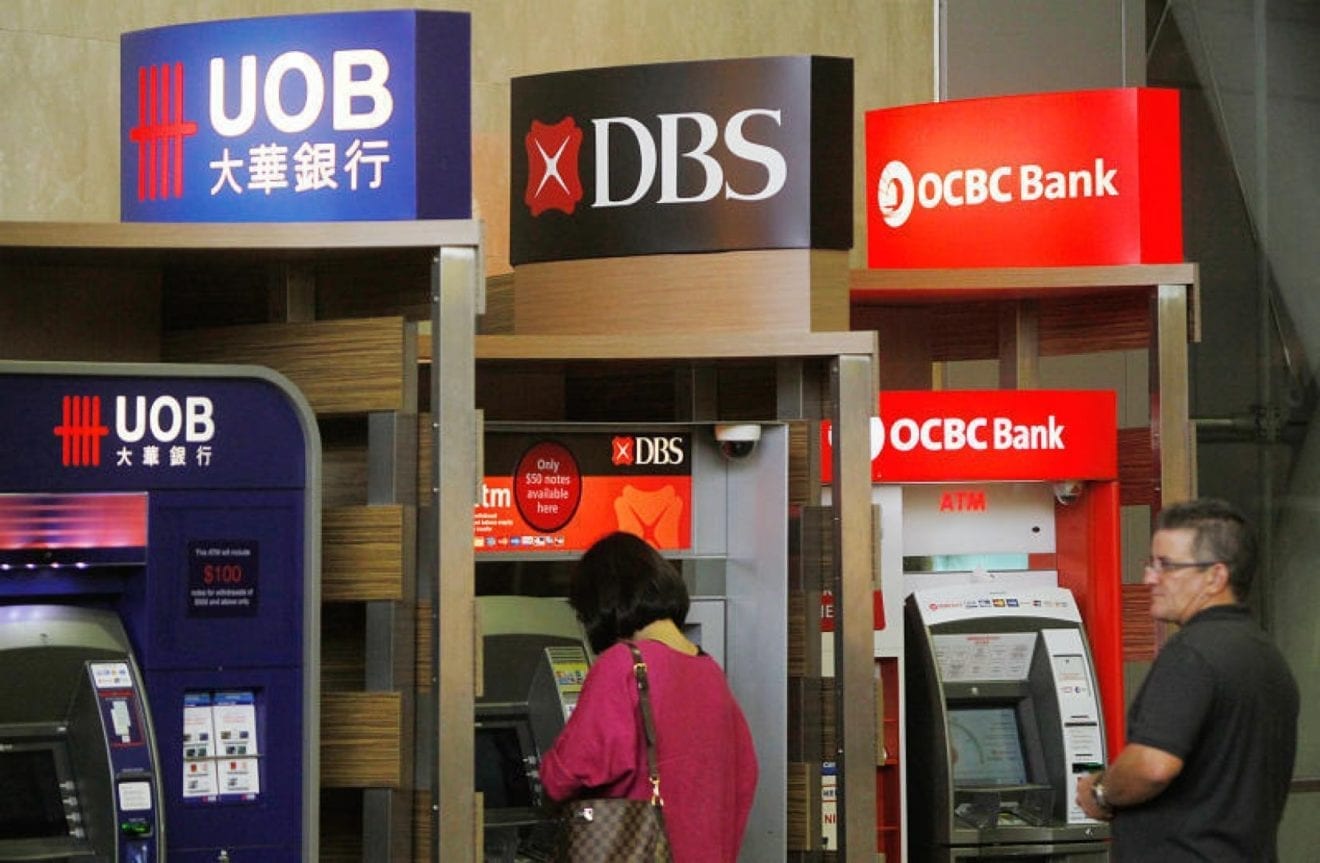
    Singapore contributes the bulk or the lion’s share of profits to DBS Group Holdings, OCBC Bank and United Overseas Bank (UOB) but domestic sluggish growth, a slump in the property market and a prolonged period of weak interest rates are translating to poorer earnings.

    What could have helped is if the banks have a larger presence in the region which is booming; some countries this year and the next are projected to grow more than 6 per cent against 1-2 per cent for Singapore.

    Year to date, the stockmarkets of Indonesia and Vietnam are posting double-digit gains while it’s in the high single digit for Thailand and the Philippines. Singapore equities by contrast is a minus 2 per cent.

    For various reasons, the banks have pretty much neglected the Philippines, Thailand and Vietnam, concentrating on expanding in Greater China.

    All three have Indonesian subsidiaries but progress in getting meaningful traction in ASEAN’s largest economy has been slow. And payback for their Greater China strategy is taking a very long time.

    In Q2, DBS said China recorded a net loss of S$15 million compared with a net profit of S$79 million a year ago and S$23 million in the previous quarter.

    Net profit for Hong Kong halved to S$161 million from S$320 million a year ago.

    OCBC’s Greater China pre-tax profit was unchanged at S$253 million in Q2; UOB posted a pre-tax profit of S$66 million for Greater China, down almost 30 per cent.

    From Malaysia, where OCBC and UOB are among the largest foreign banks, contributions there are somewhat underwhelming.

    In Q2, OCBC’s Malaysia pre-tax profit was up 11 per cent at S$214 million making up 19 per cent of total group earnings.

    UOB’s Q2 pre-tax profit from Malaysia fell almost 9 per cent to S$125 million, and contributed 13 per cent to group total.

    The banks had a golden opportunity to acquire banks in the debt-strapped ASEAN countries following the 1998 Asian financial crisis but they let that slip after some missteps.

    DBS tried with forays in Thailand and the Philippines but quit after huge losses.

    Today, it has some activities in Indonesia which are so small that the bank lumps it under South and South-east Asia. Still, Q2 net profit of South and South-east Asia of S$46 million from breakeven a year ago shows the potential.

    OCBC’s Indonesian business posted Q2 pre-tax profit of S$76 million, or 7 per cent of group total, and up from S$47 million a year ago.

    UOB, which has the most extensive operations in South-east Asia including 157 branches in Thailand and 190 in Indonesia, tried to buy a bank in the Philippines in 1999.

    But stymied by minorities, the bank pulled back in 2005, efforts which left its then chairman and chief executive “allergic” to the Philippines.

    UOB’s Q2 pre-tax profit from Thailand and Indonesia came to a combined S$78 million or 8 per cent of group earnings.

    For sure, it will never be smooth sailing to venture into these countries given that their sometimes chaotic domestic politics, frequent changes in policy, and weak adherence to rules, factors which deter all but the most stout-hearted foreign investors.

    Venturing out of Singapore will always be tough but our deep-pocket banks have the resources.

    The potential of South-east Asia is well documented: the 10 South-east Asian countries with a US$2.4 trillion (S$3.3 trillion) economy and population of 626 million forms one of the largest markets in the world which remains under-banked. It also has a burgeoning educated middle class that is receptive to financial services and products.

    What our banks need is staying power and agility to navigate these unwieldy markets, before they entirely miss the boat.

  • AirAsia Indonesia Gets ISO Certificate

    AirAsia Indonesia Gets ISO Certificate

    Indonesia AirAsia and Indonesia AirAsia Extra have obtained the quality management system certificate ISO 9001: 2015 for their performance in handling domestic flight delays.

    The certificate was awarded by TÜV Rheinland Indonesia, a certification agency based in Cologne, Germany, which has certification experience for more than 140 years in 69 countries.

    The certification process for Indonesia AirAsia and Indonesia AirAsia X lasted from February to June 2016. The results were issued on August 29.

    “This certificate is a prove of AirAsia Group’s real action and strong commitment in Indonesia to always provide the best service to customers,” AirAsia Indonesia Group CEO Dendy Kurniawan said in Jakarta, Thursday, October 13th.

    TÜV Rheinland Indonesia director Edmundus Wiharyono said that audit results showed that AirAsia Indonesia has well-implemented, good procedures for handling flight delays.

    “With the ISO 9001: 2015 quality management system certificate, we hope AirAsia can continue to improve their future performance and increase customers’ loyalty,” Wiharyono said.

    The certificate was given to AirAsia’s nine terminals in Jakarta, Medan, Surabaya, Denpasar, Pekanbaru, Palembang, Bandung, Yogyakarta, and Solo, which operate AirAsa Group Indonesia’s domestic flights.

  • Omantel taps Redknee for multi-play monetization

    Omantel taps Redknee for multi-play monetization

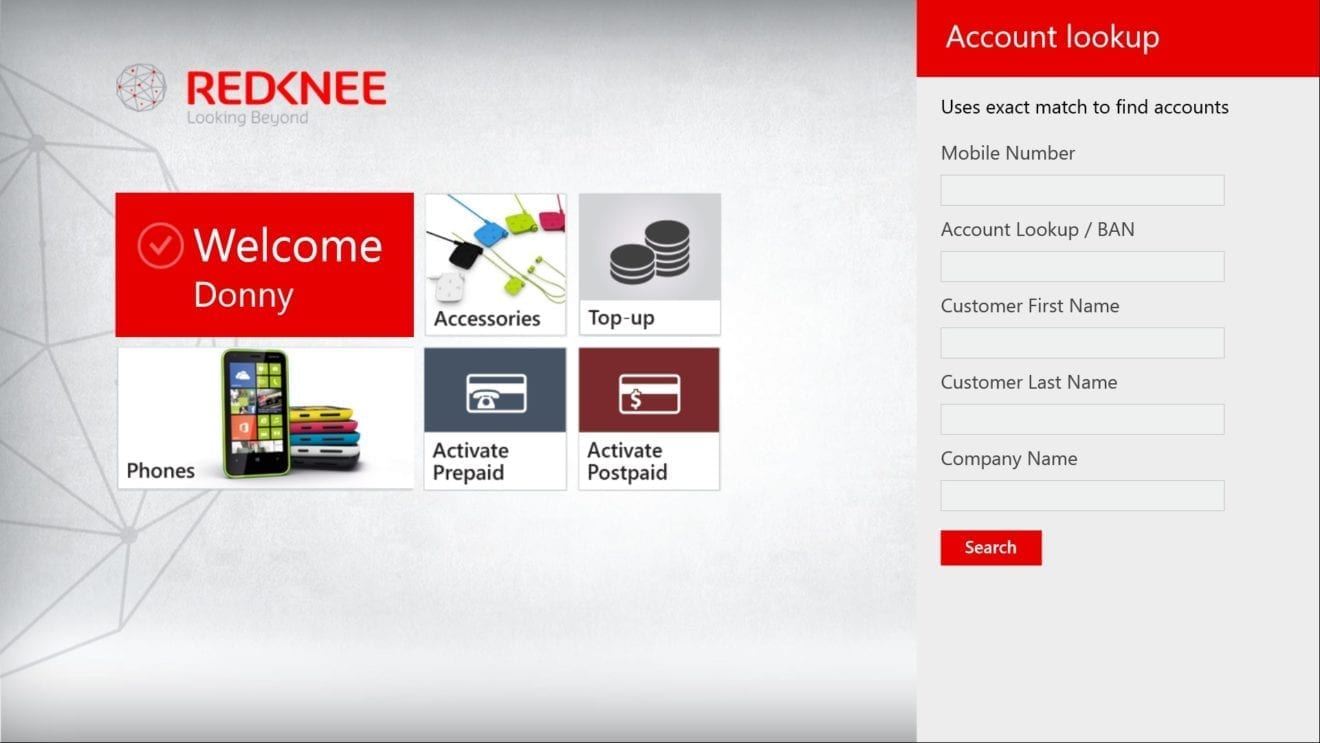
    Omantel, a communication service provider (CSP) in the Middle East, has implemented Redknee Unified, a converged multi-play billing, charging and customer care platform from Redknee Solutions.

    The successful implementation of Redknee Unified transformed Omantel’s IT infrastructure across multiple lines of business including mobile, fixed, IPTV, Internet, and cable.

    Redknee Unified reduces time to market and provides Omantel with the flexibility it needs to create new product offerings and connect with different customer groups to generate greater business value.

    Redknee said the solution is an agile, flexible and scalable real-time converged rating, charging and billing solution that is easy to deploy and which delivers an enriched customer experience across multiple industries including telecommunications, utilities, transportation, connected homes, and IoT.

    By leveraging Redknee’s experience with large scale BSS transformation projects, Omantel was able to consolidate multiple systems and processes onto one platform to create cost savings and operational efficiency.

    Redknee Unified also simplifies price plan configurations across the business and improves competitiveness by offering multi-play solutions that are tailored to Omantel’s customer base.

  • Daimler Trucks to increase its sales activities in core market Indonesia

    Daimler Trucks to increase its sales activities in core market Indonesia

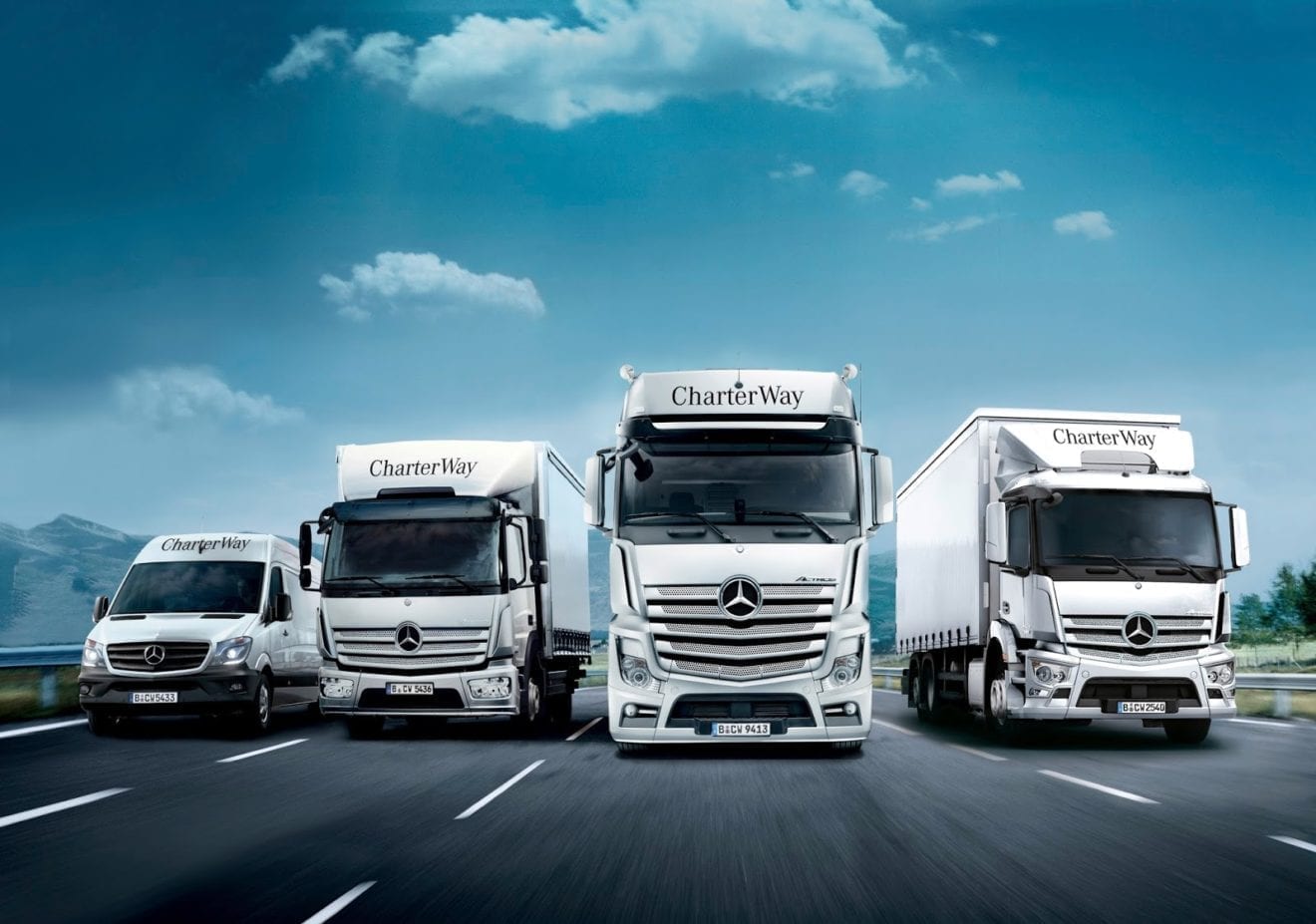
    Daimler Trucks, the world’s leading truck manufacturer with a strong foothold in Asia, is enhancing its position in commercial vehicles in its core market Indonesia. The Daimler Trucks subsidiary FUSO (Mitsubishi Fuso Truck and Bus Corporation, MFTBC), Mitsubishi Corporation (MC), Mitsubishi Motors Corporation (MMC), and the Indonesian company PT Krama Yudha (KY) have signed a respective framework agreement. As part of this agreement, the Indonesian trade and sales partner PT Krama Yudha Tiga Berlian Motors (KTB) will focus exclusively on selling FUSO brand commercial vehicles. KTB’s passenger car business will be transferred to an independent legal entity. At the same time, FUSO will increase its stake in the newly structured company KTB from 18 to 30 percent.

    Dr. Wolfgang Bernhard, Member of the Board of Management of Daimler AG for Daimler Trucks & Buses: “By increasing our stake in our partner KTB, we are underlining the importance of the Indonesian market and can be even more active locally. Concentrating our sales activities completely on the commercial vehicle market fits perfectly into our Daimler Trucks strategy of consistently focusing on the needs of our customers. With this shift, we as market leader are positioning ourselves in order to continue to tap market potential in Indonesia in the best way possible.”

    Marc Llistosella, President and CEO of Mitsubishi Fuso Truck and Bus Corporation and Head of Daimler Trucks Asia: “With our FUSO brand we have been the clear market leader in Indonesia for over 40 years. By increasing our stake in KTB, we can expand on our position even further.”

    With a current market share of about 47 percent, FUSO has been leading the Indonesian market for 46 years in a row since 1970. The country is the largest export market for the FUSO brand. The light duty truck Fuso Canter, which is sold under the name FUSO Colt Diesel, is the absolute top-seller in Indonesia.

    The current restructuring of KTB results in the following shareholder composition: FUSO (MFTBC) holds 30 percent, Krama Yudha (KY) 40 percent and Mitsubishi Corporation (MC) 30 percent. The overall transaction is subject to customary conditions precedent including merger control clearances.

    KTB will serve as dedicated wholesaler and distributor of FUSO vehicles in the Indonesian market and will continue to hold its stake in the related production business, which is responsible for vehicle assembly in Indonesia.

    For Daimler Trucks, this transaction is another important step forward in implementing its strategy of global and consistent orientation towards the requirements of commercial vehicle customers. To this end, Daimler Trucks is partially repositioning its sales and service organizations around the world with a clear focus on the commercial vehicle business. Daimler Trucks is thereby putting regional and national customer orientation at the center of its operations.

    Indonesia has a population of about 250 million people, of which 70 percent are under the age of 40. In 2016, the annual GDP growth rate is at 5.1 percent. The middle class is forecasted to expand to more than 140 million people by the year 2020. Indonesia is the world’s fourth most populous country with growth prospects, which are expected to be supported by a large number of infrastructure projects in the near future. It can be assumed that the infrastructure sector will expand further and result in an increasing demand for commercial vehicles.

  • New Mitsubishi Distributor to Boost Sales Operations in Indonesia

    New Mitsubishi Distributor to Boost Sales Operations in Indonesia

    Mitsubishi Motors Corporation (MMC) and business partners Mitsubishi Corporation (MC), PT Krama Yudha (KY) and Mitsubishi FUSO Truck and Bus Corporation (MFTBC) reached a basic agreement on restructuring MMC-brand vehicle sales operations in Indonesia in order to strengthen their Indonesian operating base.

    Under the basic agreement, the current distributor PT Krama Yudha Tiga Berlian Motors (KTB) will be split into MMC and MFTBC brands and a new distributor dedicated to the MMC brand will be set up. The new distributor will enhance MMC’s passenger car sales organization in Indonesia through promoting areas such as branding, sales personnel training, improving the quality of after-sales services and building up the dealer network. The new company is due to start sales operations in April 2017.

    MMC, in partnership with MC and KY began automobile production and sales in 1970 and since then business has grown focusing mainly on commercial vehicle sales.

    To meet further expected growth in the Indonesian passenger car market, MMC is preparing to commence production in April 2017 in a new factory at Mitsubishi Motors Krama Yudha Indonesia (MMKI). In October 2017, MMC also plans to start production of a new compact MPV segment model for which there is a large demand in Indonesia.

    MMC will work to further expand profits in Indonesia through expanding its model lineup, moving its focus from small commercial vehicles to passenger vehicles, strengthening the sales aspect with the new MMC brand-focused distributor in addition to production through the new factory at MMKI and new product.

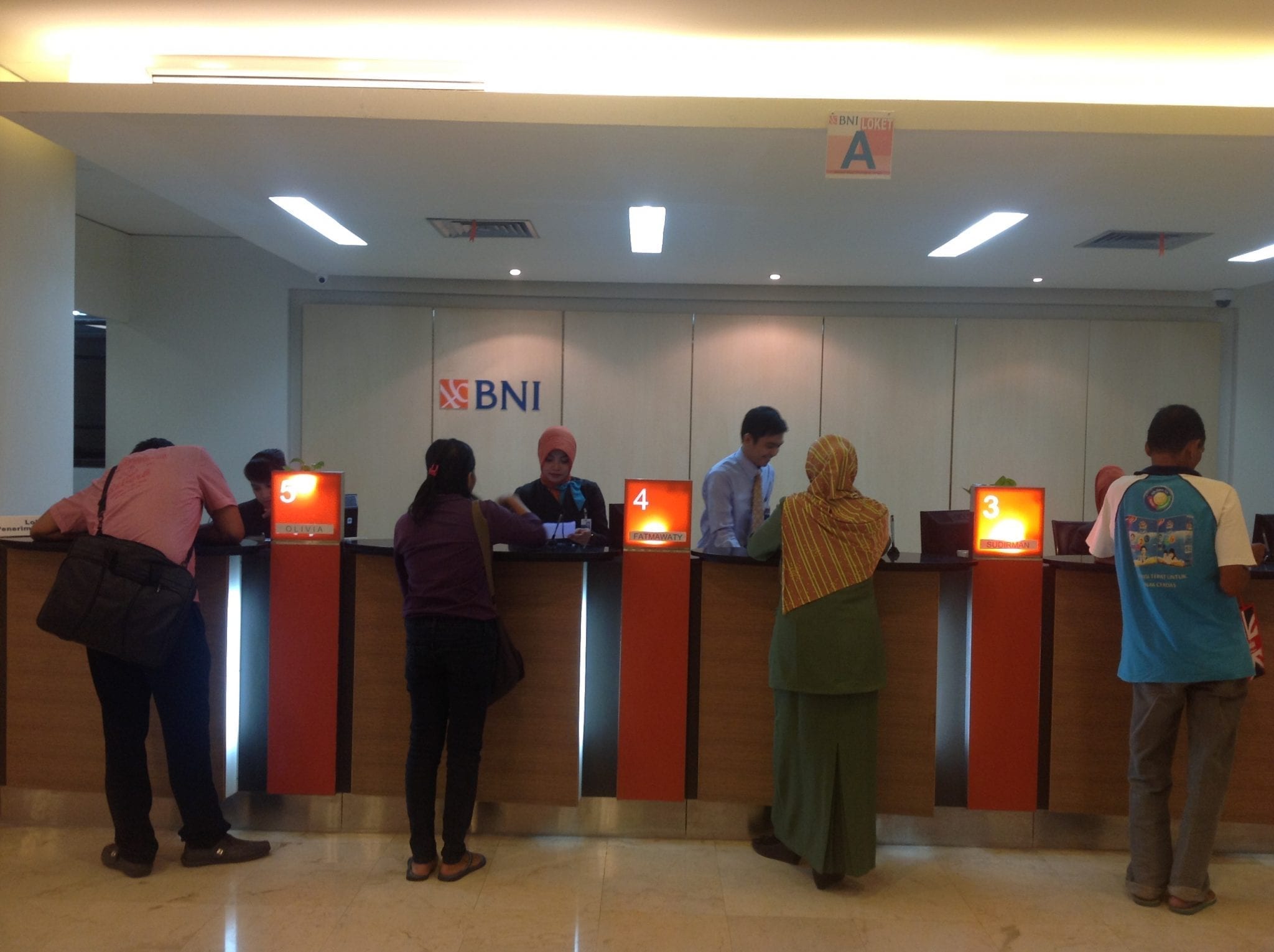
  • BNI posts net profit of Rp7.72 trillion in Q3

    BNI posts net profit of Rp7.72 trillion in Q3

    State lender Bank Negara Indonesia (BNI) posted a net profit of Rp7.72 trillion in the third quarter of 2016, up 28.7 percent from the same period last year.

    The double-digit profit growth was fueled by net interest income after credits grew by 21.1 percent or Rp372.02 trillion year on year, BNI President Director Ahmad Baiquni said here on Thursday.

    The net interest income grew 15 percent to Rp21.87 trillion in the July-September 2016 quarter, up from Rp19.02 trillion in the same quarter a year earlier, he noted.

    Fee-based income, meanwhile, rose 20 percent from the same quarter last year, he added.

    He informed that the BNI recorded a 6.2 percent net interest margin from the amount of credits channeled in the third quarter of 2016 .

    The bank also saw its non-interest income rising 20 percent to Rp6.24 trillion in the third quarter of 2016, fueled by a rise in commission on trade financing, account management and insurance marketing cooperation.

    The amount of credits extended in the third quarter of 2016 grew 21 percent as the bank focused on financing infrastructure projects run by state-owned companies, he pointed out.

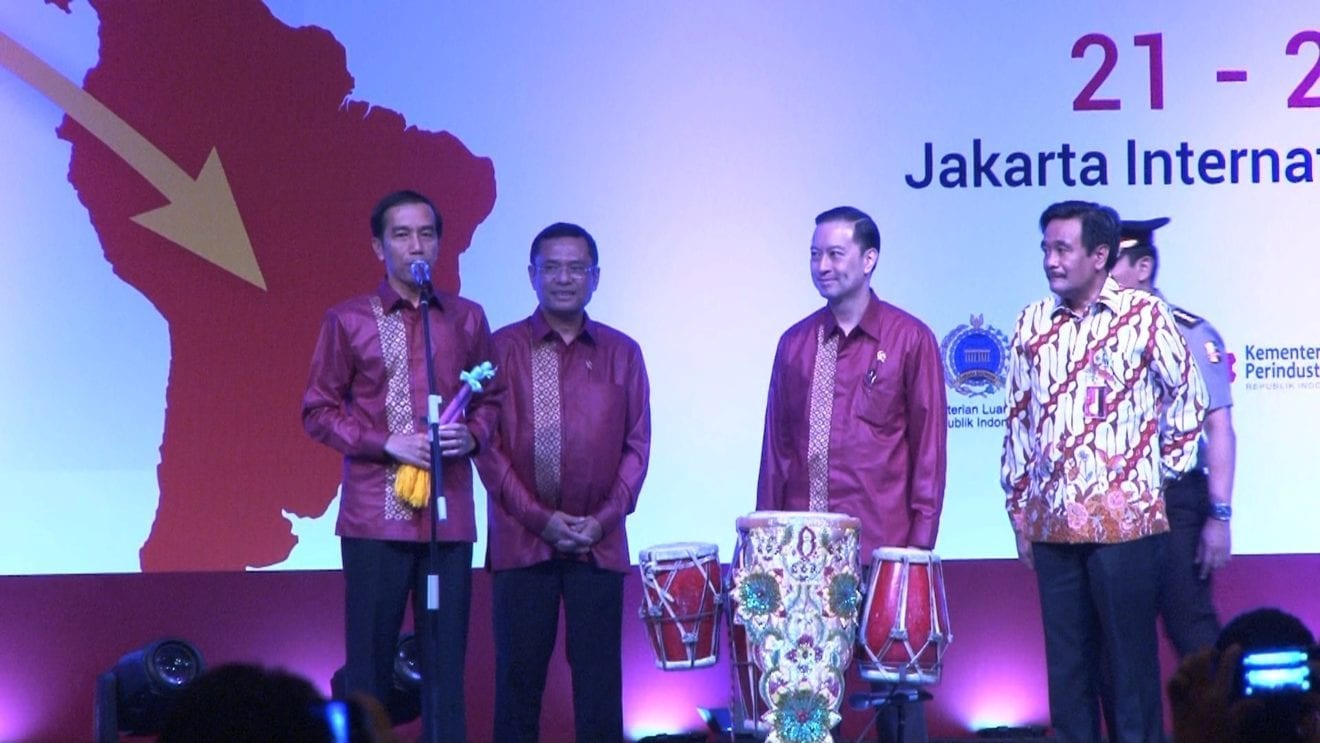
  • Trade Expo Indonesia buying mission generates deals worth US$186.69 million

    Trade Expo Indonesia buying mission generates deals worth US$186.69 million

    Now into its second day, the Trade Expo Indonesia event has generated a total of US$186.69 million worth of transactions in the form of trade contracts.

    “Transactions worth US$178.7 million were signed on the first day while US$7.99 million worth of deals were signed on the second day,” informed the Trade Ministrys Head of National Export Development Arlinda in Jakarta, on Thursday.

    On the second day of the Expo, the buying mission contract signing was dominated by importers of food and beverage products from Australia.

    The signings were witnessed by Suprapto Martosetomo, Indonesias Ambassador to South Africa as well as the Kingdom of Lesotho, the Kingdom of Swaziland and the Republic of Botswana. The deals were signed by six importers from three countries, including Nigeria, Australia and South Africa, and eight local export businesses.

    In the pharmaceutical sector, Nigerias Jeijosh Pharma signed a deal with PT. Phapros, while Sony Trading Pty. Ltd signed a deal with PT. Mayora Indah.

    In the food and beverage products sector, PT. Pondan Pangan Makmur and PT. Sarimunik Mandiri signed a deal with Eastern Cross Trading Pty. Ltd and CV. Intrafood, while Hean Corporation and PT. Dua Kelinci signed a partnership in the same sector.

    Grein Australia Pty Ltd and PT. Sayap Mas Utama signed a deal for food and beverage products as well as consumer goods.

    Lastly, Wemco Investment & Trading Ltd and PT. KMI Wire and cable Tbk. signed a contract for wire products.

    A total of 37 trade contract signings were carried out between 30 importers from 16 countries and 34 local exporter companies based on the buying mission on the Expos second day.

    Essential oils and coconut milk were among the most sought after products and generated the most transactions, along with skilled workforce contracts from the services field.

    Other commodities that were also coveted by foreign importers included coffee, tea, cement, furniture, wires, food and beverage products, seafood, anti-fatigue mats, floor mats, cutting boards and modular tiles.

    Arlinda believes that this event has broadened Indonesias export opportunities in a number of markets, especially non-traditional ones.

    “We continue to work so that the Indonesian trade representatives contribute more overseas, while at the same time encouraging business makers to enhance the quality of their products because export opportunities are now very vast,” Arlinda remarked.

    The Trade Ministry aims for the goods trade transactions to reach US$800 million by the end of this Trade Expo, excluding the investment opportunities and services related transactions.

    It is hoped that overall, the total transactions signed can reach US$1 billion, exceeding the previous year’s figure of US$909 million of deals.

  • Jordanian Investors Buys Gorontalo Tuna

    Jordanian Investors Buys Gorontalo Tuna

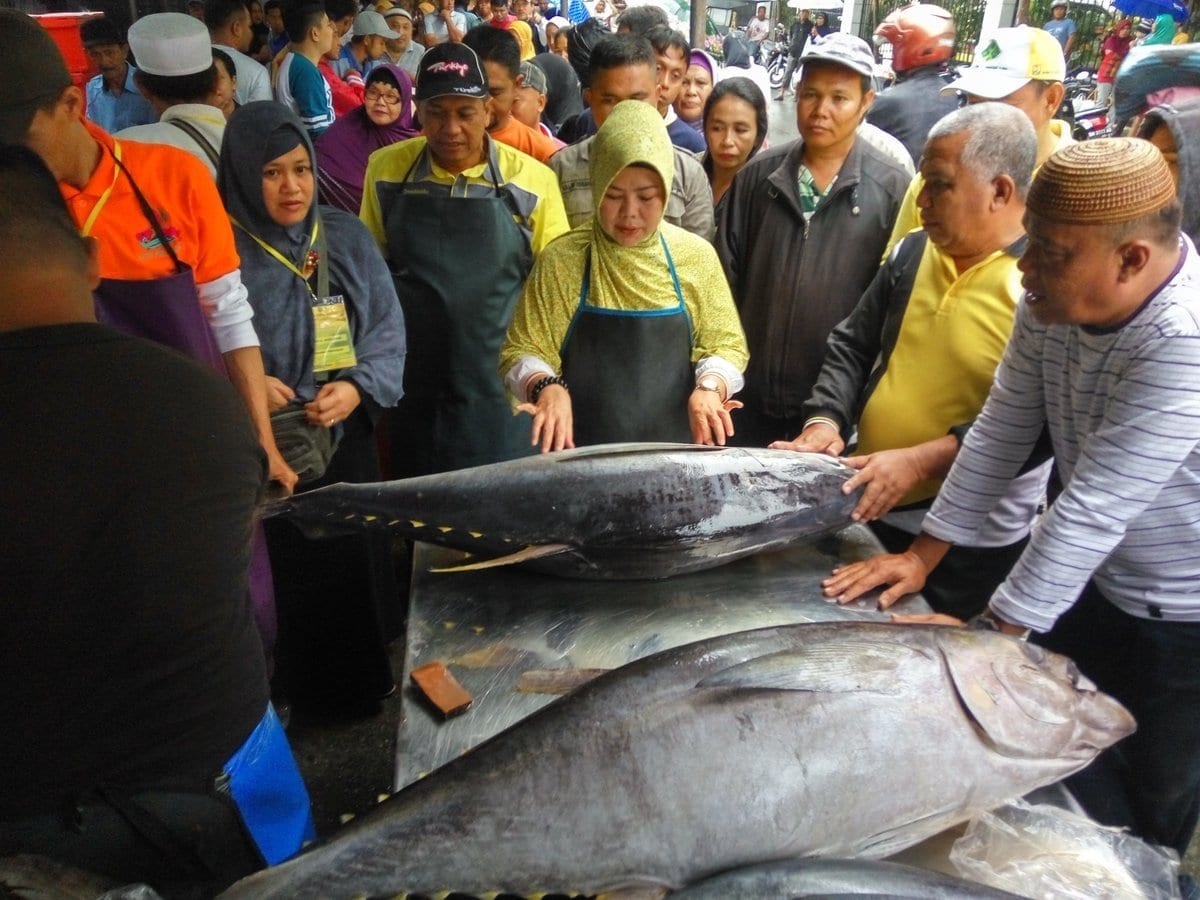
    Jordanian investor Iyad Al Shorafa expressed his interest in purchasing class C tuna from Gorontalo, at the amount of 25 tons per day.

    Al Shorafa is a member of the Middle East trade delegation participating in the Indonesian international trade promotional program, which was initiated by the Foreign Affairs Ministry as a part of the 2016 Trade Expo Indonesia.

    Budianto Sidiki, Chief of Gorontalo Regional Development Planning Agency (Bappeda) explained that Al Shorafa is ready to work together with the Gorontalo fishermen union, and to construct a tuna processing factory specifically for export purposes.

    “Production capacity of Gorontalo fishermen for class C fresh tuna is around five tons each day,” Sidiki said.

    To meet the importer demands, the Gorontalo local government will cooperate with city and regency officials in the region.

  • Iran’s first LPG cargo for Pertamina arrives in Indonesia

    Iran’s first LPG cargo for Pertamina arrives in Indonesia

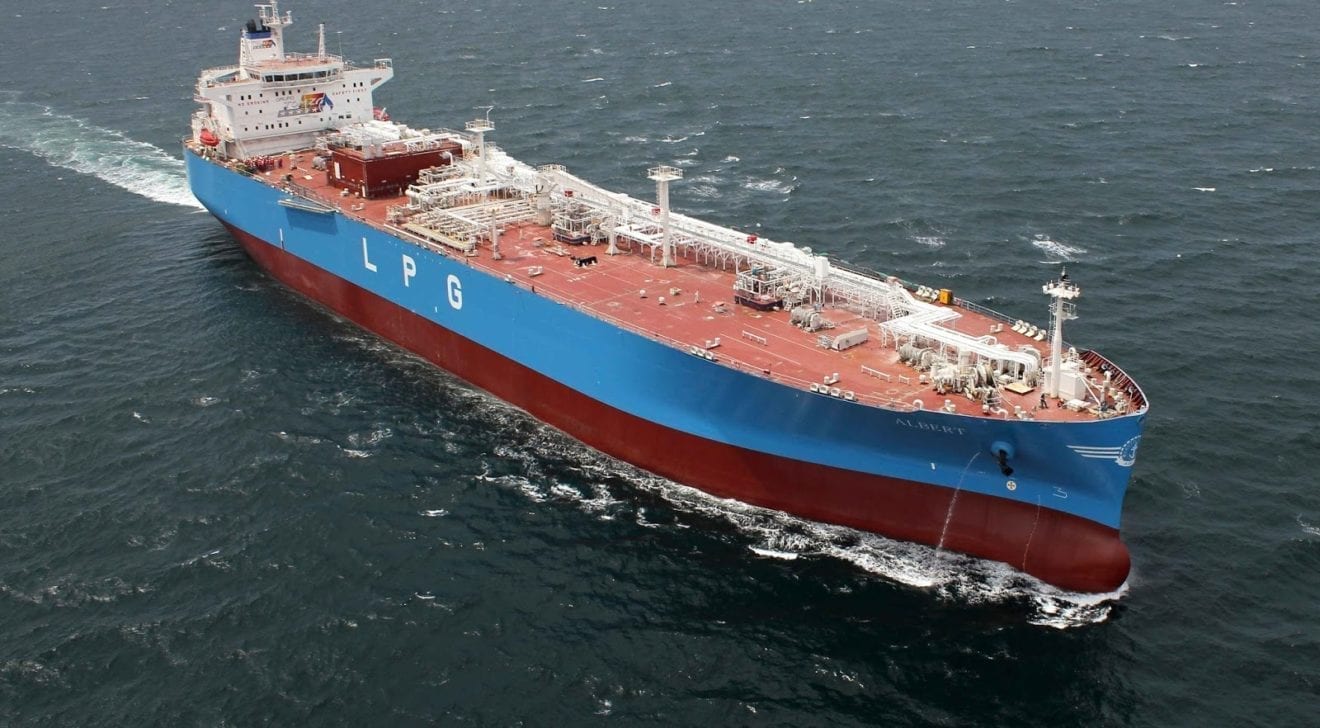
    State-run energy giant Pertamina officially received a cargo of liquefied petroleum gas (LPG) from Iran on Thursday, marking Iran’s first shipment as a new supplier of LPG to Indonesia.

    Pertamina president director Dwi Soetjipto welcomed the 44,000 metric tons of LPG transported from Asaluyeh Port in Iran 13 days ago by its VLGC Pertamina Gas 2 vessel, at Kalbut Port in Situbondo, East Java.

    According to him, the LNG shipment from the National Iranian Oil Company (NIOC) would open up other business development opportunities between Pertamina and the NIOC, in both the upstream and downstream sectors.

    “It marks a new chapter of cooperation between Pertamina and the NIOC and makes trade cooperation between Indonesia and Iran more significant,” Dwi said in a statement on Thursday.

    Earlier, the NIOC agreed to supply Pertamina with a total volume of 600,000 tons of LPG for 2016 and 2017.

    Following the arrival of the first cargo, the NIOC will immediately send the next cargo, which is expected to arrive on Nov. 20.

    In addition to the LPG purchase, the two state-run companies signed an agreement to conduct a preliminary study of two giant oil fields in Iran, namely Ab-Teymour and Mansouri, which have an oil reserve of more than 5 billion barrels.

  • Shiseido perfume ambition revealed

    Shiseido perfume ambition revealed

    Japanese cosmetics group Shiseido is aiming to become one of the world’s top five perfume makers in five years, up from its current seventh spot.

    New acquisitions will help Shiseido perfume market share grow – along with a step-up in marketing, especially online.

    Shiseido has beaten Spain’s Puig to win Procter & Gamble‘s Dolce & Gabbana perfume (D&G) licence, which generates 400 million euros ($445 million) in annual revenue. It aims to grow this to 1 billion euros in 10 years.
    Shiseido group chief executive for Europe, Middle East and Africa Louis Desazars, who was previously US head of Shiseido’s Nars make-up brand, says there is a new mindset and energy in the group.

    The D&G licence business will compensate for Shiseido’s loss this year of the Jean-Paul Gaultier perfume licence as part of an agreement with Puig when it bought the French brand in 2011.

    Shiseido says the D&G perfume business helped it more than double its market share instantly to 5.8 per cent from 2.2 per cent. It is aiming to reach 9 per cent in five years.

    On top of its own skincare lines, Shiseido makes perfume under licence for fashion brands Azzedine Alaia, Elie Saab, Issey Miyake and Narciso Rodriguez. The group has created a separate branch for niche brands it has acquired such as Serge Lutens last year, and the skincare and cosmetics brands Laura Mercier and ReVive in July.

    The global perfume market grew 2.9 per cent last year, while niche perfume brands saw their sales surge 15 per cent.

    Estee Lauder has also placed niche perfume brands it has bought, such as Editions de Parfums Frederic Malle and Le Labo, in a separate division.
    Including perfume, skincare and makeup, Shiseido ranks fifth globally behind L’Oreal, Coty, LVMH and Chanel, and is bigger than Clarins. In skincare alone, Shiseido says it aims to join the top three globally, up from its current fifth spot.