Tag: asia

  • Indonesia fishery sector losing its bite

    Indonesia fishery sector losing its bite

    Fishing captain Wahyu Sumantri used to helm a 700-tonne vessel that sailed the Celebes Sea from North Sulawesi. These days, he can be found peddling mie ayam, or chicken noodles, from a push cart in his home town of Kerawang, in West Java, about two hours from Jakarta.

    “Hopefully, this is just like a long break for me and I will land a job at sea again soon,” he told The Sunday Times. The 38-year-old, who has a degree in fishery technology, lost his job last year after the government deemed his vessel illegal because it was not locally built.

    The move was among a series of tough measures introduced by Maritime Affairs and Fisheries Minister Susi Pudjiastuti in late 2014 to tackle illegal fishing across Indonesia.

    It is also a key plank in President Joko Widodo’s bid to transform Indonesia into a maritime power and also improve the livelihoods of its 2.4 million fishermen.

    Pudjiastuti also banned fishermen from unloading their catch out at sea because the other boat, especially if it is a foreign vessel, often bypassed local ports and port controls by taking the fish elsewhere.

    This practice is known as at-sea trans-shipment, but illegal trans-shipment has reportedly caused annual losses of US$20 billion to Indonesia’s fishery sector.

    Sumantri’s fishing boat is now one of the many such vessels lying idle in Bitung, North Sulawesi. Similar scenes can be seen in nearby Ambon, Maluku.

    Bitung is home to the country’s largest fish processing firms, which include tuna canneries and processing plants, employing tens of thousands of locals.

    Industry players there, however, say they have been hit hard by Pudjiastuti’s tough policies against illegal, unreported and unregulated (IUU) fishing. The ban on trans-shipment and use of foreign fishing boats, in particular, has led to a severe cut in fishing resources for these firms.

    What this means is that they do not have enough boats to bring in sufficient fish stocks for export.

    The utilization of total tuna cannery capacity in Bitung, for instance, has fallen to just 6 percent — or 90 tons a day — from 50 percent two years ago, said Bitung’s fish processing firms’ association chief Basmi Said.

  • President Jokowi opens Sail Karimata 2016 main event

    President Jokowi opens Sail Karimata 2016 main event

    President Joko Widodo (Jokowi) on Saturday opened the main event of Sail Karimata 2016 which took place at Pulau Datuk beach in Sukadana, North Kayong District, West Kalimantan.

    “I want to remind that 71 percent of Indonesian territory is made up of sea water which serves not only for our feature but also to hold more than 17 thousand islands in our country. In addition, the sea does not separate us but unites us together,” President Jokowi remarked in his opening address.

    In the company of among others Coordinating Minister of Maritime Affairs Luhut Binsar Panjaitan as the chairman of Sail Karimata national committee, Tourism Minister Arif Yahya, and West Kalimantan Governor Cornelis, the head of state opened the Sail Karimata main event by pressing a siren.

    On the occation, Jokowi conveyed a sense of joy and gratitude to friendly countries, participating in such an international maritime event which is organized every year.

    “This international maritime event should not be stopped or restricted with a mere ceremony, but I want it to continue to be organized to properly keep our marine resources and to return our maritime culture,” Jokowi said.

    He mentioned that the ocean must be protected from illegal fishing and pollution because it is the driver of national economy.

    “We are currently developing our marine tourism such as that of Bunaken Marine Park, Tomini Bay, Karimata Strait, Raja Ampat, and many more. We are building marine tourism supporting infrastructure and facilities with intensive promotion to introduce beautiful places in Indonesia worldwide,” the president noted.

    In the meantime, Maritime Affairs Minister Panjaitan explained that eight provinces in Indonesia took part in the Sail Karimata international maritime event 2016.

    “It aims to encourage and accelerate the development of disadvantaged areas. We will evaluate and try to make it a sustainable program,” Panjaitan said.

    The maritime affairs minister added that to encourage the tourism sector, numerous supporting infrastructure and facilities such as public toilets have been built.

    “In addition, some 200 units of houses have been built for fishermen, and we will continue to follow it up,” the minister said, adding that Sail Karimata 2016 is also participated in by 36 participants from foreign countries and most of them are from the United States.

  • ACCC likely to continue regulating ADSL access

    ACCC likely to continue regulating ADSL access

    Australian competition regulator the ACCC has made a draft decision to continue regulating access to Telstra’s wholesale ADSL network for a further five years.

    Former government monopoly Telstra is required to provide access to its ADSL network to competitors due to its dominant position in both the wholesale and retail ADSL markets. When a commercial agreement cannot be reached, Telstra must provide access at regulated prices.

    The ACCC had been investigating whether regulated access was still necessary given the progress of the rollout of the national broadband network (NBN).

    “Telstra retains its dominant position in both the wholesale and retail markets for the supply of ADSL fixed-line broadband services on a national level,” ACCC commissioner Cristina Cifuentes said.

    “Continuing regulation will ensure network providers continue to have access to Telstra’s copper network at reasonable prices. This will encourage them to continue competing in the retail market to develop and offer different ADSL broadband products to meet the needs of customers as they prepare to shift to the NBN.”

    A final decision on the matter is expected in early 2017, before the current access declaration expires.

  • Myanmar’s Trunk Roads in Poor Condition

    Myanmar’s Trunk Roads in Poor Condition

    The Asian Development Bank (ADB) is urging Myanmar to make big investments in its infrastructure and significant policy changes to help it tap its full economic potential. The ADB recommendations were made in a recent Transport Sector Policy Note.

    Decades of underinvestment and isolation have ensured the Southeast Asian country’s roads, rails, ports and airports lag well behind the infrastructure in other countries in the region, the note said.

    “Myanmar has not been investing enough in transport,” the note says baldly, before going on to describe just how debilitating the lack of investment has been.

    Sixty percent of the trunk road network is in poor or bad condition, requiring urgent maintenance or rehabilitation. On top of this, poor track conditions means Myanma Railways is forced to operate at 50% of its potential speed.

    “Myanmar’s road network needs better trunk highways and more rural roads. The network is three times less dense than neighboring Thailand’s. It is also of lower quality – only 20% of the roads are paved, against 53% in Thailand – and the roads are narrower,” the note said in elaboration.

    The note offers a more muted but no less critical view of the rail network.

    “Myanmar’s trunk rail lines need modernization, but the tertiary network should be scaled down. The country’s rail network is by far the longest in Southeast Asia, but part of it is unproductive. Neither the current design standards nor the potential demand for over half the network suffices to make commercial operation viable,” the note said.

    While the ADB is critical of the quality of Myanmar’s existing infrastructure, what is really run up the flag pole is the other big problem – that of what is not there at all.

    Roads figure prominently in Myanmar. Twenty million people, including half of the rural population and a key consumer market, lack access to basic roads. More tellingly still in a country which is essentially a delta, the main waterways cannot be used for transport for three months a year because they are too shallow, the note added.

    The ADB, which worked with the Myanmar government to write the note, makes clear what it thinks the lead response should be: investment, and large amounts of it, although it also outlines some significant policy changes to go with the suggested investment.

    Indeed, one of the problems with the ADB’s scheme is not so much the money needed for infrastructure investment but in persuading a national bureaucracy to adopt both lots of restructuring work, such as the corporatization of some services, and what the organization refers to as “deep cultural change.”

    Between 2005 and 2015, Myanmar has spent just 1.0% to 1.5% of GDP on infrastructure, the ADB said. Making this low figure even less productive was a spate of badly-targeted projects: “Few investments have been effective and efficient,” the note said. Compared to other nearby countries, which typically invest 3% to 5% of their GDPs in transport infrastructure, Myanmar’s meagre investment is simply inadequate. (Those other countries include regional peers China, Thailand and Vietnam.)

    Here, the ADB does not pull its punches, and acknowledges a need for some US$60 billion to be spent over the next 15 years. Funding, it says, should come from “from new sources, including development partner loans, bond finance, private sector investment, and investment by state-owned enterprises (once they become financially self-sustainable).” The ADB also urges a broad application of the user-pays principle with levies on fuel and tolls on roads.

    Money spent needs to focus on key national corridors, Yangon and infrastructure maintenance, the bank added, with short-term priorities, besides public transport in Yangon, being highways and railways.

    For the former, the ADB suggests allowing trucks on the Yangon-Mandalay Expressway and upgrading to Class II Asian Highway Standards the international highways to Muse and Myawaddy, which carry most of Myanmar’s border trade but are substandard and in poor condition.

    “A systematic Program of Highway Pavement Maintenance and Improvements could, within five years, bring all major highways to good condition,” the note said, adding the Department of Highways could consider increasing the legal axle load of trucks on main corridors.

    For the railways, the ADB urges a change of priorities for the national railway away from passengers and to goods, which would signal a significant reversal of priorities.

    “Myanma Railways should reallocate assets, staff, and resources to developing long-distance rail freight. Myanma Railways has prioritized passenger transport. However, freight trains are much more profitable. With limited investments and some market development, Myanma Railways could double its share of a growing market,” the note said.

    In a nod to Myanmar’s rivers as potential cargo carriers, the ADB urges development of the Irrawaddy River with the implementation of low-cost navigation aids, channel works, and ports up to Mandalay. It also advocates dredging to ensure a minimum depth of between 1.5 metres and 2.0 metres, as well as developing a more comprehensive network of river ports.


  • India’s GCX expands cloud ecosystem

    India’s GCX expands cloud ecosystem

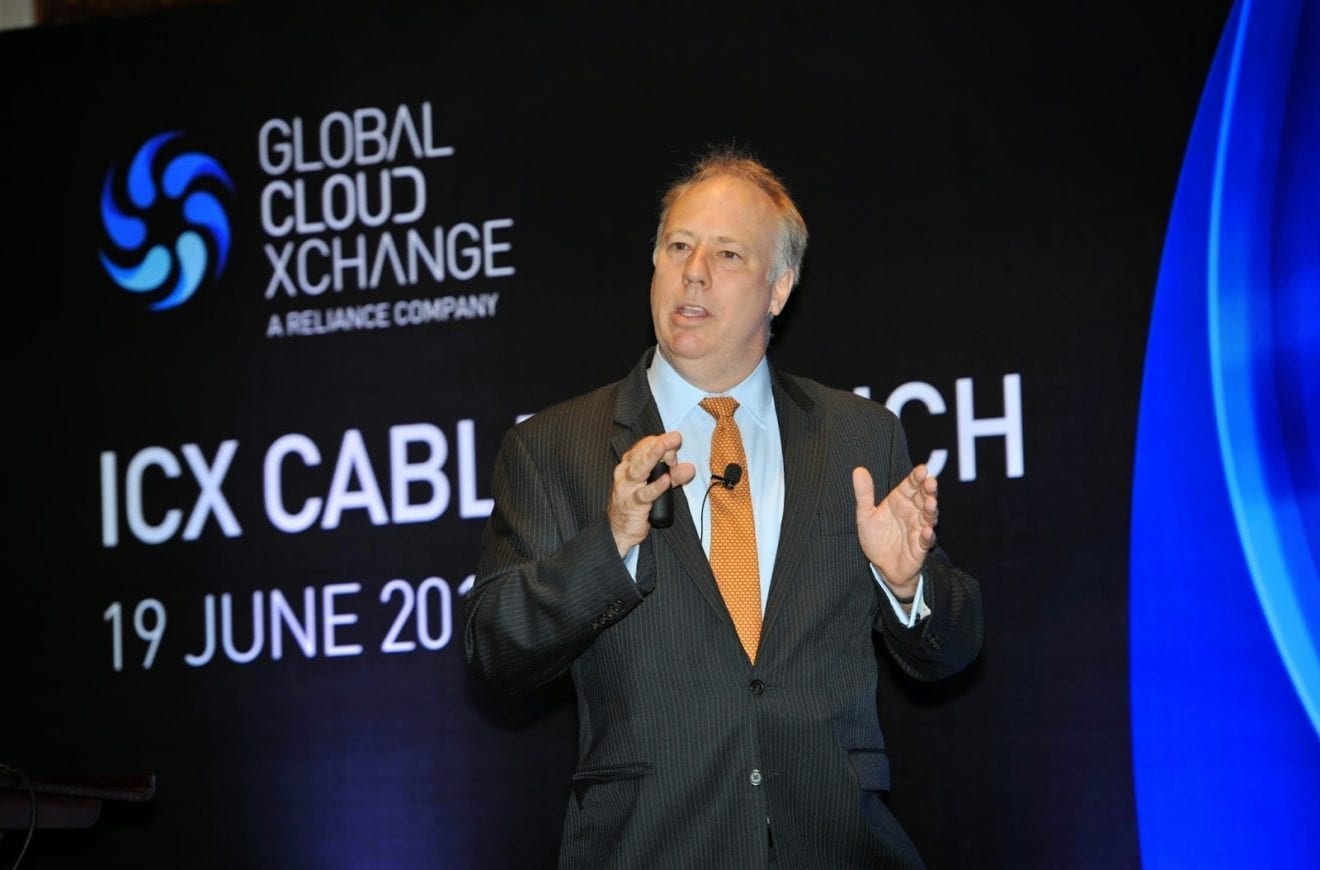
    Reliance Communications subsidiary Global Cloud Xchange (GCX) has expanded its cloud ecosystem with the addition of support for Microsoft Azure ExpressRoute.

    The company is offering access to ExpressRoute via its CLOUD X Fusion service in Chennai.

    CLOUD X Fusion allows enterprises to use Ethernet or MPLS VPN to privately connect their on-premise network or data center directly to Microsoft’s cloud platforms.

    Besides Chennai, CLOUD X nodes have been launched in Delhi, Mumbai, Bangalore and Hyderabad, as well as Hong Kong, California, London and New York.

    “As India enterprises enter a new era of digital globalization, they require sophisticated new levels of support to tap into opportunities from the convergence of Big Data and the IoT, to the latest augmented reality apps,” RCom and GCX SVP of global product management Braham Singh said.

    “Through the interconnection of CLOUD X Fusion and Microsoft Azure ExpressRoute, customers will benefit from the added flexibility and global reach to be more competitive as we look at new opportunities from the ‘Digital India’ initiatives.”

  • Workz Group launches world’s smallest SIM OS

    Workz Group launches world’s smallest SIM OS

    Telecoms subscriber products manufacturer Workz Group has announced the launch of what it says is the world’s most lightweight SIM OS.

    The Z-OS operating system is around 40% smaller than other SIM operating systems on the market, providing operators with greater opportunity to add VAS and revenue-generating features to subscriber SIM cards.

    Z-OS was soft-launched in May and has been tested in various markets, demonstrating the ability to support secure over-the-air management of applications.

    The product complies with major SIM standards defined by the ISO, ETSI, 3GPP, Global Platform, Oracle Java card, SIM Alliance and the GSMA as well as its proposed eSIM specification, and is designed to be compatible with both Java and native products.

    Z-OS is available from all major chipset manufacturers and is interoperable with all mobile network technologies.

    It is being offered in conjunction with Workz’s latest SIM product, the 3-in-1 seamless half SIM, which is designed to use 50% of the plastic of a traditional SIM card and work on any handset by allowing users to select which SIM module size to push out.

    “We’re very proud to develop the world’s most efficient SIM operating system. The Z-OS is a significant technological advancement which allows us to provide network operators with more customized applications on the SIM card to engage subscribers,” Workz CEO Brad Taylor said.

  • Hyundai Motor reaches tentative wage deal with South Korean union

    Hyundai Motor reaches tentative wage deal with South Korean union

    Hyundai Motor reached a tentative wage pact with its South Korean labor union on Wednesday after the worst strikes in the automaker’s history disrupted output at its domestic production base.

    The agreement is subject to a vote by almost 50,000 union members on Thursday, who rejected an earlier deal in August because of it was less generous than the previous year’s package.

    The union has held 24 rounds of full-scale or partial strikes since July 19, preventing the automaker from making 131,851 vehicles worth more than 2.9 trillion won ($2.60 billion), the government said last week.

    “The company and the union have formed a common ground that we should prevent further catastrophe as a prolonged strike has had a substantial impact on not only the company but the regional and national economy,” Hyundai Motor said in a statement.

    Under the latest agreement, Hyundai will increase basic monthly pay by 72,000 won; give each worker a one-off payment of 3.3 million won as well as bonus and incentives payments worth 3.5 times their basic monthly wage; and each worker will also receive 10 Hyundai shares, the company said.

    The deal came after the government threatened to intervene to suspend strike action, criticizing the union for walkouts despite relatively high wages at the automaker.

    The prolonged labor disputes coupled with sluggish domestic demand have prompted some analysts to cut earnings forecasts for the July to September quarter which the company is scheduled to report late this month.

    Twelve out of 25 net profit estimates have been revised down in the past 30 days, pushing the average estimate 12 percent lower, according to Thomson Reuters StarMine.

    Hyundai Motor, which is the world’s fifth-biggest carmaker including affiliate Kia Motors (000270.KS), has been hit by strikes in all but four of the union’s 29-year history though it usually made up for lost production by the end of each year.

  • Nissan recalls 932 units of Datsun redi-Go in India

    Nissan recalls 932 units of Datsun redi-Go in India

    Japanese auto major Nissan is recalling 932 units of entry level car redi-Go from its Datsun brand in India to fix faulty fuel system.

    “Datsun is conducting a voluntary recall campaign on certain India-manufactured Datsun redi-GO vehicles to inspect the fuel hose and fix a clip at no cost to the customer,” Nissan Motor India said in a statement.

    Datsun will start notifying affected owners from this month.

    The recall will affect units manufactured till May 18, 2016, a company official said.

    The redi-GO hit the market on June 7 this year and has sold over 14,000 units.

  • The British House to showcase UK in Beijing

    The British House to showcase UK in Beijing

    Opening in Beijing in December, The British House showroom will display items from 100 UK brands across fashion, homewares and lifestyle.

    Already confirmed are such brands as Aspinal of London, Johnstons of Elgin, Liberty, Rachel Riley, Sunuva and Turnbull & Asser.

    Near Tiananmen Square, the 13,000 sqft (1207 sqm) showroom covers two floors and is modelled on a London townhouse, with products on display in each room of the “home”. Shoppers will be able to scan the items they like and buy them online using tablets. The products will be shipped directly from the UK to their home within eight to 11 days.

    The “home” will also have a tearoom and offer English language lessons as well as host VIP parties.

    Former women’s fashionwear Jonathan Saunders interim MD Jamie Powell has been appointed as the UK MD for the business, and he plans to roll out the concept to other locations across Asia. The owner is Yimei McCabe, a former diplomat with China’s ministry of foreign affairs.

  • Rakuten launches Raxy subscription service

    Rakuten launches Raxy subscription service

    Japanese eCommerce company Rakuten Inc has launched a beauty-subscription service, Raxy.

    Registrations are already being accepted for the service, which offers options for three, six or 12 months.

    Each month, subscribers will receive boxes of assorted cosmetics and beauty products. Through partnerships with such brands as Revlon and SK-II, these boxes will contain three to seven items of cosmetics, hair care products, make-up accessories and beauty supplements.

    Raxy’s website will offer a variety of content each month, including articles and videos by makeup artists and beauty experts, as well as YouTube users introducing products.

    As well as receiving Rakuten Super Points upon subscribing, users can also earn extra points when buying beauty products on Rakuten Ichiba. Also, the first 100 subscribers receive a limited-edition original cosmetics pouch from the official SK-II store on Rakuten Ichiba. Customers signing up for 12 months will also receive a special product.

  • Asia dominates retail destination rankings

    Asia dominates retail destination rankings

    Asian cities dominate the latest retail destination rankings, with the Middle East taking most of the remaining spots.

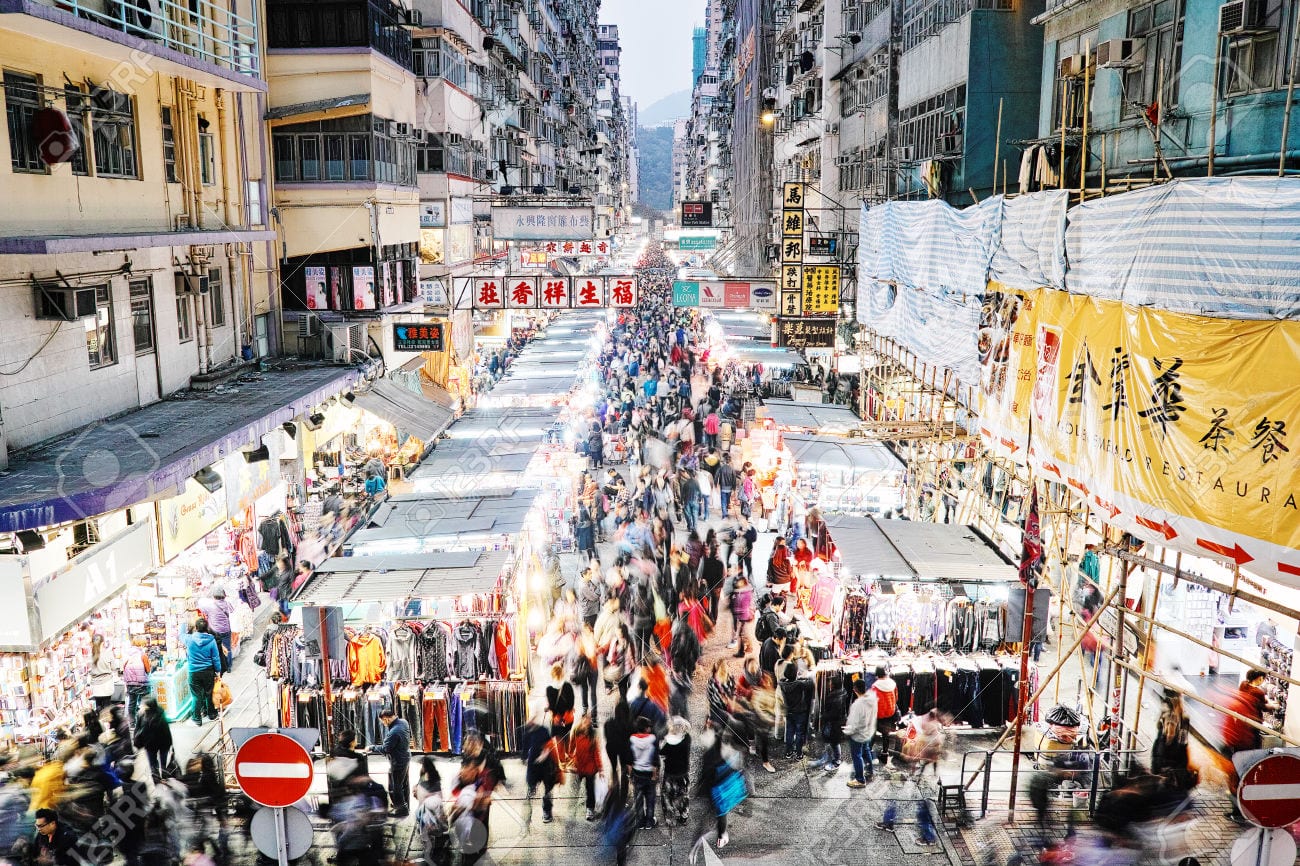
    According to the latest edition of JLL’s Destination Retail report, which ranks markets for retailer expansion around the world, Asia is fuelling global growth, taking 12 of the top 20 spots. Six of those cities are in China – but Singapore, Hong Kong and Macau are not among them. Six months ago Hong Kong was second only to London – neither city makes the list now.

    This time around, the top two cities are Dubai and Shanghai, with Beijing ranking third. The other Asian cities in the top 20 are Bangkok, Chengdu, Kuala Lumpur, Jakarta, Manila, Tianjin, Shenyang, Shenzhen, Chongqing and Hangzhou. (The full list is below).

    Besides Dubai, Abu Dhabi, Kuwait, Jeddah and Riyadh make the list, meaning 85 per cent of the top 20 destinations are in just two regions.

    “The global retail landscape is expected to change significantly over the next 10 years, as a fast-growing middle class in emerging markets attracts retailers hungry for growth,” says David Zoba, chairman of JLL’s Global Retail Leasing Board.

    JLL says Shanghai has become a favourite of international brands looking to test the Chinese market and gain exposure. While established prime markets include West Nanjing Rd and Huaihai Rd, new submarkets targeting local residents are popping up along the many new metro lines leading out of the city, and the city’s retail network is growing and shifting.

    Beijing follows as the third-fastest-growing retail market with its swelling middle class and strong concentration of high-net-worth individuals. Properties such as China World Mall and the landmark project Taikoo Li continue to draw high-end shoppers, while malls like Beijing APM and Oriental Plaza dominate tourist-friendly shopping strip Wangfujing. The Chinese capital’s suburbs are also experiencing rapid growth as people choose to shop more locally rather than brave the traffic into the city centre.

    “Emerging markets can expose international retailers to greater levels of economic and geopolitical risks. One pertinent example is China’s anti-corruption campaign and the knock-on effects on the luxury market,” says James Hawkey, head of retail for China, JLL. “However, international retailers are increasingly comfortable dealing with these risks, and generally have their eyes on the long term prize of establishing a strong position in major world markets.”

    Added Zoba: “The search for growth is escalating the penetration of international brands across the world’s most attractive retail cities, especially in Asia. Retailers who succeed in acquiring the right space in the right place at the right time will benefit from successful, profitable growth, but they should be mindful that potential rewards go hand in hand with risk,” continues Mr Zoba.

    Retail rents in these emerging markets reflect legislation, market transparency, reputational risk, maturity, as well as growth potential, meaning that their levels are relatively low compared to more mature markets. Places like Ho Chi Minh City, Jakarta and Bangalore present an opportunity for retailers to establish their brands at rents of less than US$2000 per square metre per year with projected in-store sales increasing by 8 to10 per cent until 2019, based on Oxford Economics forecasts. However, as cities mature and the pace of new construction of retail centres slows, rents will gradually increase.

    JLL’s Destination Retail report 2016 examines the presence of 240 international retail brands across 140 retail cities, giving insights for international retail expansion. The 140 cities make up 36 percent of the world’s GDP, 13 per cent of the global population and 33 per cent of total consumer spending.

    Top 20 Global Growth Cities for Retail

    1              Dubai

    2              Shanghai

    3              Beijing

    4              Kuwait City

    5              Abu Dhabi

    6              Jeddah

    7              Riyadh

    8              Moscow

    9              Bangkok

    10           Chengdu

    11           Kuala Lumpur

    12           Jakarta

    13           Manila

    14           Istanbul

    15           Tianjin

    16           Shenyang

    17           Shenzhen

    18           Chongqing

    19           Mexico City

    20           Hangzhou

  • Pos Malaysia taps Alibaba Group for growth

    Pos Malaysia taps Alibaba Group for growth

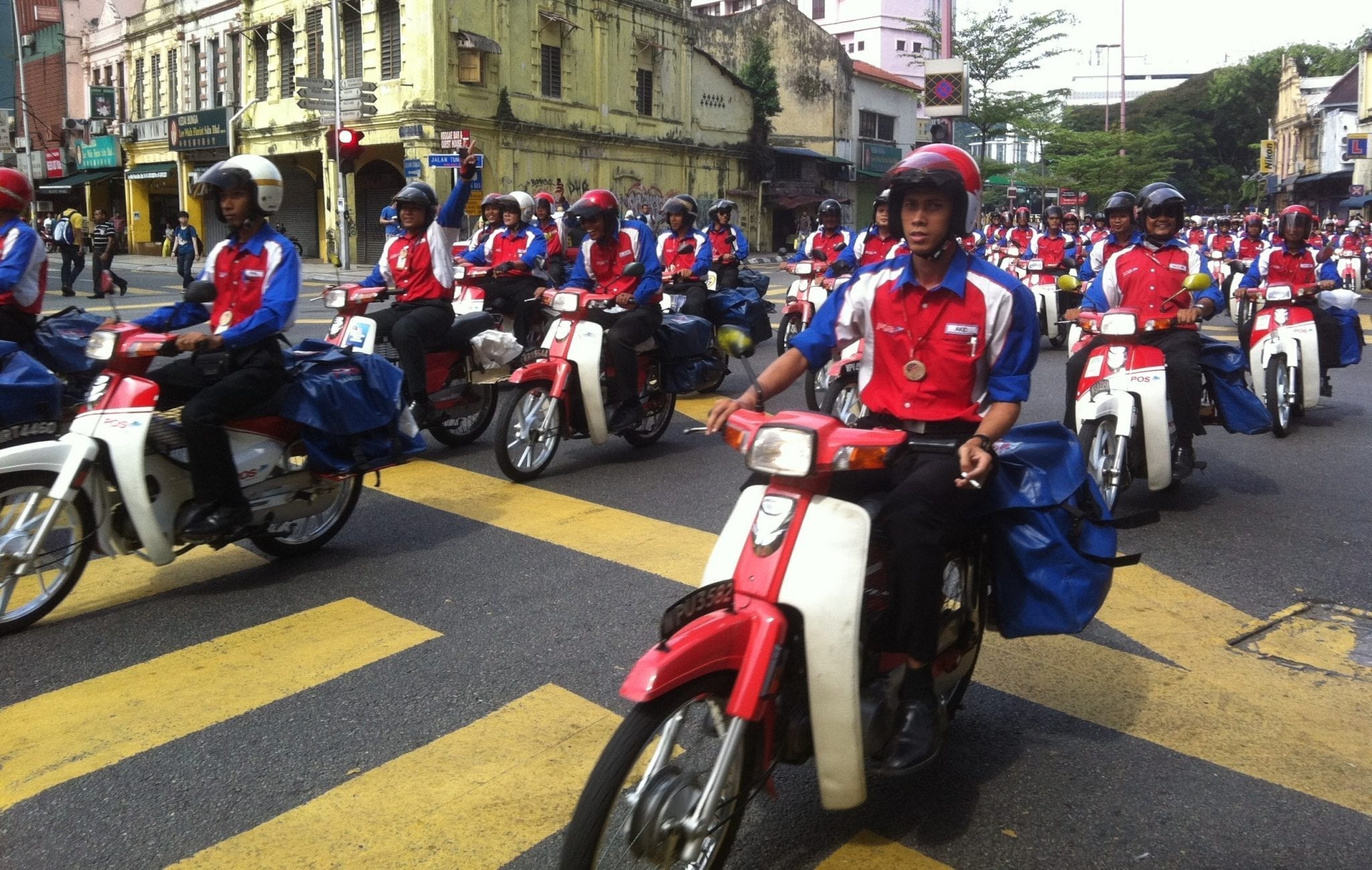
    Malaysia’s biggest postal company is seeking a more direct role in providing logistics services to Chinese e-commerce giant Alibaba Group Holding Ltd, tapping a boom in online retailing.

    Pos Malaysia Bhd plans talks with Alibaba this month on bypassing the middlemen when shipping goods sold on its platforms, Mohd Shukrie Mohd Salleh, its chief executive officer, said. Surging parcel deliveries for online shopping drove a 40% jump in profit in the fiscal first quarter and full-year earnings will be higher than a year earlier, he said.

    “My focus is still e-commerce, and it is driving the logistics business. When e-commerce is booming, somebody needs to deliver these items,” Mohd Shukrie, 42, said in an interview at the company’s headquarters in Kuala Lumpur on Sept 27. “Marketplace owners wants to deal with logistic players directly. I’m going to China to meet up with Alibaba and other market players” in October, he said.

    Postal companies in Asia are remodeling themselves by expanding overseas to meet rising demand spurred by a global retail e-commerce market valued at about US$1.2 trillion by the Universal Postal Union. Pos Malaysia, which started work in the early 1800s delivering mail by bicycle, is the top performer this year among 14 global courier stocks with a market value of at least US$500 million, recording a total return of 49%, beating United Parcel Service Inc and FedEx Corp.

    Pos Malaysia stock has soared 88% from a February low as record earnings from its courier business and a potential increase in tariffs for the first time in six years buoyed the shares. The government is examining its proposal for higher postal rates, said Mohd Shukrie. The company is valued at 25 times its 12-month projected earnings, versus 18 for UPS, the world’s most valuable courier company.

    Alibaba said its delivery affiliate Cainiao Smart Logistics Network Ltd “works collaboratively with logistics participants to enhance customer experience and operation efficiency. “It is natural we talk to industry participants,” it said in an e-mailed statement in response to queries by Bloomberg News.

    While Pos Malaysia handles parcel deliveries for Alibaba through freight forwarders, or so-called consolidators such as Japan’s Sankyu Inc, the Kuala Lumpur-based company wants to deal directly with these marketplace owners, said Mohd Shukrie.

    Eliminating Middlemen

    “The future is about cutting the middleman, and the existence of consolidators will be under threat,” he said. “Right now, we deal more with consolidators for parcels from China to the world, but understandably marketplace owners want to deal with logistic players directly.”

    Consolidators collect and group outward-bound cross-border mail to specific destinations and negotiate special rates with the public postal operators to distribute the bulk mail in the designated countries.

    Singapore Post Ltd, which counts Alibaba as its second-biggest shareholder, said a year ago it plans to expand freight services and warehouses in the US and Europe as Asia’s emerging middle class drives online purchases from overseas.

    “The potential is quite huge for e-commerce,” Lim Sin Kiat, an analyst at Hong Leong Investment Bank Bhd in Kuala Lumpur, said by phone. “Clients are looking for fully integrated services, and it’s still a work in progress for Pos Malaysia to be fully integrated.” Lim has a buy call on the company with a target price of RM3.87. The stock climbed 1.3% to RM3.90 as of 9:58am in Kuala Lumpur, near the highest level in more than a year.

    Logistics Acquisition

    In September, Pos Malaysia completed the purchase of KL Airport Services Sdn Bhd from parent DRB-Hicom Bhd, controlled by businessman Tan Sri Syed Mokhtar Al-Bukhary. The move will boost revenue to RM2 billion (US$482 million) in the year ending March 2018 and allow the company to offer more logistics services overseas, said Mohd Shukrie.

    KL Airport now has two aircraft and the capability to pick up cargoes from the region including Hong Kong, he said. It can expand the fleet by one plane annually in the next five years in tandem with business growth, said Mohd Shukrie, who mentioned Ingvar Kamprad, Ikea’s billionaire founder as an inspiration for building a steady and sustainable business.

    “The pie is growing very fast, we do not want to settle with growing with the market, we want to grow more than the market,” he said.

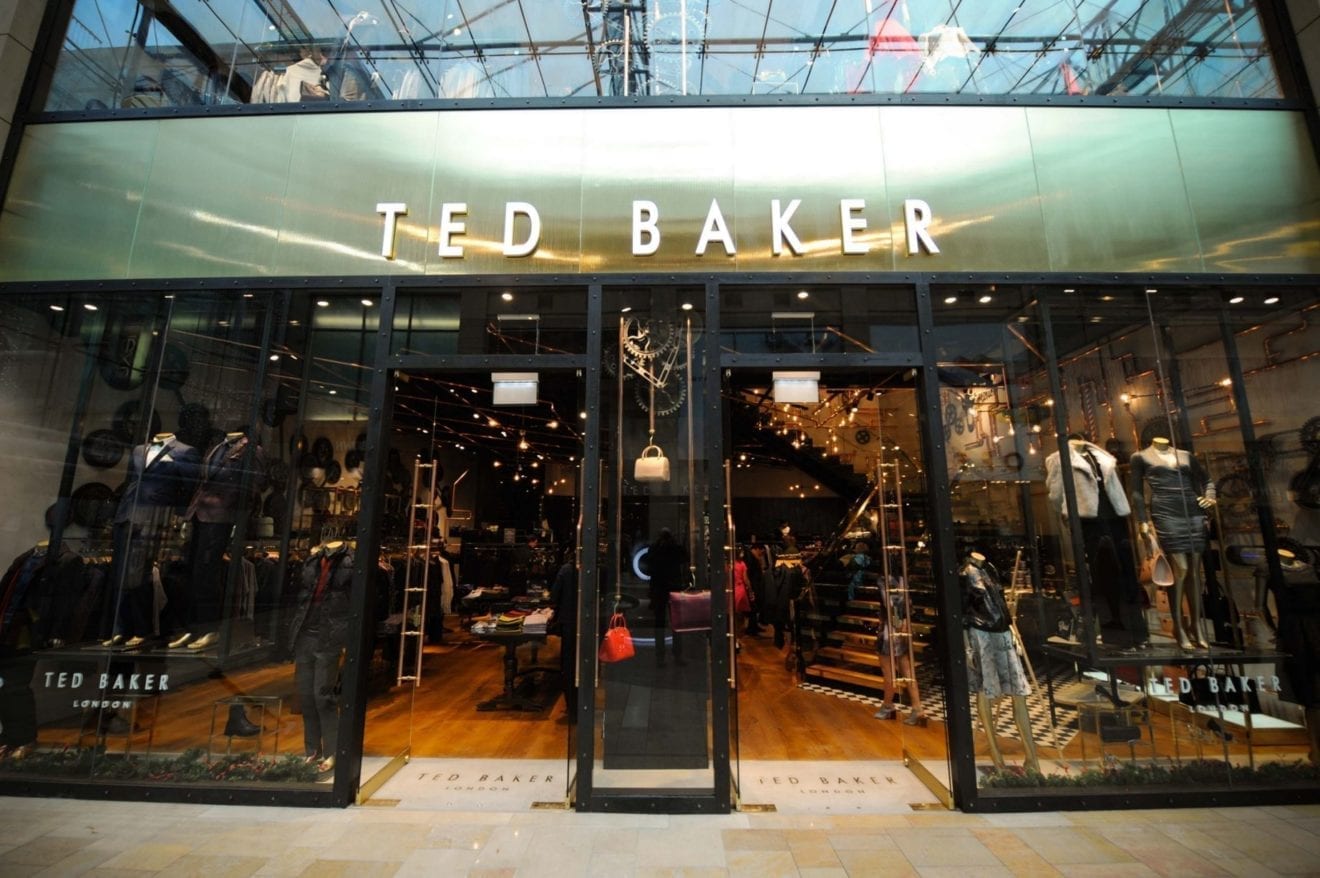
  • Ted Baker flourishing worldwide

    Ted Baker flourishing worldwide

    North America has led a solid increase in sales for Ted Baker in its first half year.

    With group revenue increasing £32.7 million to £259.5 million, the UK-headquartered fashion retailer has proved once again that its overall strategy and business investments across its three distribution channels are paying off.

    The retail business grew in value to £191.1 million, boosted by an almost 30 per cent increase in North American retail sales, while wholesale rose to £69.4 million and income from licensing increased to £7.9 million.

    Ted Baker’s store expansion continues as average retail square footage rose 9.7 per cent with store openings in the US, Canada and China, the addition of department store concessions in the UK, Europe and Asia and licensee store openings in newer territories South Africa and Vietnam.

    Ted Baker’s premium design aesthetic and almost aspirational appeal continues to attract shoppers.  Products are recognisably and distinctively Ted Baker, making them highly desirable to its loyal customer following. Ted Baker also has an advantage over rivals such as Reiss and Whistles, in terms of its ability to appeal to women and men fairly equally across a variety of products as evidenced by growth across both womenswear (up 13.8 per cent to £148.9 million) and menswear (up 15.3 per cent to £110.6 million). The brand is also gradually positioning itself as a lifestyle brand, with expansion into categories such as homewares, stationery and luggage. Its distinctive aesthetic translates well into these complementary categories and will enable Ted Baker to create newer sources of revenue in a challenging clothing market.

    eCommerce is hugely valuable and is a particularly stand-out element of the business. Investment in design, personalised content and language specific websites, the first of which launched in Germany during the half, further enhances the online experience. Initiatives such as its newly launched interactive video where customers can shop autumn/winter products as they watch further set Ted Baker apart from competitors.

    Ted Baker’s products are typically smart, design-led and chic, and with Christmas coming up – will be top of mind for customers for partywear, occasions and gifting. As the retailer continues to invest in product and build brand awareness of its core offer in new and emerging markets, Ted Baker is well-positioned to continue on its upward trajectory over the second half year.

  • DHL Expands Presence in Hong Kong

    DHL Expands Presence in Hong Kong

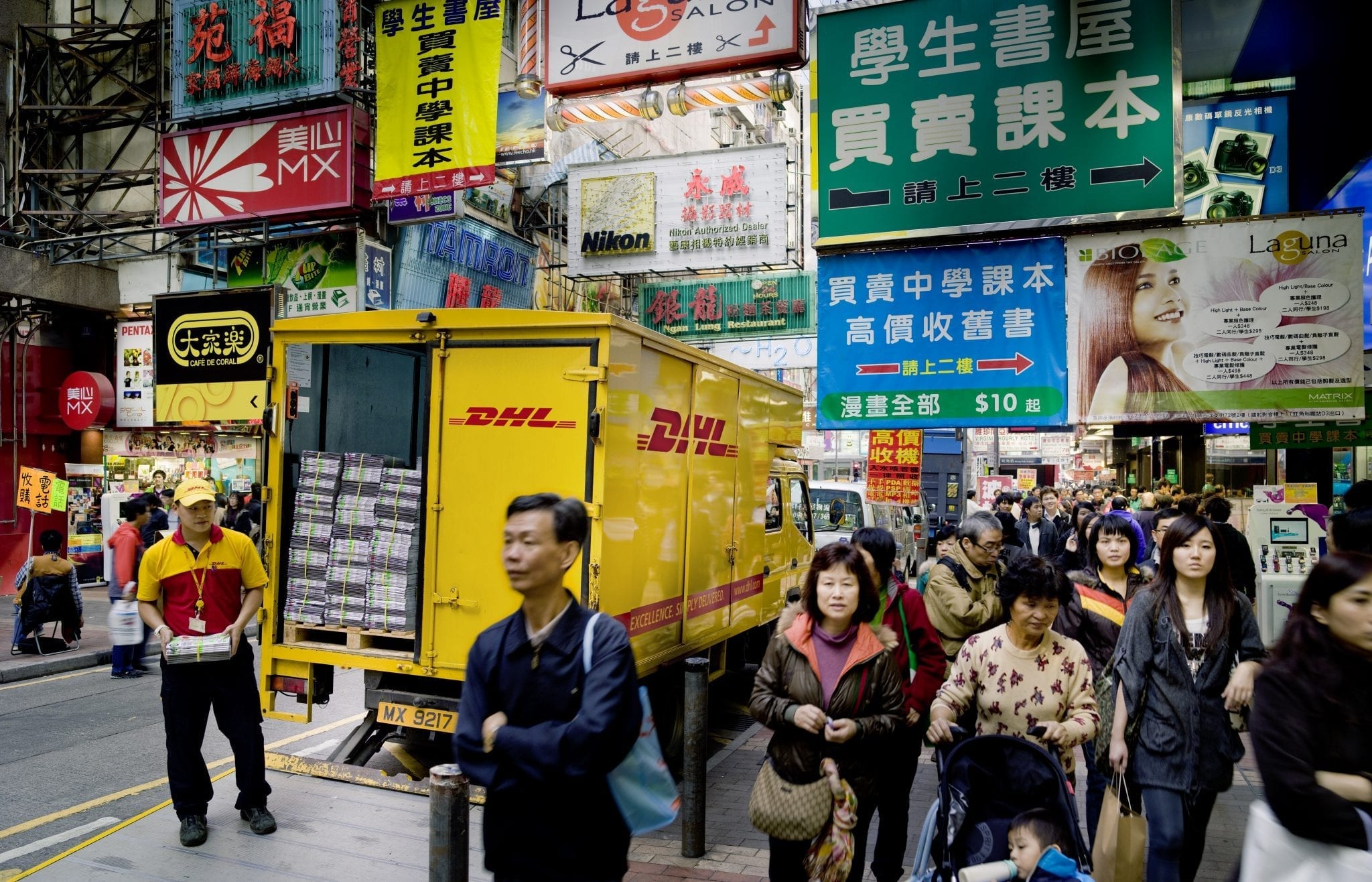
    DHL Express has opened its new Tsing Yi Service Center, a HK$78 million (US$10.1 million) facility on the third floor of the Goodman Interlink building in Hong Kong.

    “The opening of the new Tsing Yi Service Center follows double-digit growth in our international shipments over the past year, and underscores our confidence in the Hong Kong market,” said Herbert Vongpusanachai, senior vice president and managing director of DHL Express Hong Kong and Macau. “With a steady growth in our Hong Kong business contributed by the strong e-commerce sector, this facility is set to cement our market leadership with its enhanced handling capacity.”

    The 12,777-square-metre facility is double the size of the previous facility located in the same building and is capable of handling 380 tonnes of shipments per day, the strongest out of all DHL service centres worldwide.

    “We’ve been looking for a site since 2014,” said Vongpusanachai. “Hong Kong hasn’t been the easiest place in which to look for a new warehouse. There are very few fully equipped warehouses that have the size and scale that we needed based on our requirements.”

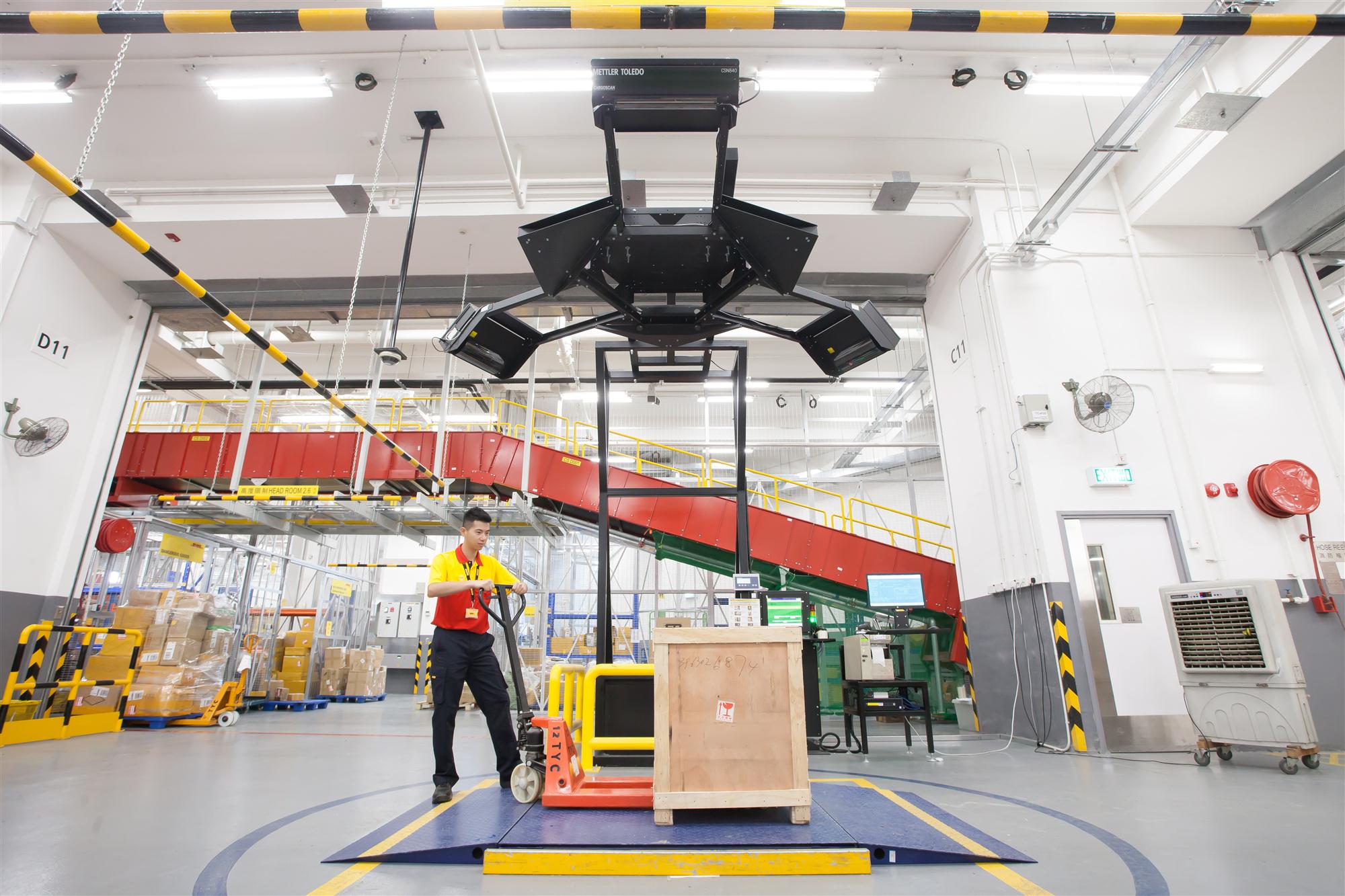
    Self Photos / Files - 3D reweigh & dimensioning machine

    Features include a high-speed automated reweigh and dimensioning machine capable of processing 2,200 pieces per hour, a 3D dimensioning and reweigh machine for unconveyable shipments that need volumetric measuring, a singulator which rearranges shipments so they travel down the conveyor belt one by one, and 122 CCTVs providing 24-hour monitoring.

    “It’s got all the technologies that we wanted,” said Vongpusanachai. “We want to be able to scan the shipments automatically when they come in, we want to sort them so that they go to the correct belt automatically, and we want to be able to build our own aircraft ULDs that we can bring straight to the airport.”

    One other “secret weapon,” according to Vongpusanachai, is the Clear-In-The-Air system, which allows all customs clearance information to be sent to the destination and handled while the plane is still in the air, cutting down transit times.

    Even though economic and trade conditions around the region have been disappointing, Vongpusanachai said that he wasn’t too concerned.

    “We’ve seen a bit of an economic slowdown over the past few quarters, but with the uptick in last quarter’s numbers and with our medium- to long-term look at the economy, we’re confident that we’ll actually see moderate growth in the near term,” he said. “There’s also still a lot of potential in the growth of certain sectors. The government has also increased its forecast for next year in terms of air trade.”

    The major driver of growth for DHL Express in recent times has been e-commerce, which was the predominant motivation for an upgraded facility.

    “We’ve seen a lot of customers moving away from big breakbulk to smaller shipments directly to the workplace or residence,” said Vongpusanachai. “That has been an emerging trend. This facility will allow us to increase our capacity and become more efficient in handling these types of shipments. Our focus as an express company is on time-definite international shipments.”

    The new Tsing Yi centre, which had its soft opening in July 2016, adds to DHL Express Hong Kong’s two other service centres in Cheung Sha Wan and Tsuen Wan.

    “These are some of the largest facilities that we have across the whole network, since Hong Kong is a high-capacity, high-volume exporter,” said Vongpusanachai. “We are always looking for new places. There is a plan but it’s a longer-term plan. Sometimes facilities might not be available yet, but we’re always looking ahead to see where we can expand.”

    The third-runway project at Hong Kong International Airport, which is scheduled to be completed by 2023, will give DHL Express the possibility of increasing capacity by operating more flights, allowing the DHL Central Asia hub to expand.

    “That’s something that we’re looking forward to,” Vongpusanachai said. “We’re very excited about the project and how we can participate in the growth of Hong Kong’s economy.”

  • You Tube Pre-school Smash Hit ChuChu TV partners with Dream Theatre

    You Tube Pre-school Smash Hit ChuChu TV partners with Dream Theatre

    ChuChu TV, Asia-Pacific’s most watched YouTube channel for toddlers from India, with over 6 billion views and 6 million subscribers, has partnered with Dream Theatre to launch the global Consumer Products business for the brand. In terms of watch time, ChuChu TV is the most watched channel in Asia Pacific and is amongst the top 20 YouTube channels in the world. Originated in Chennai in 2013, ChuChu TV is a truly global phenomenon with a wide audience from around the world averaging around 300 million views per month. Given its global appeal and audience, ChuChu TV has now partnered with Dream Theatre to launch the ChuChu TV Consumer Products business globally.

    Dream Theatre, India’s premier entertainment firm with licensing as a core business, is creating the brand architecture and is and making ChuChu TV “license ready”. Having worked with iconic international brands like Angry Birds, DreamWorks Animation, Pokemon, Femina and numerous others on the licensing front, Dream Theatre is creating the brand architecture and Go-To-Market plan for ChuChu TV by upgrading the creative assets, creating style guides, business templates and also charting the launch strategy and rollout plan across territories for ChuChu TV.  Toys, Gaming, Publishing, Apparel will form the core categories and will be rolled out first, starting summer 2017. US, Europe and Asia will be the leader markets with Dream Theatre collaborating with best in class licensing agencies, toy players, publishing houses and gaming companies to roll out the consumer products program in a synchronized fashion. 

    “ChuChu TV’s huge popularity across the world propelled us to create a consumer products business on a global scale. Our target audience loves the ChuChu TV characters. Parents and care takers around the world trust us and our content. Hence we wanted to channel this into creating equally loved and trusted ChuChu TV products for our cute little fans. The real time feedback we receive from the parents, points to a huge demand for merchandise of our key characters ChuChu, ChaCha, Chika, Chiku, and Mr. Harlo who are loved and adored across the world. We have found the right partner in Dream Theatre who has a wealth of experience in licensing. We felt this is right time to enter the licensing arena and take our brand to the next level”, says Vinoth Chandar, Founder, CEO & Creative Director, ChuChu TV.

    “Chu Chu TVs phenomenal success is a testimony to its popularity and it is very exciting for us to work with a brand originated in India and adored across the world by the young and old alike.  We are thrilled to create a world class licensing program that enables fans to engage with the brand in a products and services form and will be engaging with top international licensing agents, toy companies and retailers to launch and grow the business across the globe” says Jiggy George, CEO and Founder Dream Theatre.