Tag: asia

  • Macau tourist arrivals rise over Golden Week

    Macau tourist arrivals rise over Golden Week

    Macau’s move to reposition itself from gaming hub to shopping and entertainment destination appears to be paying off already.

    Tourist numbers rose in Macau over Golden Week as an expanding shopping offer and shows drew 8.45 per cent more visitors than the same period last year.

    During Golden Week – from October 1 to October 10 – 1.61 million people visited Macau according to data from the Public Security Police Force.

    Total border crossings at the city’s seven immigration checkpoints reached 4.7 million for the 10 days: 2,355,720 arrivals and 2,359,090 departures.

    Of the seven border checkpoints, the Border Gate recorded the highest number of arrivals and departures, at 1.15 million and 1.28 million, respectively. The second popular border was the Outer Harbour Terminal on the Peninsula, with 157,211 arrivals and 150,749 departures recorded.

    The busiest day of Golden Week was the third day with 520,386 border crossings registered.

  • Etihad Cargo has signed a multimillion-dollar deal with Trinity Logistics

    Etihad Cargo has signed a multimillion-dollar deal with Trinity Logistics

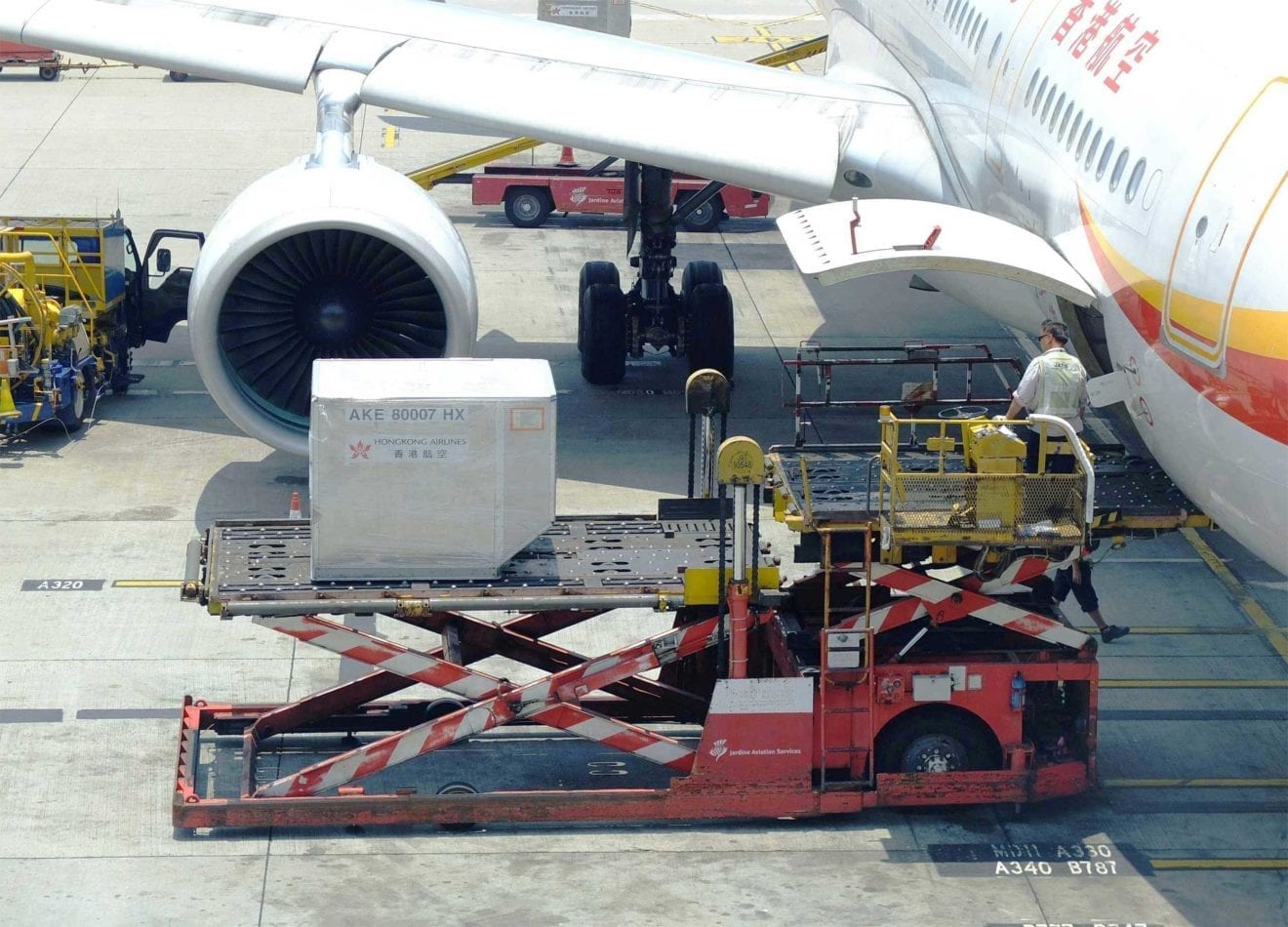
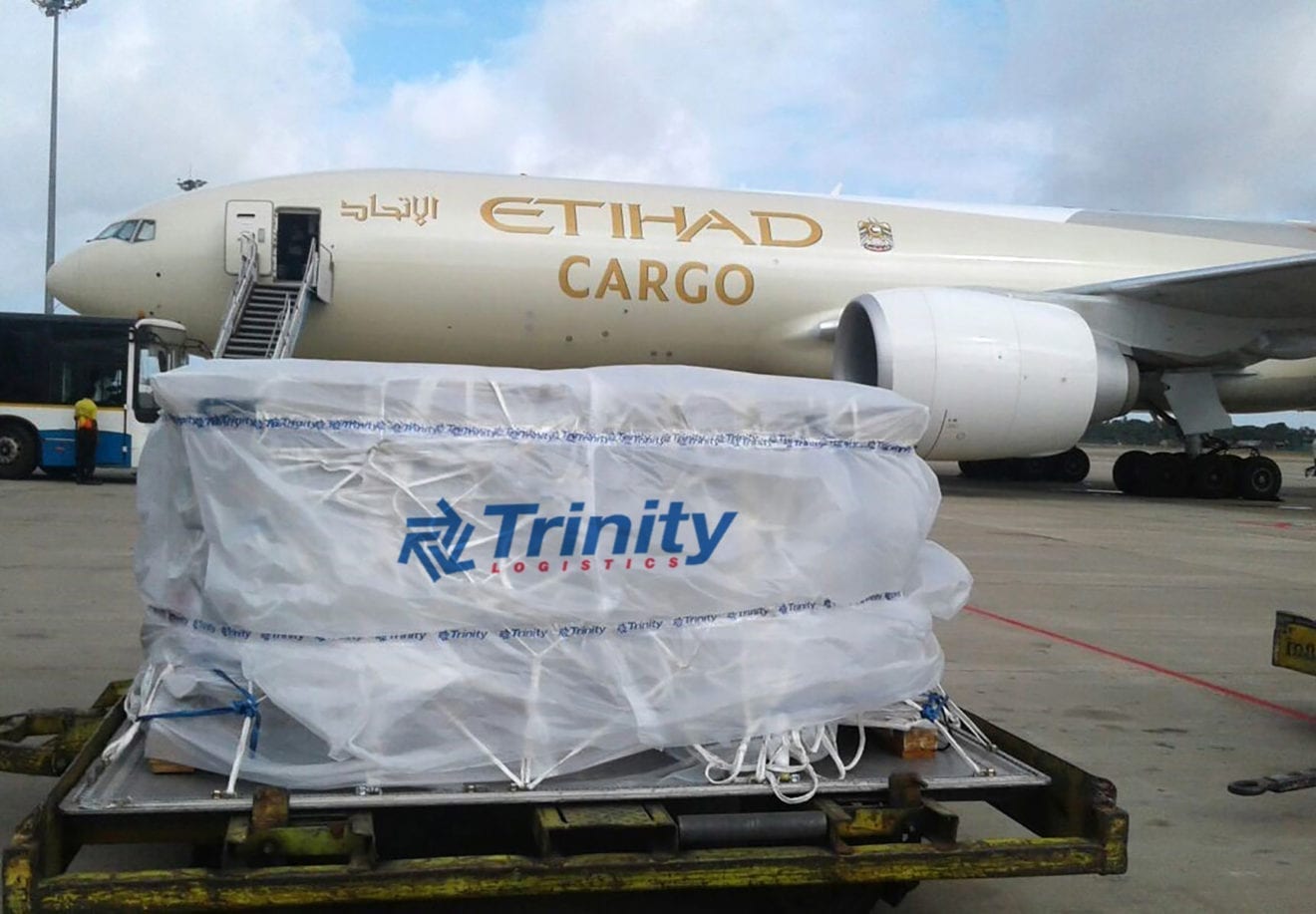
    Under the agreement, the carrier will fly freighters on behalf of the New York-based forwarder from Colombo, Sri Lanka to Columbus, Ohio and to East Midlands Airport in the UK. The weekly flight will be operated with Etihad’s Boeing 747-8F, which offers a cargo capacity of approximately 135 tonnes, or one of Etihad’s 777Fs, which have a capacity of approximately 103 tonnes.

    “Through our partnership, Etihad Cargo and Trinity Logistics are committed to facilitating this important trade,” said David Kerr, senior vice president of Etihad Cargo. “The flexibility our freighter fleet affords us means we are well placed to serve the fashion industry which is so reliant on a responsive supply chain.”

    According to Trinity Logistics, Etihad Cargo had already operated several charter flights for the company over the summer, and the new service will facilitate the movement of garments manufactured in Sri Lanka for brands such as Abercrombie & Fitch, GAP, Nike and Victoria’s Secret.

    “We select our global carrier partners based on their ability to understand the business of our clients,” said David Pereira, president of Trinity. “With Etihad Cargo, they not only displayed knowledge, but understood the value of creating a sustainable product to a very important cargo zip code in United States.  We expect our clients to benefit greatly from this game-changing solution that guarantees them speed and predictability.”

  • Singtel expands MSS alliance with Akamai

    Singtel expands MSS alliance with Akamai

    Singtel announced it has expended its alliance with Akamai by becoming the world’s first telco provider to have its advanced security operations centre staff certified to deliver Akamai managed security services.

    The two companies teamed up last month to offer DDoS mitigation services based on Akamai’s Intelligent Platform to enterprises across APAC.

    Now this alliance has been expanded, with Singtel’s ASOC staff trained and certified to deliver professional managed and security services for Akamai’s web security portfolio in the region.

    Singtel is launching the capability for Singapore enterprises first before expanding it to other regional APAC markets.

    “This partnership augments our award-winning Managed Security Services by integrating our ASOC in Singapore with Akamai’s best-in-class cyber security solutions,” Singtel Group Enterprise managing director for cyber security William Woo said.

    “The partnership further strengthens our existing relationship with Akamai, taking it to a new level of collaboration to reinforce Singapore as a safe business hub, and the Asia Pacific as a region which is conducive for doing business.”

    Singtel operates a network of eight security operations centers across Asia, Europe and the US, including its advanced security operations center in Singapore.

  • U-Freight welcomes call for global e-trading platform

    U-Freight welcomes call for global e-trading platform

    The U-Freight Group has welcomed the call for the establishment of an electronic world trade platform (eWTP) whose objective would be to reduce barriers to make it easier for small and medium-sized enterprises to expand their trading capabilities worldwide.

    The call was made recently by Jack Ma, executive chairman of e-commerce giant Alibaba Group, who believes that such a platform is going to be very fundamental for the next 20 or 30 years for the world economy, and for this century.

    U-Freight agrees that e-commerce can significantly reduce costs for SMEs and also ease access to customers. It believes that such an eWTP will provide SMEs with a transparent and open platform to sell their goods and services globally, thus facilitating their inclusion in cross-border e-trade.

    In Ma’s vision, businesses would create hubs for e-commerce and governments would create virtual free trade zones for small businesses. The eHubs would allow small businesses in one country to sell to consumers in another, with low or no import duties, speedy customs clearances and better access to logistics. When connected, this would create a global network that becomes the eWTP.

    U-Freight Group ceo, Simon Wong says that his company has been showing its commitment to developing e-commerce logistics and in respect of cross-border e-commerce in China, U-Freight has already been qualified by China Customs and CIQ as a licensed Cross-border E-Commerce Enterprise, as well as a Cross-border E-Commerce Logistics Service Provider.

    “We are now concentrating on leveraging the experience that we have already gained in Chinese cross-border trade to make sure that our other strategic hubs in Asia, Europe and North America are equipped to handle the boom in business that will be associated with ever-growing global e-commerce.

    “What Mr Ma is proposing is a platform that can lower the threshold and enable more people around the world to conduct trade by reducing barriers and making it easier for SMEs to expand their trading capabilities.

    “U-Freight believes that such an eWTP would provide SMEs a transparent and open platform to sell their goods and services globally, thus facilitating their inclusion in cross-border e-commerce and leading to a massive growth in cross-border shipments.

    “That’s why we are making significant investments to make sure that we are ready to deliver the logistics services that will be required.”

  • AIS, Dtac enable cross-network VoLTE calls

    AIS, Dtac enable cross-network VoLTE calls

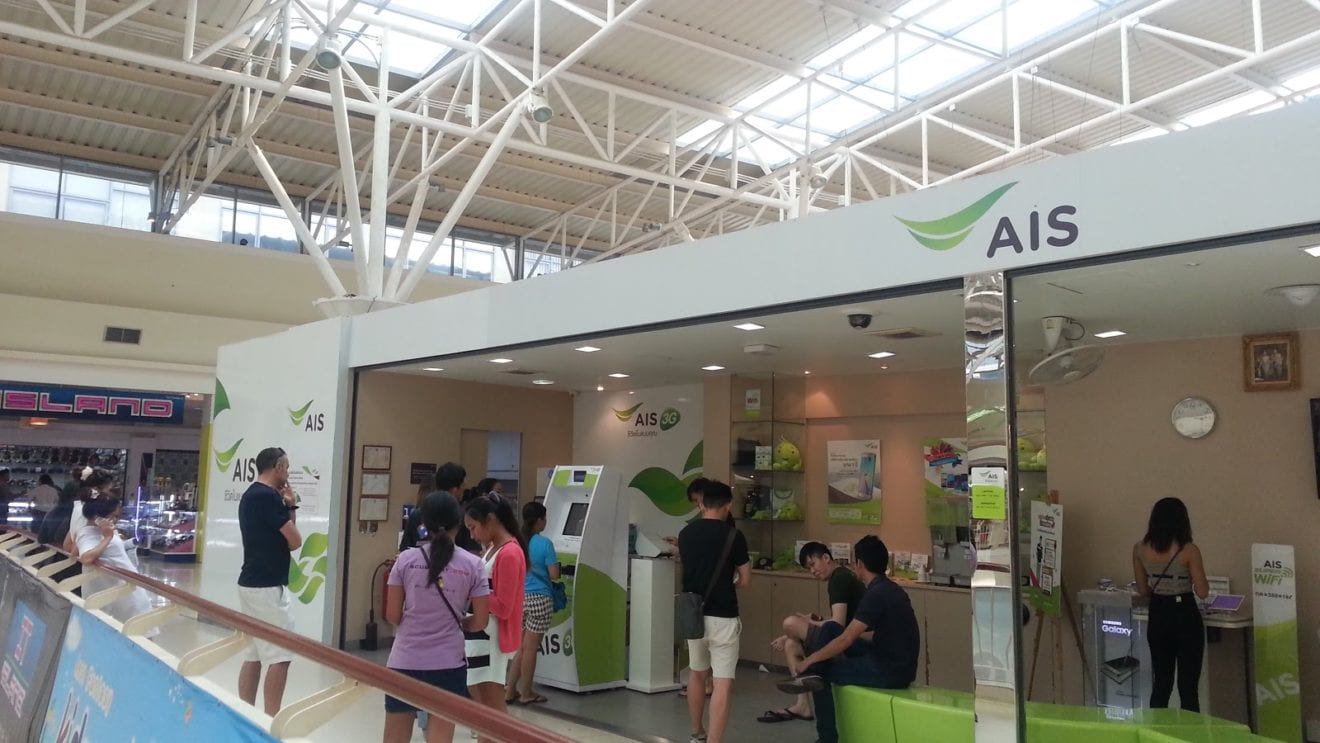
    In a first for the Asean region, Thai operators AIS and Dtac have teamed up to facilitate cross-network VoLTE calls.

    The operators enabled AIS-Dtac VoLTE calls last week and plans to implement cross-network 4G video calls from Tuesday.

    Cross-network VoLTE calls are being made available to both prepaid and postpaid customers at no additional cost.

    While each of Thailand’s top three mobile operators – AIS, Dtac and True Corp – recently launched VoLTE, the functionality had previously only been available for within-network calls.

    Industry watchers believe the move may be an attempt by market leaders AIS and Dtac to fend off competition from fast-growing challenger True Corp. But the Nation quotes True Corp’s chief commercial officer Kittinut Tikawan as stating that the company is confident it can negotiate simila deals with both AIS and Dtac.

    The move will also pave the way for the launch of the iPhone 7 and iPhone 7 Plus in Thailand later this month.

  • Bharti Airtel launches VDSL vectoring

    Bharti Airtel launches VDSL vectoring

    India’s Bharti Airtel has launched a new VDSL vectoring service the company has branded V-Fiber, capable of delivering speeds of up to 100Mbps.

    The company’s new service has been launched in Chennai, and is being rolled out across Airtel’s national broadband network – which spans 87 cities.

    Airtel will offer the service to its existing customers at no additional cost, except for the cost of an upgraded modem. For new subscribers, Airtel will offer an unlimited three month trial offer.

    The operator will now also offer all its fixed broadband subscribers unlimited voice calling at no extra cost, and is providing a rewards program to allow broadband customers to get 5GB of additional mobile data per month if they are also subscribed to Airtel’s mobile services.

    As part of Project Leap, Airtel’s nationwide network transformation initiative, the company is meanwhile augmenting its 550,000km of domestic and international fiber capacity to improve latency and customer service and meet growing demand for data services.

    “India is witnessing an explosive growth in data usage and a lot of in-home data consumption is happening over fixed broadband that offers consistent speeds. Airtel has always innovated ahead of the curve and offered its customers best-in-class broadband technology and experience,” Airtel director of operations Ajai Puri said.

    “With ‘V-Fiber’ and our national optic fiber backbone, we are all set to offer a future ready network for tomorrow’s digitally connected homes. This solution, besides reducing our carbon footprint, offers a very quick and convenient upgrade to the customer.”

    Airtel is bracing for the anticipated impact of the planned entry into the fixed broadband market of Reliance Jio Infocomm, the disruptive pan-Indian 4G service provider with an extensive existing fiber footprint.

  • Take a bite out of the Indonesian digital pie

    Take a bite out of the Indonesian digital pie

    Recent research has highlighted the potential increase in digital ad spend in Indonesia over the next five years. Brands yet to venture into Indonesia’s booming digital ecosystem must expedite their entry strategies to ensure getting a share of this lucrative pie.

    A report has highlighted the growing potential of digital retail from Indonesia. This is attributed to the increasing use of mobile devices, especially with cheaper smartphones enabling a greater population to access the digital sphere. This rapid growth projects digital ad spending to increase to 20.4% of all media ad spending by 2018, up from 10.7% in 2016. This report illuminates the expanse of Indonesia’s digital ad market that could be further developed, and have an emergent interest in the technology amongst local advertisers.

    With the largest population in Southeast Asia, an exponential increase in digital adoption, and a seemingly insatiable appetite for e-commerce and social media, Indonesia is the puzzle every brand wants to solve.

    However, does this mean the death of the traditional advertising and offline retail? Are you as a marketer confident in leaving your brand in the hands of the bots?

    While digitisation has revolutionised the marketing function in Indonesia, brands cannot assume that a digital presence is the solution to building market share. Because of the increase in digital ad spending cited above, the question of effective brand engagement is more crucial than ever.

    So what can brands do to continue engaging their consumers beyond their finger-tips and into their hearts and minds? And more importantly, how can you build loyalty in a competitive market like Indonesia?

    Going beyond Digital

    The consumer journey is not limited to just the digital sphere. Rather than situating offline and online as extreme entities, they should be treated as a continuum. Take the example of Zalora. Marketed as the leading online apparel retailer in Asia, Zalora launched several pop-up stores in order to let consumers try their items before buying, thereby reducing return rates.

    Strategic alliances between logistic services and e-commerce consumer brands like Zalora are revolutionising the customer experience. The traditional is not dead. It is revamped with renewed excitement. Digital is an essential medium for marketers to reach out to their audience. This is more so imperative in the emerging scene of digital marketing in Indonesia to start with the right foot in.

    To take a first-hand look at how leading marketers are tackling Indonesia’s digital frontier, be involved in Digital Marketing Indonesia that is happening on 24th and 25th November at Mandarin Oriental, Jakarta.

  • Brazil Challenges Indonesia`s Halal Certification Policy

    Brazil Challenges Indonesia`s Halal Certification Policy

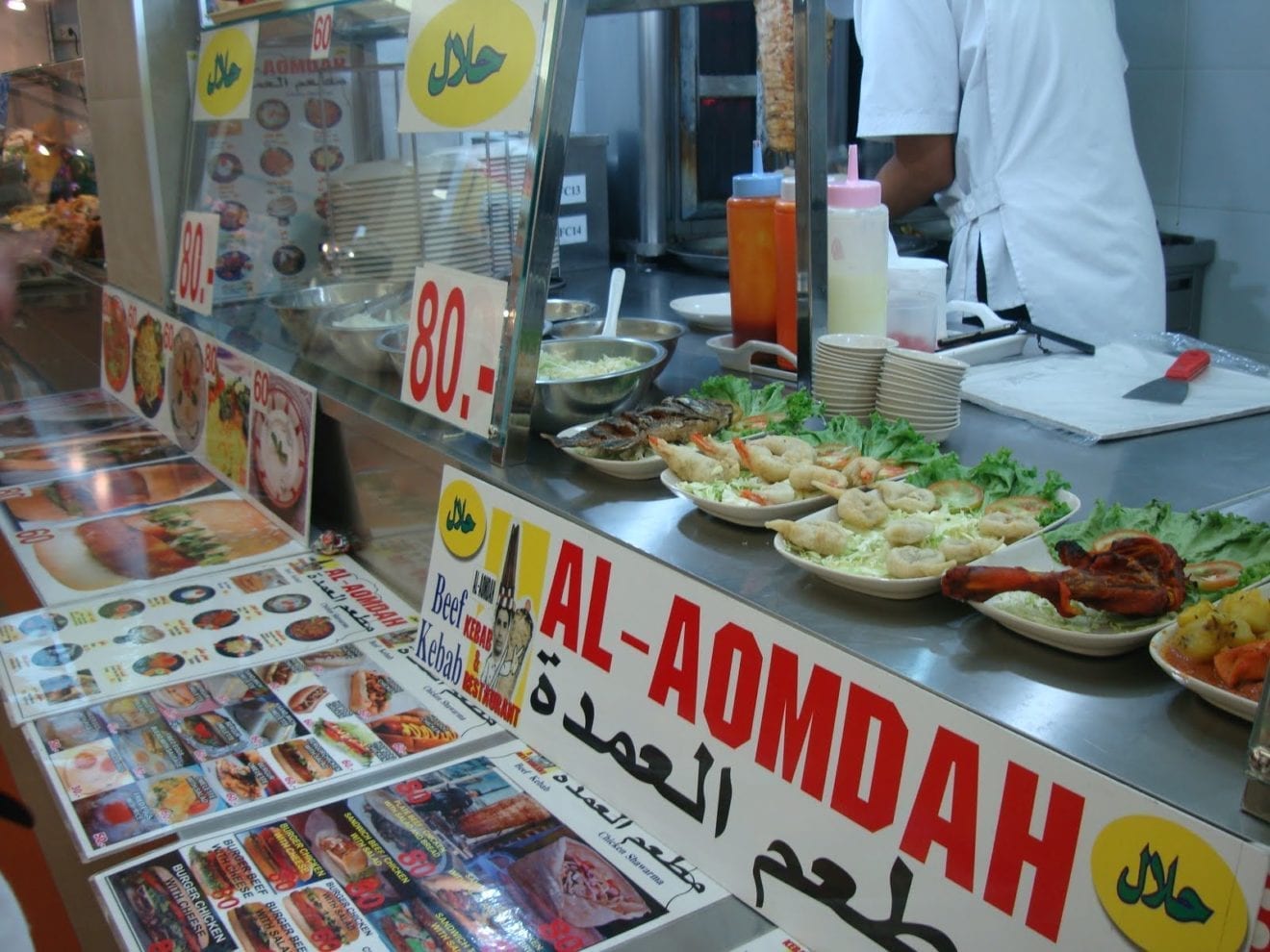
    Brazil has filed a complaint against Indonesia to the World Trade Organization (WTO), challenging Indonesia’s halal certification requirements for imported meat.

    The trade dispute has been registered in Indonesia-Measures Concerning the Importation of Chicken Meat and Chicken Products No. DS:484. The second substantive meeting was held on October 11-12 at the headquarters of the WTO in Geneva, Switzerland.

    Ahmad Firdaus Sukmono, head of Trade Advocacy Bureau, the Trade Ministry, said that the policy is implemented as part of the government’s consumer protection efforts. “The dispute is focused on Indonesia’s rights to ensure compliance with food safety and halal requirements,” he said on Friday.

    Brazil has also lodged claims against Indonesia for its import restrictions, namely the positive list, usage requirements, transportation modes in import and suspension of sanitation requirement approval. Brazil claims that such policies have hampered Brazil’s export to Indonesia.

    Being the world’s largest chicken exporter, Brazil sees that the access to Indonesian market has been shut down in the past seven years. Because Indonesia only allows exported halal whole chickens which are slaughtered individually in henhouses. “We suspect that Brazil has yet to implement it,” Firdaus said.

    Firdaus said Indonesia has responded to Brazil’s claims. “Indonesia has been very transparent in import regulations and requirements.”

    Malaysia had also filed complaints about the difficulty in obtaining halal certification in Indonesia even though Malaysia has got its products halal certified by Jabatan Kemajuan Islam Malaysia, according to Malaysia’s International Trade and Industry Minister Dato’ Sri Mustapa Mohamed. However, Indonesia requires imported products to be halal certified by the Indonesian Ulema Council.

  • Indonesia eyes 2017 relaunch for Merpati

    Indonesia eyes 2017 relaunch for Merpati

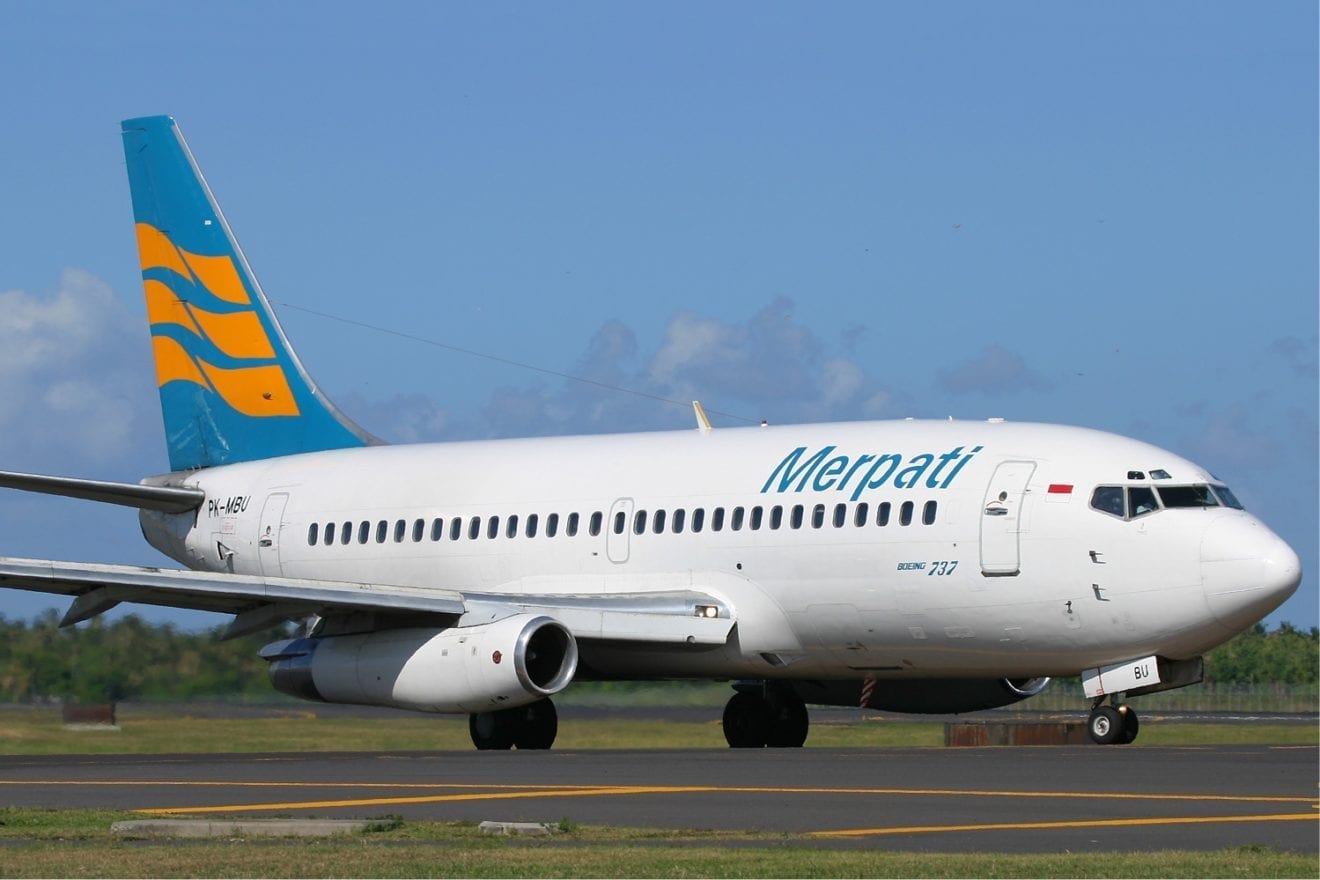
    Merpati (MZ, Jakarta Soekarno-Hatta) is planning to resume commercial operations during the course of 2017 the Deputy for Restructuring and Business Development in the Indonesian Ministry of State Owned Enterprises, Aloysius K. Ro, has announced.

    Merpati ceased operations in February 2014 after it failed to service nearly IDR7 trillion worth of debt owed to other parastatals including airport operators Angkasa Pura I and Angkasa Pura II and energy company Pertamina among others. It specialized in serving the more remote areas of the Indonesian archipelago using B737 Classics, MA-60s, and DHC-6 Twin Otters.

    Speaking to the Tempo news agency, Ro said the relaunch would coincide with the completion of the defunct carrier’s restructuring programme. Thus far, majority shareholder, government, has injected IDR500 billion rupiah (USD38.3 million) into Merpati to cover its debt portfolio while laying off 1,500 staff.

    “We hope it can resume operations in 2017 if in the remaining one year it receives a privatization permit from the Finance Minister and investors are ready to invest in it,” he said. “But it is not easy to find investors to invest in air transport business under normal condition, let alone in a difficult one as experienced by Merpati.”

    Initial operations will likely focus on Papua, Indonesia’s largest and easternmost province, using a fleet of twenty-seater turboprops.

  • Modernland finds new stepping stone with Jardine group

    Modernland finds new stepping stone with Jardine group

    Indonesia’s promising property market has attracted multinational real estate firms to collaborate not only with domestic peers but also international partners. An alliance between the Astra group, Hongkong Land and Modernland Realty shows this well.

    Astra Land Indonesia and Mitra Sindo Makmur have created a joint venture to acquire 70 hectares of land in Cakung, East Jakarta, worth Rp 3.4 trillion. The collaboration was marked under an agreement inked on Oct. 12 in Jakarta.

    Astra Land is a joint venture between Astra International (ASII) and Hongkong Land, while Mitra Sindo Makmur is a subsidiary of Modernland Realty (MDLN). The new entity will develop the land for a project dubbed Jakarta Garden City.

    This should provide positive sentiments for Modernland, given the fact that the new partners are well-known firms in Asia. Astra is a well-known Indonesian conglomerate while Hongkong Land is a leading property investment, management and development group in Hong Kong, Singapore and mainland China.

    They are indirectly affiliated companies as Jardine Matheson sits as the main shareholder, owning more than 50 percent of shares in the two companies.

    While Astra has only three years of experience in the real estate business, Hongkong Land has laid foundations in Indonesia for over 30 years. Currently managing US$32 billion of assets in Asia, it has been operating in Indonesia since the 1970s.

    Under a collaboration with Central Cipta Murdaya, Hongkong Land built the WTC Complex in Sudirman, Jakarta, as its first project. It has also developed two other big projects in Indonesia, namely Nava Park (joint venture with Sinarmas Group’s Bumi Serpong Damai) and Anandamaya Residence (joint venture with the Astra group).

    Financially beneficial

    In its latest research report, Mandiri Sekuritas appraised the joint venture as it will provide security for Modernland in terms of marketing sales and earnings, in light of Hongkong Land’s established track record and experience.

    Furthermore, this action could benefit Modernland as the cash inflow from the transaction could reduce its debt ratio, especially as it was sealed amid the economic slowdown.

    * Bloomberg estimate

    As of the first half of 2016, Modernland had booked Rp 1.1 trillion in revenue, down by 18 percent year-on-year from Rp 1.35 trillion last year, due to fewer projects launched this year. This brought down net income by 88 percent to Rp 26 billion.

    Therefore, the newly formed joint venture with Astra and Hongkong Land in Jakarta Garden City will give better prospects for Modernland. As for Jardine Matheson group, the joint venture will augment its portfolio in the largest property market in Southeast Asia.

  • Healthy spread sought in tourism investment

    Healthy spread sought in tourism investment

    The government will likely need to review its strategy in promoting its priority tourist destinations, as data shows that recent tourism investment mainly headed to just two popular regions.

    During the first six months of this year, the country has seen investment worth US$858.7 million coming into the tourist sector. The tourism Ministry’s deputy for destination and tourism industry development Dadang Rizki Ratman, however, said most of the investment only went to Jakarta and Bali, the country’s two main international gateways.

    “This is our challenge — to encourage investors to invest outside those two places,” he said recently.

    Dadang highlighted the importance of infrastructure development and upgrades in many other tourist destinations as it would become a key factor to attract investors to put their money to the industry.

    The government is targeting the arrival of 20 million foreign tourists in 2019. This year, 12 million foreign tourist arrivals has been targeted, with almost half achieved in the first semester.

    To level out the popularity of other places with that of Bali, the country’s most popular resort island, the government has selected 10 destinations to develop to 2019.

    They include Lake Toba in North Sumatra, Mount Bromo in East Java, Mandalika resort area in West Nusa Tenggara, Labuan Bajo in East Nusa Tenggara, Wakatobi in Southeast Sulawesi, Cape Kelayang in Bangka Belitung, Cape Lesung in Banten and Morotai in Maluku.

    Dadang said infrastructure, such as roads, airports and power plants were in the works to support tourism activities and attract more investors. The Kualanamu-Tebing Tinggi toll road, for example, was in progress and scheduled for completion next year. The road would give more access to Lake Toba, the world’s largest volcanic lake.

    Besides accessibility, intensive promotion was also necessary, said Babar Suharso, the head of regional Investment Coordinating Board (BKPMD) of Banten province.

    “People can access Cape Lesung wthin only three hours but we still haven’t got any investors so we’ve asked Kadin [Indonesia Chamber of Commerce and Industry] to introduce us to their network,” he said.

    BKPMD Banten said a number of South Korean investors had expressed their interests to invest in the location, but none have further approached the regional administration. Investors from Kuwait will visit the cape in November for a potential deal, Babar said.

    Meanwhile, Indonesian Tour and Travel Agencies Association (Asita) chairman Asnawi Bahar emphasized accessibility as an important point to attract more investors.

    “It is understandable that investment is still concentrated in Bali and Jakarta because the two have international airports with many international routes. One thing for sure to attract more investors is accessibility,” Asnawi told The Jakarta Post over the phone.

    Recently, the government announced a $300 million loan from the World Bank to expedite infrastructure development in and around Borobudur Temple, Mandalika and Lake Toba.

    Nevertheless, the natural beauty of sites in Indonesia has inevitably swayed a group of businesspeople in Perth, Australia to invest in Manado, North Sulawesi, whose Bunaken island is famous for its diving spots.

    “[The investment plan in] Manado is a very large ambition. It is a big tourism area so this group of companies running different businesses plan to turn it into a new destination,” said Debnath Guharoy, president of Australian Indonesian Business Council (AIBC) said via phone.

    The group will present its detailed plan to North Sulawesi administration in the next few weeks. They are planning to build hotels, power plants and a waste management system, as well as a conservation area for Bunaken underwater park.

    Indonesia boasts 17,000 islands blessed with beautiful coastline and inland potential, plus a big market of more than 259 million people. To propel its tourism industry, the country has also offered free visas to 169 countries and simplified yacht and cruise arrival rules.

  • Great Potential in Indonesia’s Modern Retail, Food & Beverage Sectors

    Great Potential in Indonesia’s Modern Retail, Food & Beverage Sectors

    In 2017 turnover in Indonesia’s processed food and beverage industry is expected to grow by 8 percent (y/y) to IDR 1,400 trillion (approx. USD $108 billion) from an expected IDR 1,300 trillion in 2016. Meanwhile, the nation’s modern retail industry is projected to expand in the range of 10 – 15 percent (y/y) to IDR 225 trillion (approx. USD $17.3 billion).

    Tutum Rahanta, Deputy Chairman of the Indonesian Retailers Association (abbrev. Aprindo), says the combination of accelerating macroeconomic growth and controlled inflation are the main supporters for growth of Indonesia’s modern retail sector. In 2016 Indonesia’s gross domestic product (GDP) is expected to expand by 5.1 percent (y/y) up from the realization of 4.79 percent (y/y) in 2015. Recently, the World Bank announced it sees the Indonesian economy growing further by 5.3 percent in 2017 and 5.5 percent in 2018.

    Aprindo Chairman Roy Nicholas Mandey added that after several years of economic slowdown, the retail sector of Indonesia has been recovering in 2016 on the back of low domestic energy prices (electricity, gas and fuel), the stronger rupiah exchange rate (versus the US dollar), rising government spending (on infrastructure development), low inflation (around 3 percent y/y), and accelerating economic growth. Due to these factors members of Aprindo have been eager to expand their businesses this year.

    Based on a Bank Indonesia (BI) survey, Indonesia’s retail sales grew 14.4 percent (y/y) in August 2016, supported by sales of non-food items, extending the promising trend recorded in the preceding month (retail sales growth at +15.7 percent y/y). However, this survey also signals that retailers expect retail sales to slow in November 2016 due to rising inflation (a seasonal phenomenon).

    Adhi Lukman, General Chairman of the Indonesian Food and Beverage Association (GAPMMI), agrees and expects the processed food and beverage Industry of Indonesia to rise by at least 8 percent (y/y) provided the government will not implement any policies that could undermine this growth (for example, the government once uttered the idea to implement a plastic excise tax). Besides the five above-mentioned factors, Lukman added that rebounding commodity prices also boost people’s purchasing power.

    Lukman is also optimistic that direct investment in Indonesia’s processed food and beverage industry will surpass IDR 50 trillion in 2016, up 16 percent from IDR 43 trillion in 2015. However, investors urge authorities to lower interest rates as that would make business expansion much more affordable. Lukman emphasized that Indonesian authorities need to be consistent and committed (for example through effective implementation of the economic policy packages) in order to support this industry and thus be able to compete with counterparts in Malaysia and Thailand.

    Indonesian Modern Retail Industry:

    2013 2014 2015 2016¹ 2017¹
    Turnover
    in IDR trillion
     148  168  181  200  225

    ¹ indicates forecast

    Indonesian Food & Beverage Industry:

    2015 2016¹ 2017¹
    Sales
    in IDR trillion
    1,209 1,300 1,404

    ¹ indicates forecast

  • More than 20 labor law violations by Indofood alleged in Indonesia

    More than 20 labor law violations by Indofood alleged in Indonesia

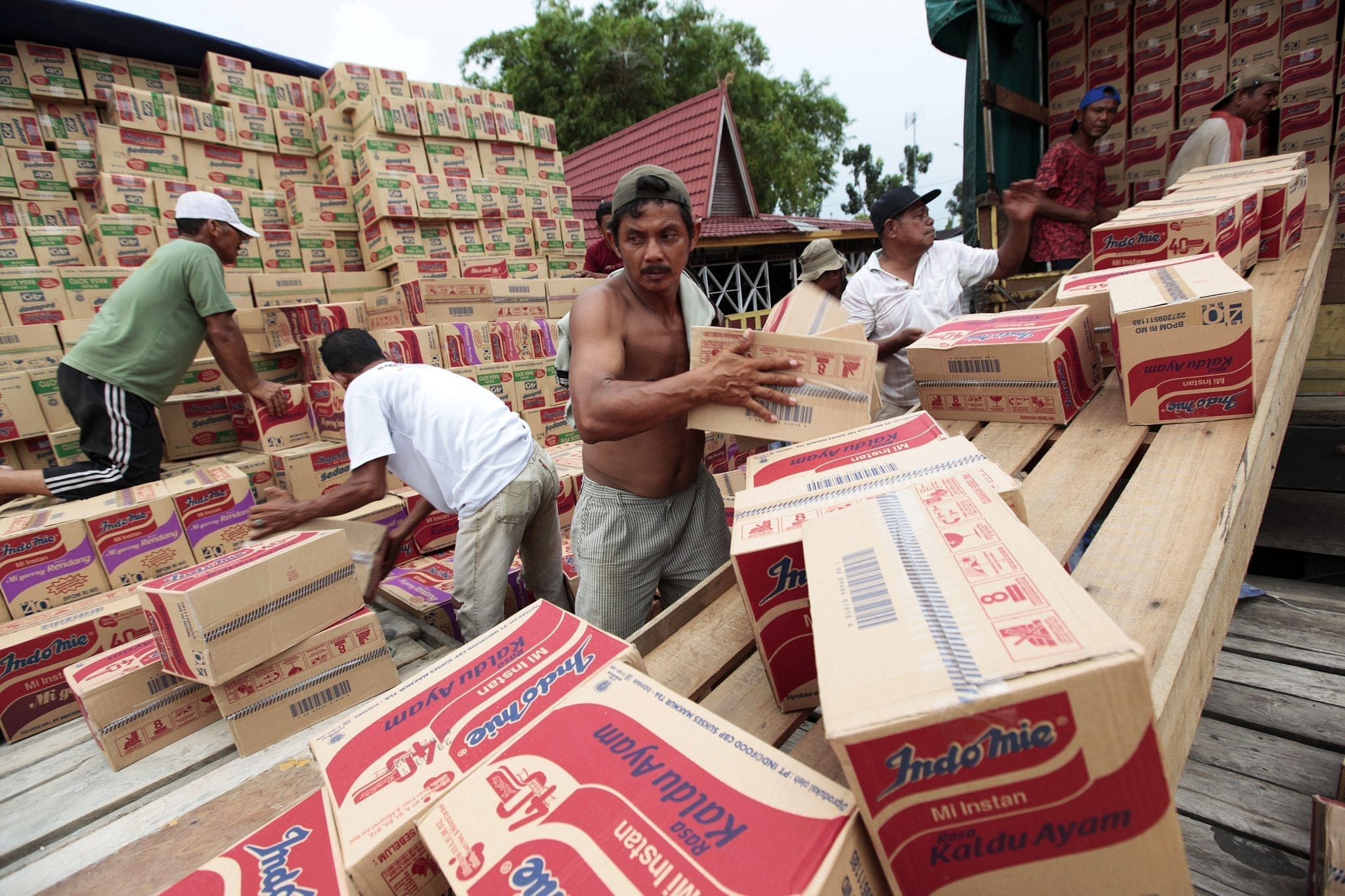
    Amid allegations of widespread abuses on its plantations, including the use of child labor, three NGOs this week lodged a formal complaint against Indonesian palm oil giant Indofood, calling for two of its subsidiaries to be suspended from the industry’s largest certification scheme.

    The complaint, signed by Rainforest Action Network (RAN), Indonesian labor rights advocacy group OPPUK and the International Labor Rights Forum (ILRF), was filed with the Roundtable on Sustainable Palm Oil (RSPO) on Tuesday.Citing numerous violations of the roundtable’s principles and Code of Conduct, the complaint calls for Indofood subsidiaries PT London Sumatra and PT Salim Ivomas Pratama to be suspended from the RSPO “until transparent actions are taken” to resolve the issues.

    The complainants also raise doubts over the RSPO’s own credibility in detecting and responding to labor violations on member plantations — not the first time this has been called into question.

    “It is time for the RSPO to act in the interest of palm oil workers. The evidence is clear: Indofood is systematically violating the fundamental rights of workers on its palm oil plantations,” OPPUK director Herwin Nasution said in a statement.

    Indofood, which operates a joint venture with global snack food brand PepsiCo, is the largest private oil palm plantation company in Indonesia that has yet to adopt a commitment to use only responsibly produced palm oil.

    The complaint comes four months after the NGOs released the results of an investigation into abuses on two Indofood plantations in North Sumatra.

    Their report, The Human Cost of Conflict Palm Oil, included detailed allegations of child labor, exposure to hazardous chemicals, a reliance on temporary workers, below minimum-wage payments and the suppression of independent unions.

    In response to the accusations, an assessment was conducted by the RSPO’s accreditation body, Accreditation Services International (ASI), on a third Indofood operation, the Gunung Mas palm oil mill and supply base in North Sumatra.

    ASI’s report, released last month, found similarly widespread violations of Indonesian labor law and evidence of unsafe practices. Several of the violations had already been identified in a previous audit, but had never been addressed.

    In total, Indofood has violated more than 20 Indonesian labor laws, according to the complaint filed this week, which also highlights violations of the RSPO Code of Conduct requirement that members “commit to open and transparent engagement with interested parties and actively seek resolution of conflict”.

    Indofood’s head of public relations, Stefanus Indrayana, told Mongabay he was out of the office and unable to provide comment. Other Indofood representatives did not respond to questions about the RSPO complaint.

    The company previously said the allegations were unsubstantiated. In a June interview with Indonesian newspaper The Jakarta Post, Indofood director Franciscus Welirang responded to claims that children as young as 12 were working on the plantations.

    “Plantations in Indonesia are usually close to villages and thus there’s a plantation culture based on targets. It’s standard for families to ask for help from their children,” he said.

    “There’s a law in Indonesia and we are in compliance but there’s also a culture that cannot be perceived as the same as Western culture.”

    Emma Lierley, forests communications manager at RAN, said the NGOs hoped Indofood’s suspension from the RSPO, the world’s largest association for ethical production of palm oil, would “force the company to take these findings seriously…and endeavor to clean up its business practices.”

    She added that if Indofood fails to take action, “buyers, business partners and investors must enforce their own policies by suspending relationships” with the company, citing its ties with global brands including PepsiCo, Nestle and HSBC.

    PepsiCo, which is a joint venture partner with Indofood but does not otherwise buy its palm oil, said it was discussing the issues with the company.

    “Are we completely aligned? No, not at this minute. But the conversations are going on. Indofood has been very responsive,” a spokesperson told Mongabay earlier this year.

    But, the spokesperson claimed, the nature of PepsiCo’s relationship with Indofood made it more difficult to force changes.

    “You can be much more demanding with a supplier. A joint venture is much more delicate, especially because the joint venture preceded any discussion about sustainability and what was needed regarding that.”

    Beyond Indofood and the companies it has relationships with, the complaint says the RSPO’s own credibility is at stake.

    “The RSPO’s ‘sustainable’ label means nothing without enforcement. If the RSPO is not willing to uphold its own standards, it threatens its credibility on the market and the brand reputations of all its members,” explained Lierley of RAN.

    “Its standards still have major shortcomings…but this complaint provides an opportunity for the RSPO to demonstrate that it can, and will, take actions to enforce compliance with its standards,” she added.

    Eric Gottwald, legal and policy director at the ILRF, said there is a “culture of non-compliance” on many RSPO-certified plantations regarding both Indonesian labor laws and the RSPO’s own policies.

    “As a first step toward addressing the issues, Indofood should sit down with the RSPO and complainants to discuss the report, audit findings, and necessary reforms to its employment practices,” he said.

  • Google, Facebook to build LA-HK cable

    Google, Facebook to build LA-HK cable

    The internet giants Google and Facebook apparently agree on at least one thing this month: that the world’s infrastructure is in need of another trans-Pacific cable system. They are teaming up with privately held Pacific Light Data Communication and TE Subcom to build the Pacific Light Cable Network, or PLCN.

    The new cable system will be a direct link between Los Angeles and Hong Kong. It will span some 12,800km between the two cities, potentially offering one of the lowest latencies available.

    PLCN will also incorporate the latest optical technologies, which means the total theoretical capacity will be the largest transpacific route so far – up to 120Tbps in all. It is expected to be launched commercially in the summer of 2018.

    It was just a few months or so since the that the FASTER cable, also backed by Google, came online between Japan and Oregon. The PLCN cable system will give them some diversity both by route and by landing station.

    For Facebook, this is the most public position on a transpacific cable they have taken. But in the Atlantic they are part of the group building the Marea cable system between Bilbao and Virginia Beach.

    TE Subcom will be doing the actual laying of the cable, of course. But I wonder who is behind the privately held PLDC over in Hong Kong.

  • Nokia deploys network for Kuala Lumpur rail line

    Nokia deploys network for Kuala Lumpur rail line

    Nokia has deployed a mission-critical advanced communications network for Kuala Lumpur’s new railway line.

    The Kelana Jaya light rail transit (LRT) line extension is now supported by an advanced communications network  supporting high-speed voice, data and video traffic.

    The network the railway operations and passenger services for the line’s 13 new stations, which see a combined 350,000 passengers daily.

    Nokia also provided systems integration services to enhance safety and security through remote diagnostics and automated functions; constant situation awareness with video surveillance; Supervisory Control and Data Acquisition (SCADA); monitoring systems; telephone and radio communications services; automated fare collection (AFC); and public address and passenger information systems.

    The project was completed in conjunction with CMC Engineering Sdn Bhd.

    “As one of the National Key Results Areas (NKRA) under the Malaysian government transformation program (GTP), the Kelana Jaya LRT Line Extension project is another important government initiative to deliver an effective and seamless public transportation system for the Greater Kuala Lumpur area,” CMC Engineering CEO.Hazwan Alif Abdul Rahman said.

    Stuart Hendry, head of global enterprise and public sector for Asia Pacific at Nokia, said railway operations can benefit enormously from modern communications networks.