Tag: asia

  • Local e-commerce not fazed by Alibaba expansion plan

    Local e-commerce not fazed by Alibaba expansion plan

    Local e-commerce company Bukalapak is not worried about Chinese giant Alibaba’s plan to expand into Indonesia as local players can still compete with foreign ones, the company’s co-founder said.

    Bukalapak co-founder and chief financial officer Muhammad Fajrin Rasyid said that unlike social media, which adopted a general model for their users worldwide, e-commerce business models needed a so-called “local touch”. This was because customers’ preferences for goods, methods of payment and logistic systems were different in each country, he went on.

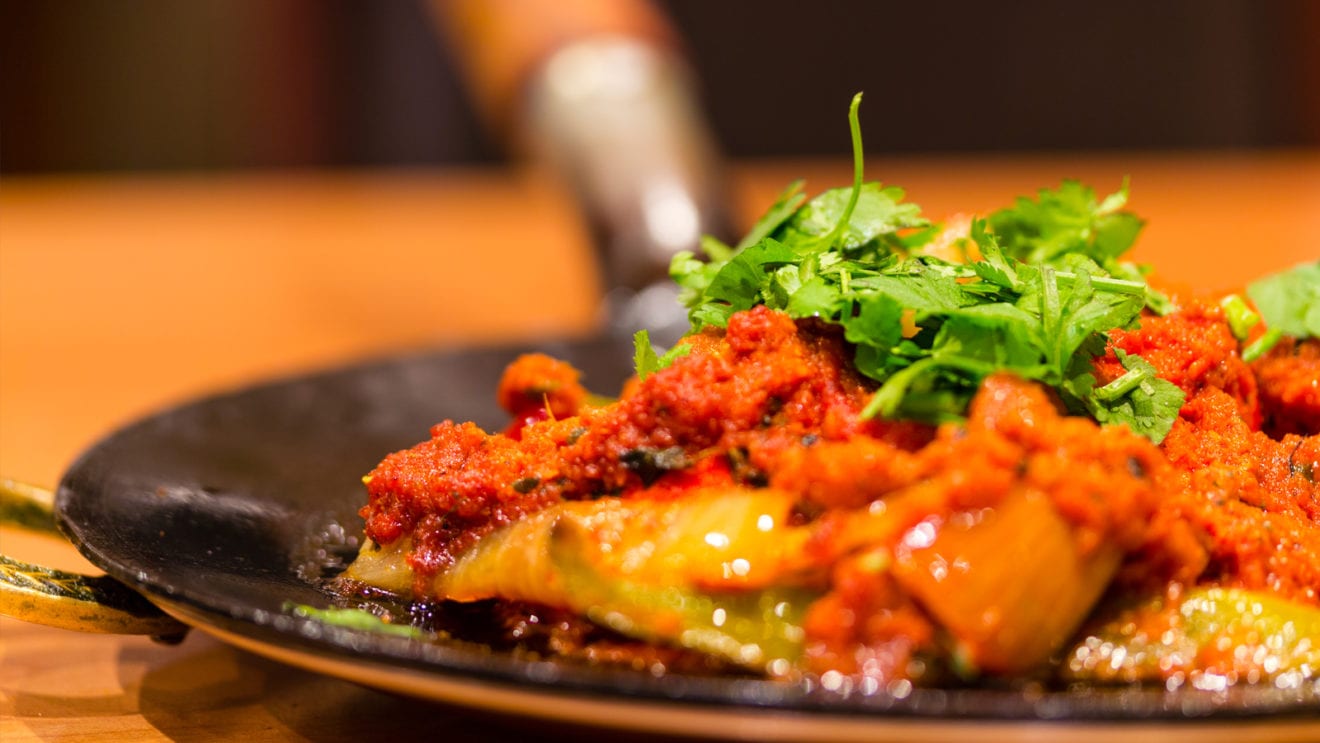
    “Our customers mainly buy ‘local goods’ such as sambal [traditional hot relish] and they prefer to use cash on delivery as a method of payment. We must understand things like this,” Fajrin said at a Centre for Strategic and International Studies (CSIS) seminar on the digital economy in Jakarta on Monday.

    He further said that some foreign e-commerce companies had fallen victim to their own poor understanding of local customs. Japanese online market Rakuten Belanja Online closed in March while German-backed online delivery service Foodpanda Indonesia was shuttered on Oct. 3.

    “We are sure our customer to customer [C2C] model is still suitable for Indonesia. We have 1 million sellers and our mobile apps have the highest rate by users compared to other e-commerce companies,” Fajrin said.

    During the event, Investment Coordinating Board (BKPM) deputy of investment planning Tamba Parulian Hutapea confirmed that Chinese tech giant Alibaba would enter the Indonesian market soon. The company has bought German e-commerce company Lazada and plans to use the latter’s resources in Indonesia to make entry into its market.

  • Indonesia`s  food and beverage companies show their product in Paris

    Indonesia`s food and beverage companies show their product in Paris

    Twenty of Indonesias food and beverage companies from around the country have displayed their products at Salon International de Lalimentation (SIAL) in Paris, France.

    The Industry Ministry of Indonesia has assisted these companies in displaying the diversity of Indonesia’s leading products, ranging from coffee, soft drinks, processed oil, health drinks, snacks, biscuits, instant noodles, processed fruit and processed fish, as well as organic foods, said Secretary of the Directorate General of Agro Industry of Industry Ministry, Enny Ratnaningtyas, in a press release received here on Tuesday.

    The Indonesian companies reflect the competitiveness of Agro products from Indonesia in international markets, as well as opening opportunities for broadening export markets.

    According to Enny, the SIAL Paris 2016 event will bring Indonesian food and beverage products to the European community, as well as the world, due to the attendance by businessmen and visitors from many foreign countries.

    “Moreover, the SIAL Paris 2016 exhibitors can interact with all potential buyers from Europe and Asia, as well as visitors from around the world who will be present at this exhibition,” said Enny.

    Enny also said the twenty companies will be located in the Indonesian pavilion, in Hall 4 booth 4M138 at the Paris-Nord Villepinte.

    The booth is located close to the Indonesian Trade Promotion Center of Lyon.

    Separately, Director General of the Ministry of Industry Panggah Ago Susanto noted that the nation’s food and beverage industry has been able to excel in both the domestic and global markets.

    This is reflected in its positive performance, such as in 2015, which accounted for 30.84 percent of the GDP of the non-oil processing industry and 5.61 percent of the national GDP.

    Meanwhile, the export value of Indonesian food and beverage products in 2015 amounted to 26.539 billion US dollars.

    “Special food and drink exports to France in 2015 reached 34.5 million US dollars, or 0.13 percent of the total exports of food and beverage products to the world,” said Panggah.

  • Rudiantara to Not Give Up on Google Tax

    Rudiantara to Not Give Up on Google Tax

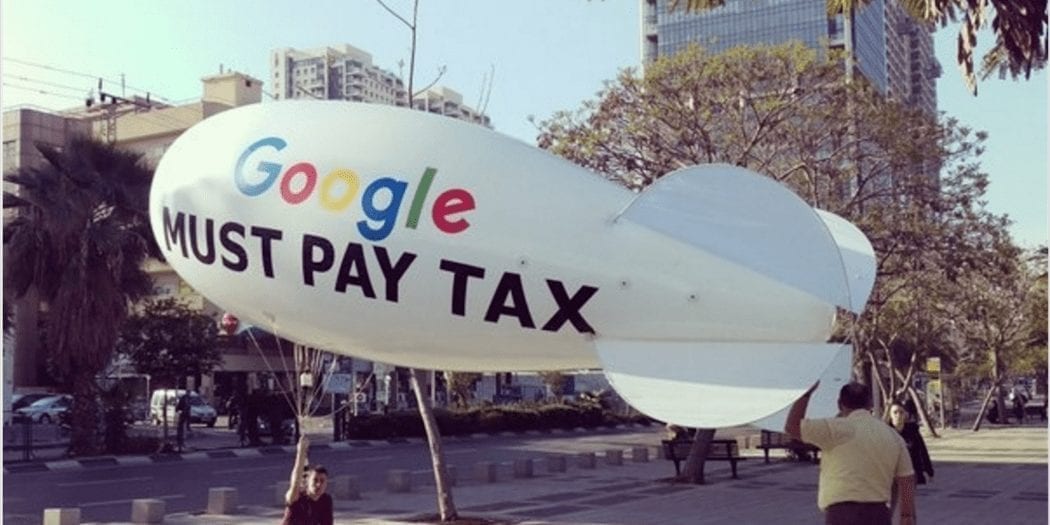
    The Communication and Informatics Minister Rudiantara said that his office and the finance ministry are working to collect tax search engine, Google. “I support the effort. We will not give up,” he told Tempo in Pontianak, West Kalimantan on Tuesday, October 18, 2016.

    Rudiantara said he has no idea why Google tends to avoid paying taxes. “I do not know why. They choose not to pay their duties,” he said

    The minister added that Indonesia has sent a letter to Google, stating that all businesses in Indonesia are subject to taxes.

    “I told Google, if they plan to reach a settlement, we can talk this out,” said Rudiantara.

    Google has not registered as a corporate in Indonesia, although it reaps profit in Indonesia. It has also refused to pay taxes in the past five years worth Rp5.5 trillion.

  • Korea’s Mangosix arrives in Japan

    Korea’s Mangosix arrives in Japan

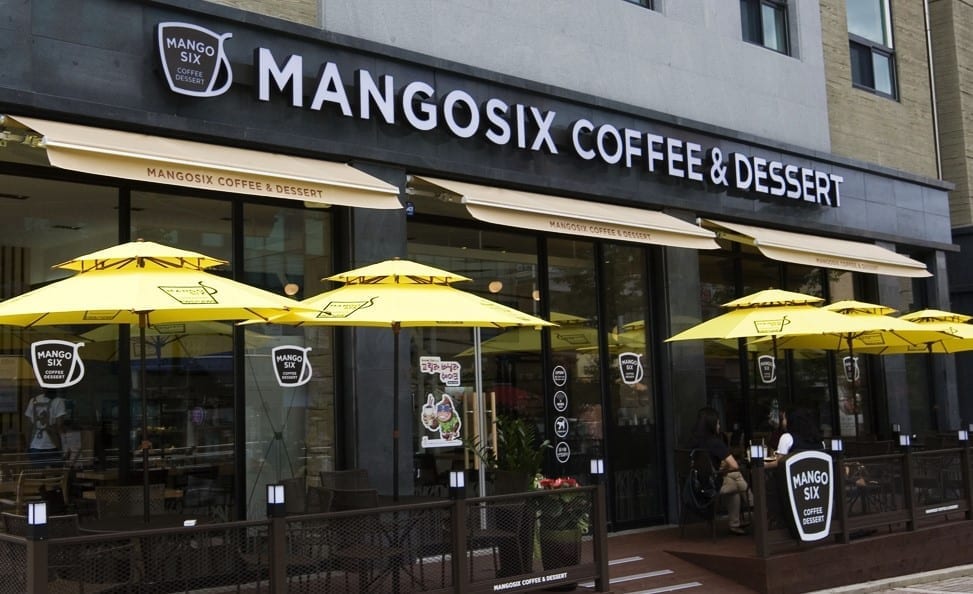
    Korean cafe chain Mangosix has opened its first branch in Japan, in Don Quijote Miyakojima store in Nishisato, Hirara, in Okinawa.

    With mango juice as its main product, Mangosix opened its first store in 2011 and now has about 230 outlets in Asia, Europe and the US.

    For the first time, Mangosix will also offer ice brewed coffee at its Japanese store. Milkissimo’s gelato from Hokkaido is used for sweets and coffee toppings. Miyako-jima island is known for its mangoes, which is why the company decided to open its first store there.

    Mangosix Japan president Akira Kito says the company aims to open 30 stores in Japan within the next three years.

  • Fast Retailing profit rebounds

    Fast Retailing profit rebounds

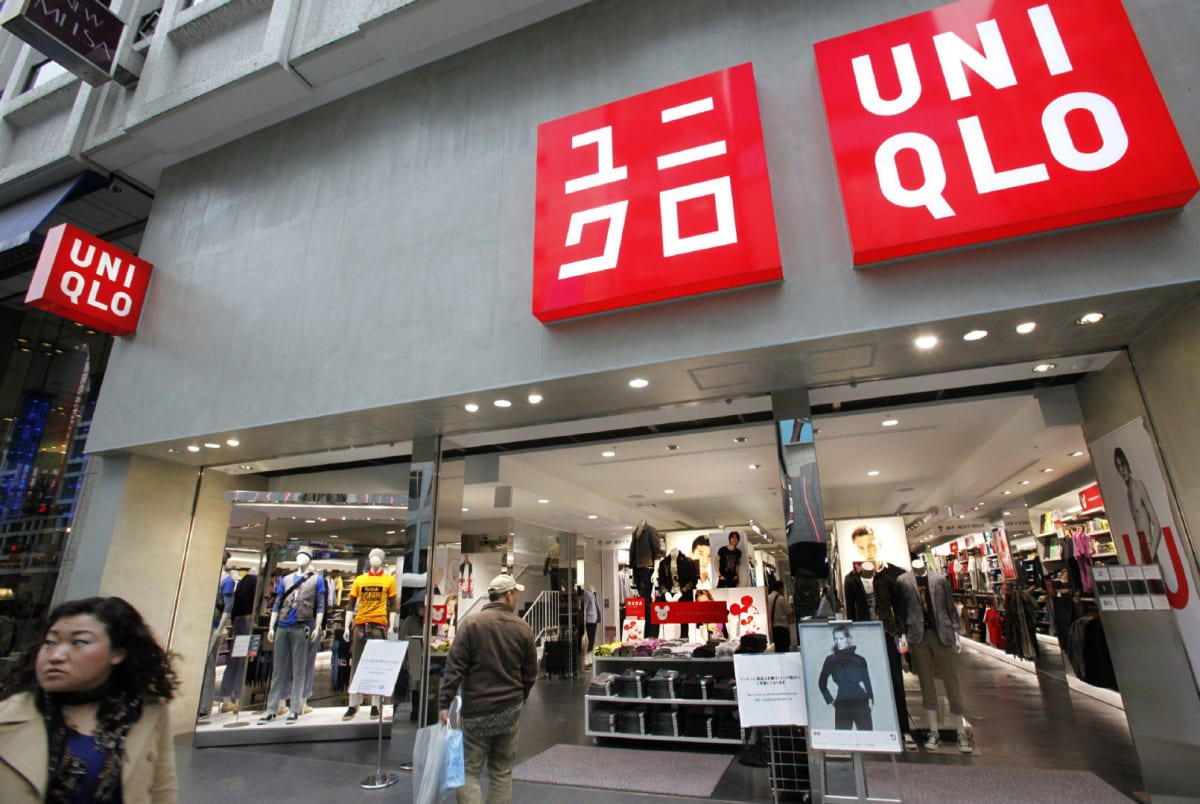
    While Fast Retailing profit fell in the full year, the Japanese apparel giant says its second-half profit rebounded sharply.

    Consolidated revenue rose 6.2 per cent to JP¥1.7864 trillion (US$17.19 trillion) while its operating profit fell 22.6 per cent to ¥127.2 billion.

    Factors underlying the sharp decline in profit include a ¥11 billion foreign-exchange loss, a ¥13.8 billion J Brand impairment loss, and ¥9.3 billion for impairment losses on Uniqlo Japan and Uniqlo US stores, plus retirement and store-closure losses.

    In the second half, from March to August, profit rebounded by 94.3 per cent year-on-year, attributed to a nascent recovery in sales at Uniqlo Japan and Uniqlo International, and concerted cost-cutting efforts.

    For Uniqlo Japan the second-half profit bounced back by 38 per cent. Revenue for the year was ¥799.8 billion, up 2.5 per cent, with profit dropping 12.6 per cent to ¥102.4 billion. Same-store sales rose 4.9 per cent in the second half compared to a 1.9 per cent decline in the preceding six months.

    For Uniqlo International, full-year revenue was up 8.6 per cent to ¥655.4 billion while profit fell 13.7 per cent to ¥37.4 billion. In the second half, however, profit rebounded to 15 times the previous year’s level, mainly because of sharp profit gains in Uniqlo Greater China (encompassing China, Hong Kong and Taiwan), Southeast Asia and Oceania, and Europe.

    For the group’s global brands, revenue rose 11.3 per cent while profit fell 34 per cent for J Brand, revenue rose 32.7 per cent and profit by 34.8 per cent for GU, profit was also up for Theory, while Comptoir des Cotonniers, J Brand and Princesse Tam.tam had losses.

    During the 12 months, Uniqlo International opened a series of stores, including its first global flagship store in Southeast Asia, the Uniqlo Orchard Central store in Singapore. As of August 31, the number of Uniqlo International stores had grown by 160 to 958.

  • Tourists boost Central Group revenue

    Tourists boost Central Group revenue

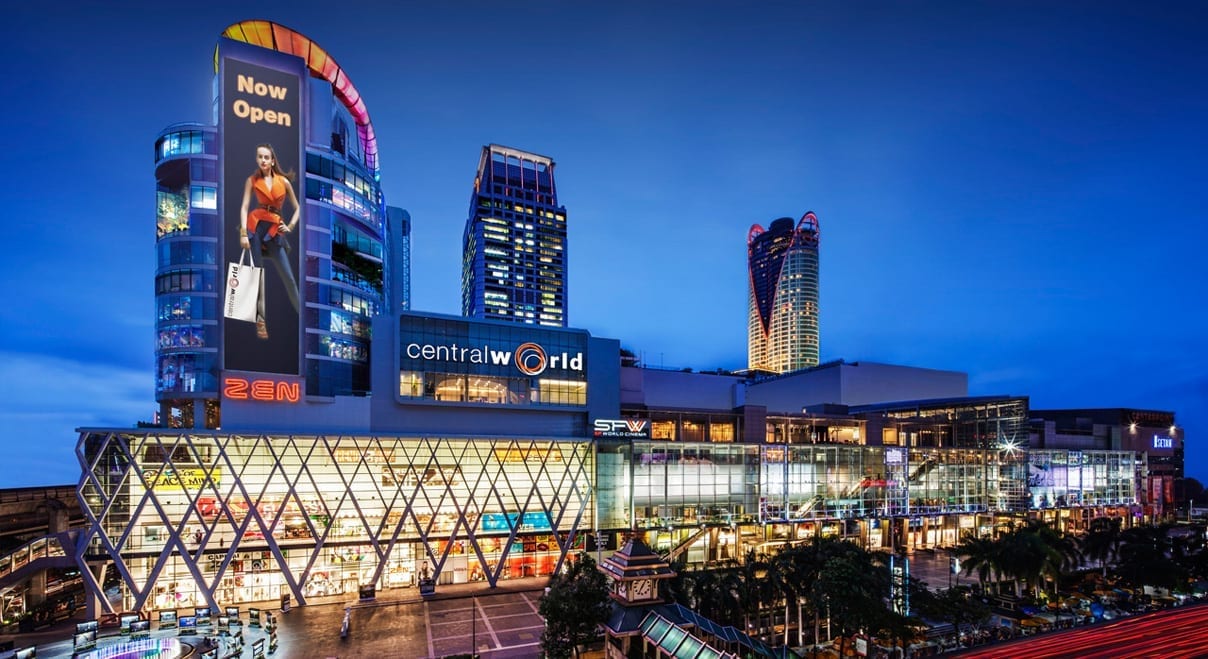
    Thai retailer Central Group expects revenue to rise 21 per cent to Bt320 billion ($9.17 billion) this year following strong growth in overseas business plus tourist spending.

    Controlled by Thailand’s Chirathivat family, Central is seeking to expand in Southeast Asia, says CEO Tos Chirathivat, citing Cambodia, Laos, Myanmar and Vietnam.

    He expects overseas revenue to account for 40 per cent of total in the next five years from 30 per cent now.
    Central bought superstore chain Big C‘s Vietnam business from French retailer Casino in April, comprising 43 stores and 30 malls. Vietnam is Southeast Asia’s fastest-growing market for Central, and the company expects sales to reach Bt37 billion this year.

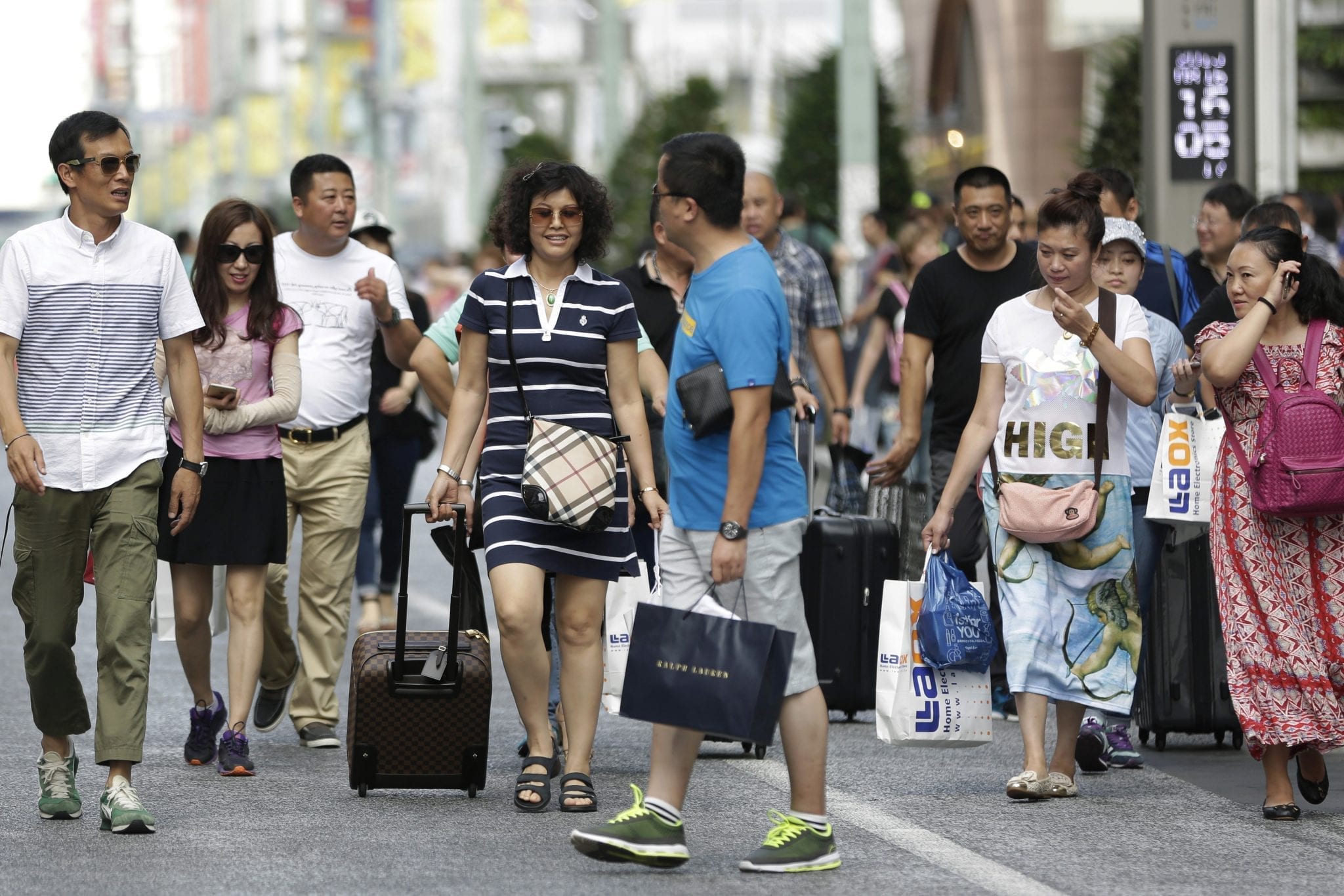
    Central has also benefited from rising tourist numbers in Thailand, with sales up 15 per cent this year versus 5 per cent for Thai customers, says Tos.

    The group, whose interests include shopping mall developer Central Pattana, Robinson Department Store and Central Hotel Plaza, plans to spend more on its online retail business, which currently accounts for just 1 per cent of revenue.

    Central bought fashion-focused eCommerce site Zalora in April as part of a push to win back shoppers who increasingly prefer internet shopping.

  • Timberland Asia launches online

    Timberland Asia launches online

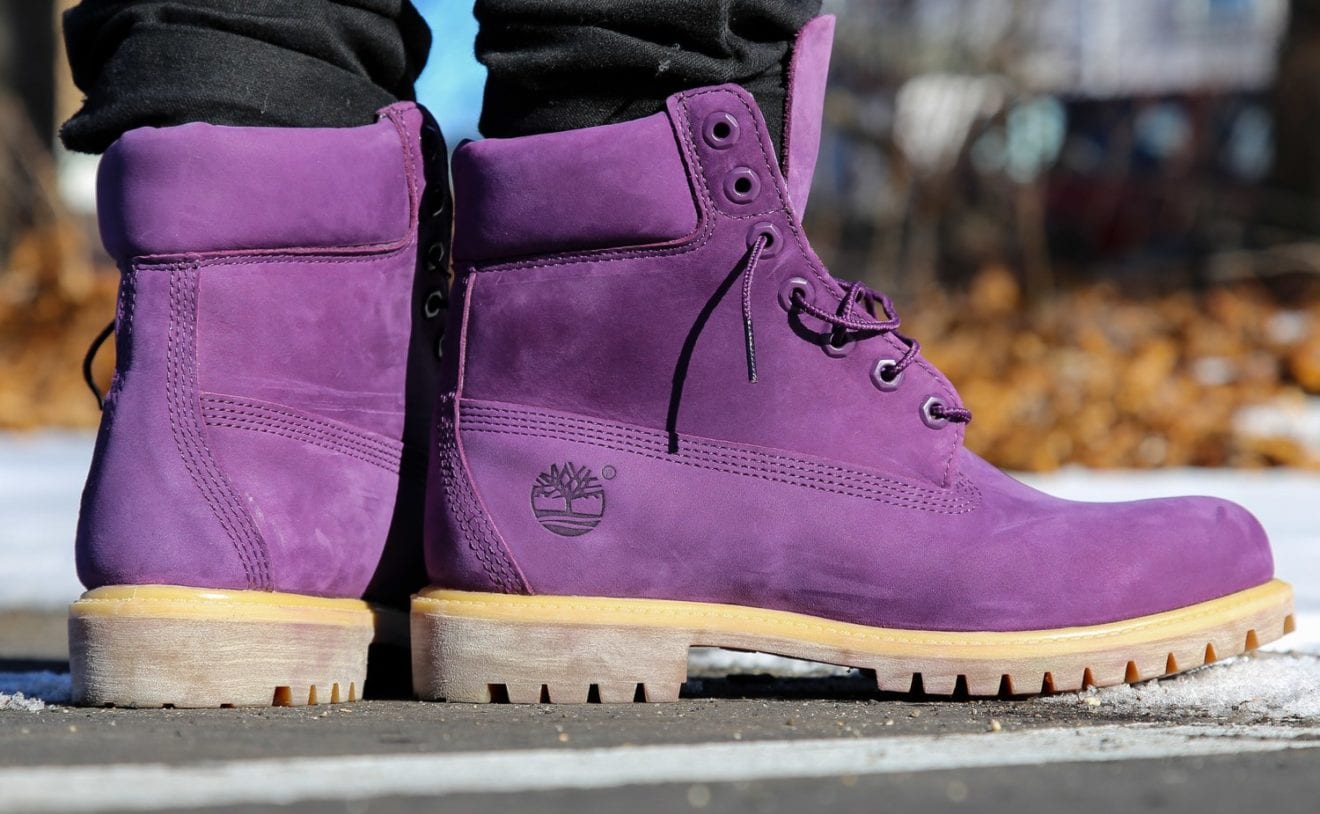
    Footwear and apparel brand Timberland Asia has partnered SP eCommerce, a Singapore Post company, to launch its official eCommerce store for the Southeast Asian region.

    The Singapore-based online store uses SP eCommerce’s security, management, digital marketing, store operations and customer-care technology. Order fulfillment is being handled across Singapore through SingPost’s last-mile distribution network.

    This gives Timberland the ability to deliver a seamless shopping experience, with exclusive online promotions as well as its full retail catalog.

    “This is a natural next step for Timberland,” says Malaysia/Singapore GM Daisy Tan of Timberland owner VF Corporation. “Working with one partner for the entire shop-to-ship process lets us focus our attention on serving our customers and growing our business.”

  • Sprooki platform to launch in Indonesia

    Sprooki platform to launch in Indonesia

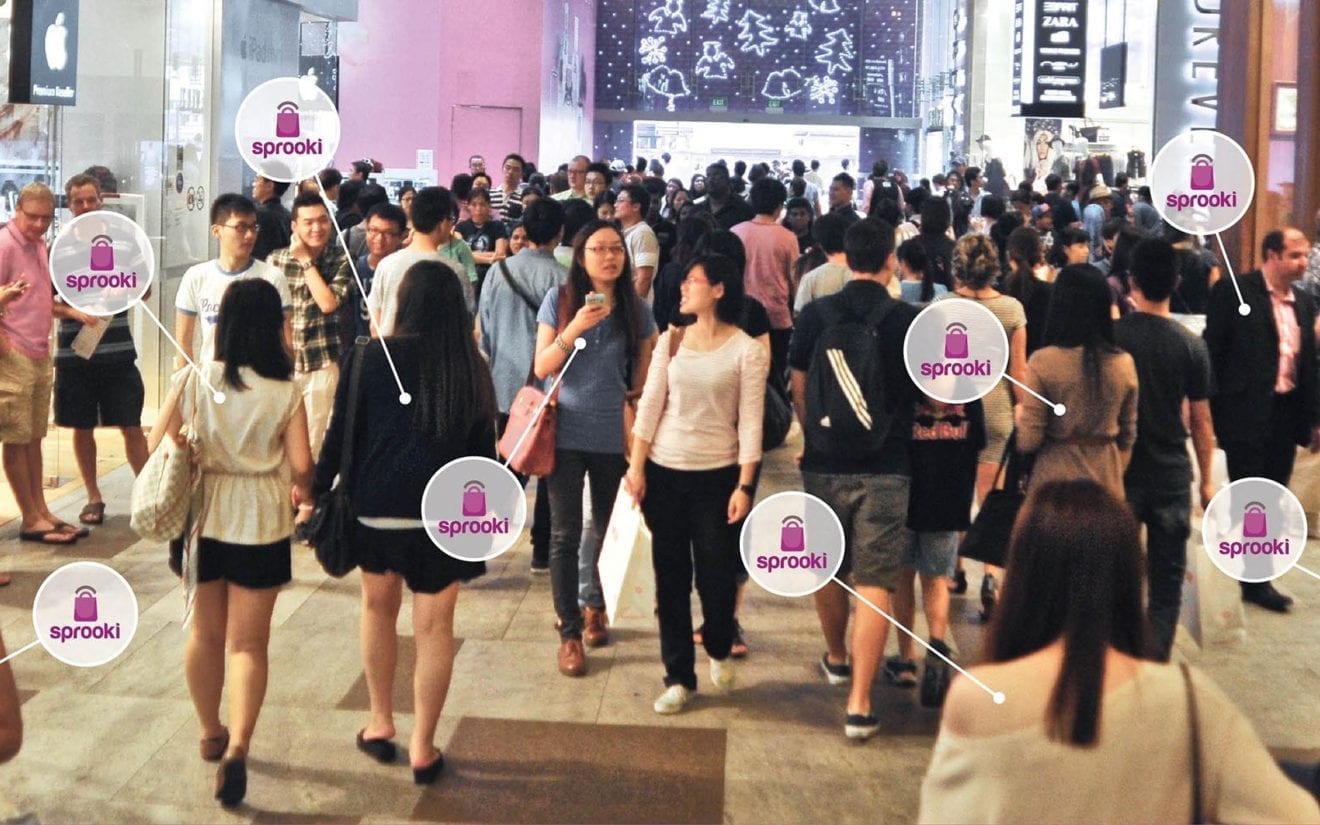
    Shopper-engagement platform Sprooki will launch in Indonesia next month at the 125,000 sqm Supermal Karawaci retail precinct in western Jakarta.

    It will be integrated with the precinct’s touchpoints and mobile apps, allowing retailers to offer customers individualised content such as vouchers, special offers, event alerts and store information.

    Sprooki Michael Gethen and Claire Mula

    Sprooki Michael Gethen and Claire Mula

    Customers will be able to share content on social media including Facebook, which has more than 60 million users in Indonesia. Sprooki is available in both English and Bahasa languages.

    Based in Singapore, Sprooki uses customer location, profile and behaviour data to help retail outlets, shopping malls and department stores engage with their customers via smartphones and other devices.

    Supermal Karawaci is the largest shopping centre in Banten province, west of Jakarta, with more than 1000 stores, three cinemas and the largest Timezone arcade in Southeast Asia – complete with an indoor rollercoaster.

    Sprooki CEO/co-founder Michael Gethen says the deployment will help Supermal Karawaci’s retail tenants improve sales and give the mall unprecedented insight into shopper habits and behaviour.

    Sprooki

    “By implementing the Sprooki platform, our mall will be one of the first shopping precincts in Indonesia to incorporate a data-driven mobile platform to improve shopper experience,” says Supermal Karawaci marketing and leasing GM Pipih Tjandra.

    Sprooki’s mobile platform is already being used by Southeast Asian shopping malls such as a Lend Lease’s 313@Somserset in Singapore and Crescent Mall in Ho Chi Minh City, Vietnam, as well as thousands of retailers and major brands such as Coffee Bean and Tea Leaf, Forever 21, Gap, GNC, Marks & Spencer and Pie Face.

  • China biggest buyer of Korean beauty products

    China biggest buyer of Korean beauty products

    China was the biggest buyer of Korean beauty products last year, grabbing almost half of the country’s cosmetics exports, according to Korea Health Industry Development Institute data.

    Chinese buyers accounted for 41.1 per cent of South Korea’s cosmetics exports, jumping from 22.1 per cent portion in 2013.

    The value of the exports also skyrocketed, from US$274.34 million in 2013 to $1.04 billion last year.

    However, exports to China could be in jeopardy if Beijing imposes economic sanctions in response to South Korea’s push for an advanced US missile defense system, says the institute. South Korea announced in July that it would take on the Terminal High Altitude Area Defense (THAAD) system by the end of next year to counter growing threats from North Korea.

    “There is concern over the Chinese government enacting indirect or direct economic sanctions and possible anti-South Korea sentiment in China,” says the institute.

  • Golden Week spending spree hits $180b

    Golden Week spending spree hits $180b

    Retailers and catering businesses were the main beneficiaries of the 1.2 trillion yuan (US$180 billion) Golden Week spending spree by Chinese consumers.

    This was 10.7 per cent up on last year’s figure, according to Ministry of Commerce (MOC) data, with the biggest spenders being in Chongqing municipality and Sichuan province in west China, and Hunan province in central China.

    Jewellery and gold, home appliances, IT products and energy cars were among the top picks during the week. There was also a demand for catering services for weddings, birthdays and family reunions.

    It is the second consecutive year Golden Week has hit the 1 trillion yuan spending milestone, says China.org.

    Despite an estimated 6 million Chinese tourists travelling overseas during the holiday week, domestic spending was highly encouraged, reports the International Business Times. Beijing has encouraged domestic spending to stimulate the economy, which jumped 6.7 per cent between January and June.

    “The economy this year, especially in the third quarter, is better than expected,” according to Premier Le Keqiang.

    A joint report by the China Tourism Research Institute and cTrip shows Chinese tourists spent as much as 8000 yuan during the national holiday.

    About 593 million Chinese tourists visited attractions across China, says the China National Tourism Administration, spending a total of 482.2 billion yuan, 12.8 per cent year on year.

    Golden Week, from October 1 to 7, is a national holiday of seven consecutive days.

  • Saint Laurent Malaysia opening boutique

    Saint Laurent Malaysia opening boutique

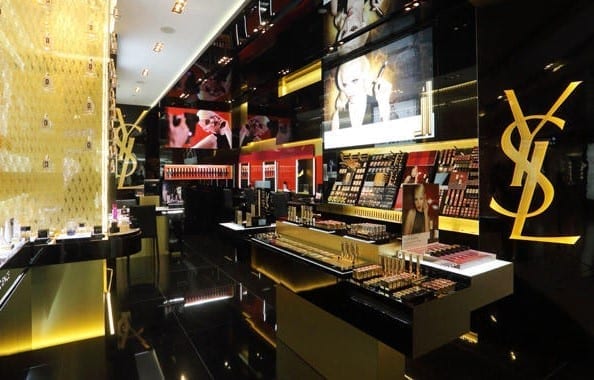
    French fashion brand Saint Laurent Malaysia is about to open its first boutique in Suria KLCC mall.

    It is a new concept for Saint Laurent, featuring the collection of its newly appointed creative director Anthony Vaccarello, as well as an exclusive envelope chain bag collection available in seven colours and finishes.
    Mirrors and marble will be a feature of the interior finish of the store.

    Later this year, Saint Laurent plans to open a second store in Kuala Lumpur, in Pavilion KL.

  • Honda planning new China car factory for 2019 start

    Honda planning new China car factory for 2019 start

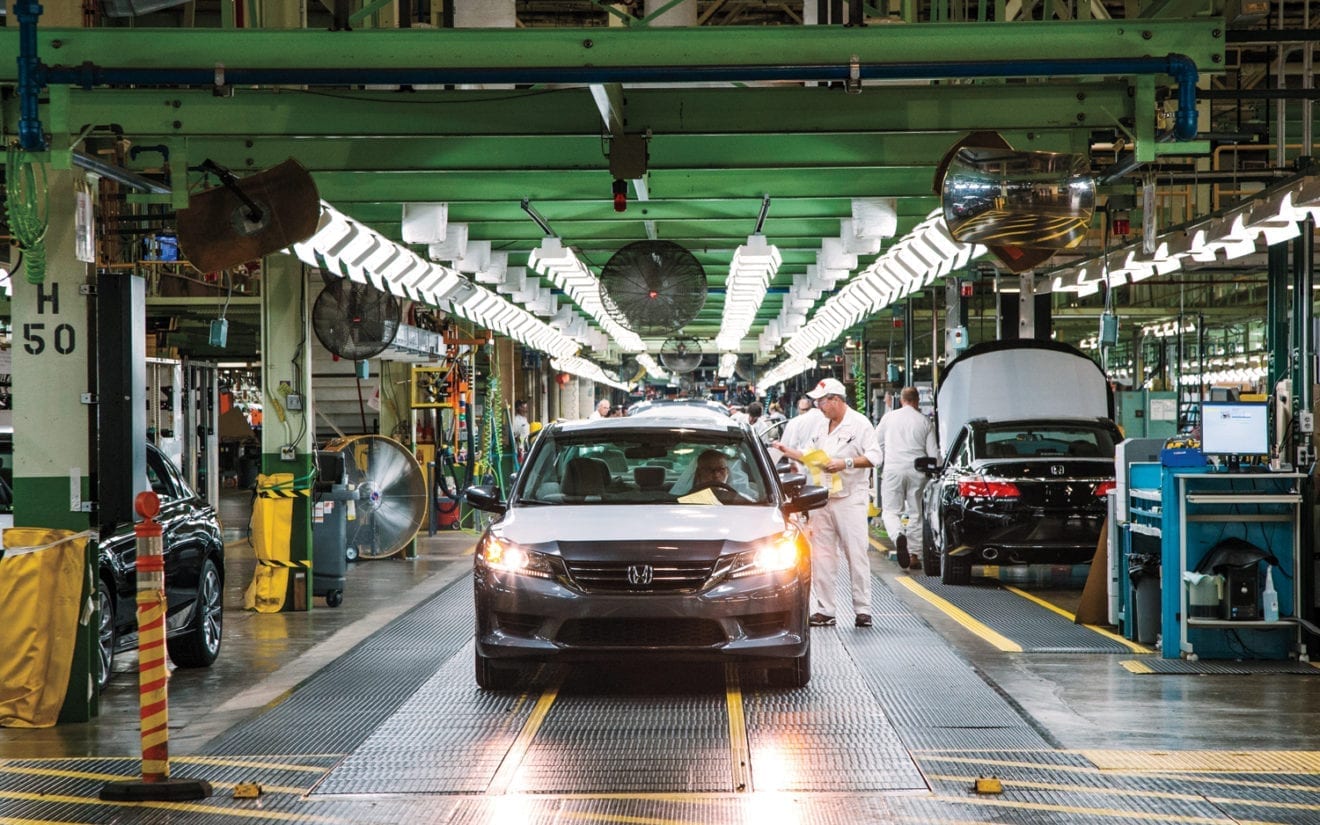
    Honda Motor Co plans to build a new factory in China that will produce passenger cars from 2019, boosting its output capacity in the country by about a fifth, two people familiar with the matter said on Tuesday.

    Honda and partner Dongfeng Motor Group Co (0489.HK) are experiencing explosive growth in China with sales for their joint venture soaring 48 percent for the year to date thanks to the popularity of the XR-V sport-utility vehicle as well as the recently launched Civic sedan.

    At the same time, the venture, Dongfeng Honda, is coming close to its capacity limits at its two factories, targeting sales of 450,000 vehicles for 2016 – not far off current annual capacity of 480,000.

    The new factory will be located in Wuhan, central China, a major auto hub. It will initially produce 120,000 cars a year, with capacity likely to double eventually, the sources said, declining to be identified as there had not been a formal announcement by the companies.

    Honda confirmed that it was discussing the additional plant in Wuhan with Dongfeng, but that it had nothing official to announce now. A Beijing-based spokesman for Honda said the project had yet to be formally approved by the company or the government.

    The plan was initially reported by the Nikkei business daily, which said the venture planned to spend “hundreds of millions of dollars” on the factory.

    The new factory would be Honda’s seventh in China. Honda also has a joint venture with GAC Group (601238.SS)(2238.HK) called Guangqi Honda which has three plants. The Japanese automaker also has a separate plant for exports.

    Honda said in April it was looking to boost car sales in China to 1.07 million cars this year. It sold 1.01 million vehicles in 2015, a 33 percent jump over the previous year.

    Auto sales in China strengthened in September for a consecutive fifth month, rising to a three-and-a-half year high.

  • All Nippon Airways’ cargo arm is taking aim at the Asia-US and automotive markets

    All Nippon Airways’ cargo arm is taking aim at the Asia-US and automotive markets

    All Nippon Airways’ cargo arm is taking aim at the Asia-US and automotive markets as a way to differentiate itself and to strengthen its overall competitiveness.

    “The market situation is not so easy right now,” says Toshiaki Toyama, president of ANA Cargo. “In order to maintain profitability or minimize loss, we need to adjust our freighter capacity in accordance with the market situation. As a combination carrier, we handle a lot of transit cargo between Europe or the US and Asia. We’re looking carefully at the role of each freighter flight and we’re planning to reduce some capacity for the winter season.”

    Transit traffic between Asia and the US will increasingly be a major focus of ANA Cargo’s strategy going forward. This was given a large boost in July 2016, when the carrier launched its trans-Pacific joint venture with United Cargo.

    “Frankly, we’ve been a little bit surprised because the response has been even better than we expected,” Toyama says. “In particular, we have a lot of manufacturer customers in Kyushu connecting to United’s San Francisco flight at Haneda and they seem to be very satisfied with the shorter lead times.”

    The first phase of the joint venture began on July 5, covering eastbound cargo from Japan to Canada and the US.

    “From the number of cross bookings between UA and us, we can see that the customers are very supportive of this programme,” says Toyama. “We’re preparing for the next phase for westbound traffic, which is scheduled to be early next year. Phase three will include the rest of Asia.”

    Another opportunity exists in the expanded slot arrangement at Haneda Airport. In February 2016, the Japanese and US authorities agreed to give the two countries five day-time slot pairs and one evening slot pair each at Haneda, as opposed to the four evening slot pairs each country used to have. As a result, ANA has already decided to shift a New York and a Chicago flight from Narita to Haneda from late October 2016.

    “From Japan to New York and Chicago, more than 50% of the total volume is transit cargo,” says Toyama. “The timing of the two flights enables morning connections at Haneda of about four hours from Shanghai, Singapore, Bangkok, Jakarta, Seoul, Taipei and Hong Kong.”

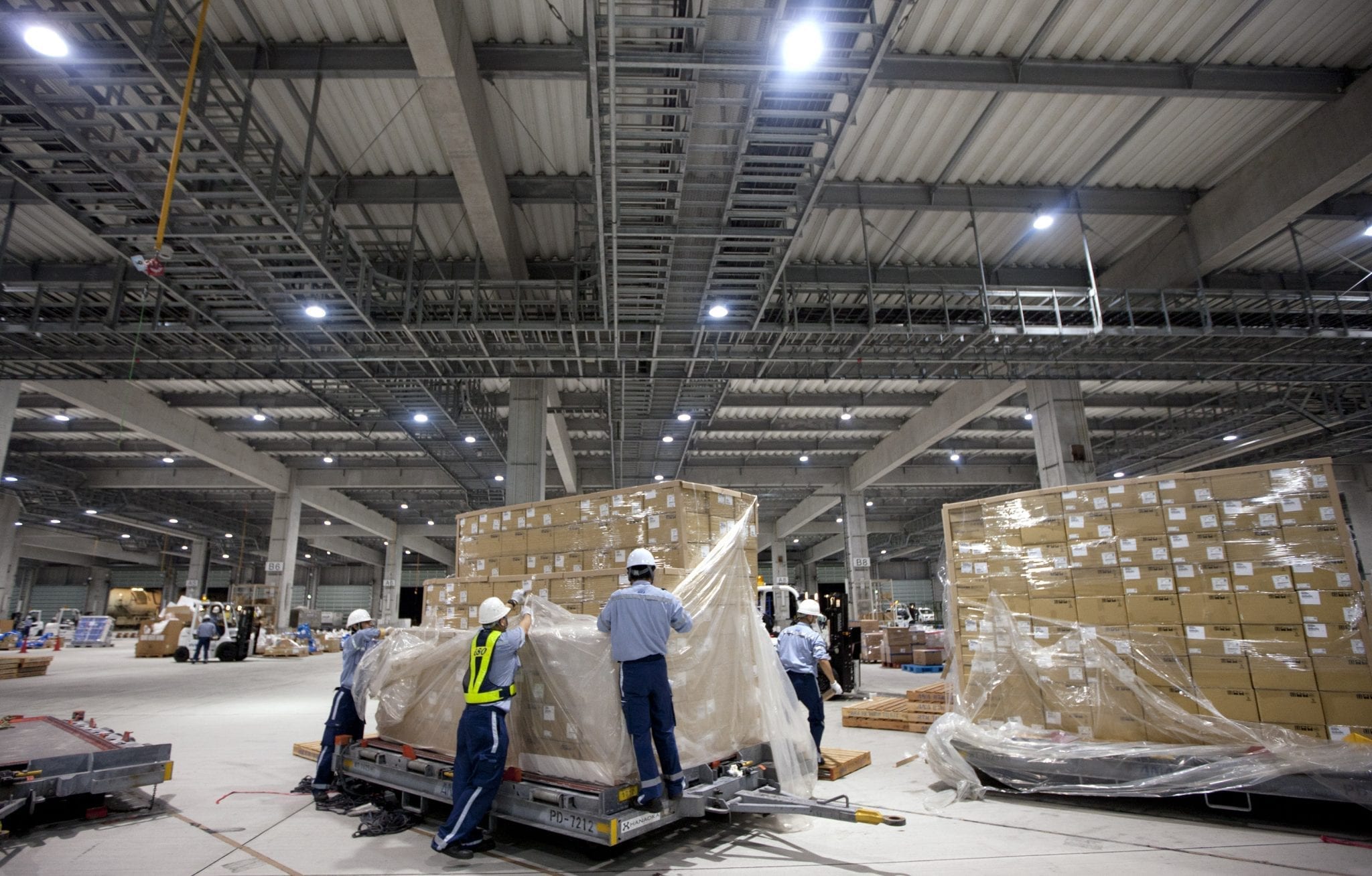
    ANA is the only airline to operate its own cargo facility at Haneda, with an 8,800-square-metre warehouse next to the larger Tokyo International Air Cargo Terminal.

    “We actually use TIACT too,” Toyama says. “I think it’s sufficient for now, because there’s a lot of vacant space at TIACT. We also want to minimize costs – Haneda is incredibly expensive and probably one of the most expensive [airports] in the world.”

    He adds that ANA is in discussions with Japan Airlines and Nippon Cargo Airlines to jointly develop an e-cargo programme, and that he hopes that project to be at 100% by 2020.

    Network expansion on the passenger side will also contribute positively to the cargo business. The airline launched Wuhan in April 2016, Phnom Penh this month, and is due to launch Mexico City in February 2017.

    “These destinations are very attractive for the cargo business too,” says Toyama. “Mexico is an automobile manufacturing centre and Japanese manufacturers like Nissan and Honda have factories there. The supply chain doesn’t just include Japan but also major Asian points such as Tianjin, Guangzhou and Bangkok. We still have a few months until the launch but we’ve already received a lot of enquiries from automobile companies and forwarders.”

    According to Toyama, Wuhan is an important target area for the carrier because of the Chinese government’s decision to shift development from the coast to inland areas.

    “I think it’s a reasonable base but I’m not satisfied yet,” he says. “I expect we’ll be able to gradually increase our load to and from Wuhan. Nissan and a lot of semiconductor companies are there, so we’re talking with them and with forwarders about utilizing our network.”

    Not wanting to lose out on growing e-commerce demand to mainland China, ANA Holdings invested in a young Japanese IT company called ACD in June to provide total logistics solutions including special customs clearance services into China. The service started in September. The first phase of the service is targeted at Japanese retailers and began in September, with plans to expand that to Taiwan, Korea and the US.

    ANA Cargo’s fleet consists of 12 Boeing 767 freighters, which Toyama says is enough for now.

    “In our mid-term strategy, we have plans in place to increase the fleet to 13 or 14 if we need to, depending on the market situation,” he says. “The advantage of the 767 is it allows us to access smaller and medium-sized markets such as Cambodia and Myanmar. Wuhan is also a candidate for the 767F, but it’s not yet at a level that requires a regular freighter. Our 767F network is designed around automobile-related demand. That’s why we’re operating it to Tianjin, Shanghai, Guangzhou, Jakarta and Bangkok.”

    The range of the 767F restricts it predominantly to Asia. According to Toyama, ANA is looking carefully at the possibility of operating larger and longer-range freighters, particularly to the US.

    “The passenger side is planning network expansion but they’re more aggressive on Asian routes,” Toyama says. “In order to achieve network balance in terms of cargo demand, we need more capacity to and from the US. The JV with United is one of the solutions, but if we can’t cover all the demand we will need to think about trans-Pacific freighters.”

    One shouldn’t expect to see ANA Cargo’s blue and white livery on a 747-8F or 777F anytime soon though. And even if the carrier decides to go down the trans-Pacific road, it wouldn’t necessarily have to acquire and operate its own aircraft, with options such as charters or ACMI available.

    “Of course, having a large-sized freighter is a dream for us,” says. “But I think we need to be realistic.”

  • KAI Offers Train Cars to Myanmar

    KAI Offers Train Cars to Myanmar

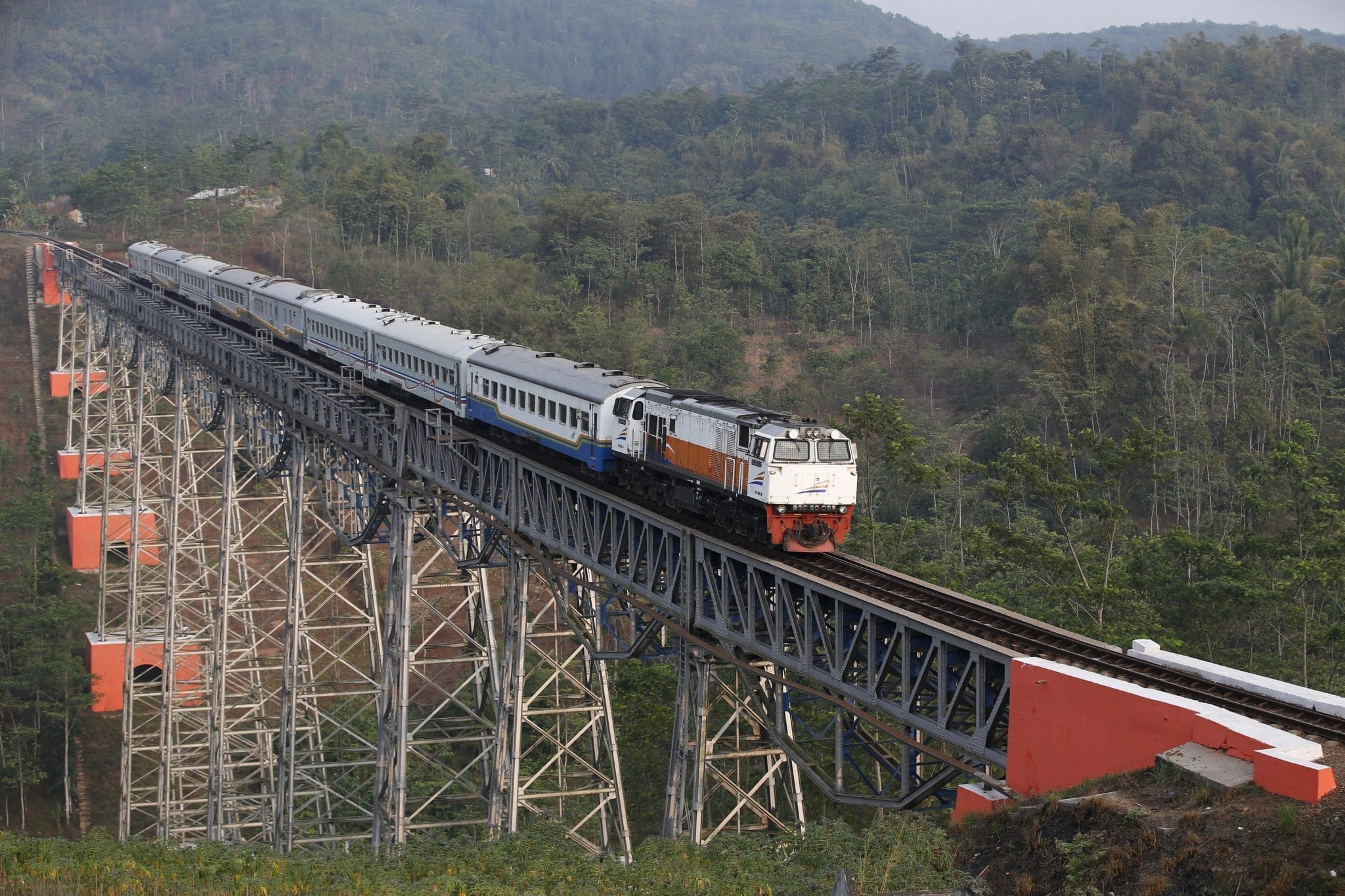
    State-owned railway company PT Kereta Api Indonesia (KAI) has offered at least 600 old train cars to Myanmar.

    “We have about 600 20-year-old cars. They can run up to 60 kilometers per hour. But they need to be reconditioned,” KAI director of logistics and development Budi Noviantoro said in Yogyakarta.

    Budi explained that his company has sent a technical team to Myanmar to conduct a survey. As the company purchased new cars from General Electric, PT KAI had no longer used the old cars for its operations.

    The Myanmar Ambassador to Indonesia has offered PT KAI to operate the country’s railway, reflecting a cooperation commitment to realize the mass transportation project.

    “Myanmar has had trains. But the speed is limited only to 30 kilometers per hour,” Budi said.

    Budi pointed out Myanmar has a huge potential in the railway sector, but the government could not yet optimize the potential, as the situation in the country has just been stabilized.

    In addition, KAI has also discussed a cross-border railway project, connecting Kunming, Vietnam, Thailand, Malaysia and Indonesia. Delegations of six ASEAN countries, including Myanmar are currently meeting in Yogyakarta to discuss the cross-border railway project.

    KAI president director Edi Sukmoro said that the cross-border railway network can be realized since railway transportation is the most important part in the ASEAN Economic Community era.

    “In Europe, a car can be transported by a Ferry. In the future, Indonesia can have this,” he said.

  • CTE debuts in South Korea

    CTE debuts in South Korea

    Celestial Tiger Entertainment (CTE) has launched its flagship Chinese movie channel, Celestial Movies, on SK Broadband – a major pay TV platform in South Korea with over 3.8 million subscribers.

    The channel is now available on SK Broadband’s linear service “B tv” as well as OTT services “B tv plus” and “oksusu”.  The deal marks CTE’s first foray into South Korea.

    “This launch in South Korea is a very important milestone for Celestial Tiger Entertainment as this marks the 16th country for our network footprint,” said Todd Miller, CEO of CTE.

    Celestial Movies will be fully localized with Korean subtitles.  The channel will offer Chinese blockbusters and iconic films covering a diverse range of genres and featuring superstars like Jet Li, Chow Yun Fat, Stephen Chow and Nicolas Tse.

    Celestial Movies also airs special programming each month centered around themes such as tribute to stars, special holidays and particular genres. Beyond movies, the channel also presents interviews with renowned Chinese stars and directors.

    Celestial Movies is CTE’s flagship Chinese movie channel in Asia.  In Malaysia, Celestial Movies, Celestial Movies HD and Celestial Classic Movies continued to dominate the Chinese demographic as the top three most-watched regional movie channels among Astro Chinese 4+ audiences in the first six months of 2016.  In Indonesia, Celestial Movies remained among the top four regional movie channels including Hollywood services.