Tag: asia

  • Innisfree Vietnam marks maiden store

    Innisfree Vietnam marks maiden store

    The Korean eco-cosmetics brand Innisfree has officially launched in the Vietnam market.

    The first Innisfree Vietnam store will open at 257 Hai Ba Trung St in District 3, on the edge of Ho Chi Minh City’s CBD on October 29.

    Vietnam is the ninth overseas market that Innisfree has chosen for international expansion.

    Innisfree Vietnam store

    The brand will join a booming Korean cosmetics market in Vietnam along with TheFaceShop, Etude House and Skinfood. For a long while, Vietnamese eco-cosmetics lovers have been buying Innisfree items online and having them brought in by travellers, hand-carried from Korean cosmetics shops.

    Innisfree is founded in 2000, under management of Amore Pacific, the parent company of other brands such as Laneige, Sulwhasoo and Etude House.

    With its mission to bring the most authentic beauty ingredients extracted from Jeju island green tea and volcanic rocks, Innisfree appeals to women who prefer natural beauty methods.

  • Lojel Indonesia flagship opened

    Lojel Indonesia flagship opened

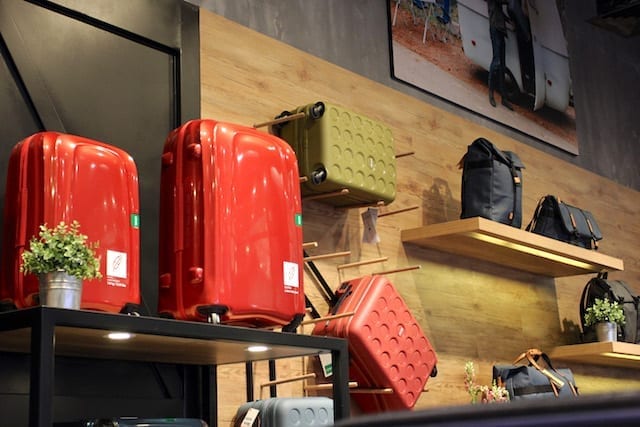
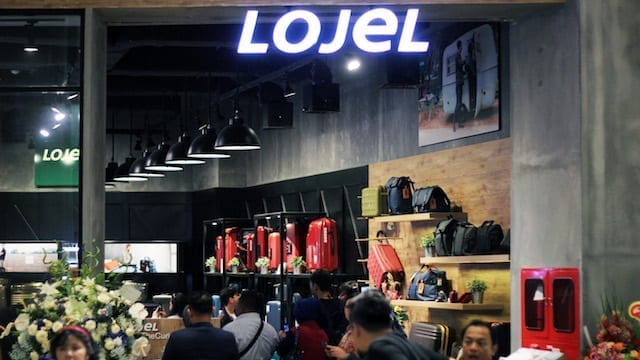
    Lojel has opened a flagship store in Jakarta.

    The first Lojel Indonesia store, it is located on the ground floor of the Lotte Shopping Avenue.

    Founded in 1989, Lojel is now an international brand producing high-quality luggage and travel accessories. It is sold in 30 countries across five continents.

    Lojel Flagship Store 7

    The Lojel Indonesia flagship opened with an exhibition of photography by Jacky Soeharto, to help reinforce the brand’s affiliation with travel.

    “Lojel put its space with a hint of industrial style interior and a warm light display of its colorful products,” observed local blog Neighbourlist.

    lojel-front

    “Lojel has always connected to every modern travelers and adventurers with a young spirit and Indonesia seems to have taken its grasp.”

    See more photos of the new store and its Indonesian range at Neighbourlist.

  • Shanghai Laiyifen IPO to fund expansion

    Shanghai Laiyifen IPO to fund expansion

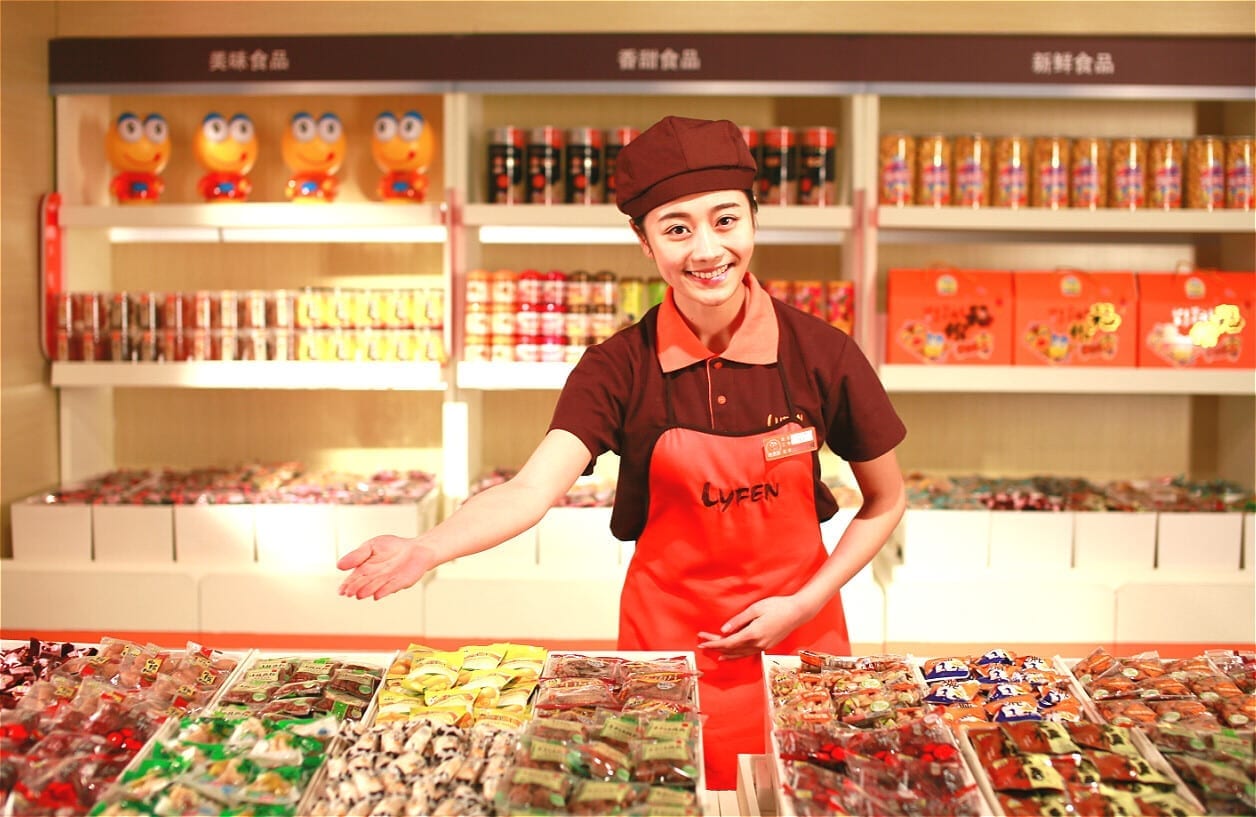
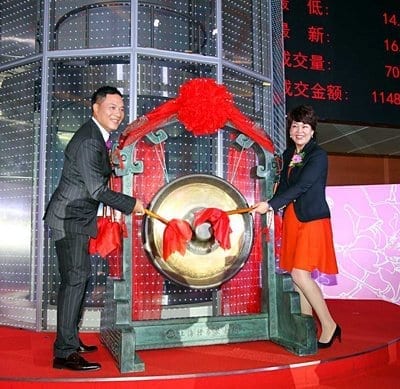
    Shanghai Laiyifen, the owner and operator of a chain of snack food stores in China, has completed an IPO in Shanghai, listing on Wednesday.

    Laiyifen is the first Chinese company specialising in snacks to go public. On the same day its massive advertising hoarding in New York’s Times Square was unveiled.

    shanghai-laiyifen-ipo

    After 17 years, the company has transformed itself from a small snack shop on a Shanghai street into a robust snack foods business, drawing the attention of both domestic and international media organisations by creating a buzz in Shanghai and New York simultaneously.

    Laiyifen opened its first store in 1999 and has since established a network of 2271 outlets across more than 10 Chinese provinces and municipalities, including Jiangsu, Zhejiang, Anhui and Shandong provinces, and the cities of Shanghai, Tianjin and Beijing.

    In addition, the company has deployed an omnichannel marketing model combining online with offline operations. With over 13 million loyal members, Laiyifen boasts annual sales in excess of RMB3 billion (approx. US$450 million) and has served over 450 million consumers in the aggregate.

    Wednesday’s listing raised some RMB660 million (US$98.3 million) by issuing up to 60 million shares (25 per cent of its post-issue share capital), and appointed China Securities as lead underwriter.

    Laiyifen’s controlling shareholders and actual controllers have all made a commitment to restrictions on the number of shares they can hold. The company’s other shareholders have, as well, made a commitment to voluntary lock-up of shares in their possession.

  • Chicco Singapore opening concept store

    Chicco Singapore opening concept store

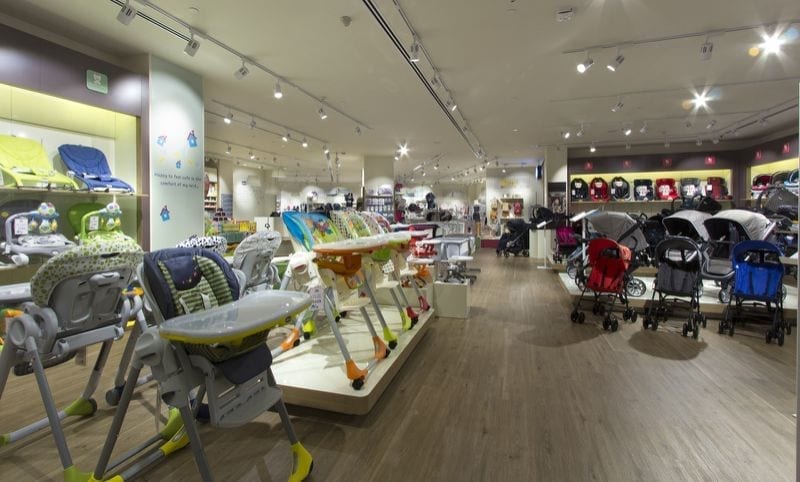
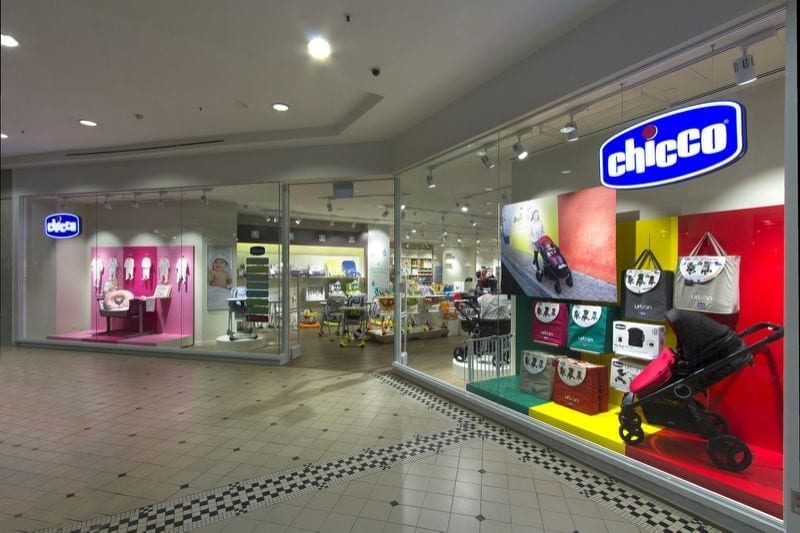
    Baby brand Chicco Singapore launches its first Southeast Asia concept store at Tanglin Mall this week.

    It is also the largest Chicco store in Asia, covering 4400 sqft (408 sqm), it offers products that cater to the varied needs of children for every stage of their development.

    In a bid to make the shopping experience easy, the Chicco concept store has a guided path with different product categories delineated by colour, icons and imagery.

    The 58-year-old brand offers tiered pricing to ensure products are accessible to all shoppers. Chicco also has a homogenous pricing model, so shoppers in Singapore have similar prices to its stores in Europe for the same products.

    chicco-store

    To understand more about the needs of children during their early stages of development, Chicco has its own R&D centre, known as Osservatorio Chicco. The brand also guarantees the safety of its products.

    Chicco was founded by Pietro Catelli in Como, Italy, in 1958 after the birth of his son Enrico, affectionately nicknamed Chicco. Twelve years earlier, Catelli had founded sales agency Artsana, which specialises in the production and distribution of products for venipuncture and medication.

    Chicco now has a presence in 120 countries.

  • Watsons places products on Lazada Singapore

    Watsons places products on Lazada Singapore

    Healthcare and beauty chain Watsons has formed a partnership with eCommerce company Lazada Singapore.

    As a result of the collaboration, more than 500 Watsons products have been made available on Lazada.

    Formed in 2012, Lazada Singapore offers a wide range of products, from electronics and household goods to fashion apparel and sports equipment. Watsons has more than 100 stores throughout Singapore.

    “The partnership with Lazada is a timely extension to our digital strategy in the region,” says Watsons Singapore GM Dominic Wong.

    The alliance not only ensures convenience, but Lazada has also just introduced a free delivery option with no minimum spend.

  • Yum China aims to triple outlets

    Yum China aims to triple outlets

    Yum China, being spun off at the end of this month by Yum Brands Inc, says it can triple its number of restaurants.

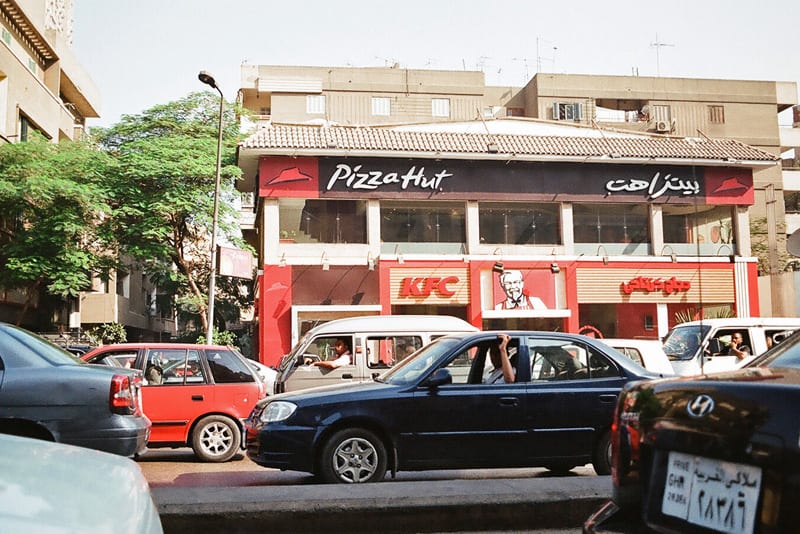
    Yum Brands opened its foray into China with a KFC restaurant in Beijing in 1987. There are now more than 7300 KFC and Pizza Hut outlets.

    “I really don’t see any reason why we cannot have 20,000 restaurants in China,” says Yum China division CEO Micky Pant.

    However, Yum China has had challenges in recent years including marketing blunders, rising competition, bird flu outbreaks, food-safety problems and slowing economic growth. Just this month, executives blamed anti-US protests sparked by political tensions in the South China Sea for a surprise 1 per cent drop in China sales during the latest quarter.

    Pant says those sales are recovering and “the fundamentals of the brands in China are very strong”.

    He says Yum China will have 15 per cent earnings expansion in the world’s fastest-growing economy with plans to  open restaurants in burgeoning mega-cities, major transportation hubs and new shopping malls.

    There are also plans to open Little Sheep and Taco Bell restaurants.

    Partners Primavera Capital and Alibaba Group Holding affiliate Ant Financial, which will buy a US$460 million stake in Yum China, bring competitive advantages such as real-estate market knowledge and digital leadership, Pant says.

    Yum China already is the biggest user of Ant’s Alipay service, and the restaurant group is investing in making its mobile ordering system and loyalty programs even more robust.

    After the separation, Yum China Holdings will become a licensee of Yum! Brands in mainland China with exclusive rights to quick-service restaurant KFC, casual dining brand Pizza Hut and Taco Bell, which is expanding globally but is not yet in China. It will also own the Little Sheep Mongolian hot pot and East Dawning Chinese cuisine concepts. Yum China has more than 400,000 employees in more than 1100 cities, generating more than $8 billion in system sales last year.

    The standalone Yum China is expected to start trading on the New York Stock Exchange on November 1.

  • Kurt Geiger sales soar despite ownership carousel

    Kurt Geiger sales soar despite ownership carousel

    Kurt Geiger should now be focusing on expanding internationally after a solid performance in 2015.

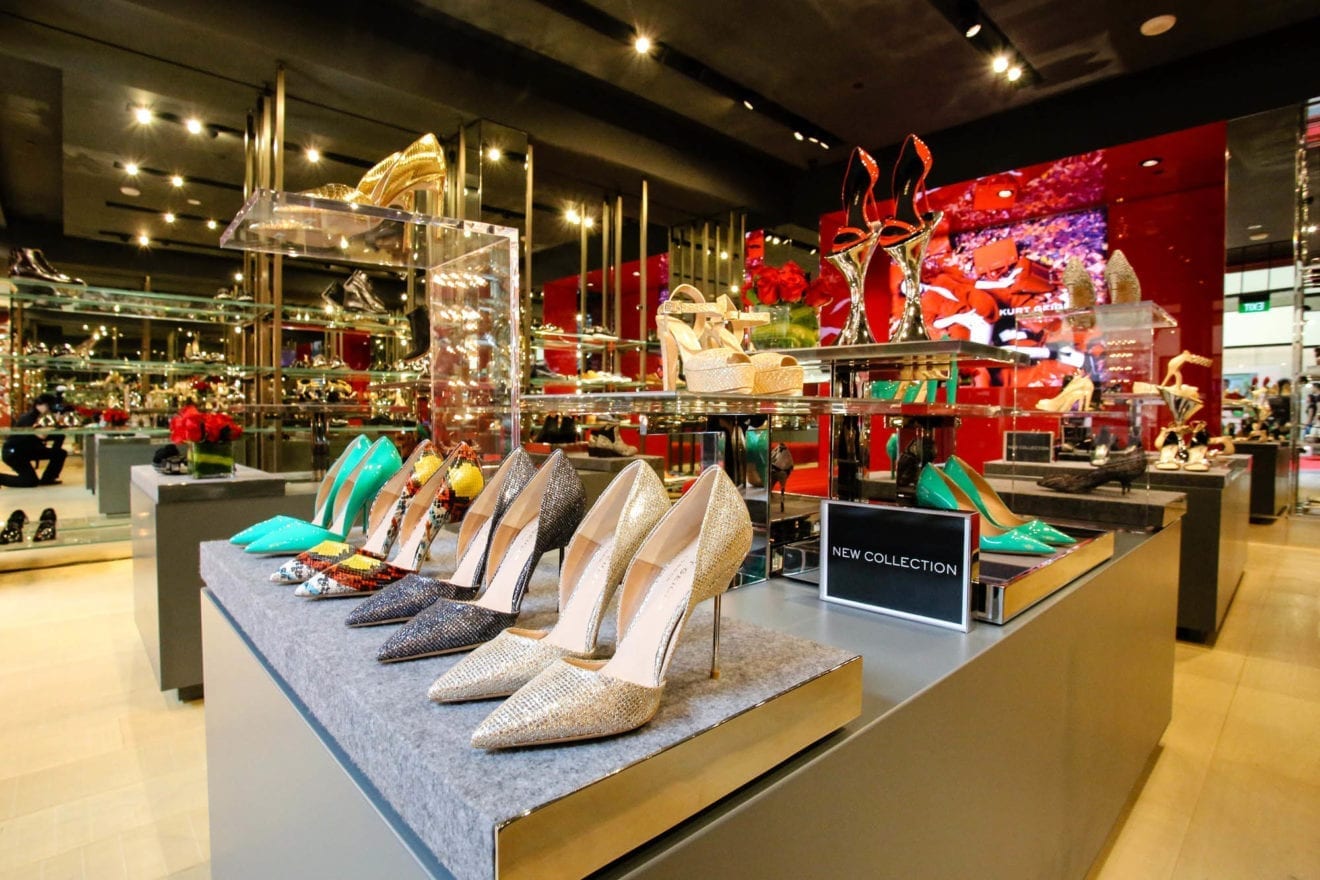
    Despite going round and round the carousel of ownership with three owners in the last four years, Kurt Geiger has maintained sales momentum and posted an impressive set of full year 2015 results, doubling operating profit and growing turnover to £281.6 million. The retailer’s fashion-led proposition, premium – yet accessible – price points and distinct design aesthetic is unrivalled on the high street, and has kept it top of mind of footwear shoppers.

    These results do not reflect its latest change of ownership, as it was sold to European private equity group Cinven in December 2015, and the footwear market in 2016 has been considerably less forgiving than that in 2015. Kurt Geiger has not been immune to the pressures of waning consumer confidence and volatile weather patterns, as evidenced by the fact that it has been discounting heavily over the last few months, even on new season A/W 2016 stock.  The retailer has to be careful to not dilute the Kurt Geiger brand too much, and ensure it remains aspirational and recognised for its quality and design credentials.

    Initiatives such as signing supermodel Karlie Kloss as the face of its brand for S/S 2016 and advertising its celebrity fan following on its website and social media channels through the ‘As Seen On’ function will continue to build its destination appeal and grow brand awareness. Given its robust product proposition and the continuing desirability of its brand, Kurt Geiger is in prime position to benefit from further investment from its new owners, whose focus must now be on nurturing the brand and expanding internationally as its domestic presence matures.

  • Korea convenience store boom causes concern

    Korea convenience store boom causes concern

    Around 15 convenience stores were opened in South Korea every day on average last year.

    And the Korea convenience store boom is worrying a ruling lawmaker, who has urged the nation’s fair trade watchdog to seek measures to avoid excessive competition in the market.

    According to the data compiled by Rep. Yoo Ui-dong of the Saenuri Party, 5508 convenience stores were newly established in 2015 alone, casting concerns over a potential oversupply of such shops in the domestic market.

    Yoo said while the numbers may seem to reflect the boom in the industry, such a sharp gain may have an adverse impact on the livelihoods of the shop owners.

    “Currently, we do not have a law that can regulate the opening of a new convenience store right next to another,” Yoo said.

    “The Fair Trade Commission needs to come up with measures to limit the number of new shops.”

  • Taiwan Cargo Market Stays Flat

    Taiwan Cargo Market Stays Flat

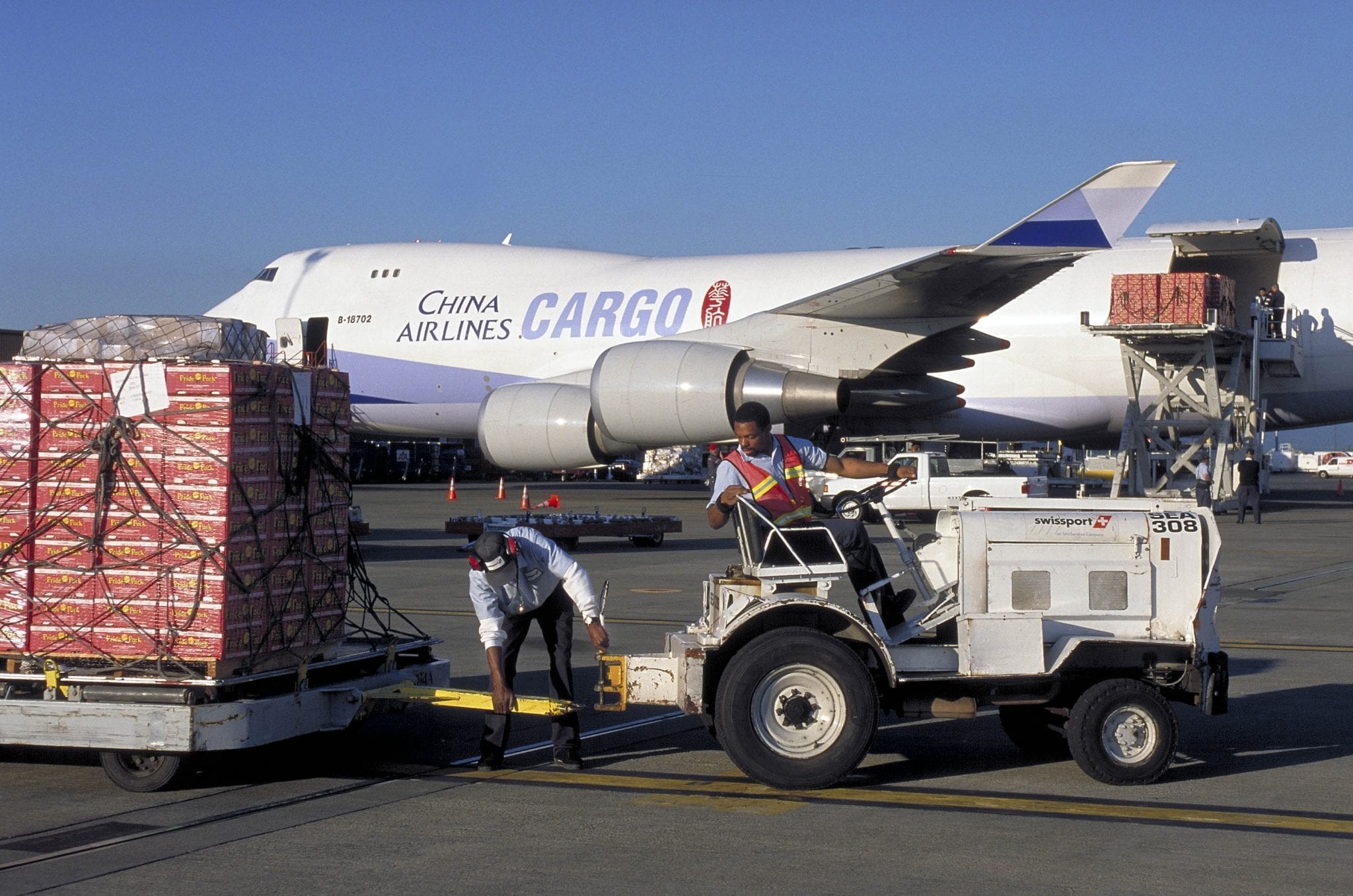
    With the Asian Development Bank lowering its forecast for Taiwan’s economic growth in 2016 to 1.1%, perhaps it shouldn’t come as a surprise that operators in the freight industry have been disappointed with how the market has performed.

    Eddy Liu, vice president of cargo at China Airlines, says that the company’s first-half results were below expectations.

    “So far, air cargo demand has stayed flat and expansion in available freight capacity continues to outpace the growth in demand,” says Liu. “Under these circumstances, air cargo yields are slowly declining, consistent with persisting weakness in load factors, keeping downward pressure on our cargo business performance.”

    China Airlines is finding ways to address these weakening conditions to remain competitive. “We’re not only making efforts to improve the product mix by expanding the proportion of high-yield freight such as pharmaceuticals, aircraft parts and special cargo, but also focusing on developing and maintaining relationships with freight forwarders,” says Liu. “Furthermore, CI adopts revenue management tools to enhance the sales and space-control functions. In the next 12 months, the aforementioned strategies will still be the main priorities for us.”

    According to the International Air Transport Association, while annual growth in freight tonne kilometres rose to 5% year-on-year in July 2016, FTKs have overall only grown about 3% since the beginning of the year.

    “That’s why we put a lot of focus on the soaring e-commerce market and on strengthening our partnership with post offices and integrators,” says Liu. “Except working closely with postal agencies, particularly China Post and its brokers, Vietnam Post and Malaysia Post, CI also cooperates with UPS, FedEx, DHL, and SF Express to further enhance our revenues and business diversification. In addition, CI has been dedicated to exploring the freight-to-post business since the Taiwan Customs Administration permitted the addition of postal bags to transhipment cargo from March 31, 2015.”

    Another way in which the airline hopes to improve its competitiveness is with its order for 14 Airbus A350-900s. “The A350-900 is fuel-efficient and its payload capability is about 20% higher than other long-range aircraft,” says Liu. “Our new A350-900s will primarily be deployed on long-haul routes to Europe such as Amsterdam, Rome and Vienna, and to the United States, enabling CI to save cost and provide more useful cargo capacity if used on regular passenger operations.”

    The first frame was originally scheduled to be delivered in July 2016, but has since been pushed back to the end of September by Airbus because of production delays.

    “We have temporarily deployed other existing airplanes such as the Boeing 747-400, A330-300 and A340-300 in place of the new A350-900s,” says Liu. “So far there has not been any significant impact on our cargo operations.”

    The carrier is also growing its operations in Southeast Asia and the Indian subcontinent, which Liu says are two main drivers of the global economy and where demands for international shipments are still increasing.

    On top of passenger flights, China Airlines Cargo now serves Hanoi and Ho Chi Minh City four times a week each with 747-400Fs, and resumed dedicated main-deck capacity to Delhi with a weekly 747-400F flight from August 28, 2016.

    Liu says that, given the state of the global economy and the slowdown in the Asian manufacturing sectors, one might expect export growth in Taiwan to flatten out, but that hasn’t necessarily been the case.

    “Fortunately, the increasing global popularity of sports and recreation, as well as growing demand for electric vehicles, means that Taiwan’s functional textiles and electric-vehicle components will become key drivers of air cargo exports,” he says. “Moreover, air shipments of forged wheels, vaccines and semiconductor equipment are also rising.”

    On the other end of the cargo spectrum, the Taiwanese shipping industry has been experiencing similarly challenging conditions.

    “Affected by the slowdown of the world economy, Taiwanese exports suffered 17 straight months of decline, according to statistics released by Taiwan’s Ministry of Finance in early July,” says Lawrence Lee, president of Evergreen Marine Corporation. “In spite of the local market downturn, Evergreen Line managed to secure customer support and achieved a moderate increase in lifting performance during the first half of this year.”

    The first and foremost priority for Evergreen Line in the next 12 months, according to Lee, is to closely watch market developments and optimize service deployment so that company can return to a healthy level of profitability and maintain a sustainable service to its customers.

    Facilitating that is the completion of both the expanded Suez Canal and the expanded Panama Canal during 2016, which has enabled Evergreen to offer more capacity, shorter transit times and improved reliability.

    “We’ve been deploying 8,500 TEU L-type vessels on Far East-US East Coast all-water services since June, replacing Panamax ships of around 4,200 TEUs,” says Lee. “Our internal research indicates that the eco-friendly L-class vessels can offer the equivalent capacity of two traditional Panamax ships while at the same time reducing fuel consumption by 40% and lowering carbon emissions by the same percentage. These efforts are recognized by our customers, especially those who care about the carbon footprint in their supply chains.”

    Evergreen is also counting on its alliance strategy to help it tackle changes in the market. While it is currently still part of the CKYHE Alliance with COSCO Container Lines, “K” Line, Yang Ming and Hanjin, Evergreen announced in April 2016 that it would link up with CMA CGM, COSCO Container Lines and Orient Overseas Container Line to form a new alliance called the OCEAN Alliance, scheduled to begin in April 2017.

    “Our approach is to choose the most suitable partners that can provide complementary services to our network,” Lee says. “Such cooperation can produce synergy, enhance our competitiveness and enable us to cope with changing market demand. Together with the partners of the OCEAN Alliance, we can optimize our service network, expand port coverage, provide more direct sailings and shorten transit times. Most importantly, our service networks can be optimized to enhance our cost competitiveness.”

    In an environment with minimal growth but maximal competition, cost management has become ever more crucial and Lee is wary of how the market will play out in the short term.

    “Low cargo demand and tonnage oversupply have resulted in unsustainable freight rates and imposed heavy pressure on shipping companies,” he says. “Unless the global economy can regain growth momentum and produce sufficient cargo to reduce the gap between capacity demand and supply, the global shipping market, including the local market in Taiwan, is unlikely to pick up in the year ahead.”

  • Mazda to leave Indonesia, hands distribution to Eurokars

    Mazda to leave Indonesia, hands distribution to Eurokars

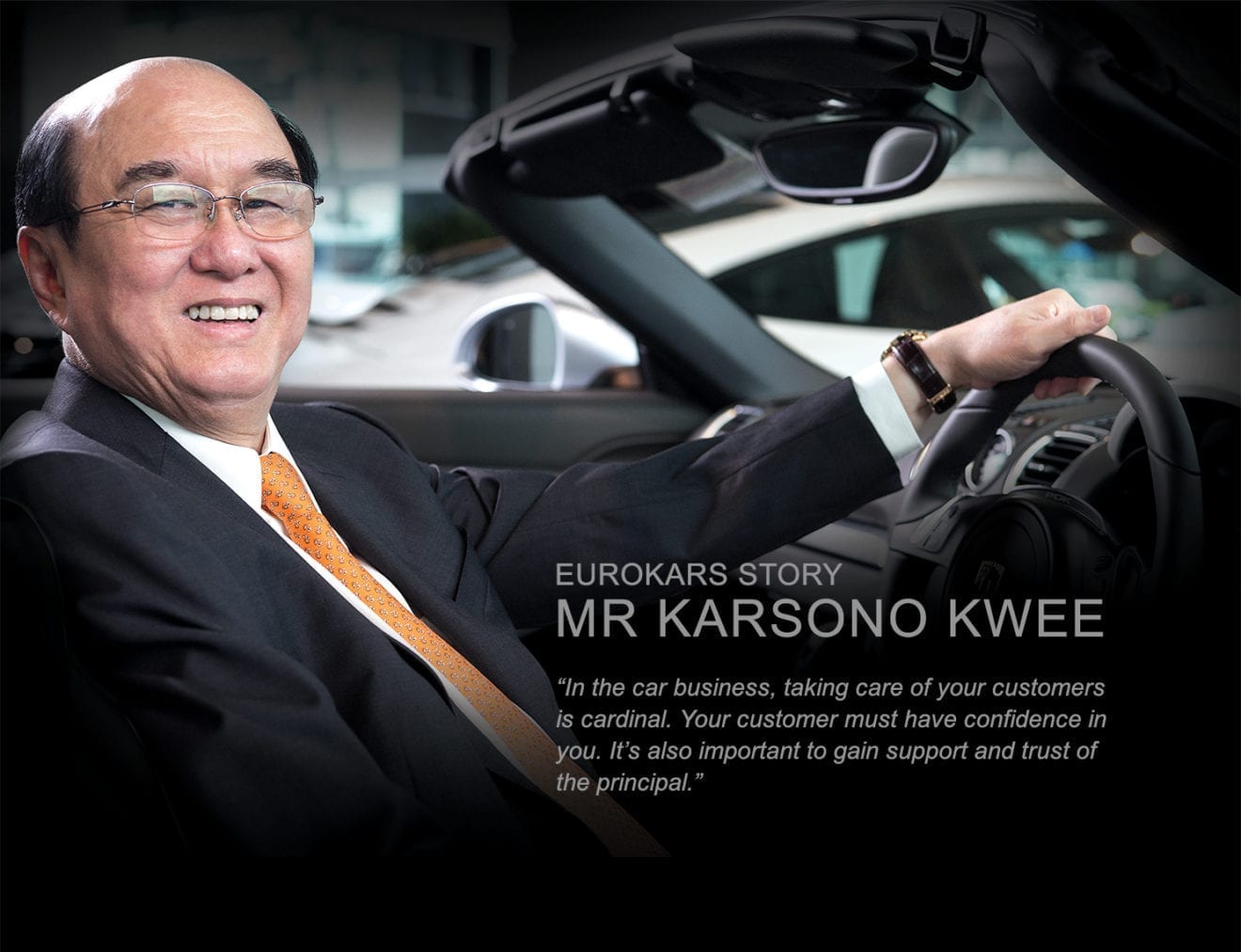
    Mazda Motor Corporation has appointed Eurokars Motor Indonesia, a member of Eurokars Group, as the distributor of Mazda vehicles in Indonesia following its decision to leave the country.

    Eurokars Group spokesperson Angeline Tan said Mazda’s distribution network of 45 dealers would be officially transferred from Mazda Motor Indonesia to Eurokars Indonesia in February.

    “This appointment represents a significant milestone for Eurokars Group. It also reflects the synergistic partnership between Mazda Motor Corporation and Eurokars Group, which is well-positioned to run the distributorship,” she said in a press statement in Jakarta on Friday.

    Following the official transfer, she added, Eurokars would take over existing staff members and dealers currently under Mazda Indonesia. It will also be responsible for after-sales including the warranties of all Mazda vehicles sold by Mazda Indonesia prior to the transfer.

    Founded in 1985, Eurokars was a dealer for Mazda cars in Indonesia in 2007 and took over the distribution of Mazda vehicles in Singapore in 2011.

    From November, Mazda Indonesia’s business entity will be changed from a sole distributor to an importer of the Japan-based Mazda Motor Corporation’s products in related to the business decision.

  • Creative Industries Contribute to Economic Growth

    Creative Industries Contribute to Economic Growth

    Indonesia`s creative industry is considered to have the potentials to contribute to national economic growth, according to  Head of Research and Industry Development of Industry Ministry Haris Munandar.

    “Currently, the contribution of t creative industries is still relatively small, which is 7 percent of the national industrial growth of 18-20 per cent, but they have great potentials,” Haris said in Jakarta, Friday, October 14, 2016.

    Haris added that the potential can be seen from the various opportunities to develop creative industries in Indonesia, among them an increasing number of middle class Indonesia as potential consumers of creative products.

    “In recent years, the middle class is growing rapidly. This becomes a great opportunity,” said Haris.

    In addition, socio-cultural diversity and natural resources of Indonesia can inspire creative industries to continue to innovate.

  • Kaskus founder leaves company, says IT sector becoming too risky

    Kaskus founder leaves company, says IT sector becoming too risky

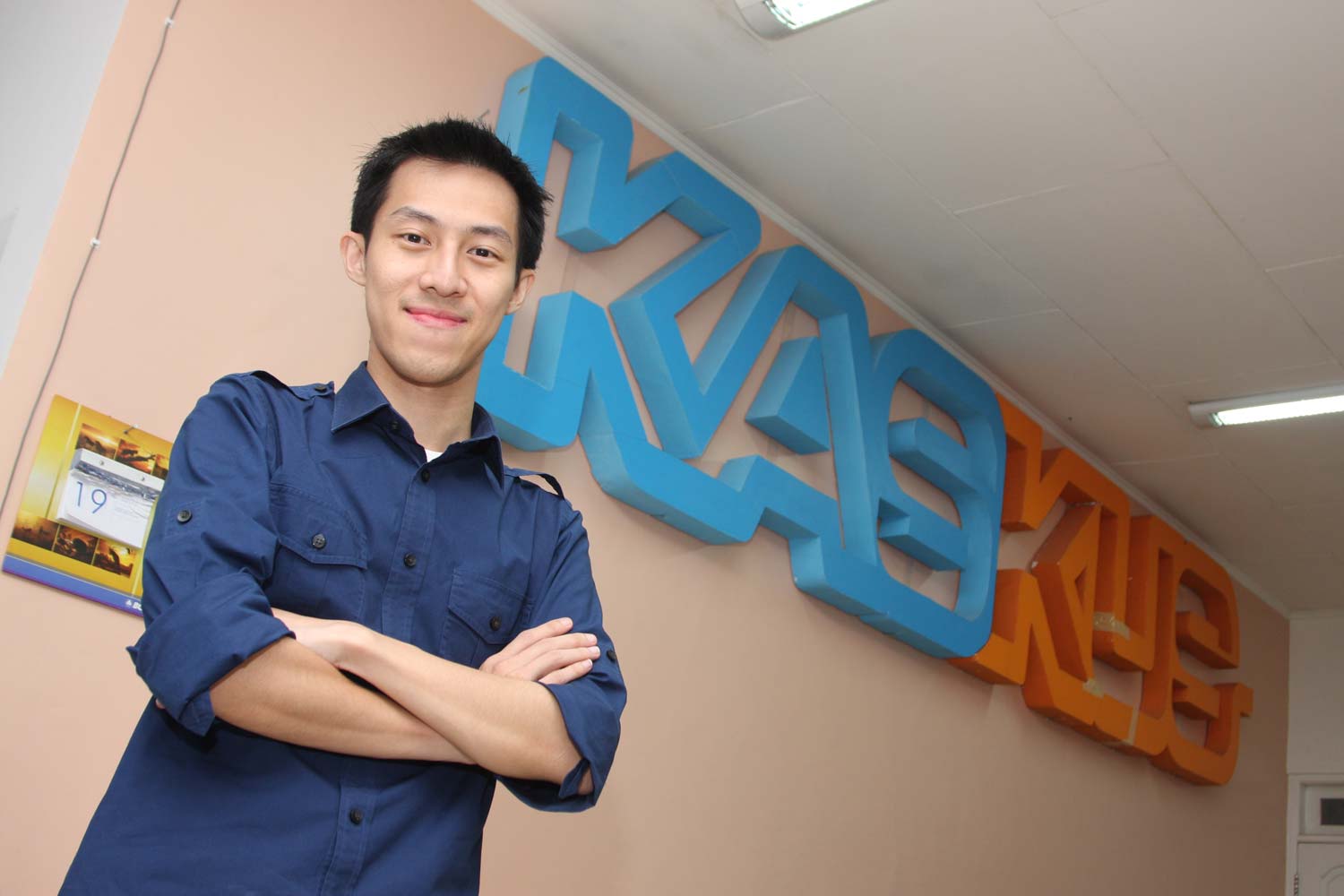
    Kaskus founder Ken Dean Lawadinata has resigned from his position as chairman of PT Darta Media Indonesia, the operator of the Kaskus online community. Ken plans to invest in property and commodities instead of Information Technology (IT).

    Ken released his shares in Kaskus to GDP Ventures.

    “That’s right, I have left Kaskus. I released all my shares to GDP,” he said on Saturday as quoted by kompas.com.

    Ken was one of the founders of Kaskus and elevated Kaskus to its current status as the biggest online community in Indonesia.

    Ken said that after Kaskus, he was not interested in the IT industry anymore. He has his eyes on property and commodity investments such as mining and timber.

    He said the IT industry in Indonesia was still growing and demand was healthy and new ideas kept emerging. However, Ken said the risks in IT were now too high.

    “IT was a sector with low-risk, high-return, but it has now become a high-risk, high-return sector. In this industry, US$10 million is now meaningless,” Ken said.

    Ken also founded Smartmama, a media company for mothers, and Tororo, an online baby products shop. He plans to hold on to these companies.

    “In IT, I will focus on Smartmama and Tororo,” Ken went on to say.

    Another Kaskus founder, Andrew Darwis, who is still chief commercial officer of Kaskus, offered his thanks to Ken for Ken’s dedication in growing Kaskus. He stated that Ken’s resignation would not disturb the company’s performance.

    “Kaskus is focusing on its mission to become the biggest social commerce platform in Indonesia,” Andrew said.

    Kaskus was founded in 1999 by Andrew, Ken and two other friends.

  • OJK to Expand Banking Industry, Aims for Thailand

    OJK to Expand Banking Industry, Aims for Thailand

    Financial Services Authority (OJK) Chairman Muliaman D. Hadad said that the OJK is in the process of exploring the possibilities of expanding Indonesian banking industry overseas.

    “The most possible [cooperation] is with Thailand, because there have been two or three meetings,” Muliaman said.

    Muliaman said that similar cooperation will also be established with other countries. Muliaman explained that Thailand serves as an important stepping stone to establish cooperation with Cambodia, Vietnam, Laos, and Myanmar. “Why Thailand? Because Thailand has dominant business [partnership] with its neighbouring countries,” Muliaman added.

    Muliaman said that there are lots of possibilities for Indonesia to expand its financial industry to Thailand. Moreover, several of Indonesian business sectors have started to expand to Thailand, including property and trade.

    Aviliani, an economist from the Institute for Development of Economics and Finance (Indef) praised OJK’s plan to integrate the national banking industry with ASEAN. Aviliani said that the integration is important to allow Indonesian banks to open branch offices and conduct business activities in neighbouring countries. However, Aviliani asserted that the policy may not always favour the banking industry. “Banks will always reflect on market potential,” Aviliani said.

    Aviliani added that the potential for overseas banking market is not quite as large as the domestic market. “Opening [branch offices] overseas will be difficult if [banks] cannot profit. But when foreign banks expand to Indonesia they will reap benefits because [Indonesia] has a large market potential,” Aviliani said.

  • Astra named best Indonesian company of past decades

    Astra named best Indonesian company of past decades

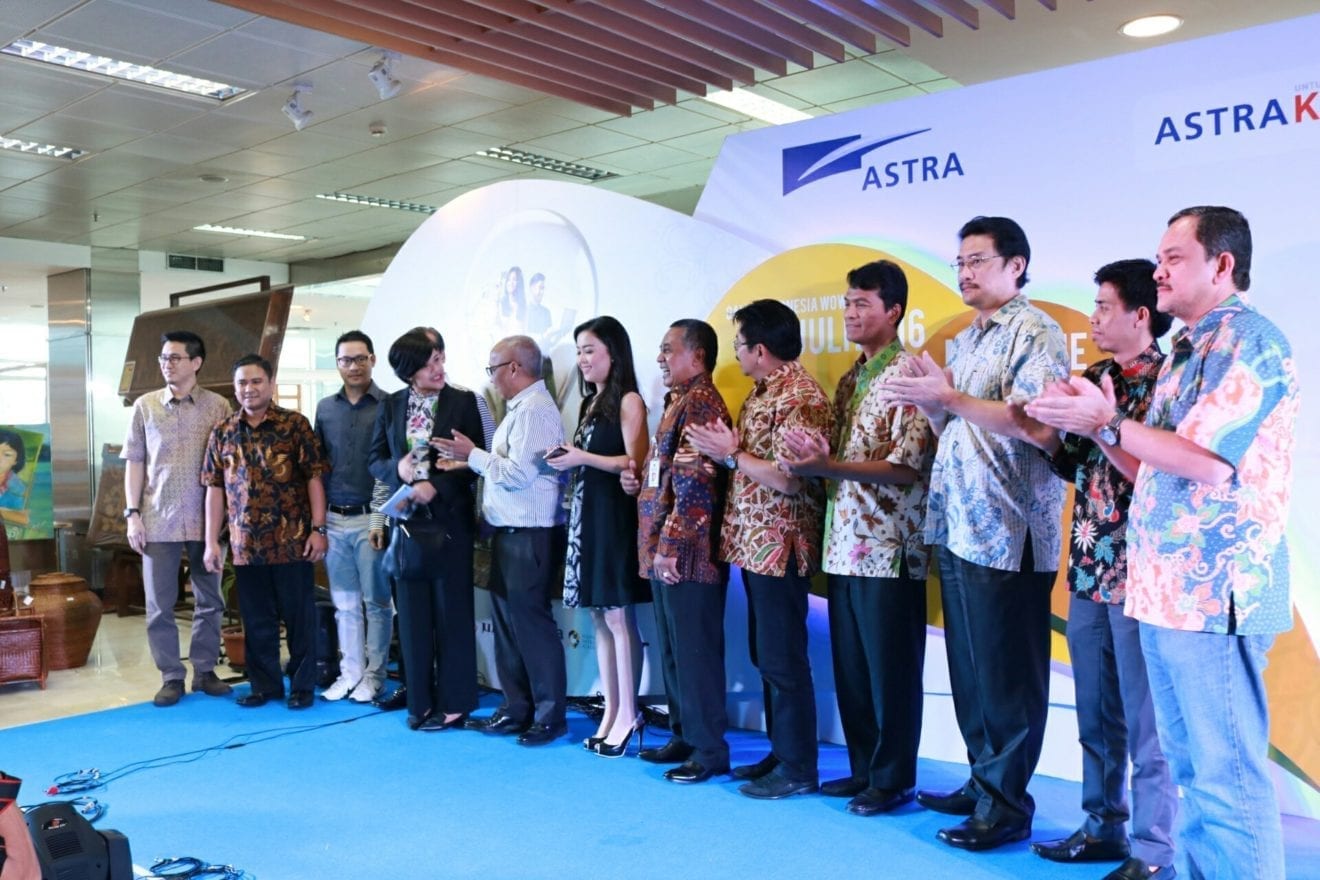
    PT Astra International has added one more award to its collection after Hong Kong-based magazine FinanceAsia named the widely diversified business group the best non-financial company in Indonesia for the past two decades.

    The magazine’s publisher, Jonathan Hirst, presented the award to Astra International president director Prijono Sugiarto at a ceremony in Hong Kong on Thursday evening.

    The award was based on polls conducted annually on the company’s performance over the past 20 years. As many as 115 financial and non-financial companies in Asia received such awards this year.

    Other large corporations named as best non-financial companies in their respective countries include Samsung Electronics of South Korea, China Telecom of China, PTT of Thailand and SingTel of Singapore.

    Meanwhile, in the Indonesian financial sector, five companies won similar awards. They include Bank Mandiri, which was named the best domestic bank, Mandiri Sekuritas as the best domestic investment bank and as the best domestic bond house, Danareksa Sekuritas as the best domestic equity house, HSBC as the best foreign bank and Credit Suisse as the best foreign investment bank.

    “On behalf of the Astra management, we thank all the stakeholders who have participated in the survey for their support for Astra during its 59 years of operations,” Prijono said after receiving the award.

    “Obviously, we hope that this achievement also brings pride to the Indonesian people, “ he added.

    According Prijono, as a national asset, Astra wants to continue to contribute to economic and social development for the Indonesian people through its 202 subsidiaries and affiliated companies, which employed more than 200,000 people. The business group was working with at least 2,500 vendors employing more than one million employees, he said.

    Astra is engaged in six business lines, namely automotive, financial services, heavy equipment and mining, agribusiness, infrastructure, logistics and IT.

    Astra was listed on the Indonesian Stock Exchange in April 1990 and has become a blue chip stock with a market capitalization of about Rp 337 trillion (US$25.8 billion) as of Oct. 12.

    FinanceAsia has presented awards to leading Asian companies every year since its establishment 20 years ago. Winners are determined by surveys among investors and analysts in Asia on a range of criteria, such as corporate performance, corporate governance, investor relations, corporate social responsibility (CSR) and leadership.

    Astra has received at least 13 awards from the magazine, in addition to numerous awards from other organizations. Unlike in previous years, this year’s award was given for the achievement over a 20-year period.

    In 2010, Astra management under the leadership of Prijono adopted a comprehensive business strategy it calls the Triple P Roadmap, according to which the company’s portfolio, people and public contribution should all ensure sustainable growth.

    Prijono attributed the success of the business group in maintaining sustainable growth to the company’s long-term business concept.

    Based on that concept, Astra had implemented concrete programs that clearly highlight the position of Astra in the long-term, including by creating new opportunities to diversify sources of revenue, to improve the competency of human resources and to expand the reach of the company’s corporate social responsibility (CSR) activities.

    Prijono explained that Astra carried out CSR activities through all of its subsidiaries and nine foundations, which include the foundation of Toyota and Astra, the foundation of Dharma Bhakti Astra, the foundation of Astra Bina Science, the foundation of Astra Honda Motor, the foundation of Amaliah Astra, the educational foundation of Michael D. Ruslim, the foundation of Karya Bhakti UT, the foundation of Astra Agro Lestari and the foundation of Insan Mulia Pama.

  • Government Proposes Business Travel Card for Indian Ocean Countries

    Government Proposes Business Travel Card for Indian Ocean Countries

    The Chairman of the Indian Ocean Rim Business Forum (IORBF), who is also the Deputy Head of Maritime Affairs and Fisheries Division at the Indonesian Chamber of Commerce, Yugi Prayanto, has proposed to introduce a business travel card for all members of the Indian Ocean Rim Association (IORA).

    “The IORBF needs to come up with a concrete initiative to improve economic cooperation and business in the Indian Ocean region,” Yugi said here on Friday.

    He pointed out that the IORBF meeting, led by Indonesia and South Africa, aims to improve interaction and cooperation among IORAs businessmen and its dialogue partners in order to develop cooperation in economy, trade and investment in the Indian Ocean region.

    “The IORBF agrees that economic cooperation opportunities need to be explored further and these include the IORA Comprehensive Economic Partnership Agreement (IORA-CEPA ) and IORA Business Travel Card (IBTC),” Yugi noted.

    These initiatives are supported by IORA member countries, among others, South Africa, Australia, India, Indonesia, Kenya and Mauritius.

    According to him, the forum agrees that the establishment of IORA-CEPA is very important to improve economic cooperation, trade and investment in the Indian Ocean region.

    The IORA-CEPA, Yugi pointed out, is expected to become an umbrella for IORA economic cooperation in order to increase trade and investment, open market access, develop industry as well as strengthen regional value chain and structural reforms.

    Meanwhile, the IBTC, he underlined, is expected to ensure mobility of entrepreneurs and facilitate business interaction among the IORA member states.

    “The IBTC in time will strengthen people-to-people contact, including business-to-business links among IORA member nations,” Yugi stressed, adding that the IORBF really hopes these two initiatives will be discussed at the 20th Anniversary Commemorative Summit of IORA meeting in March 2017.

    He added that the agreements reached at this meeting will be reported to the Committee of Senior Officials on October 25-26, 2016 and to the Council of Ministers on October 27, 2016.

    Forty businessmen from various IORA member countries are participating in this 22nd IORBF meeting.The IORA focuses on economic, trade and investment cooperation. It comprises 21 countries, namely, South Africa, Australia, Bangladesh, India, Indonesia, Iran, Kenya, Madagascar, Malaysia, Mauritius, Mozambique, Oman, the United Arab Emirates, Singapore, Seychelles, Somalia, Sri Lanka, Tanzania, Thailand, Comoros and Yemen.Australia passed on the chairmanship of IORA to Indonesia in 2015. Indonesia is the IORA Chairman for 2015-2017.