Tag: asia

  • Indonesia raids Google office after warning on tax audit refusal

    Indonesia raids Google office after warning on tax audit refusal

    Google’s Jakarta office was raided by Indonesian authorities after they warned the company for refusing a tax audit.

    Officers visited Google’s office in central Jakarta “many times” in the past two weeks to collect data and repeatedly sought meetings with senior company officials, Muhammad Haniv, the head of special taxpayers at the Finance Ministry, said in a phone interview Thursday. Google has “paid all applicable taxes in Indonesia,” Taj Meadows, a spokesman, said by e-mail, adding the company is cooperating with the government.

    “Everyone must comply, whoever they may be,” Haniv said. “If you refuse to be audited, then we will keep chasing you.” The government had earlier written to the company warning it for refusing a tax audit, which can result in criminal punishment, he said.

    President Joko Widodo’s government is following in the footsteps of European authorities in pushing Google to pay more taxes as it steps up efforts to earn more revenue from internet companies. He’s under pressure to do so as this year’s state revenue is set to suffer an estimated 218 trillion rupiah ($17 billion) shortfall, while earnings from a tax amnesty program are set to miss his target.

    Indonesia May Block Websites of Tech Companies Avoiding Tax

    Indonesia has been asking internet companies to set up permanent local entities for tax purposes since as early as April. It’s also promising lower rates compared to the 30 percent corporate income tax and 25 percent value-added tax that would otherwise apply to Google’s sales of advertisement to local companies, according to Haniv.

  • Indonesia To Participate In Manila Fame Expo

    Indonesia To Participate In Manila Fame Expo

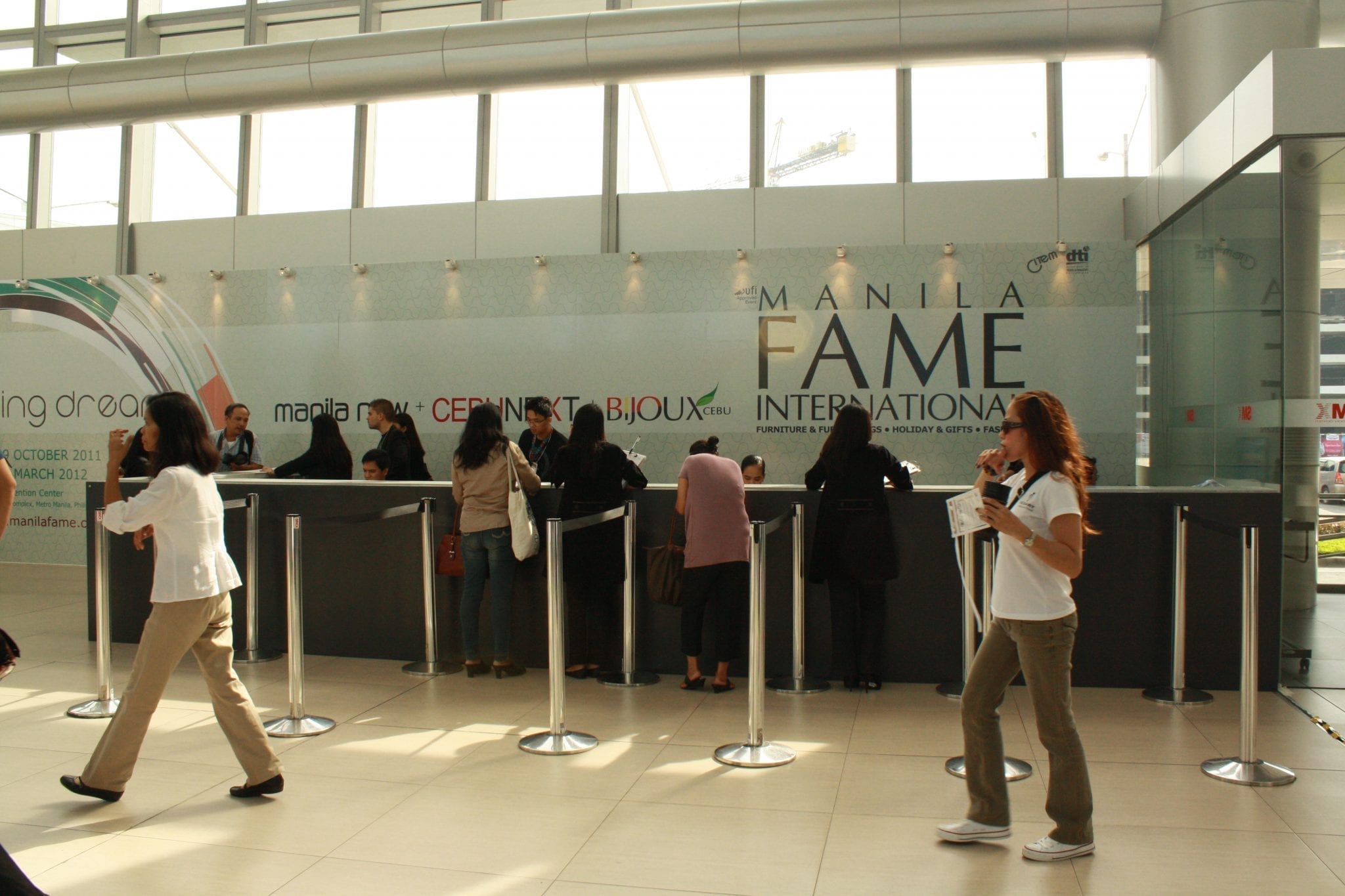
    Several Indonesians will be among the master craftsmen from selected ASEAN countries to participate in Manilas premier design and lifestyle event in Pasay City, the Philippines, from October 20 to 22, 2016.

    The ASEAN Master Craft Design Festival, titled Manila FAME, which is being held at the World Trade Center and the Philippine Trade Training Center, will feature an exhibition called ASEAN Crafts to the World that will unveil the first collection of crafts developed through the project “Improving the Current Status of ASEAN Mastercraft Designers”, Alma Argayoso, the Philippine Embassys Trade Representative to Indonesia, said here recently.

    Another highlight of the festival is an exhibition that will feature the works of the first group of ASEAN Master Craftsmen Lim Masulin from Indonesia, Roselyn Long Lah from Malaysia, Al Valenciano from the Philippines, Tuong Phi Duc from Vietnam and Rush Pleansuk from Thailand.

    Lim Masulin, the featured artist from Indonesia is an entrepreneur, inventor and avid connector of the creative industry. He is best known as managing partner of Poiema Creative Group with brands like BYO Living, Chamero Couture and others.

    Indonesias craftsmanship will be highlighted in this years Manila FAME as it will feature not only Lim Masulin but also Indonesian architect Cosmas Gozali, who will curate the ASEAN Master Craftsmen exhibition.

    Fourteen Indonesian companies are also set to participate in the expo with the support of the Ministry of Small and Medium Enterprises (SMESCO), Argayoso added.

    The project is organized by the ASEAN Handicraft Promotion and Development Association (AHPADA) and funded by the ASEAN – Republic of Korea Future Oriented Cooperation Program.

    “The project aims to strengthen and enhance the use of design in reinforcing cultural identity in design development, merchandising, packaging, and marketing of ASEAN products by supporting and sustaining the Master Craftsmen in the region,” according to Argayoso.

    The group will showcase home furnishings, gifts and housewares, garden accessories, and fashion merchandise.

    Meanwhile, the Master Craftsmen from the second set of ASEAN countries – Brunei, Cambodia, Laos PDR, Myanmar, and Singapore will observe the exhibition and prepare for the projects next phase which will then feature their collection of crafts.

  • Sarinah Celebrates National Batik Day

    Sarinah Celebrates National Batik Day

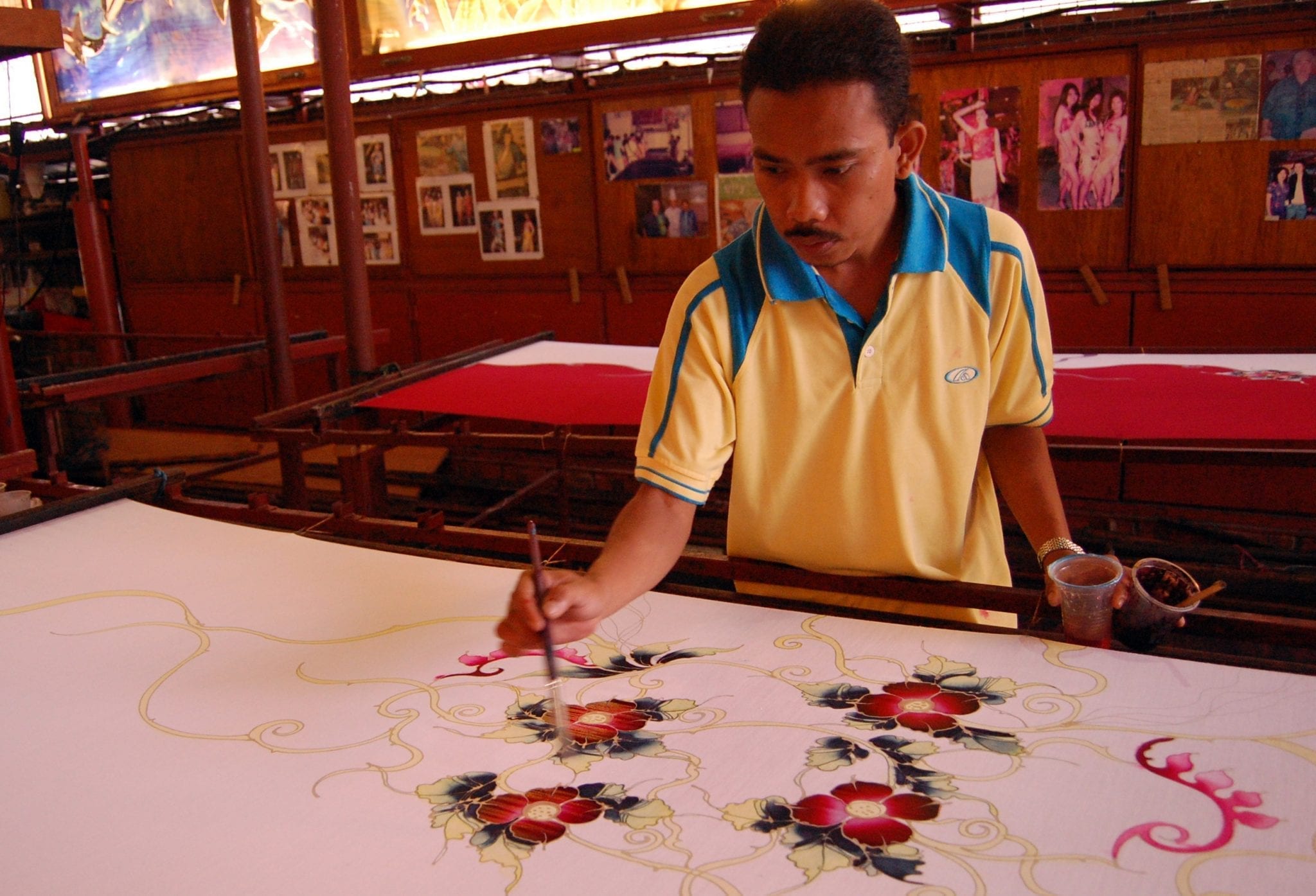
    Renowned retailer of traditional Indonesian products, Sarinah will celebrate National Batik Day on Sunday, 2nd October 2016 which will commence from 6:30 A.M. – 10 A.M. at its Thamrin department store location. As a leading state-owned enterprise with immense pride in its local heritage, Sarinah has also partnered with the Indonesian Batik Foundation as well as the Indonesian Scout Movement. Furthermore, Sarinah is also working alongside the Ministry of Law and Human Rights and will thus makes available a bazaar showcasing a range of locally-made products.

    During the “Batikmu, Batikku, Batik Kita Beda, Tapi Kita Indonesia” (Your Batik, My Batik, Our Batik is Different, But We are Indonesia) event, Sarinah’s Board of Directors will be joined by 1,000 members from the Indonesian Scout Movement for a wall signing ceremony which reiterates both parties’ dedication to preserving batik as an ancient Indonesian artform. In keeping with its role as a modern retailer, Sarinah will additionally host a fashion show featuring budding Batik fashion designers from Indonesia. This opportunity will enable guests and visitors to gain better understanding of the wide array of batik clothing styles and its position in the country’s increasingly trend-savvy society. To further provide an all encompassing shopping experience, Sarinah is set to further provide live entertainment for visitors.

    Sarinah’s participation in celebrating National Batik Day is an effort that demonstrates the company’s unsurpassed commitment to maintain traditional crafts and heritage as part of its business operations. As such, Sarinah exemplifies its standing as highly-regarded retail of modern and traditional products as well as its role as the Home of Indonesian Heritage.

  • 15 New Generation SMEs To Be Featured In Manila FAME

    15 New Generation SMEs To Be Featured In Manila FAME

    In support of local handcraft ateliers under the Design for Exports Program, the Center for International Trade Expositions and Missions (CITEM) has recently enjoined 15 local manufacturers in a product development program.

    The program focuses on new generation weaves, basketwork, and related wares.

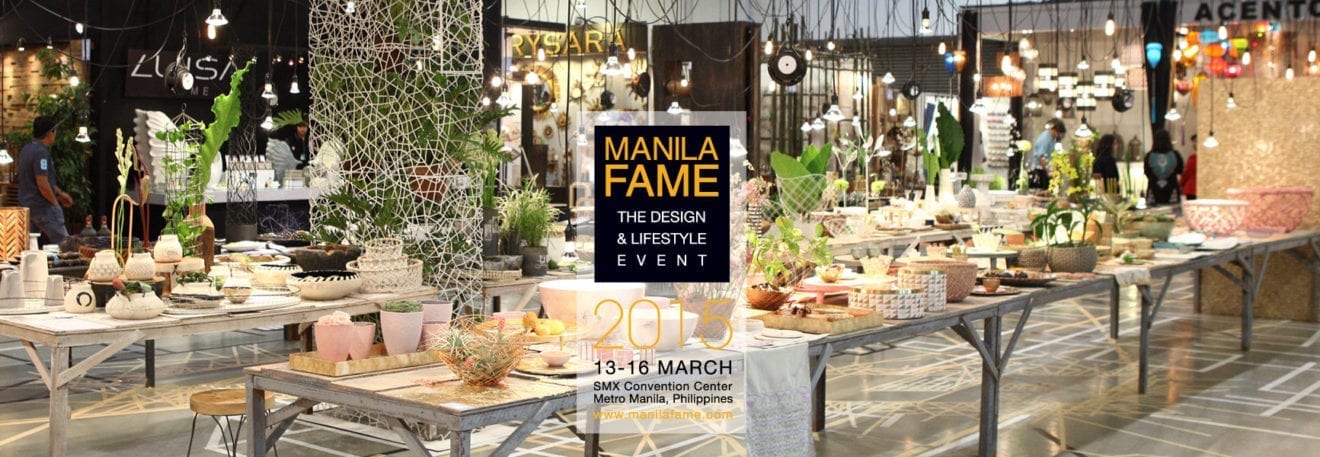
    These product collections will be presented during the Manila FAME: The Design and Lifestyle Event on October from 20 to 22 at the World Trade Center, Pasay City, the Philippines embassy said in a statement, here Saturday.

    “The appeal of Philippines crafts lies in our raw materials and the unparalleled skill of our artisans. Through the DTI-CITEM efforts, we can further enhance this advantage and capitalize on it to help maintain – or even raise our position in the global handicrafts export industry,” CITEM Executive Director Rosvi C. Gaetos said.

    In recent years, when the global demand for basketwork has been steadily increasing, and eco-friendly designs are also gaining popularity among international buyers as these are considered sustainable, the Philippines remains the 4th largest exporter of basketwork and other related wares in the world.

    CITEM will provide the 15 companies full design and product development assistance to maximize their business opportunities in the global houseware industry through material and product development, market intelligence, and buyer matching. CITEM envisions the local manufacturers will enter niche markets as the current target market in weaves and related crafts is already dense.

    “We just cannot continue making only products. We need to create products full of soul, and that are unique, meaningful, and useful,” ED Gaetos was quoted as saying in the statement.

    The 15 handcraft ateliers currently undergoing product development using locally-sourced natural materials are from craft communities of Bicol, Pampanga, Cavite, Negros, Davao, Cebu, and Metro Manila. Companies that are making use of Philippine fibers (Abaca, Banana, Buntal, Cotton, Pineapple, Raffia), leaves (i.e. Pandan and Water Hyacinth), reeds, vines, bamboo, rattan, and wicker are Calfurn, Catalina Embroideries, Inc., Larone Crafts, Inc., Hacienda Crafts Company, Inc., Maria Vinecraft, Inc., Obra Cebuana, Inc., Shelmed Cottage Treasures, That One Piece Enterprise, and Tagum Agricultural Development Corporation (TADECO).

    The companies that make use of wood and metal are Basket and Weaves Handicrafts Mftg., Chanalli and Native Crafts and Arts Industries Inc., and Masa Ecological Development, Inc. (MASAECO) makes use of paper, pi�a fiber, and mulberry bark, while Asia Ceramics Corporation and Kilus Foundation are making products made of ceramics and synthetic materials.

    As part of the program, CITEM organized a presentation on the market and product directions consistent with global design and trends in basketry to a group of Manila FAME exhibitors, designers, and students. Attendees were introduced to the lifestyle and color forecast for 2017 and beyond, that largely embarks on elements of, light, natural, earthly colors and turquoise accents.

  • Here’s why Singapore can depend on F&B industry for economic growth

    Here’s why Singapore can depend on F&B industry for economic growth

    It contributes $14.4b to the city-state’s GDP.

    The food industry has done more than relieving hunger as it has also made huge impact in the overall economic growth of Singapore, contributing a bulk to the city-state’s GDP.

    According to the Food Industry Asia report by the Oxford Economics, F&B industry contributes an estimated $14.4 billion to GDP and employs nearly 300,000 people.

    The study revealed that overall impact of the food industry is dominated by food distribution.

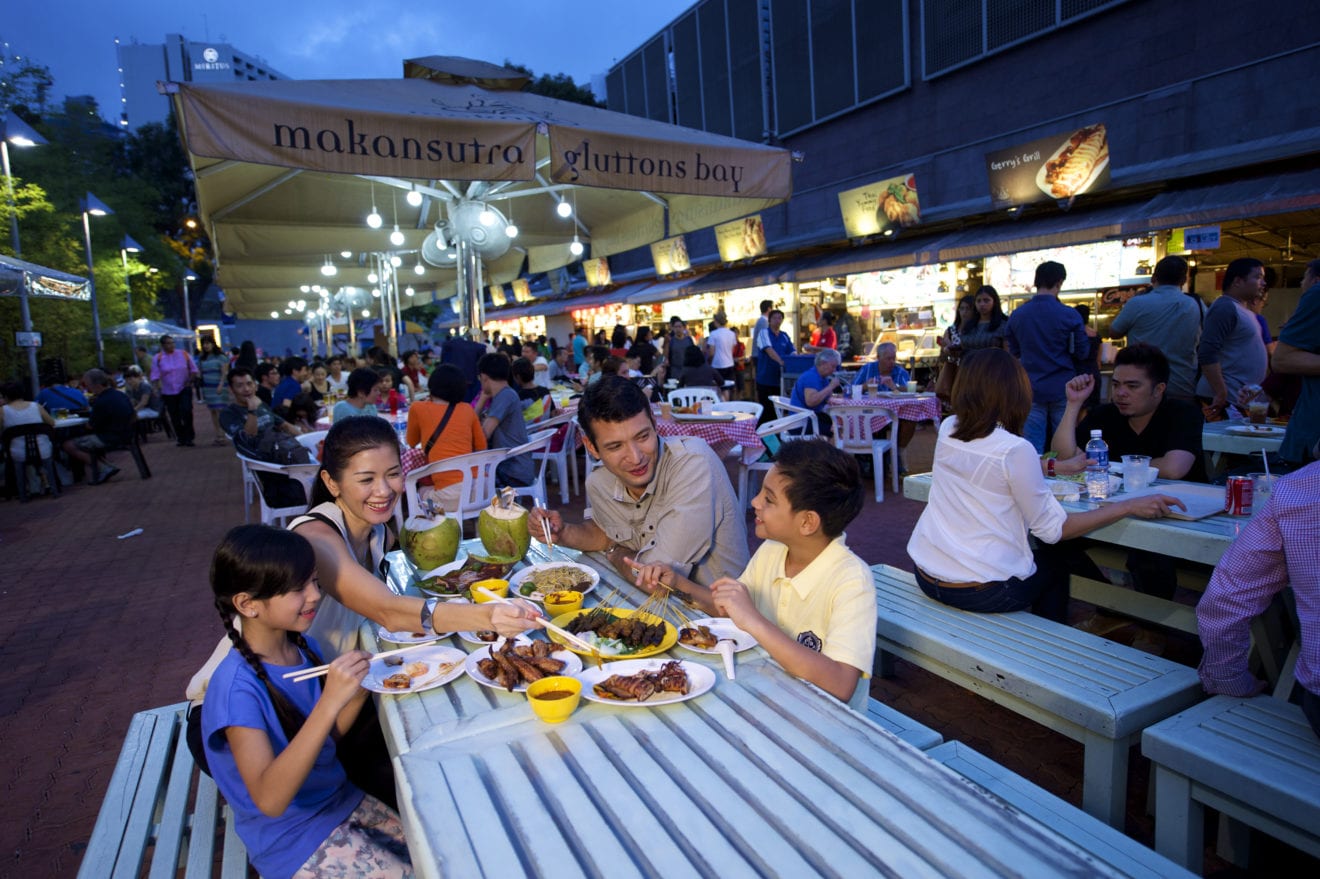
    “The wholesale and retail of food, along with activities linked to Singapore’s 6,700 food service locations (which include restaurants, coffee shops and street hawker stands) account for two-thirds of the food industry’s GDP contribution, and four-fifths of the employment it supports,” the study said.

    Meanwhile, the food manufacturing industry has also made a huge impact on Singapore’s GDP, with its direct support for 38,800 jobs.

    In 2014, the food manufacturing industry earned S$9.8 billion from sales in Singapore.

    More so, food manufacturers’ supply chain spending within Singapore supported $1.6 billion of domestic procurement, $610 million of GDP, 6,100 jobs, $31 million in tax revenues, and S$37 million in Central Provident Fund contributions in the same year.

    “Based on the report’s findings, the food manufacturing industry is equivalent in size to Singapore’s aerospace industry, and larger than industries such as speciality chemicals, petrochemicals, medical technology and land transport engineering,” the study noted.
     

  • This new pop up store is a retail experience like you’ve never experienced in Singapore

    This new pop up store is a retail experience like you’ve never experienced in Singapore

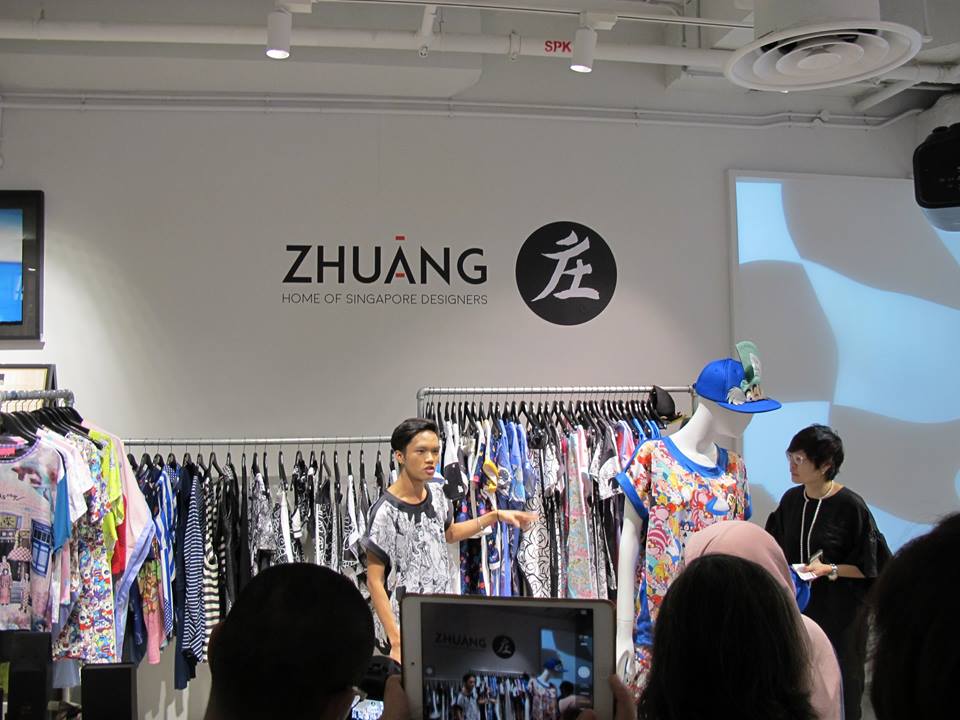
    The new pop up store at Tangs Orchard is unlike any you’ve ever seen before in Singapore.

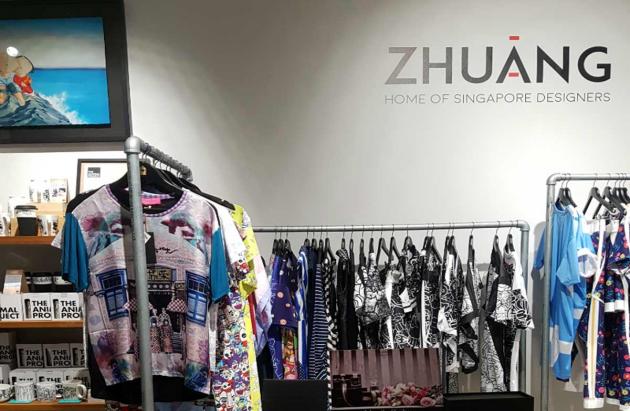
    A combination of fashion, art and technology, 庄 Zhuang – Home for Singapore Designers is an art installation that is also a retail experience featuring Singapore local designers and brands

    .庄 Zhuang is the result of a collaboration between the of Textile and Fashion Federation of Singapore (Taff) and local retailer Tangs.

    Photo: Textile & Fashion Federation (Singapore) Facebook page

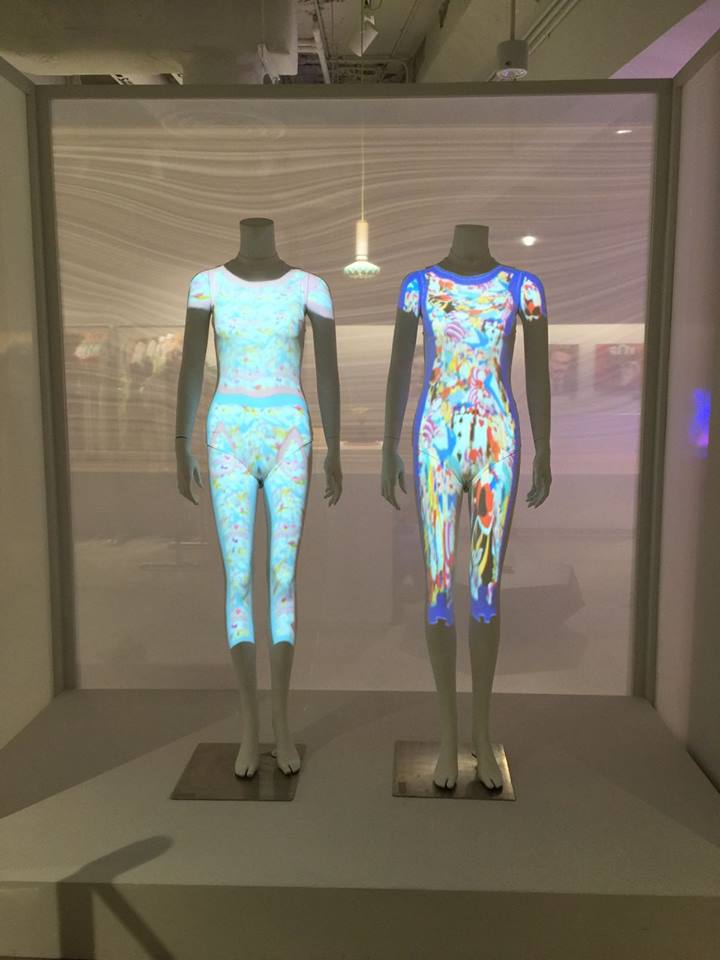
    Multi-disciplinary artist, Daryl Goh was commissioned to create Installation Lucid, an art installation that uses light and colours alongside 3D projection mapping technology.

    A cool rotating collection of outfits designed by local designers will also be projected onto a mannequin showcase – perfect for a Snap or Instagram Story!

    Photo: Textile & Fashion Federation (Singapore) Facebook page

    Some big Singapore fashion brands to keep an eye out for include Frontrow by Klarra, Mash-up, Revasseur, Ying the label, plus beautiful accessories from CN Collectiv and Desti Saint.

    Award-winning lifestyle brands like Hinika by Jarrod Lim, Desinere and Love SG will be present too.

    New brands will be introduced throughout the seven months, so each time you go to the shop it will mean a new retail experience with treasures just waiting to be bought.

    庄 Zhuang – Home for Singapore Designers is located at Tangs at Tangs Plaza, Level 4 to Level 6, from September 2016 to mid-April, 2017.


  • Xiaomi Products Come to Korean Convenience Stores

    Xiaomi Products Come to Korean Convenience Stores

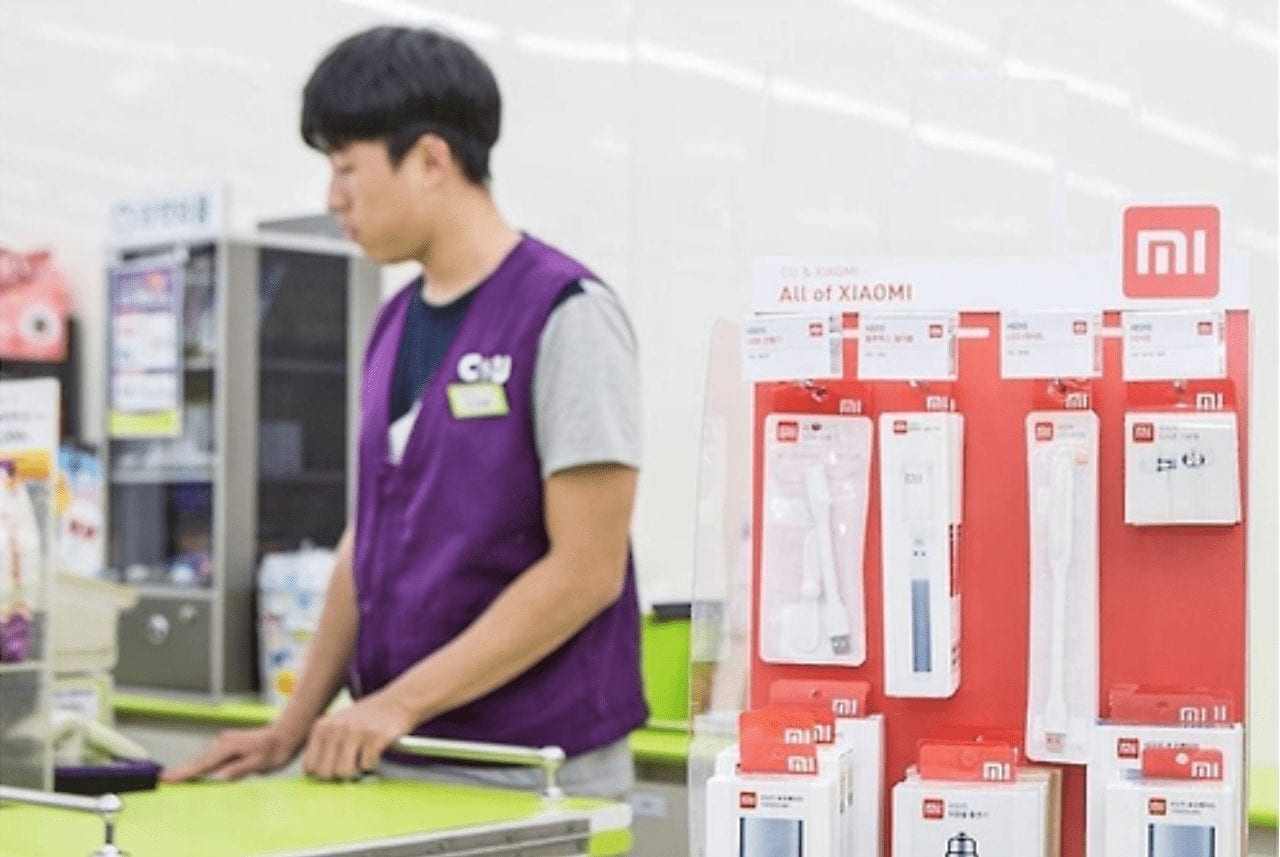
    Ticket Monster (T-Mon), Korea’s leading social commerce platform, announced Thursday that it will be supplying convenience store franchise CU with Xiaomi products for offline distribution.

    CU outlets have already been selling Xiaomi portable battery packs (5000mAh) since the beginning of September, which were also supplied by T-Mon, but they will now have nine other products from the Chinese company on offer, including ear phones, selfie sticks, LED lights, and USB fans. 

    The move is a win-win for both CU and T-Mon. 

    “With the widespread use of smartphones, sales of smartphone-related products such as portable battery packs have increased by 69 percent this year,” said official.

    “We’ll be increasing our Xiaomi inventory at outlets closer to universities, offices, and entertainment districts, while also targeting Chinese tourists at our stores near tourist attractions like Myeongdong and Gwanghwamun.” 

    As for T-Mon, it will be securing an offline distribution channel to further expand its revenue stream. 

    “By allowing offline sales of products that used to be sold exclusively online, we’ll be offering our partners new opportunities to increase their profits,” a T-Mon official said. 

    Xiaomi products have grown increasingly popular on Korea’s ecommerce platforms for their affordability. The company’s 5000 mAh battery pack, in particular, makes up about 80 percent of all portable battery sales on T-Mon. 

    Although the Chinese electronics giant has yet to introduce its smartphones to Korea, the brand has gained widespread recognition with massive popularity on ecommerce platforms like T-Mon and Coupang. 

    Xiaomi made its official entrance here in March through an exclusive deal with local distributor Youmi, and has since been selling a wide range of electronics and consumer goods including the Mi Band (fitness wearable), an air purifier, Bluetooth speakers, a bicycle, and even backpacks.

    The company also opened its first offline store at the Yongsan Electronics Market in June, and is rapidly expanding its outlets across the Seoul Metropolitan Area.


  • Xiaomi hopes to open 1000 stores by 2020

    Xiaomi hopes to open 1000 stores by 2020

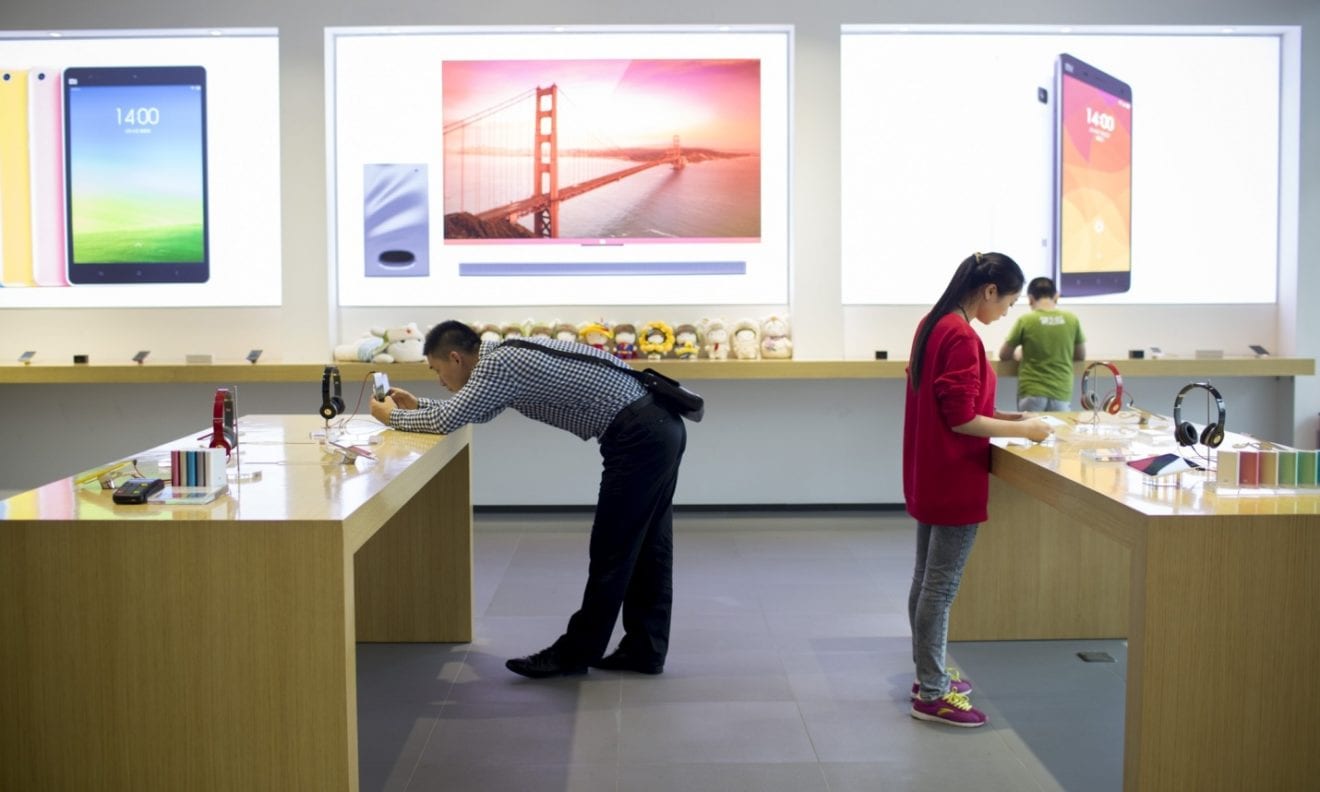
    To date, Xiaomi has focused overwhelmingly on internet sales of its smartphones and media devices in order to keep costs down. Even its tiny retail footprint has largely been limited to service centers and “experiences.” However, that’s all going to change in the next few years. Xiaomi has revealed that it plans to open 1,000 honest-to-goodness retail stores by 2020. It’ll make sure that customers can “touch and test” Xiaomi’s technology, CEO Lei Jun says. He hasn’t said where those stores will be, but it’s reasonable to expect most or all of them to be located in greater China.

    A spokesperson said that the retail plan is an acknowledgement that Xiaomi has “become a household name” in China, and that you’ll see its presence grow relatively quickly. The firm is converting its existing Mi Home outlets into full-on stores, and expects 60 Mi Home locations to be up and running by the end of 2016.

    The dive into retail is bound to be expensive for Xiaomi, and a gamble when the company is almost legendary for its razor-thin profit margins on hardware. It might not have much choice, mind you. While it’s true that Xiaomi is well-established, its smartphone shipments plunged this year — in no small part due to rivals like Huawei, which has a whopping 11,000 stores across China. Physical stores could both snap up more impulsive buyers and remind customers that Xiaomi is still a force to be reckoned with. There’s no guarantee that it’ll work, but Apple’s recovery in the 2000s was partly credited to launching stores that both increased availability and presented its products in the best light. Xiaomi is no doubt hoping for a similar effect.

  • The Exploratorium To mount “Best of The Season, You Can Grab and Go” campaign

    The Exploratorium To mount “Best of The Season, You Can Grab and Go” campaign

    Siam Discovery The Exploratorium, the biggest arena of lifestyle experiments which allows any visitor to experiment, create and cultivate, is now mounting the biggest trends update campaign of the year: “Best of The Season, You Can Grab and Go”. It gathers the latest trends that are becoming popular in the world, the ones for every kind of lifestyles, during the 4 months from now on (September to December 2016), while also allowing everyone to experience. The grand opening of the campaign launch has recently taken place on 4th Floor, Siam Discover The Exploratorium.

    The launch event was crowded with a number of distinguished guests who have taste in various lifestyles including design, fashion, travel, adventure to name but a few. The gathering guest list included Ornchuma Durongdej, Hathairat Fingerhooth, Tada Varich, Pichamon and Pimpisa Chamanant, Monlissa Leenuttapong, ML Samornlada Chompol, Thitipong Lororasert etc. All of them were welcome by Siam Discovery’s executives, Chanisa Kaewreun and Kriangkrai Rulkhachantrkul. All the guests got updated on news of hot lifestyles: art and design from Phantipa Thanchookiet of Likay Bindery, travel from Kanitkul Natrbutr, and fashion trends from Nichakul Kitiyanubhongse of Harper’s Bazaar Magazine. A special fashion show was provided, presenting a wide range of lifestyle products.

    Ms. Chanisa Kaewreun, Executive of Siam Piwat Company Limited, said, “Best of The Season, You Can Grab and Go campaign has been initiated by Siam Discovery, which acts as a shopping market that sells every kind of design items, or a design supermarket. In fact, it is acknowledged among shoppers that Siam Discovery will be a very first choice when thinking about where to shop for any items with style and packed with creativity.

    “That’s why Siam Discovery is gathering top curators who have expertise in a variety of lifestyles and asks them to analyze trends and global movements in terms of design. Then, they will choose what items to become the latest trends in the world. Moreover, we are holding a number of workshops that feature different subjects: Art Design and Decoration coming with “Design Experiment Market” theme from 3 to 16 October 2016, Travel and Play with “The Wanderlust Experiment Market” theme from 17 to 31 October 2016, Fashion and Accessory representing “The Fashion Forward Experiment Market” theme from 1 to 8 November 2016. And closing with Sport and Adventure which represents “Active Experiment Market” theme from 9 to 20 November 2016. Siam Discovery will present a range of products according to these themes, available upon timelines. As well as workshops that are based on each of the themes for the four months, from now to the year-end 2016.”

    Nichakul Kitiyanubhongse said, “The hottest trend in fashion of the moment is a modern vintage style, which has lasted for ages. At the same time, a vintage style is growing in popularity. When wearing vintage attire, it’s no need to wear heavy make-up or dramatic hairstyle. It really appears an amazing trend.”

    Phantipa Thanchookiet said, “We can see two hot key trends in design and decoration in 2016 and 2017. One is design work friendly to the environment. This year, the eco trend becomes popular again. People are interested in things for their daily use, the ones with creativity and more eco-friendliness. Especially for furniture and home decorations. Let’s say which are becoming popular will have an eco-concept. The other is handicraft, which more plays a prominent role in creation in terms of design. Or even daily use products such as notebooks that can be decorated to tell the identity of an owner.”

    Kanitkul Natrbutr said, “I enjoy traveling and love to have adventures in new places to explore new experiences. And for each of my trips, I always blend in, my personality, with it. This is shown through my traveling stuff, from backpack and shoulder bag to water bottle and shoes or even outfits. After I had visited throughout the country and explored some neighboring countries, I feel like riding a bicycle wherever I go. That’s the beginning of my traveling together with my bicycle. This way makes me expand my horizons and have a close relationship with the nature. It gives me a unique travel experience, different from other kinds of travel. With a bicycle, I can find any places that I cannot by car. Or to enjoy being in the sunshine and the breeze, the surrounding nature that I can see with my eyes and feel with my heart.”

    Come play with us. Enjoy “Best of The Season, You Can Grab and Go” campaign which offers a variety of themes suitable for every lifestyle. Available from now to year-end 2016 at Siam Discovery The Exploratorium.

  • Sharia Finance Sees Promising Future

    Sharia Finance Sees Promising Future

    The Financial Services Authority (OJK) says that the sharia finance still sees promising future despite the slowing down of global economic growth.

    “I’m optimistic on the promising future of the sharia finance industry. However, there will be many challenges and uncertainty,” said Sarjito, OJK Deputy Commissioner for Capital Market Supervision, Thursday, September 29, 2016.

    The challenges and uncertainty include the difficulty in expanding the business in a different jurisdiction that gets hit by local regulations and also the interpretation of sharia itself.

    Sarjito continued, the other challenge is the weak of the sharia finance management and its governance. “The last one is the lack of human resources that are competent enough and having the adequate capacity in sharia finance,” he said.

    The sharia finance industry in Indonesia has shown an unbelievable progress. Based on the report of the Indonesian Islamic Finance, the asset of the sharia finance industry has a 10% growth, and reached Rp617 billion in 2015.

    The number has exceeded the conventional finance asset’s growth. The same trend is also seen in other countries that are also developing the sharia finance.

  • Indonesia receives awards at South Africa Tourism Fair

    Indonesia receives awards at South Africa Tourism Fair

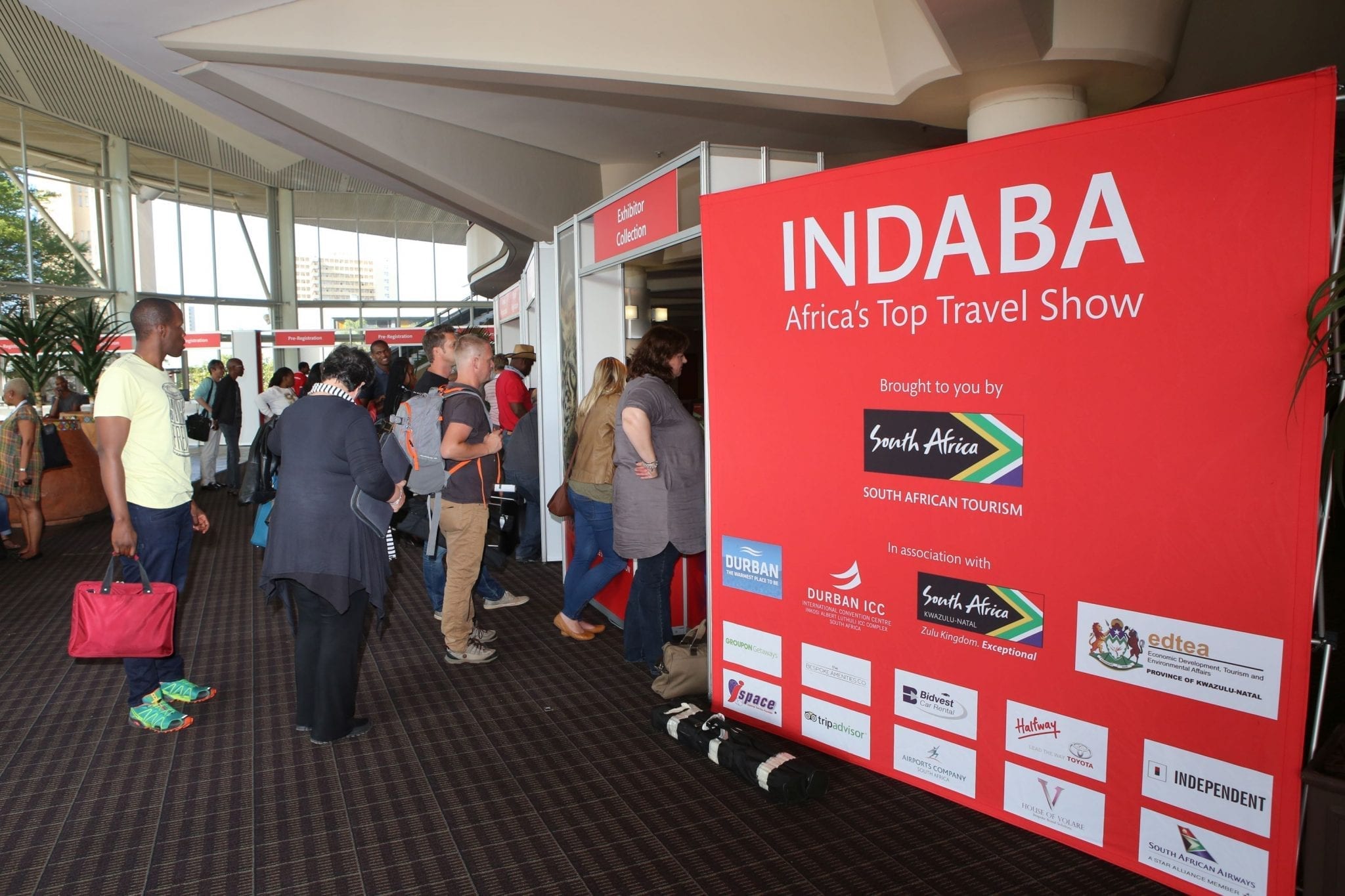
    Indonesia won two prestigious awards at the largest tourism market and exhibition, entitled “the Gateway Show”, in Johannesburg South Africa, which ran from September 23-25, 2016.

    Deputy Assistant of European, Middle East, America and Africa Market Development at the Ministry of Tourism, Nia Niscaya, said, here on Friday, that the two awards included the Best International Destination, building a booth modelled after a Phinisi traditional ship.

    The other award received by Indonesia was The Highest Award; the Spirit of Gateway 2016.

    “This award is expected to open the eyes of the international public, especially in Africa, about Indonesias tourism potentials,” Nia said.

    Also, Gateway Show organizers praised the Indonesian promotions team for its work at the exhibition, in which they presented a variety of attractions and delicious culinary treats.

    At the Gateway Show, the Wonderful Indonesia booth showcased Indonesia’s unique foods and coffee, offering samples to visitors.

    The sellers who participated in the Wonderful Indonesia Team were Nusa Dua Beach Hotel Bali, Holiday Inn Bandung, Maya Resort Bali, Bhara Tours Bandung, Singapore Airlines and a local travel agency, Afronesia Tours dan the Facets.

    The Gateway Show is an international tourism market and fair, participated in by industries, media, and visited by South Africans.

  • Indonesian coffee potential grows unlimited

    Indonesian coffee potential grows unlimited

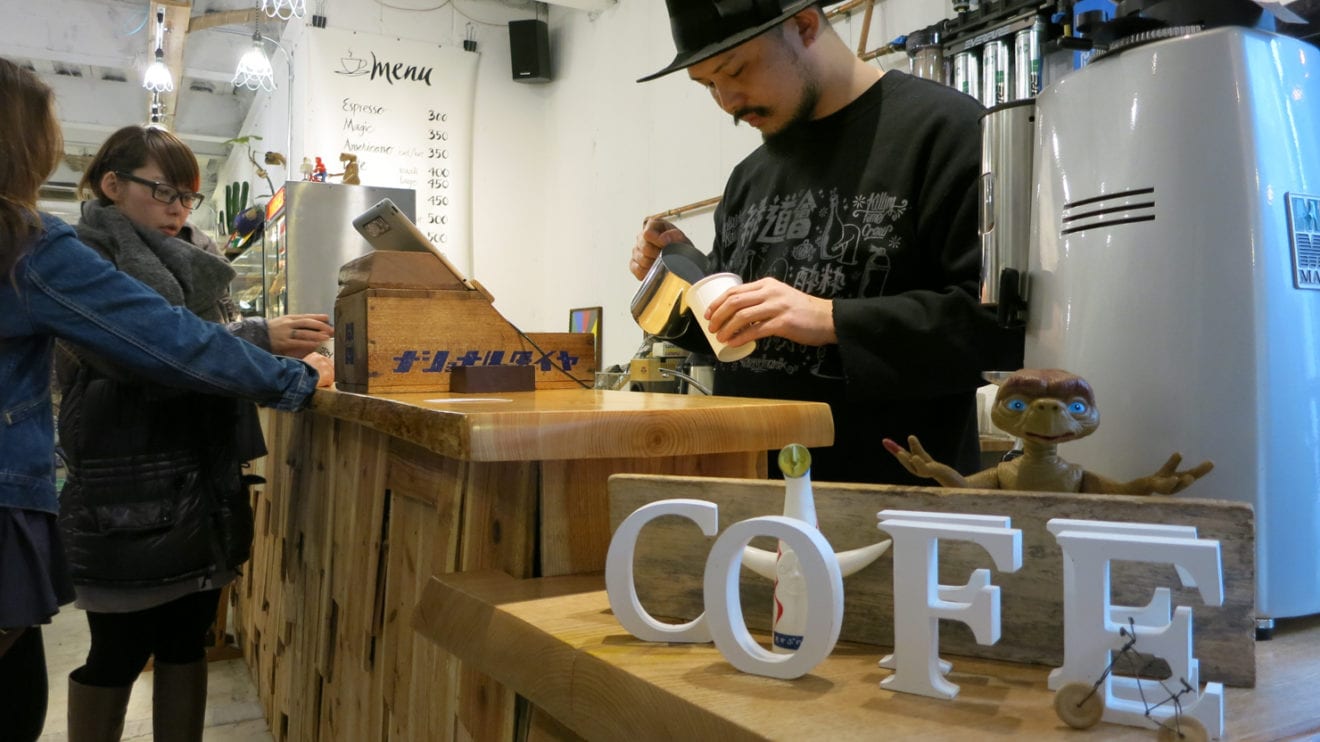
    The Australian Ambassador to Indonesia, Paul Grigson, who is also a coffee connoisseur, said the potential in unlimited for the Indonesian coffee agriculture and industry.

    In a press release from the Australian Embassy in Jakarta on Friday, the ambassador said the Australians and Indonesians enjoy drinking coffee, often in cozy cafes.

    “As the third largest coffee producer and exporter in the world, Indonesia is a haven for coffee addicts,” he said.

    He added the Australian Rural Development Program (PRISMA), which is part of the Australia Indonesia Partnership For Rural Economic Development (AIP-Rural), has helped more than 2,200 farmers and is expected to reach 10,000 coffee producers in 2018.

    “I was amazed by the incredible coffee culture, where coffee can be cold fusion, pour-over or tubruk. And there’s also some inspiring latte foam art,” Grigson said.

    “Tubruk” coffee is Indonesian-style coffee, in which coarse coffee grounds are boiled, along with solid sugar, resulting in a thick drink.

    According to Grigson, during his stay in Indonesia, almost all coffee grown in the country was enjoyed by him, including Gayo coffee from Aceh, Toraja coffee from South Sulawesi, and Bajawa Flores coffee from East Nusa Tengggara.

    “Jakartas thriving coffee culture not only makes it easier for me to get my coffee, but it opens up more opportunities for young people to enter the business. With many Indonesian baristas learning their art in Australia, this is a fusion of cultures we can all enjoy,” the ambassador said.

    Along with the increase in coffee consumption worldwide, Indonesia, as the third largest coffee producer after Brazil and Vietnam, has a great opportunity to improve the quality and volume of coffee production, in order to meet the international demand for specialty coffee.

    East Java province is estimated to have 54,300 coffee farmers, and a coffee production land area equivalent to 8.1 percent of the nation’s production area.

    Meanwhile, East Nusa Tenggara province has about 51,752 coffee farmers and its area for coffee production reaches 57 percent of the nation’s production area.

  • Rupiah weakens 43 points against USD

    Rupiah weakens 43 points against USD

    The rupiah weakened 43 points to close at 13,015 per US dollar in the Jakarta interbank spot market on Friday evening, compared with the previous close of 12,972.

    “The rupiahs exchange rate depreciated against the US dollar along with the weakening of exchange rates in Asia,” economist Rangga Cipta of Samuel Sekuritas said.

    He said sentiment towards the upward revision of the US second-quarter gross domestic product growth was one of the factors causing the dollar to appreciate against several global currencies.

    Data for US inflation rate, which is projected to increase, has boosted the dollar to move into the positive zone, Rangga explained.

    After all, the relatively stable and rising crude prices and domestic optimism about the tax amnesty program has prevented the rupiah from falling further, he added.

    “The condition will make the rupiah depreciate against the dollar only in a short term,” he said.

    Money market expert Rully Nova of Bank Woori Saudara Indonesia Tbk said the rupiahs depreciation is relatively limited following the market expectation of a low inflation rate in September this year.

    “It is expected the data for inflation rate will be released early next week (Monday),” he said.

  • Government raises excise taxes on tobacco

    Government raises excise taxes on tobacco

    The government of Indonesia has raised the excise tax tariffs on tobacco. The Finance Ministers Regulation, No.147/PMK.010/2016, was issued in this respect.

    In the new policy, the highest tobacco excise duty hike of 13.46 percent was for machine-made white cigarettes (SPM) and 0 percent for category IIIB hand-rolled clove flavored cigarettes (SKT). The average increase was 10.54 percent.

    Besides raising the excise tax rates on tobacco, the government also increased the retail prices of cigarettes by about 12.26 percent.

    The tobacco tariff rates have been raised to control production, regulate manpower, end sale of illegal cigarettes and enhance revenue in the excise sector.

    “The government realizes that cigarette is a commodity harmful to health. Therefore, consumption needs to be limited. The increase in the tobacco tariff is aimed to control cigarette consumption and circulation,” Finance Minister Sri Mulyani told a press conference at the Directorate General of Customs and Excise Office here on Friday.

    The minister hoped that the increase in the tobacco customs tax tariff would contribute positively to the governments revenues in the customs sector.

    In 2017, the government set a revenue target from the customs sector at Rp149.8 trillion, which is about 10 percent of the total tax revenues.

    “Though it has slightly declined, it still contributes significantly. The government and the people should back the policy because if it misses its target, it will affect the state budget, which, in the end, will affect the national development programs,” Minister Sri Mulyani added.

    Sri Mulyani stated that the policy was discussed with various stakeholders, including those concerned with health and employment, tobacco farmers, tobacco companies and associations.

    Meetings were also held with local governments, foundations and universities to discuss the matter.

    Following the meetings and discussions, it was concluded that the excise duty needs to be increased in order to control consumption and production.

    However, such an increase must be balanced so that it does not affect job opportunities and survival of small industries.

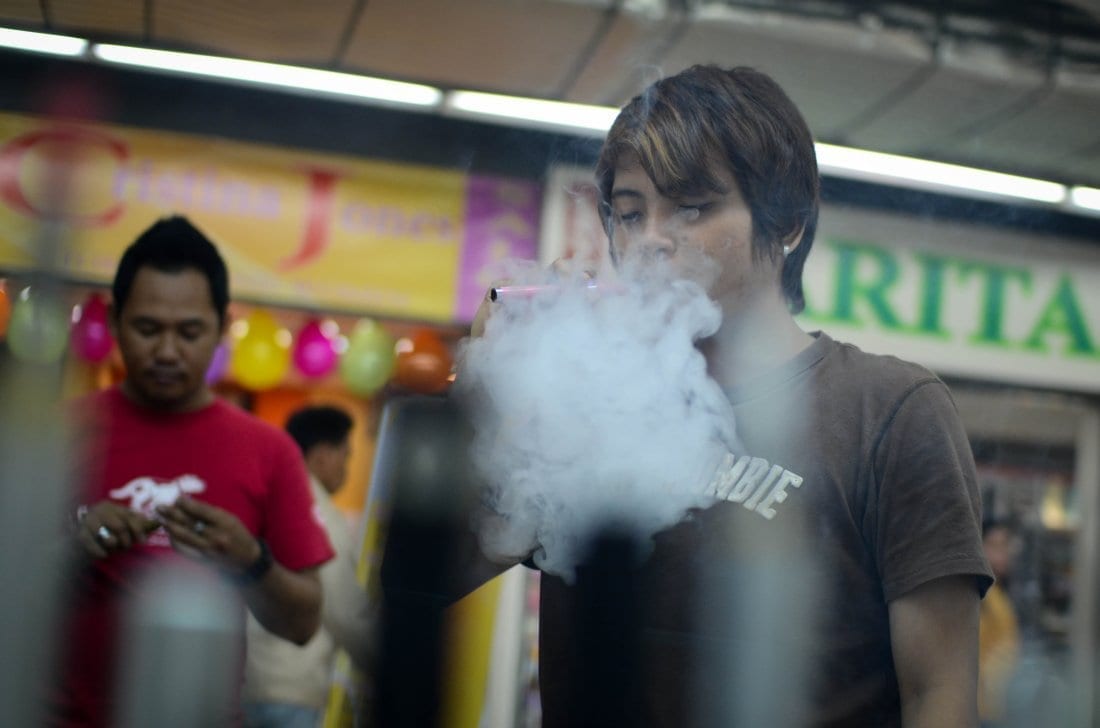
    In the meantime, a youth community group, Smoke Free Agent (SFA), has backed the governments move to raise cigarette prices, arguing that the number of young smokers in Indonesia has been rising at an alarming rate.

    “In addition to reducing the number of adult smokers, cigarette price hikes may also discourage new smokers, who are mostly children and adolescents,” Ricki Cahyana of the Anti-Smoking Indonesia Community stated in a press release issued by the SFA on Wednesday.

    Ricki noted that on an average, adults started smoking by the age of 16, and 30 percent of Indonesian children began smoking before the age of 10.

    Hasna Pradityas, one of the initiators of the SFA, remarked that the tobacco industry is currently aggressively targeting children as potential consumers to replace adult smokers in the future.

    “Without young smokers and children, the tobacco industry would become bankrupt when adult smokers no longer exist,” he pointed out.

    If the government really raises the price of cigarettes, then it will be like a breath of fresh air for Indonesia.

    Prospective new smokers, mostly children, will no longer find it easy to buy high-priced cigarettes.

    In the long run, it will help reduce the number of child smokers and make the next generation of Indonesians a golden one, capable of competing at the global level.

    “We hope the government will really go ahead with its plan to hike the price of cigarettes, thus reflecting its serious commitment to protecting the health of young people and creating a golden future generation,” Yosef Rabindanata, an SFA activist, observed.

  • Trifacta extends enterprise data wrangling

    Trifacta extends enterprise data wrangling

    Trifacta has released Trifacta v4, which has capabilities specifically designed to work for more users, more diverse data sources and within more cloud environments.

    Trifacta v4 features the general availability of Builder, a new menu-driven workflow to guide users through data wrangling steps. The latest release includes the general availability of the Photon Compute Engine, improving the scale of data that users are able to wrangle on-the-fly, directly within the Trifacta application.

    Photon provides an optimized engine for datasets that do not require parallel processing within Trifacta’s Intelligent Execution architecture. The v4 release also expands support for customers deploying Trifacta in cloud environments such as Amazon Web Services, Google Cloud Platform and Microsoft Azure, while extending the ability of users to directly connect to a variety of enterprise data sources, including Microsoft SQL Server, MySQL, Oracle, PostgreSQL and Teradata.

    A core focus area of the v4 release is to enrich Trifacta’s unique data wrangling user experience by offering a new workflow for building data preparation steps. The addition of Builder to the Trifacta interface augments the ability of users to wrangle data without the need to utilize scripts.

    The v4 release also expands upon Trifacta’s blend of data visualization and machine learning to guide users through common data wrangling tasks. With pattern profiling, users visualize common and anomalous text patterns that are automatically detected within each column.