Tag: asia

  • Report: Chinese Shoppers Make 40 Percent of Luxury Purchases Abroad

    Report: Chinese Shoppers Make 40 Percent of Luxury Purchases Abroad

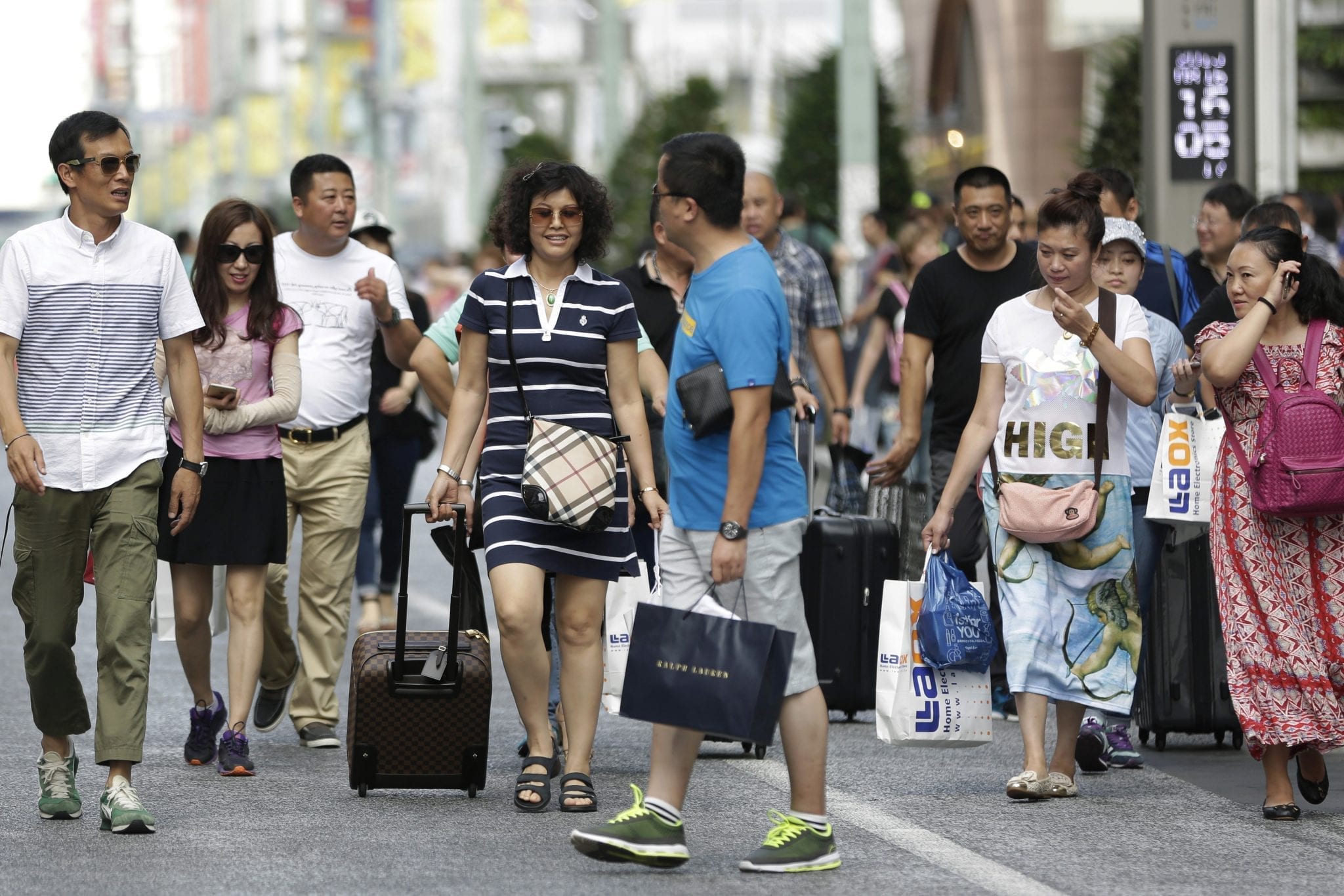
    Chinese travelers are spending billions of dollars abroad, but where exactly are they making their luxury goods purchases? A recent report titled “Who Buys Where: Decrypting Cross-Border Luxury Demand Flows” by digital direct marketing services provider ContactLab and Exane BNP Paribas Research maps out spending patterns by tourists from all over the globe based on three years of data. ContactLab’s research ranks Chinese travelers second in terms of the proportion of spenders who buy luxury goods abroad, finding that 40 percent of Chinese consumers’ luxury spending occurred overseas in the first part of this year.

    chart

    While Chinese consumers spend most of their budget on luxury items abroad, this year, overseas spending dropped 5 percent, but rose 5 percent domestically. ContactLab attributes this to price corrections by major luxury brands on the mainland. For example, last year, Chanel lowered its mainland China prices to encourage Chinese shoppers to purchase there, and deter daigou sellers from benefiting from purchasing cheaper goods abroad.

    How much Chinese spend abroad may provide some insight into exactly who these consumers are. The value of purchases Chinese travelers make in “European Heritage” countries, the United States, and Japan is significantly lower than it is in China—by 20 to 30 percent. ContactLab says this suggests big spenders in these countries are “aspirational first-time buyers.”

    However, despite individual purchases being lower overall, Chinese luxury spending in Europe “appeared to be rising” in the first four months of 2016 compared to the same period two years before, according to the report. This was the case even factoring in the Paris terrorist attacks in late 2015. The increase takes place “possibly because our data includes also a portion of daigou spend (eg Chinese students in Europe whose visas don’t allow tax free refunds, and which are therefore not captured by Global Blue statistics),” said ContactLab senior advisor Marco Pozzi. “If this is what we see in the wake of the November terrorist attacks, then 2H16 could reasonably expected to be even more positive.” It’s still worth noting that since the release of the report last month, there have been further attacks in Europe and numerous luxury brands have reported that they are feeling the repercussions of waning Chinese tourists in light of security concerns.

    In Asia, Chinese tourist luxury spending has also gone up in the last few years in Japan and Korea. In Japan’s case, Chinese travelers make up the majority of the luxury purchases, even though inbound tourists only make up about 5 to 15 percent of sales in the country overall.

    The report also confirms known trends in Hong Kong and Macau’s luxury retail industry. This year, Chinese consumers have done almost the same amount of luxury shopping in Japan, Taiwan, Singapore, and Korea combined as they have done in Hong Kong and Macau. Chinese tourists went from spending 70 percent of their luxury goods budget in Hong Kong in the first four months of 2014 to spending 35 percent in the same period this year. Hong Kong’s luxury retail industry has been struggling with the absence of Chinese tourists and developers are being forced to find alternatives to high-end stores to attract shoppers. This month was the first in over a year where Hong Kong finally experienced a rebound in tourists from the mainland.

  • Mainland China retail sales growth slows in July

    Mainland China retail sales growth slows in July

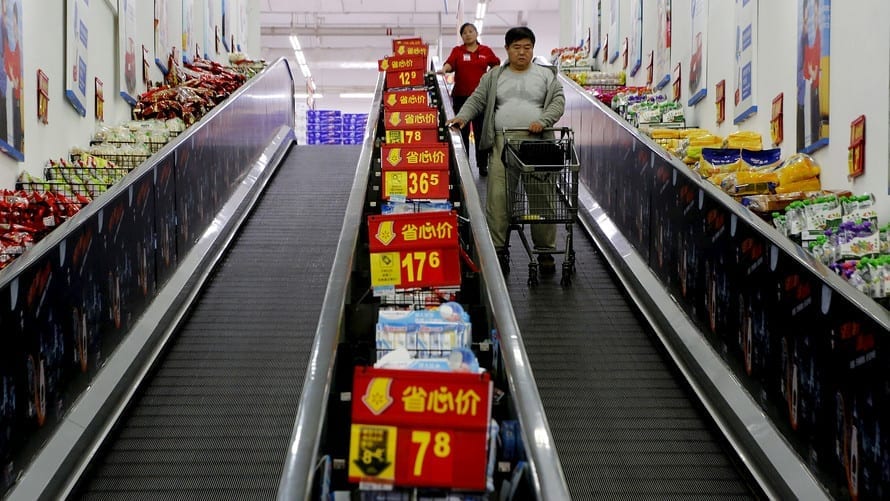
    Mainland China’s retail sales growth slowed sharply in July, statistics showed Friday, missing expectations in a disappointing sign for the world’s second-largest economy as the mainland China authorities look to consumer demand to push growth.

    Retail sales rose 10.2 percent in the month, the National Bureau of Statistics (NBS) said, a marked slowdown from June’s 10.6 percent increase and below the median forecast of 10.5 percent in a Bloomberg News poll of economists.

    Beijing is looking to retool the economy from a reliance on investment spending and exports to one driven more by consumer demand, but the transition is proving bumpy and gross domestic product growth is slowing.

    China is a key driver of the world economy but grew at its slowest rate in a quarter of a century last year, and has decelerated further since then.

    Industrial output in the Asian giant rose 6.0 percent in July over the year before, the NBS said, while fixed asset investment (FAI), a gauge of infrastructure spending, rose 8.1 percent in the first seven months of the year.

    Those figures also missed expectations of 6.2 percent and 8.9 percent respectively.

    Analysts were disappointed. Zhao Yang of Nomura called the figures an “across-the-board slowdown” that showed more weakness than expected. The investment figures were consistent with a deep contraction in imports that “points to sluggish domestic investment demand.”

    Looking ahead, factory output will face further downward pressures due to efforts to cut overcapacity, analysts with ANZ Research said in a note.

    Industrial production “may further dampen” this quarter, they added, as a result of flooding around the Yangtze River and suspended factory production in Zhejiang province, one of China’s most developed areas, due to a forthcoming G-20 summit in Hangzhou.

    Unswervingly Advance

    The NBS said in a statement China’s economy was “basically steady” in July but said that “serious disasters” from flooding and high temperatures in some parts of the country caused some indicators to slow.

    “However, overall economic development kept performing in a proper range with steady pace, as a result of stable employment and prices, deepened supply-side structural reform and accumulated new impetus,” it said.

    China should “unswervingly advance” supply-side structural reform and expand aggregate demand, it added.

    NBS spokesman Sheng Laiyun said it was “reasonable” for FAI growth to fall long-term as the economy shifts away from traditional heavy industries toward the service sector, which does not require as intensive investment.

    “The trend is good,” Sheng told a news conference. “Even though economic growth dropped slightly, the economy is stable and making steady progress, and the steady trend toward improvement has not changed.”

    Sheng acknowledged, however, that China faces “downward pressure” from weak global demand as Beijing carries out a marathon effort to nurture consumer-driven growth and reduce reliance on trade and investment.

  • Businesses latch on to Pokemon craze

    Businesses latch on to Pokemon craze

    IT has only been a week since the official release of Pokémon Go in Singapore, but amid the smokescreen of marketing puns and Poké-themed promotions, businesses across different sectors are already reporting an increase in business activity.

    Businesses are riding on the popularity of the augmented-reality game by dropping digital “lures” near their premises to attract Pokémon – and consequently, game fans (along with their smartphones and their wallets) to their locations, in search of digital critters to “catch”.

    It seems to be working, going by the experience of Ion Orchard, City Square Mall and Resorts World Sentosa (RWS), which have had more traffic of late; Wildlife Reserves Singapore, which runs Jurong Bird Park, River Safari, and the Singapore Zoo, joins the fray this weekend by scattering lures in the three parks.

    The key reason behind the success of Pokémon Go’s integration into businesses’ marketing models comes from the game’s augmented-reality aspect, through which the game’s software interacts with the elements of the real world; this is unlike most other games, in which the gaming activity is confined to the native gaming software.

    Businesses have been quick to bring customers into their stores in the real world by clever placement of “lure modules” – digital devices earned in the game app or bought through the game shop – near their establishments.

    Clement Goh, managing director of Equinix South Asia, said: “The game in itself has definitely blurred the lines between the virtual and physical world. Brick-and-mortar shops can leverage the game by using it as a marketing tool . . . to attract footfall.”

    Desmond Sim, head of CBRE Research for Singapore and South-east Asia, said using lures is a low-cost avenue for businesses to reach out to a targeted group of potential customers.

    “There are very low barriers to entry for this game. It does not cost players anything to start playing the game; for businesses, it doesn’t cost much to buy the lures to use at Pokéstops near their shops.

    It is basically cheap advertising for businesses.”

    Ion Orchard and City Square Mall, owned by CapitaLand Ltd and City Development Ltd respectively, have placed lures and launched promotions to attract Pokémon Go players to their premises.

    Ion Orchard’s marketing campaign, called Go@Ion Orchard, has been effective, said Chris Chong, chief executive of Orchard Turn Developments. “Based on the number of Go@Ion Orchard redemptions, we have witnessed healthy spending by shoppers who visited our mall to catch Pokémon.”

    CapitaLand launched an Instagram campaign called #PokemonSTAR, which combines the gaming phenomenon with its rewards programme, Capitastar. The campaign rewards players with points, which can be used to redeem CapitaLand vouchers.

    Teresa Teow, CapitaLand Mall Asia head of retail management in Singapore, said that even though it has been only a week since the game’s release, business activity has noticeably increased in its malls.

    “During #PokemonSTAR, the average daily signups for Capitastar increased 43 per cent compared to July. We have also seen a 33 per cent increase in followers for CapitaLand’s Instagram account, with about 2,000 posts garnered on #PokemonSTAR.”

    City Square Mall said it had a “healthy turn-out” of visitors to the mall when it released its lures on National Day.

    Aside from also planting lures, Resorts World Sentosa (RWS) offered a 10 per cent discount for admission to its S.E.A. Aquarium and Universal Studios Singapore for every five Pokémon caught within an hour on its premises.

    An RWS spokesman said Pokémon Go has generated “significant footfall”. “The lures we are releasing across the resort every day this week, including Universal Studios Singapore and SEA. Aquarium, brought about increased visitorship into the attractions.

    “Pokémon Go enthusiasts also took advantage of the promotions running until this Sunday, with many prolonging their stay on the resort and patronising our retail outlets and restaurants.”

    Wildlife Reserves Singapore will release more than 500 lures at the nearly 70 Pokéstops in the BirdPark, River Safari and the zoo, and offering prizes such as free annual membership and plush toys to visitors who catch eight unique Pokémon in the parks.

    One of the more creative marketing strategies out there was launched by dating app LunchClick, which has run a Pokémon-themed dating event at which singles form teams to try outdoing each other in catching the Pokémon with the highest number of combat points.

    LunchClick chief executive Violet Lim said the response to the event was “overwhelming” – its 50 available spaces were gone in three days; it has since opened more spaces to meet the demand.

    Local telcos Singtel, StarHub, and M1 have also placed lures at many Pokéstops to encourage gameplay, although they say they have not noticed a spike in data-usage among their customers; this is because Pokémon Go’s gameplay is not data-intensive.

    So instead of offering data at discounted prices, the telcos have instead opted for more conventional marketing techniques such as putting lures out to help players catch Pokémon.

    In spite of this, industry watchers cited by OCBC Investment Research Pte Ltd expect data usage to go up by 500MB per month, up from the normal monthly average of 3.3GB.

    Separately, these industry watchers also expect the current Pokémon Go trend to boost F&B sales and retail footfall, since many Pokéstops are around shopping malls and landmarks.

    There were, however, mixed reviews about the game’s overall effect on businesses in the long run.

    CBRE Research’s Mr Sim was optimistic: “The main effect is that the presence and visibility of these shops would increase. While not all Pokémon Go players would buy from these shops, more people will now know about the shop’s existence – this can only help businesses in the long run.”

    Srinivas Reddy, SMU’s professor of marketing, took a more neutral stance: “Because of the geocoding, some businesses are benefiting from the game – in terms of attracting people to their location. It is still unclear if they are able to convert them into purchasers.”

    Arvind Sethumadhavan, chief innovation officer for the Asia-Pacific for Dentsu Aegis Network, said Pokémon Go will have only a marginal impact on business due to the marketing campaigns being unsustainable – because they hinge on the continued popularity of the game.

    He, like Mr Sim, thinks the craze will fade away, like fads.

    Mr Sim said: “The litmus test of seeing whether this will last is in looking at how the game reinvents itself. After two to four weeks, when Pokémon Go players have ‘caught ’em all’, what incentive is there left for them to keep playing?”

  • Twinings enters Myanmar

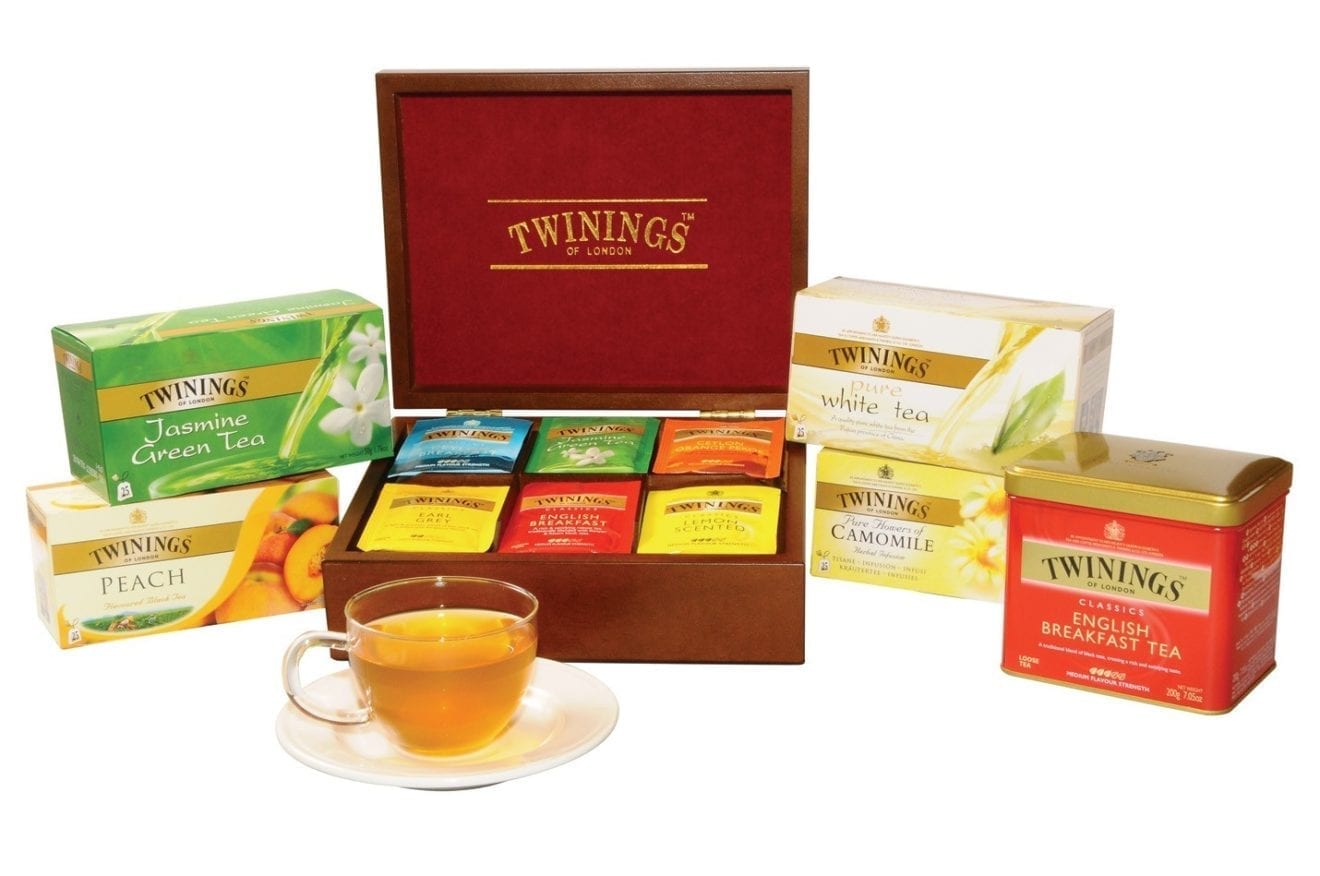
    Twinings enters Myanmar

    Stephen Twining, a member of the 10th generation of the family that has churned out the premium tea for 310 years, was at the official launch in Myanmar on August 5. He said Myanmar offered a opportunity for high growth, with a large tea-drinking population.

    “Tea is well-loved in Myanmar, so it makes absolute sense for Twinings to be here. I am delighted to experience Myanmar’s unique culture and our shared passion for tea,” he said.

    “Twinings never accepts anything less than perfect. Today, Twinings tea is enjoyed by millions in 116 countries worldwide, including Myanmar.”

    Five labels will be available in the market – Earl Grey, English breakfast, jasmine green tea, pure camomile and pure peppermint.

    Market research was conducted before the official launch and the company decided to award the distribution rights to AB Food |& Beverages and Premium Distribution. The products are now available in supermarkets and gourmet stores in major cities and destinations including Yangon, Mandalay, Nay Pyi Taw, Bagan, Taunggyi, Inle, Ngapali and Mawlamyaing – major destinations for both local and foreign tourists.

    Twining believes that the demand for high-quality tea will rise as the country opens up.

    “We certainly see good prospects here in Myanmar. We will be targeting top hotels. I know Myanmar received nearly 5 million tourists last year. That is also expected to grow a great deal in the coming years. And we will also be looking to partner with supermarkets,” he said.

    Twining said the company would focus on maintaining quality rather than thinking about competition. He believes in taking early-bird advantages.

    “I think we are the first premium fine-quality tea company here. And we will continue to actively promote ourselves. We are working with our retail partners to reach everywhere” in Myanmar, he said.

    Twinings will open a tea parlour in Myanmar in the years to come, as it did in Bangkok.

  • Hour Glass Q1 net profit falls amid tough retail environment, slower economy

    Hour Glass Q1 net profit falls amid tough retail environment, slower economy

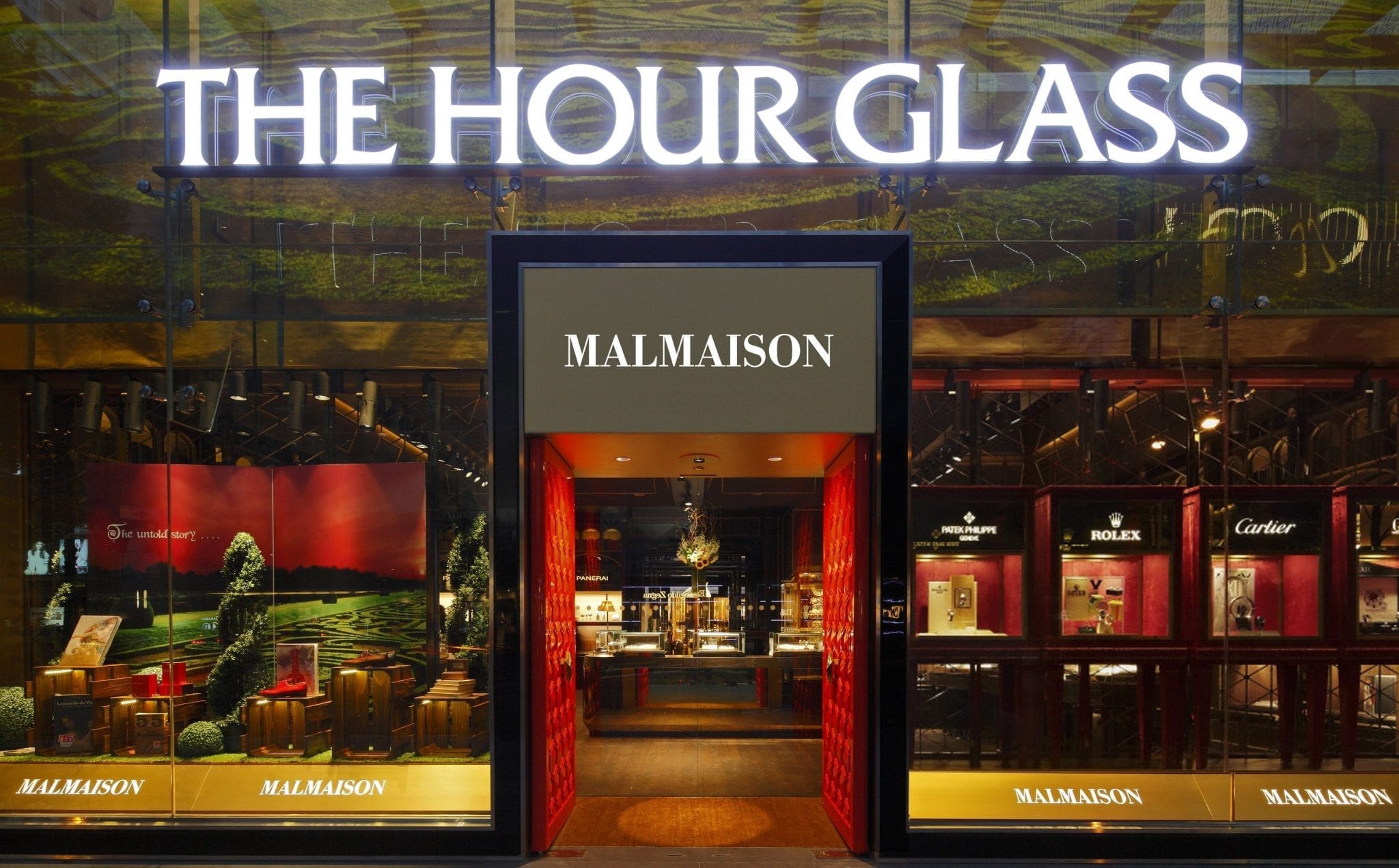
    The Hour Glass’ first-quarter net profit tumbled 22 per cent year on year to S$8.19 million.

    For the three months ended June 30, total revenue and other income fell 7 per cent to S$149.43 million from the previous year. The decline in revenue reflected the economic slowdown and tougher regional competition, it said.

    Q1 earnings per share slid to 1.16 Singapore cents from 1.49 Singapore cents in the preceding year.

    For the quarter, gross margin edged up to 22.9 per cent from 22.8 per cent a year ago.

    Meanwhile, rental costs were higher due to the expanded retail network.

    The Hour Glass said: “The continuing global economic uncertainty is expected to affect consumer sentiment and the demand for watches and luxury goods. Barring any unforeseen circumstances, the group expects to remain profitable for the financial year.”

  • Worldpay expanding to Australia

    Worldpay expanding to Australia

    The company’s expansion in Australia comes at a time of sustained growth for Worldpay, which processed 13.1 billion transactions in 2015 with transaction value of £401.9 billion ($518.9 billion).

    A number of global companies, including ASOS, Expedia, Cathay Pacific Airlines, Digital World International and Freelancer already use Worldpay for payment processing in Australia, due primarily to the company’s international reach, as well as its ability to process a wide range of alternative payment methods such as eWallets and bank transfers.

    Australian e-commerce accounted for an estimated $42 billion of the country’s GDP in 2015, and the country’s consumers lead the world in terms of eWallet adoption, which is favoured by 21% of shoppers buying goods online.

    Shane Happach, Managing Director, Global eCommerce at Worldpay concluded: “We are delighted to extend our services into Australia, which is a tremendously exciting market with lots of growth opportunity,” Worldpay managing director for global e-commerce Shane Hapach said.

    “We have quickly found merchants trading in Australia are hungry for a payment solution that can help them drive up conversion rates and drive down the costs of running an online business across multiple markets.”

  • GSS most attractive to travellers from Japan, China

    GSS most attractive to travellers from Japan, China

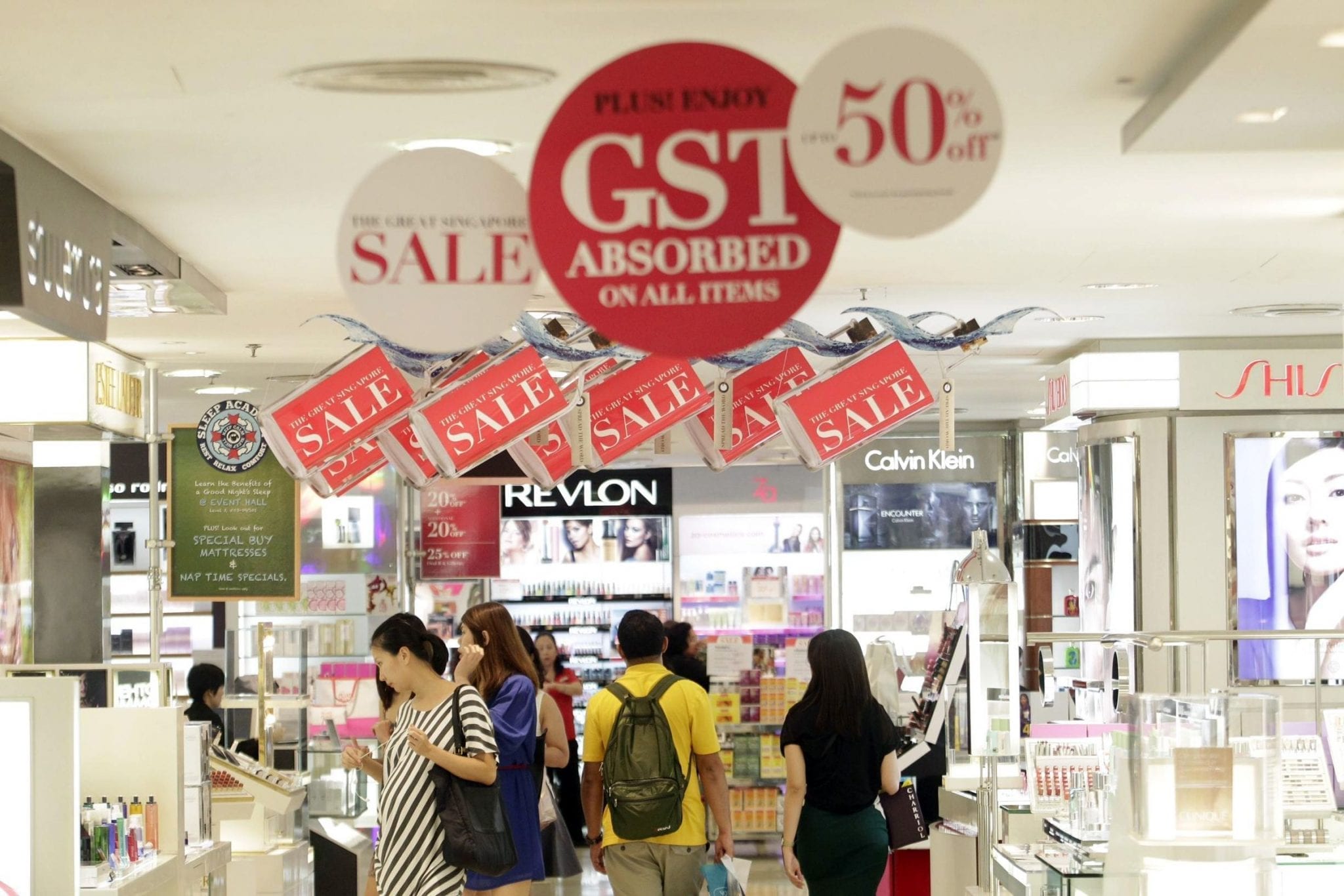
    Japan and China holds the potential to be the strongest source market for Singapore during the Great Singapore Sale (GSS) period, which comes to a close this weekend, according to findings by market research consultancy Kadence Singapore.

    Respondents from Japan and China indicated they were “highly likely” to fly to Singapore during the period. The two markets also showed greatest awareness, with 85 per cent and 84 per cent of people, respectively, indicating their knowledge of the retail event.

    Explaining the findings, Patrick Young, Kadence Singapore’s insight director said that the Japanese are more avid travellers in general. The fact that many airlines ply between Japan and Singapore also contributed to the result.

    Additionally, the price of airfares may also be factored in seeing as travellers for the GSS are likely to be deal-savvy individuals. This means the availability of low-cost flights could also affect traveller decision making processes.

    The appointment of UnionPay as the official card for this year’s GSS shows that the Singapore Retailers Association, organisers of the event, are stepping up efforts to lure more Chinese shoppers to the city-state as well.

    However, the retail scene in Singapore has been sluggish, with year-on-year retail sales figures for June, the month when the GSS usually begins, being on the decline over the past two years, according to Singapore’s Department of Statistics.

    Retail business outlook is also dim. While the July-December period is expected to see an improvement of 7 per cent over the April-September period in terms of net weighted balance, the July-December period is predicted to see a sector performance of negative 8 per cent compared to the same time last year.

    Young suggests taking into account “certain nuances between the countries” so that brands taking part in the GSS can better cater to individual markets and thus boost their allure.

    “For the Japanese there is a big focus on omiyage, which is a culture of taking home a souvenir for friends and family. So how much is the GSS tailored to these small but significant items that the Japanese will buy?”

    “It’s not so much tying in with UnionPay or a similar brand, it’s more about having in your portfolio products which can relate to that market,” he added.

    Young also cited the upcoming Singapore Grand Prix as a good example of how an event is able to better lure visitors by going beyond its core demographic.

    The annual racing event attracts not just sporting fans but a large number of international visitors by staging concerts, parties and family activities. The GSS could do something similar to lure arrivals beyond shoppers alone.

    “What else can we do to broaden the GSS beyond sales?” he said.

    GSS 2016 runs for 10 weeks from June 3 to August 14 this year, the longest sale period for the annual event to date.

  • China Telecom taps Nokia to expand 4G coverage

    China Telecom taps Nokia to expand 4G coverage

    China Telecom has contracted Nokia to enhance the operator’s 4G coverage and capacity to meet growing subscriber demand.

    The companies have signed an agreement to expand the deployment of 4G in 19 provinces nationwide, which will include preparing China Telecom’s network for the planned launch of VoLTE services next year.

    Nokia will provide equipment including its Flexi MultiRadio base stations for the deployment, as well as project management, network design and installation and hardware and software maintenance services.

    The agreement covers the provinces of Shanghai, Jiangsu, Shandong, Zhejiang, Hunan, Hubei, Guangxi, Fujian, Jiangxi, Shaanxi, Heilongjiang, Hebei, Henan, Sichuan, Anhui, Liaoning, Guizhou, Xinjiang and Inner Mongolia.

    China Telecom added 31 million 4G users during the first six months of 2016 alone, taking its total to 90 million from an overall mobile subscriber base of nearly 207 million.

    Last year 4G traffic meanwhile grew more than sixfold, and is expected to account for more than 90% of the operator’s total mobile data traffic by 2017.

    “This agreement with China Telecom builds on our long history of collaboration. Our deep-rooted knowledge of the Chinese market will enable China Telecom to meet the demands of an ever-growing and dynamic 4G subscriber base,” Nokia Networks China head Mike Wang said.

  • China’s Alibaba Q1 revenue leaps 59%, best since IPO

    China’s Alibaba Q1 revenue leaps 59%, best since IPO

    Chinese e-commerce giant Alibaba saw revenues leap 59 percent year-on-year for the quarter ended in June, it said Thursday, its strongest growth since it listed on the New York Stock Exchange in 2014.

    Revenue for the company, seen as a proxy for China’s increasingly crucial consumer sector, reached 32.15 billion yuan ($4.83 billion) in the June quarter, it said in a statement.

    Alibaba is China’s dominant player in online commerce, with its Taobao platform estimated to hold more than 90 percent of the consumer-to-consumer market, and its Tmall platform is believed to have over half of business-to-consumer transactions.

    But according to the company net income plunged 77 percent year-on-year to $1.08 billion in the quarter, the first of its financial year.

    Still, Alibaba’s chief financial officer Maggie Wu described the results as “excellent”.

    “The 59 percent revenue growth for the company overall and the 49 percent revenue growth of our China retail marketplaces represent the highest growth rates we’ve achieved since our IPO,” she said in the statement.

    The company’s gross merchandise volume (GMV) — a measure of value for online sales — rose 24 percent year-on-year to $126 billion in the June quarter, the statement said, matching the growth of the previous three months.

    The company, often compared to eBay or Amazon of the United States, has expanded outside its core e-commerce business, in sectors ranging from sports to entertainment.

    “Our results show the scale and leverage of our ecosystem, as we strengthen our competitive positions in core commerce, cloud computing and digital media and entertainment,” Alibaba chief executive officer Daniel Zhang said in the statement.

  • Apple India smartphone share tumbles

    Apple India smartphone share tumbles

    While Apple India has big plans, a new report from Strategy Analytics says the US tech giant shipped 800,000 smartphones in India in the second quarter of this year – down from 1.2 million units in the same period last year.

    “Apple IOS fell 35 per cent” year-on-year, says Strategy Analytics director Woody Oh, “while its smartphone market share has halved from 4 to just 2 per cent in India during the past year.”

    He says Apple should work on iPhone’s pricing in India as cheaper devices will help boost sales. Apple also needs to enlarge its retail presence through Apple stores or online channels if it wants to regrow significantly, says Oh.

    But Apple CEO Tim Cook says that for the first nine months of its current fiscal year, Apple’s iPhone sales in India were up 51 per cent year-on-year. “We are looking forward to opening retail stores in India down the road… we see huge potential for that vibrant country.”

    Cook says Apple has launched a centre to support Indian developers creating applications for its IOS operating system, and has opened an office in Hyderabad to accelerate map development.

  • Upgrade broadens Pantip Plaza’s appeal

    Upgrade broadens Pantip Plaza’s appeal

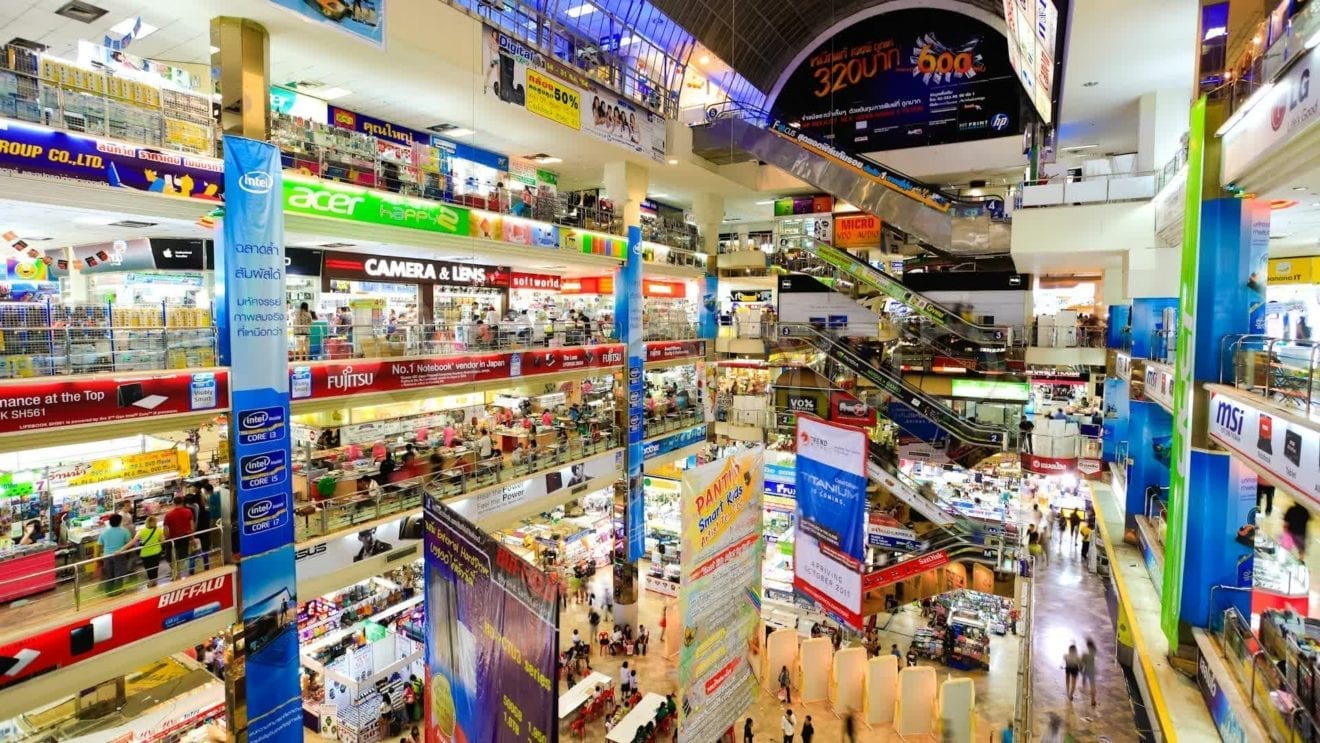
    Two years of renovation have breathed new life into Bangkok IT hub Pantip Plaza, on Phetchaburi Road.

    It re-opens on Monday as Tech Life Mall, offering wider aisles and spaces where customers can try balance wheels, scooters and drones.

    “We position ourselves as a fun place for shopping, and we broaden the target groups to kids and teenagers,” says asset manager Sansern Na Patthalung of Asset World Estate, which runs Pantip Plaza.

    The 36,000 sqm mall will have 300 IT dealers offering gadgets, gaming and business products, as well as a co-working space. Companies represented include local brand Intel Microelectronics, which sponsors an e-sports arena, while Google and Microsoft showcase their innovations at the Experience Zone.

    Syn Hub, the co-working space, will provide innovative technologies ranging from 3D printers, mechanics supporting the industrial internet of things, embedded electronics and radio frequency identification (RFI) systems.

    Over the past months different parts of the new development have been opened, attracting about 20,000 visitors a day. However, the aim is to attract 35,000 to 40,000 people a day by the end of this year.

  • Hugo Boss China plans to cull more stores

    Hugo Boss China plans to cull more stores

    The cull of Hugo Boss China stores will continue after a first round downsizing helped the German retailer’s bottom line.

    Hugo Boss revealed its quarterly operating profit on Friday, beating forecasts and giving incoming CEO Mark Langer a mandate for his tough strategy to return to profit growth.

    In March the company said it would close about 20 of its 145 stores in Greater China. Now, Langer says another 20 will follow over the next 18 months.

    “To return to profitable growth again in the medium term, we have made decisions that are painful to begin with,” Langer said. “The market environment will remain difficult for the foreseeable future.”

    Hugo Boss earnings fell 13 per cent to 108 million euros (US$120 million) in the second quarter on sales down 4 per cent to euro 622 million. Net profit has hit by 57 million in extraordinary items, largely costs relating to closing stores.

    Langer’s strategy to improve Hugo Boss’ earnings includes renegotiating rents, shutting stores and refocusing marketing spending on its core menswear range rather than womenswear, a category his predecessor diversified into.

    He also plans to sell the brand in high-quality stores in the US market, to try to reduce discounting.

    Hugo Boss’ share price rose 6 per cent on Friday after the results were revealed and some analysts are now recommending investors buy the stock.

  • China July vehicle sales rose 23 pct y/y – China Passenger Car Association

    China July vehicle sales rose 23 pct y/y – China Passenger Car Association

    Passenger vehicle sales in China to retail customers rose 23 percent in July from a year earlier, the China Passenger Car Association (CPCA) said on Tuesday.

    Auto retail sales totaled 1.6 million vehicles, CPCA said in a statement on its website. For January-July, passenger car sales rose 11 percent versus the same period in 2015, it said.

    The China Association of Automobile Manufacturers, whose statistics are generally viewed as the benchmark for the industry, is due to report wholesale data for July on Friday.

  • Asian stocks mostly up despite weak economic news from China

    Asian stocks mostly up despite weak economic news from China

    Asian shares traded in positive territory Tuesday as gains in commodity stocks helped offset weakness overnight in U.S. markets.

    The Nikkei Stock Average NIK, +0.69% rose 0.2% with the S&P/ASX 200 XJO, +0.27% up 0.2% and Korea’s Kospi SEU, +0.62% up 0.3%. Hong Kong’s Hang Seng Index HSI,-0.28% was down 0.1% while the Shanghai Composite SHCOMP, +0.65% was flat.

    Traders sent U.S. oil prices up 2.9% to $43.02 a barrel following news that the Organization of the Petroleum Exporting Countries planned to hold informal talks in September that could lead to production cuts.

  • Metro Retail to invest P10 B to double network

    Metro Retail to invest P10 B to double network

    The Gaisano family’s Metro Retail Stores Group Inc. (MRSGI) is pouring in P10 billion to double the size of its network in the next five years.

    The plan is to increase the network to 800,000 square meters in terms of gross floor area.

    So far, the company has already secured about 40 percent of the target, which will open in the next two years.

    In the first half, MRSGI has added 30,000 sqm of GFA, bringing its store network to 49 covering 24 supermarkets, 13 hypermarkets and 12 department stores.

    The company reported a net income after tax of P262 million in the first six months of the year, up 24 percent year on year.

    MRSGI posted a 10-percent all-stores growth, fueled by the strong performance of the hypermarket segment. It registered same stores sales growth of five percent.

    Frank Gaisano, chairman and CEO of MRSGI, said the company would continue to cement its presence in the Visayas region by capitalizing on its existing locations and adding new stores in prime locations.

    “Despite challenging conditions, we are encouraged by our bottomline and same store sales growth led by our hypermarket format. This was achieved by our familiarity with the Visayas region and the markets that we serve,” Gaisano said.

    The company has partnered with property giant Ayala Land Inc. for the establishment of its stores in four new Ayala commercial developments.

    These comprise a department store and supermarket in Bacolod City, Negros Occidental; a supermarket in Iloilo City, a supermarket in Cebu City, and a department store and supermarket in Pasig City.

    MRSGI likewise entered into a lease agreement with a local government unit in Negros Oriental to set up its first store in the province.

    For its supply chain and logistics requirement, MRSGI inaugurated a distribution facility in Cebu with advanced storage and technology features.

    Gaisano remains optimistic about its growth prospects.

    “The continued development and growth in the country this year as well as the resilient OFW remittances and BPO industry are fueling domestic consumption. Aligned with this development, we are ahead of schedule in doubling our footprint by 2020, with more than 40 percent of this target already currently secured,” Gaisano said.