Tag: asia

  • Ralph Lauren sales tumble

    After a slight uptick in performance at the close of last year, Ralph Lauren sales have tumbled.

    Compared to 2015 – when total revenues declined by 5 per cent, wholesale by 9 per cent, and retail by 3 per cent – the latest sales figures are decidedly weak.

    In the first quarter of the new fiscal year, net revenues fell for a fifth straight quarter, dropping 4 per cent to US$1.6 billion

    The wholesale numbers are wholly understandable and are thanks, in large part, to the car-crash that is the American department store channel. While Ralph Lauren has representation in stores like Macy’s the fact that its sales areas look like a flea-market do nothing to help the brand or its revenues. This is further exacerbated by the generally weak customer traffic at department stores across the past few months.

    The retail numbers are much more of a disappointment, and a concern given that this division delivers the largest chunk of revenue. Ralph Lauren has been keen to emphasise its Way Forward Plan, which it says is changing the operational structure of the business so that it can deliver growth. As much as many of the actions are prudent, it feels like the company has been turning itself around in perpetuity. At some point, these actions need to deliver growth – something they are currently failing to do at either the sales level, or on the bottom line where the company posted a $31 million operating loss for the quarter.

    Decisive action is needed to put the brand on the right track. This includes withdrawing from department stores like Macy’s which are now actively damaging the Ralph Lauren brand, and focusing only on more upscale department stores like Nordstrom and Neiman Marcus as sales channels.

    A proper brand review is also needed as Ralph Lauren has become muddled and confused and is simply not competing effectively against brands like Vineyard Vines, which have good traction with younger, high spending consumers. Some action has already been taken to simplify the brand structure but much more clarity is needed in communicating the various parts of the offer to consumers. At present the various parts of Ralph Lauren are too hit and miss.

    Reconnecting with younger consumers is also a priority. Rather like Tiffany, Ralph Lauren is seen as an older, established brand that, while not actively disliked, is less relevant than it was a generation ago. Spin-offs like Club Monaco and RRL have helped to remedy this, but the company needs to put more energy and effort around extending and expanding their reach.

    That said, current plans should deliver some cost savings over the course of this fiscal as operations are streamlined. However, expect the plan’s impact on revenue to be negative across at least the next quarter.

    • Håkon Helgesen is a retail analyst at Conlumino.

  • App economy driving job growth

    App economy driving job growth

    The application economy has positively impacted job growth, economic competitiveness, and the ability of governments to provide better services to citizens, according to a survey conducted by he Economist Intelligence Unit (EIU) for CA Technologies.

    Moreover, collaboration exists between the public and private sectors across the Asia-Pacific and Japan (APJ) region, the research found.

    More than 74% of government respondents in APJ have indicated that application start-ups are crucial or important in driving growth of the application economy and 79% say the same for large enterprises who have application-based products and services

    More than 95% of government respondents, 90% of enterprises and 81% of start-ups also said they have seen collaboration among the three groups.

    Meanwhile, 85% of government respondents in APJ see the technology sector as an important and often crucial driver of economic growth in their regions.

    “Across Asia Pacific and Japan, we are witnessing digital transformation becoming an integral part of the national agenda for many governments. In the application economy, where every business is a software business, growing digital capabilities has become the key to staying competitive,” CA Technologies president and general manager Kenneth Arredondo said.

    “Governments, startups, and even large enterprises are not only beginning to understand the necessity of this but that partnership, be it technology integration or B2B sales, can be a boon to their growth,” he added.

    All parties, however, agreed that there is still more that can be done. For one, government respondents named a shortage of tech talent stemming from a lack of educational or training programs as the largest barrier to the growth of the application economy (48%). This was followed by one-third of APJ government respondents pointing to a lack of public funding.

  • India to capture 13.5% of smartphone sales by 2019

    India to capture 13.5% of smartphone sales by 2019

    India is on track to corner a 13.5% share (approximately 180 million smartphones in circulation) of the total global smartphone market by 2019, up from 7.5% today.

    This was revealed by a joint study conducted by the Associated Chambers of Chambers of Comerce & Industry of India (ASSOCHAM) and KPMG.

    The study noted that the advent of affordable smartphones designed for the Indian user and low-cost data connectivity options, more people are shifting to smartphones and mobile Internet.

    The average selling price of a smartphone in India in 2015 was 12,285 rupees ($183.70), a 25% year-on-year increase. The affordable models sell between 3,000 rupees and 10,000 rupees ($44.80 to $149.50).

    “The smartphone shipments in India grew a healthy 23% annually in the first quarter of 2016 compared to the global growth, which stalled for the first time ever since smartphones first began to sell,” ASSOCHAM said in a report posted in its website.

    “The increase in smartphone sales has changed the face of e-commerce industry in India in the last two years,” it added. “Mobile transactions accounted for 41% of total e-commerce sales in 2014. Developing a mobile (sometimes mobile only) strategy has been an important agenda for many of the leading e-commerce players in the country over the last two to three years.”

    The government has launched its ‘Digital India’ initiative in July 2015 for the different stakeholders to work together to transform the economy. Several international device vendors have also set up manufacturing facilities in India, supporting the government’s ‘Make in India’ initiative aimed at boosting local manufacturing.

  • Ericsson and China Mobile trial 5G drone prototype

    Ericsson and China Mobile trial 5G drone prototype

    Ericsson and Nokia are both trialing using drones to dynamically improve coverage of next-generation mobile networks.

    Ericsson and China Mobile recently announced they have completed a 5G drone prototype field trial on the operator’s network.

    During the trial in Wuxi, a drone was flown using the operator’s mobile network with 5G-enabled technologies and handovers across multiple sites.

    In a statement, the companies said the trial marks “an important step toward 5G networks in which part of a network can be distributed and dynamically deployed at the cellular edge in order to reduce end-to-end latency, and to serve a range of 5G use cases at the same time.”

    Nokia has meanwhile been collaborating with EE to trial using drones to carry tine base stations to remote areas. Nokia said the testing showed that drones can help to very quickly establish mobile coverage over ranges of several kilometers.

    Mobile operators would be able to provide temporary 4G coverage in remote areas or rapidly extend capacity at large events such as sports matches or festivals.

    During the trial high-quality LTE calls, video streaming and a peak data throughput of 150Mbps were all achieved without the need to connect to an external core network.

    The development follows shortly after Nokia and SK Telecom announced that they had completed trials of an all-in-one portable public safety LTE system, which contains all the equipment needed to establish a temporary LTE network in hardware compact enough to fit in a backpack.

  • 350 gigabit networks have been launched worldwide

    350 gigabit networks have been launched worldwide

    There have now been at least 350 gigabit-speed network deployments globally across wireline and wireless technologies, according to Viavi Solutions.

    The network testing company’s new Gigabit Monitor database shows that there have to date been a further 164 deployments announced or under construction.

    But Asia is behind the curve in terms of deployments – while North America has the largest share with 61%, and Europe is second with 24%, APAC, MEA and South America together only make up the remaining 15%.

    Fiber is the most dominant gigabit technology, accounting for 85% of launched networks. Nearly all of the remainder, and 11% of the total, are based on HFC, while the final 3% are based on LTE-A.

    Meanwhile 37 operators have announced plans to deploy 5G once the technology becomes available, with five planning a pre-standard debut as early as next year.

    “The gigabit revolution is in full swing and faster speeds can’t come soon enough to feed an insatiable appetite for bandwidth,” Viavi CTO Sameh Yamany said.

    “There are more than 20 billion connected devices and that number is continually increasing. For the consumer, there are obvious benefits. For society as a whole, research also shows that widely available broadband can be a driver for growth and jobs. And with a 100-fold increase in speed, service providers will need to ensure that their ecosystems are ready for the massive network evolution required to deliver the customer experience they envision.”

  • Alibaba sales soar on international expansion

    Alibaba sales soar on international expansion

    Alibaba sales have soared in the first quarter of its new fiscal year, with overall revenue growth pushing even higher than last quarter’s stellar result.

    Streaming entertainment and cloud computing boosted the business, driving revenue up 59 per cent in the June quarter to 32.15 billion yuan (US$4.8 billion).

    In a contrast to the last reporting period, it is international that has shown the most growth, with revenues rising by 123 per cent. Although this figure is aided by the consolidation of the Lazada business, it is also the result of some good numbers from AliExpress.

    That said, China retail remains the largest part of the group, accounting for just over 73 per cent of revenues. Here performance was strong, with revenues rising by 49 per cent – partly thanks to a combination of the addition of 11 million more active buyers and higher average transaction values over the prior quarter. A sharp increase in marketing spend by those brands and merchants using Alibaba’s various sites also made a significant contribution to the hike in revenues.

    Alibaba’s role as a facilitator for Western brands wanting to sell into China continues to be the company’s main commercial advantage. Its ability to work closely with those merchants to improve performance will benefit the revenue streams of both parties, as well as creating a more attractive and compelling offer for consumers.

    Despite its success at home, Alibaba has struggled to gain traction in already established markets like the US. While this was once a stated ambition, and perhaps remains a long term goal, it is off the agenda for the short term. This is the correct strategy: chasing lower margin, profit eroding international gains for the sake of vanity makes little sense.

    That said, this does not mean that Alibaba’s international ambitions are entirely on hold – as the latest results show. Tactically, Alibaba has decided to focus on high growth markets where commerce is more embryonic. The acquisition of a controlling interest in Lazada, the Southeast Asian eCommerce group, is testament to this.

    While Lazada has grown into a sizeable business, it has a number of challenges including on the delivery, payment and fulfilment front, where it has struggled to optimise the offering. Alibaba, through its expertise and financial muscle, should be able to remedy this. It will also, over the medium term, strengthen the international brands available making the site more compelling and interesting for shoppers.

    The Lazada model represents the approach Alibaba is likely to take to international growth and expansion, and this will yield good long term results.

    With both international and domestic sales forging ahead, and with new areas like cloud computing making a better contribution, Alibaba is firmly on an upward trajectory.

  • Google India delivers for food fans

    Google India delivers for food fans

    Working with local partners, Google India has made online ordering and restaurant bookings easy.

    When people use their phones to search Google for nearby restaurants, the search results offer an option to “place an order”.

    By tapping the option, users can choose a delivery service and be taken to its website to complete their order. Users can also make a one-click reservation if they prefer to visit the restaurant.

    Google has partnered with startups Swiggy and Zomato for food delivery, and Bytplus and Dineout for reservations. The services can be used on Google Search and the Google app for both Android and iOS devices.

    “These features are just rolling out and we’ll be adding more partners and evolving the look and feel over time,” Google says in an official blog.

    Earlier, Google Maps stitched in Ola and Uber services on its platform in India, showing fares and riding options from the app-based taxi aggregators.

  • Chooks to Go plans Asian rollout

    Chooks to Go plans Asian rollout

    The parent of Philippine chicken retailer Chooks to Go plans “a massive expansion” of its store network, at home and across Asia.

    “Filipinos overseas will soon have access to their favourite food in the Philippines or wherever they are in the Asian region with the rollout of BAVI rotisserie stores overseas this year,” said Chooks to Go parent Bounty Agro Ventures Inc (BAVI) in a statement.

    “As an industry leader, it is BAVI’s role to continue to growing its chicken commodity business, along with the massive expansion of its various brands of retail stores for freshly cooked products.”

    BAVI currently operates a chain of 1000 Chooks to Go stores across the Philippines, selling fresh oven-roasted chickens and is expanding its portfolio of brands to attract more consumers. Maro, its newest, serves freshly cooked viands in CBDs and universities nationwide.

    The company’s Reyal brand, which launched last year selling ‘butterfly cut’ chicken with honey garlic sauce, chili oil and garlic bits, expects to have 100 stores trading by the end of this year.

    Uling Roasters now has 200 outlets.

    In total, BAVI now operates more than 1300 stores across its brands, and sells about 100,000 chickens a day.

    The company did not reveal how it would enter overseas markets, or which countries were at the top of the priority list.

  • Japanese restaurant operator AP heads to Hawaii

    Japanese restaurant operator AP heads to Hawaii

    Japanese restaurant operator AP Co is heading to Hawaii, planning to open its first outlets in January.

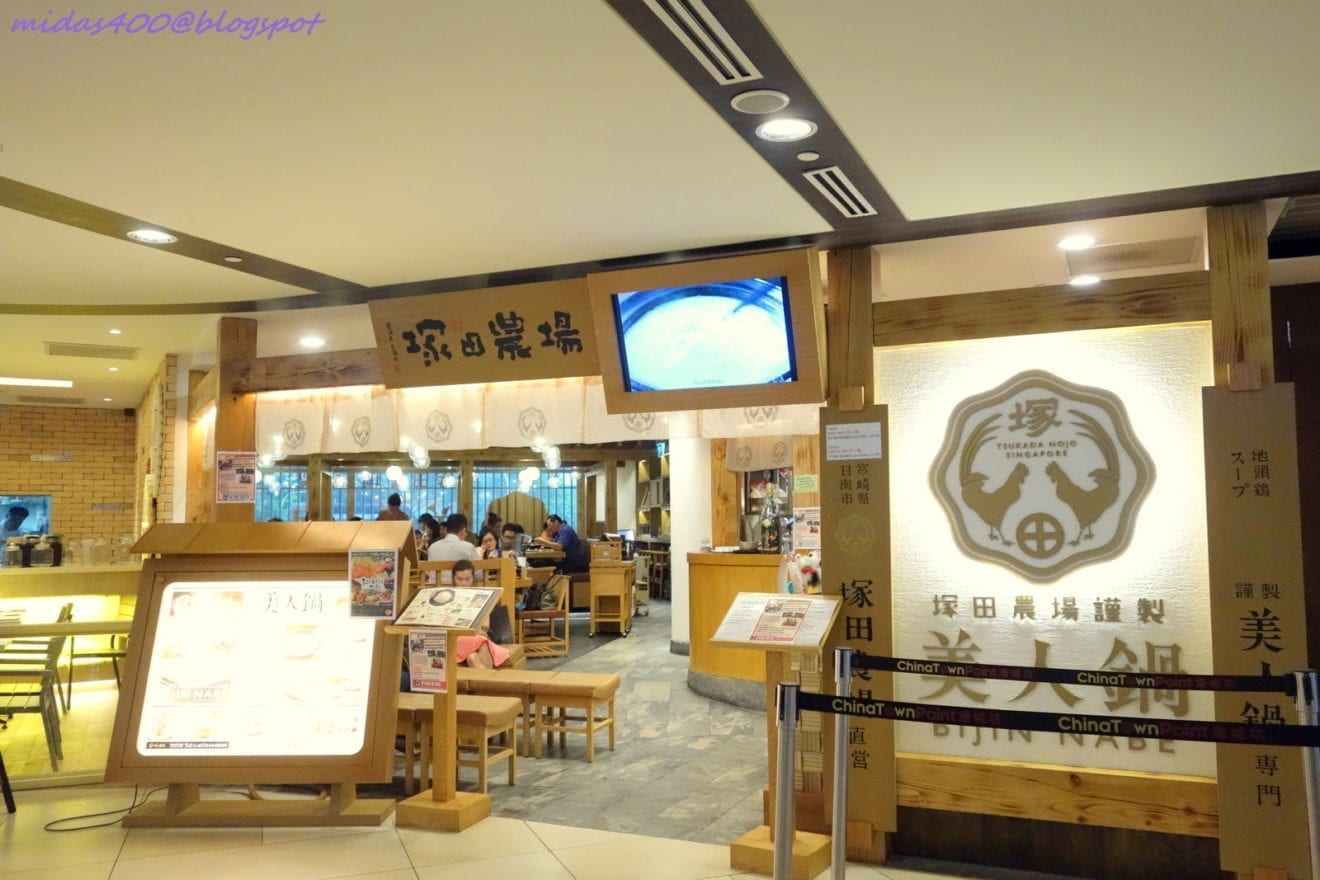
    AP owns more than 200 restaurants in Japan, Singapore and California and plans to take its  Tsukada Nojo and Sushi Maru brands to Waikiki, in the heart of Honolulu’s tourist area.

    The two eateries are an izakaya-style concept, serving small dishes and liquor, and a sushi restaurant, respectively.

    AP entered the restaurant business to create an outlet for produce from its farms and fisheries.

    “They are pursuing the same concept here by working with local farmers now in preparation for their opening next year,” a real estate source told Pacific Business News in an interview.

    The company is listed on the Tokyo stock exchange.

  • Starwood Hotels & Resorts To Debut Four Points Jakarta, Thamrin In The Capital Of Indonesia

    Starwood Hotels & Resorts To Debut Four Points Jakarta, Thamrin In The Capital Of Indonesia

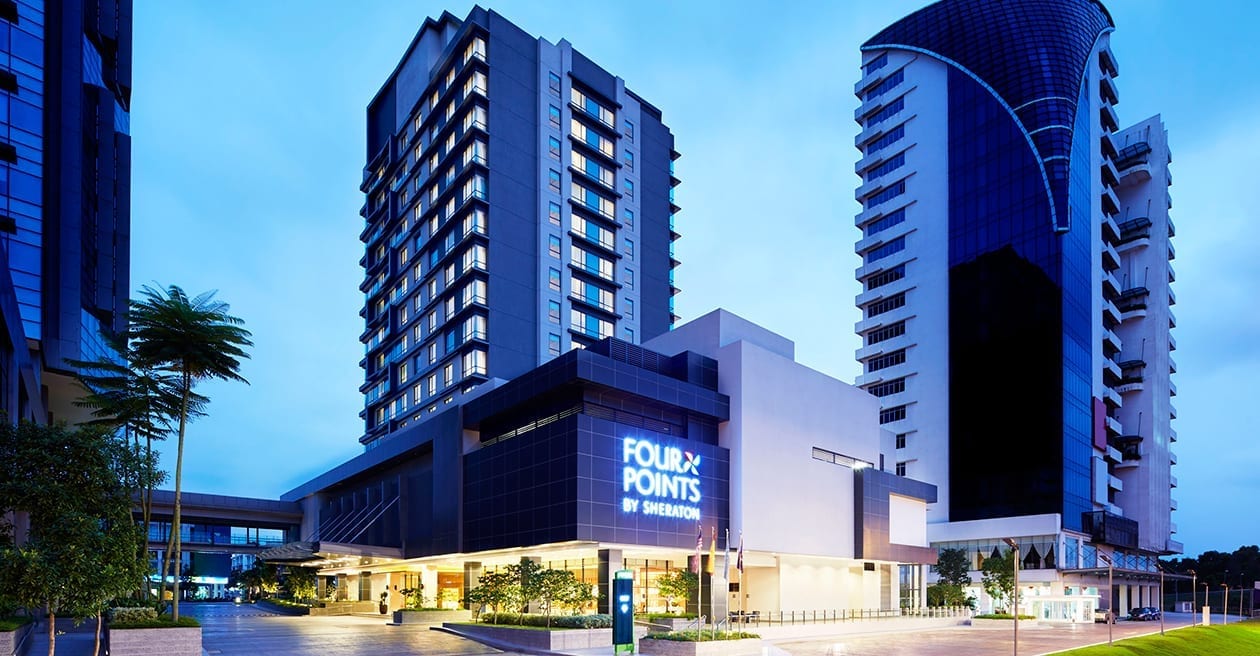
    Starwood Hotels & Resorts Worldwide, along with PT Thamrin Ekspress Indonesia today jointly announced the opening of Four Points Jakarta, Thamrin. The opening marks the first Four Points property in Jakarta, and the sixth in Indonesia. The hotel is part of an approximate 159,000 square foot mixed used development that consists of offices located on the upper floors of the building and the hotel.

    “Built for the smart, independent business traveler, Four Points continues to offer our guests exactly what they need while on the road,” says Vincent Ong, Senior Director, Asia Pacific Brand Management, Four Points. “We are excited to open Four Points in Indonesia’s capital of Jakarta, one of the fastest growing cities in Southeast Asia and continuing the immense growth momentum of the brand in the region and generating a halo-opening effect.”

    Four Points Jakarta, Thamrin features 164 guest rooms with fast and free Wi-Fi throughout the hotel. Guestrooms are fitted with the Four Points brand’s signature bedding, 43” LED flat-screen TVs, and complimentary bottled water. The hotel features an all-day dining venue, which incorporates the brand’s signature Best BrewsTM program, allowing guests to sample a range of local craft and artisan beers. For meetings and events, Four Points Jakarta, Thamrin has three comfortable, stylish meeting spaces totaling 1,615 square feet that overlooks the lively Thamrin business district. The hotel also offers a 24 hour fitness center that is fully equipped with a range of high-endurance and low impact workout equipment.

    Four Points Jakarta, Thamrin is strategically located along Jl M.H. Thamrin at Menara Topas, a major road running through the Central Business District in Jakarta with high visibility for corporate clients. The hotel is located just under one half a mile north of the famous Selamat Datang roundabout near multinational corporate offices, embassies, megamalls, retail shops, restaurants and bars. For guests looking to immerse in the rich history and culture of Jakarta during their stay at the hotel, they can visit Pasar Baru, the oldest shopping center in the city that dates back to the Dutch colonial era, Sunda Kelapa, a 17th century port to see the world’s last wind-powered trading schooners, or take in captivating views from the observation deck at Monas, a National Monument located in the center of Freedom Square. All are located within 7.5 miles of the hotel.

    Starwood Hotels & Resorts is rapidly growing in Indonesia alongside the increasing number of domestic and international travelers. Currently there are 19 properties across Indonesia with 15 hotels under construction. In Jakarta alone, Starwood has five properties representing the Le Méridien, Tribute Portfolio, The Luxury Collection and Sheraton brands, with six more hotels opening by 2020, including the debut of the Westin brand in August, 2016 and the Aloft brand by 2018.

  • Airport offers Hello Kitty flight attendant

    Airport offers Hello Kitty flight attendant

    A Japanese airport is offering simulated around-the-world “jet” trips with a Hello Kitty flight attendant.

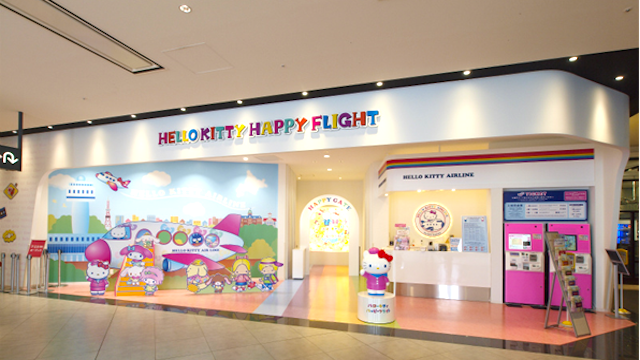
    Travel retail group Enleysha Co has opened the Hello Kitty’s Happy Flight amusement outlet along the connecting path on the third floor of the New Chitose Airport‘s terminal building in Hokkaido. It is the first Japanese attraction of its type, with the simulated trip taking visitors to meet Sanrio characters in international settings.

    Hello Kitty Happy Flight Japan airport 1

    The outlet includes a shop selling original products and Sanrio character merchandise, a Sanrio character cafe and a free space where children can play.

    Hello Kitty Happy Flight Japan airport 2

    Visitors enter a projection mapping theatre that presents Sanrio characters in Europe, the South Pole, America and Asia. There are also photo ops with the characters.

    On the third floor of the terminal, the attraction covers 1290 sqm along the Smile Road connecting path. There is an admission fee, and regular visitors can buy an annual passport.

  • LTE-A reaches mainstream adoption

    LTE-A reaches mainstream adoption

    LTE-Advanced deployments have reached the mainstream adoption phase, according to the latest GSA figures.

    LTE-Advanced now accounts for 147 of the 521 commercial LTE networks that have been launched worldwide, while LTE-Advanced Pro is used in a further 9, according to the GSA’s latest Evolution to LTE report.

    The TD-LTE standard has seen 78 commercial deployments in 46 countries, and 82 operators have now commercially launched VoLTE in 43 countries, the report shows. A total of 146 operators in 68 countries are investing in VoLTE deployments, studies or trials.

    Meanwhile LTE deployments are continuing at a rapid pace, with 74 mobile operators having launched the technology since the beginning of 2016. The newest markets for LTE mobile broadand include Bermuda, Gibraltar, Jamaica, Liberia, Myanmar, Samoa, and Sudan.

    The GSA has now raised its forecast to predict that there will be 560 LTE networks in commercial operation worldwide by the end of the year.

    The 1800-MHz band continues to be the most widely used in commercial LTE networks. It is in use by over 47% of LTE deployments in 110 countries.

    LTE’s device ecosystem is also continuing to expand, with the GSA calculating that there were 5,614 announced LTE user devices by late June.

  • Jamie’s Italian Opens First Restaurant in Thailand

    Jamie’s Italian Opens First Restaurant in Thailand

    Jamie’s Italian, a partnership between British celebrity chef Jamie Oliver and his mentor, Gennaro Contaldo, continues its expansion across southeast Asia with its first restaurant in Thailand, set to launch in Bangkok in the fourth quarter of this year.
    The family ­friendly Italian restaurant will open its doors at the newly­renovated Siam Discovery mall, situated in the heart of Bangkok’s shopping district and proudly brought to you by Hotel Properties Limited and Siam Piwat. Guests can expect Jamie’s Italian Siam Discovery to offer delicious, homely Italian cooking with a Jamie twist.

    Living up to the restaurant chain’s philosophy of serving amazing, affordable food in a casual setting, the latest Jamie’s Italian restaurant will embody a relaxed, buzzy vibe for a comfortable dining experience.

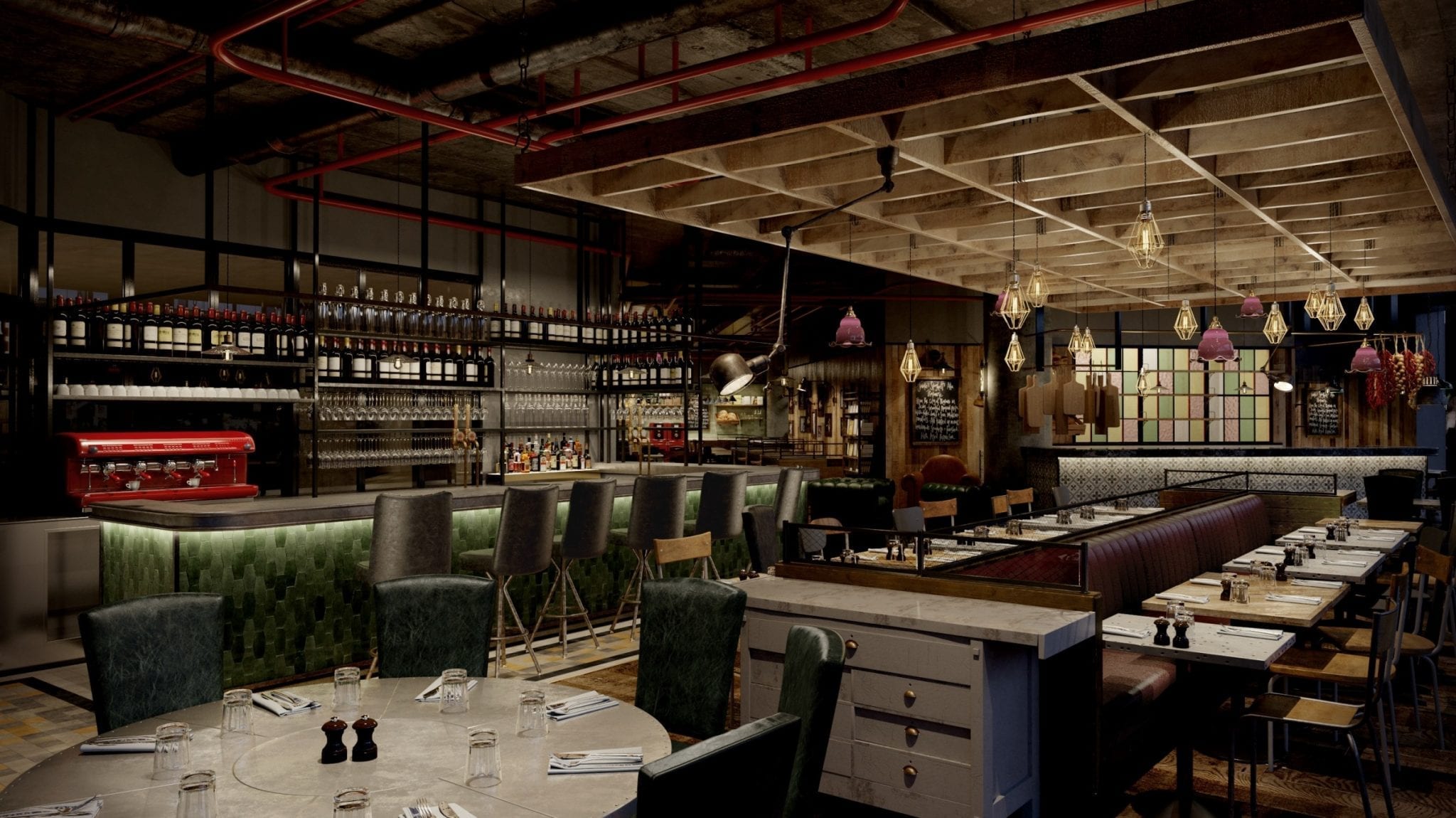
    10 Interior at Jamie's Italian restaurant

    The space will boast a tasteful mix of rustic, reclaimed timber refectory tables, industrial­chic zinc tables and vintage upholstered lounge chairs, with monochromatic and hand­painted floral tile flooring adding graphic impact to the restaurant interior. To add warmth, the dining area will be illuminated with brass spotlights, vintage enamel shades and a textured glass chandelier.

    Guests will be able to watch their antipasti planks being made before their eyes at the antipasti counter in the main dining room, or hang out for a pre and post meal tipple at the bar.

    Jamie’s Italian is all about fun, accessible dining. Menu highlights at Jamie’s Italian Siam Discovery will include the famous antipasti planks, perfect for sharing. Placed on large wooden boards supported by tins of tomatoes, the impressive platter allows guests to pick

    from a wide selection of fresh, cured and pickled antipasti, including Italian­style cured meats, buffalo mozzarella and aged pecorino cheese, chilli jam, pickled green chillies, Gaeta olives, caper berries and a crunchy salad of shaved root vegetables with chilli, lemon and mint.

    All pastas will be freshly made on­site daily. The old­school classic, Tagliatelle Bolognese, features handmade pasta, tossed in a rich ragu of beef, pork, herbs, Chianti and Parmesan and finished with crunchy, herby breadcrumbs. Our famous prawn linguine is a must try ­ juicy, garlicky prawns in a tasty fish broth with fennel, tomato and chili, topped with lemony rocket. Pizza dough will all be made by hand, and proved for hours before being hand­stretched to create an irresistibly crisp base. The simple but classic Margherita, dressed with a rich San Marzano tomato sauce, creamy bocconcini, shavings of British Cheddar and whole basil leaves, is the perfect choice for pizza purists, while the Funghi Misti is an earthy delight topped with porcini mushroom sauce, roasted herby mushrooms, mozzarella, chervil and tarragon.

    For meaty mains, guests will be able to opt for a Chicken Al Mattone, a traditional Tuscan dish that is made by grilling a marinated chicken under a brick. The weight of the brick ensures that the chicken is pushed further against the grates of the grill, producing a smoky, juicy and intensely­flavoured grilled chicken with an addictively crisp skin.

    As with all Jamie’s Italian outlets, the Siam Discovery restaurant will remain committed to sourcing only the best free­range, sustainable and ethically produced ingredients. The restaurant will also work closely with Thai farmers to showcase local, sustainable produce at its Bangkok branch.

    Jamie said: “I’m hugely excited to be taking Jamie’s Italian to Thailand. Bangkok is such a vibrant, buzzing city with a really fantastic food scene, I’ve no doubt that it will be a brilliant addition to
    the Jamie’s Italian family. We’ll be sourcing lots of beautiful, top­quality local produce, and cooking up some incredibly tasty food, and all at a reasonable price. I can’t wait for it to open”.

  • Telkom Provide Internet Support to SMEs

    Telkom Provide Internet Support to SMEs

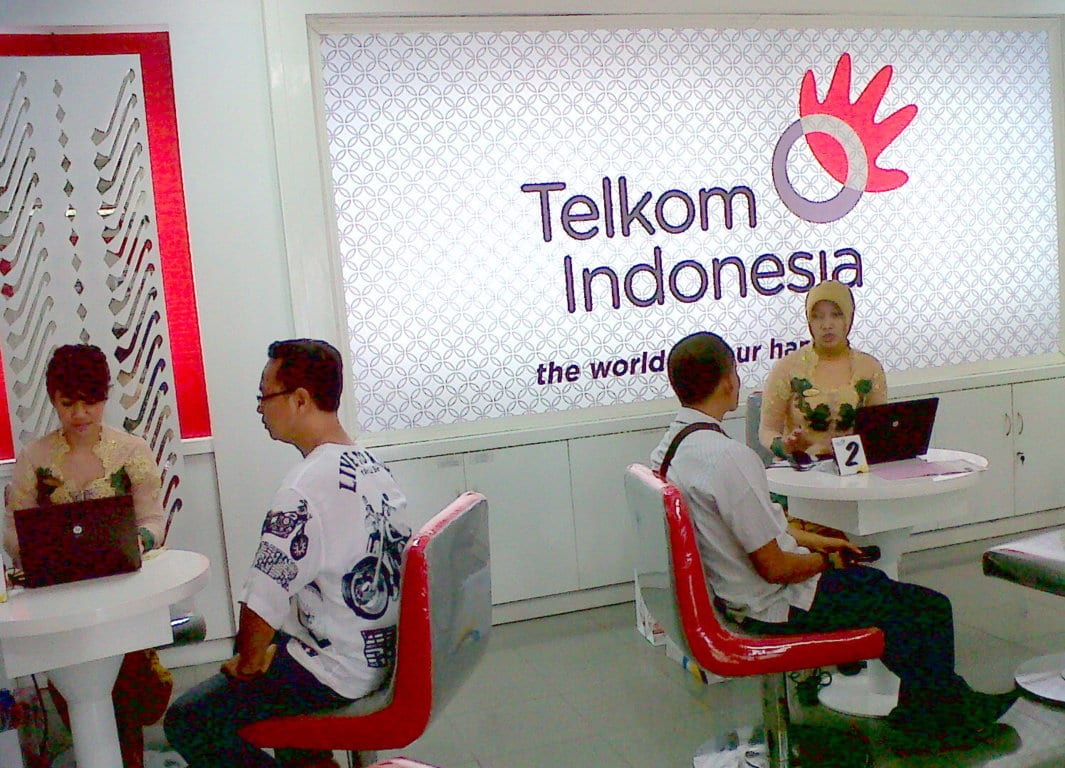
    PT Telekomunikasi Indonesia or Telkom will provide high-speed Internet access, from 10-100 megabytes per second (mbps) to support micro, small, and medium enterprises (SMEs). Telkom will also provide training programs and preparation for the Smart Business application as forum for SMEs to work together and promote their businesses.

    The program is part of Telkom’s partnership with the Cooperatives and Small-Medium Enterprises Ministry for the ‘Digital SME Village’ program. The partnership is aimed at increasing SMEs’ digital penetration level by optimizing the role of Integrated Business Training Centre (PLUT).

    “It is also to improve the marketing quality and access of cooperatives and SMEs’ products,” the ministry’s deputy for restructuring Yuana Setyawati said last Friday, August 12, 2016.

    To help SMEs raise their product sales, Telkom has prepared an online transaction facility with in collaboration with blanja.com and Jarvis Store, using the online payment services provided by Pay Fin.

  • Malaysians keen on investing in commercial properties in Australia

    Malaysians keen on investing in commercial properties in Australia

    Malaysian investors in Australia will most likely focus on commercial properties with the implementation of new tax rates targetting foreign buyers of residential real estate, according to Knight Frank Australia.

    The property consultancy, which recently organised a roadshow to gauge investors’ sentiment, noted that the Australian property market remained a key attraction for Malaysian investors despite the recent changes to the country’s property tax law.

    “Despite the recent stamp duty changes imposed on foreigners purchasing residential property, interest from Malaysian private and institutional investors is remarkably strong,” Knight Frank head of commercial sales Paul Henley said in a statement.

    “We expect many commercial, hotel and retail assets transactions from Malaysian investors over the next year.

    “These assets are not impacted by the tax changes, and some residential specialists will still show interest at the right pricing metrics to build scale,” he added, referring to SP Setia Bhd’s recent purchase of an office tower at 288 Exhibition Street, Melbourne, for A$101mil ( S$104.3mil) as an example of the growing interest of Malaysian investors in Australia’s commercial property sector.

    In an effort to limit the amount of foreign money coming into its real-estate market to keep home prices from rising further, the Australian government had implemented new tax laws targetting foreign investors.

    These changes included a stamp duty surcharge of up to 7 per cent of residential real estate, and an extra 10 per cent withholding tax for a property with a market value of more than A$2mil.

    According to Henley, the Australian property market remained attractive to Malaysian investors due to its strong underlying economic fundamentals, including a record-low interest-rate environment.

    Malaysian investments in Australian real estate had averaged at A$750mil over the past six years, although deal flow had not been as prevalent over the past year.

    “With interest rates having dropped to their lowest ever, and a stable political scene with the Federal election result, combined with an ever-growing population, Australia is well-positioned for offshore investors,” he said.

    Separately, Sarkunan Subramaniam, Knight Frank’s managing director for Malaysia, said there was a close connection between Malaysia and Australia because the latter is one of the preferred education and tourism destinations for many Malaysians.

    “Many Malaysians travel there for education… 77 per cent of Malaysia’s ultra-high net worth individuals are expected to send their children abroad for university over the next year,” he said.

    In addition, Sarkunan said there was a growing number of Malaysians visiting Australia, with the rate having risen by more than 40 per cent over the past three years.

    Meanwhile, Knight Frank head of research and consulting Matt Whitby said UK’s referendum to leave the European Union, or Brexit, would likely accentuate global capital flows into Australia.

    “I expect Australia to benefit from Brexit and other global uncertainty, as it remains a safe-haven for investors.

    “With volumes slowing over the past quarter, mainly on the back of limited supply of assets, I expect Brexit will accentuate the capital flows into Australia and volumes will pick up in the second half of 2016,” Whitby said.

    “Australia’s economy is the envy of the developed world, growing at 3.1 per cent as at the March 2016 quarter. Sydney and Melbourne are driving performance, while our population is strong, with a growth average of 1.5 per cent across the country,” he added.