Tag: asia

  • King Power buys 39% stake in Thai Air Asia

    King Power buys 39% stake in Thai Air Asia

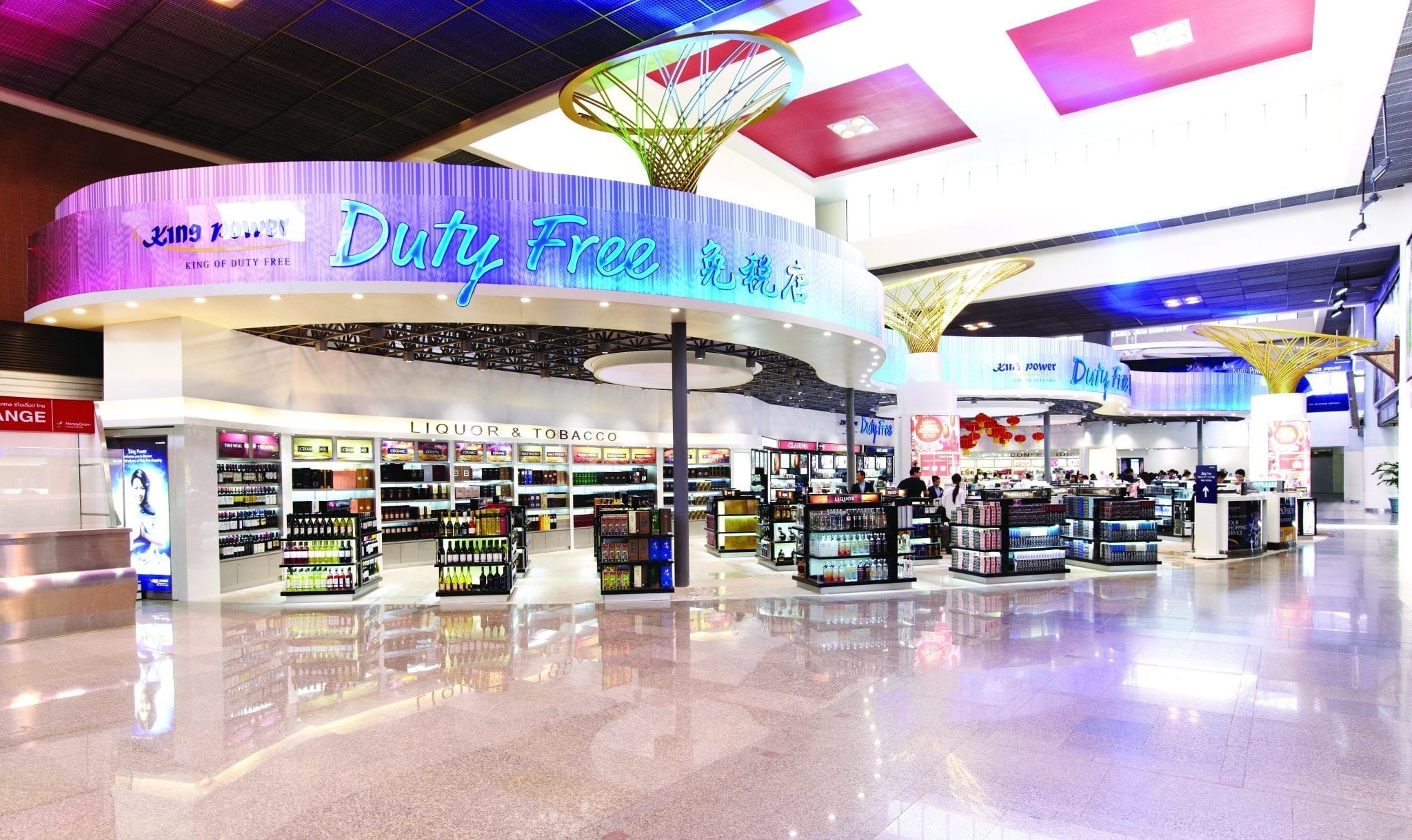
    King Power, the Thai duty-free conglomerate, has bought a US$225 million (S$305 million) stake in Thai Air Asia, the country’s largest budget airline.

    The purchase allows King Power’s billionaire owner Vichai Srivaddhanaprabha to further tap into Thailand’s booming tourism industry and expand beyond his duty-free and hotel portfolio.

    Thai Air Asia is 55 per cent owned by Asia Aviation, a Thai company, with the rest held by the Air Asia group founded by Malaysian entrepreneur Tony Fernandes.

    AirAsia Group Chief Executive Officer Tony Fernandes speaks during a press conference in Kuala Lumpur, Malaysia, Monday, Aug. 11, 2014. AirAsia launched its new "Premium Flex" services providing benefits to travellers.   (AP Photo/Vincent Thian)
    AirAsia Group Chief Executive Officer Tony Fernandes speaks during a press conference in Kuala Lumpur, Malaysia.

    King Power’s purchase of 39 per cent of Asia Aviation from its chief executive (CEO) Tassapon Bijleveld makes it the second largest shareholder of Thai Air Asia.

    Mr Bijleveld, who also serves as Thai Air Asia CEO, will keep 5 per cent of the shares and stay on as chief executive of Asia Aviation, King Power said in a statement yesterday, with the rest of Asia Aviation’s stock owned publicly.

    King Power CEO Aiyawatt Srivaddhanaprabha yesterday said the purchase represents new business opportunities.

    The group will join forces with Thai AirAsia to expand its distribution and retail business, he said.

    The King Power statement also said it was able to snap up the shares at a price “substantially lower” than the market rate because local airlines must legally be more than 50 per cent owned by Thais.

    “Given the restrictive nature of such rules, there are only a handful of Thai individuals who, realistically, would be interested in and could afford the purchase,” it said.

    Polo-loving Mr Vichai, 58, has carefully navigated Thailand’s treacherous political waters of recent years, while taking his King Power empire from strength to strength.

    He has built an estimated fortune of US$2.9 billion since establishing the firm in 1989 – starting with a single shop in Bangkok.

    He hit the jackpot in 2006 when King Power won a monopoly duty- free concession at Bangkok’s cavernous new Suvarnabhumi airport, and with it a captive market of tens of millions of travellers.

    He has since gone on to buy British football club Leicester City, which made history when it won this season’s Premier League.

    Last year, Thai Air Asia carried 14.8 million passengers, and it plans to serve 16.9 million this year. It has said it wants to expand in markets across South-east Asia, China and India.

    King Power said it plans to spend 12 billion baht (S$461.5 million) on buying the remaining 60 per cent of Asia Aviation.

    Mr Vichai’s group is required to make a mandatory offer for Asia Aviation shares it does not already own, the company said on Monday.

    Before the sale, the Thai management had a combined 45 per cent of Asia Aviation.


  • Japan’s Uniqlo targets global stature with fashion identity

    Japan’s Uniqlo targets global stature with fashion identity

    Japanese clothing chain Uniqlo has leveraged its prowess in mass production to build a fashion empire filled with shelves upon shelves of affordable, good quality items like down jackets, underwear and T-shirts.

    Now the 17-nation, 1,734-store retailer is on a quest to beat Western giants like Gap, H&M and Zara to become the world’s biggest apparel maker.

    In the overcrowded, highly competitive casual fashion market, size is important but no guarantee of success: analysts say Uniqlo’s challenge is to carve out a brand identity of its own, going beyond its formula of delivering no-nonsense quality at good prices.

    “To win over consumers and break through the clutter, Uniqlo needs to get even more personal,” says Stuart Green, chief executive of Asia Pacific at Interbrand, which consults and ranks brands.

    “It will be critical for Uniqlo to maintain product quality and, most importantly, create a deeper, more emotional connection with its customers to drive brand loyalty,” he said.

    Interbrand ranks Uniqlo as Japan’s most valuable retail brand, and eighth among Japan’s global brands, including Toyota, Sony and Nintendo. The company’s founder and chief, Tadashi Yanai, is Japan’s richest man, according to Forbes magazine.

    Analysts say that to move it to its next stage of growth, Uniqlo also needs to beef up its digital presence and adapt to non-Asian markets. Winning over the huge market of suburban American shoppers will be crucial.

    Consumers these days are picking brands on digital platforms and social networks, as they increasingly shop online. To cope with the mind-boggling volumes of information online, consumers now rely on brands to serve as filters and curators, Green said.

    To help drive its global expansion, Uniqlo is tapping outside talent.

    It just hired Christophe Lemaire, formerly of Hermes and Lacoste, who started his own Uniqlo line last year, to head its Paris research center.

    In 2014, it brought in a global branding expert, John Jay. An American of Chinese origin, he who worked on ad campaigns for Nike, Coca-Cola and Microsoft, and a fleece campaign for Uniqlo, at U.S. marketing company Wieden+Kennedy.

    “Whether they’re in Beijing or New York, there is a commonality to young people and what they want in life,” Jay, whose title is president of Global Creative at Uniqlo’s parent company Fast Retailing, said at a recent Tokyo event, centered on Uniqlo’s second fashion show ever.

    “We have barely scratched the surface. Our potential is amazing,” he said.

    Uniqlo is still relatively small, with 44 stores in the U.S., 449 stores in China and 846 in Japan, its biggest market. Retail giant H&M of Sweden has 4,000 stores around the world, Gap Inc. of the U.S., 3,700 stores, and Inditex of Spain operates 7,000 Zara, Bershka and other brand stores.

    H&M and Inditex have posted healthy financial results recently, but Gap, which has the Old Navy and Banana Republic brands, is struggling, slashing prices to draw buyers and closing dozens of stores, including some in Japan. The Standard & Poor’s credit rating agency recently downgraded Gap’s debt to junk status.

    Uniqlo’s profits also have slowed recently, hurt by a warm winter that slowed sales of its down jackets, HeatTech underwear and other winter apparel.

    Fast Retailing, with 100,000 employees, forecasts a profit of ¥60 billion ($560 million) for the fiscal year through August, down 46 percent from the previous fiscal year, mainly because of falling profits at Uniqlo.

    Yanai’s turnaround plan includes sweeping cost cuts, improved efficiency, pricing reviews, and, perhaps most importantly, greater flair in the company’s fashion offerings, building on collaborations with designers.

    The company asked Nigo, a Japanese DJ with a reputation for innovation who created The Bathing Ape clothing line, to add more flair and edge to his T-shirts.

    Nigo added to the T-shirt line motifs from pop artist Andy Warhol, music producer and singer Pharrell Williams and from traditional Kabuki theater, in addition to old-time favorites like Mickey Mouse.

    A partnership with Carine Roitfield, former editor-in-chief of Vogue Paris, has brought into Uniqlo stores chic designs unlike most anything else you’d find.

    The company has strengthened its sportswear, signing on tennis stars Kei Nishikori and Novak Djokovic.

    Uniqlo also has partnerships with labels like Liberty London, with its colorful flower-pattern fabrics, and Hana Tajima, a designer who specializes in Muslim clothing such as head scarves and long dresses.

    “Uniqlo has a smart format, which stands out from most of the mass fashion retailers. Less concerned on fashion trends, and more focused on ‘basics’ or ‘investment pieces’ of good fabric and quality,” said Luca Solca, analyst with BNP Paribas. “They are trying to spice this up with designer collaborations.”

    Uniqlo executives believe fashion is globalizing, and people around the world, from China to New York, more or less want the same thing — quality for reasonable prices, and clothes that suit their lives.

    On a recent weekday, the company’s 12-story Ginza store was crowded, as tourists milled around snapping selfies in front of what has become a city landmark.

    Olga Symonenko, an IT worker from the Ukraine, said she had heard about Uniqlo from friends who had been to the store in the U.S.

    “The prices are good, and the quality,” she said, happily clutching two blue dresses. She said she and her husband planned to pick up 20 items.
  • Clevo to sell properties in China

    Clevo to sell properties in China

    Clevo will sell office space and residential units of its IT and consumer electronics retail chain Buynow in China and is poised to float REIT (real estate investment trust) certificates in Taiwan for commercial real estate in China including Buynow stores, department stores and hotels, according to the company.

    Clevo has also approved its 2015 financial report and will issue dividends of NT$1.10 (US$0.03) in cash.

    With growing demand for gaming notebook products, Clevo’s notebook shipments grew strongly in China, boosting its May revenues by 23.1% on year to reach NT$1.63 billion.

  • $14m boost for PMETs to start new careers

    $14m boost for PMETs to start new careers

    An extra $14 million per year has been set aside for two years to help professionals, managers, executives and technicians (PMETs) who want to start new careers in sectors such as retail, food services and events, Manpower Minister Lim Swee Say said yesterday.

    This means a total of $40 million per year, up from $26 million previously, will be available to fund course fees and salary support through Professional Conversion Programmes (PCPs) from now until mid-2018.

    Mr Lim said the PCP initiative will be “critical” in minimising the gap between job opportunities and workers’ existing skills, which will grow as economic restructuring picks up pace.

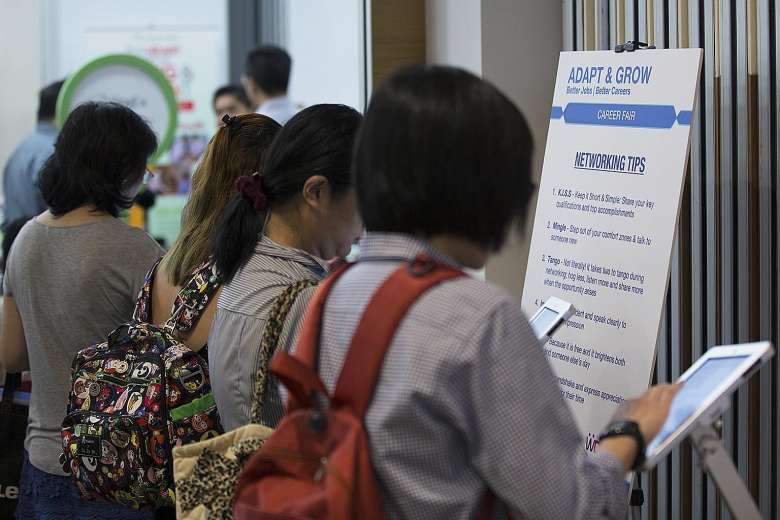
    “A growing number of PMETs will find that their job experience and their job expertise in some cases may no longer be directly relevant to the job opportunities of the future,” he said, speaking to media at a career fair at the Lifelong Learning Institute in Paya Lebar.

    “More and more of them will have to learn new skills and start a new career in areas they may not be familiar with.”

    PMETs tend to make up a higher share of laid-off workers than their share of the resident workforce, according to Manpower Ministry data. The average PMET also takes longer than the average resident to get back into a job after being laid off.

    Four new PCPs were launched yesterday by the Singapore Workforce Development Agency (WDA) to provide job placement and skills training support for up to 80 retail store managers, assistant chefs, restaurant managers, project executives and assistant project managers each year. Information about applying for the programmes can be found on the WDA website.

    The additions bring the total number of PCPs to 31 across 14 sectors. By 2018, there will be programmes in 20 sectors, as part of the Adapt and Grow initiative announced in this year’s Budget.

    The WDA said it aims to help a total of 10,000 Singaporeans and permanent resident PMETs by then, up from the 7,000 already placed through PCPs so far. More programmes in sectors such as aerospace and public transport will be rolled out over the next few months.

    Some 25 industries, which contribute around 80 per cent of Singapore’s gross domestic product, are being transformed, and both employers and employees must adapt, said Mr Lim.

    Yesterday’s career fair was part of the first Adapt and Grow Career Series of fairs and workshops running this month with 3,000 jobs for Singaporeans and PRs, 1,200 of which are for PMET positions. The series will be held quarterly.

    Several employers at the fair who are offering roles under the new PCPs said they would consider moving staff up to managerial positions if they performed well in the entry-level role they are initially hired for.

    “After three months, we will evaluate and if they are very interested in other aspects of the business such as outlet management, we will look at opportunities for them,” said Mr Wong Wei Teck, 59, managing director of Soup Restaurant Group, who was on the lookout for operations staff such as assistant chefs.

    www.straitstimes.com

  • eBay Korea Partners With GS25 to Offer Online-Offline Services

    eBay Korea Partners With GS25 to Offer Online-Offline Services

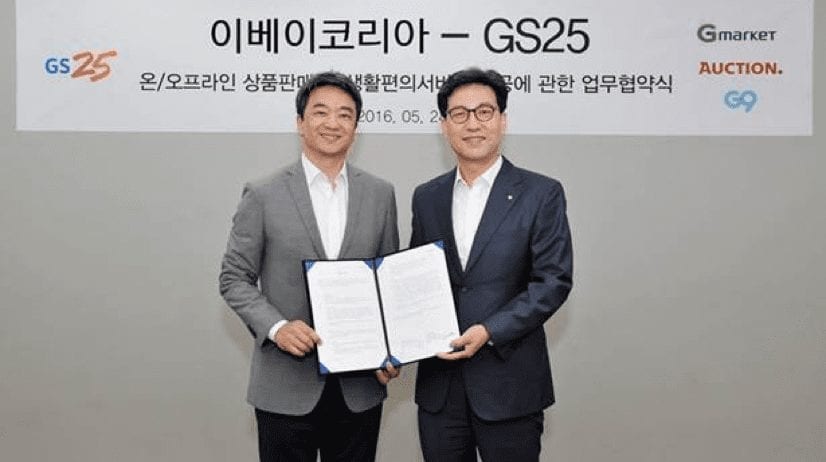
    eBay Korea has joined forces with nationwide convenience store chain GS25 to offer consumers a combined online-offline sales service.

    The partnership will see the launch of the “Smile Box” service, in which deliveries are made to an unmanned box for single-person households and female customers. The service is available 24 hours a day, and customers will be able to receive their deliveries ordered online from Gmarket, Auction and G9 at their nearest GS25 store.

    The service will begin in August with a trial installation of Smile Boxes across 50 GS25 stores in Seoul, with the plan to gradually expand it nationwide. The boxes will be installed in areas with a high number of deliveries (determined through analysis of Gmarket and Auction delivery information) that have a large concentration of single-person households.

    This “customer-centric endeavour is the future for online and mobile shopping,” said an eBay Korea representative. “We hope to build an enhanced, more convenient shopping environment for our customers.”

  • Descente China marching across mainland

    Descente China marching across mainland

    Sportswear maker Descente China plans to open 100 retail stores under its own name before March 2019.

    Unlike the 500-odd boutique stores with swimwear and golf goods being run already in China by a foreign subsidiary of the Japanese company, the new outlets will be large shops under the Descente banner offering a wider range of products.

    Descente’s plan is to open both roadside stores and outlets in shopping malls stocked with both functional gear for sports such as golf, skiing, running and triathlons, as well as fashionable sportswear for everyday use.

    Descente has set up a joint venture with Chinese sportswear giant Anta Sports Products. Tentatively named Descente China, the JV has been capitalised at 250 million yuan ($38 million), with 60 per cent held by a subsidiary of Anta, 30 per cent by Descente and 10 per cent by the Chinese subsidiary of Japanese trading house Itochu.

    Descente and Anta will share marketing channels and collaborate in the search for store locations.

    In late August, Descente will open four or five retails stores in northeastern China, including Heilongjiang province, famous for an annual ice and snow sculpture festival. Later, Descente will open stores in major urban areas like Beijing, Shanghai, Dalian and Chongqing.

    By teaming with a local sportswear maker, Descente believes it will have an easier time fending off fakes, says company president Masatoshi Ishimoto.

    He says the company aims to double Chinese sales from last year’s figure to about 22 billion yen ($207 million).

    As well as its China expansion, the company is opening golf apparel stores in South Korea.

  • Drone deliveries now possible in Korea

    Drone deliveries now possible in Korea

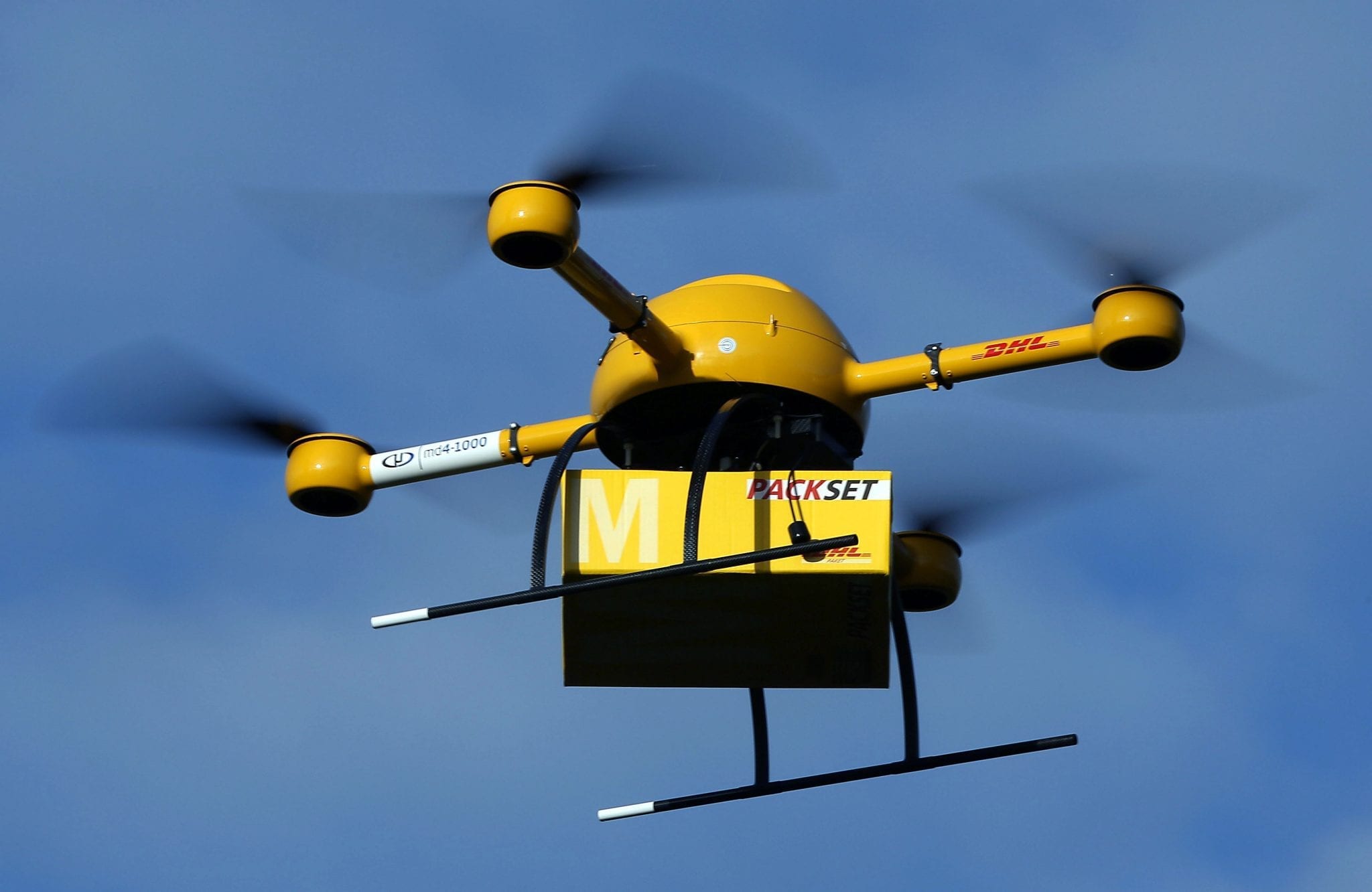
    Flying drones for business will become legal in South Korea from next month, allowing the possibility of drone deliveries.

    Laws about drone flights have been revised by the Ministry of Land, Infrastructure and Transport. Previously, aeronautical laws permitted only a limited number of businesses to use drones for work related to agriculture, photography and surveys.

    Now businesses will be able to use drones so long as their use does not pose harm to public safety, lives, property or national interests such as security and defence.

    Also modified is the stipulation for drones not needing approval and inspection from “below dead weight of 12kg” to “below maximum take-off weight of 25kg”.

    Drones that are flown at the same location will need only one approval for a maximum of six months. Within certain limits, flying drones out of sight and night flights will also be allowed.

    These amendments will allow business owners to grow their businesses through drone deliveries.

    Original reporting by Korea Bizwire.

  • Habitat Thailand thriving on return

    Habitat Thailand thriving on return

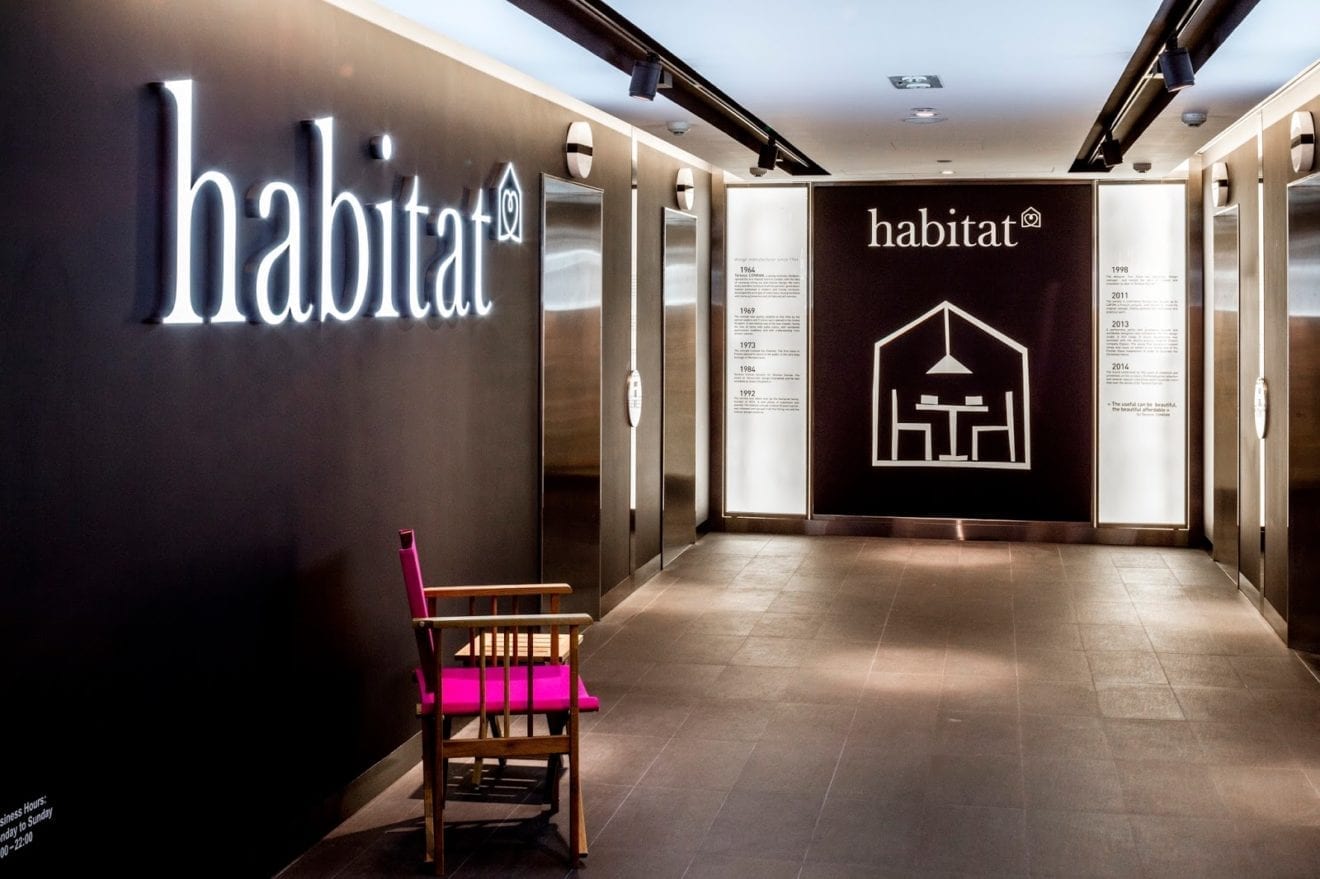
    A decade after its first aborted foray into Thailand, UK-founded furnishing and homewares retailer Habitat is thriving in Bangkok.

    Habitat Thailand has just opened what – for the time being – it is describing as its flagship store under the management of local brand partner SB Furniture. The new store, taking up 1400 sqm on the third floor of the revamped Siam Discovery shopping mall is the fourth in Bangkok, and the first stand-alone store. The others are stores-in-stores within larger SB stores: a 1400 sqm space at Crystal Design Center, a 1300 sqm site in Bangna and a smaller 840 sqm space at The Crystal SB Ratchapruek.

    Habitat @ Siam Discovery (6)

    “We wanted to stock exactly what a Thai person would see if they walked into a Habitat store in Paris,” said Suthida Vijitkulwongsa, executive director of Habitat Thailand.

    She says a fifth store is planned by the end of this year and the company is evaluating opportunities in larger cities outside Bangkok.

    Habitat Thailand is licensed by the French based company Cafom which bought Habitat Europe after the UK company was placed in administration in June 2011.

    Habitat @ Siam Discovery (5)

    Despite a 10 year absence from the Thai market, a number of loyal local customers have emerged since it made its return in June 2015. When the brand was reintroduced, some 80 per cent of shoppers were “Habitat lovers” familiar from the brand’s previous foray here, says Vijitkulwongsa.

    “They had known about Habitat in past years and were wondering what had happened to the brand and why it had disappeared. They think we have done well in terms of pricing.

    “Ten years ago our prices were equal to what they are now.

    Habitat @ Siam Discovery (16)

    Given the current stagnancy of Thailand’s retail sector – which has seen a number of shopping centre developments put on ice this year – is this really the time to reintroduce an overseas brand considered to be in the premium space?

    “When you have a very strong brand [the market] doesn’t really have much impact. People who are in the market now, who have influence and social status, they’re not really impacted. Instead of buying 10 pieces they end up with eight. But they still make the purchase, probably based on price and design.”

    Perhaps surprisingly, Habitat Thailand sources its stock from the French warehouse, rather than direct shipped from factories in Asia. About half the range is manufactured in Europe, mostly in the eastern nations. With a two month lead time for stock orders, Vijitkulwongsa maintains a large inventory in Bangkok to ensure the brand can meet customer demand without long waiting times.

    Habitat @ Siam Discovery (11)

    Cafom is bullish about its prospects in Asia, especially in China where a rapidly-rising middle class is aspiring to own European-designed products, even if almost 50 per cent of them are made in China. Besides Thailand and China it is now also present in Hong Kong and Singapore. In the Philippines, Habitat has partnered with the same company operating SB furniture stores under license.

    “The new French owners are very experienced in hypermarket operations and in French Polynesia. They have very strong sourcing skills and they have rejuvenated the design. The designers have done well. They have created products which are useful, beautiful and affordable.

    Habitat @ Siam Discovery (17)

    “France has been doing a great job taking over the brand, building it back up and adding value to its offer,” says Vijitkulwongsa.

    She believes her customers appreciate the simple yet functional design of the Habitat products.  “If the product is good enough in terms of function, if the price is right, then fashion is probably a plus.”

    For now, Habitat Thailand is not selling stock online, but it does maintain a website with its range and pricing information. If an eCommerce site is to come, it will most likely be developed by Cafom to serve all international markets.

    Meanwhile, SB Furniture has a dozen stores across Thailand and in partnership with local entities has stores in Vietnam, the Philippines and Indonesia. It also has a presence in Cambodia, Laos under different brand names and is carefully looking at the opportunities in Myanmar.

  • China online payments tightened

    Service providers and their millions of users are affected by a significant regulatory change to China online payments announced by the Chinese Central Bank.

    From July 1, third-party online payment service providers must ensure that all user accounts bear the real name of the account holder. In addition, accounts will be categorised into three types based on security requirements, capped with maximum annual payments.

    The policy was created with an aim of preventing large deposits of money into third-party payment accounts unprotected from bank deposit insurance.

    China’s third-party mobile payments market reached RMB9.31 trillion (US$1.4 trillion) last year, up 57.3 per cent from 2014. Analysts expect the industry will continue to grow at a fast rate in the coming years, reaching RMB52.11 trillion by 2018.
    Mobile payments have become a useful tool for companies in their China market strategy. The two largest third-party online payment platforms in China are Alipay and WeChat.

    Dominant player

    Dominating with roughly half of the market, Alipay is a subsidiary of Alibaba Holding Group, serving Alibaba’s B2B eCommerce network similar to how PayPal works with Amazon and eBay. Alipay co-operates with Visa and around 65 banks, including the Bank of China, China Construction Bank, the Agricultural Bank of China, and the Industrial and Commercial Bank of China.

    As well as being the primary payment method for Alibaba.com and Taobao, it serves more than 500,000 external merchants, covering online retail, gaming, communications, air tickets, commercial services and utility bill payments.

    Its international version, Alipay Global processes payments in RMB and automatically converts them to the merchant’s currency of choice. It supports 12 currencies, with exchange rates decided by either the Bank of China or China Construction Bank. Alipay Global’s transaction fee is 2 to 3 per cent.

    Account procedure

    To set up a service account with Alipay China, a company must first register an account, providing company information for verification. Once approved, an application can be made and a QR code issued.

    Applicants must provide a business licence, ID card information and public bank account details. If the applicant is not the company’s legal representative, a power of attorney must be provided.

    WeChat Payment was launched by Tencent Holdings in 2013. It is different to Alipay in that it serves as both a payment platform and an instant messaging service. It also differs from Tencent’s TenPay, which is similar to Alipay. WeChat Pay can be used to pay in stores, on websites, WeChat shops and third-party apps, with its payment procedure easier and for both customer and company alike.

    Paying through WeChat has revolutionised how retailers and customers interact, with a huge number of customers depending on its social media and instant messenger service.

    To set up a service account, a company first needs to apply for an official WeChat account, specifying reasons for the application and supplying the category or type of company.

    Applicants need to supply the full name of the contact person, phone number and email address; the website address of the company (not necessary for non-IT companies); full company name; description of the product; customer service number; and company bank account information.

    For non-financial entities such as Alibaba and Tencent to provide third-party online and mobile payment services in China, a payment business licence must first be obtained. Regulations stipulate that the business scope, qualifications and contribution ratio of foreign-invested institutions applying for the licence will be decided by the People’s Bank of China and State Council separately.

    Pile of documents

    Meanwhile, Apple Pay has entered the China market, partnering with China UnionPay and nearly 20 Chinese banks. In its first two days, more than three million bank cards were linked to its service, which uses Near-Field Communication (NFC) contactless payments as opposed to QR codes, which are used by Alipay and WeChat Pay.

    Apple Pay, along with Edenred and Sodexo, is among the few foreign-invested companies with a Chinese payment business licence.

    Applicants for the licence must be companies established in the China and must submit a pile of documents to a local branch of the People’s Bank of China – a written application specifying the name, domicile, registered capital and organisational structure of the applicant business, payment business being sought, a copy of the company’s business licence, articles of association, verification certification, financial and accounting reports audited by an accounting firm, feasibility study report, acceptance materials on anti-laundering measures, certification on technical safety testing and authentication, resumes of senior management personnel, certification that the applicant and senior management personnel are free of criminal records, relevant materials of major capital contributors, and an authenticity statement regarding the application materials.

    Entry into China’s lucrative third-party online payments can unlock huge market potential, but the requirements are strict and the application process and approval is by no means easy.

    In comparison, the process for obtaining an online payment QR code is relatively straightforward, but the recent restrictions imposed on payment account types and security checks might change both the way third-party online payment platforms work as well as consumer behaviour.

    • From China Briefing, published by Dezan Shira & Associates. Dezan Shira is a specialist foreign direct investment practice providing corporate establishment, business advisory, tax advisory and compliance, accounting, payroll, due diligence and financial review services to multinationals investing in China, Hong Kong, India, Vietnam, Singapore and other ASEAN countries.
  • Burberry COO steps down

    Burberry COO steps down

    Burberry COO John Smith has announced his resignation from the luxury retailer.

    The UK company said in a statement that Smith will leave the business next year after seven years to “pursue new interests”.

    John-Smith-CEO-Burbery

    “With the company’s future strategies now in place, I am ready to embark on a new challenge,” Smith said.

    “Having been the CEO of a fast growing international business in the past, I am exploring a number of exciting new leadership opportunities in that arena.”

    Burberry chairman Sir John Peace said Smith, who was first a non-executive director and later COO, would be particularly remembered for his success driving digital growth and optimising the potential of Burberry’s beauty and travel businesses.

    “John has been an important contributor to the company’s success and we wish him well in the future.”

  • Robinsons Retail Philippines eyes 200 stores

    Robinsons Retail Philippines eyes 200 stores

    Robinsons Retail Philippines has announced it will add 200 stores, mostly convenience stores and supermarkets.

    The boost in its retail chain will add to its existing 1506 stores.

    For 2016, Robinsons Retail Holdings has earmarked P5 billion in capital spending, nearly 60 per cent higher than the P3.14 billion in 2015.

    Robina  Gokongwei-Pe, president and COO of Robinsons Retail Holdings, said “2016 is expected to be a good year. With the national elections in May coupled with the rising purchasing power of consumers fuelled by low fuel prices, we expect same store sales growth to stay healthy for the whole of 2016,” Gokongwei-Pe said.

    “We however, foresee competition to remain intense as more retailers are expanding aggressively in areas outside Metro Manila to cash in on the still low modern retail penetration in these areas,” she said.

    robinsons storerobinsons supermarketRobinsons Townville facade 2

  • Critics slam Miniso for Japanese image

    Critics slam Miniso for Japanese image

    Controversies continue to hound Miniso, a retail chain in mainland China that projects the image of a Japanese fashion brand.

    Critics have accused it of piggybacking on Japanese retail giants Daiso, Muji and Uniqlo, reports the Hong Kong Economic Journal Monthly.

    Also, the Guangzhou-based vendor of household and consumer items, which has already penetrated the Hong Kong market, has been accused by a Hong Kong designer of stealing his original design of stickers, which he says he found on smartphone cases sold in Miniso stores. But Miniso regional manager Mike Wong says there must be a misunderstanding as his company has no intention of infringing on others’ intellectual property as it can well afford the licensing fee.

    Miniso opened its first Hong Kong store in downtown Yuen Long in November 2014, expanding since into Tsuen Wan, Kwun Tong and Yau Ma Tei, boosting its network to 35 stores in less than two years. Its employee headcount is 450 and growing, with Wong aiming to double the number by the year’s end.

    By comparison, Muji and Uniqlo together have no more than 36 outlets in Hong Kong.

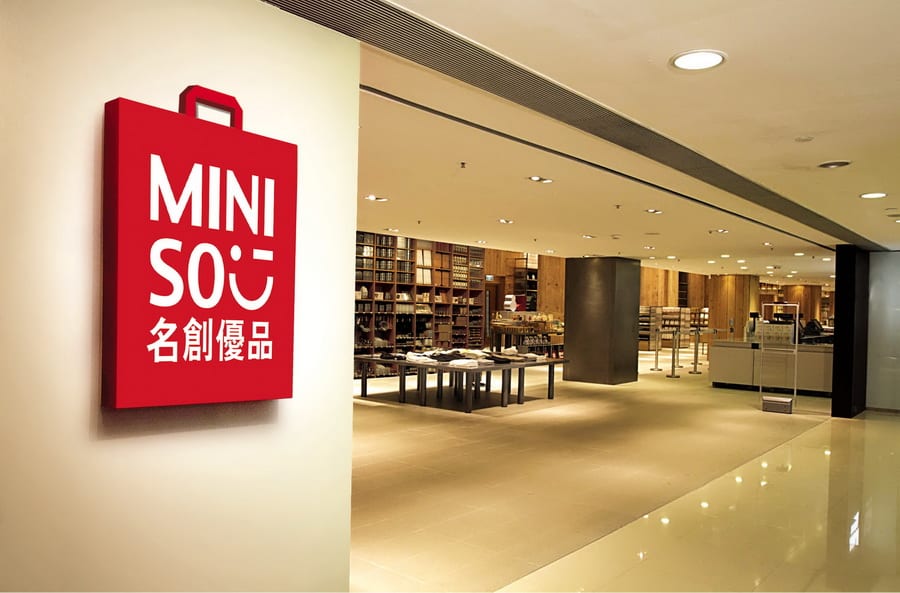
    A typical Miniso store is around 200 sqm and sells such goods as cosmetics, stationery, toys and kitchenware at prices as low as HK$15 (US$1.93). Most items are sourced from China.

    Sales are brisk enough that the brand needs less than eight months to recoup the initial investment, around HK$3 million, for each new store.

    Since 2013, Miniso has opened 1600 stores, with more than 1000 in mainland China and others in Hong Kong, Singapore, Taiwan, Thailand, the Philippines and the UAE. Aggregate sales will double from last year’s HK$5 billion.

    Wong, who once worked as a procurer for Swarovski, says the first time he visited a Miniso store he thought it was another brand under Muji. Now, with Miniso hiring Japanese designers and advocating a simple, low-carbon lifestyle, he says he sees no problem if customers “sometimes can’t tell us from other Japanese brands”.

    He also says that all items in its Hong Kong stores conform to intellectual property regulations. “You can’t say we are copycats.”

    However, he cannot deny the fact that customers in Hong Kong and the mainland trust a Japanese brand more than their homegrown offerings, and many find Miniso’s corporate identity misleading. Nevertheless, the group has four stores in Tokyo’s Harajuku, Ikebukuro and Shibuya districts.

  • Hotel complex to include Republic Plaza Saigon

    Hotel complex to include Republic Plaza Saigon

    A retail mall, Republic Plaza Saigon, will be part of a Ho Chi Minh City complex being developed byThuy Duong-Duc Binh Trading.

    Anchoring the project is a 350-room Holiday Inn & Suites hotel – the first of that brand in Vietnam.Holiday Inn is part of the InterContinental Hotels Group (IHG), which already has six properties in Vietnam including the award-winning InterContinental Asiana Saigon, InterContinental Danang Sun Peninsula Resort and Crowne Plaza West Hanoi.

    Another partner in the new project is low-cost carrier VietJet Air, along with HD Bank.

    Scheduled to open in 2018, the complex is close to Tan Son Nhat International Airport and major industrial park areas such as Binh Duong, Dai Nong and Saigon Hi Tech Park. It will be connected to the city via the upcoming metro system.

    There will also be apartments in the development, and the hotel will feature an all-day restaurant, cafe and pool bar. It will also have eight meeting rooms and a business centre.

    In the next three to five years, IHG plans to double its presence with another six hotels in Vietnam.

  • LeEco India moves into stores

    LeEco India moves into stores

    Chinese internet and ecosystem conglomerate LeEco India has ventured into the offline retail space to expand its consumer base in an increasingly competitive market on the sub-continent.

    It has started selling its Le 1s smartphone, initially available exclusively on Flipkart, through retail stores across prime locations in Delhi and Mumbai. In the second phase, LeEco plans to cover nearly 70 per cent of retail stores across India that sell mobile technology, by the end of September.

    “We have fast-tracked our growth trajectory in India, and our entry into the physical retail space affirms it,” says Smart Electronics Business of LeEco India COO Atul jain.

    LeEco has also just launched its eCommerce platform LeMall in India, and also has a new ecosystem membership program. As well as providing users with high-quality content, the program integrates personal cloud services (LeEco Drive), LeMall and after-sales services.

    Founded in China in 2013, LeMall is now available in Hong Kong and the US with a product range including smartphones, smart TVs, reverse in-ear headphones, all-metal earphones and Leme Bluetooth headphones. The company started in India in January with the Le 1s and Le Max, and now has 555 service centres in prime locations.

  • E-commerce firm Shopmatic launches in Hong Kong

    E-commerce firm Shopmatic launches in Hong Kong

    Following its recent investments in India and Singapore, e-commerce solutions provider Shopmatic launched its Hong Kong business operations recently.

    This move is expected benefit Hong Kong online stores, SMEs and entrepreneurs as the platform enables business owners to build and manage their businesses on one single platform.

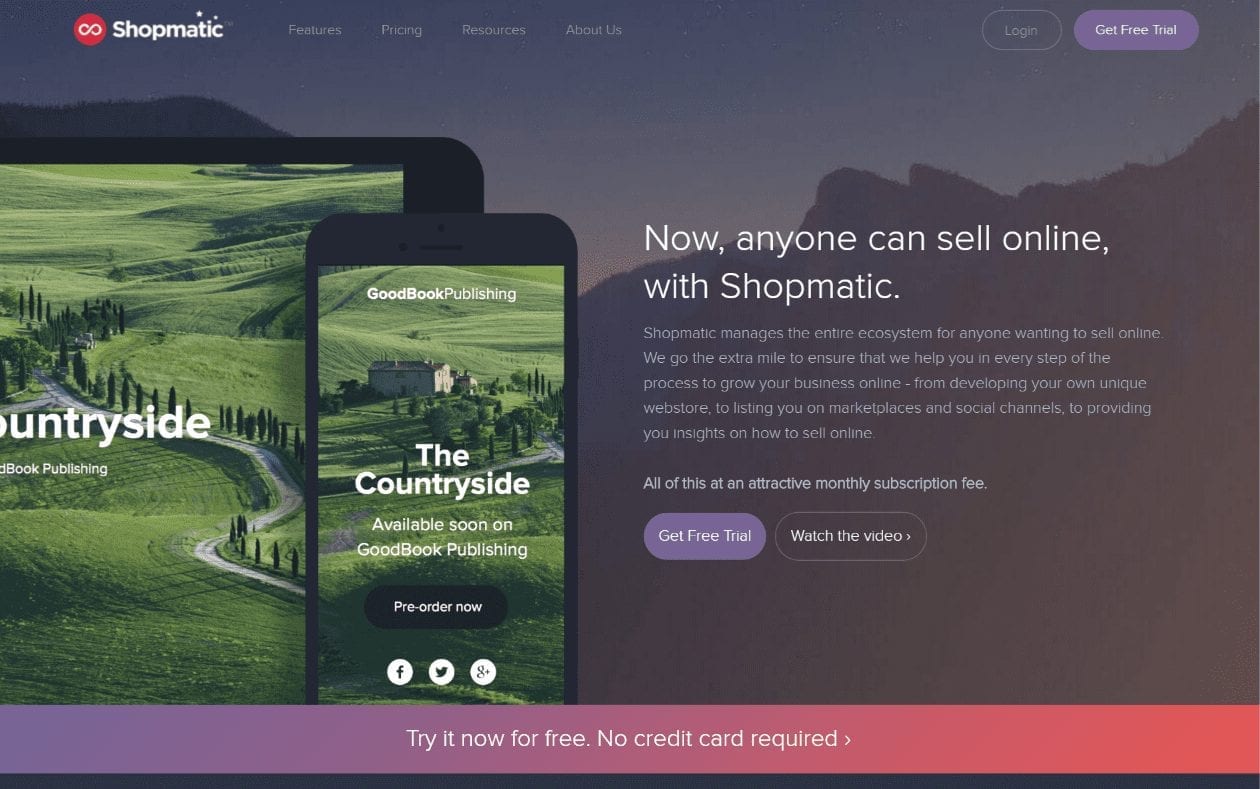
    Services encompass an entire ecosystem from developing a unique web store to listing businesses on marketplaces and social media channels, to giving insights on how to sell online.

    At a fixed monthly subscription rate of only US$38 per month, businesses can conveniently and easily sell products and services online in Hong Kong and the region.

    As an incentive for new subscribers, Hong Kong merchants who sign up for Shopmatic for the first time will get to enjoy a 15-day trial period during which they can establish their site and experience the entire service.

    Industry analysts have estimated that almost 90 percent of Hong Kong consumers shopped online in the past 12 months, while one-third of the e-shoppers made online purchases within the same week a survey was conducted by Nielsen.

    Shopmatic said it will further strengthen its Asia network by expanding into other countries in this region such as Australia, Indonesia, Malaysia and the Philippines later this year.

    “We are confident that we can help the Hong Kong online stores expand into the region. We also see huge potential in the ways in which we can help Hong Kong SMEs expand their businesses from offline to online for its mature traditional retail model,” Anurag Avula, CEO and Co-Founder, Shopmatic, said.