Tag: asia

  • SM Retail consolidation set

    SM Retail consolidation set

    Soon all SM’s retail-related businesses will come under a single umbrella company.

    The planned SM Retail consolidation is expected to boost sales by 16.6 per cent to Php251 billion.

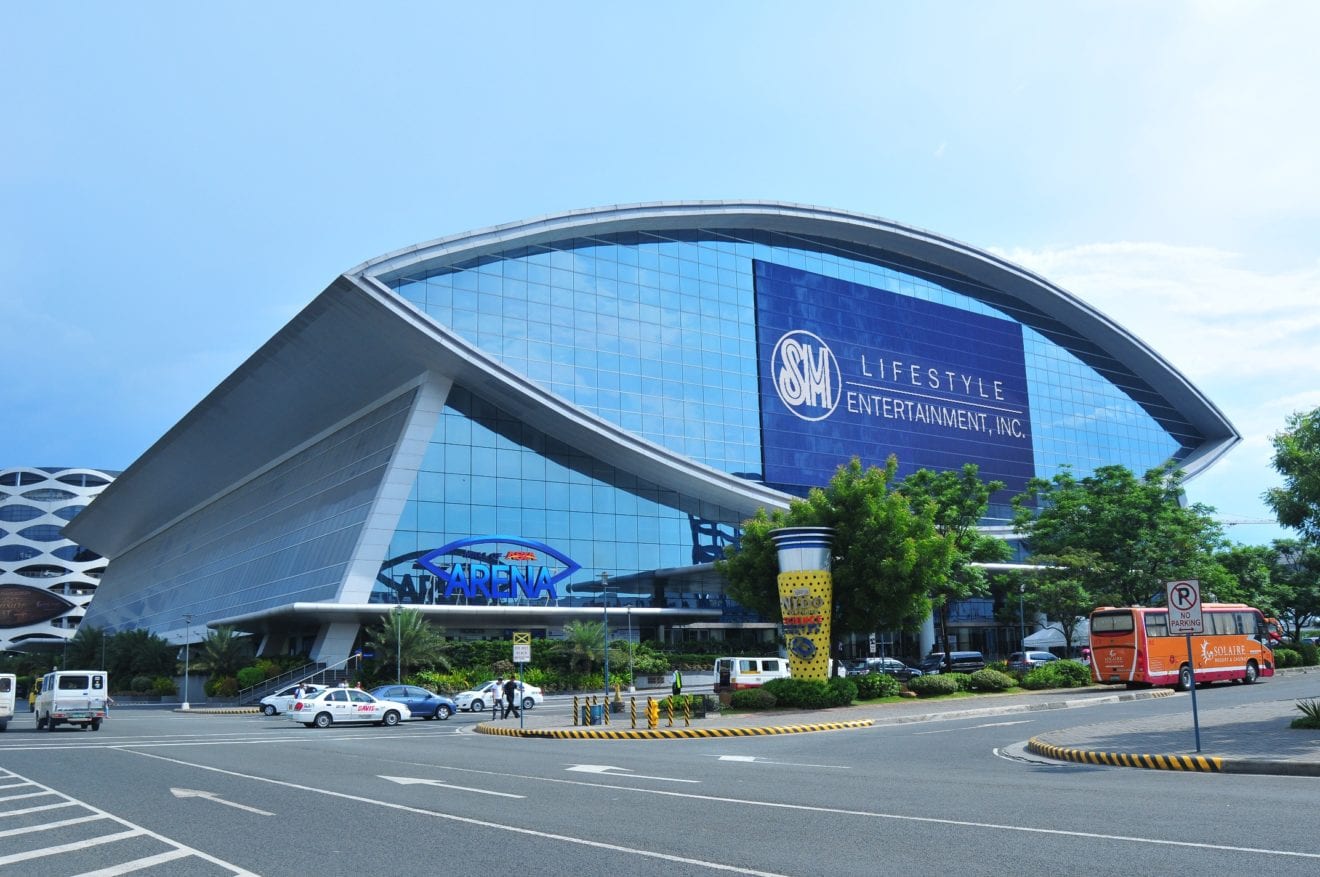
    SM Investments Corp, Henry Sy’s holding company, said in an investor presentation that the merger of all retail-related businesses under SM Retail would ratchet up footprint and diversity in the group’s portfolio.

    Aside from higher revenues, the combined merger will result in 1927 outlets and 2.4 million sqm of GFA across a diverse portfolio of food, household appliances, DIY, furniture, apparel, footwear, pharmaceuticals, cosmetics and specialty retailing stores.

    Currently SM Retail has only 553 stores and 1.8 million sqm of GFA.

    SM Investments is also expanding its minimart concept store Alfamart. While Alfamart is in the testing phase, it now has 126 branches mostly in provincial areas south of Metro Manila and in residential areas.

    The conglomerate said the minimart concept was different to convenience store, as it offers supermarket pricing and ready-to-cook items versus ready-to-eat products.

    Prior to the merger, SM Retail operates 53 SM department stores, 44 hypermarkets and 213 supermarkets and majority stakes in the local operations of Alfamart, Forever21, Crate & Barrel and other specialty and apparel retailers in addition to a minority stake in Uniqlo.

    SM Retail brands include Ace Hardware, SM Appliance Center, Homeworld, Our Home, Toy Kingdom, Watsons, Kultura, Baby Company, Sports Station and several other specialty stores.

    SM Retail is one of the leading retail companies in the Philippines, along with Robinsons Retail Holdings of the Gokongwei group and Puregold Price Club.
  • Consistel said to pull ahead in Singapore telco bid

    Consistel said to pull ahead in Singapore telco bid

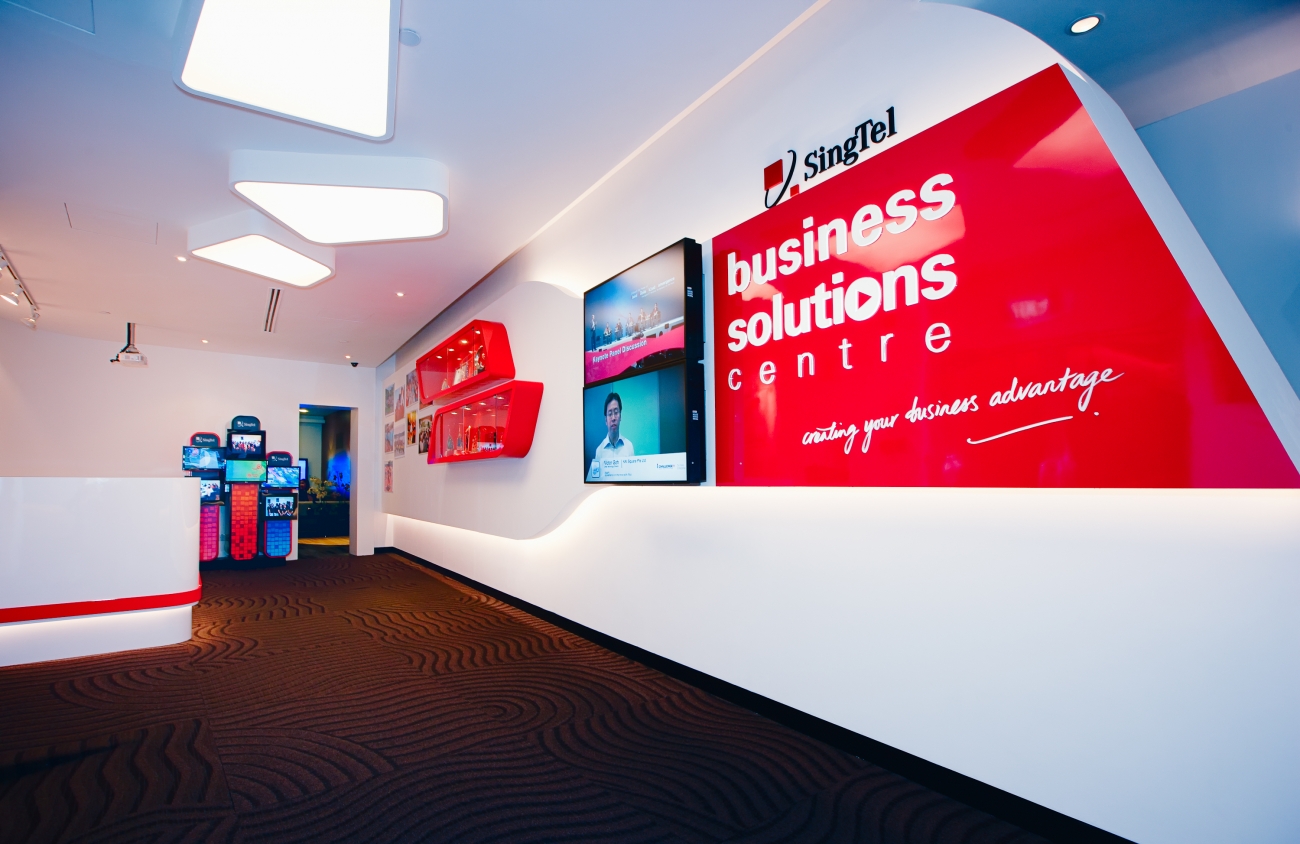
    Singapore’s Consistel is reportedly pulling ahead of MyRepublic in the race to secure funding to make a play to become the market’s fourth mobile operator.

    Consistel has so far lined up at least S$400 million ($293.8 million) worth of the S$1 billion in funding it plans to raise ahead of a planned spectrum auction in the third quarter, and expects to be able to raise the remainder by the end of the month, citing a Maybank analyst.

    Consistel is reportedly considering a range of funding options, including term loans, equity, and potentially vendor financing.

    By contrast, MyRepublic had aimed to complete an S$250 million funding round by April, but has so far not reported any progress with this goal.

    Consistel is a wireless networking equipment provider specializing in distributed antenna systems (DAS). The company first expressed an interest in becoming Singapore’s fourth MNO – through subsidiary OMGtel – in 2014, not long after MyRepublic announced its MNO ambitions.

    Regulator IDA plans to hold an auction to select Singapore’s fourth mobile operator in the third quarter, with a reserve price of around S$35 million. A dedicated auction for the potential new market entrants will be held ahead of a general auction open to all takers.

  • DoCoMo licenses wireless patents to Huawei

    DoCoMo licenses wireless patents to Huawei

    Japan’s NTT DoCoMo announced it has granted a standards-essential patent license for its wireless technologies to equipment vendor Huawei.

    The operator has now granted patent licenses to more than 10 companies and plans to pursue more such licensing deals in the future.

    As a result of its extensive R&D efforts over the past two decades, DoCoMo currently holds more than 5,300 standards-essential patents for W-CDMA, LTE and LTE-A technologies, the company said.

    The company licenses its patents both as part of patent pools lumping together interrelated standards-essential patents from multiple vendors, and through direct deals with individual licensees.

    Financial terms of the licensing deal have not been disclosed. DoCoMo said it plans to build up 5G intellectual property as it continues to contribute to the development of the standard, and will continue to pursue licensing deals for its patents via patent pools and individual negotiations.

  • One of the final hurdles for biggest beer deal almost cleared

    One of the final hurdles for biggest beer deal almost cleared

    Anheuser-Busch InBev’s $107bn acquisition of SABMiller is nearing Chinese approval after the companies agreed to divest the maker of Snow beer, the world’s top-selling brand, according to people familiar with the matter.

    Approvals for both transactions could come as soon as this month based on typical review timelines, clearing one of the final hurdles for the biggest beer deal in history.

    DEBT BREWING: AB InBev agreed to buy SABMiller in October for about $110bn. Picture: REUTERS

    Though China’s Ministry of Commerce may attach some conditions to the deal, including the Snow divestiture, regulators see no major hurdles, said one of the people, asking not to be identified because the deliberations are private. Some local beermakers told the ministry that they don’t object to the takeover as it won’t have a big impact on the Chinese market, another person said.

    SABMiller shares closed up 3 pence to £43.06 in London, erasing an earlier decline. AB InBev shares fell less than 1% to €114.95 in Belgium.

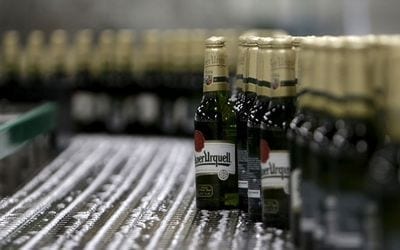
    The merged company would redraw control of the global beer market. Following divestitures, the deal will keep Budweiser, Beck’s and Stella Artois under AB InBev’s roof, while ceding control of brands including Miller in the US and Peroni and Pilsner Urquell in Europe.

    In China, the companies agreed to sell SABMiller’s 49% stake in its joint venture with China Resources Beer, which controls Snow beer, back to its partner.

    Deals unravelled

    In clearing these global hurdles, the beer megadeal contrasts with other big proposed tie-ups that unravelled amid antitrust scrutiny, including Halliburton’s failed bid for Baker Hughes, Staples’s foiled merger with Office Depot and General Electric’s decision to abandon the sale of its appliance business to Electrolux. In the beer deal, the sides were aggressive in offering divestitures from the start — including the plan for SABMiller to sell Snow — which may have ultimately helped reduce regulatory resistance, antitrust lawyers have said.

    The US Justice Department may clear the tie-up as soon as this month, people familiar with the process have told Bloomberg News. SA has yet to bless the deal, which has hit some obstacles amid protests from local unions.

    AB InBev and SABMiller declined to comment. China Resources and the commerce ministry didn’t immediately respond to queries.

    The merger plan, which the two companies reached in November as a way to gain access to emerging markets, has already won antitrust approval in more than a dozen jurisdictions, including the European Union.

    In March, China Resources announced it would buy out SABMiller’s stake in their Chinese venture for $1.6-billion. That deal is also nearing approval from China’s commerce ministry, the people said.

    In the US, AB InBev has agreed to sell SABMiller’s stake in the MillerCoors joint venture. It may also have to agree to further conditions related to beer distribution, according to people familiar with the matter. Smaller brewers and wholesalers want officials to restrict AB InBev’s control and influence over how beer gets on to store shelves, according to the people.


  • Malaysia retail sales fall

    Malaysia retail sales fall

    While Malaysia retail sales for the first quarter have taken a tumble, a decline was on the cards following the introduction of GST on April 1 last year.

    This boosted sales of big-ticket items in last year’s first quarter, and a year after the introduction of the tax consumers are still holding back on spending, according to a report by retail consulting firm Retail Group Malaysia.

    “Further increases in the cost of living in the near future will worsen the situation,” says the report, which shows a 4.4 per cent fall in sales for the retail industry in the quarter compared to 4.6 per cent growth a year earlier.

    As well as the high pre-GST sales last year, weak Chinese New Year sales in February led to the dramatic comparison. While negative first-quarter growth was expected, the results were below the industry expectation of a 4 per cent drop, says the report, based on interviews with members of the Malaysian Retailers Association (MRA).

    Further undermining Malaysian consumer spending power has been a gradual increase in the prices of retail goods and services this year, partly attributable to the weak ringgit.
    “Retailers continued to depend on heavy price discounts,” says the report. “As a result, their profits were eroded.”

    During the first quarter, the only sub-sector not to record a decline in business was “Other Specialty Retail Stores”. The “Department Store cum Supermarket” sub-sector had negative growth rate of 7.3 per cent – the worst performance among the retail sub-sectors. Supermarkets and hypermarkets had their fourth consecutive negative quarter with a 4.2 per cent dip.

    Retail Group Malaysia says MRA members expect their businesses to return to black during the second quarter of this year with an average growth rate of 9.9 per cent. The estimated growth rates for the third and fourth quarters are 5 and 5.5 per cent.

  • Monster Employment Index shows 3% decline in online hiring for April

    Monster Employment Index shows 3% decline in online hiring for April

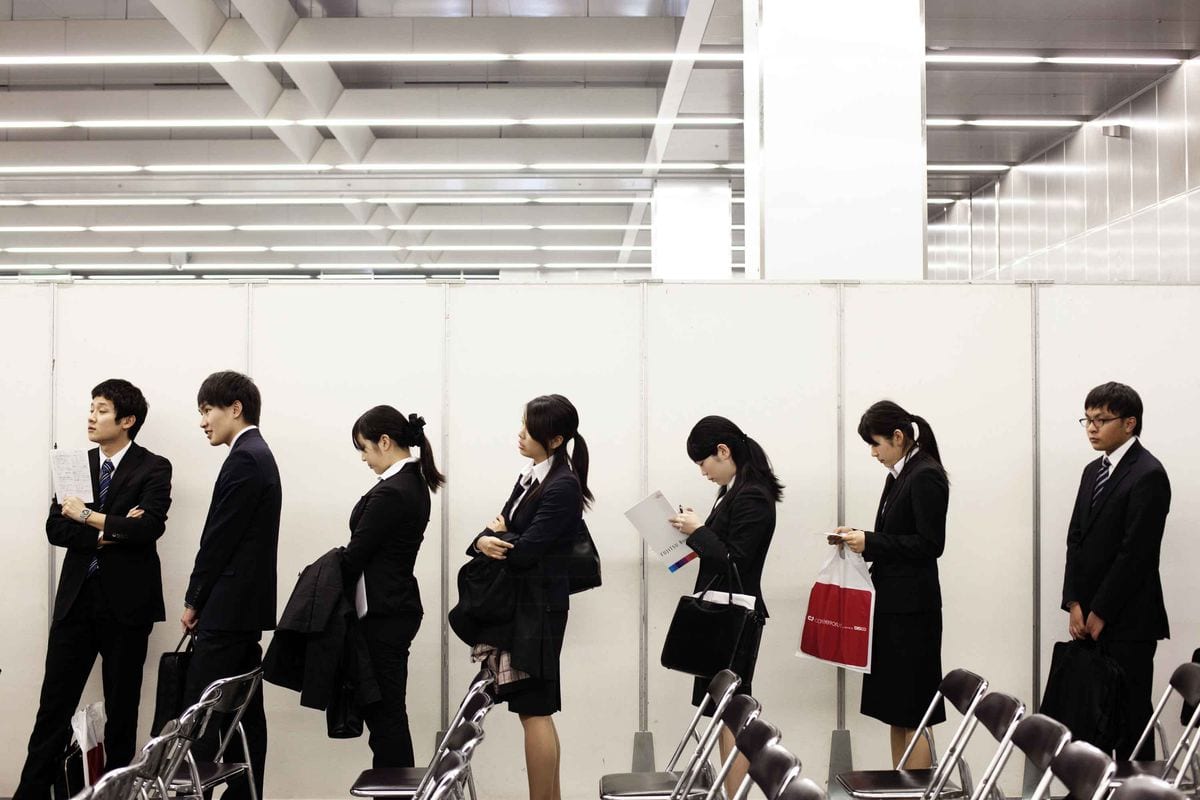
    Online hiring in the Philippines fell 3% year-on-year in April according to the latest Monster Employment Index.

    Despite the 3% year-on-year drop, online hiring improved over last month’s 24% decline.

    “The Philippine economy had expanded faster than analysts’ predictions in Q1, largely driven by jobs across the services sectors. This expansion has given rise to employee demands for various related roles, with the retail sector taking lead in hiring activities,” Sanjay Modi, Monster.com managing director for India, Middle East, Southeast Asia and India, said.

    The retail sector showed a 49% jump in online hiring activities, its first positive growth since March 2015. Among the occupations, showed a 33% year-on-year growth in April. Meanwhile, the hospitality and travel sector showed a 63% decline in online hiring year-on-year.

    “The Philippines is also likely to continue to lure more businesses, thanks to its business-friendly environment, which will continue to drive the labor market. Demands for financial analysts, BPO and IT professionals, web-developers and healthcare workers will be on the rise in the months ahead,” Modi said.

  • Bebe Stores forms global JV with Bluestar Alliance

    Bebe Stores forms global JV with Bluestar Alliance

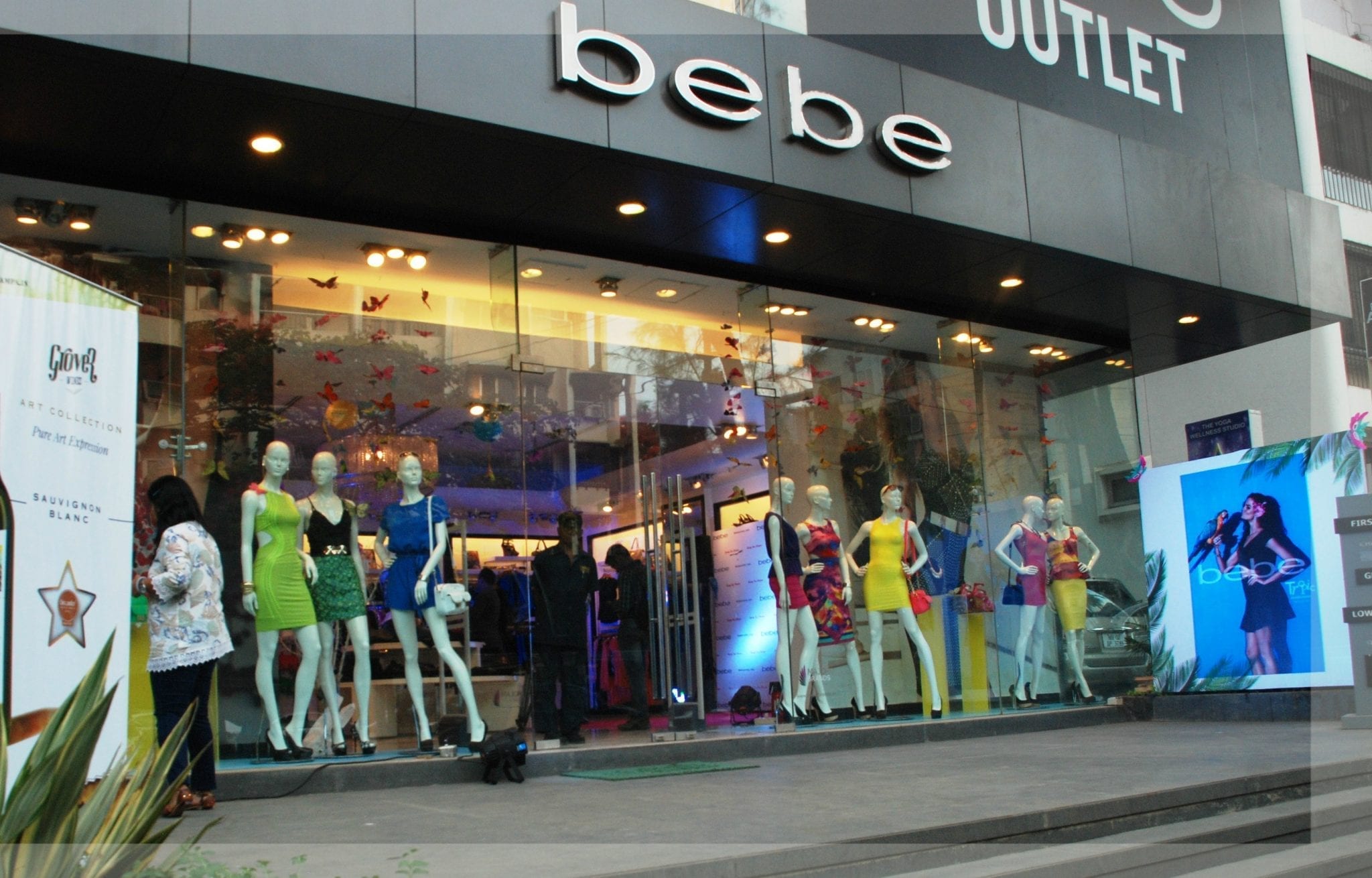
    Bebe Stores has entered into a joint venture with Bluestar Alliance to take over its global marketing and store operations, including in Asia.

    Bluestar, a privately owned brand management company founded in 2006, has paid US$35 million to Bebe Stores for its minority stake in the new company. Until now, Bluestar has managed a plethora of little known brands spanning mass market to luxury, but with cumulative international sales of $1.5 billion through some 200 licensees. Those brands include Kensie, Nanette Lepore, Catherine Malandrino, Michael Bastian, English Laundry and Limited Too.

    Bebe founder, chairman and CEO Manny Mashouf says while Bebe is “one of the great global brands in the women’s fashion world”, the value of the brand, its reach and potential is clearly not reflected in investors’ current perception of the company and its valuation.

    “The strategic decision to aggressively pursue a licensing strategy allows us to capitalise on the value of our brand in all categories and channels on a global scale. We have seen significant demand from prospective licensees and expect to generate long-term, committed royalties.”

    The new JV will manage the brand in both domestic and international markets, including in China where Bebe has achieved rapid growth since forging a five-year partnership with Shanghai-based brand agency Longgoal LLC last August to open between 60 and 150 Bebe stores, shop-in-shops and third-party retailers in Greater China, Hong Kong, Macau and Taiwan. The first store is expected to open in summer 2016.

    Joseph Gabbay, Bluestar CEO said Bebe is an iconic contemporary women’s brand with a loyal customer base and growing international presence.

    “We believe the company has significant long-term growth potential given its distinct market position, multiple channels of distribution and growing international brand awareness. We see a tremendous opportunity to leverage our brand expertise and capitalise Bebe’s differentiated market position to build a global contemporary lifestyle brand.”

    So far, Bebe has licensees in just 20 international markets. It operates 147 retail stores under its own brand and the sister label Bebe Sort, bebe.com and 39 outlet stores in the US, Canada and Peurto Rico.

    The company embarked on a restructuring plan in February after announcing a second quarter loss, laying off 45 employees and replacing then-CEO Jim Wiggett with Mashouf.

  • Korea to Develop Quick-time Consumption Index

    Korea to Develop Quick-time Consumption Index

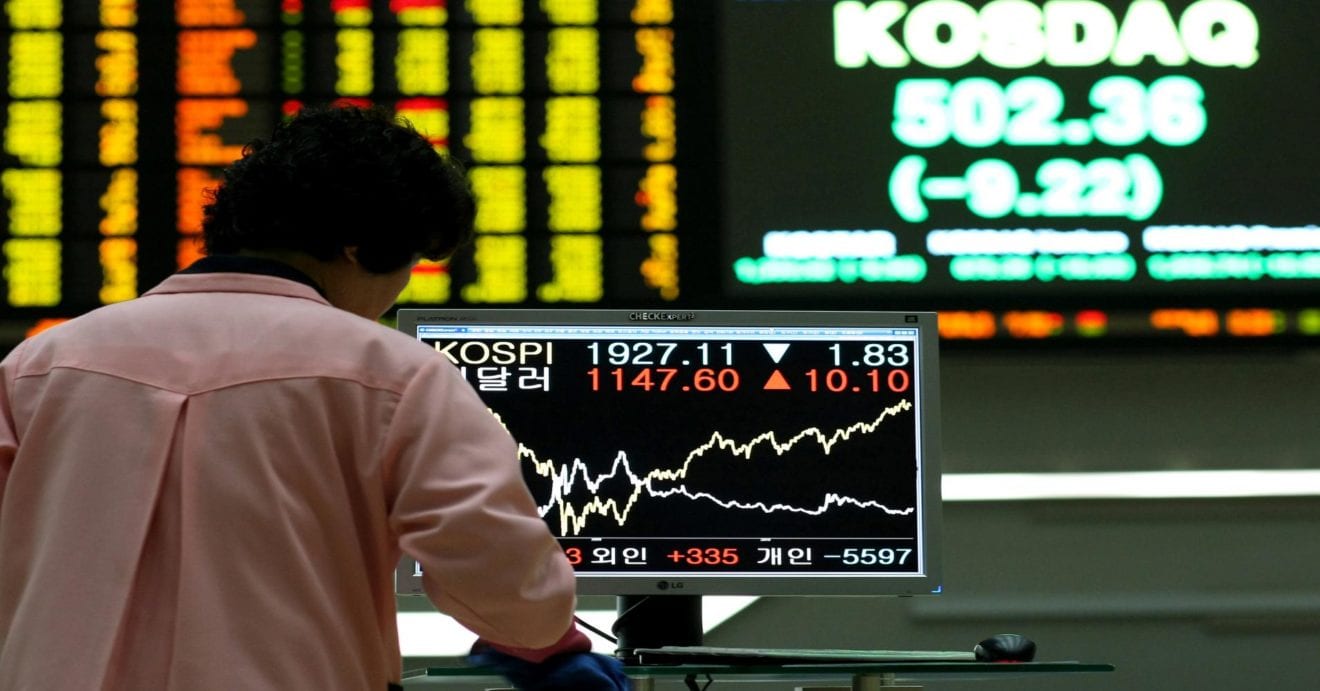
    Statistics Korea revealed Tuesday that it’s developing what it calls a ‘quick-time consumption index’ based on civilian credit card approval information provided by the Credit Finance Association (CFA).

    The new index will use big data related to credit card approval information from eight domestic credit card companies, and is expected to launch in October.

    The CFA-provided information consists of approved credit card transactions categorized by date, 17 cities and provinces, and 178 business categories. To further broaden the index, Statistics Korea will also use additional credit card approval information from more specific types of businesses such as department stores and supermarkets.

    Statistics Korea expects the new index to allow for quicker observation of the ‘production index for the service industry’ and ‘retail sales index’, with an improvement of approximately three weeks, which in turn will permit quicker responses to economic changes.

    “The total approved credit card transactions take up 76 percent of all consumption and sales, which will make this new index quite reliable,” said an official from Statistics Korea.

  • FairPrice cuts prices on health grounds

    FairPrice cuts prices on health grounds

    Citing social concerns, Singapore grocer NTUC FairPrice cuts prices on wholegrain rice in a public commitment to aiding the fight against diabetes.

    The supermarket says a 5 per cent discount on all FairPrice housebrand wholegrain rice for the next three months will be matched by a similar reduction in the prices of all of its 1000+ Healthier Choice Symbol (HCS) certified items for a fortnight, across its 133 supermarkets islandwide.

    The measure is part of FairPrice’s healthy eating campaign, the start of a series of initiatives by the organisation this year to promote healthy eating and drive awareness on diabetes. Total savings from these discounts are expected to amount to more than S$500,000 for customers.

    NTUC FairPrice chairman Bobby Chin says the trade union owned grocer “serves to make lives better by offering greater value on healthier daily essentials”.

    “Rice is a commonly consumed staple in Singapore and by promoting wholegrain rice as a healthier alternative,we are taking a proactive approach in the prevention and management of chronic diseases like diabetes. Beyond rice, we also support the government’s call in advocating a holistic approach towards healthy eating by also providing quality and value for all our Healthier Choice Symbol products.”

    Diabetes is fast becoming a major focus of health initiatives globally with the 422 million diabetic adult population in the world expected to double in the next 20 years. Singapore has been found to have the second-highest diabetes prevalence among developed nations, after the US, with one out of nine Singaporeans affected by diabetes and one in three having a chance of getting diabetes in their lifetime.

    As an alternative to white rice, wholegrain rice has been shown to lower the risk of developing diabetes while containing more fibre, vitamins and minerals.

    “The 5 per cent discount for all FairPrice housebrand wholegrain rice serves to encourage customers to consume these healthier alternatives. The discount is applicable namely to FairPrice Thai Brown Unpolished Rice, FairPrice Thai Red Unpolished Rice and FairPrice Thai Rice Blend, which is a mix of white and brown rice,” the company said in a statement.

    Back in 2014, FairPrice began advocating consumption of brown rice through its annual Walk for Rice event by donating brown rice to low-income families. FairPrice has also seen the sale of housebrand brown rice increase by 25 per cent in the first quarter of this year compared to the year before.

    Zee Yoong Kang, CEO of the Singapore Health Promotion Board said it was pleasing to see the retailer taking active steps to raise the awareness of healthier choice options amongst consumers.

    “The market share of Healthier Choice Symbol products has been gaining market share with sales of Healthier Choice Symbol products growing at 9 per cent annually. This is a very encouraging sign that more and more Singaporeans are taking steps to select healthier options when grocery shopping. We encourage more F&B retailers to join in this effort so that together we can increase the pervasiveness of healthier options for Singaporeans.”

  • Malaysia’s Axiata Digital invests $16 mn in e-commerce enabler StoreKing

    Malaysia’s Axiata Digital invests $16 mn in e-commerce enabler StoreKing

    Malaysian telecom operator Axiata Group Berhad has invested $16 million in Bangalore-based StoreKing, an e-commerce startup that helps retailers to sell products in small towns, through wholly owned unit Axiata Digital.

    This is Axiata Digital’s first investment in India, StoreKing said in a statement.

    Axiata Group, however, is not new to India; it owns about 20% of Indian telecom operator Idea Cellular Ltd.

    StoreKing, run by LocalCube Commerce Pvt. Ltd, ties up with retail store owners in small towns to provide self-service shopping experience to rural shoppers via its digital kiosks.

    The company had earlier raised $6 million from Luxembourg-headquartered venture capital firm Mangrove Capital Partners. Mangrove Capital is an early-stage investor in internet and software startups, and counts voice chat app Skype and instant messaging aggregator Nimbuzz among its past portfolio companies.

    StoreKing has roughly 16,000 mobile kiosks across south India, and delivers about 150,000 orders every month. The startup plans to reach 100,000 retailers by 2017 and up to 250,000 by 2019. It also plans to expand to Axiata’s markets in the near future.

    “StoreKing has created a platform that solves the fundamental constraints in our markets with last-mile logistics and payments, while building trust amongst mass-market consumers. It is pivotal in bringing the rest of our consumers into the digital sphere,” said Mohd Khairil Abdullah, CEO, Axiata Digital.

    The Bangalore-based startup was founded in 2012 by Sridhar Gundaiah, a computer science engineer who previously worked with online travel agency Via.com, and Govardhan Krishnappa, who previously worked with Via Adz and MACS Infosolution. Gundaiah had also founded a location-based startup Yulop and in the past worked at Yellow Tag and EDS.

  • Sour note for Lancome-sponsored concert

    Sour note for Lancome-sponsored concert

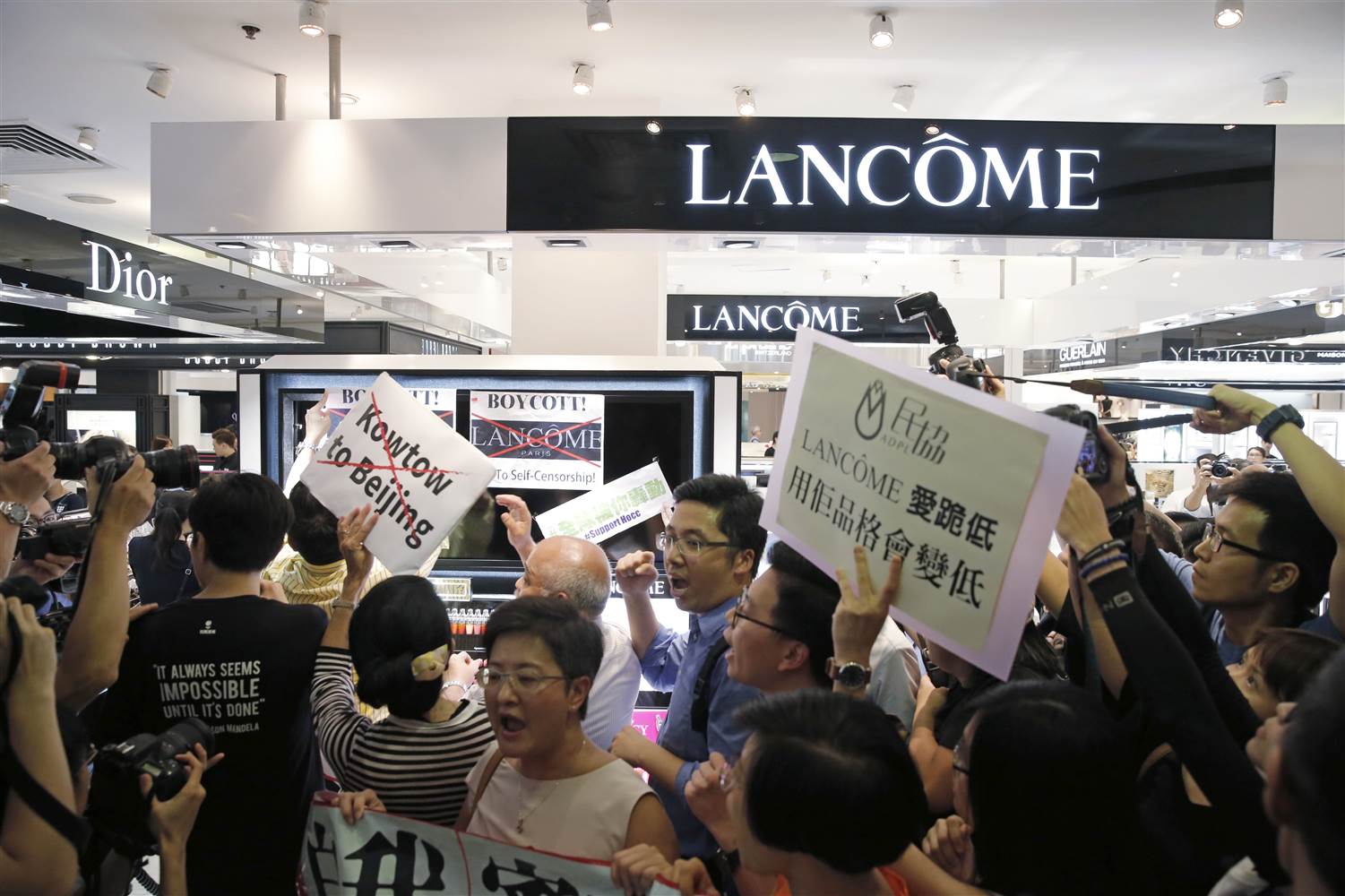
    Make-up brand Lancome, along with other stores owned by French cosmetics giant L’Oreal, closed in Hong Kong yesterday in the face of protests over the cancelling of a Lancome-sponsored concert featuring a pro-democracy singer.

    As well as Lancome’s booth at Lane Crawford, Times Square, Yves Saint Laurent Beaute and Helena Rubinstein’s booths, as well as Shu Uemura’s store, were all closed. Lancome’s office at Times Square was also shuttered. In Causeway Bay, Lancome counters in Sogo and Hysan Place were both closed, while those for other brands under L’Oreal, such as Shu Uemura, were open.

    Dozens of protesters earlier crowded the Lane Crawford store in Times Square accusing Lancome of bowing to China by cancelling the concert, starring cantopop singer Denise Ho Wan-sze.

    Carrying yellow umbrellas – a symbol of Hong Kong’s democracy movement, which is supported by Ho – and banners in Chinese, English and French, the protesters were shouting: “L’Oreal! No self-censorship.”

    Hong Kong internet users and political activists have also vowed to boycott all brands under the L’Oreal banner, including Lancome, Kiehl’s, Shu Uemura and The Body Shopimes, a tabloid published by the Chinese Communist Party’s People’s Daily newspaper, criticised Lancome for working with Ho. This sparked calls online in China to shun Lancome’s business on the mainland.

    “Tough times”

    Ho says she was saddened by the cancellation of her concert.

    “I am quite shocked that a global brand such as Lancome … would succumb to the pressure from Chinese tabloid news or the Chinese market,” says the 39-year-old singer.

    “In Hong Kong we have been going through really rough times,” she says. “Most of we celebrities wouldn’t dare to speak out for ourselves because we know that self-censorship is really serious right now in Hong Kong. But I wouldn’t think that worldwide brands such as Lancome or L’Oreal would succumb to this kind of pressure.”

    L’Oreal, which counts China as its second strongest market for sales behind the US, says it cancelled the concert because of safety concerns.

    Booked to perform on June 19, Ho wrote on her Facebook page that Lancome’s decision was self-censorship. “When a brand like Lancome has to kneel down to a bullying hegemony… the world’s values have been seriously twisted.”

    Meanwhile, the controversy has escalated on the mainland, with internet users threatening to boycott a host of Hong Kong companies tied to billionaire Richard Li Tzar-kai, whose company PCCW owns the Moov fitness app, which suggested on Monday that it would “employ Denise Ho permanently”.

    Li’s family is also involved with such companies as Johnson and Johnson, Listerine and Watsons. Ho is a spokesperson for Listerine.

    PCCW says that while Richard Li and Moov respect freedom of expression and staunchly oppose Hong Kong independence, Moov has no intention to engage in political matters, and the expression “permanent employment” was used before online comments linked the message to political discussions.

    Meanwhile, Ho says Lancome should stand firm on its core values and moral standards. The singer was  among more than 200 people arrested as the pro-democracy protests ended in December 2014. She was blacklisted by mainland media along with singer Anthony Wong Yiu-ming.

  • Chow Tai Fook’s Profit Dives 46% in Fiscal 2016

    Chow Tai Fook’s Profit Dives 46% in Fiscal 2016

    Chow Tai Fook reported profit tumbled 46 percent in the past fiscal year as fewer tourists visited Hong Kong and a downturn in Greater China reduced consumer spending.

    Profit slumped to $383.6 million (HKD 2.98 billion) in the 12 months that ended March 31, the Hong Kong-based jewelry retailer said. Revenue slid 12 percent to $7.3 billion (HKD 56.59 billion). Jewelry sales in mainland China dropped 11 percent and in Hong Kong and Macau declined 15 percent.

    Tourist arrivals from the mainland retreated 8.6 percent in Hong Kong and 3.7 percent in Macau during the fiscal year, the jeweler pointed out. Mainland China contributed more than 50 percent of group revenue during the year, a figure that has increased over the past three years. The jeweler said it is still “confident” about the long-term growth potential in the region.

    The “persistently weak retail sentiment” and a “decline” in the number of tourists, particularly from the mainland due to a “strengthening” of the U.S. dollar, continued to affect operations, Chow Tai Fook said.

    “The increasingly affluent and sophisticated Chinese consumers continue to look for more personalized products and shopping experience,” the company added.

    The company, however, pointed out its core operating profit – a non-IFRS measure that Chow Tai Fook believes is a useful measure of its operational performance – fell 24.5 percent, a better outcome compared with net income.

  • Inflation erodes Vietnam retail sales rise

    Inflation erodes Vietnam retail sales rise

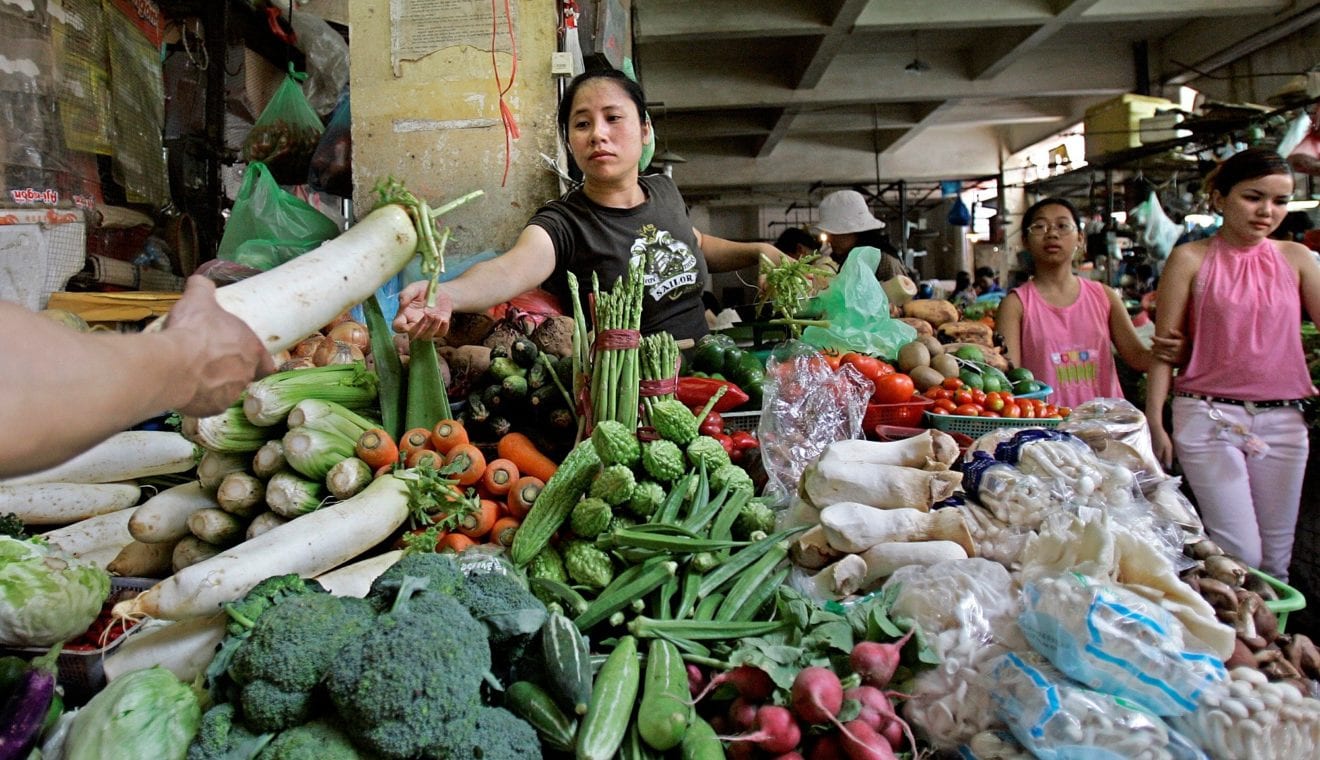
    Purchasing power is declining despite Vietnam retail sales and services revenue rising 9.1 per cent to VND1430 trillion (US$63.4 billion) in the first five months of this year.

    If inflation is excluded, the amount marks an increase of 7.8 per cent, according to the General Statistics Office (GSO). However, GSO expert Vu Manh Ha says the growth, with inflation excluded, was lower than the 8.2 per cent growth in the same period last year, showing weaker purchasing power.

    Growth was impacted by incidents affecting accommodation, catering and tourism services, as well as the mass fish deaths along Vietnam’s central coast. With the cancellation of beach tours, the spending power of tourism companies in the coastal provinces fell strongly.

    Meanwhile, there was a strong 9.5 per cent growth in the purchasing power of goods retailers in the first five months, amounting to VND1920 trillion and accounting for two-thirds of total retail sales and services revenue.

    Retailers of rice and foodstuffs saw growth of 13.6 per cent; garment retailers, 10.9 per cent; and home appliance retailers, 9.6 per cent.

    Ha says the total retail sales and services revenue next month will increase further because of a high demand for house construction and repairs, and recovering demand for beach tours.

    GSO director Nguyen Bich Lam says purchasing power this year is expected to have a lower growth rate than last year because of stability in prices, high supply and stable demand for most essential goods.

    Because of consumer fears about environmental pollution and food safety, spending is expected to erode for such services as accommodation, catering, tourism and entertainment, says Lam.

  • Ralph Lauren closing stores as sales see slump

    Ralph Lauren closing stores as sales see slump

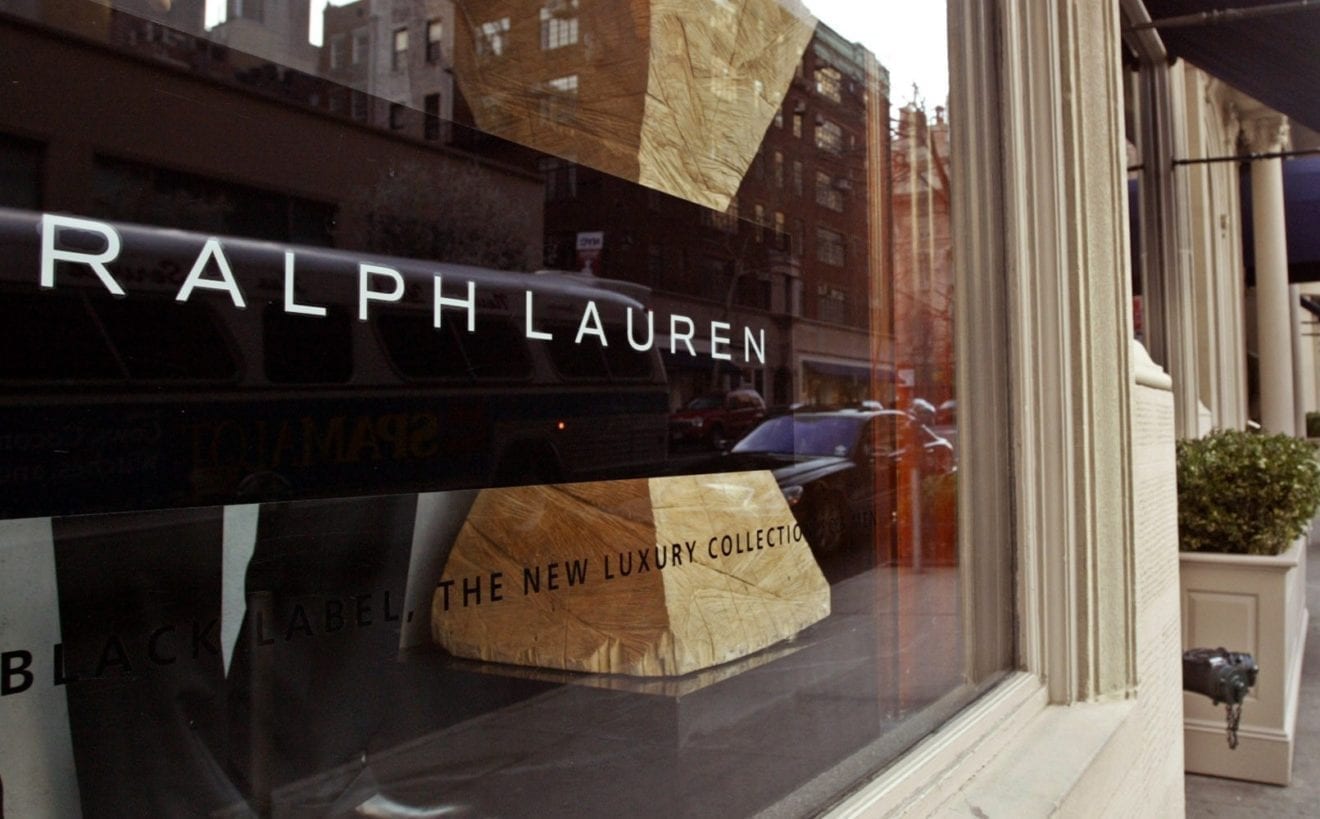
    Ralph Lauren is closing stores, cutting jobs and focusing more on its most popular brands to try to reverse its declining fortunes.

    Shares of the fashion company tumbled 4 percent Tuesday.

    The changes are the first big moves from CEO Stefan Larsson, who replaced company founder Ralph Lauren in the role late last year. Lauren is still executive chairman and chief creative officer of the fashion and home decor business he created.

    The New York company, known for its polo shirts and pony logo, plans to close more than 50 stores, or about 10 percent of its total retail stores. It will let go approximately 1,000 of its 15,000 full-time employees, or almost 7 percent.

    It will focus more on its three best-selling brands — Ralph Lauren, Polo and Lauren — and devote fewer resources to its smaller ones, such as Chaps and RLX. The company also hopes to produce its clothing faster, cutting six months from the production process to make it nine months.

    Ralph Lauren expects the restructuring to save it between $180 million and $220 million a year. That’s on top of $125 million in cost cuts from last year. It expects to incur restructuring charges of up to $400 million for the year and inventory-related charges of up to $150 million.

    For the current quarter, it expects revenue to fall in the mid-single digits and fall in the low double digits for the year.

    Shares of Ralph Lauren Corp. fell $4.12, or 4.3 percent, to $92.21 in morning trading Tuesday. Its shares are down about 30 percent in the last year.

  • Shake Shack Korea is coming closer

    Shake Shack Korea is coming closer

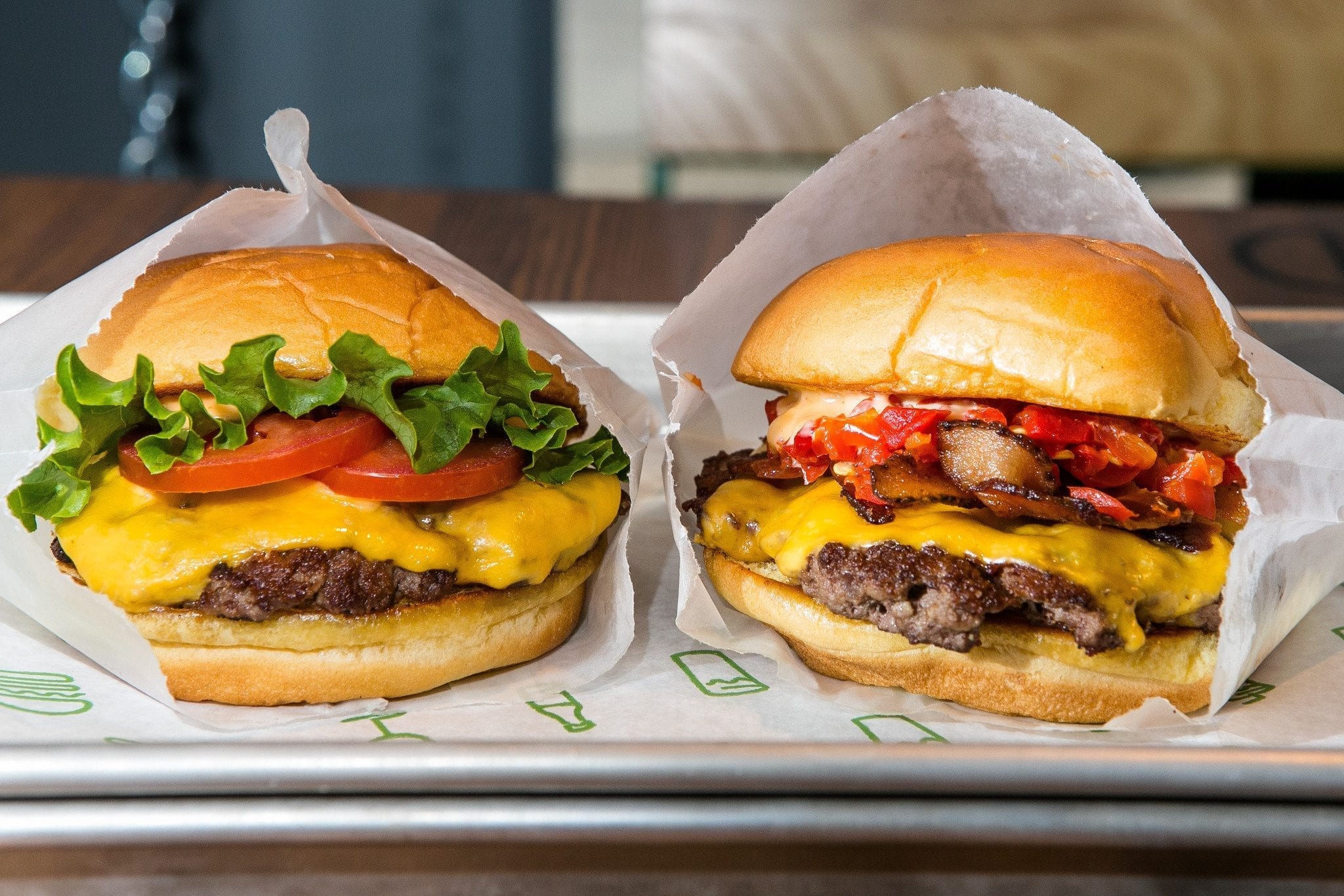
    New York burger chain Shake Shack is set to make its Korean debut as early as July.

    The Shake Shack Korea licence was secured by Korean food and confectionary giant SPC Group last year and the first outlet is currently under construction in the Gangnam district of Seoul.Shake Shack meal

    The company says the grand opening of the debut store is planned for some time in July or August.


    Shake Shack, an American fast casual restaurant. is best known for its burger and milkshake combo.

    SPC says construction of the first store is well under way. “Gangnam is one of the most vibrant and energetic areas of Seoul,” said a spokesman. “It’s the perfect place to reenact the dynamic atmosphere of Shake Shack’s flagship restaurant in Madison Square Park.”

    CH7_9911b-540x360.0.0

    Last year Shake Shack signed a licensing agreement with Japanese company Sazaby League, local operator of Starbucks. The two companies plan to open 10 Shake Shacks in Japan by 2020, with the first, in Tokyo, scheduled to open in 2016.