Tag: asia

  • Is There a Tech Bubble in China?

    Is There a Tech Bubble in China?

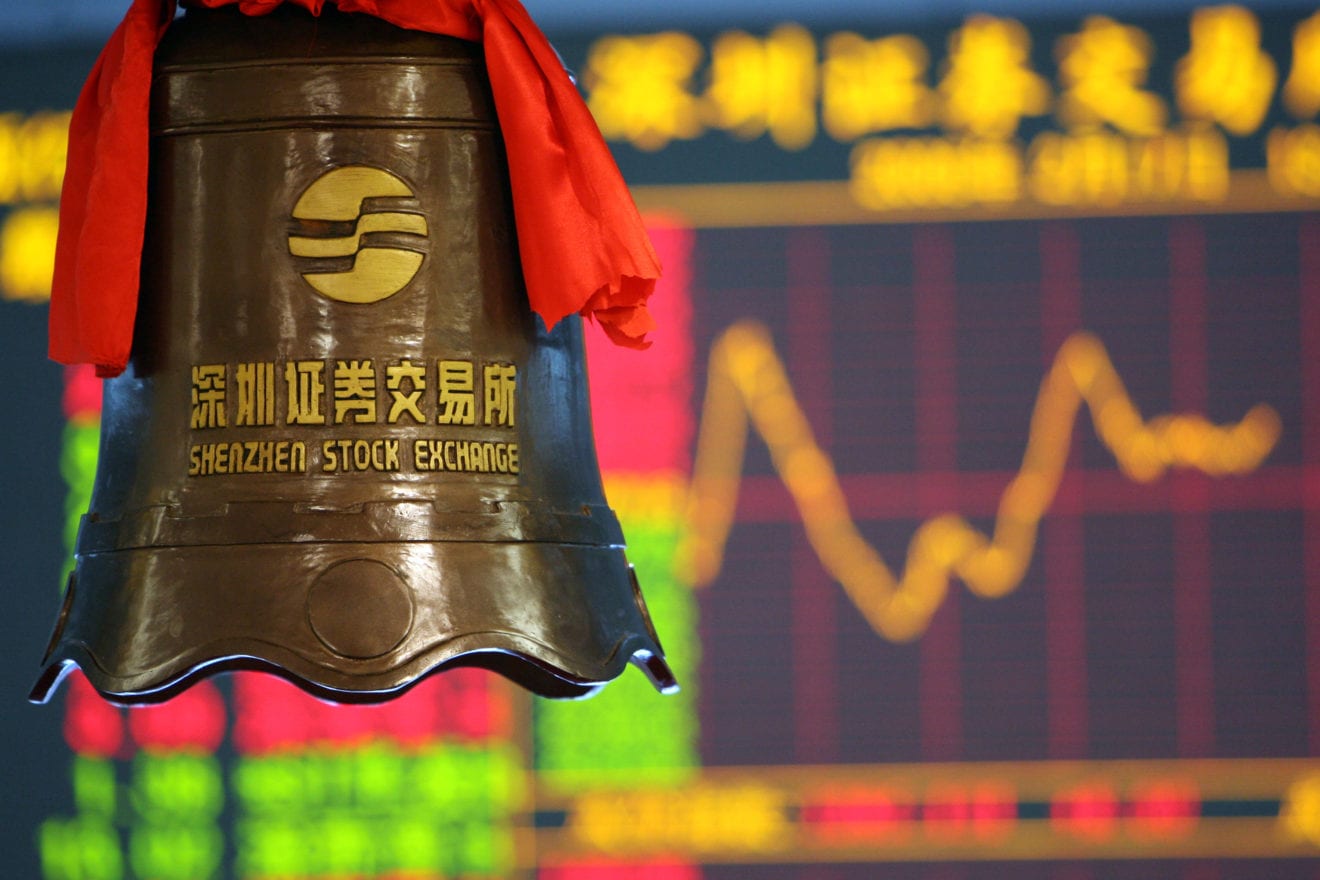
    Wealthy Chinese investors are in a bind. All the usual, typically safe investment vehicles—commodities, stocks, even stable real estate—have been anything but usual or safe over the last couple months. The Chinese economy has slowed and inflation has picked up, the yuan has been under pressure, oil has tanked, and gold markets have been rattled. Real-estate markets in previously inviolable zip codes like Manhattan, a longtime sure bet for foreign investors looking to park their money in the stability of multi-million-dollar apartments, have started to sway.

    With the new reality of so much risk and little hope for returns in these markets, Chinese investors are pushing their money toward technology start-ups, according to Reuters. Investments in these companies more than doubled last year, according to CB Insights research, leaping to $32.2 billion. So far this year, venture-capital investments have already climbed to $4.7 billion. That stands in stark contrast to the Shanghai Composite Index, which is down nearly 20 percent in 2016. Established-enough Chinese start-ups like the ride-hailing Uber competitor Didi Kuaidi have benefited the most. The company saw its valuation jump 25 percent to about $20 billion—dwarfing its American competitors.

    We’ve watched this movie before in the U.S. As investors got tired of waiting to wade back into the muck of traditional markets in the wake of the financial crisis, they looked for new places to strike gold. They set their sights out West, to Silicon Valley, pouring their money into small start-ups with huge funding rounds, hoping for a payday. The result was the birth of dozens of new billion-dollar companies. On a hope, a prayer, and the blood, sweat, and tears of many a millennial, these unicorns hung on and continued to raise money. But now, the chickens are coming home to roost.

    Last month, Fidelity marked down investments in 19 start-ups, including onetime Silicon Valley standouts Dropbox and Zenefits (the markdown, however, seems like the least of Zenefits’s worries). Millennial darling Snapchat got similar treatment from Fidelity last fall. Others, like Jawbone, and again, Zenefits, have laid off workers. Funding has started to dry up, yet even those able to raise capital are struggling. Oscar, the health-care app pegged to Obamacare exchanges, closed a round last month that boosted its valuation to $2.7 billion. But on Tuesday, the company reported that it was bleeding money, losing more than $100 million in 2015.

    American investors thought they were trading risky investments for the kinds of returns they could only dream of, but it appears the risk in their their start-up bets were just as great. Now, as Chinese investors make similar calculations, they may face a similar fate.

  • Under Armour app gets personal with fitness freaks

    Under Armour app gets personal with fitness freaks

    Under Armour has launched UA Shop, a mobile app dedicated to elevating the consumer shopping experience built on the Under Armour Connected Fitness platform.

    Under Armour appIntegrating data from the world’s largest digital fitness community allows the Under Armour app provides “a deeply personalised experience” based on athlete inspiration, workout history and previous purchase history. UA Shop is available for download on the App Store and will be available soon on Google Play.

    “UA Shop is the next step in our connected fitness evolution as Under Armour becomes a true Math House,” said Jason LaRose, senior VP, revenue, at Under Armour. “This app was created to maximise our digital platform and complement our existing in-store experiences by bringing consumers a way to find the products they want, when they want it. We are now able to provide custom experiences across our various categories specific to our diverse customer base.”

    The UA Shop app will bridge the brand’s digital communities with Under Armour’s core business – performance apparel, footwear and equipment. UA Shop will connect consumers to the right gear driven by data through in-app recommendations. For example, a consumer living in a warmer climate who has logged several runs through MapMyRun might be exposed to UA CoolSwitch apparel and running footwear, a technology that pulls heat away from the skin and allows the user to feel cooler, longer. Meanwhile a customer in the Northeast who prefers hiking might see the latest Armour baselayer and outerwear. The Under Armour app is the only retail app on the market powered by the health and fitness information of more than 170 million members worldwide.

    UA Shop is also the first app in the Under Armour Connected Fitness suite that will launch with the new Under Armour Account – the creation of a single profile for all Under Armour apps. Members of UA Record and MapMyFitness can sync their existing account information to UA Shop, with MyFitnessPal and Endomondo integration being added soon. Additional features of UA Shop include one-touch purchasing with Apple Pay, expanded product content and customer reviews, and apparel tag scanners for enhanced in-store experiences.

  • Malaysia’s Ebizu raises $3m from Singaporean investors

    Malaysia’s Ebizu raises $3m from Singaporean investors

    Malaysia-based retail advertising and intelligence technology provider, Ebizu Sdn Bhd, has secured a round of Series A investment amounting to $3 million from undisclosed Singapore investors to fuel its regional expansion plans.

    Ebizu’s operations has grown to a team of 130 people spread across offices in Malaysia, Singapore and Indonesia.

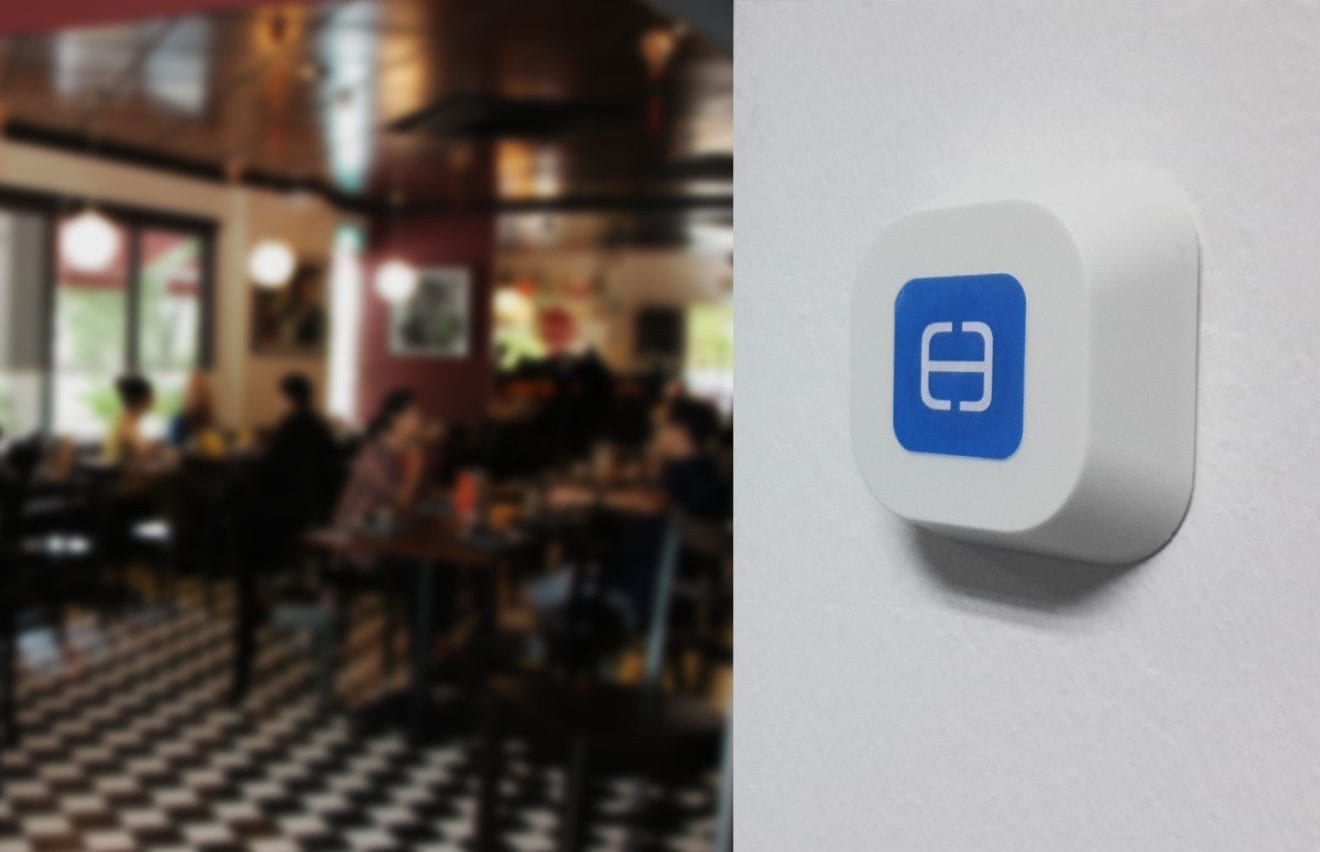
    Established in 2013, Ebizu, an O2O (Online to Offline) solutions provider which specializes in retail advertising and location intelligence, has expanded within the Southeast Asia region. Co-founder Rohit Maheswaran said, the company has been aggressively enhancing its solution as well as expanding its beacon and retailer network in the past five months. “Behind all these, negotiations for investments were being conducted and we were glad to see so many interested parties. This round of  funding will help us maintain the intensity of our growth,” he said.

    “We emphasise on helping physical retailers and brands reach out and engage with their consumers, our product is evolving to become more data driven, so that merchants and brands can acquire and retain customers with more precision,” Maheswaran said.

    He added that Ebizu’s brand new geo-behavioural intelligence and insights platform will help advertisers target online and offline ads better. Seeing the accelerated growth in digital ad spend and mobile advertising, Ebizu was formed to bridge the gap between brick and mortar retailers and mobile technology utilization.

    The company’s integrated retail solutions empower the offline retailers with knowledge of the customer’s journey, enabling retailers to reach and engage shoppers’ on-the- go with promotions, vouchers and loyalty campaigns, engaging them at the right time and optimizing sale conversions.

    Currently, Ebizu’s merchant network consists of 1,900 retail outlets with the target of 5,000 to be reached by the end of 2016. It also has around 5,000 geofenced points of interest and 10,000 BLE beacons installed across Malaysia and Indonesia, at the moment, with hopes to grow that network to 25,000 by year end.

    At the end of last year, it was named the 2015 Asia Pacific BLE (Bluetooth Low Energy) in Connected Retail Company of the year by Frost & Sullivan.

  • Los Angeles hotdog chain opens Pink’s Manila

    Los Angeles hotdog chain opens Pink’s Manila

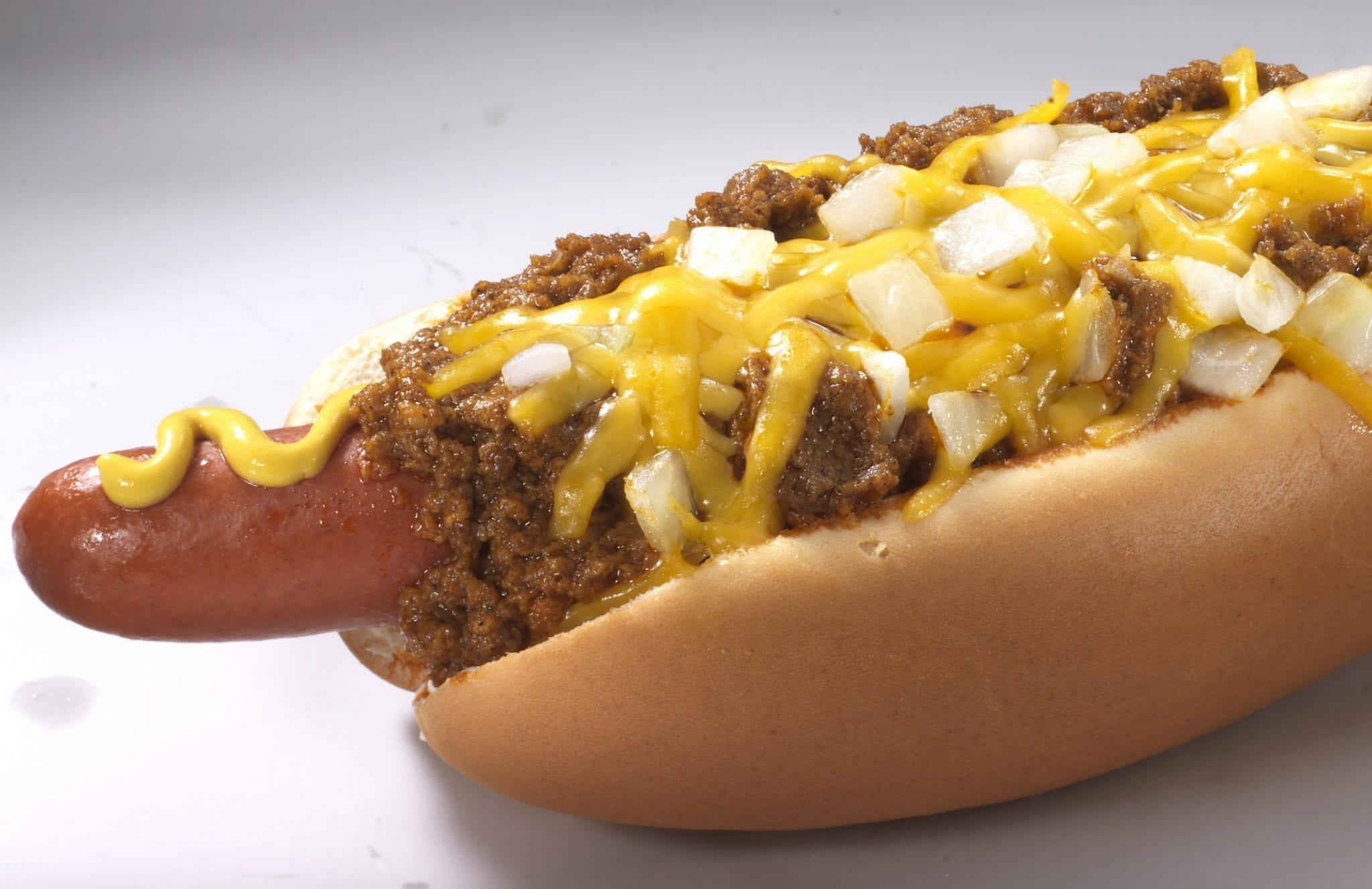
    Los Angeles’ Pink’s Hotdog chain opens in the Philippines today at the Shangri-la Fort in Bonifacio Global City.

    Pink’s Manila is the chain’s first international branch.The Hollywood legend established in 1939 has partnered with Pink’s family and Wildflour & Farmacy Manila to enter the Philippine market.

    Owners Richard and Gloria Pink are in Manila to attend the grand opening of Pink’s Manila at the ground floor of the newly opened hotel.

    Architect Lara Fernandez Barrios designed the “L.A. style biergarten” interiors based on Chef Walter Manzke’s concept for the Manila  branch.

    The new store features a converted Volkswagen Combi housing Farmacy’s ice cream shop and soda fountain stand, and soon, a bar that will be serving cocktails and mostly craft beers on draft.

    Tentative opening store hours will be from 11am to 2am, but are subject to change.

  • Perfumer’s Workshop finds its niche in Asian travel retail

    Perfumer’s Workshop finds its niche in Asian travel retail

    Niche fragrance specialist Perfumer’s Workshop International (PWI) is looking to make a move into travel retail locations in Malaysia, Sri Lanka and India following feedback from buyers at this year’s TFWA Asia Pacific Exhibition in Singapore.

    PWI Founder Donald Bauchner said his company’s success at the show was due to the “dramatic increase in awareness and attention to niche in general, and for oud concepts specifically”.

    Tea Rose w Petals High Res

    Tea Rose and Amouroud: two of Perfumer’s Workshop International’s signature lines

    Bauchner said PWI was considering domestic market openings for its Amouroud line in Singapore, South Korea, China, Indonesia, Malaysia, Bangladesh and Pakistan and is negotiating travel retail opportunities in Malaysia, India, Sri Lanka, Abu Dhabi and Russia.

    PWI’s oud-based Amouroud line will make its debut at London’s Harrods department store on 15 July. “We are very excited about our launch at Harrods,” said Bauchner. “Of course it will impact our travel retail opportunities within the UK. However we are not certain whether we would prefer to start travel retail and duty free in the UK at airports or inflight. Consumer profile will likely decide the issue but only once the timing itself is right,” he added.

    PWI added two new fragrances, Midnight Rose and Miel Sauvage, to its Amouroud range which was presented in Singapore and extended its Samba Metallics line.

    Samba Metallic Range.HR

    Samba Metallics is based on a colour preference influencing fragrance preference concept

    “The Samba Metallics concept actually does work,” Bauchner said. “The interest at the show was very good. However we targeted our presentations to only those distributors who are actual ‘trend-setters’ in their regions.”

    PWI’s Zipped Man, targeting “fashion-conscious young ‘trendies’”, and Parfum Tea Rose were also highlighted in Singapore.

    Speaking at the TFWA Asia Pacific Exhibition, Bauchner said he predicts further growth for niche brands in Asia. “Generally niche customers do not want something that other people are wearing. They are not looking for a new signature scent. They are hunters, looking for a scent that they are not going to find everyone else wearing,” he said.

    “What will be interesting to see will be the eventual relationship between niche and prestige fragrance in Asia. There is a possibility that niche in Asia will eventually occupy as large, or a larger, section of the fine fragrance local market than in Europe  because what we refer to as ‘Western fine fragrance’ came late to Asia and therefore remains a far smaller market than elsewhere.

    “We believe that our Amouroud collection will perform very well in Asia because we are attuned to many Asian fragrance sensibilities: refinement, beauty, unique fragrance character, long lasting and qualitative packaging.

    “Asia was late coming to niche products and even later developing an interest in oud. But, hey, we are here. We have a wonderful concept that is proving to be well liked,” Bauchner concluded.

  • Tesla Motors introduces two less costly Model S versions

    Tesla Motors introduces two less costly Model S versions

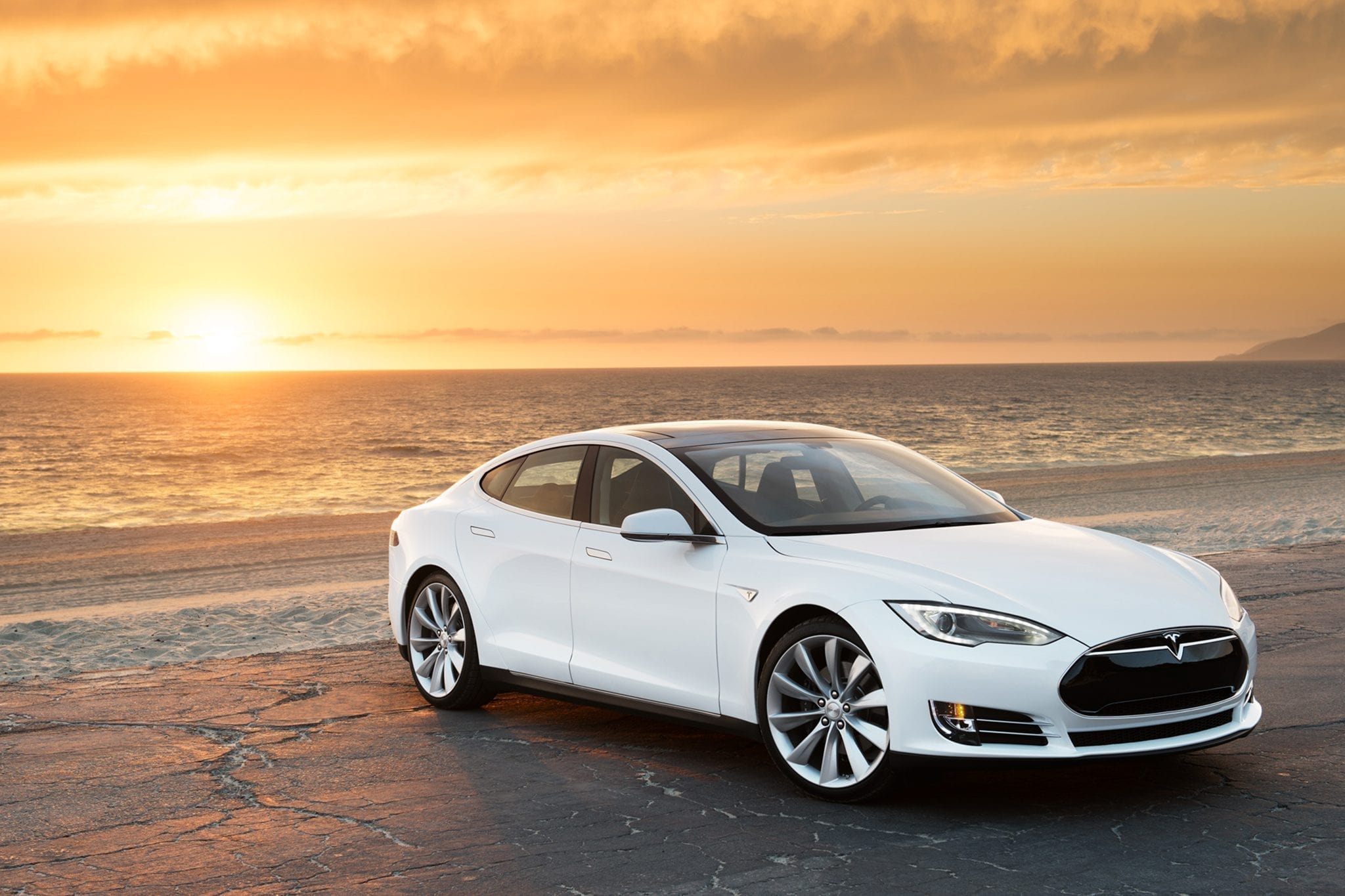
    Electric carmaker Tesla Motors Inc said on Thursday it would offer two slightly lower-priced versions of its electric Model S sedan, starting at $66,000 in the U.S. market.

    The current Model S starts around $76,000 and is often delivered to customers at a price of about $100,000.

    Prices are before tax incentives are applied.

    The new versions, the rear-wheel drive Model S 60 and the all-wheel drive Model S 60D, will have slightly less range than the Model S already sold. The Model S 60D starts at $71,000 in the U.S. market.

    The newer models will have a range of more than 200 miles, Tesla said in a statement.

    The Model S 60 and Model S 60D will be sold with a battery pack with a capacity of 75 kilowatt-hours, but will be limited to a capacity of 60 kWh. Tesla said owners will have the option to get a software upgrade to allow the car to have a capacity of 75 kWh and the longer range it provides.

    Analyst Joseph Spak of RBC Capital said the upgrade option will cost $8,500 at purchase or $9,000 after purchase.

    A 60 kWh battery has an estimated range of 218 miles for the rear-wheel drive Model S 60 and 210 miles for the Model S 60D, Tesla’a website shows.

    The upgrade to the 75 kWh battery pack will add about 40 miles of range to each model.

    Tesla in 2012 offered a 60 kWh Model S version priced starting about $70,000 but it was discontinued last year. Tesla says the two newer Model S versions offer more capabilities than the discontinued one.

    Tesla has said it will produce between 80,000 and 90,000 electric cars in 2016 and that it can make 500,000 by 2018. Most of those are expected to be Model S cars. In the first quarter, Tesla produced 14,820 vehicles, of which 12,851 were Model S and 2,659 were Model X sports utility vehicle.

    Tesla plans a new car, the Model 3, which is to be a more affordable sedan, starting around $35,000, to go to market in late 2017.

  • Daimler to unveil long-distance electric car in October

    Daimler to unveil long-distance electric car in October

    Germany’s Daimler will lift the curtain on its much-anticipated long-distance electric car at the Paris Motor Show in October, as the automaker gears up to compete with Tesla Motors Inc’s Model X sport-utility vehicle (SUV).

    The company will display a prototype of an electric-powered Mercedes car with a 500-kilometre (310 miles) range, Chief Development Officer Thomas Weber said this week in Stuttgart at an event for journalists.

    “The structure is ready, the teams are working and the initial results from road tests are coming in quick succession,” he said.

    Weber did not specify how soon the car would hit the road but said it would be sometime this decade.

    Daimler and European rivals are stepping up investments in electric vehicles in order to meet new EU pollution targets and catch up with U.S. battery-car specialist Tesla. The German government has also announced subsidies for buyers of electric and other less polluting cars.

    German competitor Volkswagen’s subsidiaries Audi and Porsche have already unveiled long-distance electric prototypes, while BMW is working on one.

    Weber also said Daimler would launch its fourth-generation electric Smart car at the end of the year in both two and four-seater variants.

    Daimler currently offers two fully electric cars under its Smart and B-class models and a host of plug-in hybrids, powered by a combined battery and combustion engine. Further hybrid models are in the pipeline.

    The company is aiming to sell more than 100,000 electric cars a year by the end of the decade, Weber said. He declined to provide the sales figure for 2015.

    Daimler has also been working on fuel cell powered cars, which run on electricity generated by hydrogen. It initially planned to launch such a vehicle in 2014 but had to postpone, blaming pricing issues.

    The fuel cell operated SUV GLC, likely to compete with Toyota’s Mirai, is now expected to enter production next year.

  • Vietnamese broadcaster builds out OTT service offering

    Vietnamese broadcaster builds out OTT service offering

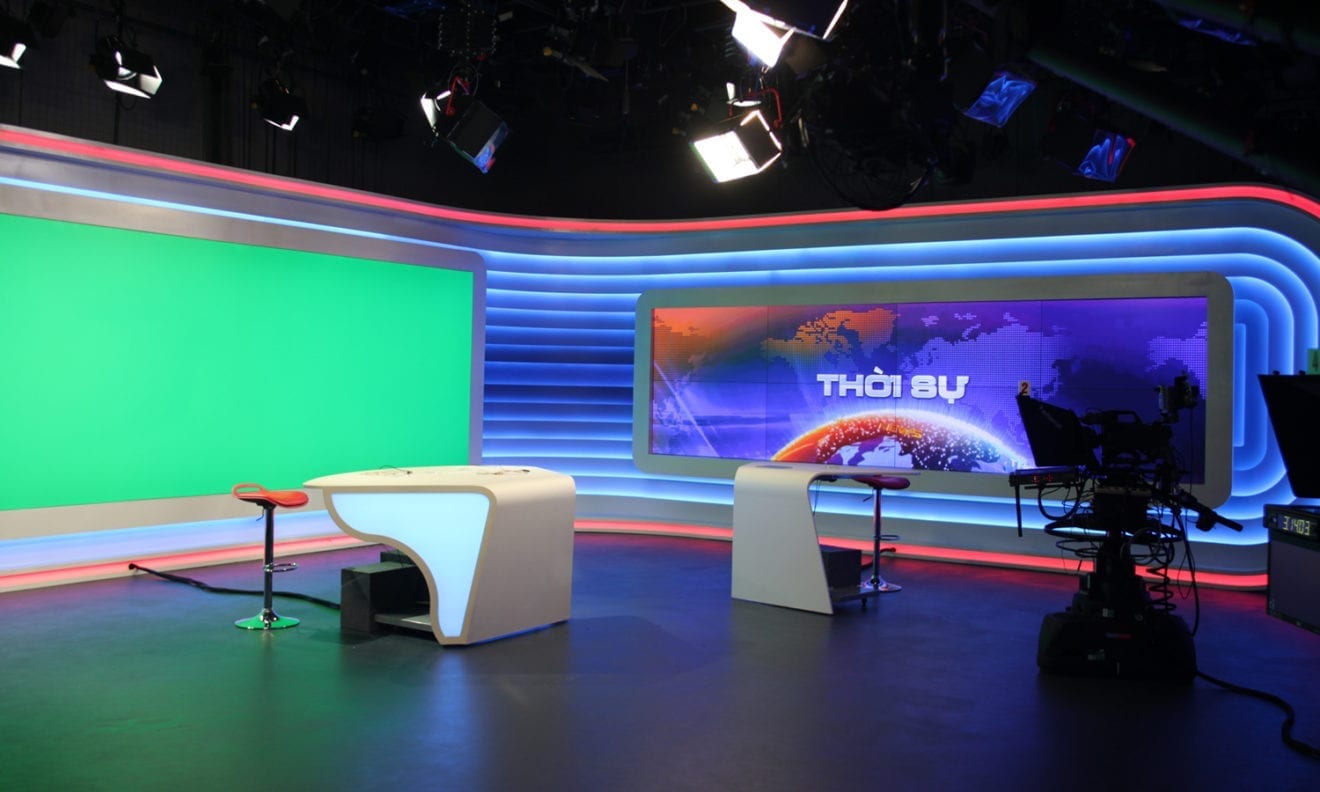
    Vietnam Television (VTV), Vietnam’s leading broadcaster, is using Harmonic equipment to support efficient delivery of high-quality content, including premium sports events, via its new live OTT offering. VTV has augmented its existing installation of Harmonic gear to accelerate deployment and the launch of new OTT services.

    “OTT TV has quickly become a popular choice among consumers in Vietnam, but the success of such services still depends on delivery of compelling content characterized by exceptional visual quality,” said Pham Anh Chien, MD, VTV Digital Center. “Harmonic addresses these requirements with its acclaimed portfolio of low-latency IP video products, which ensure that we can deliver even fast-paced live sports events with remarkable picture quality. As a result, we’re equipped to offer the best possible service to our OTT customers watching here in Vietnam and in overseas markets.”

    “Providing engaging content and ensuring exceptional video quality, VTV is setting a high standard not only for the Vietnamese market, but also for the markets worldwide that are tapping into its OTT services,” said Tony Berthaud, VP of sales, APAC, Harmonic. “As the company adds to its OTT offering, the readily scalable nature of Harmonic video infrastructure will facilitate smooth, cost-effective growth.”

  • Digital content revenues to exceed $180b by 2017

    Digital content revenues to exceed $180b by 2017

    A new study from Juniper Research has found that consumer spend on digital content will reach $180 billion next year, up nearly 30% on last year’s figure of $140 billion. The research indicates that revenue growth will primarily be driven by continued migration to streaming video services, with broadcasters and telco operators increasingly deploying their own on-demand and IPTV offerings to compete with OTT players.

    According to the study – Digital Content Business Models: OTT & Operator Strategies 2016-2021 – telcos also recognize the pressing need to invest in attractive, original content to compete with shows developed by Netflix and Amazon. It cited the example of Spain’s Telefónica, which is to produce 8 to 10 TV series per annum from 2017. Both BT and AT&T have indicated that they might commission original drama or entertainment in the near future.

    Meanwhile, several telcos have partnered with OTTs to offer consumers bundled ‘zero-rated’ content that does not impact monthly data allowances. The study shows that more operators might consider enhancing the relationship through the acquisition of a strategic stake in the content provider, as with TeliaSonera’s investment in Spotify.

    The research also highlighted Twitter’s recent acquisition of the online rights for the USA’s NFL as the first move by an OTT player into the sporting arena, and said that other players could follow suit. However, according to research author Windsor Holden: “The spiraling cost of most premium sporting rights means that bidders for exclusive live rights for must now pay several hundred million dollars per season. With most streamed audiences well under a million, this is likely to deter online-only players in the short and medium term.”

  • Naver uses VisualOn platform to power Line TV application

    Naver uses VisualOn platform to power Line TV application

    VisualOn’s OnStream MediaPlayer+ is now integrated into Korea’s Naver Player for Line TV service for iOS and Android devices.

    The aim is to enable scalable cross-platform media playback for global streaming media brands for a high-quality video playback experience,

    Naver Player enables Naver’s various live broadcasts and VOD videos to be viewed on iOS and Android devices with higher stability, quality, and scalability than the built-in device video player. Additionally, the platform features a one-touch notification function and an audio-only mode.

    Ranked one of the top 100 companies that matter most in online video by Streaming Media Magazine, VisualOn was chosen by Naver for the partnership for its market-proven multimedia software. Naver’s customers can now access high-quality, live TV streams and recorded shows on all the connected iOS and Android devices anywhere and at any time.

    “The Korean market is a crucial region for Naver and VisualOn due to its high volume of mobile consumers that expect a high-quality viewing experience no matter where they are,” said Andy Lin, CEO, VisualOn.

  • Mediacorp-Singapore launches Toggle Red Button

    Mediacorp-Singapore launches Toggle Red Button

    The Toggle Red Button, based on Hybrid Broadcast Broadband TV (HbbTV), has been launched by Mediacorp-Singapore for its OTT service. This will now together live broadcast TV and Toggle’s VOD services into a single seamless environment.

    Mediacorp is the first company in Asia to deploy HbbTV technology. The technology has been widely deployed across Europe, Australia and New Zealand with adoption rates up to 80% in some markets and a range of services such as games, voting and contextualized advertising

    The technology rides on Mediacorp’s Digital TV (DVB-T2) network and seamlessly combines broadcast with broadband TV. The service is delivered via HbbTV-enabled Smart TVs that are certified for the Toggle Red Button service, and available on selected models by major TV manufacturers.

    Key features of the service include direct access to Toggle’s catalogue of more than 12,000 hours of Mediacorp TV shows and Toggle Original content as well as an Electronic Program Guide (EPG), which provides program information, synopses, and schedules.

  • Korea clamps down on Chinese tour operators

    Korea clamps down on Chinese tour operators

    An influx of dodgy Chinese tour operators has prompted the South Korean government to mount a clampdown.

    Authorities say they will tighten regulations on tour operators that lure Chinese travellers with cheap, low-quality packages to screen out substandard agencies and improve the tourism industry’s competitiveness.

    A key problem is the practice of forcing travellers to shop at particular retailers in return for brokerage fees.

    The Ministry of Culture, Sports and Tourism said Tuesday it will form a task force with related organisations to crack down on tour operators that offer low-quality programs.

    “As the inbound travel market is the key industry directly linked to the national image and interests, the government and industry should make concerted efforts to correct the market order and improve the quality of the overall market,” vice culture Minister Kim Chong said in a briefing.

    In March, the ministry revoked the licenses of 68 tour operators, about 40 per cent of the agencies specialising in Chinese travellers, for offering unreasonably cheap prices and employing unqualified tour guides.

    Tour agencies targeting the Chinese have sprung up in recent years as the popularity of K-pop and Korean dramas have attracted more visitors from the Asian neighbour. But cutthroat competition has prompted some agencies to offer cheap package programs that include filthy rooms and expensive options, and often force tourists to drop by several souvenir shops to reap commissions.

    A recent tourism survey revealed that overall satisfaction among Chinese travelers fell 0.7 percentage point to 94.1 per cent in 2015. In particular, group travellers were less content with dining experiences than individual tourists.

    The ministry will also step up monitoring on unqualified tour guides near shopping centres and offer customised tour guide training programs in the medical, heritage and sports sectors.

    To address growing complaints, top tourism officials of South Korea, China and Japan will have a trilateral meeting in August to discuss ways to enhance the quality of the tourism industry in the respective countries and screen out substandard operators.

    The number of Chinese tourists visiting South Korea had sharply risen since 2010, but it fell 2.3 per cent on-year to 5.98 million in 2015, hurt by the Middle East Respiratory Syndrome outbreak.

    South Korea aims to attract 8 million Chinese tourists this year by offering various specialised tour packages in fashion, beauty, culture and leisure; adopting eased visa regulations; and expanding air routes between the two nations.

  • Shiseido buying US-based Gurwitch Products

    Shiseido buying US-based Gurwitch Products

    Japanese cosmetics company Shiseido has agreed to buy US-based Gurwitch Products from Alticor.

    This move would add the Laura Mercier and ReVive brands as the 140-year-old cosmetics giant seeks growth overseas in the luxury anti-aging products market.

    Its American unit will lead the acquisition, Shiseido says, without disclosing terms. The transaction is scheduled to close in the third quarter of this year.

    Gurwitch had sales of US$175 million (about ¥19 billion) in its latest financial year.

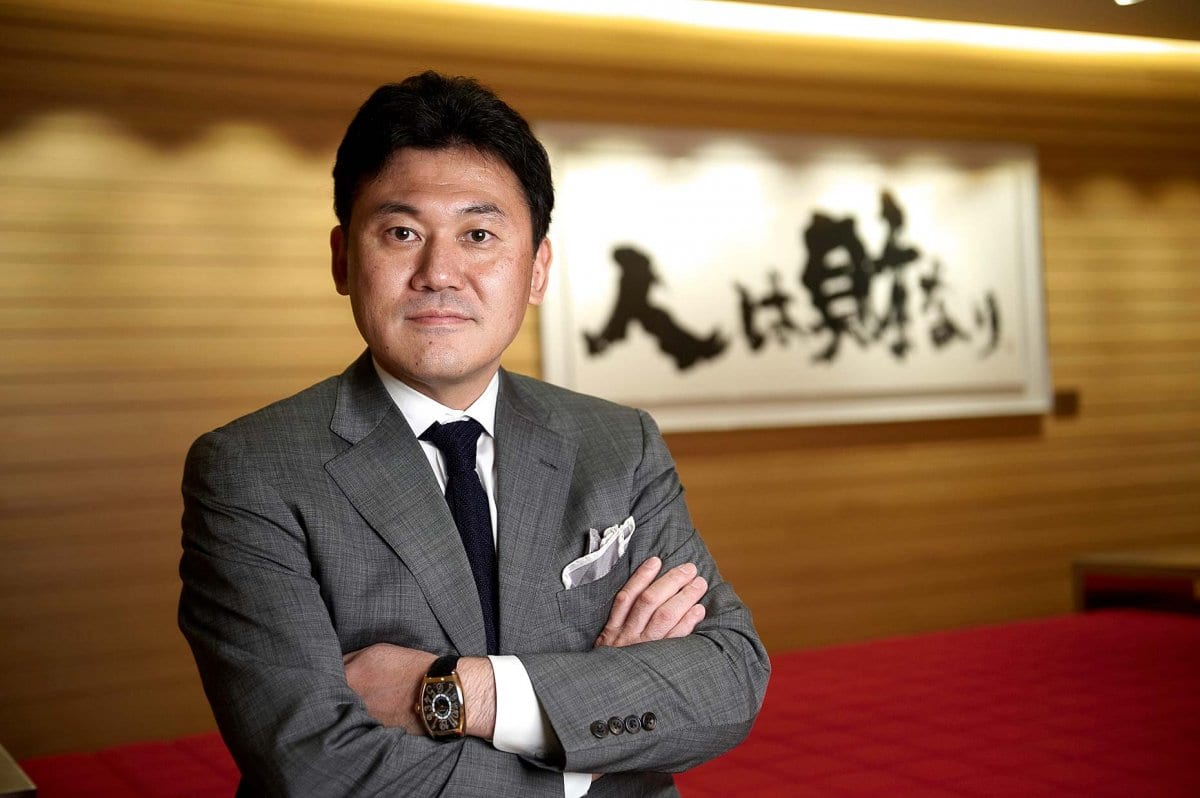
  • Restructure for Rakuten Europe

    Restructure for Rakuten Europe

    A restructure of Rakuten Europe will see the Japanese eCommerce company exit two countries to focus on France and Germany.

    Following a strategic review of its operations in Europe, Rakuten has decided to close its operations in the UK and Spain, due to the high capital cost of growth relative to the size of the businesses. The company says the move will “ensure it is fit to capitalise on future opportunities in the region”.

    “Rakuten will focus its eCommerce marketplace investment in France and Germany as the businesses there have the scale and potential for sustainable growth,” it said in a statement.

    Rakuten has started to talk with employees around the its plans to close the Rakuten UK marketplaceand its Cambridge operations and the Rakuten Spain marketplace and its Barcelona operations.

    The company will also start serving Austrian merchants from its German operations base after closing its dedicated Austria portal, currently managed out of Vienna.

    Rakuten says the marketplaces will close by the end of August, subject to completion of the consultation process with impacted employees in relevant jurisdictions, as well as other legal processes.

    “Rakuten will continue to evolve the eCommerce business model in countries across Europe, including initiatives such as the launch of a new Price Club to enhance membership loyalty in France and Rakuten Pro in Germany, a low-commission model for merchants aimed at enhancing service quality,” the statement said.

    “Rakuten will also continue to grow its presence in Europe across its diverse business portfolio, from eCommerce to digital content businesses such as Wuaki and Kobo, to the Viber messaging platform and the adtech business Rakuten Marketing.

    Headquartered in Tokyo, Rakuten Inc is one of the world’s leading internet services companies, offering a wide variety of services for consumers and businesses with a focus on eCommerce, finance, and digital content. It is Japan’s largest online retail portal, long referred to as “Japan’s Amazon”.

  • Uniqlo sales bounce back

    Uniqlo sales bounce back

    Uniqlo sales have bounced back from decline, giving parent Fast Retailing a much-needed round of good news for May.

    Same-store Uniqlo sales in Japan rose 5.9 per cent year-on-year, even though customer traffic fell 3.6 per cent. The average purchase increased by 9.9 per cent to make up for the customer shortfall.

    Total sales including online increased by 7.6 per cent.

    The figures show only trading in Uniqlo’s Japan division.

    Analyst Masafumi Shoda of Nomura Securities said in a research note that Fast Retailing’s sales decline appeared to have bottomed.

    “While jogger pants remained strong, trendy merchandise such as women’s t-blouses and embroidered t-shirts also emerged as drivers. Another contributing factor was the successful expansion of the mainstay Airism line to bottoms. Even factoring out the boost from the customer appreciation sale at the end of the month, signs are beginning to emerge that the company is successfully asserting leadership on both price and fashion.”

    But Shoda said profitability will be likely to decline both overseas and in Japan in the March to May period, due to retooling, “but we think it will improve in June to August thanks in part to the likelihood of a rebound from prior-year results dampened by unseasonable weather”.