Tag: asia

  • CenturyLink expands cloud platform to Australia

    CenturyLink expands cloud platform to Australia

    CenturyLink has announced the availability of CenturyLink Cloud in Australia.

    The CenturyLink Cloud platform delivers enterprise-class control, agility, scalability and security backed by an industry-leading global network.

    Businesses based or operating in Australia can now turn to a single, trusted provider for public and private cloud infrastructure, managed services, colocation, network connectivity and support for advanced hybrid solutions.

    The Sydney cloud node joins the company’s other available cloud locations in the US, UK, Canada, Germany, and Singapore.

    Gery Messer, CenturyLink managing director, Asia Pacific, said “Launching the CenturyLink Cloud node in Australia signals our strong commitment to this key growth market.

    “We’re seeing increased customer demand for IT services in Australia, which is one of the most connected countries in the world. Thanks to our continued investment in Asia Pacific, many more organizations are achieving success on their hybrid IT journeys,” the executive said.

    Business research and consulting firm Frost & Sullivan predicts cloud spending in Asia Pacific will reach $20 billion in 2018.

    CenturyLink’s presence in Asia-Pacific dates back to 1999. Numerous regional and multinational corporations in Australia are customers.

    The Australia cloud node is one of several recent cloud advancements for CenturyLink. In early March, the CenturyLink Development Center opened in St. Louis with a focus on building cloud-based managed services that help drive increased value for businesses. In January, the company launched Relational Database (DB) Service, a MySQL-compatible database-as-a-service designed to meet application developers’ rapid software requirements and drive more agile IT.

  • Telstra to launch Cloud Gateway in June

    Telstra to launch Cloud Gateway in June

    Australia’s largest operator Telstra will launch a product for businesses needing to connect to multiple cloud environments.

    The company has also added Amazon Web Services (AWS) to its list of supported cloud platforms. The service, named Cloud Gateway, will launch in June 2016.

    Cloud Gateway aims to provide private and secure connectivity directly into multiple public cloud platforms. This one-to-many “gateway” model connects an IP network service to the cloud with data carriage, cross connect in the hosting data center, configuration and support.

    Organizations are expected to be able to access their chosen cloud platform from around the world simply and securely, with increased application performance via Telstra’s IP network.

    Initially, Cloud Gateway will offer customers around the world connectivity to AWS and IBM SoftLayer, while Australian customers can also connect to Microsoft Azure, Office365 and VMware vCloud Air. More infrastructure and SaaS platforms are expected to join over time.

    Telstra executive director for global products and solutions Philip Jones said Cloud Gateway aims to help customers take full advantage of multiple cloud-based workloads.

    “Most organizations don’t realize the full value of cloud out of a single service. Instead, our customers are investing in sophisticated hybrid cloud environments, which come with their own range of fragmented networking challenges,” said Jones.

    “These include managing multiple vendors, portals and contracts, while trying to maintain a high level of security, performance and operational efficiency. We believe that just because these solutions are sophisticated, doesn’t mean that they should also be complex. Cloud Gateway is Telstra’s simple way to connect multiple clouds, and create hybrid environments.”

  • Mobile money service launched in Bangladesh

    Mobile money service launched in Bangladesh

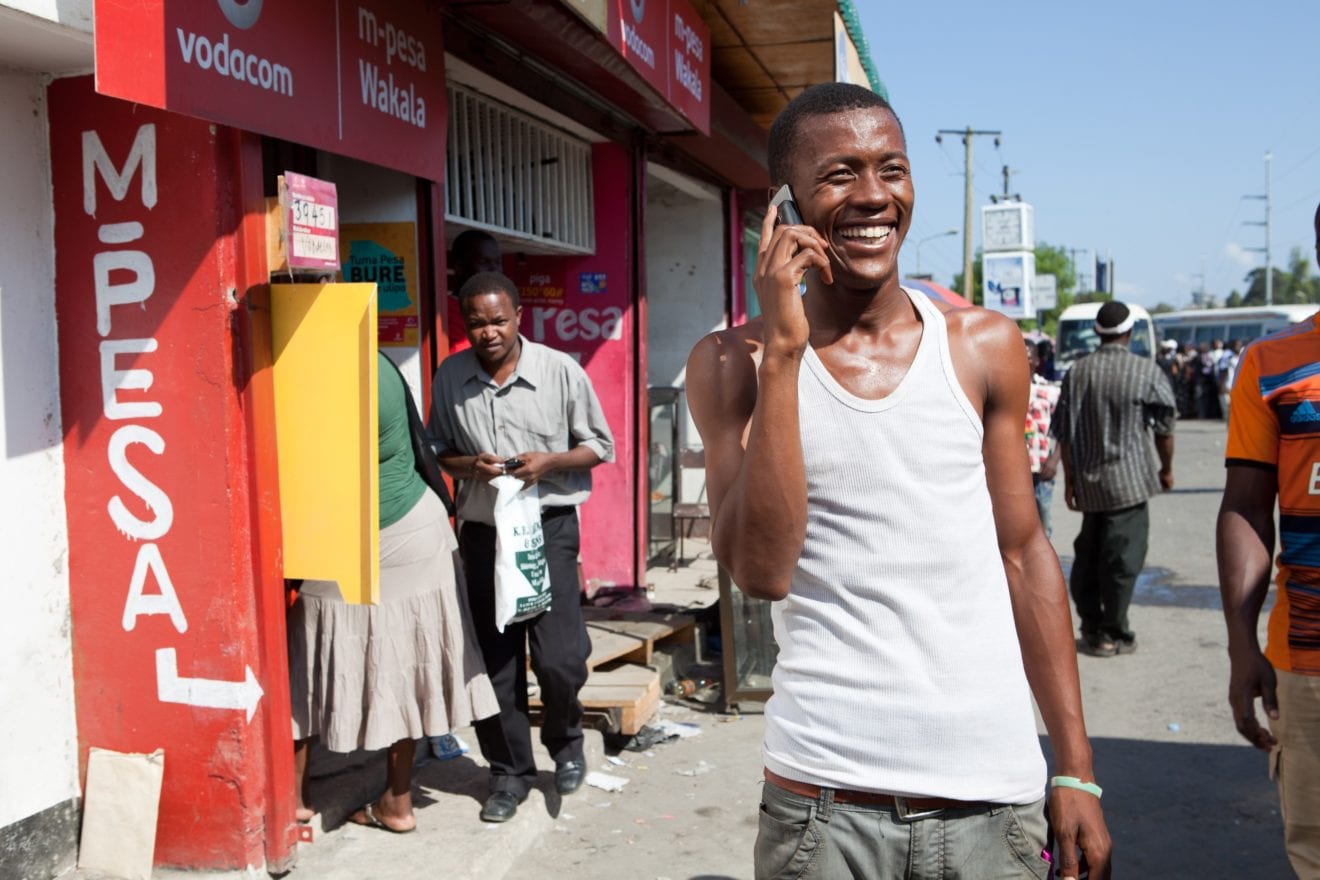
    Financial inclusion in Bangladesh just took a stride closer to reality with the launch of a new international remittance receiving service via a partnership between MasterCard, Western Union, bKash and BRAC Bank.

    The new service enables bKash’s registered customers to use their mobile phones to receive remittances from abroad directly into their bKash accounts.

    A subsidiary of BRAC Bank and a joint venture between BRAC Bank and Money in Motion LLC of USA, bkash serves the low income masses of Bangladesh to achieve broader financial inclusion by providing services that are convenient, affordable and reliable.

    With 70% of the population living in rural Bangladesh many of whom have no access to formal financial services, it is also the eight largest receiver of international remittances in the world. Under 15% of Bangladeshis are connected to the prescribed banking system whereas over 68% have mobile phones.

    World Bank South Asia Financial Inclusion Index 2014These phones are not only devices for talking, but can be used for more useful and difficult processing tasks. bKash was conceived primarily to use these mobile devices and the universal telecom networks to extend financial services in a protected manner to the under-served distant population of Bangladesh.

    By using the new service, bKash’s registered customers can receive remittances from every Western Union send market and channel directly into their bKash account, 24 hours a day.

    MasterCard’s Matthew Driver said: “This relationship is another step towards achieving our global commitment to make the financial system accessible to 500 million more people by 2020. Working with companies such as bKash and Western Union is crucial to taking advantage of the latest technology; digitizing money transfers and supporting financial inclusion efforts in the South Asia region and worldwide. The choice, flexibility and convenience of this new bKash service will help to expand financial inclusion to some of the most remote parts of this thriving nation.”

    Western Union’s Jean Claude Farah said international money transfers over mobile phones will accelerate financial inclusion in Bangladesh where there are currently more mobile phones than there are customers with bank accounts.

    In 2011, the Bangladesh Bank, the country’s central bank, issued the Mobile Financial Services (MFS) Guidelines and mandated that the model where MFS must be bank-led but also clearly indicated that partnerships with mobile operators must be forged to reach customers. The first two MFS providers to emerged as leaders early on were BRAC/bKash and Dutch Bangla-Bank/DBBL.

    Like many parts of developing Asia, financial inclusion is part of the government via the central bank’s strategic plan, aimed at ensuring these products meet the needs of the traditionally underserved segments of society. Among the services on priority list include expanding access to financial services to women, poor and rural populations; and formalizing financial services by promoting registered transactions.

  • Telkomsel’s LTE footprint reaches 100 cities

    Telkomsel’s LTE footprint reaches 100 cities

    The company has to date deployed more than 4,500 base stations in Sumatra, Java, Kalimantan, Sulawesi, Bali, Nusa Tenggara, and Papua.

    According to the operator, 4G subscriber take up is strong. The company has around 5 million 4G subscribers, and is aiming for 12 million by the end of the year.

    The latest city to be covered by Telkomsel’s LTE rollout is Ambon in the Maluku province. The company has established 29 base stations in the seaport city, and aims to roll out 373 in the Maluku region.

    Telkomsel’s current focus is on expanding its LTE network in the ‘buffer zones’ of Jakarta and Bandung, the company revealed.

    Telkomsel was Indonesia’s first mobile operator to launch LTE services in late 2014, using the 900-MHz band. The company – along with its four major rivals – also launched LTE over the 1800-MHz band in July last year.

  • Tenant Manila is a cafe and a surfwear shop in one

    Tenant Manila is a cafe and a surfwear shop in one

    On the ground floor of Solace Hotel in Makati, there is a coffee shop, and just above it, a lifestyle boutique specializing in surfwear. It’s an unfamiliar, if welcome, amalgamation of the laid-back vibe of a neighborhood cafe, the stylish urbanity of the city, and the anything-goes attitude associated with going out to the water to catch some waves. How, then, has such a place come to exist?

    tumblr_o37d6py7wa1qf32sfo1_1280

    Nearly 20 years ago, the designers Anton Lopez and John Esguerra met while working at Diesel in Italy before eventually going on different paths. “When John moved to Hawaii to surf and design, I moved to Hong Kong to work for Nike,” Lopez explains. “We stayed in touch and always spoke about the potential of developing our own brand and retail concept.” Despite their Filipino heritage, neither Lopez nor Esguerra grew up in the Philippines. This led them, Lopez says, to be “fascinated with the idea of coming ‘home’ and developing a unique brand that was based in Manila [and] had strong influences and inspiration from all the places we’ve lived.”

    Tenant Edit.jpgQuality Peoples statement tee. Photos by PATRICK DIOKNO.

    Out of that fascination came Tenant Manila, a cafe-boutique opened in February that is, according to Lopez, “rooted in surf and beach culture,” something they felt was “a natural and authentic fit for a brand developed in the Philippines.” The coffee shop serves an array of drinks (aside from the caffeinated kind, they have tea, juices, and alcoholic beverages), snacks, and meals. Meanwhile, the second-floor shop sells everything from men’s apparel and accessories to surfboards and even books. “The idea behind merging a cafe and a retail shop was to blur the lines of what a retail experience is meant to be,” Lopez says. It’s a concept that they believe appeals to everyone: “We wanted to create a space where you can shop, design, meet, have a drink — multipurpose without any pretenses.”

    Tenant 4.jpgMollusk windbreaker, Saturdays NYC tee and H&M trousers. Photos by PATRICK DIOKNO.

    Lopez believes that Tenant is distinct in its branding. “We believe we distinguish ourselves first by our unique brand partners,” he says. “Most of [them] decided to launch first with us in the Philippines.” The shop carries products by Saturdays NYC, Converse, Kapital, Mandala (making its retail debut), Mollusk, and Esguerra’s own Quality Peoples, to name a few. In addition, they are expanding the shop’s offerings within the year with new menu items, new brands, and events relating to art, music, and film.

    The largest project will involve the development of an in-house brand with its own products this summer. “[It] will encompass Tenant culture,” Lopez says. “Good quality, attention to detail, relaxed and authentic clothing and accessories.”

    tumblr_o3cqsvmJH21qf32sfo1_1280

    Lopez and Esguerra believe that what they’ve built really connects to the modern Filipino lifestyle. “I think we are, in essence, a modern concept and creative brand,” Lopez shares. “And with that alone, I think we fit into anyone’s lifestyle. We hope to connect with Filipinos based on our honest and thoughtful approach through all aspects of the Tenant brand.” He adds: “Our hope is that Tenant is recognized as a creative environment for everyone, a space with beautiful and well-curated apparel and goods. Somewhere to have a great cup of coffee and good conversation with your friends.”

    Tenant 5.jpgSaturdays NYC knit pullover (left) and Saturdays NYC bonnet. Photos by PATRICK DIOKNO.

    ***

    Styled by David Milan
    Grooming by Gery Penaso for MAC Cosmetics
    Modeled by Javi Marcalain
    Shot on location at Tenant Manila


  • Shop young progressive Malaysian brands at LOKA, NU Sentral

    Shop young progressive Malaysian brands at LOKA, NU Sentral

    Homegrown brands in Malaysia usually start off by participating in bazaars or selling online.

    With limited funding, it is difficult to penetrate into big retail malls. One way is to succeed collectively, as seen in LOKA, an initiative to foster the talents of the next generation brands so they can hopefully expand in Malaysia and even in the ASEAN region.

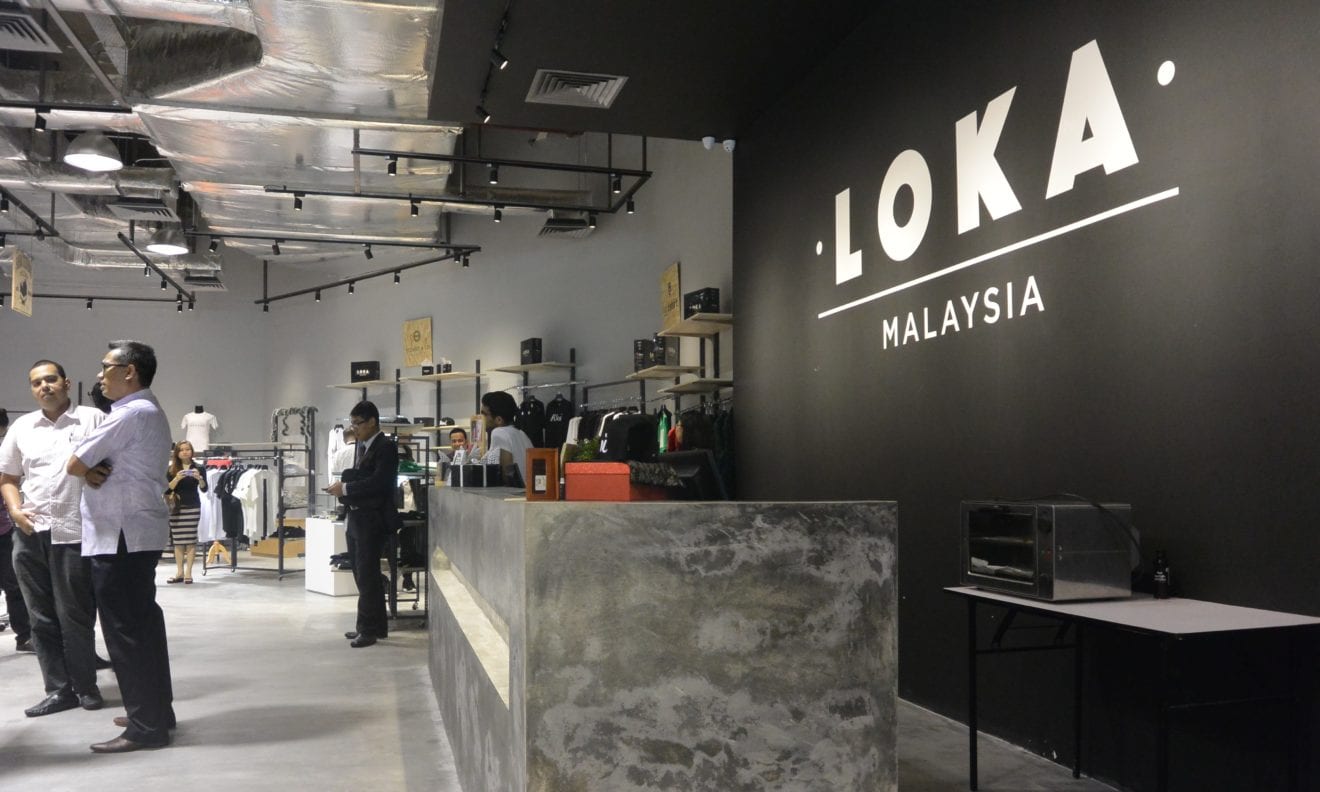
    Located in NU Sentral, next to H&M, LOKA is home to startup brands like Ash Be Nimble, Cufica, Greenroom136 and many more.

    Kamarulazhan Abdullah (co-founder of Cufica), Zye Ramli (LOKA store manager), Kamarul Akbar (co-founder of Cufica) and Patrick Lim (founder of Greenroom136) are advocates of homegrown brands.

    Kamarulazhan Abdullah (co-founder of Cufica), Zye Ramli (LOKA store manager), Kamarul Akbar (co-founder of Cufica) and Patrick Lim (founder of Greenroom136) are advocates of homegrown brands.

    Zye Ramli, the general manager of LOKA, has a lot of experience in mentoring startups. She was previously in publishing and media, public relations and subsequently worked on incubating startups in Malaysia. “LOKA is a movement, a curator of local brands. It is an organisation, a company, an agency that curates all local lifestyle brands under one roof.”

    As Zye elaborates, the company that owns LOKA is called Gemilang 4E where the term 4E stands for “for entrepreneurs.”

    “It is an entrepreneurship development agency that solicits for local designers and artists, asking them to come onboard and help them to elevate their businesses. The reason why Gemilang 4E does this is because they realised a couple of years back that the ministry and government gave a lot of support and attention to technology startups but not so much to lifestyle entrepreneurs.”

    Nightwear and children’s wear are some of the offerings at LOKA (left). Eco-friendly bags are sold at LOKA (right).

    Nightwear and children’s wear are some of the offerings at LOKA (left). Eco-friendly bags are sold at LOKA (right).

    Gemilang 4E took the initiative to start campaigns for the entrepreneurs. Zye noted also that they realised these local brands go for ground events like Tempatan Fest and Urbanscapes where they build their platform.

    However, because they are designers, Zye is of the opinion that many of them lack business sense. “They don’t have the funds or capabilities to go into a premium mall so they keep on following these on ground events and e-commerce events but what we want to do is elevate their business to another level.”

    LOKA approaches these homegrown brands by asking them to join in. Most of the brands were open to the idea because on their own they cannot afford the rental at such a premium space in a mall. So far, LOKA has amassed around 40 brands.

    Each brand is given an individual space and they are on consignment basis. LOKA takes a percentage from the consignment. The space is not calculated as rental but the brands pay a service fee.

    These colourful tassels will brighten up anyone’s mood (left). Doof bean bags are great alternatives to couches and chairs (right).

    These colourful tassels will brighten up anyone’s mood (left). Doof bean bags are great alternatives to couches and chairs (right).

    In return the LOKA ambassadors sell the products for them and LOKA runs marketing campaigns for individual brands too. All the brands under LOKA also sign an agreement where the products will be there for three months and under review for its sale performance.

    After three months, both LOKA and the brand will decide whether to continue. It has to be a mutual decision between two parties meaning that you can’t just simply open a space one day and move out the next day.

    Before LOKA opened, food was part of the plan but due to time constraints, they couldn’t bring in the food vendors on time. Currently the plan to bring in food is put on hold for the moment.

    There are some homeware products but the majority are fashion, accessories and lifestyle products. Each brand goes through a screening process where they are evaluated based on their history and social media followers.

    The brand also has to be the right product mix for LOKA. “We do get a lot of proposals. If we have too many street wear brands, I will have to see if they can compete with the current products or I have to put them on KIV (keep in view). If someone approaches me with something we don’t have and it looks interesting, we will look into it,” said Zye.

    Choose from a variety of Malaysian brand shoes (left). Decorate your house with some greens (right).

    Choose from a variety of Malaysian brand shoes (left). Decorate your house with some greens (right).

    The reason NU Sentral was chosen is because it is a good catchment area, a centralised location that serves the Petaling Jaya and Kuala Lumpur market as well as a tourist hub. LOKA has launched their outdoor campaigns in Jalan Travers, Bangsar and parts of KL to also create a buzz for the shop.

    “We haven’t launched a 100 per cent campaign yet. We will have escalator wraps in NU Sentral and KL Sentral and we plan to go to the campuses as well. There are 22 corporate buildings around KL Sentral and we will market to them too,” said Zye.

    So, how do homegrown brands expand with the help of LOKA? “They are the brand custodians of their own products. LOKA will assist them in terms of elevating their standing in the market but at the end of the day, they are the brand custodians. So whatever they do out there, they have to give us enough support to complement each other. They need to find ways to get into market expansion. We provide the facilities for them but we can’t provide everything for everyone,” she said.

    Ultimately, the brands have their own team and investors and should they need extra assistance, LOKA can step in to assist. The first phase of LOKA NU Sentral is completed and phase two would entail opening another outlet outside KL. Kota Kinabalu, Kuching, Johor Bahru and Penang are places they are considering for phase two. For phase three, LOKA plans to expand to the ASEAN region.

    With regards to LOKA, there are people curious enough to come and find out what’s available. “It has been encouraging. For two and a half months we are doing okay. There is buzz, talk and a lot of reviews. Fridays, Saturdays and Sundays are better,” said Zye.

    Local bag brand Greenroom136 is one of the vendors at LOKA.Local bag brand Greenroom136 is one of the vendors at LOKA.Patrick Lim of local bag brand Greenroom136 is one of the first few vendors under LOKA. He started out his brand online and now he sells his products with LOKA.

    “LOKA called me. So,they came by our studio and introduced the concept and we were interested. The emphasis is on local entrepreneurship, something we always advocate in our brand. Immediately we saw a brand fit. The fact that we have an opportunity to set up in a mall was the other pulling factor. We have been onboard since day one. We are expanding our operations, hiring more people for production and get things to the next level since being part of LOKA,” said Lim.

    He feels that LOKA is a good opportunity for local independent brands who start up small to have an establishment to support the front line efforts. Being part of LOKA will be a permanent initiative by Greenroom136 as they want to expand as LOKA opens more outlets. It helps them to grow, an opportunity that is hard to come by for local brands. Lim said that if he called a premium mall, they would prefer to pick an international brand rather than a local one.

    “We started off as an online business and we sell products that are RM300 and above. We pride ourselves on quality. Some customers are bitten by the made in Malaysian bug so when you have a higher price, they feel it is dubious so it is better that they can touch and feel the product in person. So it is a win-win all across,” he said.

    Another vendor at LOKA is Cufica, a Muslim lifestyle product brand that sells home decor and fashion apparel. It was started by friends Kamarulazhan Abdullah and Kamarul Akbar. The products are designed by them personally and made in Malaysia. “We joined LOKA since December and so far, it’s been good. Our sales and performance have increased since being part of LOKA. The location is good and it is easier for our customers to buy our products,” said Kamarulazhan. As the duo are based in Sentul, the shop at NU Sentral is also a strategic spot for them. Cufica started having a lot of new followers since being part of LOKA. They also started getting international customers that is a boost for the brand. Kamarulazhan said that they plan to stick around with LOKA as long as they can.


  • TFWA Singapore: conference programme revealed

    TFWA Singapore: conference programme revealed

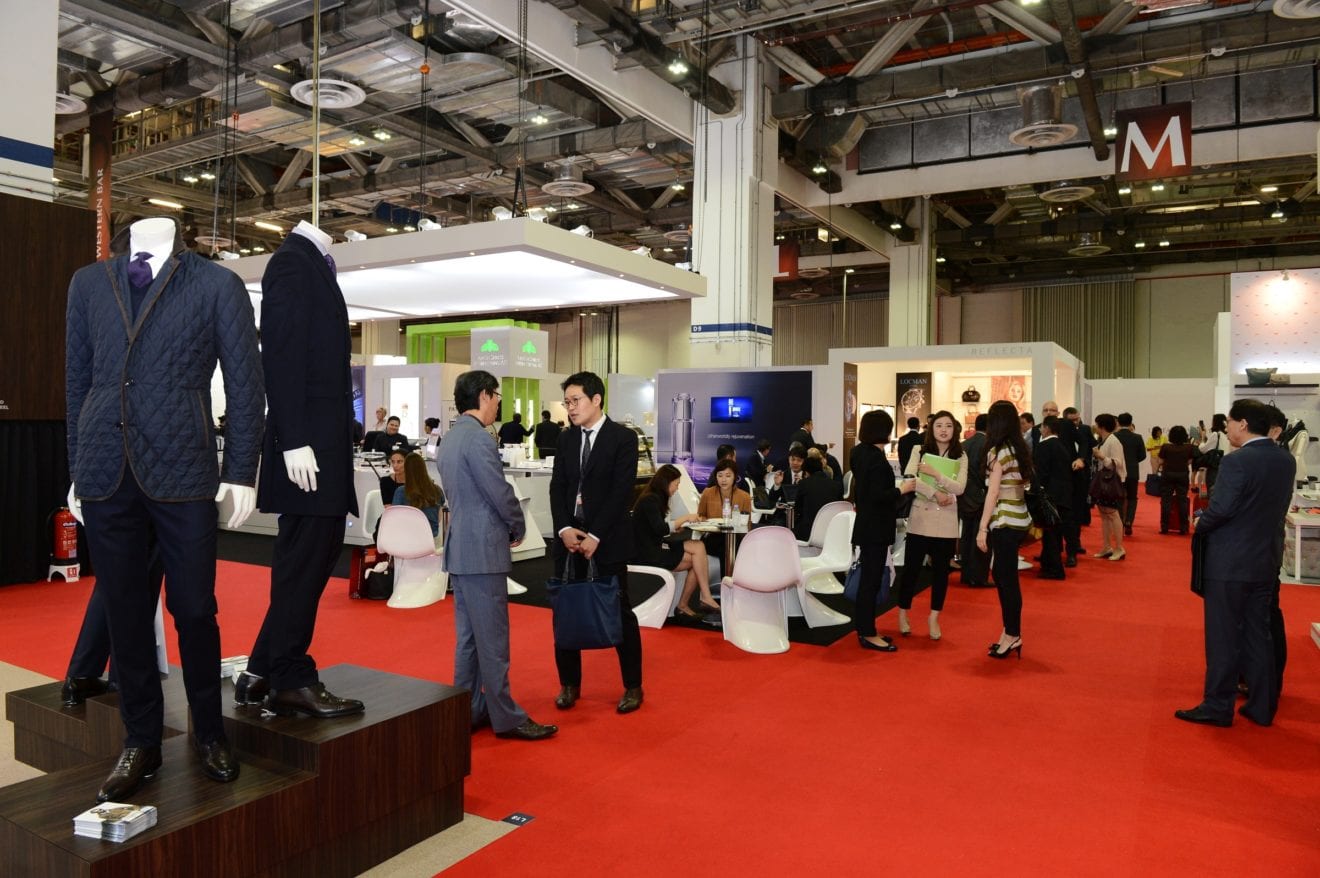
    TFWA Workshop imageOff-airport duty free developments, millennial travellers and legislative threats to travel retail’s growth will be focal points for discussion at this year’s TFWA Asia Pacific Exhibition & Conference, 8-12 May.

    The trio of workshops will provide delegates with the vital insight they require to meet the challenges facing their industry.

    Workshop A will look at ambitious off-airport duty free developments, which have gained particular traction in Asia.

    Speakers include Amos Xu of Haikou Meilan Airport Duty Free Shop, Hyunah Ahn from Korea duty free operator Hanwha Galleria Timeworld and Peter Mohn from M1nd-set.

    Workshop B will delve into the hopes and expectations of the ambitious millennial traveller, with speakers including Singapore-based bloggers Uli Chan and Christabel Chua, Grant Fleming from Lagardère Travel Retail and Cheryl Lim from McKinsey who co-authored a report on capturing the Asian millennial traveller.

    Workshop C will pinpoint and discuss current legislative and regulatory threats, packaging regulations and carry-on board rules and specific categories such as alcohol and tobacco to establish ways of safeguarding the industry.

    Speakers include Sarah Branquinho, ETRC president; Andrew Gardiner, Asia Pacific Travel Retail Association board member and chief of retail & Launceston, Australia Pacific Airports (Melbourne); Duty Free World Council president Frank O’Connell and GfK global head of travel & hospitality Laurens van den Oever.

    “With three sessions running simultaneously, there will be plenty of food for thought during what promises to be a highly informative and constructive afternoon,” says TFWA vice president, conferences and research Thom Rankin.


  • Singapore GIC Makes First Investment in Indonesia’s Logistics Sector

    Singapore GIC Makes First Investment in Indonesia’s Logistics Sector

    Singapore sovereign wealth fund GIC has teamed up with Indonesia’s PT Mega Manunggal Property (MMP) to develop a portfolio of quality logistics warehouses over the next three years.

    The warehouses will boast nearly 500,000 sq m of net leasable area in both Greater Jakarta and Greater Surabaya in Indonesia, the two firms said in a joint press release issued yesterday.

    The partnership aims to meet increasing demand by companies for sophisticated inventory systems which cannot be fulfilled by traditional warehouses, they added.

    This is GIC’s maiden investment in Indonesia’s logistics sector.

    “We are attracted by the long- term growth of this sector, which is underpinned by the strong consumption of Indonesia’s rapidly rising middle class,” GIC Real Estate’s managing director and co-head of its Asia operations, Mr Loh Wai Keong, said. “We believe GIC’s knowledge and experience investing in logistics, both in Asia as well as other global markets, will add value to this partnership.”

    MMP, a publicly listed company in Indonesia, develops, owns and operates logistics properties, with a focus on international quality warehousing. “The partnership will also focus on increasing productivity,” MMP president director and chief executive Fernandus Chamsi said, adding that having good operations and quality human resources, as well as good corporate governance, helps.

    Indonesia was ranked 54th in the World Bank’s Logistics Performance Index of 2014. Restrictions on foreign investment in its logistics sector were recently loosened under President Joko Widodo as his administration aims for economic expansion and higher growth by 2019.

    GIC has over US$100 billion (S$135.9 billion) in assets under management in the property, private equity, fixed income and equity sectors in over 40 countries. It has been investing in emerging markets for over two decades.

    It has invested in Indonesia’s retail sector, putting in about 5.2 trillion rupiah (S$537 million) in PT Trans Retail, which operates hypermarkets, supermarkets and cash- and-carry stores under the Carrefour and TranSmart brands.

  • A British textile designer’s eclectic Hong Kong home

    A British textile designer’s eclectic Hong Kong home

    “I basically live textiles,” says British designer Sarah Coates, who moved to Hong Kong four years ago with her husband, Peter, a journalist with Reuters, and daughter, Stella, now 11 years old. The family home, a light-filled 2,000 sq ft apartment in Mid-Levels, is evidence of her passion for all things woven, crocheted or otherwise crafted.

    “I looked at loads of apartments when we were searching for our new home in Hong Kong, many of which had lots of shiny gold taps, so when our estate agent warned us that this one was ‘a bit basic’ I just thought, ‘Yessss!’” says Coates.

    The location, near Bowen Road, with panoramic views over the city towards Kowloon, was another plus.

    “I like the idea of being slightly removed from the city but still part of it,” Coates says.

    The apartment has an open-plan living and dining room, with a balcony spacious enough to accommodate a large dining table and outdoor sofa.

    “I also enjoy the convenience of living on one level, which is very different to our London home,” she says.

    The couple lived in New York, Beijing and, more recently, the British capital before moving to Hong Kong.

    “I learned my lesson after three international moves,” Coates says. “I ship absolutely everything. It is really important to commit to where you are and to make it your real home.”

    Among the couple’s belongings are a bright pink corduroy three-seater that was Coates’ first ever furniture purchase and a vintage oak church pew they bought while living in New York.

    “The pink sofa is propped up on one side with books but it is so comfortable and reminds me of my first home, so why not?” Coates says.

    Once settled, Coates started designing a range of cushions for Hong Kong design store Deem (recently closed) and developed a retail brand of hand-knitting wool, called KPC Yarns, for Novetex Textiles. “That is the beauty of being a textile designer – it is the ultimate transferable skill,” Coates says.

    More recently, she happened upon a family-owned warehouse with a stock of fabrics from the 1960s that she and her business partner, Tarlan Amigh, have since transformed into the Smith & Coates range of distinctive cushions, lampshades and clothing.

    “The fabric is quite special with a modern sensibility. I know what I like to live with and how a beautifully woven textile, like a bold geometric print or a vibrant motif, can transform a space,” Coates says, pointing to her daughter’s bedroom, a cornucopia of crocheted cushions, bright prints by local artist and family friend Tania Willis and intricately embroidered fabrics.

    “I especially like the Hong Kong-ness of this apartment,” Coates says. “It is also very light, the windows open properly and the parquet floor isn’t shiny, which is often the case in homes here. It was built in 1966 so it has that lovely old Hong Kong feel.

    All I had to do was install fabric Roman window blinds and we were set.”

    One of the four spacious bedrooms has been transformed, magpie-like, into a studio packed with inspiration. Everything from Delft tiles to Lunar New Year decorations is displayed alongside a rail of Smith & Coates coats featuring a crafted aesthetic, and an exotic assortment of prototype lampshades covered in rich silk brocades with metallic threads.

    As an expatriate living what some see as a temporary life in Hong Kong, it is especially important to make an effort to create this sort of sensory “real world” or sense of home with things that are part of your life, says Coates.

    “It’s very easy to think your real life is happening somewhere else but … you have to be present wherever you are living and invest in it.”

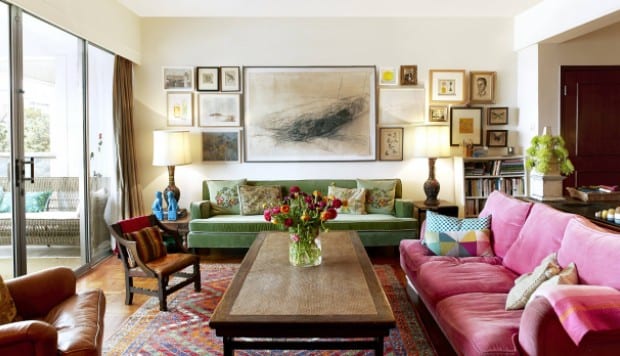
    Living Room Sarah Coates sourced the green Edward Wormley velvet 1960s sofa from local boutique Deem (now closed) while the salmon pink sofa was bought years ago in Britain. The embroidered cushions were handmade by Peter’s Dutch grandmother; Coates crocheted the colourful cushion. The green spotted silk cushion (HK$1,300) was from Smith & Coates (tel: 6245 3500;www.smithandcoates.net). The Scholten & Baijings pink cashmere throw (HK$3,000) was from Droog (www.droog.com), in Amsterdam, in the Netherlands. The opium-bed coffee table was bought years ago in Beijing and the side tables were gifts. The rug was sourced from a shop in Ap Lei Chau that has since closed and the lamps cost about HK$1,000 each from a New York flea market. The pair of aqua Foo dogs cost HK$200 each from the Cat Street market, in Sheung Wan. The small leather and wood chair and the leather armchair were gifts from Peter’s grandmother. The artworks on the wall were collected over the years; the main piece is by British artist Karn Holly (www.mallgalleries.org.uk). The Danish outdoor sofa (HK$9,000), with Smith & Coates cushions, came from Manks (14/F, Cheung Tak Building, 30 Wong Chuk Hang Road, Wong Chuk Hang, tel: 2522 2115).

    Dining room The dining table (HK$1,000) was from Ikea and the chairs (about HK$2,000 each) were sourced from Deem. The tablecloth (HK$200) came from Anokhi (www.anokhi.com), in India. Coates made the ceramic tulipiere based on a Delft piece as a gift for her husband. The orange stool (HK$2,600) was from Smith & Coates. The rug (HK$1,200) was found at Mister Zimi (www.misterzimi.com), in Australia. The Tom Dixon lamp (HK$2,000) was from Homeless (various locations;www.homeless.hk). The pair of artworks on the wall are by Sophie Smallhorn (www.sophiesmallhorn.co.uk) and were bought directly from the British artist. Beneath the artworks are a lamp (from Wah Tung China, 7/F, Lee Roy Commercial Building, 57 Hollywood Road, Central, tel: 2543 2823), candlesticks and fabric that were all bought years ago. The window blind (HK$500) was made by New Bedford Interiors (67 Queen’s Road East, Wan Chai, tel: 2520 0330). The Chinese medicine cabinet and umbrella stand were bought in Beijing. The lacquer lantern (HK$30) was found in a local street market. The artwork above the chest is by British artist and journalist John Piper.

    Entrance The sofa was bought years ago from The Conran Shop (www.conranshop.co.uk), in Britain. Coates crocheted the pair of cushions while the lamp came from Peter’s grandmother. The pen drawing is by artist David Teather (davidteather@hotmail.com). On the left is a Chinese embroidered silk sleeve band, one of a pair brought back from Shanghai in the 60s by Peter’s grandmother.

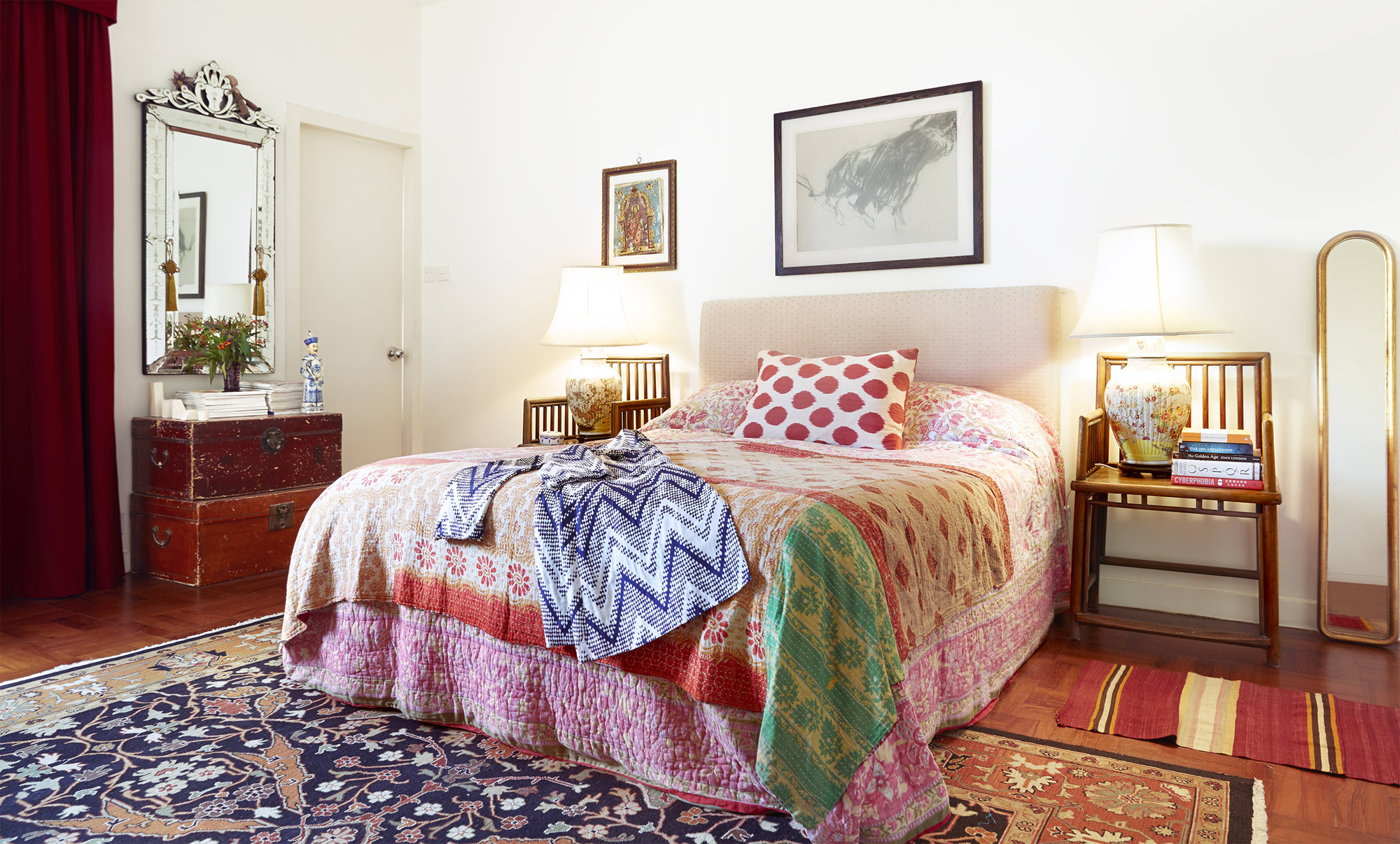
    Master bedroom The bed and headboard came from a previous home. The Venetian ornate mirror was a wedding present. The vintage leather trunks and small figurine were found in a Beijing market. The large floor rug was bought in New York; the smaller striped rug came from Afghanistan. The tall mirror came from Peter’s grandmother. The artwork above the bed is by British artist Jo Taylor (represented by The School House Gallery, in Wighton, Wells-next-the-Sea, Norfolk, tel: 44 1328 820 457) and was bought years ago directly from the artist. On the bed are a Smith & Coates woven silk coat and spotted cushion (HK$1,300). The curtains were made by New Bedford Interiors and cost about HK$1,500.

    Studio An oak dining table, bought years ago in New York, provides ample work space. The chair, from Deem, is part of the dining room set. The brightly coloured work hanging on the chair is a crocheted striped scarf (HK$2,500), which was handmade by Sarah for Smith & Coates. On the clothes rail is a collection of Smith & Coates coats made using vintage silk brocade that comes from a Kowloon silk mill that closed in the 60s. The woven palm mat came from the Philippines and was a present.

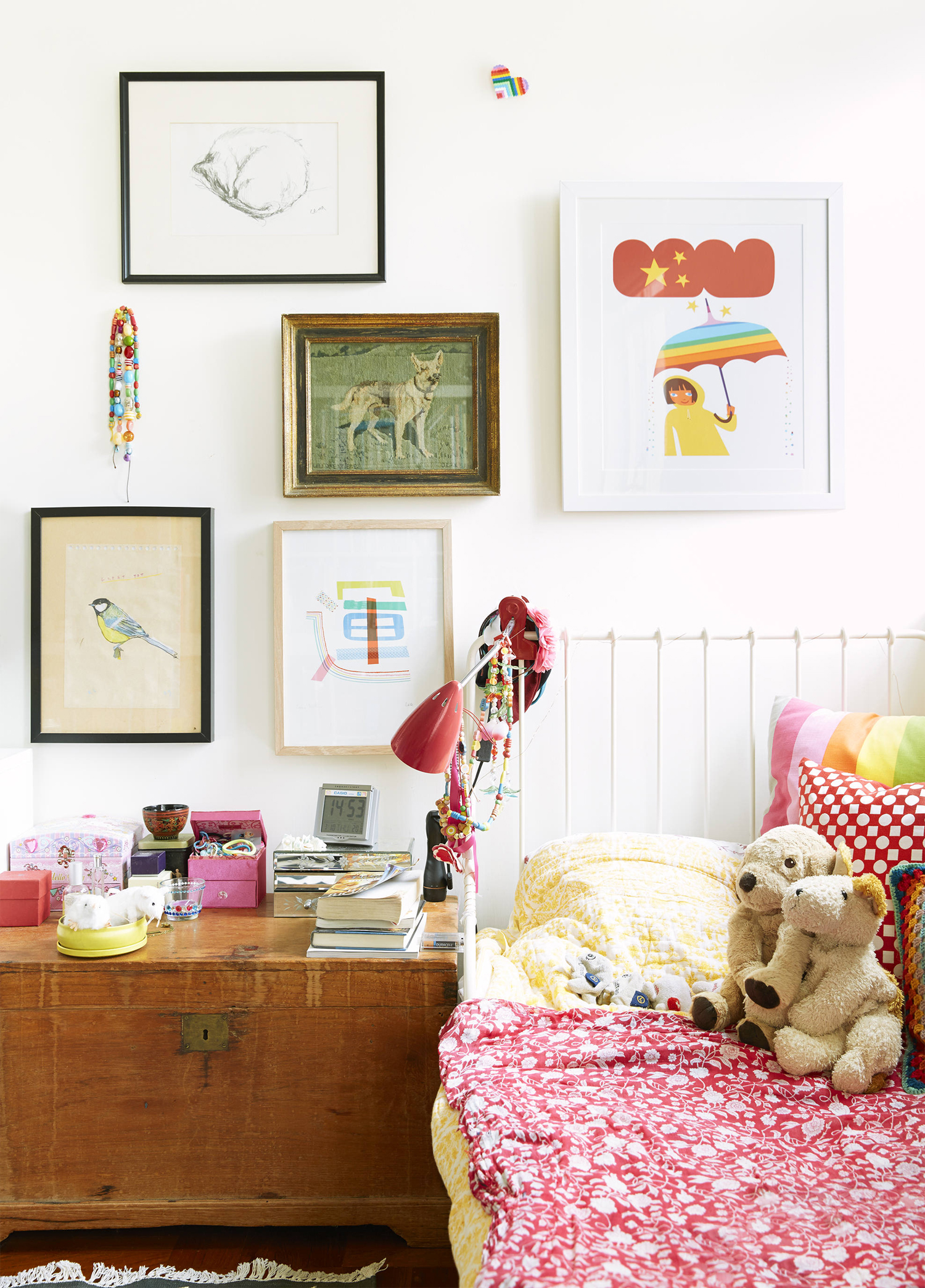
    Child’s bedroom Beside the Ikea iron bed (about HK$800) and Ikea lamp (HK$200) is an Indian storage chest bought years ago from a shop that has since closed. The bed covers came from Anokhi. The striped cushion was also from Ikea. The remaining cushions (about HK$1,300 each) were from Smith & Coates. The colourful prints, above and to the left of the bed, are by local artist Tania Willis (www.taniawillis.com). The rest of the artworks are junk-shop finds and gifts.

    Corridor detail A Smith & Coates hand-crocheted bag rests on an oak church pew bought years ago in New York. It doubles as extra book storage. On the wall are artworks by Willis (left) and Georgia Manifold (www.gmc-art.com).


    TRIED + TESTED

    Double duty A classic Chinese chair bought on Hollywood Road in the 1990s does double duty as a quirky bedside table. The lamp is a vase that was sourced from Wah Tung China and cost HK$2,000. The small box also came from Wah Tung China. Above the lamp is a picture of an Indian deity bought while on holiday in Cochin. The vintage throws on the bed cost HK$1,800 each from Inside (various locations;www.inside.com.hk).


  • Major gains made in commercial meat export agreements with China

    Major gains made in commercial meat export agreements with China

    A multimillion dollar deal with a farming corporation in China will see New Zealand’s  Alliance Group become one of the largest exporters of meat in that market.

    The “grand alliance” between Alliance Group and Beijing Businesman Chen Xibin, who owns Grand Farms, will help to boost large volumes of valued-added sheep meat and venison products into the Chinese market

    The deal was signed at an event in Beijing, where Prime Minister John Key is leading a 40-strong trade delegation.

    Alliance chief executive David Surveyor said it shifted the relationship from a transactional one, to a value-added one, which included services and expertise training.

    But the deal is around the export of frozen meat only. Restrictions on chilled meats meant New Zealand could not export chilled meat to China, although Australia delivered its first shipment of chilled meat this year, under their FTA.

    Surveyor said he believed chilled meat exports were inevitable, but could be some time away.

    “These are matters for Government obviously to work through, but there’s a great usefulness to New Zealand and to Chinese consumers to see chilled happen.”

    Alliance Group is a co-operative owned by 5,000 farmer shareholders, headquartered in Invercargill, with eight plants across the country.

    It’s New Zealand’s largest sheepmeat processor, and it’s second largest meat exporter.

    Its in-market partner in China is Grand Farms, China’s single largest importer of sheepmeat. The company processes 70 per cent of the lamb supplied by Alliance Group into lamb rolls, kebabs and finished retail ready products.

    Volumes of exports to China have already increased by 35 per cent over the past five years.

    Alliance general manager marketing Murray Brown said the agreement was built on a 17-year relationship already established with Grand Farms.

    “We’re looking at more value in terms of retail packs of lamb and retail packs eventually of venison and beef under the Pure South brand to go to retail.

    “But basically [Chen] wants to be the largest importer of sheep meat, to support his investment in processing facilities in the market.

    “Largely through us, and it will reach a level at some stage where we won’t be able to service it so then the next stage after that, which is a discussion we’re yet to have, is do we source it on their behalf,” said Brown.

    Surveyor said Alliance used to be a much larger company than Grand Farm, but the rapid growth of Grand Farm was a testament to the scale of the Chinese market.

    “There is some prospect that at some moment in time, we won’t be able to meet all of their needs, and so I think that creates that opportunity for us to perhaps be able to work with some of the other players in the New Zealand industry.”

    Grand Farm owns 96 meat shops, operates 260 branded meat counters in selected hypermarkets and supplies to over 1000 hypermarkets in China.

    Surveyor would not comment on the value of the deal, but said Alliance put about 20 per cent of its total volume into China.

    “We’re about $1.5 billion in turnover, and by far the majority of that is through Grand Farm.”

  • Bursa Malaysia likely to trade higher next week

    Bursa Malaysia likely to trade higher next week

    Shares on Bursa Malaysia are expected to trade higher next week, supported by positive domestic and regional sentiments.

    Affin Hwang Investment Bank vice-president/head of retail research Datuk Dr Nazri Khan Adam Khan said market has been on an upward trend for the past two months with the benchmark FTSE Bursa Malaysia KLCI (FBM KLCI) forming a solid psychology level at the 1,7000 level.

    “We have similar upward momentum from our crude palm oil (CPO) and rubber that support the sentiment for next week. “The crude oil price also has stabilised and its recovery to US$43 per barrel, orchestrated well for Bursa Malaysia’s stocks,” he told Bernama.

    Nazri said with China’s trade data remaining positive and solid, it indicated that the country is stabilising.

    The upcoming Sarawak election and the Ecoworld International initial public offering (IPO) will be a domestic catalyst in supporting the local bourse’s sentiment, he added.

    Nazri called on investors to accumulate the “Sarawak election-theme play” counters, namely Naim Holdings and Ta Ann Holdings.

    For the week just ended, the market has been on consolidation mode as expected after the previous week’s rally.

    The FBM KLCI confined in tight range as sentiment turned cautious ahead of a weekend meeting of oil producers.

    Oil producers led by top exporters, Saudi Arabia and Russia are expected to meet in Qatar on Sunday to discuss freezing output to rein in ballooning global over-production.

    On a weekly basis, the benchmark FTSE Bursa Malaysia KLCI (FBM KLCI) finished 9.59 points higher at 1,727.99.

    The FBM Emas Index rose 44.53 points to 11,997.07, the FBMT100 Index added 46.74 points to 11,693.21 while the FBM Emas Syariah Index shed 2.27 points to 12,539.76.

    On a sectoral basis, the Finance Index soared 162.16 points to 15,034.70, the Plantation Index trimmed 36.27 points to 7,785.25, while the Industrial Index gained 25.04 points to 3,290.97.

    Weekly turnover leaped to 8.17 billion units valued at RM8.65 billion from 7.78 billion units valued at RM9.60 billion last week.

    Main market volume gained to 5.61 billion shares valued at RM8.21 billion from 5.13 billion shares valued at RM9.16 billion previously.

    Warrant turnover jumped to 997.74 million units valued at RM130.26 million from last week’s 928.94 million units valued at RM130.12 million. The ACE market rose 1.56 billion shares worth RM305.06 million from 1.52 billion shares worth RM307.35 million, transacted previously.

    Gold futures contracts on Bursa Malaysia Derivatives are likely to trade slightly lower next week with the ringgit expected to continue its upward momentum.

    A dealer said the strengthening of the ringgit due to a rally in global oil prices had added pressure on gold.

    “With the equities market set to remain strong and oil prices continuing to edge higher, gold is likely to face continuing pressure,” he said.

    He said the Bursa Malaysia’s gold futures market would also track the performance of the New York Commodity Exchange’s (COMEX) gold market, the price setter for the precious metal.

    On a Friday-to-Friday basis, April 2016 loss 10 ticks to RM154.50 a gramme and July 2016 slipped 17 ticks to RM155 a gramme, while May 2016 increased three ticks to RM155.30 a gramme and June 2016 added seven ticks to RM155.65 a gramme.

    Weekly turnover rose to 151 lots worth RM2.28 million from 99 lots valued at RM1.46 million last week.

    Open interest on Friday widened to 566 contracts from 553 contracts previously.

  • Singapore retail sales defy predictions, fall 3.2% in February

    Singapore retail sales defy predictions, fall 3.2% in February

    Retail sales in Singapore dropped 3.2 per cent in February from the same month a year ago, defying economists’ predictions for an expansion in consumer spending and providing more evidence of a slowing economy.

    The retail sales contraction followed the revised 7.6 per cent growth in January, said the Department of Statistics yesterday, and was in contrast to the 3.4 per cent increase forecast by 12 economists in a Bloomberg poll. Excluding motor vehicles, retail sales slumped by 9.6 per cent as all but three out of 13 segments that make up the index fell.

    Apart from motor vehicles, higher sales were seen only at mini-marts and convenience stores, as well as for medical goods and toiletries. The total retail sales value in February was estimated at S$3.4 billion. The data came a day after the Monetary Authority of Singapore unexpectedly eased its policy, guiding the local currency to a zero appreciation stance against the currencies of its major trading partners, as the economy registered no growth in the first quarter.

    From the previous month, retail sales rose 1.7 per cent in February; excluding motor vehicles, they fell 1.1 per cent, showed the Department of Statistics data.

  • Boston Combo concept unveiled by MPPA

    Boston Combo concept unveiled by MPPA

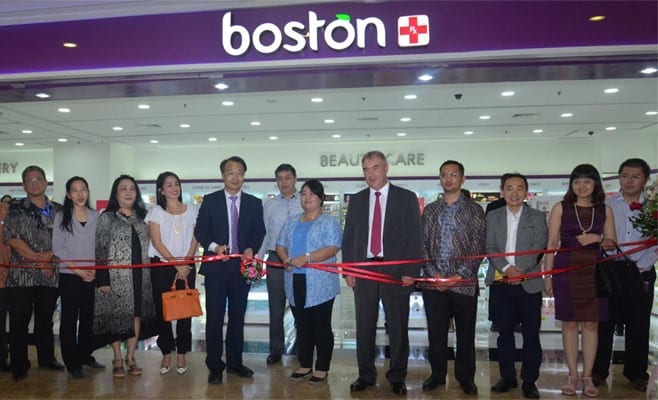
    Multi-format retailer Matahari Putra Prima (MPPA) has launched a new concept, Boston Combo, inPluit Village mall, Jakarta.

    MPPA, which runs FMX, Foodmart, Hypermart and SmartClub, this year expanded its Boston Health & Beauty formats across Indonesia. As well as the latest concept, there is the original Boston Health and the new Boston Regular.

    Boston Combo, with a gross selling area of about 730 sqm, provides cosmetics, perfumes, diapers, dairy products for adults and babies, basic softlines, stationery and organic foods. There is also a pharmacy and optical counter.

    Boston has been refreshing its displays and aisles, making stores easier to navigate, with better lighting and stocked with items that are more targeted and locally relevant.

    Boston operations director Kyu Tae Park says the Boston Combo at Pluit Village provides a range of general merchandise that competitors do not stock.

    MPPA is one of Indonesia’s largest retailers, employing more than 30,000 associates in 112 Hypermarkets, 23 supermarkets (Foodmart Primo/Fresh), 49 minimarket/convenience stores (FMX), 108 health-and-beauty stores (Boston) and one wholesale outlet (SmartClub). At December 31, its store count was 293 in 68 cities throughout Indonesia.

  • 7-Eleven awards Wolf Blass wine

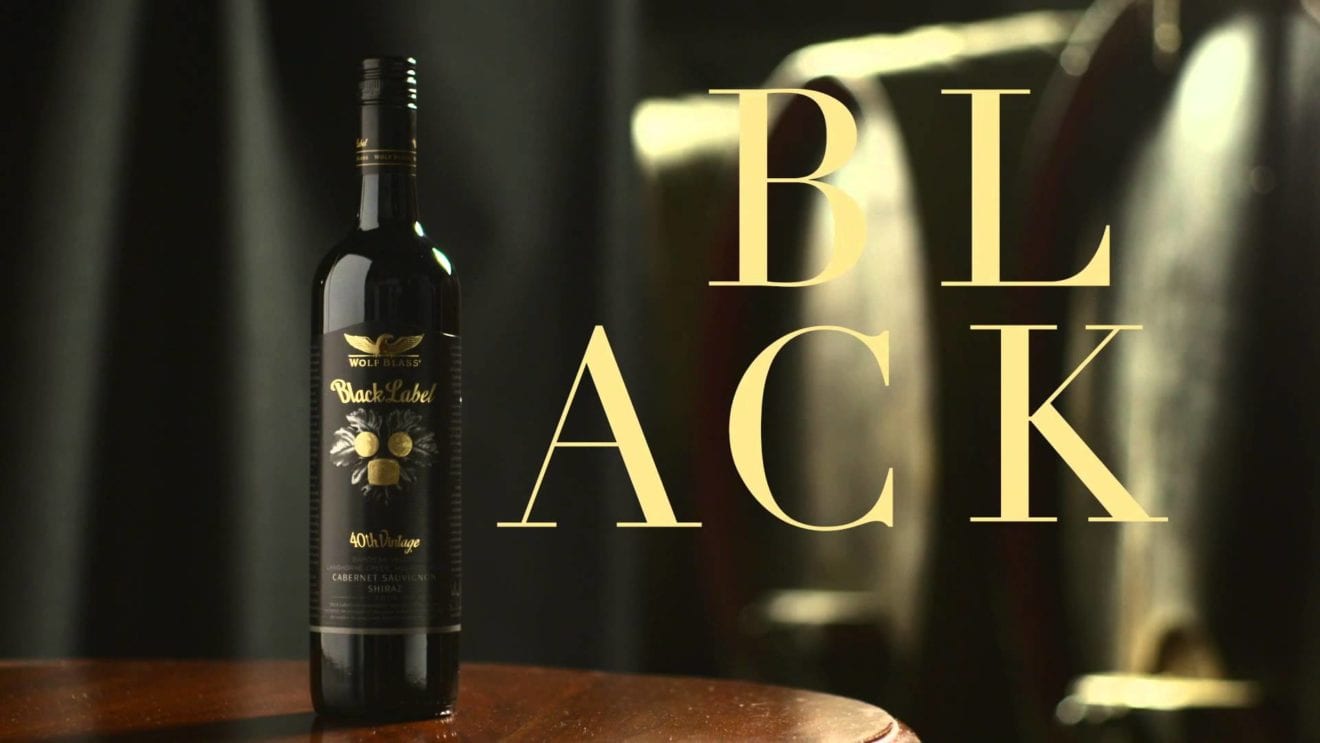
    7-Eleven awards Wolf Blass wine

    The convenience market channel in Hong Kong has traditionally been the most significant retail sales channel for beer. The rise in wine sales through this channel with brand recognition evidences evolution of Hong Kong as a wine market.

    The brand winning criteria were based on combined scores tallied from consumer votes as well as by 7-Eleven staff during the January 2016 voting period.

    Along with Wolf Blass, other beverage companies that picked up awards at 7-Eleven’s ceremony included global brands such as Red Bull and Heineken.

    TWE-Barry-Galloway-receiving-the-award-on-behalf-of-Wolf-Blass-350x350

    “This award is a credit to our sales and merchandising team in recognition for their great work through this important Hong Kong convenience channel,” said Barry Galloway, Country Manager of Hong Kong, Macau and South China, Treasury Wine Estates.

    “I would also like to extend my congratulations to the Wolf Blass team as this accolade is testament to the outstanding efforts of our winemakers for producing exceptional quality wines enjoyed by consumers in Hong Kong and the world over.”

    Speaking to dbHK, Galloway admitted that although sales through the convenience market channel didn’t compare with sales through supermarkets and specialist wine stores, it was an important step for TWE’s market penetration in Hong Kong.

    According to Galloway, the popularity of the brand has posed a small challenge: that they have temporarily run out of stock of the smaller formats, as they proved so popular at the convenience stores.

    Established in the Barossa Valley in 1966, Wolf Blass has grown from a humble tin shed to become one of the world’s most successful and awarded wine brands.

    Already a recipient of more than 8,000 medals and trophies at national and international wine shows, this award is probably one of its more eclectic ones.

  • GIC inks US$197m deal with top Korean retailer to develop mall in Incheon

    GIC inks US$197m deal with top Korean retailer to develop mall in Incheon

    Singapore’s sovereign wealth fund GIC and Korean department store Shinsegae are partnering to develop a prime retail mall in the Incheon Free Economic Zone (IFEZ).

    Working through affiliates, the companies have signed a US$197 million sale-and-purchase agreement for 59,730 sqm of land for the Incheon mall in the international business district of Songdo, close to a subway station, bus terminal and expressways. Scheduled for completion by 2020, the mall will include entertainment as well as leisure attractions.

    Songdo is a new city part of IFEZ, 65km southwest of Seoul, where Shinsegae has its headquarters. The name of Shinsegae literally means “New World”.

    Set up in 1981 to preserve and enhance Singapore’s foreign reserves, GIC is one of the world’s largest global investors with more than US$100 billion of assets in more than 40 countries.

    GIC and Shinsegae are already working together on developing a prime retail mall in Dongdaegu Station, scheduled for completion in the second half of this year.

    GIC last year partnered with the Canada Pension Plan Investment Board (CPPIB) to acquire the Seoul-based D-cube retail mall, rebranding it as the Hyundai Department Store.