Tag: asia

  • Story-i Indonesia to open Apple Stores

    Story-i Indonesia to open Apple Stores

    Two more Apple Stores will open in Jakarta as part of Story-i Indonesia’s retail strategy to expand the network to 18 locations.

    Story-i has formed a relationship with Singapore-headquartered retail giant Courts to open an initial two Apple stores within its large-format Courts Megastores in Jakarta. Story-i will follow up with two further stores within Courts outlets this quarter. Courts has more than than 70 locations across Indonesia as well as Malaysia and Singapore.

    Like Story-i, Courts has an aggressive growth strategy, with a developed pipeline of up to 20 large-format stores. As part of this roll out, Courts has a marketing strategy including a storewide cash-back promotion on sales, extended to cover Story-i stores within its megastores.

    Story-i CEO Yulius Halim says the network provides an all-important physical infrastructure for device sales and servicing that underpins its eCommerce business. As well as more stores, Story-i has been appointed the IT service centrepoint for the Courts Megastore complexes.

    Singapore-incorporated Story-I has 14 Apple and related stores in Indonesia through its 95 per cent owned subsidiary Inetindo Infocom. Story-i branded stores retail Apple products and accessories, iConnect retails Samsung and Lenovo phones, computers and lifestyle accessories, and GeekZone provides software, equipment servicing and apps.

  • Asian retail leaders in Forbes most powerful businesswomen

    Asian retail leaders in Forbes most powerful businesswomen

    Two Asian retail leaders have been added to Forbes magazine’s annual list of 50 most powerful businesswomen in Asia – in The Philippines and Vietnam.

    They are Robina Gokongwei-Pe, the president and COO of Robinsons Retail Holdings, the second-largest multi-format retailer in The Philippines, and chairman/general director Cao Thi Ngoc Dung of Vietnam’s largest jewellery brand, PNJ, which she founded in 1998.

    Robinsons started as a department store in Manila in 1980, expanding into the supermarket business five years later. It entered the DIY business in 1994, the convenience store and specialty store businesses in 2000, and the drug store business in 2012.

    There are six business segments: supermarkets (Robinsons Supermarket and its two new subformats, Robinsons Easymart and Robinsons Selections); department stores (Robinsons Department Store); DIY stores (Handyman Do it Best, True Value, True Home by True Value, and the newly acquired big-box hardware subformat A.M. Builders’ Depot); convenience stores (Ministop); drugstores (South Star Drug and Manson Drug); and specialty stores (from consumer electronics and appliance retailer Robinsons Appliances and Savers Appliances to toys retailer Toys ’R’ Us, one-price-point retailer Daiso Japan, coffee chain Costa Coffee and international fashion brands such as Dorothy Perkins, Topman and Topshop, and international cosmetics brands such as Shiseido).

    Robina Gokongwei-Pe is also a director of Cebu Air, JG Summit Holdings, Robinsons Bank Corporation and Robinsons Land Corporation. She is a trustee of the Gokongwei Brothers Foundation, Immaculate Conception Academy Scholarship Fund and the Ramon Magsaysay Awards Foundation, and is also a member of the University of the Philippines Centennial Commission.

    After attending the University of the Philippines-Diliman, she obtained a Bachelor of Arts degree, majoring in journalism, from New York University in 1984. Pe joined the Robinsons group in 1984 as a management trainee. She is the daughter of the chairman and CEO of the company, John L Gokongwei Jr.

    Cao Thi Ngoc Dung founded PNJ as a store in 1998, and now has a 17 per cent stake of the company, which has more than 3000 employees in 200 stores. The group grossed $350 million in revenue and made a profit of $23 million in its latest trading year.

    Based in Ho Chi Minh City, PNJ opened its own jewellery factory in October 2012. A VND120 billion (US$ 5.38 million) investment, the factory has the capacity to produce 4 million items a year. PNJ’s national expansion started in 1994 with the establishment of a branch in Hanoi.

    This year’s Asia’s Power Businesswomen list represented 14 countries, with China and Hong Kong dominating (14 women), followed by India (8), Thailand (5) and Japan (4). Australia, Indonesia, Singapore and Vietnam each had three, while South Korea and The Philippines each had two. Macau, New Zealand and Taiwan had one each. There were 27 newcomers, about a quarter of them from the tech sector.

  • Amway Vietnam under investigation

    Amway Vietnam under investigation

    Vietnam’s Ministry of Industry and Trade (MoIT) is investigating seven multi-level marketing companies, including Amway Vietnam.

    With a focus on uncovering illegal pyramid schemes masquerading as business opportunities, the investigation is expected to be completed next month.

    In late March, the MoIT assembled a team to look into Amway Vietnam, Unicity Marketing Vietnam, Thien Ngoc Minh Uy, Tap Doan Lien Ket Vietnam, Lien Ket Tri Thuc, Lien Minh Tieu Dung Thang Long and Nhuong Quyen Thang Long.

    Amway Vietnam, Unicity Marketing Vietnam and Thien Ngoc Minh Uy have the largest revenues of multi-level marketing companies in Vietnam.

    In the investigation team are representatives from MoIT’s  Vietnam Competition Authority (the government’s management body for multi-level marketing businesses) and Market Management Department, which works in tandem with the Police Investigative Department on Economic and Corruption-related Crimes.

    Since March 9, the Vietnam Competition Authority has revoked the registration certificates of five companies for fraudulent activities, and the Hanoi Department of Industry and Trade has punished several companies for violating regulations on multi-level marketing businesses in the capital city.

    The investigations were launched after MoIT’s minister Vu Huy Hoang issued a directive requiring agencies to search out pyramid schemes falsely labelled as multi-level marketing companies.

    In February, the Lien Kiet Viet company was caught after swindling about 60,000 people in more than 27 cities and provinces, appropriating a total of VND1.9 trillion ($87.15 million) since 2014.

    Multi-level marketing firms were allowed into Vietnam at the request of foreign countries during Vietnam’s negotiations to join the World Trade Organization. Since 2009, foreign-owned companies have been permitted to run these businesses, and now nearly half of the 61 companies in this segment are wholly foreign-backed.

  • Double launch by Diesel Japan

    Double launch by Diesel Japan

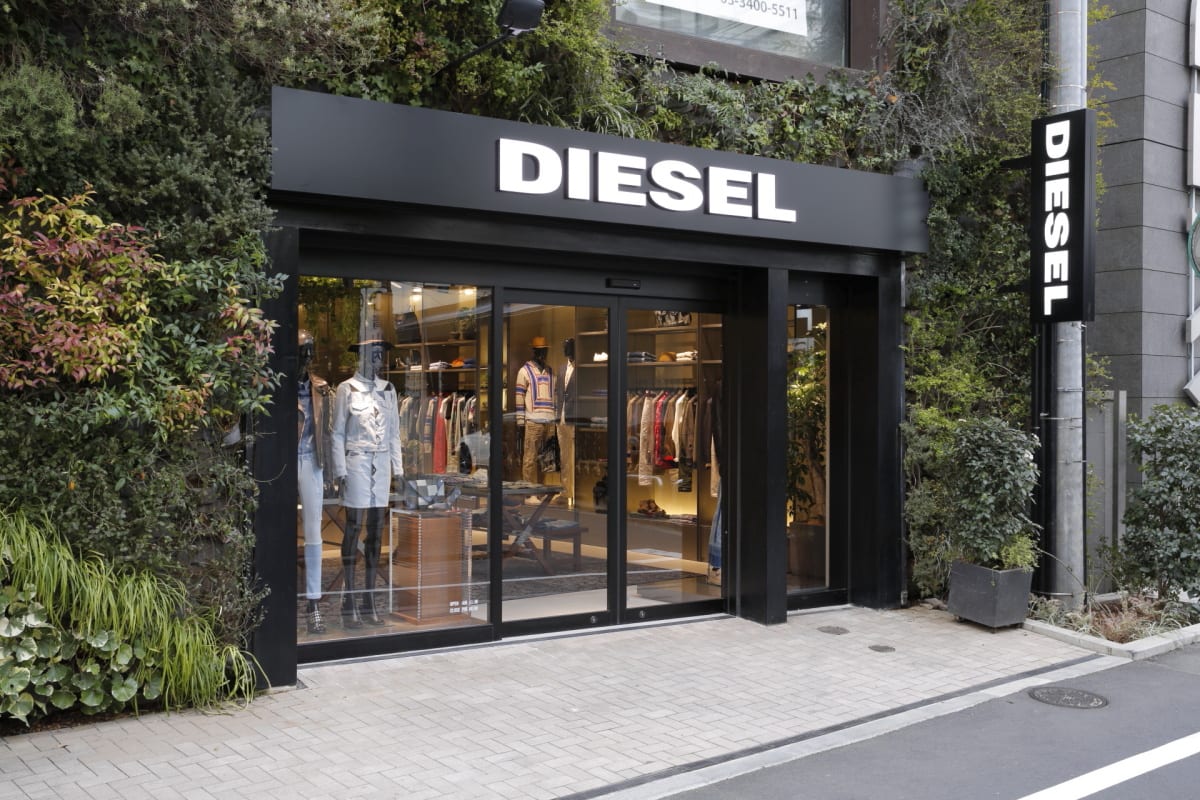
    Diesel has returned to the quiet fashion area of Aoyama in Tokyo with a double store opening – Diesel Aoyama and Diesel Black Gold Aoyama.

    Diesel Aoyama offers the label’s full collection of men’s and women’s denim, apparel, bags, shoes and accessories, as well as tableware from Diesel Living. It features the brand’s new retail design concept, with a highlighted denim area featuring stainless steel and glass. Design details include steel fixtures paired with rugs, concrete flooring with wooden ceilings, and antique furniture with technologically advanced materials.

    Diesel Aoyama store. 2

    Diesel Black Gold is the label’s first-ever monobrand store in Japan, showcasing a complete range of women’s and men’s collections along with accessories. Industrial and raw materials are used as a backdrop for the collection.

    Diesel Aoyama store. 1

    To mark the occasion, both Diesel and Diesel Black Gold have launched limited-edition items available only in the two stores, such as a Made in Japan denim collection for Diesel, and iconic items like a leather jacket for Diesel Black Gold.

    Diesel Aoyama store


    Diesel Aoyama store. 3

    Nearly 10 years ago, Diesel created a stir by opening Diesel Denim Gallery in Aoyama. The two-storey concept shop displayed denim items as artworks, and featured limited-edition items. There were also gallery spaces for in-store installations and art exhibitions, featuring creators such as video director Timothy Saccenti and architect Makoto Tanijiri. In 2011, the project moved and opened as Diesel Art Gallery in Shibuya, Tokyo.

  • Audemars Piguet Hong Kong boutique opens

    Audemars Piguet Hong Kong boutique opens

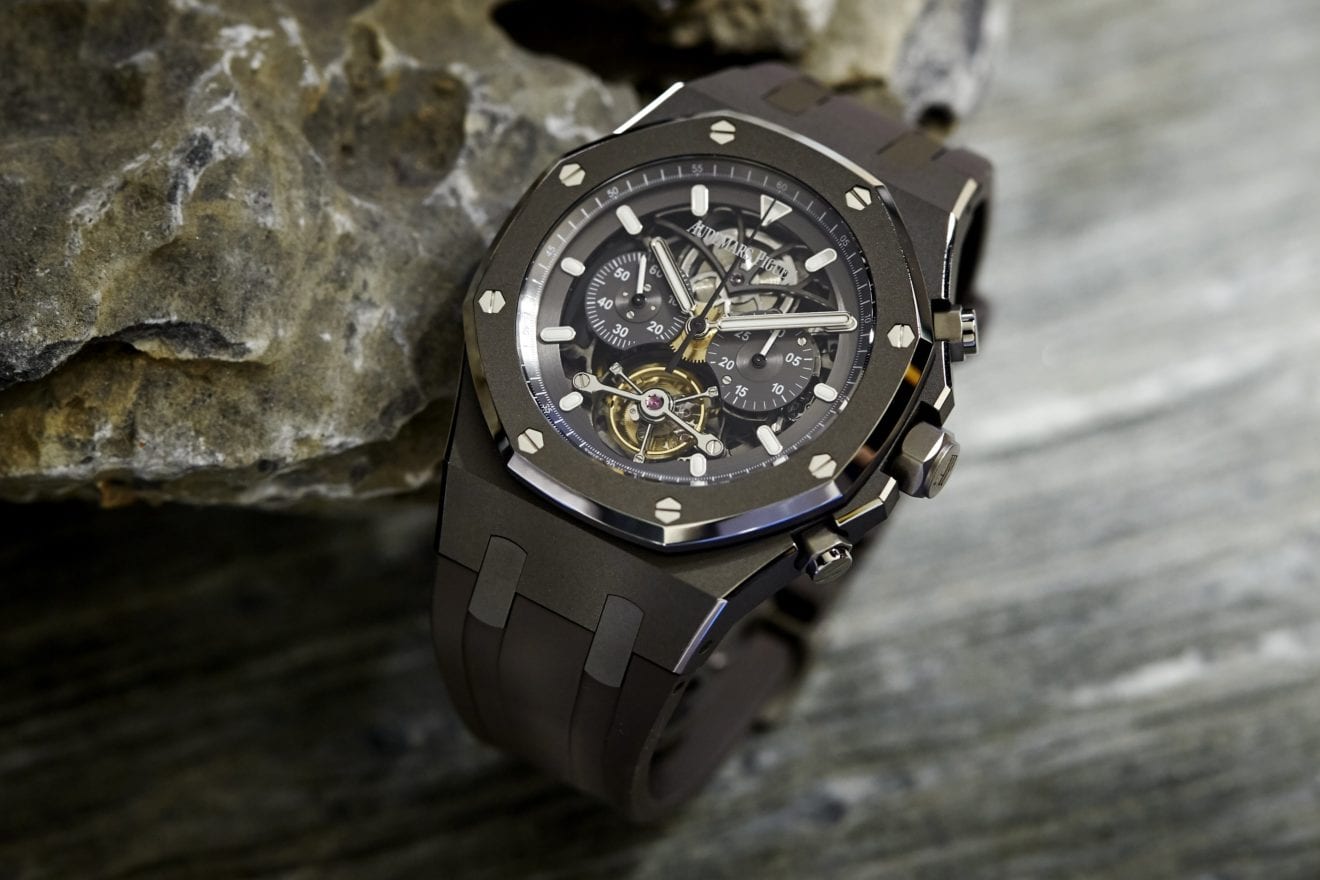
    Ultra-luxury Swiss watch brand Audemars Piguet has opened a standalone boutique in Hong Kong.

    event-20141008121335-AP_GrandOpening_2 (1)

    The Hong Kong store is one of only about 17 stand alone boutiques of the brand in the world.

    Hong Kong watch retailer Halewinner, owned by Early Light International, has opened the store and sells Audemars Piguet timepieces through others in its 30-strong chain of multi-brand watch stores across Hong Kong, Macau and Mainland China.

    Audemars Piguet Ambassador LeBron James visits Hong Kong’s first self-owned boutique 2

    Audemars Piguet Hong Kong April 2016

    The Audemars Piguet Hong Kong Boutique is located in Soundwill Plaza at No 38 Russell St.

    The Swiss brand has designed and manufactured highly complex mechanical watches since 1875, when it was founded by Jules-Louis Audemars and Edward-Auguste Piguet. Among others, Tiffany & Co, Cartier and Bulgari have used Audemars Piguet movements.

  • Price war scratches Korean espresso chains

    Price war scratches Korean espresso chains

    Major franchised Korean coffee chains saw their revenue fall in 2015 in the face of tougher competition with cheap take-out coffee amid economic slowdown, heading to another tough year, data shows.

    Homegrown coffee brands have sprung up in Asia’s fourth-largest economy over the past decade to capitalise on the growing population of coffee drinkers, but their growth has slowed recently in the saturated domestic market.

    Adding to their woes, low-cost coffees at convenience stores and mini take-out stalls have enjoyed growing popularity among price-conscious consumers, posing a threat to franchise coffee shops standing on every corner of major streets.

    Coffee Bean & Tea Leaf, an American franchise chain owned by Seoul-based Mirae Asset Private Equity Fund, posted 138.9 billion won (US$121.3 million)  in sales last year, down 5.1 per cent from a year ago, its regulatory filing showed. Its operating profit tumbled 68.5 per cent to 3.9 billion won, although the number of its shops increased by just nine to 234 during the period.

    Paul Basset, a specialty coffee house operated by Maeil Dairies Co, said it logged 48.4 billion won (US$42.3 million) in sales, but its net swung to a loss of 180 million won due to rising marketing costs and aggressive store expansion.

    Sales at Caffe Bene sank 14.9 per cent on-year to 121 billion won, expanding operating loss nearly four times to 11.4 billion won due to slumping businesses of other food franchise subsidiaries.

    While mid-end franchise stores had a sluggish year, brands at both ends of the price spectrum were largely unscathed by the latest consumption trend.

    Ediya, a low-end coffee shop with the largest number of outlets – over 1500 nationwide – raised 135.5 billion won in sales, up 16.5 per cent from a year ago. It plans to expand its network to 2000 this year.

    And sales at US coffee giant Starbucks also rose 25.4 per cent on-year to 773.9 billion won (US$675.7 million) in 2015 on the back of high-end specialty coffee service and bakery items.

    Another tough year is awaiting the major coffee brands as convenience stores have been aggressively expanding in-store coffee services nationwide. Their coffee is considered drinkable at a price as cheap as 1000 won, about a quarter of Starbucks’ tall Americano sold at 4100 won in South Korea.

  • China’s Century 2017 to be hosted in Guangzhou

    China’s Century 2017 to be hosted in Guangzhou

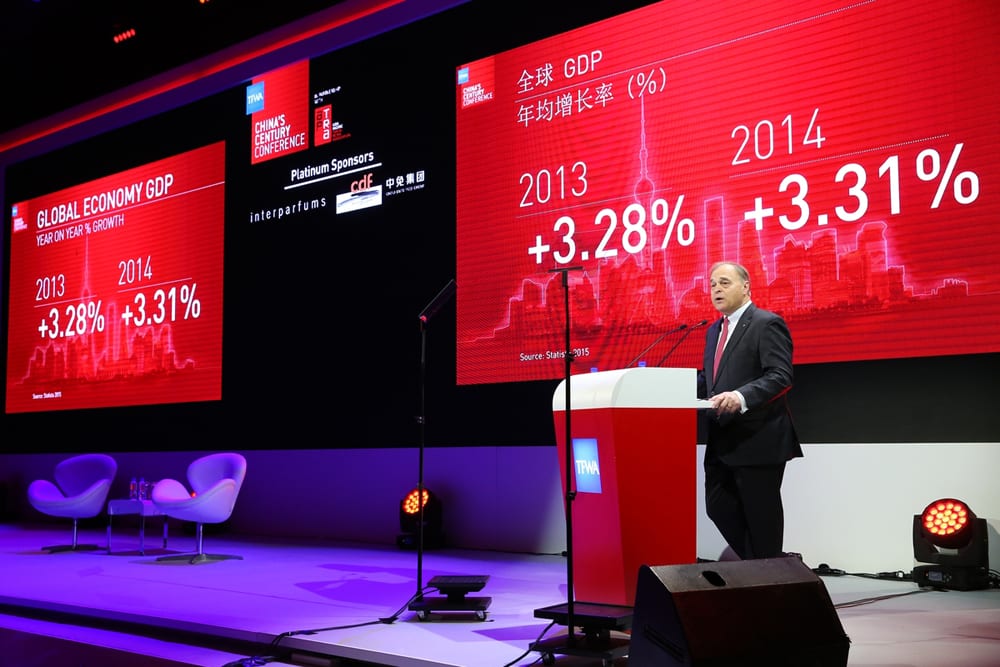
    Erik-Juul-Mortensen-China's-Century-lead The TFWA China’s Century Conference will take place from 7-9th March 2017 in Guangzhou, at the port city’s Four Seasons Hotel. The official host of the event will be Guangzhou Baiyun International Airport Co.

    Erik Juul-Mortensen, president TFWA said: “TFWA China’s Century Conference is an essential diary date for anyone interested in the considerable commercial opportunities the Chinese market presents, as well as all those who want to gain a deeper understanding of the Chinese traveller both at home and outside China.”

    The city of Guangzhou – northwest of Hong Kong on the Pearl River – is the third largest city in China and is said to have played ‘a pivotal role in the country’s economic development.’

    CENTRAL BUSINESS DISTRICT

    Its Central Business District, where the event will be located, underwent a major renovation in preparation for the Asian Games of 2010. The city now boasts a rapidly developing international airport, which is home to China Southern Airlines, and connects Guangzhou to the rest of China, Europe, Asia Pacific and beyond.

    A spokesperson from Guangzhou Baiyun International Airport Co said: “Guangzhou Baiyun International Airport Co is delighted to be the Official Host for next year’s TFWA China’s Century Conference.

    “As the premier event for the duty free and travel retail industry in China, the conference brings together all the major companies involved in the market, and we believe Guangzhou is the perfect venue for such a gathering.

    “Our city is one of the historic centres of trade in China and is attracting increasing numbers of business and leisure travellers, partly thanks to the efforts we are making to develop Guangzhou Baiyun as an international hub airport. We are confident this conference will be a big success and we look forward to welcoming delegates to our airport and to this vibrant city.”

    SHANGHAI CONFERENCE DRAWS ALMOST 400 DELEGATES

    The Four Seasons is located in the centre of Guangzhou’s Central Business District, close to the famous landmark Canton Tower. Occupying the top third of the 103-storey Guangzhou International Finance Center, which is one of the world’s tallest skyscrapers, it can truly claim to offer visitors ‘a room with a view’.

    The first TFWA China’s Century Conference took place in 2013 in Beijing. The second conference, which was held in Shanghai in 2015, welcomed 388 delegates including senior executives from numerous airlines, airports and duty free and travel retail operators.

    Over the two days, 120 meetings took place between the industry’s airports, concessionaires and brands. TFWA China’s Century Conferences have featured speakers from leading airports, airlines and retailers, as well as high profile researchers, academics, authors, editors and specialist consultancies.

    TFWA’s unique ONE2ONE meeting service has played a key role in the event’s continuing success, while an exciting social programme with a range of glittering events held in the most impressive venues ensures that there is plenty of opportunity for more informal networking.


  • Belgian jewellery firm looks to Thai hub for Asian expansion

    Belgian jewellery firm looks to Thai hub for Asian expansion

    Thailand would be a hub to support and facilitate the growth of Roos’s business in Asia.

    “We’re originally from Holland. My great-great-grandfather founded the company in 1835, or about 181 years ago. I’m the sixth generation of the family. We [currently operate] more than 200 jewellery shops in Belgium and Holland,” said Rien Rozendaal, founder of and designer for Roos & Nijs.

    “We started selling our Roos jewellery ornaments last week in China through Derier’s retail network with 80 stores in major cities, including Shenzhen, Guangzhou, Chengdu and Ningbo. [By] coincidence, we also started last week in Thailand as well with the appointment of Market Access Co Ltd as our master distributor covering Thailand and all [of the] Asia region,” he said. “We’re from the original Dutch company and we didn’t find any necessity to expand further in my home market as well as in Europe as we’re at the high level already. I believe in Asia as a promising region to grow our jewellery business.”

    Rozendaal said starting to do business in China and Thailand arose from coincidences. In China for example, he was introduced by a Chinese friend in New York to the owner of Derier.

    “It is not that I’m looking for distributors. Finding the right people who will be my partners is not easy. We have to share the same way of thinking, the same vision and passion, and common interests,” he said.

    “They [distributors] should understand the European way of distributing the brand. In my way, doing business is not the first thing. My first thing is to get the same vision of how to market the brand.”

    Rozendaal said his business approach was quite different from setting up business targets and growth.

    “I like to design nice and beautiful jewellery. I have my target group in designing, that is my wife, not for the market. I design jewellery for the one I love, and appreciate that many women love this design too,” he said.

    Chanokphol Chaisuparakul, co-founder and director of Market Access, said Roos was not something people saw every day, because of its unique designs and long heritage of 181 years. The brand is also high-end jewellery that people can wear every day.

    “In five years, we think Roos could be a brand for sophisticated people who seek perfection in luxury jewellery. We aim to expand in Southeast Asia starting from Thailand, especially in Bangkok and big cities such as Chiang Mai, Pattaya and Phuket,” he said.

    He added that in the first year, the company would open one flagship store for Roos jewellery as well as one dealership in Bangkok.

    “We will start expanding Roos jewellery to some parts of CLMV next year,” said Chanokphol, referring to Cambodia, Laos, Myanmar and Vietnam.

    He added that the CLMV markets had a lot of potential, with people who are highly into networking, are well educated and have high spending power, and are fashion-oriented.

    Somkiat Chaisuparakul, chief executive officer of Market Access, said Thailand’s gem and jewellery market had high growth potential. The market value in 2015, especially diamonds, was about Bt78 billion, with imports accounting for Bt19 billion and domestic production the remaining Bt59 billion. With the economic situation getting better, entrepreneurs are more confident that the market will rebound.

    “This is a great opportunity for us to join forces with Roos in expanding their market from Europe to Asia,” he said.

    “Using Thailand as a hub to support the liberalisation of the AEC [Asean Economic Community] market, we will market Roos diamond jewellery to customers in Thailand and [elsewhere in] Asia. We aim to become the top jewellery brand in Thailand by 2017 with annual sales of Bt200 million.

    “We will expand Roos diamond jewellery to cover all potential markets in Asia, starting from CLMV, in the future,” he said.


  • Dubai retail sales to beat global cities in 5 years

    Dubai retail sales to beat global cities in 5 years

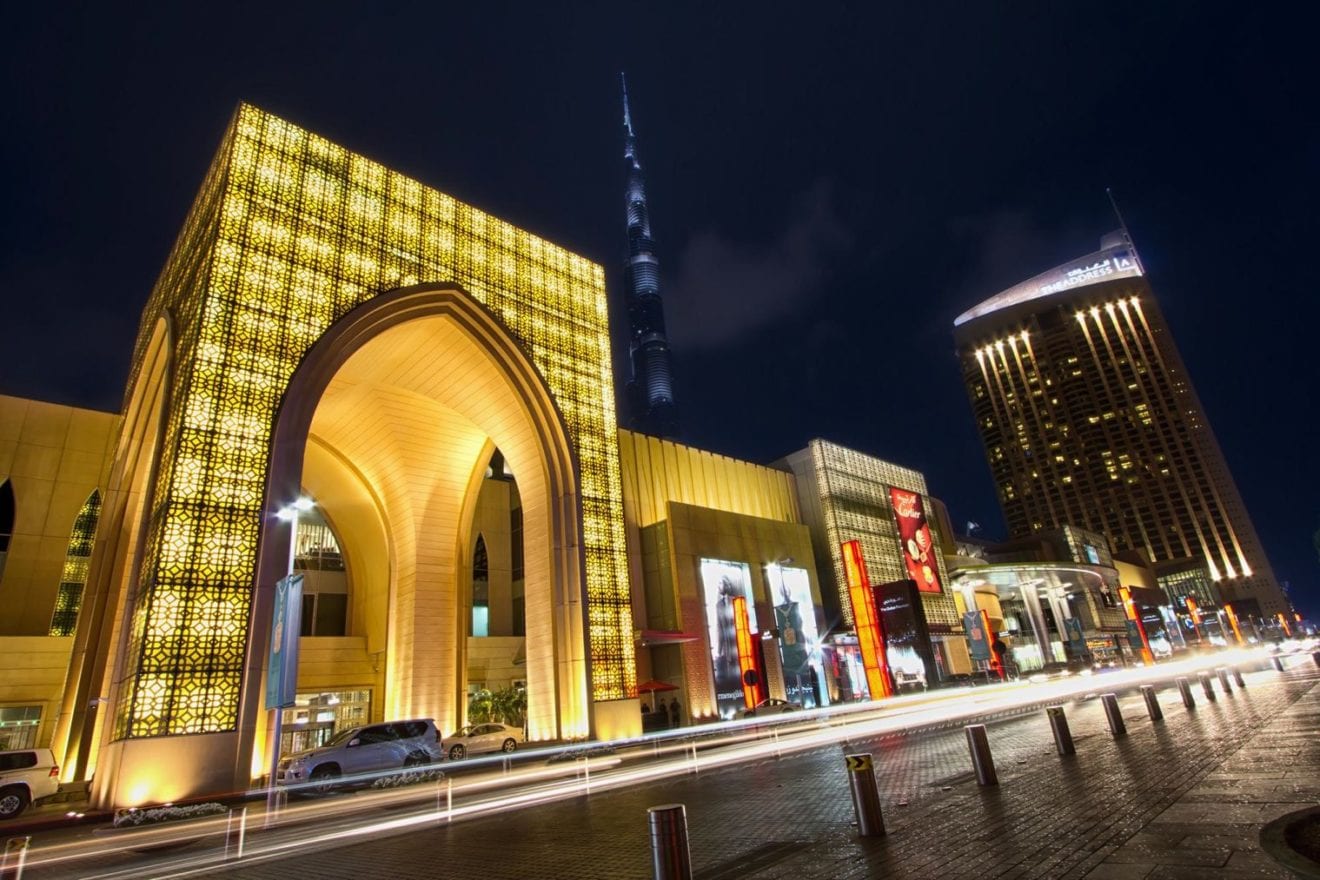
    The Dubai Mall ranks higher than London’s Regent Street and New York’s Fifth Avenue in the overall quality of its retail offerings. It’s also ahead of the Champs-Elysees in Paris, according to the latest Global Retail Destination from Savills, a UK consultancy.

    In terms of city rankings, New York leads the way, ahead of London and Hong Kong (tied in second place) and followed by Dubai.

    “Dubai is forecast to report the strongest growth in retail sales over the next five years of the seven global cities examined, potentially challenging London’s West End’s current global position,” the Savills report says.

    According to a survey in the report, 88.4 per cent of people said Dubai has the best choice and quality of shops in the world.

    The number of overnight visitors to Dubai, between 2016 and 2020, is expected to increase by 9.7 per cent.

    Mastercard’s Global Destination Cities Index 2015 estimates there were 14.3 million overnight visitors to Dubai last year, who spent $11.7 billion at an average of $819 per person. This is behind New York’s average spend of $1,416.

    “Dubai is now perceived as a top global retail destination,” said David Godchaux, who heads Core which is the local partner of Savills. “But this is only the tip of the iceberg as we now start seeing developers trying to improve the shopping experience not only for tourists as in the past 15 years, but also for residents.

    “This trend of moving away from the ‘bigger is better’ approach, to more user and resident friendly retail developments, bringing a real city experience and European-style shopping to areas of Dubai similar to those found in London, Paris and Milan.”

  • Hong Kong faces ghosts of Asian financial crisis

    Hong Kong faces ghosts of Asian financial crisis

    Hong Kong, which for years rode a wave of cheap capital and China’s economic boom, is as vulnerable now as it was before the 1990s Asian financial crisis as those drivers reverse, according to analysis by Daiwa Capital Markets.

    In a bearish take on the financial hub, Daiwa forecasts “enormous stress” ahead as money heads out amid a global US dollar debt deleveraging, China’s economy slows and currency weakens, US interest rates increase, and domestic property prices slump.

    “If the Asian financial crisis was preceded by a classic credit and housing bubble, we see another one now of a bigger scale,” the Daiwa analysts led by Kevin Lai, chief economist for Asia excluding Japan, wrote in a note. “Money inflows have been unprecedented; we expect this money to leave eventually on the back of global dollar debt deleveraging.”

    Daiwa flagged six metrics to gauge Hong Kong’s strength:

    Net money inflows: Inflated in recent years by easy US monetary settings and bullish bets on China’s economy and currency.

    Total credit expansion: Estimated at about 320% of gross domestic product.

    China or regional credit exposure: With an estimated $750bn in loan and bond exposure to China.

    Real estate lending: With more lending exposure and a longer and quicker period of house price inflation this time around than in the late 1990s.

    The direction of US monetary policy as policymakers consider further tightening Hong Kong dollar’s valuation after an estimated 30% appreciation on a broad, real-effective rate over the past four years Of those, the first four are flashing danger, Daiwa says.

    “Measures of macro and financial vulnerability indicate things are no better now than they were just before the Asian financial crisis,” the brokerage said. It isn’t the first time that Lai has warned on Hong Kong. In recent months, the Daiwa economist has highlighted vulnerabilities as the Fed keeps open the option of further rate increases after hiking in December for the first time since 2006.

    Because Hong Kong’s currency is pegged to the dollar, the former British colony effectively imports US monetary policy. Rising US interest rates increase the cost of servicing loans taken out in Hong Kong.

    Hong Kong was hit hard by the Asian financial crisis that started in Thailand in 1997 and spread across the region, forcing the Hong Kong Monetary Authority to spend HK$120bn buying up Hong Kong stocks and to use its foreign-currency reserves to defend the dollar peg. House prices tumbled 70%.

    This time around, Daiwa assumes the HKMA would “defend the peg at all costs,” eroding the monetary base and setting the stage for debt-deflation. In contrast to orthodox thinking, Lai says Hong Kong’s “sizeable reserves” are actually an indication of weakness, and the fact that the currency is pegged prevents a natural currency mechanism.

    Hong Kong’s outlook has dimmed as exports fall and big-spending Chinese tourists stay away, prompting an increasing number of analysts to turn cautious on the $300bn economy because of its exposure to China’s slowdown. Moody’s Investors Service last month lowered Hong Kong’s long-term debt outlook. Retail sales in February plunged the most since 1999 as fewer Chinese tourists visited the city during the Lunar New Year holiday. Chinese visitors are projected to fall 3.2% for the year, according to the Hong Kong Tourism Board, with average spending dropping 4%.

    Lai’s forecast for gross domestic product to slip towards recession territory this year is an outlier. A median forecast of economists surveyed by Bloomberg tips growth of 1.7% this year and 2.1% in 2017.

    And after an initial slump at the start of the year, the Hang Sang Index has rallied, the city’s dollar has rebounded from the weak end of its trading range, and interbank borrowing costs have tumbled after spiking in January.

    But that calm may not last long. According to Daiwa’s analysis, the global deleveraging process “has probably started, or at least could be about to begin,” and the first “real test” for Hong Kong could come in the second half, with pressure set to build next year, according to Lai.

  • Migme completes the acquisition of Shopdeca to fuel ecommerce expansion

    Migme completes the acquisition of Shopdeca to fuel ecommerce expansion

    Global digital media company migme Limited (ASX: MIG) (“migme” or the “Company”) confirms the completion of the acquisition of Indonesian ecommerce business Shopdeca. The acquisition sets the framework for migme’s continued expansion into social ecommerce and gives the Company access to Shopdeca’s Indonesian market expertise, business capabilities and experienced staff to grow its Indonesian business.

    migme refers to its announcements dated 18 December 2015 and 29 December 2015 regarding the acquisition of the ecommerce assets of Shopdeca and advises that it has today:

    • Paid the cash consideration of US$710,000
    • Issued 884,270 fully paid ordinary shares to the vendors of Shopdeca. Of these shares 123,608 shares will be held in voluntary escrow for the period ending 1 April 2017 and 760,662 shares will be held in voluntary escrow for the period ending 1 October 2016.

    The acquisition of Shopdeca will not only help migme grow its business in Indonesia, but will also fuel its expansion into social ecommerce across South East Asia (SEA). Social ecommerce is a key component in migme’s business strategy for building a platform business for SEA.

    Migme Limited CEO Steven Goh said: “Platforms are the next generation of online business. The fastest growing and most disruptive companies in history — Google, Amazon, Facebook, Uber, AirBnb and eBay— are platform businesses. migme is building a platform business focused on social engagement and interactions that can be monetised. We are building our platform specifically for the next half of the world coming online through low-cost smartphones, primarily in South East Asia. The Shopdeca acquisition helps us bolster the social ecommerce element of our platform.”

    The ecommerce market is growing rapidly in SEA. A report from Bain & Company estimates that the online retail market in SEA is currently worth US$6 billion, but anticipates this could grow to $70 billion by 2020. The report found that social media is highly influential in building consumer trust around product quality and the seller’s credibility, with more than 80% of consumers using social media and over-the-top content to research products or connect with sellers.

    Completion of the acquisition enables the Company to launch its own ecommerce operations in Indonesia and sets the framework for the expansion to a social ecommerce strategy. This will see migme leveraging its social user community and platform partners to grow user engagement and revenues for the ecommerce business.

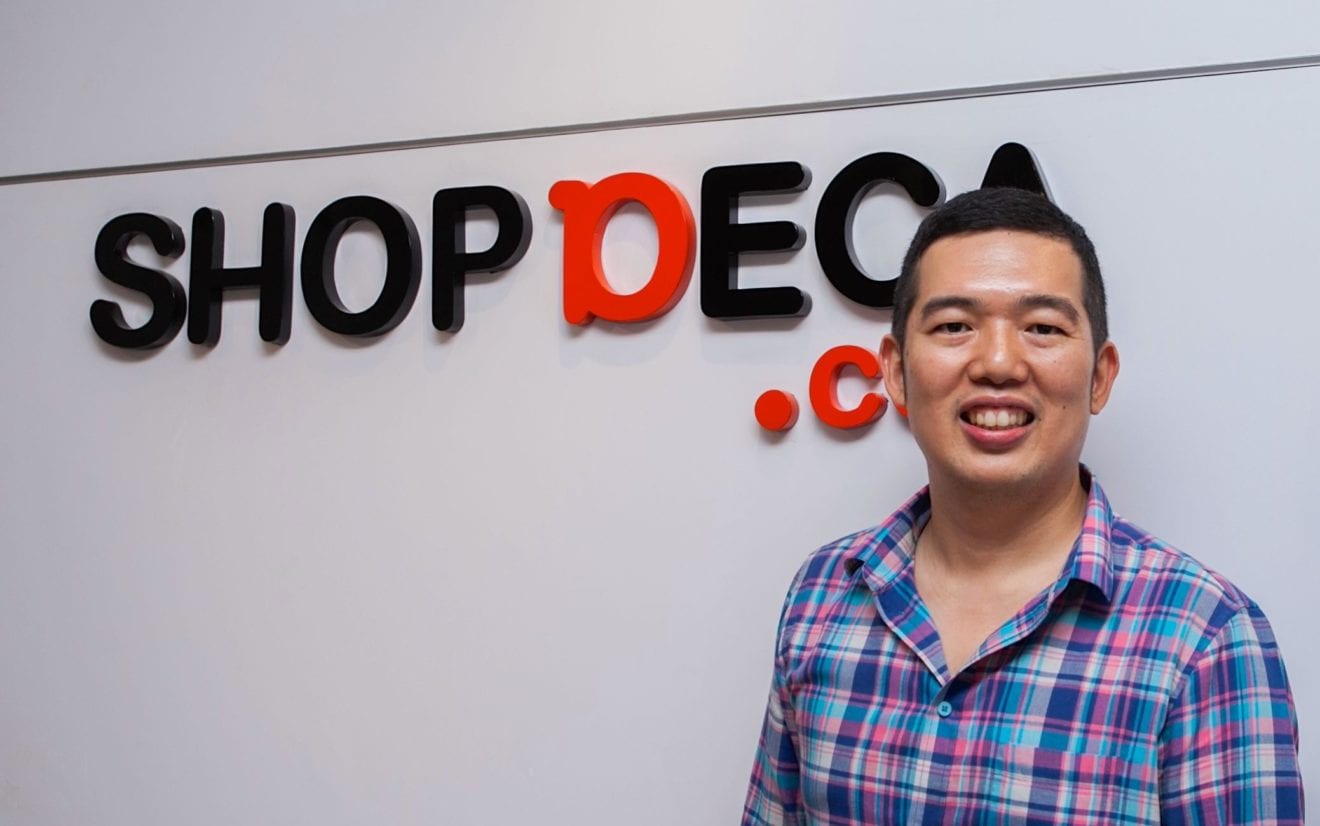
    As part of the acquisition, Shopdeca founder and successful ecommerce entrepreneur Andreas Thamrin has joined migme as Global Head of Ecommerce and will lead the expansion of migme’s ecommerce operations.

    The Company plans to extend the current pay-to-bid (via Sold) and B2C (business-to-consumer) (via Shopdeca) ecommerce operations to further add a C2C (consumer-to-consumer) social marketplace and B2C2C (business-to-consumer-to-consumer) affiliate sales program.

    This is the second completed acquisition for the Company in 2016, following social news site Hipwee in January. In addition, the Company established a strategic partnership with leading photo and video mobile app. developer Meitu in March.

    The Company has also completed the implementation of online payments with payment partner Paytm, India’s largest mobile payment and ecommerce platform, processing over 10 million transactions per month with their digital wallet. migme users are now enabled on Paytm’s digital wallet, joining over 15 million active wallet users. migme users will be able to shop through ‘Pay with Paytm’ channels at more than 1,500 leading merchants and via other platforms including web, mobile, apps, SMS and IV.

    Payments to add money to the digital wallet are accepted via internet banking, credit/debit/cash cards and Paytm cash.

  • New Braun Buffel Singapore boutique opens

    New Braun Buffel Singapore boutique opens

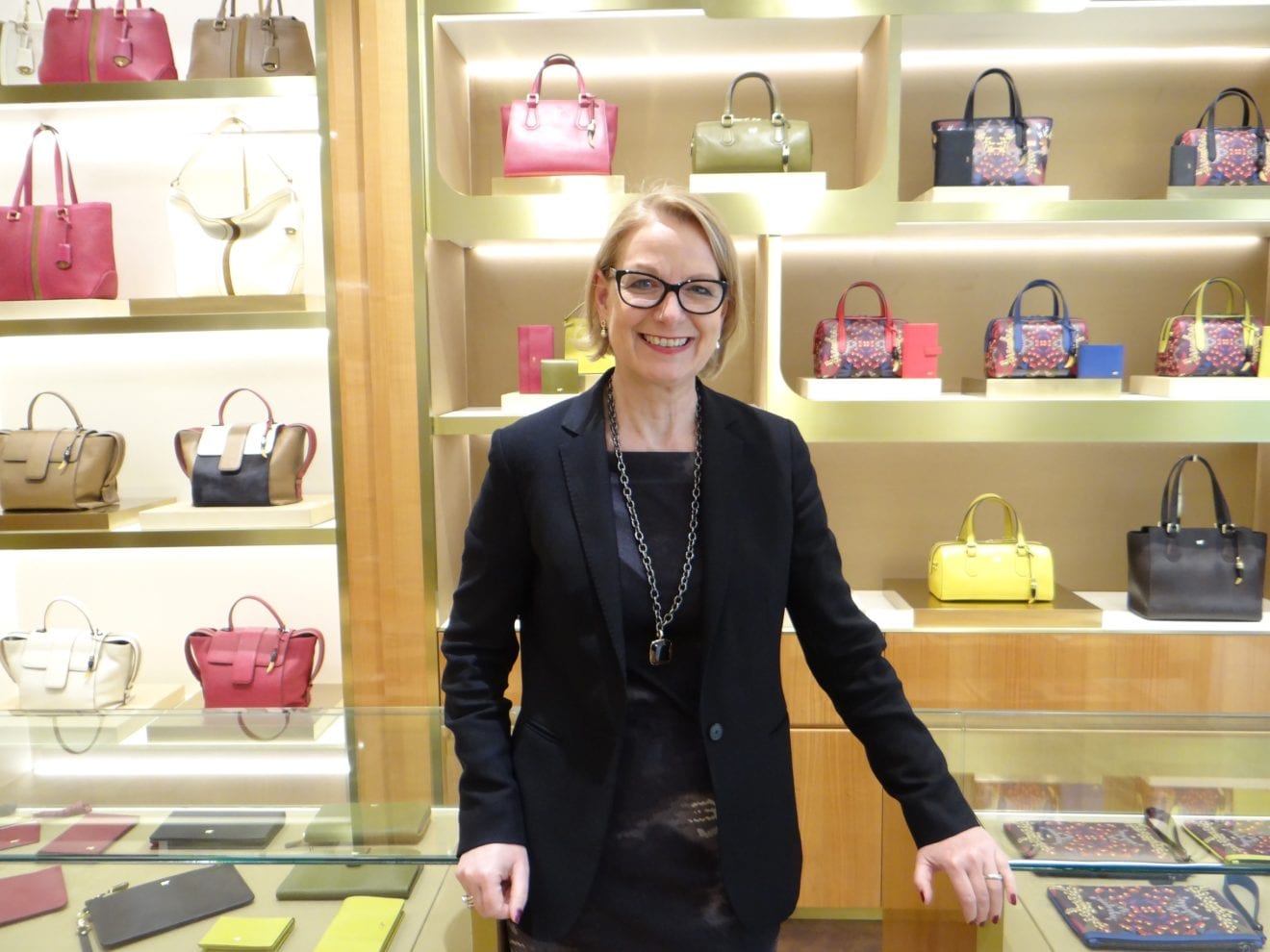
    German luxury brand Braun Buffel has opened a flagship boutique at Singapore’s Marina Bay Sands.

    Its official opening was attended by MD Christiane Brunk, great-granddaughter of Johan Braun who founded the company in 1887.

    Covering 1500 sqft (139 sqm), the Braun Buffel Singapore store features the brand’s trademark leather in the form of an Italian fine-grain leather wall and bespoke leather armchairs in the lounge area. It is the brand’s first flagship with the design concept, and was one year in the making.

    Singapore was Braun Buffel’s first Asian market, in 1982, and this is its fifth store in the Lion City. While known for its handcrafted leather goods and accessories, the brand has in recent years ventured into new segments such as sunglasses and watches. Its latest fall/winter collection is on display at Marina Bay Sands.

    Meanwhile, the company is seeking to expand in Indonesia and China, where it has nearly 200 retail outlets. It also has a presence in Hong Kong, Malaysia, Philippines, Taiwan and Vietnam.

    It also plans to introduce an online retail platform in Asia soon. It already has online shops in Australia, Canada, New Zealand and the US.

  • MSGM new boutique in Tokyo

    MSGM new boutique in Tokyo

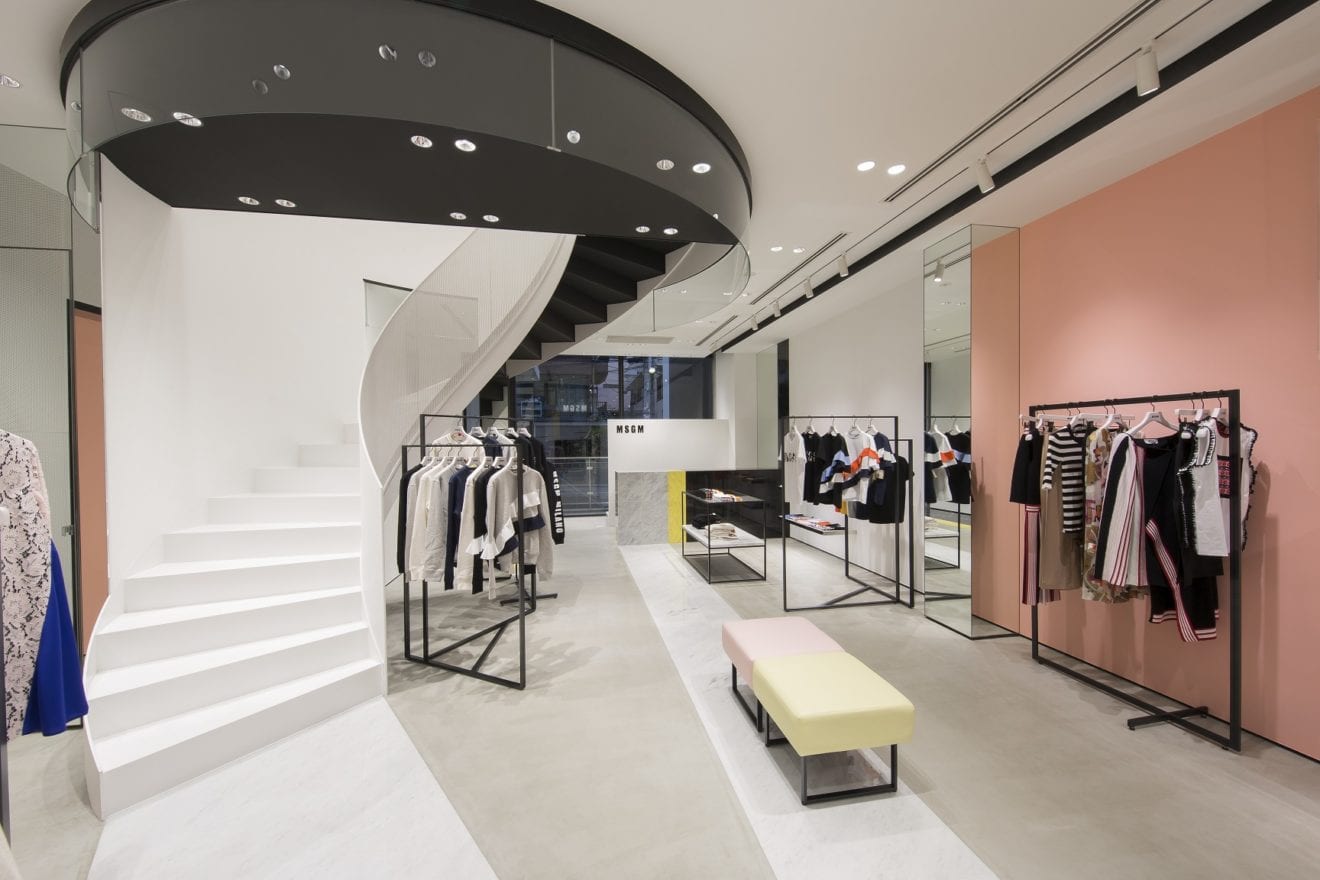
    Italian fashion label MSGM has opened its first boutique in Japan, in Tokyo’s Shibuya district.

    It is MSGM’s fifth monobrand shop in the world, again with its interior design concept being the brainchild of founder/creative director Massimo Giorgetti. He collaborated again with Milan-based architect studio CLS Architetti, as well as Tokyo studio Garde.

    Over two levels, the Tokyo store covers 2152 sq ft (199.9 sqm), and carries the brand’s men’s, women’s and accessories collections. It continues label’s street-style aesthetic with flexible iron structures and black-and-white marble surfaces with fluorescent yellow lines for exhibiting products.

    Another feature is geometrically shaped neon tubes on the ceilings, and there are two artworks, by Japanese-American artist Shingo Francis.

    MSGM’s other monobrand boutiques are in Singapore, Hong Kong, Milan and Dubai.

  • Septwolves flagship merges art and fashion

    Septwolves flagship merges art and fashion

    The new Chinese menswear brand Septwolves flagship in Xiamen was designed by Prospace Asia to offer a “stereoscopic fashion experience”.

    The idea was to merge the sales area with a fashion lounge/art gallery space for the Xiamen store, the same city where the design company is based.

    SEPTWOLVES-flagship-store-by-Prospace-Asia-Xiamen-China-02

    Septwolves was founded in 1990, positioning itself as a premium menswear designer and retailer with more than 3000 stores throughout China. It wanted its new flagship store to be transformed into an integrated space.

    SEPTWOLVES-flagship-store-by-Prospace-Asia-Xiamen-China-07

    As customers walk through the store they come across themed displays as multi-sensory experiences involving both arts and fashion as events. The store also includes a tailor zone, books, cafe and designer boutique. At its centre is a circular stage, with the other elements of the store becoming part of an open fluid whole, rather than having separated spaces for each category.

    The central round void creates a main hall that connects both floors, and it can be transformed for temporary events. There is a mirrored ceiling over the central glass walkway, lit from beneath, with low glass sidewalls and a living green feature wall on one side.

    SEPTWOLVES-flagship-store-by-Prospace-Asia-Xiamen-China-09

    Most of the store features dark brown hues to create a warm, intimate atmosphere. There are such features as suspended shelving and island display units for small pieces, like shoes and bags.

    One area, with low-level lighting, has sumptuous leather furniture that lends the air of a gentlemen’s club. In contrast, there is a brightly lit area with more casual seating and a glass-top coffee table, with garden walls in the background.

    The shop is over two levels, with a timber spiral staircase as a feature. The arched windows on the second floor are an extension of the ground-level windows.

    SEPTWOLVES-flagship-store-by-Prospace-Asia-Xiamen-China-05

    RFID technology is integrated with the physical environment, supporting a fluid O2O platform to evokes a multi-sensory journey. O2O, or online-to-offline, platforms involve technology that allows brands to take advantage of the convergence of internet/mobile technologies and product-inventory data for increasing in-store sales.

    SEPTWOLVES-flagship-store-by-Prospace-Asia-Xiamen-China-06

    Prospace was established in New Zealand in 1989 as a specialist retail design and interior fitout company that has worked on projects in Australia, the South Pacific, Singapore, Hong Kong, Dubai, Indonesia and Europe. Its sister agencies are Prospace China and, in Sydney, Prospace Design.

    SEPTWOLVES-flagship-store-by-Prospace-Asia-Xiamen-China-10

  • Philippine eCommerce to grow 101 per cent by 2018

    Philippine eCommerce to grow 101 per cent by 2018

    The Philippine eCommerce industry is expected to grow by 101.4 per cent by 2018 from $1.15 billion in 2013, according to the Philippine eCommerce Outlook.

    Prudencio Reyes Jr, undersecretary of the Department of Trade and Industry said

    eCommerce will help “connect domestic industry with the global economy.”

    The DTI said the country’s internet-connected population has grown by around 530 per cent over the past five years.

    Of the country’s 101.1 million population, 44 per cent are active internet users, 42 per cent are active social media users, 113 per cent have mobile connections, and 36 per cent are active mobile users.

    Philippine eCommerce sales reached P79 billion in 2012, equivalent to 0.6 per cent of the country’s total income during the year. More than 76.2 per cent or P60.17 billion came from the services sector, especially transport and storage, administrative and support service activities, and wholesale and retail trade.

    The DTI is encouraging micro, small and medium enterprises (MSMEs) to expand locally and globally by venturing into eCommerce.