Tag: asia

  • Bata Indonesia sales stagnate

    Bata Indonesia sales stagnate

    Bata Indonesia says it has missed meeting its sales targets despite the nation’s improving retail sales.

    Sepatu Bata, the local arm of the European shoe giant, owns and operates stores across Indonesia and manufactures sandals and shoes under brands Northstar, Power, Bubblegummers, Marie Claire and Weinbrenner.

    The company reported sales of Rp 1 trillion in 2015, 10 per cent short of the Rp 1.1 trillion target it set when it announced expansion into the middle and upper income market segments.

    However the company still posted a profit of Rp 129 billion (US$9.7 million), up 81 per cent, on the back of an unspecified one-off asset sale which raised Rp 121 billion.

    Bata Sepatu’s cost of goods rose 19 per cent and overheads by 8 per cent.

  • Amazon Payments goes global

    Amazon Payments goes global

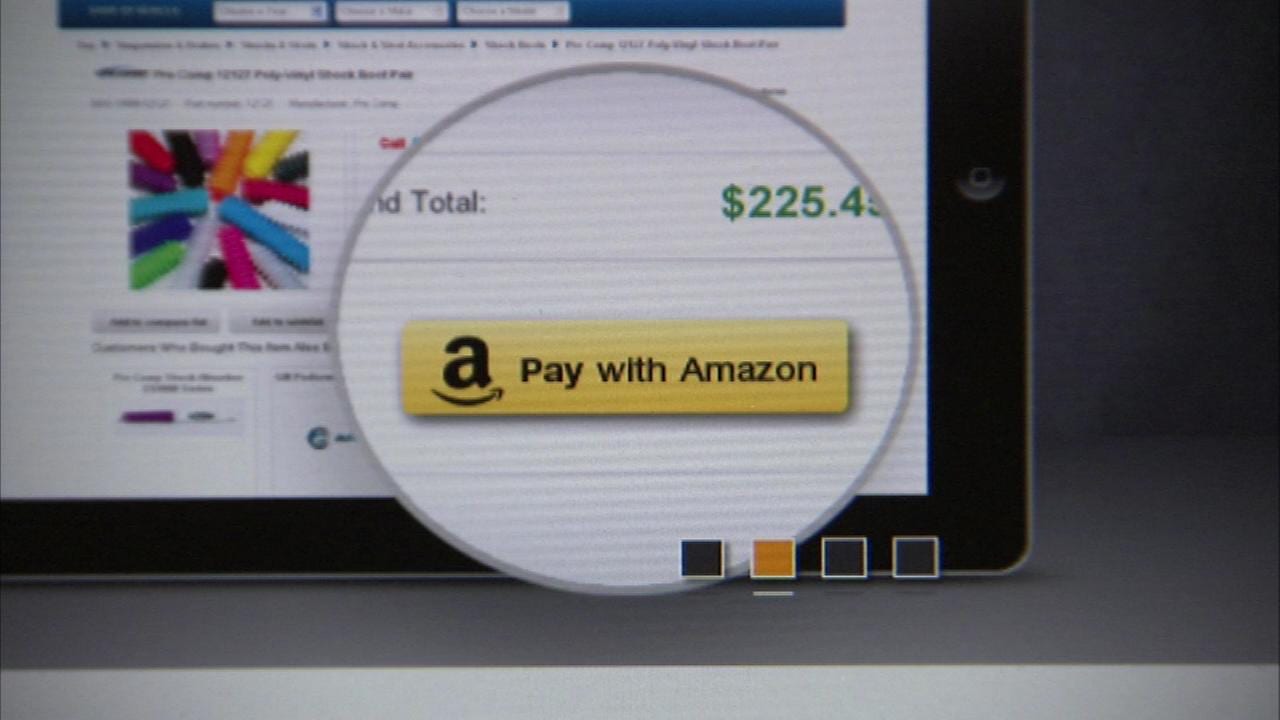
    Amazon has launched a new global program designed to allow merchants worldwide to offer Amazon Payments to their customers.

    The Amazon Payments Partner Program offers tools and services to help retail partners grow their merchant business by offering easy integration with Amazon Payments.

    The program includes solution pre-integration and best practices to help ensure that merchants receive the most effective solutions. Merchants will be eligible to receive benefits and services from the program such as knowledge-sharing and ‘white glove integration services’. The program is free to participate in and available by invitation in the US, Germany, the UK and Japan.

    Patrick Gauthier, VP, Amazon Payments, said the company is working across geographies and industries to help merchants adopt its system.

    Members of the Amazon Payments Partner Program are eligible to receive account management, planning support, technical resources and training, a partner directory listing, partner designation with exclusive logos, and some partners may also be eligible for co-marketing activities.

    “The convenience and trust that Amazon Payments provides customers already attracts lots of our merchants. We are honored to participate in the Amazon Payments Partner Program,” said Yuko Hoshino, President of Future Shop.

    “Together, we will support the growth of our merchant business and contribute to the revitalisation of the eCommerce industry in Japan by combining the capabilities of FutureShop2 with the convenience of Amazon Payments.”

    “Amazon Payments extends the trusted and familiar experience of Amazon to our merchants across Europe and the US,” said Corinne Lejbowicz, CEO PrestaShop SA.

    “Our merchants want to offer their customers a payment solution that is trusted, easy and familiar,” added Brennan Loh, director of business development at Shopify.

  • Why the Boots Alliance merger is a success

    Why the Boots Alliance merger is a success

    With a strong international business, a focus on driving productivity and investment in omnichannel, the Boots Alliance Walgreens business is on track to long-term success.

    The inclusion of Boots Alliance’s sales for the full quarter provided a fillip to revenue growth which was up by almost 14 per cent. Underlying sales, while up at headline level, were somewhat more subdued – especially within the US retail pharmacy division.

    The warmer weather in the US, especially during the early part of the quarter, was unhelpful – it meant the traditional cold and flu season did not strike with its usual vengeance. This, in turn, suppressed sales of key seasonal lines like flu, cold and cough medicines. This was noticeable in the front of store retail sales decline of 0.3 per cent on a comparable basis; something only offset by a strong prescription performance which pushed the retail pharmacy division’s overall performance into positive territory.

    Although cold remedies pulled down front of store sales, Walgreens is making encouraging progress in other parts of its retail offer. As a local retailer with a solid network of well frequented stores, Walgreens has a major opportunity to sell more product to existing customers, as well as drawing in a wider audience for products outside of the pharmacy and wellness space.

    Accomplishing this task requires a reinvigoration of the front of store proposition, especially in areas like beauty where Walgreens aim should be to be seen as much as a destination for higher end, more premium brands as it is for essentials and everyday beauty. This transformation has started, especially with the success of the group’s own brands like No. 7 cosmetics, and in the gifting category – which was an area of focus over the holiday period.

    In reshaping the front of store offering, Walgreens is ahead of its main rival CVS which has a lot more work to do in order to shift perceptions. Walgreens, of course, has an advantage as it is able to learn from Boots in the UK, which has, for a long time, been successful at selling both premium beauty and many other non-beauty categories. While Walgreens should not aim to simply replicate Boots, there are elements of the proposition – including the focus on lunchtime snacks and takeaway food – that can be adopted and adapted to the US market.

    Looking internationally, Boots in the UK had a successful quarter helped by a focus on Christmas gifting and also the strong performance of the ‘order online and collect from store’ service. Similar to Walgreens in the US, Boots in the UK has an extensive and localised store network which makes it a convenient option when it comes to picking up products purchased online. This, again, is something that the US operation can learn from and develop as the group looks to grow its omnichannel capabilities.

    Being part of a much bigger group isn’t only creating opportunities for the sharing of brands and ideas, it is also – as the Walgreens always planned – delivering savings. This quarter, synergies saved around US$329 million, and the group remains on target for $1 billion of savings across this quarter. This target is attainable and should help to provide an underlying boost to earnings moving into the second half.

    The successful integration of Boots Alliance and Walgreens has likely given the group confidence to pursue Rite Aid – the proposed acquisition of which was announced last October and approved by Rite Aid’s stockholders in early February. All being well, this transaction should close during the second half of this fiscal year.

    The deal makes sense on a number of levels – not least because Rite Aid has struggled to keep pace with its two rivals and we believe that Walgreens will be able to quickly make the chain more productive.

    Rite Aid has started this work with its Genuine Wellbeing format refresh, which creates a more engaging and enticing shopping experience with enhanced levels of customer service. This is something that Walgreens will be able to bolster, especially through its strong stable of own brands including Boots No 7 cosmetics.

    The potential synergy savings that will accrue from the merger are also attractive. These are estimated at $1 billion which, given the complementary nature of both businesses, are conceivable and go some way to offset the premium that Walgreens offered for Rite Aid.

    With a strong international business, a focus on driving productivity within the US, investment in omnichannel, and the boost from another acquisition, this looks to be a year of progress and change at Walgreens. While all of this activity may cause some short term fluctuations in earnings and sales, it will successfully position the group for longer term success.

  • Singapore retail rents fall

    Singapore retail rents fall

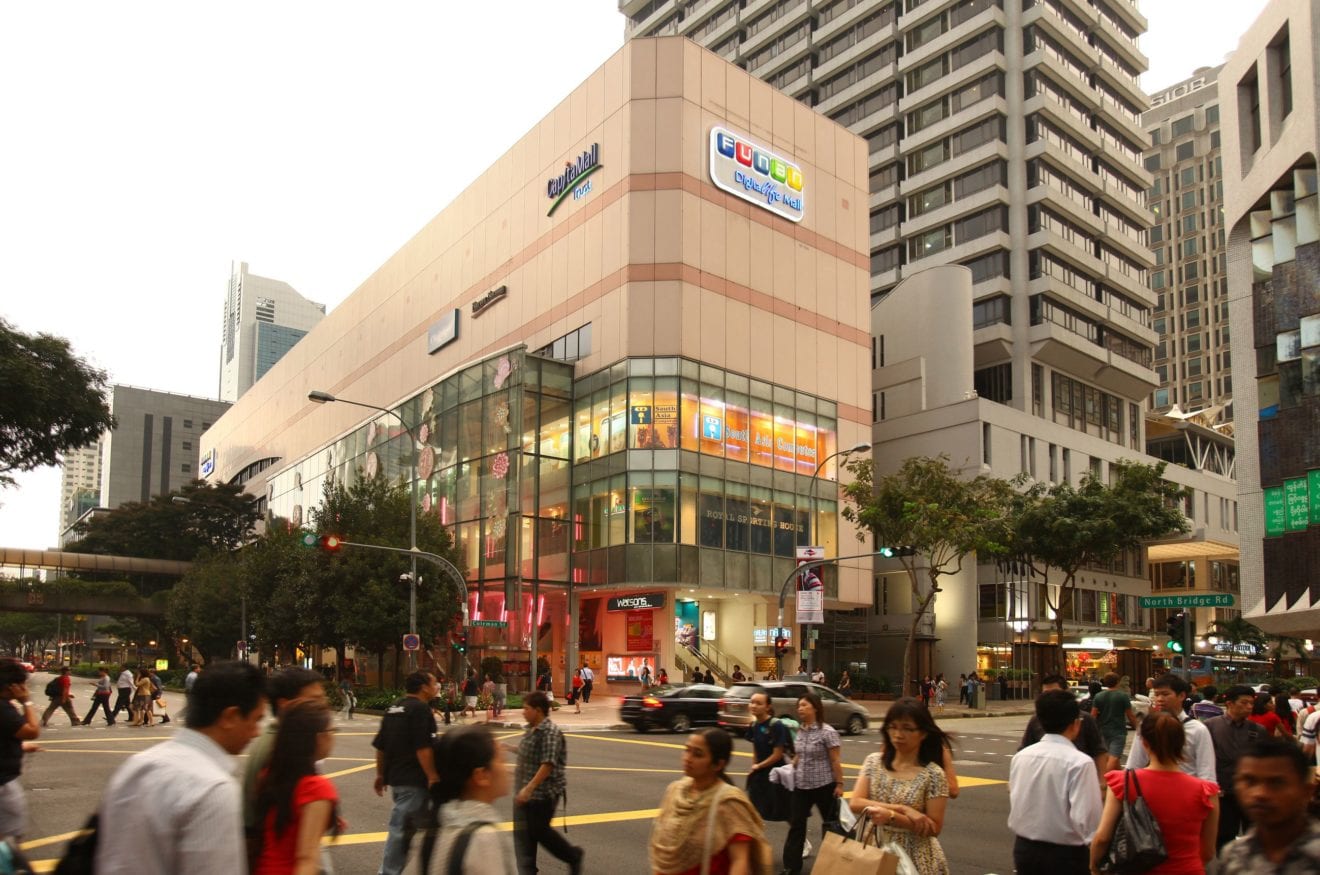
    Singapore retail rents are falling according to the latest figures from real-estate company DTZ Southeast Asia.

    Average monthly first-storey rent across the island eased by 1.2 per cent quarter-on-quarter to about S$30.15 (US$22.22) a sqft in the first quarter this year, says the company – the fourth consecutive quarter of decline. This is 7 per cent down on a year ago.

    Headwinds continued in the retail market in Orchard/Scotts Rd, as average monthly first-storey rent there fell 1 per cent to about $37.65 a sqft..

    According to the latest Singapore Urban Redevelopment Authority (URA) statistics, the occupancy rate in the area fell by 2.1 points to 92.3 per cent last year, the lowest since 1996.

    Retailers in Orchard/Scotts Rd are expected to face pressure, especially in the face of regional competition from Bangkok, South Korea and Taiwan, which offer affordable shopping. Cheaper air fares coupled with a relatively strong Singapore dollar made shopping more expensive in Singapore, and also contributed to weaker retail sales.

    In the other city areas, the occupancy rate dropped by 1.6 points to 91.6 per cent, and average monthly first-storey rent fell by 2 per cent to $21.35 a sq ft.

    Rents were also pressured by the relatively large impending supply this year: mixed-use projects slated for completion include OUE Downtown Gallery, Tanjong Pagar Centre and Duo Galleria.

    In similar vein, the occupancy rate in suburban areas fell by 1.4 points to 92.0 per cent, and average monthly first-storey rent subsided 1 per cent to about $31.40 a sqft.

    Service critical

    DTZ director of retail Anna Lee says quality of service has become even more critical for onground retailers.

    “With competition from eCommerce coming at full force, retailers are placing greater emphasis on providing highly personalised services. Many have revamped stores to include private rooms and lounge areas with superior furnishings.”

    An example is the new Tiffany & Co outlet at Ion Orchard. Apart from being the brand’s first street-facing store in Singapore, the two-storey outlet also showcases a private viewing space with custom furnishings. Another example is Dior, which has also had a revamp at Ion Orchard. It now has lounge areas, marble features and luxurious carpets, and has added a personal stylist to provide shoppers with fashion advice.

  • Hard times for Emperor Watch

    Hard times for Emperor Watch

    Luxury timepiece retailer Emperor Watch & Jewellery is implementing an action plan to stay buoyant in the face of reversed fortunes due to the difficult trading environment.

    A member of the Emperor Group founded in 1942, the company posted a net loss of HK$120 million (US$15.48 million) for the 2015 financial year, following its $138 million net profit the previous year. Its revenues plunged 25.2 per cent to $4.43 billion from $5.92 billion in 2014.

    The company says this was caused primarily by weak consumption sentiment in Hong Kong resulting from a strong local currency and an unfavourable tourism environment.

    Store rental cuts, however, and an optimisation of its Hong Kong retail network during the year are expected to ease the rental pressure this year. The company says 78 per cent of its total revenue was supported by the Hong Kong market (83.1 per cent in 2014).

    Hong Kong retail space continues to rank as the world’s most expensive, although rents have started to moderate, says the company’s report.

    As well as streamlining its retail network in Hong Kong, during the year the group also reshuffled its jewellery business in Mainland China and extended its retail network in Singapore.

    It also launched new collections, including an exclusive “Baby” line to take advantage of China introducing a nationwide two-child policy in January.

    Synergies with other companies within the Emperor Group were also leveraged, such as leasing prime retail locations from Emperor International Holdings on an “arm’s length” basis. Another synergy is with Emperor Entertainment Group (EEG), which invites VIP guests to its movie premieres and sponsors jewellery for the artistes.

    Several strategies to mitigate risk are being implemented in the group’s action plan. Following the optimisation of its retail network in prime districts, the group plans to extend the coverage from traditional tourist shopping areas in Hong Kong to emerging shopping areas with resilient foot traffic.

    Other retail network reshuffles planned include expanding retail stores in second- and third-tier mainland cities, adding two stores in Singapore, and studying the feasibility of establishing footprints in Southeast Asian countries.

    Emperor also seeks to venture into eCommerce through such shopping platforms as WeChat Mall.

    As at December 31, the group had 100 stores (88 in 2014) – in Hong Kong (21), Macau (6), mainland China (67) and Singapore (6).


  • Zong Pakistan, Fortumo team for direct carrier billing

    Zong Pakistan, Fortumo team for direct carrier billing

    Mobile payments company Fortumo and China Mobile Pakistan (Zong) have entered into a direct carrier billing partnership in Pakistan.

    Digital content merchants and app stores using the Fortumo carrier billing platform can now collect payments from 26 million Zong customers in the country. Fortumo is the only global direct carrier billing provider in Pakistan, where the company has been working together with Telenor Pakistan since July 2014.

    “Millions of people in emerging markets are accessing the internet only from their phones,” said Gerri Kodres, chief business officer at Fortumo. “This new digital audience is connected to the world but cannot access paid content as a majority of them do not own credit cards.”

    An estimated 56 million Pakistanis now have a smartphone. The adoption of smartphones in the country is helped by both Zong and Telenor Pakistan launching 3G networks in 2014.

    Fortumo’s direct carrier billing platform allows users to make payments over a data connection by confirming purchases with one click on their phone. Payments are processed without any additional information required from the mobile user which provides a significant conversion improvement compared to any other online payment method.

    Fortumo’s direct carrier billing platform is currently available to over 1.3 billion people in 16 Asian countries. Globally Fortumo covers 95 countries and reaches over 3 billion end-users with its carrier billing solution.

  • Checkpoint Systems to Showcase Intelligent RFID-based Merchandise Visibility Solutions at Retail Technology Show Asia 2016

    Checkpoint Systems to Showcase Intelligent RFID-based Merchandise Visibility Solutions at Retail Technology Show Asia 2016

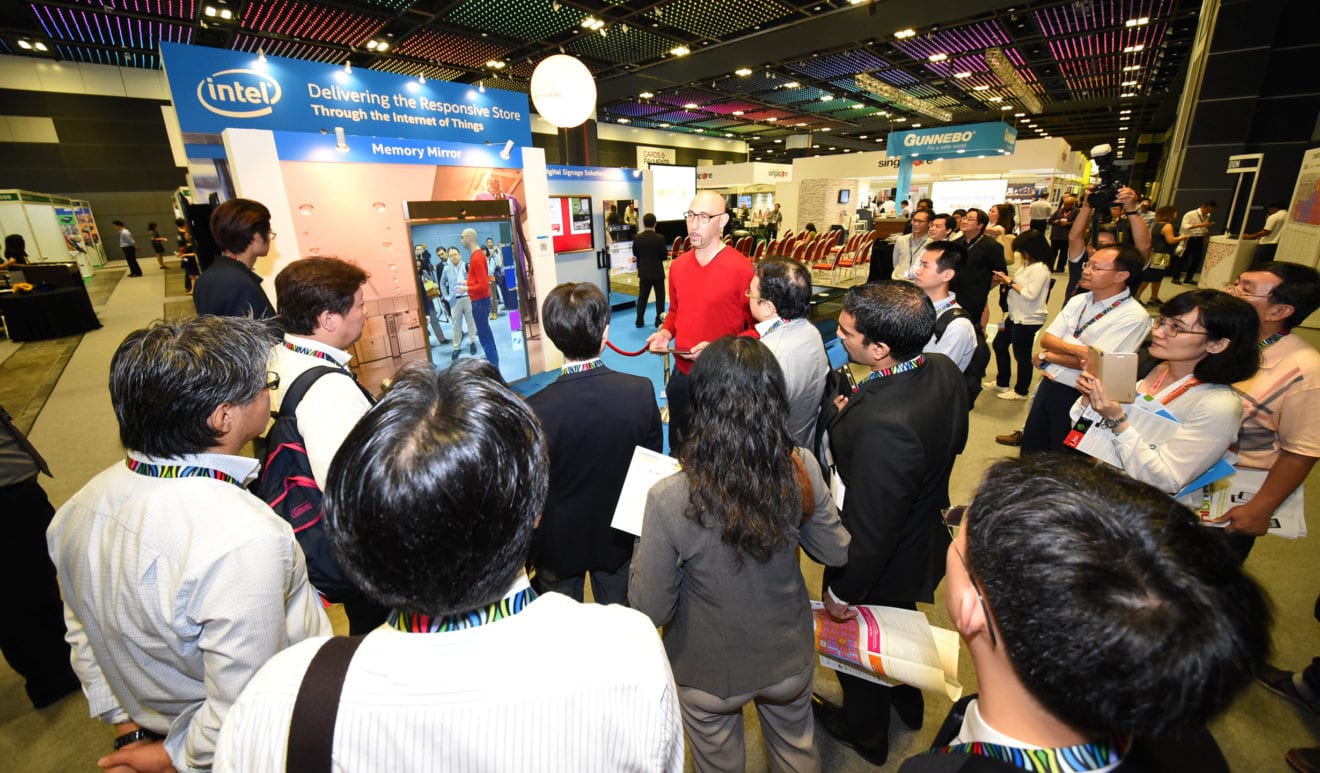
    Visitors to Retail Technology Show Asia 2016, being held from 20-21 April in Singapore will have the opportunity to hear from  Checkpoint Systems, Inc. (NYSE: CKP) and see first-hand the latest merchandise visibility solutions that can help retailers reduce out-of-stocks and on-hand inventory throughout the supply chain all the way from the manufacturer to the store.

    Checkpoint System’s enhanced merchandise visibility solution with new labeling and RFID (radio frequency identification) technology enable manufacturers to apply RFID-based tags at the point of manufacture cost-effectively.  These RFID tags can be read throughout the supply chain, and enable each product to be tracked or located individually. Information about the product’s location is automatically captured and verified against expected quantities in real time at the manufacturing facility, warehouse or store. This information is used to optimize inventory levels and shelf availability, enabling retailers to meet customer demand, improve operations, enhance customer experience, cut costs and increase sales.

    Exhibiting at booth T05 at the Suntec Convention Centre, Checkpoint Systems will showcase its latest solutions, including:

    –          range of RFID-based tags and labels;

    –          S3i ShelfNet™, a scalable, wireless network that provides critical data and analytic intelligence such as inventory quantity in real time that enable retailers to gain new insights into shelf activity and understand customer demand;

    –          EVOLVE-Store series, involving a real-time app that provides real-time visibility on merchandise and shopper numbers by managing response times to alarm events;

    –          MetalPoint™ HyperGuard™ solution, a digital based software solution that can detect foil-lined clothing or bags used by organized retail crime operations and prevent theft by alerting staff. It can be seamlessly integrated into Checkpoint’s EVOLVE family of antenna.

    Mark Gentle, Vice President – Merchandise Availability Solutions, Asia Pacific at Checkpoint Systems, will deliver a speech titled “It’s all about the data – how Sensor Data Drives Responsive Retail” at the event. Speaking on 20 April, he will discuss how critical merchandise-related data that is collected from RFID sensors can be analyzed and used to enhance supply chain visibility and improve business processes for retailers.


  • 11street Brings Shocking Deals to Life

    11street Brings Shocking Deals to Life

    11street, Malaysia’s most exciting e-mall celebrates its one-year anniversary by bringing 11street’s Shocking Deals to Life, a carnival-themed celebration that shares the joy of saving and shopping online, as a gesture to thank Malaysian consumers for their tremendous support since its launch on 11th April 2015.

    11street’s CEO, Hoseok Kim shared that moving forward, 11street aims to continue grow its customer base and enhance existing users’ experience with its recently renewed Shocking Deals* section optimized on mobile app with greater variety to curb the economy downturn.

    Photo 1

    “Malaysians are known to be prudent and are always on the lookout for greater value for money. Backed by the promise of lowest price guaranteed, which is an online offer only by 11street, we enhanced our shocking deals section with new features to make online shopping easier and to meet the purpose of helping Malaysians in savings. This includes mobile app exclusive deals with significant mark-down and discounts, top 100 hot selling deals, new sorting capability that reveals free shipping items, and more,” Kim added.

    Unveiled Xpax’s Reload Savings for Magic SIM

    11street also announced another shocking deal in collaboration with Xpax, the main prepaid brand for youth under Celcom Axiata Berhad and launched the unbeatable Year-long Exclusive 10% Reload Savings, where new Magic SIM customers will get to enjoy more credit with this amazing Shocking Deals during its 1st birthday carnival.

    Kim said, “11street constantly look for the best deal in town to offer its customers, and this timely collaboration comes in handy to help Malaysians save more.  Sharing the same view, both 11street and Xpax are committed to provide high quality products and services to Malaysians at competitive prices.”

    During the event, Zalman Aefendy Zainal Abidin, Chief of Sales and Marketing Officer, Celcom Axiata Berhad highlighted, “Prepaid users are the larger segment of our customer base, and understanding the market preference, we want to ensure that only the best deals and services are brought to our customers. We continuously seek for channels to extend our reach to the users, either existing or potential.”

    “Being on board 11street will expand the avenue further for our customers to obtain our product. Via this channel, we are keen to create more demand for Magic SIM from Xpax, the prepaid product with more credit, more internet, as well as adding on more subscribers to our prepaid customer base.  Furthermore, the yearlong promotion on reload savings will benefit our customers greatly,” he added.

    The new Magic SIM purchased through the 11street app will allow customers to get 10% discount on every reload at 11street for the next 12 months.

    Introduced 11street’s New Brand Ambassadors – Zizan Razak and Elizabeth Tan

    Apart from the exclusive reload savings promotion launch, the two new brand ambassadors, Zizan Razak, prominent local actor-cum-entertainer and Elizabeth Tan, Malaysia’s YouTube sweetheart-turned-singer made their first appearances at 11street’s anniversary celebration.

    Photo 4

    “Even though we’re only one, our dream to reach out for the stars are exactly why we chose to welcome Elizabeth and Zizan into our growing family. They are the key to unlock our journey as we move closer to understand Malaysians in order to cater to their shopping needs and wants.”

    “Looking at both Zizan and Lizzy, a young and dynamic brand like 11street could very well relate to their boundless youth and energy that exuberates through their passion and enthusiasm to take the bulls by the horns. Honing these positive vibes, we believe the duo will bring 11street to greater heights and be loved by all Malaysians as much as they are now,” Kim added.

    Photo 2

    While enjoying the fun-filled carnival of all things shocking that includes fun games, coupons, and activities, six lucky “Fly high LIKE A STAR with 11street” contest winners were announced during the event. These lucky winners won the chance to experience an unforgettable helicopter ride followed by an intimate dinner session with the 11street’s brand ambassadors, Zizan and Elizabeth.

    Along with this, as a treat to 11street’s loyal app consumers, 11street has also officially launched the ‘11 Days of Shocking Giveaways’ with irresistible deals at lowest price. During the 11 Days of Giveaways campaign, Shocking coupons will be available every day for popular brands, including BHPetrol, Caring Pharmacy, Laneige, Melissa Shoes, OPPO, Seagate, Tefal, TGV and more. The 11 Days of Shocking Giveaways will definitely mesmerise Malaysians as 11street celebrates its 1st year anniversary with all things shocking!

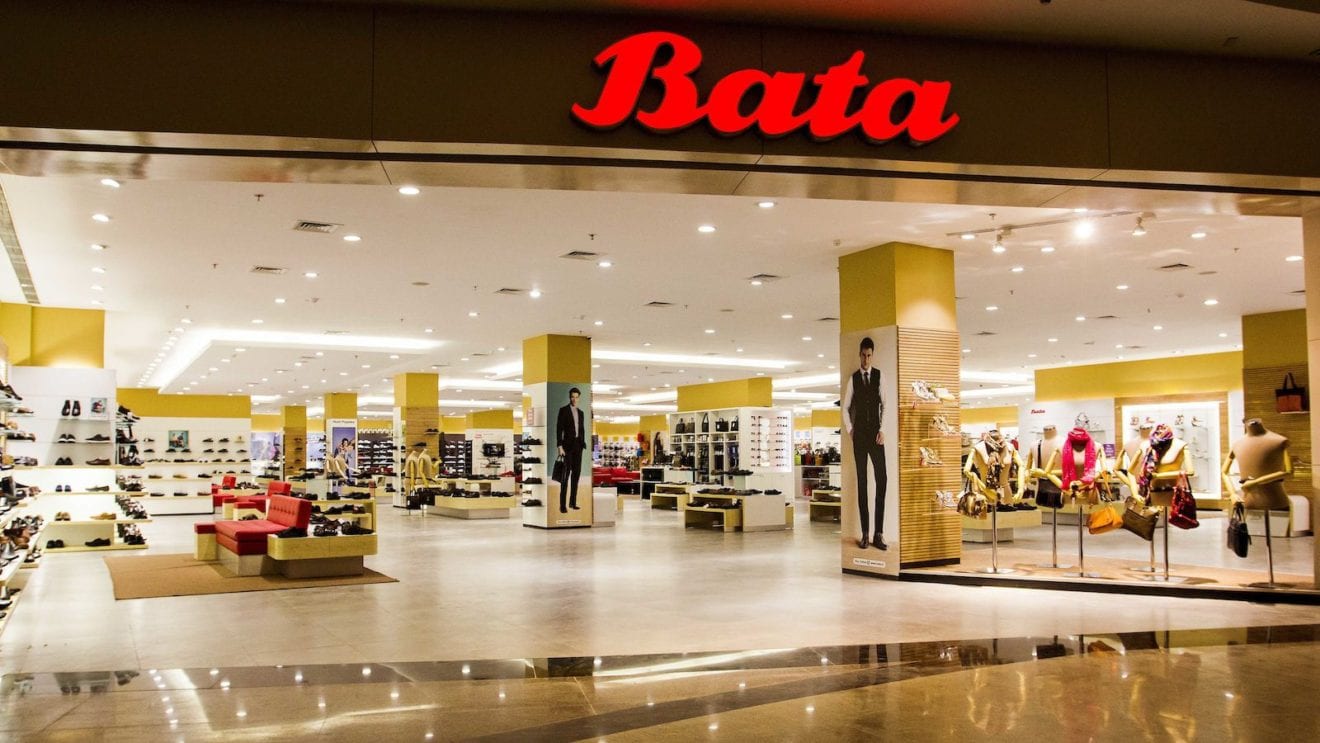
    Photo 6

  • GM Korea Posts Worst-ever Net Loss of 986.8 Billion Won in 2015

    GM Korea Posts Worst-ever Net Loss of 986.8 Billion Won in 2015

    According to industry sources on April 10, GM Korea reported 594.4 billion won (US$515.30 million) in operating losses and 986.8 billion won (US$855.48 million) in net losses last year. It is the worst-ever performance since its establishment in 2002.

    Industry watchers think that it is largely due to 186.9 billion won (US$162.03 million) of the equity method loss caused by its decision to shut its local factory following the withdrawal of the Chevrolet brand from Russia. GM Korea halted sales of the Chevrolet products in Russia last year.

    Last year’s poor performance is also attributed to the fact that the automaker had sold its mid-size sedan Cruze with a 1.8-liter engine for exaggerated fuel economy claims in the domestic market for five years. As GM Korea decided to pay Cruze owners up to 430,000 won (US$373) per person to cover the difference between the stated fuel economy and the actual one, the total amount of compensation reached as high as 37 billion won (US$32.08 million) last year.

    Moreover, higher labor costs despite the decrease in car sales also added to its worst-ever performance. The automaker shipped a total of 621,872 units at home and abroad last year, down 1.4 percent from the previous year. However, its labor union has strongly protested the company’s decision to continue importing all units of its full-size sedan Impala from the United States for sales in Korea despite strong sales at home.

    GM Korea is looking for various ways to improve its financial state. The automaker has decided to organize a special task force team with staffs across the company, including labor union and management, in a bid to prepare measures to revitalize sales in the local market. Starting in January, it has introduced a direct sales system that guides individual dealerships to sign direct contracts with the automaker unlike in the past when they were in touch with regional dealers. This change has simplified the overall retail structure of GM Korea and is expected to cut tens of billions of won of annual costs.

  • Ford Malaysia notches up 650 units in sales in March

    Ford Malaysia notches up 650 units in sales in March

    Ford Malaysia has announced its retail sales figures in the country for the month of March 2016, which grew 24% from the previous month to 650 units. In February, the company managed to shift 524 units.

    The sales performance was largely contributed to by the Ranger. While 432 units of the pick-up truck were sold in February, the month of March saw a 19% increase to 513 units. Even discounting the Ranger, Ford’s sales of the rest of the line-up rose from 92 units in February to 137.

    Ford Focus 1.5L EcoBoost quick drive 3

    “As the most capable, most powerful and smartest truck in the market today, the Ranger stays true to ourBuilt Ford Tough heritage, and we’re pleased that demand continues to grow across both Peninsula and East Malaysia,” said David Westerman, managing director, Malaysia and Asia Pacific Emerging Markets, Ford Motor Company.

    As for the remaining units sold in March, they are represented by the other models in the line-up, including the recently-introduced Focus facelift with its 1.5 litre EcoBoost engine. We already had a go in the C-segment model, where we praised the car’s revised dynamics and easy-to-use assisted parking features.

  • Smart starts deployment of LTE-Advanced

    Smart starts deployment of LTE-Advanced

    The Philippines’ PLDT, through wireless subsidiary Smart, has commenced the rollout of LTE-Advanced carrier aggregation.

    The operator has initially deployed the technology in the popular tourist destination of Boracay, marking the first implementation of the technology in the Philippines.

    Smart said the Boracay LTE-A network has posted speeds of up to 250Mbps. The company started testing the technology in Boracay and other locations in 2013, and has commenced the rollout now commercial devices that support LTE-A are available.

    “Combined with our other network improvement initiatives for both our mobile and fixed line networks, the introduction of LTE-A will help boost internet services in the country and enable more Filipinos to enjoy and benefit from the fast-growing range of digital services that PLDT and Smart offer,” PLDT and Smart CTO and information adviser Joachim Horn said.

    These initiatives include a program to integrate the networks of PLDT mobile brands Smart and Sun to improve network quality for subscribers of both. This is expected to improve the effective coverage for subscribers by anywhere from 50% to 100% depending on service area.

    Horn said particular attention is being paid to enhancing 3G coverage because 90% of Smart and Sun’s mobile internet users have 3G handsets.

    “We are also planning ahead, in anticipation of future advances in technology. Our current investments in network facilities are already being done in a way that will enable us to be ready for 5G when it arrives sometime in 2020. For this purpose, we are working closely with NTT DoCoMo, which is one of the global pace-setters in the development of 5G,” Horn added.

  • LinkedIn opens data center in Singapore

    LinkedIn opens data center in Singapore

    LinkedIn has opened its first data center in Singapore, spanning 23,500 square feet in Jurong. This is one of six data centers for LinkedIn globally, and the first outside the United States.

    LinkedIn has invested S$80 million ($587.4 million) so far in the new data center, which was established to enhance the experience for the fast-growing base of LinkedIn members and clients across the Asia-Pacific region.

    With the facility the enterprise social media company aims to imrpove speed and reliability of APAC members’ access to LinkedIn’s services as they connect to professional opportunities on the network.

    Since January 2013, the number of LinkedIn members in APAC more than doubled to reach over 85 million members at the end of 2015. This includes more than 1 million members in Southeast Asia (of which more than 1 million are in Singapore), 34 million in India and 7 million in Australia.

    LinkedIn also counts prominent leaders as its influencers, including Narendra Modi (Prime Minister of India), Piyush Gupta (CEO of DBS Bank), Tony Fernandes (Group CEO of AirAsia), Shinzo Abe (Prime Minister of Japan) and Andrew Penn (CEO of Telstra). Over the same period, LinkedIn’s revenue in the region more than tripled.

    The new data center in Singapore processes all of LinkedIn’s online traffic in the Asia Pacific region and will also handle about a third of global traffic. It will also complement the continuing growth in LinkedIn’s storage and processing needs globally – in 2015, this growth was 34%.

    The smart design features are also expected to reduce the annual energy consumption of the data centre by a magnitude that is equivalent to powering about 100 private homes in Singapore. For more information about the data centre, please click here.

    “Asia Pacific is our fastest growing region in terms of member base outside of the US,” said Olivier Legrand, managing director of LinkedIn in Asia Pacific. “Singapore is the natural choice for us to locate this new data center, as it is already our Asia Pacific headquarters, and it offers the cutting-edge infrastructure and talent we need,” said Legrand.

  • Spotify Launched in Indonesia

    Spotify Launched in Indonesia

    Spotify is finally kicking back into expansion mode in Asia. Nearly two years after its last country launch in the region and close to four years after it first stepped into Asia, the music streaming service has confirmed plans to go live in Indonesia at the end of March.

    Indonesia could have serious potential for Spotify. The fourth most populous country on the planet, Indonesian smartphone sales are projected to grow by 20 percent this year as its population of 250 million becomes increasingly more affluent and connected to technology.

    Last October, we reported that Spotify was close to launch in Indonesia and Japan, too, and the company has been quietly upping its efforts in Tokyo, where it established an office some time ago. In one sign of its imminent arrival, Spotify inked a partnership with Japan’s top messaging app Line which, similar to its agreement with Facebook, lets users share Spotify tracks through the Line app.

    Beyond that deal, which is only available in markets where Spotify has launched (i.e. not Japan right now), and in another big hint at an impending launch, Spotify is currently hiring for 12 roles in Japan — including telling positions like head of consumer marketing, head of communications, social media marketing manager — while its central team tasked with market expansions has made trips to the Tokyo office.

    TechCrunch understands that, as was the case in October, the challenging landscape for music streaming services in Japan — where CDs still rule for music sales — has delayed Spotify’s Japan launch longer than the company would have liked. Already, though, Apple Music and a competing music service from Line (both a friend and rival, it seems) are among the services available in the country. Thus Spotify wants to act quickly and join them.

    Spotify declined to comment on its launch plans in Asia, Indonesia aside, when we asked. But we have come to learn from a source close to the company that it has begun to look at India.

    That interest is exploratory at this point, but Spotify would enter a challenging race were it to bring its service to India. Apple entered the country last summer when Apple Music launched globally, but local services like Tiger Global-backed Saavn and Times Internet’s Gaana lead the mobile music space. We haven’t heard much about how Apple Music is faring in India, but Spotify could be a better fit for the country since it offers a free version of its service and has a more robust Android app — both of which are essential in India.

    Asia marks a potentially important focus for Spotify, which recently hit the 30 million paying user milestone. Large swathes of the region are mobile-first or mobile-only, with many consumers reliant on their phone to provide all of their entertainment options. That opens an obvious window for mobile music services, but monetization is a huge challenge since Asia is less developed when it comes to paying for digital content and piracy reigns supreme.

    Spotify’s initial foray into Asia saw it land in small and fairly Western-influenced countries like Hong Kong and Singapore, markets where it was likely to see uptake, but now the Swedish company appears to have its sights set on larger challenges, starting with Indonesia.

  • IFC to extend $21m debt to half a dozen MFIs in Myanmar

    IFC to extend $21m debt to half a dozen MFIs in Myanmar

    IFC will extend from $3 million to $6 million financing to each selected MFI as a kyat-denominated loan. The move will deepen access to finance to the bottom of the pyramid market.

    The move will also enable the microfinance industry to commercially operate in the country.

    The IFC loan is expected to enable disbursal of 112,500 to 127,500 loans to low income households in the country, improving the underserved segment’s access to finance and create jobs, according to the IFC disclosure.

    “Microfinance in Myanmar has grown up on a lot of donor funding. IFC is trying to help formalise the sector and provide sustainable local currency debt to MFIs to expand their loan portfolios,” said Julie Earne, Lead, Financial Institutions Group of IFC in Myanmar.

    IFC is working across the financial sector with banks, microfinance institutions and digital finance companies to ensure all segments of the market are served.

    IFC stated that there are about 250 microfinance institutions in Myanmar that are yet to commercially operate. The proposed loan facility will provide the scarce and much needed commercial funding to those institutions. It is also into providing advisory services to the candidates to build internal capacity.

    Some of IFC’s existing microfinance clients include Acleda, Fullerton, Proximity Designs, Pact Global Microfinance Fund (PGMF) and VisionFund Myanmar.

    “We are looking at our existing investment and advisory relationships (on microfinance), as well as other clients that we were not working with yet, to put together a diverse group of institutions,” said Earne.

    IFC is currently in the process of reviewing the MFIs for participation in the debt facility.

    Back in 2014, the IFC launched The Myanmar Microfinance Development Programme with the funding support from the Canada Department of Foreign Affairs, Trade and Development and funding from Livelihood and Food Security Trust Fund (LIFT). It expects to improve financial access for over 270,000 clients with an aggregate loan of over $70 million by 2017.

    “Our existing programme provides technical assistance focused on formalising microfinance institutions, building capacity in treasury management, human resources, risk management, product development, assisting key players in the market to mature as they look to grow and scale their operations,” said Earne.

    Building on this programme, IFC is supporting MFIs to borrow local currency Kyat funding.

    “Right now the most critical issues for microfinance in Myanmar is to help facilitate local currency financing to MFIs so that they can expand their portfolios. We need to also crowd in and enable local banks to lend to MFIs. Local banks have kyat liquidity and it is important to facilitate them to lend to MFIs,” said Earne.

    The Central Bank of Myanmar just issued a mobile financial service rules and telecom operators like Telenor are in talks with some MFIs to use their mobile financial service for microfinance lending.

    IFC is engaged in the MFI operations for Myanma Awba, an agri-based business in Myanmar, in an advisory role, giving corporate governance assessment and drafting and implementing policies and training. Myanma Awba received a finance facility of $10 million in February 2016.

    IFC has been active in debt and equity investment to Myanmar corporations. Some recent involvements include a $-million support for Myanmar Industrial Port enhancement, a $25-million financing to retail group City Mart and $40-million funding to Sembcorp and MMID Utilities Pte Ltd’s gas turbine project.

  • Garuda Indonesia, Switzerland strengthen cooperation on airplane maintenance

    Garuda Indonesia, Switzerland strengthen cooperation on airplane maintenance

    The Indonesian flag carrier, Garuda Indonesia, and the Government of Switzerland will strengthen cooperation in the field of aircraft maintenance through a subsidiary of Garuda Maintenance Facilities (GMF).

    Director of Engineering and Information Technology of Garuda Indonesia, Iwan Joeniarto, said here on Friday (April 1) that the cooperation has been established in the form of arrangements for exchange of knowledge about aircraft maintenance, aircraft mechanic training and provision of maintenance, repair and overhaul (MRO) equipment.

    In the initial phase, the cooperation arrangement will be for five years for Boeing 737 New Generation.

    “Later, we will develop this arrangement further,” he said.

    According to Iwan, the Swiss authority is interested in cooperating with the GMF because the company is very competitive and has qualified human resources.

    “We have lands that are widespread, although we still lack in infrastructure,” he said.

    The Vice President of Switzerland, Doris Leuthard, appreciated the facilities owned by Garuda Indonesia Group and hoped that the existing cooperation could be improved and continued in the future.

    “The meeting today has provided us with new insights regarding a very positive synergy between Garuda and GMF as a subsidiary,” he said.

    Vice President Leuthard assessed that Garuda and GMF together form for a great potential in Indonesia in the face of the competition in the aviation world globally.

    The official working visit of the Swiss Vice President, who is also the Minister of Environment, Transport, Energy and Communications (DETEC), is part of a series of diplomatic visits to Indonesia.

    The Director of GMF, Juliandra Nurtjahjo, said the visit of the Vice President of Switzerland was an excellent opportunity and valuable for GMF. Also, it was in line with the companys target to be among the top 10 MROs in the world by 2020.

    “This is a very good opportunity for GMF because we can introduce our facilities and explore other areas for potential cooperation,” he said.

    Juliandra remarked that the MRO market is currently growing, including in Indonesia. There are at least 700 aircrafts that require MRO services with a market value of approximately US$ 900 million. So far, the GMF has been able to claim only about 30 percent of the market opportunity.

    Leuthard also met the Indonesian Minister of Transport, Ignasius Jonan, on Thursday (March 31).

    Both the officials renewed an agreement between Indonesian government and the Swiss Federal Council related to Scheduled Air Services in Jakarta.

    The renewal agreement aims to accommodate a wider mutual interest in the Air Service Agreement (ASA).

    The minister said although currently no Indonesian airlines flies to Switzerland, the agreement is the first step to open up opportunities in the future for Indonesian airlines to serve flights to the country.