Tag: asia

  • Bribery probe hammers shares of Indonesian property firm Agung Podomoro

    Bribery probe hammers shares of Indonesian property firm Agung Podomoro

    Shares in property developer PT Agung Podomoro Land Tbk plunged 10 percent on Monday, after Indonesia’s anti-graft agency launched an investigation that raised concerns that a multi-billion-dollar project could be delayed.

    Ariesman Widjaja, the firm’s chief executive officer, is suspected of bribing a member of the Jakarta provincial assembly to influence the regulation for a land reclamation, the Corruption Eradication Commission (KPK) said in a statement dated Friday.

    The anti-graft agency said it had caught the Jakarta official receiving 1.14 billion rupiah ($86,725) in cash from an Agung Podomoro employee at a shopping mall a day earlier.

    Agung Podomoro has plans for a project called Pluit City, which is estimated to be worth billion of dollars, on the northern coast of the Indonesian capital.

    The firm issued a statement late on Friday acknowledging that KPK had named Widjaja as a suspect, but gave no other details. The company’s directors and legal team are studying the case and are committed to obey the law, it added.

    Widjaja could not be reached for comment.

    Agung Podomoro Director Cesar M. Dela Cruz declined to comment.

    Agung Podomoro shares plunged as much as 10 percent after the market opened on Monday, hitting their lowest in more than four months. The broader Jakarta stock exchange was up 0.1 percent.

    With Agung Podomoro “on the hot seat”, the company’s mega project may be delayed indefinitely, broker Trimegah Securities said.
  • Indonesian government sets rice export target for 10 countries

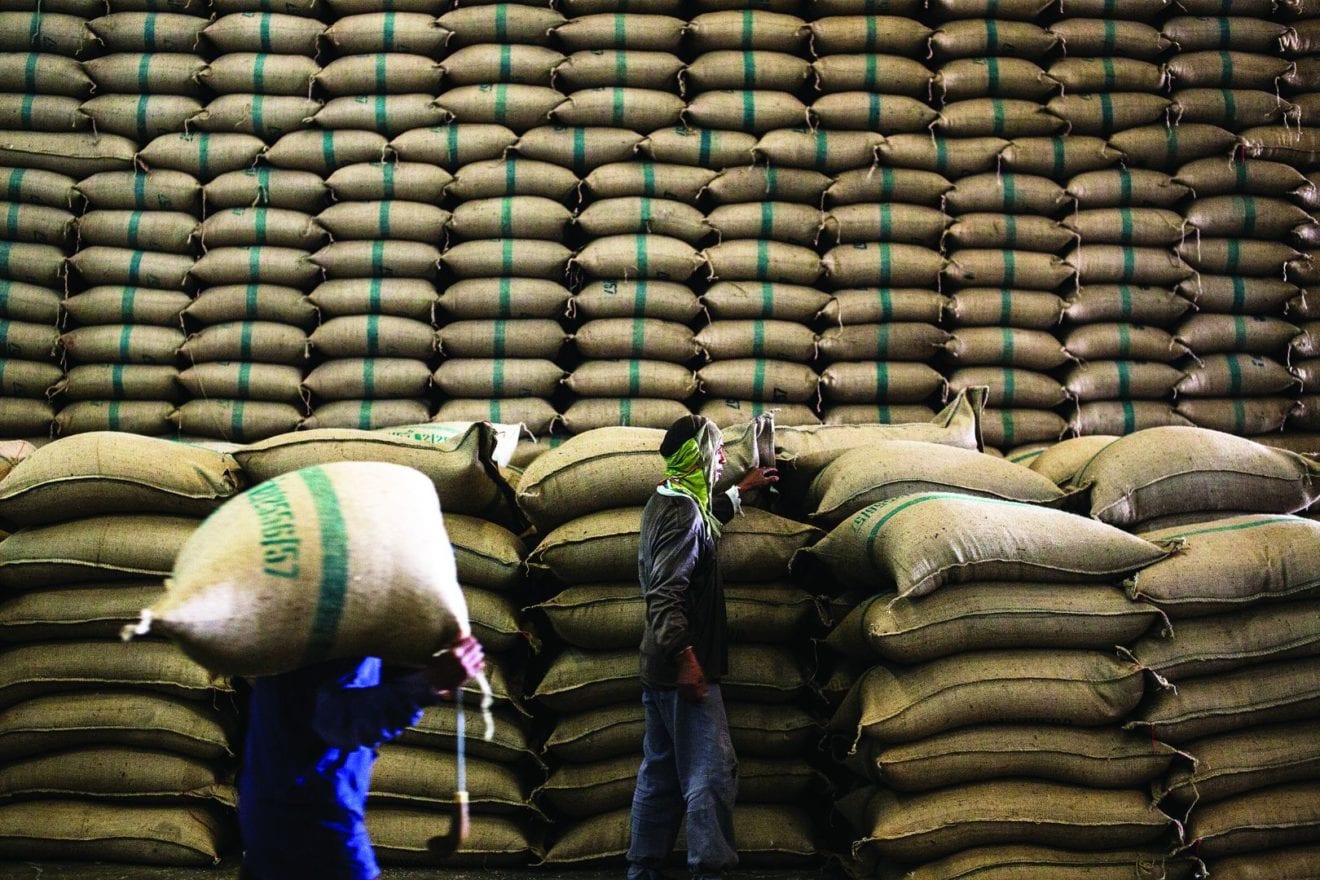
    Indonesian government sets rice export target for 10 countries

    The Indonesian government has set itself the target of exporting 100 thousand tons of rice to 10 Asian and European countries as part of efforts to increase farm commodity exports this year, an official said.

    The Director General of Agricultural Infrastructure and Facilities of the Agriculture Ministry, Sumarjo Gatot Irianto, said that the 10 destinations to which Indonesian rice would be exported include Malaysia, Singapore and Brunei Darussalam.

    “We plan to export organic rice to Germany,” he said.

    Therefore, the government will make every effort to procure as much rice as possible this year to meet the demand for rice, he said.

    “We have not set any target for procuring rice. What is important is that we must be able to procure as much rice as possible so that we can export the surplus,” he said.

    Above all, the national logistics board (Bulog) must be able to control rice prices at the farmer level by procuring the staple food. This will enable the government-set purchase prices to kick in, he said.

    “If the price of unhusked rice at the farmer level falls, the government will be obliged to buy the rice soon to maintain the rice prices,” he said.

  • Coca-Cola Amatil plans to add two new production lines at its Indonesian facility

    Coca-Cola Amatil plans to add two new production lines at its Indonesian facility

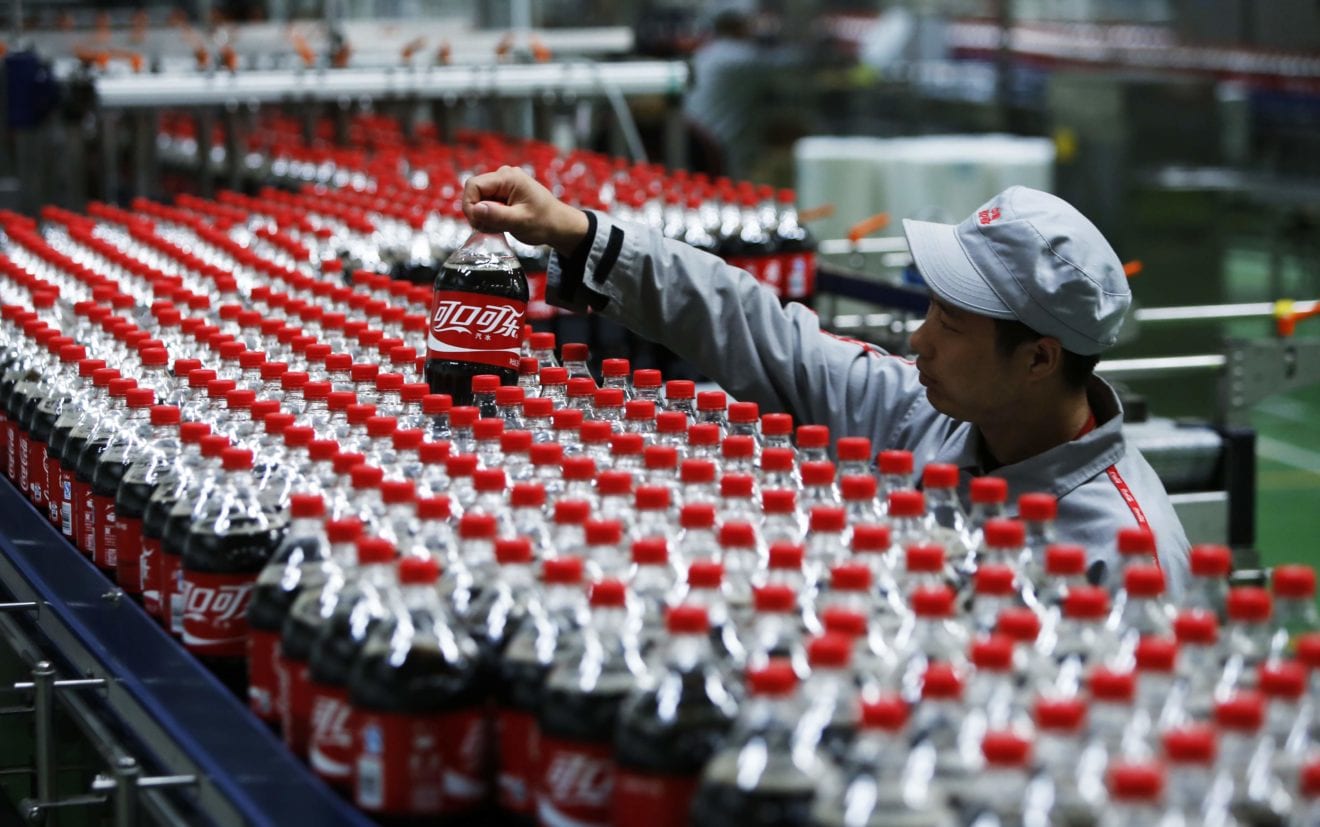
    Coca-Cola Amatil is planning to deploy two new production lines at its Cikekodan Plant in Bekasi, West Java in Indonesia. The expansion of the Cikekodan plant marks the first of the major investments being made by the company in Indonesia.

    Coca-Cola plans to invest around $500m in the country to accelerate growth in the next three to four years.

    Coca-Cola is also planning to invest $63m in the construction of a new distribution center in Surabaya, Indonesia, making it the fourth mega distribution center operated by the subsidiary of Australian-based Coca-Cola Amatil.

    Coca-Cola Company chairman and CEO Muhtar Kent said: “We consider Indonesia a dynamic and promising market and one of the growth engines to achieve our long-term vision.

    “Our company’s US $500 million investment reaffirms our belief in Indonesia and will help us capture the growth opportunity in one of the largest and most dynamic countries in the world as we enable our system to be even more responsive to consumer and customer needs.

    “We believe by creating more jobs and where possible sourcing locally, we can promote the local economy and contribute to economic growth in Indonesia.”

    This latest investment is expected to have give a huge boost to local jobs, taking the Coca-Cola’s total direct and indirect employment in Indonesia from around 60,000 to a total of 135,000 within a span of three to four years.

    However, the investment is yet to receive Indonesian regulatory approval and also subject to CCA non-associated shareholder approval.

    In last October, Coca-Cola announced plans to set up a joint venture with Coca-Cola Amatil’s local Indonesia subsidiary to invest $500m for an equity ownership interest of 29.4%.

    The funding was invested into Coca-Cola Amatil Indonesia (CCAI) operations in Indonesia to expand production, warehousing and cold-drink infrastructure.

    In the past three years, CCAI has commissioned 18 new production lines, installed 150,000 coolers and built three distribution centers to increase production capacity and build local capability with total investments of more than $300m.

    CCA group chairman David Gonski said: “These two new production lines commissioned today are an excellent example of how the US $500 million cash injection is being invested. Coca-Cola Amatil is committed to building a future hand-in-hand with our partners, customers and consumers in Indonesia.

    “The upcoming joint venture is an important step for us in accelerating our efforts to create a strong future for our communities and businesses in the areas in which we operate.”

  • Ban on Leonardo DiCaprio’s Indonesia visit after Rain Forests comment?

    Ban on Leonardo DiCaprio’s Indonesia visit after Rain Forests comment?

    Seems doors of Indonesia have been closed for Leonardo DiCaprio permenantly.This came after the 41-year-old Oscar winning actor and environmental activist’s visit to the Indonesian island of Sumatra last month where he posted to Instagram that the palm oil industry was threatening such wildlife in the Leuser Ecosystem as Sumatran elephants, tigers and orangutans, reports Us magazine.

    “The expansion of palm oil plantations is fragmenting the forest and cutting off key elephant migration corridors, making it more difficult for elephant families to find adequate sources of food and water,” DiCaprio wrote. “A world-class biodiversity hotspot …

    But Palm Oil expansion is destroying this unique place. Now is the time to save the Leuser Ecosystem,” read his Instagram post.Heru Santoso, a spokesperson for the Indonesian government, responded to the post by threatening to prevent the Wolf of Wall Street actor from visiting the Southeast Asian country again.”We support his concern to save the Leuser ecosystem. But we can blacklist him from returning to Indonesia at any time if he keeps posting incitement or provocative statements in his social media,” he said.

  • Sugarcane production feared to shrink on unfavorable climate

    Sugarcane production feared to shrink on unfavorable climate

    The Association of Indonesian Sugarcane Farmers (APTRI) said that the countrys production of sugarcane might decline on unfavorable climate.

    The year 2016 would be a difficult period for sugarcane growers in the country, the General Chairman of APTRI Arum Sabil said.

    Lengthy drought in 2015 affected vegetation and fertilization was not maximum that sugarcane production could decline in 2016, Arum said here on Monday.

    “It is beyond human power. We could only hope that the dry season and rainy season would not too lengthy,” he said.

    The natural condition is one of the factors causing sugar fields to shrink in 2015, he said.

    “The sugarcane plantations decreased 20 percent in size to 475,000 hectares and the productivity shrank 10-15 percent in 2015,” he said.

    One of the causes was lack of attention of the government to the condition faced by sugarcane farmers, he said.

    “At that time fertilizers were not easily available for farmers that the crop could not grow well,” he added.

    Therefore, if the government wanted success in achieving the target of self sufficiency in sugar supply in 2018, it must improve distribution of fertilizers and revitalize sugar factories, he said.

    He suggested that fund should be set aside for the revitalization of sugar factories in the state budget instead of relying only on state companies.

    However, state-owned plantation company, PT Perkebunan Nusantara (PTPN) X predicted a better year in 2016 setting a higher production target for sugar.

    The largest sugar producer among state companies has set its sugar production target at 475,000 tons in 2016 or a 10 percent growth from production of 431,020 tons in 2015.

    “Sugar content is also expected to increase to 8.5 percent from 8.3 percent in 2015,” Subiyono , the president director of the company, was quoted as saying earlier this week.

    With the production target, PTPN X would continue to be the largest sugar producer among state plantation companies in Indonesia, Subiyono said.

    He said he was optimistic the production target could be achieved despite fear of the impact of weather anomaly.

    The company would carry out revitalization both on farm and off farm (factory).

    Revitalization on farm would be carried out by using high yield seed variety and off farm revitalization would improve efficiency, he said.

    Efficiency of factory would be made through electrification reducing the use of coal for fuel , efficiency of grinding machines to reduce losses in the process of production and improving efficiency in supply of sugarcane.

    “The entire processes are important to be more competitive, which is determined by success in cutting production cost,” he said.

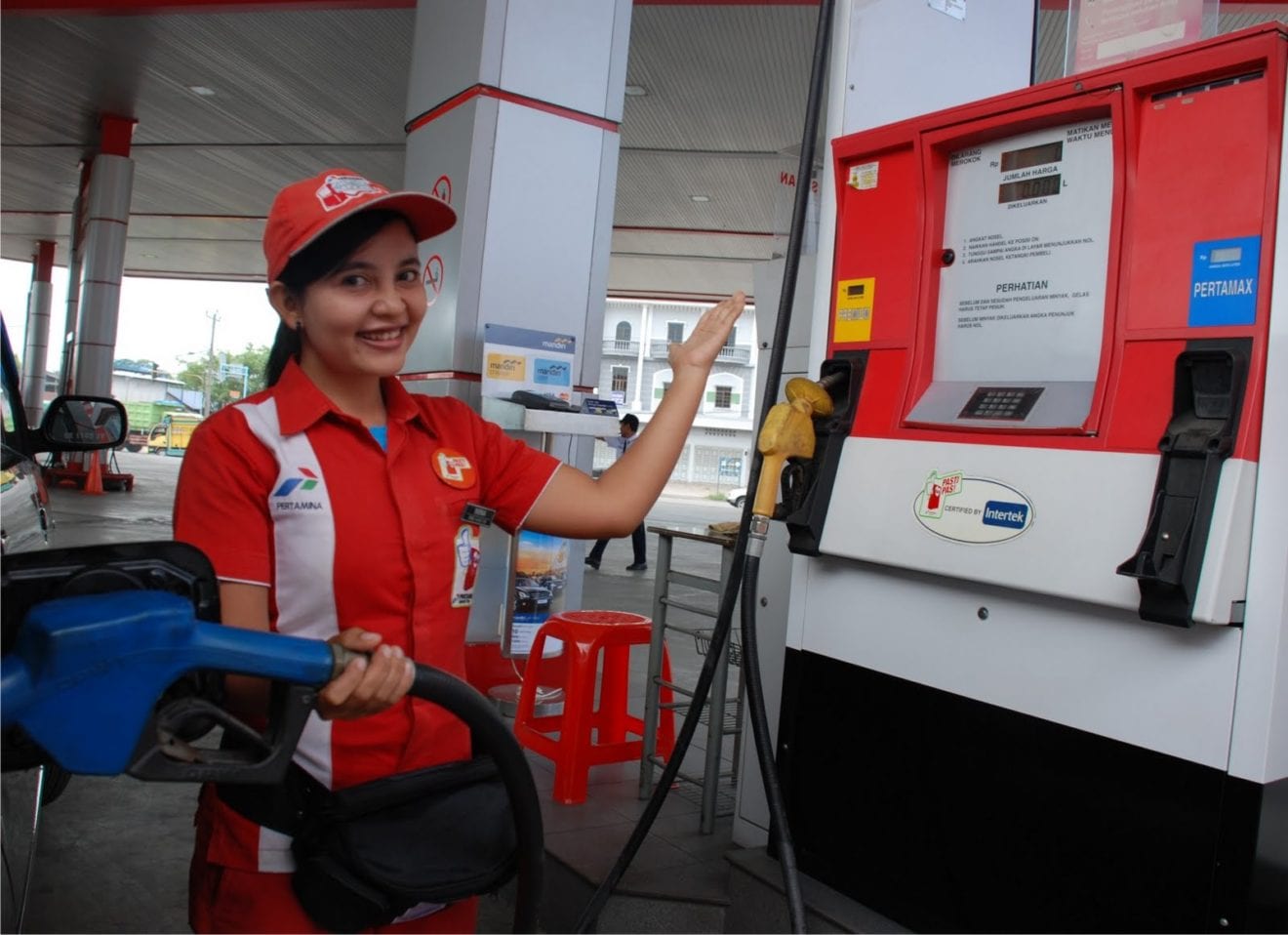
  • Pertamina to launch new oil fuel products Turbo

    Pertamina to launch new oil fuel products Turbo

    Pertamina will soon launch a new oil fuel product Turbo with Research Octane Number (RON) 98 to expand the market of its non subsidized oil fuels.

    General Manager of Pertaminas southern Sumatra Regional Marketing Operation Herman M. Zaini said the production of Turbo is part of the companys bid for survival amid the shrinking prices of oil now diving to as low as US$35 per barrel.

    “After the success in launching Pertalite Pertamina will soon come up with Pertamax Turbo to give more choices for the consumers of non-subsidized oil fuels, and to reduce the consumption of subsidized oil fuel,” Herman said here on Tuesday.

    He said currently Pertamina is focused more on business in the downstream sector as business in the upstream sector which normally contributes 70 percent to its income, has suffered badly with deficit as a result of oil price fall.

    The decline in business in the upstream sector, however, has positive effect as it forced Pertamina to innovate and turn out new marketable products in the country and abroad, he said.

    Previously Pertamina had only gasoline products of Premium with RON 88, Pertamax RON 92, Pertamax Plus 95, and Pertamax Racing RON 100, but now it also has Pertalite RON 90 and soon there would be Pertamax Turbo, he said.

    “Currently Pertamina exports lubricant oil to 26 countries including Middle east countries. And now Pertamina is seeking contract for supplying oil fuels for fuel filling stations in Myanmar. Tender is being in the process,” he said.

    If Pertamian won the tender, it will build 1,360 public fuel filling stations in cooperation with Myanmar state company Myanmar Petroleum Products Enterprise, he said.

  • Government to boost export of automotive components to Eurasia

    Government to boost export of automotive components to Eurasia

    The Indonesian Ministry of Trade is working to boost the export of products such as automotives, components and accessories to markets in Europe and Asia (Eurasia) in a bid to strengthen non-oil exports.

    “Through the largest exhibition of products of components, automotives and accessories, Indonesia is determined to penetrate Eurasia. This is a big opportunity for us,” Director General of the National Export Development of the Trade Ministry, Nus Nuzulia Ishak, stated here on Tuesday.

    Ishak said his side is targeting the European and Asian markets, especially Turkey, by bringing seven companies through Automechanika Istanbul 2016 event, scheduled for April 7 to 10 in Tuyap Convention and Congress Center, Istanbul, Turkey.
    The Ministry of Trade expressed the hope that the exhibition will enable big time purchase of various products, especially vehicle batteries, oil filters and vehicle tires.

  • Filipino Business Community in Indonesia Launches Business Club

    Filipino Business Community in Indonesia Launches Business Club

    The Filipino business community in Indonesia has launched the Philippine Business Club Indonesia (PBCI), a business association representing private sector interests to promote and strengthen business, economic, and socio-cultural ties between the Philippines and Indonesia.

    “I am very optimistic about the potential of this business association, and we look forward to the activities and projects that the PBCI will undertake this year and in the coming years to ensure that its members can take advantage of new avenues for trade, investment, and economic cooperation between the Philippines and Indonesia,” Deputy Chief of Mission of the Philippine Embassy in Jakarta Robert Manalo stated at the launch here recently.

    The initiative signals the Filipino communitys greater commitment to building a stronger and strategic relationship with Indonesia.

    “Indonesia is the largest market in the ASEAN, representing almost half of its population. With the implementation of the ASEAN Economic Community, we are facing a historic opportunity to support a vital and growing Philippine private sector, one whose expanding interests show a more global outlook amid the economic integration in the region,” remarked Antonio Capati, chairman of the PBCI.

    The PBCI will endeavor to promote, strengthen, and foster cooperation and collaboration among its members in pursuing the commercial and social interactions of companies, individuals, and organizations dedicated to the development of trade, investments, and people-to-people cooperation between the Philippines and Indonesia.

    The PBCI will work closely with the Philippine Embassy and the Philippine Trade and Investment Center in Jakarta, business chambers, respective public and private sectors, and other key stakeholders in the Philippines and Indonesia to realize its objectives. The club will host seminars, conferences, trade & investment briefings, trade missions, matchmaking, and networking events.

    Additionally, the club will undertake special projects to contribute to business and social development in the Philippines and the ASEAN.

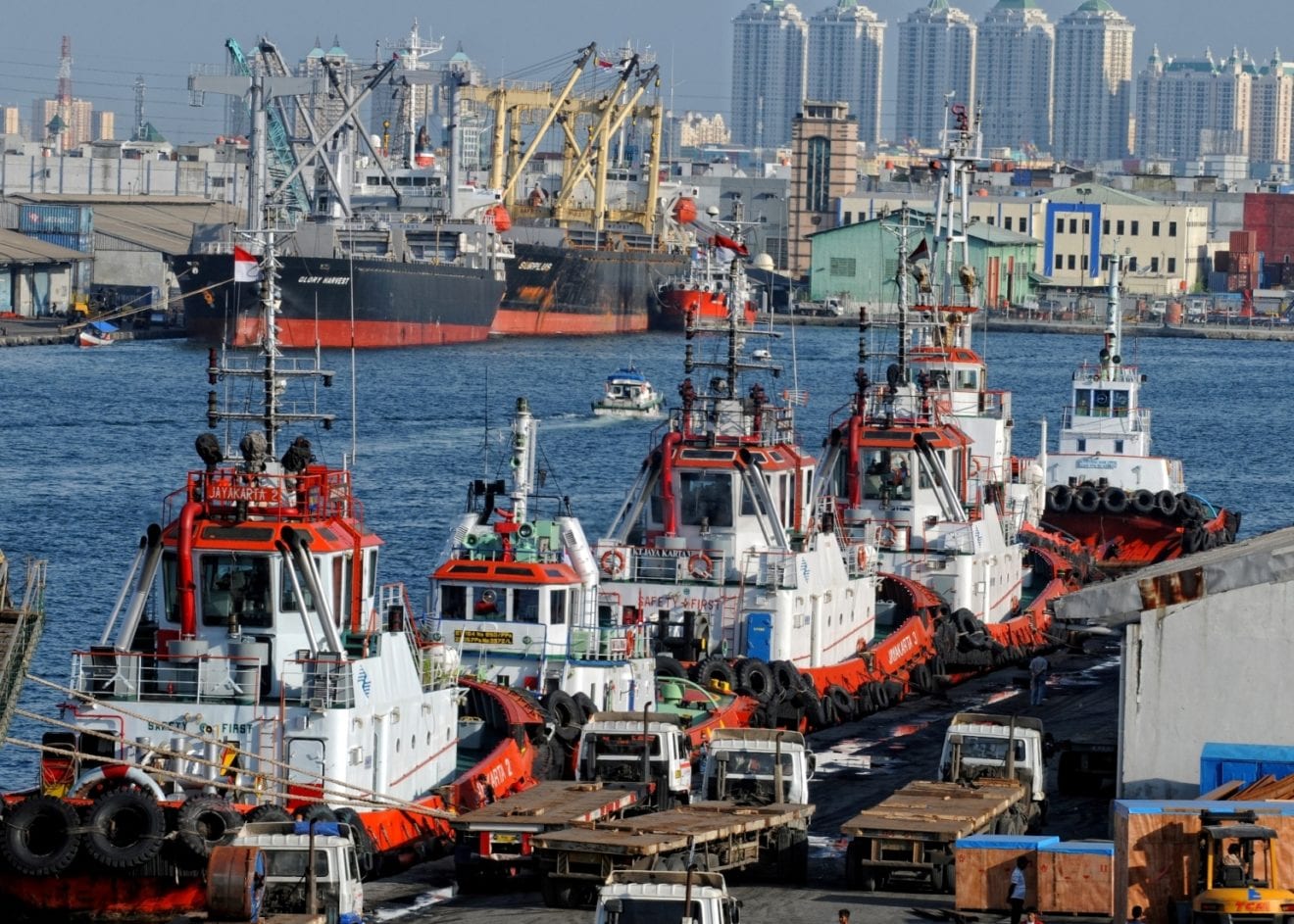
  • President Jokowi to Inaugurate 5 Ports in Eastern Indonesia

    President Jokowi to Inaugurate 5 Ports in Eastern Indonesia

    Having inaugurated Wasuir Port at Wondama Bay, Teluk Wondana District, West Papua Province yesterday, President Joko Widodo today, Wednesday, April 6, 2016, will inaugurate five ports which connect Eastern Indonesia regions.

    Head of Transport Department of North Halmahera Yudihat Noya said that five ports to be inaugurated by Jokowi today is centered at Tobelo Port, North Halmahera, North Maluku Province. “All was built with multi-year budget amounted to Rp739 billion,” he said.

    Tobelo Port which has started to be built in 2008 is planned to be made as passenger and cargo port. The construction include Cargo General Pier and Passenger Pier.

    Other port to be inaugrated is Galela Port, which construction was started in 2006 and completed in 2015 with total budget of Rp35.4 billion. The port is made along with a pier, a causeway and a trestle.

    Galela Port is a local passenger port which is also located in North Halmahera District and functioned as a sea transport base for North Halmaher District residents. “Tabelo Port and Galela Port connect five districts in Halmahera Island,” Yudihat said.

    Jokowi will also inaugurate Tutu Kembong Port in Saumlaki Island, West Maluku Tenggara. The port is built to support passenger transport and local community economy.

    Other two ports are Wonreli Port and Teor Port. The two ports are also built for local passengers in Maluku waters. The functions of the two ports will be improved with the construction of container terminals in 2035.

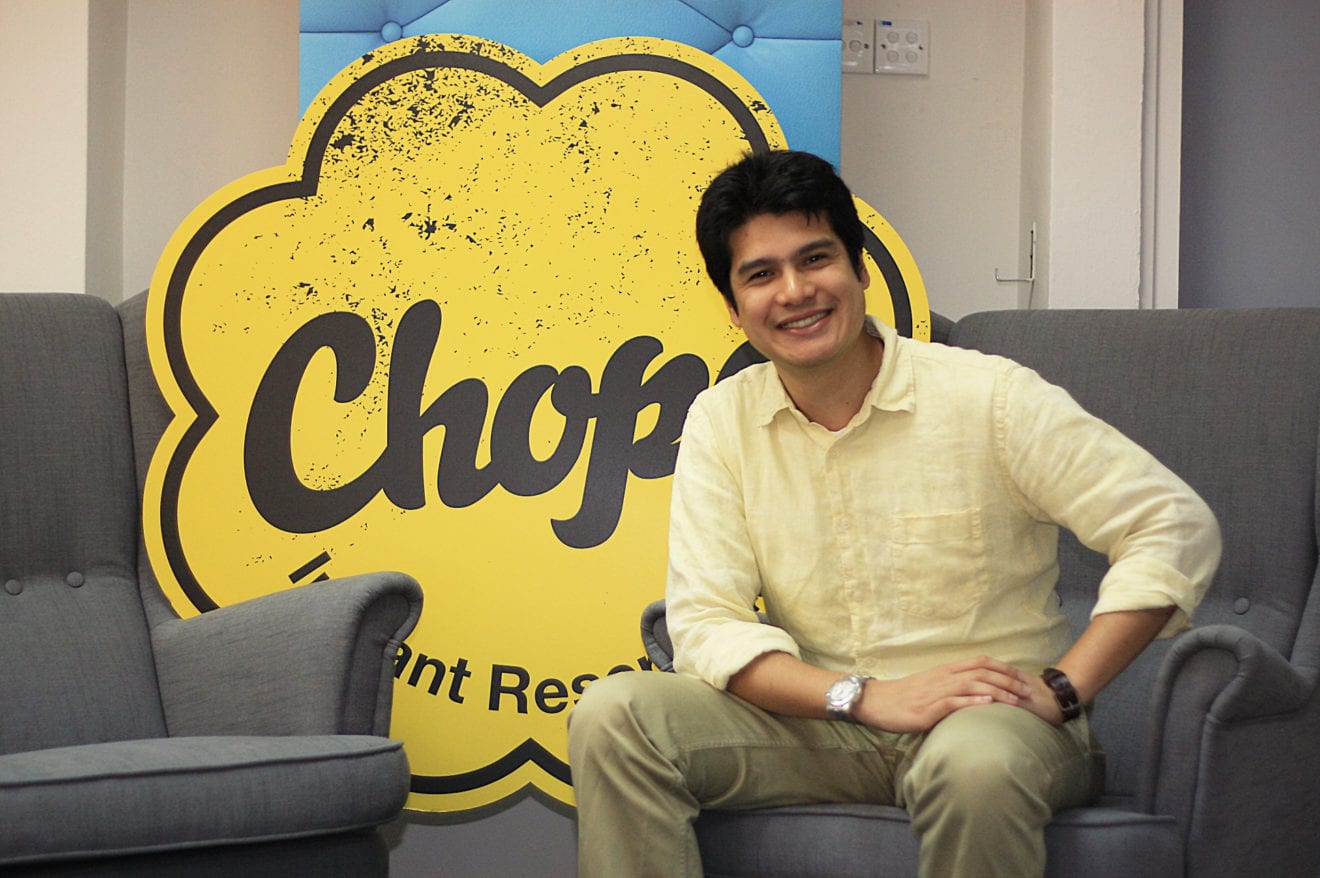
  • Online booking platform Chope enters Indonesia with acquisition of MakanLuar

    Online booking platform Chope enters Indonesia with acquisition of MakanLuar

    Singapore-headquartered restaurant reservation startup Chope has acquired Indonesian counterpart MakanLuar, the company announced today. The value of the deal is undisclosed. The acquisition was made with a mix of cash and shares, although Chope co-founder and CEO Arrif Ziaudeen does not reveal the percentage of each.

    Through the deal, Chope adds Jakarta, Bandung, and Bali to its portfolio, bringing the cities it’s active in to eight. It’s been operating in Singapore, Bangkok, Hong Kong, Shanghai, and Beijing.

    Chope expanded in those territories organically, and every time it found it had to educate early adopters and find a product-market fit, Arrif says. “Jumping in at the stage MakanLuar is at, they’ve already crossed that threshold and are now in a position to hit the accelerator on sales and marketing, so we save valuable time,” he enthuses.

    MakanLuar’s founding team of Kunal Narang and Hiro Mohinani was also a major factor for Chope. “We were inspired by Kunal and Hiro’s drive, and with a proven track record we really feel confident in these safe pairs of hands,” Arrif explains.

    “Oddly enough, before we started MakanLuar, we spoke to Chope to seek ways to work together but we were too new at the time,” Kunal tells Tech in Asia. Once the team had some good traction in Indonesia, it made sense to get back in touch with Chope and become part of a bigger regional play, he adds

  • Cinemaxx to Open First D-BOX Theatre in Indonesia

    Cinemaxx to Open First D-BOX Theatre in Indonesia

    D-BOX Technologies and PT Cinemaxx Global Pasifik (Cinemaxx), affiliate of Indonesia’s Lippo Group, are pleased to announce the conclusion of an agreement to install D-BOX immersive motion systems into the first auditorium in Indonesia in 2016.

    “The addition of D-BOX reinforces our commitment to give moviegoers the best cinematic experience possible” declared Mr. Mohit Dubey, President of Cinemaxx. “The D-BOX brand has international notoriety and we are absolutely convinced that today’s agreement, which may expand over time, will be a tremendous success for our business and the satisfaction of our guests.”

    “This announcement marks yet another milestone in our international expansion. Teaming up with an exhibitor like Cinemaxx is an important step in our mission to build on our presence throughout Asia”, mentioned Claude Mc Master, President and CEO of D-BOX Technologies. “Indonesia, the fourth most populous country in the world, is on an upward growth path. It also has a relatively young population which enthusiastically responds to the type of entertainment we provide”, added Mc Master.

  • BNI chalks up Rp2.9 trillion in net profit in first quarter

    BNI chalks up Rp2.9 trillion in net profit in first quarter

    Publicly traded lender PT. Bank Negara Indonesia Persero Tbk reported Rp2.9 trillion in net profit in the first quarter of this year up 5.5 percent year-on-year.

    The profit was attributable mainly to net interest income especially interest on infrastructure credits, Achmad Baiquni, the president director of the state owned bank said here on Tuesday.

    Its net interest income grew 13.3 percent to Rp6.91 trillion in the first three months of 2016 from Rp6.09 trillion in the same period last year.

    “The net interest margin (NIM) of the bank was 6.1 percent in the first quarter of this year,” Baiquni said.

    The NIM of the countrys fourth largest bank in asset, rose with a strong 21.2 percent growth in credits to Rp326.74 trillion in the January-March period of 2016 from Rp269.51 trillion in the same period in 2015.

    Credits for the business and consumption sectors were the largest contributors to its credit expansion, Baiquni said.

    Credits for the business, which grew 22.7 percent (yoy) to Rp234.2 trillion in the first quarter of 2016, accounted for 71.7 percent of the banks total credits.

    Credits for the construction sector surged 127.5 percent to Rp5.99 trillion and credits for the consumption sector rose 9.8 percent to Rp57.56 trillion in the first quarter of 2016.

    The bank also recorded an increase in fee based income , up 16.4 percent to Rp2.22 trillion .

    The third party funds held by the bank rose 21.8 percent (yoy) to Rp371.5 trillion in the first quarter of 2016 .

    Cheap funds accounted for 58.5 percent or around Rp217.5 trillion of the third party funds – or an increase of 12.9 percent (yoy).

    The credit expansion that grew 21.2 percent and the third party funds that increased 21.8 percent resulted in 25 percent rise (yoy) in its assets to Rp509.09 trillion in the first quarter of 2016 .

  • China, Indonesia, South Korea, Thailand bid for 2023 AFC Asian Cup

    China, Indonesia, South Korea, Thailand bid for 2023 AFC Asian Cup

    China, Indonesia, South Korea and Thailand have expressed interest in bidding for hosting the football Asian Cup to be held in 2023, the Asian Football Confederation (AFC) said here on Tuesday.During the meeting held in the Malaysian capital, the AFC Competitions Committee announced that the AFC had received expressions of interest from China, Indonesia, South Korea and Thailand by the deadline of March 31, 2016 to host the AFC Asian Cup in 2023, reports Xinhua.

    “The AFC will now send out the Bidding Agreement and the Host Candidate Questionnaire and seek government guarantees and legal opinion on the bids,” it said. China entered the final when the country hosted the Asian Cup in 2004, but lost to Japan 3-1.

  • Uber starts motorbike taxi service in Indonesian capital

    Uber starts motorbike taxi service in Indonesian capital

    Ride-hailing app Uber on Wednesday launched a motorbike taxi service in the Indonesian capital where Southeast Asian rivals Go-Jek and Grab are already battling for dominance.

    Jakarta is one of the world’s most congested cities and motorbike taxis ordered from a smartphone app have exploded in popularity in the past 18 months as a way to beat snarled traffic.Uber said that its “UberMotor” service would provide cheap and reliable transportation for hundreds of thousands of people.The company used a local social media and YouTube star Arief Muhammad to launch its service, saying he was the first person in Jakarta to use an Uber motorcycle taxi.

    Both Go-Jek, an Indonesian startup, and Grab, which operates in several Southeast Asian countries, claim to be the biggest provider of motorbike taxi rides in Indonesia.The popularity of motorbikes and regular taxis ordered from a smartphone has provoked a backlash in the taxi industry.Thousands of taxi drivers caused traffic chaos in Jakarta last month in a violent protest against what they believe is unfair competition.

    Drivers say the apps, which are using funding from venture capitalists to offer heavily discounted fares, have severely reduced their income. The app companies say the transport industry should adapt to new technology.The Indonesian government is drawing up new regulations to govern transport apps but has so far resisted calls to ban Uber and similar services.Officials estimate Jakarta’s traffic jams cause economic losses of about $3 billion a year.

  • Expansion Alibaba to Indonesia to Cause Rising Trade Deficit with China?

    Expansion Alibaba to Indonesia to Cause Rising Trade Deficit with China?

    Through the acquisition Alibaba is to have a firmer grip on the online retail business in Southeast Asia, including Indonesia, the region’s largest economy where Internet and smartphone penetration have been developing rapidly in recent years (although coming from a low base). The Southeast Asian nations where Lazada has been operating so far have a combined population of 560 million (of which an estimated 35 percent are online and thus potential online shoppers). However, Southeast Asia is also a challenging environment for online retail firms as the area is characterized by tough logistical issues (partly due to the relatively weak state of infrastructure) and there remains a lack of warehousing outside more advanced markets such as Singapor

    Through the China-ASEAN Free Trade Agreement (CAFTA), effective per 1 January 2010, about 90 percent of imported goods between Indonesia and China are subject to a zero percent tariff. Due to China’s higher developed manufacturing industry and lower logistics costs the implementation of CAFTA has caused a continuously rising flow of Chinese products into Indonesia. This has caused a rising trade deficit and also curtails development of Indonesia’s manufacturing sector (after all it is cheaper and quicker to import products from China than to invest in costly and long-term import-substitution industrialization).

    In 2015 Indonesia imported USD $29.22 billion worth of (non-oil & gas) products from China, while Indonesian exports to China only totaled USD $13.26 billion, implying a trade deficit of nearly USD $16 billion for Indonesia that year. This is in stark contrast to the years before 2008 when Indonesia had the upper hand in trade with China. The table below shows that Indonesia’s trade deficit with China rose significantly after the implementation of CAFTA in early 2010.

    Indonesia-China Trade Balance (non-oil & gas):

     2007  2008  2009  2010  2011  2012  2013  2014  2015
    Export to China
    (in USD billion)
      9.7  11.6  11.5   14.1   21.6   20.9   21.3   16.5   13.3
    Import from China
    (in USD billion)
      8.6  15.3  14.0   19.7   25.5   29.0   29.6   30.5   29.2
    Trade Balance
    (in USD billion)
      1.1  -3.7  -2.5   -5.6   -3.9   -8.1   -8.3  -14.0  -15.9

    Source: Indonesian Trade Ministry

    With Alibaba now owning a controlling stake in e-commerce platform Lazada, which has a rising costumer base in Indonesia, it could cause two developments: (1) due to the stronger ties between Lazada and China it gives rise to an increasing flow of Chinese products into Indonesia putting pressure on Indonesia’s trade balance, and (2) it threatens the position of local Indonesian start-up e-commerce businesses such as Bukalapak or Tokopedia because Lazada is expected to get a capital injection from Alibaba for expansion purposes and has easier access to cheap Chinese products (more competitive).