Tag: asia

  • IDX Expresses Optimism in Economic Growth

    IDX Expresses Optimism in Economic Growth

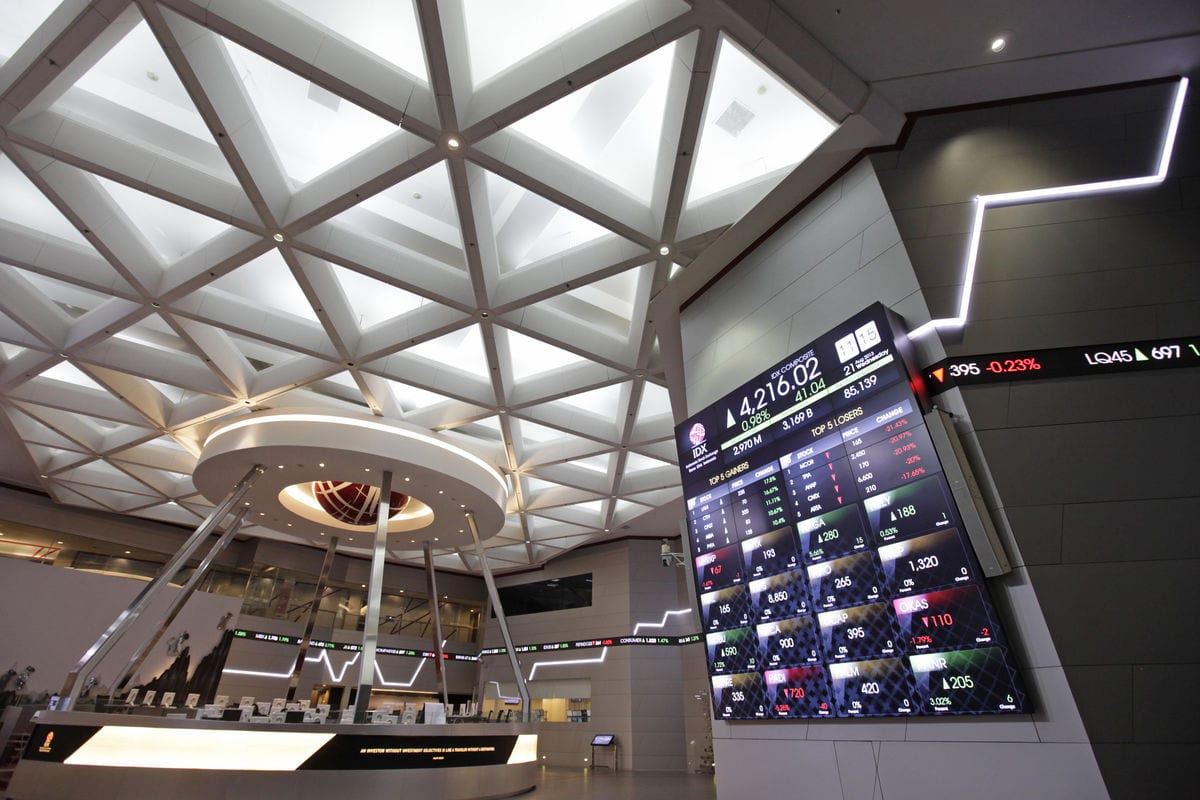
    The Indonesian Stock Exchange (IDX) expressed optimism that the companies listed on the IDX would provide positive results as the national economy was predicted to grow by above 5 percent.

    “In 2015, more than 75 percent of stock issuers at the IDX booked profits. Indeed, some of them in the commodity sector recorded somewhat significant drop. Meanwhile in 2016, we believe that the economic growth will be above 5 percent,” IDX president director Tito Sulistio said in Jakarta on Wednesday, April 13, 2016. Tito added that the Bank Indonesia (BI) rate cut to 6.75 percent and the potential of capital inflow following tax amnesty policy were among the factors that would support the national economic growth.

    “Hopefully, the tax amnesty [policy] will work. Therefore, it is expected that Indonesia will see a capital inflow of about Rp 3,000 trillion (US$220.6 billion) to build infrastructures that are important for the economy. The fund could also be invested in the capital market,” Tito explained.

    He promised that he would encourage domestic companies to obtain funds for expansion by, for instance, holding IPOs. Tito added that the IDX would call on state-owned companies to conduct privatization through the IPO mechanism.

    Earlier, IDX director of corporation assessment Samsul Hidayat said that a number of regional development banks planned to hold IPO in order to increase their capital and distribute credit to wider consumers. In addition to banks, Samsul revealed that a number of state-owned construction subsidiary companies, such as PT Waskita Beton Precast, mulled to hold an IPO.


  • Indonesia’s Visi Media says to remain controlling shareholder of Intermedia

    Indonesia’s Visi Media says to remain controlling shareholder of Intermedia

    Indonesia’s PT Visi Media Asia Tbk on Wednesday said it plans to remain a controlling shareholder of PT Intermedia Capital Tbk, and is considering options such as replacing foreign-denominated debt with rupiah debt.

    The media company, part of the Bakrie Group conglomerate, made the statement after the Indonesia Stock Exchange asked it to address reports in local media that said Visi Media planned to sell part of its stake in Intermedia Capital.

    On Monday, Bisnis Indonesia quoted Visi Media President Director Anindya Bakrie as saying the company plans to sell a stake of less than 10 percent in Intermedia Capital to repay debt and raise funds for expansion.

    Visi Media owned 90 percent of Intermedia Capital, which operates the ANTV television channel, as of November 2015, Thomson Reuters data showed.

  • Mentawai to have airport to accommodate wide bodied aircraft

    Mentawai to have airport to accommodate wide bodied aircraft

    Expansion of the Rokot airport on the island of Mentawai off West Sumatra is to be completed in 2019 to accommodate wide bodied aircraft.

    West Sumatra Vice Governor Nasrul Abit said the Rokot airport which has been in operation since 1980 is being expanded and modernized.

    The expansion of the airport is important for tourism development in the Mentawai island district, Nasrul said here on Tuesday.

    “Construction is expected to be finished in 2018 and it would be operational in 2019,” he said.

    Currently the project is still in the process of land clearing and preparation of analysis on environmental impact (Amdal), he said.

    Regent of Mentawai islands Yudas Sabaggalet said the district administration is set to finish the construction of the airport as scheduled to facilitate tourist transport to that district.

    Yudas said the district administration is also building Trans Mentawai roads in four major islands in Mentawai including Siberut, Sipora, Pagai Utara and Pagai Selatan.

    The roads are 170 kilometers on the island of Siberut, 105 kilometers on the island of Sipora, 110 kilometers on the island of Pagai Utara and 85 kilometers on the island of Pagai Selatan.

    The fund for the road construction is partly from the state budget and the rest from the regional budget, Yudas said.

    In addition, the district administration would build power generating plants under the program of Mentawai Terang (Bright Mentawai) and develop internet service facility in cooperation with the state telecommunication company PT Telkom.

    “All the facilities are expected to bring greater modernity to the islands and improve the welfare of the people,” Yudas said.

    A Mentawai Wonder Festival 2016 would be held at the Mapadegat beach in the sub-district of Sipora Utara to promote the culture of Mentawai to attract more tourist to the island.

    The festival will be held from April 19 to 24 highlighted with international surfing competition which is expected to draw 64 surfers from Australia, the United States, South Africa , Japan, Republic of Fiji and the Philippines.

  • Halal tourism in West Sumatra

    Halal tourism in West Sumatra

    The Indonesia Ministry of Tourism will develop Halal tourism in West Sumatra, a province that has a potential for such a concept just as West Nusa Tenggara province, known for similar tourism.

    “West Sumatra has a potential for Halal tourism development as culturally, it is known as a religious province,” the Deputy Assistant of Business and Government Market Segment Development, the Ministry of Tourism, Tazbir, said here on Saturday (April 2).

    He explained that Halal tourism is a universal concept which includes serving healthy food, providing clean accommodation and hospitability. Therefore, all the people find it suitable.

    “We want West Sumatra achieve a similar status as West Nusa Tenggara which has been awarded the Worlds Best Halal Tourism Destination award,” he said, adding that demand for Halal products is from the world community.

    Tazbir remarked that during his visit to a religious area, the hotel where he stayed did not inform him about the direction of Qibla in the bedroom, while hotels in Singapore provide such a facility.

    “Therefore, we need Halal standards for hotels, restaurants and tourist attractions,” Tazbir said.

    He added that the Ministry will continue to push for a campaign projecting Halal tourisms great potential in Indonesia, especially in West Sumatra.

    Nowadays, the concept of Halal tourism is being developed in Aceh, West Sumatra, West Nusa Tenggara, South Kalimantan and Gorontalo, he said.

    Meanwhile, Head of Tourism Office of West Sumatra, Burhasman Bur, assessed that there were no significant obstacles to implementing Halal tourism in the province.

    The tour players just have to follow the administrative procedures. For example, eateries will have to serve Halal meat certified by the authorities.

    He said a regulation needs to be put in place supporting the implementation of the Halal tourism concept and improving services for the guests.

  • Mei.com & Alibaba Launch the TMALL Luxury Flash-Sale Channel with Star-Studded Live-Streamed Fashion Show

    Mei.com & Alibaba Launch the TMALL Luxury Flash-Sale Channel with Star-Studded Live-Streamed Fashion Show

    A live-streamed fashion show featuring 42 looks has marked the launch of a luxury Tmall flash sales channel via app that makes the styles immediately available to shoppers.

    Alibaba Group’s B2C online marketplace Tmall.com has launched the channel through its mobile-phone app, allowing viewers of the live stream to “scan and buy” the runway looks.

    Soft-launched about three months ago, the Tmall channel is being managed by Mei.com, which since 2010 has run a website in China that provides a flash sales outlet for nearly 300 international luxury brands including Armani, Longchamp, Michael Kors, Tumi and Zegna, through exclusive partnerships.

    Mei.com CEO Thibault Villet with Olivia Palermo and Mei.com President Seamon Shi.

    Mei.com CEO Thibault Villet with Olivia Palermo and Mei.com President Seamon Shi.

    Alibaba invested an undisclosed amount in Mei.com in July, saying the site’s relationships with affordable luxury goods merchants would complement Tmall’s roster of high-end retailers such as Burberry, Coach and Hugo Boss. The new flash-sales channel gives Tmall.com shoppers direct access to discounted luxury goods from more than 3000 retailers and authorised distributors.

    “The launch of the channel will further the variety of brands on Tmall and offer China’s burgeoning middle class a one-stop shopping platform,” says Alibaba Group CMO Chris Tung.

    Millions of consumers across China watched the fashion show. It featured clothing and accessories, including 30 womenswear looks, 10 menswear looks, and a finale including two children’s looks.

    Actor Peter Sheng, famous for his role in the China web series Go Princess Go, made his runway debut in the show wearing a Carven suit. American socialite Olivia Palermo styled one of the runway looks and was a front-row attendee of the show wearing the look herself.
    Trendsetters and tastemakers attending the event also included singer Chris Lee and runway model and pop star Tia Ray, who also performed.

  • Philippine 7-Eleven profits surpass 1 billion pesos

    Philippine 7-Eleven profits surpass 1 billion pesos

    The Philippine 7-Eleven network of convenience stores recorded record profits in  2015, fuelled by new store openings.

    Parent, listed company Philippine Seven, says it surpassed 1 billion pesos (US$22 million) in profits for 2015.

    The 15.4 per cent year-over-year profit rise came on the back of an increase in stores from 1282 in 2014 to 1602 stores in 2015.

    Philippine Seven said retail sales of all stores rose by 25.3 per cent  to P25.8 billion from P20.6 billion compared with prior year.

    The company has been expanding its logistics infrastructure to support its

    unprecedented expansion in Visayas and Mindanao.

    “The rest of the country is relatively uncontested in comparison. We are virtually the only competitor with the critical mass to build out proper supply chains in areas logistically unreachable from GMA,” said Jose Victor Paterno, president and CEO.

    The expansion is  expected to support profitability in the medium term, through cashing in on underutilized warehouses and achieving dominant position in new markets.

    For 2016, the company plans to increase  capital expenditures budget to P3.5 billion to support its accelerated store expansion strategy. The bulk of this amount will fund new store openings, store renovations and equipment acquisition.

    Philippine Seven Corporation operates the largest convenience store network in the country. It acquired the master franchise licence from Southland Corporation (now Seven Eleven) of Dallas, Texas, in December 1982 and was listed in the Philippine Stock Exchange in February, 1998.

  • Shandong Ruyi confirms SMCP deal

    Shandong Ruyi confirms SMCP deal

    Subject to regulatory approvals, Chinese textile and apparel manufacturer Shandong Ruyi Technology Group has acquired a controlling stake in fashion brand parent SMCP.

    The Chinese company has signed an exclusive agreement along with global investment firm KKR, with the expectation that SMCP’s founders and management will reinvest alongside Shandong Ruyi as minority shareholders, while KKR retains a minority interest.

    SMCP, with its brands Claudie Pierlot, Maje and Sandro, has more than 1000 stores in 34 countries, including China, Hong Kong, Indonesia, Korea, Macau, Singapore, Taiwan and Thailand.

    Shandong Ruyi says it intends to maintain the DNA and unique identity of the SMCP brands, with the SMCP design and creative teams continuing to work from its Paris headquarters. SMCP will retain its strategy and organisational structure while benefitting from Shandong Ruyi’s global retailing expertise.

    “We have been highly impressed by the success of Sandro, Maje and Claudie Pierlot, and hold great respect for the founders and management of SMCP both for their passion and their achievement,” says Shandong Ruyi chairman Yafu Qiu.

    “This would be a significant step for Shandong Ruyi Group in our continued endeavour to become a leader in the fully integrated textiles and fashion business, both in China and globally. By taking on board the expertise of SMCP, a group well-rooted with a strong Parisian heritage, we would combine their merits with our existing strength in Asia, in particular China … We also look forward to supporting SMCP in achieving its long-term objective of becoming a global leader in accessible luxury.”

    “My sister Judith Milgrom and I are delighted to embark on the next phase in the journey of our company alongside Shandong Ruyi Group,” says SMCP founder/MD Evelyne Chetrite.

    “After record results for 2015, with 33 per cent net sales growth, we are very excited by the opportunity to partner with Shandong Ruyi Group, which can support us in our global ambition,” says SMCP president/CEO Daniel Lalonde.

    “We will continue expanding in areas where our brands have significant potential: Europe, North America, the Middle East and particularly Asia.”

    Founded in 1972, Shandong Ruyi Technology Group is one of the largest textile manufacturers in China and ranks among the Top 100 Chinese multinational enterprises.

    The group has a fully integrated value chain from cultivating raw materials, processing textiles and designing and selling brands and apparel.

    In the accessible luxury sector, SMCP has 1118 point of sales, 906 of them being run directly and 212 through partnerships. Its brands are in 33 countries.

    Shandong Ruyi’s bid to buy SMCP has been an “on again, off again” affair. On March 9 it was reported to have collapsed, but by the end of the month it was announced as going ahead again. Rumours of takeover bids for SMCP surfaced in January.

  • FPT Vietnam to sell stake

    FPT Vietnam to sell stake

    One of Vietnam’s largest private tech firms, FPT Corporation is planning to sell a large stake in its retail and distribution units, providing an opportunity for regional players to buy into the fast-growing Vietnamese market.

    Funds from the sale will be used to help with mergers and acquisitions (M&A) in the information technology area.

    At a shareholder meeting, the company said it will reduce its holdings in FPT Shop, a mobile device retailer, and FPT Trading, which makes, imports and sells telecommunications and electronic products.

    FPT Shop has reached its target of having 250 outlets by this year, and the distribution arm’s profit margins are steady 46 per cent, the meeting was told. FPT still expects the major part of its revenue to come from retail and distribution, estimated at VND28.58 trillion (US$1.27 billion) – about 63 per cent of turnover.

    “The IT industry has a lot of potentials, and the opportunities are universal,” says deputy-CEO Nguyen The Phuong.

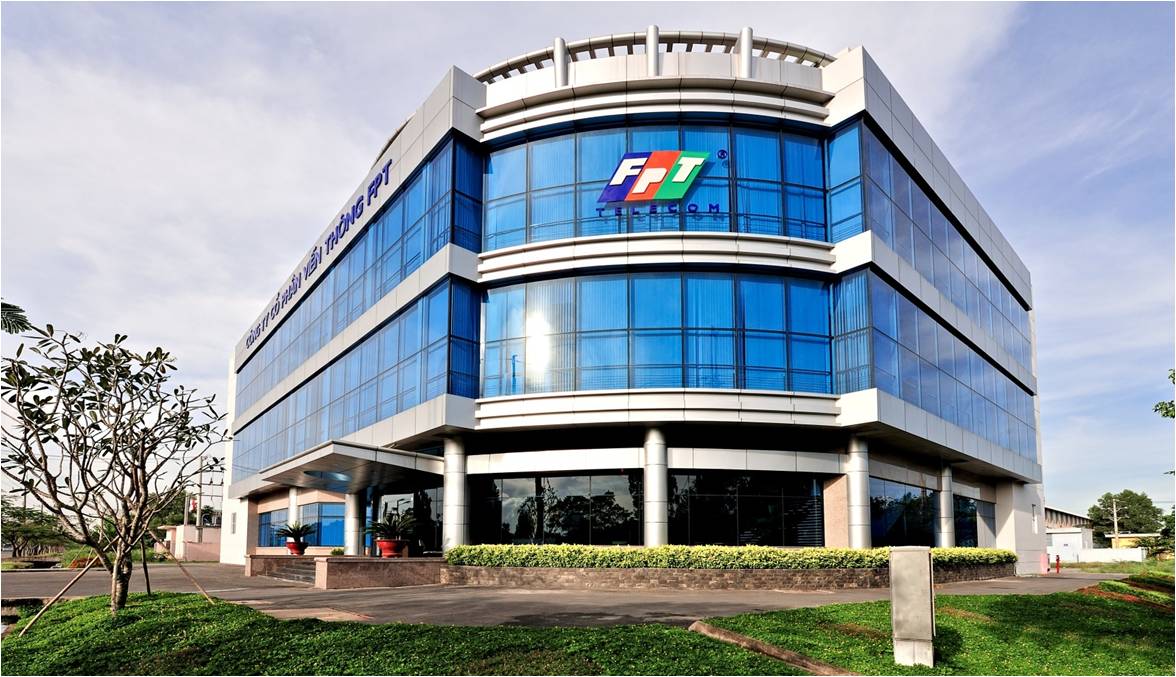
    He says some of the money raised will be used to increase the company’s stake in FPT Telecom.

    FPT chairman Truong Gia Binh last year unveiled his goal to invest US$50 million through M&A every year, in both local and international companies. The targeted markets include the US, Japan, Singapore and Europe. Two years ago, the company acquired RWE IT Slovakia for an undisclosed amount and rebranded it to FPT Slovakia.

    One of the main competitors of FPT Shop, Mobile World, has expressed an interest in buying the retail unit. Another candidate could be Thailand’s Central Group, which bought 49 per cent of Vietnamese electronics retailer Nguyen Kim early last year and reportedly wants to also acquire Pico, another local electronics store.

    FPT Vietnam has retained VietCapital Securities and Japan’s Nomura Securities for advisory services on the sale.

  • Thai junta takes control of 900-MHz re-auction

    Thai junta takes control of 900-MHz re-auction

    Thailand’s military junta has overruled the telecoms regulator for the 900-MHz auction, bringing it up one month to May 27, curtailing public debate on and possibly allowing TrueMove in for another chance to claim the entire 900-MHz band. The opening bid will be Jasmine’s winning bid of $2.1 billion (75.65 billion Baht). Jasmine failed to secure payment and defaulted, giving rise to the need for a new auction.

    The junta, formally known as the National Council for Peace and Order, issued its 16th decree under article 44 of the interim constitution, commonly referred to as the absolute power clause. This means that the order is final and cannot be appealed in any court. The order was signed by Prime Minister General Prayut Chanocha in his capacity as NCPO chairman.

    Earlier reports suggested that moving the auction up a month would mean there would be little or no public consultation as is required under the frequency act, though this was not made explicit in the order.

    The NCPO also ordered the National Broadcasting and Telecommunications Commission to amend the auction rules in order to ensure value for the country and healthy competition. Any changes will have to be agreed to by the NCPO. This puts the NCPO in direct control of the auction.

    While again this was not explicit in the wording of the order, earlier reports suggested that the junta was keen to allow TrueMove to participate in the auction, despite an NBTC ruling to exclude TrueMove from the new auction by imposing a spectrum cap as it had already won half the 900-MHz band in the December auction.

    The deadline for applying for the auction is May 18.

    The NCPO also ordered TrueMove’s 900-MHz licence to be extended to match the new expiry date of the new licence.

    The NCPO order allows AIS to continue using the 900-MHz spectrum for its 2G customers until June 30 or until the NBTC issues a new licence for the auction winner. AIS’ 900-MHz was originally scheduled to be turned off in a couple of days on April 14.

    AIS CEO Somchai Lertsutiwong thanked the NCPO for decisively using article 44 to settle the matter and to prevent 2G AIS customers from losing connectivity over the long weekend that is the Thai new year.

    “The NCPO has truly returned happiness to the people. I want to shout at the top of my voice, ‘The government is acting in the best interests for the people’”, he said.

    The AIS CEO said that the situation had changed and that the regulator has now made it clear that there would be no more cheap spectrum available, hence the starting price for the new bid is reasonable.

  • Singtel adopts web chat to improve customer service

    Singtel adopts web chat to improve customer service

    Singtel has improved its real-time customer engagement capabilities with the implementation of a web chat system from online and mobile messaging platform provider LivePerson.

    The cloud-based chat solution allows Singtel to take advantage of  predictive intelligent targeting and behavioural intent tools to enhance web assistance services and customers’ overall communication experience with Singtel.

    “As Singtel continually grows its suite of next-generation communications and digital services, we are also investing in new IT capabilities to support these services,” Singtel vice presiden of consumer operations Candy Chua said.

    “We want to give customers a seamless and effortless experience when they look for information or transact with us. For example, with the LivePerson web chat, we can proactively reach out to customers to render timely support when they are surfing our website.”

    Steven Fitzjohn, LivePerson’s APAC Regional Vice President added that “there is a gap between the way we choose to communicate with our friends and family – mostly through digital and social channels – and the way brands communicate with us, which is predominantly through outmoded voice channels. Singtel is differentiating itself by taking action to bridge this gap. It is presenting customers with a channel that is familiar and simple to use, and offers customers a better experience overall.”

  • Marui takes up half of Kitte Fukuoka

    Marui takes up half of Kitte Fukuoka

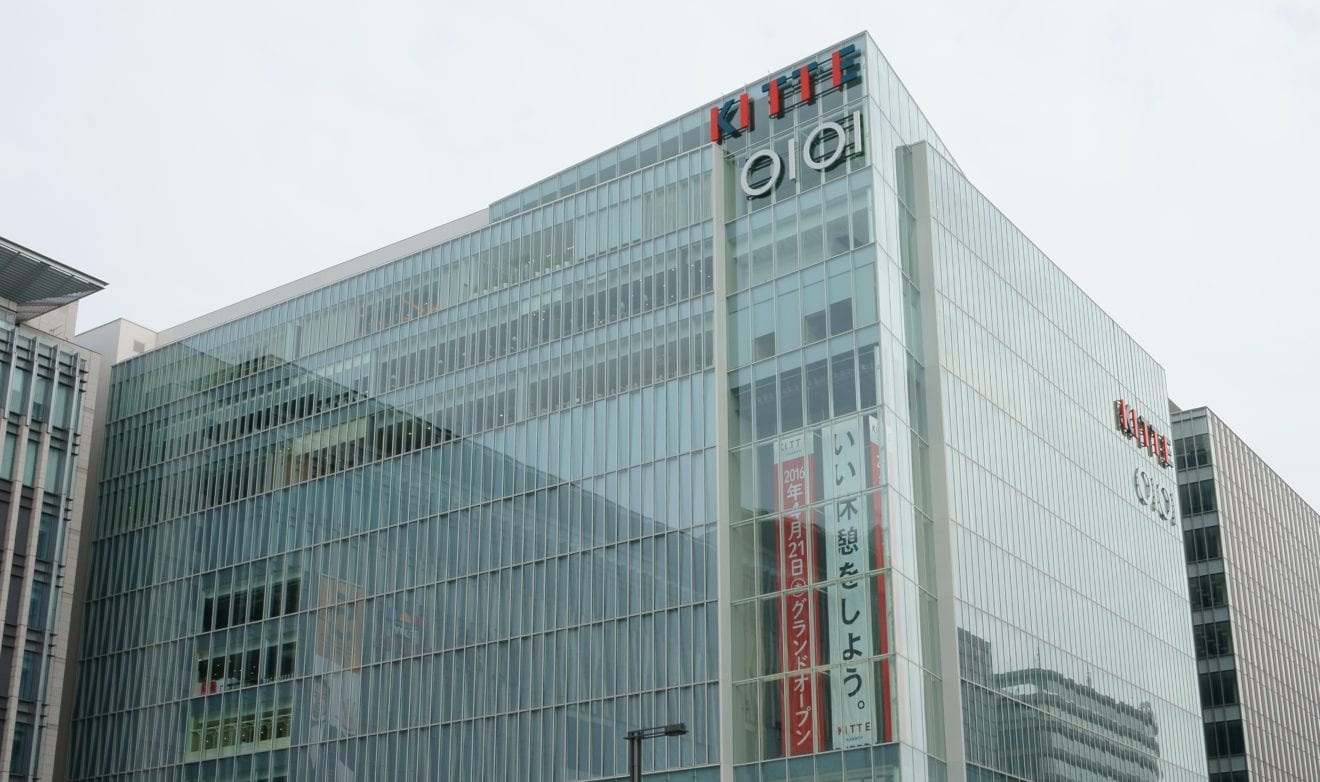
    Marui Group is opening a seven-floor retail centre that will take up half of the new Kitte Fukuokadepartment store.

    With its headquarters in Tokyo and known for its “OIOI” sign, the group will be launching Hakata Maruion floors one to seven at the 14-floor Hakataekichuogai area complex, run by Japan Post, on April 21.

    Covering about 15,000 sqm, Hakata Marui will have more than 130 tenants for food, general goods and fashion. The first six floors will feature cafes.

    A feature store will be 4 Dot Watch by OIOI on the sixth floor featuring such brands as Casio, Citizen and Seiko. It will cater for custom orders and overseas brands, such as Hamilton, La Mer Collections and Rosemont.

    There will also be three “stations” – the My Fit Station for shoes, the Customise Station for personalising products and the Gift Station for personalised gifts.

    Duty-free shopping is available, and discounts may be offered for customers using China’s UnionPay or Taiwan’s EasyCard or Chinatrust cards.

    Each section will feature specially designed environmental sounds.

    With the theme “Anyone, any time, every day”, the shopping complex will have 131 shops as well as Hakata Marui. The list includes HMV & Books’ second Japanese branch, and 30 per cent of the shops will specialise in clothing, such as Uniqlo, which will take up half a floor.

    There will be 50 restaurants and cafes, including Honolulu Cafe, Natural Dining Hakatagi (French/Japanese fusion cuisine) and Tsukiji Sushi Sei.

    There will also be an international clinic and rehabilitation centre, and a wedding hall.

  • Lower Prices for International Calls to Indonesia with TeleponIndonesia.com

    Lower Prices for International Calls to Indonesia with TeleponIndonesia.com

    TeleponIndonesia.com has great news for everyone making calls to Indonesia! The international calling website now offers more affordable rates for Voice Credit calls to mobiles and landlines in this country. With TeleponIndonesia.com, calls to Indonesia are now as low as 4.5¢/min.

    Voice Credit rates have never been lower! Calling a landline in Indonesia used to cost 4.9¢/min, but this price now dropped to 4.5¢/min. As far as mobiles are concerned, their rate decrease is even more spectacular, as it went from 6.9¢/min to 4.5¢/min.

    In order to benefit from this great calling rates, customers who want to call Indonesia have to buy Voice Credit. They can try the service for as little as $2, or buy $10 that will now offer them 222 min to landlines or mobiles in Indonesia.

    TeleponIndonesia.com offers a wide variety of calling options, to suit every need. Customers can call from:

    • any phone, through the use of local or toll free access numbers;
    • any computer, through the Web Call application;
    • any smartphone, as TeleponIndonesia.com offers a free app, for both iOS and Android devices, called KeepCalling.

    Beside Voice Credit, TeleponIndonesia.com also offers Mobile Recharge, a service through which customers can recharge mobile phones anywhere in the world. The process is fast and secure and the credit reaches its destination instantly. The mobile operators available for recharges to Indonesia are Telkomsel, Indosat, Axis, Ceria, Smartfren, Esia Bakrie Telecom, Three, and XL Axiata.

    TeleponIndonesia.com runs a policy focused on integrating superior customer service, while maintaining the highest quality standards at affordable rates. That is why TeleponIndonesia.com is the best solution for international calls.

    What makes the service even more reliable are the 100% transaction security, the 24/7 Customer Service available by phone, chat, and email in both English and Spanish, and the comprehensive Help Center.

  • Kao Group partners with Chinese e-tailer

    Kao Group partners with Chinese e-tailer

    Japanese consumer products group Kao Group has formed a strategic partnership with China’s largest online direct sales company, JD.com.

    Included in the deal is the opening of Kao Group’s cross-border flagship store on JD Worldwide in May, which will initially stock maternal and children’s products, with other product lines expected to be introduced later.

    Founded in 1887, Kao Group owns a range of consumer brands including Attack, Biore, Laurier and Merries. JD.com started co-operating with Kao China in 2014 for categories covering baby and maternity products, personal-care items and cleaning products.

    Leveraging JD.com’s bonded warehouse and self-built delivery network, customers of the new flagship store will be offered efficient delivery of Kao products directly from Japan.
    “JD.com is known for its authentic products and efficient logistics network,” says Kao Group senior managing executive officer Toshiaki Takeuchi.

    “The JD Worldwide platform will provide the safest and most reliable channel for Chinese consumers to buy Kao products, while helping group expand its reputation and footprint in the China market,” says JD.com FMCG business unit president Carol Fung.

    Since launching in April last year, JD Worldwide has attracted brands and merchants from more than 40 countries and regions, and features more than 2.5 million SKUs from 2000 international brands.

    With a history of more than 120 years, the Kao Group is engaged in business in Asia, Japan and Europe with bases in 33 countries and regions. It established a subsidiary in Shanghai in 1993.

    JD.com has seven fulfillment centres and 213 warehouses in 50 cities across China, as well as 5367 delivery pick-up stations.

  • Shanghai Village trading off Disney resort

    Shanghai Village trading off Disney resort

    Upmarket European outlet company Value Retail is opening a luxury shopping destination near the Shanghai Disney Resort, to be called Shanghai Village.

    Disney’s resort launches on June 16, but the village is getting in first with a planned opening date of May 19.

    SHV-rend-mark-up-123013_Page_27

    In the new 24.7 sqkm Shanghai International Tourism and Resorts Zone (SITRZ), across the manmade Wishing Star Lake from the Disney resort, Shanghai Village is the second mainland venture for Value Retail.

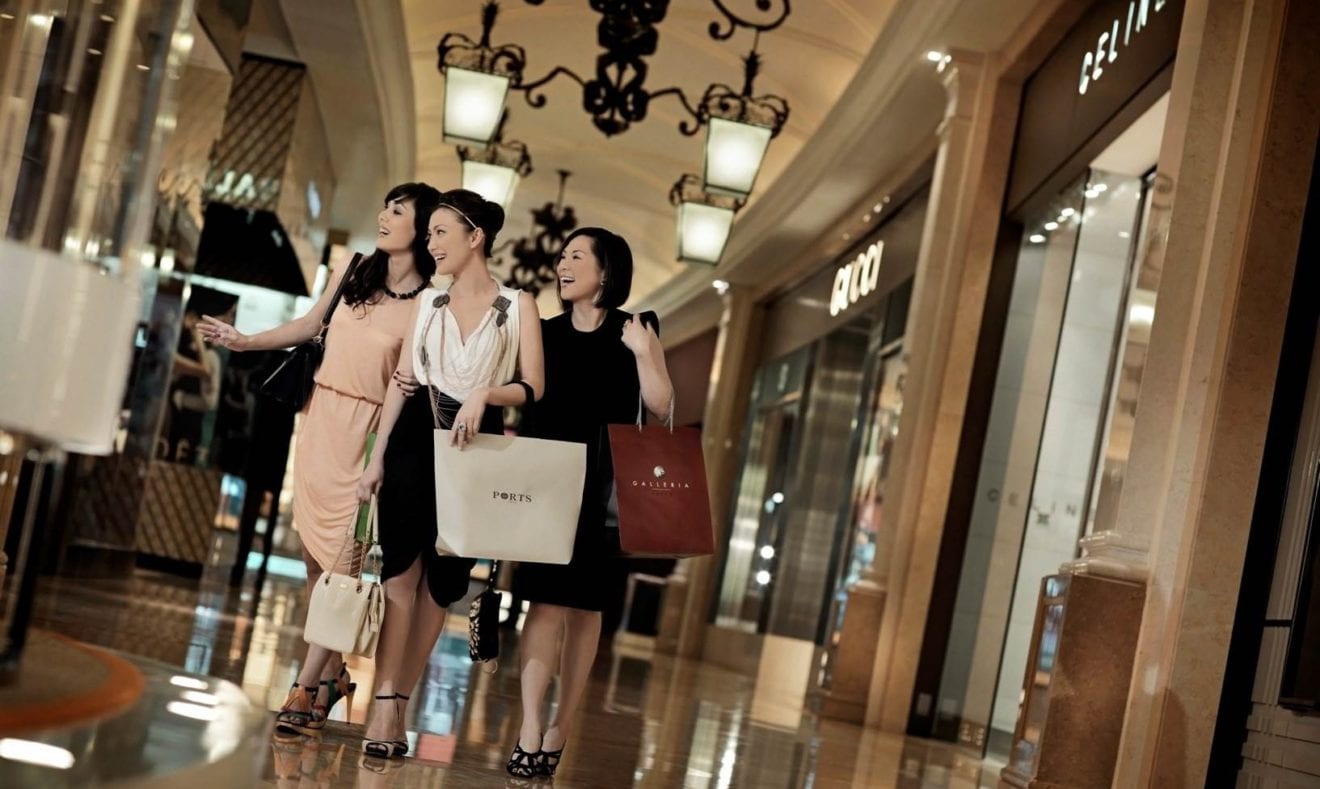
    Covering 55,000 sqm and with 140 boutiques, the Art Deco village features architecture styled after buildings in Milan, New York, Paris, Vienna and Shanghai. It has many lifestyle features aimed at catering to the Chinese demand for “shopping tourism”, a new concept defined by UNWTO in the wake of China’s outbound travel boom.

    While it will be Value Retail’s second location near a Disney park – the other is La Vallee Village near Disneyland Paris – it will have a difference in scale and architecture given that Shanghai Disney Resort is one of the largest destinations Disney has built, according to Value Retail Management CEO Desiree Bollier. “Shanghai Village is the same: it is our largest investment to date.”

    Value Retail Shanghai Village 2

    In addition, the village is run by a joint venture between Value Retail and Shanghai Shendi Group, the state-owned enterprise set up to manage the SITRZ, including the Disney Resort.
    “I think the government is moving to a consumer-led economy, and will want Chinese to spend money in China,” says Bollier.

    “They are looking at various ways to encourage Chinese to view China as a resort destination: hence the development of Hainan as a tourism destination, hence the development of SITRZ as an entertainment destination, hence investment in cinemas, Imax and major theatres. It’s a logical transformation in the Chinese economy.”

    Bollier says Shanghai Village will be following Value Retail model of offering goods at a minimum of 33 per cent off and an average of 40 per cent off full domestic price. It is targeting mainly upper-middle class and affluent consumers.

    Shanghai Village will offer “retailtainment” activities such as dining and exhibitions, as well as outdoor cafe seating overlooking the lake, ferry rides to and from the Disney park, and streets named after historical figures in the Art Deco movement in Mandarin and French. VIP services will include hands-free shopping, valet parking, concierge services and private lounges, as well as meeting spaces.

    A feature will be more niche labels and boutiques by Chinese designers. Brands available at the nearby Suzhou Village location, the group’s first China outlet, include Alexander McQueen, Armani, Givenchy, Gucci, Salvatore Ferragamo and Valentino.


  • McDonald’s China in massive expansion plan

    McDonald’s China in massive expansion plan

    McDonald’s China is set to be supersized as the US fast food giant pursues growth offshore.

    The company’s Chicago-based CEO Steve Easterbrook has revealed more than 1500 new stores will be opened across China, Hong Kong and Korea over the next five years. About 1300 of those will be in Mainland China.

    McDonald’s already operates some 2200 restaurants – its new target is 3500.

    In a clear strategic shift the company says it is seeking “strategic partners who will add value and unlock growth potential in key markets” in Asia.

    “This will allow McDonald’s to accelerate our growth and scale faster across diverse markets placing us closer to our customers and the communities we serve,” Easterbrook said in a statement.

    “We’re in the midst of transforming our business and taking a strategic and thoughtful approach to enhance our ability to grow around the world. These actions build on our turnaround efforts and will advance local ownership, enable faster decision-making and achieve restaurant growth.”

    Once the target is reached, China will become McDonald’s second largest global market after the US.

    It is not clear how many new stores will open in Hong Kong, where the company already has 230 outlets, but in an email to the South China Morning Post, Easterbrook indicated opening more McCafes will be a priority in the territory.

    The company is also actively seeking partners in Taiwan, and in Japan where it is midway through a major overhaul and repositioning of the brand after incurring massive losses.