Tag: asia

  • Malang city expected to go intl through digital technology development

    Malang city expected to go intl through digital technology development

    The Minister of Trade, Thomas Lembong, expects Malang to go global, thanks to its digital technology-based development, and by introducing the world to its potential, especially in creative products.

    “Malang must go global. I believe Malang and its people can go global in the digital age through internet and social media,” Lembong said here on Friday (April 1).

    He added that the potential that Malang city offers, particularly in culture, creativity and innovation, should be introduced to the world through digital technology.

    Moreover, the community of Malang City is a creative community, he said.

    “Malang has creative people with modern ways of thinking. I wonder if the creative industries are well developed here?” Lembong said.

    According to the minister, the use of digital technology in everyday life in Malang can act as a strong resource to face regional and international economic competition.

    A life style based on digital technology is key to development in the 21st century when competition is more about human resources.

    “Any modern city should attract innovation and be inspirational. I can see that Malang will be very good in these aspects,” he said.

    In accordance with the governments program of Nawacita (the nine goals), it will build or revitalize 5,000 traditional markets by 2019.

    The Ministry of Trade prioritizes the development of local markets which are older than 25 years, and those which were destroyed by fire, natural disasters and post-conflict.

    In addition, the markets which are located in disadvantaged areas and border areas that lack trading facilities, or those with a huge trade potential, will also be developed.

    Since 2011-2016, the Ministry of Trade has revitalized or built 43 markets in East Java province with a budget of Rp250 billion.

  • Pertamina cooperates with state firms to develop solar power stations

    Pertamina cooperates with state firms to develop solar power stations

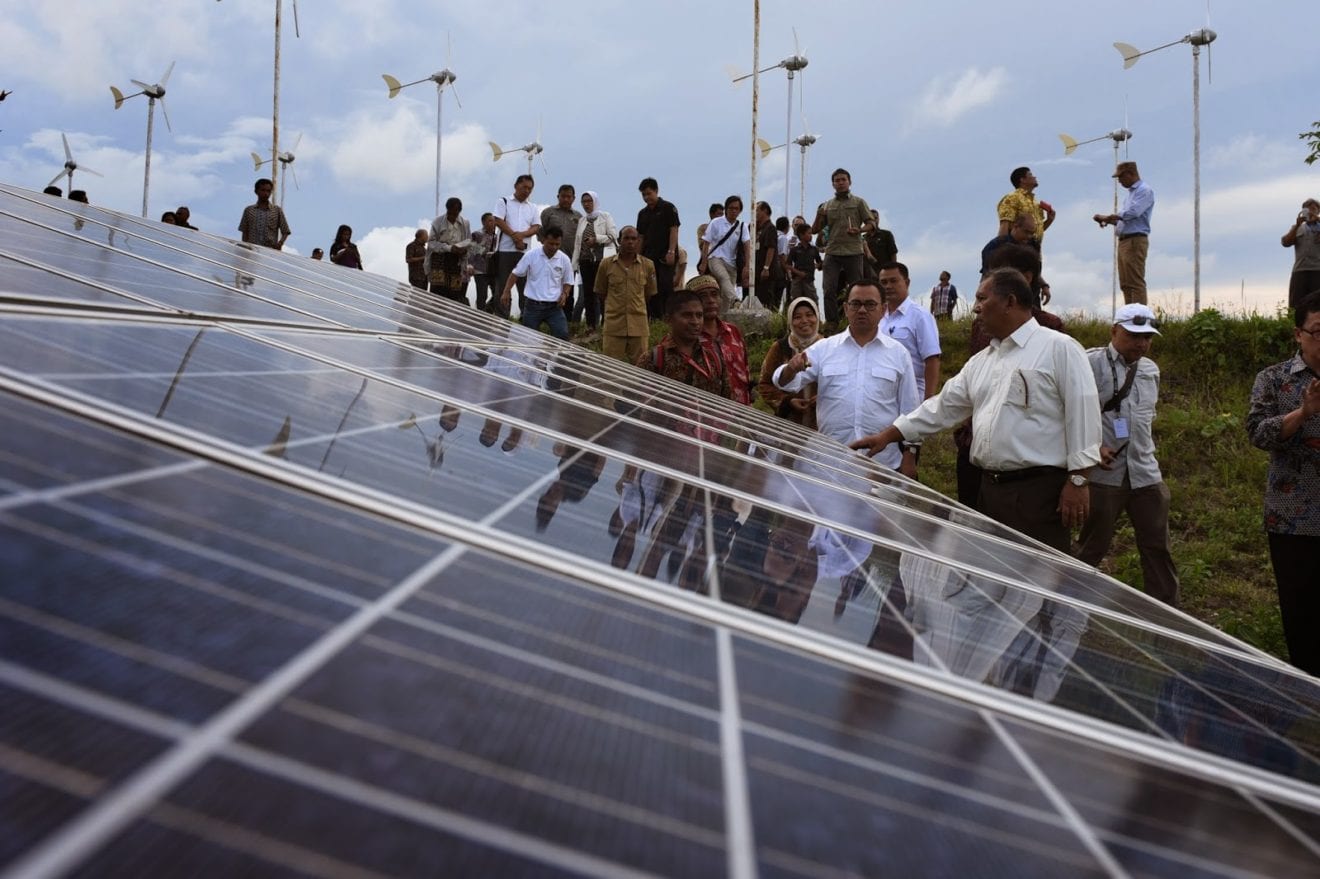
    State oil and gas company PT Pertamina is teaming up with three other state firms in developing solar power generating stations (PLTS), a Pertamina spokesperson said.

    The development of new and renewable energy projects will use the idle land owned by Pertamina and the other state firms, Pertamina Vice President for Corporate Communication Wianda Pusponegoro said here Friday.

    The three state firms are PT LEN Industri, PT Energi Management Indonesia and PT Sarana Multi Infrastruktur.

    The cooperation between Pertamina and the firms is relevant to the governments target of developing 35 gigawatt capacity power plants by 2019.

    Hopefully, 25 percent or 8.8 gigawatts of the electrical power will come from renewable energy sources, he said.

    The government has set itself the target of developing power plants with an installed capacity of 5 gigawatts or 5,000 megawatts by 2020. Pertamina has committed itself to building solar power stations with a combined capacity of 1,000 megawatts.

    “The synergy among the state owned companies can hopefully encourage the realization of new and renewable energy projects in Indonesia, which will be started in North Sumatra with a target of up to 60 megawatts in 2017. The projects will be continued in the next three years to reach the target of 200 megawatts by using the idle land owned by Pertamina in several parts of Indonesia,” he said.

  • Access to credit card transactions needed to check taxpayers` profiles

    Access to credit card transactions needed to check taxpayers` profiles

    Regulations are required to access taxpayers credit card transactions data, particularly of individual tax payers (WP OP), without violating banking laws, Finance Minister Bambang Brodjonegoro said.

    “We need the data for WP OP profiles because we cannot access their bank accounts as the banking law prohibits that. Therefore, we want access to their credit card transactions in order to check their tax profiles,” said Bambang here on Friday.

    Bambang said that if a taxpayer reported his or her monthly income at Rp5 million but his/her expenditure through credit cards reached Rp20 million per month, the tax officials will know that he or she has made an incorrect annual tax report (SPT).

    “This means that while he/she has claimed to have a monthly income of Rp5 million through the SPT, but his/her tax liability should be corrected. We will compare his or her transactions undertaken though credit cards with his or her annual tax report and see if these match,” the minister said.

    Bambang said the plan to put in place a regulation to access credit card transaction reports was discussed long back with the Financial Service Authority (OJK). The OJK will popularize it among banks and credit card issuers.

    Indonesian central bank (BI) Deputy Governor Ronald Waas said bringing in regulations to access credit card transactions will be problematic since the law on banks does not allow access to this information.

    “We can look at the banks confidentiality regulations to see if the credit card detail or information about savings has to be kept confidential. But all laws which regulate the confidentiality of data allow access to the same if it concerns national interest, but with the approval of the OJK,” the finance minister remarked.

    The Finance Ministry has issued a regulation which requires 22 banks and credit issuer institutions to report credit card data and transactions to the Directorate General of Taxations.

    The matter was regulated vide the Finance Ministers Decree No. 39/PMP.03/2016 on the Type of Data and Information as well as the Report Procedure of Data and Information which concerns taxation. It came into effect on the day of its enactment on March 22, 2016.

  • Swiss-Belhotel International extends Indonesian footprint with opening of Swiss-Belhotel Jambi

    Swiss-Belhotel International extends Indonesian footprint with opening of Swiss-Belhotel Jambi

    Swiss-Belhotel International continues its growth in all segments of the Indonesian hospitality industry with the opening of the four-star Swiss-Belhotel Jambi, Central Sumatra.

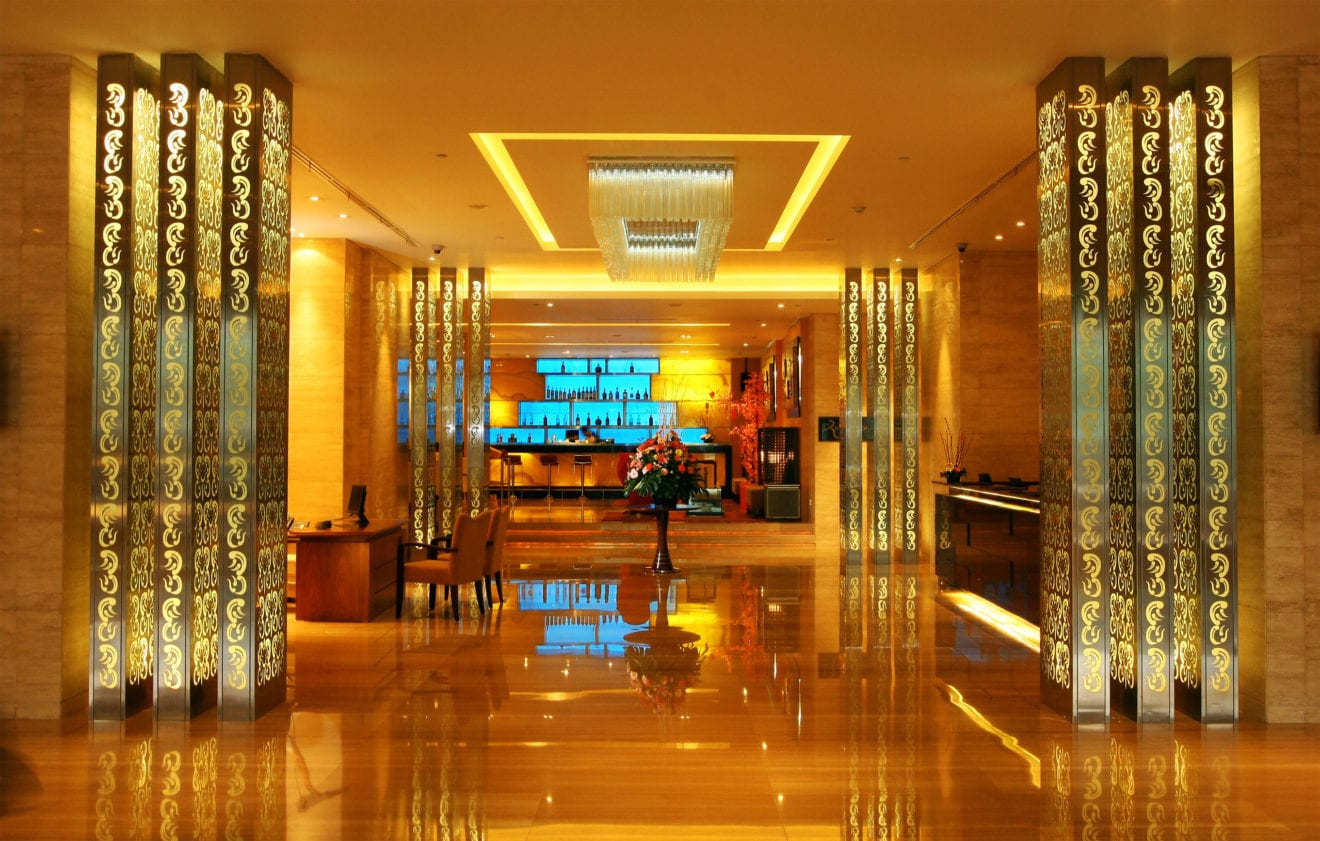
    The hotel is the first international property in Jambi with an impressive grand ballroom with seven-metre high ceilings, capable of hosting over 1,200 guests.

    The opening ceremony was led by the Mayor of Jambi, H. Syarif Fasha, ME who was accompanied by PT Selaras Jaya Indah Hotelindo President Commissioner Bapak Begawan Kamto, Swiss-Belhotel International Chairman and President Mr. Gavin M. Faull and Senior Vice President of Operations and Development Mr. Emmanuel Guillard.

    Swiss-Belhotel International Chairman and President Mr. Gavin Faull said: “Swiss-Belhotel International is delighted to welcome Swiss-Belhotel Jambi to our global portfolio of hotels and further strengthen our business in Sumatra.

    Swiss-Belhotel Jambi offers 136 rooms with a minimum size of 31 square metres.

    The property is ideally located in the business district and caters ideally to the local business community as well as leisure travellers who can now enjoy international standards of hospitality and service in the city.

    As well as offering extensive function space, Swiss-Belhotel Jambi, boasts the largest lobby in town, extensive parking, rooms starting at a minimum size of 31 square metres and exceptional dining experiences highlighted by The View Café and signature rooftop outlet, Resto.

    The 136-room Swiss-Belhotel Jambi offers international standard amenities and facilities including individual air-conditioning units, in-room refrigerators, an IDD/NDD telephone system, laptop size in-room safety deposit box, tea and coffee making facilities, wifi internet access, in-room dining, five meeting rooms and ballroom, swimming pool, gym and business centre.

    Strategically located in the central business district, the hotel provides convenient access to a variety of local attractions, shopping malls and culinary options, making it an ideal choice for business or leisure travellers to Jambi.

  • Story-i to supply Indonesia schools

    Story-i to supply Indonesia schools

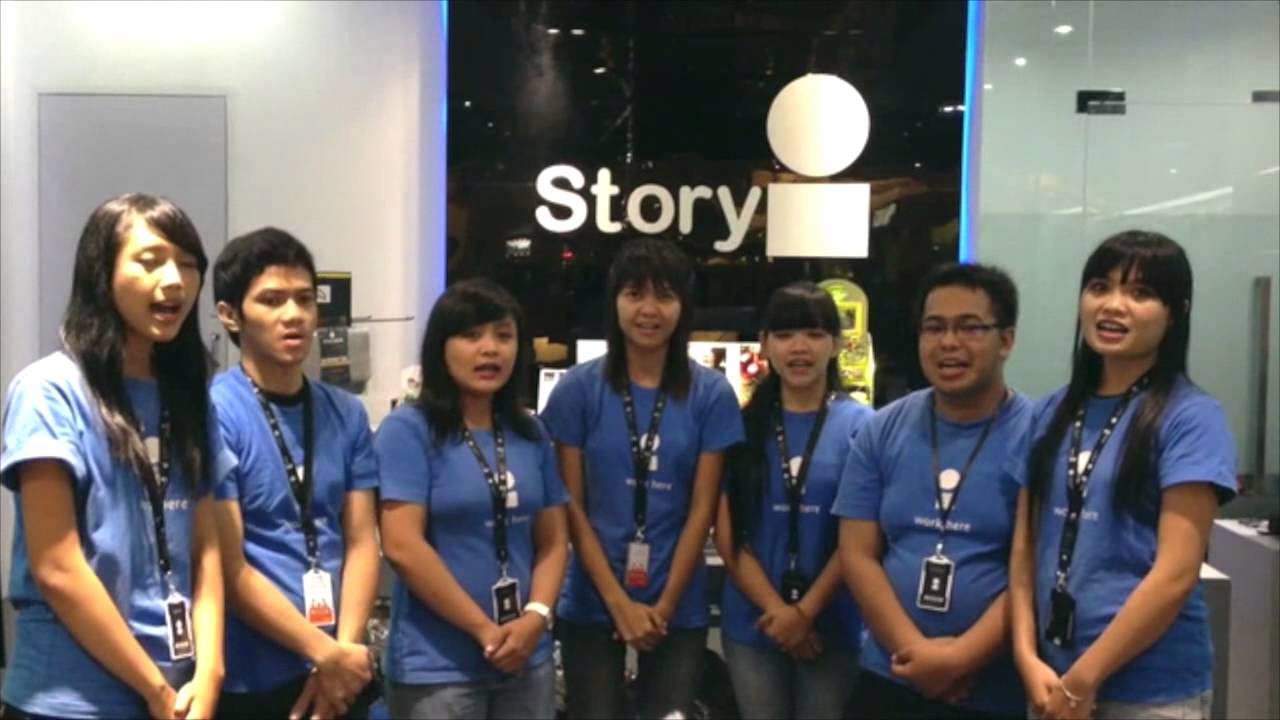
    Story-i will supply new Apple devices bundled with customised applications across Perkumpulan Sekolah Kristen Djakarta’s (PSKD) 16 schools in Indonesia.

    The contract extends to annual hosting and software maintenance fees, and service and maintenance of PSKD’s network infrastructure, potentially delivering $500,000 in sales.

    The rollout of devices, bundled education software and hosting services under the contract with BPK Penabur continues to progress on schedule.

  • Indonesia Best eMark Award 2015 goes for Hypermart

    Indonesia Best eMark Award 2015 goes for Hypermart

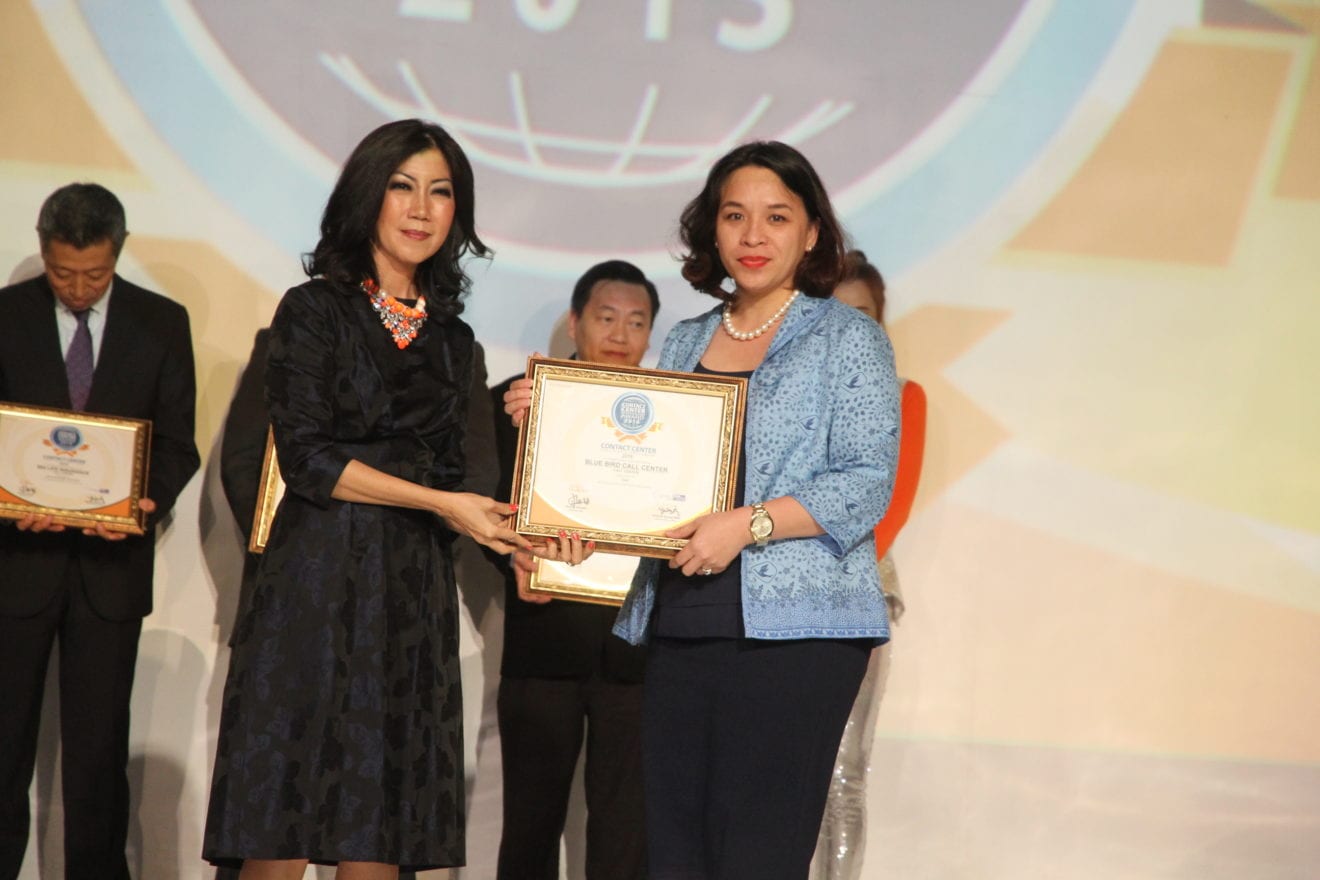
    SWA-Business Digest Magazine and Telkom University hold the Indonesia Best eMark Award 2015 to celebrate the 2nd Anniversary of Telkom University on September 10, 2015. During the ceremony, Hypermart as the core modern retail business of PT Matahari Putra Prima Tbk, received the prestigious award at the main event of “Bandung ICT Expo 2015” which was awarded by the Rector of Telkom University, Prof. Mohamad Ashari in Telkom University Campus.

    Director of Communications and Public Relations MPPA, Danny Kojongian stated “We are honored to receive this prestigious award from SWA Magazine and Telkom University, which show positive feedback from our valued customers toward our Hypermart’s services and operation, related in particular to the appropriate utilization of information technology toward our marketing and sales activities.”

    “This Award not only reflects an important milestone for MPPA, but more importantly confirms that our modern retail business strategy has been performing in the right direction and received splendid recognition from customers and other industry practitioners. Going forward, we will ensure that our service quality will be enhanced and strengthened to give the best practices of world-class standards to the growing markets and consumers in Indonesia,” he continued.

    Indonesia Best eMarK Award 2015 was awarded to Hypermart since it successfully managed to become one of the companies with improved business performance from the management and utilization of information and communication technology (ICT) in a right, smart and efficient way in the marketing and sales fields.

    Hypermart is expected to become an inspired role model for other companies in using the application and utilization of ICT systems in the marketing and sales area which are getting better over the time.

  • Indonesia’s ‘king of feature phones’ wants to copy AirAsia to beat Samsung

    Indonesia’s ‘king of feature phones’ wants to copy AirAsia to beat Samsung

    These are exciting times in Indonesia’s handset market. As smartphone prices drop and interest in entry-level devices surges, there’s a window of opportunity for local brands to carve out their spot in a market dominated by Samsung.

    The incentive to participate in this race is high. Data from market research group Counterpoint shows the smartphone segment is currently growing at 30 percent annually, while overall phone unit shipments remain steady. It means that Indonesians are now willing to spend on replacing their feature phones with smartphones, and are doing so in droves. Smartphone shipments reached 9 million units in Q2 2015, the study found.

    A growing long tail of local and foreign brands is competing for first-time smartphone buyers, and the figures show that local brand Evercoss is in a strong position.

    In Q2 2015, for the first time, Evercoss overtook Samsung in overall handset shipments – which includes feature phones and smartphones. The two brands have been in a fairly close race in the past three quarters. However, last quarter’s win for Evercoss can be in part attributed to Samsung’s significant losses.

    The bulk of Evercoss’s overall market share is carried by feature phones. Looking only at smartphones over that same period of time, Samsung’s market share is still dominant. But Evercoss is slowly closing the gap, with a little over 1 percent growth for its smartphone shipments in the previous quarter as Samsung continues to drop.

    Local brands in the smartphone era

    This is an interesting development to follow. If Evercoss continues to nibble away at Samsung’s spot in the smartphone segment, it would prove that local brands can take their feature phone buyers by the hand and lead them into the smartphone era without switching brands.

    ‘Graduating’ to an entry-level Samsung from their local brand may have been the obvious choice for Indonesians until recently, but it’s not as simple as that anymore. A multitude of devices are vying for buyers’ attention. Since there is less room to stand out in terms of hardware and design – many lower-end smartphones are manufactured in the same Chinese facilities anyway – standing out is now a matter of highlighting the right details.

    Evercoss CMO Ricky Tanudibrata is well aware of this. He’s directing the move to turn his brand from a commodity into an affordable yet aspirational product. In Ricky’s words, Evercoss wants to shed the image of being the “king of feature phones” to become the “AirAsia of smartphones.” AirAsia is his role model because the low-cost airline was able to make flying an option for a larger segment of people, and is perceived as the reliable option among its low-cost competitors.

    Evercoss’s strategy, Ricky tells he has been to stay true to the lower-end price segment, and to collaborate with globally recognized brands to increase its own appeal. It was one of the partners for Google’s Android One release in Indonesia. (Other local brands selling Android One versions were Mito and Nexian). Evercoss also recently cozied up with browser-maker Opera in a co-branding campaign.

    So far, the strong brand recognition – due to Evercoss’s ‘king of feature phones’ status – paired with a more global positioning seems to have done decently in terms of smartphone sales. Decently, but not great.

    Take another look at the Counterpoint chart: next to Evercoss, local brands Advan and Smartfren as well as Taiwanese Asus deserve mention; all three have shown strong performance in smartphone shipments last quarter. Advan has been consistently strong with a broad range of smartphones reaching from the low end into the middle segment. Smartfren stands out with its recent Cyanogen-based Andromax Q series. Asus in particular had a successful run with the introduction of its Zenfone series at the beginning of the year and shot from nothing to 8 percent market share – which is much more impressive growth than Evercoss can boast.

    To be a Samsung killer, Evercoss needs to innovate

    Clearly, Evercoss’s status as most likely contestant to be a Samsung-killer in Indonesia is not set in stone. Ranks fluctuate, often tied to the release of new models. What we see is a game of mimicry and differentiation in a dynamic market. Evercoss’s next move, according to Ricky, is a partnership with Intel in its soon-to-be launched new line of phones and tablets. The popular Zenfone uses the same chipset.

    Following releases such as Smartfren’s affordable IDR 1,3 million (US$81) Andromax Q, which supports 4G LTE, Evercoss badly needs to launch its own 4G smartphone in the low-price segment. Ricky says the launch of such a device is in fact imminent and even showed us a prototype, without going into the specs.

    A major event in the mobile market last quarter was the passing into law of a much-talked about draft regulation: the ‘local content’ rule. In an attempt to limit the import of shelf-ready devices from China and elsewhere, the Indonesian government wants 4G LTE devices sold in Indonesia to be locally produced to a certain extent. The agreed figure is 30 percent by the beginning of 2017.How local brands are coping with the ‘local content’ law
    Compliance will be a challenge for foreign brands who don’t have any production facilities in Indonesia (Samsung proved its commitment by investing in factories). But it’s also a challenge for brands like Evercoss, who don’t make it a secret that a significant share of their manufacturing process takes place in China.

    “Obviously we think about this,” Ricky says. But he also doesn’t seem stressed out about it. “So far, it has not been finally decided how that 30 percent will be calculated.” What’s known is that ‘local content’ is going to include a range of factors, including investment, software, and labor, not just the hardware components. Ricky seems confident that Evercoss will be able to meet the standards when the time comes.

    The upcoming release and subsequent adoption of Evercoss’s Intel-powered new generation of phones and tablets is definitely something to watch. If Evercoss’s strategy to continue to upsell new devices to their existing customer base works out, and if the ‘local content’ law keeps out some newcomer brands from abroad who find it too difficult to comply, we may have ourselves a Samsung killer.

  • Jakarta hits airlines with restrictions

    Jakarta hits airlines with restrictions

    Indonesia has banned Thai-registered airlines from increasing their flights or changing the types of aircraft that fly into the country, Transport Minister Prajin Juntong said Monday.

    The Transport Ministry received the notification from its Indonesian counterpart on June 16, ACM Prajin said.

    ACM Prajin said the measures will not impede Thai Airways International(THAI) as the Thai-flagged carrier has no plans to increase flights toIndonesia.

    THAI currently operates seven flights out of Suvarnabhumi airport to Baliper week and 10 flights out of the airport to Jakarta per week.

    The Indonesian Transport Ministry said it would also ask to check airlines’ operation certifications for chartered flights to see if they are in line with required standards, ACM Prajin said.

    The minister said no Thai carrier currently operates chartered flights toIndonesia.

    He said the move by Indonesia came after an audit by the International Civil Aviation Organisation (ICAO), which on June 18 red-flaggedThailand over its failure to fix shortcomings in the Department of Civil Aviation (DCA).

    The shortcomings identified by the ICAO centred on failures to meet aviation safety standards in regards to regulating aviation businesses and granting air operator certificates.

    The safety concerns showed a lack of sufficient oversight to ensure implementation of ICAO standards, the organisation said after its audit.

    ACM Prajin said the Indonesian authorities will conduct frequent checks on Thai-registered airlines, but this should not be a cause for concern as the measure is also applied to flights to Japan.

    DCA director-general Parichart Khotcharat yesterday said Indonesia’srestrictions started on May 29, but it took time for the notification to be relayed from the Foreign Affairs Ministry to the Transport Ministry.

  • Online shopping in rural China nearly doubles in 2015

    Online shopping in rural China nearly doubles in 2015

    Online shopping is thriving in rural China, with last year’s transactions nearly double the 2014 amount, a Ministry of Commerce official said.

    Online purchases in rural areas were up 96 percent year on year to 353 billion yuan (US$55 billion) in 2015, said assistant minister of commerce Wang Bingnan, at a briefing.

    China now has more than 3,000 commercial websites specifically targeting rural areas, Wang told reporters, but acknowledged that a lack of properly trained people, poor competitiveness, an incomplete marketplace and weak infrastructure were hindering expansion. The ministry hopes to improve the logistics network and train more people.

    Despite an economic slowdown, online retail sales in China remained strong, jumping 33.3 percent year on year to 3.88 trillion yuan in 2015.

  • Parkson confident new China mall will do well

    Parkson confident new China mall will do well

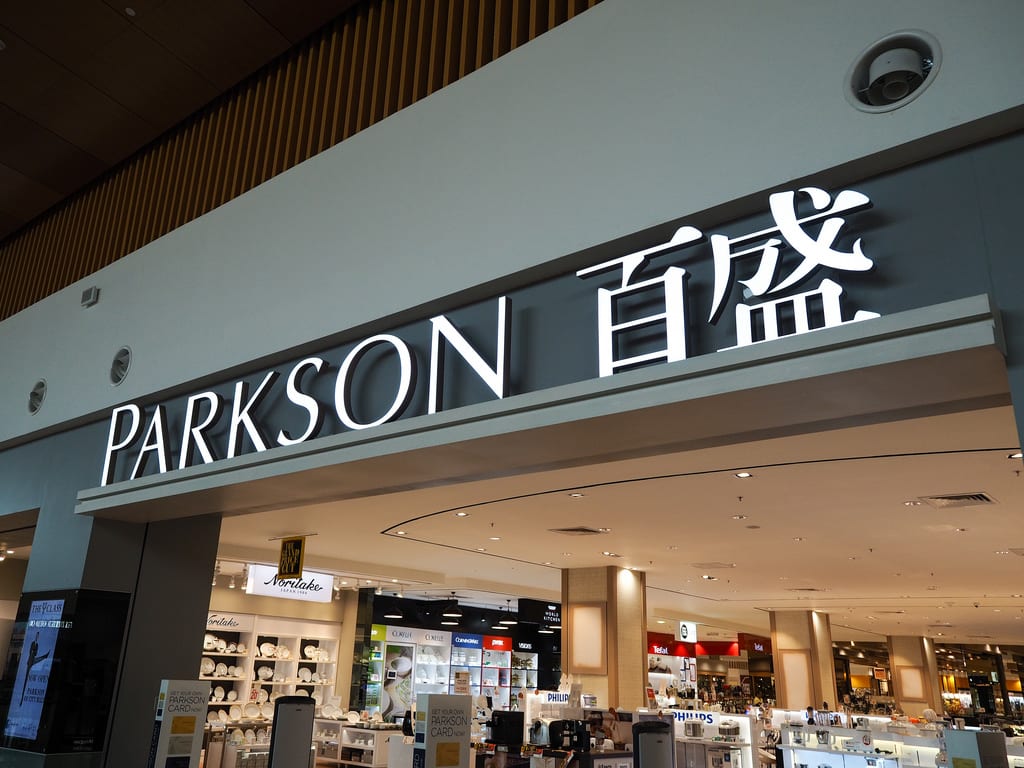
    Parkson Retail Group Ltd (PRG), a unit of Parkson Holdings Bhd, is confident its new shopping mall in Qingdao, China, which opens later this month, will attract strong retail interest, even as rapid economic growth in China cools down.

    The Asian Development Bank has predicted the Chinese economy to grow 6.5% this year. Retail sales in the world’s second largest economy expanded 10.6% in the first two months of this year.

    PRG currently operates and manages 57 department stores in China, of which two are located in Qingdao, including the new Lion Mall, expected to open its doors later this month,

    The group has already forked out close to RM1bil for the acquisition of the mall from Shanghai Industrial Qingdao Development Co Ltd, via its indirect unit Qingdao Lion Plaza Retail Management Co Ltd.

    For the financial year ended June 30, 2015, the group’s China operations contributed about 70% to both the revenue and profits of Parkson Holdings.

    Parkson said its first store in Qingdao has been in operation since 1998 and has since established strong brand equity, providing the platform for the group to further increase its market share and strengthen its foothold in the fast-growing market with the new mall.

    “In order to maintain the group’s competitive edge and continue to further capitalise on the growth of the retail industry in Qingdao, there is a need to further expand its operations in the east side of Qingdao city where Lion Mall Qingdao is located,” a spokesperson from Parkson told StarBiz.

    “With the ideal size and modern infrastructure, Lion Mall will provide a fully integrated shopping experience to customers, with comprehensive offerings such as Parkson department store and Foodpark serving as one of the anchor tenants, coupled with cinema, fast fashion brands, international cosmetics and accessories brands, F&B, entertainment and other amenities,” the spokesperson said.

    The mall will be located at the Laoshan district of Qingdao, which is the new financial and commercial hub of the city, and will be part of a fully integrated development project, known as Beer City Project.

    It has a total gross floor area of about 230,000 square metres, of which about 130,000 square metres are for retail use and the balance for ancillary and 2,000 car park lots.

    The spokesperson said the mall had a planned exit gate to be directly linked to the subway line M2, which is currently under construction and will commence operations next year.

    The company has spent some 1.5 billion yuan (RM905.78mil) on the acquisition, including the costs related to payment of underground land premium, following a new law imposed by the Government there.

    In January 2015, the Qingdao Government implemented the management rules which set out, among other things, the procedures and requirements for registration of titles to properties situated underground.

    It also outlined the mandatory payment of land premium to the Government for those underground properties which are to be used for commercial purposes.

    Following this new ruling, Parkson had entered into a supplemental agreement on Feb 25, 2016 to provide for the additional land premium payment.

    On the group’s future plans, the spokesperson said an upcoming Lion Mall Phnom Penh in Cambodia was currently under construction with foundation works almost completed.

    “Another development is Parkson City Centre in Phnom Penh where Parkson has taken a lease of 36,500 square metres in the building and will open the first Parkson department store in Cambodia together with other sub-tenants in the fourth quarter of 2016. Notable names within Parkson City Centre are Golden Screen Cinema making its debut in Cambodia, and Giant Supermarket opening its second store in the country,” he said.

  • Indonesia grants visa free entry to Sri Lankans

    Indonesia grants visa free entry to Sri Lankans

    Indonesia has granted visa-free facility to 169 countries including Sri Lanka under a new visa regulation. Indonesian President Joko Widodo has signed Presidential Regulation concerning Visit Visa Exemption early last month adding 79 countries to the list.

    Indonesian immigration office said passport holders of these countries are exempt for having a visa to enter Indonesia.

    “The visa exemption is valid only for 30 days, non-extendable or convertible into another kind of stay permit,” immigration office said.

    “Foreigners from 169 countries can enter and exit Indonesian Territory through 124 Immigration Checkpoints in airports, seaports and land border.”

    The visa exemption facility can be used for tourism, family visit, social visit, art and cultural, government duty, to deliver a speech or attend a seminar, international exhibition, meetings with head office or representative office in Indonesia, or transit.

    If the 30 days of Visit Visa Exemption facility feels insufficient, visitor still can apply for Visa on Arrival (given for 30 days and extendable for another 30 days) or Visit Visa.

    The 169 countries, special administrative regions of a country, and entities are:

    Albania, Algeria, Andorra, Angola, Antigua and Barbuda, Argentina, Armenia, Australia, Austria, Azerbaijan, Bahamas, Bahrain, Bangladesh, Barbados, Belarus, Belgium, Belize, Benin, Bhutan, Bolivia, Bosnia and Herzegovina, Botswana, Brazil, Brunei Darussalam, Bulgaria, Burkina Faso, Burundi, Cambodia, Canada, Cape Verde, Chad, Chile, China, Czech Republic, Comoros, Costa Rica, Croatia, Cuba, Cyprus, Denmark, Commonwealth of Dominica, Dominican Republic, East Timor, Ecuador, Egypt, El Salvador, Estonia, Fiji, Finland, France, Gabon, Gambia, Georgia, Germany, Ghana, Greece, Grenada, Guatemala, Guyana, Haiti, Holy See (Vatican City), Honduras, Hong Kong (SAR of China), Hungary, Iceland, India, Ireland, Italy, Ivory Coast, Jamaica, Japan, Jordan, Kazakhstan, Kenya, Kiribati, Republic of Korea, Kuwait, Kyrgyzstan, Laos, Latvia, Lebanon, Lesotho, Liechtenstein, Lithuania, Luxembourg, Macao (SAR of China), Macedonia, Madagascar, Maldives, Malawi, Malaysia, Mali, Malta, Marshall Islands, Mauritania, Mauritius, Mexico, Moldova, Monaco, Mongolia, Morocco, Mozambique, Myanmar, Namibia, Nauru, Nepal, New Zealand, Netherlands, Nicaragua, Norway, Oman, Palau, Palestine, Panama, Papua New Guinea, Paraguay, Peru, Philippines, Poland, Portugal, Puerto Rico, Qatar, Romania, Russia, Rwanda, Saint Kitts and Nevis, Saint Lucia, Saint Vincent and the Grenadines, Samoa, San Marino, Sao Tome and Principe, Saudi Arabia, Senegal, Serbia, Seychelles, Singapore, Slovakia, Slovenia, Solomon Islands, South Africa, Spain, Sri Lanka, Suriname, Swaziland, Sweden, Switzerland, Taiwan, Tajikistan, Tanzania, Thailand, Togo, Tonga, Trinidad and Tobago, Tunisia, Turkey, Turkmenistan, Tuvalu, Uganda, Ukraine, United Kingdom, United States of America, United Arab Emirates, Uruguay, Uzbekistan, Vanuatu, Venezuela, Vietnam, Zambia, and Zimbabwe.

  • China’s e-pharmacy eyes prescription drug for full-bloom growth

    China’s e-pharmacy eyes prescription drug for full-bloom growth

    China’s e-commerce giants are getting a hand in pharmaceuticals as the government directs prescription drug sales away from hospitals and into retail.

    China’s online pharmacy business has grown from virtually nothing five years ago to more than 7 billion yuan (1.1 billion U.S. dollars) in 2014, accounting for 3 percent of all retail sales of medicine in the country, Boston Consulting Group (BCG) said in a report Thursday.

    But analysts say the boom in online medicine sales is only a preview of explosive growth to come, provided that authorities allow online pharmacies to sell prescription drugs. So far online pharmacy sales consist mostly of over-the-counter medicine, which contributes very little to margins.

    One of the key themes in China’s ongoing medical reform is to reduce hospital reliance on drug sales for revenue. Over the long term this will enable patients to choose between hospitals and retail pharmacies for prescription drug purchases.

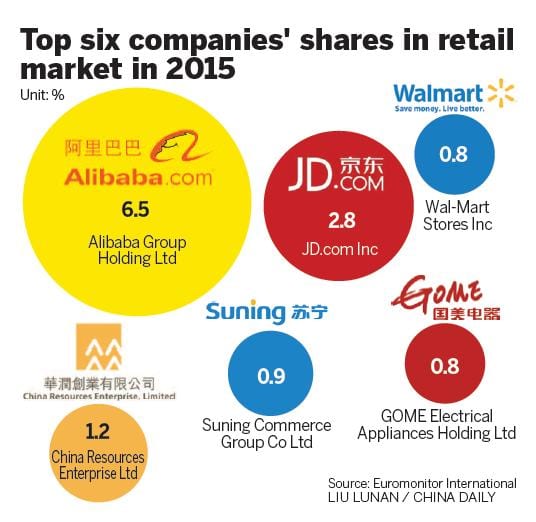
    Authorities also consider allowing prescription drugs to be sold online, giving e-commerce firms such as Alibaba and JD.com the opportunities to get involved in the lucrative prescription drug business.

    “E-Pharmacy business is changing very quickly in China with new regulations and different competitors entering the space. Each one is trying to grab a piece of the business,” said John Wong, a partner for BCG’s pharmaceutical practice.

    While regulations are ushering more prescription drug sales toward retail channels, including online pharmacies, the pace of that transition remains uncertain.

    Such uncertainties have forced Alibaba to scrap last week a plan to inject its online pharmacy business into its health subsidiary. Its plan to operate in the country’s medical tracking system also drew backlash from brick-and-mortar pharmacies.

    Online pharmacies are working with hospitals and local governments on separate trial programs to allow patients to buy drugs online with a doctor’s prescriptions.

    Access to prescriptions is the key for online pharmacies to get into prescription drug sales. Some local trials have managed to extend medical insurance coverage to online medicine purchases, an important incentive for patients to buy online.

    But analysts are cautiously optimistic about potential nationwide trials, given that China’s social security system is still managed by fragmented jurisdictions, creating discrepancies in coverage policies across the country.

    Another challenge, says another BCG partner Magen Xia, is for authorities to figure out a way to cap expenditure online. Under the current scheme, the cap for insurance coverage has been maintained by hospitals that prescribe these drugs.

    Regulatory challenge aside, Xia said online pharmacy cannot thrive in the prescription drug sale business alone. Given the importance of access to doctor’s prescription, retailers need to penetrate upstream.

    “Pharmacies can’t just limit themselves to selling drug online. They have to either extend to consultations and diagnosis or find upstream partners that can refer prescriptions to them,” Xia said.

    Unlike the United States where brick-and-mortar pharmacies like CVS and Walgreens holds dominance in retail prescription drug sales, the lack of nationwide pharmacy chains in China puts them in a much weaker position. This creates opportunity for e-commerce to consolidate the fragmented national market through online platforms. And once they gain access to prescription, they can ask local pharmacies to become a distribution channel for prescription drugs.

    “China’s online pharmacy will grow, but whether it grows faster or slower depends on regulation on the separation between drug prescribing and dispensing,” Wong said.

    “Right now hospital still wants money from drugs but as soon as the government says ‘stop’ you will see the industry rapidly, rapidly transform,” Wong said.

  • Tobias Rehberger, artist who’s camouflaged a Hong Kong shop

    Tobias Rehberger, artist who’s camouflaged a Hong Kong shop

    Don’t try to put Tobias Rehberger into a box. The German artist’s work isn’t the sort that fits in a frame and he’d much rather it was out in the world, with people rubbing up against and interacting with it, than being gawped at in a museum. He does his own thing – and has a good time while he’s at it.

    Sitting in MCM’s flagship store, in Central’s Entertainment Building, the 49-year-old seems to be on his best behaviour, his PR minder by his side. His beard is freshly trimmed and, in a crisp white shirt, jeans and trainers, he’s rocking the urban-cool look. But every now and then there’s a flash of the raucous, hard-drinking side he’s known for.

    In Hong Kong for a week for the launch of a collection he designed for the German luxury leather goods brand, as well as Art Basel, he insists he hasn’t got jetlag, he never gets it. His secret?

    “Get drunk on the first day,” he says.

    The PR scowls, but Rehberger doesn’t seem to notice.

    The MCM collaboration began with the bags and it was a 20-year-old assistant – the youngest in his full-time team of 12 – who persuaded him to take on the job. As he explains how it came about you get the sense that Rehberger is porous, open to ideas and giving things a shot, especially if there’s a good chance he or his team might get a kick out of it.

    “‘You have to do it, it’s so cool,’ she said. And I thought, ‘OK, if she says it’s a good thing, let’s try,’” says Rehberger.

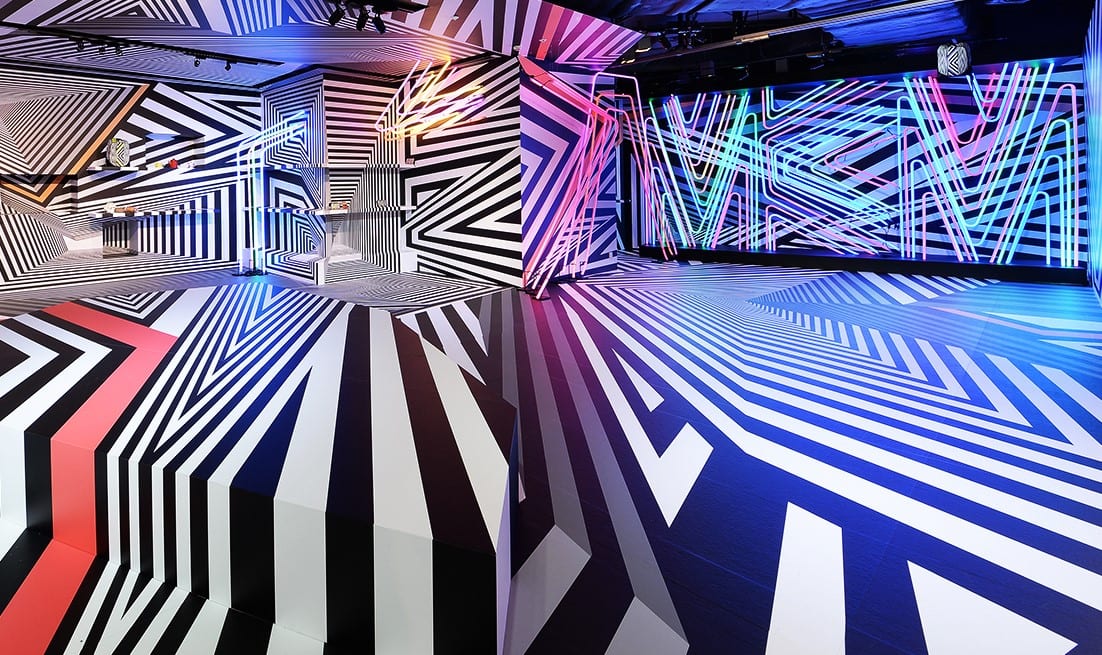
    Employing the bold black-and-white graphics that he has become known for – the “dazzle camouflage” employed during the first world war to make it difficult to visually pinpoint a target – he recreated the German brand’s logo and worked the design into a collection of backpacks, shopping bags and clutches. MCM loved it so much the brand asked him to make over the Hong Kong store – all 8,600 square feet of it.

    This isn’t as wild a leap as it sounds because Rehberger’s perhaps best-known work, which cemented him as one of Germany’s leading contemporary artists, was a massive, functional installation for the 2009 Venice Biennale. He designed the cafeteria at the biennale pavilion and called it ” Was du liebst, bringt dich auch zum Weinen” (“Whatever you love, will bring you to wines”). It was a wild, retro-inspired space, juxtaposed with a jumble of forms and colours but with black and white the unifying theme.

    The walls, floors, ceilings and furniture were covered with the disorienting camouflage used by the dazzle ships of the first world war. It won him the top prize, the biennale’s coveted Golden Lion. The jury said he’d earned the award for “taking us beyond the white cube where past modes of exhibition are reinvented and the work of art turns into a cafeteria. In this shift social communication becomes aesthetic practice”.

    “I’m not very good at starving. I’ve never had to struggle for success, it was just happening”

    Rehberger has applied dazzle camouflage to interiors elsewhere. In 2013, he created a temporary replica of his local Frankfurt bar in a New York hotel, covering the entire space in black and white geometric stripes. He even reproduced the fittings, right down to the radiators. And yes, he did drink there – and felt right at home.

    A year later, he worked on the real deal – a 1918 British warship, the HMS President. Using a print of pipework viewed from different perspectives, he completely covered the ship, to mark the centenary of the first world war. His handiwork was unveiled in July 2014, on the River Thames.

    If a German decorating a British vessel that saw active service in the Great War were not noteworthy enough, “That was special because it was a ship that had been used in the war in this desert camouflage,” Rehberger says. “I thought, ‘Can you make it in the same technique, but that it’s clear it’s not made for military reasons and still use the same strategy?’”

    So has he done it again in Hong Kong? Yes and no. The fact that, here, he has been working with a retail space has thrown up different questions.

    “It’s more about what a shape is, what a product is and how you look at it and how you deal with it and what your focus is,” says Rehberger. He speaks like this a lot – long sentences that throw up lots of ideas and directions, much like his camouflage.

    So, it’s a shop, but not a shop, I venture. Considering the exorbitant rent MCM must be paying for the prime Central spot, that doesn’t seem like the most obvious approach to turning a profit. I hesitate and the PR suddenly lights up.

    “Yes, everybody thinks it’s a shop, but what if it’s not really a shop but it is,” she says.

    She’s clearly been hanging out with Rehberger. I turn away from the pair and take in the shop that isn’t a shop. The geometric patterns in the vast interior make it hard to judge distance and the pillars and escalator – all camouflaged – add to the confusion. It’s not easy to spot the merchandise, which is designed with a similar print. What’s more, alongside the bags on the display shelves are teapots, a pig, a skull propped up against a severed arm.

    “We have the teapots and scientific models and then the bags blend in and you see them less. That’s one of the good things about it – it brings up things you normally don’t think about because you are so conditioned to do things in a certain way and then suddenly, there, hiccup,” says Rehberger.

    And it’s this hiccup, he says, that gives us the chance to think about the way we deal with life. Are we making our own decisions or have we become conditioned to doing things in a certain way?

    I don’t think I’m alone in having been conditioned into thinking that the items on the shelves of a retail space should be for sale. How refreshing to visit a shop that dares to be different, although it’s hard to see this becoming a hot retail trend. The teapots are pretty – Rehberger sourced them himself – and the pig is fun, but they are not going home with a smitten customer.

    “They are something that drops out a little, make you stumble about what you thought you already understood. Especially here, where you are expecting to come and have objects to buy and suddenly you have this almost emptied out teapot shop,” says Rehberger.

    The artist enjoys playing with the viewer – are you seeing what is really there or what you expect to see? Take that severed arm, which will turn out to be, on closer inspection, a scientific model of a worm. Twice I mention the “severed arm” to Rehberger and he doesn’t pull me up on it. True to form, he doesn’t intrude on my perception of the scene.

    For last year’s Art Basel Miami – in another underground venue – he had some fun with this notion of perception. His installation – the mural “1661-1910 from Nagasaki, Meiji, Setti” – covered the space in brightly coloured, wallpapered mosaic tiles. Close up, all you could see was a pixelated blur of colours but step back and you realised you were looking at an orgy.

    Rehberger’s embrace of so many types of media sets him apart from other contemporary artists, especially in the West. Gallery owner Urs Meile represented one of Rehberger’s most recent works, a pigmented wax, steel and wood sculpture-cum-timepiece, at this year’s Art Basel Hong Kong. Two years ago, Rehberger created a huge installation entirely made of porcelain for Galerie Urs Meile in Beijing.

    “He is very open to new media that he’s never used before,” says Meile. “His approach is not the typical Western way. You find that with some other artists working in Asia; probably the most famous is Ai Weiwei, who works with endless different materials.”

    untitled-article-1459241535

    Meile suspects that the tendency towards conceptual thinking might be the reason why Western artists are less likely to experiment with a range of materials. In the West, artists tend to begin a project with a concept and approach their art with a clear vision, doing paintings or sculpture, working in wood or bronze, but “in Asia they don’t have conceptual thinking as we have it”, says the gallerist. “They think, ‘I would like to do this’ and then it’s trial and error. Through this they make a completely other experience.”

    With the exception of Leonardo da Vinci, suggests Meile, Western art history didn’t have a tradition of experimenting with unusual materials until the late 1970s, and the start of conceptual art, when cheap materials began to be used.

    “But to use, let’s say, high-end materials to do something, this is unusual in the West,” says Meile.

    It’s no surprise, then, that Rehberger feels right at home in Asia. In the last six months, he has made at least 10 trips to the region and has a number of projects in the works here. For a Bangkok shopping mall, he is putting together an installation that “looks like an exploded Las Vegas sign”. He says retail spaces are new to him but concedes that shopping malls are where people go to hang out in Asia.

    The can-do attitude and pace in Asian cities appeal to Rehberger, who likes to get things done quickly. At art school in Frankfurt, in the late 80s, he was taught by German artist Martin Kippenberger, who is known for working in a wide range of styles and media.

    “Martin taught me to always push yourself and try not to make yourself comfortable when you find something interesting. With Martin it was not about solutions, it was always, ‘OK, but what if – and then what if from the other side’. That’s the art I’m most interested in, if it’s more about problems than questions and answers,” says Rehberger.

    He graduated in 1992 and moved to London, but stayed only a year in the British capital.

    “If I have an idea I need immediate access to the thing,” he says. “When I need teapots, I need the teapots now. In London, at the time, you had to travel half a day to buy a pencil. It was annoying.”

    From London he moved to New York before returning to Germany, where he has lived since, dividing his time between Berlin and Frankfurt. Berlin, he says, is where he finds inspiration, meets friends and hangs out. Frankfurt offers fewer distractions and is where he gets his work done. It’s also where his family lives.

    Rehberger’s wife specialises in restoring old frames and the couple have three children, aged 16, 11 and four.

    “Since they were young, they have been coming to my studio and hanging out. For them it’s normal to take a spray can and do things. I think you can sense they are visually educated, they all have a good eye – not that I hope they become artists,” he says.

    Rehberger’s father was a hobby painter and, as Tobias grew up, he was surrounded by oil paints and canvases. His father painted portraits and landscapes, copied works by artists such as Picasso and sometimes designed and made furniture. Rehberger started out playing with his father’s materials and when he came to have his first gallery show, “I copied the entire body of my father’s work, copying the paintings four times as big. It was an installation, a reflection of me as a professional artist and where that comes from.

    “I thought it was a good way to introduce myself.”

    His father apparently found it funny. Someone finding his work amusing seems to be a factor that signals to Rehberger that a mission is at least halfway to being accomplished.

    Since that introduction, life has been good to him. He’s never had to live the life of a struggling, starving artist.

    untitled-article-1459241535-body-image-1459242184

    “I’m not very good at starving,” says Rehberger. “I’ve never had to struggle for success, it was just happening.”

    He almost flinches at the suggestion that commercial projects such as the one for MCM might distract him from more personal work.

    “It’s all my own stuff. It’s not less my own stuff if I’m doing this or something in the studio that no one ever sees. There is no difference. If I want to do something, I do it, and if I don’t want to do something, I don’t do it,” he says. “I was never in the position that I had to do something that I didn’t want to.”

    As if to underline the fact he hasn’t had to endure long, cold winters going hungry in a lonely studio, the conversation turns to lunch and from there to restaurant recommendations. Rehberger has arranged to meet some artist friends after their commitments at Art Basel.

    “Thursday and Friday we plan to check out five restaurants a day – for breakfast, lunch and dinner and a couple in between,” he says.

    Whether or not you are in the market for a new leather bag, it’s worth dropping into the MCM store to be dazzled by Rehberger’s disorienting graphics and take a turn through the shop that isn’t really a shop.

    Tobias Rehberger’s installation at the MCM store (basement, Entertainment Building, Central) will be in place until May 2.

  • Wal-Mart to open 60 new stores by 2017

    Wal-Mart to open 60 new stores by 2017

    Wal-Mart China is opening 60 new stores in the country by 2017 as part of its efforts to integrate its hypermarkets, membership stores and online platform to offer customers more convenience and quality products in a highly-competitive retail market, the company’s top executive said.

    Greg Penner, chairman of the Wal-Mart board of directors, said in an exclusive interview with China Daily in Shanghai on Wednesday that the company has already opened more than 50 new stores since a plan to add 115 stores in three years was announced in 2015.

    “China has amazing growth opportunities which in the next five years will surpass the US market in retail potential,” said Penner, who visited two Wal-Mart stores in Shanghai on Tuesday.

    In addition to growing its physical presence, Wal-Mart is also focusing on enhancing its online stores and building stronger digital relations with Chinese customers, he said.

    Penner was elected to lead the board in 2015.

    “Customers want their products from stores and also from online platforms and now have a choice of getting them delivered to their homes or picking up in the stores,” Penner said, referring to the increasing importance of online shopping convenience to customers.

    Wal-Mart to open 60 new stores by 2017

    Greg Penner, chairman of Wal-Mart board of directors.

    He added: “The food safety is critical in China and is a big part of our focus here.”

    Penner said, in 20 years in China, Wal-Mart has built three brands-Wal-Mart hypermarket, the Sam’s Club membership store and Yihaodian, the retailer’s Chinese online offering-all playing important roles in the company’s growing business.

    Wal-Mart China operates 432 stores including 12 Sam’s Clubs in 174 cities and municipalities. And registered users of Yihaodian have reached 130 million.

    Wal-Mart is the second-largest retail banner just behind RT-mart in modern trade (including hypermarkets, supermarkets and convenience stores), according to Jason Yu, general manager of Kantar Worldpanel China. This sector of retail business has continued to experience sluggish growth in 2015, only growing by 3.3 percent from 2014.

    Hypermarkets declined in key cities and provincial capitals by 1.5 percent, but it managed to grow at 4.1 percent at national level as a result of more store openings in the lower-tier cities. Kantar Worldpanel expects to see continued development in the hypermarket format in lower-tier cities in the coming years.

    “The group presented clear strength in terms of hypermarket geographic coverage (more cities than anyone else) but also established its leadership in membership club format and e-commerce through acquisition of Yihaodian,” said Yu.

    According to Kantar, Wal-Mart leads the modern trade sector in southern and western China. It started to embrace more O2O opportunities by launching a mobile shopping app and introducing Alipay to drive efficiency and customer experience, said Yu.

    Wal-Mart has recently launched its Global Shop, a cross border e-commerce platform, offering more than 200 imported items on Wal-Mart App.

    Wal-Mart to open 60 new stores by 2017

  • Ikea expanding to Johor Bahru with new store by end 2017

    Ikea expanding to Johor Bahru with new store by end 2017

    Ikea Malaysia is expanding to Johor Baru and plans are underway to open its new store by end 2017 which will be the first in the southern region of Peninsular Malaysia.

    The Swedish furniture giant said on Thursday the new store would be near Jalan Desa Tebrau.

    Mike King, the retail director for Ikea Malaysia, Singapore and Thailand, said the new store “is part of our overall ambition to expand in Southeast Asia and commitment to provide more Malaysians with affordable, functional and well-designed Swedish home furnishings”.

    He said the group was inviting Malaysians to join its team to pioneer the set up of the new store. Ikea is embarking on the first phase of recruitment for over 50 positions, including those for the store’s management team.

    Openings include positions for the store manager as well as managers and assistant managers for sales, communication and interior design, human resource, sustainability, restaurant, logistics department and more.

    “We believe that growing our business and people goes hand-in-hand. We want to work with down-to-earth and straightforward individuals who share the same passion towards creating a better everyday life for the many people,” King added.

    It said the Ikea workplaces in Malaysia and around the world were different than most retail environments.

    Ikea added that while its brand was successful and strong, its approach was humble and its employees had fun on a daily basis in open, inclusive offices.

    “Our leaders enjoy exceptional freedom to take responsibility. We offer a competitive package of rewards – including an incentive plan, medical benefits, employee discounts and opportunities to learn and develop,” it said.