Tag: asia

  • Indonesia Hikes Fuel Prices To Rein In Ballooning Subsidies

    Indonesia Hikes Fuel Prices To Rein In Ballooning Subsidies

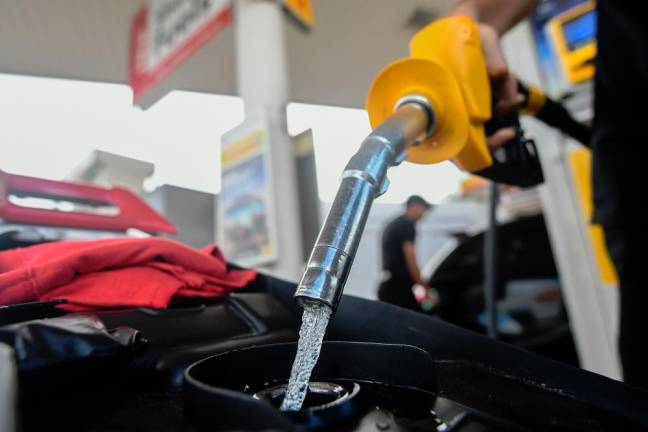
    Indonesia raised subsidized fuel prices by about 30% on Saturday, as the government moves to rein in ballooning subsidies despite a risk of mass protests.

    The price of subsidized gasoline was raised to 10,000 rupiah ($67 U.S. cents) a litre from 7,650 rupiah, while that of subsidized diesel rose to 6,800 rupiah a litre from 5,150 rupiah, energy minister Arifin Tasrif said.

    “I actually wanted domestic fuel prices to remain affordable by providing subsidies, but the budget for subsidies has tripled and will continue to increase,” President Joko Widodo told a news conference.

    “Now the government has to decide in a difficult situation. This is the government’s last option,” said Jokowi, as the president is known.

    Southeast Asia’s largest economy had already jacked up its 2022 energy subsidies to 502 trillion rupiah ($34 billion), triple the original budget, pushed by rising global oil prices and a depreciating rupiah currency.

    If prices were not raised, the budget would have ballooned to 698 trillion rupiah, said Finance Minister Sri Mulyani Indrawati.

    She estimated total energy subsidies would range between 591 trillion and 649 trillion rupiah for this year following the price hike, assuming the average crude price stays between $85 and $100 a barrel the rest of the year.

    High energy subsidies had restrained Indonesia’s inflation, at 4.69% in August, allowing the central bank to delay raising interest rates until last month, well behind regional and global peers.

    Hariyadi Sukamdani, head of the Indonesian Employers Association, said price pressure from the fuel price hike would not be too much, predicting inflation will top 6% at the end of the year.

    “If prices of goods are too expensive, people won’t buy. We can’t raise prices too much,” he said.

    Businesses are using unsubsidised fuels, but the price hike will affect logistics costs, Hariyadi said.

    Still, accelerating inflation could put pressure on Bank Indonesia (BI) to tighten monetary policy more quickly. The bank holds a two-day policy meeting ending on Sept. 22.

    Bank Mandiri economist Faisal Rachman estimated inflation could accelerate to between 6% and 7% and BI could raise the policy rate to 4.25% this year from 3.75% now.

    Faisal forecasts 5% economic growth this year despite the fuel price increase, supported by commodity exports and post-pandemic mobility, adding that the government’s cash distribution could help cushion some of the impact on consumption. The economy grew 5.44% in the April-June quarter.

    The government has allocated an additional 24.17 trillion rupiah for cash handouts to help the poor cope with the policy’s impact, Jokowi said.

    POLITICALLY SENSITIVE

    Fuel prices are politically sensitive in Indonesia, and the changes will have major implications for households and small businesses, as subsidised fuel accounts for more than 80% of state-owned oil giant Pertamina’s sales.

    The last fuel price hike was in 2014, months after Jokowi took office, aiming to free up fiscal space. That sparked protests across the archipelago.

    The opposition Labour Party has arranged a protest involving thousands of workers for Tuesday, chairman Said Iqbal, who also heads a trade union, told Reuters. He called on parliament to pressure the government to cancel the price hike.

    “This will hurt purchasing power,” he said. “Wages have not increased for three years and inflation is bound to rise sharply.”

    Small protests against any price hike, mostly led by students, had erupted in the recent days in several cities.

    After the price hike announcement, Pertamina said it was committed to ensuring adequate fuel supplies nationally. Cars were seen queuing in some stations in the capital Jakarta after the announcement.

    Pertamina, Asia’s biggest gasoline importer, had deferred some of its gasoline deliveries for September ahead of the price hike, due to an expected drop in fuel demand, traders said.

    Decades ago Indonesia was a major oil exporter, becoming a member of the Organization of Petroleum Exporting Countries in the 1960s, but its oil output declined and it turned to net oil importer in the 2000s. Indonesia is still an exporter of gas.

  • Porsche Singapore launches experience studio

    Porsche Singapore launches experience studio

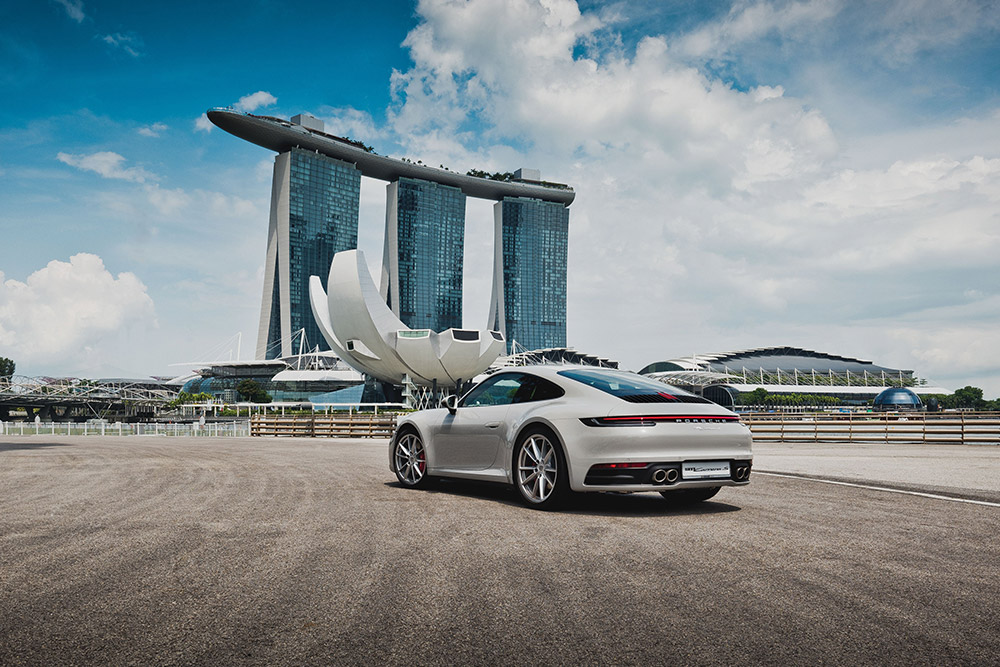
    Porsche Singapore will bring a new experience studio to the city-state, under the partnership with real estate developer GuocoLand.

    The location will open in the second half of next year, at the new Guoco Midtown integrated mixed-use development on Beach Road, near the City Hall, Bugis, and Marina Centre city core districts.

    The company says the concept underscores the brand’s dedication to take it closer to customers in Singapore and provide more customer-centric experiences.

    “Porsche Studio Singapore aims to be a premier brand destination with its convenient city-centre location – a place where fans and customers alike can immerse themselves in new experiences, connecting and exchanging ideas with other likeminded Porsche enthusiasts,” said Andre Brand, GM at Porsche Singapore.

    Porsche Studio Singapore will combine the retail spaces with Porsche car displays, and an integrated F&B experience, along with co-working and community exhibition spaces.

    There are also event spaces available for larger-scale Porsche community gatherings and family reunions.

    “Porsche is the brand for those who follow their dreams, and with Porsche Studio Singapore, we want to dream big and create a space that is both experiential for customers and fans, but also home for us to interact closely with our Porsche community,” Brand added.

    Porsche Singapore also plans to launch a Porsche Now Pop-up at Guoco Tower in the Tanjong Pagar district on January 1.

  • Shein chooses Tokyo for its first permanent store in the world

    Shein chooses Tokyo for its first permanent store in the world

    Fast fashion retailer Shein is set to open its first permanent store in the world – in Japan’s capital Tokyo.

    The store, located in the bustling fashion precinct of Harajuku, will open on November 13.

    Shein’s first brick-and-mortar store will display items and styling that caters to the Japanese market. Spanning 201sqm and two storeys, the store features three fitting rooms and an Instagrammable photo booth.

    Customers can purchase products by scanning the QR code on the tag through the Shein app. However, they cannot purchase on the spot at this store – the products are shipped to their home or office.

    The store announcement follows the launch of the Shein Osaka pop-up store, which will open for three months until January 27. Located in the western metropolis of Osaka, the pop-up store houses nine fitting rooms and displays about 800 items, ranging from men’s and women’s wear to home and pet products.

    Founded in 2008, Shein sells online in more than 150 countries and regions, mainly in the US and Europe, but not its home market China, where it produces its clothing. In February, the company shelved plans for its US market listing, according to Reuters.

  • Diesel Japan opens Ginza flagship

    Diesel Japan opens Ginza flagship

    Italian fashion retailer Diesel has launched its new flagship store in Japan, at Ginza Marronnier Gate 1, Tokyo.

    The shop, which features two floors, is designed by creative director Glenn Martins with red and white as the primary theme colors. Diesel says this renovation reflects a refreshed image and looks under Martins’s creative guidance.

    The first floor’s walls, which are red and white, reflect the brand’s red logo, and the store aims to create a spacious, airy feel by using metal racks that surround it. It also includes a big sofa, modern industrial modules, and resin shelves.

    On the other side, the basement floor also has red and white displays and walls, as well as cutting-edge architectural features. Customers can purchase an all-gender selection of denim, apparel, shoes, bags, and accessories from the Diesel Fall/Winter 2022 collection and runway looks. In addition, products from the Diesel Ginza limited and pre-sale collections are now accessible in the red look that debuted during the Diesel 22FW fashion show in Tokyo in June.

    Diesel has made Japan one of its main markets after spending more than 36 years there. The apparel company debuted its first Asia-sized flagship shop in Ginza in 2008 and its first large-scale global concept store in Tokyo’s Shibuya neighborhood in 2010.

    The brand is also growing in other markets like Singapore, Hong Kong, and Korea. In collaboration with RTG Consulting and Muse Group, Diesel launched China’s world’s first Diesel Hub last year. The 900sqm Hub combines dining and retail, with a restaurant named Diesel Brave Bar occupying nearly a fourth of the area.

  • Vingroup revenues down 5%

    Vingroup revenues down 5%

    Vingroup, Vietnam’s biggest private conglomerate, made total consolidated net revenues of VND88.191 trillion ($3.56 billion) in the first nine months, posting a year-on-year decline of nearly 5%.

    Vingroup gained after-tax profits of VND1.571 trillion, according to its latest consolidated financial statements.

    By the end of September, the firm’s total assets stood at VND555.571 trillion, up 30% against late last year, mainly due to successful transactions among new real estate projects.

    Vingroup said its property segment will continue to grow in the last quarter and next year, and its vehicle sales will rise in the last quarter. Its other segments, including trade center business, tourism, recreation, healthcare and education are also expected to recover.

    Since the beginning of this year, Vingroup has mobilized $760 million from the international capital market, including $625 million worth of international bonds and $135 million from an anti-climate change financial package from the Asian Development Bank.

  • Amazon shares tumble after weak Christmas trading outlook

    Amazon shares tumble after weak Christmas trading outlook

    Amazon on Thursday forecast a slowdown in sales growth for the holiday season, disappointing Wall Street and warning that inflation-wary consumers and businesses had less money to spend.

    Amazon’s 12 per cent extended-trade stock drop erased about $140 billion in its market capitalisation, greater than the entire value of companies such as Morgan Stanley, Netflix and Lockheed Martin.

    For months, the world’s biggest online retailer has fought against troubling macroeconomic tides. It hosted not one, but two cornerstone sales events in a year: Prime Day in July, and the Prime Early Access Sale this month.

    For the summer event, it sold more items than ever before to its Prime loyalty shoppers, and, meanwhile, the company sought revenue from higher Prime subscription fees and a surcharge on some merchants.

    Net sales were $127.1 billion in the third quarter that ended Sept. 30, still a little lower than the $127.5 billion analysts expected, according to IBES data from Refinitiv.

    But the macro outlook has not brightened. In a call with reporters, Amazon Chief Financial Officer Brian Olsavsky said the company was bracing for slower economic growth.

    “We are seeing signs all around that, again, people’s budgets are tight, inflation is still high, energy costs are an additional layer on top of that caused by other issues,” he said. “We are preparing for what could be a slower growth period, like most companies.”

    European consumers in particular have spent less than their American counterparts, pinched by the war in Ukraine and higher fuel costs, which likewise increased Amazon’s expenses, he told reporters and analysts. The company’s international-segment operation loss widened to $2.5 billion in the third quarter from $0.9 billion a year prior.

    While Amazon would continue to fund earlier-stage businesses like its lucrative cloud-computing and advertising divisions, it would question costs elsewhere and proceed carefully on hiring, Olsavsky said.

    Wedbush Securities analyst Michael Pachter said, “It’s possible that retail sales will decline year-over-year. I don’t actually believe that will happen, but the market definitely doesn’t like it.”

    Amazon forecast net sales of between $140 billion and $148 billion, or growth as little as 2 per cent from a year earlier. Analysts were expecting $155.2 billion.

    Prior holiday quarter sales growth was 9 per cent in 2021 and 38 per cent in 2020.

    Across the retail sector, US online sales are expected to rise at their slowest pace in years this holiday season. Consumer goods company Unilever PLC likewise believes “sentiment in Europe is at an all-time low,” its chief financial officer said earlier.

    Results in the tech industry were just as poor this week for cloud-computing rivals Microsoft Corp and Alphabet Inc’s Google, adding to recession fears. US consumer confidence did a U-turn in October.

    “Big tech companies are not impervious to slowdowns in the economy, particularly if they are consumer driven,” said Rick Meckler, partner at Cherry Lane Investments in New Jersey.

    Amazon Web Services (AWS), the company’s lucrative data-storage and computing division serving enterprises, only helped so much. While it provided much-needed operating income, just like rival Microsoft’s Azure cloud, Amazon fell short of estimates.

    Amazon’s cloud sales growth has ticked down consistently in the past year. Net sales there grew 28 per cent in the July-September period versus 39 per cent a year earlier, when adjusted for changes in foreign exchange.

    Paolo Pescatore, analyst at PP Foresight, said, “With so much unpredictability there is huge concern, which is impacting confidence among enterprises to invest. In turn, it is hitting the broader cloud sector and companies such as AWS and Azure.

    Facing high inflation and receding consumer demand, Amazon’s Chief Executive Officer Andy Jassy has raced to control costs across the company’s vast array of businesses.

    Amazon has slowed warehouse openings and refrained from filling some open positions. It announced it would shut down its virtual healthcare service by year-end, and it is scaling back a long-touted effort to deliver goods via small autonomous sidewalk cars

    Still, worldwide shipping costs grew 10 per cent in the third quarter to $19.9 billion. Amazon’s net income also decreased to $2.9 billion in the third quarter, while beating analysts’ average estimate of a $2.2 billion profit, according to IBES data from Refinitiv.

    In a statement, Jassy said, “There is obviously a lot happening in the macroeconomic environment, and we’ll balance our investments to be more streamlined without compromising our key long-term, strategic bets.”

  • Carlyle eyes investing in Malaysia’s Caring Pharmacy

    Carlyle eyes investing in Malaysia’s Caring Pharmacy

    Multinational private equity investor Carlyle Group is reportedly in talks with Caring Pharmacy to acquire a majority stake in the Malaysian drugstore chain.

    According to DealStreetAsia, the deal is projected to reach more than US$300 million in size.

    Earlier this year, Caring Pharmacy’s majority owner, 7-Eleven Malaysia Holdings was said to be in talks with several potential Japanese investors about a potential divestment of Caring Pharmacy. The chain was previously estimated to be worth around US$400 million.

    Established in 1994 by five pharmacists who were course-mates in the School of Pharmacy at Universiti Sains Malaysia (USM), Caring offers pharmaceuticals, healthcare, and personal care products. As of 2019, the company had more than 120 stores nationwide.

    7-Eleven Malaysia recently forayed into the Indonesian pharmacy business through a joint venture between Caring Pharmacy and PI Era Prima Indonesia.

  • Vietnam Jan-Oct rice exports at 6.1 mln tonnes

    Vietnam Jan-Oct rice exports at 6.1 mln tonnes

    Vietnam’s rice exports in the January-October period are estimated to have risen about 17.2% from a year earlier to 6.07 million tonnes, government data showed on Saturday.

    Revenue from rice exports in the period is seen up 7.4% to $2.7 billion.

    October rice exports from Vietnam, one of the world’s leading shippers of the grain, likely totalled 700,000 tonnes, worth $334 million.

  • GM Temporarily Halts Paid Advertising On Twitter

    GM Temporarily Halts Paid Advertising On Twitter

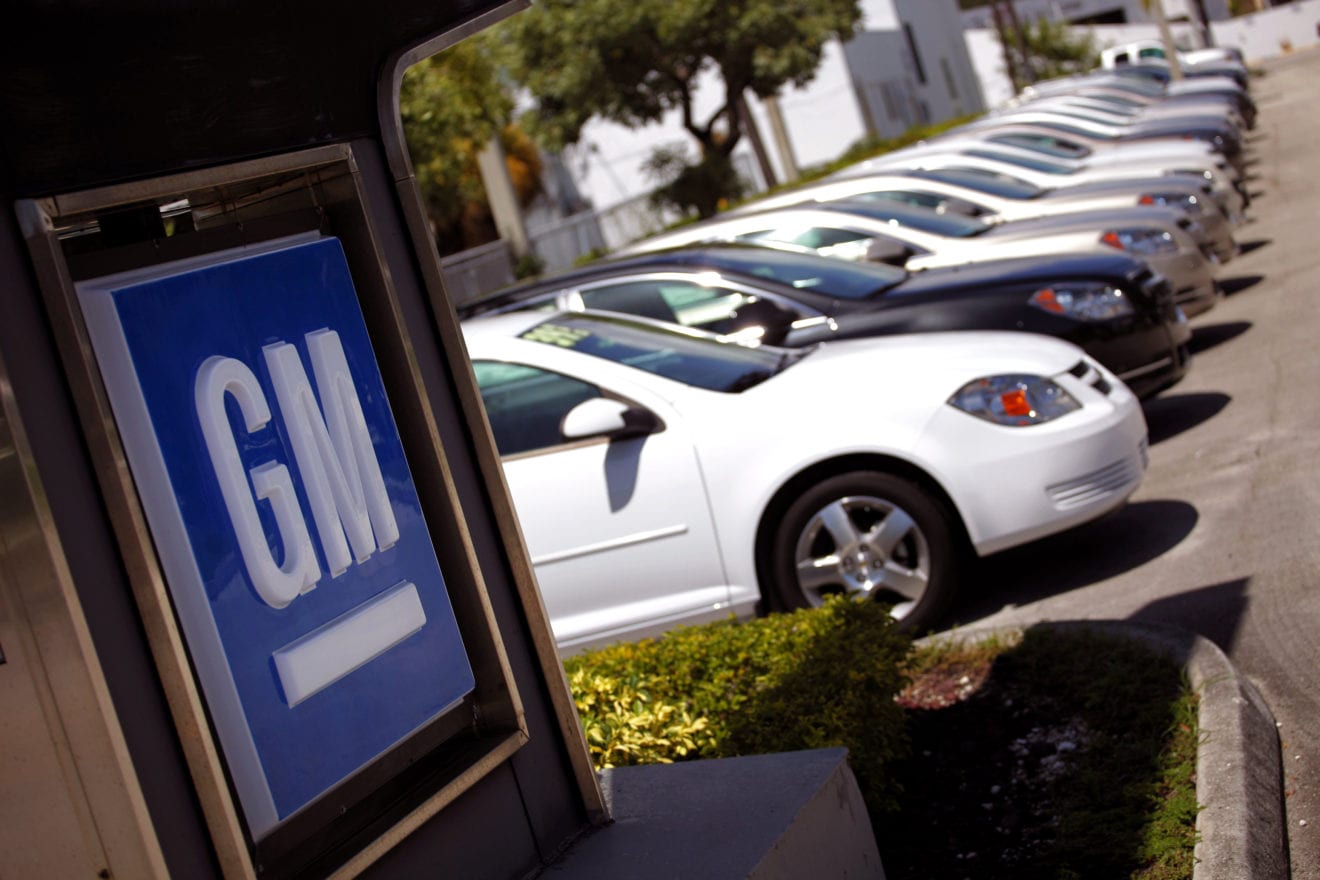
    General Motors Co said late on Friday it had temporarily halted paid advertising on Twitter after Elon Musk completed his takeover of the social media company.

    The largest U.S. automaker said it was “engaging with Twitter to understand the direction of the platform under their new ownership.”

    Twitter did not immediately respond to a request for comment. Musk is also the chief executive of GM rival Tesla Inc.

    GM said, “as is the normal course of business with a significant change in a media platform, we have temporarily paused our paid advertising.” The Detroit automaker added its “customer care interactions on Twitter will continue.”

    Ad sales accounted for more than 90% of Twitter’s revenue in the second quarter. At a presentation for advertisers in May, some ad agencies and brands were already sceptical and concerned over Twitter’s future.

    On the eve of the deal’s closing, Musk appealed directly to advertisers in an open-letter tweet: “Twitter obviously cannot become a free-for-all hellscape, where anything can be said with no consequences! Twitter aspires to be the most respected advertising platform in the world that strengthens your brand and grows your enterprise.”

    Musk tweeted on Friday that Twitter will form a content moderation council “with widely diverse viewpoints.” Musk said no major content decisions or account reinstatements will happen before the council convenes.

  • Ford Fiesta Production To End In June 2023

    Ford Fiesta Production To End In June 2023

    There has already been speculation about it, now it’s official. After 47 years and over 18 million units, production of the Ford Fiesta will end in the summer of 2023, as electric vehicles are on the brand’s agenda in the future. Developed as the “Bobcat” project, the first Ford Fiesta was launched in 1976. Developed at a cost of billions, a plant was built especially for the small car in Valencia, Spain. Pony, Bambi, Metro or Sierra were discussed as alternative names, and Henry Ford II finally decided in favour of Fiesta.

    The seventh generation of the Ford Fiesta got a major facelift in 2021, but with the elimination of the three-door model a year later, it was already clear that the future would not look very rosy. Ford is now officially confirming that the Fiesta will end at the end of June 2023 at the Cologne plant. Until the end of production, only 5-door versions of the Fiesta will roll off the assembly line.

    All Ford Fiesta customer vehicles already ordered will be built and delivered. However, one cannot say exactly how long that will be, but one will ensure that Ford dealers are provided with the most up-to-date information that they can pass on to their customers. In addition, with the termination of Fiesta production, the production of combustion engines at the Cologne plant will also be phased out. The production volume of the 1.0-litre petrol engine, which is currently still being manufactured in the Cologne engine plant for other Ford locations, will be relocated to the engine plant in Craiova/Romania.

    The Ford Fiesta entered the Indian market back in 1999 as the Ford Ikon sedan in its fourth-generation avatar. It employed a powerful 1.6-litre petrol engine while later in its fifth generation, it was launched under the Fiesta moniker. It was joined by the Ford Fiesta S variant with a retuned suspension and a few other tweaks for responsive handling. Later when the sixth generation Ford Fiesta arrived, the car debuted the new 1.5-litre Ti-VCT engine along with improved safety features. However, due to poor reception, by 2015, Ford pulled the plug on the Fiesta sedan in India and missed out on receiving the Ford Fiesta hatchback altogether.

  • Unilever downbeat on Europe, China consumer sentiment

    Unilever downbeat on Europe, China consumer sentiment

    Unilever on Thursday gave a dire assessment of consumer sentiment in Europe and China, two of its key markets, but raised its full year sales forecast as it lifted prices to counter soaring costs.

    Like the rest of the consumer goods industry, Unilever’s margins have been squeezed since the start of the war in Ukraine that has pushed up costs of energy and key ingredients. As a result, the company has raised prices sharply.

    “Consumer sentiment in Europe is at an all time low,” Chief Financial Officer Graeme Pitkethly told reporters, warning of fears of a “confluence of events” in Europe with energy prices and inflation rising and consumers’ savings waning.

    Shoppers around the world paid 12.5 per cent more for Unilever products in the quarter, with sales volumes declining 1.6 per cent. The company reported a better-than-expected increase in third-quarter sales.

    “Both the premium segments of the market and the value segments of the market are actually growing quite quickly, at an equivalent rate,” Pitkethly told journalists.

    But inflation and the promise of austerity in some countries has prompted a cost-of-living crisis that is pushing some people towards cheaper alternative products, such as private label goods made by retailers.

    “The basic needs of our European consumers are occupying a higher share of wallets – things like utilities, transportation and food – and there tends to be cut back on discretionary non-food items.”

    Unilever makes more than 400 brands ranging from Persil detergent to Ben & Jerry’s ice cream.

    In China, Unilever’s third biggest market, sales grew by 1 per cent.

    “The China number, 1 per cent, was in fact a competitive performance in a Chinese market that is still quite subdued by continued lockdowns in China,” Pitkethly said, adding that confidence in China is lower relative to historical norms and that Unilever was not as able to increase prices in the country.

    The maker of Knorr stock cubes reported underlying sales growth of 10.6 per cent. Analysts had expected growth of 8%, a company-provided consensus showed.

    Unilever said it now expects underlying sales growth for the full year 2022 to be above 8%. In July, the company said it had expected to beat its previous forecast for full-year underlying sales growth of 4.5% to 6.5 per cent.

  • FedEx drafts on-ground team in Cambodia

    FedEx drafts on-ground team in Cambodia

    Recent data show that economic recovery in Cambodia is gathering speed with first-half exports up 20 percent over the same period last year, reaching US$27 billion.

    With this, FedEx Express is establishing a direct commercial presence in Cambodia, to meet the country’s growing international shipping demands.-

    FedEx has been operating in Cambodia since 1994, offering international shipping services through local company TSP Express.

    With a direct presence in the country, local customers will now have access to a range of digital tools for easier and more efficient shipping through the FedEx website. This includes opening a new account, tracking shipment status in real time, creating shipping air waybills, scheduling courier pickups, and managing billing.

    FedEx will now have dedicated sales and customer service team members on ground to interact and provide enhanced logistics expertise to help local businesses grow their cross-border trade.

    “FedEx continues to enhance its presence and services in emerging Southeast Asia markets like Cambodia to support the growth of small and medium sized enterprises (SMEs),” said Kawal Preet, president of the Asia Pacific, Middle East, and Africa at FedEx Express.

    “Many of Cambodia’s biggest trading partners are located beyond the Asia region, in North America and Europe making a network like ours essential to provide greater access to international markets.”

    “We’re making shipping easier for Cambodian customers as they look to export to more international markets,” added Hardy Diec, managing director, FedEx Express Indochina.

  • AirAsia India announces 21 weekly direct flights connecting new routes

    AirAsia India announces 21 weekly direct flights connecting new routes

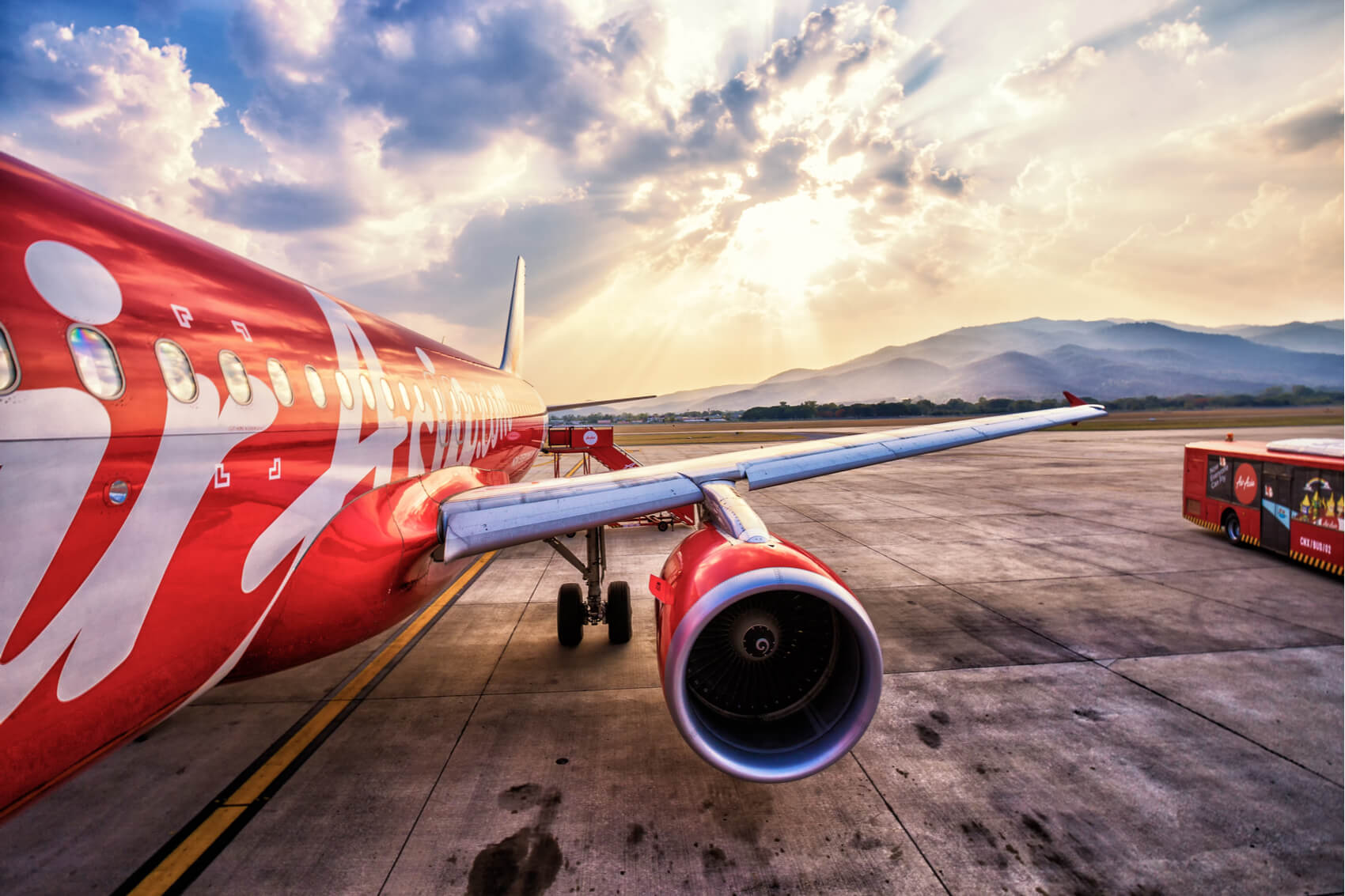
    Air Asia India announced that it would commence 21 weekly direct flights connecting Delhi to Bhubaneswar, and Bengaluru to Jaipur, from October 30, as part of its winter schedule.

    The new routes are now open for bookings on the airline’s website, mobile app, and other major booking channels.

    The launch of these routes is in line with AirAsia India’s aim to bolster connectivity and consistently provide secure and streamlined operations for guests, the airline said in a statement.

    The airline recently expanded its presence to Lucknow and operates 112 weekly direct flights connecting Bengaluru, Goa, Delhi, Kolkata and Mumbai.

    AirAsia India connects its hub Bengaluru with direct flights to Lucknow, Delhi, Mumbai, Kolkata, Kochi, Goa, Guwahati, Bagdogra, Ranchi, Visakhapatnam, Hyderabad, Chennai, and Jaipur.

    There are direct flights connecting its other hub Delhi with Lucknow, Srinagar, Bengaluru, Mumbai, Kolkata, Kochi, Goa, Guwahati, Bagdogra, Jaipur, Ranchi, Visakhapatnam, and Bhubaneswar.

  • Vietnam digital economy growth expected to be highest in Southeast Asia

    Vietnam digital economy growth expected to be highest in Southeast Asia

    Vietnam will achieve the highest growth in the digital economy in Southeast Asia between 2022 and 2025, a report by Google, Temasek and Bain & Company has forecast.

    It will grow at 31% followed by the Philippines with 20% and Indonesia with 19%, according to e-Conomy SEA 2022.

    Vietnam’s digital gross merchandise volume is likely to reach US$23 billion this year, third highest in the region behind Indonesia’s $77 billion and Thailand’s $33 billion.

    But with the rapid growth projected, it is expected to double by 2025 to $49 billion.

    The main contributors to Vietnam’s digital economy this year are e-commerce ($14 billion) online media ($4.3 billion) and transport and food ($3 billion).

    Vietnam’s high-quality workforce in the technology sector and the increasing penetration of digital services in urban and rural areas promise a strong foundation for the digital growth of the country, Stephanie Davis, vice president of Google Southeast Asia, said.

    billion USDVietnam’s digital economy size1313181823234949Gross merchandise value2019202120222025102030405060

    Vietnam is likely to attract the most investors in the 2025-30 period, according to a survey of venture capital investors in the third quarter by Bain & Company, with 83% of them expecting an increase in deal activity compared to now.

    In a report earlier Meta said eight out of 10 of Vietnamese are digital consumers.

    Vietnam is also among the top countries in future technology adoption such as fintech and metaverse.

    Virtual reality adoption in Vietnam is 29%, the highest in Southeast Asia, it said.

  • Vietnam contributes to Apple’s sales boom

    Vietnam contributes to Apple’s sales boom

    Apple’s chief financial officer said iPhone sales was particularly impressive in several large emerging markets, including Vietnam.

    Luca Maestri as saying Saturday: “We set September quarter records in the vast majority of markets we tracked. And our performance was particularly impressive in several large emerging markets, with India setting a new all-time revenue record and Thailand, Vietnam, Indonesia and Mexico more than doubling yearly.”

    Apple’s fourth financial quarter ended when iPhone 14 was just launched. Strong growth in iPhone sales in large emerging markets contributed to the company’s revenues of US$90.1 billion and profit of $20.7 billion during the quarter.

    For the full fiscal year revenues were $394.3 billion, up 8% from the previous year.

    Apple CEO Tim Cook said: “Across nearly every geographic segment, we reached a new revenue record for the quarter.”

    Recently Vietnamese retailers reported a boom in iPhone sales, with FPT Shop, The Gioi Di Dong, and CellphoneS seeing huge sales of the 13 Pro Max, which costs more than VND30 million ($1,200).

    The manger of a retail chain said the second and third quarters are usually the slowest in the smartphone market, but the discount and other promotions to clear stocks to prepare for the iPhone 14 have helped older models achieve bigger sales.

    Experts predicted strong growth for Apple in the last quarter, with the iPhone 14 continuing to sell well.

    However, the management acknowledged it is difficult to buy the 14 Pro and Pro Max models because production speed has not caught up with demand in many markets.