Tag: asia

  • DHL Supply Chain launches direct-to-consumer solution

    DHL Supply Chain launches direct-to-consumer solution

    DHL Supply Chain has partnered with digital commerce agency Tryzens, to offer brands a rapid-start, scalable and cost-effective direct-to-consumer (D2C) route to market.

    The solution, named ConsumerDirect, was created to simplify access to digital and supply chain capabilities. It is intended to make entry into D2C simple and low risk for established brands that are currently selling through wholesale or retail channels. From consultation and initial setup, through to navigating the hurdles of acquiring a direct customer base, the partners will launch digital storefronts and reconfigure the supply chain to help brands launch D2C solutions that can scale with them as they grow. In addition, Tryzens and DHL will support the growing demand for capabilities such as subscriptions, personalization of products and packaging and sustainable solutions.

    The solution is intended to enable brands to operate a D2C solution through DHL’s infrastructure and range of services, alongside its wholesale B2B supply chain. With low entry costs and a pay-as-you-grow mechanism, the solution is expected to diminish the pain of investment risk, especially while the D2C channel is being established.

    Since 2018, the companies have observed an increasing number of consumer and retail brands establishing direct e-commerce channels to reach their customers, ensure supply, increase customer loyalty, understand consumer behavior and improve margins. The ConsumerDirect proposition from DHL and Tryzens enables brands to reach their customers across the world with a high-quality end-to-end experience, without great commercial risk or investment.

    Alex Hislop, chief customer officer of DHL Supply Chain UK and Ireland, said, “We are delighted to be partnering with Tryzens, who bring further strength to our one-stop-shop, local and global fulfillment solution. In the market, there is often a misconception that for established consumer goods brands the transition to selling direct is simple, but compared with pureplay online retail, it can be a real challenge to reconfigure supply chains to improve agility and flexibility, build brand loyalty and deeper customer relationships, and maintain important wholesale and retail channel relationships. That’s why we’ve established our partnership with Tryzens; both businesses understand that complexity and bring complementary expertise to guide brands on the entire digital and physical journey.”

    Andy Burton, CEO of Tryzens, said, “The ability for brands to directly engage with consumers not only provides an additional means of selling their products but enables real insight to be gleaned and customer loyalty maintained. D2C provides a channel for building brand reputation and controlling the narrative in differentiating a brand’s products from others in the mind of the consumer. The consumer promise is made up of online shopping, the real-world fulfillment experience and the product quality experience, so we at Tryzens are truly proud to be working with DHL as global leaders in supply chain management to offer the market a comprehensive and cost-effective solution for brands to launch swiftly and scale their D2C capability with the full assurance that the promise they provide to market can be fulfilled.”
  • AirAsia X announces more medium-haul flights

    AirAsia X announces more medium-haul flights

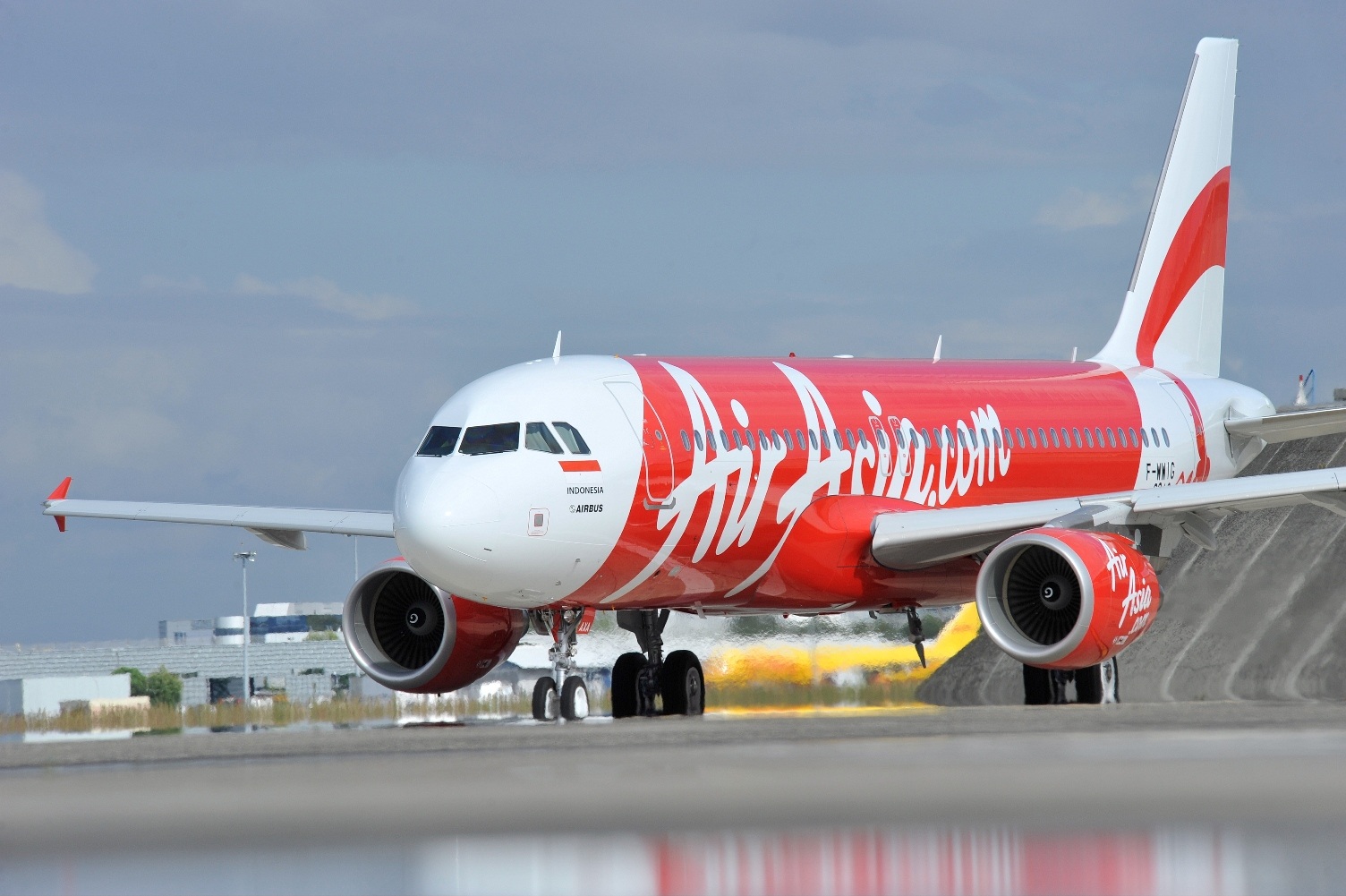
    AirAsia X is increasing the number of its medium-haul Malaysian flights to 44 per week across 10 routes, while Thai AirAsia X will also be expanding its operations to 22 flights a week across five routes in the next two months.

    AirAsia X has recently launched direct services from Kuala Lumpur to South Korea (Seoul-Incheon) and India (New Delhi), and resumed services to Australia (Sydney, Melbourne and Perth), New Zealand (Auckland), and Japan (Tokyo-Haneda and Sapporo-Chitose).

    In a statement on Tuesday (Oct 18), the group also confirmed new flights to Saudi Arabia (Jeddah) and Taipei starting November.

    Meanwhile, Thai AirAsia X has launched services from Bangkok to Japan (Osaka and Tokyo-Narita) and South Korea (Seoul-Incheon), and is preparing to launch new direct flights to Australia (Melbourne and Sydney) and Japan (Sapporo-Chitose) in early December.

    AirAsia X said all furloughed pilots and retrenched cabin crew members will have the opportunity to be back in the sky by December.

    “Since the pandemic, AirAsia X has already reactivated 175 pilots and 285 cabin crew members, including rehiring 131 cabin crew members who were retrenched during the pandemic,” it said.

    AirAsia X Bhd chief executive officer Benyamin Ismail said the airline currently operates four widebody A330 aircraft, and expects to be operating up to 13 aircraft by the first quarter of 2023 (1Q2023) to meet strong and growing demand for medium-haul flights.

    “In December, we will not only be adding more destinations, but also increasing our flight frequencies on popular routes, such as moving to daily services between Kuala Lumpur and Seoul (Incheon), to fly a total of 53 flights weekly.

    “Medium-haul air travel is recovering fast, and we intend to leverage this opportunity to drive sustainable growth of AirAsia X, providing consumers with greater value and choice,” he said.

    According to Benyamin, the airline has been seeing strong forward bookings for the routes, and will be resuming more services in its core markets, such as Auckland, Melbourne, Perth, Taipei, Tokyo (Haneda) and Sapporo in the next two months.

    “Our forward-booking trends remain very encouraging across all key metrics, with higher year-on-year load factors and average fares through 1Q2023.

    “We also anticipate strong uptake of our new flights to Istanbul, Türkiye, which will be announced soon, and would like to thank Malaysia Airports for their support and cooperation.

    “We look forward to flying to the Istanbul Sabiha Gökçen International Airport in the near future,” Benyamin added.

  • Coles expands drone-delivery service into southeast Queensland

    Coles expands drone-delivery service into southeast Queensland

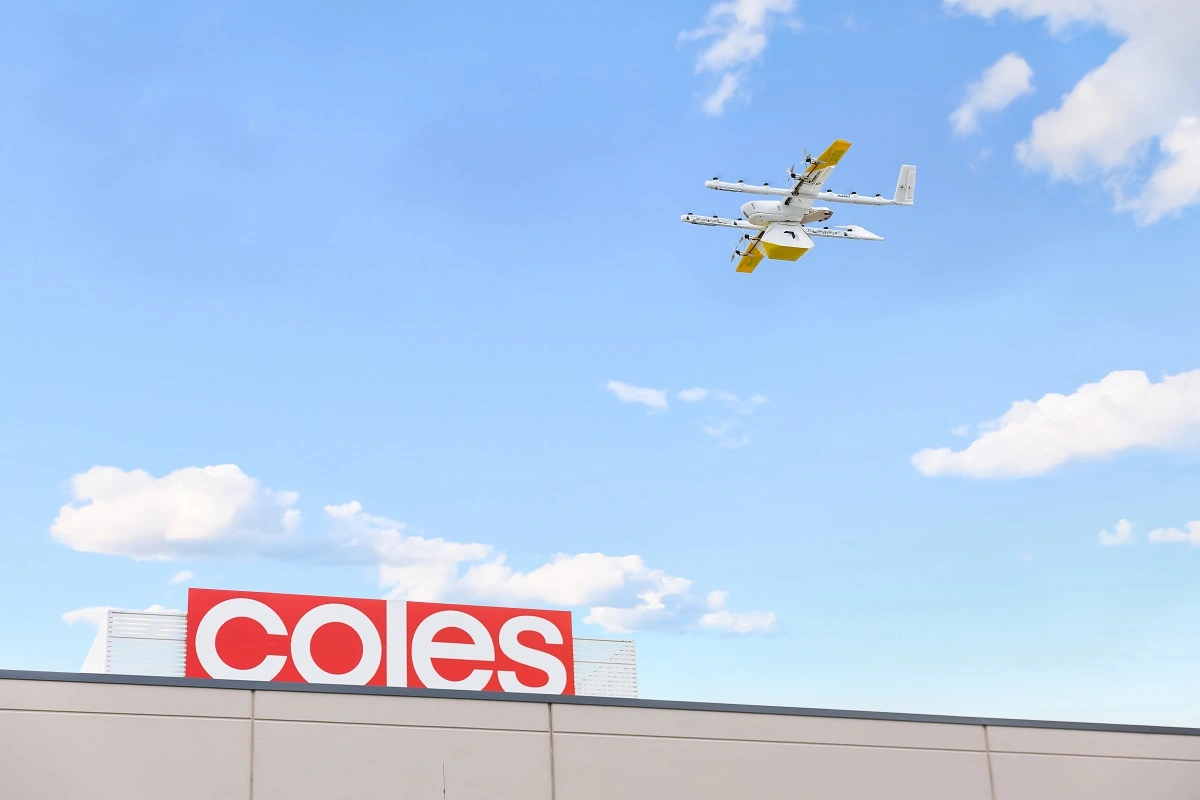
    Coles has announced it will offer drone delivery of groceries to customers’ homes in South East Queensland, with a trial set to launch next week. The supermarket chain will be the first major retailer to offer drone delivery, partnering with drone company, Wing, to launch the new service.

    From Wednesday, November 2nd, customers in the Gold Coast suburbs of Ormeau, Ormeau Hills, and Yatala will be among the first to pilot the store-to-door drone delivery model, offering grocery delivery in minutes, directly from the Coles store at Ormeau Village Shopping Centre.

    Coles says the service will gradually expand to include other nearby suburbs, delivering 500 of the most popular Coles grocery items, including bread, fresh produce, convenience meals, snacks, health care items, and household essentials.

    Coles is the first major Australian retailer to trial the new ‘store-to-door’ drone delivery model, with a dedicated fleet of Wing delivery drones to be co-located in the Coles store car park.

    Coles team members will process and pack orders, and Wing staff will load the drones and oversee operation of the delivery service.

    Coles Head of Network Development and Customer Delivery, James Geddes said Coles was proud to expand its partnership with Wing with the first-ever store-to-door drone delivery concept in Australia.

    “We are delighted to be expanding our drone delivery pilot program with Wing to our Queensland customers. The service will provide a convenient and effective way of delivering everyday essentials to our customers’ homes in a matter of minutes,” Mr Geddes said.

    “Customers can now get those urgent items they need in a hurry, delivered by drone, directly from the local Coles Ormeau Village store. Whether they’ve forgotten to pick up a loaf of bread or fresh milk during their weekly shop or are missing an ingredient for dinner-time meal prep or school lunches, they can now get those products delivered quickly, without having to drive to the store.

    “This new service reinforces our commitment to enhancing the way our customers shop with Coles by delivering anytime, anywhere, anyhow shopping, while supporting our ambition to be Australia’s most sustainable supermarket by continuing to reduce the number of trucks on the road.”

    The Coles drone delivery expansion into Queensland follows a pilot program launched in Canberra earlier this year, where Coles co-located its products at Wing’s drone delivery facility.

    Since the Canberra pilot program began in March, more than 5,000 Coles deliveries have been made through Wing, with some of the most popular items including fresh fruit, milk, bread, and eggs, along with confectionery, snacks, and cold drinks.

    As part of the expansion into South East Queensland, Wing will also soon be offering Coles items for delivery from the rooftop of Grand Plaza in Logan, Queensland, where it has been operating a drone delivery service for selected on-site businesses, for just over a year.

    Wing Australia General Manager, Simon Rossi said the company was investing in a range of pilot programs, designed to help enable drone delivery at scale, and bring delivery to more Australians.

    “We’re excited to be teaming up with Coles on this Australian first store-to-door drone delivery service, helping to expand the delivery options available to Coles customers by bringing affordable, sustainable, and fast drone delivery to the skies of South East Queensland,” Mr Rossi said.

    “Since launching our drone delivery service in Logan a few years ago, we’ve heard from customers across South East Queensland who are keen to see drone delivery expand to their region. We’re delighted that through this pilot program with Coles, for the first time, drone delivery will be available to residents in the City of Gold Coast.”

    Customers can download the Wing app (available from the App Store or Google Play), enter their address, and add items to their cart before submitting their order for fulfilment.

    Upon arrival, the drone hovers in the air and slowly lowers the package to the ground at the customer’s delivery location for a contactless delivery.

    Wing drone delivery from Coles in Ormeau will be available from 9am to 4:30pm Tuesday to Sunday.

  • UBS Profits Lower on All Fronts

    UBS Profits Lower on All Fronts

    Faced with a variety of challenges, UBS saw profits contract in all of its major units. Switzerland’s largest bank booked a net profit of $1.733 billion in the third quarter, helped by rising interest rates around the globe and expense controls contributing to the solid performance in the third quarter. Nevertheless, profits are 24 percent lower than in the same period a year ago, UBS said in a statement.

    Although pre-tax profit fell 19 percent from a year ago to $2.3 billion, it was the ninth consecutive quarter they were above $2 billion.

    The macroeconomic and geopolitical environment has become increasingly complex. Clients remain concerned about persistently high inflation, elevated energy prices, the war in Ukraine, and (the) residual effects of the pandemic. In Switzerland, many of our retail and small business clients will also be impacted by disruptions across the rest of Europe,» said UBS CEO Ralph Hamers.

    On a diluted basis, earnings per share were $0.52 in the third quarter after $0.61 in the second and $0.63 in the third quarter of 2021.

    Pre-tax profits in Global Wealth Management (GWM) were $1.5 billion, down 4 percent from the same year-ago period, while falling 7 percent during the first nine months of the year. The results are well below UBS guidance of 10-to-15 percent for the cycle

    Despite the challenges, the world’s largest wealth manager could still attract net new money. In the third quarter, the GWM unit took in $17.1 billion of net new money, bringing the total to  $36.9 billion for the first nine months of the year.

    Fee-generating assets fell to $1,182 trillion in the third quarter, marking a 5 percent contraction from the $1.244 trillion in the second quarter and a drop of 16 percent from the $1.412 trillion a year ago.

    GWM revenues fell 4 percent compared to a year ago to $4.8 billion, which included a $133 million gain from the domestic wealth management business in Spain and $86 million from the disposal of UBS Swiss Financial Advisors. There was also a $100 million gain from the sale of its domestic wealth management business in Austria.

    Central banks raising their interest rates helped the unit as well which saw net interest income increase 23 percent, even though overall deposits decreased, driven by higher deposit revenues, the result of rising interest rates.

    In the Asset Management unit, net new money was $17.9 billion.

    The bank bought back $1.0 billion of its shares during the third quarter, bringing the year-to-date total to $4.3 billion, with a total buyback of $5.5 billion planned for 2022.

    UBS reported a Tier 1 capital ratio of 14.4 for the third quarter, down from 14.9 a year ago, although slightly higher than the 14.2 in the second quarter. It had a CET 1 leverage ratio of 4.51 percent, with both third-quarter figures exceeding guidance of around 13 percent and above 3.7 percent respectively.

    The bank’s return on CET 1 capital was 15.5 percent in the quarter and 17.8 percent through the first nine months of the year, within the guidance range of 15 to 18 percent.

    The number of full-time employees (FTEs) stood at 72,009 at the end of the third quarter, up from 71,294 in the second quarter, and higher than the same quarter a year ago when the number of FTEs was 71,427.

    Despite the higher headcount, personnel costs fell by $282 million to $4.2 billion, driven by lower compensation for financial advisors.

    UBS expects that the muted private client sentiment in activity evident in the third quarter may continue in the fourth quarter in the face of myriad economic and geopolitical challenges.

    Lower asset values will hurt UBS’s recurring net fee income, while the weak client sentiment may affect net new assets in the asset-gathering business. On the other hand, higher interest rates are expected to positively impact net interest income.

  • Jio Debuts 5G-Powered Wi-Fi

    Jio Debuts 5G-Powered Wi-Fi

    To enable 5G-for-all, Reliance Jio has introduced JioTrue5G-powered Wi-Fi services in high-footfall areas such as educational institutes, religious places, railway stations, bus stands, commercial hubs and more. This is in addition to the JioTrue5G service and the Jio Welcome Offer, launched recently in Delhi, Mumbai, Kolkata, and Varanasi. Jio teams are working round the clock to make additional cities go live and increase the availability of True5G-ready handsets.

    As a Shubh-Aarambh, along with JioTrue5G services, Jio has started JioTrue5G-powered Wi-Fi services in the temple town of Nathdwara, in Rajasthan.

    Akash M Ambani, chairman, Reliance Jio Infocomm Limited, said, “Service to humanity is one of the most endearing facets of Indian culture, the roots of which can be found in our socio-religious traditions. As stated earlier, 5G cannot remain an exclusive service to the privileged few or those in our largest cities. It must be available to every citizen, every home, and every business across India. This is a step in that direction to enable every Indian with JioTrue5G.”

    “Today, we have powered the first True5G-enabled Wi-Fi service at the holy town of Nathdwara and the temple of Lord Srinath Ji. With this, we will power many more such locations and allow them to trial our services. In addition, we welcome Chennai as our latest city to be added to Jio True5G Welcome Offer.”

  • Indonesian F&B startup Dailybox enters Singapore

    Indonesian F&B startup Dailybox enters Singapore

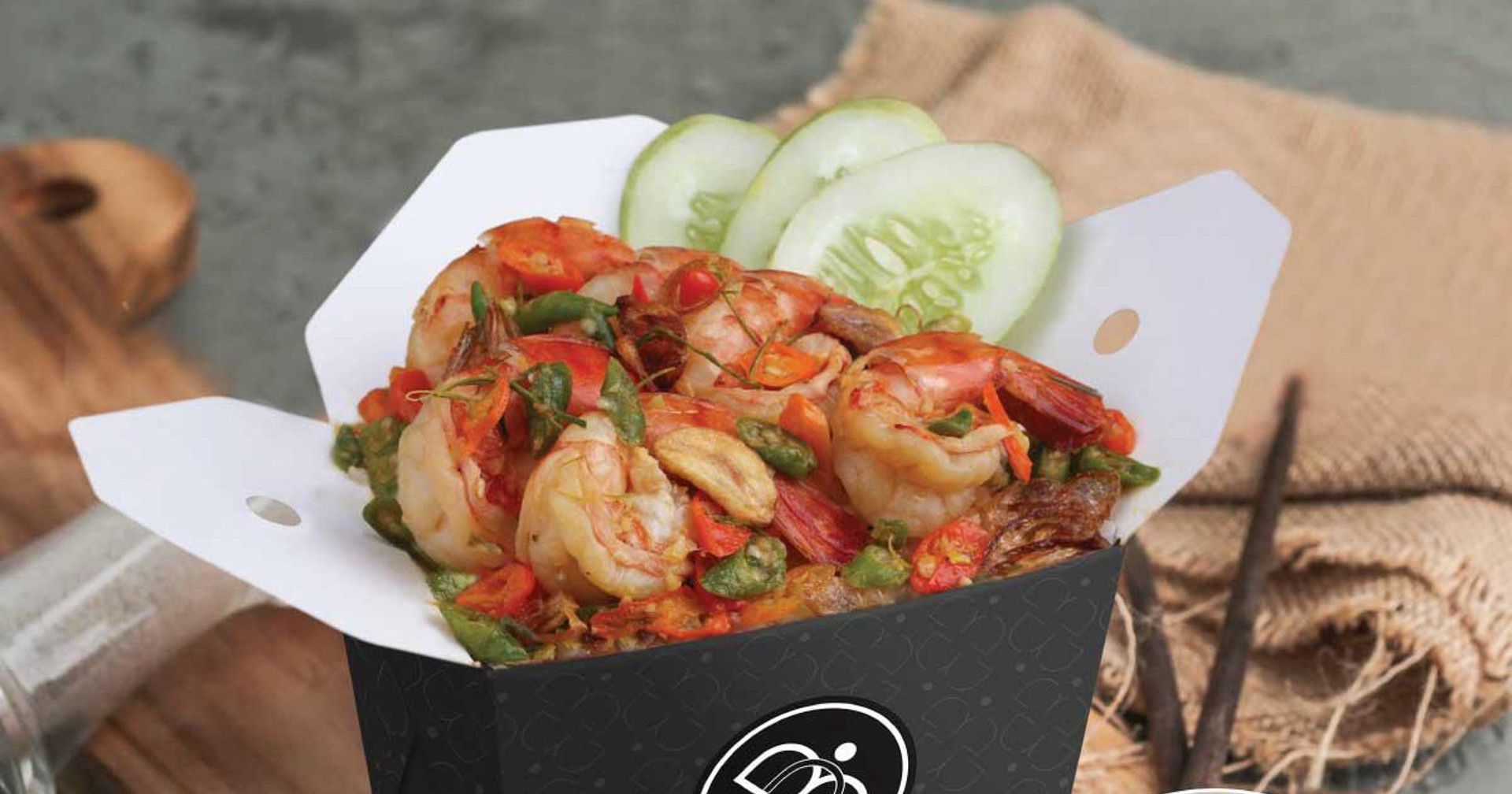
    An Indonesian-based online restaurant startup, Dailybox, opened a new kitchen in Singapore. Various Indonesian dishes can now be ordered through GrabFood delivery service in Singapura.

    Dailybox Group CEO Kelvin Subowo explained that they decided to expand business to Singapore due to dependence of the SIngporean toward food delivery services. Survey showed that nearly half of the Singapore population, or around 2.5 million people, used food delivery services in the country in 2021.

    The number is expected to increase to 3.6 million in 2025. In additio, consumers in the west area of the city-state reportedly want more variations of non-local food.

    “Jurong is one of the densely populated areas. Unfortunately, F&B merchant in this location does not vary. To meet the consumers need, Dailybox joins and becomes one of the  F&B merchants in Supply Chain City area,” Kelvin said Friday, Oct. 21.

    Dailybox Group head of product, Arcad Fadillah, said that through the new opening, his side could introduce to the Singaporean public that Indonesian dishes are not only nasi goreng or sate ayam (chicken satay). “A number of best Indonesian cuisines from Padang, Manado, Bali, Lombok, and Java areas have become featured dishes at Dailybox Jurong,” he said.

    Dailybox is available in Supply Chain City, Jurong. It offers more than 20 menus from various Indonesian regions, namely tongseng kambing of Central Java, ayam woku and rica-rica from Manado, gulai ikan from Sumatra, until bakwan sayur and tempe mendoan with various traditional sambals.

    “For the people of Singapore who like vegetables, we introduce Pecel dish with Javanese peanut sauce. We also have Ayam Taliwang from Lombok that will definitely be favored by spicy food lovers,” Arcad said.

    Established in 2018, Dailybox created rice menu with Indonesian and international dishes. It debuted as a rice box provider before adopting a cloud kitchen business and partnering with food delivery service providers.

  • Ray-Ban maker EssilorLuxottica sees “good surprise” performance in Asia

    Ray-Ban maker EssilorLuxottica sees “good surprise” performance in Asia

    EssilorLuxottica reported a rise in its third-quarter revenues on Friday as the world’s biggest eyewear maker saw a rebound in sales in the Asia-Pacific region and slight growth in North America.

    The French-Italian company, which makes Oakley and Ray-Ban sunglasses, reported revenue of 6.39 billion euros ($6.24 billion) for the three months to Sept. 30, up 8.2% on the year at current exchange rates.

    Asia-Pacific was the group’s fastest-growing region with a 22.7% revenue rise in the quarter at constant exchange rates to 761 million euros.

    The retail business in particular bounced back strongly in the region, EssilorLuxottica said, after a negative second-quarter performance hit by COVID-19 lockdowns in mainland China.

    Sales in North America, the company’s biggest market, increased by 3.4% to 3.01 billion euros at constant exchange rates, driven by the direct-to-consumer division, the group said.

    “It’s a solid and reassuring publication,” Stifel analyst Cedric Lecasble told Reuters, noting a “resistant” performance in North America and a “good surprise” in other regions, notably Europe amid the macroeconomic downturn and Asia.

    While EssilorLuxottica’s broad consumer base in the United States and Europe exposes it to macro pressures in those regions, it is more insulated from inflation than peers in the discount eyewear business thanks to its luxury licences, Bernstein analyst Luca Solca said.

    EssilorLuxottica makes glasses for brands such as Chanel and Prada, among others.

    Despite concerns that the luxury industry’s post-pandemic boom could be cooling, Birkin bag maker Hermes on Thursday said there were no signs of a slowdown so far as U.S. shoppers took advantage of the dollar’s strength in Europe and China rebounded sharply, echoing earlier comments from Louis Vuitton owner LVMH.

    EssilorLuxottica’s shares were down 1.8% at 0743 GMT, slightly underperforming France’s blue-chip index CAC 40 that fell 1.2%.

  • Refresco expands into Australia with Tru Blu acquisition

    Refresco expands into Australia with Tru Blu acquisition

    Refresco Group, the global independent beverage solutions provider for Global, National and Emerging (GNE) brands and retailers in Europe and North America, today announces it has entered into an agreement to acquire Tru Blu Beverages Pty Ltd. (“Tru Blu Beverages”), one of Australia’s leading manufacturers of non-alcoholic beverages. This transaction is subject to regulatory approval.

    “Today’s announcement is a testament to our proven Buy & Build strategy. We started with one factory in Europe just over two decades ago and steadily built a diversified, pan-European platform. Only six years ago, we took our first step into North America. We now operate over 70 manufacturing sites globally, with just about half of those located across North America and the rest throughout Europe, offering a full range of beverage solutions to a broad customer base.

    The acquisition of Tru Blu Beverages in Australia creates a new platform for Refresco, in line with our strategic promise to expand into a third continent. The three strategically located manufacturing sites are the starting point for our future footprint in the region. Acquiring Tru Blu Beverages further strengthens our position as beverage solutions provider to branded customers and leading retailers globally, and provides new opportunities for further growth.”

    “By joining Refresco, our customers, suppliers and employees will be able to benefit from the Company’s broad capabilities, experience and expertise. We are proud to become part of the Refresco family, with its strong entrepreneurial spirit and passion to deliver quality service to its customers. Tru Blu Beverages’ leading capabilities and blue-chip customer base gives Refresco a solid entrance into the Australian market. We look forward to building an even stronger platform together.”

    The acquisition of Tru Blu Beverages expands Refresco’s addressable market and provides opportunities to leverage Refresco’s size and scale, as well as its track record of successfully integrating companies. Tru Blu Beverages fits right into Refresco’s business model, with its wide range of beverage solutions for retailer brands and global, national and emerging brands. In addition, Refresco’s strategic ESG agenda will enable Tru Blu Beverages to accelerate its efforts of minimizing the environmental impact of manufacturing processes, packaging and transport.

    Refresco obtains a national Australian market position by acquiring Tru Blu Beverages, with opportunities to drive continued growth in the region, both organically and through acquisitions.

    Refresco intends to continue expanding its global and strategically located footprint to better serve existing and new customers through a range of formats and channels. We will continue to make selective investments and acquisitions, targeting value-accretive opportunities.

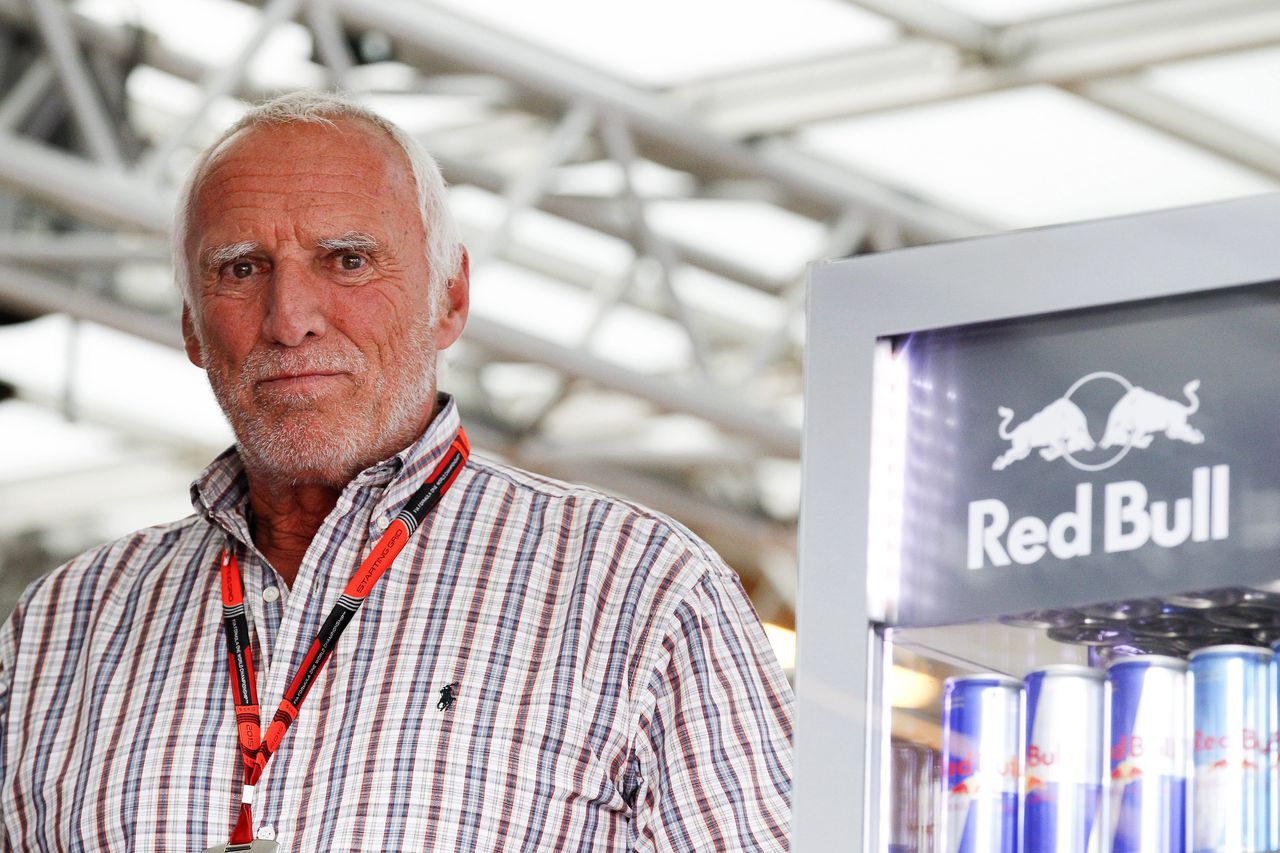
  • Red Bull owner Dietrich Mateschitz dies aged 78

    Red Bull owner Dietrich Mateschitz dies aged 78

    Considered to be the richest man in Austria, the entrepreneur built a global empire around the energy drink.

    Mr Mateschitz’s fortune is estimated at around €25bn (£21.8bn), putting him 51st on Forbes’ list of the world’s richest people.

    Formula 1 praised his “unforgettable contribution” to the sport and said he leaves behind a “lasting legacy”.

    Little is known about Mr Mateschitz’s private life – he was publicity shy and rarely gave interviews.

    After graduating from the University of World Trade in Vienna, he worked as a marketing specialist for various companies in the 1970s.

  • French Refinery Strike Further Hits Petrol Supplies

    French Refinery Strike Further Hits Petrol Supplies

    Petrol supplies at French service stations fell further over the weekend due to a weeks-long strike at oil major TotalEnergies, Prime Minister Elisabeth Borne said on Sunday, prompting possible further requisitioning of services.

    President Emmanuel Macron’s government is facing mounting social unrest due to high inflation, with thousands protesting on Sunday against soaring prices and several trade unions calling for a general strike.

    “We’re at about 30% of the stations that have a supply problem on at least one of the fuels,” Borne said in an interview on French TV channel TF1.

    Energy ministry data on Saturday showed 27.3% of French petrol stations were facing supply problems, down from 28.5% the previous day and 30.85% on Wednesday, when requisitioning started.

    Under the requisitioning plan, some workers are ordered to go back to work to guarantee the resumption of minimum services.

    “If there are very tense situations tomorrow… we will also carry out requisitioning,” Borne said.

    “There is a wage agreement that has been signed by organisations representing the majority of employees (at TotalEnergies),” Borne said.

    “(Workers) have to go back to work.”

    Borne said the general discount on fuel prices at service stations that it introduced in response to the surge in global oil prices would be extended to mid-November.

    The discount of 30 cents per litre was previously due to be reduced to 10 cents on Nov. 1.

    The prime minister added she had talked with TotalEnergies  CEO Patrick Pouyanne and that he had agreed to extend the company’s additional discount of 20 cents per litre.

    The country’s refinery strike, led by the hardline CGT union, is also emboldening the political opposition, likely leading the government to use special constitutional powers to pass its 2023 budget bill, Borne said.

    The government is set to use special constitutional powers that would allow it to bypass a vote in parliament, Borne said.

    Opposition parties would be likely to respond with a motion of no confidence, which would likely fail but would nonetheless be damaging as the government seeks to build bridges for planned pension reform.

    Lacking a sound majority to pass the bill through a regular vote, the government decided to use the special powers, decried by opponents as being undemocratic, to avoid the humiliation having the country’s tax-and-spend law voted down.

  • TSMC suspends production of powerful GPU chip for Chinese tech firm

    TSMC suspends production of powerful GPU chip for Chinese tech firm

    Taiwan Semiconductor Manufacturing Company Ltd. is known throughout the planet as TSMC. The largest foundry in the world produces chips based on the designs presented to it by companies like Apple, Qualcomm, Nvidia, MediaTek, and more. In fact, Apple is TSMC’s largest customer and accounts for approximately 25% of the company’s revenue.
    TSMC currently produces powerful and energy-efficient chips such as the Apple A16 Bionic found inside the iPhone 14 Pro series, and the Qualcomm Snapdragon 8+ Gen 1 found in newer high-end Android phones including the Samsung Galaxy Z Fold 4, Galaxy Z Flip 4, and the Motorola Edge 30 Ultra. TSMC has suspended production for Chinese start-up Biren Technology.
    The reason for halting production for this company is that TSMC is following U.S. regulations that prevent it from making chips for the Chinese-based firm. Part of the reason for this is that Biren’s products outperform Nvidia’s A100 Graphics Processing Unit (GPU) silicon based on what the English language South China Morning Post calls “information in the public domain.” The U.S. is trying to keep cutting-edge chips away from China.
    This past September, the U.S. ordered that Nvidia stop shipping the A100 chip to China to “…address the risk that products may be used in, or diverted to, a ‘military end use’ or ‘military end user’ in China.” The A100, according to Nvidia, is used to “power the world’s highest performing elastic data centers for AI, data analytics, and high-performance computing (HPC) applications.”
    The U.S. Commerce Department last month expressed a goal to “keep advanced technologies out of the wrong hands.” China called it a “tech blockade.” At the same time, commerce ministry spokesperson Shu Jieting said that “the U.S. continues to abuse export control measures to restrict exports of semiconductor-related items to China, which China firmly opposes.”
    Biren was trying to raise funds earlier this year at a valuation of $2.7 billion. The company designs its BR100 and BR104 processors to be competitive with GPUs designed by Nvidia and AMD that work with AI and Machine Learning models and algorithms.
    TSMC itself isn’t sure that Biren’s chips are covered by U.S. regulations but has decided to halt their production anyway. Biren, of course, says that its AI chips are not covered by U.S. export restrictions. A TSMC spokesperson made a limited statement noting that the foundry complies with all relevant rules. The U.S. Commerce Department’s Bureau of Industry and Security (BIS) announced new semiconductor restrictions on October 7th.
    A spokesperson for the U.S. Commerce Department said, “While BIS cannot comment on company-specific actions, we expect all companies to comply with export controls. Since the rule’s release on October 7, BIS has been undertaking a vigorous outreach effort to educate those impacted by it to aid compliance efforts.”
    One of the Biren GPU chips that TSMC was going to produce for the company was the BR100 GPU which was manufactured using TSMC’s 7nm process node and features 77 billion transistors in each chipset. This particular component was said to be 2.8 times faster than Nvidia’s A100.
    Export rule changes have been used before to restrict the distribution of silicon to China. A restriction announced by the U.S. Commerce Department in 2020 prevents foundries using American technology to manufacture advanced chips from shipping these chips to Huawei. The latter is considered a national security risk by both major political parties and the restriction has forced Huawei to abandon its own Kirin 5G Application Processor (AP) chips. Its current flagship Mate 50 and Mate 50 Pro handsets are powered by the Snapdragon 8+ Gen 1. While this is Qualcomm’s current top-of-the-line mobile AP chipset, the chip sold to Huawei is tweaked to prevent it from working with 5G networks.
  • YouTube removes 2,000 animated Vietnamese videos for copyright violation

    YouTube removes 2,000 animated Vietnamese videos for copyright violation

    Nearly 2,000 Wolfoo videos about the animated wolf and his family have been removed by YouTube for copyright violation, causing losses of around US$2 million for their Vietnamese producer.

    Between June and October the three YouTube channels, Wolfoo Family, Wolfoo Channel and Wolfoo’s Story potentially each lost 2-3 billion views, according to social media data provider Social Blade. This caused the company losses of $2 million, and “The damage is increasing every hour,” it said.

    Sconnect said YouTube removed the videos following a demand by the UK’s Entertainment One, the producer of Peppa Pig, an animated series about a pig and his family.

    “Entertainment One has falsely identified our videos as a product derived from Peppa Pig and filed their complaints to YouTube, which accepted all their copyright claims and deleted Wolfoo videos.”

    YouTube allows users to seek the removal of videos they deem a violation of its policies.

    The fact that YouTube removed the videos showed that its request was “per the procedures as prescribed” by the platform, eOne said.

    YouTube said Saturday it never acts as an intermediary to resolve conflicts between two parties and only provides a tool for users to protect themselves.

    Content owners are provided with a tool to protect their videos while users are provided with a tool to report copyright violations, it added.

    Sconnect said 195 Wolfoo videos are no longer restricted, but nearly 2,000 others remain flagged and restricted.

    Nguyen Xuan Cuong, deputy chairman of the Vietnam Digital Communications Association, said YouTube’s removal of nearly 2,000 Wolfoo videos has caused great damage to Sconnect.

    All parties involved should contribute to the case so that it could be a learning experience for other Vietnamese businesses of cross-border services. Sconnect was launched in 2014 as a social media video platform. It has a total of 56 million subscribers to its 19 channels and 18 billion views. Peppa Pig debuted in 2004 on TV before being uploaded on social media platforms.

    Sconnect recently filed a lawsuit against the British company for unfair competition, claiming losses of nearly $292,000 as a result.

    It had been sued by the latter in January in Russian and British courts for intellectual property infringement, claiming Wolfoo is a “reworked” version of the Peppa Pig characters. But the Moscow City Court ruled against eOne. Immediately the company withdrew all claims.

    Sconnect said during the legal battle eONE had used the unresolved lawsuit to copyright “Wolfoo” videos on YouTube.

  • Mobile virtual network operators hold 1% market share

    Mobile virtual network operators hold 1% market share

    With over one million subscribers, the country’s three mobile virtual network operators, who piggyback on large telecom companies, have a market share of 1%.

    iTel, Reddi and Local do not have their own infrastructure or radio frequencies and instead pay to use VinaPhone, Viettel, MobiFone, Vietnamobile, or Gtel’s.

    iTel, which depends on VinaPhone’s infrastructure and frequencies, has one million subscribers, according to the Ministry of Information and Communications.

    It reported revenues of VND442 billion ($18.4 million) this year, 4.5 times the whole of last year’s, and profits of VND28 billion.

    Reddi, which has nearly 50,000 subscribers, saw sales of VND15 billion. It had losses of VND27.8 billion and VND55.9 billion in 2020 and 2021.

    Local, which launched its services in mid-2022, focuses on providing low-cost data packages, which are preferred by young people.

    In April Digilife Vietnam Digital Services Company received a mobile virtual network operator’s license but has yet to begin offering services.

    Such companies focus on attracting customers interested in large data packages at reasonable charges such as workers, students and foreign tourists.

    Vietnam had nearly 120 million mobile phone subscribers, including some 93.7 million using smartphones, according to the ministry.

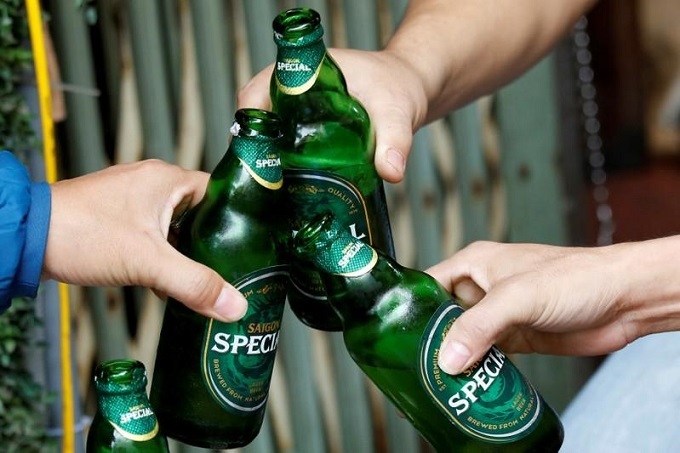
  • Brewer Sabeco profits up 75% in 9 months

    Brewer Sabeco profits up 75% in 9 months

    Vietnam’s biggest brewer Sabeco gained after-tax profits exceeding VND4.42 trillion ($1=VND24,800) in the first nine months of 2022, a year-on-year surge of 75%.

    Sabeco’s revenues surpassed VND25.1 trillion, up 44% on-year, according to its latest financial statements. Meanwhile, the firm spent over VND1.8 trillion on advertisements and promotions.

    In the third quarter, Sabeco made revenues of over VND8.635 trillion, doubling last year’s figures, and after-tax profits of more than VND1.3 trillion, nearly treble the previous amount.

    Bao Viet Securities said the brewer’ beer selling prices would increase 10% this year against 2021, amid room for Vietnam’s beer industry to grow.

    The country produced over 4.3 billion liters of beer in the first nine months, up nearly 36% against the same period last year, and up 15.5% against the same period of 2019, the pre-Covid period, according to the General Statistics Office.

    Vietnam is the biggest beer consumer in Southeast Asia and the ninth biggest in the world, according to Japanese drinks company Kirin Holdings, with demand likely to grow further as a large young population reaches adulthood, Nikkei reported.

  • Globe Deploys 252 More 5G-Ready Cell Sites on Philippines’ Southern Island

    Globe Deploys 252 More 5G-Ready Cell Sites on Philippines’ Southern Island

    Globe announced it has deployed 252 5G-ready cell sites on the Philippines’ southern island of Mindanao. The telco giant’s scaled-up deployment of 5G wireless technology across the country has yielded 933 cell sites in the first half of 2022.

    As of June 30, Globe’s 5G network had reached 85.8% of key cities in Visayas and Mindanao and 96.6% in the National Capital Region in terms of 5G outdoor coverage.

    Data showed a steady hike in 5G usage in Mindanao, particularly in Davao City, which almost tripled in June from the January figures. Likewise, hefty increases were registered in June by Cagayan de Oro and the town of Libona.

    Nationwide, Globe saw a 73.4% increase in 5G data traffic from January to June this year.

    “We continue to invest in the latest mobile technologies like 5G as part of our commitment to bring better mobile experiences that can uplift the lives of our customers no matter where they are in the country,” said Darius Delgado, head of Globe’s consumer mobile business.

    So far, Globe has already spent more than half, or 50.5 billion pesos, of its 89 billion-peso budget for capital expenditures this year. It was used to build new cell sites, upgrade existing sites to 4G/LTE, accelerate the rollout of 5G connectivity and ramp up the fiberization of Filipino homes nationwide, as part of Globe’s commitment to the United Nations Sustainable Development Goals.

    By the end of the first half of 2022, the number of devices serviced by Globe’s 5G network had increased by 52.6%, to 2.7 million, from 1.62 million in January.

    Globe 5G has fiber-fast download speeds of up to 156.84 Mbps (nationwide average) and even higher in Metro Manila at 167.63 Mbps on average as of May this year. These speeds peak at 342.7 Mbps nationwide and 347.2 Mbps in the capital region.