Tag: asia

  • AirAsia India announces 21 weekly direct flights connecting new routes

    AirAsia India announces 21 weekly direct flights connecting new routes

    Air Asia India announced that it would commence 21 weekly direct flights connecting Delhi to Bhubaneswar, and Bengaluru to Jaipur, from October 30, as part of its winter schedule.

    The new routes are now open for bookings on the airline’s website, mobile app, and other major booking channels.

    The launch of these routes is in line with AirAsia India’s aim to bolster connectivity and consistently provide secure and streamlined operations for guests, the airline said in a statement.

    The airline recently expanded its presence to Lucknow and operates 112 weekly direct flights connecting Bengaluru, Goa, Delhi, Kolkata and Mumbai.

    AirAsia India connects its hub Bengaluru with direct flights to Lucknow, Delhi, Mumbai, Kolkata, Kochi, Goa, Guwahati, Bagdogra, Ranchi, Visakhapatnam, Hyderabad, Chennai, and Jaipur.

    There are direct flights connecting its other hub Delhi with Lucknow, Srinagar, Bengaluru, Mumbai, Kolkata, Kochi, Goa, Guwahati, Bagdogra, Jaipur, Ranchi, Visakhapatnam, and Bhubaneswar.

  • Vietnam digital economy growth expected to be highest in Southeast Asia

    Vietnam digital economy growth expected to be highest in Southeast Asia

    Vietnam will achieve the highest growth in the digital economy in Southeast Asia between 2022 and 2025, a report by Google, Temasek and Bain & Company has forecast.

    It will grow at 31% followed by the Philippines with 20% and Indonesia with 19%, according to e-Conomy SEA 2022.

    Vietnam’s digital gross merchandise volume is likely to reach US$23 billion this year, third highest in the region behind Indonesia’s $77 billion and Thailand’s $33 billion.

    But with the rapid growth projected, it is expected to double by 2025 to $49 billion.

    The main contributors to Vietnam’s digital economy this year are e-commerce ($14 billion) online media ($4.3 billion) and transport and food ($3 billion).

    Vietnam’s high-quality workforce in the technology sector and the increasing penetration of digital services in urban and rural areas promise a strong foundation for the digital growth of the country, Stephanie Davis, vice president of Google Southeast Asia, said.

    billion USDVietnam’s digital economy size1313181823234949Gross merchandise value2019202120222025102030405060

    Vietnam is likely to attract the most investors in the 2025-30 period, according to a survey of venture capital investors in the third quarter by Bain & Company, with 83% of them expecting an increase in deal activity compared to now.

    In a report earlier Meta said eight out of 10 of Vietnamese are digital consumers.

    Vietnam is also among the top countries in future technology adoption such as fintech and metaverse.

    Virtual reality adoption in Vietnam is 29%, the highest in Southeast Asia, it said.

  • Vietnam contributes to Apple’s sales boom

    Vietnam contributes to Apple’s sales boom

    Apple’s chief financial officer said iPhone sales was particularly impressive in several large emerging markets, including Vietnam.

    Luca Maestri as saying Saturday: “We set September quarter records in the vast majority of markets we tracked. And our performance was particularly impressive in several large emerging markets, with India setting a new all-time revenue record and Thailand, Vietnam, Indonesia and Mexico more than doubling yearly.”

    Apple’s fourth financial quarter ended when iPhone 14 was just launched. Strong growth in iPhone sales in large emerging markets contributed to the company’s revenues of US$90.1 billion and profit of $20.7 billion during the quarter.

    For the full fiscal year revenues were $394.3 billion, up 8% from the previous year.

    Apple CEO Tim Cook said: “Across nearly every geographic segment, we reached a new revenue record for the quarter.”

    Recently Vietnamese retailers reported a boom in iPhone sales, with FPT Shop, The Gioi Di Dong, and CellphoneS seeing huge sales of the 13 Pro Max, which costs more than VND30 million ($1,200).

    The manger of a retail chain said the second and third quarters are usually the slowest in the smartphone market, but the discount and other promotions to clear stocks to prepare for the iPhone 14 have helped older models achieve bigger sales.

    Experts predicted strong growth for Apple in the last quarter, with the iPhone 14 continuing to sell well.

    However, the management acknowledged it is difficult to buy the 14 Pro and Pro Max models because production speed has not caught up with demand in many markets.

  • Huawei, Xiaomi lead Vietnam’s smartwatch market

    Huawei, Xiaomi lead Vietnam’s smartwatch market

    Two Chinese manufacturers Huawei and Xiaomi led Vietnam’s smart wearables market in the second quarter with a combined market share of 36.5%.

    Huawei rose to the first place and replaced Samsung with a 18.5% share, followed by Xiaomi, 18%, according to estimates of an industry report which shows the latest data available.

    Samsung came third with its share plunging by half from 37% in the first quarter to 15%.

    Apple ranked fourth with a 6% share.

    Vietnam’s smart wearables market, which comprises mostly of smartwatches, has seen strong changes in recent years.

    Samsung, for example, has been recording market share between 6% and nearly 38% since early 2021.

    Apple claimed 30% market share by the end of last year only to have 6% by the end of June.

    Huawei has seen its share surging from 2% earlier last year to 18.5% thanks to its increased focus on wearable gadgets, with the most best-selling products being Watch GT3 and Band 7.

    It plans to launch a new Watch GT3 SE with a battery of up to two weeks.

    Xiaomi has been drawing attention with its affordable products SmartBand 7 and SmartBand 7 Pro.

    A report by U.S.-based data company IDC shows that 140,000 smart wearables were bought in Vietnam in the second quarter, up 1.5 times from the third quarter last year when Covid-19 was spreading fast.

    Globally smartwatch sales have declined by 6.9% year-on-year to 107.4 million units in the second quarter.

  • Airfares double as Tet holiday approaches

    Airfares double as Tet holiday approaches

    Air ticket prices for Vietnam’s upcoming biggest holiday Tet has doubled year-on-year as tourism demand resumed after a Covid-19 induced hiatus.

    A return trip from Ho Chi Minh City to Hanoi from Jan. 19 to 26, when most people return to their hometown to celebrate Vietnam’s Lunar New Year, which costs at least VND5.5 million ($222.51), double that of last year and the same as 2019.

    Vietravel Airlines charges VND6.2 million on the route during the same period. Bamboo Airways charges VND6.9 million and Pacific Airlines, VND7.1 million.

    Earlier this year, before Tet, passengers could get the same tickets for half the price at VND2.5-4 million

    Air tickets from HCMC to central and northern provinces are also at a high level.

    From HCMC to Thanh Hoa Province, return tickets are priced from VND7 million at Vietjet and VND7.1 million at Vietnam Airlines.

    From HCMC to Da Nang prices start from VND4.6 million and to Vinh, from VND7 million.-

    Some passengers are considering changing their travel plans to either later or before the high demand Tet holiday.

    Minh Trang, a communications employee in HCMC, will return to Vinh four days after Lunar New Year’s Eve, as ticket prices for her family will be 50% cheaper at VND8 million.

    Quang Anh, who works for a foreign company in HCMC, will request an early holiday break to travel to Bangkok and then to Hanoi, as ticket prices for both trips are lower than flying directly from HCMC to Hanoi.

    The Hanoi–HCMC route is among the world’s five busiest domestic air routes.

    “I will get more days off in Thailand and won’t have to queue for hours at Tan Son Nhat International Airport,” Anh said.

    Even with the surging prices, airlines are expecting an increase in travel demand.

    Vietnam Airlines has seen bookings for the upcoming Tet, which runs from Jan. 20-26, 2023, rising 23% from Tet 2020 when Covid-19 had yet to have a major impact on Vietnam tourism.

    The airline said that major bookings are on the Hanoi–HCMC route, and from HCMC to Da Nang and Hai Phong.

    Bamboo Airways plans to increase its capacity by 15-20% for the upcoming holiday and could offer up to one million seats.

    Vietravel Airlines said that its flights from Jan. 7 to Feb. 2 next year are 60% booked. It is working with authorities to increase the number of flights.

  • Google is expanding the storage capacity of its Workspace Individual plan to 1TB

    Google is expanding the storage capacity of its Workspace Individual plan to 1TB

    Well, we have good news for those who decided to use Google’s Workspace Individual plan in their business. As the tech giant announced in a new blog post, every Individual Workspace account will soon receive an increase in its storage space.

    But the increase won’t be just 100GB or 500GB. Subscribers to the Individual Workspace tier will soon have access to a whopping 1 TB of storage space. The upgrade will be automatically rolled out by Google, so users won’t need to do anything to obtain it.

    Currently, subscribers of the Individual plan have only 15GB of Google Drive storage, just like the free personal Google accounts we all use. But as users grow their businesses, they will need more space to keep their documents, data, and digital assets, so 15GB may not be enough at some point.

    In addition to the storage increase for Workspace Individual users, Google is also rolling out a new feature called “merge tags” to Gmail, allowing eligible Workspace users to send more personalized emails to their audiences from the web version of Gmail.

    When sending mass emails to many people all at once, users can put merge tags like “@firstname” and “@lastname” in their text. Upon sending the messages, these tags will be replaced with the first and last names of the recipient, creating more personalized emails. This feature will be available to users with Google Workspace Business Standard, Business Plus, Enterprise Starter, Enterprise Standard, Enterprise Plus, Education Plus, and Workspace Individual.

  • Zuckerberg’s net worth is down $70 billion this year

    Zuckerberg’s net worth is down $70 billion this year

    This has not been a good year for Mark Zuckerberg’s wallet. Apple’s App Tracking Transparency feature, which allows iPhone users to opt-out of being tracked for the purpose of receiving personalized advertising, is expected to cost Facebook $10 billion in revenue this year. That is a mighty big chunk of change and led investors to dump Meta’s stock.

    Since the beginning of the year, Meta’s stock has declined 61.7% dropping from $338 to the current price of $129.82. That decline has cost Facebook founder and CEO Mark Zuckerberg a whopping 70% of his net worth. And things will get even worse tomorrow morning. After the markets closed in New York this afternoon, Meta dropped a stinker of a third-quarter earnings report sending the stock down in after-hours trading to $104.30 for a $25.22 decline or nearly 20%.

    Not including what the damage will be tomorrow morning, Zuckerberg’s net worth has declined from $125 billion to $55.3 billion since the start of the year. Tomorrow morning, Zuckerberg could take another $10 billion hit, although he still might not need you to start a Go Fund Me page for him.

    Meta reported $27.71 billion in third-quarter revenue, which was a 4% decline from the $29.01 billion that the company grossed during the same time period last year. Still, it topped the $27.38 billion estimate made by Wall Street analysts. Operating margin, the percentage of profit remaining after subtracting costs, dropped to 20% from 36% a year earlier. Net income took a big hit, declining 52% from last year’s $9.19 billion during Q3 to $4.40 billion during this year’s third quarter.

    This year’s earnings per share during the three months from July to September fell 49% to $1.64 from the $3.22 Meta reported during the 2021 third quarter. Wall Street forecast that Meta would report earnings per share of $1.89. That 25 cents a share shortfall was part of the reason for the stock’s huge decline.

    Other problems included Meta reporting average revenue per user of $9.41, short of the $9.83 that Wall Street was looking for. The number of Daily Active Users (DAUs) met estimates of 1.98 billion people during Q3 while at 2.96 billion the number of  Monthly Active Users actually topped forecasts of 2.94 billion.

    Commenting on the results for the third quarter, Zuckerberg said, “Our community continues to grow and I’m pleased with the strong engagement we’re seeing driven by progress on our discovery engine and products like Reels. While we face near-term challenges on revenue, the fundamentals are there for a return to stronger revenue growth. We’re approaching 2023 with a focus on prioritization and efficiency that will help us navigate the current environment and emerge an even stronger company.”

    Besides owning Facebook, Meta also owns Instagram which it bought for only $1 billion in 2012. With an estimated value of $102 billion, the purchase of Instagram is considered one of the best acquisitions (if not the best) made in the tech industry. A bit over two years later, Facebook closed on its purchase of WhatsApp, a deal that cost the social media company $21 billion by the time the deal closed.

    Also helping to take Meta’s shares down in after-hours trading was the company’s forecast that fourth-quarter revenue would be in the range of $30 billion to $32.5 billion. Wall Street was predicting that Meta’s gross for the current quarter would be $32.2 billion.

    If Meta does open tomorrow at around $104, it will be the lowest price since November 2015 or approximately seven years ago. If you’re Mark Zuckerberg, tonight is just another bad night from a bad year that has seen his standing among the world’s richest people decline to number 20. This is a good example of how those entrepreneurs who see their wealth grow exponentially due to the stock they own in the company they founded, can easily see the process work in reverse when the shares fall.


  • Malaysian e-commerce market to grow by 19.9 per cent this year

    Malaysian e-commerce market to grow by 19.9 per cent this year

    Analytics company GlobalData predicts the Malaysian e-commerce market will expand by 19.9 per cent this year, reaching US$9.2 billion in value.

    GlobalData further projects that e-commerce sales in Malaysia will increase at a compound annual growth rate (CAGR) of 16.1 percent between this year and 2026 to reach $16.6 billion by then, supported by the fast-expanding shift from offline to online purchasing.

    “Malaysia is among the fastest-growing e-commerce markets in Southeast Asia,” said Ravi Sharma, lead banking and payments analyst at GlobalData.

    “The growth is supported by the rapid adoption of smartphones, growing internet penetration, and the availability of secure online payment systems.”

    Despite the reopening of physical establishments after the epidemic, many Malaysian customers still favor online shopping. Less than 6 percent of Malaysian customers claimed they had never purchased online, while nearly 90 percent said they had done so within the previous six months.

    “The pandemic has brought a shift in consumer buying behavior, pushing them towards online, a trend that is expected to continue,” added Sharma.

    Alternative payment methods, including ShopeePay, GrabPay, and Boost are gaining in popularity and collectively account for 41 percent of payments.

  • Apple announces new clean energy investments, asks suppliers to decarbonise

    Apple announces new clean energy investments, asks suppliers to decarbonise

    Apple said on Tuesday it would make fresh investments to set up solar and wind projects in Europe and called on its suppliers to decarbonize operations related to the production of iPhones and other products.

    The company in 2020 had pledged to remove carbon emissions from its entire business, including products and its sprawling supply chain – which spans from Vietnam to Brazil – by 2030.

    The iPhone maker will now require its supply partners to report on progress on carbon neutrality goals, specifically, Scope 1 and Scope 2 emissions reductions, related to the production of Apple products and will audit their progress annually.

    More than 200 suppliers, representing 70 percent of Apple’s direct manufacturing spending, including Corning Inc, Nitto Denko Corp, SK Hynix Inc, STMicroelectronics, TSMC, and Yuto, have committed to using clean power such as wind or solar for all Apple production, Apple said.

    Apple had previously asked suppliers to commit to 100 percent renewable energy for Apple’s production.

    “We’re determined to be a ripple in the pond that creates a bigger change,” Chief Executive Officer Tim Cook said. Apple has been carbon neutral for its global corporate operations since 2020.

    Many multinational companies are increasingly looking into global supply chains to reduce their carbon footprint as climate change becomes a bigger focus for investors and regulators.

    Apple said the European investments are part of a strategy to address about 22 percent of its carbon footprint coming from the electricity customers use to charge their devices.

    With the construction of new European projects, the company aims to power all Apple devices on the continent with low-carbon electricity, it said.

    In total, the planned investments will add 3,000 gigawatt hours per year of new renewable energy on the grid, Apple said.

  • Shein’s offline popup store debut in the Philippines

    Shein’s offline popup store debut in the Philippines

    Chinese fashion retailer Shein has opened its first pop-up store in the Philippines, seeking to build brand awareness in the market.

    An opening took place last week at Ayala Malls Manila Bay, featuring a fashion runway, partnerships with Alipay+ and its e-wallet partner GCash and Filipina actress Belle Mariano, its newly appointed local brand ambassador.

    Pureplay online retailer Shein was founded in 2008 by Chris Xu and is recognized for its low-cost clothing. The company currently has customers in more than 150 nations and markets worldwide.

    Statista reports that Shein accounted for 3.4 percent of desktop traffic in May of this year and was the most popular site in the global fashion and apparel category.

    Shein, which aims to surpass other fast-fashion retailers like Zara and H&M, does not have a permanent physical location but has amassed millions of customers worldwide thanks to its broad selection and low pricing.

    After Amazon, it is the second-most popular online buying destination for teenagers in the US. With more than 1.2 million downloads last year, the retailer ranked as the second most popular shopping app in the US App Store.

  • Honda To Cut Car Output At Two Japanese Plants In October

    Honda To Cut Car Output At Two Japanese Plants In October

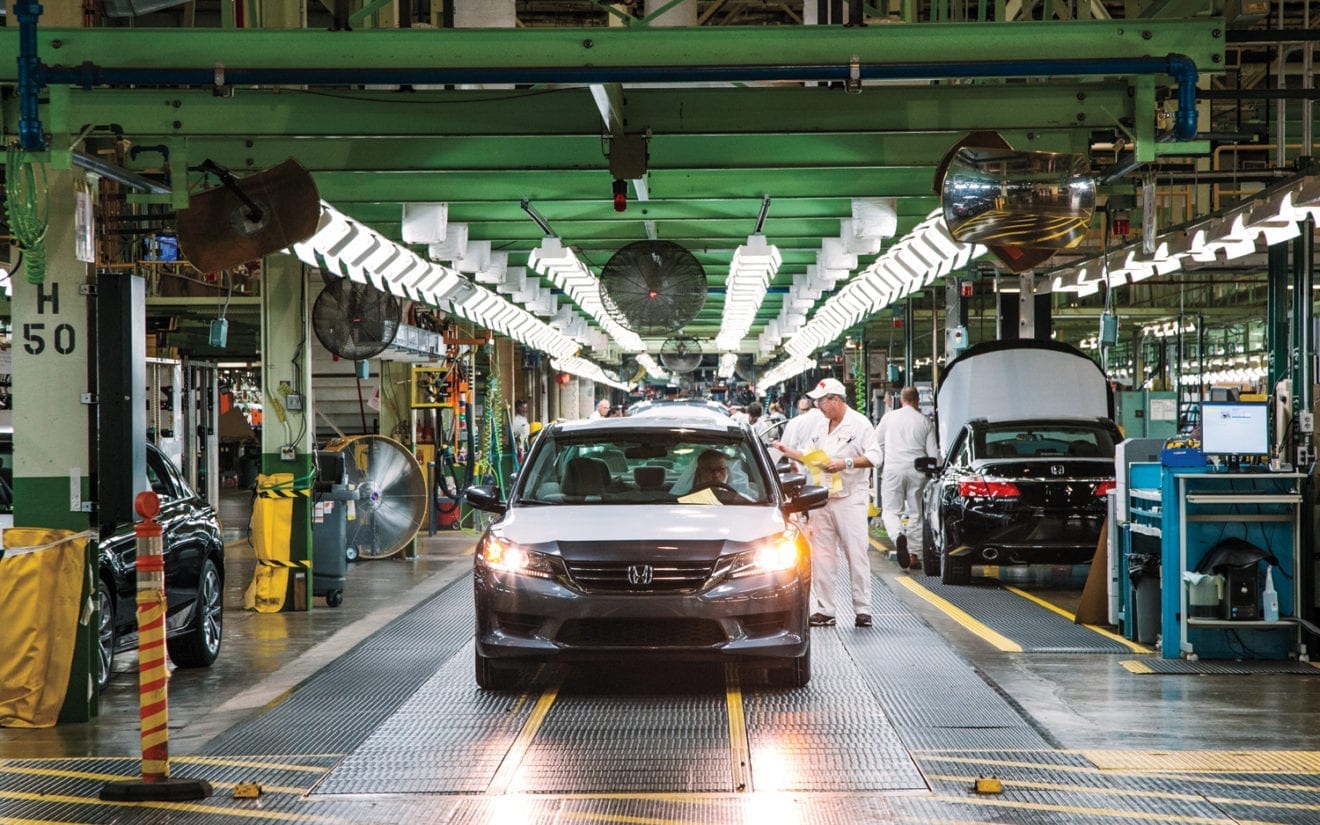
    Honda Motor Co said on Thursday it would reduce car output by up to 40% at two Japanese plants for the rest of October from its earlier plans, as the company battles with persistent supply chain and logistical problems.

    Two lines at Honda’s Suzuka plant in western Japan will cut production by about 20% in October, while its assembly plant in Saitama prefecture, north of Tokyo, will lower production plans by about 40% for the month.

    The automaker said it would cut vehicle production at Suzuka by 40% and Saitama by 30% in early October last month.

    Honda blamed delays in receiving parts and logistics on COVID-19 outbreaks and semiconductor shortages. The output reduction will affect vehicles, including the Vezel sport-utility vehicle, Stepwgn minivan, and Civic compact car.

    Honda’s production at the two plants returned to normal for June after an earlier reduction, but it began adjusting again for July.

    Last week, Honda’s rival Toyota Motor Corp lowered its October production target by 6.3% to about 750,000 vehicles because of a shortage of semiconductors.

    That announcement came about a week after it had lowered the production target for that month to around 800,000, about 100,000 short of its average monthly production plan. (This story has been corrected to fix the month Honda began cutting production to July from August in paragraph 5)

  • UBS Widens Affluent Net in China

    UBS Widens Affluent Net in China

    UBS continues to expand its ambitions in the region’s affluent market by launching a new digital wealth management platform in mainland China.

    UBS has launched a digital-led wealth management platform for affluent clients in mainland China through its wholly-owned onshore entity UBS Fund Distribution (Shenzhen) Company Limited.

    The mobile app, WE.UBS, provides financial planning based on big data and views from the bank’s chief investment office. The product shelf includes local and global investment solutions in collaboration with other international asset managers in mainland China including UBS SDIC Fund Management, Invesco Great Wall Fund Management, and HSBC Jintrust Fund Management.

    A notable feature of the offering is the ability for clients to complete onboarding in as fast as seven minutes with just an ID card, a selfie and a couple of clicks.

    According to APAC co-head of wealth management Amy Lo, the new offering targets individuals in mainland China with a net worth of $150,000 to $1 million – a significantly lower minimum level for the Swiss private bank, which has been traditionally focused on millionaires and beyond.

    In August, the bank also introduced a new private clients team dedicated to individuals in Greater China with $1 million to $5 million. It aims to double the number of clients in the segment over the next three years.

    As a global wealth manager, we know that one size does not fit all. We have the critical size and scale to specialize and tailor-make different product platforms for different types of clients.

    Based in Shenzhen, UBS FS will initially focus on acquiring affluent clients in the broader 11-city Greater Bay Area megalopolis with over 86 million residents and a GDP of 12.6 trillion yuan ($1.7 trillion).

    Demand for professional wealth management services delivered digitally is growing exponentially in China. Following our launch in Shenzhen, we will focus on clients in the GBA before broadening out to other cities,» said Iqbal Khan, president of global wealth management at UBS.

    China is leading the way in wealth creation and digital transformation globally. As the world’s largest wealth manager, our goal is to be the leading global wealth manager and the #1 digital-first wealth advisor for our targeted clients in China, added APAC president Edmund Koh.

  • Fashion label Lemonplet opens first flagship store in Japan

    Fashion label Lemonplet opens first flagship store in Japan

    Paris-based fashion brand Lemonplet has launched its first flagship location in Japan, as part of its Asia expansion plan.

    The store, in Omotesando, Tokyo, has a 92.56sqm retail space and is adorned with warm tones and flora throughout the space. There is also a flower gate at the entrance.

    Lemonplet is also sold in Japan at Isetan Mitsukoshi, Hankyu department stores, and Takashimaya.

    Customers can purchase the brand’s jackets and vests that use shaggy eco-fur, hooded maxi vests with smooth textures, short jackets and other items at the flagship store. Its products are priced from US$96 to $746 inclusive of tax.

    Lemonplet, launched in 2017 by Korean-French designer Choyo Joo, is known for its ‘eco-fur wear’, which includes garments, ready-to-wear lines, and accessory collections made from in-house designed eco-fur textiles.

    The fashion brand intends to expand globally. In addition to Japan, the label sells products in Korea’s Galleria, Shinsegae, and Hyundai department stores

  • Luckin Coffee’s former executives introduce first store of new coffee brand

    Luckin Coffee’s former executives introduce first store of new coffee brand

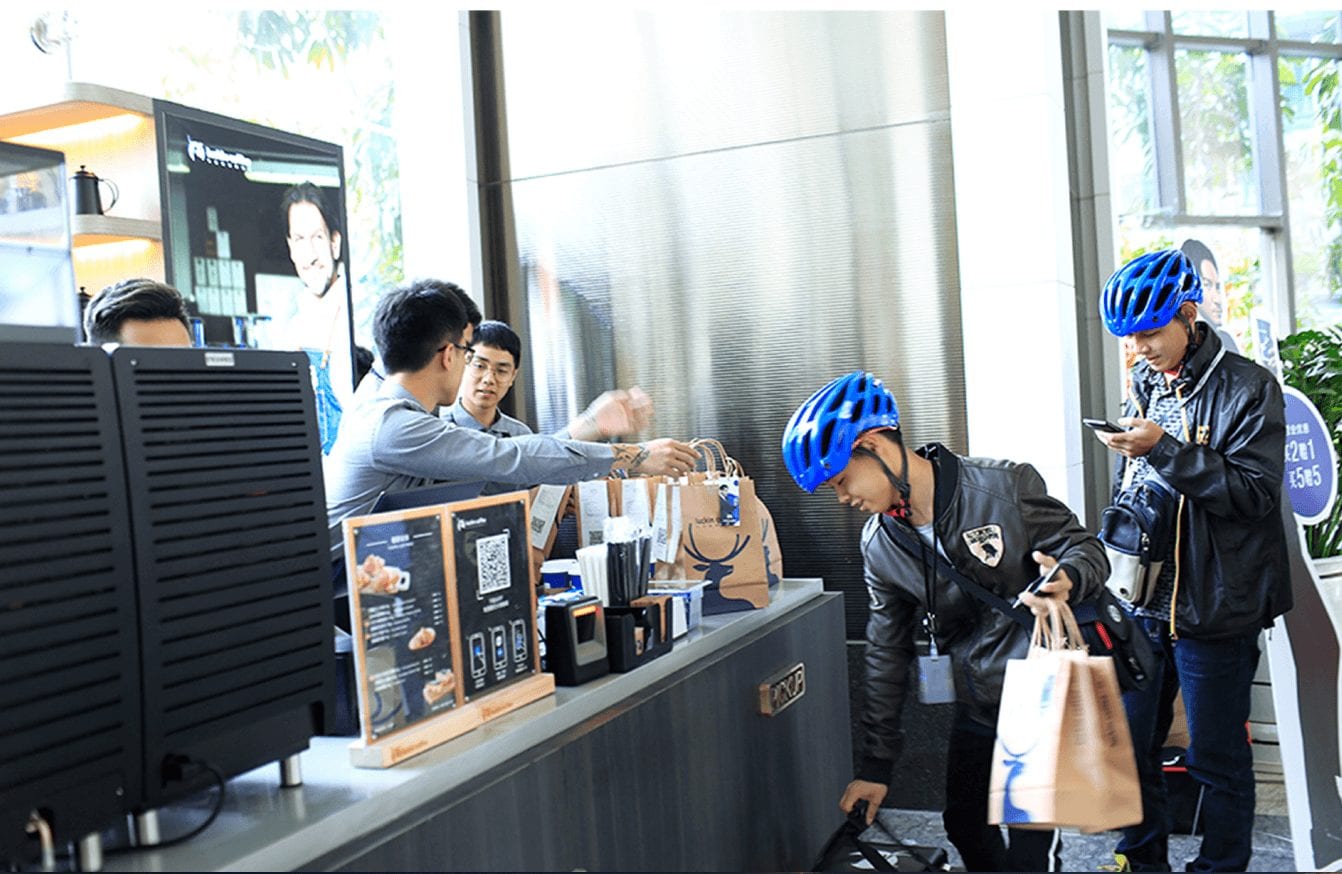
    Former executives of Luckin Coffee, Jenny Qian and Charles Lu, have introduced the first location of their new coffee venture Cotti.

    Earlier this year, the coffee chain was reported to be registered with a capital of $100 million with Qian as the legal representative. Cotti’s management team include employees of Lu from Luckin Coffee and Chinese car rental companies UCar and Car Inc, reports Pandaily.

    Cotti Coffee’s first store is located in Fuzhou, serving coffee and Italian desserts in the morning and meals and wine in the evening. The brand has also launched the ordering and food delivery feature on WeChat, offering more than 40 products with prices ranging from $2.48 to $4.41.

    The coffee chain will introduce two store formats – a 50sqm mini store for takeaway and a larger standard footprint offering more of an in-store experience. Following the physical launch, Cotti Coffee will become the sponsor of Argentina’s national football team, serving co-branded drinks in China during next month’s World Cup.

    Lu left Luckin Coffee after the $340 million fabricated sales scandal in 2020. The controversial coffee chain was delisted from Nasdaq soon after that. IiMedia Research estimated the Chinese coffee industry will maintain a growth rate of 27.2 per cent and reach $137 million in 2025.

  • Indonesia In Talks With Ford And Hyundai To Setup operational Base For EVs

    Indonesia In Talks With Ford And Hyundai To Setup operational Base For EVs

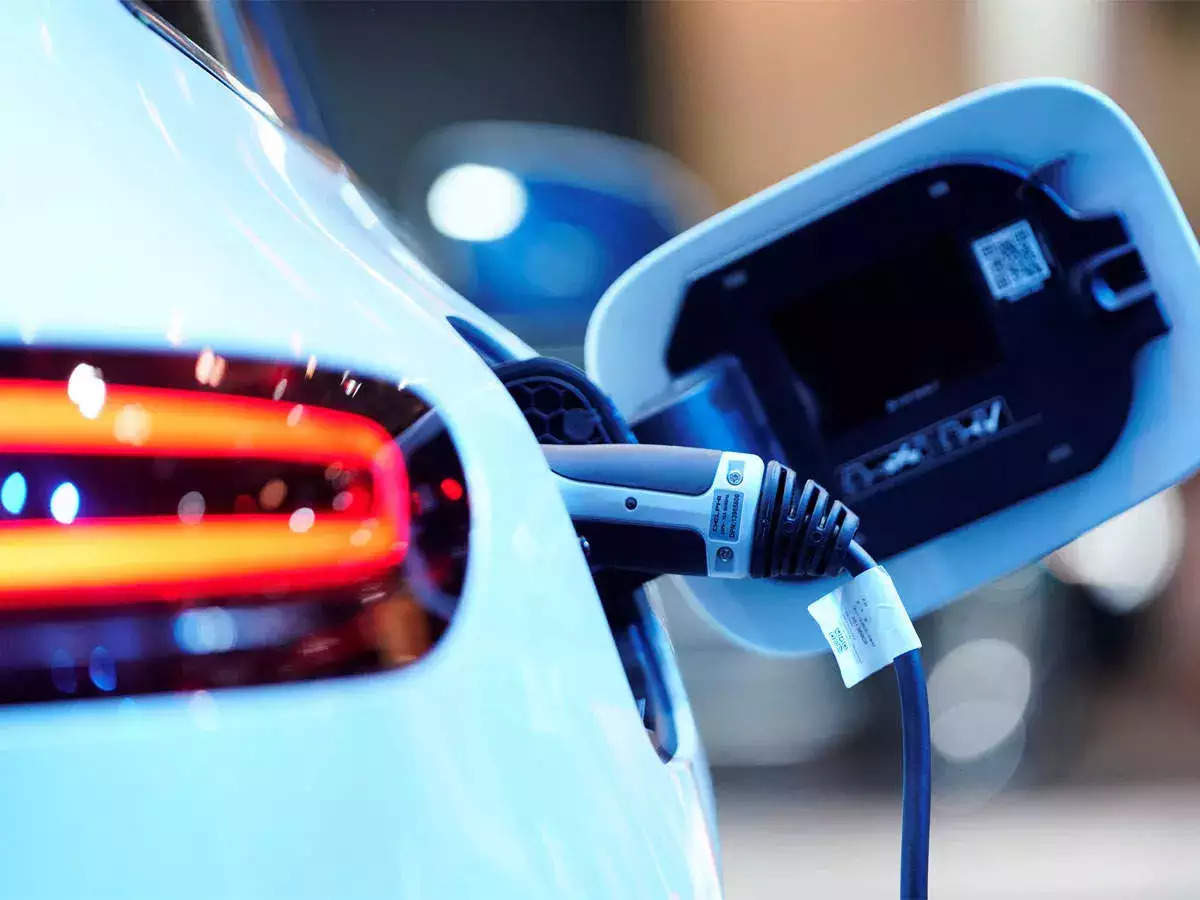
    The Indonesian government seems to be pulling up its socks in a bid to catch up with other markets in the EV space. According to a Reuters report, Indonesia invited Ford Motor Company and Hyundai Motor Company to set up its operational base related to electric vehicles in the Southeast Asian country. The report states that Indonesia Coordinating Minister for Economic Affairs, Airlangga Hartarto, made this statement in Washington, D.C. last week and the country is gearing up to work in this direction.

    Ford, nickel miner Vale Indonesia and China’s Zhejiang Huayou Cobalt had earlier said that in July they had signed a non-binding memorandum of cooperation to build a plant in Indonesia to extract nickel chemicals. Hartarto said Indonesia also is in discussions with Hyundai and South Korean battery maker LG Energy Solution over battery and EV investments. “We have raw materials for EV battery technologies,” Hartarto told an audience at the Center for Strategic and International Studies. Indonesia’s large supplies of nickel, as well as semiconductor production capacity, can support the U.S. auto industry,” Hartarto said.

    If the deal materialise, Indonesia will be join the Asian developing economies in the push for faster adoption of greener vehicles. While Ford already winded up from the Indian market last year and is likely to make its comeback selling CBU models like the Mustang Mach-E, Hyundai India already sells the locally assembled Kona electric SUV in our market is testing the Ioniq 5 on the Indian roads as well.