Tag: asia

  • There’s no stopping the e-commerce boom in Singapore

    There’s no stopping the e-commerce boom in Singapore

    Sales will top $1.4 billion this year.

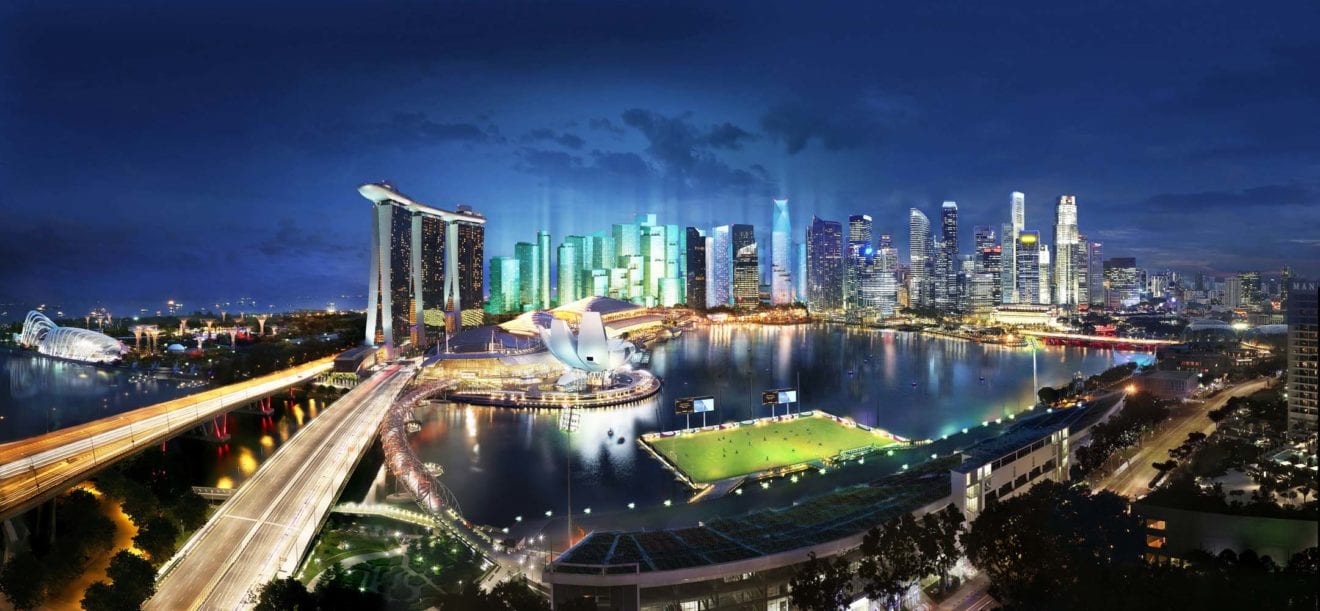
    Singapore’s e-commerce sector will continue to expand at a breakneck pace in coming years, according to a report by CBRE.

    Sales have grown at a record rate over the past five years, rising from just $800 million in 2012 to over $1.34 billion in 2015.

    Citing data from a report by Euromonitor International, CBRE noted that 2014’s internet retail sales grew 12.5% year-on-year to $1.08b, while mobile internet retail sales surged by 53.9% to $280.9 million.

    CBRE believes that the strong growth in online retail will drive demand for industrial space in Singapore.

    “All these indicate that Singapore’s e-commerce sector is poised to expand further, which could potentially emerge as the next underlying demand driver for the industrial market,” said CBRE.

  • Understanding CapitaLand Limited From An Investor’s Perspective

    Understanding CapitaLand Limited From An Investor’s Perspective

    CapitaLand Limited (SGX: C31) is one of Asia’s largest real estate companies with a presence in Singapore, China, Indonesia, Malaysia and Vietnam. It is listed on the Singapore Exchange with a market capitalization of over S$13 billion.

    The company has a diversified suite of real estate businesses. This includes the development of residential and commercial properties, as well as the ownership and management of retail malls, offices, and hospitality properties. In addition, CapitaLand has a number of Singapore-listed trusts under its umbrella and these include:

    • CapitaLand Mall Trust (SGX: C38U), a real estate investment trust (REIT) that owns and manages mainly retail malls in Singapore.
    • CapitaLand Commercial Trust (SGX: C61U), a REIT with a portfolio of predominantly Singapore commercial/retail buildings.
    • Ascott Residence Trust (SGX: A68U), a REIT that holds hospitality-related properties (such as serviced residences) in the U.S., Europe, Asia, and Australia.
    • CapitaLand Retail China Trust (SGX: AU8U), a China-focused REIT that owns a portfolio of retail malls in the country.

    2015 was a year in which the Singapore stock market, as represented by the Straits Times Index (SGX: ^STI), fell by 14%. CapitaLand, however, bucked the trend with a gain, albeit a meagre one of just 1.4%.

    Let’s analyze the company’s financials to understand if it may be a potential investing opportunity now. For this we will be using four metrics, namely the price to earnings (P/E) ratio, price to book (P/B) ratio, net debt to equity ratio, and dividend yield.

    CapitaLand has a trailing 12 months (TTM) earnings per share of S$0.288, according to S&P Capital IQ. With the company’s current share price of S$3.14, this implies a P/E ratio of 11. This is on par with the P/E ratio of the SPDR STI ETF (SGX: ES3) – an exchange-traded fund tracking the Straits Times Index – which stands at 11.

    As at the end of the third-quarter of 2015, CapitaLand has a net asset value per share of S$4.14. This would mean that the company has a P/B ratio of 0.76 at its current share price. What this means is that investors are able to buy the company’s assets, net of all liabilities, at a discount at the moment. Investors might thus be able to get a margin of safety with CapitaLand.

    Moving on, CapitaLand had net debt (total borrowings minus cash) of S$12.5 billion and equity of S$24.5 billion as of 30 September 2015. This would imply a net debt to equity ratio of 51%, which is on the high side, in my opinion.

    Lastly, the company has a dividend yield of 2.9% based on its 2014 annual dividend of S$0.09 per share. It’s worth noting that CapitaLand’s ordinary dividend has been growing over the past few years, rising in 1 cent per share increments in each year from S$0.06 per share in 2011 to S$0.09 in 2014.

    In looking at the four metrics, the negatives appear to outweigh the positives. While CapitaLand’s low P/B ratio may give investors some margin of safety, its high net debt to equity ratio could add some risk. Moreover, CapitaLand’s P/E ratio and dividend yield are not very attractive.

    To sum it up, the four metrics seem to suggest that CapitaLand may not be a potential investing opportunity for investors currently. That being said, a deeper look will still be required before any firm investing conclusion can be reached – the four metrics only represent a useful starting point for further research.


  • Apple Crash? iPhone Parts Orders Slashed 30%

    Apple Crash? iPhone Parts Orders Slashed 30%

    Apple’s bet that Chinese consumers would rush to buy massive numbers of iPhones appears to have imploded as the tech leader has cut supplier parts orders by 30 percent.
    Apple’ss stock fell by $3 to $102 on January 5 after the Nikkei Asian Review reported that with iPhone 6S and 6S Plus models ballooning on retail shelves in China and Europe, the company was forced to slash parts demand by almost a third versus last year.

    Breitbart News warned on July 10, with Apple’s stock price at $124 a share, that the international dominance of Apple’s iPhone was at risk from the long-term impacts of China’s stock market crash, which saw prices fall by 40 percent over a 10-week period.

    We pointed out at the time that Apple’s growing dominance in the “Red Dragon” was due to huge investments by the company to make iOS and Mac OS X easier for Chinese language users. Many of the upgrades at Apple Worldwide Developers Conference 2015 were optimized specifically to target Chinese users.

    The company also embarked on a crash program to build 40 retail stores and Genius Bar help desks in premium retail spaces in an effort to portray Apple as an aspirational brand.

    Despite losing significant market share in the rest of the world, Apple’s strategy of betting the farm in China had seemed brilliant through the month of May. China’s “Silk Road” domestic reforms, aimed at expanding consumption by taking hundreds of state-owned-enterprises public, had caused 150 percent gain in the nation’s stock markets over the past year.

    With the number of retail brokerage accounts for Chinese investors exploding up from 20 million to about 100 million accounts, the ultimate status symbol in China had become watching live stock prices on the iPhone 6.

    The China stock indexes tumbled by 41 percent and wiped out $5 trillion in value in a three-month period this summer. Goldman Sachs just estimated that the Chinese government had to spend $236 billion and ban selling by major shareholders to stabilize markets. But the international brokerage firm is worried that with China now owning the equivalent of 9.2 percent of China’s freely-traded stock shares, the stock markets are at risk of crashing again if the government tries to sell.

    Despite the summer’s turmoil, Apple announced on October 27 that for the year ending September 30, the company achieved 99 percent year-over-year revenue growth in China. Apple CEO Tim Cook triumphantly told institutional investors later in the day that he anticipates the Greater China region, currently accounting for 24 percent of sales, will become “Apple’s top market in the world.”

    Despite all the company’s positive spin, Apple’s stock is now in a “bear market.” It just made an annual low, down 23 percent from its July high.

    With Apple’s stock appearing to carve out what some traders are calling a very dangerous “head and shoulders trading pattern,” a re-acceleration of the China stock crash represents a huge downside risk to Apple shareholders.

  • GM posts sales high of 3.61M vehicles in China in 2015

    GM posts sales high of 3.61M vehicles in China in 2015

    The carmaker said Wednesday that China remains the company’s largest sales market, as retail sales rose 5.2 percent from the previous high set in 2014. December 2015 sales also set an all-time monthly high at 445,227 vehicles, up 14 percent year-over-year. Industry sales improved later in the year after the stock market in China fell around mid year. The government in China in the fall also cut a tax and instituted incentives to help bolster demand for vehicles and aid sales.

    “We expect to have increased our market share in 2015 through great products and our team’s relentless effort,” GM China President Matt Tsien said in a statement. “We anticipate continued growth in 2016, as we plan to introduce 13 new and refreshed models starting with Cadillac’s all-new CT6 sedan later this month.”

    GM said SUV sales last year jumped 144 percent as SUVs accounted for 13 percent of the company’s sales in 2015 in China, up from 5.6 percent in 2014. Multi-purpose vehicle sales also increased 12 percent from 2014.

    Sales for the Cadillac luxury brand rose 17 percent from 2014 to 79,779 vehicles in 2015. Buick retail sales increased 12 percent to a record 989,167 vehicles. GM said sales were led by the Excelle GT, which sold 258,834 vehicles, followed by the Envision SUV, which had sales of 147,093. And Baojun sales surged 173 percent to a record 463,532 last year.

    Sales for Chevrolet fell 9.7 percent to 612,024 vehicles, which GM blamed mostly on vehicle model changeovers. The automaker said it expects sales in 2016 to improve with the new models such as the Malibu XL and Cruze XL. Wuling brand sales also slipped 7.5 percent to nearly 1.47 million vehicles.

    GM and its joint ventures last year added 12 new or refreshed vehicles.


  • China’s Li Ning on track to end bad run

    China’s Li Ning on track to end bad run

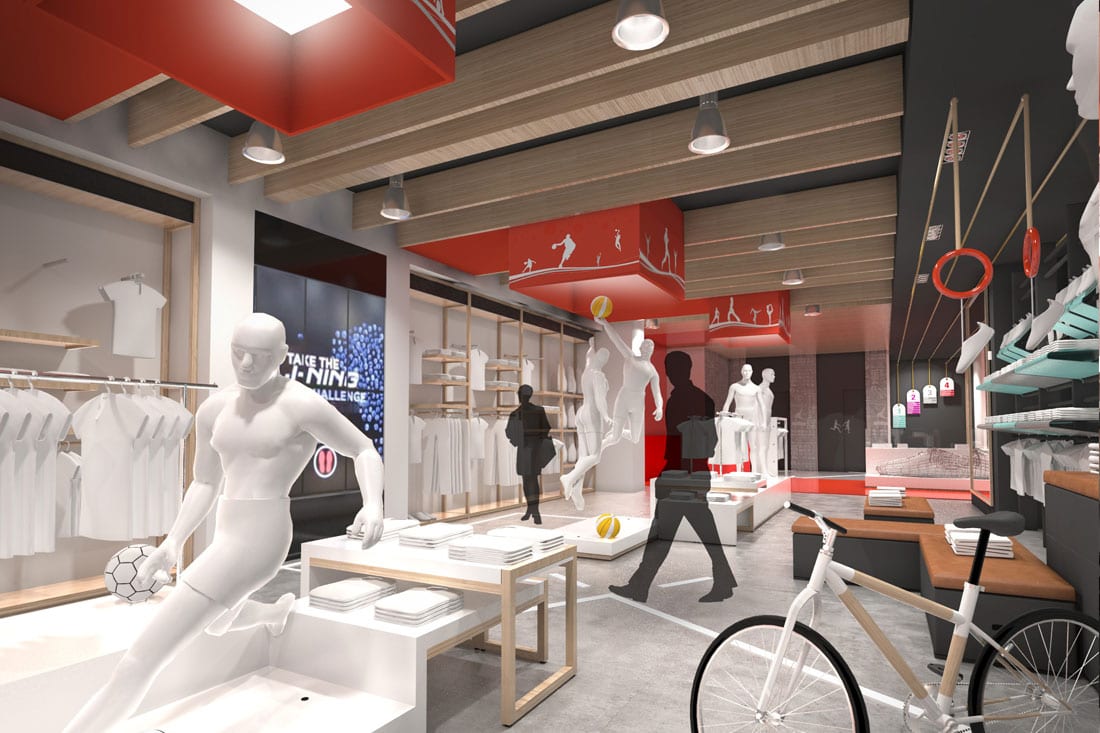
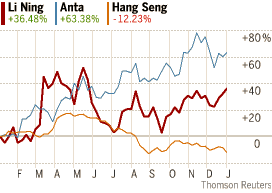
    Li Ning, the struggling Chinese sportswear company that is one of the mainland’s best known brands, says it will break even for 2015, leaving behind three years of annual losses.

    In a filing to the Hong Kong stock exchange, the company said it expected to “record an approximate break-even in terms of profit and loss attributable to the equity holders” in the year that ended December 31, “principally due to an increase in both the sales revenue and gross profit of the group and a decrease in expense ratio”.

    Li Ning has spent most of the past three years trying to restructure its business, clearing out inventory built up by third-party distributors, closing thousands of underperforming stores and increasing the percentage of direct-run outlets.

    The brand, which has struggled to shake off the image of a producer of cheap sports shoes that are little more than western knock-offs, announced a net loss of Rmb781m ($119m) for 2014, its third consecutive annual loss. But it reported signs at that time of a recovery in sales growth.

    The company on Wednesday attributed the improved performance to enhanced direct retail operating efficiency and long-term relationships with channel partners, and expanded ecommerce business.

    “It looks like their efforts to shut down unprofitable stores and focus on inventory with better sales and better margins are finally paying off,” said Ben Cavender of China Market Research in Shanghai.

    A recovery in the broader China sportswear market also appears to have played a role, retail analysts said.

    Ma Gang, a China-based footwear and apparel analyst, noted that “the whole industry is now on the upturn . . . and Li Ning has done a lot of work [to stem its losses].” But “whether the company will start to make profit now depends on its future strategy, including whether it keeps opening more stores,” he added.

    Chen Ke, Shanghai-based retail partner at Roland Berger, projects that the Chinese sportswear market will “maintain a 10 per cent growth rate in the next three years” while Li Ning itself “has improved efficiency after a shift . . . to opening more of its own stores”.

    But Mr Cavender pointed out that Li Ning “is still lagging behind some of their major domestic and international competitors and it’s unclear whether they have enough exciting products in place to make a strong run in 2016”.

    Anta, Li Ning’s top domestic sportswear rival, said net profit for the first half of 2015 rose 20 per cent from the same period a year earlier.

    Shares in Li Ning closed up nearly 7 per cent on Wednesday in Hong Kong, in a broader market down almost 1 per cent.


  • European Stocks Fall on North Korea Bomb Test

    European Stocks Fall on North Korea Bomb Test

    European shares fell on Wednesday as a self-professed bout of nuclear testing by North Korea and a falling renminbi rattled investors.

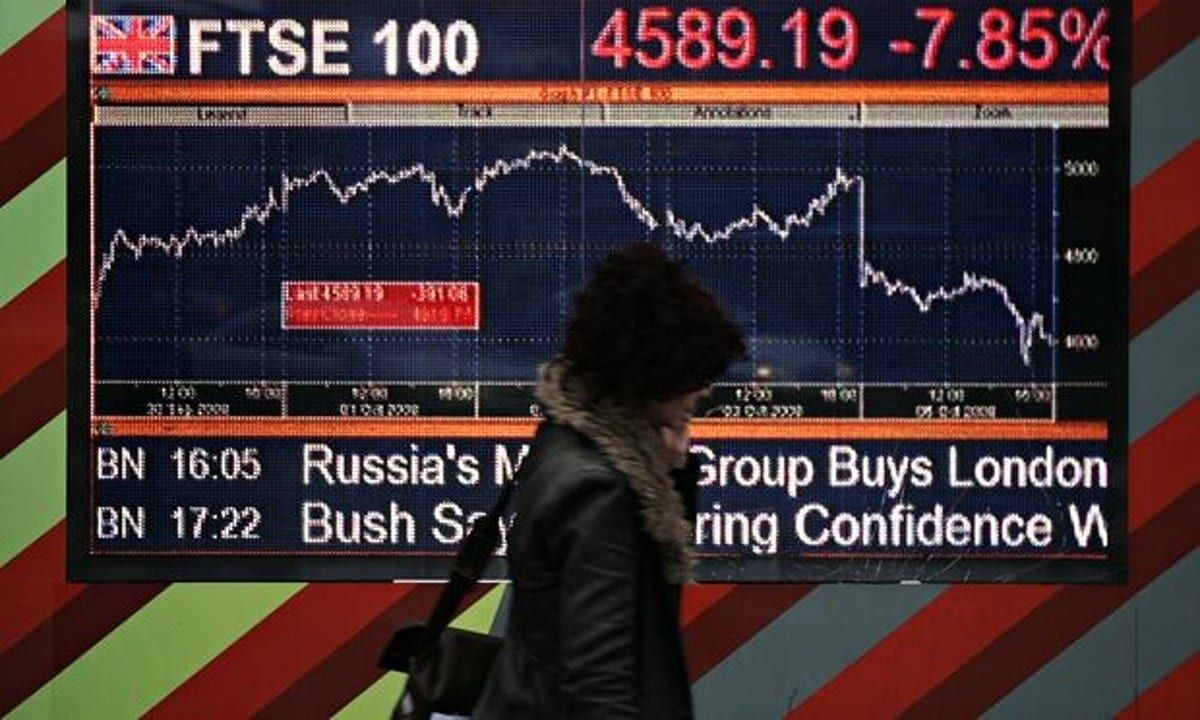
    By late morning in London, the FTSE 100 was down 1.33% at 6,055.53. Mining stocks, as leaders BHP Billiton (BHP) and Rio Tinto (RIO) led the benchmark lower.

    In Frankfurt, the DAX was down 1.31% at 10,175.31 and in Paris the CAC 40 was down 1.36% at 4,475.91. Volkswagen (VLKAY)  extended Tuesday’s losses in Frankfurt amid fears of hefty legal costs in the U.S. over emissions-tests rigging.

    After the Chinese central bank set the renminbi reference point at a weaker-than-expected level, the currency fell to a five-year low against the dollar. Meanwhile, North Korea claimed to have tested an underground hydrogen bomb, although some international observers were skeptical.

    Final eurozone purchasing managers’ data from Markit Economics came in better than expected in December, with the composite index, which melds the service sector with factory output, unexpectedly rising to 54.3, taking it further above the 50 threshold which separates economic expansion from contraction. Initial December data had pointed to a reading of 54.0. However, weak European Union producer price data for November later took the sheen off those Markit figures.

    Construction and engineering company Costain was up almost 2% in London after it reported record orders worth £3.9 billion ($5.7 billion) in 2015, including £2.8 billion-worth of revenue that Costain will accrue in 2017 and beyond. It will release its full 2015 results on March 2.

    Retailer Topps Tiles was up about 1.3% after reporting same-store sales growth of 4.4% in its first quarter.

    Another retailer, Card Factory, was up 1.8% as it announced that Christmas trading had met its expectations. It said CEO Richard Hayes would retire and be replaced by Karen Hubbard, the chief operating officer of discounter B&M European Value Retail.

    Insurer NN (NNGPF) was up almost 3% at €32.10 in Amsterdam after ING cut its stake to 16.2% from 25.8%. ING sold the shares at €31 in an accelerated book build, raising €1 billion ($1.1 billion). NN itself bought 8 million of the 33 million shares on offer.

    Many Asian indices fell as the renminbi and emerging-market currencies retreated.

    In Seoul, stocks were mixed, with the main index closing up 0.47% at 687.27 after the North Korea H-bomb claim. But Chinese stocks recovered after a state media outlet reported that Chinese securities regulators would extend a six-month ban on share selling by major investors until permanent rules were put in place. The ban would otherwise have expired on Friday. The Shanghai Composite closed up 2.25% at 3,361.84 and the Shenzhen Component index gained 2.24% to close at 11,724.88.

    In Hong Kong, the Hang Seng closed down 0.98% at 20,980.81.

    Shares of New World China Land closed up almost 21% in Hong Kong at HK$7.49 per share after majority shareholder New World Development offered HK$7.80 per share to take the company private after a previous attempt failed to garner sufficient shareholder approval in June 2014. The new offer values the stock at HK$67.8 billion ($8.7 billion).

    In Tokyo, the Nikkei 225 closed down 0.99% at 18,191.32 and the Topix fell 1.05% to close at 1,488.84.

    In Sydney, the S&P/ASX 200 closed down 1.18% at 5,123.13.

  • WeChat use by retail investors poses headache for regulators

    WeChat use by retail investors poses headache for regulators

    The growing popularity of messaging and social media app WeChat among China’s stock market investors is posing a problem to regulators, who now find it harder to monitor trades and spot illegal activity, Reuters reports, citing traders and investors.

    While using apps for trading is not unlawful in China, regulations require reliable monitoring and recording of trades to prevent activities such as insider trading or market manipulation, and to keep regulators on top of threats to market stability such as excessive margin trading.

    The China Securities Regulatory Commission has been clamping down on breaches, including fining four brokerages in September for failing to collect information about the identities of clients who traded stocks through external systems. 

    It also shut down third-party trading software used by brokers that helped traders skirt regulations by dividing one account into many sub-accounts without the need to register a name, the news agency said, citing local media reports.

    Even so, using apps to buy and sell stocks over mobile phones is common in a country where retail investors account for 80 percent of share market volume.

    Despite closer scrutiny from China’s regulators, brokerages including large firms like China Galaxy Securities (06881.HK) and smaller entities such as Great Wall Securities, started offering WeChat share trading account services last year in a bid to access the growing pool of retail traders.

    Overall account openings swelled to around 46 million in the first half of 2015, from around two million over the same period in 2014, according to official data.

    For brokers, the advantages of using WeChat are obvious, since it is the preferred means of communication for many of its 600 million users.

    But a case in Hong Kong last month highlights regulators’ concerns with the trend.

    The regulator there suspended a trader for receiving a buy order on WhatsApp, a messaging app owned by Facebook Inc., in breach of the internal communication policies of the firm he then worked for, BTIG, noting that the company had no control over the recording and retention of such messages.

    While the Hong Kong Securities and Futures Commission code of conduct does not prohibit the use of social messaging apps, it encourages the strict recording and time stamping of all communications and says the use of mobile phones for orders is “strongly discouraged”.

    Some of China’s institutional investors are also using WeChat to instruct their brokers.

    “In practice lots of people don’t care about compliance and take orders on WeChat,” said a Hong Kong-based institutional sales trader specializing in China.

    Such concerns are not limited to China.

    Clara Shih, chief executive and founder of Hearsay Social, a San Francisco-based social media compliance company, said messaging apps are also a potential gap in the compliance systems that US financial services firms have spent years building.

    US brokerages must monitor and store copies of employees’ electronic communications for three years and have a duty to protect clients’ personal information and confidentiality, tasks made more complicated by the proliferation of social media platforms.

    Technology has evolved in recent years to make it easier for companies to monitor employees’ activity on traditional social media platforms such as Facebook and Twitter. But WhatsApp and WeChat are not compatible with that technology, Shih said.

    Using social media for business is a growing trend but also a growing risk for compliance, said Craig Brauff, chief executive of Erado, a social media compliance company in Renton, Washington.

    “Regulations are designed to keep honest people honest. If someone really wants to be dishonest, there are lots of ways around it,” he said.


  • What to expect in 2016 as Singapore economy hits slowest growth since 2009

    What to expect in 2016 as Singapore economy hits slowest growth since 2009

    GDP is seen to likely remain stuck in the 2-3% yoy range. The 4Q15 GDP growth flash estimate was a breathtaking +2.0% yoy (+5.7% qoq saar), which beat market consensus forecast marked a sweet end to 2015. OCBC Bank notes that the surprise factor came from construction which doubled to 2.2% yoy (+7.0% qoq saar) in its strongest showing since 2Q15 due to public sector construction activities, and supported by the still resilient services sector which expanded 3.2% yoy (+6.5% qoq saar) in 4Q15 on the back of wholesale & retail trade and finance & insurance sectors. Manufacturing remained the main drag, contracting for the 5th straight quarter and actually deteriorating further from the 5.9% decline in 3Q15 to -6.0% in 4Q15.

    But 2015 GDP growth is still the lowest since 2009’s -0.6% performance.

    The 4Q2015 GDP figure brought the full year growth to 2.1% which is close to the official growth forecast of “close to 2 percent” but is nevertheless a moderation from the 2.9% growth registered in 2014.

    Here’s what analysts had to say:

    Selina Ling, analyst, OCBC Treasury Research

    Notably, this data set reinforced that growth has likely stabilized since 3Q15 after avoiding a technical recession earlier in the year. The 2015 outperformer remained services which accelerated from 3.2% growth in 2014 to 3.6% last year, followed by construction at 1.1% (2014: 3.0%), whereas the 4.8% drop in manufacturing was the worst since 2001 (-11.6%).

    Looking ahead, 2016 growth will likely remain stuck in the 2-3% yoy range.

    Headline GDP growth may not deviate from the 2+% yoy range in the near-term. We expect that manufacturing may continue to be in the doldrums and shrink 0.2% yoy in 1Q16 and constrain overall GDP growth to 2.4% yoy. Note the latest SME business surveys suggest greater caution for the first half of this year. Our full-year 2016 GDP growth forecast remains at 2-3%, which is at the upper end of the official 1-3% forecast. The downside risks remain the ongoing deceleration and policy risks in China, as well as the sustained US monetary policy normalization (given market perception continues to differ significantly from the median dots graph). It is interesting that the two-track growth trajectory in China, with the service PMI outperforming the manufacturing PMI, heralds a trend towards servitization that could be also apparent for the rest of the region.

    Inflation could remain subdued in 2016, with core inflation picking up slightly. Headline CPI prints may stay deflationary in 1H16 but edge back to positive territory before the year is out. That said, headline CPI inflation may remain flat in 2016 as asset price deflation in housing (especially with private residential prices having fallen for nine straight quarters and official rhetoric hinting at no lifting of cooling measures in the near-term) and private road transport sustains, and the pass-through from the tight labour market into the broader cost environment has been fairly limited. Given the benign crude oil price environment, the CPI basket components that would contribute positively to inflation are likely to be food (due to La Nina), healthcare and education costs. At this juncture, we do not see any game-changers that warrant a third monetary policy easing this year as the 4Q15 flash GDP growth estimate is “water under the bridge” so to speak.

    Policy settings will remain within comfort zones for now. The 3-month SIBOR has been relatively stable post-Oct15 MPS, but the SOR have tracked higher as the US FOMC initiated lift-off with a 25bp rate hike to 0.5% in mid-Dec15. The spread between the 3-month SOR-SIBOR has widened to more than 50bps, which is the largest since March 2009, but we anticipate that the gap will narrow to around 30bps as the SIBOR plays catch-up to SOR. Our end-2016 forecasts for 3-month SIBOR and SOR are 2.03% and 2.05% respectively, assuming that the FOMC continues to hike at a benign pace of 100bps next year.

    Francis Tan, analyst, UOB

    The main support in 4Q came from the robust services sector which grew 3.2% y/y, as the wholesale & retail trade and finance & insurance sectors maintained healthy growth paths. The construction sector also expanded 2.2% y/y, compared to the 1.1% y/y growth in 3Q.

    Singapore’s manufacturing engine remained weak as the sector contracted for the fifth consecutive quarter to register a decline of 6.0% y/y due to the decline in output from the electronics, transport engineering and precision engineering clusters.

    Although Singapore’s manufacturing sector is not out of the doldrums yet, we remain optimistic that there could be some pickup in manufacturing growth in2016 and we are projecting the manufacturing sector to grow by a modest 2.5%, compared to the 4.8% decline in 2015.

    The services sector will continue to be a bright spot, although growth for 2016 may slow to 2.7%, from 3.6% in 2015. This is due to the higher base effects for the wholesale & retail trade to hurdle past; While the finance & insurance sector may grow at a slower pace, resulting from the US interest rate normalization that could impact on the overall loans demand in 2016.

    With this, we maintain our forecast for Singapore’s 2016 GDP to grow 2.7%.

    Regarding monetary policy, we hold to our view that the Monetary Authority of Singapore (MAS) will likely leave the current policy of the “modest and gradual appreciation” of the SGD NEER unchanged at our estimated 0.5% pa rate.

    The monetary policy divergence between the US and Singapore will likely see the USD/SGD continue on a weaker path to reach 1.46/USD by the middle of this year. However, the increased trade and investment flows from a stronger US economy will probably see a direction reversal by 2H 2016, where we forecast the USD/SGD to end 2016 at 1.42/USD.


  • Aeon plans B6bn Bangkok complex

    Aeon plans B6bn Bangkok complex

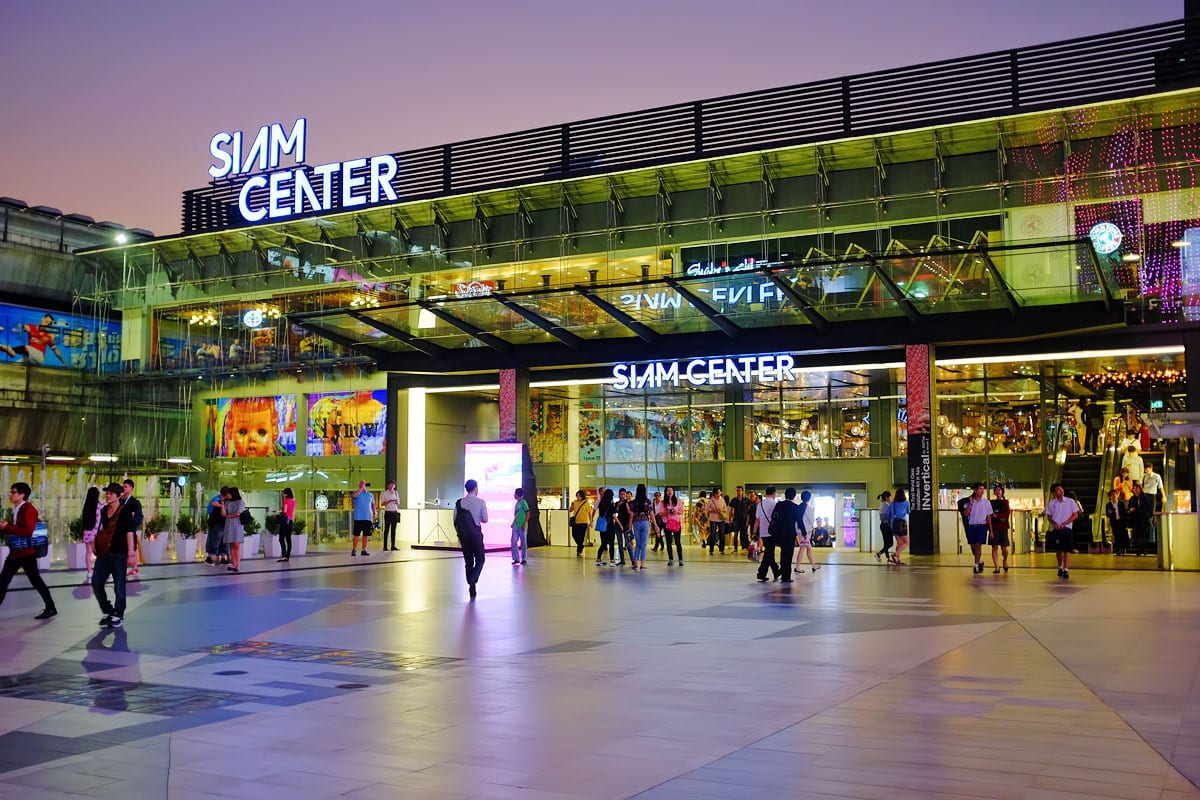
    Aeon expects its planned Bangkok mega shopping complex will compete with Siam Paragon, CentralWorld and The Emporium, says managing director Masamitsu Ikuta.

    Aeon (Thailand) is set to compete head on with Central Group and The Mall Group, vowing to develop its first megaproject in central Bangkok as part of a 10-billion-baht investment over the next five years.

    Managing director Masamitsu Ikuta said the company would allocate 10 billion baht for new retail development from 2016-20.

    Most of it will be used for developing three major retail models in central Bangkok — MaxValu supermarkets, a megaproject and speciality stores.

    Aeon will open 10 MaxValu stores in each of the next five years, taking the number of MaxValu stores in all formats to 130 by 2020.

    It will open three MaxValu supermarkets this year with an investment of 50 million baht, while it will spend about 10 million baht to open five MaxValu Tanjai stores.

    The company will build its megaproject in Bangkok in the next few years to cash in on the Asean Economic Community, which will draw more foreign tourists to Thailand.

    The project will have retail space of 200,000 to 300,000 square metres and require an investment of 6 billion baht.

    “The new retail megaproject will have the same image as Aeon in Japan,” Mr Ikuta said.

    “We want this shopping complex to be able to complete with inner-city retail megaprojects such as Siam Paragon, CentralWorld and The Emporium.”

    The project is expected to open in 2018. Aeon is looking for a suitable plot of land. It plans to develop about 20 mega shopping complexes in the next 15 years.

    The move towards huge projects in Thailand comes after its Japanese parent company recently set a plan to expand its retail business in Asean aggressively between now and 2020.

    Aeon plans to open speciality stores for drugs, bicycles, cosmetics and pet food in Thailand. Two speciality store brands will be launched next year.

    Three or four branches will be opened for each brand. If it receives a positive response from Thai consumers, the company will open about 20 branches per brand each year.

    Some funds for business expansion will come from listing the company on the Stock Exchange of Thailand in 2020.

    For its MaxValu supermarkets, the company plans to add more TopValu items, its house brand, to its range to differentiate its stores from other supermarket chains.

    TopValu products include shampoo, soap, toothbrushes and canned fish produced by original-equipment manufacturers in Thailand to serve MaxValu stores in this country and for export to Aeon stores in Japan.

    The Japanese parent recently chose Thailand as its production base for house brands of T-shirts and socks to serve Thailand and Aeon networks in Cambodia and other Asean members.

    Sales from house brands in Thailand are worth 3.45 billion baht, with 150 million generated in Thailand and 3.3 billion from exports.

    Mr Ikuta said house brands accounted for up to 3% of the company’s sales but would contribute 15% by 2020.

    Sales of TopValu brands worldwide are forecast to total ¥5 trillion (1.52 trillion baht) in 2020, up from ¥80 billion annually now.

    With its aggressive plans in Thailand, the company expects supermarket sales of Aeon in this country will reach 20 billion baht in 2020, nearly triple last year’s sales of 7 billion.

  • Specsavers tops in Asia-Pacific region

    Specsavers tops in Asia-Pacific region

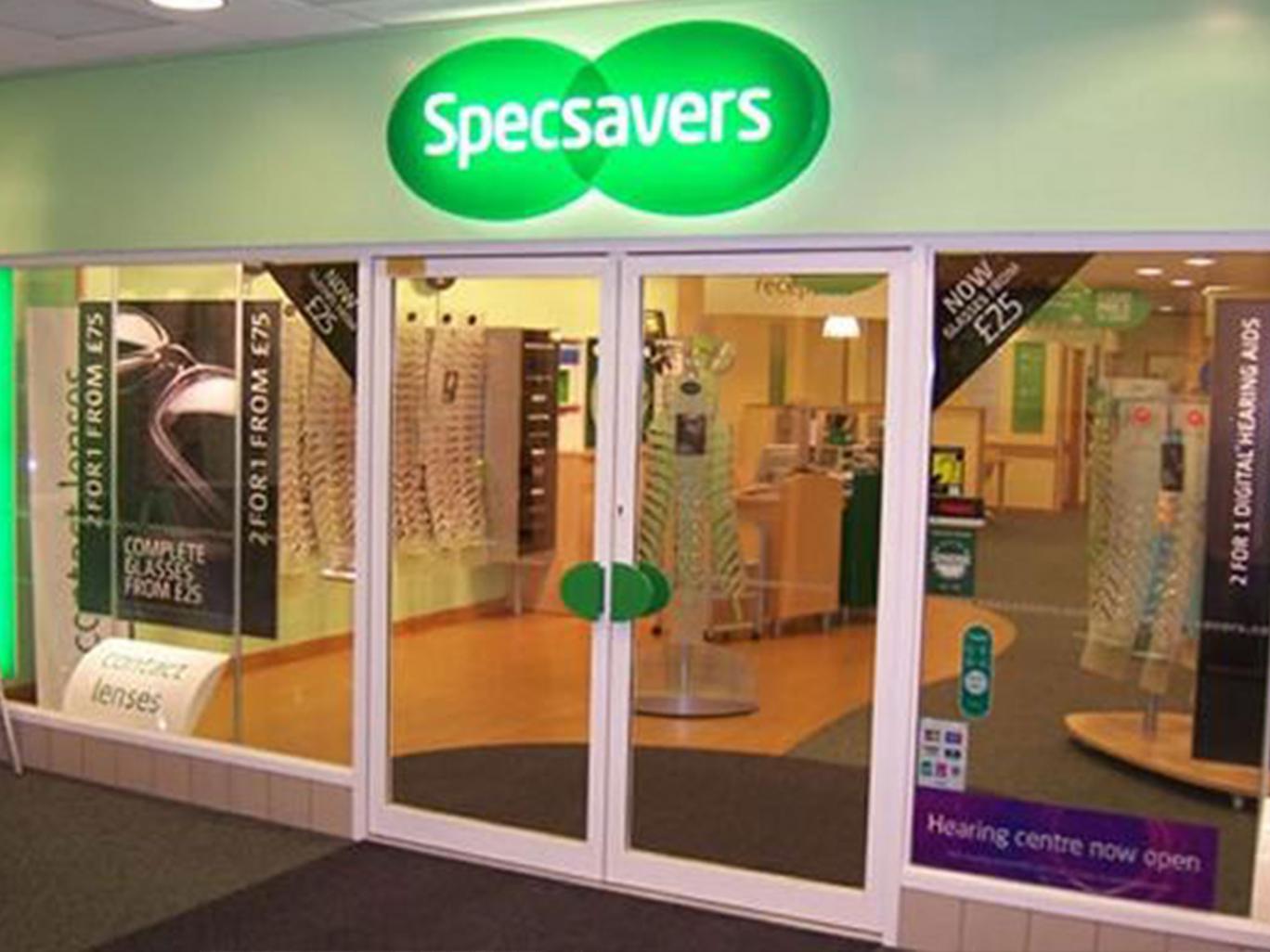
    The staff at Specsavers Gisborne have been named the best customer service team in the whole Asia-Pacific region.

    Just four months after the Gladstone Road store was named as Retail New Zealand’s overall customer service winner at its Top Shop Awards, the Federation of Asia-Pacific Retailers Association (FAPRA) recognised Specsavers Gisborne by awarding the store its top customer service excellence award.

    Specsavers Gisborne co-director Tania Richards said she was thrilled to win the award “on behalf of New Zealand”.

    “Seventeen countries go in for the awards. They all have their conferences and put their best stores forward. Retail NZ entered us into the awards as the best in New Zealand and we got the Best Country award on behalf of Retail NZ.”

    Ms Richards put the award down to the attitude of staff, which had been on display during a “mystery shop” conducted by an undercover examiner.

    “So that’s really good. We try hard to provide good customer service.”

    The FAPRA Awards take place every two years and involve retailers nominated by 17 national retail associations across Singapore, Thailand, Malaysia, Indonesia, Vietnam, the Philippines, China, Hong Kong, Chinese Taipei, Japan, Korea, Australia, New Zealand, India, Mongolia, Fiji and Turkey.

    The staff at Specsavers Gisborne have been named the best customer service team in the whole Asia-Pacific region.

    Just four months after the Gladstone Road store was named as Retail New Zealand’s overall customer service winner at its Top Shop Awards, the Federation of Asia-Pacific Retailers Association (FAPRA) recognised Specsavers Gisborne by awarding the store its top customer service excellence award.

    Specsavers Gisborne co-director Tania Richards said she was thrilled to win the award “on behalf of New Zealand”.

    “Seventeen countries go in for the awards. They all have their conferences and put their best stores forward. Retail NZ entered us into the awards as the best in New Zealand and we got the Best Country award on behalf of Retail NZ.”

    Ms Richards put the award down to the attitude of staff, which had been on display during a “mystery shop” conducted by an undercover examiner.

    “So that’s really good. We try hard to provide good customer service.”

    The FAPRA Awards take place every two years and involve retailers nominated by 17 national retail associations across Singapore, Thailand, Malaysia, Indonesia, Vietnam, the Philippines, China, Hong Kong, Chinese Taipei, Japan, Korea, Australia, New Zealand, India, Mongolia, Fiji and Turkey.

  • Giant to open six new stores and relaunch 28 existing stores nationwide

    Giant to open six new stores and relaunch 28 existing stores nationwide

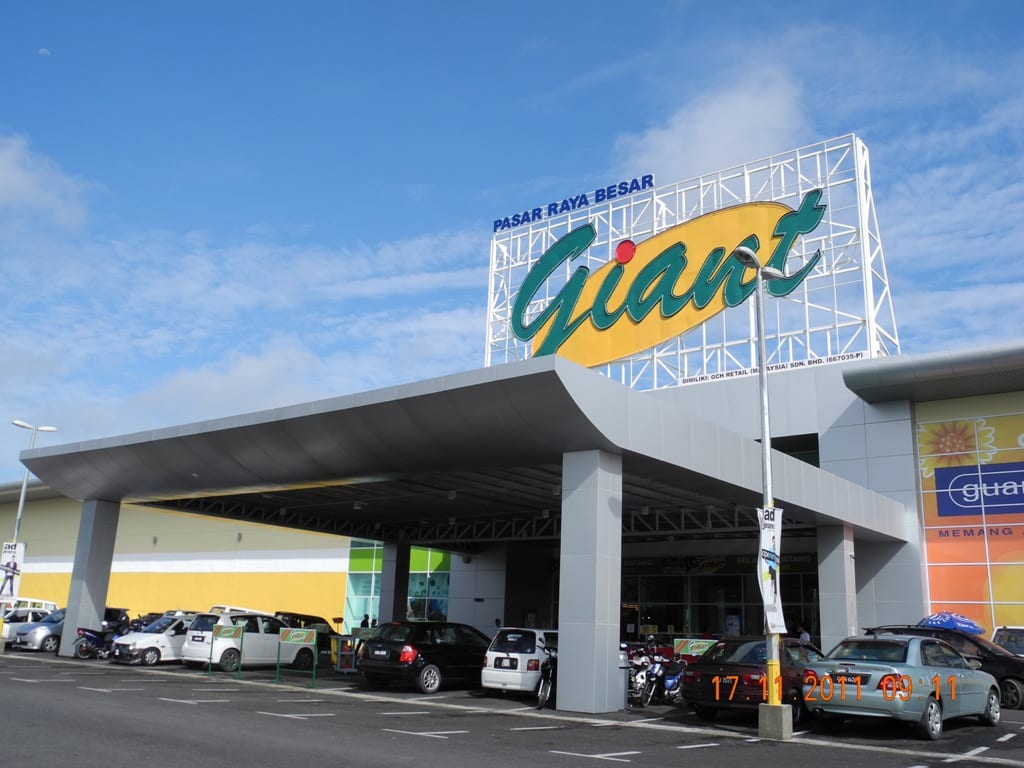
    Giant plans to open six new stores and relaunch 28 existing stores nationwide to provide a renewed shopping experience for customers next year.

    Among the six new stores to be opened are in Setapak, Kuala Lumpur, ICangar, Kedah; Kota Baru, Kelantan; and Jeneh. Terenggam while the remaining two have yet to be revealed.

    Giant operations director Ernest Potgleter said the company has decided to relaunch its stores after receiving complaints from customers that the stores have started to tool outdated.

    ‘Our customers said we look old. We have to revive the business. The stores have not been refurbished for the past five years and It Is time to give a new look.

    “Giant Malaysia listens to customers and the transformation is tailored with the customer in mind, aiming at providing greater value and customer friendly lay out.

    “We serve 23 million customers a week. You have to give them what they need and customers these days are very demanding. We have to be cheaper than other retailers and provide good service, good products and good environment in Giant stores,” he said at the relaunch of Giant Hypermarket Shah Alam, here, yesterday.

    Potgleter said Giant spent RM2.5 million in capital expenditure to re-furbish the Shah Aim store and the amount would differ according to the size of the stores.

    General merchandising director Lee Slew Mei said the relaunch embraced a change of layout making shopping a one-stop experience for customers.

    “Children-related products are put together and We have a dedicated seasonal promotional area. Now, there is a back-to-school pro-motion running for six weeks and all back-to-school retatect products including stationery, school bags and uniforms are in one place,” she said.

    At the same time, Lee said Giant has brought in many new ranges including those exclusive for Giant.

    We have the O’Fresh range which comes directly from the farms in Cameron Highlands. The vegetables do not go through distribution cen-tres, therefore they are of better quality and the price is also lower,” she said.

    Giant announced a special “Re-launch Promotion”, In conjunction with the relaunch of Giant Shah Alam from December 23 to January 31.

  • Suzhou selected to host China Retail Trade Fair

    Suzhou selected to host China Retail Trade Fair

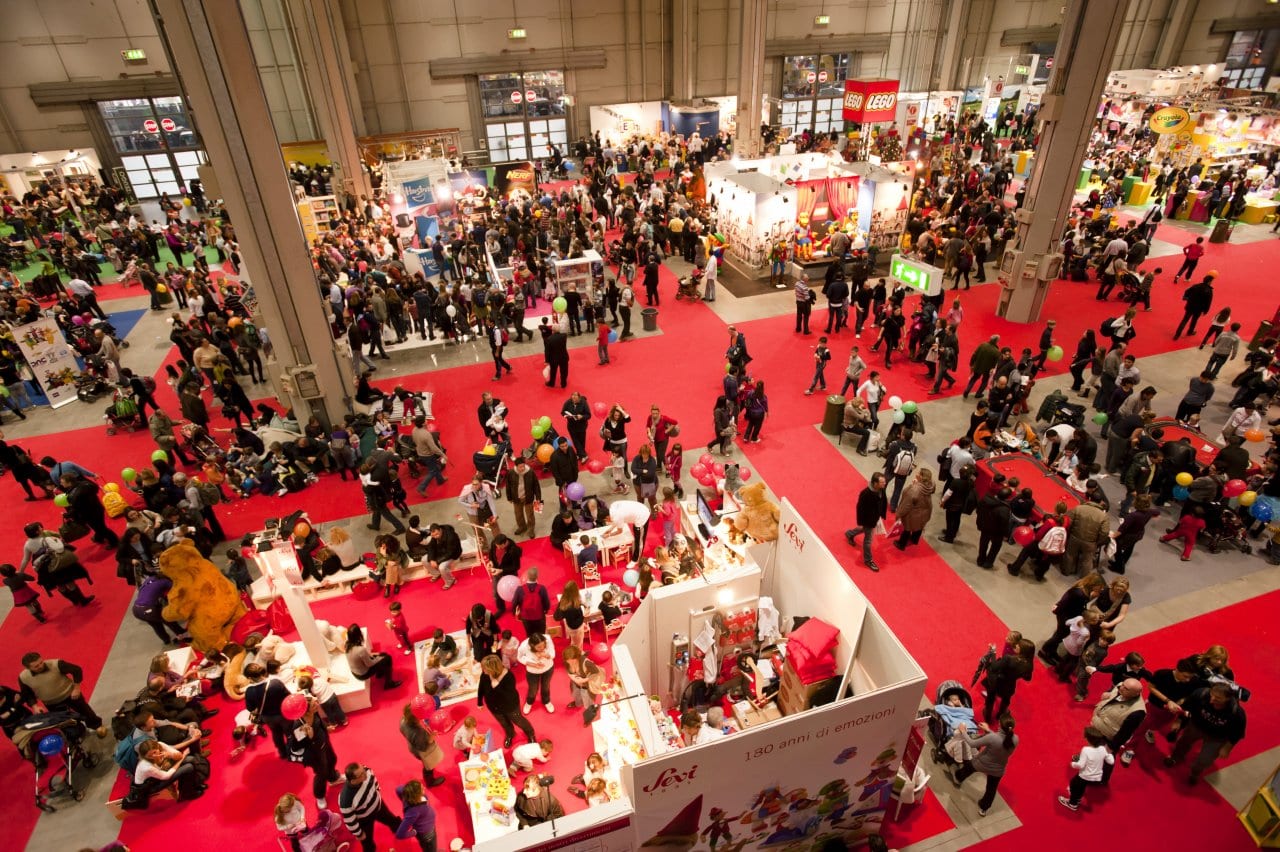
    The China Retail Trade Fair, more commonly known as CHINASHOP, the benchmark and barometer of China’s retail industry, announced that following voting by exhibitors and followers, Suzhou International Expo Center, the convention and exhibition venue owned and operated by Suzhou Culture and Expo Center Co., Ltd., has been selected to host 18th edition of the event, CHINASHOP 2016, with 41% of votes.

    CHINASHOP rolled out a voting campaign on December 11, 2015, inviting exhibitors and followers to select the host venue for the 18th CHINASHOP by choosing between five cities: Haikou , Qingdao , Nanjing , Suzhou and Chongqing .

    Suzhou outrivaled other cities with 41 per cent of votes. Following a wide-ranging consultation with exhibitors and on-site investigation of the venue, the organizers announced that the event will be held at Suzhou International Expo Center between the 3rd and the 5th of November 2016.

    With the approval and support of China’s Ministry of Commerce, CHINASHOP is organized by China Chain Store & Franchise Association and Beijing Zhihe Lianchuang Exhibition Co., Ltd. With a 16-year track record under its belt, CHINASHOP has become China’s largest and the world’s second largest retail industry event and is regarded by retailers worldwide as a key annual gathering.

    The city’s unique advantages lend to Suzhou International Expo Center’s popularity

    Suzhou, located in the fast-growing Yangtze River Delta, is in close proximity to major commercial centers including Shanghai , Nanjing and Zhejiang and is, itself, a city which is seeing a rapid expansion in its commercial activities. Recent statistics show that dozens of large shopping malls and supermarkets opened their doors here in 2015 and that the local retail industry has been on the fast growth track.
    At the same time, Suzhou and the nearby cities of Shanghai , Wuxi and Kunshan are all home to China’s leading manufacturers of commercial shelves, logos and signs. CHINASHOP 2016 in Suzhou will not only allow purchasers to visit and inspect suppliers, but also reduce exhibitors’ labor and transportation costs. Jiangsu province is also a very active hub in terms of the development of China’s online businesses, giving exhibitors an opportunity to enter into face-to-face conversations with China’s leading Internet companies and further explore how to best be a part of the transformation of the traditional retail industry in the new consumption environment.

    Suzhou International Expo Center is located in Suzhou Industrial Park. The center has available 60 conference rooms of varying sizes, occupying a combined area of 50,000 square meters, as well as 100,000 square meters of indoor exhibition space and 60,000 square meters of outdoor space. Its 8,000 square meter column-free luxury banquet hall is among the best in Asia . Based in Suzhou, a city with deep historical and cultural roots, the center has a full range of support facilities in immediate proximity including hotels, restaurants, shopping malls and entertainment venues. At the same time, the center is conveniently located in terms of transportation, with proximity to airports and high-speed railway stations in Shanghai and Wuxi, facilitating access for exhibitors and visitors.

    “We are honored to provide the venue for CHINASHOP 2016,” said Yin Weidong , chairman of Suzhou International Expo Center. “We sincerely invite all to the center between November 3 and 5, 2016 , when we will offer exhibitors and visitors all over the world an international expo with the most advanced exhibition facilities, the most comprehensive support services and the most professional exhibition team.”

  • Korean tobacco group fights ‘duty free threat’

    Korean tobacco group fights ‘duty free threat’

    Several media organisations in South Korea and beyond have reported criticism from the 100,000-strong ‘I Love Smoking’ online pro-smoking group towards ‘alleged’ plans by the South Korean government to halt sales of duty free cigarettes at Jeju International Airport’s shops.

    The pro-smoking group has told local media that if duty free cigarettes at Jeju are banned, the government believes these sales will simply migrate to the domestic market, where all cigarettes and tobacco products are subject to normal taxation.

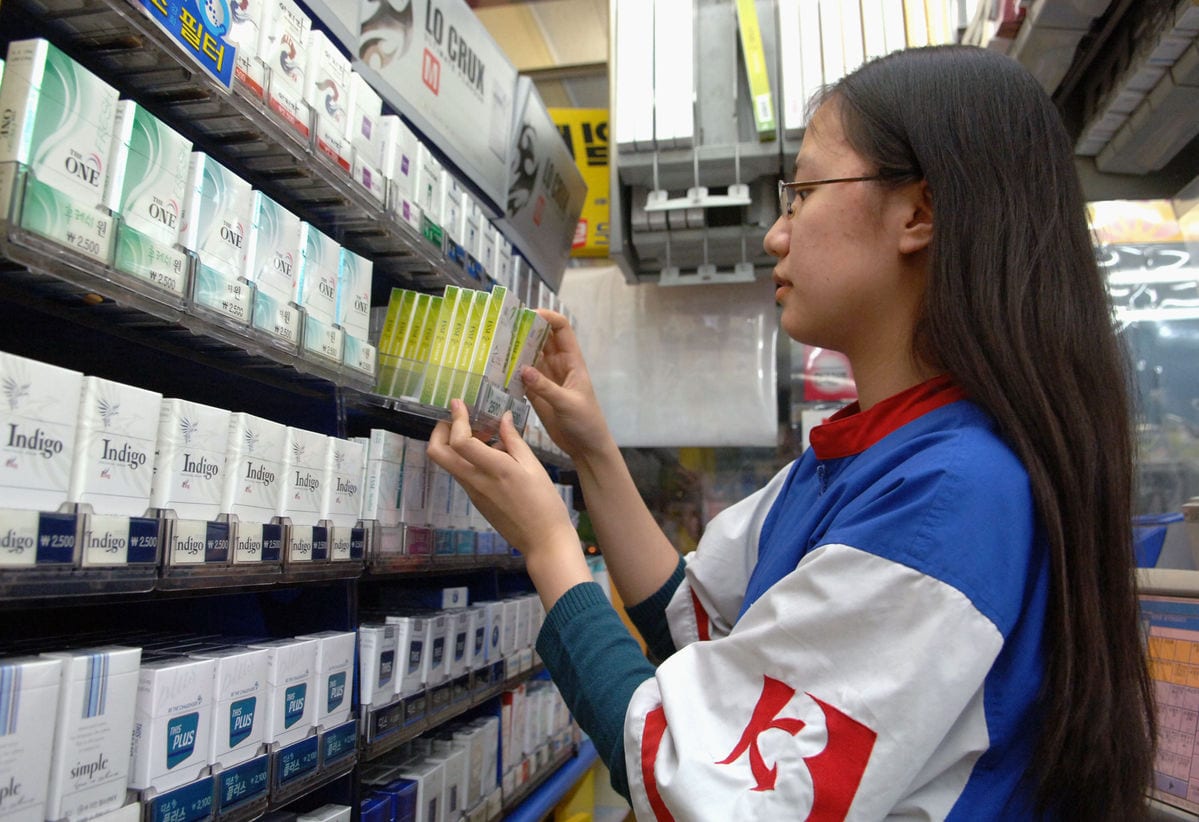
    Customers are currently allowed to buy and import one duty free carton of 200 cigarettes, saving around 60% of the comparative domestic market retail price.

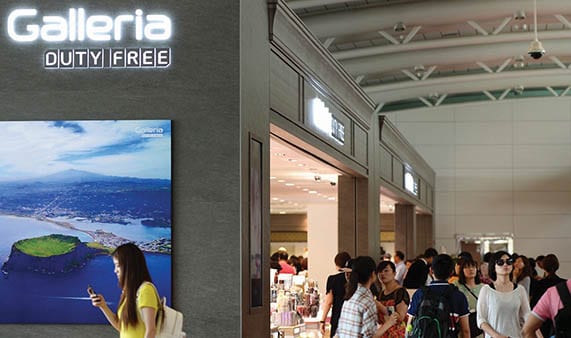
    Hanwha Galleria Timeworld trading as Galleria Duty Free

    At the same time, the I Love Smoking group in South Korea has suggested that if the Finance Ministry does have a public health agenda on this issue then it may have to ban duty free cigarettes altogether in South Korea – a move that would certainly prove hugely unpopular with many Korean and overseas customers, as well as duty free retailers and suppliers.

    Any such ban, local or otherwise, would also be certain to trigger contract renegotiations between affected retailers and airport landlords.

    Jeju International Airport is the biggest airport within the Korean Airports Corporation (KAC) portfolio. Hanwha Galleria Timeworld operates the 410sq m mixed category duty free store, having taken this over from Lotte Duty Free in mid-2014.

    Currently, around 95% of the Jeju duty free shop’s customers are Chinese, compared to an average for all South Korean duty free shops at about 60%, with tobacco sales four times bigger than liquor. Chinese cigarettes also dominate, accounting for more than 80% of all the store’s tobacco sales.

  • Alibaba is preparing to do battle with rural China’s terrible roads

    Alibaba is preparing to do battle with rural China’s terrible roads

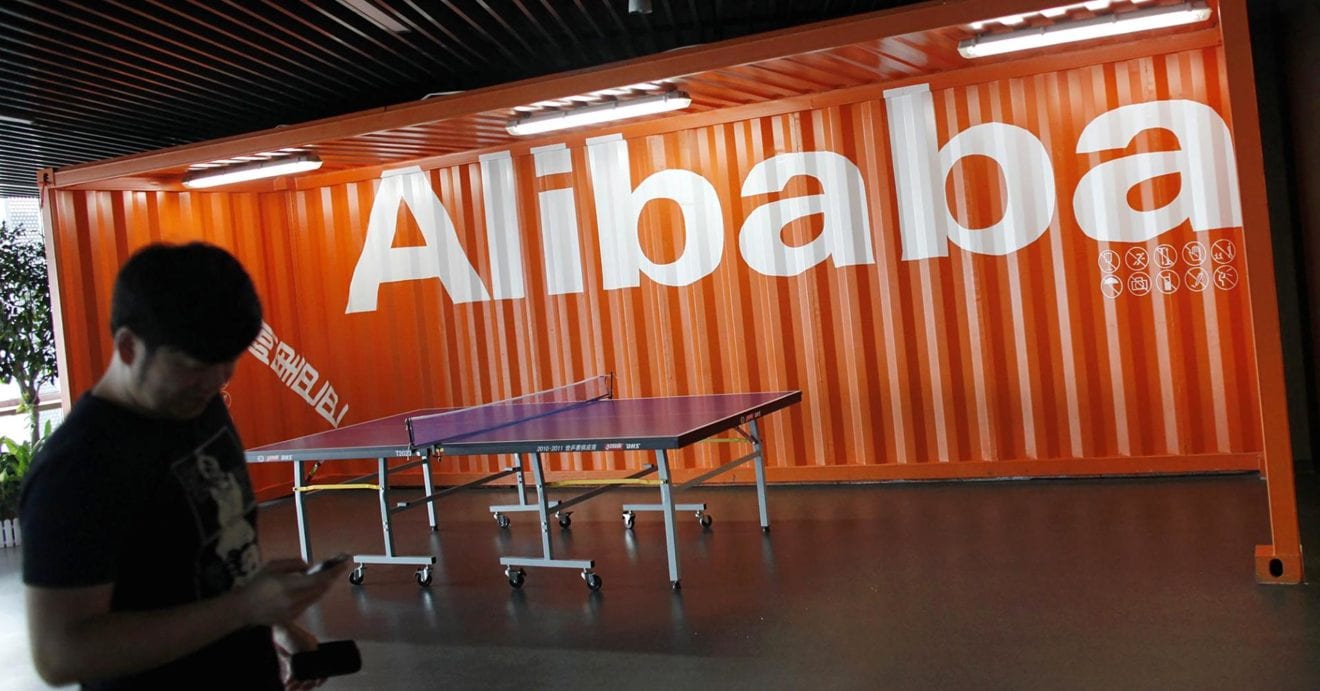
    Alibaba, China’s e-commerce giant, is hungry to expand its reach into less developed parts of northern China, and it’s prepared to do it even though it’s going to have a tough time delivering its goods to customers there.

    Part of the company’s 2016 strategy involves growing its operations in China’s biggest cities. That includes paying more attention to online grocery and electronic sales in Beijing, a gateway for serving the some 400 million people in the less developed northern territories, the company said.

    It’s being packaged as an “Alibaba everywhere” approach, and hinges on making it easier for rural populations to buy from Alibaba. The company’s slowing growth (paywall) in larger Chinese cities has spurred it to make inroads in untapped regions.

    The problem? Getting “everywhere” is tough. China’s postal system is notoriously unreliable, there are too few distribution centers, and rural roads are in bad shape.

    Total online sales in China are expected to reach $356 billion in 2016, according to the Journal. In large cities, that means millions of packages being delivered by couriers zipping through streets on scooters. In far-flung communities, though, getting deliveries is a more cumbersome venture.

    Customer complaints about lost mail have led China to strip (paywall) more than 100 delivery companies of their permits—a challenge for a country that’s been ranked by the World Bank as 26th in the world for logistics infrastructure, according to the Journal.

    One reason for this is that China has fewer dominant national retail chains that serve consumers than in the US, where big- and medium-sized box stores are sprinkled generously across the 50 states. The US also benefits from the roads built in the late 1800s to accommodate a robust postal system.

    And because China’s retail store networks are less developed, more than 11% of total retail sales take place online, versus 8% in the US, according to Moody’s. That’s expected to increase to just under 16% by the end of this year. That means Alibaba will have its work cut out finding a way to get reliably get packages from online to off-road.

  • Samsung Pay is coming to Singapore

    Samsung Pay is coming to Singapore

    South Korean technology giant Samsung Electronics is expanding its mobile payments service to three additional countries, including Singapore.

    The Korean company made the announcement during its press conference at the Consumer Electronics Show on Tuesday, held ahead of the show’s official opening. Samsung Pay allows consumers to pay at retail locations using their smartphones.

    It also confirmed the news in a Twitter update. “I am happy to announce we’re adding Australia, Singapore, and Brazil to the Samsung Pay roadmap,” said Samsung Electronics America President and COO Tim Baxter. No official date was announced for the three launches.

    The service launched last year in South Korea and the United States, with plans to enter other markets, including China, Spain and Britain.

    Samsung hopes the payments service will set its phones apart from competing devices, helping to protect market share against rivals such as Apple and Huawei Technologies and compel users to pay a bit more for the convenience. Apple announced in October last year its competing Apple Pay service was also coming to Singapore this year.

    Samsung has reported a strong response to Samsung Pay in its home country and the US, though the service does not generate revenue on its own for Samsung. An early advantage for Samsung Pay is its compatibility with magnetic stripe card readers already in wide use among retailers. In comparison, Apple Pay requires retailers to install new equipment supporting near-field communication technology.