Tag: asia

  • Alibaba to focus on China’s biggest cities

    Alibaba to focus on China’s biggest cities

    Alibaba Group CEO Daniel Zhang has laid out the eCommerce giant’s strategic direction for 2016, saying Alibaba will be looking to grow its already large operations in China’s biggest cities.

    That change of focus follows a year in which it made global expansion and greater penetration of China’s underserved rural markets priorities during 2015.

    “We are going to consolidate and expand our current market, particularly by enhancing reputation, optimising user experience and increasing our market share in first-tier cities,” Zhang told employees at the company’s campus in Hangzhou.

    Although he provided few details, this refocusing on the country’s wealthy mega-cities was foreshadowed in September when Alibaba announced it would add China’s capital, Beijing, as a second headquarters.

    The company has been bolstering its Beijing operations in areas such as the online sale of groceries and consumer electronics, and plans to use the city as a gateway to better serve some 400 million people in northern China, where penetration and support infrastructure is less developed than it is in the country’s southeastern provinces.

    Outlining a three-prong expansion strategy that he stopped short of calling “Alibaba everywhere,” Zhang said in addition to targeting first-tier Chinese cities, the company in 2016 would continue to promote eCommerce among rural Chinese residents and globally through its international eCommerce websites.

    “Global import, rural eCommerce, and top-tier cities are the three key battlefields for Alibaba in 2016,” he said.

    Zhang last year said the globalisation of Alibaba’s mostly Chinese operations was a top priority. The company hired former top Goldman Sachs executive Michael Evans to oversee international expansion, boosted its presence in Europe and made cross-border online shopping a highlight of its annual 11.11 Shopping Festival.

    This year, Zhang said, the company will continue to build up channels that allow international brands and merchants to sell online to Chinese consumers.

    The focus of this effort will be Alibaba’s Tmall Global, a cross-border shopping solution that provides Western merchants with a simplified channel for selling online in China, and g.taobao.com, a niche channel within the company’s giant Taobao Marketplace that helps consumers discover quality products sourced from around the world.

    “We are going to build our businesses around the two brands, in order to raise their awareness among customers and offer optimal user experience,” Zhang said.

    Meanwhile, the company plans to invest in operations that not only allow to retailers tap the growing purchasing power of rural Chinese consumers, but also in platforms that help farmers in the hinterlands sell and deliver agricultural products to online shoppers in the country’s big cities.

    “In 2016, we are going to ramp up our efforts to bring quality goods to rural buyers, and deliver local produce to urban customers,” Zhang said, “so the rural market can be connected to the whole country and even the whole world.”

    Alibaba has built more than 10,000 village-level service centers that promote eCommerce and provide delivery services in more than 20 provinces.

    Zhang added that Alibaba this year would continue to drive innovation in omnichannel retailing and build up its on-demand services offerings.

  • First Brookstone store China opens

    First Brookstone store China opens

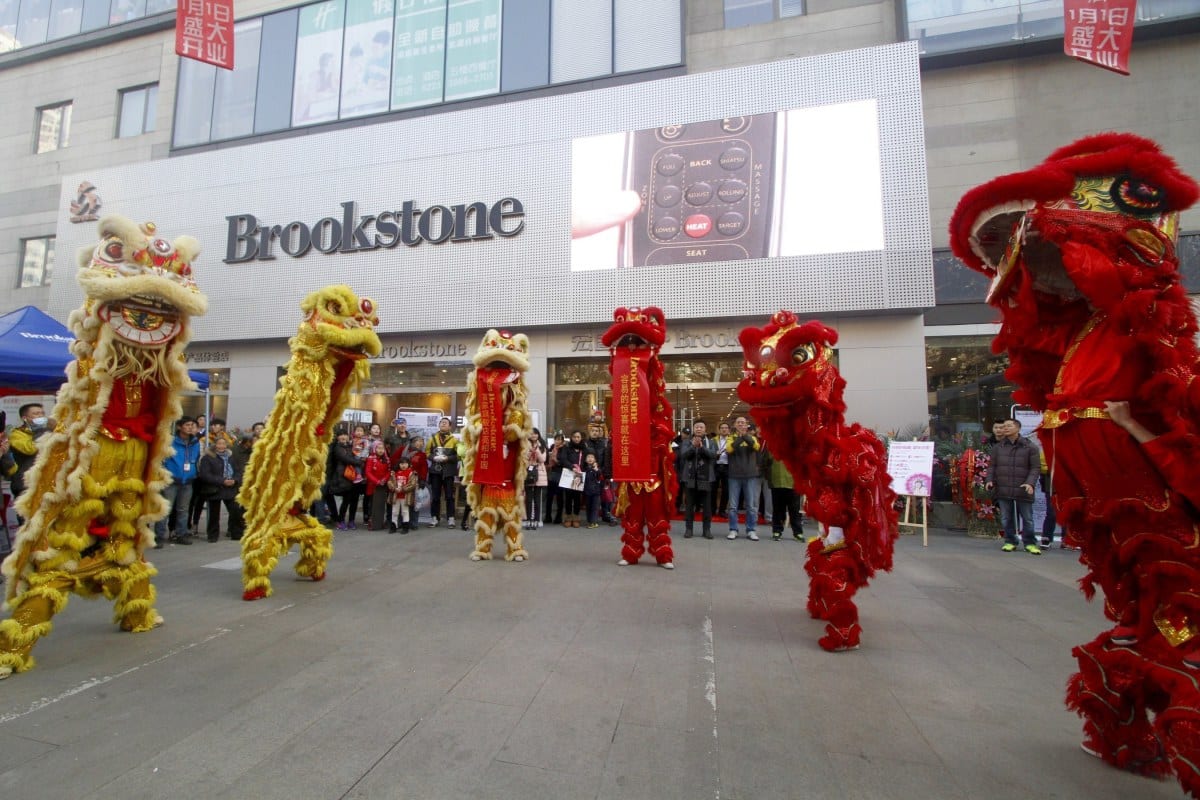
    US specialty retailer Brookstone has opened its first overseas store in one of the largest shopping centers in Nanjing, China.

    First-day sales far exceeded expectations for the new outlet, says CEO Tom Via. “We’re thrilled with how enthusiastically customers are embracing their first Brookstone China store experience.”

    Brookstone shops allow customers to try out products, and Via says visitors to the new outlet “love being able to try out our massagers, wear the Cat Ear headphones and see drones in action”.

    Founded in 1965, Brookstone offers innovative and lifestyle products designed for smart living. It has more than 300 mall and airport stores across the US, plus an online presence and a B2B/wholesale business. Two months after filing for bankruptcy in April 2014, the company was bought by Chinese investment firm Sailing Capital and Chinese conglomerate Sanpower for more than $173 million. By July, the company had emerged from bankruptcy with a restructured balance sheet, improved capital structure and a new strategic partner with a corporate mission to introduce premium American lifestyle products to shoppers in China.

    Over the years, Brookstone has built a following for its memory-foam pillows, sleep-sound machines, massagers and checkpoint-friendly luggage.

    Brookstone China chairman Xin Kexia is using the slogan “Easy surprise” to position the store as a destination for people to find “surprising innovations that make life easier”.

    Not only does the brand have in-house R&D teams that develop exclusive products, it also explores innovative products from makers all over the world.

    “For offline commerce to have any real meaning in the future internet-based society, it must meet the spiritual needs of consumers,” says Xin Kexia, “and offer customers a richer experience. Our mission is to consistently offer fresh and exciting product that customers have never seen before.”

    To help achieve this goal, the Sanpower Group has made active strategic adjustments and joined hands with Brookstone to sign a co-operation agreement with research and innovation institution MIT Media Lab.

    For China, Brookstone is adopting a sales model featuring hands-on interactive shopping. Store “associates” (rather than sales persons) will show customers how to control its products.

    Looking ahead, Brookstone’s China strategy will include opening independent shops in airports and high-speed railway stations, says chairman and Sanpower Group global vice-president Piau Phang Foo. It will also continue to launch store-in-stores in Sanpower’s offline retail brands, including Hisap and Smart Funtalk Telecommunications.

  • Seoul retail rents fuelled by food frenzy

    Seoul retail rents fuelled by food frenzy

    In the backstreets of Seoul, hipster culture is flourishing, and specialist cafés and eateries are jostling with big brand names to gain exposure in so-called “hot” neighborhoods. And as the crowds grow, so too do the retail rents.

    Just 10 years ago, Seoul wouldn’t have been the first city that came to mind as hip. As its economy picked up, a new class of Korean consumer has emerged and many are well travelled, knowledgeable and have discerning tastes, reports JLL Retail Views.

    Nick Kim, head of retail advisory & marketing in JLL’s Seoul offices, attributes the popularity of backstreet food and beverage (F&B) outlets to the fact that locals are always looking for “new, trendy, different places”.

    “They enjoy the blending of Korean and international cultures,” he says, and find cultural innovation on the backstreets, where prices are cheaper and the atmosphere is more casual.

    The rapid rise of artisan eateries and stylish bakeries in these alleyways was aided by the gentrification of districts such as Hongdae and Itaewon – formally avoided because of their association with crimes and drunkenness. F&B entrepreneurs typically set up shop on the back streets for good reason: real estate is far cheaper in the alleys than on the main roads.

    The pull of South Korean cool

    Thanks to promotional efforts by the government and the huge international success of South Korean pop music and television shows, the country’s cultural exports have gone beyond Kimchi and Psy’s global hit Gangham Style.

    According to Food Industry Asia, ‘Seoul Food’ is enjoying an international renaissance. Korean food tops the list of foods purchased at foreign specialty stores in China, is the most prominent emerging style of restaurant and cuisine in Singapore and is among the most popular cuisines for Australian consumers in 2014. his proliferation of modern Korean culture has led to a surge in the number of visitors to South Korea, from the region, notably from mainland China.

    As retail sales growth averaged about 2 per cent in recent years, a rising number of local fashion brands and F&B outlets have contributed to the steady rise of retail rents in Seoul’s prime submarkets.

    One example is Garosugil, one of Gangnam district’s most renowned enclaves, where rents have almost doubled over the past five years. The high street shops in Myeong-dong, the city’s prime shopping district, command the highest rents in South Korea at $6,244 per square meter per annum. Myeong-dong ranked third in Asia Pacific’s high street rents in the second quarter of this year, behind Hong Kong’s Russell St and Tokyo’s Ginza.

    However, when a backstreet turns into a main street, often following the entry of big brand names or retail chains, some diners move on. This sometimes leads to the creation of other alleyways, which is what happened in Garosugil, once known for its unique eateries. After big names such as H&M and Starbucks moved onto the street, newer, authentic outlets started to spread along many vertical roads nearby, says Kim. This has given Serosugil, a series of small alleyways near Garosugil, a new lease of life.

    In recent years, Seoul’s food culture has not only spilled over from its backstreets to Asia’s retail malls but has also hit the streets of London and New York. Following in the footsteps of K-pop, K-beauty and K-movies, K-food is increasingly gaining prominence in Western markets.

    There are already signs of a growing trend towards Korean fusion restaurants such as the American-Italian-Korean cuisine offered at Piora in New York City’s West Village and Jin Jiu in London. Key to the success of K-food culture overseas is the strong advocacy by the country’s Ministry of Agriculture, Food and Rural Affairs, which has been actively organizing food fairs in Indonesia and Malaysia and has even opened Korean culinary classes in universities in Vietnam and China.

    So far it’s been a winning strategy – and the appetite for all things Korean is far from sated.

  • Max Brenner Korea launches

    Max Brenner Korea launches

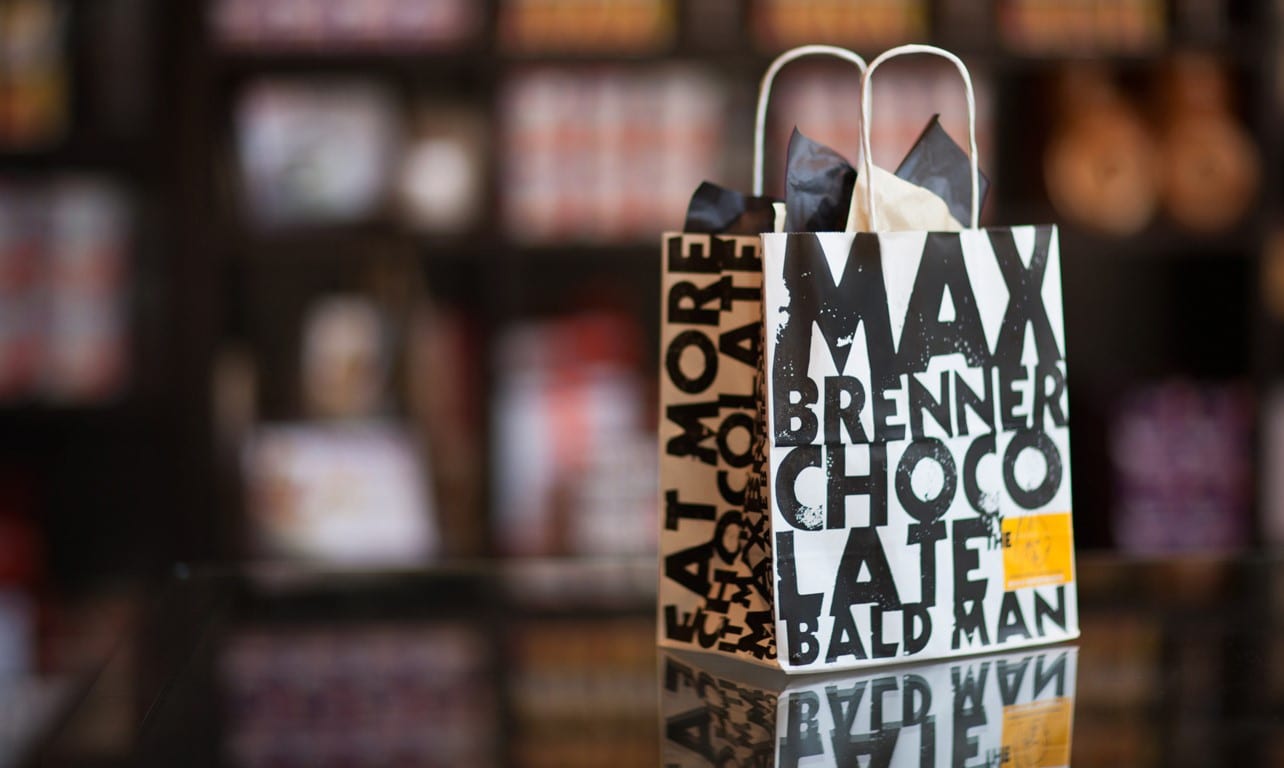
    Max Brenner “the baldy man” has opened its first stores in Japan and Korea as it expands its Asian footprint.

    The first Korean store (pictured) was opened quietly in Seoul in late November.

    In Japan, the brand made its debut in Tokyo’s upmarket Omotesando Hills retail precinct, and followed that with a second outlet which opened just before Christmas at the Skytree shopping complex in Tokyo Solamachi.

    Founded in 1996, the now famous global chocolate brand Max Brenner came from humble beginnings in Israel, as a small shop selling handmade chocolates. Max Fichtman and Oded Brenner combined their names to form the brand, which is now a fully owned subsidiary of the

    Strauss Group, Israel’s second-largest food and beverage company.

    There are now over 40 restaurant and bar stores worldwide, including outlets in Israel, New York, and other locations throughout the US, in Australia, the Philippines and Singapore.

    In line with the catering style of other Max Brenner Chocolate Bars, the Korean and Japanese stores were set up in the fashion of a casual counter-style cafe serving pizzas, waffles, crepes, and fondue.

    Max Brenner’s fun and pop art attitude of serving chocolates, or “chocolate entertainment,” will also be featured in the Tokyo stores, such as in the chocolate-filled giant “syringes,” the cacao

    bean-shaped cup filled with Max Brenner’s trademark hot chocolate known as the Hug Mug, and Chocolate Chunk Pizzas topped with toasted marshmallows and melted chocolate.

    The interior of the Max Brenner Chocolate Bar is fashioned in the image of a chocolate factory, in chocolate shades of dark brown, milk, caramel, and white chocolate.

  • MasterCard to take payments by wearable devices

    MasterCard to take payments by wearable devices

    MasterCard and secure payments company Coin have teamed up to make the credit card available for buying a wide range of fitness bands, smartwatches and other wearable devices.

    This collaboration builds upon the MasterCard announcement in October of its Commerce for Every Device program, aimed at enabling any consumer gadget, accessory or wearable to become a payment device.

    Atlas Wearables, which designs advanced fitness trackers, Moov, a personal fitness coach on your wrist, and smartwatch manufacturer Omate are the first set of companies working with MasterCard and Coin to include payment technology in their products.

    “We are adding payment functionality to items that consumers are already using – fitness bands, jewellery, clothing, watches,” says MasterCard’s senior vice-president for digital payments, Sherri Haymond.

    “This makes the products more useful for consumers and enhances the value device manufacturers can deliver to their customers. Coin complements that approach and enables us to reach an expanded set of device partners.”

    Coin will provide hardware and software technology for embedding MasterCard payments into devices.

    Coin’s Payment of Things platform is a turnkey solution to enable payments for the wearable device industry,” says Coin co-founder and CEO Kanishk Parashar.

    “By leveraging Coin’s technology, device manufacturers will benefit from significantly reduced costs and time to market.”

    He says the wearable domain is projected to grow to $53 billion by 2019.

  • Meal kits: a US$1 bn market disruptor

    Meal kits: a US$1 bn market disruptor

    A niche market has started disrupting food consumption norms, according to a new research in the US.

    The global “meal kit” market has topped $1 billion and is positioned to change the way consumers think about food at home, according to food industry research company Technomic, in itsUnderstanding Fresh Food Subscription study.

    Meal kits are subscription services where a company supplies customers with a daily or weekly delivery of prepared meals ready to heat and mix at home. Targeted especially at singles and shift workers, it represents an entirely new retail category for online suppliers, both web and app based.

    The fresh food subscription market (meal kits) is defined as a service designed to deliver fresh, pre-measured ingredients to consumers’ homes.

    “This market initially gained traction overseas, but today the US represents nearly 40 per cent of the global market,” says Technomic principal Erik Thoresen. “We project the fresh food subscription market will grow to a multi-billion-dollar market over the next five years in the US alone.”

    As well as measuring and predicting the economic health of the industry, the study analyses trends and global opportunities. It predicts that worldwide revenues from fresh food subscriptions will top $10 billion by 2020, with the US market alone growing tenfold over the next five years. The research program involved 4500 consumers from Australia, Denmark, Germany, Sweden, The Netherlands, the UK and the US.

  • Valentino Singapore opens Marina Bay Sands boutique

    Valentino Singapore opens Marina Bay Sands boutique

    Italian luxury fashion brand Valentino has opened its second and largest store in Singapore, at Marina Bay Sands.

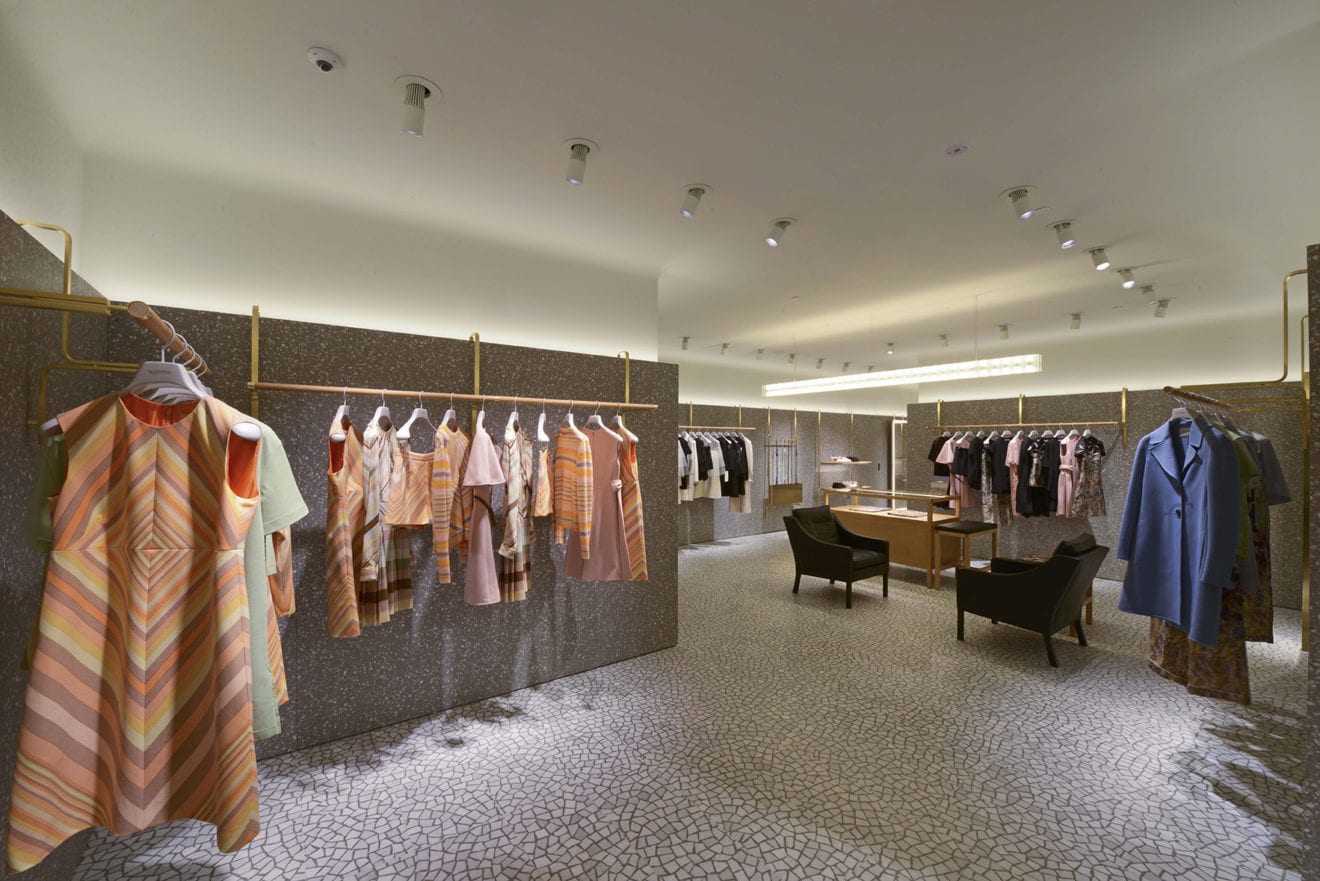
    The 341 sqm store Palazzo concept was developed in partnership with the brand’s creative directors, Maria Grazia Chiuri and Pierpaolo Piccioli, and British architect David Chipperfield. It features marble, timber and leather interiors.

    The boutique offers the brand’s women’s ready-to-wear line, accessories and fragrances. Few details have emerged as yet, with only the store’s name appearing on the Marina Bay Sands website without any information.

    To mark the opening, the House of Valentino is organising a grand opening celebration cocktail party on January 13. The outlet is in The Shoppes at Marina Bay Sands, one of the city’s largest luxury shopping malls.

    Valentino’s other shop in Singapore is in the Ion Orchard complex.

  • Snapcart docket scanning concept wins funding

    Snapcart docket scanning concept wins funding

    An Indonesia-based startup that runs a service offering consumers rewards in exchange for scans of their shopping receipts has received US$1.675 million in funding just four months after launching.

    New investors in Snapcart, Wavemaker Partners and Singapore Press Holding’s SPH Media Fund, along with existing backers SMDV (Sinar Mas Digital Ventures) and Ardent Capital, launched the funding round – described as “pre-Series A” – as the company started exploring expansion options in Southeast Asia, reports Techcrunch.

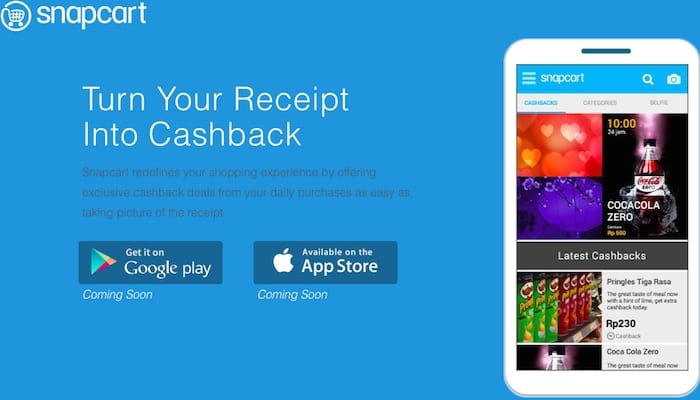
    Snapcart’s business is two-fold: one one side it allows customers to scan their store receipts in exchange for cashback and rewards; on the other side, information from the receipts is compiled and used to provide clients, such as consulting agencies, with reports and information about consumer spending and shopping habits – valuable, because it is not easy to track offline commerce.

    Snapcart CEO and founder Reynazran Royono says the company has scaled faster than initially anticipated, with the funding round being wrapped up a few months ahead of schedule.

    He says the new capital will be used to develop more products, including engagement videos and analytical dashboard tools that will enable client brands to view customer behaviour in real time. There are more than 35 Snapcart clients including L’Oreal, Nestle, Procter & Gamble and Unilever.

    “The amount of data we’re receiving is humongous,” says Royono, who previously worked as a consultant for Procter & Gamble and Boston Consulting.

    So far, Snapcart for Android has clocked 150,000 downloads and has 85,000 monthly active users in Indonesia. An IOS app is about to be released.

    TechCrunch.com says Snapcart is expected to push beyond its initial focus on FMCG into other verticals, and the company is looking at other options that could involve small retails.

    Snapcart is also investigating regional expansion, adding former Procter & Gamble market research director Mayeth Condicion as chief data officer and co-founder. Condicion is based in Manila, which will be Snapcart’s first international expansion and soon home to its data analytics team. Jakarta will remain its technology hub.

    Meanwhile, the company is thinking of a second funding round about the middle of this year so it can push ahead with its expansion plans. Snapcart aims to achieve one million user downloads in less than 12 months.

  • LVMH’s L Capital in PE merger deal

    LVMH’s L Capital in PE merger deal

    In a marriage of high fashion and finance, a new partnership is being formed by luxury products company LVMH with two equity firms, Catterton and Groupe Arnault.

    They have agreed to create L Catterton, combining private equity firm Catterton’s North and Latin American interests with LVMH and Groupe Arnault’s European and Asian private equity and real estate interests, now under the Singapore-based L Capital and the L Real Estate banners. Under the terms of the agreement, L Catterton will be 60 per cent owned by the partners of L Catterton and 40 per cent jointly owned by LVMH and Groupe Arnault.

    This will make L Catterton the largest global consumer-focussed investment firm with six distinct and complementary fund strategies specialising on consumer buyout and growth investments across Asia, Europe, and North and Latin America, as well as prime commercial real estate globally. After various successor funds are closed, L Catterton expects to grow its assets under management to more than $12 billion, drawing on 27 years of experience with more than 120 investment and operating professionals in 17 offices across five continents. It will be led by global co-CEOs J. Michael Chu and Scott A. Dahnke, currently managing partners at Catterton.

    “The breadth of our collective expertise will be second to none in the consumer industry,” says Chu.  “And we look forward to benefitting from the strength and global reach of the team at L Capital and L Real Estate as we continue to seek out investment opportunities with significant growth potential.”

    “The globalisation of media and technology, combined with increasingly permeable geographic borders, is driving rapid consumer growth on an unprecedented global scale,” said Dahnke.

    Catterton invests in all major consumer segments, including food and beverage, retail and restaurants, consumer products and services, consumer health, and media and marketing services. Its investments include CorePower Yoga, Kettle Foods, Nature’s Variety pet food, Noodles & Company, Outback Steakhouse, PF Chang’s, Plum Organics, Restoration Hardware, Protein Bar, Snap Kitchen, Sweaty Betty and Wellness pet food.

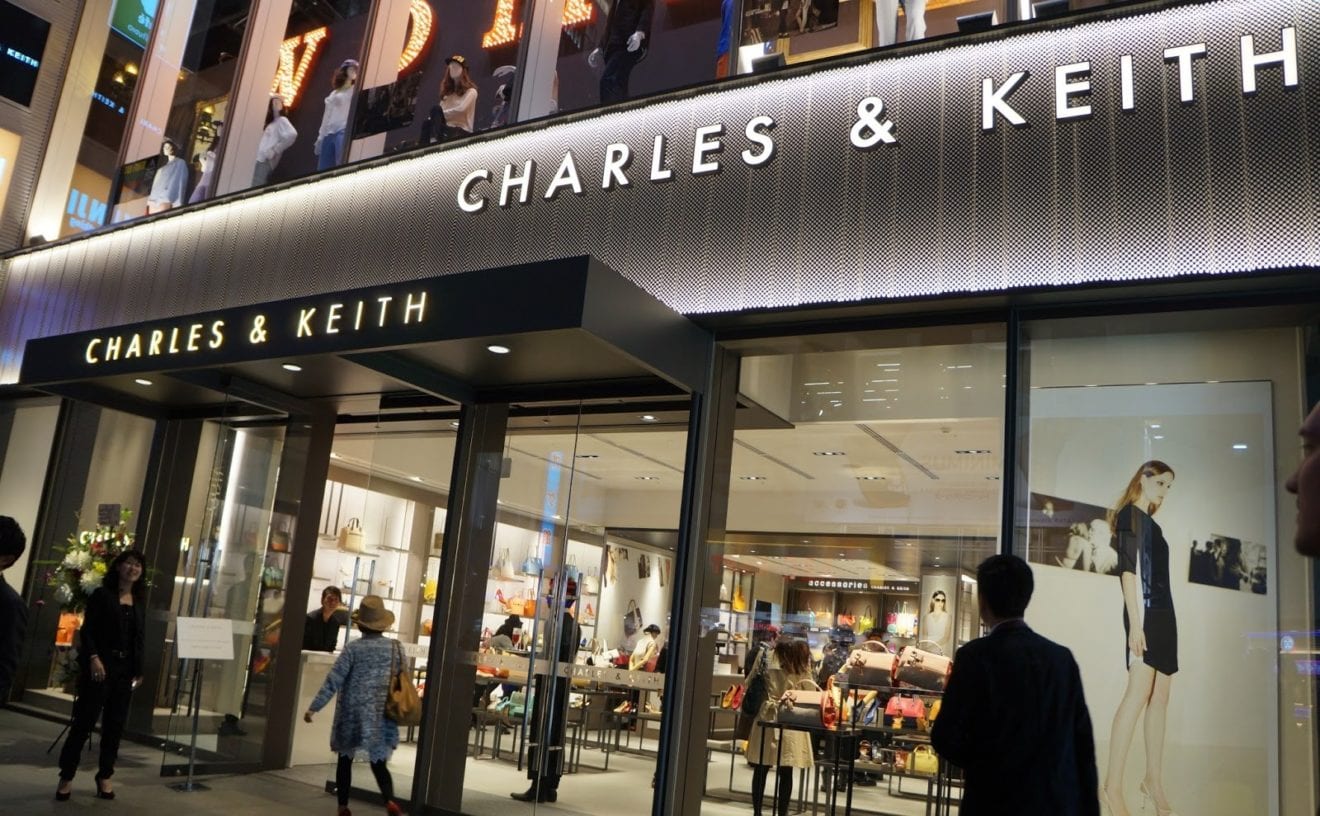
    L Capital invests in companies across Asia and Europe in such sectors as beauty and wellness, fashion and accessories, food and beverage, media and entertainment, and special retail. Founded in 2001 with support from LVMH and Groupe Arnault, it specialises in lifestyle brands and selective retail businesses in Europe. L Capital – Asia is Asia’s largest consumer-focussed private equity firm with headquarters in Singapore, and regional offices in Hong Kong, Melbourne, Mumbai and Shanghai. Its investments include 2XU, Asiaray Media, Bateel, Charles & Keith, Emperor Watch & Jewellery, Jones the Grocer, Marubi and Sasseur.

    L Real Estate develops mixed-use projects anchored by luxury retail. Its investments include G6 in Ginza, Tokyo, and Miami Design District.

    LVMH (Moet Hennessy Louis Vuitton) is represented in fashion and leather goods by a portfolio of brands including Celine, Donna Karan, Fendi, Givenchy, Kenzo, Loewe, Louis Vuitton and Marc Jacobs. Its wines and spirits division includes Belvedere, Chandon, Cloudy Bay, Dom Perignon, Hennessy, Krug, Moet & Chandon and Wenjun. In the perfumes and cosmetics sector it has Guerain, Parfums Christian Dior, Parfums Givenchy, Parfums Kenzo and Perfumes Loewe.

    LVMH’s retail interests include DFS, Le Bon Marche and Sephora, it has a joint venture with De Beers Diamond Jewellers, and its watches and jewellery division comprises Bulgari, Chaumet, Dior Watches, Hublot, TAG Heuer and Zenith.

    Subject to customary regulatory and certain investor approvals, the L Catterton transaction is expected to close early this year.

  • CNBC, Trans Media partnership; Government to study Netflix impact

    CNBC, Trans Media partnership; Government to study Netflix impact

    CNBC and Trans Media will launch CNBC Indonesia

    CNBC and the media company own by tycoon Chaerul Tanjung will launch new media services CNBC Indonesia, a dedicated business, financial TV and digital news service in Bahasa.  The partnership agreement was signed in Jakarta by Mark Hoffman, chairman of CNBC and Chairul Tanjung, founder & chairman of Trans Media Corpora’s parent company, CT Corp. Specific launch dates for the digital and TV services are expected to be announced later this year.

    According to Hoffman, the collaboration with Trans Media is a strong addition to the suite of strategic partnerships underpinning CNBC’s emerging markets strategy.

    “We are pleased to bring CNBC’s unique and robust content proposition to millions of Indonesians in their local language, further opening the world of international business and finance to a growing economic powerhouse,” said Hoffman.

    “The primary objectives of the CNBC Indonesia venture are to facilitate global business conversations in Bahasa Indonesia, to educate our growing middle class, and to facilitate better information flow for decision making. This will help realize the full potential of the capital markets and businesses, accelerating the economic development of Indonesia,” added Tanjung.

    Netflix’s presence might affect existing players

    Communication and InformationTechnology Minister Rudiantara said, Netflix’s presence might affect existing playres in the entertainment industry and other online businesses. Hence, his ministry would seek advice from the Culture and Education Ministry to look into the content available on Netflix to gauge its impact on society.

    “If the disadvantages outweigh the advantages, then something must be done to fix that. We have to study the Netflix entrance carefully as we do not want to hinder technology for the sake of the public,” he stated.

    However, Rudiantara was confident that the country’s internet infrastructure would be ready, especially mobile broadband networks to support a service like Netflix.

    Netflix’s listed Indonesian rates are Rp 109,000 per month for its basic service, Rp 139,000 a month for its standard service and Rp 169,000 a month for its premium service.

    Netflix was founded in 1997 with headquarter in in Los Gatos, California. In, 2007, the company grabbed headlines as it delivered its billionth DVD in the United States. The on-demand streaming service was later often cited by media as one of the factors that led to the bankruptcy of video rental chain Blockbuster.

    Currently, Netflix is already available in 60 countries worldwide and aims to cover 200 countries by the end of 2016.

  • PT Trans Media Corpora & CNBC to Launch “CNBC Indonesia”

    PT Trans Media Corpora & CNBC to Launch “CNBC Indonesia”

    PT Trans Media Corpora and CNBC have agreed a strategic partnership that will culminate in the launch of CNBC Indonesia.

    The service, which will be based in Bahasa, Indonesia, will bring CNBC’s unrivalled content to the growing business community in South East Asia’s largest economy and the world’s fourth most populous country.

    The partnership was signed in Jakarta by CNBC Chief, Mark Hoffman and Chairul Tanjung, Founder & Chairman of PT Trans Media Corpora’s parent company, CT Corp.

    Hoffman Said; “This collaboration with Trans Media is a strong addition to the suite of strategic partnerships underpinning CNBC’s emerging markets strategy. We are pleased to bring CNBC’s unique and robust content proposition to millions of Indonesians in their local language, further opening the world of international business and finance to a growing economic powerhouse.”

    “The primary objectives of the CNBC Indonesia venture are to facilitate global business conversations in Bahasa Indonesia, to educate our growing middle class, and to facilitate better information flow for decision making. This will help realize the full potential of the capital markets and businesses, accelerating the economic development of Indonesia,” added Tanjung.

    Specific launch dates for the digital and TV services are expected to be announced later this year.

  • Lion group to receive 44 aircraft

    Lion group to receive 44 aircraft

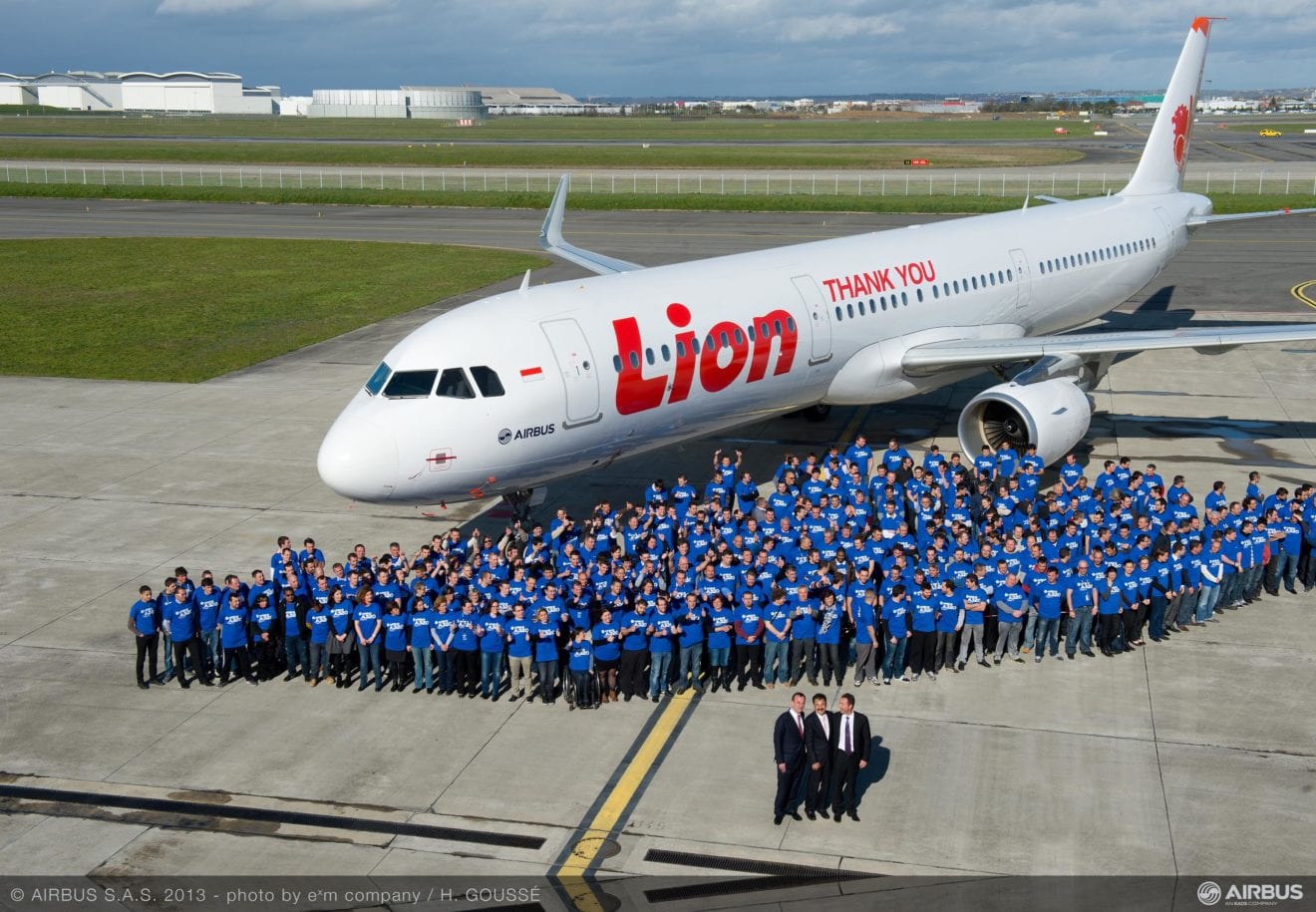
    Lion Group will procure 44 aircraft this year for the airlines under its operations, including Lion Air, Wings Air, and Batik Air, Edward Sirait, its president director, stated here on Monday.

    He noted that the aircraft fleet is being expanded to increase capacity in view of the growth this year, which is expected to reach 15 percent.

    Edward remarked that 14 aircraft will be for Lion Air, 18 for Wings Air, and 12 for Batik Air.

    “The number will be adjusted based on the market demand in line with the transportation ministrys forecast that the number of passengers will increase by 15 percent,” he claimed.

    He affirmed that all the new aircraft for Lion Air are Boeing, while Batik Air will receive Boeing and Airbus aircraft, and Wings Air would get ATR aircraft.

    He stated that the aircraft were procured through operating lease and financial lease schemes.

    He noted that the new aircraft will be used to serve new routes, especially for direct flights such as on the Balikpapan-Bandung, Tarakan-Semarang, and Banjarmasin-Denpasar routes.

    He remarked that Lion Group will also start flight services for minor Hajj pilgrims, with direct flights to Madinah using the wide-bodied Boeing 747 and Airbus 330.

    “Other airlines only offer flights to Jeddah, from where the passengers have to undertake a six-hour land journey. We have prepared direct flights to Madinah, so that the passengers could immediately proceed to carry out their religious rites,” he added.

    Lion Group currently has two Boeing 747 and three Airbus 330 aircraft.

  • Largest Licensing Show and Conference Open in Hong Kong

    Largest Licensing Show and Conference Open in Hong Kong

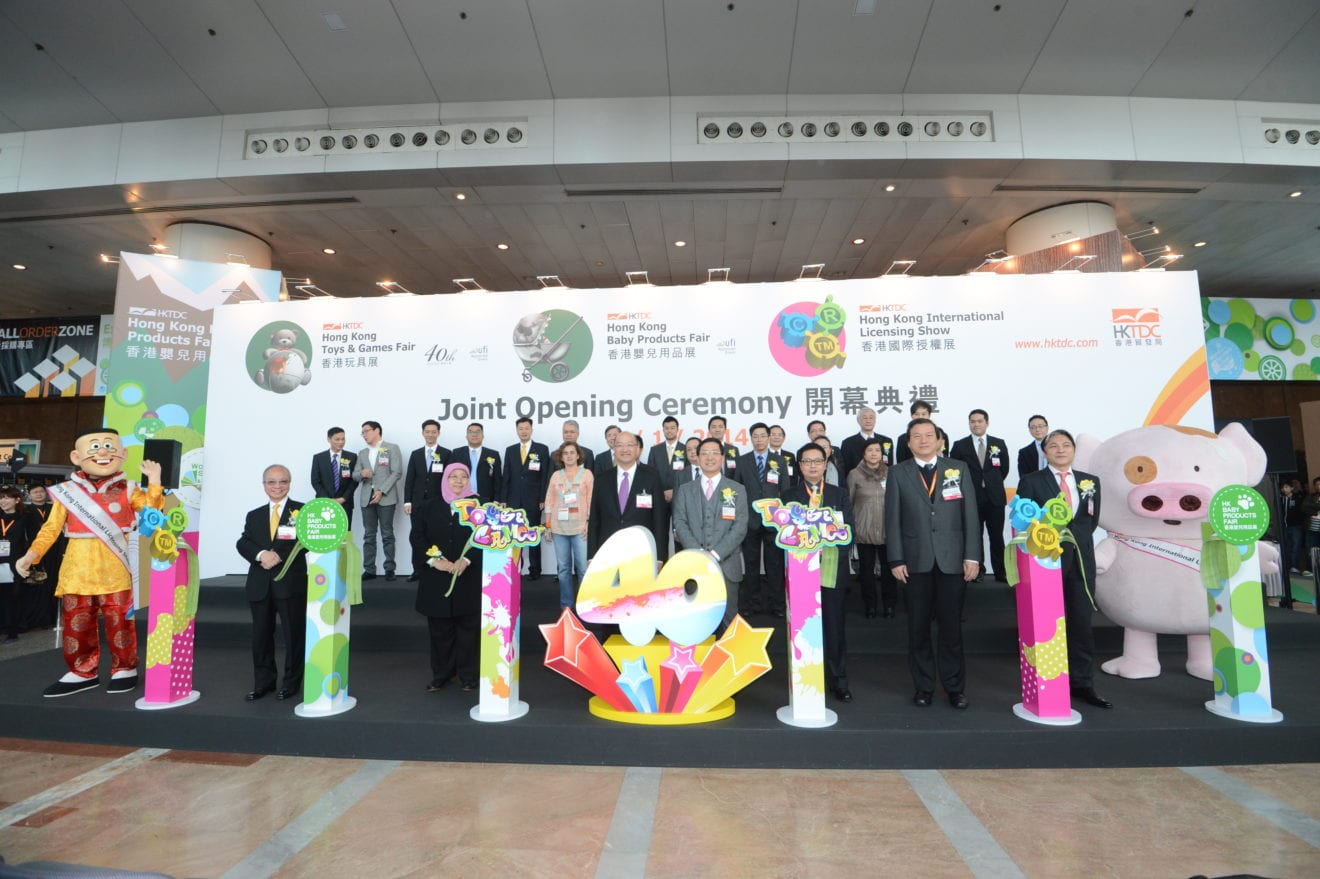
    The world’s leading licensors have gathered at the Hong Kong Convention and Exhibition Centre (HKCEC) for the 14th Hong Kong International Licensing Show and fifth Asian Licensing Conference which opened today. Organised by the Hong Kong Trade Development Council (HKTDC), the twin events explore partnership and licensing opportunities in Asia, and especially the Chinese mainland.

    Among the international brands taking part in the International Licensing Show (11-13 January) are BBC Worldwide, Chelsea Football Club, Hasbro, Hearst Magazines International, Sanrio, The Palace Museum in Beijing, The Wiggles, Warner Bros., 20th Century Fox and Ali-the-Fox. This year, the show features a record number of more than 340 exhibitors from 15 countries and regions, showcasing more than 860 brands and properties across such categories as animation and edutainment, art and design, fashion and lifestyle, and food and beverage.

    HKTDC Executive Director Margaret Fong said the global licensing industry is valued at more than US$158 billion, with Asia accounting for 12.2 per cent of the global market and the Chinese mainland being the main driving force of such sales. She also noted that Asia is not only a key market for licensing, but also the origin of dynamic and indigenous brands developed by the region’s young creative talents and backed by strong local government support, as evidenced by the strong Asian participation at the International Licensing Show.

    Ms Fong also pointed out that Hong Kong, with its strategic location, robust protection of intellectual property (IP) rights, an independent legal system, deep and broad pool of IP professionals as well as close business links with the Chinese mainland and the rest of the region, is the best place from which to tap into licensing opportunities in Asia, and especially the mainland.

    Licensing is a type of intellectual property trading. The HKTDC supports and promotes IP trading, including by developing and enhancing the Asia IP Exchange (AsiaIPEX), a free online intellectual property trading platform and database. The Character Brand Licensing Association (CBLA), organiser of the Japan Pavilion at the Licensing Show, this morning (11 January) formed a strategic partnership with the HKTDC to foster IP trading between Hong Kong and Japan through the AsiaIPEX.

    Besides the Japan Pavilion, other international pavilions include those from the mainland, Korea, Taiwan, Malaysia, Thailand, Australia and the United Kingdom, which together enrich the show with more region-specific content.

    China’s Ministry of Culture brings a large delegation

    China’s Ministry of Culture is leading a delegation of more than 60 companies, including over 30 from Guangdong, Zhejiang and Szechuan, making the Chinese mainland pavilion the largest in the Licensing Show’s history. Among the key enterprises and organisations are The Palace Museum, Beijing Dream Castle Culture Co. Ltd with its brand Ali-the-Fox and the animation enterprise Zhejiang Zhongnan Animation Co.

    Dynamic prospects for lifestyle sectors

    Among the wide range of licensing categories spotlighted are character, animation, edutainment, art and culture, fashion and lifestyle as well as the newly added food and beverage licensing category.

    The Art and Culture Licensing category features well-known brands showcasing their properties and merchandise, including The Palace Museum (China), National Museum of History (Taiwan), Van Gogh Museum (Netherlands), ink colour paintings by Master Lam Tian Xing and three Japanese manga culture museums, namely The Osamu Tezuka Manga Museum, Kawasaki City Fujiko F. Fujio Museum and the Anpanman Museum.

    Under the Fashion & Lifestyle Licensing category, classic and stylish brands such as Smiley, Ducati, Paris Saint-Germain FC, AC Milan, Chelsea Football Club, FC Barcelona and Manchester City Football Club are on display. The “Harper’s Bazaar Lounge”, sponsored by Hearst Magazines in the Chancellor Room of the newly expanded show venue, offers a taste of lifestyle licensing. Also, The Royal Touch created by Carolyn Robb, former Executive Chef to Prince Charles and Princess Diana and world-famous food critic, has joined hands with Dining Plus, a premier business food and beverage platform, to present Food and Beverage Licensing.

    Hong Kong Creative Gallery, promoting home-grown creativity, returns with around 60 original characters created by young Hong Kong designers and illustrators. Hong Kong’s Leisure and Cultural Services Department presents cross-over merchandise from Hong Kong museums and local designers under the theme “Bring Me Home – the Story of Hong Kong Culture, Art & Design”. Hong Kong Creative Gallery also features award-winning brands from the inaugural Hong Kong Licensing Awards 2015, organised by the Asian Licensing Association.

    Business matching sessions foster collaboration

    The HKTDC has organised 63 delegations, welcoming more than 1,000 business representatives from some 20 countries and regions to participate in the Licensing Show. To connect more buyers with exhibitors, a dedicated business matching session is organised in collaboration with Hong Kong’s industry associations (Federation of Hong Kong Brands, the Hong Kong Association of Amusement Parks and Attractions, Hong Kong Apparel Society, the Hong Kong Exporters’ Association, Hong Kong Watch Manufacturers Association Limited, Hong Kong Toys Council, the Federation of Hong Kong Watch Trades & Industries Ltd, Hong Kong Retail Management Association and Hong Kong Publishing Federation) covering sectors including toys, garment, watch and clock, publishing, retail and travel. More than 500 business matching meetings will be arranged at the fairground to create more business opportunities for the show’s participants.

    Interactive events generate business exchange

    The Licensing Show includes interactive events to create more business matching opportunities for visitors. The ink colour painting Master Lam Tian Xing presented art demonstrations today during the show. Activities tomorrow include “Kumamon Exercise” organised by Kumamoto Prefectural Government of Japan, a presentation by actor Jim Chim entitled “Jim Chim x PLAYCORNER x dr jim jim: Reaching out to the world of licensing”, “Junior Chef Go! Go! Go!” delivered by Dining Plus as well as a series of activities presented by Warner Bros.

    Asian Licensing Conference explores opportunities in the region

    Held alongside the Licensing Show, the Asian Licensing Conference (11-12 January) welcomes more than 30 global licensing experts to speak at the conference. During this morning’s plenary session, Maura Regan, Sesame Workshop’s Senior Vice President & General Manager of International Media Business, spoke about the company’s strategic collaborations with mainland broadcasters and top digital platforms in expanding to Asia, in particular the Chinese mainland market. Another speaker Shinichi Murata, Vice Governor of Kumamoto Prefectural Government Japan, demonstrated how the Japanese prefecture uses the licenses of Kumamon to promote Kumamoto’s tourism and culture. Senior executives from BBC Worldwide and Michelin Lifestyle also discussed licensing opportunities and their corporate strategies in Asia.

    Meanwhile, three Breakout Sessions today explored brand extension through licensing in areas of “entertainment and new media”, “fashion, lifestyle and branded services” as well as “art, culture and tourism”. Speakers included representatives from Disney, Harley Davidson, Hearst Magazines, Kodak Worldwide, Taiwan’s Jimmy S.P.A., The British Library, The Palace Museum, The Wiggles and Tezuka Productions.

    The main theme of the conference tomorrow will be the Chinese mainland market, with senior executives from Hasbro, JD.com, Guangzhou’s HccartoonAnimationTechnology (GZ) Company Limited and Alpha Animation Brand Management Company Limited discussing how licensing can help companies tap into the mainland market. Two workshops will introduce the basics of licensing and hear from experts on legal and intellectual property (IP) issues related to licensing. The Intellectual Property Department of the Hong Kong Special Administrative Region (HKSAR) Government is a strategic partner of the IP and legal workshop.

    Concurrent events add new business dimension

    Taking place in parallel with the Licensing Show and the Asian Licensing Conference are the Hong Kong Toys & Games Fair, Hong Kong Baby Products Fair and Hong Kong International Stationery Fair. Together these events, which each have significant licensing elements, will generate new business opportunities and attract more industry professionals and buyers to the fairs.
  • Jewellery retailers bearish on sales for CNY holiday

    Jewellery retailers bearish on sales for CNY holiday

    Retailers Chow Sang Sang and Seng Fung both reckon the fall trend in jewellery sales seen in 2015 will last until the upcoming holiday

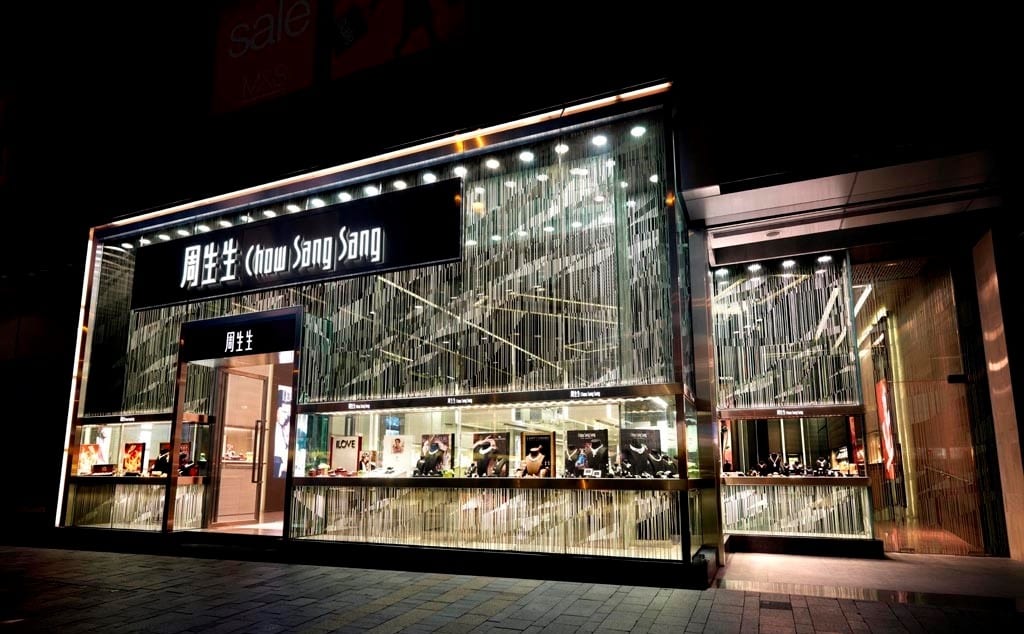
    The fall trend seen in jewellery sales last year will persist all the way through the upcoming Chinese New Year holiday in February, and more shop consolidations or a halt of retail expansion are likely to happen under the bearish outlook on sales, said jewellery retailers. Mr Lau Hak Bun, general manager of retail operations (Greater China) at the jewellery retailer Chow Sang Sang Holdings International Ltd, told media yesterday after attending a Hong Kong radio programme of his bearish forecast for sales for the coming Chinese New Year holiday, with a likely register of “single-digit” drop in sales for Hong Kong and Macau.

    The Chinese New Year holiday this year will fall on the second week of February.

    Speaking to media, Mr Lau has noted that sales during Christmas have failed to stimulate overall sales for Chow Sang Sang, which has already seen a fall trend since the first half of 2015. Chow Sang Sang saw its same store sales in Hong Kong and Macau decline by 12 percent year-on-year for the first half of last year as the consumption sentiment from mainland Chinese clients weakened and the unit selling price of the company’s jewellery items decreased, Mr Lau said.

    The gaining strength of the US dollar and the depreciation of Southeast Asian currencies will also affect visitors’ high-end spendings in Hong Kong this year, the jewellery retailer executive expected. Lee Koi Ian, general manager at local jewellery retailer Seng Fung Jewellery Co Ltd, shared a similar sales outlook with Mr Lau.

    “The recent drop in gold prices has not really stimulated much of our sales,” Mr Lee told Business Daily, “Since last year, the sales of jewellery has weakened a lot as we have seen much less gift hunting [from mainland Chinese shoppers] and spending from gamblers.”
    Declining to give a full sales figure for last year, Mr Lee said Seng Fung has suffered a “double-digit” drop in its turnover for the whole year.
    “Visitors’ traffic did improve a bit during the Christmas holiday, but still on a year-on-year basis, we saw our sales register a single-digit drop,” Mr Lee said.

    For the first three quarters of 2015, notable decline is seen in the sales of watches and jewellery here: the value of the retail sales of watches and jewellery has dropped by 26.1 percent year-on-year to MOP10.15 billion in the period, latest available data from Statistics and Census Service (DSEC) shows.

    Cautious outlook
    In response to the weaker sales performance, both Chow Sang Sang and Seng Fung said that they are not going to offer steep discounts for the promotion of sales of their products.

    “But we’ll be more cautious in our shop expansion plan,” Mr Lee said, “In the coming one or two years, we don’t think we are having more shops in casinos.”

    Currently Seng Fung runs eight shops across Macau, mostly on streets. In Chow Sang Sang’s interim report filed in September last year, the retailer has already mentioned that one street-level shop in Macau was closed at the expiry of its lease. Now Chow Sang Sang runs four shops in Macau, of which three are in casino-resorts.

    The Hong Kong-listed jewellery retailer does not rule out more shop consolidation or even closures to happen, Mr Lau noted to media yesterday. Chow Sang Sang has already closed two stores last year, one in Causeway Bay and another in Kwai Fong.

  • 2015 ends well for private sector in Singapore

    2015 ends well for private sector in Singapore

    Last December proved another positive month for the private sector, with overall business and operating conditions holding up.

    The Nikkei purchasing managers’ index (PMI), which is a proxy for business activity, inched down from 52.2 in November to 52.1 last month. A reading of above 50 signals expansion.

    Output growth was sustained and still noticeable, despite the slight decline since November.

    An official PMI representing only factory activity, out on Monday, indicated a sixth consecutive month of contraction in the manufacturing industry, with a reading of 49.5 for last month, from November’s 49.2 reading.

    The Nikkei Singapore PMI is derived from a survey by Nikkei and Markit Economics. Data is compiled from monthly questionnaires sent to executives in over 400 private sector firms that represent the structure of Singapore’s economy, including manufacturing, services, construction and retail.

    The report said: “The health of the economy has now strengthened in each of the past seven months, though the rate of improvement remained moderate overall.”

    It found that foreign client demand softened last month owing to new export-order growth slowing to a modest rate since November.

    Costs for firms also rose at the quickest rate in 11 months, said to have been driven by faster increases in both purchasing prices and staffing costs. “Companies only passed on part of their higher cost burdens, however, and raised their selling prices marginally,” said the survey.

    Economist Annabel Fiddes at Markit said: “Firms took a cautious approach to employment and purchasing activity, with staff numbers little changed in December and input buying rising only slightly.”

    She said this suggests that growth projections for the start of this year remain muted, as companies wait for a “much- needed pick-up in client demand”.