Tag: asia

  • Luk Fook same store sales down 26 pct in SARs for fiscal Q3

    Luk Fook same store sales down 26 pct in SARs for fiscal Q3

    Hong Kong-listed jewellery retailer Luk Fook Holdings (International) Ltd. saw a 26 per cent year-on-year decrease in its same store sales from Hong Kong and Macau shops for the three months ended December 2015, the biggest decline since the final quarter of 2014.

    During the third quarter fiscal, Luk Fook saw a decline of same store sales of 26 per cent year-on-year in gold from its shops in both Hong Kong and Macau, while that of gem-set jewellery fell 27 per cent, the company told the Hong Kong Stock Exchange after trading hours on Wednesday.

    The exact sales revenue figures were not disclosed in the retailer’s Wednesday filing, and the sales performance disclosed by the company only covered sales from its self-operated shops, while the sales of licensed shops and e-commerce business was excluded.

    The same store sales of Luk Fook’s group-wide retail business was down 25 per cent in the fiscal third quarter, as the retailer also saw a drop of 10 per cent in its shops in Mainland China.

    According to the filing, Luk Fook blamed the sales decline in the third quarter on ‘continuing overall sluggish retail sentiment’ and a relatively high base in sales figures.

    As at the end of last year, Luk Fook ran 96 self-operated shops on the Mainland, 47 shops in Hong Kong, 10 in Macau and 6 overseas. The jewellery retailer ran another 1,261 licensed shops on the Mainland and in Korea.

  • Is Amazon moving into the ocean freight business?

    Is Amazon moving into the ocean freight business?

    Amazon has garnered a lot of attention recently for its moves to muscle into nearly all miles of delivery, and this development shows it’s apparently willing to log nautical miles as well.

    An ocean freight forwarder organizes shipments from suppliers to far-flung receivers, which Flexport calls a $350 billion market. An entry into the ocean freight forwarding market could be significant because it could allow Chinese factories a more direct path to American consumers, Flexport CEO Ryan Petersen noted.

    In fact, while Amazon could smooth logistics or make them cheaper for its Marketplace sellers, those sellers aren’t likely to take Amazon up on that. That’s because they’re unlikely to be willing to give Amazon, a rival retailer, the kind of information that an ocean freight company would be privy to, Petersen said. And it’s likely that any full-blown development of Amazon’s ocean freight forwarding capabilities is still months, if not years, away.

    Still, the move could be a boon to Chinese sellers interested in reaching the American market as well as Amazon’s other markets globally, especially considering the expectation that Amazon would keep costs down.

    “I don’t think people realize how threatening this is for their U.S.-based merchants, who are making money selling goods from Chinese factories,” Petersen told Retail Dive. “It makes sense for Amazon, for a company so focused on driving down costs. But considering that 40% of their business comes from their Marketplace, it would have to be a graceful transition and managed really well.”

    The registration means that Amazon China can provide freight forwarding services to Chinese companies looking to move products directly into Fulfillment by Amazon warehouses, or “even cross-docking the goods for direct injection into Amazon’s courier network,” according to Petersen.

    While some may think that Amazon has Alibaba in its sights with such a move, Petersen believes it may, if anything, be an answer to Wish, a mobile e-commerce platform that has built much of its fortunes so far on bringing Chinese sellers to customers in the U.S. and elsewhere.

    “We think we’re going to be the second or third trillion-dollar-a-year marketplace,” Wish CEO Peter Szulczewsk. “We think Alibaba will be first and then it’s either us or potentially Amazon depending on how quickly, or if, they win in India.”

    Taking on the ocean freight market “to create a streamlined, vertically-integrated system for Chinese factories to sell directly through Amazon would be a classic Bezos response to Wish’s threat,” Petersen said, predicting that “Amazon’s ocean freight offering could be a huge hit for Chinese merchants.

  • Hong Kong Government Collaborates With China In Phasing Out Ivory Trade

    Hong Kong Government Collaborates With China In Phasing Out Ivory Trade

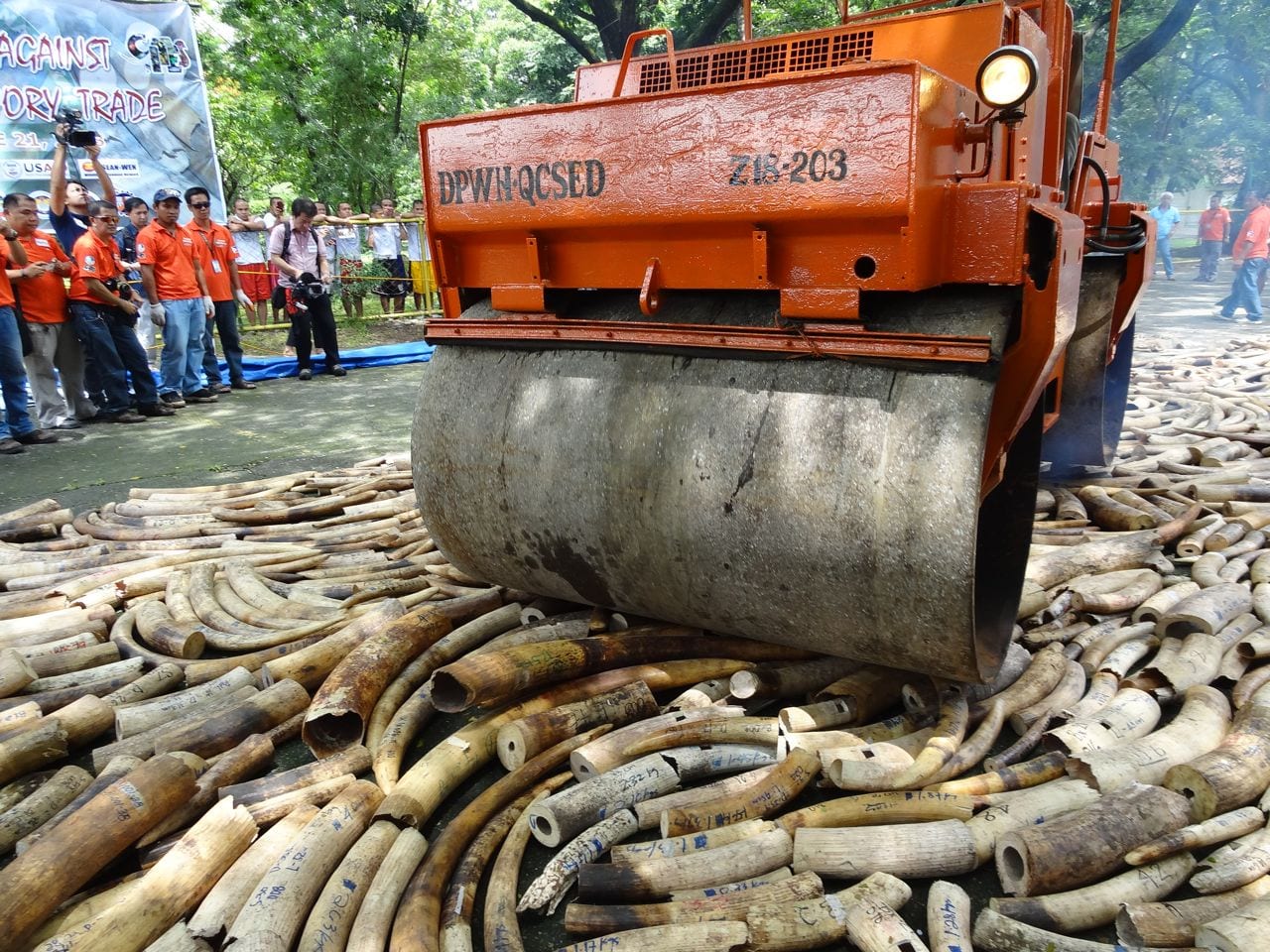
    This week, animal rights activists in Hong Kong are celebrating a huge win as their plea to eliminate global ivory trade has been heard. Hong Kong’s Chief Executive Leung Chun Ying announced in his annual policy address that the country will phase out on ivory trading in collaboration with China.

    CNN reported that Hong Kong was allegedly the world’s largest retail market for ivory and a facilitator of illegal ivory transport into mainland China.

    The Government is very concerned about the illegal poaching of elephants in Africa,” Leung said in his speech, “It will kick start legislative procedures as soon as possible to ban the import and export of elephant hunting trophies.”

    Hong Kong’s government has also vowed to impose heavy penalties against those who partake in illegal ivory trade and importation

    China reportedly has better laws regarding ivory trade compared to Hong Kong.

    According to Huffington Post, 30,000 African elephants are killed every year for their tusks, hence putting the species at a risk of extinction.  The government has reportedly begun a crackdown on the illegal trade, and the action is already making a difference.

    Earth Torch News Network asserted that the activist group initially began pinning down perpetrators three years ago, although the government was not so keen on doing the same. Additionally, reports indicate that the import and export of ivory have been banned in Hong Kong since 1989. However, there have been loopholes in the enforcement of such prohibition, thus allowing the trade to propagate.

    Meanwhile, an estimated 16.7 tons of ivory have been confiscated in Hong Kong for the past three years.

    In other news, animal rights activists are calling other Southeast Asian countries, including Thailand, to emulate China, Hongkong and the United States in banning the domestic trade of ivory.

    Wild Life reported that new fears arise as South Africa is planning to propose the re-opening of a regulated trade of rhino horn. Once the bill is passed, elephant poachers are likely to venture into rhino poaching to supply investors.

  • Top Japan bank buys 20% of Security Bank

    Top Japan bank buys 20% of Security Bank

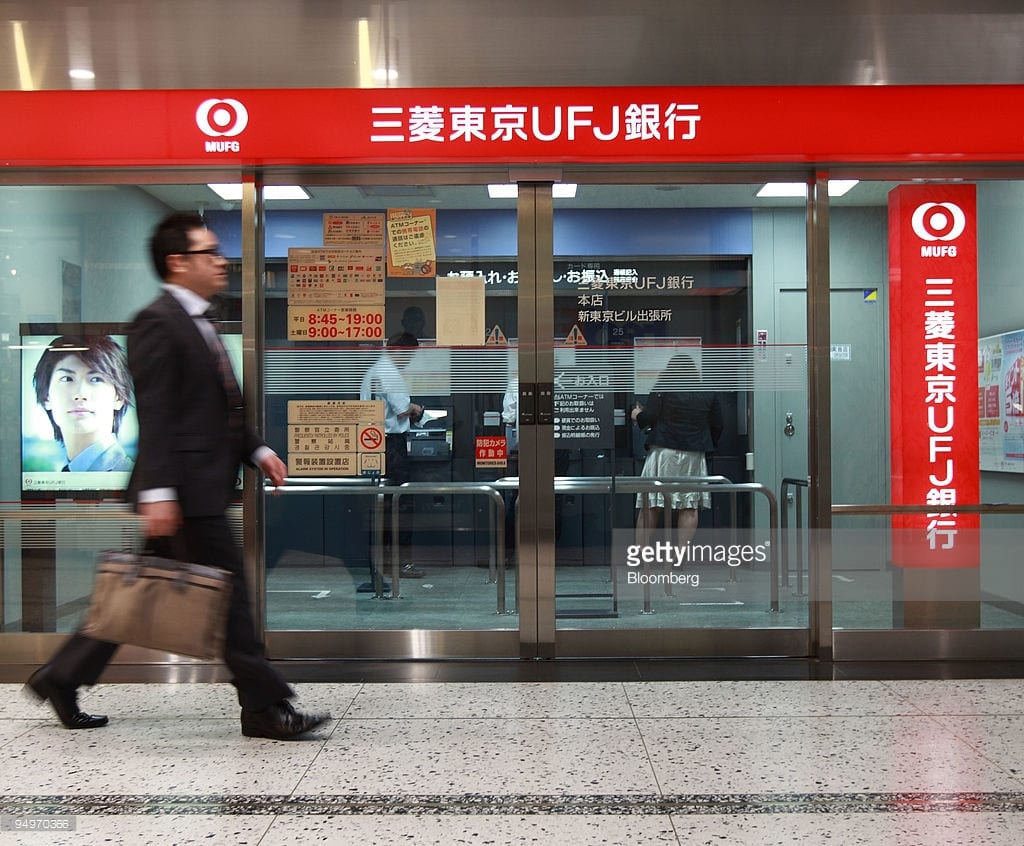
    Bank of Tokyo-Mitsubishi UFJ Ltd., Japan’s biggest bank, is buying a 20 percent stake in the Philippines’ Security Bank Corp. in a deal expected to expand both institutions’ market reach.

    Security Bank Corp. said the deal would infuse an additional P36.9 billion in capital with BTMU investing in newly issued common and preferred shares. The sale remains subject to regulatory approvals and other conditions.

    Described as the largest equity investment in a Philippine financial institution by a foreign investor, the stake sale will increase Security Bank’s shareholder capital from P52.4 billion as of September 2015 to P89.3 billion on a pro-forma post-transaction basis.

    “The additional capital will help us accelerate our strategy over the next three to five years of building our retail banking business as a third business pillar alongside wholesale banking and financial markets,” said Alfonso Salcedo Jr., Security Bank president and chief executive officer.

    Salcedo said the bank would be able to scale up its branch network much faster, from the current 262 to more than 500 branches by 2020.

    “We will be able to conveniently serve our customers with a larger network, offer them a comprehensive range of financial services, as well as make inroads into the Japanese business sector, tapping on BTMU’s expertise,” he added.

    The strategic partnership will result in BTMU, the commercial banking entity of Mitsubishi UFJ Financial Group, becoming the second largest shareholder of Security Bank.

    BTMU will be appointing two directors to Security Bank’s board, while Security Bank will become an equity affiliate of BTMU.

    The Dy Group will remain as the biggest shareholder of Security Bank with majority voting control.

    Through the partnership, BTMU aims to establish a comprehensive financial service platform, including retail banking, to meet clients’ needs in the Philippines. It has adopted similar equity alliance deals in Asia including Vietnam.

    Seeking to take advantage of the fast-growing Philippine market and the economy’s attractive fundamentals, BTMU expects to expand its business platform indirectly through the investment in Security Bank, which is known for its retail and small and medium business capabilities that will be new business areas for BTMU in the country.

    “BTMU has been focusing on Asia as one of its core markets for growth. It is a strategic intent for the bank to identify the right partner in the higher growth markets like the Philippines to deepen our presence, including through inorganic means,” said Go Watanabe, chief executive officer of BTMU for the Asia and Oceania region,
    “This strategic partnership with Security Bank reinforces our Asia strategy and enables both parties to offer more comprehensive financial services to a wider range of customers in the Philippines. We believe in Security Bank’s growth strategy and are keen to play a role and be part of its transformational journey, “he added.

    For Security Bank, the partnership with Japan’s largest banking group is expected to enhance shareholder value by accelerating the bank’s growth strategy, including the
    expansion of its branch network and increasing its retail market penetration.

    It also expects to tap BTMU’s extensive relationship with Japanese corporates, its global network, and diverse range of functions and expertise within MUFG.

    “We are elated to have BTMU as a strategic shareholder and business partner. The transaction will position Security Bank as a large independent bank supporting the growth of the Philippines’ economy, with the strength and capabilities to compete with other larger financial institutions,” said Alberto Villarosa, Security Bank chairman.

  • Burberry sees return to sales growth in China

    Burberry sees return to sales growth in China

    Luxury fashion group Burberry on Thursday announced a return to retail sales growth in China despite an economic slowdown, boosting overall results in its third quarter.

    The British handbag and clothing company reported overall retail sales of £603 million ($866 million, 794 million euros) in the October through December period, “as (sales in) mainland China returned to growth”, Burberry said in an earnings statement.

    China is in sharp focus for markets amid an overall slowdown for the world’s second largest economy.

    In the three months to the end of 2015, Burberry saw total underlying retail sales growth of 1.0 percent, an improvement on the 4.0-percent decline in its second quarter.

    Burberry’s financial year runs from April to the end of March

    On the downside, sales in Hong Kong fell by more than 20 percent owing to long-standing protests against China.

    All of Burberry’s Hong Kong stores remain profitable however thanks to cost controls, the company said in the statement.

    “The outlook for our sector remains uncertain,” said chief executive Christopher Bailey.

    “However, we are anticipating and responding to these changes through an intense focus on new growth opportunities.”

    Chief financial officer Carol Fairweather told a conference call with reporters that Burberry’s performance in France had been impacted by fewer tourists visiting from China and the Middle East following the Paris terrorist attacks in November.

  • Freak accident injures Siam Paragon patrons

    Freak accident injures Siam Paragon patrons

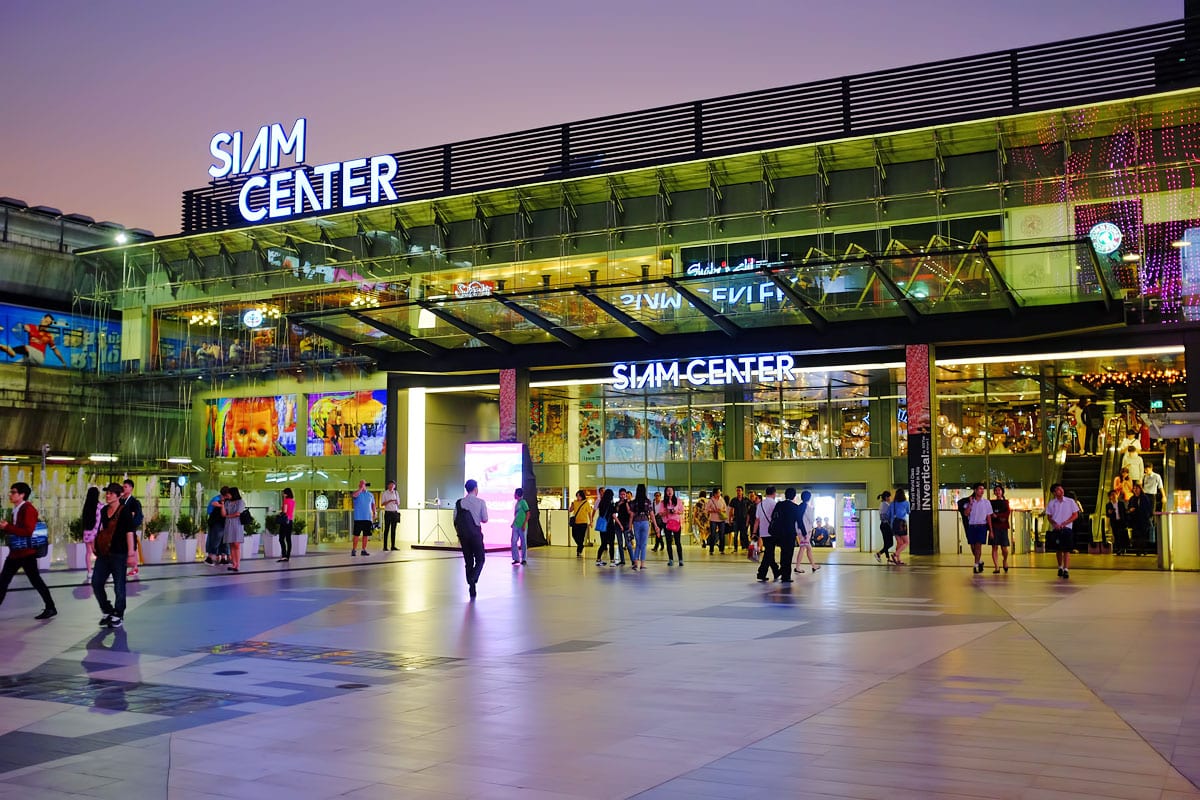
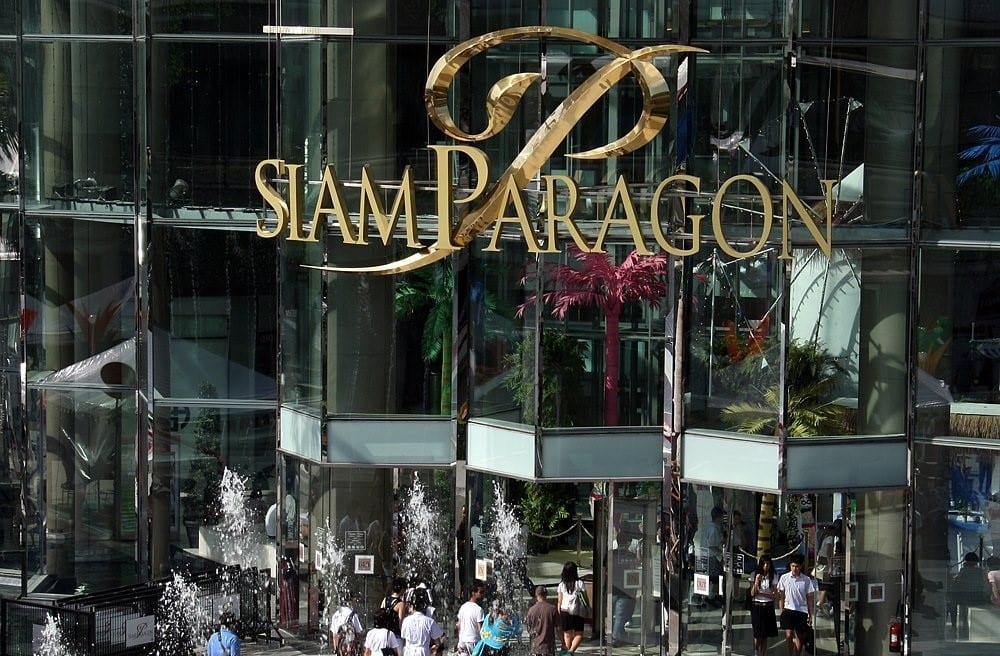
    Sixteen people, mainly children, were injured when a tent at an outdoor event crashed down on them at a Bangkok shopping mall on Saturday.

    Strong winds are blamed for the tent collapsing at Siam Paragon shopping mall, according to acting police chief Lt. Gen. Sanit Mahathaworn.

    He says the tent flew up about a metre in the air and wooden signs attached to the back of the tent flew off and injured nearby people. Among the injured were at least 12 children between about six and nine years old. They were among dozens of people at a “Pokemon Day” dance party as part of Thailand’s Children’s Day celebrations.

    One mother was trying to protect her child, but both received broken legs. They were taken to a nearby hospital along with the other victims. Only two persons were kept in hospital.

    In a statement, Siam Paragon said it “regretfully apologised” for the accident on behalf of the event organisers, which included other Thai companies.

    Mahathaworn said police would press criminal negligence charges against the owners of the company that installed the tent. They could face up to three years’ prison and a fine of 6000 baht ($165).

  • Tony Roma’s Malaysia marks 10th outlet

    Tony Roma’s Malaysia marks 10th outlet

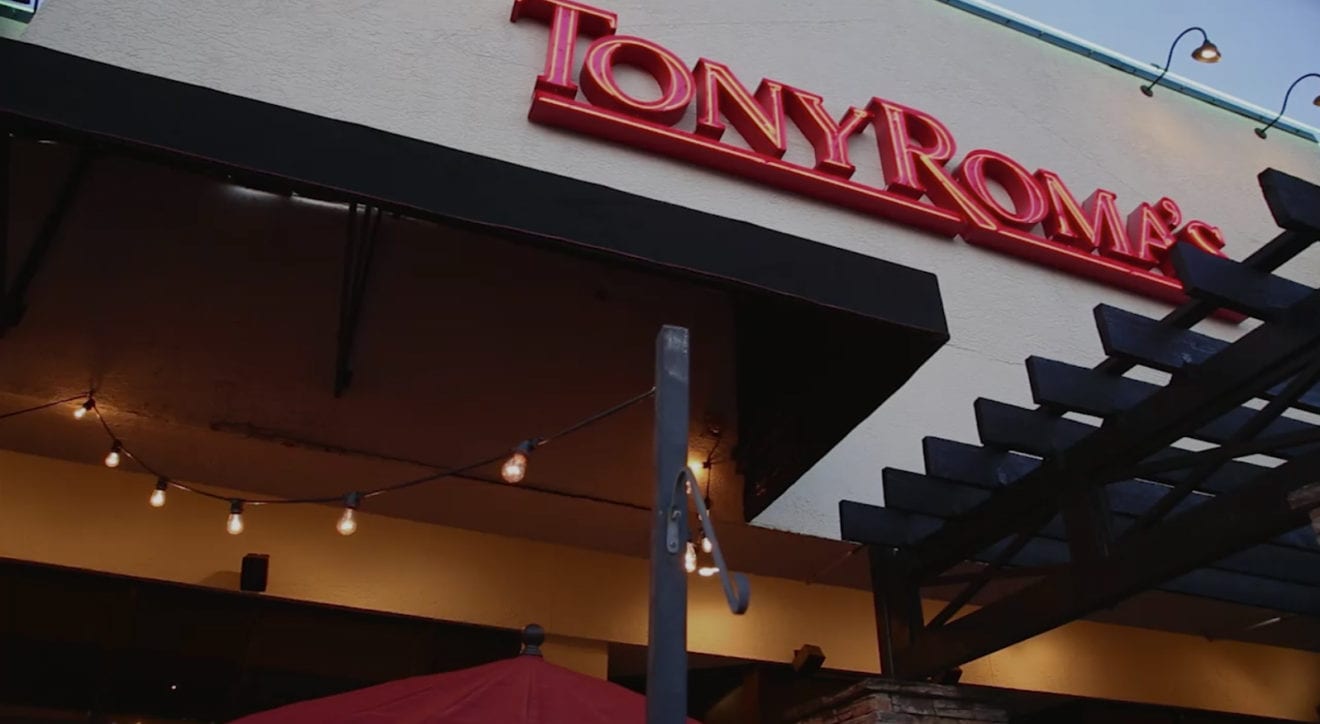
    Kuching, in Sarawak, is home for the 10th and latest Tony Roma’s Malaysia restaurant.

    Romacorp, the parent company of Tony Roma’s based in Orlando, Florida, has announced the opening through its local franchisee Grand Companions.

    “Tony Roma’s has become one of the most recognised brands in Malaysia, and we’re excited to continue to grow the brand and bring our world-famous ribs to fans,” says Romacorp president/CEO Stephen Judge.

    Tony Roma's MalaysiaIn the new Vivacity Megamall in the heart of a bustling residential and business district of Kuching, the 390 sqm restaurant seats nearly 200 diners, and has an outdoor dining area as well as a bar serving beer and wine. The mall itself has four levels of shopping, a department store, supermarket and an eight-screen cinema.


    “We are celebrating 10 fantastic years since we first brought Tony Roma’s to Malaysia by opening our 10th restaurant,” says Grand Companion COO Dickson Low.

    “This is the largest stand-alone dining establishment in Kuching, and we’re confident it will be a rousing success.”

    Tony Roma’s is the world’s largest casual dining concept specialising in ribs. It has more than 150 locations in more than 30 countries. The first Tony Roma’s restaurant opened more than 40 years ago in Miami, Florida.

  • Savoir Beds Hong Kong showroom opens

    Savoir Beds Hong Kong showroom opens

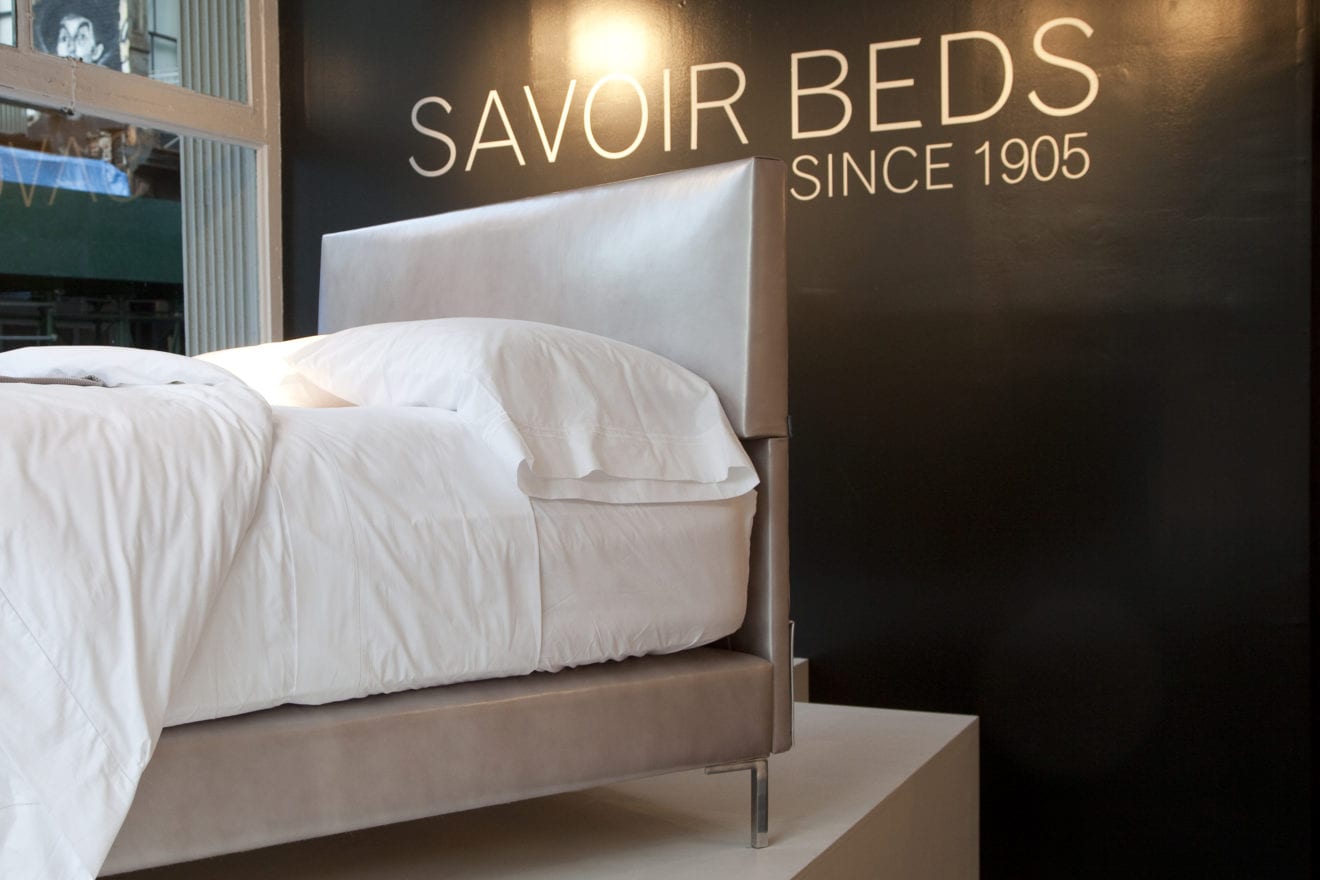
    Luxury British bed maker Savoir Beds has expanded its Asian footprint, opening its first showroom in Hong Kong.

    Savoir already has a presence in Asia in Korea, Taiwan, Mainland China and India.

    The new 150 sqm showroom in Ap Lei Chau, Aberdeen Island, is located in the Horizon Plaza, a multi-storey mall featuring high end furniture, furnishings and fashion.

    Savoir Beds’ Hong Kong partner is Brandon Chau, described as a flamboyant local businessman and socialite.

    The fitout features signature Savoir Beds touches, including subtle hints of gold, contrasted with traditional craft displays. Six beds feature in full display.

    Savoir Beds


    “We’re thrilled to have continued our worldwide growth to Hong Kong – which is known as one of Asia’s most thriving shopping destinations,” said Alistair Hughes, founder and MD of Savoir Beds.

    “We are delighted to be working with Brandon, someone so well connected with the city’s movers and shakers. We have every faith that this new venture will be very prosperous for the Savoir brand and hope its fantastic location continues to flourish.”

    The Hong Kong store takes Savoir’s global network to 14 showrooms.

  • Uniqlo struggles with currency and weather

    Uniqlo struggles with currency and weather

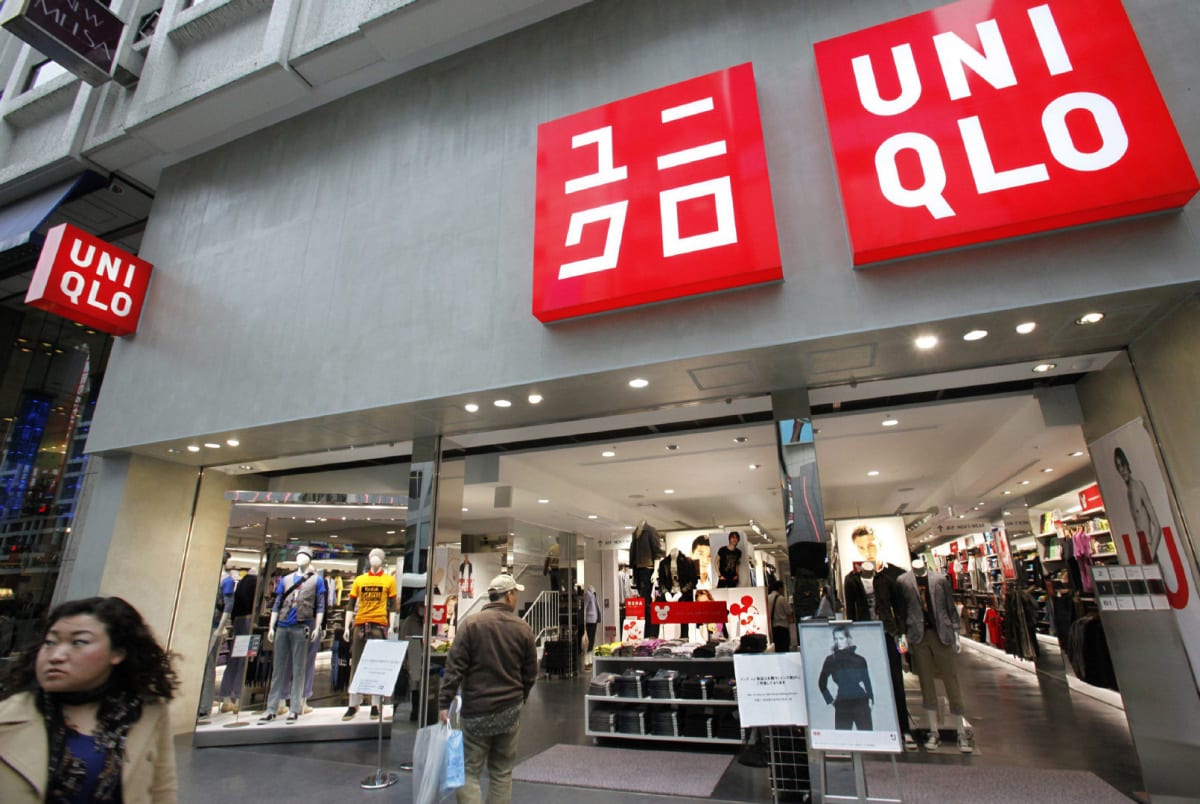
    Uniqlo, Asia’s largest apparel retailer, has delivered a disappointing set of results for the quarter to November 30.

    While revenue rose 8.5 per cent year on year to ¥520.3 billion (US$4.44 billion), profit fell 16.9 per cent to ¥75.9 billion ($647.1 million). Considerable depreciation of the Japanese yen was the main factor in a ¥29.0 billion fall in pre-tax profits, the company said.

    Uniqlo International sales also fell short of target in the first quarter, reporting a rise in revenue but a decline in profit (revenue: ¥196.9 billion (+17.2 per cent year on year), operating profit: ¥20.8 billion (-14.2 per cent)).

    “Unseasonal warm winter weather around the globe adversely impacted same-store sales at Uniqlo Greater China (encompassing operations in mainland China, Hong Kong and Taiwan), Uniqlo South Korea and Uniqlo US in particular, resulting in a lower than expected first-quarter performance and declining profits in all three of these areas.

    Meanwhile, Uniqlo Europe reported higher than forecast gains in both revenue and profit, and Uniqlo Southeast Asia and Oceania reported a steady operating profit, as expected.

    New store openings proceeded as planned, with a net 66 stores opened during the first quarter, mainly in Greater China and Southeast Asia. As a result, the total number of Uniqlo International stores had expanded by 169 year on year to 864 stores as at November 30.

    Uniqlo Japan fell short of expectations in the first quarter, declining in both revenue and profit Revenue was ¥230.9 billion (-0.7 per cent), operating profit ¥44.8 billion (-12.4 per cent).

    “While online sales expanded 23.2 per cent year on year, same-store sales declined 2.3 per cent, resulting the fall in revenue,” the company said.

    “In September and October, fall winter items such as cashmere sweaters, merino sweaters, gaucho pants and wide pants got off to a great start and sales proved strong, pushing same-stores sales higher as a result. However, the unexpected heatwave in November stifled demand for winter items, and led to a sharp drop in revenue.

    “On the profit side, hefty discounting of winter items in November squeezed the first-quarter gross profit margin, while lower than-expected first-quarter sales inflated the selling, general and administrative expenses to revenue ratio.”

    The number of directly run Uniqlo Japan stores, excluding 38 franchise outlets, totaled 806 stores at the end of November 2015. While that represents a net decrease of 18 stores year-on-year, 10 of these stores were converted from directly-run stores to new employee-franchise outlets.

    The group reiterated its goal of becoming the globe’s largest apparel retailer.

    “To this aim, we have focused our efforts on expanding Uniqlo’s global operations, boosting store numbers in each country where we operate, opening global flagship stores and large-format stores in major cities around the world, and offering exciting joint collections with well-known designers from around the world, such as Ines de la Fressange. This strategy is designed to both boost awareness and visibility of the Uniqlo brand and strengthen our global operational base. We are also actively promoting our GU brand by accelerating the opening of new stores in Japan and launching the label in the Chinese market.

    “We believe the GU operation has reached a key turning point in its growth and development as a second pillar brand for the group,” the company concluded.

    Uniqlo’s Global Brands division exceeded expectations in the first quarter by reporting a 17.4 per cent year on year gain in revenue to ¥91.8 billion, and a 29.7 per cent year on year gain in operating profit to ¥12.4 billion.

    “Within the Global Brands segment, our low-priced GU fashion casualwear label reported significant rises in both revenue and profit that surpassed our initial forecasts. GU reported double-digit growth in same-store sales on the back of strong sales of heavily advertised campaign items such wide pants, baggy sweaters and knitted bottoms.

    “Meanwhile, our Theory fashion brand and J Brand premium denim label both fell slightly short of target when they reported a decline in profits.”

    The company’s France-based Comptoir des Cotonniers and Princesse tam.tam labels reported lower-than-expected sales and a decline in profit, after the November terrorist attacks in Paris forced some stores to close temporarily.

  • Chow Tai Fook sales slide continues

    Chow Tai Fook sales slide continues

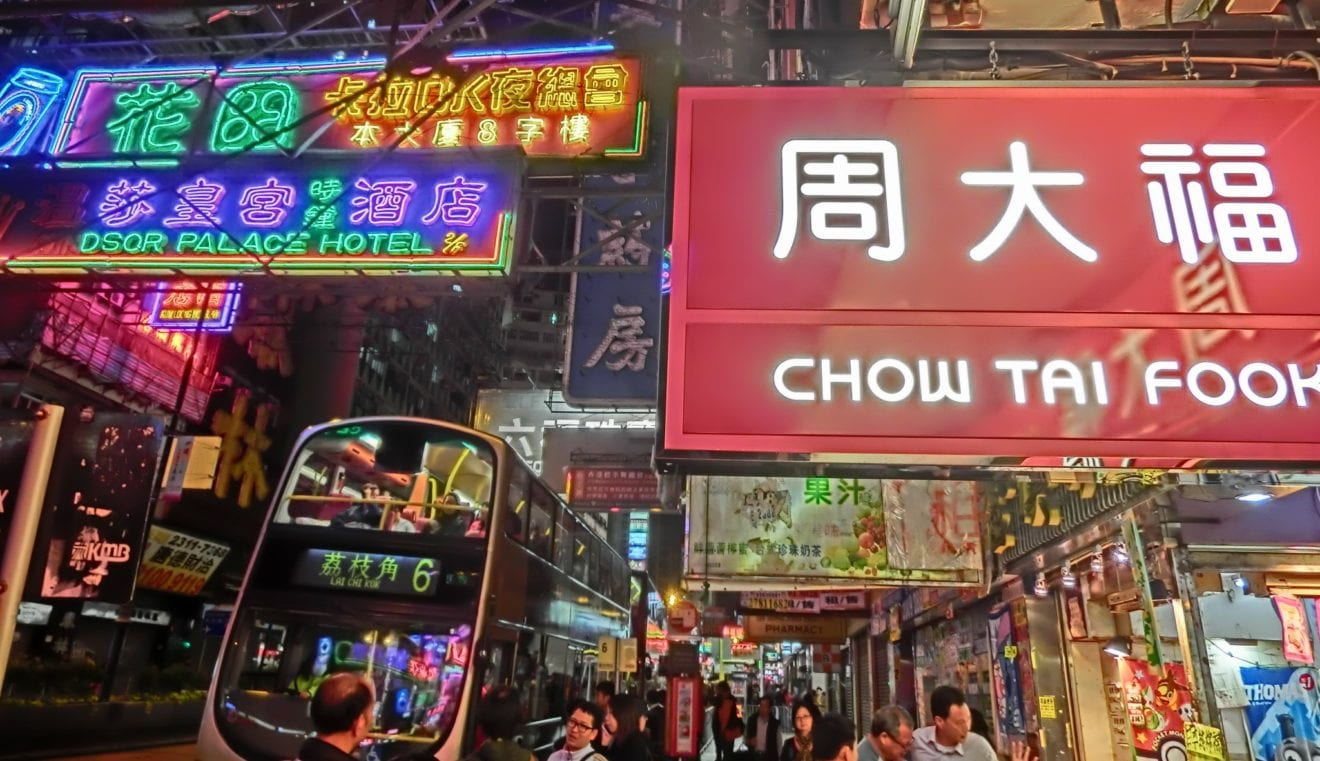
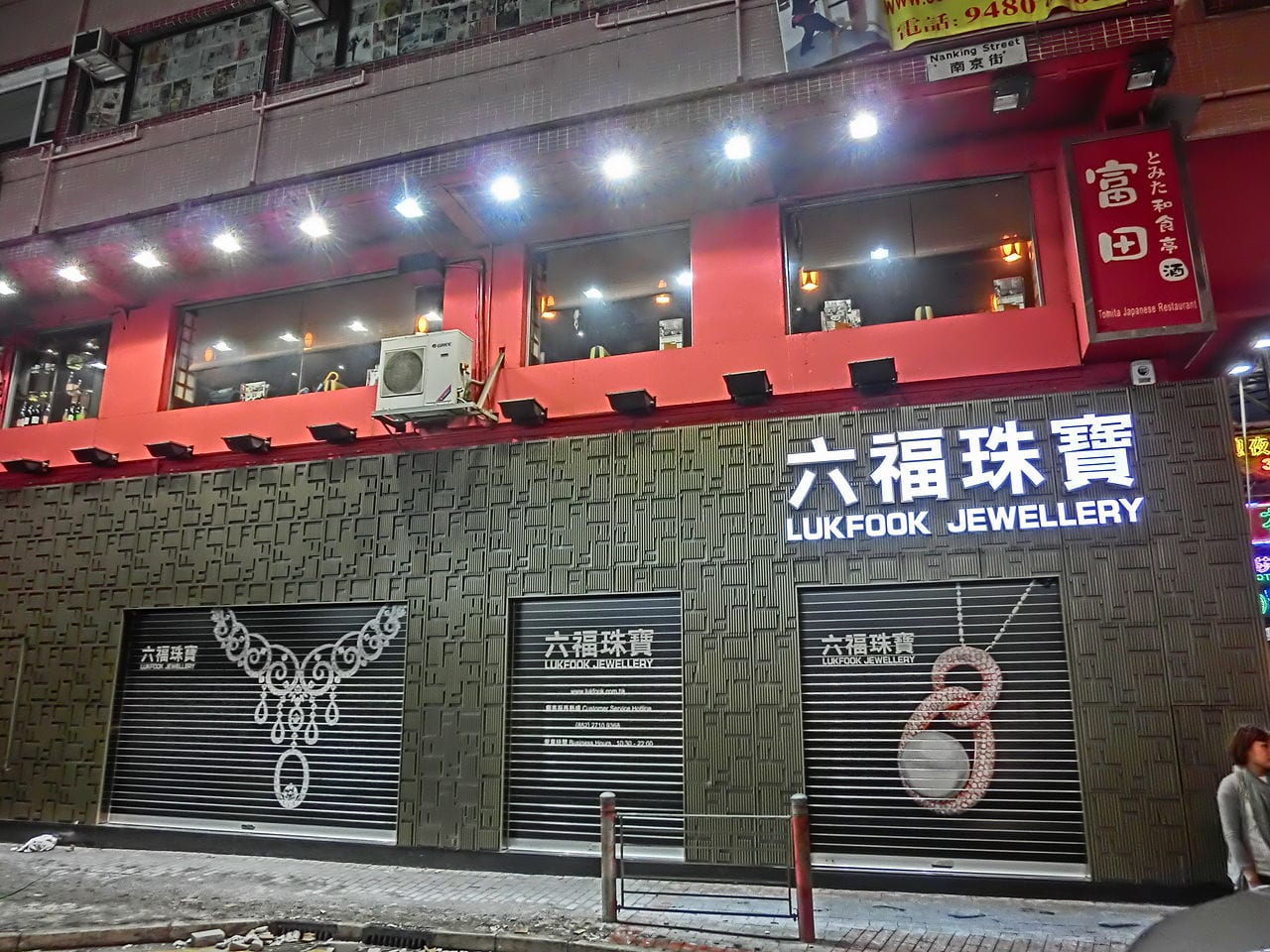
    Jeweller Chow Tai Fook continues to be battered by the declining number of wealthy Mainland Chinese tourists visiting Hong Kong and Macau.

    The Hong Kong listed retailer has revealed its same store quarterly sales slumped 23 per cent in Hong Kong and Macau in the three months to December 31 and by 6 per cent in Mainland China. It said those figures were “similar to the same store sales sales performance” of the preceding quarter.

    In total value, after currency effects were taken into account, total sales fell 11 per cent, compared with 10 per cent in the preceding quarter. Mainland sales, on a constant currency basis, were down two per cent.

    The group opened a net 31 points of sale during the quarter, including 28 jewellery outlets and two watch stores in Mainland China, and a net one store elsewhere, taking its total point of sale count to 2317 as at December 31.

    Meanwhile, Chow Tai Fook MD Kent Wong said on a conference call that the company expects to close five or six stores in Hong Kong during the next three months as it adjusts its network to reflect the changing shopper demographic.

    He said the domestic market remained challenging with the local currency pegged to the US dollar which is widening the gap between the Hong Kong dollar and China’s renminbi.

  • Thailand set to lure shoppers from Singapore

    Thailand set to lure shoppers from Singapore

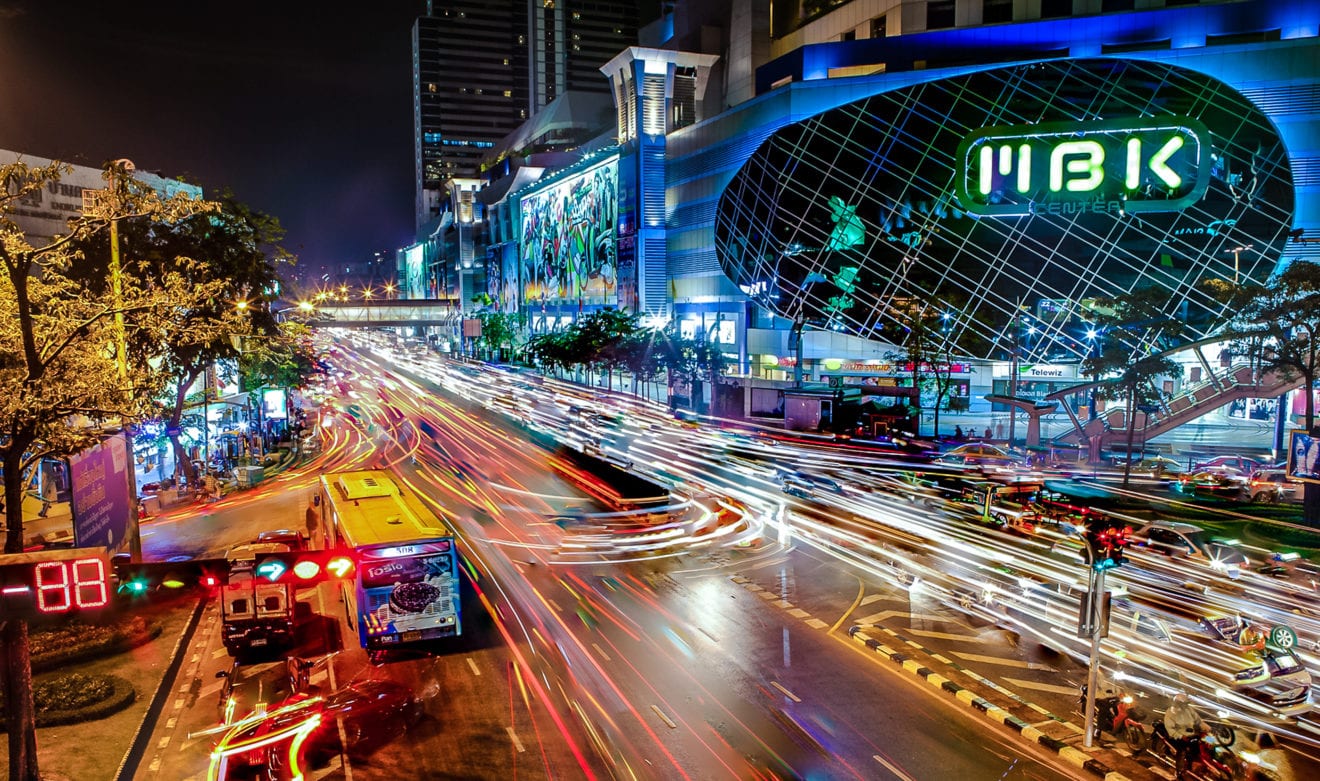
    Thailand luxury goods import duties may be cut in a move to make the nation a more attractive shopping destination for foreigners, a direct challenge to Singapore.

    Such a move would put Bangkok, already a fast-growing regional retail destination, in direct competition with Singapore and Hong Kong for regional tourist spending. Both Singapore and Hong Kong have long since culled such duties.

    Thailand’s Customs Department believes removing the 30 per cent tax on luxury goods would make the country the leading tourist destination for luxury goods shopping in Asia, potentially boosting tourist spending on shopping by 15 to 20 per cent.

    The argument in favour of the cut is that if Thailand’s luxury goods tax was no different from those in Hong Kong and Singapore, Thailand could become the preferred destination, because the country overall offers more attractions at a lower cost.

    The cut might also encourage Thais to shop at home instead of abroad.

    Foreign tourists in Thailand spend about US$33 a day on average on shopping – just half the figure tourists in Singapore spend and a quarter that spent in Hong Kong (it is not clear if those figures were calculated before the current downturn which has impacted on Chinese Mainlanders’ spending in Hong Kong).

    While Thailand retail prices overall are regionally competitive, import duties on so-called luxury items and a seven per cent sales tax make luxury branded goods, and items like fragrances, are more expensive than elsewhere.

    Thailand Customs Department director Kulit Sombatsiri says the department is studying the implications of the move to ensure it will not affect local businesses, and might limit the reduction to selected products that Thailand does not make.

  • Laneige opens Singapore concept store

    Laneige opens Singapore concept store

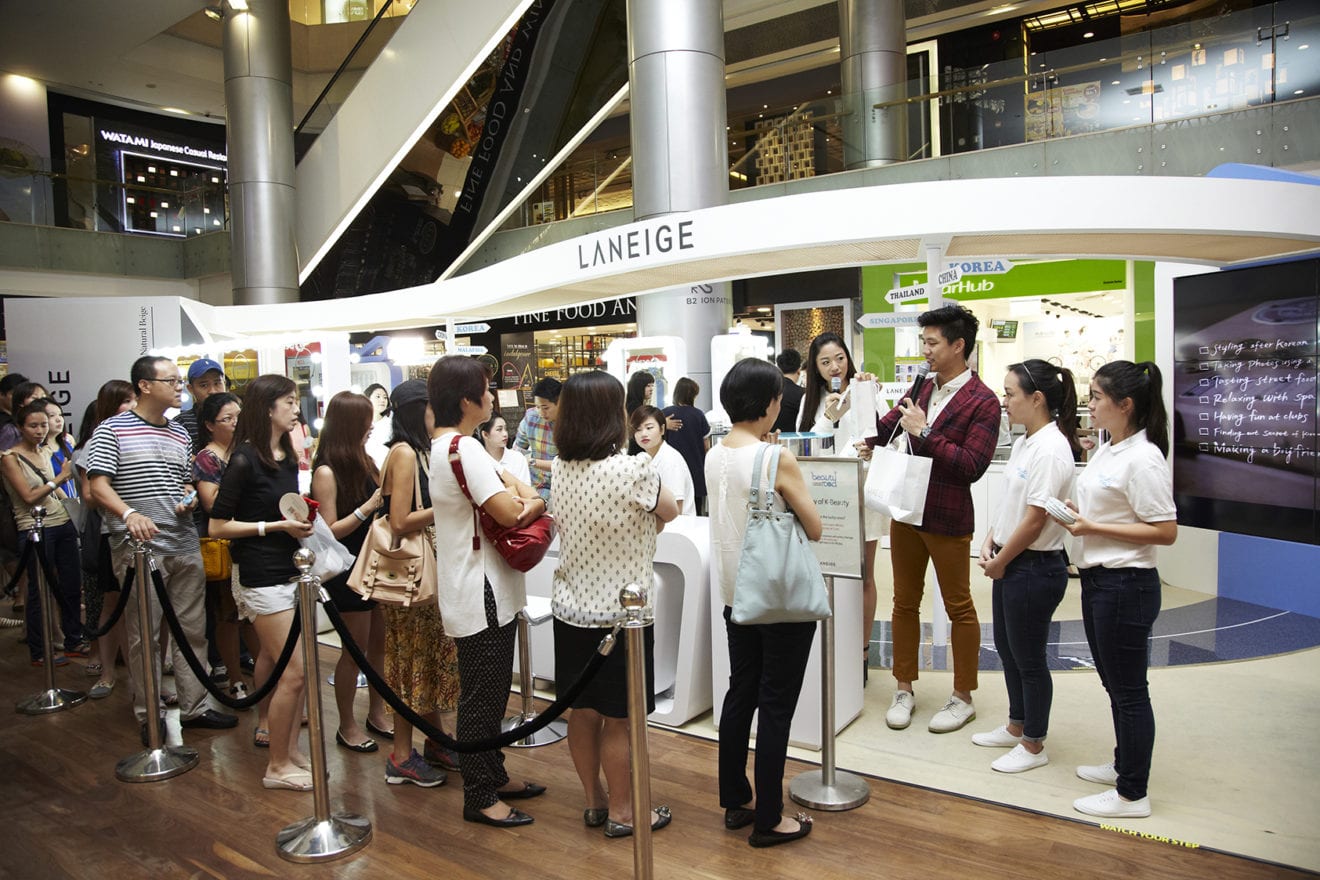
    South Korean skincare brand Laneige has opened a new concept store in Ion Orchard, Singapore.

    Not only does the outlet have a new look, but it features exclusive products. It is the ninth Laneige store for Singapore, the first opening in 2012.

    Exclusive to the store is the Laneige G5 product range, comprising seven variations of Water Science Mist, various types of sleeping balls that serve as a mask for different parts of the body, and lip cards in 20 different shades. The range is exclusive to G5 concept boutiques, and as the new store is the first and only boutique so far, it is the only shop in the world selling it.

    As Laneige’s flagship outlet, the store’s design is different from its other shops. The “water meets light” design concept infuses elements of water, light, and blue and pink colours.

    Laneige brand GM Doreen Chia says the design is “edgy, sophisticated, modern and sparkling” in line with the brand’s beauty concept and vision. Laneige is known for its emphasis on the power of water for revitalising and nourishing the skin.

    There are several zones in the store – one for top-selling items, another for signature products (such as its Water Bank range), Homme for men another for make-up. A feature is a consultation room where beauty advisors can analyse a customer’s skin condition and advise on appropriate products.

    Laneige has stores throughout Asia – in Brunei, China, Hong Kong, Indonesia, Malaysia, Taiwan, Thailand, The Philippines and Vietnam – as well as Canada, New Zealand and the US.

  • Thai import duties may be cut

    Thai import duties may be cut

    Thailand import duties may be cut in a move to make the nation a more attractive shopping destination for foreigners.

    The Thailand Customs Department is mulling a reduction of import duties on luxury items like clothing and accessories. While Thai retail prices overall are regionally competitive, import duties on so-called luxury items and a seven per cent sales tax make luxury branded goods, and items like fragrances, more expensive than elsewhere.

    Thailand Customs Department director Kulit Sombatsiri says the department is studying the implications of the move to ensure it will not affect local businesses, and might limit the reduction to selected products that Thailand does not make.

    This move follows a proposal from the private sector that claims the reduction would boost tourist spending, the Post Today reported. Import duties are 30 per cent for most luxury items.

    Other major Asian shopping hubs such as Hong Kong and Singapore do not impose import duties on luxury items.

  • Colliers Singapore’s senior executives for industrial services quit

    Colliers Singapore’s senior executives for industrial services quit

    THE exodus of executives from Colliers International Singapore has continued this week. This time, some senior executives in its industrial services team including the division head are leaving for a rival firm.

    Colliers’ executive director and head of industrial services, Tan Boon Leong, three other senior executives and one support staff are said to be joining Knight Frank Singapore.

    This leaves Colliers with two industrial brokers. Meanwhile, Knight Frank’s industrial department will increase significantly to 11 executives, comprising nine brokers and two administrative staff with Mr Tan helming the team.

    Their official starting date at Knight Frank is not confirmed yet. But sources told BT that Mr Tan is expected to join Knight Frank in March after two months of gardening leave. He will be reporting to Knight Frank Singapore group managing director Danny Yeo.

    An internal email to employees announcing the changes were sent out by Knight Frank at 5.30pm on Friday.

    Colliers’ traditional strengths are said to be in industrial services and valuation.

    But last June, five industrial brokers from Colliers Singapore, including executive directors Brenda Ong and Rimon Ambarchi, jumped ship to CBRE. Its former managing director, Dennis Yeo, later joined CBRE as regional head of industrial and logistics services in Asia.

    Since some leadership changes took place at Colliers International, the firm became a poaching ground here.

    In September, a team of eight experienced valuers including Colliers’ head of valuation and deputy managing director, Cynthia Ng, moved to Savills Singapore.

    All three directors of its office services team joined Savills Singapore earlier in February and four members of its retail team hopped over to JLL’s retail agency team in June.

    This week, one of its deputy managing directors, Calvin Yeo, and head of investment service, Stella Hoh, also left the company.

  • OGIO Announces First Retail Store Opening in Indonesia

    OGIO Announces First Retail Store Opening in Indonesia

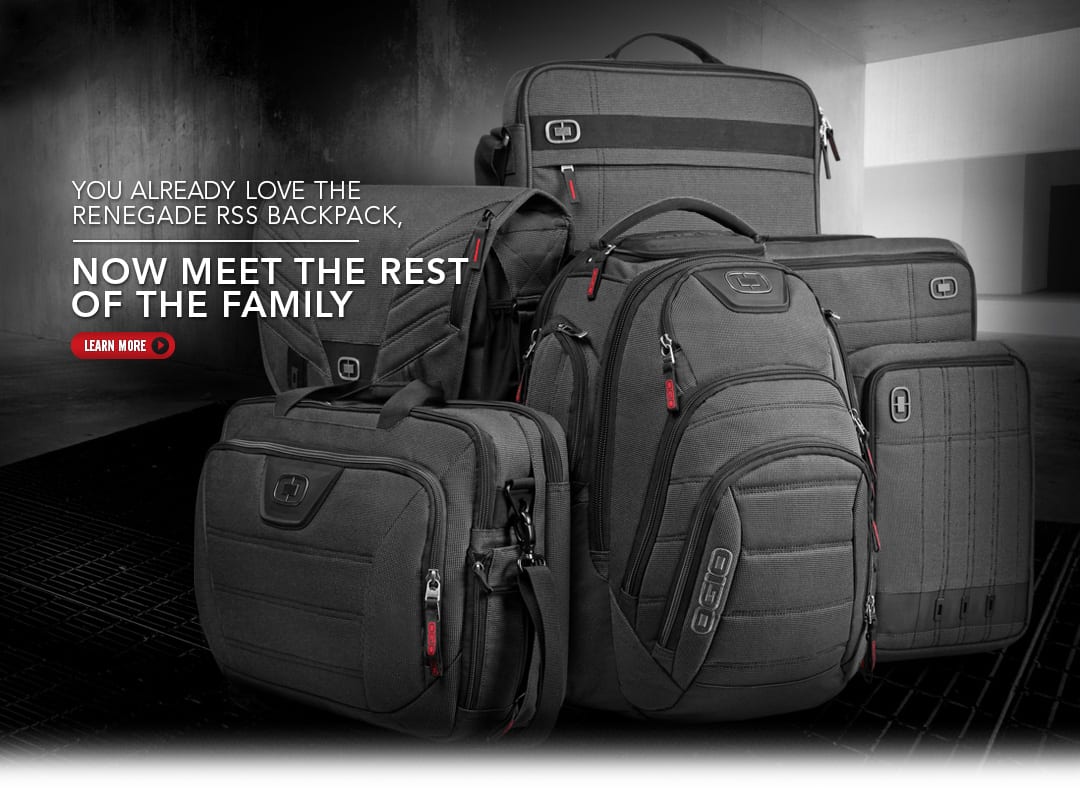
    Following the highly successful introductions of their first 3 flagship store locations in Beijing, Shanghai and Seoul, South Korea, OGIO International announces the opening of its first retail store in Jakarta, Indonesia. The Jakarta location officially opened to the public on December 1st. The location, in the heart of Jakarta’s bustling Gambir Sub-District, is designed to house all of OGIO’s product collections.

    Investorideas.com Newswire

    “We are excited that our brand retail platform continues to be a major driver of growth for our international distributors and for our brand,” said OGIO CEO Tony Palma. “We feel that these flagship stores allow for a great introduction of OGIO to local customers around the world.”

    “The Jakarta location is our way of introducing our customers to the OGIO brand in Indonesia,” said Setiawan Sodhi, CEO at distribution partner PT Raja. “We feel that OGIO’s brand identity can really connect with the end consumer in Indonesia. Our customers will love OGIO’s adrenaline-driven styling in all of the various product collections.”

    Investorideas.com Newswire

    OGIO anticipates a second new flagship location in Indonesia, in the tourist mecca of Bali, slated for opening in 2016. With retail concepts successfully executed in China, Korea, Japan, Italy and Indonesia, OGIO continues to grow its international lifestyle business by double digits.

    “The success of our retail locations in other countries, both flagship stores and shop-in-shop concepts, has really caught the attention of many of our International distribution partners”, said OGIO’s GVP of International Mark Talarico. “The retail store concept is proving itself to be a fantastic marketing, sales, and most importantly, brand awareness driver for our distributors.”