Tag: asia

  • Indonesia Wants Netflix to Open Office, Pay Tax

    Indonesia Wants Netflix to Open Office, Pay Tax

    If Netflix wants to obtain a but, the company must obey local regulations, such as opening an office and hiring employees. Furthermore, it must also obey tax regulations, which means every transaction with Netflix in Indonesia will be taxed.

    According to Kompas.com, the obligation to have a business license also applies to other over-the-top Internet-based services, such as Google and Facebook.

    These permanent businesses are required to pay corporate income tax and value added tax for every transaction made in Indonesia.

    Netflix’s video-streaming service went live in more than 130 countries, including Indonesia, last Wednesday as chief executive Reed Hastings aimed to counter slowing growth in the US.

    Indonesian users can choose from three monthly subscription plans on Netflix, with the basic plan priced at Rp 109,000 ($8) per month.

  • Singapore-Indonesia Talk Agribusiness Export

    Singapore-Indonesia Talk Agribusiness Export

    Minister of Foreign Affairs Retno Marsudi received her Singaporean counterpart Vivian Balakrishnan at the Foreign Affairs Ministry building in Jakarta today, January 13. This meeting between the two ministers is their second after the ASEAN Summit in Kuala Lumpur in November last year.

    For Mr. Balakrishnan, this is his introductory visit to Indonesia since he was appointed as Singapore’s Foreign Affairs Minister in October 2015. In the meeting, the two ministers talked about a number of important issues.

    “The relationship between Indonesia and Singapore is one of the most intensive bilateral ties due to our geographic proximity and tight work relations,” Minister Retno said in an official statement on Wednesday, January 13.

    The ministers talked about how to enhance economic ties between the two nations. One way is through agribusiness exports.

    “Singapore needs this product, while Indonesia has the capacity. The geographic proximity between the two countries is a potential than can be brought closer,” the minister said.

    Indonesia and Singapore are planning to hold agribusiness collaborations in the fields of cool storage and infrastructure standard.

    The two ministers also discussed about the potential for a partnership in the manpower sector. Minister Retno said that, in the future, Indonesia will enhance the quality of skilled workers – particularly in fields with high demands such as therapists, caregivers, and other.

    The meeting was also spent talking about regional cooperation, ASEAN in particular, and the plan for Singapore’s Prime Minister to visit Indonesia.

    In addition to meeting Minister Retno, Mr. Balakrishnan’s trip to Indonesia also included an honorary visit to President Joko WIdodo and Luhut Pandjaitan, Coordinating Minister of Law and Human Rights.

    Singapore is Indonesia’s second largest trading partner after China. In 2014, the trading value between Indonesia and Singapore reached US$42 billion.

    In terms of investment, Singapore is Indonesia’s biggest investor. In 2014, Singapore’s investment actualization in Indonesia valued at US$5.8 billion. Singapore is also Indonesia’s largest contributor of foreign tourists, with more than 1.5 million Singaporeans visiting Indonesia per year on average.

  • Siemens studies participation in Indonesia`s electricity program

    Siemens studies participation in Indonesia`s electricity program

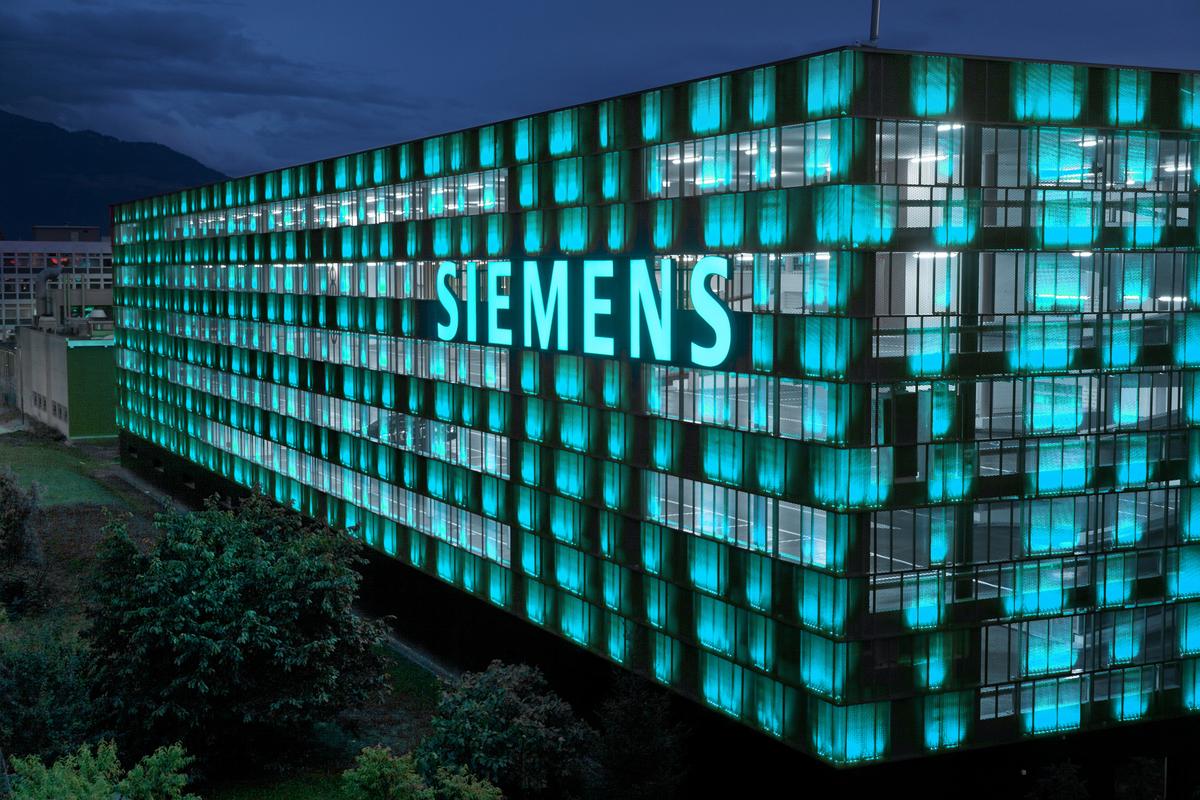
    German company Siemens Energy Sector is studying the possibility of taking part in the governments program in the electricity sector.

    The government has a program to build power plants with a total capacity of 35,000 megawatts until 2019.

    Member of the board of management of Siemens Lisa Davis met Vice President M. Jusuf Kalla on Tuesday discussing Siemens interest in taking part in carrying out the program.

    Lisa said Siemens has long been venturing in Indonesia taking part in the government development program especially in development of power plants.

    She also expressed interest in cooperating with the state power utility company PLN in building power plants.

    “We discussed a lot of things in the energy sector such as in power generating plant, power transmission facility and distribution of power,” she said.

    She said involvement of Siemens in the 35,000 MW electric program would open many jobs in the country.

    Siemens has produced electrical components and Indonesia is a potential market for the products.

    “We see Indonesia a potential market for our manufactured products. That is the reason for our interest in cooperation with the Indonesian government,” she added.

    German Ambassador Georg Witschel, who accompanied Lisa at the meeting with the vice president, said Germany will also be ready to offer help for Indonesia in the implementation of its programs including in its electricity program.

  • Komodo Island named Indonesia`s main marine tourist destination

    Komodo Island named Indonesia`s main marine tourist destination

    The Ministry of Tourism has mapped Komodo Island as one of the 12 major marine tourist destinations in Indonesia.

    The other destinations included in the list are Wakatobi in Southeast Sulawesi, Derawan in East Kalimantan, Raja Ampat in Papua, Nias in North Sumatra, Mentawai in West Sumatra, Ujung Kulon in West Java, Anak Krakatau in Sunda Strait, Tomini in Central Sulawesi, and Bali and Lombok in West Nusa Tenggara.

    “The twelve islands are included in the blueprint of the marine tourism development plan for natural resources and creative economy in promoting the brand Wonderful Indonesia,” Welly Rame Rohimone, acting head of the provincial tourism and creative economy office, stated here on Tuesday.

    Komodo Island, the natural habitat of the Komodo dragon (Varanus kommodoensis), has been selected as one of the new seven Wonders of Nature. The tourist area is ideal for diving and cruise tourism.

    “East Nusa Tenggara will be developed as Indonesias tourism gateway besides Bali, West Nusa Tenggara, and ten other islands,” Rohimone noted.

    The Komodo dragon in Komodo National Park can be found on the islands of Rica, Padar, and Komodo.

    “Sail Indonesia, being held since 2009, has also been organized in East Nusa Tenggara in 2013 under the name of Sail Komodo,” he emphasized.

    Komodo Island, with a land area of 390 square kilometers, has a population of over two thousand.

    The island has a beach with sand that appears pink as it contains a mixture of white sand and red sand, formed from pieces of Foraminifera.

  • CNBC to launch channel in Indonesia

    CNBC to launch channel in Indonesia

    Financial news channel CNBC has struck a deal with PT Trans Media Corpora to launch a CNBC-branded channel in Indonesia.

    CNBC Indonesia is to enter Southeast Asia’s largest economy later this year, and will be a Bahasa-language service.

    Mark Hoffman, chairman of CNBC, said that the deal with Trans Media underpins the broadcaster’s emerging markets strategy.

    “We are pleased to bring CNBC’s unique and robust content proposition to millions of Indonesians in their local language, further opening the world of international business and finance to a growing economic powerhouse,” Hoffman said.

    Chairul Tanjung, founder and chairman of PT Trans Media Corpora’s parent company, CT Corp, said: “The primary objectives of the CNBC Indonesia venture are to facilitate global business conversations in Bahasa Indonesia, to educate our growing middle class, and to facilitate better information flow for decision making. This will help realise the full potential of the capital markets and businesses, accelerating the economic development of Indonesia.”

    CNBC’s announced launch comes just three months after rival Bloomberg closed its Indonesian joint venture after running into financial difficulties. Bloomberg is still looking for a new local partner to revive its Indonesian ambitions, Mumbrella understands.

  • China’s stock market like a casino, only riskier

    China’s stock market like a casino, only riskier

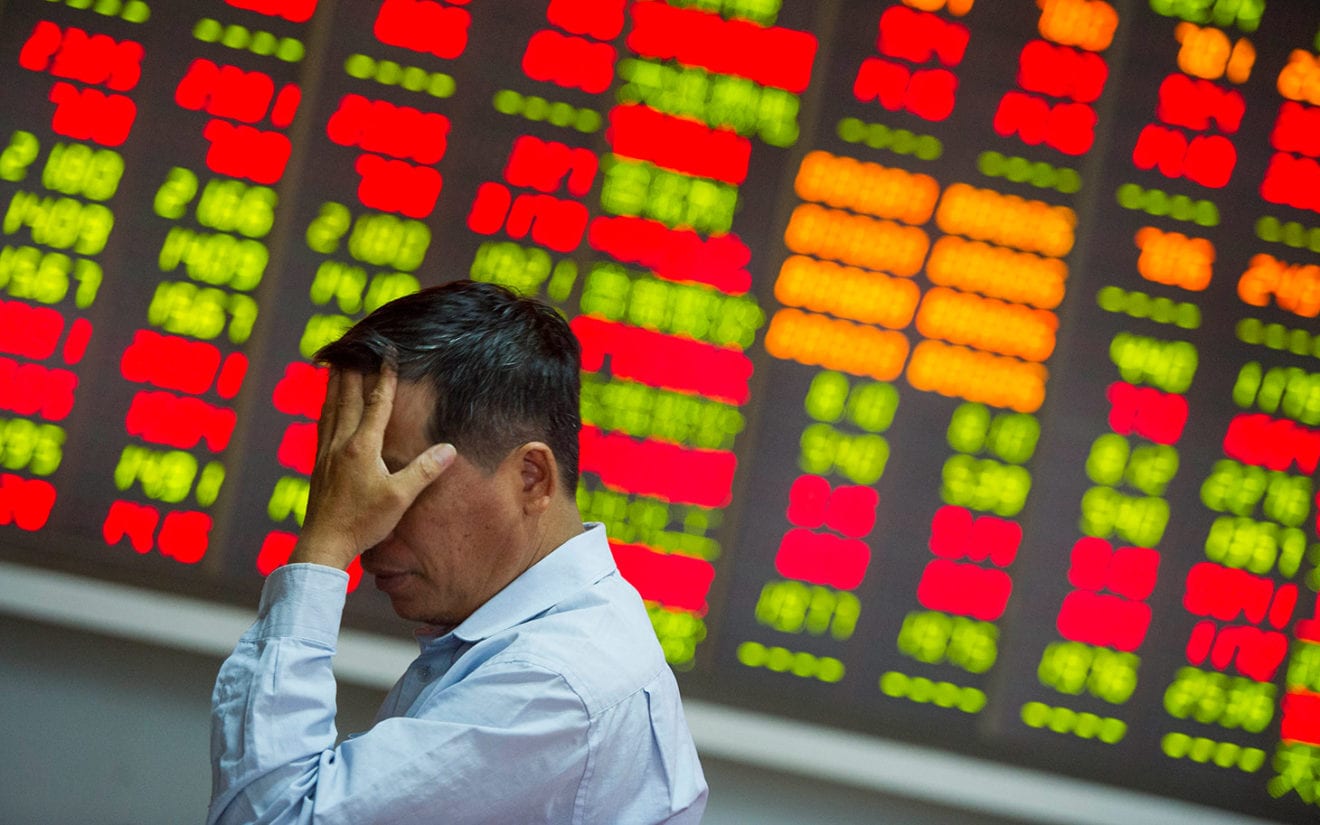
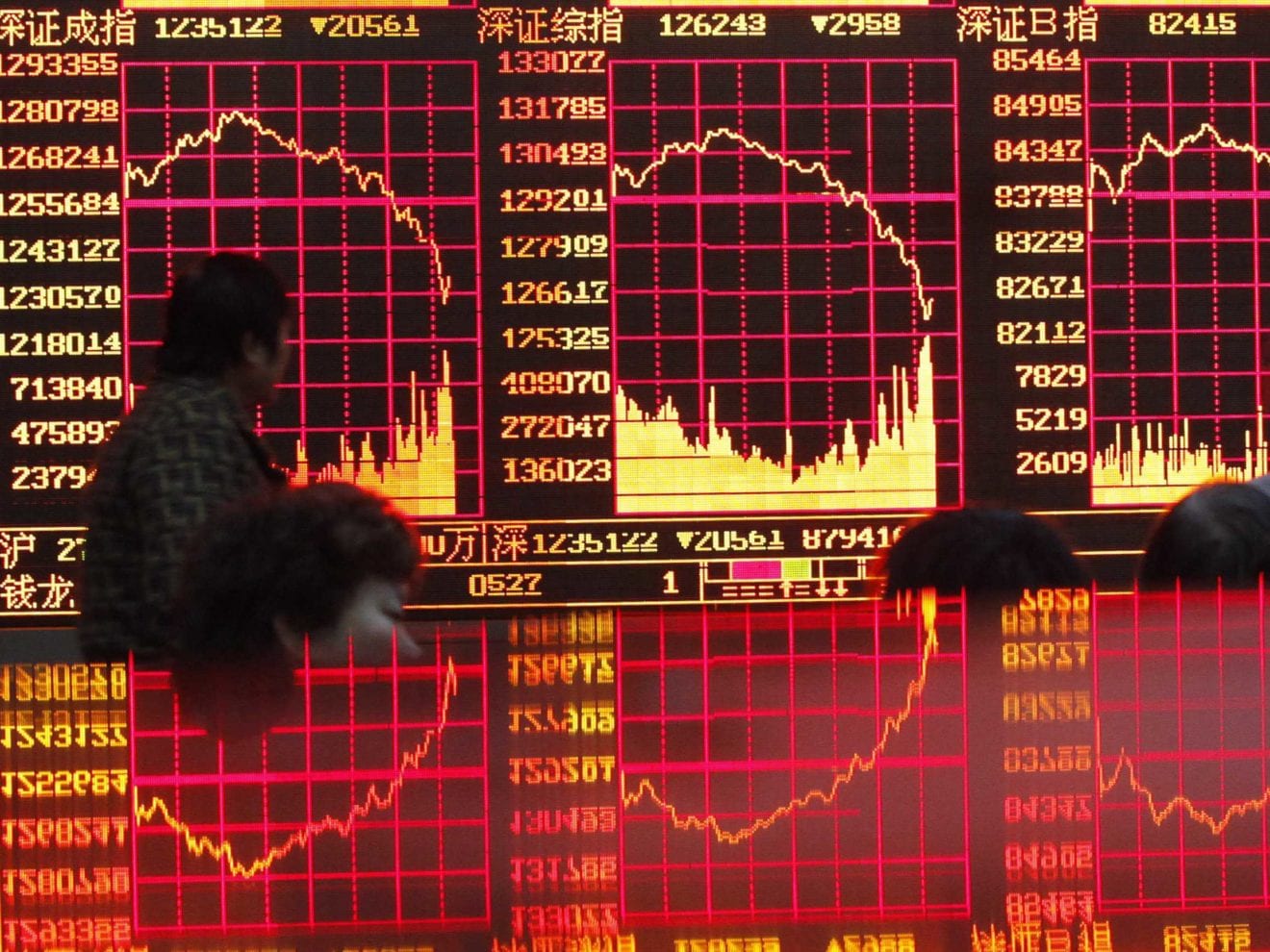
    The one thing to remember about the Chinese stock market is that it operates so differently from U.S. and European markets. First off, the China market is dominated by retail investors, who treat it very much like a casino. Look at this chart:

    There are more than 200 million trading accounts in China. That’s the same size as America’s adult population. And that’s one of the main reasons we’re seeing so much volatility. FIS Group in a recent report said that more than 90 percent of capital accounts are owned by retail investors, suggesting the wild moves in Chinese stocks is primarily driven by “their market structure” and “trade momentum.”

    Even though we’ve seen huge drops in the last week, let’s not forget how massive the spikes up have been in the past 10 years. Chinese stock market volatility makes the S&P 500 look almost like a flat line.

    Another way to see it: the difference between small and large caps.

    Of course small caps anywhere tend to move more than large caps — but in China, that difference is bigger, especially in the past months.

    Remember, many Chinese large-cap stocks are primarily state-owned enterprises, so retail traders generally look toward smaller companies to make their quick bucks.

    Wu Jinglian, a veteran economist, has said comparing Chinese markets to a casino is actually unfair — to the casinos. He said that at least the casinos have stronger rules, and don’t have price manipulation.

    That’s why when bad news in the economy happens, a spooked and scared set of retail traders will be much quicker to bail versus the more professionally dominated U.S. market.

  • Chow Tai Fook’s Hong Kong, Macau Sales Plunge on Fewer Chinese

    Chow Tai Fook’s Hong Kong, Macau Sales Plunge on Fewer Chinese

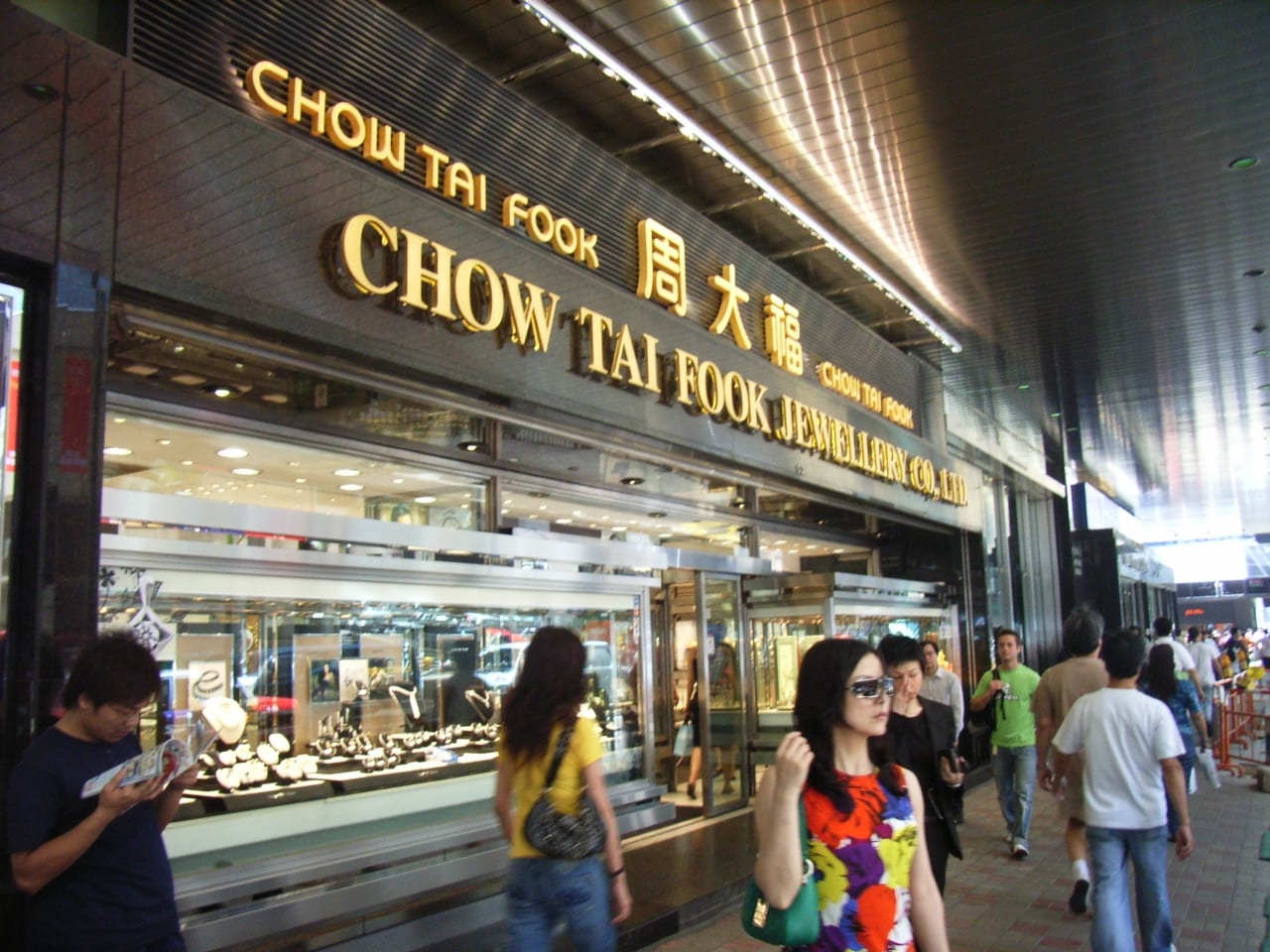
    Chow Tai Fook Jewellery Group Ltd., the world’s largest listed jewelry chain, said same-store sales in Hong Kong and Macau plunged 23 percent in the final three months of 2015 as fewer mainland Chinese tourists visited the two cities.

    Same-store sales, for outlets open at least a year, fell 6 percent for those in mainland China, bringing the total decline to 15 percent for the fiscal third quarter ending December, the company said in a statement Friday. The retail sales value for all of the company’s outlets slumped 11 percent in the period, it added.

    The operating environment in China as well as sales outlook for the Lunar New Year holidays in February remain challenging, and the company will continue to focus on cost-cutting measures in the rest of the current fiscal year ending March, Managing Director Kent Wong said on a conference call with reporters Friday.

    “The retail jewelry industry is now in a consolidation stage after the rapid growth in the past decade,” Wong said. “What we can do now is to better control cost structure on both rentals and staff costs, while expanding our high-end product lines.”

    Chow Tai Fook in November declared its first-ever special dividend even as it posted the steepest decline in semi-annual profit since it went public, after its shares fell to about 70 percent before its offer price since its 2011 share listing. China’s economic slowdown, as well as campaigns against corruption and extravagant spending have hurt luxury retailers and casino companies.

    The retailer of gems and watches has said it will shut outlets that do not perform well, but doesn’t plan to lay off workers. Still, the number of employees may fall further after it dropped 8 percent in the first half, reducing staff costs by 13 percent, Wong said Friday.

    Chow Tai Fook Chairman Henry Cheng said in November the company has shelved its overseas expansion plans and will focus on the Hong Kong, Macau and mainland China businesses.

    Mainland Chinese tourists to Hong Kong, who accounted for more than 70 percent of the total in November, have dropped 16 percent in the month, according to the city’s tourism board.

    Chow Tai Fook may request rental reductions of 30 percent on average, for the roughly one-third of its Hong Kong stores that renew their lease agreements each year, it had said in November. Wong said the company is in talks to renew leases for three shops in the city.

    The luxury chain’s retail network expanded to 2,317 points of sales as of end-2015, including a net opening of 28 jewelry, and 2 watch outlets in mainland China. It will open between 50 to 60 points of sales in China in the rest of the fiscal year, Wong said.

    Competitor Chow Sang Sang Holdings International Ltd. said it won’t cut prices even as it expects same-store sales to slide during the Lunar New Year holidays, amid a strong Hong Kong dollar that has turned mainland tourists away, the Standard newspaper reported Friday citing Lau Hak-bun, the company’s general manager of Greater China retail.

    Chow Tai Fook’s Wong also said the company has no plan to cut product prices in the future.

  • Hong Kong Airport tenders fashion concession

    Hong Kong Airport tenders fashion concession

    The Airport Authority of Hong Kong (AAHK) is inviting interested companies to tender for a shoes, fashion accessories and sports concession at Hong Kong International Airport, in Terminal 1.

    The tender is due to close on 25 February 2016, at 14:30 (Hong Kong Time) for the 57sq m concession space.

    As the airport authority has been keen to communicate in recent years, HKIA presents a ‘unique business opportunity ‘for retail operators at this aviation hub in Asia. Taking this into consideration, AAHK believes this to be another ‘extraordinary business opportunity in a premier location’.

    The new shop will be erected on Level 7 of the East Hall Departures lounge.

    “HKIA is a world-class international transport hub with extensive air, sea and land links as well as round-the-clock facilities, serving over 100 airlines and 63.3m passengers in 2014 with an annual growth of 5.8%,” adds HKIA.

    “HKIA’s affluent mix of passengers come from all over the world, with over 45% being executives, professionals and proprietors.”

    Interested companies, who wish to receive the tender documents are asked to send a cashier’s order of HK$500 (non-refundable) made payable to ‘Airport Authority’, along with a written request on company letterhead paper specifying the tender number, company name, contact details and trading name to the following address.

    Ms. Dorothy Tan
    Assistant General Manager
    Retail & Advertising
    Airport Authority Hong Kong
    5/F, HKIA Tower, 1 Sky Plaza Road
    Hong Kong International Airport
    Lantau, Hong Kong

  • Thailand’s TCC buys Metro supermarket

    Thailand’s TCC buys Metro supermarket

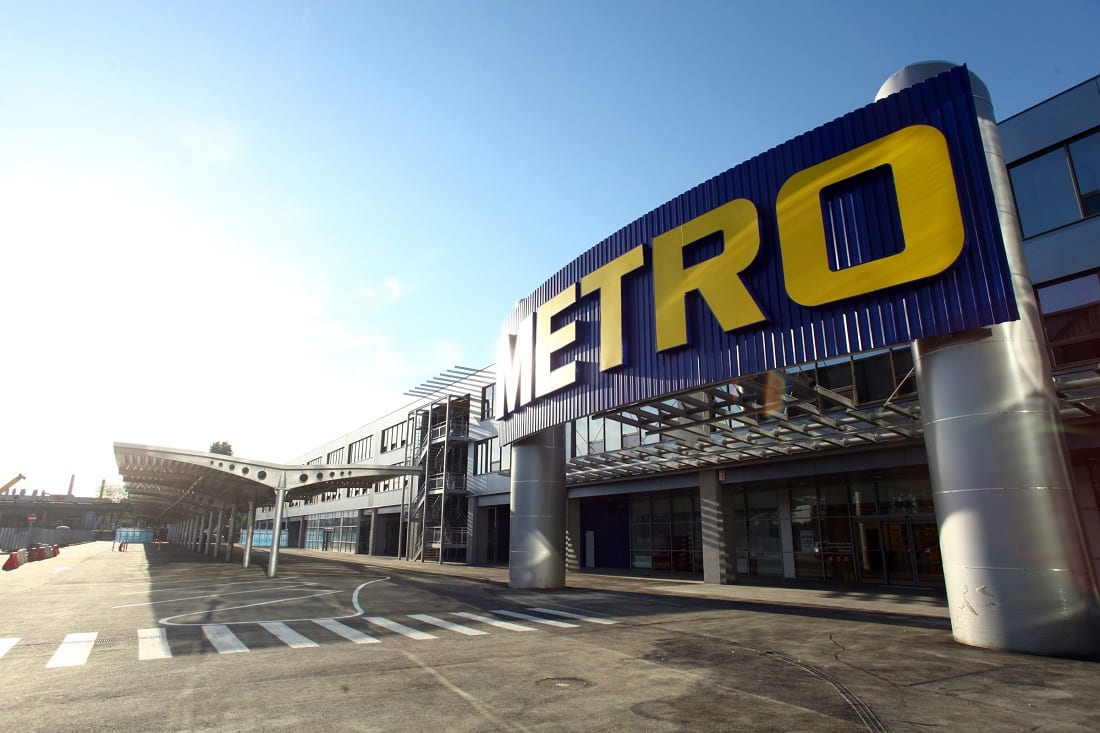
    Metro said TCC Land International Pte, Ltd, a subsidiary of TCC Holding Company Ltd, has acquired its complete operations in Vietnam for 655 million euros (US$706 million).

    In a press release, it said: “This results in a cash inflow of around 400 million euros [$432 million]. The payment has been already made.”

    Metro Cash and Carry Vietnam told Viet Nam News that under the new ownership the wholesaler would operate under the old name and management and continue to serve over a million professional customers with the same products and services.

    Metro came to Vietnam in 2002 and now has 19 stores around country with more than 3,300 employees.

    Over the years it has invested in the local trade infrastructure and food hygiene and safety, and trained more than 20,000 Vietnamese farmers and fishermen, helping them increase their yields and product safety.

    In August 2014 Metro announced it had agreed to sell to Berli Jucker (BJC).

    But last February BJC’s majority shareholder TCC replaced BJC as the buyer.

    BJC, a conglomerate with interests in multiple sectors including retail, will run Metro for TCC.

  • China imposes fresh stock-sale restrictions

    China imposes fresh stock-sale restrictions

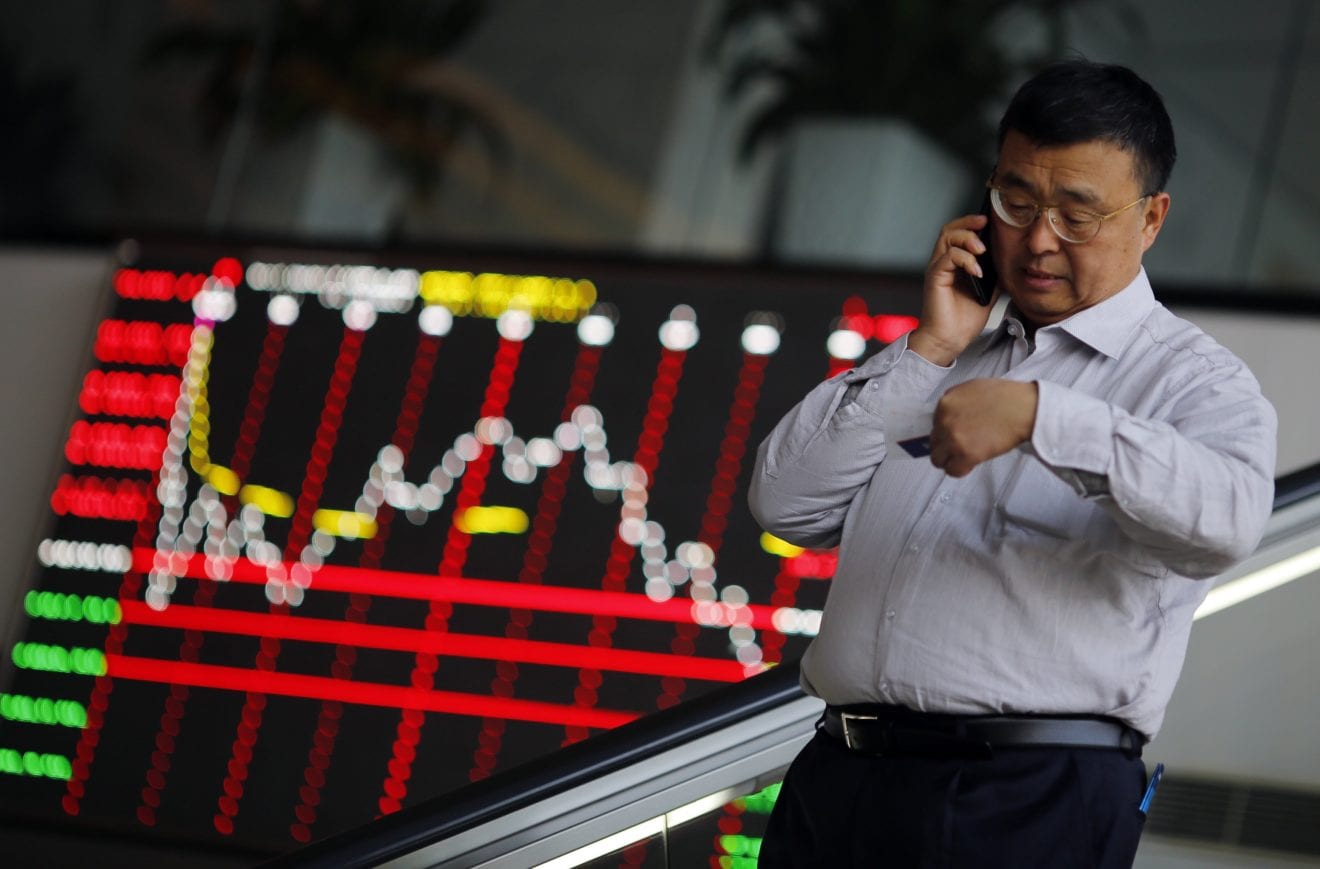
    China’s securities regulator will suspend its newly implemented circuit-breaker mechanism designed to tame market volatility after it exacerbated stock sell-offs and shut down equity trading early twice in one week.

    The China Securities Regulatory Commission announced late on Thursday night that the circuit-breaker system would be halted from Friday, only four days after introduction, without saying how long the suspension will last.

    “It didn’t work out as expected… Currently the negative effect is bigger than the positive one. Therefore, we have decided to suspend it in order to maintain market stability,” the CSRC said in a statement posted on its Weibo account.

    The regulator implemented the mechanism on Monday, hoping to offer a “cooling period” when there are sharp fluctuations in the market and therefore stamp out the wild swings.

    A move of 5% in either direction on the CSI 300 Index, China’s blue-chip tracker, triggered a 15-minute trading halt for stocks, convertible bonds, stock options and futures contracts. A swing of 7% froze trading for the rest of the day.

    Previously, individual Chinese stocks were only allowed to rise or sink by a maximum 10% per day.

    Circuit-breaker controversy

    However, the new mechanism appears to have amplified the panic among investors and prompted new waves of selling in response to sluggish economic data and renminbi weakening, according to some market players and equity analysts.

    Hong Hao, chief China strategist at Bank of Communications in Hong Kong, said circuit-breakers could easily pose threats to market liquidity and investor sentiment.

    “Clearly the tight stops of 5% and 7% of China’s circuit breaker have a magnet effect as prices gravitate towards the breaker [striking points] and prompt a stampede that drains market liquidity,” he said.

    The circuit-breaker system halted trading early on Thursday for the second time in a week, following its first use on Monday. The close of a 14-minute trading session in Shanghai and Shenzhen on Thursday morning also marked the shortest in the country’s history.

    “There are huge risks to introduce it in China now as irrational, retail investors are not really for it. When they see the market fall by 3%, they will only want to sell rather than buy. Then it could soon trigger the trading halt. Then there’s no liquidity,” one Hong Kong-based senior investment banker at a Wall Street bank told FinanceAsia.

    Fresh stock-sale restrictions

    Earlier on Thursday, the CSRC also introduced fresh restrictions on stock sales. It announced new rules to prohibit large shareholders and company directors or managers with stakes of more than 5% from selling more than 1% of their outstanding shares every three months.

    In a separate statement, the CSRC said the new rules would help to “defuse panic sentiment” among investors and would not lead to a new peak of stock selling. “There’s no basis to say they will lead to sharp falls in the market.”

    The new rules, which will come into effect on January 9, require stock sales to be conducted through a centralised auction system and major shareholders to disclose equity-disposal plans 15 days in advance.

    “The 15-day heads-up could more or less dilute the impact on the market – as retail investors know which company’s major holders plan to sell shares. Retail investors can exit their positions first,” said one Beijing-based fund manager at Citic Securities.

    The new measures, which will apply to significant stakes held when a company listed, replace an existing ban set to expire on Friday.

    Beijing in early July imposed a six-month curb on stock selling by major shareholders as part of a raft of controversial measures introduced in the summer to prop up sagging markets.

    China’s stock market, dominated by retail investors, has been one of the most volatile in the world over the last 18 months, with the Shanghai Composite index advancing by as much as 150% in a year-long rally running through mid-June, before plunging 43% by late August. It recovered somewhat in the subsequent months, and plunged again into 2016.

    Hong at Bank of Communications told FinanceAsia earlier on Thursday that the new restrictions alone would be “useless to stem the market plunge as the top priority now is either to abolish the circuit breaker mechanism or improve it.”

    Some of China’s retail investors have tried to use humour on social media platforms like Wechat and Weibo to deal with the new circumstances.

    One wag said the new circuit breakers were like having a girlfriend with a bad temper: “If she’s angry with you and you fail to cheer her up in 15 minutes, she won’t be talking to you for the rest of the day.”

  • China’s stock market is a clown show

    China’s stock market is a clown show

    Just as “bad cases make bad law,” to cite the ancient legal adage, bad stock markets make for bad investment decisions. China’s stock market, with its repeated crashes, has the entire world in a tizzy.

    The Shanghai stock exchange experienced its shortest trading day ever on Wednesday, as circuit breakers designed to end trading if the market slid 7% kicked in after only 14 minutes of active trading. As reported, the Shanghai Composite has dropped about 12% this year, and the Shenzhen composite has fallen more than 15%.

    Investors in the U.S. have taken the opportunity to sell. As of Thursday’s close, the Standard & Poor’s 500 index is down 4.67% from the opening bell for 2016 trading Monday, theNasdaq has lost 4.29%, and the Dow Jones Industrials have shed 5.12%. European stocks have marched over the cliff in tandem.in the U.S. took the opportunity to sell. As of Thursday’s close, the Standard & Poor’s 500 index is down 4.67% from the opening bell for 2016 trading Monday, the Nasdaq has lost 4.29%, and the Dow Jones Industrials have shed 5.12%. European stocks have marched over the cliff in tandem.

    The world should take a deep breath. The China stock market meets the definition of a bad stock market.

    The market is the target of relentless intervention by the Chinese government, which has been setting investment rules and tweaking them without any evident understanding of how open markets work. Adding to the chaos, the market was inflated by an inflow of small investors buying on huge margins — a notoriously skittish class of investors buying under conditions that made them especially vulnerable to the market’s volatile swings.

    Last April, as Evan Osnos of the New Yorker reported, the official organ of the Chinese Communist Party exhorted citizens to plunge into the market. An upsurge of more than 80% in four months was “merely the start of a bull market.” Investors should take heart from the government’s determination to keep Chinese companies strong.

    “Over the next two and a half months, investors opened thirty-eight million new stock accounts, more than quadruple the number of accounts opened in all of 2014,” Osnos wrote. “Retail exchanges, equipped with audience seating, attracted retirees and other small-time investors who spent hours scanning the digital displays, like visitors to the dog track.”

    This was a bubble primed for pricking. But that wasn’t all. On July 8, during a major market crash, Chinese regulators imposed a lockup on shareholders owning 5% or more of their companies, prohibiting them from selling for six months.

    The effect of lockups is well understood in mature stock markets; they tend to create latent bearish pressures as the expiration approaches. That expiration was due for Friday, Jan. 8, plainly creating some of the downdraft witnessed this week.

    The circuit breakers are another source of trouble. Introduced Jan. 4, the rules halt trading for 15 minutes after a 5% drop in the benchmark CSI 300 index, and stop trading for the rest of the day when the index falls 7%. They were triggered on day one, and again on Wednesday.

    Circuit breakers exist in U.S. markets, but critics say they’re cinched too tight in China, where 5% swings have been far more common. In the U.S., trading is shut down only if the Standard & Poor’s 500 benchmark falls 20% in a day.

    Adding to the confusion is that Chinese authorities lack the courage of their own convictions. On Wednesday, regulators tried to keep the bear caged by extending the stock lockup for three more months, albeit in modified form–big shareholders could sell, but only up to 1% of their companies’ shares. And following the circuit-breaker meltdowns of Monday and Wednesday, they scrapped the circuit-breakers themselves, a clear indication that they were not implemented properly in the first place.

    Among other signs of the immaturity of the markets and their regulators are stiff limits on short-selling–after a market crash this summer, the Shanghai and Shenzhen exchanges banned one-day short sales, in which traders place short orders and cover them on the same day. Mature exchanges understand that short selling is an indispensable relief valve for overheated bull markets.

    All these features, artifacts of the government’s inclination toward intervention in the stock market on the bull side, make the market an unreliable gauge of economic trends, many critics say. (Though they’re not unanimous — last February, economists at MIT and New York University argued that the market had matured to the point that it was providing reasonably accurate signals about future corporate earnings. “China’s stock market no longer deserves its reputation as a casino,” they wrote.)

    None of this means that there’s not cause to be concerned about the Chinese economy and its effect on world markets. Underlying the Chinese market plunge are signs that the world’s second-largest economy is slowing down, and that government economic officials aren’t fully up to the task of managing it.

    They’ve been frantically depreciating the Chinese yuan, which will put pressure on the nation’s trading partners by making Chinese exports more competitive and imports more expensive. The rapid depreciation sends a signal, moreover, that policymakers are getting to the end of their stimulative arsenal.

    Adding to uneasiness about government policy, no one has ever been entirely certain about the pace of China’s economic growth because its official figures are untrustworthy. Gross domestic product may have been overstated as much as three-fold, some observers believe.

    There’s no question that cracks in the Chinese economy are worrisome, but the wild swings of the stock market may be exaggerating the mood of panic. It makes sense for investors worldwide to keep their eye on the economy, but the stock exchanges? Just watch the ride.

     

  • Shibuya109 opens in Hong Kong

    Shibuya109 opens in Hong Kong

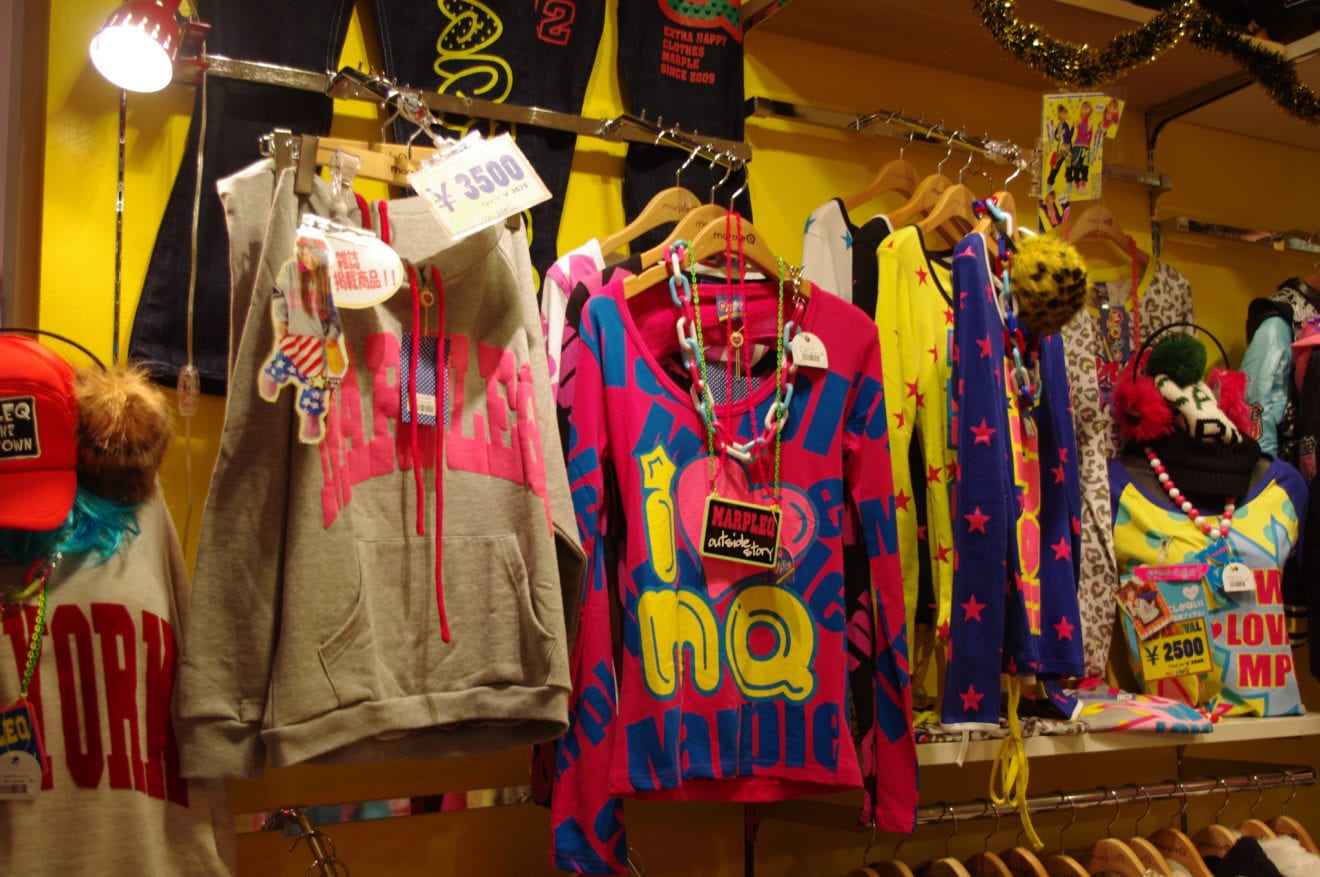
    The Japanese department store Shibuya109 has opened its first outlet outside its home market – in Market City in Kowloon, Hong Kong.

    Owned by Tokyu Hands, Shibuya109’s first Hong Kong store is described as a ‘mini-mall’ offering just a curated collection of brands from Japan to test the broader Asian market.

    The store opened quietly during the Christmas season lead-up taking up an 800sqm space on the third floor of Gateway Arcade at Harbour City in Tsim Sha Tsui. It is home to 13 retail brands from the Tokyo stores: Ank Rouge, Duras, Esperanza, Ki La Ra Girl, Liz Lisa, MLR, Rady, Redyazel, Regalect, Samantha Vega, Secret Honey, SLY and Wego Tokyo. For six of these brands, it will be their first launch on an overseas market.

    There is also a space tagged Shibuya109 Stage, dedicated to incubator brands.

    Shibuya109 takes its name from the popular shopping district in Tokyo.

    The concept of the mini mall is to highlight Japan’s fashion culture.

    Tokyu Malls Development Corporation says it chose Hong Kong because of its popularity with tourists – some 50 million people a year visit the territory.

    If the Hong Kong store proves a success, Tokyu will consider similar such outlets in Singapore and other Asian cities.

  • Myanmar City Mart eyes US$25m expansion

    Myanmar City Mart eyes US$25m expansion

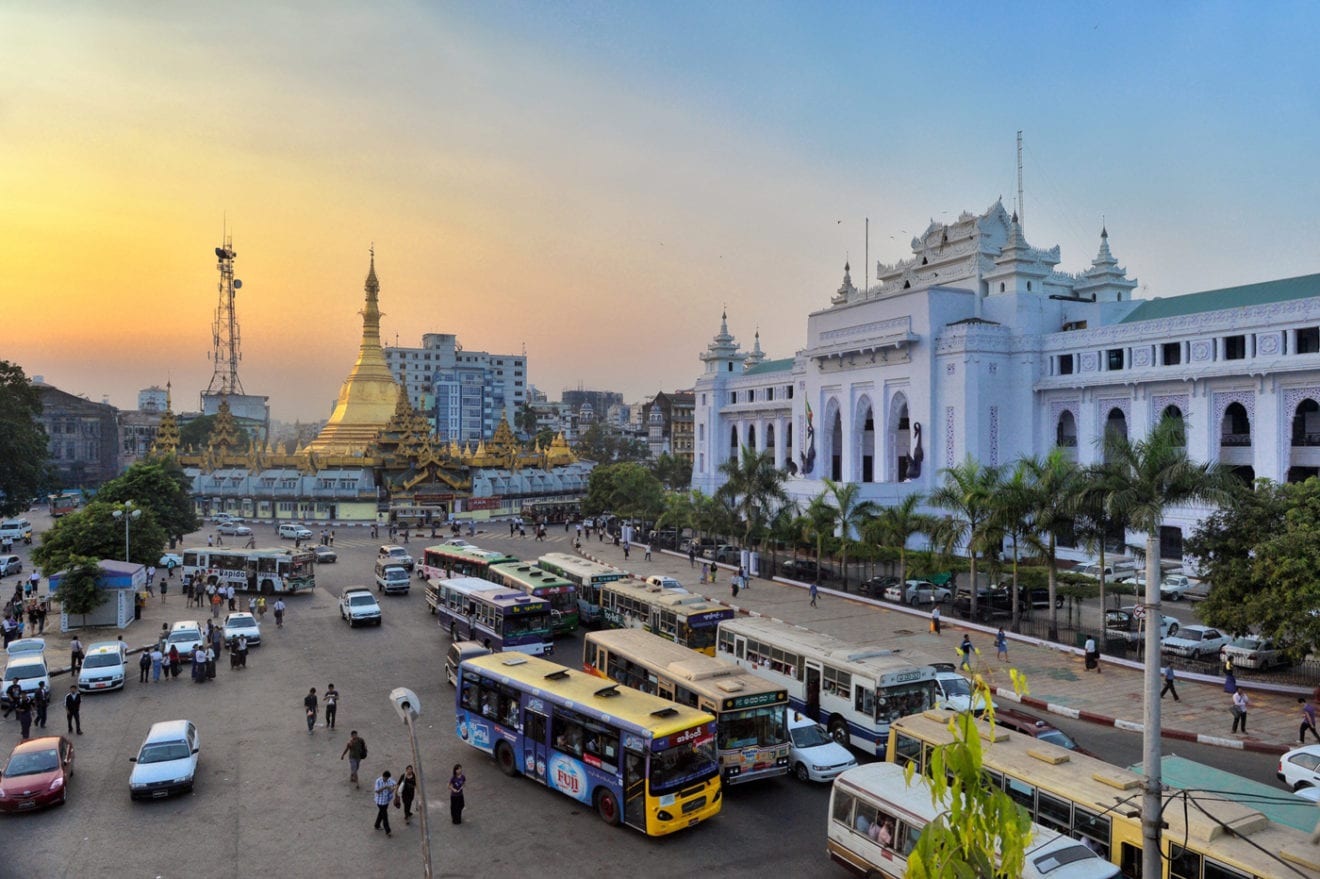
    The Work Bank Group’s International Finance Corporation (IFC) has invested US$25m in Myanmar’s largest private retailer Myanmar City Mart Holding (CMHL) to expand its operations, create jobs and boost Myanmar’s retail sector.

    CMHL plans to use the loan to construct 20 additional supermarkets and hypermarkets over the next three years, adding to the 150 stores operating in Myanmar.

    The new operations are expected to increase CMHL’s purchases from domestic suppliers six-fold, hitting US$150m by 2021, and creating more than 4,000 jobs, half of which will be for women.

    “IFC’s investment is a sign of confidence in our business plan as well as in Myanmar’s retail sector potential,” founder and managing director Win Win Tint said in a company statement.

    “In addition to funding, IFC’s expertise and advice on food safety, good social and environmental practices and corporate governance will also help us take the company to the next level.”

    “IFC supports the development of a modern retail sector in developing countries as it helps spur growth and job creation, develop supply chain and logistics infrastructure, and support smaller businesses,” said Vivek Pathak, IFC regional director for East Asia and Pacific. “With our global expertise and industry knowledge, we will be delighted to work with CMHL to improve efficiency and standards to become a model retailer in Myanmar.”

    CMHL was established in 1996 and today operates supermarkets, hypermarkets, bakeries, pharmacies and convenience stores across Myanmar.

  • Europe’s Decathlon sets opening date

    Europe’s Decathlon sets opening date

    Europe’s leading sports retailer Decathlon will open its first Singapore store on January 16.

    It follows the unveiling of five stores in Thailand in the two months prior to Christma, as the UK-based retailer builds its Asian footprint.

    Few details of the store have been released, but the accompanying photograph of the first bangkok shop gives readers an idea of how the interior will look.

    The company describes the new flagship as “Singapore’s first sports megastore with 50 sports under one roof” including football, water sports, trekking, running, road biking and golf. Located at 750A Chai Chee Rd, it will trade from 9am to 10pm 365 days a year “to do what we do best – make sports accessible to you!”

    The Thai stores range in size from 1700 sqm to 2700 sqm, and are evenly located around the capital city, Bangkok.

    Decathlon Thailand boss Frederic Bichet says the stores are exclusive retailers of Decathlon’s Passion brands.

  • Singapore male youth burn more money shopping online than women

    Singapore male youth burn more money shopping online than women

    About 5 in 10 say they spend more than $100/month. Singapore male youth spend more than women on online purchases, according to Singapore Polytechnic’s survey of 816 youth aged 15 to 35. About 5 in 10 (50.6%) males say they spend more than $100 per month on online purchases, compared to about 4 in 10 (41.3%) women.

    On the other hand, the survey revealed that women shop online more often. About 2 in 10 (20.4%) female respondents browsed for products and services online daily, compared to 14.5% of male respondents.

    More males (29%) also purchase from stores that stock limited edition items, compared to 32.5% of women. Meanwhile, female respondents (47.6%) purchase from online stores they liked or are subscribed to on social media, compared to 32.5% of male respondents.

    For male youth, the most popular purchase categories include apparel, technology, and movies. Meanwhile, young women’s top purchase categories include apparel, beauty, and travel.

    The survey also showed that Singapore youth prefer to keep their online shopping habits private. Almost 6 in 10 (59.5%) indicated that they shop online to purchase items without their friends or family knowing, while 57.9% do so to keep their identity private. Also, more male respondents (61.8%) agreed that they shop online as it gives them privacy, compared to women (54.1%).

    It was also revealed that young shoppers were more receptive to special online deals, peer influence and social media. Celebrity endorsements appeared to be the least effective sales strategy, as only 11.4% of respondents purchased from stores endorsed by their favorite celebrity.