Tag: asia

  • Prolonged summer takes heat out of Uniqlo sales

    Prolonged summer takes heat out of Uniqlo sales

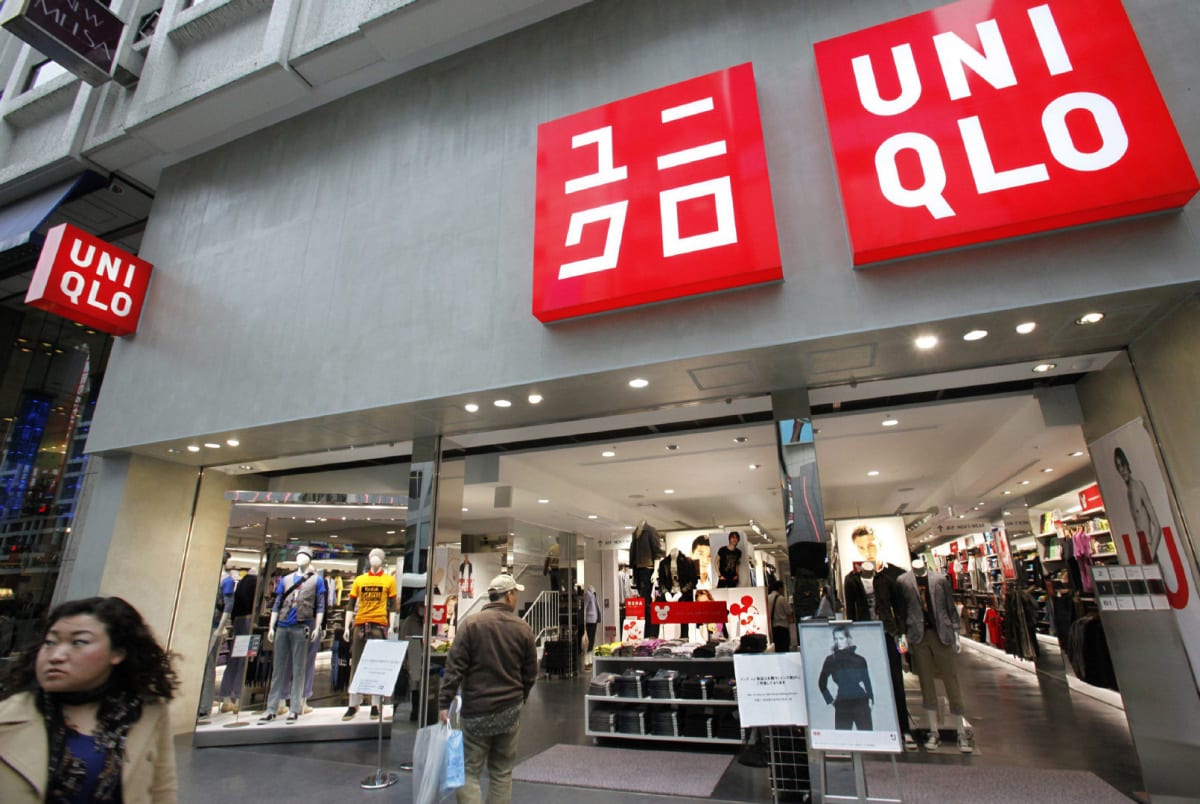
    Uniqlo parent, Japanese giant Fast Retailing, says its total sales dropped 8.1 per cent in November.

    “Same-store sales dipped year on year in November after unusually hot weather in mid-month stifled sales of winter clothing necessities,” the company said in a  brief trading statement which gave only percentages and not total sales data.

    The number of Uniqlo stores operating outside Japan exceeded the number of domestic stores last month – by 864 to 844.

    In November, same-store sales decreased by 8.9 per cent year on year while sales at its own-run stores (excluding franchises) decreased by 9.9 per cent. Total sales, including online, thus fell by 8.1 per cent.

  • Foodpanda Vietnam to shut down

    Foodpanda Vietnam to shut down

    Foodpanda – relentlessly marching its way across Southeast Asia, gobbling up rival food delivery businesses and creating monopolies – has shocked the online community by closing its Vietnam business.

    According to a report in online business news website Deal Street Asia the Rocket-Internet backed company has told its Vietnamese partners the operation will close on Wednesday after three years.

    “Through this notice, we would like to inform you that our company will terminate the business in Vietnam due to the difficulties in financial situation,” Foodpanda said in the letter.

    Deal Street Asia’s Vietnam-based writer was unable to reach Foodpanda Vietnam staff for further comment.

    One of the possible reasons for the market exit is that Foodpanda was a latecomer to the sector with the original, well-liked local service Vietnammm launched as long as five years ago and collaring the expat market which has the disposable income. Other rivals included Eat.vn and Deliverynow.vn.

    Furthermore, Foodpanda’s business model is to attain market dominance by buying out rivals, thus gaining insulation from poor customer service, slow delivery times and other faults – the exact situation in Malaysia which has now left it with brand reputation issues.

    Deal Street Asia says experts say Foodpanda’s business model is not relevant to Vietnamese consumers, where the younger demographic prefer to eat out and local food outlets offer their own delivery service. Others said Foodpanda had struggled with its communications strategy, which was not helped by changing its brand name within a year of launching there.

    Meanwhile, in India Foodpanda is in trouble over alleged fake listings, non-payment of money to restaurants, failure to refund customers for undelivered orders and corporate governance issues, according to website e27.co.

  • Riverside 66 wins top MIPIM Asia Retail award

    Riverside 66 wins top MIPIM Asia Retail award

    MIPIM Asia, the property leaders’ summit in Asia Pacific, has announced 36 winners in the ninth edition of the annual MIPIM Asia Awards.

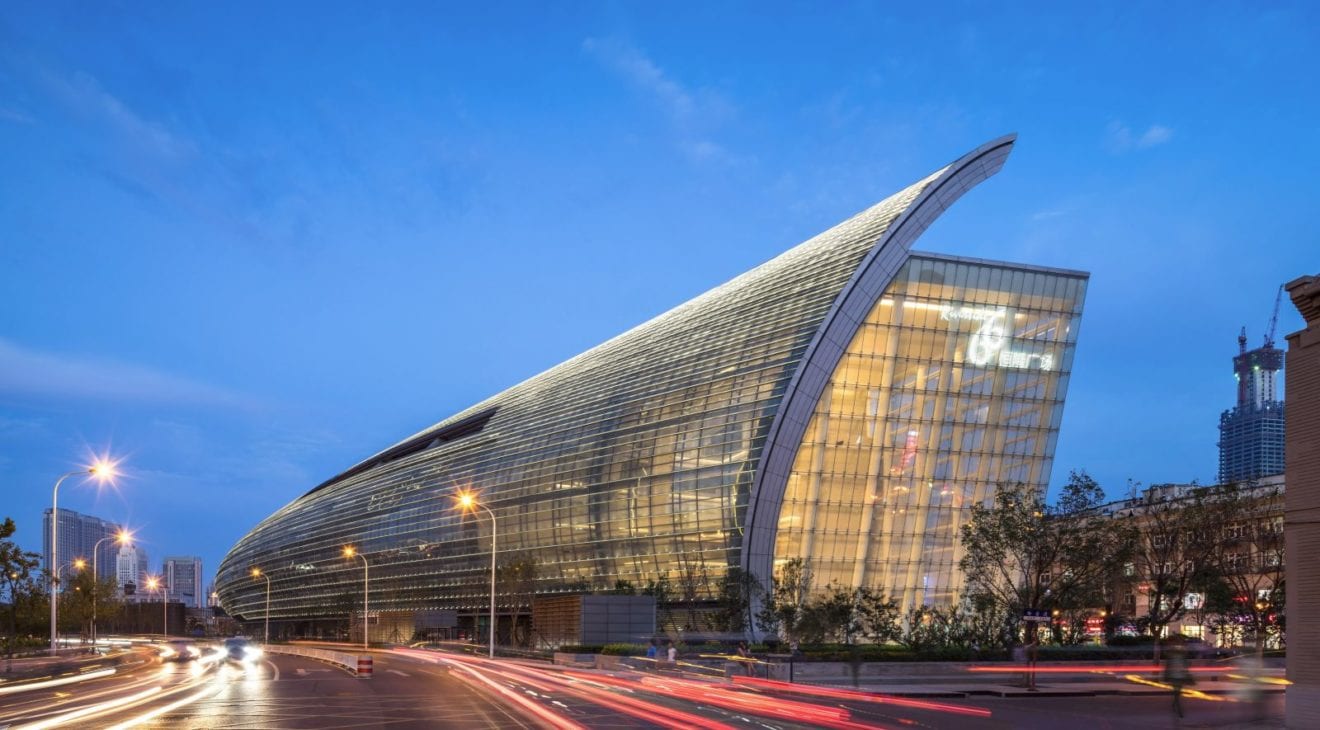
    Chinese mall project Riverside 66 won Gold, the top honour in the Retail category, from The Breeze BSD City in Indonesia and The MixC in Qingdao, China.

    Sunway Putra Mall in Kuala Lumpur, Malaysia, was awarded a bronze in the refurbished buildings category.

    The winners of the MIPIM Asia Awards, which recognise excellence and innovation in real estate development in the Asia Pacific Region, were announced during a gala dinner on with Carrie Lam, chief secretary for administration of the HKSAR Government as guest of honour. The final Gold, Silver and Bronze rankings were awarded to the 36 projects previously announced, which had been selected by an international jury composed of 16 industry experts.

    President of the Jury, Nicholas J. Loup, said the judging was a very competitive process this year with a number of high-quality and interesting projects among the finalists.

    “We are excited to see how several of these projects are changing the urban landscape in Asia Pacific.”

    The winning retail projects, with key consultants listed, are:

    Best Retail Development:

    Riverside 66, Tianjin, China: Gold.

    Architect: Kohn Pedersen Fox Associates PC, P&T Architects (project architect), Benoy (interior designer); Developer: Hang Lung Properties.

    The Breeze BSD City, Tangerang City, Indonesia: Silver.

    Architect: Jerde & Arcadia; Developer: Sinarmas Land; Others: Ketira Engineering Consultants Landscape, Saraswati Flora,  PT. Policipta Multidesain, PT. Total Bangun Persada Tbk, PT Korra Antarbuana, Lumina Group.

    The MixC, Qingdao, China: Bronze.

    Architect: Benoy Ltd, Callison; Developer: China Resources Land Limited.

    Best Refurbished Builing:

    Sunway Putra Mall, Kuala Lumpur, Malaysia: Bronze.

    Architect: SAA Architect; Developer: Sunway REIT; Other: Aedas.

  • Fashion etailer SuperGurl apologises for rape gaffe

    Fashion etailer SuperGurl apologises for rape gaffe

    Singapore online fashion retailer SuperGurl has apologised online and on social media for a homepage banner inviting rape, described by at least one shopper as “absolutely vile”.

    The banner featured a young woman with her arms up in submission and a button users could click on to gain discounts inviting them to “rape us now”.

    The momentously stupid and insensitive promotion – targeting Black Friday shoppers – has received media attention internationally. UK Lifestyle news blog The Debrief referred to it as evidence that Black Friday “brings out the worst in retail brands”.

    On SuperGurl’s Facebook page one follower of the brand Wei Wei Gwee eloquently summed up community anger: “Rape isn’t an advertising angle that one can exploit when thousands of victims suffer the irreparable damage rape has caused to them every day. Not only do you make light of sexual assault, you used this really young girl in a suggestive pose which seems to be extremely inappropriate. I wonder how the model will feel if she knew her photo was being used this way.”

    SuperGurl creative director Jordus Lim posted an unqualified apology on the SuperGurl website and Facebook page claiming the brand never meant to offend anyone. He says a junior graphic designer created the promotion and uploaded it online before the image was approved.

    “I am writing this to express our sincerest apologies pertaining to our insensitive action and the choice of [the] word ‘rape’ during our ‘Black Friday’ sale. We do not mean for it to be offensive to anyone, and I extend my sincerest apology for the lack of a better word.

    “I hereby acknowledge that we have made a mistake, and that our caption does not advocate the right values to the young women community today.

    “Having regretted [sic] for what we have done, the team at Supergurl will definitely be more careful with what we will put up in future as this is also a lesson learnt for us.

    “This is an honest mistake that we have made on our side, and we do know that it is indefensible. We hope that the public will accept our apology for what we have done wrong.”

    Another follower Christina Chew responded, typing Lim’s response “is uncommon valour”.

    “Perhaps the wounds would leave some lingering scars thereafter. But I pray that the scars will heal and you will grow in increasing wisdom.”

    To be fair, as The Debrief points out, SuperGurl is not alone in its poor judgement.

    Last month, American Apparel was criticised for asking employees to wear shirts that read ‘Ask Me To Take It All Off’, while Bloomingdale’s issued an apology for their Christmas ‘date rape’ advertisement, with the caption: ‘Spike your best friend’s eggnog when they’re not looking’, the site reported.

    “When will fashion brands (or any brands for that matter) get the message that rape is not an acceptable advertising tool?”

    Indeed.

  • Hong Kong’​s Seafood Appetite Threatens Marine Species

    Hong Kong’​s Seafood Appetite Threatens Marine Species

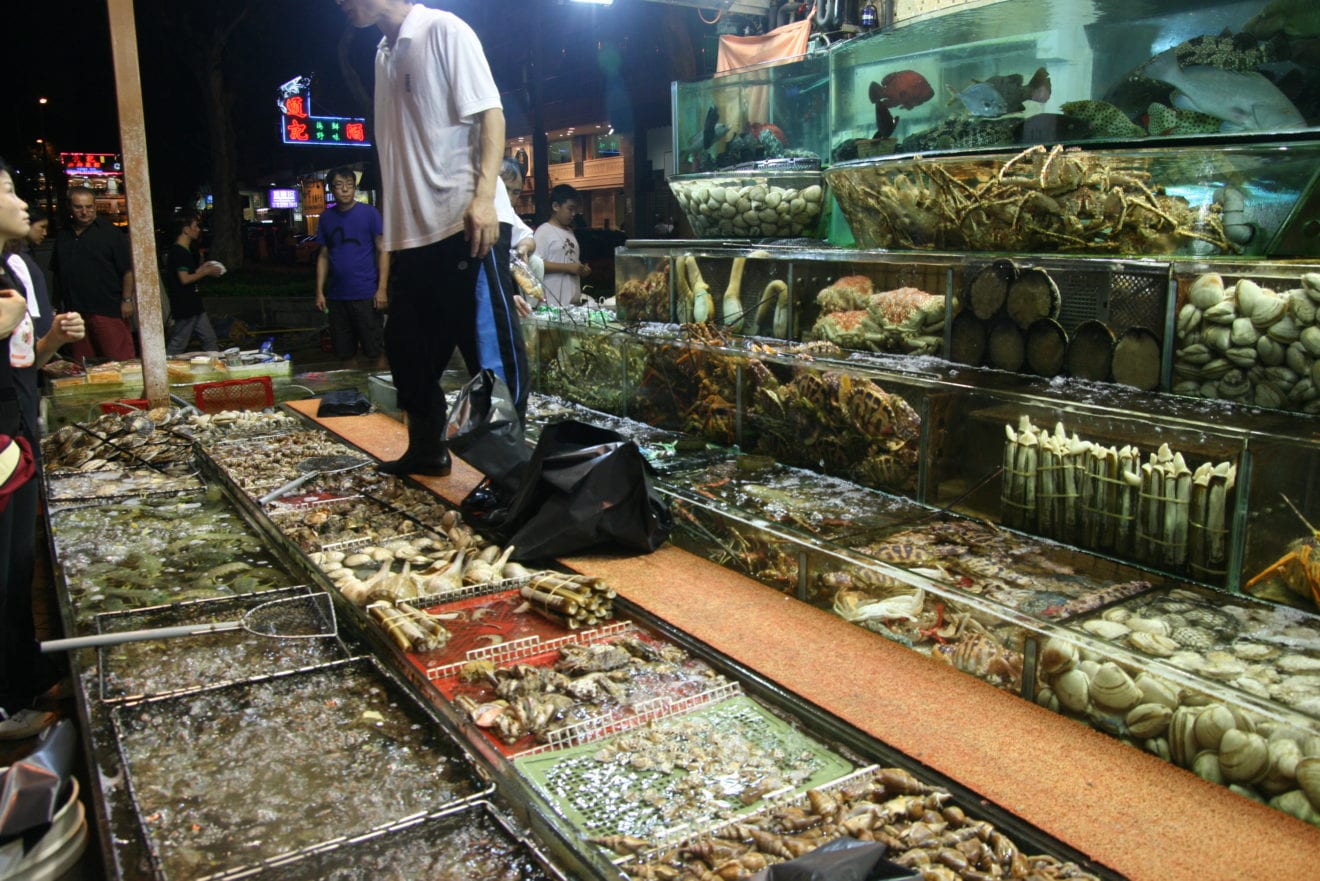
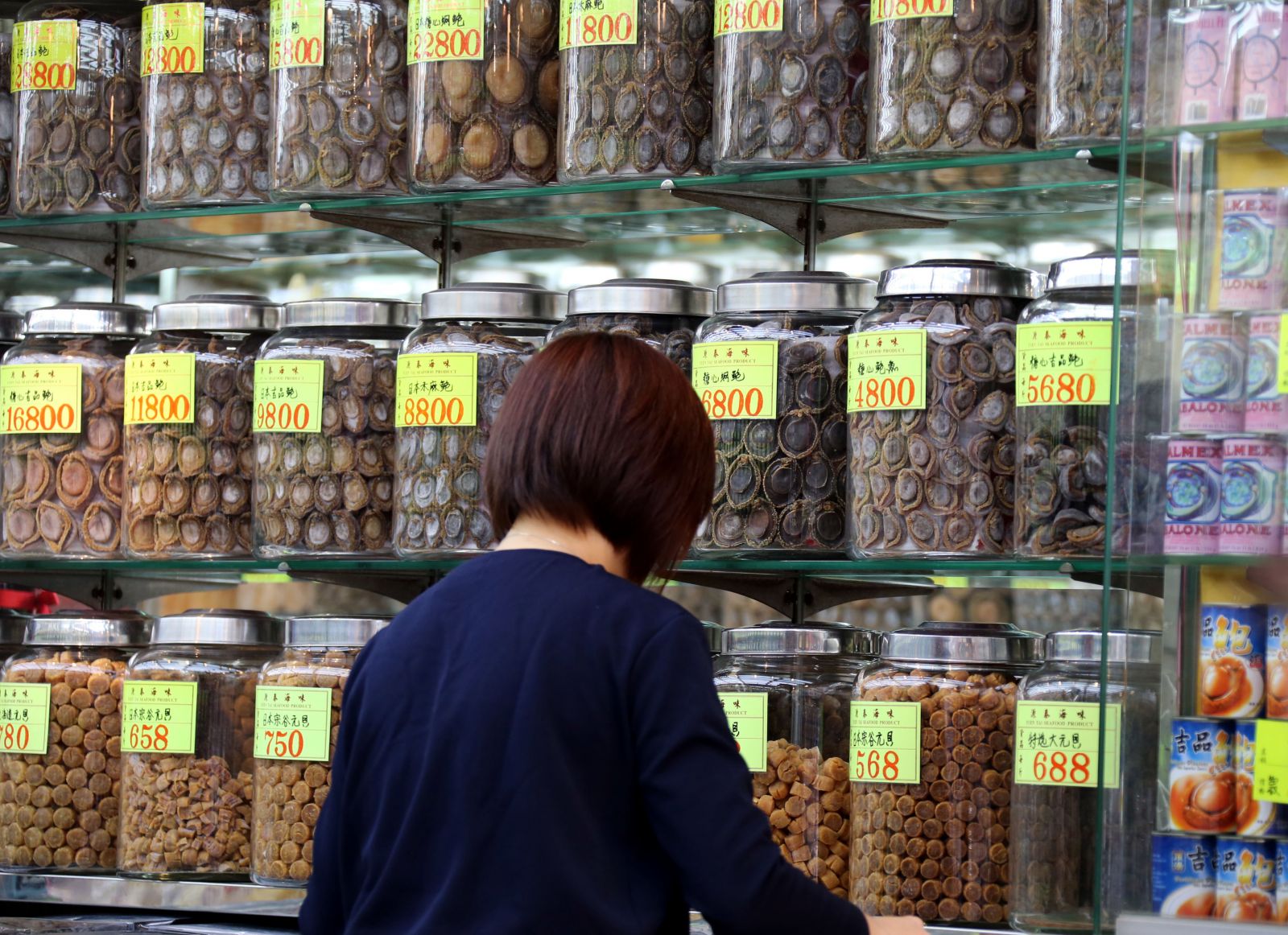
    Hong Kong’s enormous appetite for seafood and its role as a hub for the global seafood trade is having an unfortunate impact on endangered fish species.

    Chinese cuisine prizes seafood, so it’s perhaps not surprising that per capita seafood consumption in Hong Kong averages 70 kilograms a year, about four times the global average. But the city is also a hub for trade into mainland China, where consumption is on the rise. All of that is putting a strain on endangered marine life and driving an unexpected sustainability push.

    On a busy Saturday morning at Hong Kong’s giant Aberdeen Fish Market, traders are milling around buying seafood for restaurants and the city’s retailers. One of the dealers here is Betty Chu, who runs a distributor called Family Care Ltd., which imports seafood from all over the world.

    “The market is really good,” Chu says. “People are looking for prime products, they’re health conscious, and they’re willing to pay more for better food. We import globally lobster, scallop, abalone, shrimp, crabs and more. It’s a lot! My business is good and growing every year.”

    But while business is booming, some of the city’s seafood traders are switching to sustainable seafood. Wong Ping Chai, who runs the Hoi Kee Ho Fresh Seafood import company, began seeking out sustainable seafood several years ago when a Dutch supplier explained to him that many fish species were becoming scarce. It led him to join Fish and Season, a global fish trading network that trades only sustainably caught seafood.
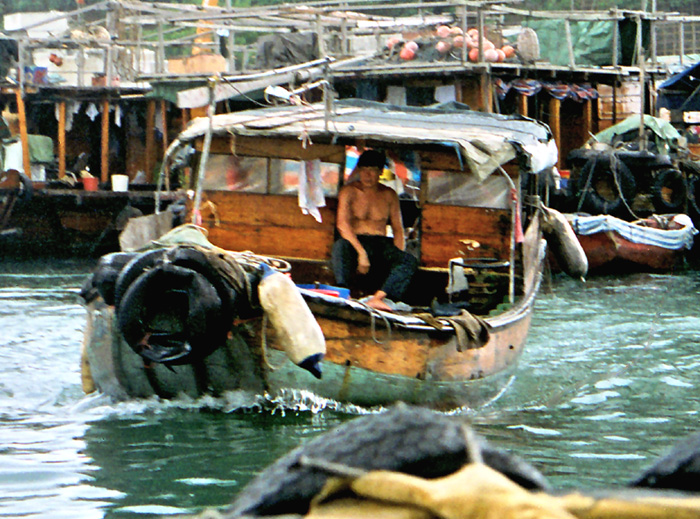
    “Fish and Season is an organization originally from Holland that started around 1992,” he says. “They found out in Europe the fish are getting fewer and fewer, and if it goes on it will be disastrous.” He learned that the same thing was happening in Asia.

    Ocean impact

    Activists have been trying to educate consumers, and are encouraging them to be more careful about the seafood they buy. Allen To, who works in the Hong Kong offices of the World Wildlife Fund, monitors local imports and consumption of endangered seafood species. He says per capita consumption of seafood in Hong Kong is second in Asia and seventh in the world.

    “That’s why in Hong Kong we do have the responsibility to try not only to reduce our own ecological footprint but to try to reduce our impact on the ocean of many other countries,” he says. “We believe if we can push sustainable seafood in Hong Kong, then eventually we can help at least to reduce our impact on fish resources, particularly in the Asia Pacific region.”

    But price is an issue. Keith Tsui, managing director of New Bon Marine, another Hong Kong seafood company concentrating on sustainable products, says education and government awareness campaigns are helping turn consumers onto sustainable seafood. But so far the focus has been on high-value species such as black cod, salmon and shellfish.

    He wants to get lower-income groups switching to sustainable seafood too. “We are trying to get more products for the budget class,” he explains. “A couple of years ago, we did a good job with a fastfood chain in Hong Kong. They use sustainable seafood for breakfast for the budget class. This is a great leap forward for us.”
    Campaigners want consumers to make sustainable choices, but they’re also calling on Hong Kong’s political leaders to clamp down on illegal catches. The WWF’s Allen To says illegal fishing has depleted stocks of rare wild fish such as grouper from the coral reefs of Southeast Asia.

    “Hong Kong and China are the main trading and consumption areas for live reef fish, including grouper and the humpback wrasse,” To says. “Many of the grouper species are already overexploited, and some of them are threatened species.”

    Seafood trader Keith Tsui, meanwhile, wants to bring more sustainably produced seafood products to Hong Kong by focusing on an innovative new approach in the retail sector and in schools.

    “We will try to liaise more with school lunch boxes and let them tell the kids they are using sustainable food,” Tsui says. “This customer group is the future. “They are the biggest influencers on their parents.”

    And Hong Kong wants to ensure there will be fish in the sea for future consumers.
  • Uniqlo to launch Liberty London range

    Uniqlo to launch Liberty London range

    Uniqlo has announced a collaboration with high end UK department store Liberty London to create an exclusive range of apparel.

    Liberty London for Uniqlo will launch with a Spring/Summer 2016 collection, in stores from Spring.

    The collaboration brings together a special selection of Liberty’s iconic floral prints with women’s, girls’, babies’ and men’s products for Uniqlo LifeWear, whose signature innovations make clothing lighter, more comfortable, affordable and accessible to all.

    Liberty started in London’s Regent Street in 1875, selling ornaments, fabrics and artworks from Japan and elsewhere in Asia that inspired some of the 42,000 prints that make up Liberty’s print archives.

    Extensive collections of Liberty catalogues, dresses and textiles, housed at The Victoria and Albert Museum, attest to the myriad contributions to art, culture, and fashion of one of the world’s most prestigious brands.

    Liberty’s mock-Tudor-style building on Great Marlborough St is a destination for fashionistas and an epitome of classical British design.

    The Liberty London for Uniqlo collection will be sold worldwide in Uniqlo stores.

  • Indonesian eCommerce boom

    Indonesian eCommerce boom

    Indonesians are embracing online shopping at an astonishing rate.

    The Indonesian eCommerce Association expects the total online market to treble between 2014 and 2016, worth Rp 283 trillion (US$24 billion) in 2016.

    According to Bank Central Asia, Indonesia’s largest private lender, an Indonesian eCommerce boom will see spending rise an estimated 127 per cent this calendar year. And next year, growth will be as high as a further 80 per cent.

    The head of BCA’s consumer card division, Santoso, says the bank recorded Rp 4.5

    trillion (US$326.3 million) in eCommerce transactions in the first nine months of the year and he is confident it will reach Rp 5 trillion by the end of the year. Shoppers are using both credit and debit cards online.

    Despite such figures, the Indonesian eCommerce market remains in relative infancy. Online shopping still accounts for just 0.5 per cent of sales. Consumers are wary of supplying card details online and a mere six per cent of Indonesians actually possess a credit card. Unreliable logistics infrastructure is a further barrier to growth, although this week’s agreement between Zalora and Pos Indonesia to have nearly 3000 of its post offices double as delivery and return points are a step towards addressing that issue.

    Driving the current growth is the small percentage of Indonesia’s affluent consumers – especially those living in second tier cities who lack physical access to branded retail stores or range of products.

    Next week, BCA will hold a three day long e-Shopping Carnival featuring 16 online merchants. It currently works with 420 eCommerce businesses and plans to add a further 150 to those ranks next year, including hotels, travel businesses and electronics vendors.

    Meanwhile, Indonesia’s National Online Shopping Day (Harbolnas) will take place on December 12 with 140 eCommerce sites offering discounts of up to 90 per cent for one day. The online retail event is likened in magnitude to the Jakarta Great Sale.

  • Geox plans 350 China stores with Hong Kong partner

    Geox plans 350 China stores with Hong Kong partner

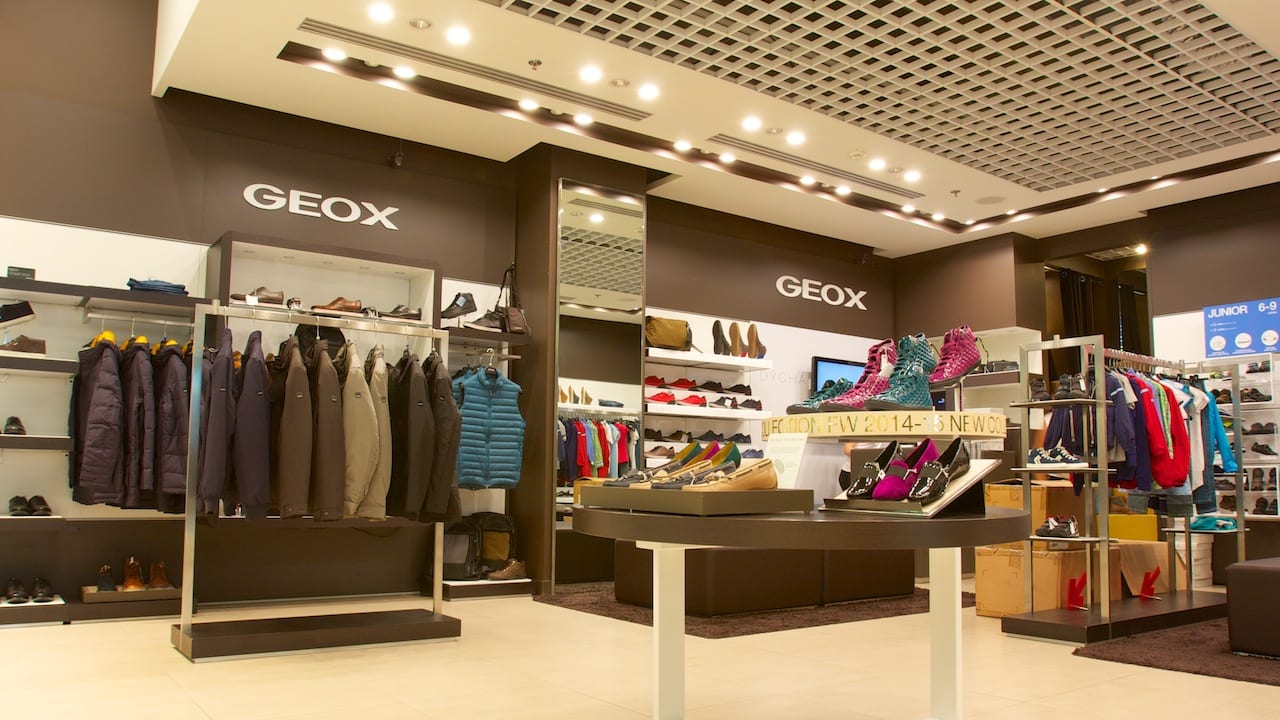
    Italian shoemaker Geox has signed a distribution agreement with Hong Kong listed Pou Sheng International to set up 350 stores in Mainland China by 2020.

    The two companies will target China’s rising middle class – 109 million newly affluent, quality-conscious and brand-happy Chinese consumers.

    Geox is one of the leading brands worldwide in the lifestyle footwear market, listed on the  Milan stock exchange and Pou Sheng is one of the leading retailers in China in the lifestyle and sportswear market, retailing brands such as Converse, Rockport and Keds with 4586 retail outlets and another 2691 sub-distributors across China.

    The Geox agreement includes the exclusive distribution of Geox adult collections in China and the opening of 350 new stores in the first five years – including mono brand stores and  shops-in-shops in high end footwear specialist retailers, shopping malls and department stores.

    Mario Moretti Polegato, chairman and founder of Geox, said the strategic agreement is aimed at “developing properly our brand distribution in China where, in our directly operated stores in Shanghai and Beijing, Geox has already demonstrated to have strong potential”.

    “I believe the partnership with Pou Sheng is extremely relevant as it merges the Geox mission of improving everyday life of our endorsers, through our breathable innovations, with a partner whose enlightened mission is providing services and products that promote high quality of living and healthy lives and whose goal is to be the customer’s number one choice and the brand’s best partner in China through the strongest and most innovative multichannel retail network”.

    Geox CEO Giorgio Presca describes China’s emerging middle class as “definitely the best thing” that could have happened to his company.

    “On one hand, the rise of the middle class will boost the economy. On the other, it is the perfect thing for brands like us.”

    Geox is already expecting same-store sales growth in China of 17 per cent or more this year – its highest growth rate globally. But China still comprises just two per cent of its total sales.

  • Harvey Norman expands with new flagship megastore

    Harvey Norman expands with new flagship megastore

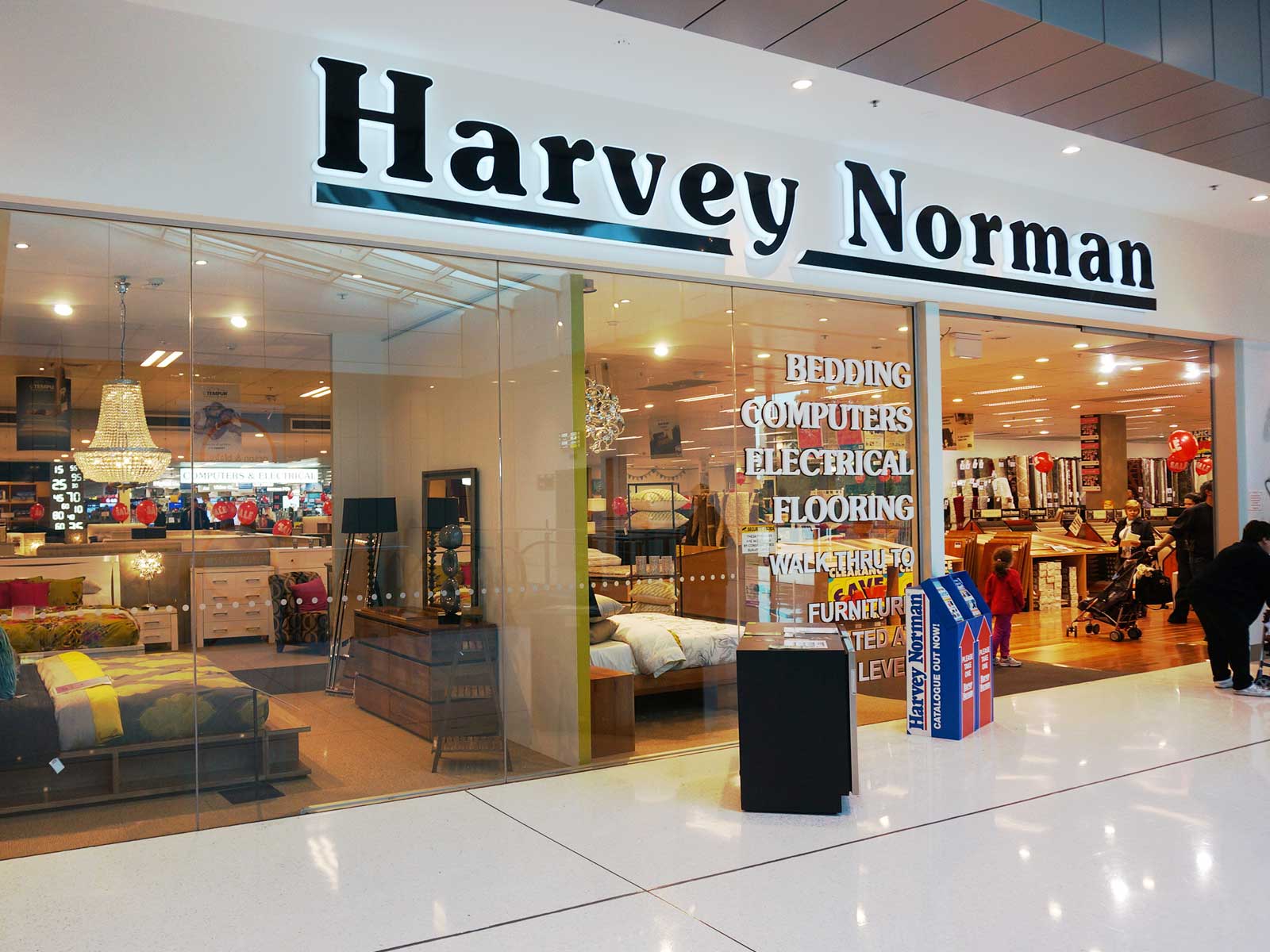
    Australian department store giant Harvey Norman has expanded its presence in Singapore with a new flagship store in the Central Business District despite a downturn in the retail sector that has crippled many operators here.

    The three-storey, 100,000 sq ft superstore, officially opened in Millenia Walk on Thursday, may seem a risky move but chief executive Katie Page shrugged off notions that she may be betting against the market odds.

    “The retail business is competitive all the time, it didn’t just start becoming challenging. We’ve been in this business for 32 years and there is not one year for me that hasn’t been competitive,” she told The Straits Times .

    “You have to keep evolving your business, you have to make it appealing to your customers, give them an experience. You don’t just open a store, not put in the effort like (the flagship store), and expect customers to shop with you.”

    The megastore, which has replaced Harvey Norman’s old 45,000 sq ft outlet in Millenia Walk, is the largest homemaker department store in the CBD.

    The expansion comes at a time when retailer businesses across Singapore are suffering from cut-throat competition, high operating costs and fragile consumer sentiment.

    Well-known brands such as French retailer Carrefour and the Japanese fashion label Lowrys Farm have beaten a retreat from Singapore in recent times.

    The challenge is also evident in Millenia Walk, with Japanese department store Parco shutting its doors in February last year.

    But Ms Page stressed that she has no issue with the location, which was the site for Harvey Norman’s first store in 2001.

    She said the massive floor size is the strategic advantage she has been seeking for years in Singapore.

    “We never had the space for furniture and bedding like we do now, and in Millenia Walk, we have the opportunity to show Singapore what the Harvey Norman brand truly is.

    “So when some retailers say it’s tough for them to do business, I say it’s tough for us that we had not been able to show our full brand like we do in Australia or Malaysia.

    “Having a flagship like this sets the brand, something you can’t do online. You must have the physical space that tells the world what you’re about.”

    Ms Page declined to reveal how much was invested in the new shop, saying only that it was a significant amount for which its return can be achieved “very quickly”.

    “We will know over the next six months where this store really sits within our group in business terms, but I am thinking that this will be as good as our No. 1 store in the world,” she said.

    Harvey Norman, which operates 15 outlets in Singapore, has included some novel features in the shop, including Singapore’s first Fujifilm Wonder Photo Shop and the first Microsoft in-store outlet.

    Ms Page added: “When I sat down with (Millenia Walk owner and) Pontiac Land’s Kwee Liong Phing – a very good friend of mine – about 12 months ago to discuss our plans, we decided for it to be nothing short of the best homemaker department store in the world.

    “This is our largest store in Asia and we want it to be our hub for the region. We’ve got 100,000 sq ft… right in the middle of the city centre. I don’t think you will find that combination anywhere in Asia.”

  • eGG Optical continues stellar growth

    eGG Optical continues stellar growth

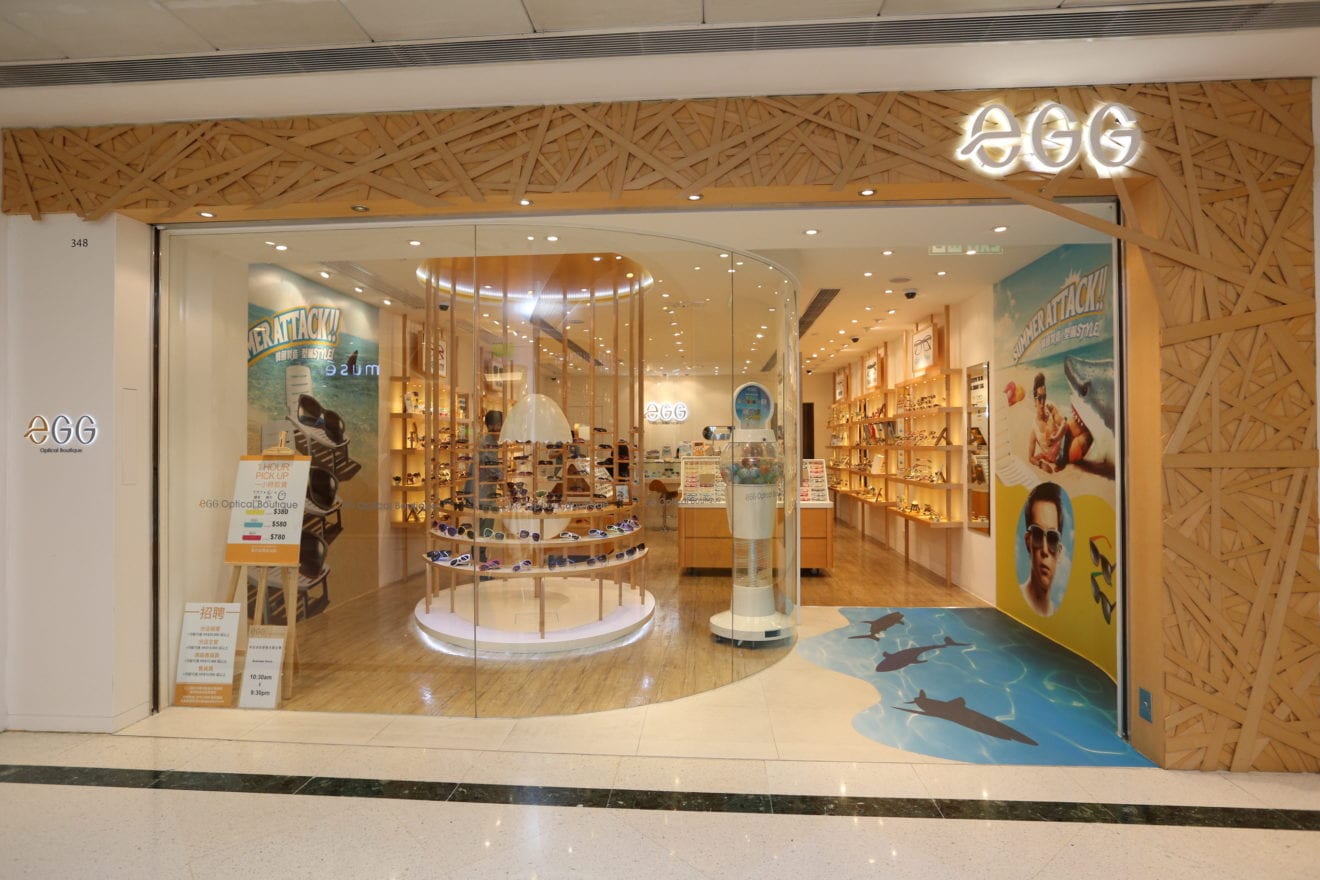
    Hong Kong based fashion eyewear chain eGG Optical Boutique is continuing its stunning growth trajectory.

    According to parent Stelux, the chain’s sales increased by 46.4 per cent to HK$80.5 million in the six months to September 30.

    Its 21 Hong Kong stores have now reached breakeven point and the 34 Mainland China stores cut their operating loss to just $3.3 million. Same store growth in all markets continued to grow.

    A further three stores have recently opened in Southeast Asia.

    Stelux believes the eGG Optical Boutique fast fashion eyewear concept has found favour with shoppers because it captures consumer preference for trendy and fancy optical eyewear.

    In the first half of last financial year the Hong Kong operations lost $500,000 and in the second half $200,000, finishing the year with just 15 stores. That a further six have been opened in the first six months of this year demonstrates the confidence Stelux has in the new brand. Its Hong Kong stores improved sales by 45 per cent due to both network expansion and increasing same store sales.

    In the mainland, eGG Optical’s sales rose 48.8 per cent to $31.0 million.

    “The loss was reduced to $3.3 million owing to significant operating improvements in Northern China and close to breakeven achieved in Southwestern China through turnover growth,” reported Stelux.

    “Combined with eGG’s attractive and eye-catching shop visual merchandising and ability to attract consumer traffic appreciating lifestyle and fashion design, the group will capture the opportunities in the current soft leasing market to further expand into Mainland China.”

  • Korea scraps perfume tax

    Korea scraps perfume tax

    Korea’s government has removed some items from the Individual Consumption Taxes list, making them exempt from what is often referred to as a ‘luxury tax’.

    Perfume, cameras and deer antlers were removed from the list, but tax will still be imposed on purchases of Royal Jelly.

    Authorities reported that the ruling party and opposition party have agreed on the revision of the Individual Consumption Tax Act.

    The government announced that it would be eliminating the seven per cent tax that was imposed on deer antlers, Royal Jelly and perfume, when it revealed the revised bill in August.

    However, during debate at the national assembly, Royal Jelly was excluded from the exempted items, and cameras, which used to face a 20 per cent tax, were added.

    The bill proposed by governor Jung Eui-hwa suggested that cameras be excluded from the items facing individual consumption taxes. She explained that ‘owning a camera is no longer a symbol of wealth’, and instead it is seen as a matter of ‘consumer preference and choice’.

    Though it was not included in the revised bill that both parties agreed to, the five per cent tax which was imposed on air conditioners, refrigerators, washers and TVs consuming more than the standard amount of electricity is expected to be abolished as the revised act is enforced.

    The revision was undertaken to follow international trends, and recognise the changes that have occurred with the passing of time. It was concluded that the items exempt from taxes were no longer thought of as ‘luxury’ goods in the current society, in which personal income and standard of living are both higher than in the past.

    With the abolishment of individual consumption taxes, the factory prices of deer antlers, cameras and perfume will be lowered. However, some have pointed out that it remains to be seen whether the revision of the bill will lead to lower consumer prices, like the prices of high-fashion brand bags.

  • FamilyMart Taiwan accepts bitcoins

    FamilyMart Taiwan accepts bitcoins

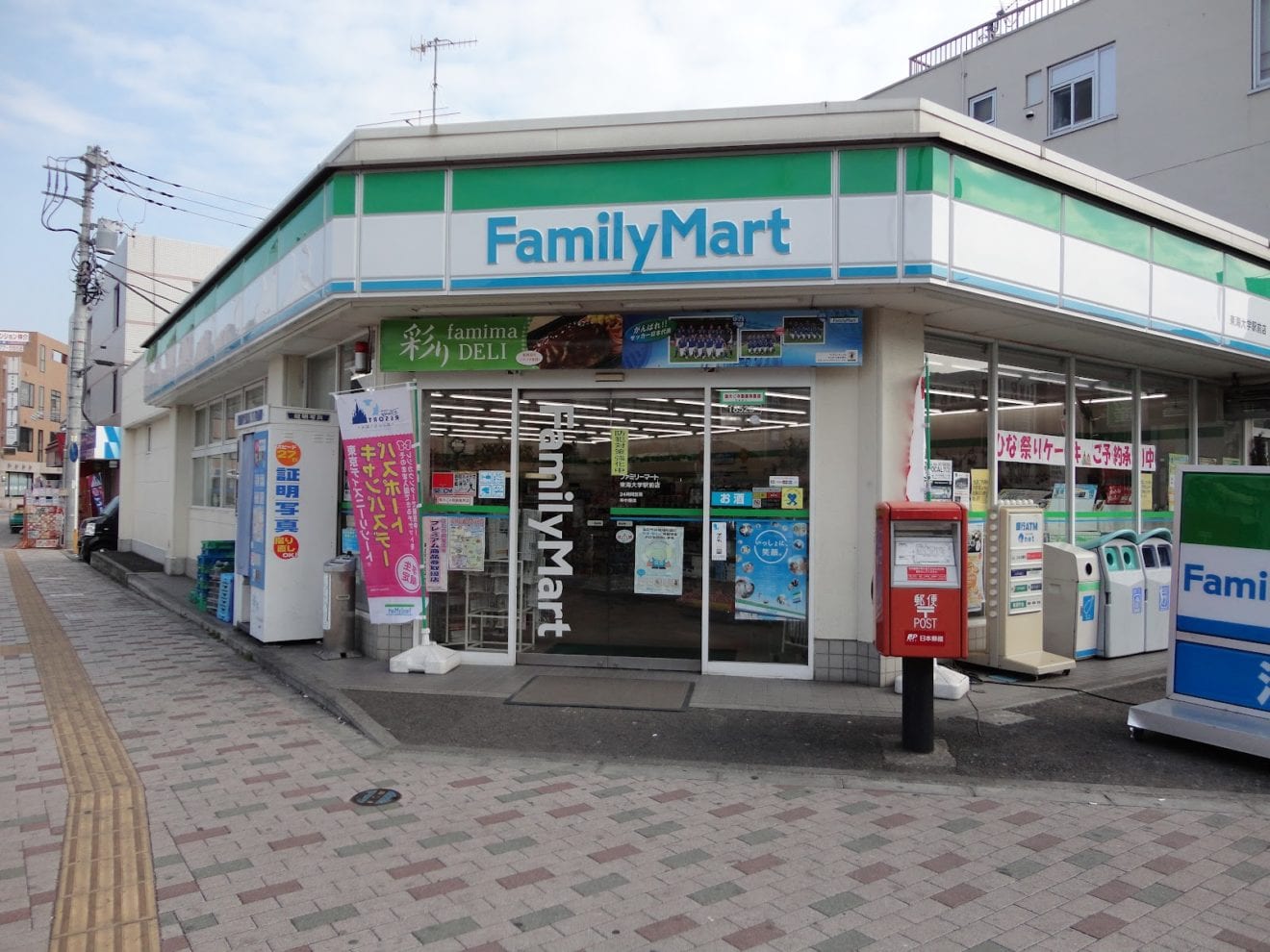
    FamilyMart Taiwan says a growing number of customers are paying by bitcoin since it struck a deal with local wallet provider BitoEX.

    The convenience retailer started accepting the cryptocurrency at its 3000 stores across Taiwan on October 24 and has recorded more than 500 transactions since then.

    Most customers are using bitcoin to buy coupons dispensed by FamiPort terminals which Taiwanese use to pay for a variety of things including utility bills, cinema tickets, parking fines or train tickets.

    FamilyMart PR manager Chen Chia-Chi told the Taiwanese news agency United Daily News that the bitcoin acceptance is aimed at travellers to Taiwan and a growing domestic bitcoin userbase.

    BitoEX, meanwhile, claims to have more than 40,000 web wallet users, a customer base growing 30 per cent annually.

    “There are more and more users of our bitcoin wallet now, but the market in Taiwan is still small, and it’s still growing,” said Rica Chiang, deputy GM of BitoEX.

    Last year, BitoEX struck a deal with FamilyMart to sell bitcoins. That relationship raised the retailer’s awareness of the currency’s acceptance and consumer interest, leading to October’s payment introduction.

    “Since last year [FamilyMart] saw a growing number of bitcoin sales. That’s why they were cautiously thinking about accepting bitcoin to see if it there’s a bigger market out there,” said Chiang.

    Among the local users of the service are gamers who take a break to grab a refreshment at a familyMart store – and pick up some bitcoins on the way to use online.

    “We noticed a lot of transactions taking place in the middle of the night, so we were curious. We found out they were gamers,” said Chiang.

    “Sometimes they say, ‘Please give me bitcoin, I’m in a hurry – I’m in the middle of a game!’.”

    BitoEX says people using bitcoin for remittances, investors and speculators are its next largest customer groups.

  • JV plans 20 Pizza Hut Myanmar stores

    JV plans 20 Pizza Hut Myanmar stores

    Hong Kong’s Jardine Group says its Myanmar joint venture will open up to 20 Pizza Hut restaurants across the new market within five years.

    With the first outlet just opened in Yangon, the Jardine CM Restaurant Group plans a second in early 2016 with a gradual expansion thereafter as it tests the market. If sales are high, the rollout may be sped up, according to a company spokesman.

    Jardine CM Restaurant Group is a joint venture between Jardine Restaurant Group Myanmar and City Mart Holding, which owns the Pizza Hut Myanmar franchise.

    Simon Arnold (left), Daw Win Win Tint, UMFCCI chair U Win Aung, Henry Yip and Vipul Chawla (right) hold up pizzas at the launch of Pizza Hut Myanmar.

    Vipul Chawla, MD of Pizza Hut, Asia for parent Yum! Brands, says the company sees huge potential across Asia.

    “Pizza Hut has 25 restaurants for every million people in the US. In Asia we have 11 restaurants per million people. Myanmar has huge potential with a population of more than 50 million,” he said during the opening ceremony for the first restaurant.

    Jardine Restaurant Group operates more than 680 Pizza Hut and KFC restaurants across Vietnam, Taiwan, Hong Kong and Macau.

    Henry Yip, Jardine Restaurant Group CEO, says 97 per cent of the first store’s staff are local and a majority of its ingredients are sourced locally.

    “We are also investing heavily in training and career development to ensure global best practices.”

    Recipes in the restaurant have been tailored to the local palate without removing options which those who have dined in Pizza Huts elsewhere in the world will find familiar.

    “We have researched the tastes preferred by local customers, and tailored our recipes accordingly,” said Simon Arnold, Pizza Hut Myanmar GM.

    Jardine will not be taking KFC into Myanmar – that franchise partnership was secured by Yoma Strategic Holdings, chaired by Serge Pun.

  • American Eagle Outfitters ‘pulls itself out of the mire’

    American Eagle Outfitters ‘pulls itself out of the mire’

    Solid revenue increases at American Eagle Outfitters are evidence the self help measures the company has been employing continue to pay dividends.

    This is especially so as they have been achieved against the backdrop of a teen fashion market that remains subdued and competitive, and during a quarter when the weather was mostly against apparel retailers.

    Key to the transformation of American Eagle Outfitters is a step change in product assortments and in-store execution, especially at American Eagle bannered stores. Compared to a year ago, stores are looking cleaner with a much clearer proposition incorporating a sensible mix of staple and fashion pieces.

    In line with changing tastes, the fashion pieces have more subtle branding and detailing, and many are focused on current trends and ‘must have’ seasonal items like parka jackets. These things, along with a notable step-up in the quality of garments, have helped to improve customer interest and conversion rates. This, in turn, is leading to higher sell-through and lower levels of discounting – something that American Eagle Outfitters was previously guilty of relying on to drive volume.

    These lower levels of promotional activity have helped American Eagle Outfitters to rebuild its profitability, with net income increasing by an impressive 720 per cent this quarter to just over $74 million. Gains to the bottom line were also driven by store rationalisation and improved cost discipline – all things that will continue to deliver gains as the company moves into the final quarter of its fiscal year and beyond.

    The renewed sense of energy and confidence that is present on American Eagle Outfitters’ shop floor is also evident in the boardroom where directors signed off on the acquisition of the Tailgate Clothing Company, which owns and operates Tailgate, a vintage, sports-inspired apparel brand with a college town store concept, and Todd Snyder New York, a premium menswear brand. Both of these businesses are entirely complementary to American Eagle Outfitters in that they have a more premium position and serve a slightly edgier, discerning customer. This is especially so for Todd Snyder which sells sweatpants at $175 and coats for as much as $1995. As niche as this may seem, as the growth of brands like Ted Baker attests, this premium segment of the fashion market is growing rapidly – and we see it as positive that American Eagle Outfitters now has access to this growth.

    Moreover, it is positive that the acquisition is one that has been made on the grounds of giving American Eagle Outfitters access to a different part of the market and has been made at a time when the core business is firmly in recovery. This gives us confidence that the transaction has been made for the right reasons and not simply to hide difficulties in the core business.

    That said, as much as the new businesses provide significant future opportunities, American Eagle Outfitters does need to ensure that its focus remains firmly on the core. Despite its recent success the market in which it operates remains very difficult and is subject to a number of unhelpful competitive dynamics, including the continued growth of fast fashion brands like H&M and Primark. None of this is to suggest that American Eagle Outfitters cannot continue its run of success, merely that it needs to keep both hands on the wheel if it is to steer a successful course.

    This year has been one in which American Eagle Outfitters has managed to pull itself out of the mire. It has emerged as a stronger, leaner player with a much more distinct point of view. We believe that it will build on this progress in the final quarter and beyond. It will do so under the pragmatic and effective leadership of Jay Schottenstein, whose position as interim CEO has now been made permanent.

  • Food will dominate Damansara City Mall

    Food will dominate Damansara City Mall

    A new shopping centre under construction in Malaysia’s capital city, Kuala Lumpur, plans to set itself apart from rival destinations with a dominating food offer.

    The four story Damansara City Mall, scheduled to open in April 2016, has a net lettable area of 17,652 sqm. And a full 75 per cent of that space will be dedicated to food and beverage tenancies. The balance of the space will be for retail and services.

    Damansara City Mall senior manager Christine Yeap told a recent media briefing the mall is being pitched at the 12,000 working population nearby, along with neighbouring communities of Menara Milenium, Damansara Heights and Bangsar – a combined catchment of around 100,000.

    “The location of the mall is a step ahead of other malls with easy accessibility from nearby areas.

    “We have quick-serve food outlets on the lower ground level for the busy, working crowd as well as a range of new restaurants in the market.

    “Coupled with a mix of tenants as well as interesting architecture and interior, the mall creates a comfortable and safe environment for visitors,” she said.

    The new mall is located at Jalan Johar in Damansara Heights, and the developer is Guocoland (M) Bhd, the property arm of Hong Leong Group. It is designed by Blu Water Studios.