Tag: asia

  • Indonesia to Import 1m Tons of Pakistan Rice in New Deal

    Indonesia to Import 1m Tons of Pakistan Rice in New Deal

    Indonesia to Import 1m Tons of Pakistan Rice in New Deal. Pakistan is the world 11th largest rice producer with annual production of 6.9 million tons milled rice.

    Indonesia will import 1 million metric tons of milled rice over the next four years from Pakistan, in a move to shield the country’s food security against volatile weather patterns.

    The two governments, represented by Indonesia’s Trade Minister Thomas Trikasih Lembong and Pakistan’s Ambassador to Indonesia Mohammad Aqil Nadeem, signed a memorandum of understanding on Tuesday.

    The deal, with an estimated worth of $400 million in imports between 2016 and 2019, will be executed by Indonesia’s procurement agency, Bulog, and Pakistan’s Trading Corporation of Pakistan.

    Indonesia currently has similar MoU with Cambodia, Myanmar, Thailand and Vietnam, though only some of the deals have been realized.

    Pakistan is the world 11th largest rice producer with annual production of 6.9 million tons of milled rice.

    The country saw trade with Indonesia rise 27 percent to $2.2 billion last year following a Preferential Trade Agreement in 2013.

    Indonesia enjoyed $1.8 billion surplus in the trade, thanks to its palm oil exports.

  • Indonesia to Unveil First Local-made Plane after N250

    Indonesia to Unveil First Local-made Plane after N250

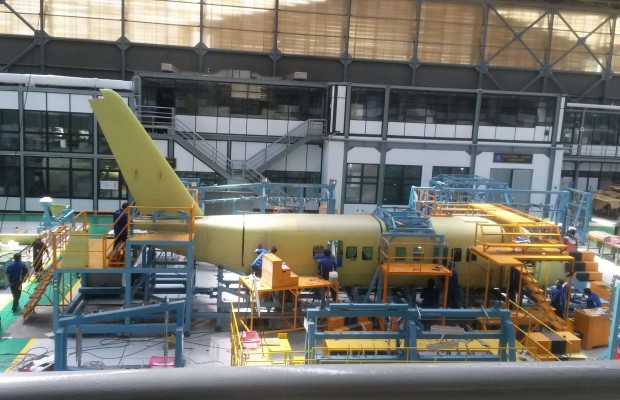
    PT Dirgantara Indonesia, (Persero) or PT DI, today will roll-out the N219, the first plane Indonesia has made again after the N250, which was made in 1995.  The N219 is the result of a collaboration between Dirgantara Indonesia and the National Aeronautics Space Agency (Lapan).

    The roll-out—a term for unveiling an airplane for the first time—was supposed to be done in August, but the plane was only ready by November. The roll-out marks that the N219 prototype is ready to be introduced to the public,

    Initially, President Joko Widodo was supposed to attend the unveiling ceremony. But Widodo had canceled his trip to Bandung, where he was supposed to open the 2015 Anti Corruption Festival and the N219 roll-out ceremony.

    Dirgantara Indonesia president director Budi Santoso said that the N219 could mark the beginning of the revival of Indonesia’a aerospace industry.

    “We hope it will help create synergy between industrial sectors and absorb skillful labor,” he said today, December 10.

  • Indonesia Promotes Tourism in Macau

    Indonesia Promotes Tourism in Macau

    Rizki Handayani Mustafa, deputy of Southeast Asian Development at the Tourism Ministry said that Indonesia would promote its tourism industry to Macau in a bid to increase the number of foreign tourists visiting Indonesia.

    “For the first time Indonesia will consider Macau to be a potential tourism market for Indonesia, Rizki told Antara on Thursday, December 10.

    Rizi added that the government would introduce Indonesia with its tourism potentials. Macau travel agent head Xiao Hong said that not many people in Macau knew about Indonesia and how to get there. Therefore, Xiao Hong suggested that Indonesia must conduct more campaigns in Macau.

    “The people in Macau have high expenses, so Macau is very potential as Indonesia’s tourism market. Moreover, many Chinese tourists who visited Macau can continue their trip to Indonesia,” Hong added.

    Bobby A. Rusyandi, general manager of Garuda Indonesia Branch Office of Hong Kong, Macau and Taiwan, said that his airline would work with Ferry operator connecting Macau and Hong Kong to facilitate tourists who want to Visit Indonesia.

    “So, people from Macau who will visit Indonesia with Garuda Indonesia can use a Ferry from Macau to Hongkong, and take Garuda Indonesia from Hong Kong to Jakarta or Hong Kong to Denpasar,” Bobby explained.

    Data from the Tourism Ministry revealed that the number of Macau tourists visiting Indonesia in 2014 stood at 1,622 people.

  • AccorHotels announces strategic partnership with Luneng Group

    AccorHotels announces strategic partnership with Luneng Group

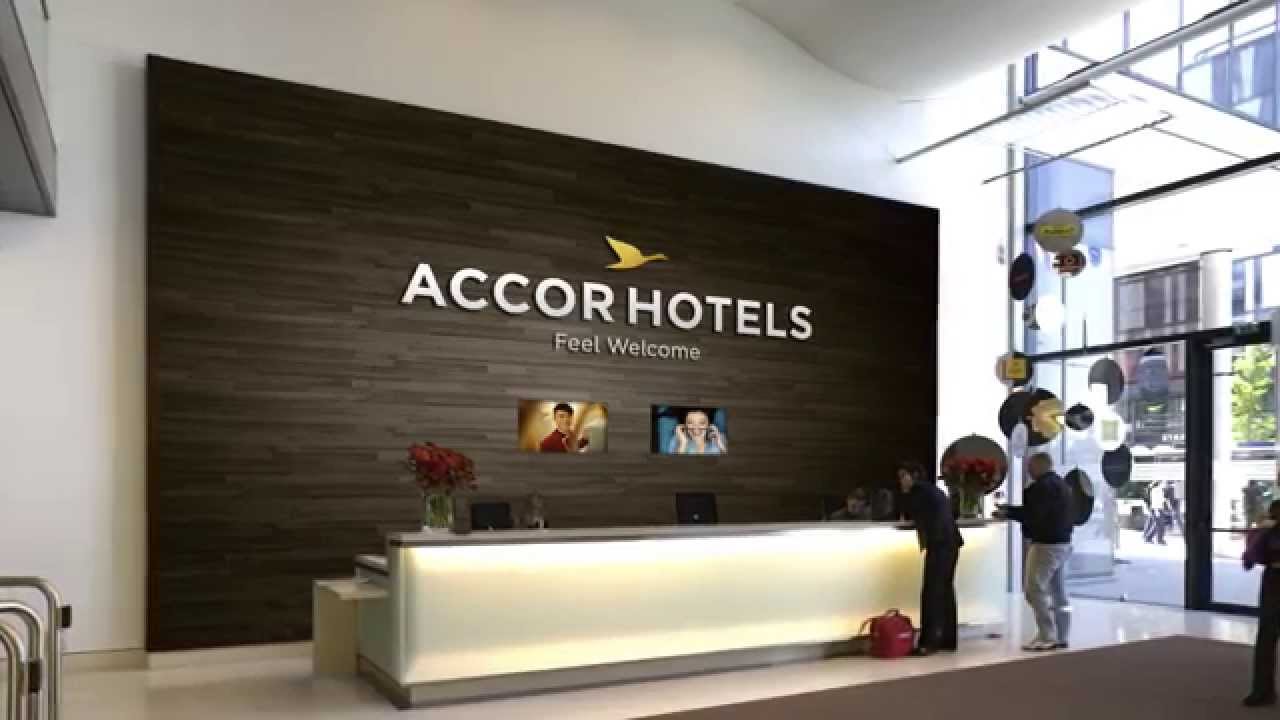
    AccorHotels, a leading international hotel operator, is further strengthening its presence in northern China with the announcement of the signing of three hotels in Beijing with Luneng Group.

    The three projects, two of them new build hotels, are expected to add a total of 525 rooms to AccorHotels’ network in Greater China when they open in 2017 and 2018.

    The three hotels include the 300-room Pullman Beijing Luneng, a 150-room MGallery Beijing Luneng both of which are set to open in Q4 of 2018 and the 75-room Mercure Beijing Luneng, a renovated project slated to open in Q4 of 2017.

    “We are very excited to collaborate with Luneng Group, one of the leading real estate developers in China, for a batch of three projects in the metropolitan city of Beijing,” said Paul Richardson, Chief Operating Officer, AccorHotels Greater China. “This unprecedented, strategic partnership in the city involves three distinctive brands that will enable us to better cater to our guests’ needs while further strengthens our presence in the luxury and upscale segment which continues to be one of the key growth engines for AccorHotels’ expansion in China.”

    Mr Zhou Tao, General Manager of Luneng Group Hotel Management Company (middle left) and Mr. Wayne Li, Vice President Development & Executive Director of AccorHotels Greater China(middle right)signed on service contract.

    Located in northeast Beijing’s cosmopolitan Shunyi district, Pullman Beijing Luneng forms part of a mixed-use project that blends a combination of residential, retail and office development. The newest member to join the upscale Pullman family, the hotel is a short walking distance to the Golf Country Club and Olympic Water Park and is just five minutes’ drive away from the Qiaobo Ski Stadium, making it a perfect option for leisure travelers.

    MGallery Beijing Luneng, meanwhile, is located in the exclusive district of Grasse Town, an upscale villa development in Tongzhou. Nestled in high-end villas and an old canal with several golf and saddle clubs in close proximity, the hotel is a 15 minute drive to the Beijing International Airport, Tongzhou New Town, Beijing New National Exhibition Center and the Oriental Universal Studio.

    Also located in Shunyi district is the Mercure Beijing Luneng, a stunning renovation project adjoining to a shopping mall and the International School of Beijing. The hotel features two restaurants, a lobby lounge as well as several meetings and events spaces for corporate functions and meetings.

    The addition of these three hotels highlights AccorHotels’ solid growth pace in Beijing where its portfolio currently stands at 14 hotels across 6 brands. Notably, the signing of Pullman Beijing Luneng and MGallery Beijing Luneng, in particular, serves as the latest testament to the company’s commitment to bringing the most authentic and highest-standard French hospitality to travelers visiting the China capital.

    A wholly-owned subsidiary of the State Grid Corp of China, Luneng Group is among the country’s Top 100 real estate companies tapping both residential and commercial property development. 

  • Sonae launches Zippy Philippines

    Sonae launches Zippy Philippines

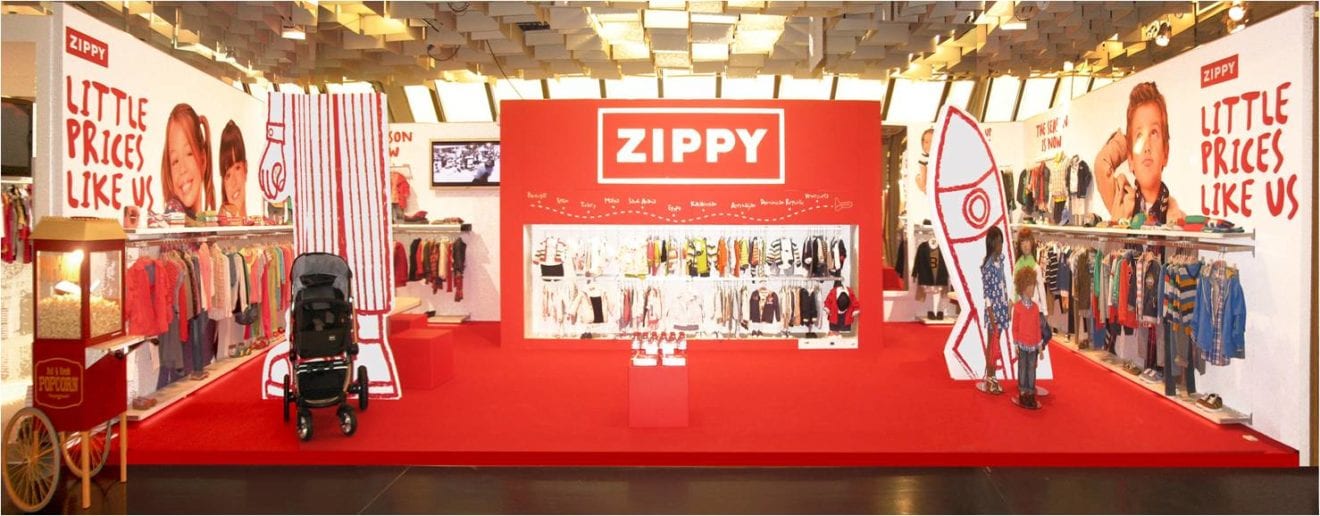
    Portuguese multi-brand retailer Sonae has expanded its international activity to Asia by opening its first two Zippy stores in the Philippines.

    The Sonae brand of children’s clothing and nursery products has signed a franchising agreement that includes opening about 24 stores across the country during the next five years.

    Miguel Mota Freitas, CEO of Sonae SR,  said the partnership is in line with Sonae’s international expansion strategy, which looks to use its brands’ competitive advantages worldwide, diversifying markets and stimulating new development opportunities.

    “Asia is a populous and economically dynamic region, with high birth rates, where consumers are beginning to pay more and more attention to quality products, which opens new perspectives for Zippy, particularly now in the Philippines,” he said.

    Entering the Philippines resulted from the franchising agreement celebrated with Trimark Holdings, which operates more than 600 stores in the country under more than 40 international brands, mostly in fashion.

    The Zippy Philippines stores have opened at the Glorietta and North Edsa shopping centres, in the capital city, Manila.  Zippy’s Philippines stores will have an average area of 100 sqm offering products from clothing and footwear to baby and kids accessories.

    With a population of around 100 million inhabitants, the Philippines is the seventh most populated country in Asia and the 12th most populated in the world. With more than one third of the population aged under 14 years, the potential customer base fits right into Zippy’s target market.

    World Bank data predicts the Philippines’ economy will grow at 6.5 per cent annually for the next two years.

  • Optical 88 struggles

    Optical 88 struggles

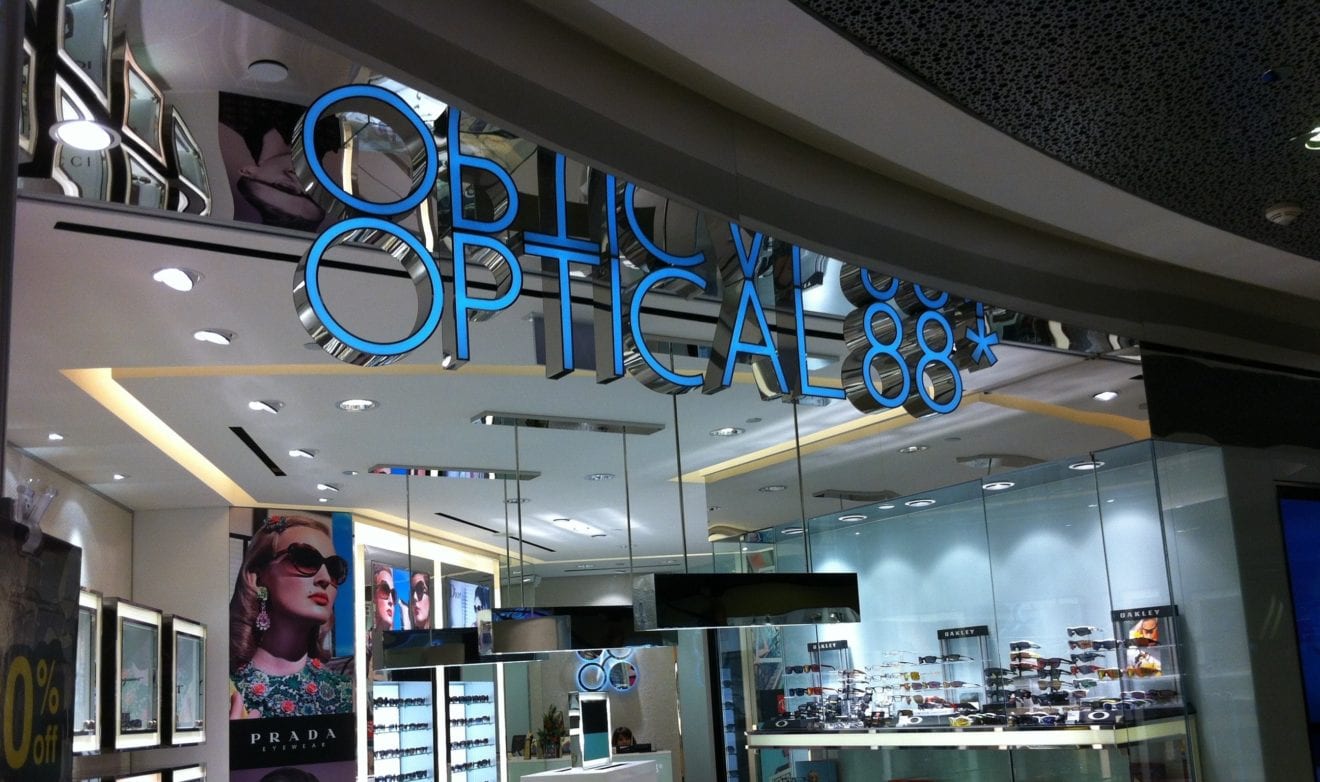
    Eyewear chain Optical 88 has suffered a 10.5 per cent slump in sales in the first half, with profit down 53.2 per cent.

    According to the trading announcement of its parent company Stelux International, sales reached HK$579.1 million and EBIT $18.0 million.

    The company says exchange rate fluctuations and the subdued Hong Kong and Macau markets contributed to the downturn, although the business remains profitable.

    In Hong Kong and Macau turnover decreased by 8.9 per cent and profit by 32.6 per cent, despite efforts in cutting operating costs (other than shop rentals) by around 7.4 per cent. “The turnover performance was impacted by the softened demand from local customers and tourists but gross profit margin remained healthy and stable,” Stelux said in its filing.

    In Mainland China, sales declined by a modest 5.3 per cent. The company says it is building on Optical 88’s professional and healthcare positioning, and will continue to expand the store network in Mainland China in the second half of this year. It aims to accelerate network expansion in the Southern and Southwest regions to further strengthen its market share, paving the way for further expansion into other parts of China.

    Optical 88’s turnover in Southeast Asia dropped by 17.8 per cent (or by 7.1 per cent on a constant currency basis), and a loss of $11.5 million was recorded.

    The introduction of GST in Malaysia in April caused turnover to slip in the first quarter, but the company made up the lost ground in the second quarter.

    Store consolidation and productivity enhancement measures in Singapore paid off this year, with the loss narrowing by 10.7 per cent to HK$7.5 million through reduced operating costs.

    The Thai operations are still profitable, but recorded a drop in turnover by 19.1 per cent caused by the significant decline in consumer confidence and purchasing power in Thailand.

    “Severe competition driven by widespread sales promotions in the market has also led to narrowed margin. The tough market is expected to continue in Thailand, and we will… close non performing shops and continue with our cost control measures, which have reduced our operating costs by 15.7 per cent in the first half,” said Stelux in its filing.

  • Eslite China makes debut in Suzhou

    Eslite China makes debut in Suzhou

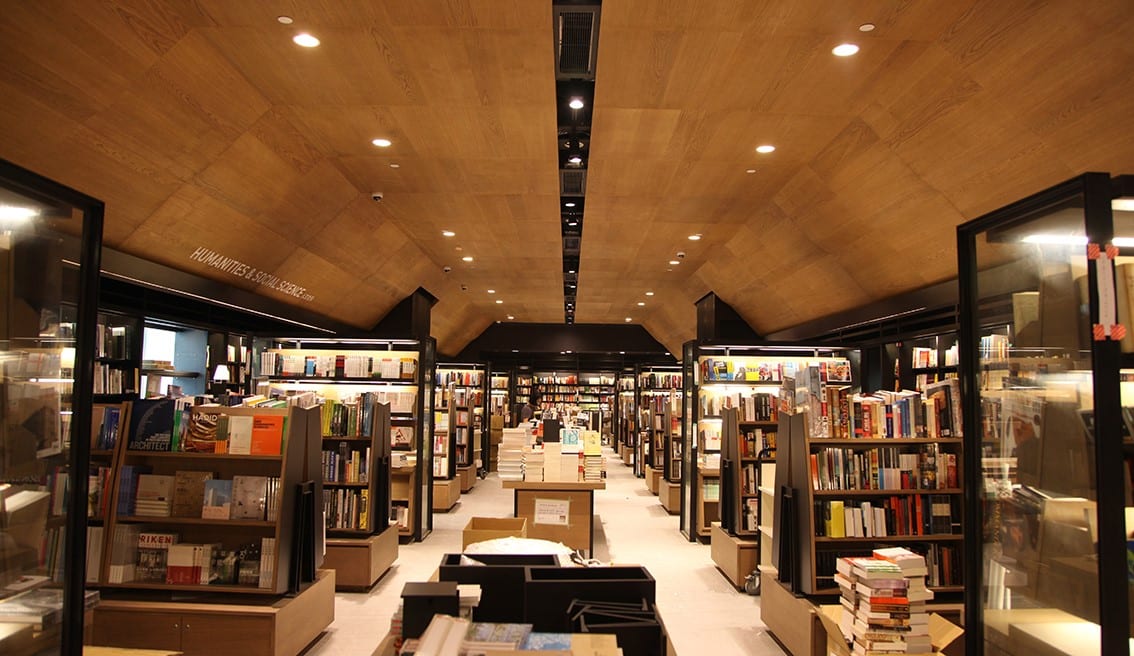
    Taiwanese bookstore operator Eslite Corporation has opened its first shop in Mainland China.

    The Eslite China store has opened in Suzhou in a high profile event featuring some of China’s most famous writers and artists, including Lin Hwai-min.

    Eslite has opened two stores in Hong Kong, redefining the nature of the bookshop in the territory.

    Featuring prominently in the store – which merges art and books with exhibitions and curated collections of gift lines, is a painting by Cai Guo-Qiang in Taipei in 2009, titled Day and Night.

    The Eslite Corporation operates 43 retail bookstores in Taiwan. The Chinese store is its third overseas.

    Despite the brand being new to the mainland, there is a surprisingly high level of local awareness, in part due to Chinese visiting the Hong Kong flagship stores.

  • Hong Kong retail sales figures released

    Hong Kong retail sales figures released

    At last: some “relative improvement” in retail sales data to encourage embattled retailers.

    Hong Kong retail sales in October fell three per cent year on year, provisionally estimated at $37.2 billion.

    A government spokesman said retail sales showed “some relative improvement in October, helped mainly by the visible growth in the sales of certain consumer durable goods amid the launch of new smartphone models”.

    “Yet the fall in the sales of jewellery, watches and clocks, and valuable gifts remained notable, reflecting the drag from the slowdown in tourist spending.”

    October’s fall was less than half the revised estimate of September’s sales which were down 6.3 per cent.

    Year to date sales are down 2.7 per cent on last year.

    After netting out the effect of price changes over the same period, the volume of total retail sales in October increased by 1.2 per cent from a year earlier. The revised estimate of the volume of total retail sales in September decreased by three per cent. For the first 10 months of 2015, retail sales rose 1.1 per cent in volume year-on-year.

    As expected, it was the jewellery, watches and clocks sector, the most valuable category, which fell the hardest – down 17 per cent in October. Apparel sales were down 5.7 per cent, electrical goods by 10.9 per cent, medicines and cosmetics by 2.4 per cent, Chinese drugs and herbs by 5.9 per cent, furniture by 4.2 per cent and department store sales by 2.2 per cent.

    Supermarket sales rose 1.5 per cent, food, alcohol and tobacco by 3.7 per cent and miscellaneous consumer durables by 36 per cent.

    “The outlook for retail sales will likely be still constrained by the lacklustre performance of inbound tourism. The possible impacts of the dimmer global economic outlook on local consumer sentiment also need to be watched over,” the spokesman said.

  • Bosideng sales slumps

    Bosideng sales slumps

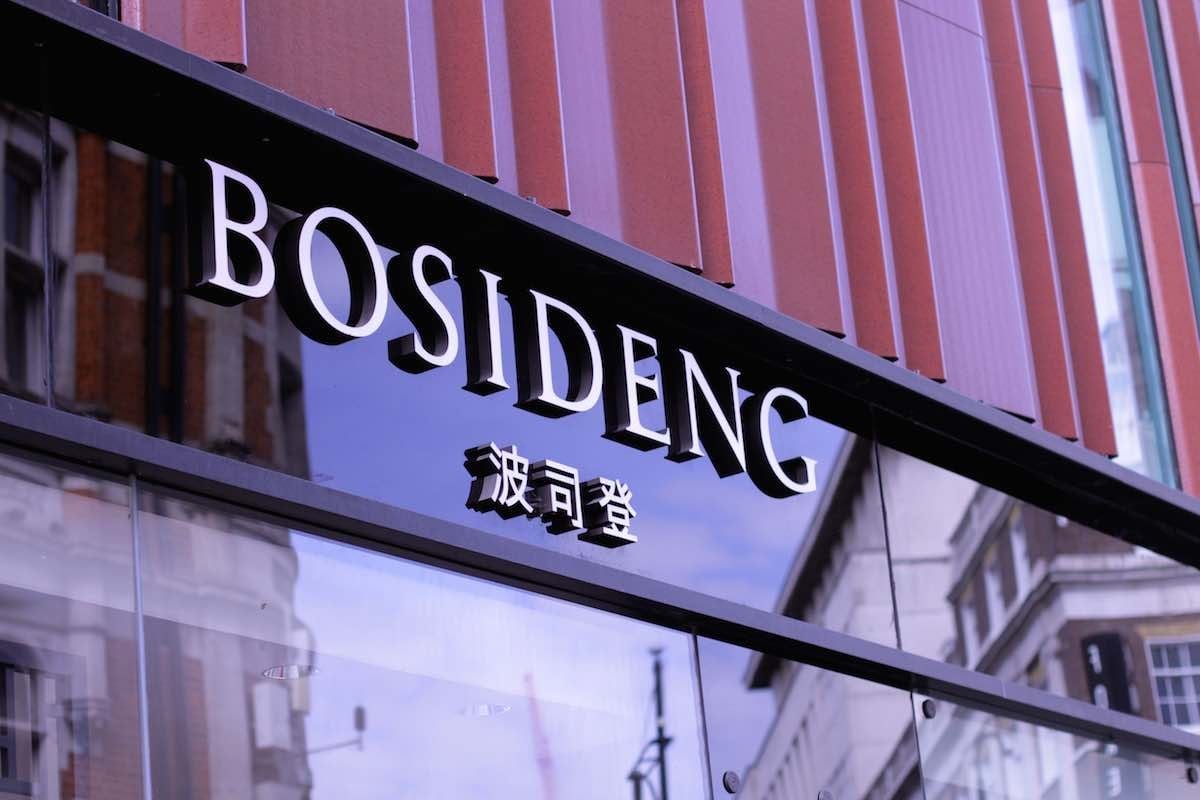
    Chinese down apparel brand Bosideng has seen sales revenue slump 10 per cent – and profit nearly halved in the first half year.

    Down apparel sales, which account for almost half the group’s turnover, fell 14.6 per cent.

    While Bosideng blamed its poor performance on “tremendous challenges” facing China’s apparel industry, there was one telling line in its interim report which suggests a deeper problem:

    “The increasing popularity of the Internet and online shopping that stimulated the proliferation of information, coupled with the speedy expansion of an increasing number of overseas brands in the PRC market, have not only offered more choices for consumers, but also made consumers more sensitive to product prices and styles.”

    “And styles”. Bosideng is having to face the reality that growing an apparel business so dependent on a functional, rather than fashionable, product range may have its limitations.

    But there are signs it is adapting.

    The company said that as Mainland China’s economic growth slows the gap is narrowing between first and second-tier cities and rural areas. That has prompted national brands to switch their development mode from one that relies on store opening to swift response in various stages of business operation, “including branding, products, logistics and retail sales, so as to meet the expectations of the market and consumers”.

    “The group has actively explored and gradually shifted from the traditional wholesale business model to a retail model that draws closer to the market and the consumers. This allows the group to build a more solid business foundation for future development and to seek healthy and sustainable development.”

    The down business, by nature, is seasonal, with demand naturally higher in winter months, prompting offseason sales and promotional activity in the first half of the year. Part of the reason for the sales decline in the last half was an increase in the discounting to reduce inventory.

    Bosideng also stepped up its efforts to implement more stringent production and product plans.

    “Through in-depth analysis of retail statistics, the group was able to arrange the production of various product styles more accurately to avoid unnecessary inventories… For instance, two brands – Snow Flying and Bengen – developed minimal new styles, whereas Combo devoted all efforts in stock clearance this year and did not design new styles.”

    It has also commenced trial marketing, ranging some new styles in physical stores prior to finalising production and sales plans to test and understand the market reaction in order to avoid excess inventory.

    The company is also continuing to optimise its retail network, shutting down underperforming stores to enhance store quality: the number of outlets in the down apparel business – both self operated and third party – fell by a net 548 in the period, to 6051.

    Some stores which are usually shuttered over summer, or sub-let by third party distributors, were kept open as outlets to help reduce inventory. Bosideng supplied the product, the distributors met the overheads, saving the group distribution costs and adding sales channels for stock clearance.

    Bosideng is also shifting its focus away from department stores more towards shopping malls, reflecting changing lifestyles of Chinese consumers.

    This year, it has opened pop up stores for the first time in six prime shopping centres to assess potential to showcase new lines.

    “The pop up stores attracted customer flow with innovative displays and eye-catching designs. Various live events, performances and games were introduced to increase interaction with consumers, thus enhancing brand recognition. The pop-up stores were well received by the market, which not only successfully became talk of the town with widespread media coverage, but also drove the group’s local sales performance. The group believes that it will accelerate store opening in large-scale shopping malls in the long run to allow the retail network of the group to better satisfy the needs of the consumers.”

    Meanwhile, diversification away from down appears to be bearing fruit.

    During the period, revenue from Jessie brand increased by 18.8 per cent year on year to approximately RMB158.3 million. Following the adjustment of the brand’s retail network over the past two years, the net number of Jessie retail outlets increased by five to 216 this year. Jessie has been focusing on enhancing the profitability of self-operated stores and implementing refined management and further optimised product mix.

    In wholesale, Jessie optimised the ordering system at the trade fairs and increased the mix and match references and provided more guidelines to distributors so as to increase associated orders. “As a result, revenue from self-operated and wholesale business recorded a significant increase.”

    But revenue from its Mogao brand  decreased by 21.9 per cent year-on-year to approximately RMB128.2 million, largely due to a net reduction of 21 stores to 284 during the period. It also dropped its womenswear lines to focus purely on menswear, so the last period was essentially one of repositioning. Bosideng says the change was well received by distributors and this year it will step up branding efforts, especially on new media.

    Internationally, Bosideng’s London flagship store has accumulated “considerable retail experience and deeper understanding of the consumer preference of the local market”.

    “The London flagship store will… step up its efforts in expanding the popular down apparel series this year. Fully utilising its extensive resources in down apparel products, the group will assist the flagship store to further optimise the product mix so as to drive its sales and profitability.”

    For the record, Bosideng reported total sales revenue of RMB2,563.7 million, a gross profit margin down 11.3 percentage points to 36.1 per cent, its operating profit margin down by 5.6 percentage points to 5.2 per cent and a profit attributable to shareholders down 48.3 per cent to RMB130.7 million.

    In the year ahead, Bosideng says it will continue to reduce inventory and significantly reduce the development of traditional and basic styles to avoid overlapping with old stocks.

    “At the same time, the group will introduce more hi-tech fabrics in order to satisfy the growing demand for functional down apparel in the market, providing more value-for-money, high quality and trendy down apparel products to customers.”

  • SM Seaside City opens in Cebu

    SM Seaside City opens in Cebu

    The newly opened SM Seaside City Cebu is SM’s third largest mall in the country measuring 430,000 sqm in gross floor area.

    And the property developer SM Prime describes the mall as one of the Philippines’ most picturesque, showcasing not just architectural excellence but also resilience in design.

    Due to its proximity to the Mactan Channel, the mall draws marine inspiration from the “nautilus”. The sea creature’s unique shape and logarithmic pattern guided the building’s architectural shape and design. The nautilus, a spiral shell with pale, pearly chambers, is

    one of the finest examples of natural beauty and elegance.

    Arquitectonica’s Peter Brannan, MD for Asia says translating this design into mall features meant not only providing the usual retail, service and transport facilities.

    “It also has to act as the social hub, much like the marketplaces or town squares in the old, traditional communities,” Brannan said.

    This prompted Arquitectonica to propose “community” features such as a landscaped roof deck that can act like a “Central Park” called the Sky Park.

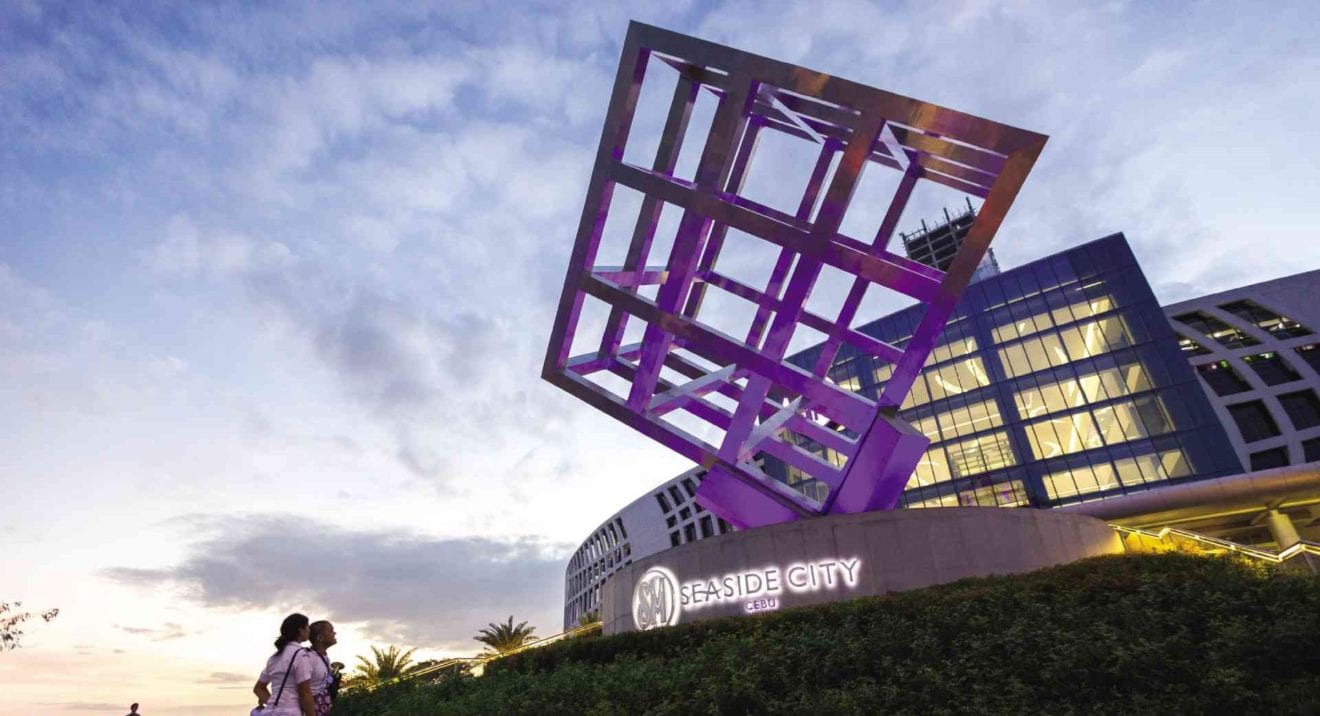
    The design also includes a central courtyard with a 150 meter modern bell tower which can be the centerpiece of community events like fiestas or New Year Event countdowns. Add to this the “Cube” sculpture at the facade of the mall which is an anagram for “Cebu”, serving

    currently as one of the more popular “selfie” spots for shoppers and tourists. Nearby at the complex is the Chapel of San Pedro Calungsod with a hundred walls, which has emerged as one of the City’s favorite wedding destinations.

    Now in operation, the mall makes this communal spirit much more apparent.

    “We understand that Cebuanos have a very strong sense of community, so we wanted to make sure we gave them a venue in which they could celebrate this communal spirit,” Brannan said.

    The Sy family envisioned the 30 -hectare SM Seaside City complex as a regional destination, bringing together local and foreign tourists from all walks of life mainly from the Visayas and Mindanao regions.

    Beyond beauty is sustainability

    Beyond the mall’s aesthetics, SM believes that investing in sustainability safeguards the welfare of the customers, the tenants, and the mall’s host communities.

    SM Prime Holdings president Hans T Sy said during his speech at the UNISDR General Meeting in London in November that depending on the location and assessment of SM’s projects, around 10 per cent of capital expenditure is allocated to disaster resilience which requires making the mall structure resistant to risk from potential disasters.

    “My experience has proven that investing in resilience of our company’s assets makes good business sense,” Sy said.

    For its seaside mall, Architect Fides Hsu, VP of SM Engineering, Design and Development Corp, said SM Prime hired design experts who gave extra attention to the challenges of weather, especially typhoon and flooding given its location by the sea. SM Prime backfilled soil onto the reclaimed property specifically on the roads so that the whole complex where the mall sits is elevated by approximately 4.5 meters from the city roads. Due to its elevation, a lower carpark level was created to accommodate 1700 vehicles.

    Furthermore, all necessary electrical and mechanical equipment are located on the roof deck.

    In terms of seismic design or provisions for earthquakes, the building structure of SM Seaside was designed in compliance with Philippine building regulations such as the 2010 National Structural Code of the Philippines (NSCP), the Uniform Building Code (UBC 97), and the International Building Code (IBC 2010).

    The mall also uses water treatment facilities that recycle used water by 90 per cent and re-use this for the cooling tower, toilet flushing and irrigation.

    To reduce energy consumption, the mall’s air conditioning uses a Building Management System (BMS) and high efficiency chillers. In addition, all storefront windows and skylights of the mall use double glazed low e-glass which prevent heat from penetrating by as much as 78 per cent. Furthermore, the whole mall is equipped with LED lights, while mall escalators have an “auto start and stop” feature that is activated when in use or otherwise. Elevators are inverter type systems that save power of up to 30 per cent.

    “Even way back in the mid 80s when SM started building its malls, Hans T Sy has been responding to issues of sustainability and disaster risk resilience. The older malls of SM, for example, have long been using the BMS and variable frequency drives for air conditioning that control mechanical motors to maximise usage of power,” Hsu said.

  • Indonesia to Have 151,000 Millionaires by 2020

    Indonesia to Have 151,000 Millionaires by 2020

    Research institute Credit Suisse released its 2015 Global Wealth Report, in which it projects that Indonesia would have 151,000 millionaires by 2020. This projected number is an increase of 54 percent from today’s 98,000 people.

    The increase, the report says, will happen simultaneously with the increase of Indonesians’ average wealth by more than three times in US dollars and five times in rupiah.

    Credit Suisse categorized millionaires as people with a net worth of over US$1 million. If we use the rupiah, these people would be considered billionaires as a million UD dollar is roughly worth Rp14 billion.

    For this year, Credit Suisse said that there are 987 Indonesian individuals with net worth exceeding US$50 million (Rp. 700 trillion), an 8.9 percent increase from last year. This places Indonesia at the 19th spot of the world’s top 20 countries with the most number of wealthy individuals.

    Credit Suisse claimed that the number of Indonesia’s dollar millionaires has increased by five times since the year 2000, which reflects rising inequality, seeing how the country’s rich and middle class is only 4.4 percent of the 250-million population.

    Meanwhile, Forbes placed Budi and Michael Hartono as Indonesia’s richest individuals. The Djarum Group bosses have a combined asset worth of US$15.4 billion or around Rp212.8 trillion. Coming at number two is Susilo Wonowidjojo—also a tobacco tycoon; owner of PT Gudang Garam Tbk—with US$5.5 billion (Rp. 76 trillion). The third spot is currently secured by Salim Group owner Anthoni Salim with a net worth of US$5.4 billion (Rp74.6 trillion).

  • Inside expanded Future Park Rangsit

    Inside expanded Future Park Rangsit

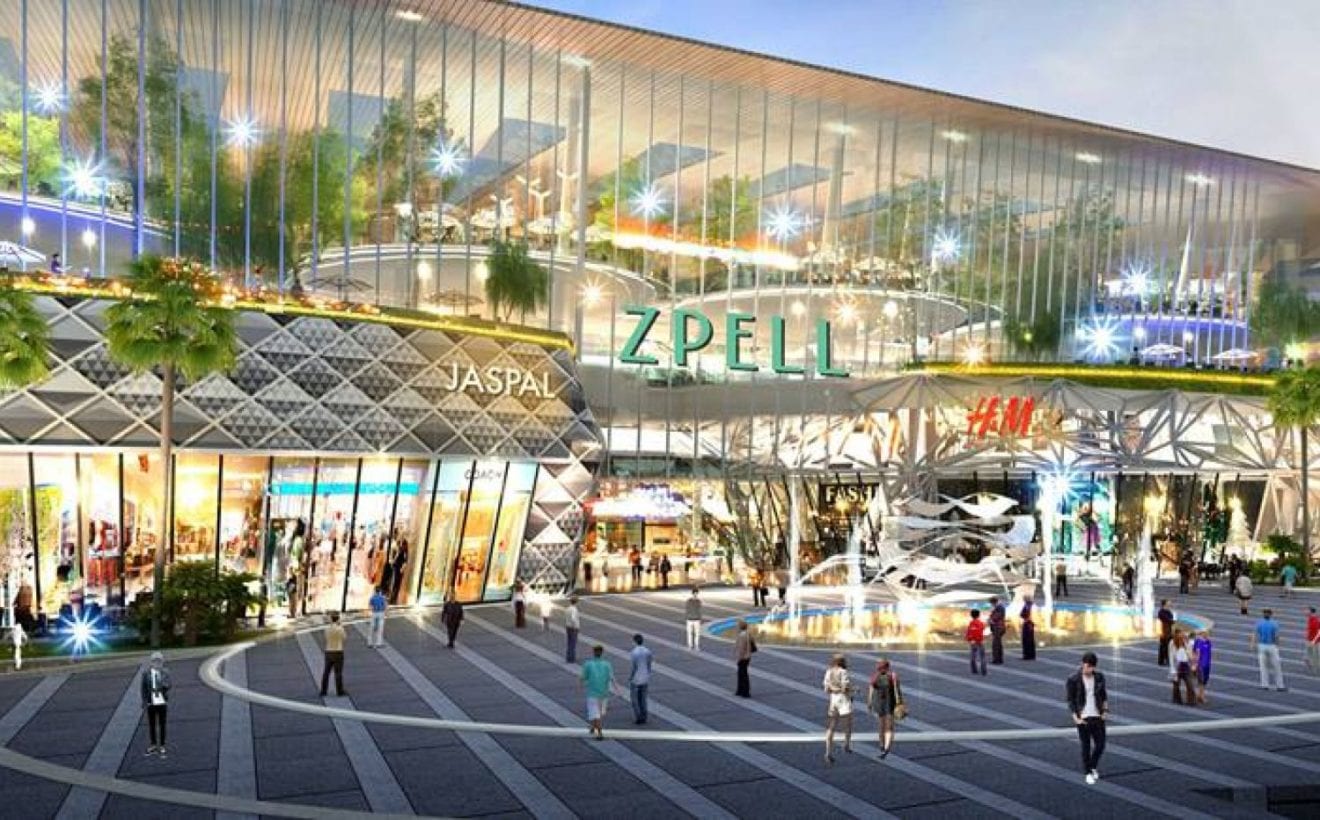
    Bangkok’s Future Park Rangsit mall opened its much-anticipated extension Zpell on Friday.

    But disappointingly, despite its opening a large number of tenancies are still incomplete.

    zpell-indoor2

    zpell-indoor

    zpell-indoor3

    Mall management told Inside Retail Asia a more formal opening is planned when the project is finished – most likely in January.

    At 600,000 sqm the expanded Future Park Rangsit is a full 20 per cent larger than the Siam Paragon in downtown Bangkok, which checks in at 500,000 sqm, and 50,000 sqm larger than CentralWorld.

    zpell-central

    At this stage, only about 60 per cent of the new food and beverage tenancies are trading.

    zpell-indoor4

    The expanded Future Park Rangsit mall is expected to host 200,000 shoppers daily – almost entirely locals as Rangsit is a long way from any area of Bangkok frequented by tourists and has only a limited number of expatriates in its catchment area. It currently attracts about 157,000 a day.

    Future Park Rangsit Mall was built 20 years ago. Besides offering shopping, eating and entertaining, the expanded destination will now feature futsal courts, an ice-skating rink, indoor ski park and art installations.

    zpell-ski

    We’ll publish a full review of the centre when it is complete. In the meantime, our photos show some of the tenancies complete and the common areas to give a taste of what shoppers can expect now – and in January.

    zpell-indoor5

    When complete, the new building will feature 200 tenants including lifestyle fashion brands such as Cath Kidston, H&M, MNG and Top Shop along with food offers from Coffee Bean by Dao, Akiyoshi, After you and Muteki By Mugendai.

    zpell

  • Vietnam’s First Ever Integrated Destination Resort to be Managed by Mövenpick

    Vietnam’s First Ever Integrated Destination Resort to be Managed by Mövenpick

    Vietnam’s first ever integrated destination resort will be operated by Mövenpick Hotels & Resorts. In a strategic move that cements its presence in the fast-growing Asian hotel market, the Swiss hospitality firm has signed a management deal with Ngoi Sao Cua Duong Joint Stock Company for the high-profile Mövenpick Resort Phu Quoc, which will be developed by MIK Land covering some 51.62 hectares on an island that’s tipped to become the region’s next big tourism hotspot.

    The fully-integrated beach-front destination resort, which faces the stunning Gulf of Thailand, will encompass a wide range of outstanding facilities including 250 hotel rooms, 100 residences and 50 luxury pool villas, when it opens in 2017.

    A themed retail village, water park and lagoon-style pool, destination spa, beachside wedding and special events ‘sala’, 1,000-square-metre convention area, amphitheatre, cooking school, beach club, kids club, water sports centre, fitness centre and an adventure and teambuilding activity course will also be part of the extensive offering at the one-of-a-kind Mövenpick Resort Phu Quoc.

    A hotel school complete with staff accommodation is another ground-breaking feature of this unique development.

    “Being selected to manage the first integrated destination resort in Vietnam on a stunning island earmarked for ambitious tourism developments confirms our status as one of Asia’s leading hotel operators,” said Mövenpick Hotels & Resorts President & CEO, Jean Gabriel Pérès.

    “This exciting project will take our Vietnam portfolio to three properties strong by 2018 and paves the way for Mövenpick Hotels & Resorts to manage similar large-scale destination resort developments across Asia where our strategy is to gain a strong foothold in sought-after locations.”

    Phu Quoc Island is a hotbed of tourism-related development with more than US$6.8 billion currently being ploughed into projects designed to create a destination to rival Asia’s perennial favourites.

    Mövenpick Resort Phu Quoc will be developed on Ong Lang Beach, close to the island’s largest town, Duong Dong, and to Phu Quoc International Airport, which is well connected by air to Rachgia (30 minutes); Ho Chi Minh City (one hour); Siem Reap (1.5 hours); Hanoi (two hours) and Singapore (1 hour 45 minutes). New direct flights from China, Russia, Taiwan and Scandinavia will be launched in 2016.

    “The world-class Mövenpick Resort Phu Quoc will set new hospitality standards in Vietnam and put the island on the international tourism map,” said Ms. Lê Thị Hải Châu, Chairman and CEO of Ngoi Sao Cua Duong Joint Stock Company.

    “We have partnered with Mövenpick Hotels & Resorts to manage this landmark development based on the firm’s excellent reputation, hospitality know-how and proven track record in Asia’s rapidly expanding hotel market.”

    Mövenpick Hotels & Resorts already operates the 154-room Mövenpick Hotel Hanoi and plans to open its second property in Vietnam, the 229-key Mövenpick Resort & Spa Quy Nhon, in 2018.


  • Stimulus Does the Trick as Detroit Autos Surge in China

    Stimulus Does the Trick as Detroit Autos Surge in China

    Investors understand that General Motors generates the majority of its profit right here in the United States. However, GM sells more cars in China than in any other market, and it was worrisome for investors when new-vehicle sales slowed in China over the summer. Sales slowed to the point that it forced China’s government to dish out an incentive program that cut the purchase tax in half for consumers.

    How has that incentive program turned out? Looking at GM’s sales figures coming out of China for November, the program is working like a charm.

    By the numbers
    General Motors’ retail sales moved 14% higher to 346,671 units in November. If you’re keeping track, that’s good enough to pencil last month in as the automaker’s best November sales in China ever.

    “The market has been improving in the past two months,” said GM Executive Vice President and GM China President Matt Tsien, in a press release. “We are well positioned to achieve a strong finish to the year backed by newly launched models, including the Chevrolet LOVA RV, Buick Verano Hatchback and Buick Verano GS.”

    The vehicles responsible for driving General Motors’ sales in China higher last month weren’t a surprise. GM’s SUV sales soared 231% on an annual basis, powered by the Buick Envision and Baojun 560. Furthermore, the SUV segment accounted for 19% of GM’s sales in China last month, which was much higher than the 6.5% the segment represented a year ago.

    Looking at GM’s brands in China, Buick remains the automaker’s bright spot. Buick recorded its best-ever monthly sales in November as it exceeded 100,000 units for the second consecutive month. More specifically, Buick sales soared 45% year over year to nearly 108,000 units.

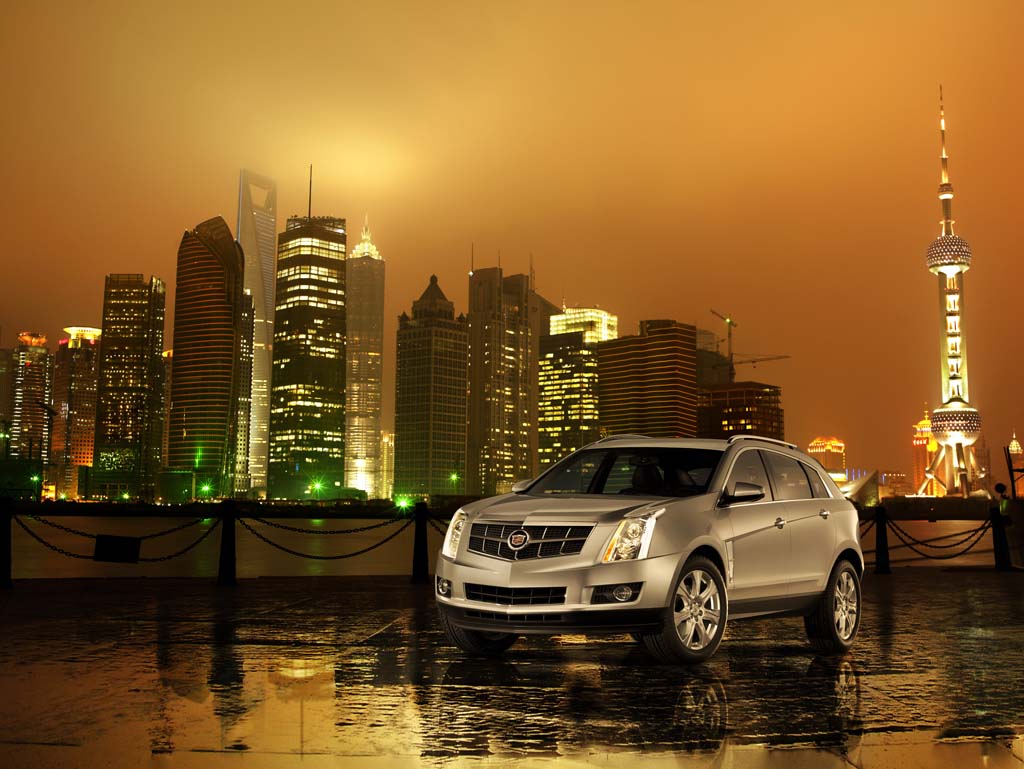
    GM’s luxury Cadillac lineup also posted healthy year-over-year sales gains of 57%, but with a far lower unit total of just under 8,000 units. Baojun sales jumped 100% on an annual basis to more than 58,000 units, and Chevrolet sales took an 11% dip year over year to 51,192 units in November.

    Through the first 11 months of 2015, retail sales from GM and its joint ventures increased 4.1% compared to the same time frame last year, to a total of 3.16 million units.

    GM isn’t the only success story
    While crosstown rival Ford Motor Company (NYSE: F) trails GM in vehicle sales by a long shot in China, it’s still making progress in a market it was late to enter. Ford’s sales totaled 106,283 during November, which was a 9% increase over last year’s November. Better yet, Ford’s sales in China are quickly approaching the 1 million mark for the year, totaling 990,356 sales through November.

    Ford’s gains were led by its Mondeo (Fusion), which posted a sales increase of 13% to 12,431 units compared to last year, as well as its Kuga (Escape) and Edge, which both sold more than 10,000 units last month in China.

    Here today, gone tomorrow?
    The major question facing investors in the automakers that operate in China is: Are these sales gains here to stay? It’s clear that after a slow summer of new-vehicle sales in China, the government’s stimulus program, which cuts the purchase tax from 10% to 5%, is definitely igniting sales. The good news is that this stimulus is slated to continue for the entirety of 2016.

    This is a development worth watching, because if sales remain accelerated, rather than only a temporary boost, it’ll be very positive news for investors of General Motors and other automakers hoping to fuel top- and bottom-line growth from its operations in China.

    The next billion-dollar iSecret
    The world’s biggest tech company forgot to show you something at its recent event, but a few Wall Street analysts and the Fool didn’t miss a beat: There’s a small company that’s powering their brand-new gadgets and the coming revolution in technology. And we think its stock price has nearly unlimited room to run for early, in-the-know investors!

  • Bangkok retail market to increase more than 1 million sq.m.

    Bangkok retail market to increase more than 1 million sq.m.

    The entry of new local and international retailers, combined with a challenging economic outlook and weak consumer sentiment is all adding up to the mix.
    Despite a slowdown in retail sales, there is currently 1.1 million sq.m. of retail space under construction in Bangkok, which will bring the total completed supply in 2017 close to 8 million sq.m.
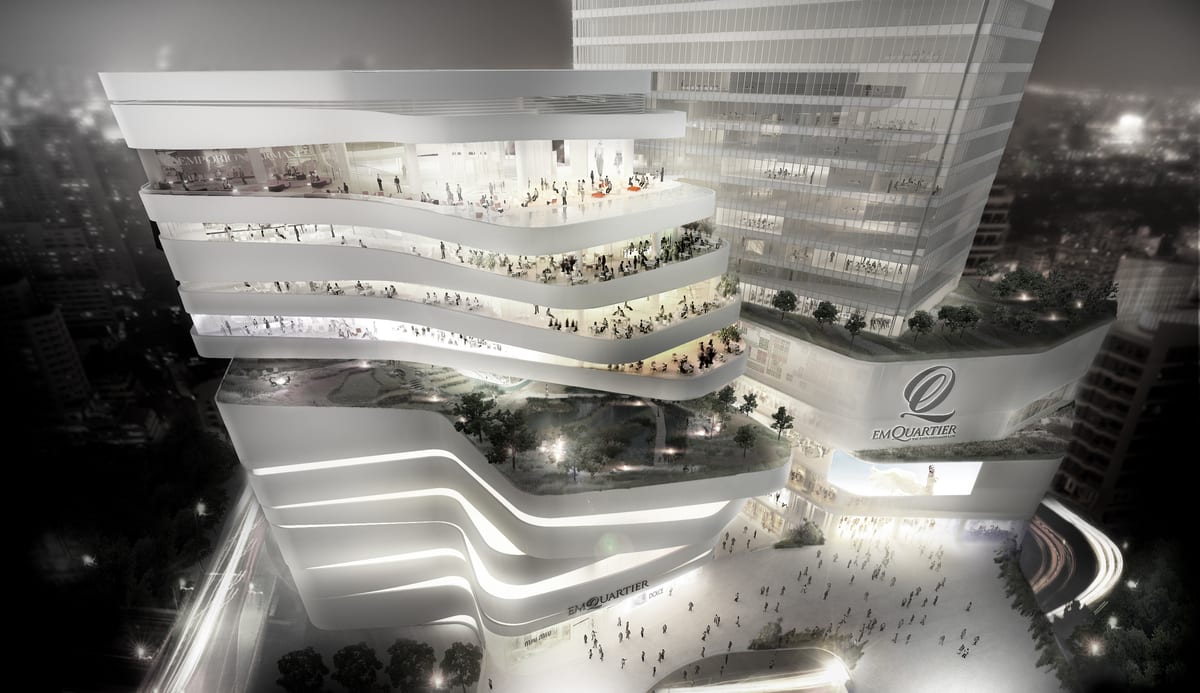
    Within the CBD, the latest major retail developments to open are EmQuartier and Central Embassy, intensifying competition for existing malls such as Siam Paragon, Gaysorn and CentralWorld.

    In addition, big developers continue to renovate their downtown retail centres such as Siam Discovery and MBK.

    Bangkok retail market, EmQuatier
    As the major retail centres are chasing after the same group of consumers, retail events and promotions have become ubiquitous

    As the major retail centres are chasing after the same group of consumers, retail events and promotions have  become ubiquitous leading to a cut-throat competition and heighted promotion campaigns, particularly gearing up to the festive season where consumer spending typically peaks.

    The expansion by major retail developers to suburban areas may also in part draw consumers away from CBD malls, although the impact may be limited.

    Bangkok’s suburban areas today are well served by quality retail centres, reducing the need for consumers to travel into the CBD.

    To the North, Zpell@Future Park has just opened on 27th November. Opened on the same day in Eastern Bangkok on Ekamai-Ram Intra is Central EastVille, adding competition to existing malls in the area such as Crystal Park and Crystal Design Centre.

    The Mall Group is also currently planning The Bangkok Mall on Bangna-Trad which is expected to be completed in 2017. To the West, CentralPlaza WestGate recently opened in August in the Bang Yai area, adding a major retail centre to an area where there have been limited retail developments.

    The Riverside will also get its own luxury shopping complex in 2017 with the opening of IconSiam which will comprise a 500,000 sq.m. retail and entertainment complex, part of which includes a 36,000 sq.m. 7-floor Takashimaya department store from Japan which will be Thailand’s first.Amidst this competition, the segment that will find most challenging is community malls.

    Community malls will be forced to adjust their strategies and have clear unique selling points and propositions to draw in consumers; otherwise they are likely to be overshadowed by major retail developments that have a bigger events and promotions budget.

    It is essential for community mall developers to understand their target consumers’ needs and retain anchor tenants in order to compete in the long-term.

    The plus side of the retail expansion is that it will create room for both domestic and international retailers to expand to suburban areas.

    International fashion brands such as H&M, Uniqlo, Aldo and Charles & Keith have already expanded to CentralPlaza WestGate.