Tag: asia

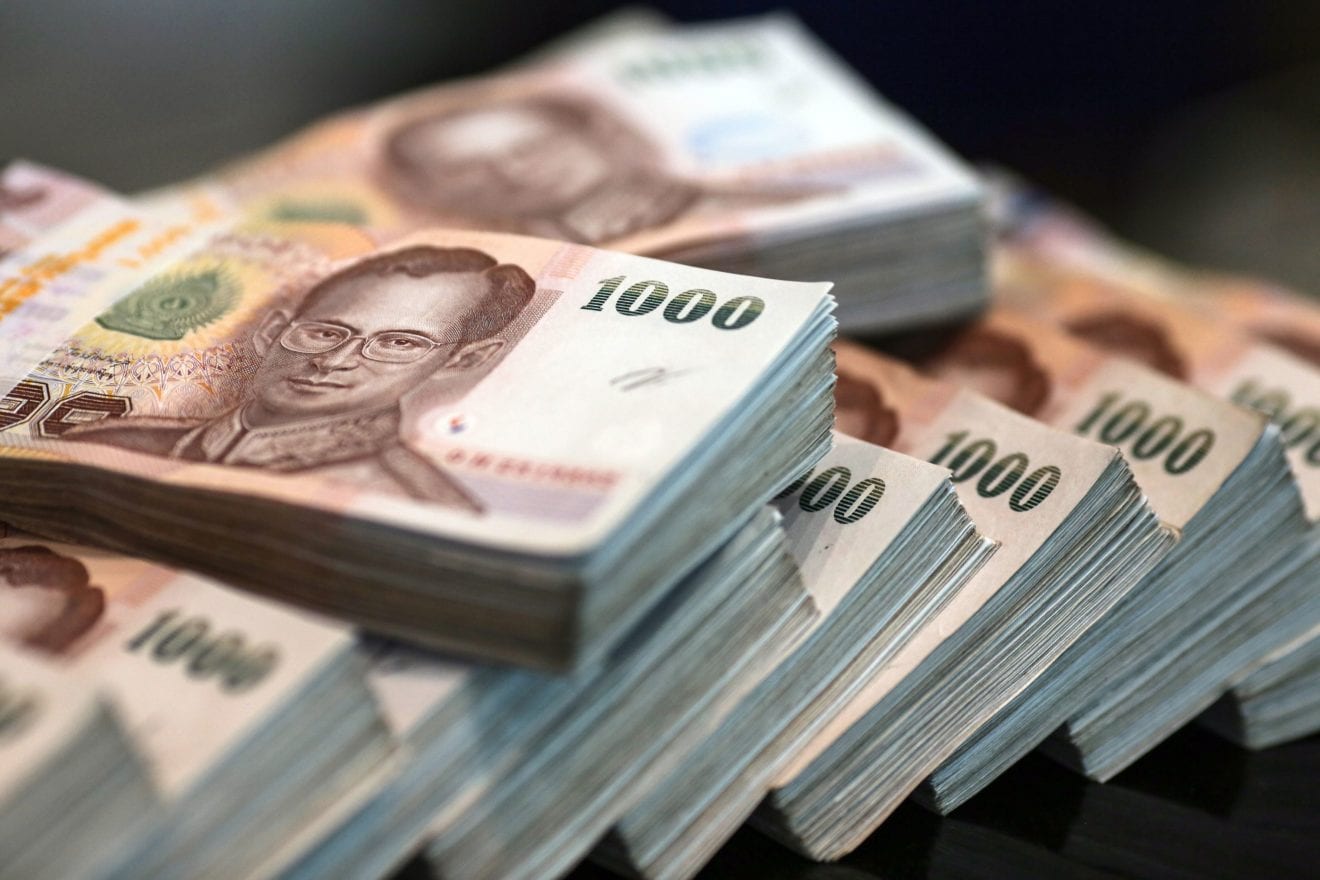
  • New Banking Fees May Turn Thailand into a Cashless Society

    New Banking Fees May Turn Thailand into a Cashless Society

    Bank fees will undergo changes in the near future to better reflect the actual costs of banking, and may pave the way for Thailand becoming a cashless society.

    According to Veerathai Santiprabhob, Bank of Thailand governor, the current bank fee structure is distorted. He noted that paper-based transactions are cheap compared to actual costs, and banks are subsidizing these costs with fees on electronic transactions. In other words, a check fee may only be Bt15, but the actual cost is far higher. Currently, customers can withdraw money from ATMs, but banks incur huge costs for managing cash at ATMs.

    A new project is helping to reduce cash usage in the country through the introduction of more point-of-sale throughout Thailand. There are currently less than 100,000 points of sale, which is much lower than the 2 million recommended by the Bank of Thailand.

    To maintain retail customers, banks will be expected to reach out to merchants to create their own points of sales. Smaller merchants will also be required to have mobile point-of-sale to support small customers.

    Under the project, companies who are registered with the Commerce Ministry will also be prohibited from denying e-payments.

    The creation of a central system that will oversee cross bank transactions through the Internet, ATM cards and debit cards will help move Thailand to a cashless society. Adoption of the Any ID e-payment model will further help the country make this transition.

  • City Chain to close stores

    City Chain to close stores

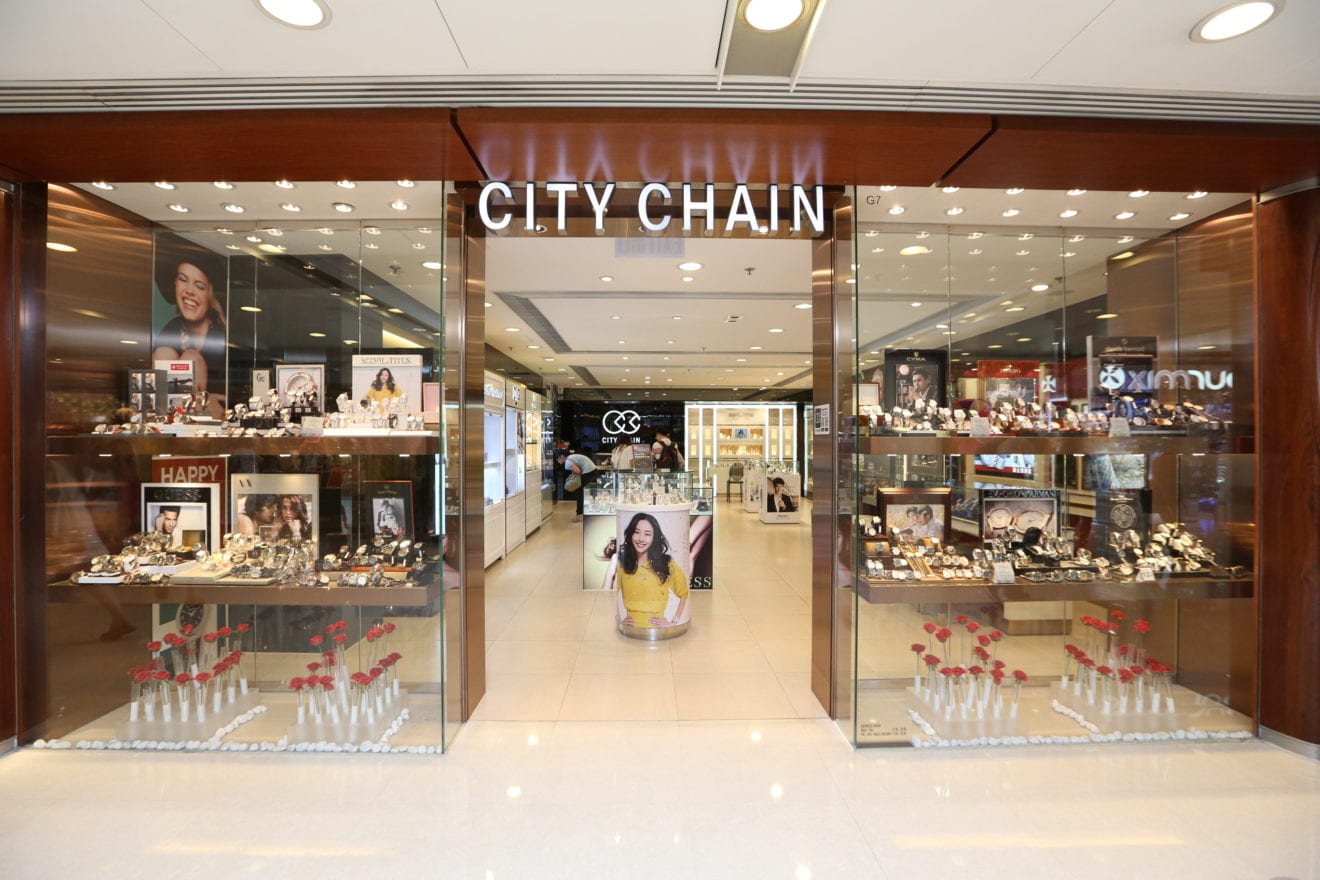
    Hong Kong headquartered watch retailer City Chain plans to close more stores as sales slid 12.1 per cent and profits crashed by 86.4 per cent in the first half year to just HK$15.7 million.

    Parent Stelux says turnover was “sluggish” in Hong Kong, Macau and Southeast Asia, with a narrowed gross margin. But inventory reduced by 16 per cent compared with the end of March.

    The City Chain Group operates stores in Hong Kong, Macau, Mainland China, Singapore, Thailand and Malaysia together with online stores at City Chain Tmall and Titus Tmall. Turnover for the six months to September 30 was $957.9 million.

    “We are rationalising our store portfolio based on shop profitability when considering shop renewal or relocation to achieve lower rental to turnover ratios,” the company said, without providing any indication of how many stores are likely to be culled.

    Already stores have been closed in Singapore and Thailand.

    Sales in Hong Kong and Macau fell 14.2 per cent to $646.6 million due to reduced tourist spending, shop consolidation measures and a high comparable base last year, when the group achieved record breaking monthly sales. That triggered a 56.5 per cent drop in pre-tax earnings to $67.9 million.

    “A combination of factors, namely, a decrease in turnover, narrowed gross profit margin due to stock rationalisation and the time lag in containing operating costs such as shop rentals led to the decline. Operating costs other than shop rentals decreased by around eight per cent despite inflationary pressure. The group continues to tighten operating expenses to adapt to existing turnover levels to improve performance,” Stelux said in its earnings statement.

    It was a rosier picture in Mainland China, now considered “a key market” for the group, which is pursuing a long term growth strategy there.

    First half sales rose 11.2 per cent to $113.2 million despite the slowing economy, driven mostly by positive same store sales growth especially in the Eastern (around 27 per cent) and Southwest regions (around 40 per cent).

    “Due to aggressive price cuts by competitors and a change in stock management strategy, gross profit margins came under pressure. Stock clearance initiatives have proven successful and we are on track towards maintaining a healthier and more competitive inventory balance. Losses, standing at $28.6 million, remained similar to that of last year since most of the uplift in sales was offset by the drop in gross profit margin. Notably, the loss posted by existing operations in Northern China fell by around 57 per cent compared to the same period last year due to restructuring efforts taken in Quarter 2,” the company said.

    “We expect to accelerate network expansion, increasing penetration in regions where we have a presence, and also setting up in multiple second and third tier cities where we do not yet have a presence to achieve economies of scale.”

    Southeast Asian first half sales were adversely affected by weakening economic fundamentals, with poor consumer sentiment and weak local currencies. Turnover dropped by 15.7 per cent to $198.1 million. But in local currency terms, turnover dropped by just four per cent.

    The Southeast Asian operations recorded a loss of $23.6 million, but a large part of that was attributed to the sharp depreciation of the Malaysian ringgit. On an exchange neutral basis the loss would have been $13.2 million, compared with $12.5 million during the same period last year.

    “The retail sector in Malaysia was severely affected by the introduction of GST in April 2015 and the depreciation of Malaysian ringgit. Despite this, turnover in local currency terms remained stable due to successful restructuring and re-merchandising measures adopted.

    “In Singapore, store consolidation and productivity enhancement measures have been very successful and we have seen sales per shop month improving significantly by 22.5 per cent and at the same time operating costs have fallen by 19.6 per cent. This has helped to narrow the loss by 33.6 per cent to $8.3 million.

    “The unstable political situation in Thailand and high household debt ratio has resulted in very low consumer confidence which has continued to fall since January 2015. Due to this, our Thai operations, posted a 24.2 per cent (FX neutral: 18.8 per cent) decline in turnover. We have implemented aggressive store consolidation measures with over 10 non-performing stores closed, and these store consolidation efforts will continue in the second half. Cost control measures were also implemented reducing our operating costs by 22 per cent.”

  • Warburg Pincus in $400m bid for MedPlus India

    Warburg Pincus in $400m bid for MedPlus India

    Private equity investor Warburg Pincus is making a bid of up to $400 million for the giant MedPlus India pharmacy chain.

    Nine year old MedPlus currently operates a network of 1200 retail stores in 12 states of India.

    Promoter Madhukar Gangadi, who together with his family owns 31 per cent of the company, wants to ramp up the brand’s rollout to a massive 10,000 stores by 2020.

    Warburg Pincus is one of several in a race to acquire 69 per cent of the business, according to The Economic Times newspaper. Its rivals include General Atlantic and Bain Capital.

    If the chain fetches the figures being broadly quoted – between $350 and $400 million – it would represent a 250 per cent profit on the original investment of the outgoing shareholders, US-based Mount Kellett Capital Management, TVS Capital Funds and Ajay Piramal’s India Venture Advisors.

    Investment bank Credit Suisse is leading the search for strategic buyers to help fund the store rollout.

  • Asia driving L’Oreal growth despite market turbulence

    Asia driving L’Oreal growth despite market turbulence

    Asia is driving huge growth for cosmetics giant L’Oreal, despite a slowdown in Hong Kong.

    At the end of September, L’Oréal posted growth of 4.4 per cent on a like-for-like basis – and 21.9 per cent based on reported figures as the company expands its retail network and wholesale operations in the region.

    Kiehl’s, Yves Saint Laurent and Giorgio Armani contributed to dynamic growth of the L’Oreal Luxe division, despite the context of slower third-quarter growth in Hong Kong and Travel Retail Asia.

    The Consumer Products Division is performing well in India, Australia and Thailand. In China, growth at L’Oreal Paris is accelerating, while Magic is undergoing a transitional period. The Active Cosmetics Division is growing strongly, thanks to the success of La Roche-Posay, L’Oreal reported in its quarterly filing.

    Jean-Paul Agon, chairman and CEO, said at the end of September, the group’s reported growth is strong, at 13.2 per cent, still supported by a positive currency effect.

    “Despite a global context that is still volatile, we are confident for the year end. The beauty market remains dynamic. In each Division, our brands are pushing forward with successes such as Maybelline and NYX in the Consumer Products Division, Yves Saint Laurent, Kiehl’s and Urban Decay at L’Oréal Luxe, Redken in the Professional Products Division and La Roche-Posay at Active Cosmetics,” he said.

    “Finally, the acceleration of our digital transformation is making us stronger, in particular with the rapid increase (40 per cent) of our eCommerce sales which should significantly exceed 1 billion euros this year.

    “We are confirming our ambition to outperform once again the beauty market in 2015 and to achieve significant growth in both sales and profits.”

  • F&B underpinning demand for Singapore retail space

    F&B underpinning demand for Singapore retail space

    Food and beverage has overtaken fashion as the primary driver of demand for retail real estate in Singapore.

    In its Third Quarter Retail Index covering Asia-Pacific, property company Jones Lang LaSalle says that despite declining retail sales and consumer spending, the prime retail sector remained in good shape during the third quarter.

    “Notwithstanding the overall challenging retail environment, Singapore’s most popular prime shopping destinations continued to demonstrate resilient performance, with malls such as Ngee Ann City, Paragon and Ion Orchard maintaining full occupancy,” the report concluded.

    “F&B has overtaken fashion retailers as the top demand driver.”

    Orchard Rd is ranked fifth most expensive in Asia for High Street net face rents with a figure of US$4106 per square metre per annum. That’s a fraction of the $19,476 of top placed Russell St in Hong Kong, and behind Shanghai’s West Nanjing Rd at $5473.

    But on a quarterly basis, the average shopping centre rent in Orchard Rd and District 9 fell by 0.4 per cent quarter on quarter, and by 0.7 per cent year on year. It was the only city of 18 measured by JLL to record a reduction, despite the highly publicised downturn in Hong Kong retail rents. (This is largely due to that comparison measuring shopping centre rental rates which have to date remained relatively unaffected in Hong Kong’s turmoil).

    JLL predicts “further rental correction” in Singapore amid subdued occupier demand “as labour market challenges and weak consumer sentiment prevail in the near term”.

    The report said that despite leasing support from new market entrants into the city, expansion of existing retailers has slowed and some have cut back their store networks.

  • China November Auto Sales Surge 18% as Tax Cut Bolsters Demand

    China November Auto Sales Surge 18% as Tax Cut Bolsters Demand

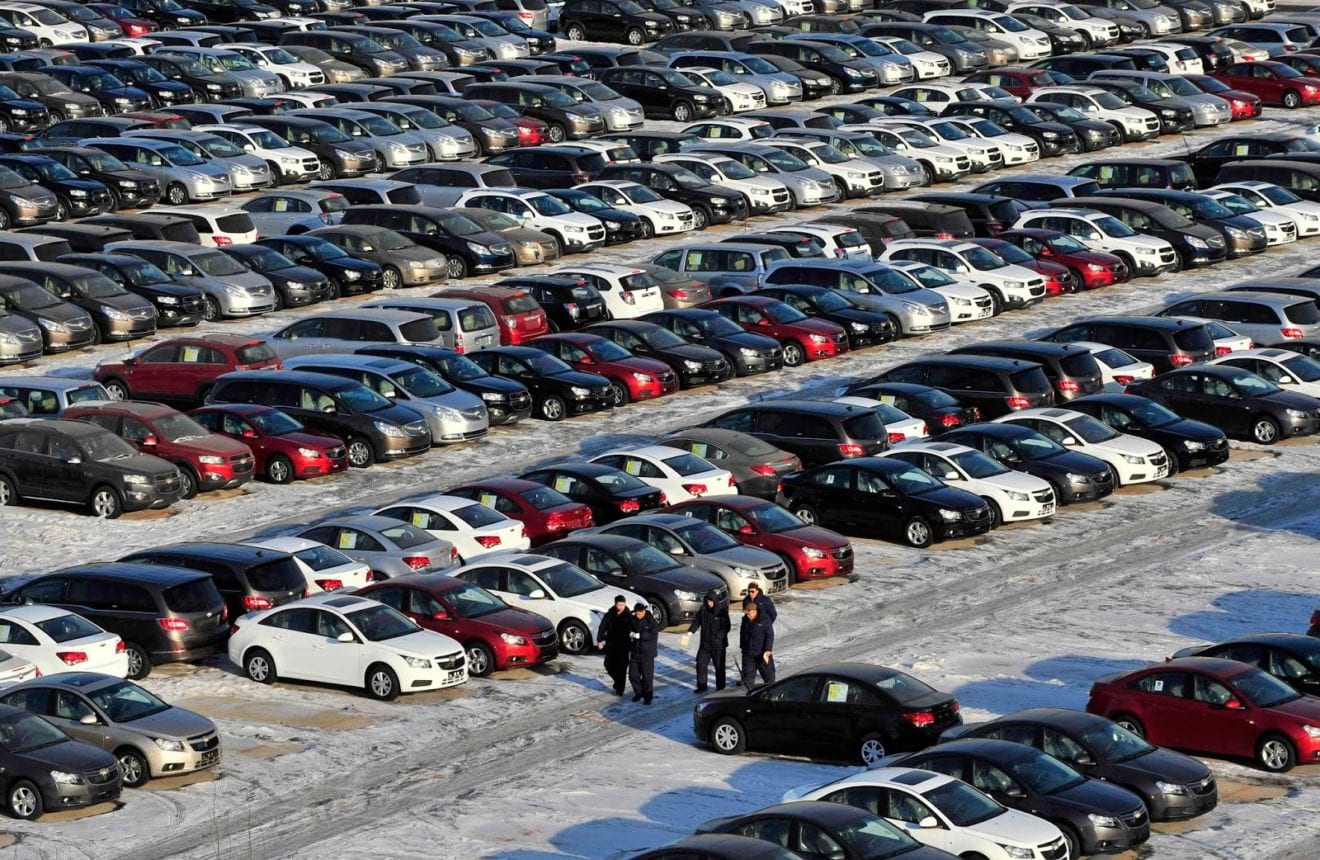
    An unseasonably cold November and heavy smog prompted Chinese consumers to step up their vehicle purchases, driving automobile sales to their biggest gain in nine months and underlining the challenge the government faces in controlling air pollution.

    SUVs continued to be the most popular choice last month, followed by minivans, while sedan sales fell, according to the China Passenger Car Association. Total retail sales of passenger vehicles rose 18 percent last month to 2.02 million, the fastest increase since February.

    “Adverse weather conditions played a role in November’s strong sales showing,” according to the association in a presentation accompanying the sales statistics. “The unusual cold was followed by off-the-charts smog levels. Those with children are more inclined to buy cars, given the perception that the air inside a vehicle is cleaner.”

    A correlation between auto sales and smog levels adds to the challenge that China faces in cleaning up its dirty air. A surge in car ownership in the past decade has been cited, together with coal-fired power plants, as leading contributors to air pollution, prompting the government to impose vehicle registration quotas in major cities and promote emission-free electric vehicles. Even so, the government slashed a purchase tax in October to protect economic growth after auto demand slowed in the first nine months.

    “It is ironic that the smog is making people more interested to buy cars,” said Jochen Siebert, Shanghai-based managing director at JSC Automotive Consulting. “It’s funny but it’s logic that we probably won’t understand.”

    Air Pollution

    Thick smog covered Beijing and much of north China last month in what the official Xinhua News Agency labeled the worst period of air pollution this year, with levels of the most harmful PM2.5 particulates registering beyond what is considered hazardous to human health.

    The smog has yet to abate. Beijing raised a red alert to warn of the dangers associated with extreme pollution levels Monday, the first time the alarm has been raised to its highest level since introduction of an emergency air-pollution response system in 2013. The warning prompted the city government to order schools and some factories to shut and about half of the cars off the roads.

    Still, some analysts see the tax cut and discounts by automakers as the primary driver for November’s surge in sales. The government in October cut a 10 percent purchase tax by half for vehicles with engines with displacements that are 1.6 liters or smaller.

    “I don’t believe pollution is a factor, as there was pollution in previous years,” said Yale Zhang, Shanghai-based managing director at Autoforesight Shanghai Co. “It’s the purchase tax cuts that made sales go up so much.”

    Great Wall Motor Co., the country’s largest SUV maker, is benefiting from the resurgent demand. Sales of its sport utility vehicles, many of which qualify for the tax cut, surged 25 percent in November from a year earlier.

  • Bitcoin debit card makes cryptocurrency more accessible

    Bitcoin debit card makes cryptocurrency more accessible

    Coinbase has launched a debit card that enables US users to spend bitcoins anywhere Visa is accepted.

    The launch of a debit card – and the recognition of the currency by the Visa card system is further evidence that the new generation cryptocurrency is building momentum globally.

    The card is a result of a partnership between Shift Payments and Coinbase. The former aims to integrate multiple currencies into a single card, while the latter provides digital ‘wallets’ where 2.8 million users across the world go to for their bitcoin transactions. With a Shift Card, users can link their Coinbase account to a physical Visa debit card, which they can use to pay at participating stores in real life or online, wherever Visa is accepted (the team is also working on incorporating airline miles and other loyalty points.)

    For now, apart from the US$10 card issuance charge, there are small fees – domestic transactions fees from BTC to USD are charged at zero per cent, and ATM withdrawals are US$2.50.

    The Shift Card could make bitcoin more accessible, and counter its lack of usage, which is caused largely by the misconception among consumers that not many businesses accept it. (They’re wrong: 38 million merchants worldwide do).

    Unlike conventional currencies, cryptocurrency is an open network not controlled by any bank or government, but managed by its users. It is hoped that the system will provide a more democratic, transparent, and cheaper way to trade, upgrading the status quo, which some argue were not designed for the digital era.

  • Kakao Bank, South Korea first internet-only banks

    Kakao Bank, South Korea first internet-only banks

    The country’s Financial Services Commission said Sunday it awarded a preliminary license to Kakao for a business to be named Kakao Bank.

    “An Internet bank is meant to give non-financial players, including IT firms, chances to enter the banking sector if they have feasible business plans to improve the financial market and customer rights”, the FSC said earlier’.

    Kakao Bank and K Bank will individually apply for the final approval after satisfying the human and material requirements.

    For Kakao Bank, Korea Investment Holdings Co. will take part as a major shareholder with 50 percent share, while Kakao and Kookmin Bank own 10 percent share each.

    Kakao, KT and Interpark were reported to be the three applications accepted by the FSC. It is the first time in 23 years that a new commercial bank has opened in the country’s banking industry. Once they receive the official approval form the FSC, they need to start operation within six months.

    According to the agency, Kakao’s Kakao Bank gained high scores for innovative services based on its immensely popular mobile messenger app KakaoTalk with 40 million users.

    The banks holding a stake in the two winning consortiums, on the other hand, rejoiced at the FSC approval, but are also facing financial burdens, as well as possible power struggles within the consortium.

    Currently, top-tier banks offer an annual rate of 3 percent to 5 percent, while secondary financial institutions, such as mutual savings banks or capital services, charge 15 to 34 percent.

    “Kakao’s rival, the K-Bank consortium, includes South Korea’s second-largest mobile carrier KT, Woori Bank, GS Retail and China’s Alipay, which is affiliated with e-commerce company Alibaba”.

    Nonparticipating banks geared up to expand their online banking platforms and increase their range of mid-interest rate loans to defend against the incoming Internet-only banks.

    FSC Chairman Yim Jong-yong has been a strong advocate for the web-based bank, saying he expects the online-banking industry to raise the competitiveness of the Korean banking industry as a whole. However, many difficulties are expected in order to pass the bill.

    The bank also aims to go global as it has secured ties with Tencent, China’s biggest social-networking and mobile games company, and the USA online retail giant eBay, which also owns Korea’s two leading shopping sites Gmarket and Auction.

  • India is now Alibaba Group’s second largest market

    India is now Alibaba Group’s second largest market

    For Alibaba.com, the business-to-business arm of the world’s largest e-retailer Alibaba Group India is the second largest market globally.

    “India is the second most important market for Alibaba globally, next only to China for us,” said Timothy Leung, head of global business development, Alibaba. The business-to-business subsidiary of Alibaba Group launched an online platform to provide Indian small and medium enterprises (SMEs) access to global counterparts.

    “India is at a critical point at present and from here we will see sharp upswing in ecommerce. We are very excited in building this consortium for SMEs,”he added.

    The company has 4.5 million registered users from India, with the country accounting for the second-highest paid users on the platform after China. SMEs in India can also avail assistance in terms of financing, logistics (domestic and cross-border), inspections and certifications, technology and SME trade-linked education on this platform. The Chinese company has partnered with enterprises such as ICICI Bank, Kotak Mahindra Bank, Crisil Rating, Tally, Capital Float, Jeena, SGS and Mypacco to help Indian SMEs expand their business.

    “There are at similarities in our experience in Chinese and India markets in terms of population size, kind of SMEs and also the core path in the ecommerce. We are also looking at our experience in the past in China and match it with what is happening in India,” added Leung.

    Citing similarities with the Chinese market Leung said that in China, B2B side of the business spearheaded the growth for Alibaba. The company through its B2B platform brought buyers and suppliers together and then ventured into supporting different aspects of the ecosystem.

    “That’s what we trying to build here. Other than matching buyers and supplier we are trying to develop the ecosystem,” Leung said.

    On the consumer side of the business also the Chinese major and its financial arm Ant Financial have picked up stakes Indian ecommerce companies Paytm and Snapdeal. Founder Jack Ma was in India three times in one year and also met the prime minister.

    The recently launched initiative, known as SMILE, hopes to connect Indian manufacturers with quality Chinese suppliers on Alibaba.com, provide Indian sellers the trading support and facilitate the global sales of Indian products through the platform.

    Talking about the fast growing ecommerce industry in the country, Leung said that 16 years ago when Alibaba started China went from becoming a no-internet country to one of the most advanced ecommerce ecosystems in the world. India is at much advanced stage and growing at a very fast rate when compared to China of those times.

  • GS Retail replaces vice chairman

    GS Retail replaces vice chairman

    GS Retail vice chairman Huh Seung-jo stepped down from his post in the latest executive reshuffle announced by GS Group on Tuesday.

    He has been replaced by his nephew and GS Retail president Huh Yeon-soo, the son of Huh Shin-goo — the fourth son of the GS Group founder.

    The new appointment reflects the firm’s efforts to reinvigorate its operations.

    The resignation of Seung-jo, the youngest son of GS Group founder Huh Man-jung, signals the end of the leadership of the second-generation members of the controlling family.

    Meanwhile, the incoming vice chairman is credited with having made significant contributions to the growth of GS Retail’s convenience store business in Korea.


  • Amazon Fire tablet hits China

    Amazon Fire tablet hits China

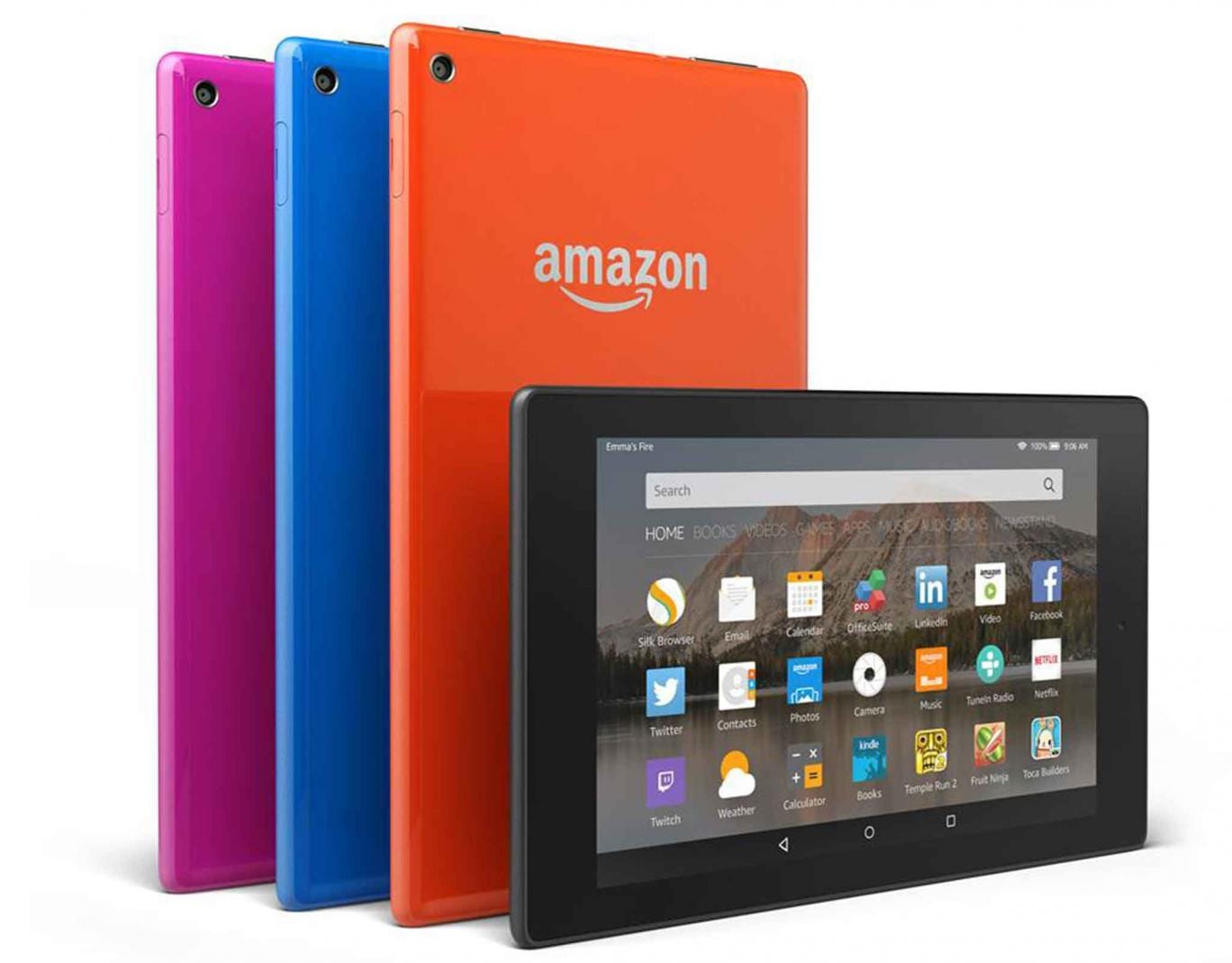
    Amazon has launched its first ever tablet in the Chinese market. The online retail giant has made the Amazon Fire tablet available in China. It initially launched in the West back in September with an eye-catching £50 price tag.

    With a price of 499 RMB, the Amazon Fire is pretty much identically priced in this new market.

    Amazon has had to find a new search engine partner for the China launch. Google is unable to operate in the country, so Amazon is partnering with top Chinese search engine Baidu to help power its tablet.

    Baidu will also provide apps through its 91Wireless Android app store, as well as online video through iQiyi – China’s second biggest online video service.

    Amazon doesn’t enjoy anything like the same market position as it enjoys in the US and UK over in China. It’s online retail business is well behind such local giants as Alibaba and JD.com.

    It will be interesting, then, to see how the Amazon Fire tablet fares in China – especially as its low price is nothing special in a market filled with affordable, decent-quality Android tablets.

    Still, the extensive backing of China’s top search engine should at least start the Amazon Fire tablet off on something like a level playing field.


  • Retail sales decline for eighth straight month in October

    Retail sales decline for eighth straight month in October

    Retail sales in Hong Kong dropped for the eighth consecutive month in October amid a decline in the number of mainland tourists.

    October sales fell 3 percent year on year to HK$37.2 billion, against an estimated decline of 5 percent, the Hong Kong Economic Journal reported.

    By volume, retailed sales edged up 1.2 percent, compared with a 3 percent drop in September.

    The improvement in the city’s retail sales volume was attributed to Apple’s launch of iPhone 6s and iPhone 6s Plus, which pushed up sales of consumer goods.

    However, sales of luxury goods such as jewelries, watches and accessories continued to slump.

    Thomson Cheng, chairman of the Hong Kong Retail Management Association, expects the weak trend in retail sales to persist for the remainder of the year as more Hong Kong people travel abroad during the festive season.


  • Retail landlords headed for another horrible year in 2016, says CBRE

    Retail landlords headed for another horrible year in 2016, says CBRE

    Retailing landlords will likely continue to feel the pinch in coming times, as the ongoing slump in tourism is poised to weigh negatively on capital values in prime shopping districts, thumping prices a further 20 per cent next year, on top of an expected 20 per cent drop this year, according to CBRE.

    But CBRE predicts the office market will be a bright spot next year as the potential launch of Shenzhen-Hong Kong Stock Connect will drive up demand from mainland firms.

    “Retail rents will continue to trend down as leases expire, but given a lower base of comparison, the pace of decline is expected to decelerate,” according to CBRE’s Hong Kong Commercial Real Estate Review & 2016 Preview.

    It predicts that rents will track the decline in capital values, tumbling as much as 35 per cent this and next.

    “Sales momentum of upmarket goods will remain slow but mass market sales should continue to have more resistance,” CBRE said.

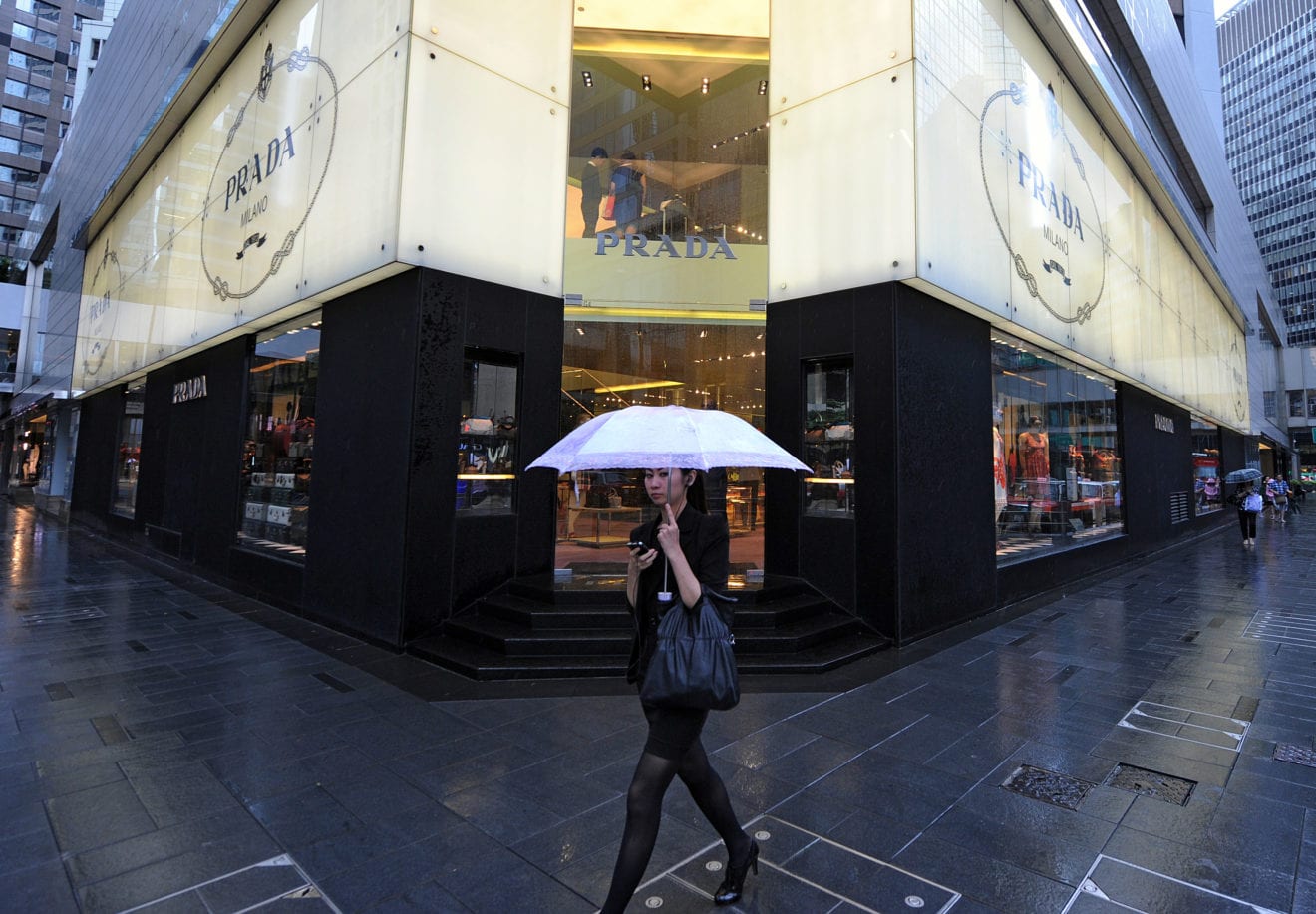
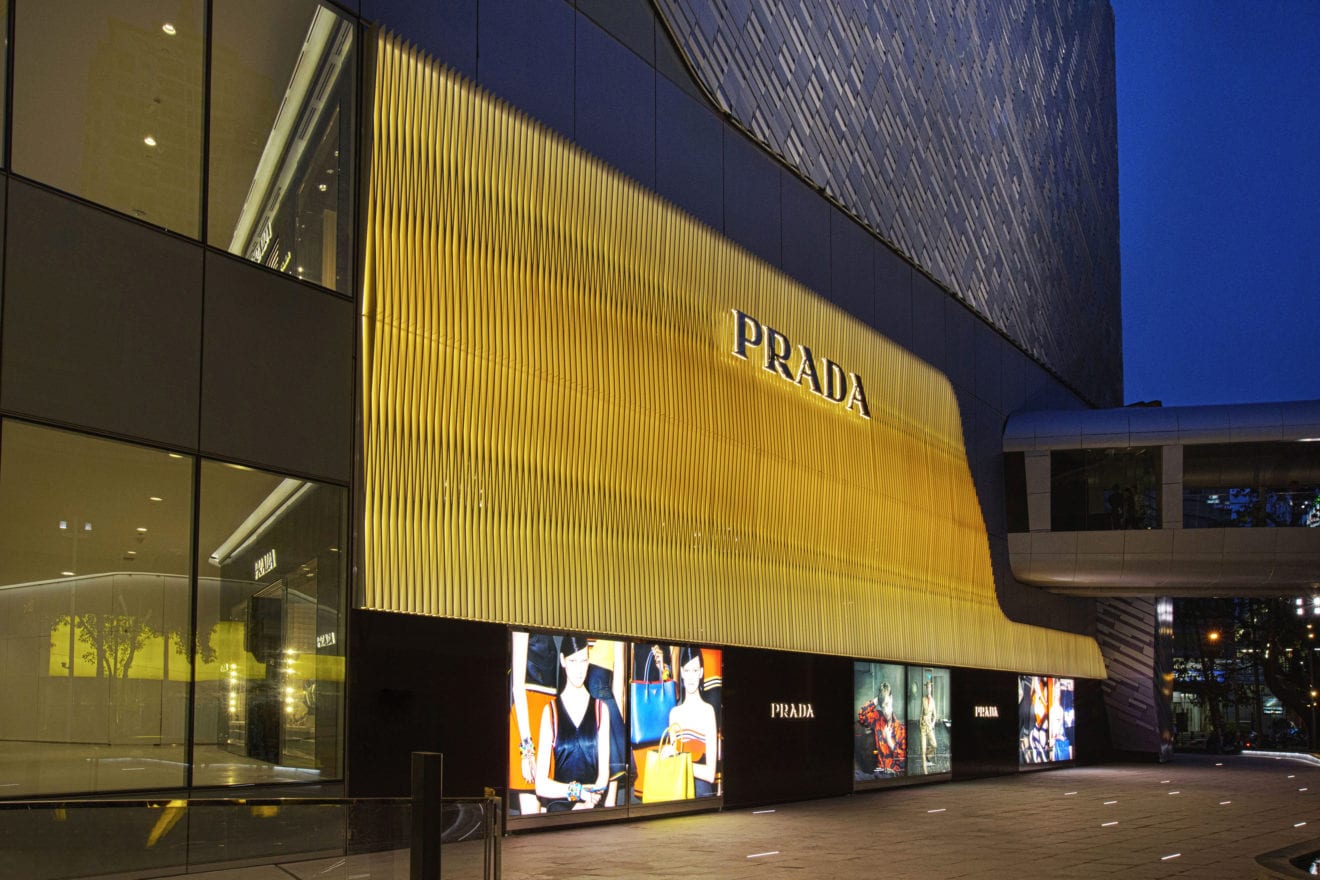
    Symptomatic of the woes facing the luxury retail sector, on Friday high-end brands Prada, Miu Miu and Gucci unexpectedly offered up to 50 per cent discounts as a way to drum up sales and attract long queues of shoppers, including those from the mainland.

    In a stark contrast to the depressed retail market, CBRE expects overall office rents to increase 10 per cent for 2015, and a further 10 per cent next year.

    “Next year will be another year of landlords’ market but the rental cycle is approaching the peak,” CBRE said.

    In 2016 office rents in Central would register the largest year on year growth, climbing 10 per cent, after rising an estimated 15 per cent this year.

    The sector would also benefit from the limited supply with just 1.4 million square feet due for completion next year, it said.

    CBRE also expects the capital value of office real estate could rise as much as 10 per cent next year, after 5 per cent growth this year.

    Two noticeable office transactions in November offered an indication of the upwards momentum in the sector. Mainland developer Evergrande Real Estate agreed to buy the 26-storey Mass Mutual Tower in Wan Chai from Chinese Estates Holdings for a record-breaking HK$12.5 billion.

    On the same day, China Life, the mainland’s largest insurer, announced the purchase of an entire office tower with a two-storey retail block at One HarbourGate in Hung Hom for HK$5.85 billion from Wheelock & Co.

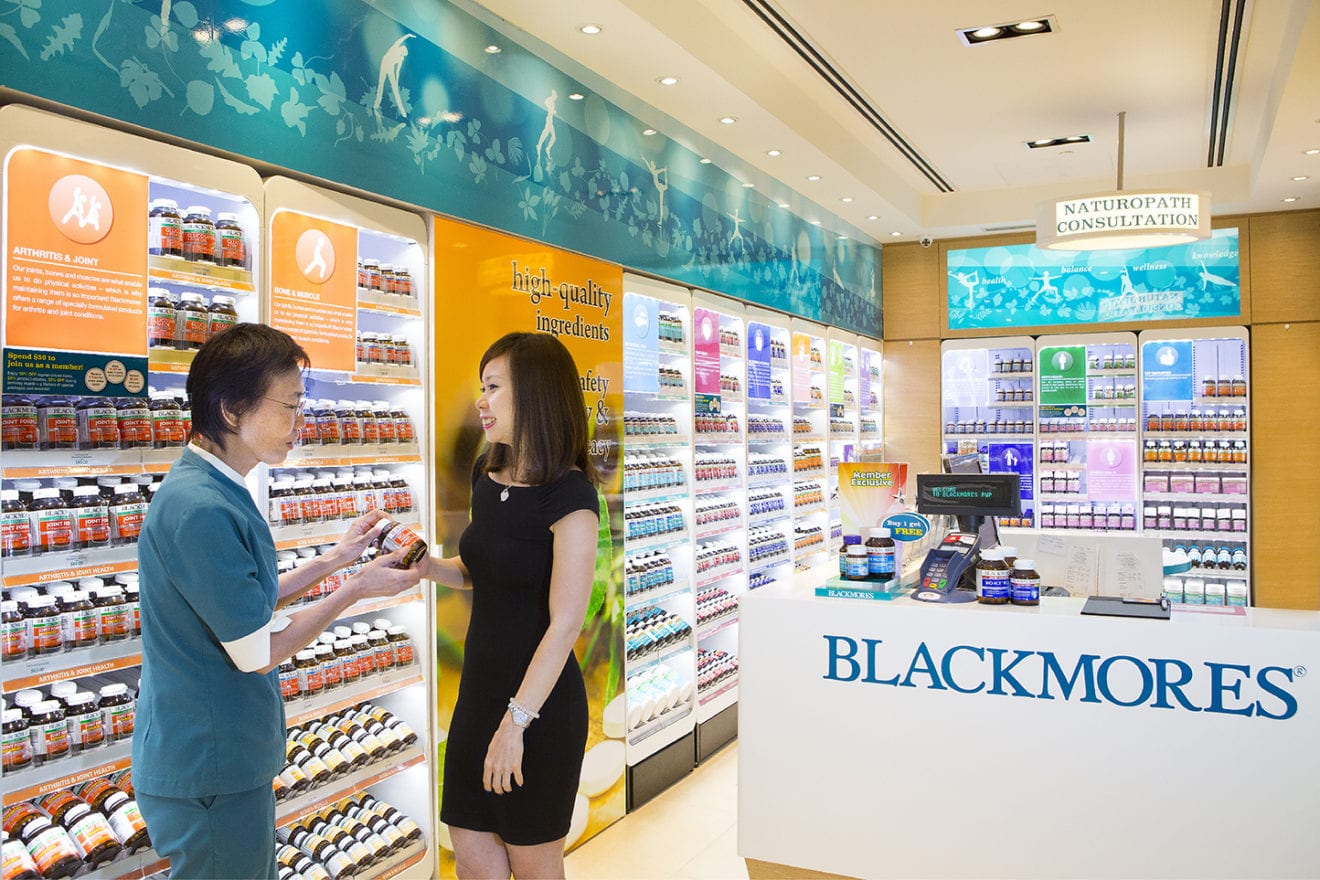
  • Blackmores cuts the ribbon on Bondi store amid mad China scramble

    Blackmores cuts the ribbon on Bondi store amid mad China scramble

    Blackmores chairman Marcus Blackmore admits he had no idea just how much the opening up of China would turbocharge sales of his company’s vitamins, creams and supplements.

    The ASX-listed natural health business has been showered with awards this year while booming sales have seen the stock light up the local sharemarket.

    Around 80 per cent of our products are sold through pharmacy in Australia and they give fantastic advice.

    Christine Holgate, Blackmores

    Shares in Blackmores, of which Mr Blackmore owns 24.5 per cent, have surged from $32 in January to around $189, giving the company a market value in excess of $3 billion.

    “It has been an unbelievable year,” Mr Blackmore told Fairfax Media at the unveiling of the company’s first retail store in Australia.

    Advertisement

    “It is beyond any expectations. We’ve been in China for four years but we had no concept of what China would deliver.”

    At a recent dinner in Shanghai Mr Blackmore met a man from Guangzhou who runs three hospitals treating 20,000 people a day with traditional Chinese medicine.

    He said that China’s long history of using traditional medicines means customers in that market are much easier to win over.

    “Chinese people have a very clear understanding of the philosophical values of natural health,” he said.

    Blackmores floated on the ASX 30 years ago, and for most of that time the company sold 3000 tubs of vitamin E cream a month. In November 2015 the company sold 800,000 tubs of vitamin E cream.

    For the three months to September 30, Blackmores reported a 64.7 per cent increase in sales to $162.2 million and a 161.5 per cent increase in profit to $22.6 million.

    Mr Blackmore said “things come in threes” and the opening of Blackmore’s first Australian retail store at Bondi Junction Westfield caps off the trifecta.

    The other two things brightening the vitamin king’s mood happened last week.

    Last Thursday Blackmores boss Christine Holgate was named chief executive of the year by CEO Magazine, and on Friday federal trade minister Andrew Robb awarded Blackmores the health and biotechnology exporter of the year award.

    New store boosts connection

    Ms Holgate said the Bondi store is not about building a retail presence across Australia but is intended to help connect with Blackmores customers.

    “We are not going to become retailers, we partner with pharmacy. Around 80 per cent of our products are sold through pharmacy in Australia and they give fantastic advice,” she said.

    “What this allows to do is to bring our products and our therapies much closer to the consumer and enables us to listen to the consumer and better understand their health needs.”

    While Ms Holgate is trying to deepen ties with her local customers, the big issue she has is satisfying voracious Asian consumers.

    In the past six months Blackmores has increased it production capacity by 60 per cent. The company has hired 100 extra people but has now run out of office space.

    In November, which Mr Blackmore believes was “probably a record month”, Blackmores produced 2.7 million bottles of product. It will have capacity to produce 4.2 million bottles a month in April next year.

    “The things that keep me awake at night are: availability of raw materials, availability of raw materials, and availability of raw materials,” Ms Holgate said.

    In some product lines there is a natural brake on boosting production immediately. For example, evening primrose oil, a market dominated by Blackmores, comes from a plant harvested once a year.

    In other cases Blackmores is constrained by its strict quality criteria.

    Ms Holgate is loath to put the brand name at risk by compromising even slightly on quality.

    “I’m sure I could give you a lot more sales, but not at the quality levels we want,” she said.

    Last month Blackmores inked a joint-venture deal with dairy group Bega Cheese to supply infant formula and other nutritional products to Asia, opening a range of new opportunities for both companies.

    Ms Holgate said the company actually uses a dairy rival, New Zealand’s Fonterra, as a case study for an internal quality workshop.

    Fonterra has been embroiled in a number of dairy food scandals including the 2009 melamine crisis in China and the false botulism alert, which prompted a massive product recall, in 2013.
  • Restaurant operators regain a presence in Hong Kong

    Restaurant operators regain a presence in Hong Kong

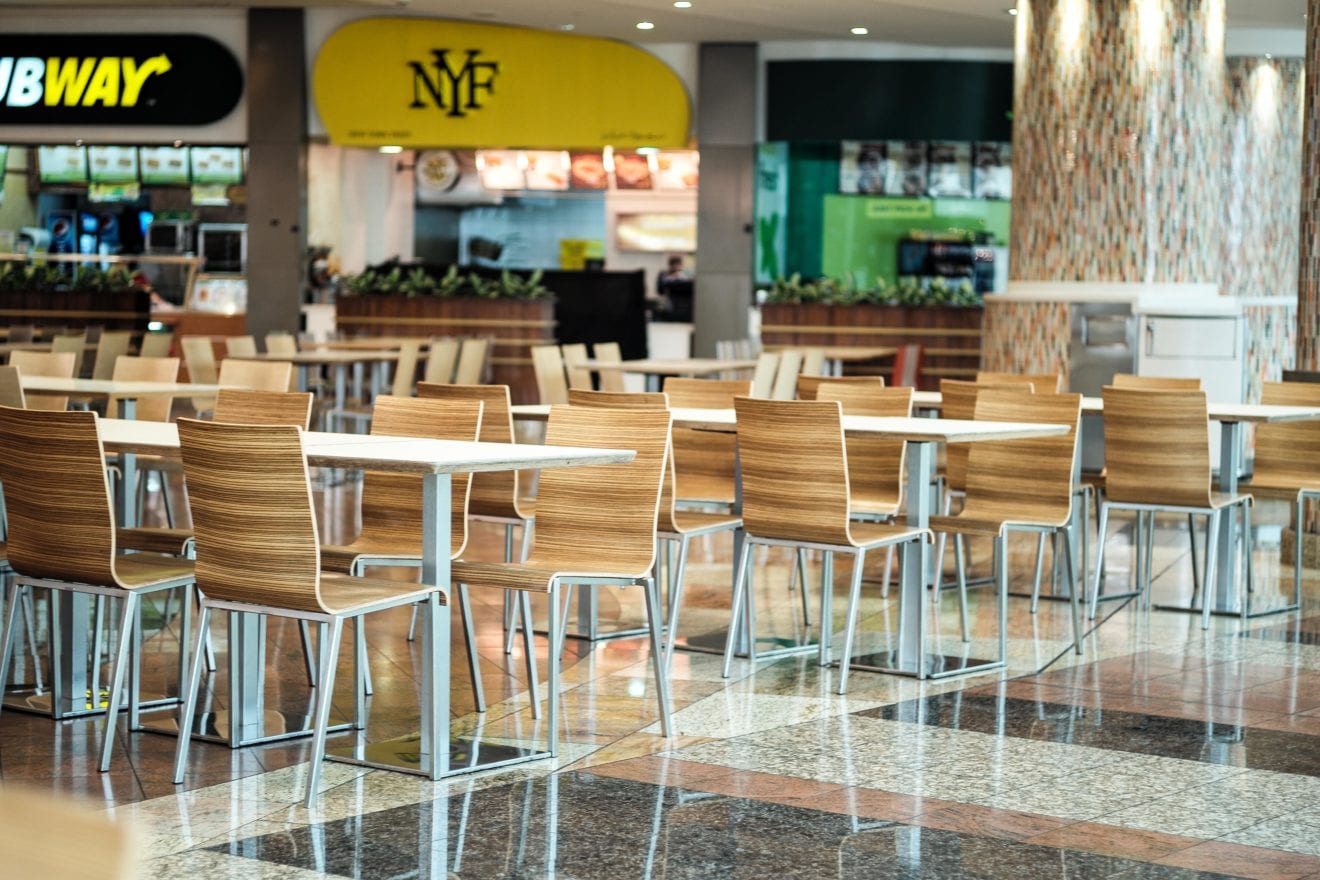
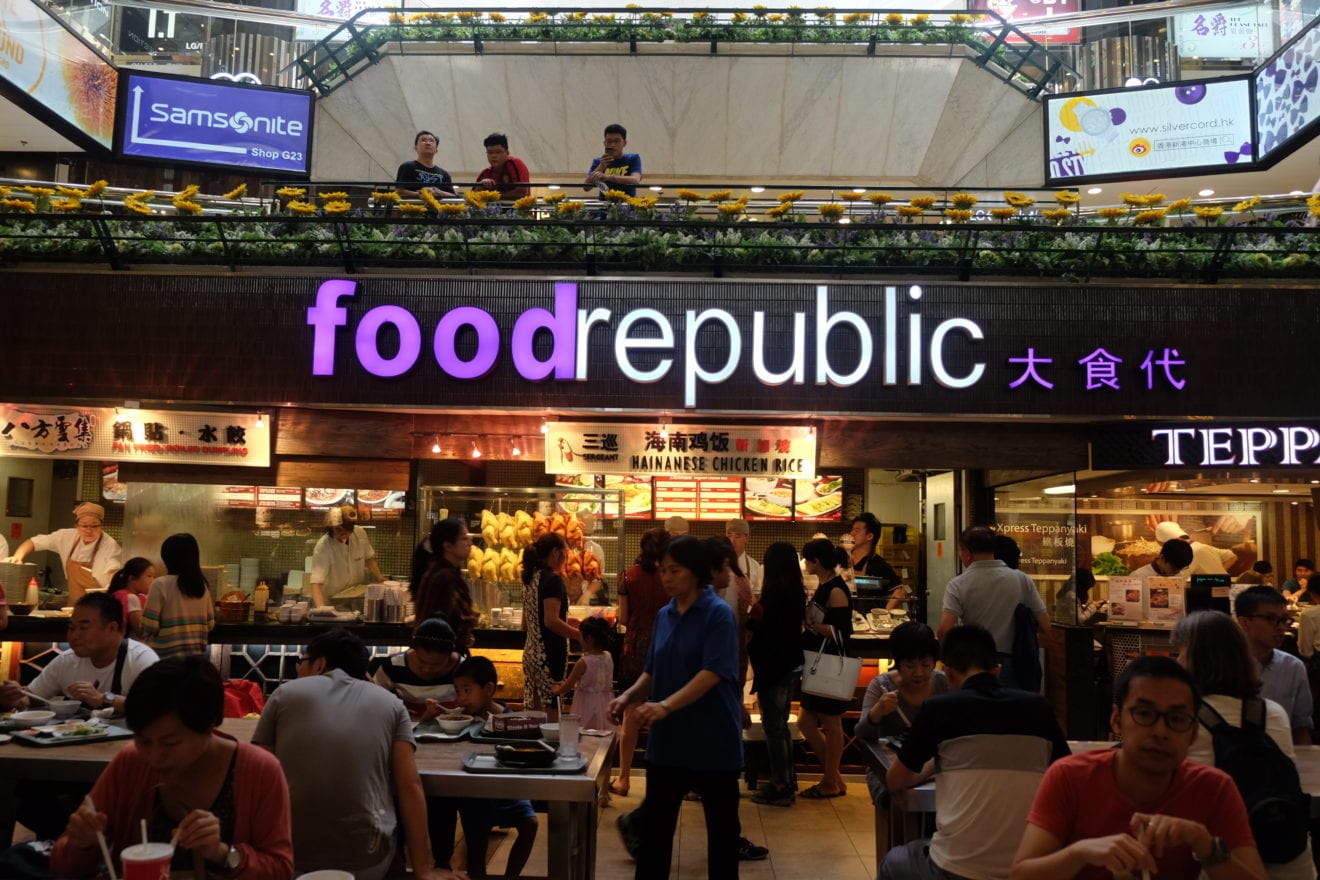
    Restaurant operators have regained their presence in Hong Kong’s retail market where an increasing number of top-end retailers have surrendered their spaces in the wake of weakening spending on luxury items and a decline in tourist arrivals.

    JLL said that in 2013 food and beverage operators accounted for only 29 per cent of the leasing deals it handled. This year, that figure has increased to more than 50 per cent.

    “There are in discussions with a number of overseas restaurants to open their first outlets in Hong Kong as part of their their Asian expansion plans,” said Michelle Chiu, an associate director at JLL’s retail department. “They come from the United States, Europe and Southeast Asia.”

    A new trend of incorporating food and beverage elements into their retail businesses has been seen among luxury fashion brands, including Franck Muller and Vivienne Westwood. And then, there is the lifestyle concept, such as the collaboration between Mercedes-Benz and Maximal Concepts, which has led to the creation of Mercedes Me.

    At more than 4,000 square feet, Mercedes Me has taken the space formerly occupied by Porsche Design and Geox on the ground floor of Entertainment Building in Central at an estimated monthly rental of HK$4 million. Meanwhile, Vivienne Westwood opened its first cafe in Tsim Sha Tsui and Swiss luxury watch maker Frank Muller has launched a fine-dining restaurant in Causeway Bay.

    To capture growing leasing demand among restaurants, JLL has formed a seasoned food and beverage team to cater for the industry.

    Terence Chan, head of retail at JLL, said the team will offer specialist services to local operators, international restaurant groups and new-to-market entrepreneurs alike.

    “Apart from the traditional F&B agency services including site introduction, lease negotiation, location analysis, tenant representation and market entry strategy and analysis, we also provide project coordination services. We will assist the clients in liaising with the interior designers, licensing consultants, contractors and maintenance vendors for set-up of their restaurants,” Chan said.

    Helen Mak, the retail services group head at Colliers International, believes the softening retail leasing market will provide more opportunities for the return of restaurants given the high rents the international brands could afford to pay just a few years ago.

    “With a restaurant inside the shop, it will also help to retain customers inside longer as well as serving as a venue for promotional events,” Mak said.

    She said shopping centres intend to allocate more space for restaurants in view of the difficult retail market.

    But the rapid expansion of restaurants could increase direct competition as most shopping centres plan to devote more space for food and beverage operators.