Tag: asia

  • Xiaomi Redmi Note 3, Mi Pad 2 unveiled in China

    Xiaomi Redmi Note 3, Mi Pad 2 unveiled in China

    Xiaomi has this week launched two new devices to its ever growing lineup, namely the Xiaomi Redmi Note 3 phablet and the Xiaomi Mi Pad 2 tablet.

    While these two devices probably won’t be heading across the Pacific (or Indian Ocean, for that matter) any time yet, it’s worth noting just how impressive these two devices are.

    The Redmi Note 3 for one features a 5.5-inch 1080p display, up to 3GB of RAM, a MediaTek Helio X10 processor with eight cores, and up to 32GB of internal storage. There’s also a huge 4000mAh battery in its wholly metal boody, a fingerprint sensor at the rear, and will ship with Android Lollipop.

    xiaomi redmi note 3 1

    The cameras are also impressive, sporting a 13MP rear and 5MP front camera combo, with the rear sporting a two tone flash setup.

    The most impressive thing though? It’s price. At launch, the device will retail for RMB 899 in China, or around US$140 in the States. That’s ludicrous value.

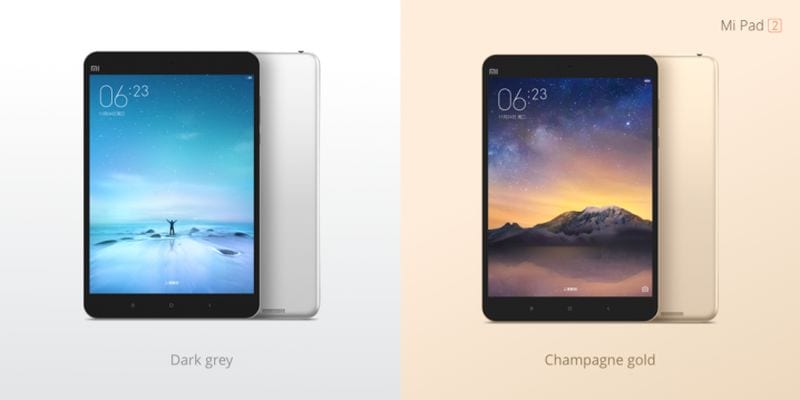
    But not stopping there, the company also outed an iPad mini 4 competition in the Mi Pad 2.

    And yes, it looks just like the iPad. That’s somehow not such a terrible thing though, especially since the Mi Pad 2 now features a 7.9-screen with a 2046×1536 display, an Intel Atom heart, and a depth of only 7mm.

    xiaomi mi pad 2

    Arguably, the Mi Pad 2 won’t keep up with the iPad mini 2 or Microsoft Surface Pro 3 in a straight line, but it’s going to retail for around US$200 in China — or about three times less than the cheapest last generation Microsoft Surface.

    Other specs include a huge 6190mAh battery, an 8MP rear 5MP front camera combo, 2GB of RAM and up to 64GB of internal storage. The company has also bolted a USB Type-C port on it for charging and data transmission. And lastly, there’s a Windows 10 option, which should appease some doubters if this device ever does make it west.

    Unfortunately, the company didn’t launch the Xiaomi Mi 5 at the event, but these two devices at least hint at Xiaomi’s targets for 2016.

  • Diesel unveils retail expansion plans

    Diesel unveils retail expansion plans

    Fashion brand Diesel is ramping up its global expansion, with plans to open an 80sq m standalone store in Haikou Meilan International airport in the Hainan district to complement its recent opening in Panama Tocumen International airport’s retail plaza.

    The retail expansion marks an exciting period for the company, with also another shop in shop opening planned at the end of the year at Tel Aviv Ben Gurion airport with JR Duty Free. The Italian brand is also to undergo a refit of its boutique outlet inside Qatar Duty Free’s Junction store at Hamad International airport.

    Head of Travel Retail Michele Turrin was very enthusiastic about the company’s expansion prospects: “Historically Japan has been our strongest market and in China we have plans of further developing our existing stores network both in domestic and travel-retail. Haikou is one of these projects” he told DFNIonline.

    “Middle East travel-retail is interesting with new developments in the region. We opened last year in Doha with a very successful POS in Qatar Duty Free Junction fashion store. We’re also looking very seriously at the Midfield Terminal in Abu Dhabi. We’re confident we can do well in the GCC [Gulf Cooperation Council] where we have nearly 40 domestic stores, the brand is well positioned and enjoys a good reputation.”

    The company says it is also in discussions with some key airports to deploy pop-up store units, although Diesel did not mention who and in which location when DFNIonline pressed on this issue.

    Diesel has had a successful retail operation in travel-retail. Its innovative product, the JoggJeans, has had superb traction in this space, representing already around 20% of an average turnover at Diesel’s travel-retail stores. Its dominance of the denim market is also profound, with the JoggJeans, in some locations, representing up to 60% of the jeans category turnover – and around 30% of its travel-retail store sales.

    “Usually denim is considered a difficult sell, but because of the strength of the brand, the denim category has achieved unexpected high sales at all of our stores. We initially thought not to dedicate denim as much space to an airport location, but after analysing the results we slightly changed our formats to accommodate enough space in this category. We are “masters of denim” and our JoggJeans represent our USP in the market.”

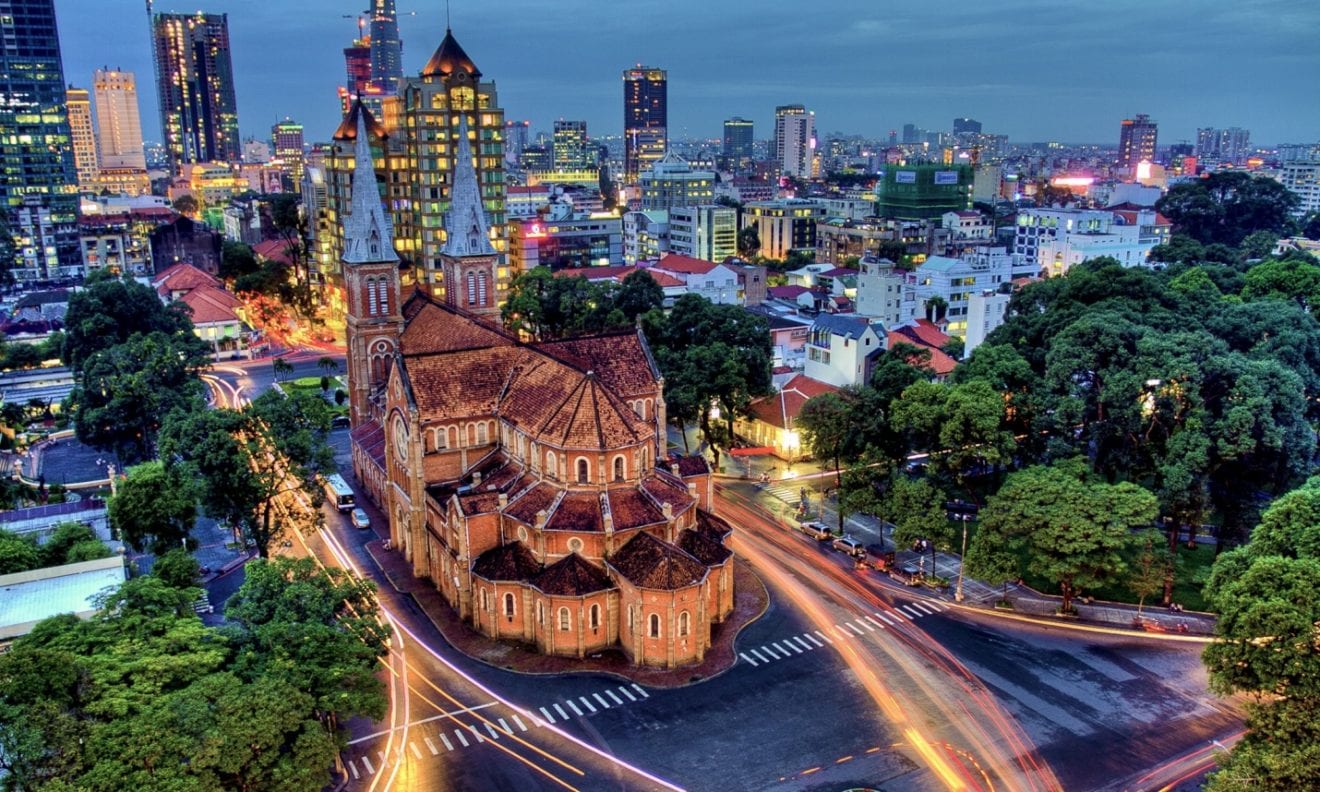
  • Ho Chi Minh City is the second most expensive retail location in Southeast Asia

    Ho Chi Minh City is the second most expensive retail location in Southeast Asia

    A downtown spot costs $150 a square feet a year, even more than prime locations in Bangkok. A global property survey has named Ho Chi Minh City downtown as one of the most expensive retail locations worldwide.

    The southern metropolis, which is the largest commercial center in Vietnam, ranks 32 out of 65 cities featured in the latest version of Cushman & Wakefield’s annual research “Main Streets Across the World.”

    Locations on a “prime high street” in the city, such as Le Loi, Nguyen Hue or Dong Khoi, cost an average of US$150 a square feet a year. In Southeast Asia, that rate is after Singapore’s $336.8.

    That compares to $125.4 in Bangkok, $111.3 in Kuala Lumpur and only $56.4 in Metro Manila.

    It is equal to the rent in Israel’s Tel Aviv, whose GDP per capital in 2014 was $42,614 and more than eight times that of Ho Chi Minh City.

    The world’s most expensive road, according to the research, is Upper 5th Avenue in New York, followed by main streets in Hong Kong, Paris and London.

    Streets in Tokyo and Seoul are also in the top ten.

  • Swarovski partners with DFS on in-store styling

    Swarovski partners with DFS on in-store styling

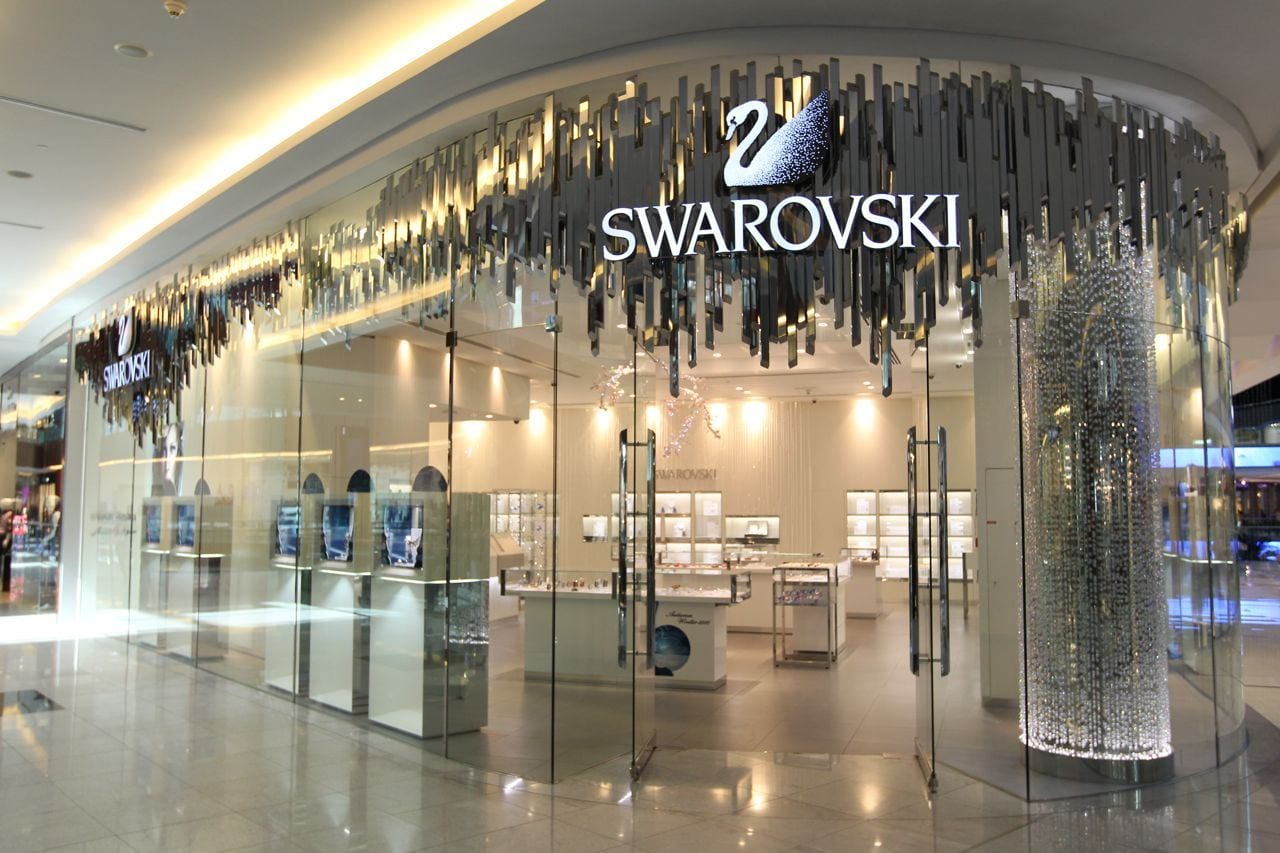
    Swarovsiki and DFS in Hong Kong and Macau are partnering this Christmas with Asia’s first in-store styling service offering customers complementary hand decoration.

    The new service was launched on 21 November in T Galleria by DFS stores in both territories, with Swarovski stylists providing the exclusive consultation on the Swarovski crystal designs.

    The new ‘exclusive service’ is being made available during selected times within DFS’ stores in Canton Road and Tsim Sha Tsui East in Hong Kong, as well as at the City of Dreams and Shoppes at Four Seasons in Macau.

    Swarovski partners with DFS

    Commenting, Karen Tse, Director, Travel Retail Asia Pacific, at Swarovski, said: “Swarovski empowers women to make their every day extraordinary and this is an example of how we bring our mastery of crystal cutting and passion for jewellery design to life.

    “We are excited to partner with DFS Group for this very first in-store styling experience that brings travellers an extra touch of Swarovski sparkle when visiting T Galleria by DFS in Hong Kong and Macau.”

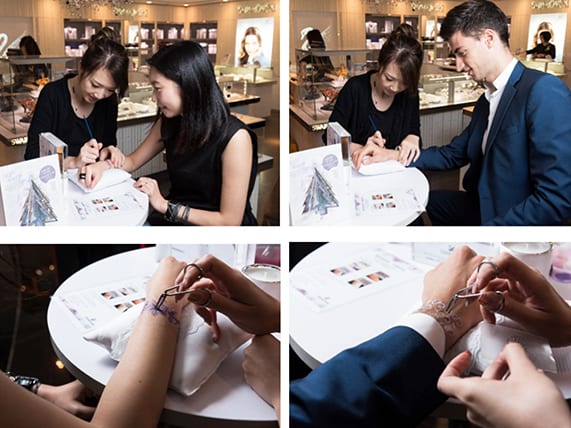
    Swarovski DFS up close

    A close up-view of the hand decoration process.

    Adding his comments, DFS Group’s Jason Blejwas, Director of Merchandise, Sunglasses, Fashion Watches & Jewelry, Global Merchandising said: “DFS is excited to partner with Swarovski in presenting this premier tailor-made activation in our T Galleria by DFS Hong Kong and Macau Swarovski boutiques.

    “Through exclusive events such as Swarovski’s holiday hand decoration activation, we are able to create a dynamic and delightful experience for our customers and continue to deliver on our promise to be the world traveller’s preferred destination for luxury shopping.”

  • Thai e-commerce poised to touch $58b in 2015; rise in online shopping, 4G services to push growth

    Thai e-commerce poised to touch $58b in 2015; rise in online shopping, 4G services to push growth

    The ETDA’s survey cites that top three verticals that account for the highest income from e-commerce in 2015 are accommodation and food services worth 658.9 billion baht ($18.39 billion), followed by manufacturing 350.29 billion baht ($9.78 billion) and retail and wholesale 325.08 billion baht ($9.07 billion).

    The B2C e-commerce in 2015 will rise 15.29 per cent from 410 billion baht ($11.44 billion) in 2014, and the B2G will surge 3.96 per cent from 390 billion baht ($10.88 billion) last year. However, the B2B e-commerce is expected to slightly shrink by 0.34 per cent from 1.23 trillion baht ($34.33 billion) in 2014.

    “Thai e-commerce market remains highly attractive as more people open up to online shopping. Also, 4G will drive the growth of the e-commerce market in Thailand,” ETDA’s chief executive officer Surangkana Wayuparb said.

    In early November, Ascend Group announced to invest 5.3 billion baht ($147.92 million) to expand its e-commerce businesses, iTrueMart and ‘Weloveshopping’, into ASEAN countries.

    It plans to invest in warehouses, logistics and marketing activities in the Philippines this year, followed by six other countries – Indonesia, Malaysia, Vietnam, Singapore, Myanmar and Cambodia – in 2016.

    “We aim to be the e-commerce market leader in ASEAN by 2018,” Punnamas Vichikulwongsa, president of Ascend Group, told local media.

    A report by Euromonitor International states that the B2C e-commerce market for retail in the AEC will surge by 20 per cent per year from nearly $5 billion this year to $7 billion in the next two years.

    Considering Thailand as a centre of the ASEAN, foreign investors have eyed on the opportunities to use Thai e-commerce market as a springboard to other countries.

    Japan’s e-commerce solution provider Transcomos, for example, recently made a joint venture with Ookbee, a Thailand-based leading e-bookstore platform, to tap into the e-commerce business under Ookbee Mall.

    Even the world’s top e-commerce site Alibaba is in talks with Thailand’s Crown Tech Advance to co-invest in both logistics and e-commerce in Thailand. However, both companies have not finalised the deal yet.

  • Finalists for the Asia CEO Awards 2015 announced

    Finalists for the Asia CEO Awards 2015 announced

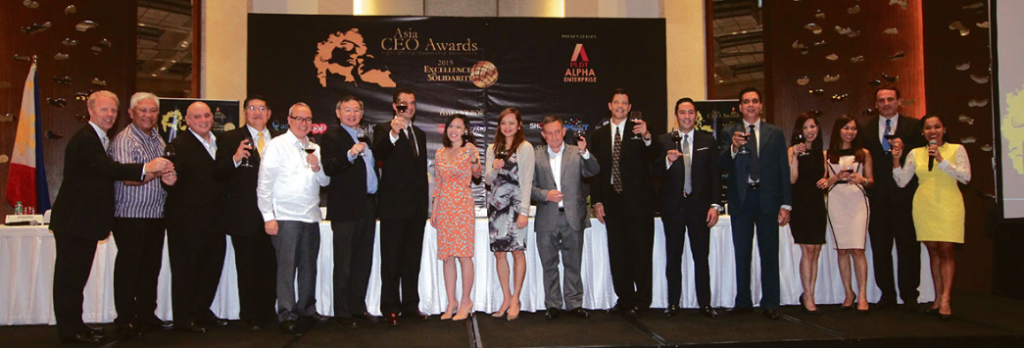
    Asia CEO Awards 2015 has announced the outstanding companies and individuals who made it to list of finalists across its 13 award categories.

    Finalists for KMPG Executive Leadership Team of the Year include Clark Development Corporation, Concepcion Industrial Corporation, Hedcor, Inc., Integrated Micro-Electronics, Inc., Magsaysay Maritime Corporation, Megaworld Corporation, PAG-IBIG Fund, Philex Mining Corporation, Pointwest Technologies Corporation, and Security Bank Corporation.

    SyncHRony Global Top Employer of the Year awards finalists are ADP Philippines, Inc., ANZ Global Services and Operations Manila, Inc., Capital One Philippines Support Services Corporation, Cognizant Technology Solutions Philippines, Inc., HSBC Electronic Data Processing (Philippines), Inc., IBEX Global Solutions Philippines, Inc., LBC Express, Inc., and TATA Consultancy Services (Philippines), Inc.

    The finalists for the Smart Enterprise Global Filipino Executive of the Year Award are Andrew Tan, chairman of Alliance Global Group, Inc.; Arnel Paciano Casanova, presi- dent and CEO of the Bases Conversion and Development Authority; Arthur Tugade, pres- ident and CEO of Clark Development Corpo- ration; Arthur Tan, president and CEO of In- tegrated Micro-Electronics, Inc.; Gilda Pico, president and CEO of Land Bank of the Philippines; Marlon Rono, president of Magsaysay Maritime Corporation; Oscar Reyes, president and CEO of Manila Electric Company (MERALCO); Darlene Marie Berberabe, president and CEO of PAG-IBIG Fund; Frederick Go, president of Robinsons Land Corporation; Alberto Villarosa, chairman of Security Bank Corporation; and Riza Mantaring, president and CEO of Sun Life of Canada (Philippines) Inc.

    JLL Expatriate Executive of the Year Award finalists are Mark Woolfrey, managing director of ANZ Global Services and Operations Manila, Inc.; Tom McCormick, COO of Capital One Philippines Support Services Corporation; Pushkar Misra, president and CEO of Hinduja Global Solutions Philippines, Inc.; David Sutherland, global CEO of International Care Ministries; and Michael Raeuber, group CEO of Royal Cargo, Inc.

    ADP Service Excellence Company of the Year Award finalists are Acquire BPO, Cognizant Technology Solutions, Healthway Medical Clinics, Inc., Infosys BPO Ltd., Lorma Medical Center, Magsaysay Maritime Corporation, Regus Global Service Center, and Seda Hotels.

    SHORE Solutions Most Innovative Company of the Year Award finalists are Bronzeoak Philippines, Inc., LBC Express, Inc., My Checkpoints (Mo-Anima, Inc.), and WiPro Philippines.
    The finalists for the Capital One Young Leader of the Year Award are Raymond Arnedo Abrea, president and CEO of the Abrea Consulting Group, Inc.; Scott Stavretis, CEO of Acquire BPO; Delfin Agnelo Wenceslao, director, president and CEO of D.M. Wenceslao and Associates, Inc.; Iyah Enciso, CEO of FAD School for Modelling; Mario Berta, founder and CEO of Flyspaces.com; Leandro Legarda Leviste, president and CEO of Solar Philippines; Apollo Tiglao, president and CEO of Subic Water and Sewage Co., Inc.; Bryce Maddock, CEO of TaskUs; and Clarissa Isabelle Delgado, CEO of Teach for the Philippines, Inc.

    ADEC Innovations Green Company of the Year Award finalists are Accenture, Inc., Emotors, Inc., Hedcor, Inc., Meralco Industrial Engineering Services Corporation (MIESCOR), Ten Knots Development Corporation/El Nido Resorts, and Tuks+Oil Technology.

    Technology Company of the Year Award finalists include Accenture, Inc., CreditBPO Tech, Inc., Eco-Systems Technologies, Inc., Elabram Systems Group, Freelancer.com, TATA Consultancy Services (Philippines), Inc., and 24/7 Philippines.

    The I-Remit Heart for OFWs Company of the Year Award finalists: ACM Landholdings, Inc., ASKI (Alalay sa Kaunlaran) Global Ltd., Ayannah Information Solutions, Inc., PAG- IBIG Fund OFW Center, PJ Lhuillier Group of Companies, and The Global Filipino Investors, Inc.

    ICM CSR Company of the Year Award finalists: ADP Philippines, Inc., ANZ Global Services and Operations Manila, Inc., BPI Foundation, Capital One Philippines Support Services Corp., Citinickel Mining and Development Corp., Cognizant Technology Solutions Philippines, Inc., Convergys Philippines, Dell Philippines, HSBC Electronic Data Processing (Philippines), Inc., JPMorgan Chase & Co., Megaworld Foundation, Inc., PMFTC, Inc., and Wipro Philippines.

    Philippine Airlines Hospitality Destination of the Year Award finalists: Acacia Hotel Manila, Marriott Manila, New World Makati Hotel, and Nurture Wellness Village.

    TCS ASEAN Company of the Year Award finalists: Hedcor, Inc., Integrated Micro-Electronics, Inc., Jones Lang LaSalle Philippines, Inc., Multimedia Development Corporation, Pointwest Technologies Corporation, and WiproPhilippines.

    Presented by PLDT Alpha Enterprise, the Asia CEO Awards is set to be one of the biggest events of its kind in the Asia Pacific re- gion. Over 1,200 business leaders from the Philippines and across the world are expected to attend this special occasion, which will culminate on November 11, 5:30 p.m., at the Grand Ballroom of the Marriott Hotel Manila.


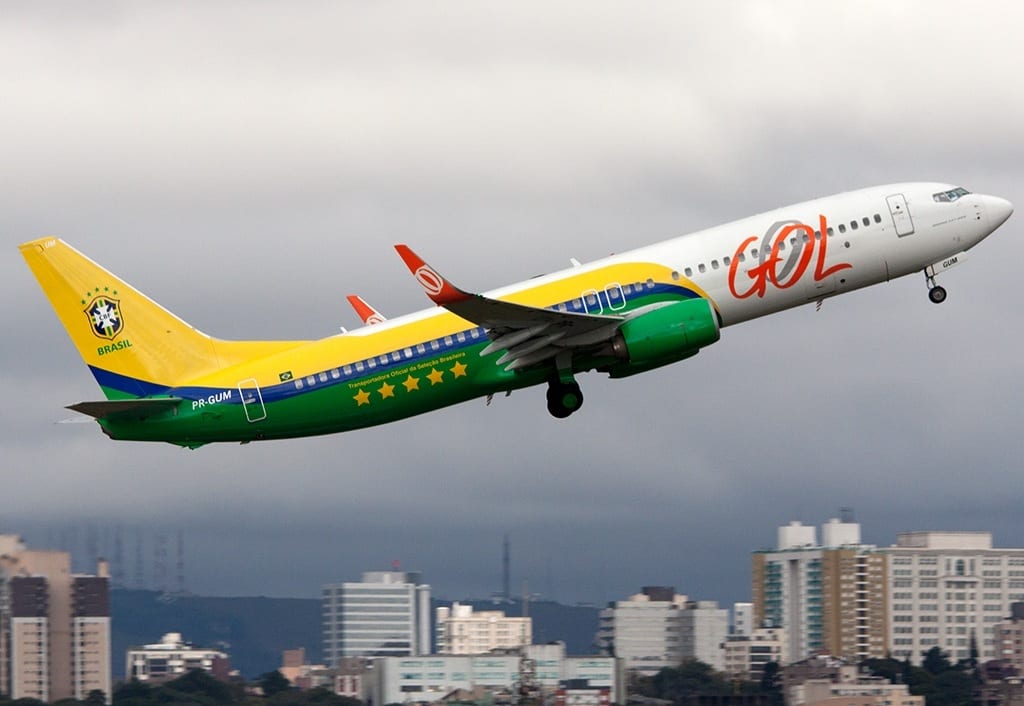
  • Brazilian Airline Azul Sells Stake to HNA Group of China

    Brazilian Airline Azul Sells Stake to HNA Group of China

    The airline announced on Tuesday that it had sold a 23.7 percent stake to HNA Group of China for $450 million.

    HNA, which earlier this year bought Swissport International, an air cargo services company, for $2.8 billion, owns China’s Hainan Airlines. It is also active in hospitality, retail and financial services. It had about $28 billion in revenue last year.

    It is Azul’s second time turning to China for capital this year. In May, it raised $200 million from the Industrial and Commercial Bank of China, and a company spokeswoman said that it planned to raise an additional $200 million from Chinese banks before the end of the year.

    Chinese companies may be ramping up their interest in Brazil. Petrobras signed a deal in May for $10 billion in funding from the Chinese banks, then arranged another $2 billion in October.

    And China Three Gorges, a utility company, is expected to bid in a multibillion-dollar auction of electricity generation concessions scheduled for Wednesday morning.

    “We are seeing significant inbound acquisition opportunities into Brazil in recent months from Chinese entities and investors and expect this to continue as Chinese companies look to expand their influence around the globe,” said Stuart K. Fleischmann, a partner at Shearman & Sterling who acted for Azul on the HNA investment.

    Azul is not just looking to China. The company also sold a 5 percent stake to United Airlines for $100 million in June, and a spokeswoman said Tuesday the company still planned to hold an initial public offering, already delayed three times, when market conditions improve.

    Mr. Neeleman, an American born in Brazil while his father was a journalist here, founded Azul in 2008. The airline has received funding from the private equity firms TPG Growth, Weston Presidio, Bozano, Fidelity, Zweig-DiMenna and Peterson Partners.

    It has since grown to become Brazil’s third-largest airline, but after years of rapid growth in the sector, Brazil’s recession has finally started to take a toll on airline passenger transport, which in August started to decline.

    But Mr. Neeleman has been using Azul as a base to expand internationally.

    In June, Mr. Neeleman partnered with the Portuguese investor Humberto Pedroso to buy a 61 percent stake in Portugal’s national airline, TAP, in return for assuming TAP’s debt of 1.06 billion euros and a promise to inject at least 338 million euros in cash.

    And Mr. Neeleman said in a statement on Tuesday that the deal with HNA “might result in the company entering the Asian market through interline and code-share agreements.”

    Azul’s only current international destination is the United States. It operates daily flights from Brazil to Orlando and Fort Lauderdale.

    Seabury Securities advised Azul and UBS and Bravia Capital advised HNA on the transaction.

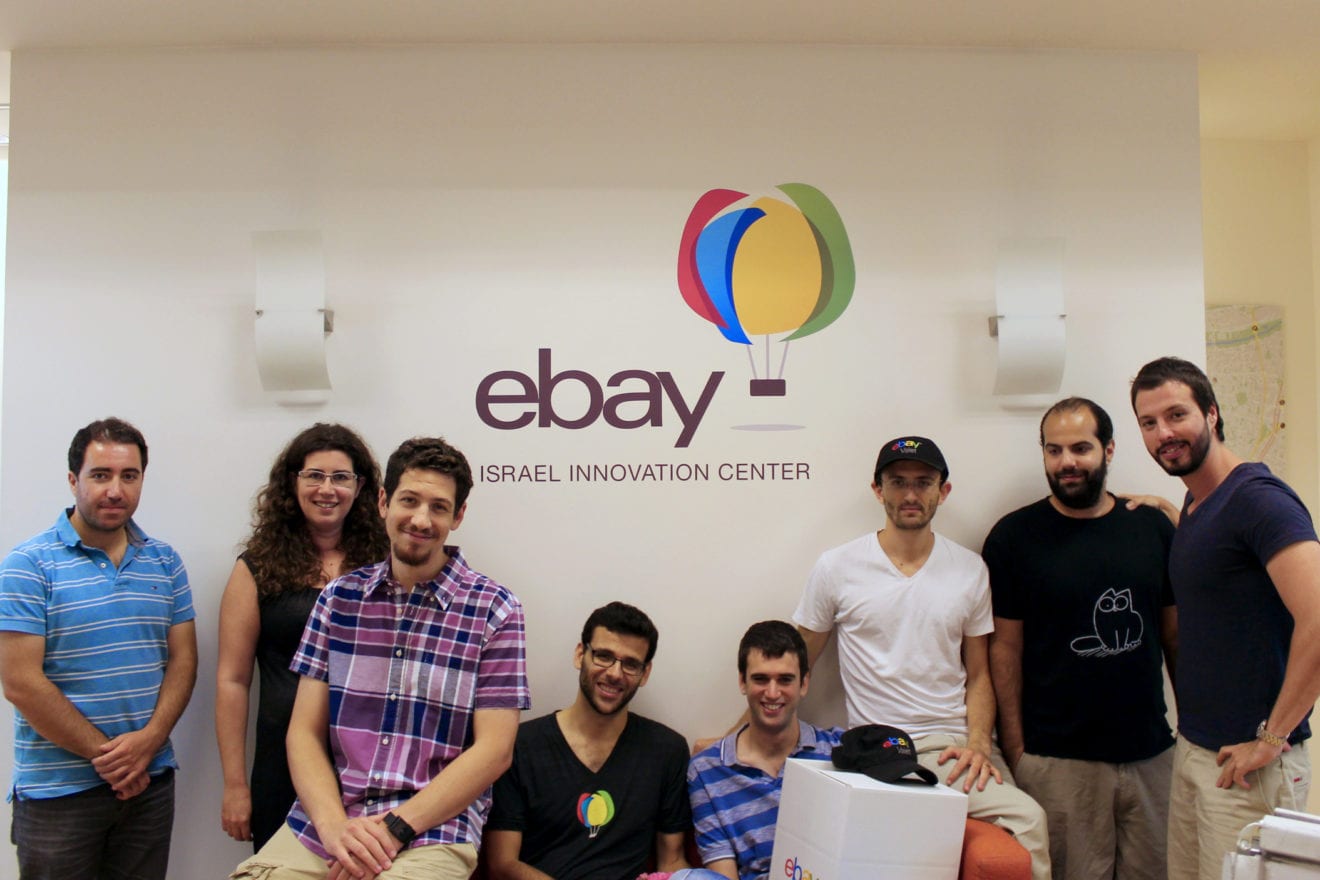
  • Where eBay Is Delving into Groceries

    Where eBay Is Delving into Groceries

    eBay is getting into groceries – in Korea, that is. It will offer perishables such as vegetables, meat and dairy through Korea’s Gmarket and IAC platforms.

    The Partnership Program Director for eBay Korea Ju Cheol Lee said, “We’ve aligned with a top Korean retail brand and put the final touches to the platform, giving our customers an easy and efficient experience when buying these goods on eBay.”

    According to the company announcement, “Korean shoppers, particularly single households and double-income families, are increasingly looking to buy small bundles of fresh produce online and have it delivered the same day. With this in mind, eBay Korea has partnered with Homeplus, one of the largest retail chains in Korea with more than 100 branches, to create a new offering called Homeplus Pavilion.”

    eBay said the partnership signals a shift to meet evolving consumer demands and a tie-in with a successful and established offline retail brand.

    “The new arrangement will mean more than 30,000 items can be ordered from Gmarket-IAC and supplied to homes the same day via Homeplus’ logistics system and arsenal of cold storage trucks. The service currently encompasses 88 stores nationwide but will expand over time.”

    In the US, marketplaces are trying to get into the groceries business – Amazon Fresh, in the case of Amazon, is competing with other services including those from grocery store chains. Amazon is also working to expand delivery of meals from local restaurants.

    But would US consumers ever consider purchasing perishable food like meat and dairy via eBay?

  • Nestle confirms labor abuse among its Thai seafood suppliers

    Nestle confirms labor abuse among its Thai seafood suppliers

    Nestle SA, among the biggest food companies in the world, launched the investigation in December 2014, after reports from news outlets and nongovernmental organizations tied brutal and largely unregulated working conditions to their shrimp, prawns and Purina brand pet foods. Its findings echo those of The Associated Press in reports this year on slavery in the seafood industry that have resulted in the rescue of more than 2,000 fishermen.

    The laborers come from Thailand’s much poorer neighbors, Myanmar and Cambodia. Brokers illegally charge them fees to get jobs, trapping them into working on fishing vessels and at ports, mills and seafood farms in Thailand to pay back more money than they can ever earn.

    “Sometimes, the net is too heavy and workers get pulled into the water and just disappear. When someone dies, he gets thrown into the water,” one Burmese worker told the nonprofit organization Verite commissioned by Nestle.

    “I have been working on this boat for 10 years. I have no savings. I am barely surviving,” said another. “Life is very difficult here.”

    Nestle said it would post the reports online — as well as a detailed yearlong solution strategy throughout 2016 — as part of ongoing efforts to protect workers. It has promised to impose new requirements on all potential suppliers and train boat owners and captains about human rights, possibly with a demonstration vessel and rewards for altering their practices. It also plans to bring in outside auditors and assign a high-level Nestle manager to make sure change is underway.

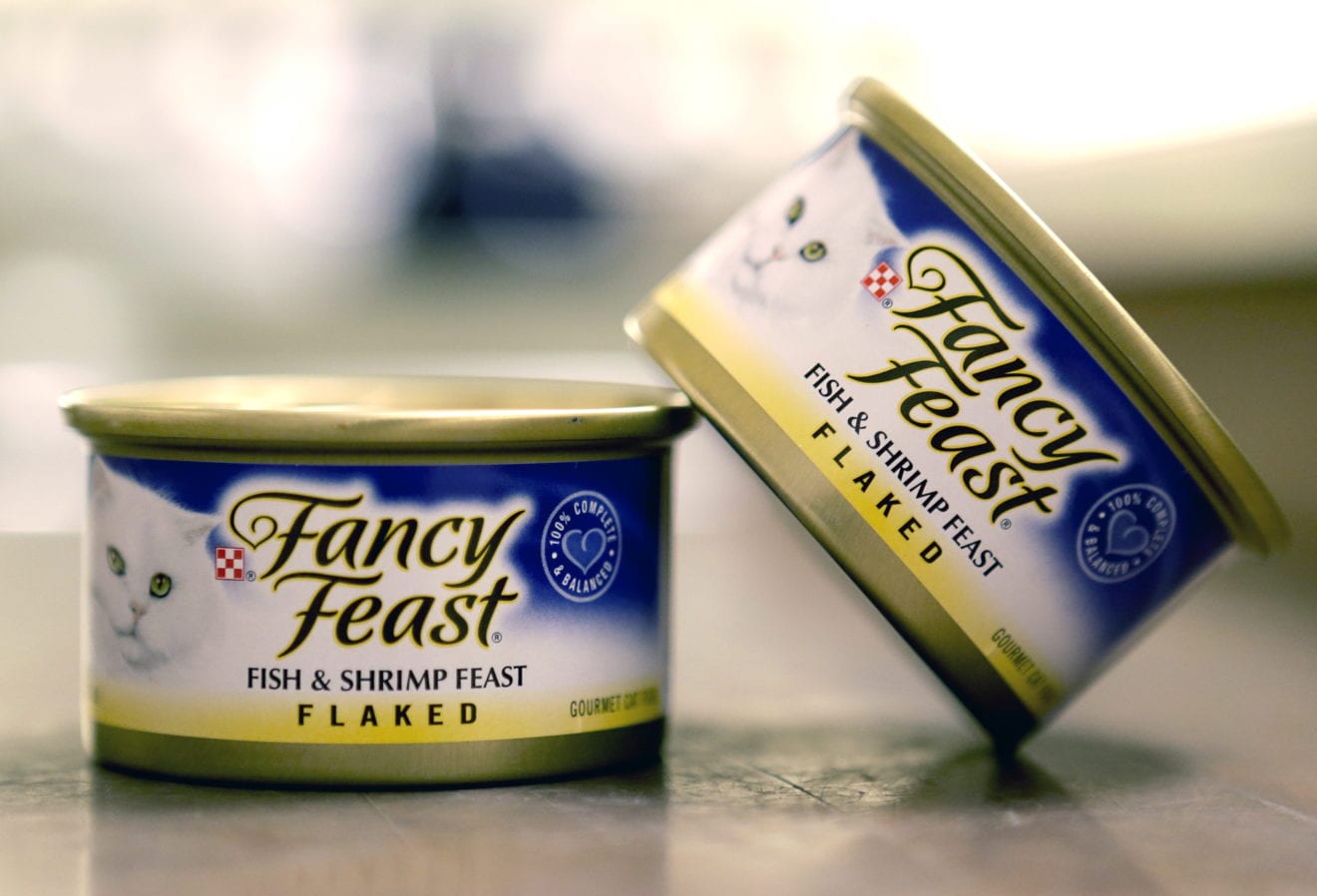
    “As we’ve said consistently, forced labor and human rights abuses have no place in our supply chain,” Magdi Batato, Nestle’s executive vice president in charge of operations, said in a written statement. “Nestle believes that by working with suppliers we can make a positive difference to the sourcing of ingredients.”Nestle is not a major purchaser of seafood in Southeast Asia but does some business in Thailand, primarily for its Purina brand Fancy Feast cat food.

    For its study, Verite interviewed more than 100 people, including about 80 workers from Myanmar and Cambodia, as well as boat owners, shrimp farm owners, site supervisors and representatives of Nestle’s suppliers. They visited fish ports and fishmeal packing plants, shrimp farms and docked fishing boats, all in Thailand.

    Boat captains and managers, along with workers, confirmed violence and danger in the Thai seafood sector, a booming industry which exports $7 billion of products a year, although managers said workers sometimes got hurt because they were drunk and fighting. Boat captains rarely checked ages of workers, and Verite found underage workers forced to fish. Workers said they labor without rest, their food and water are minimal, outside contact is cut off, and they are given fake identities to hide that they are working illegally.

    Generally, the workers studied by Verite were catching and processing fish into fishmeal fed to shrimp and prawns. But the Amherst, Massachusetts-based group said many of the problems they observed are systemic and not unique to Nestle; migrant workers throughout Thailand’s seafood sector are vulnerable to abuses as they are recruited, hired and employed, said Verite.

    Monday’s disclosure is rare. While multinational companies in industries from garments to electronics say they investigate allegations of abuse in their supply chains, they rarely share negative findings.

    “It’s unusual and exemplary,” said Mark Lagon, president of the nonprofit Freedom House, a Washington-based anti-trafficking organization. “The propensity of the PR and legal departments of companies is not to ‘fess up, not to even say they are carefully looking into a problem for fear that they will get hit with lawsuits,” he said.

    In fact, Nestle is already being sued: In August, pet food buyers filed a class-action lawsuit alleging Fancy Feast cat food was the product of slave labor associated with Thai Union Frozen Products, a major distributor. It’s one of several lawsuits filed in recent months against major U.S. retailers importing seafood from Thailand.

    Some of the litigation cites the reports from the AP, which tracked slave-caught fish to the supply chains of giant food sellers, such as Wal-Mart, Sysco and Kroger, and popular brands of canned pet food, such as Fancy Feast, Meow Mix and Iams. It can turn up as calamari at fine restaurants, as imitation crab in a sushi roll or as packages of frozen snapper relabeled with store brands that land on dinner tables. The U.S. companies have all said they strongly condemn labor abuse and are taking steps to prevent it.

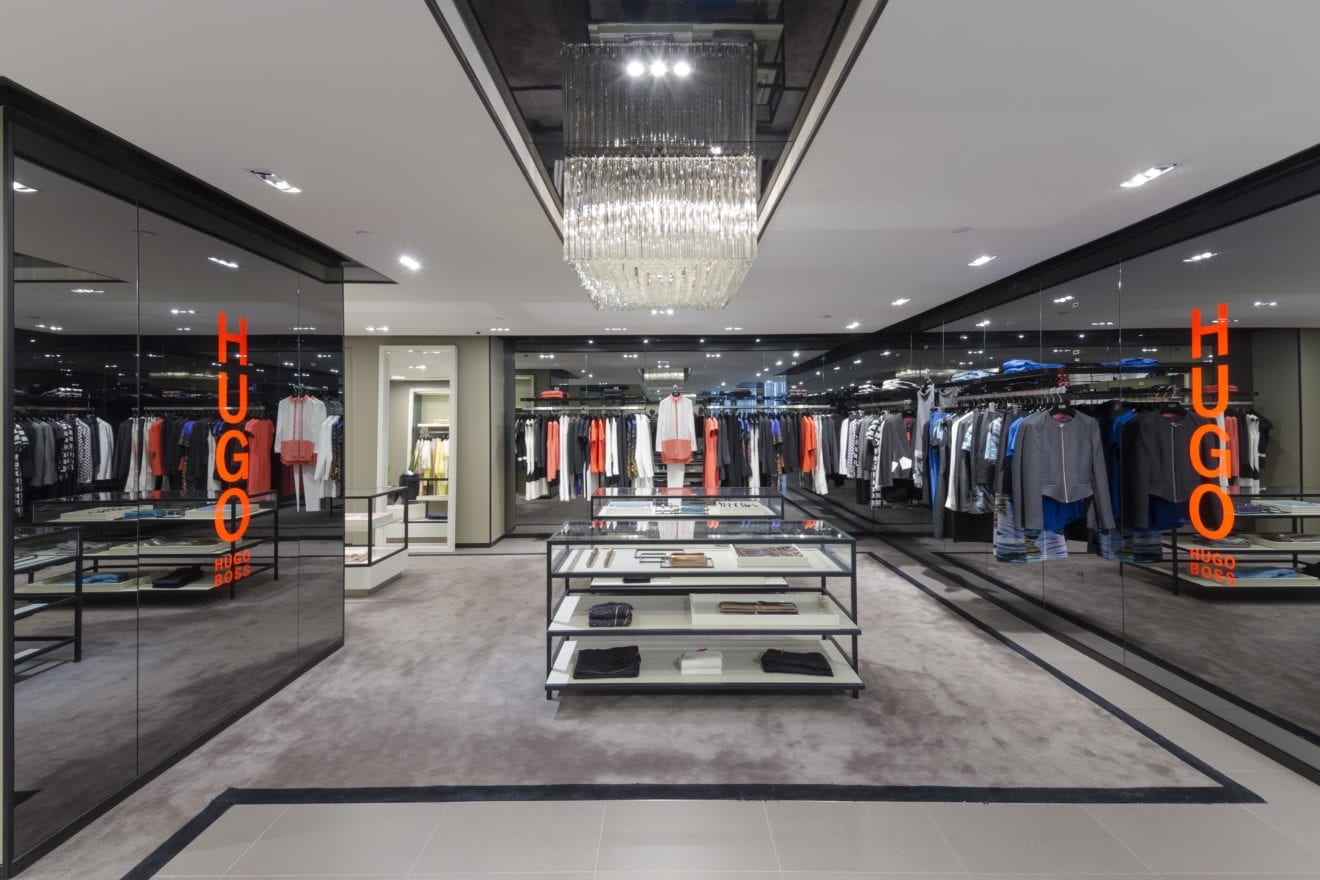
  • Hugo Boss sees weakness in China, US persisting in 2016

    Hugo Boss sees weakness in China, US persisting in 2016

    German fashion house Hugo Boss expects challenges in China and the US market to keep a lid on sales growth next year, but it said it would keep investing in its website and stores.

    In a presentation released ahead of an investor day on Tuesday, Hugo Boss said it expected 2016 sales growth below its long-term target for a high single-digit rise and said it would only reach its 2020 target for a core earnings margin of 25 percent if the overall market recovered.

    However, it said lower capital expenditure and a further improvement in it management of working capital would help boost free cash flow in 2016, adding it remained committed to maintaining an attractive dividend payout policy.

  • Samsung’s Galaxy Phone Most Valuable Brand in S. Korea

    Samsung’s Galaxy Phone Most Valuable Brand in S. Korea

    South Korean tech giant Samsung Electronics’ Galaxy smartphone was selected as the most valuable brand in South Korea for the fifth consecutive year, a survey showed Sunday. 

    The Samsung Galaxy phone ranked first in the brand survey by Seoul-based market researcher Brandstock, followed by E-Mart, a discount store chain by retail giant Shinsegae Co.

    Incheon International Airport, South Korea’s gateway airport, climbed up one notch to take third place.

    Kakao Talk, South Korea’s biggest mobile messenger with 47 million users, and Naver, the nation’s No. 1 Internet portal, came next, the researcher said.

    The brand value of German automakers suffered after Volkswagen admitted that millions of its diesel cars worldwide were equipped with software that was used to cheat on emissions tests.

    BMW’s rank tumbled from 12th to 31st, and Volkswagen, which ranked 71st last year, dropped out of the top 100, following the emissions cheating scandal, it said.

  • Singapore sees mild deflation of -0.5% for 2015

    Singapore sees mild deflation of -0.5% for 2015

    Singapore is projected to experience a mild deflation of -0.5% for 2015, according to a forecast adjustment made by Maybank Kim Eng.

    The tweak in its estimate is still within its earlier forecast range of between -0.5% and 0%, the research house writes in a note on Tuesday.

    Maybank Kim Eng’s forecast comes on the back of several macroeconomic headwinds, following the latest inflation figures released on Monday.

    These include the prevailing subdued outlook on transport cost given low global crude oil prices, depressed housing and utilities costs and soft global commodity prices, which should offset the impact of the tight job market.

    Headline inflation eased to -0.8% in October from -0.6% in September, mainly due to the lower costs of oil-related and retail items, the Monetary Authority of Singapore and the Ministry of Trade and Industry said on Monday.

    Core inflation, which excludes accommodation and private road transport costs, eased to 0.3% in October from 0.6% in September.

    For 2016, Maybank Kim Eng expects inflation to nudge up to 0.5% on the receding effect of lower global oil prices.

    The will also be underpinned by budgetary measures such as the reduction in the concessionary foreign domestic worker levy, one year road tax rebates, abolition of national examination fees and the increase in medical subsidies, it says.

  • NEA bans serving of raw freshwater fish at all eateries

    NEA bans serving of raw freshwater fish at all eateries

    Raw freshwater fish can no longer be served by any food outlet after the National Environment Agency (NEA) announced a ban yesterday which took effect immediately.

    Food stalls, which include hawker centres, coffee shops, canteens and foodcourts, as well as caterers were also ordered to stop the sale of all raw saltwater fish until they can show they know how to properly handle the meat.

    Restaurants can continue to sell raw saltwater fish, which includes salmon, as they generally observe hygiene standards and source the meat from suppliers of fish intended for raw consumption.

    NEA said these restrictions have been put in place to protect public health, especially with the upcoming Chinese New Year, when yusheng, a popular festive dish featuring raw fish, is served.

    The Health Ministry has been notified of about 360 cases of Group B Streptococcus (GBS) infections this year, with two fatalities. About 150 of the cases were linked to the consumption of raw freshwater fish – toman (snakehead) and song (Asian bighead carp) are typically eaten with porridge – and involve a particular aggressive strain known as Type III GBS Sequence Type 283 (ST283). The case of a 22-year-old man who contracted GBS and died last Tuesday is being investigated.

    A 52-year-old man who fell critically ill a few days after eating yusheng- style raw fish porridge on Nov 15 woke up from a 10-day coma last Tuesday.

    In July, the NEA had issued an advisory against using raw song fish and toman fish in dishes. On Nov 27, it told food stalls to stop selling raw fish dishes unless they can show the fish are from safe suppliers. Yesterday, an outright ban on raw freshwater fish was issued. It was the first time a link had been drawn between GBS and the consumption of Chinese-style raw fish dishes.

    NEA said tests have found freshwater fish to have significantly higher bacterial contamination than saltwater fish, and higher risks of infection when consumed raw.

    With the ban in place, the cases of GBS infections are expected to fall, said Dr Hsu Li Yang, a consultant at the National University Hospital’s Division of Infectious Diseases.

    “We should see only sporadic cases from now on,” he added.

    NEA said it would issue notices to food establishments to inform them of the ban on the use of freshwater fish for ready-to-eat raw fish dishes.

    Along with the Agri-Food and Veterinary Authority, it would also conduct engagement sessions “over the next few weeks” to help fish suppliers and retail food establishments understand the requirements for sale of fish intended for raw consumption.

    Food stalls which want to continue selling raw saltwater fish have to approach the NEA to submit their request, and an approval will be issued only after the stalls have passed an inspection.

    And while surveillance data indicates that raw fish sampled from restaurants have low levels of overall bacterial contamination, NEA will tighten surveillance of all restaurants, and continue to take action against errant food operators.

    The agency also urged consumers to still be mindful of eating raw fish.

    Most fish sold in Singapore’s wet markets, the fresh produce sections at supermarkets and fishery ports are not meant to be eaten raw.

    And while investigations did not detect ST283 in sashimi sold at retail food establishments, the public “should note that there are always risks involved in consuming raw fish as harmful bacteria and parasites may be present”.

    Several consumers that The Sunday Times spoke to said they will probably avoid all types of raw fish served at places other than restaurants. “I will still eat raw fish such as sushi and sashimi, provided they are from Japanese restaurants or are part of a chain, as they have better quality control,” said healthcare worker Bernard Lee, 38. “As for hawker centre stalls, I probably won’t eat raw fish there even if they switched to using saltwater fish.”


  • China Jo-Jo Drugstores turns a profit

    China Jo-Jo Drugstores turns a profit

    Chinese pharmacy retailer China Jo-Jo Drugstores has finally turned a profit, thanks to booming online sales and partnerships with health insurers.

    The US-listed retailer achieved second quarter sales of US$22.6 million, up 22.4 per cent on the same period last year. And it turned a loss of $40,000 last year into a $150,000 profit for the quarter.

    Year to date, revenue totaled $43.9 million up 25.7 per cent year on year, gross profit of $8.4 million was up 58.3 per cent and gross margin of 19 per cent compared to 15.1 per cent last year.

    “We are pleased with China’s Jo-Jo’s mid-year progress as the company continues to focus its efforts in growing the online pharmacy division which experienced triple-digit growth in the period,” commented Lei Liu, chairman and CEO.

    “ In large part, due to strategic cooperation with large insurance companies and fast-growing private healthcare insurance programs, our online pharmacy sales have expanded quickly in this quarter. The consumer demand for expanded online pharmacy services continues to play an integral role in the rebalancing of the company’s revenue mix while providing the opportunity to enhance organic sales growth at our physical chain drugstores,” he said.

    “China Jo-Jo continues to explore new sales and marketing channels to grow its consumer base including establishing programs to promote “mobile app” shopping with major vendors.”

    The company also continues to optimise its product mix across its online storefronts and physical stores.

    Retail drugstore sales, accounted for approximately 58 per cent of the total revenue for the three months ended September 30, and increased by $697,097, or 5.6 per cent.

    Same-store sales decreased by approximately $343,219, or 2.9 per cent, while new stores contributed $952,255 in revenue.

    Online pharmacy sales increased by approximately $3,609,016, or 122.4 per cent for the quarter. China Jo-Jo continues to operate several online pharmacy storefronts including China Jo-Jo’s own official branded store in addition to working with other B2C’s online platforms which direct customers back to China Jo-Jo’s own websites.

    Its own branded website sales in the quarter increased by 406.2 per cent, primarily as a result of the active cooperation with large insurance companies in China, to sell online products to customers who have purchased health insurance from them.

  • Amazon China and Baidu join hands

    Amazon China and Baidu join hands

    The two Internet giants in China, Baidu and Amazon have reached in an agreement to strengthen their respective positions in the strong Chinese market.. The two companies, digital heavyweights, formalized the agreement Thursday, December 3, 2015 in a press release.

    As an element of partnership Baidu search engines will be installed by default on Kindle ebook reader produced by Amazon, as well as the Fire tablets that are sold in China. In return, Amazon will be included into the mobile application store of Baidu. Amazon will also be incorporated in Baidu’s online video platform iQIYI. This announcement was made following the release of Youku Tudou by Alibaba, another heavyweight of the Chinese web.

    Baidu is growing in the music industry online with Baidu Music by merging its activities in this sector with Taihe Entertainment Group, covering China as well as Taiwan and Hong Kong. The company has a catalog of 10,000- 700,000 compositions and recordings. Baidu Music is attempting to enter into a direct competition with QQ Music (Tencent) and especially Apple, which offers Apple Music. The latter was launched in China in September 2015. Baidu has also signed a partnership with Ctrip and Qunar in October.