Tag: asia

  • Massive Innisfree China store planned

    Massive Innisfree China store planned

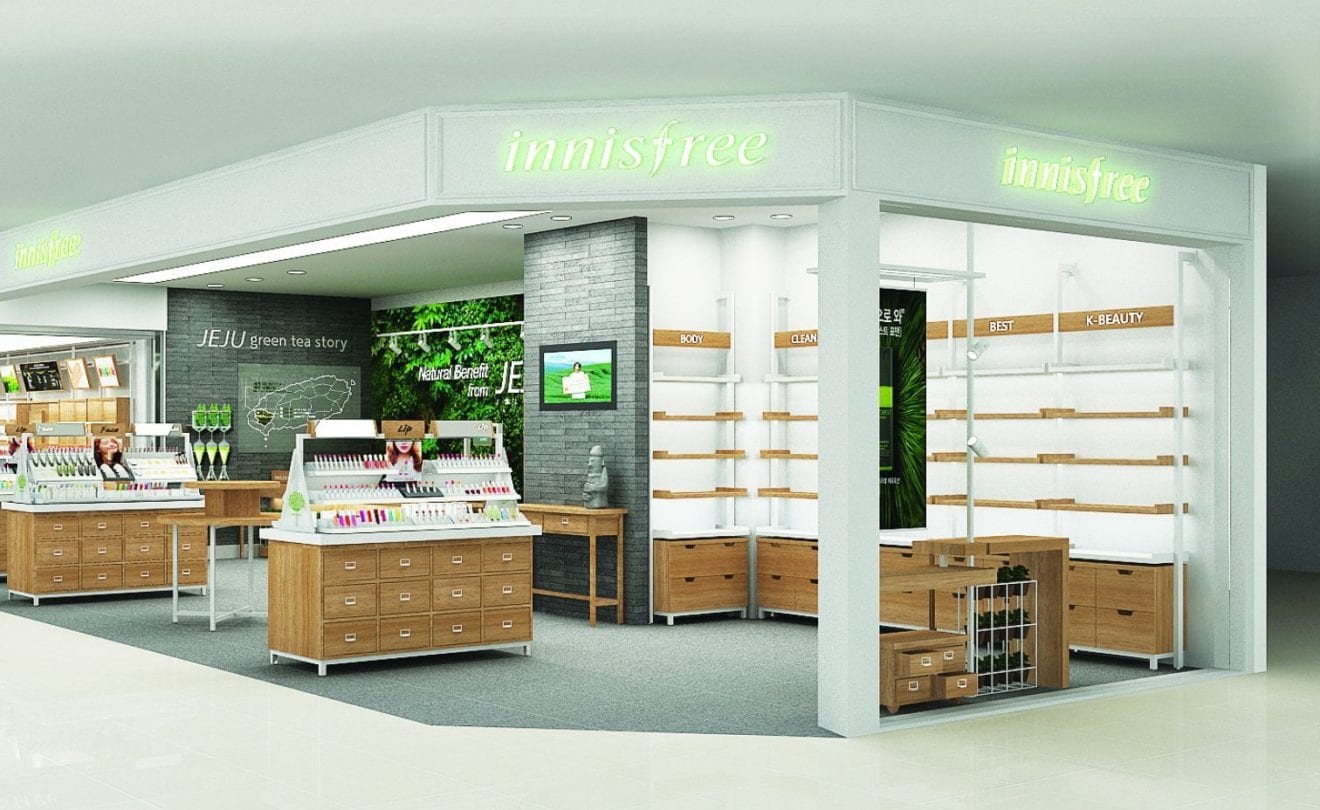
    Innisfree, the Korean natural cosmetics brand owned by Amore Pacific, is to open its largest store yet, in China.

    Amore Pacific announced Innisfree China will open an 827 sqm flagship store in Shanghai.

    This is the largest store among all of Innisfree’s retail locations, and reportedly the largest cosmetics store in China.

    Since Amore Pacific launched an online store in April 2012, it has been operating 200 offline stores all over China, including in Shanghai, Beijing and Shenyang. Innisfree’s ‘Green Tea Seed Serum’ and ‘Volcanic Ash Pore Mask’ are its highest-selling products.

    Management of Amore Pacific said Innisfree is popular among picky Chinese consumers in their 20s and 30s.

    “We think that the concept of our products made from natural ingredients found on Jeju Island, and the trust in Amore Pacific is an attraction to Chinese consumers.”

  • Uniqlo parent commits to refugee support

    Uniqlo parent commits to refugee support

    Uniqlo parent Fast Retailing has committed US$10 million in cash and some 150,000 items of Heattech clothing to help keep newly arrived refugees warm in Europe.

    Fast Retailing will supply the support through the UNHCR, the UNited Nation’s refugee agency.

    As well as the donations, Uniqlo will provide internships with future employment possibilities to 100 refugees in Japan and abroad.

    “The refugee issue is one of the most difficult challenges the international community is facing today,” said Tadashi Yanai, chairman, president and CEO of Fast Retailing.

    “We must collectively tackle the constant threats that have forced so many people, including a large number of children, to flee. We have been providing refugees with emergency assistance, programs that promote self-reliance and donations of clothes for nearly 10 years. We will continue to supply refugees with the clothes they need and give them hope for better lives, in keeping with our never-ending desire for a sustainable and peaceful world,” he said.

    UNHCR spokesman Antonio Guterres said nearly 60 million people have been forced to flee their homes worldwide; the equivalent to almost half the population of Japan.

    “Twenty million of these people are refugees. In the face of such an unprecedented challenge, the robust support of the private sector is crucial for meeting the needs of the millions of families who have lost everything and who are seeking a safe place to restore their lives and build a better future.”

    Fast Retailing started its collaboration with the UN Refugee Agency in 2006 and entered into a global partnership in 2011, a first for a company headquartered in Asia. The new support being pledged this week is part of a global partnership aimed at assisting forcibly displaced people around the world, in recognition of the need for international organisations and private enterprises to collaborate more closely for the refugee cause.

    Under the new agreement, Fast Retailing commits to support the UN Refugee Agency with US $10 million over the next three years, starting from 2016. The funds will help UNHCR respond to emergencies and other acute humanitarian crises, and help refugees in Asia become self-reliant.

    The donation will also cover costs related to the distribution of donated clothing. To date, Fast Retailing has collected and distributed through UNHCR more than 10 million items of lightly used clothing to refugees across 37 countries and regions.

  • Joyce Boutique plunges into the red

    Joyce Boutique plunges into the red

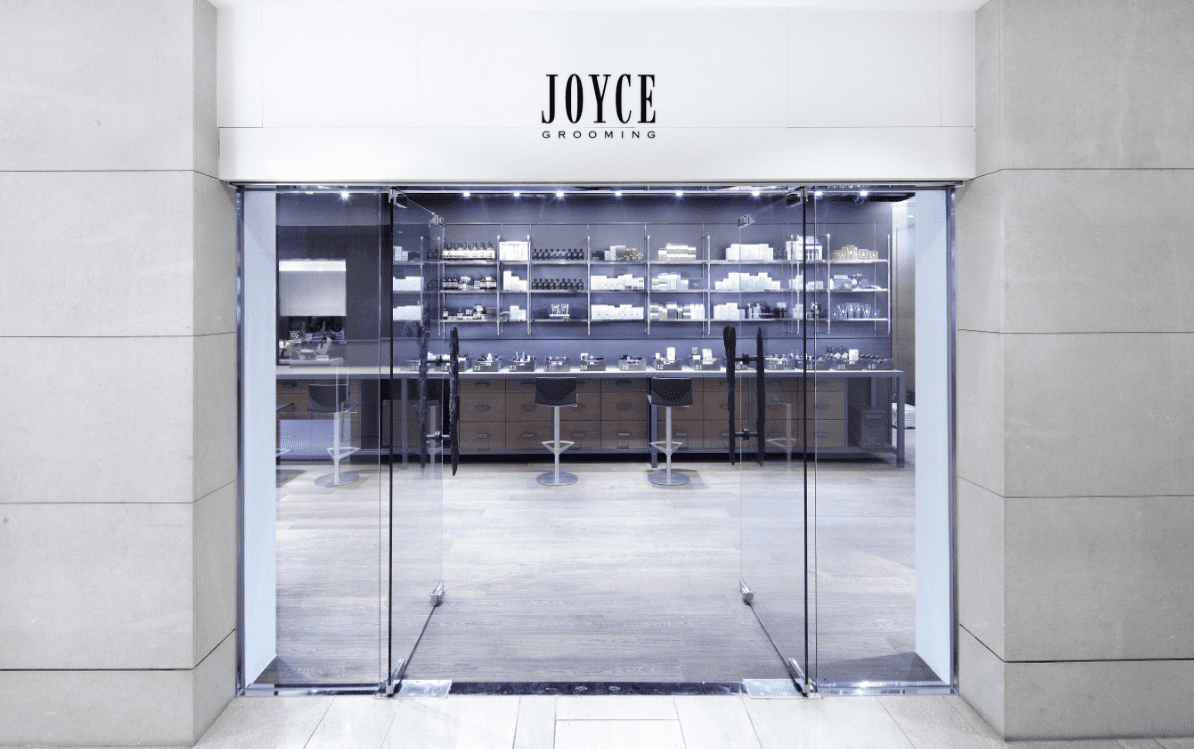
    Listed fashion boutique operator Joyce Boutique says it will continue to take a cautious approach to business expansion and focus on consolidation of the Joyce multi-label business towards higher-productivity stores in the year ahead.

    It will renovate and expand the Joyce flagship store in Central and relocate the Shanghai Joyce flagship store to a bigger space within Plaza 66 to introduce a completely new look and unique shopping experience to customers.

    The move follows revelation of a HK$34.9 million half year loss for the company – a major turnaround from the $32.8 million profit in the same period last year.

    Sales slumped 10.9 per cent, and gross margin lost 3.5 percentage points, the company has reported to the stock exchange.

    “The persistent fall-off in customer spending on luxury goods in Hong Kong and Mainland China drove down the sales performance of the luxury retail market in the period. Depreciation of the euro and yen against the dollar and renminbi led to an increase in overseas shopping and online shopping for luxury goods and impacted on bricks-and-mortar local retailing.” the company said in its interim report.

    Joyce Boutique’s Hong Kong, turnover dropped by 10.3 per cent against the same period last year and accounted for 82.5 per cent of group turnover (2014: 81.9 per cent). Further impacted by declined gross margin and increased rental costs, the Hong Kong division incurred an operating loss of $12.6 million for the period (2014: a profit of $36.6 million).

    Mainland China turnover declined by 14.6 per cent versus the same period last year and operating results turned into a loss of $22.9 million from last year’s profit of $3.1 million, chiefly the result of a general decline in turnover and margin and an additional $7.6 million provision made for a loss making shop in Shanghai.

    Joyce Boutique inside

    The joint venture with Marni made a loss contribution of $1.0 million (2014: profit of HK$1.3 million) due to a drop in turnover and an increase in operating costs.

    “In view of the difficult trading environment, the group adopted a cautious shop strategy. While opening new shops for three potential brands as planned in the previous financial year (the first Hong Kong shop for Thom Browne at On Lan St, the first China shop for Sacai at Beijing Sanlitun and the first Macau shop for Alexander Wang at Galaxy Macau), the group closed certain non-performing shops to improve shop productivity,” the company reported.

    As well as the change in store focus and the renovation of the Hong Kong and Shanghai flagships, the company says it plans to further strengthen customer loyalty and drive sales from VIP customers through enhanced personal stylist services and the introduction of private customer mobile apps.

    Joyce Boutique says it expects the near term trading environment will remain “tough and challenging”.

    “Rental levels in prime shopping malls remain high relative to turnover. Online shopping and overseas shopping for luxury goods will continue to impact on bricks-and-mortar specialty retailing. In view of the challenges, the group will focus on driving cost efficiency and shop productivity, fashion editing and reducing business risks through taking cautious approach to business expansion and stock purchase planning.”

  • Hong Kong and Shenzhen should improve transport connections

    Hong Kong and Shenzhen should improve transport connections

    Hong Kong and Shenzhen are key points on China’s planned “Maritime Silk Road”, and the emergence of east and south axes in the Pearl River Delta bay area will help to realize Beijing’s bigger strategy.

    However, the existing transport infrastructure, based on the “stores in front and factories behind” model, is no longer sufficient for the deepening interaction among cities in the region.

    In recent years, both Hong Kong and Shenzhen have planned new metropolitan areas in the western Pearl River Delta.

    For example, the focus of development in Shenzhen has shifted from its commercial hub in Lo Wu and administration and finance centre in Futian to Qianhai and Houhai, while the financial and technology industries are also moving to the bay area.

    The western part of the city is now turning into a new central business district.

    Meanwhile, the future development of Hong Kong will center around Lantau Island, which will become a new centre for retail, business, tourism and exhibitions.

    Also, the soaring number of passengers commuting between Hong Kong and Shenzhen requires a review of the existing transport system, which focuses on moving goods rather than people.

    The “one-hour living zone” — where home, office, shopping and leisure venues are within an hour’s traveling time of one another — has increased cross-border living and consumption among residents of both cities.

    Leisure travel and visits to families and friends have increased rapidly in recent years.

    Shenzhen Bay Port was designed for daily traffic of 50,000 vehicles and 60,000 passengers.

    However, vehicle traffic is around 10,000 a day at present, while passenger traffic has already surged to 160,000.

    Emerging cross-border e-commerce will push both cities toward a three-level transport system, which includes a national high-speed railway, regional intercity rail and connecting subway systems.

    First, the authorities should push and further improve the high-speed railway network between Hong Kong and Guangdong.

    Rail transport is fast, convenient and green.

    China’s nationwide high-speed railway network is in the midst of developing a link between Shenzhen and Hong Kong.

    The Guangzhou-Shenzhen-Hong Kong high-speed railway will shorten the travel time from Hong Kong to Guangzhou to 48 minutes.

    The high-speed railway link will bring Hong Kong into China’s ambitious nationwide high-speed railway network.

    It will become a key route for Hong Kong to connect with the mainland, as well as connect with the intercity railway network in the Pearl River Delta region.

    In addition, as Shenzhen gradually becomes one of China’s key high-speed transport hubs, Hong Kong will also benefit from the six main high-speed railway lines connecting Shenzhen with other parts of the country.

    The six lines will be the Shanghai-Shenzhen coastal high-speed railway, the Ganzhou-Shenzhen high-speed railway, the Beijing-Guangzhou-Hong Kong high-speed railway, the Guangzhou-Guiyang-Chongqing high-speed railway, the Guangzhou-Nanning-Kunming high-speed railway and the coastal high-speed railway in western Guangdong.

    Also, both cities should strive to create an integrated intercity railway link, which would enhance goods and passenger transport in the region.

    Lantau Island will be a gateway and new metropolitan area for Hong Kong after land reclamation and construction of the Hong Kong-Zhuhai-Macau bridge.

    The area will become the city’s third major business area, as well as a key hub connecting Hong Kong with Shenzhen.

    Hong Kong should also improve the connection of its metro system with that of Shenzhen.

    The MTR Lok Ma Chau Station already connects with Line 4 of Shenzhen’s metro system, and the MTR Lo Wu Station connects with Line 1 of Shenzhen.

  • BlackBerry Priv available in the Philippines

    BlackBerry Priv available in the Philippines

    BlackBerry announced the availability and full features of Priv by BlackBerry, the first-ever BlackBerry smartphone powered by Android in the Philippines. Priv is available at a suggested retail price of PHP 45,000 inclusive of local taxes. It will be available from mid-December through BlackBerry’s exclusive partner in the Philippines, MemoXpress.

  • Asian eCommerce boom reshaping logistics sector

    Asian eCommerce boom reshaping logistics sector

    The Asian eCommerce boom is driving major changes in logistics developments and networks across the region, according to CBRE’s latest Global & Emerging Logistics Hubs report.

    “With a trickle-down effect to inventory management, this is leading to changes in the global supply chain network,” said Dennis Yeo, regional head, industrial & logistics services with CBRE Asia.

    “Speed-to-market is more important than ever. The service demands brought about by eCommerce – for example, shorter delivery times to consumers – has changed the entire retail supply chain of getting goods to consumers, including regional distribution strategies. The technical ability of locations and buildings to support the ever-increasing demands for both scale and speed of output is an ever-more important determinant of market position.”

    In Asia, the eCommerce and e-tailing market has been particularly strong, with eCommerce upending the traditional bricks-and-mortar distribution networks, forcing retailers and third-party logistics firms to adapt to an increasingly demanding consumer.

    “eCommerce shipments are smaller in size and require more technology and expertise to execute efficiently. As a result, modern logistics facilities are being developed in the traditionally strong logistics hubs of Tokyo, Seoul and Taipei. Besides the developed markets, the new consumer class in the emerging markets is creating opportunities for logistics development in in China, India and Vietnam,” said Yeo.

    Hong Kong under threat

    Meanwhile, the report concludes that while Hong Kong will remain one of the top global logistics hubs in the world, for the next decade, the territory will be in strong competition with several emerging Asia hubs including China’s Beijing, Hangzhou, Nanjing, Suzhou, and South Korea’s Busan.

    “Hong Kong has maintained its global logistics hub status due to its efficient transportation network and highly developed logistic services. It ranks third in the World Bank’s Logistics Performance Index,” said Darren Benson, executive director, industrial & logistics, brokerage services, CBRE Asia.

    “As the traditional global gateway to China, Hong Kong is likely to remain the hub for global distributors, due to its local trade and transport regulations and its ease of connectivity via seaports.“

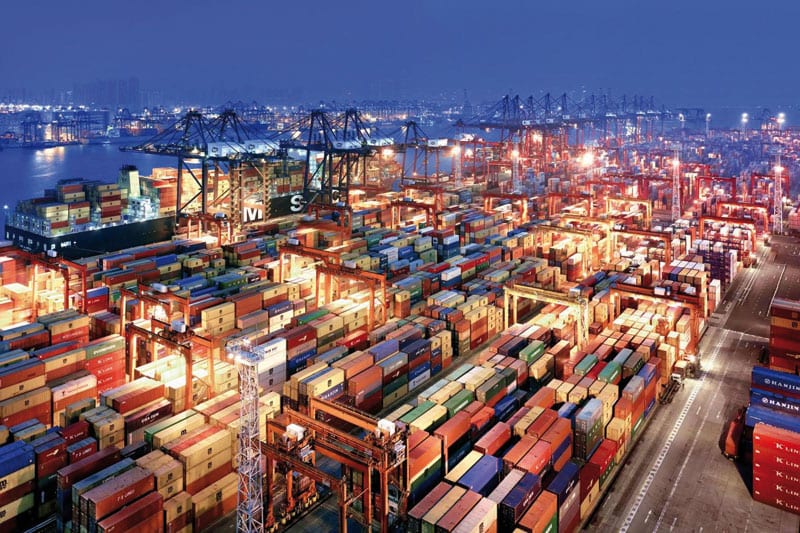
    Hong Kong is currently the fourth largest global seaport by container volume, while emerging hubs such as Shanghai, Shenzhen and Busan rank first, third and fifth respectively. These emerging locations share a number of characteristics, including significant investments in infrastructure, new trade policies and agreements, and more advanced supply chains and technologies. As these cities continue to improve their regional transportation infrastructure so their viability for international trade increases.

    The shift in global supply chain dynamics and creation of new logistics hubs in Asia may also be spurred by China’s plans to revive the Silk Road trade route.

    In 2013, China launched a new strategic initiative, known as “one belt, one road,” which aimed to revive the importance of the Silk Road. The new Silk Road has two parts: the Silk Road Economic Belt, a land-based route that will connect central China to the Middle East and Eastern Europe, and the Maritime Silk Road, a sea-based path that will link South China to Southeast Asia, East Africa and Europe.

    In Asia, low-end manufacturing – such as garment and textiles production and electronics component assembly – has steadily been moving from Southern China to Western China and Southeast Asia. Southern China, encompassing the Pearl River Delta, has traditionally been the light industrial manufacturing center of the world, however, as wages continue to rise and China attempts to move up the manufacturing value chain, there has been a shift to more sophisticated heavy industry manufacturing.

  • Char Raises The Bar for Steaks in Shanghai

    Char Raises The Bar for Steaks in Shanghai

    Great food is produced long before it ever gets to the kitchen. Soil, sunlight, clean air and water, and scrupulous farming practices are essential ingredients for any quality dish. Quality and authenticity are especially true for steak. It’s why CHAR in the Hotel Indigo Shanghai on the Bund serves Wagyu, Black Angus, and grass-fed beef from some of the world’s most renowned cattle ranches. Diners can explore this further starting in January 2016, on the last Thursday of every month, when CHAR will host a Beef Appreciation Steak Masterclass. The class will be from 1-3pm in CHAR for RMB 350 per person, which also includes a light lunch. Reservations are highly recommended.

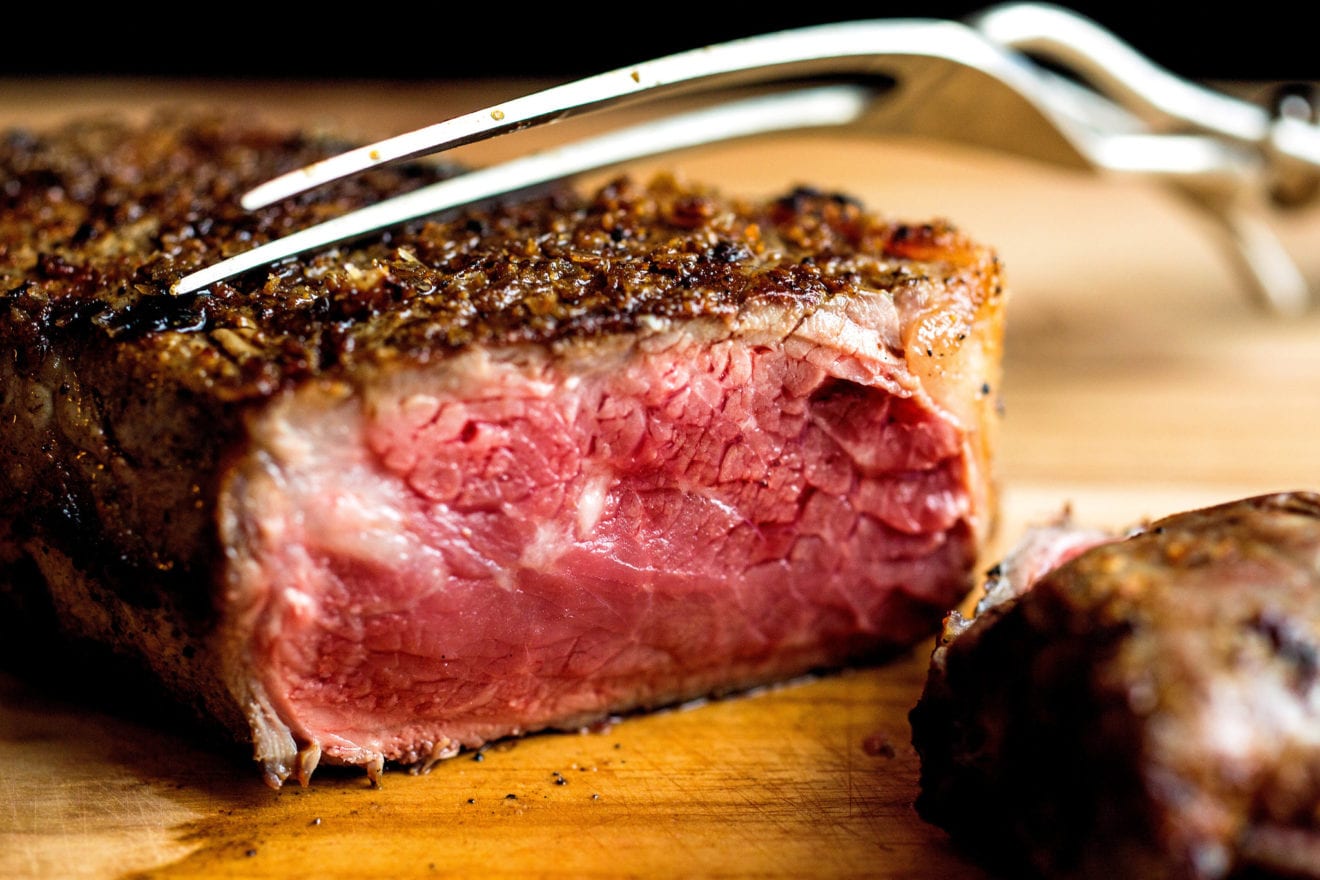
    The CHAR Steak Masterclass begins with a classroom style lecture available in English or Chinese and presented by one of Shanghai’s largest and most reputable Australian beef imports. Topics covered will be on animal husbandry, why the diet is important, the various cuts of beef, the types of cows, dry aging and ultimately, how to select a quality beef product. This will be followed by a practical demonstration by Chef Willmer Colmenares himself where he will point out visual indicators of quality such as marbling, color and texture. Participants will sample some of the beef and then be able to use this knowledge when enjoying beef in the future. Lastly, Chef Willmer will discuss various means of preparation from the oven to the pan to the grill and which one is preferred. So what are some of CHAR’s 11 different steak offerings?

    David Blackmore beef is, without question, the crown jewel of CHAR’s menu. It is the Rolls Royce of beef. This Australian ranch only raises cattle with bloodlines that can be fully verified and traced back to Japan. It’s grain-fed for 600 days, using traditional Japanese farming methods. The end result is an exceptional marbling score of 9+. This means a steak that tender, succulent, and devastatingly rich. A slice of it will melt on the tongue like a pat of butter. And as if that weren’t indulgent enough, CHAR serves their Blackmore fillets with foie gras, lobster, sautéed wild mushrooms, and shaved truffles.

    Tajima Wagyu is another exemplary beef on offer at CHAR. This unique strain of cattle is what made Japanese beef famous. Its luxuriant marbling produces a luscious texture, and excellent flavor. CHAR sources beef from full-blood Tajima cattle raised in the Australian countryside. 500 days of a traditional Japanese cattle diet gives this beef a marbling score of 7–9. Guests can savor a 220g Tajima eye fillet or 300g rib eye, both seared to tender, juicy perfection.

    Australia is also renowned for world-class certified Black Angus beef, and Jack’s Creek is one of the most respected names in the business. Top-quality cattle are fed a proprietary, high-energy grain diet for 150 days to produce beef with a 3+ marbling score. It’s tender, succulent, and can be experienced at CHAR with a 250g eye fillet or a 300g sirloin.

    Grass-fed beef has built a strong reputation not only for its unique flavor but for its nutritional benefits, too (a grass diet produces a leaner meat than grain diet). Cape Grim has struck a perfect balance between leanness, tenderness, and flavor with its famous grass-fed beef. Their cattle are raised in the pristine pasturelands of Northern Tasmania, where they graze on an all-natural diet of grass. Guests can enjoy this premium beef as a 250g eye fillet or a 500g bone-in rib eye.

    But it doesn’t stop at world-class steaks. Chef Will Colmenares has created a menu of creative gourmet indulgences inspired by the cuisine of Asia, the Mediterranean, and Latin America to complement the steaks. He puts an intriguing twist on that steakhouse staple, lobster bisque, by infusing it with lemongrass and adding mussels, scallops and a lime cream. His coconut-and-lime-marinated lobster and salmon ceviche brings an unexpected freshness to the menu. Avocado and jalapeño give the dish a zesty flair. His creamy roasted bone marrow with seasonal mushrooms, smoked octopus, and potato flan is a fun and inventive exploration of taste and texture. And of course, there is no shortage of fresh seafood, with a selection of imported live oysters and CHAR’s “Seafood Harvest”, a sharable shellfish tower, featuring half a lobster, king prawns, a crab claw, Irish king razor clams, mussels, oysters, and Amur Caviar.

    Then for something sweet, there is a bevy of creative desserts, like Colmenares’s “Piña Colada”, a tropical treat made with caramelized pineapple, rum, honey jelly, and coconut ice cream. Or guests can take a decadent escape with a spicy hot chocolate fondant with tonka bean ice cream and rum ganache.

  • Apple Pay China launch slated for February

    Apple Pay China launch slated for February

    Tech giant Apple will launch its mobile payment system Apple Pay in China by early February, according to a report in the Wall Street Journal.

    Citing people familiar with the discussions, the newspaper says Apple has reached agreement with China’s four state-run banks to clear the way for the payment system to be used via its iPhone smartphones.

    The move will place it in direct competition with local online payment platform Alipay, run by Alibaba Group, and its affiliated company Ant Financial, and UnionPay, the state run monopoly credit card system.

    But while the banks are on board, the Wall Street Journal claims Apple may yet face more hurdles before it can launch the service, with banking and eCommerce regulations overseen by a number of government agencies.

  • Jollibee scouring China, US for acquisitions

    Jollibee scouring China, US for acquisitions

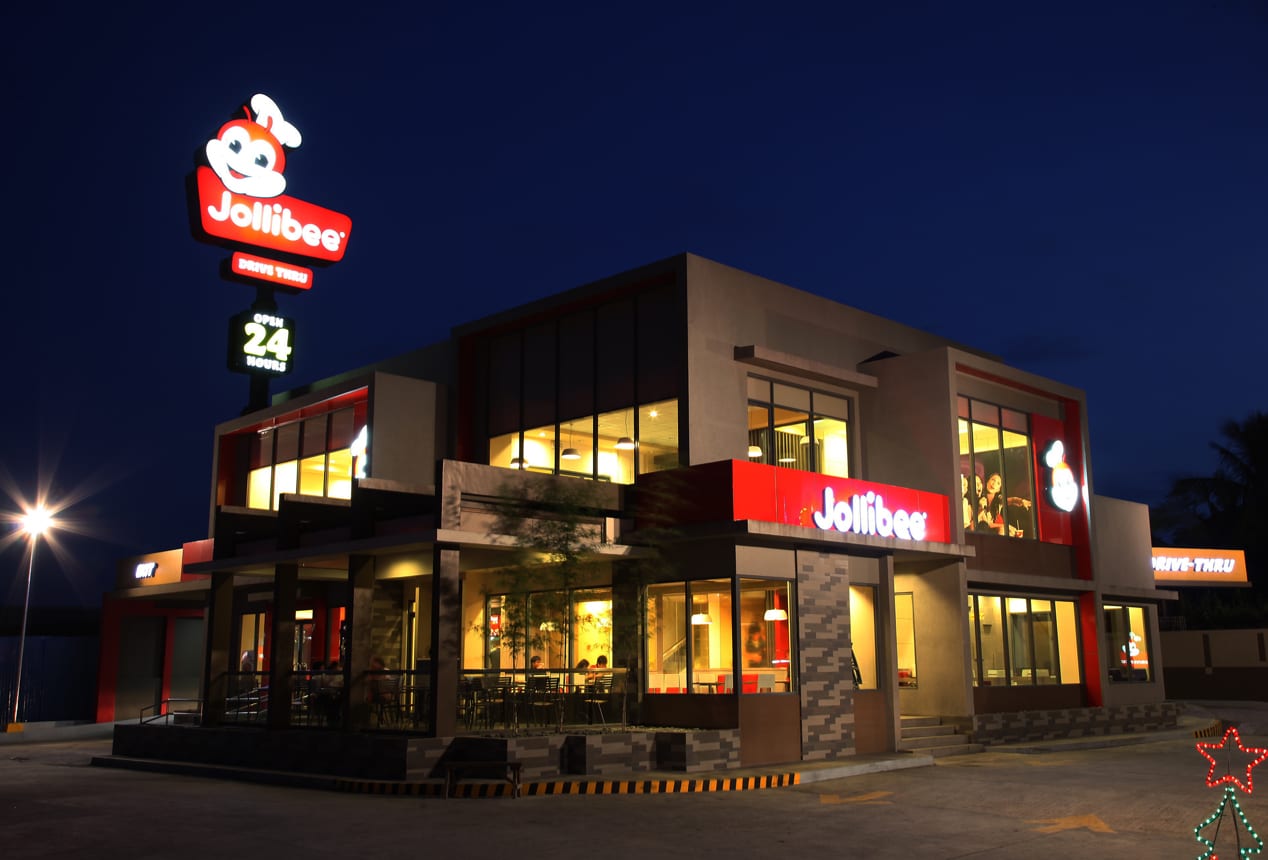
    Philippines-based Jollibee Foods is actively searching for at least two more established fast food or QSR restaurant chains to boost its brand portfolio.

    Jollibee chairman Tony Tan Caktiong says the company will pay up to $100 million for each investment and it is specifically looking at opportunities in China and the US.

    The comments follow the company’s recent purchase of a 40 per cent stake in fast growing US fast food operator Smashburger, for which it shelled out $99 million.

    The search is part of a strategy to increase the proportion of the company’s revenue sourced from outside the Philippines. Jollibee openly aspires to become one of the world’s largest fast food operators and it already ranks 10th as defined by market capitalisation – and first in Asia.

    But to be truly considered a global player, the company needs to derive at least 50 per cent of its income from offshore – currently that share sits at about 20 per cent.

    Earlier this month, Jollibee said it planned to enter seven new international markets over the next two years, along with 20 additional outlets in Vietnam, and another 12 in Brunei during coming months.

    Dennis Flores, VP for international operations of Jollibee, has revealed the company plans to take its mainstay Jollibee burger restaurant brand Jollibee into the UK, Italy, Canada, Malaysia and Oman in 2016. Forays into Australia and Japan will follow in 2017.

    Jollibee, publicly listed in the Philippines, had been actively seeking an investment in a leading US growth brand to gain a foothold in the US, as part of its broader plan to become an international restaurant operator. It currently operates and franchises a network of more than 3000 restaurants worldwide under the trade names Jollibee, Chowking, Greenwich, Red Ribbon, Yonghe King, Hong Zhuang Yuan, Mang Inasal, Burger King Philippines, San Pin Wang, and Jinja Bar. Jollibee also has a 50 per cent interest in the Super Foods Group, which operates and franchises restaurants under the Pho 24 and Highlands Coffee brands throughout Vietnam.

    Jollibee’s network outlets have reached 3,023 worldwide, with 2,393 of them in the Philippines, and 630 outlets abroad.

  • BHG REIT IPO to raise $120 million

    BHG REIT IPO to raise $120 million

    Chinese retail player Beijing Hualian Group is planning to list its BHG REIT in Singapore this year.

    If it proceeds, it will mark just the first IPO on the Singapore SGX Mainboard in 2015.

    The BHG Retail REIT wants to issue 150.1 million shares at $0.80 per unit which gives the listing a value of $120 million.

    BHG REIT’s initial portfolio will comprise a 60 per cent interest in Beijing Wanliu Mall in Beijing; Hefei Mengchenglu Mall in Hefei’s North First Ring retail hub; Chengdu Konggang Mall, in an emerging residential area in Chengdu; Dalian Jinsanjiao Property, leased to a hypermarket; and Xining Huayuan Mall in Xining’s Ximen-Dashizi retail hub. These properties have a combined gross floor area of about 263,688 sqm.

    Under its plan, BHG’s existing Singapore-incorporated units Beijing Hualian Group (Singapore) International Trading and Beijing Hualian Mall (Singapore) Commercial Management, will subscribe for 148.31 million and 24.636 million shares, respectively.

    And it has four cornerstone investors already on board who would subscribe for a total of 169.651 million units. These investors are China Hi-Tech Holding Company, China Life Insurance Company, China Merchants Bank Asset Management and Dr Chanchai Ruayrungruang.

    With all these investments rolled together, the gross proceeds of the IPO would come to $394.2 million and give the REIT a market capitalisation of about $597.2 million post float.

    The listing is sponsored by Beijing Hualian Department Store Company, part of the BHG Group, with more than 20 years in retailing. The company manages retail properties, operates supermarkets and hypermarkets and retail distributorships as well as a luxury department store in Beijing.

    “As part of the BHG Group, BHG Retail REIT will benefit in terms of acquisition growth in China where the sponsor has an active real estate presence,” the group says in its prospectus.

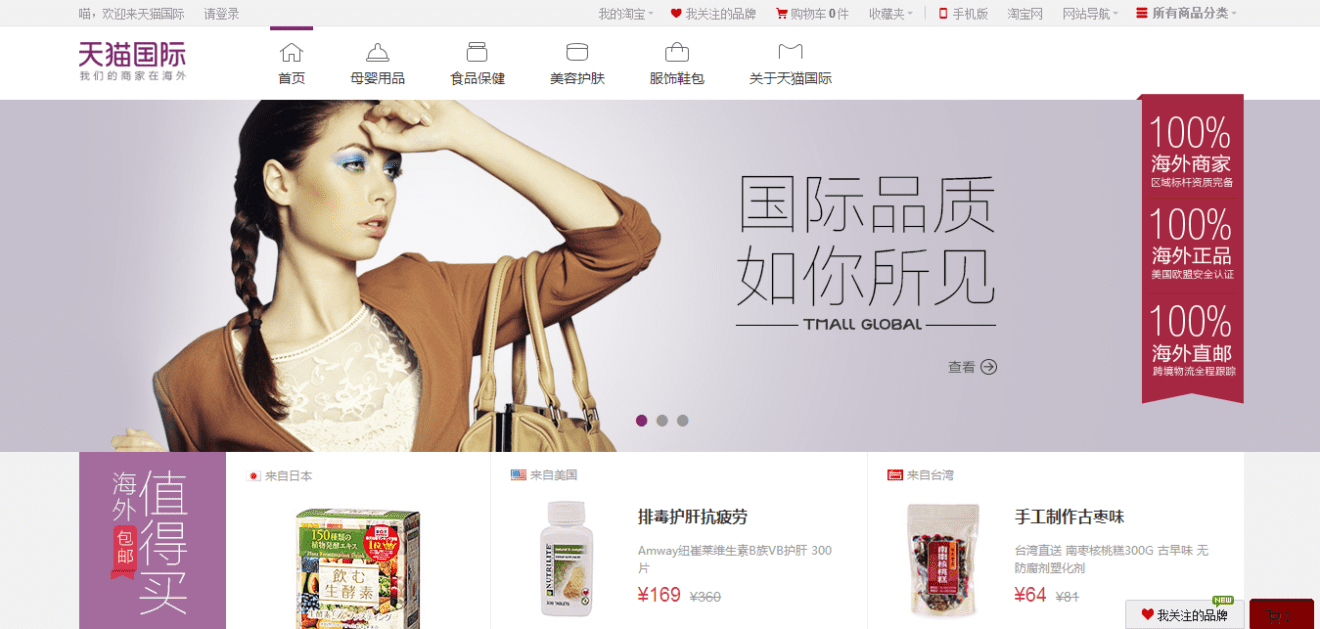
  • BCBGMaxAzria opens Tmall store

    BCBGMaxAzria opens Tmall store

    BCBGMaxAzria, the US premier lifestyle fashion brand has partnered with B2C cross-border eCommerce solutions provider VoyageOne to expand its online footprint in China.

    “We are pleased to launch of BCBG on Tmall. We are very optimistic about the opportunity in China,” says Max Azria, founder, chairman and CEO of BCBG Max Azria Group.

    BCBGMaxAzria’s flagship line is now available to Chinese online shoppers on Alibaba’s Tmall Global through VoyageOne’s platform. BCBGMaxAzria can now efficiently integrate, sell, and manage its online selling process across multiple marketplaces in China.

    “BCBGMaxAzria is a truly an American flagship designer brand and completely understands the complexity of cross-border eCommerce landscape in China and the need for a proven technology and solution delivery mechanism by which BCBGMaxAzria seamlessly integrate, launch and manage its online footprint in China,” said Dennis Zhang, VoyageOne CEO.

    “We’re extremely pleased to partner with BCBGMaxAzria to delivering true online shopping and customer service experiences through a single platform while help them grow their online business in China.”

    Michelle Magallon, SVP of digital commerce & omnichannel with BCBG Max Azria, says China is an important international market for the brand.

    The BCBGMaxAzria Winter 2015 collection is already available at Tmall’s Hong Kong and China stores.

  • Siam Synergy allies join hands to host vibrant daily activities and festivities to celebrate New Year

    Siam Synergy allies join hands to host vibrant daily activities and festivities to celebrate New Year

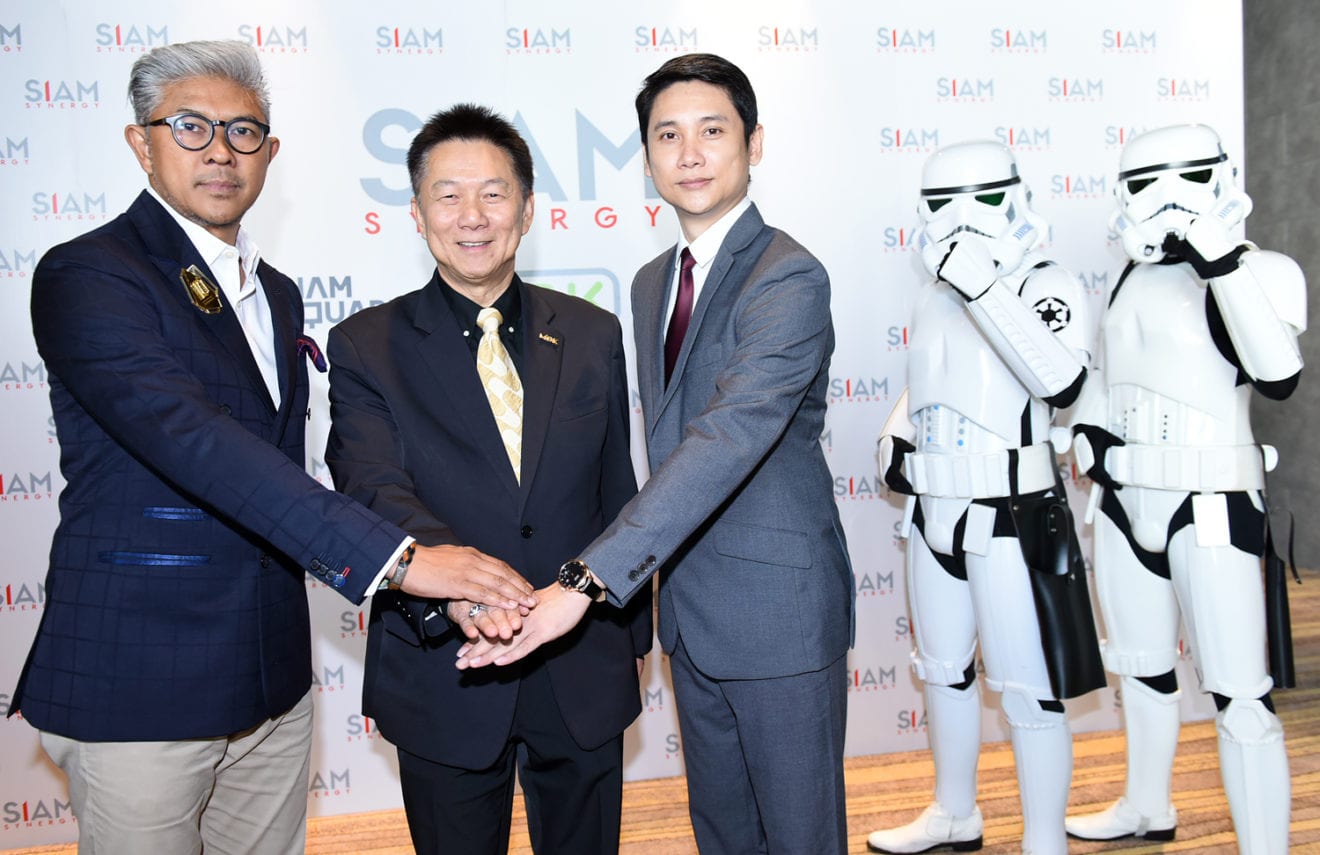
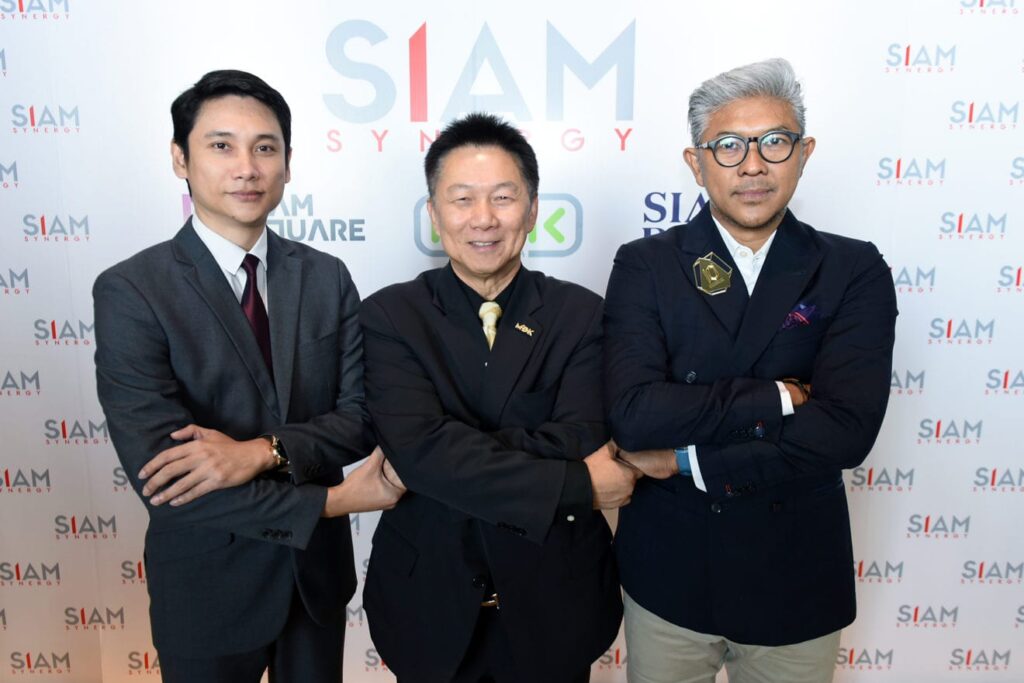
    Siam Synergy, led by MBK Public Company Limited, Siam Piwat Co., Ltd., and the Siam Square Business Group, announced in a press conference that a series of New Year’s activities will be held under the concept “THE PRIDE OF BANGKOK, THE TREASURE OF THE WORLD”, inviting the public to join in the daily activities hosted in the Siam District to usher in the new year. The festivities will bring vibrancy and excitement to one of Bangkok’s most important districts and strengthen the Siam District’s position as one of the most diverse, colorful and multi-dimensional neighborhoods in the world. The Siam District — the urban center where the latest trends, world-class shopping, art and entertainment converge — opens a door to the soul of the city of Bangkok. The press conference was jointly held by Mr. Sompol Tripopnart, Senior Executive Vice President, Marketing Division, MBK Public Company Limited; Mr. Thanapat Chayutirat, Executive Director of Siam Square Business Group; and  Mr. Dan Zonmani, First Executive Vice President of Business Innovation, Siam Piwat Co., Ltd., at K Bank Siam Pic Ganesha Theatre on 8th floor at 10.30 – 12.00 hrs.

    After the historic alliance was formed in September of this year to establish “Synergy Siam”, the partners are ready to host a series of activities in and around the Siam District, which is one of the country’s most important tourist destinations visited by travelers from around the world and the door to a soul of Bangkok. The group is partnering with more than 4,200 shops in the area and is injecting an investment of 1 billion baht to host vibrant and colorful New Year’s festivities. The activities are categorized into three main groups: those to honor His Majesty the King and preserve and promote Thainess, a celebration of art and providing an opportunity for youngsters to express themselves and their creativity, and world-class activities from around the globe that will delight shoppers and visitors. In addition, shopping malls in the Siam District will offer promotions and discounts to celebrate the holidays in the heart of Bangkok.

    The wide range of activities means that visitors of all ages and lifestyles will be able to take part in the fun and excitement. More than 30 activities in total will begin in December and last throughout the month. Some of the highlights will include; decoration of the Rama 1 road to welcome the Bike for Dad caravan in honour of His Majesty the King, Clean for the King, Echoing Sound of Reverence (Gaeg Gong Duay Pakdee), MBK Fight Night,  MBK Happy Street Festival, Siam Street World, Star Wars Run, Hay Christmas Market and Eco X’mas Festival. The activities are expected to draw many Thai and international revelers to the area. The aim is to increase the number of visitors by 650,000. The festivities are estimated to generate increase of about 15-20 percent cash flow.

    Mr. Sompol Tripopnart,Senior Executive Vice President, Marketing Division, MBK Public Company Limited said: “Entrepreneurs of large, medium, as well as small enterprises make up the force that drives the Siam area as Bangkok’s commercial district. We are all getting together to make the New Year’s celebrations and activities happen, starting with our collaboration to host activities to honor His Majesty the King and preserve Thainess. Some of the activities include; the decoration of the Rama 1 road to welcome the Bike for Dad caravan in honour of His Majesty the King, Clean for the King event on December 4 at the Pathumwan Institute of Technology, in which, operators situated along Rama 1 road and members of the public are invited to join together to help clean up the area, the celebration ofHM the King’s 88th birthday On December 5, MBK and the Kru Muay Thai Association will host MBK Fight Night, in which seven Muay Thai kick boxing fights and two Western-style boxing bouts will be held. ”

    Mr. Thanapat Chayutirat; Mr. Sompol Tripopnart;  and Mr. Dan Zonmani in a press conference

    Mr. Thanapat Chayutirat, Executive Director of Siam Square Business Group, added: “We also plan to host the Siam Street World activity. This has been held for three consecutive years, each time drawing in more than half a million spectators. The activity provides an opportunity for youngsters to express their creativity through art. The activity will showcase the ultimate in world-class fun and will feature the Festival Zone, street performances, an art market, and the Street Fest Grand Sale. Leading artists from around the world will rotate around stages located throughout the Siam area to showcase their creativity. There will also be competitions to recruit new performers, with prizes up for grabs and an opportunity to become a world-class performer.”

    On the topic of bringing world-class activities to Siam, Mr. Dan Zonmani, First Executive Vice President of Business Innovation, Siam Piwat Co., Ltd., concluded by saying: “The grand activity entitled “The Echoing Sound of Reverence” will be held on December 5 at Siam Paragon. Drummers of all ages from around the country will perform HM the King’s compositions as well as other songs to pay respect to our king to show the world how much Thai people revere our “Supreme Artist King”, whose musical ingenuity is known the world over. In addition, a number of other activities that are truly unique have been lined up, such as the STAR WARS XPERIENCE 2015 event, where fans of the epic movie franchise will have a chance to experience a 360-degree surround sound and lighting system and be transported into the fictional world. Replicas of a gigantic TIE Fighter and X-wing Star fighter are some of the biggest highlights awaiting Thai Star Wars fans. This will coincide with a Star Wars Run, which will see the Siam-Pathumwan area transformed into a challenging running course for more than 10,000 participants. This event will be held on December 26.”

    The collaboration among business operators in Siam District to host New Year’s activities reinforces Siam as the lifestyle center of Bangkok and showcases its eagerness to welcome visitors from Thailand and internationally who will be ushering in the holiday season in the capital. The activities and promotions offered by businesses in the area are well wishes and gifts for visitors and shoppers, and will help to create a celebratory atmosphere and stimulate the economy.

  • Starbucks barista Ryan Wibawa took top honors in the first ever Indonesian Brewers Cup

    Starbucks barista Ryan Wibawa took top honors in the first ever Indonesian Brewers Cup

    For Starbucks barista Ryan Wibawa, mastering coffee artistry was the key to becoming a champion.

    “I’ve worked really hard to hone my craft,” he said. “I’m now seeing the results of my hard work.”

    Wibawa took top honors in the first ever Indonesian Brewers Cup Championship finals held in central Jakarta. The competition, which occurred in stages over four months and wrapped up in November, featured 79 competitors from Bali, Jakarta and Semarang. Participants were judged on their coffee-brewing expertise, presentation skills and customer service. As the first place winner, Wibawa will represent Indonesia at the World Brewers Cup Championship in Dublin, Ireland next year.

    “This experience has given me another level of confidence to share my skills and knowledge about coffee,” said Wibawa. “I’m honored to represent Starbucks Indonesia at the World Championships in February.”

    Wibawa was first exposed to coffee when he joined Starbucks two years ago. He learned quickly and developed an enthusiasm for all things coffee. In 2014, he was selected as his district’s coffee master and earlier this year he won Starbucks Indonesia’s Barista Championships. He will also represent Indonesia at the China and Asia Pacific (CAP) region’s Starbucks Barista Championships in Hong Kong in February 2016.

    Ryan works at Indonesia’s first Starbucks Reserve store in Jakarta, where he delights customers with his coffee craft. He has also shared his expertise by training other Starbucks partners at Indonesia’s third Starbucks Reserve location in Bandung, which opened earlier this year.

    “I am proud to be a Starbucks partner,” said Wibawa. “At Starbucks, I can do what I love and what I’m passionate about, which is coffee.”

    To prepare for the Indonesian Brewers Cup Championship, Wibawa practiced twice per month with Mirza Luqman, Starbucks Indonesia’s learning and development manager.

    “Ryan was very eager and committed to learning everything about coffee,” said Luqman. “I couldn’t be happier for him.”

    “I can’t believe I will compete in the world championships,” added Wibawa. “I am so happy and proud to represent Starbucks and my country.”

    Starbucks barista Ryan Wibawa took top honors in the first ever Indonesian Brewers Cup Championship finals

    Starbucks barista Ryan Wibawa took top honors in the first ever Indonesian Brewers Cup Championship finals

  • Singapore’s PropertyGuru acquires Indonesia’s RumahDijaul

    Singapore’s PropertyGuru acquires Indonesia’s RumahDijaul

    Earlier today, Singaporean start-up PropertyGuru announced it has acquired one of Indonesia’s largest real estate portals RumahDijual for an undisclosed sum. The deal is the latest of PropertyGuru’s acquisition sequence in Southeast Asia. It comes not long after the firm snapped up ePropertyTrack in July, following a S$175 million ($124 million) investment in June from a consortium of three backers including Emtek, one of Indonesia’s largest media companies. The island nation is PropertyGuru’s second biggest market in terms of traffic.

    Founded by Indonesian Yohanes Aristianto, RumahDijual translates to English as ‘house for sale’, which makes the site almost priceless in terms of search engine optimisation in Indonesia. The acquisition of RumahDijual, coupled with PropertyGuru’s Rumah, emboldens the group to now claim market leadership in Indonesia.

    The group says 43% of all time spent on property portals in Indonesia is accumulated on PropertyGuru, almost double that of its closest competitor, which we know to be iProperty Group’s Rumah123. Rumah and RumahDijual now claim combined traction of 5.5 million users and 30.2 million monthly page views in Indonesia.

    “Indonesia is strategically important for PropertyGuru because it is the largest, and one of the fastest growing property and digital markets in Southeast Asia,” says Steve Melhuish, CEO and co-founder of PropertyGuru. “Together with our local partner, Emtek, we have earmarked tens of millions of dollars in the coming years to bring further innovations to the Indonesian market and help solidify our market leadership.”

  • Mozido Brings NFC Mobile Wallet Services to Indonesia

    Mozido Brings NFC Mobile Wallet Services to Indonesia

    Mozido, a provider of mobile wallets for payment and commerce solutions, today announced it has launched NFC mobile payment and loyalty services for Telkomsel Indonesia, in partnership with Verifone Mobile Money and financial services provider Finnet Indonesia.

    Mozido powers Telkomsel’s NFC-based TWallet application for its 140 million subscribers, enabling them to seamlessly tap and pay with their mobile device at participating merchant locations. Mozido also provides Telkomsel’s merchants with a mobile coupon management system that provides retailers the ability to send their own branded coupons directly to targeted TWallet consumers. Participating merchants span the verticals of fast food, cinema and supermarkets, and include McDonald’s, Wendy’s, Coffee Bean and Tea Leaf, Baskin Robbins, 7 Eleven, Cinema XXI, GraPARI, Alfamart and Indomaret.

    Previously, the mobile money services for the TWallet, which provide consumers with account balance, bill payment, airtime top-up, person-to-person transfers, and transaction history, was a USSD (unstructured supplementary service data) service, disconnected from the wallet. Now, with Mozido’s NFC mobile payments wallet, accountholders are able to use the services seamlessly from their mobile wallet application. Mozido works in partnership with Finnet Indonesia to connect users with Indonesia’s banks nationwide.

    “Indonesia’s 255 million people are ready for mobile solutions that enable payments, financial inclusion, and consumer engagement. Mozido is privileged to quickly expand our presence in this important region by powering TWallet for Telkomsel’s 140 million subscribers,” said Michael Liberty, founder of Mozido. “We look forward to working with Telkomsel to bring unprecedented levels of convenience and consumer engagement through mobile payment and marketing services for consumers and merchants.”