Tag: asia

  • South Korean retailers binge on discounting

    South Korean retailers binge on discounting

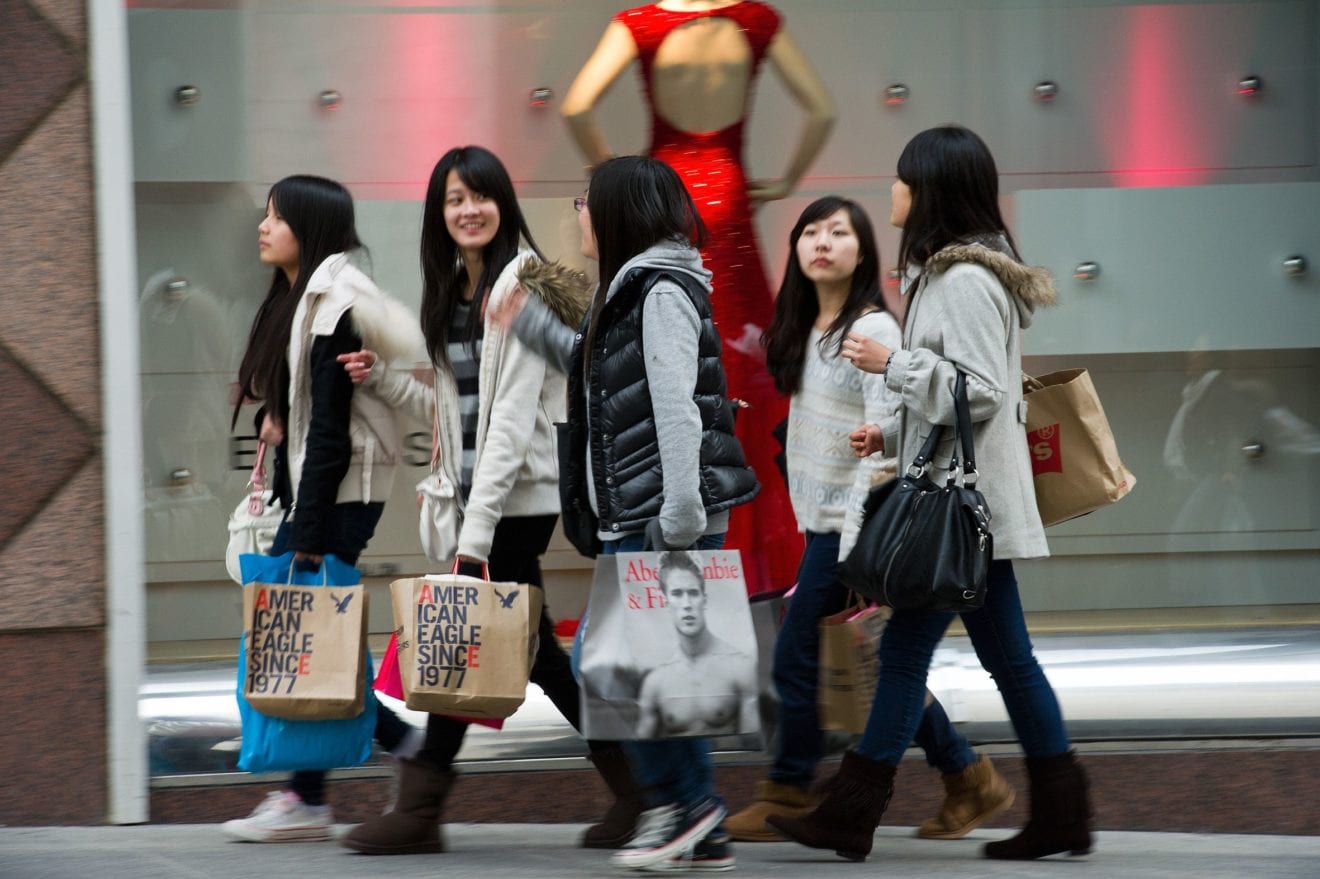
    On top of seasonal sales and occasional promotions, major South Korean retailers have been holding a series of big discount events since summer to create an intense, promotion-heavy atmosphere through the Christmas season and beyond.

    The discount binge has indeed given a fillip to consumer spending here, but market watchers question its long-term effect as a slowdown in Asia’s fourth-largest economy has led to lower incomes for many people, prompting them to tighten their purse strings.

    Most recently, “K-Sale Day” kicked off last week to run for 26 days nationwide, led by major department stores and outlets that hope to grab shoppers’ attention ahead of the original Black Friday.’

    It came just a month after “Korea’s Black Friday”, a nationwide shopping campaign initiated by the government during the first two weeks of October to jack up the stagnant domestic consumption.

    The government-led event even overlapped with “Korea Grand Sale”, during which retailers knocked down prices from early September to mid-October to woo back both domestic consumers and Chinese travelers during the long-haul national holiday.

    One of the main reasons for the deluge of sales is the summer slump following the outbreak of Middle East Respiratory Syndrome (Mers) in late May, which poured cold water on domestic spending and dented tourist numbers.

    More fundamentally, however, the seemingly never-ending sale is seen as an early sign that South Korea is heading into a recession.

    “Although the domestic economy has long grappled with sluggish consumption, the government is ever more concerned about weak spending after exports showed signs of slowing,” says Ko Ga-young, a researcher at LG Economic Research Institute.

    “Exporters in the manufacturing sector had propelled the growth until the 2008 global financial crisis, but their prospects remain bleak due to slowdown in the Chinese economy and tougher global competition in the low-end manufacturing sector.”

    Although policy makers had expected that low oil prices and record-low interest rates would boost the economy this year, the fallout from the Mers outbreak prompted the government to lower its 2015 growth forecast from 3.8 per cent to 3.1 per cent in June.

    The retail discount events, held both online and offline, did not create much buzz like Chinese e-commerce giant Alibaba’s “Singles Day”, which recorded a blockbuster US$14.3 billion in sales on November 11, but the steep discounts did serve as the spending trigger for pent-up demand in a short period of time.

    According to the data compiled by the industry ministry, the 22 retailers that joined the Black Friday Korea campaign saw their sales rise 20.7 per cent on-year to 719.4 billion won (US$634.9 million) during the two-week period.

    While the government touted its “successful effort” in reviving the consumer sentiment, the market remained skeptical over the growth from last year’s low base during the extended holiday season.

    “Large department stores and discount chains face an unfavorable business environment because massive sales events and permanent discount policy produced a limited effect despite last year’s low base,” said Nam Sung-hyun, a researcher at Kiwoom Securities.

    Unlike a one-off factor like the viral disease, market watchers worry that the tight labor market and rising household debt could continue to discourage people from spending on concerns over their unstable future.

    The youth jobless rate reached the highest level in 15 years at 10.1 per cent in June with more college graduates landing at temporary positions, while the average consumption propensity dipped to a record low 71.5 per cent in the third quarter, according to Statistics Korea.

    “The consumption propensity is expected to further decline because households are managing their spending schedule in line with the bleak long-term growth prospect and extended life span,” Ko said.

    Bricks-and-mortar shops face an even dimmer outlook as more consumers are hunting for bargains from online marketplaces abroad.

    Traditional retailers not only have to compete with each other but also counter challenges from international online marketplaces stealing their customers with easier delivery and transaction procedures.

    “As more consumers learn they can easily buy products at a much cheaper price via online vendors, offline shops are more frequently conducting discount events to retain their customers,” said Jun Mi-young, a professor at Seoul National University and co-author of Trend Korea 2016.

    “The experience of buying foreign brands at discounted prices has created a healthy dose of cynicism about department stores’ pricing policy.”

    According to US No 1 retailer Walmart’s Black Friday advertisement, South Korean tech giant Samsung Electronics’ 55-inch HDTV was discounted to $498, less than half prices for similar models sold at Korean department stores.

    Some deals even raise questions over whether retailers set a higher price from the beginning to look like they are giving discounts.

    Lotte Department Store’s K-Sale Day promotional leaflet shows that the price of German kitchenware maker Henkel’s five-star knife block set was reduced from 550,000 won to 229,000 won.

    Sounds like a good deal. But you can buy the same product below 200,000 won at several online shopping malls on any given day.

    The desperate efforts to grab customers with lower prices, however, come at a price.

    As sales start earlier and last longer, they become less important and easier for consumers to ignore. When every day is special, none is.

    “I used to wait for the discount season to buy off-season clothes or other things at cheaper prices,” Lee Su-jin, a 35-year-old office worker in Seoul, said. “These days, I use mobile applications to buy refurbished products or find good deals at overseas websites.”

    While the discount pricing strategy is useful in driving traffic and sales for a short term, marketing professionals worry repeated sales could negatively affect the retail industry in the long run.

    To survive in the borderless digital commerce world, they advise bricks-and-mortar shops to come up with differentiated services to increase customer loyalty.

    ”As the rise of digital shopping has become an inevitable trend in the retail industry, offline sales channels should seek ways to provide better in-store experiences and quality service,” Jun said. “Squeezing margins is not a sustainable business model.”

    Experts emphasise the government’s role in setting a long-term policy to manage the record-high household debt and steer the economy clear of such economic uncertainties as China’s slowdown and market jitters over a US rate hike.

    “The government should control the pace of the household debt growth so it does not rise faster than the income growth, which could further contract spending,” Ko said.

    “Structural reforms are also needed to foster new value-added service sector for healthier growth.”

  • New Valentino Shanghai IFC mall

    New Valentino Shanghai IFC mall

    Luxury fashion brand Valentino has opened a new boutique in Shanghai.

    The new Valentino Shanghai IFC Mall boutique features 490 sqm of retail space.

    Valentino Shanghai IFC mall 5


    It was developed by creative directors, Maria Grazia Chiuri and Pierpaolo Piccioli, together with British architect Sir David Chipperfield.

    Valentino Shanghai IFC mall 3


    Valentino says the store “perfectly represents the core values of the Maison: luxury, elegance and Italian craftsmanship.”

    Valentino Shanghai IFC mall 2

    The store concept combines old and new, heritage and style co-exist in the idea of a new future that is not nostalgic, but full of memories.

    Valentino Shanghai IFC mall 4

    The Shanghai IFC mall store carries womenswear, menswear and accessories.

    Valentino Shanghai IFC mall 1

    IFC Mall in the Pudong financial district is one of the premium retail destinations in the city.

  • Sa Sa plans new store concepts

    Sa Sa plans new store concepts

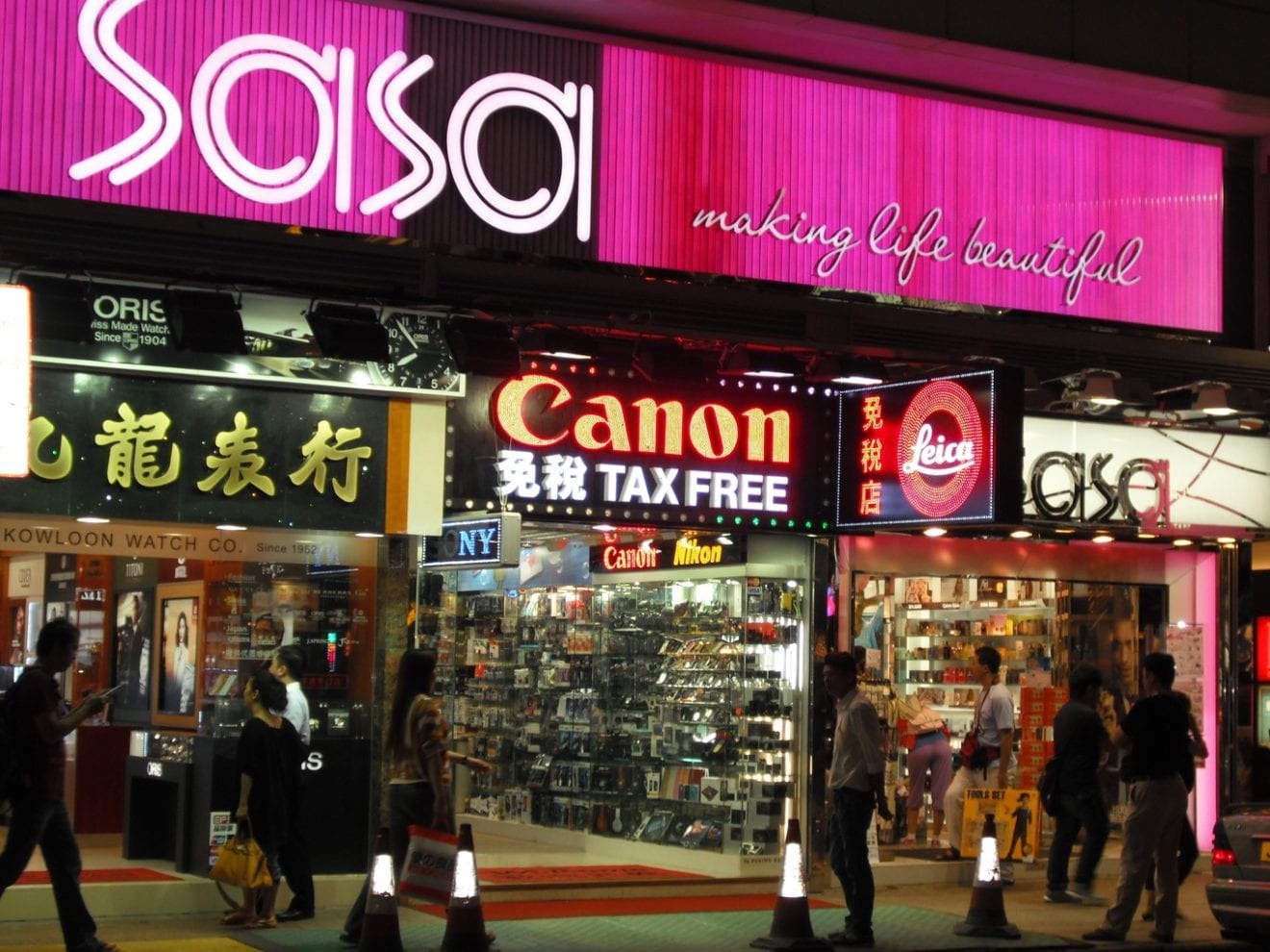
    Hit by falling sales in the tourist downturn, Hong Kong beauty retailer Sa Sa plans new store concepts and diversification to restore growth.

    Reporting a 10.6 per cent decline in sales to HK$3.778 billion in the first half of the current year, and a 55 per cent plunge in profit to $153 million, Sa Sa revealed a strategy to “develop other businesses beyond traditional operations”, including tapping the opportunities of O2O and cross-border eCommerce.

    “The group’s O2O initiatives will initially launch in Hong Kong and gradually extend to mainland China. For the China market, the O2O initiatives will significantly broaden product offerings in its physical stores through online sales and cross border fulfillment. The group aims to use different channels and to leverage a variety of online partners to increase online exposure, including operating physical stores to promote O2O in Free Trade Zones, and cooperating closely with major China online operators, all with their unique positioning and correspondingly different opportunities,” the company said in its interim report.

    New store concepts are also on the drawing board.

    “The group’s strategy for new store concepts includes introducing more trendy and lifestyle concepts to attract young and trend-setting customers, much improved product display, and more emphasis on enhancing the shopping experience.”

    Sa sa says it also aims to place more emphasis on the unique shopping experience with Sa Sa through improved product displays, while changing the mindset of its beauty consultants to one that is more receptive to consumer preferences.

    “In addition, the group will substantially strengthen its online marketing efforts, including the use of social media channels to improve interactivity.”

    Hong Kong & Macau

    Sa Sa says its first half year was marked by pressure from a series of negative factors in the retail market of Hong Kong during the first half of the year. Retail sales in Hong Kong and Macau decreased by 11.1 per cent to $3.010 billion.

    “The cosmetics market in Hong Kong continues to face strong headwinds due to the slowing of mainland China tourist arrivals, their reduced spending, and weak local consumption sentiment. The one-visit-one-week policy for mainland visitors is gradually taking its toll on the market, while the strength of the Hong Kong dollar and depreciating yuan will continue to make shopping overseas more attractive for both mainland China and local consumers. Intensifying competition within the cosmetic industry is a further challenge, with ongoing discount and promotion programmes having an ongoing impact on profitability,” the company reported.

    “Although rental pressure is expected to moderate in a slowing market, rental reductions still lag behind weak sales performance. In the face of these challenges, The group rationalised its retail network from 287 to 281, a net decrease of three stores each for both “Sasa” stores and single-brand counters.”

    Mainland China

    In Mainland China, the stores’ profitability continued to improve, but weak operational and product management led to a decline in turnover, as well as an increase in the inventory provision. Overall turnover for Mainland China operations decreased to HK$148.9 million, a decrease of 8.7 per cent in local currency terms, while same store sales growth in local currency decreased by 9.8 per cent for the period. Loss for the period amounted to HK$24.5 million. The group has recognised the need for more management resources to improved management, and is currently using external management resources on a contract basis to allow for more time to develop its own management structure and training. The group is also seconding experienced staff from Hong Kong to improve attractiveness of product offerings and inventory management.

    Taiwan

    Turnover in the group’s Taiwan business decreased to HK$130.2 million during the period, representing a drop of 2.2 per cent in local currency terms. Same store sales fell 8.7 per cent in local currency. The number of mainland China consumers in Taiwan is expected to increase in view of the country’s enhanced infrastructure and retail space, and the introduction of unlimited visa quotas for high-end Mainland Chinese tourists who have greater spending capacity. The group has already opened stores in tourist locations to tap the potential of increasing in mainland Chinese tourist arrivals.

    Singapore & Malaysia

    Flat sales across the Sa Sa Singapore network has prompted a rethink of the brand’s local network.

    In the first half year, Sa Sa reported turnover of HK$112.8 million (S$20.445 million) in Singapore, remaining flat in local currency terms over the same period last year.

    “The group will continue to build scalability and profit potential by closing inefficient stores and opening stores in new malls with good potential,” the company said in its interim trading statement.

    Meanwhile, turnover for Sa Sa Malaysia was HK$141.9 million, an increase of 2.5 per cent in local currency terms over the same period last year. However, same store sales decreased 8.5 per cent in local currency.

    “Sales and profit growth were restrained by the implementation of GST [on April 1], which adversely impacted store productivity during the transitional period. This effect is expected to be normalised in the second half.”

    Chairman’s view

    Chairman and CEO Dr Simon Kwok put on a brave face on the results:

    “Sa Sa has a long track record of delivering outstanding success in all economic climates and in the face of the most severe headwinds and difficulties. We firmly believe that in spite of the current difficult business environment we are now facing, we can still turn challenges into opportunities and further consolidate our competitive advantages. The flexibility of our business model, with an ability to rapidly adapt to new circumstances, markets and trends, will continue to support our position as a leading provider of beauty products in the Asia Pacific. We also believe that the resilience and adaptability of our loyal staff and the forward vision of our outstanding management team will ensure that we deliver sustained, satisfying growth for many years to come.”

  • Philippines Welcomes Chinese Smartphone Huawei Expansion

    Philippines Welcomes Chinese Smartphone Huawei Expansion

    Chinese telecommunications equipment maker is extending its reach to Southeast Asia’s retails sector.

    Huawei has launched its first experience store at the SM Mall in Manila. This new experience store represents another major step of the overseas market expansion of Huawei and the company continues to develop and grow its brand influence.

    With an area of 110 square meters, the Huawei experience store adopts a full-white minimalist design representing the “Huawei and I” idea, which aims to establish a better interaction between Huawei and its end users. In this store, users can experience Huawei’s Android watch and Google’s Nexus 6P smartphone made by Huawei.

    Charles Wu, head of the Philippines region of Huawei, said at the store opening ceremony that they launched new technologies to help users improve their quality of life. Their existing devices are widely used by users every day. Huawei provides end-to-end solutions and they introduce new products to the market with their technologies.

    Jojo Vega, Huawei’s consumer business manager, said that consumers in the Philippines show great interest in Huawei’s products. The company is now more confident and believes its stronger platform can attract more consumers and promote more interactions.

    Huawei now has 40 branded retail stores and 32 simple sales outlets in the Philippines. The company plans to increase the number of its branded stores to 60 in the country by the end of 2015.

  • Philippine supermarkets revamping stores ahead of Christmas

    Philippine supermarkets revamping stores ahead of Christmas

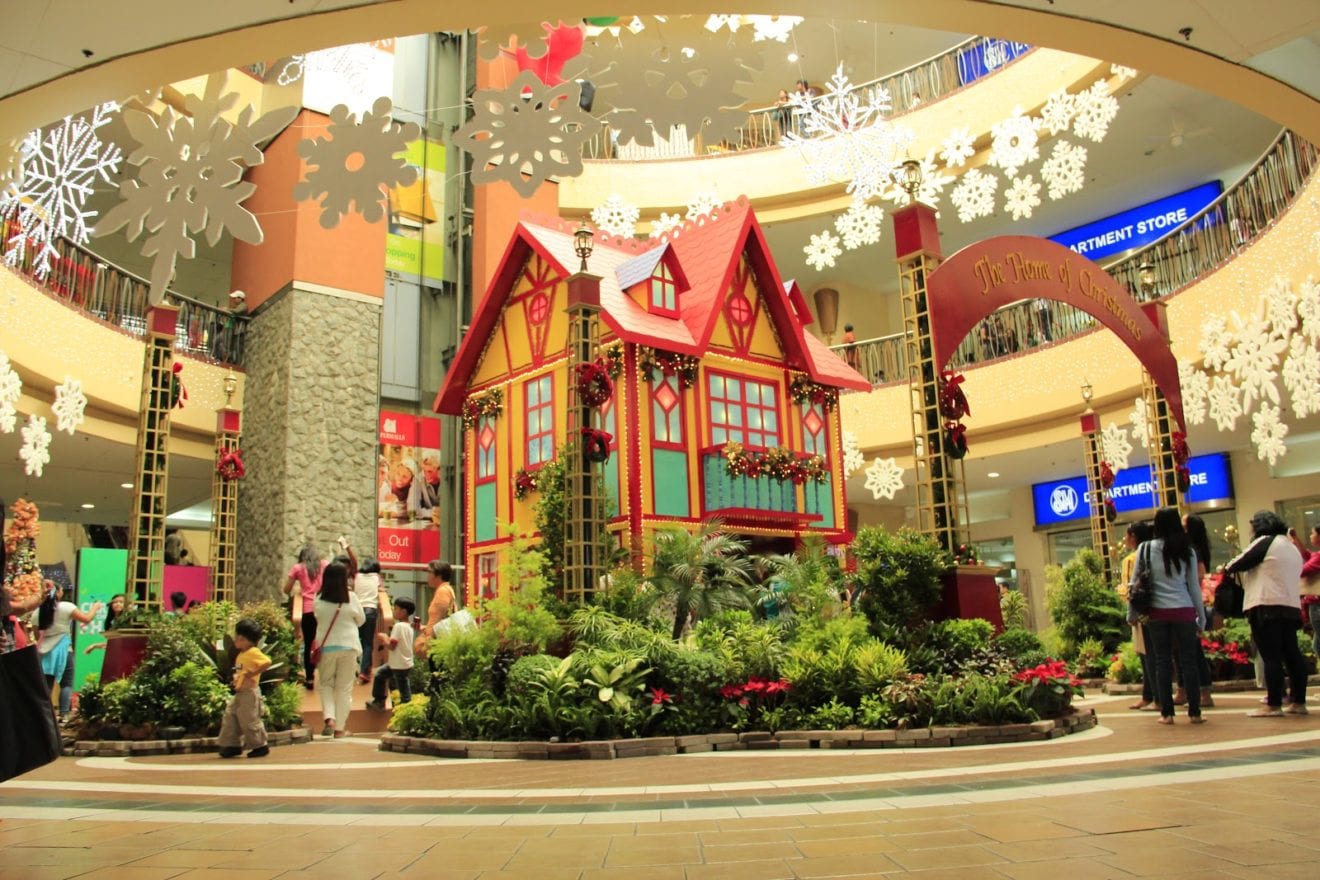
    The Philippine high street is getting a facelift, as retail titans hope to benefit from Southeast Asia’s most reprobate customer spending area during this Christmas. The nation’s biggest supermarkets including Ayala Corp., JG Summit Holdings Inc. and SM Investments Corp. are burning through billions on shopping centers to increase their vicinity throughout the nation, while worldwide brands, for example, Swedish retailer Hennes and Mauritz AB, which once overlooked in Philippines, are announcing their arrival in the region.

    For retailers looking for development, the Philippines has risen as an uncommon spot. National GDP developed at a sound 6.1% a year ago, filled by $27 billion in abroad settlements and over $18 billion in outsourcing incomes—and a lot of that cash was spent in shops.

    A stroll to a tolerantly air conditioned shopping malls is a national leisure activity in this tropical nation and drives family unit utilization, which broke even with 72% of GDP a year ago, as per the World Bank. The Philippines has likewise demonstrating resilience to outside factors, from China’s monetary lull to discouraged product costs. That stands as opposed to its neighbors: Thailand’s family utilization was just 53% of GDP, not a long ways behind Indonesia’s 57% and Vietnam’s 64%.

    With stores being the chief receiver of the surging economy, the Philippines has risen as the star retail entertainer in Southeast Asia, posting segment development of 6% in 2014, as per Nielsen—the most elevated in the locale, and the main execution in light of strong development in both volume and worth terms.

    “The Philippines has had reasonable development driven by customer putting in for a couple of years now,” said Stuart Jamieson, Nielsen’s overseeing executive in the Philippines. “That makes it exceedingly alluring, and puts it on the radar of enormous remote players.”

    Such vigorous development is driving a multiplication of general stores, shopping centers and accommodation stores. From 2012 to mid-2015, the quantity of markets grew 53% to 644, as per Nielsen, while the quantity of accommodation stores rose 60% to 2,270—a number set to twofold again by 2018.

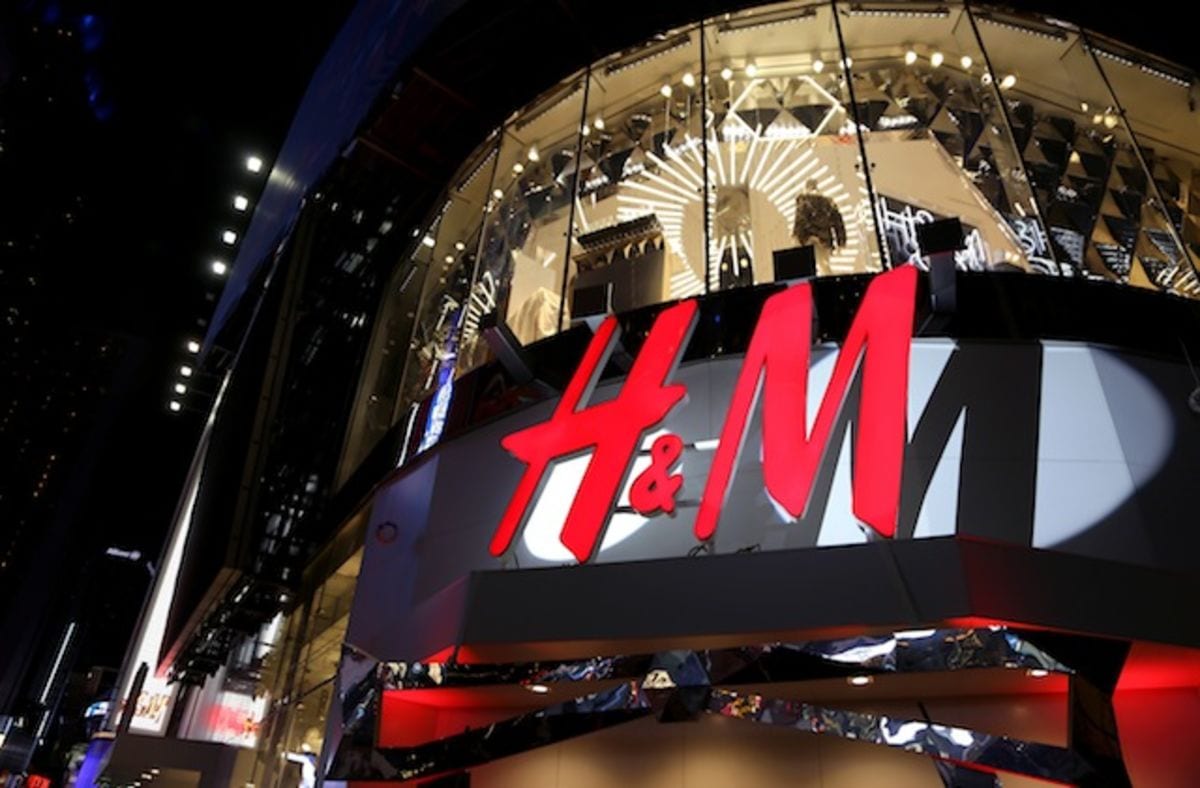
    Swedish design retailer H&M is one of the numerous worldwide brands belatedly grasping the Filipino buyer. Having opened its first Philippine store only one year back, it will have 13 before the end of 2015, empowered by the development of a style cognizant youth market with discretionary cashflow, said an organization representative. Zara, possessed by Spain’s Inditex, and Uniqlo, claimed by Japan’s Fast Retailing Co, have likewise entered the business sector here. Japanese chains Lawson Inc. what’s more, FamilyMart Co. as of late entered the Philippines’ accommodation store part, every arranging many branches, even as settled in players like 7-Eleven increase.

  • The Peninsula to expand its luxury retail network with Hong Kong airport opening

    The Peninsula to expand its luxury retail network with Hong Kong airport opening

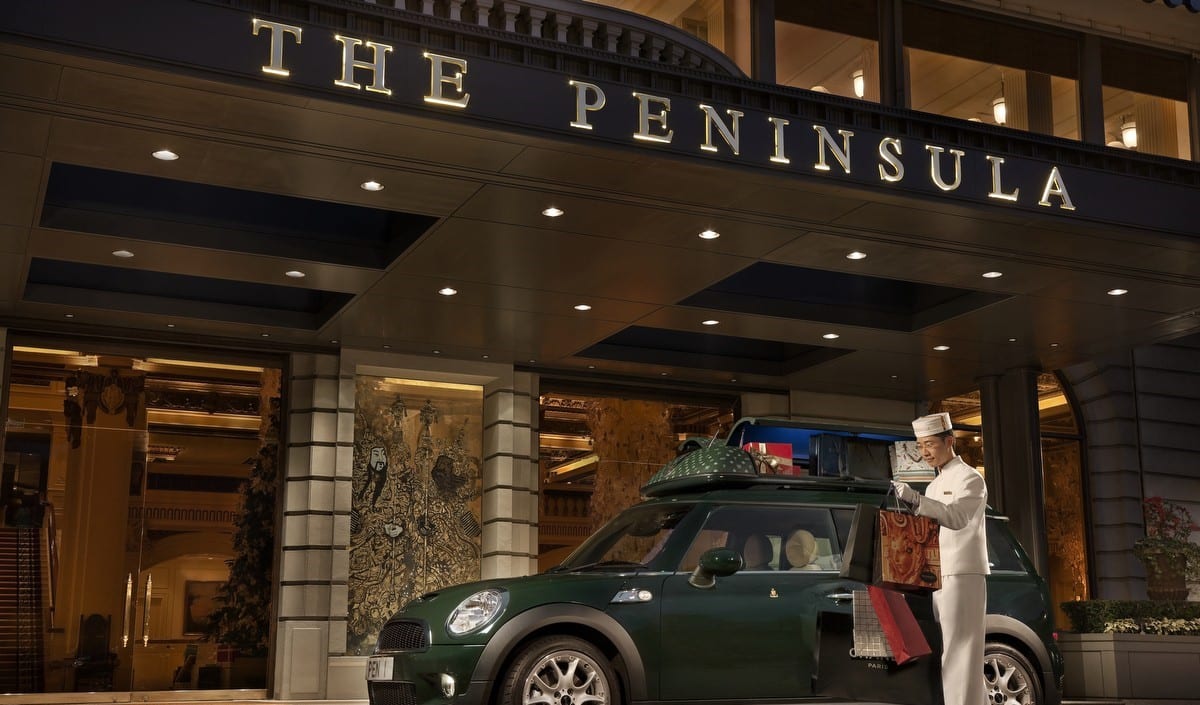
    While Hong Kong’s hotel sector faces a drop in mainland travellers this year, The Peninsula is pushing ahead with plans to open a retail shop at the city’s airport on Sunday. Paul Tchen Pao-shan, the group general manager of operations of Hongkong and Shanghai Hotels, which operates The Peninsula, says he is upbeat about the venture, even as the luxury retail sector been under pressure in recent times, forcing a number international brands to close in Hong Kong.

    “When customers do not come to us, we will go out to them,” Tchen said, adding that the 644 square foot shop will expand its product range to include customers who would not normally stay at the hotel.

    “The airport is a good location for retail business. It is a place guaranteed to have a lot of traffic. There are many tourists who want to get rid of their local currency and they will shop at the airport for souvenirs,” he said. “Food items such as chocolate are popular among tourists.” Tchen said the inspiration to diversify into luxury chocolates, teas and other gift items began during the height of the Japanese tourism boom in the late 1980s.

    At the time, Japanese visitors accounted for the majority of room bookings. A culture of gift giving, however, meant that many guests needed to stock up before their return journeys, creating a demand for products that over time would become an integral part of the hotel’s business. When the Japanese stock market imploded in the early 1990s, signalling an end to a long period of economic growth, visits by Japanese to Hong Kong began to decline, forcing The Peninsula to branch out with what had been an in-house business.

    In 2001, the hotel signed a licensing agreement with Nuance-Watson under which Peninsula-branded food products were sold at a dedicated counter under the retailer’s duty free network at Hong Kong International Airport. Business was so good that the Peninsula’s products were also sold under licence at a stand alone shop in 2003. The shop operated for 10 years until it was closed owing to rezoning of the airport retail area.

    The retail outlet set to open on Sunday will be directly owned and operated by The Peninsula, according to Tchen.

    “When we first started to sell products at the duty free shop in 2001, we did not have any retail experience. But now we have an experienced team of retail staff and we can operate our own shop at the Hong Kong airport,” he said. During the past 14 years, the company has opened 27 retail outlets worldwide, including Taiwan and Singapore, where the company has no hotel presence.

    “We consider running a retail shop in cities without a [Peninsula] hotel is like having an ambassador in that city,” Tchen said.

    “When they travel to Hong Kong, some of these retail customers may consider staying with us. Also, when we open hotels in these cities in the future, the retail shops will have played an important role in building up the brand.”

    The Peninsula also established retail shops in Japan in 2004, three years before it opened a hotel there. The retail business contributed 2.8 per cent of Hongkong & Shanghai Hotels’ turnover last year. Plans to take the retail concept online are underway with a launch tentatively set for March or April.

    “The new generation of customers is growing up with shopping through their mobile phones or desktop computers. We have to offer what customers want,” Tchen said.

  • New mall boosts SM retail portfolio

    New mall boosts SM retail portfolio

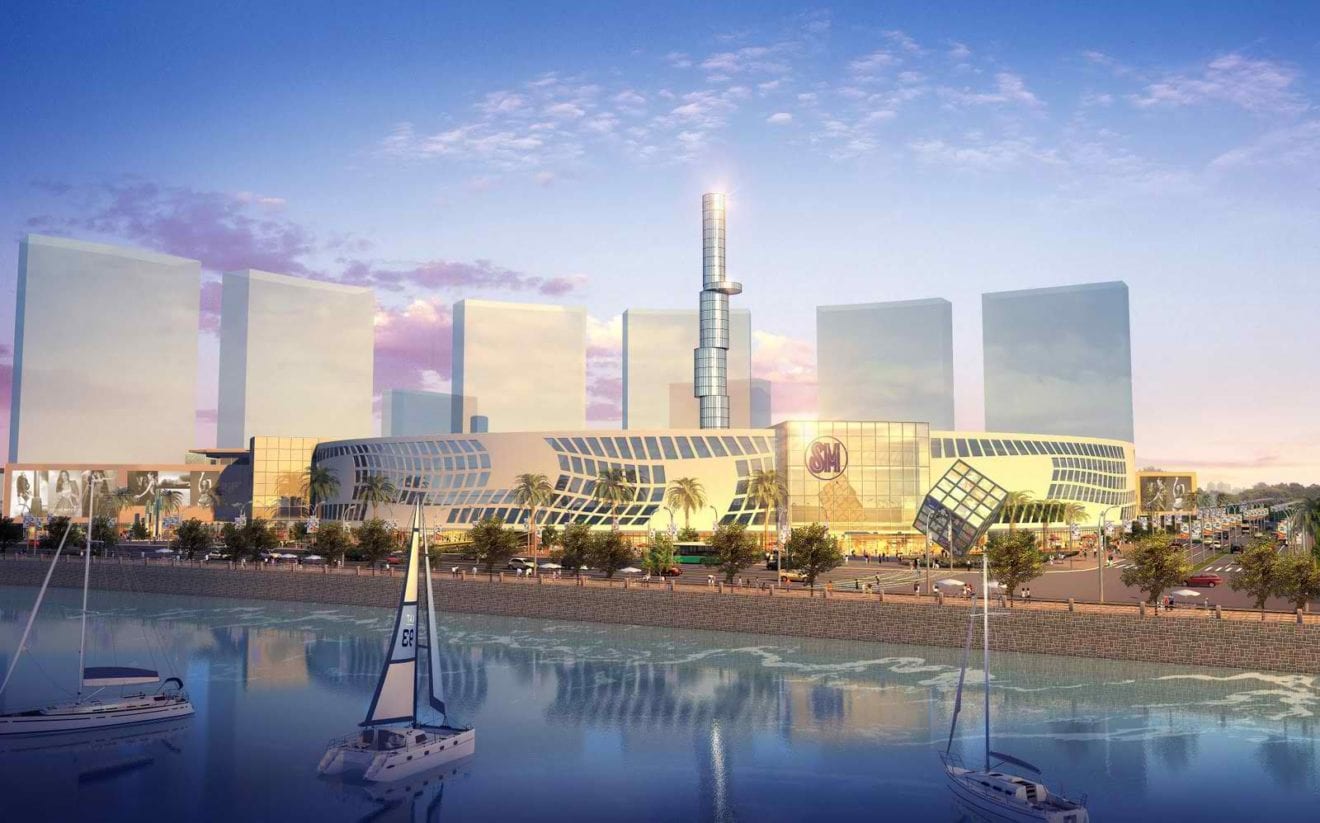
    SM Prime Holdings Inc, the Philippines’ largest mall operator and one of Southeast Asia’s biggest integrated property developers, announced on Thursday another milestone—growth to 7.3 million square meters in local retail space portfolio—as it unveils its 56th mall in the country.

    In a disclosure to the stock exchange, the publicly listed firm of Philippines’ richest tycoon Henry Sy said it is opening today, November 27, “a new regional landmark,” the SM Seaside City Cebu. The new mall is SM’s third mall in Cebu, and adds 430,000 square meters of gross floor area (GFA) to its retail portfolio.

    The new destination mall is the first of many developments in the 30-hectare SM Seaside Complex, which would take about five years to fully develop, said SM Prime President Hans T. Sy. According to SM Prime, the new mall “is the first of its kind in urban development” within the South Road Properties in Cebu City. “As the anchor development, the mall is slated to transform the city’s landscape, as SM Prime builds residences, offices, an arena, a five-star hotel, and convention centers,” the company said.

    The complex, it added, features a steel sculpture named “The Cube,” which symbolizes strength and stability of Cebuanos, as well as “SM’s continued commitment to excellence.” The younger Sy said the new mall promises to revolutionize the malling experience not only in Cebu, but also in the entire Southern portion of the Philippines.

    He said the company was inspired by the success of its Mall of Asia Complex in Pasay City, a mixed-use development that offers retail, residences, offices, hotels and convention centers. “We are replicating this concept of ‘lifestyle cities’ in Cebu, as we open the SM Seaside City mall. We see Metro Cebu as one of our important growth corridors in Visayas and Mindanao, following our growth track in Metro Manila,” said Sy.

    The new mall will feature a 147-meter “Seaside Tower,” that offers a “sensational panoramic view” of the entire city, and a “Sky Park” that provides diverse dining outlets. Other features of the mall include a skating rink, eight cinema houses, and 5,000 parking slots.

    “SM Seaside City Cebu is slated to transform the city’s landscape,” the company said. SM Seaside City Cebu is the sixth SM Supermall to be opened this year, after SM Center Sangandaan, Cherry SM Shaw, and SM City Cabanatuan, among others.

    To date, SM Prime has 56 malls in the Philippines and six in China, with an estimated combined GFA of 8.3 million square meters.

  • Swedish fashion brand, H&M makes Cebu debut

    Swedish fashion brand, H&M makes Cebu debut

    SWEDISH retail brand H&M (Hennes & Mauritz) is opening its doors to Cebuano shoppers at the Ayala Center Cebu today. Top officials are confident the brand, which was long clamored for by Filipinos to enter the Philippine market, will get a positive reception among Cebuanos similar to long queues experienced during its opening day in Manila last year.

    H&M Cebu is the biggest H&M store in the Philippines to date. The store covers three floors that occupy 3,800 square meters of Ayala Center Cebu’s leasable space.

    “We are just so happy we are given this huge space for our first store in Cebu. We are very well received in the Philippines with the long queues and sold-out collections, which is really amazing. I trust we will get the same vibrance in Cebu,” said Fredrik Famm, H&M country manager for Southeast Asia, in an interview Wednesday. According to the press release, the first 300 customers in line will receive gift cards valued as high as P5,000 and opening offers that are up to 50 percent off.

    H&M Cebu is the 11th store in the country. By year end, the retail brand will have a total of 12 stores nationwide, the latest will be the second H&M store in Cebu at SM Seaside City in South Road Properties, which will open on Dec. 9. Famm sees the Philippines as a destination where there is much growth potential, citing its mature retail market reflected by the increasing number of commercial establishments being put up in key cities like Cebu.

    The country’s over 100 million consumers and well-travelled population, he added, also presents opportunities for international retail brands to thrive.

    A report obtained from the Philippine Retailers Association noted that as of the first quarter this year, consumer spending in the country hit an all-time high of P1.278 trillion from P1.259 trillion in the last quarter of 2014. For the month of May, 2015 alone, the report said that retail sales increased 1.5 percent over the same month last year. Consumer spending in the Philippines averaged P875.888 billion since 1998 up to January 2015. It also added that the country posted a record low of P581.662 billion in sales in the first quarter of 1998.

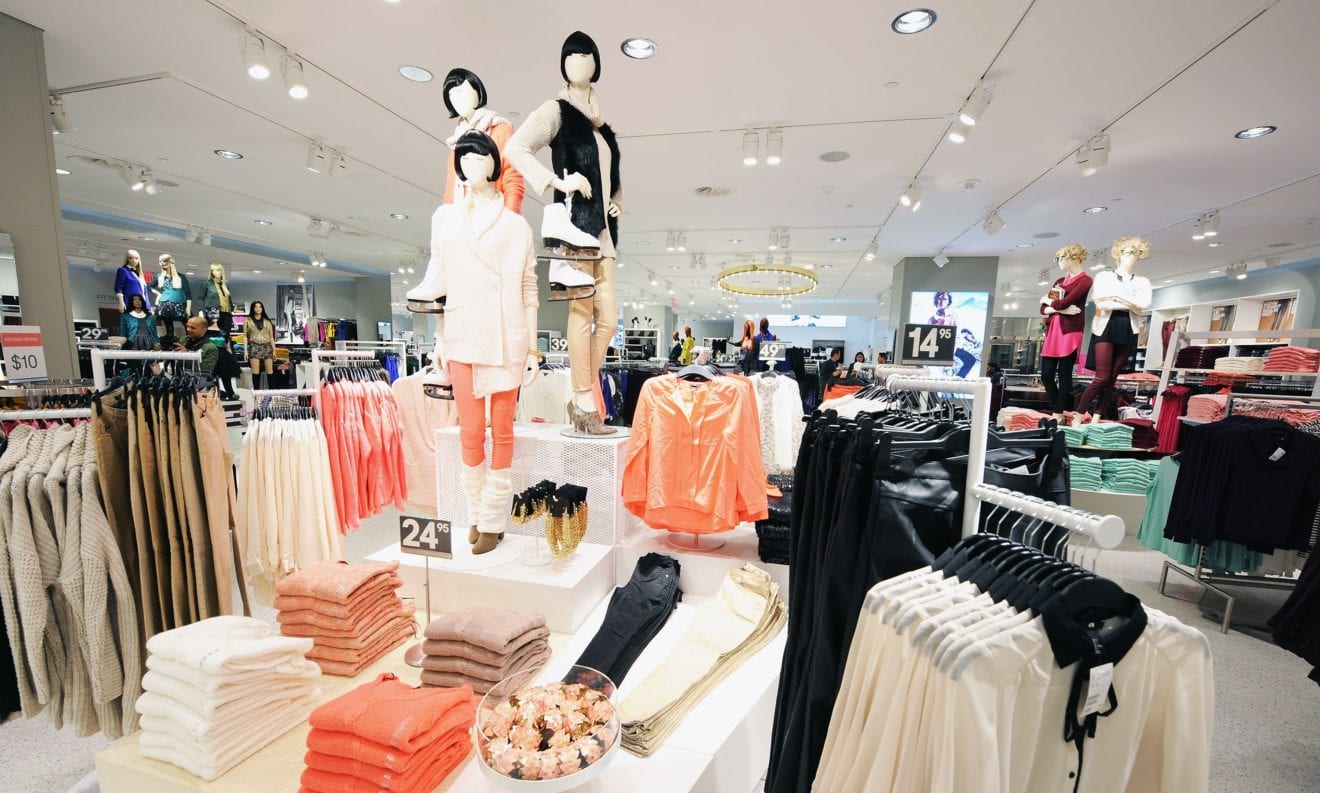
    H&M Ayala Center is a full concept store carrying ladies wear, mens wear, kids clothing and home accessories. Famm said the brand is a “combination of fashion, quality, price and sustainability.”

    “Every person who’s got an interest in fashion is our customer. Regardless of your personality, you will find something in our stores,” said Famm. More than just brining in high-quality and value for money fashion items, H&M will also introduce its Garment Collecting initiative in Cebu, were customers can donate their used clothes and get discount voucher at 15 percent to use for their next purchase.

    Famm said this initiative, which is implemented through its partner, I:Collect, a global recycling company, is the company’s way of protecting and preserving the environment.

    H&M is said to be the first fashion company to launch a global collection initiative. This initiative, Famm said, “can help reduce waste at the same time give old and worn out garments a new life.”

    “Of the thousand tons of textiles that people throw away every where, as much as 95 percent could be reworn or recycled,” the firm said in its website.

    “Of the used clothes, many things can still be redone. Like, can reuse it and turn them into other products like car seats and other purposes; we can also recycle by turning these old textiles to new fibers,” said Famm.

    This global initiative is being implemented all over H&M’s 3,900 stores worldwide. It has so far collected a total of 7,600 tons of used clothing or 38 million pieces of clothes. Last December, H&M collected 20 tons of used clothing in the Philippines. According to Famm, consumers’ interest on goods made out of sustainable processes is gaining popularity.

    “For H&M, this is a growing part in our production,” he said, adding that the retail brand is also one of the largest buyers of organic cotton in the world from suppliers who also adopt sustainable processes in their own operations. “In many markets, we get high demand of this type from our customers.” H&M products, which are made from sustainable materials, are identified in competitive green price tags.

    After Cebu, the officials are keen on looking at other interesting cities in the Philippines where they can set-up more H&M stores.

    “We see a lot of potential in all major cities in the country. We are looking for appropriate locations. We are kind of picky on that, but we want to be in areas where our customers are,” said Famm.

  • Aqua Spirit Presents Hong Kong’s First New Year Nude Noir Party

    Aqua Spirit Presents Hong Kong’s First New Year Nude Noir Party

    This New Year’s Eve, guests to aqua spirit are invited to a themed dress-up world of lace, leather and sensual festivities at Hong Kong’s best location to view the world-renowned fireworks – One Peking in Tsim Sha Tsui.

    An underground-style, countdown event oozing with sex appeal – aqua spirit’s New Year Nude Noir Party is a first for Hong Kong. The sensual evening calls for guests to don leather, lace and hide behind sexy masks for a night of ultimate naughtiness.

    Doors open at 9pm. Tickets start at HKD$1,500, for early bird, which includes entry to aqua spirit, free-flow champagne as well as free-bar for premium spirits such as Tanqueray and Ketel One.

    Throughout the night, free-flow gourmet Italian and Japanese canapés will be served. DJ Abel Rogers will be on the decks mixing upbeat sounds and sexy tunes – adding to the risqué atmosphere.

    $2000 per person including free-flow drinks from 11pm and canapés from 1-3am

    $1500 early bird price until 15 December

  • Fashion brands targeted in Cambodian minimum wage push

    Fashion brands targeted in Cambodian minimum wage push

    Lobby group the Clean Clothes Campaign aims to shame the world’s large fashion brands into supporting a Cambodian minimum wage rise.

    The CCC says it is lobbying on behalf of a coalition of Cambodian unions that the multinational brands must ensure a minimum wage of US $177. Thousands of women and men in Cambodia and around the world, have worn stickers saying “brands must provide a living wage for workers!” in factories which produce apparel for major global brands such as H&M, Inditex, Levi’s and Gap.

    The campaign is co-ordinating ongoing action in Asia, the US and Europe.

    In October, the Labour Advisory Council (LAC), a tripartite wage-setting body, voted to approve a new minimum wage of $140, to be implemented in January 2016 for Cambodia’s 700,000 garment workers, despite objections from a number of unions.

    “This insufficient $12 wage increase is a slap in the face to workers who have been organising for over a year to demand a fair minimum wage of $177,” said the CCC.

    A coalition of Cambodian unions are joining together to demand that the brands immediately ensure a minimum wage of US $177 is paid in their Cambodian suppliers and negotiate directly with Cambodian unions a binding agreement to achieve living wages, decent purchasing practices, stable employment, and union rights for the long-term.

    “Some brands, such as H&M and Adidas, have made public statements that they support a living wage for workers in their supply chains. However, these assertions ring hollow to workers who often work excessive overtime and still cannot provide for the basic needs of themselves and their families.”

    Athit Kong, VP of C.CAWDU, an independent union in Cambodia, says the $12 increase does not reflect the real basic needs of the workers, “especially in light of the enormous profits of multinational brands”.

    “It is clear that the only solution to poverty wages in the garment industry is genuine collective bargaining between brands, as the principal employers, and the garment unions.”

    A Global Action Day is planned for December 10, International Human Rights Day. Workers and campaigners from all over the world will show support to the Cambodian workers with workplace actions, fashion mobs, catwalks, and other store actions.

    Mirjam van Heugten from CCC, says brands sourcing from Cambodia cannot expect the women and men working in their factories to accept “these bread crumbs”.

    “The workers effectively slave themselves at factories, only for the brands to make huge profits. The targeted brands such as H&M and Inditex must put their leadership claims into practice by making sure all garment workers receive a living wage.”

  • Indonesia promotes “Wonderful Indonesia” in Mumbai, India

    Indonesia promotes “Wonderful Indonesia” in Mumbai, India

    Indonesia will be promoting “Wonderful Indonesia,” its country branding, in Mumbai, India, from December 2-4, 2015 in order to market tour packages featuring attractive cultural performances and festivals.

    Assistant Deputy for Asia Pacific Market Development, Ministry of Tourism, Taufik Nur Hidayat, said here on Wednesday that India is a potential market as most Indian tourists are high-class travelers.

    Indian tourists generally prefer hotels with five star facilities, so a specific strategy has to be put in place to attract more tourists to Indonesia.

    “We must prepare what they need, such as adventure tour packages as well as comfortable and safe environment, Indian food, and a pleasant night atmosphere,” he said.

    The Ministry of Tourism, according to Taufik, is targeting Indian tourists, hoping that around 250 thousand people will visit the country in 2015, especially Bali, Jakarta and Batam (Riau Islands).

    The tourism ministry also facilitates various Indonesian tourism players to participate in the South Asia Travel & Tourism Expo (Satte), last of which was held in New Delhi recently.

    Taufik explained that the promotion of Wonderful Indonesia in Mumbai is part of the cultural diplomacy to strengthen emotional ties between the two countries, emphasizing that Indonesia has a close relationship with India in terms of history and culture.

    In the ninth century, some Hindu kingdoms flourished in Java. Many Hindu relics are preserved by the people and the Indonesian government.

    The spread of Islam in Indonesia also involves traders from Gujarat, India, who developed trade in various port cities in Indonesia.

    In modern times, Indonesia, along with India, initiated the Asian-African Conference (AAC) in 1955 which resulted in Dasa Sila Bandung (the ten principles of Bandung).

    The number of Indian tourists visiting Indonesia in 2016 is expected to increase by 10 percent to 300,000 visitors.

    The Wonderful Indonesia promotion campaign in Mumbai is a combination of the two programs, namely selling tour packages and cultural festivals such as dance performances, culinary exhibitions and sasando music performances (featuring a Timorese traditional musical instrument).

  • French lingerie brand Etam opens first China store

    French lingerie brand Etam opens first China store

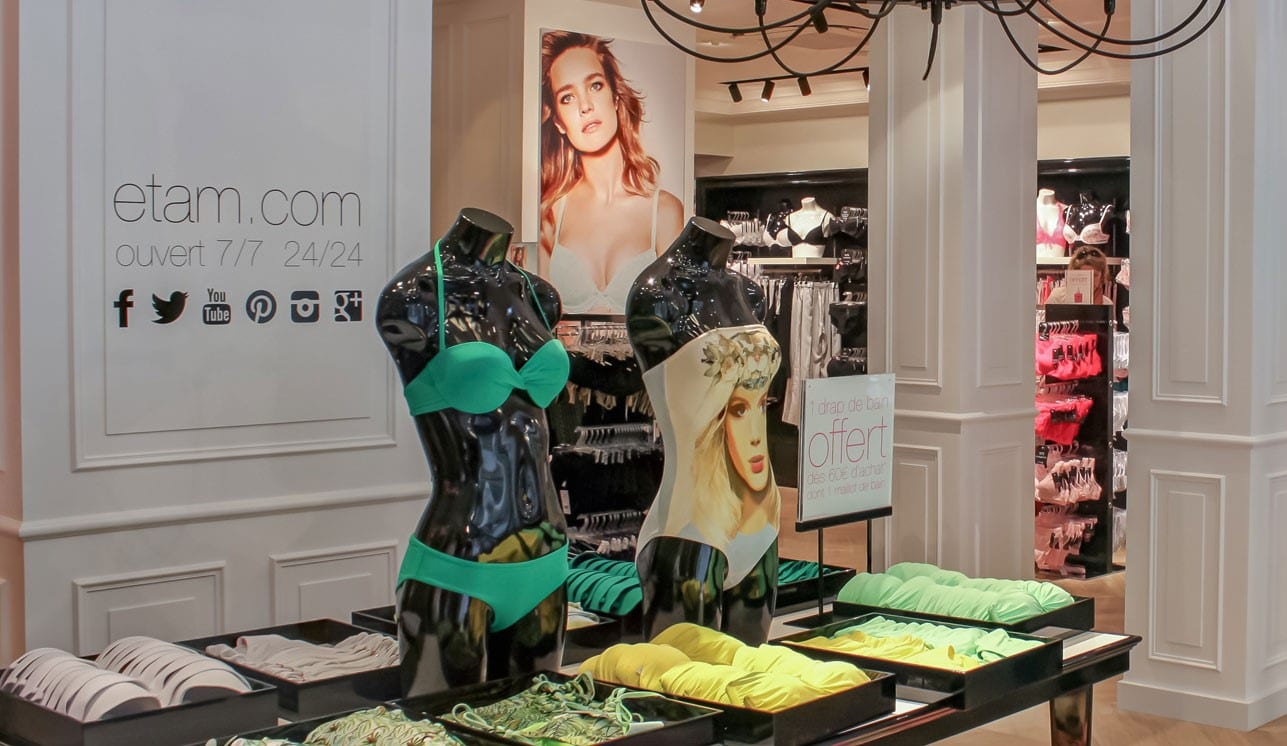
    French lingerie brand Etam has opened its first retail store in Super Brand Mall, Shanghai.

    The 100 sqm store features a tasteful black, white and pink color scheme, displaying the sophisticated array of elegant French-designed underwear for women marketed under the tagline “so sexy, so chic”. It also stocks Etam’s swimwear, sportswear and legwear.

    Etam started selling its clothing in China in 1994 through wholesale channels and the market now accounts for about one third of its total sales.

    But despite the importance of the country to its business, it has not until now opened its own stores there.

    Founded in 1916, Etam is now sold in 4400 stores in 48 countries. The Shanghai store will sell the same lines as in Paris.

    China marks a major strategic expansion for the company which to date has only opened stores in Asia in the Philippines. Its store network is largely concentrated on Europe and the Middle East.

  • AirAsia pushes new regional schedules, secondary hub growth

    AirAsia pushes new regional schedules, secondary hub growth

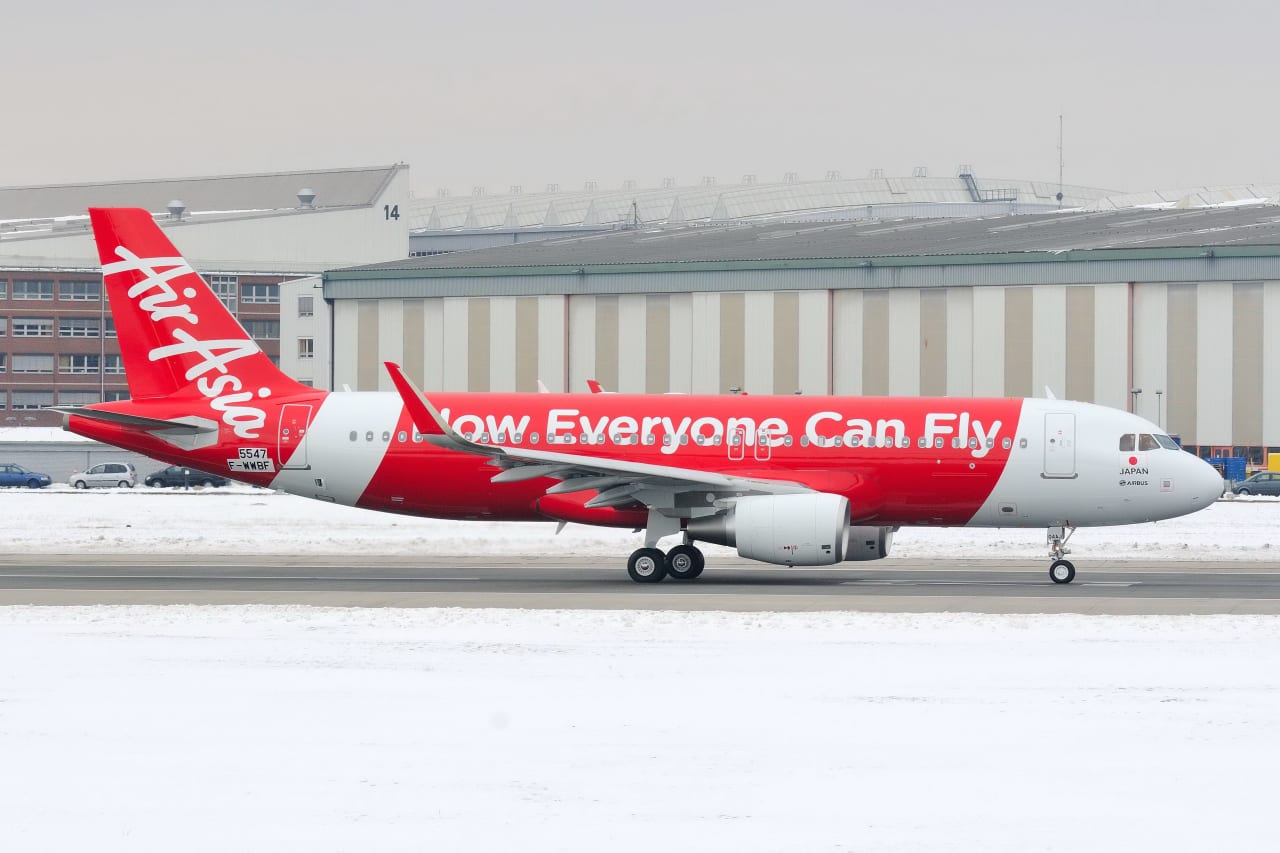
    Malaysia-based low cost carrier AirAsia Berhad plans to launch its latest direct flight between tier-two Chinese city Guangzhou and Langkawi, Malaysia at the end of January 2016.

    The choice of tourist destination Langkawi for the group’s latest international route underlines the company’s strategy to develop services on less heavily serviced routes. The schedule will see 4X-weekly Airbus A320 departures.

    AirAsia CEO Aireen Omar said the airline is focused on expanding its connectivity into China, especially second-tier cities such as the recently launched Changsha-Kuala Lumpur service.

    This secondary city approach is echoed by the AirAsia Group’s introduction of flights from Changsha-Bangkok operated by Thai AirAsia; a Krabi (Malaysia)-Guangzhou (China) service by AirAsia; and a Wuhan (China)-Kota Kinabalu (Malaysia) service, also by AirAsia.

    Additionally, the Thai subsidiary has introduced new international schedules from its newest regional hub at Thailand’s U-Tapao International Airport to Macau, Singapore, and is reportedly looking at new routes to India.

    “We will continue to add more aircraft orders as we go further because we are not only growing in Malaysia, but also in Thailand, Indonesia, the Philippines, India and hopefully in Japan,” Omar said.

    AirAsia is scheduled to take delivery of its first Airbus A320 neo aircraft from the 2016 second half, which Omar said will be used to expand existing regional business as well as act as fleet replacements.

  • Thailand’s airlines downgraded over safety concerns

    Thailand’s airlines downgraded over safety concerns

    Thailand’s aviation industry has been downgraded for safety reasons in the US, leading to the possibility of bans on Thai-registered aircraft in Europe and Asia.

    The Federal Aviation Administration (FAA) reassessed the junta-ruled nation’s air services in July and found that it did not meet international standards.

    “Today’s announcement follows ongoing discussions with the government of Thailand which concluded on October 28,” it said on its website.

    The country has been consequently downgraded to a Category 2 rating in the US, which means that it “either lacks laws or regulations necessary to oversee air carriers in accordance with minimum international standards,” the FAA website states, “or its civil aviation authority – a body equivalent to the FAA for aviation safety matters – is deficient in one or more areas, such as technical expertise, trained personnel, record-keeping, or inspection procedures.”

    The Category 2 rating allows Thai carriers to continue their existing services to the US but prevents them from establishing new services to the US. The country achieved its Category 1 rating in 1997, and held it following its last assessment in 2008.

    In March, Thai airlines were placed under “special measures” by the International Civil Aviation Organization (ICAO) prompting Japan and South Korea to block new flights from Thai-registered airlines.

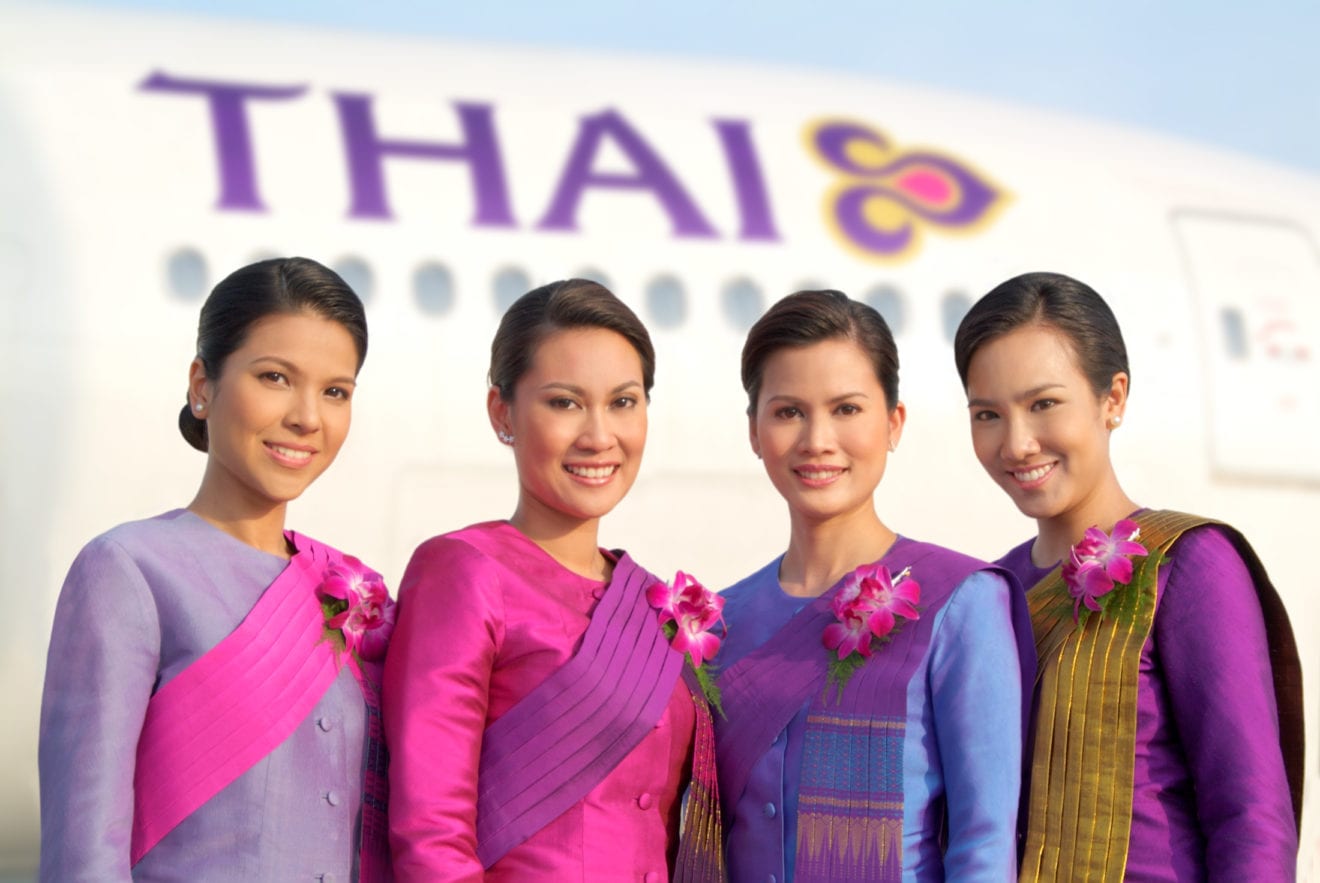
    This forced airlines, including budget carriers Thai AirAsia X, NokScoot and Asia Atlantic Airline, to cancel extra flights that they had been planning. Thai Airways, the national carrier, was also affected, which had to cancel “about five” new charter flights that were due to run in April, which is when Thailand’s new year – known as Songkran – is celebrated.

    A representative told Telegraph Travel that the audit revealed some safety concerns, primarily relating to air operator certification procedures. Thailand provided the ICAO with the details of its corrective actions and mitigation measures in early March.

    A spokesman for the ICAO said today that it is presently working with Thailand “to help rectify some aspects of how it’s civil aviation authority oversees the implementation of international aviation safety standards.”

    Thailand's airlines downgraded over safety concerns

    Thai airlines were placed under special measures in March

    The EU does not ban any Thai airlines at the moment but the next update will be published around mid-December. A spokesman for the European Aviation Safety Agency said: “We inspected in October the Thai airlines which applied for a Third Country Operators (TCO) authorisation – authorisation that any non-European Union airline willing to fly to and out of the EU must get. They were OK.”

    Thailand's airlines downgraded over safety concerns

    New flights from Thai AirAsia X were blocked by Japan and South Korea

    The FAA has previously downgraded the Philippines to a Category 2 rating while also imposing a complete flight ban on its airlines, with the EU later following its example in 2010. This was relaxed in 2013, with the country finally removed from the EU’s airline blacklist in June this year.

    Is it a bird? Is it a plane? Confusion in Bangkok after bird strike

    The FAA also banned Indonesia’s airlines for several years. It scored poorly on an ICAO safety audit in 2014. There are currently 59 of 63 Indonesian airlines banned from EU airspace, though this does not include the popular Garuda Indonesia and Indonesia Air Asia.