Tag: asia

  • Three-storey retail haven launched in Cebu

    Three-storey retail haven launched in Cebu

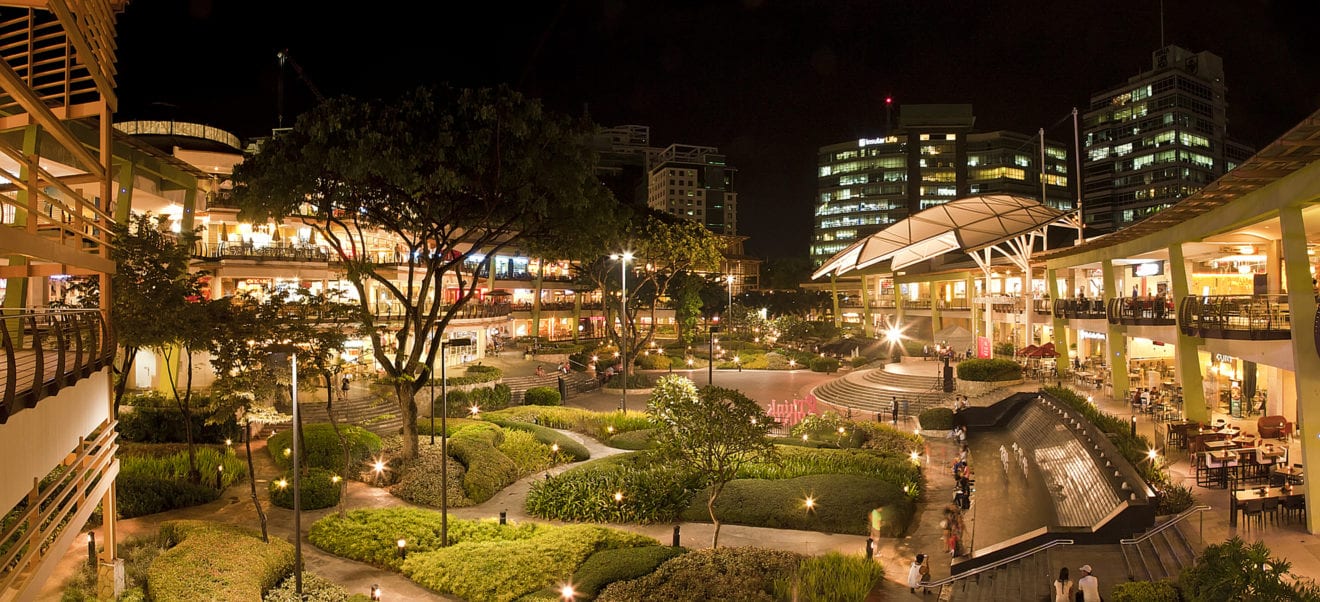
    Something big was coming and people could see the signs. Some jeepneys were painted with announcements of an unveiling to come, not to mention that eye-catching red hanger stationed right at the grounds of The Terraces.

    Sure enough, it was unmistakable that after much anticipation, every shopper’s dream came true as one of the world’s biggest fashion retail brands finally opened in Cebu City, namely H&M in Ayala Center Cebu last Friday, Nov. 27.

    H&M, which stands for Hennes & Mauritz AB, is a multinational retail-clothing company founded in Sweden with a business idea to offer fashion and quality at the best price in a sustainable way. Approximately, H&M has 3,900 stores worldwide. This 3,800 square meter store is the 11th store built in the Philippines and is so far the biggest in the country.

    The store in Ayala Center Cebu is a full concept store that offers three levels of retail goodness. Everything that the brand has to offer, Cebuanos can now certainly enjoy them. It carries ladieswear which can be found at the first two floors, a home section also located at the second level, and kids’ wear and menswear at the third level.

    Apart from expecting the latest trends in fashion, H&M also features its Garment Collecting initiative in this store, where customers can donate their used clothes. In return, they get a discount voucher which one can use on one’s next purchase at the store.

    With this opening, it also introduces its holiday collection. Festive and playful, this year’s collection for women is in collaboration with Katy Perry in fun, eclectic and cozy styles. For the men, it’s all about neat, textured tailoring with fun accents and patterned pieces. The little tykes also get to have their moment as H&M offers its fairytale-themed designs.

  • Luk Fook profits slump 42% on weak Hong Kong, Macau sales

    Luk Fook profits slump 42% on weak Hong Kong, Macau sales

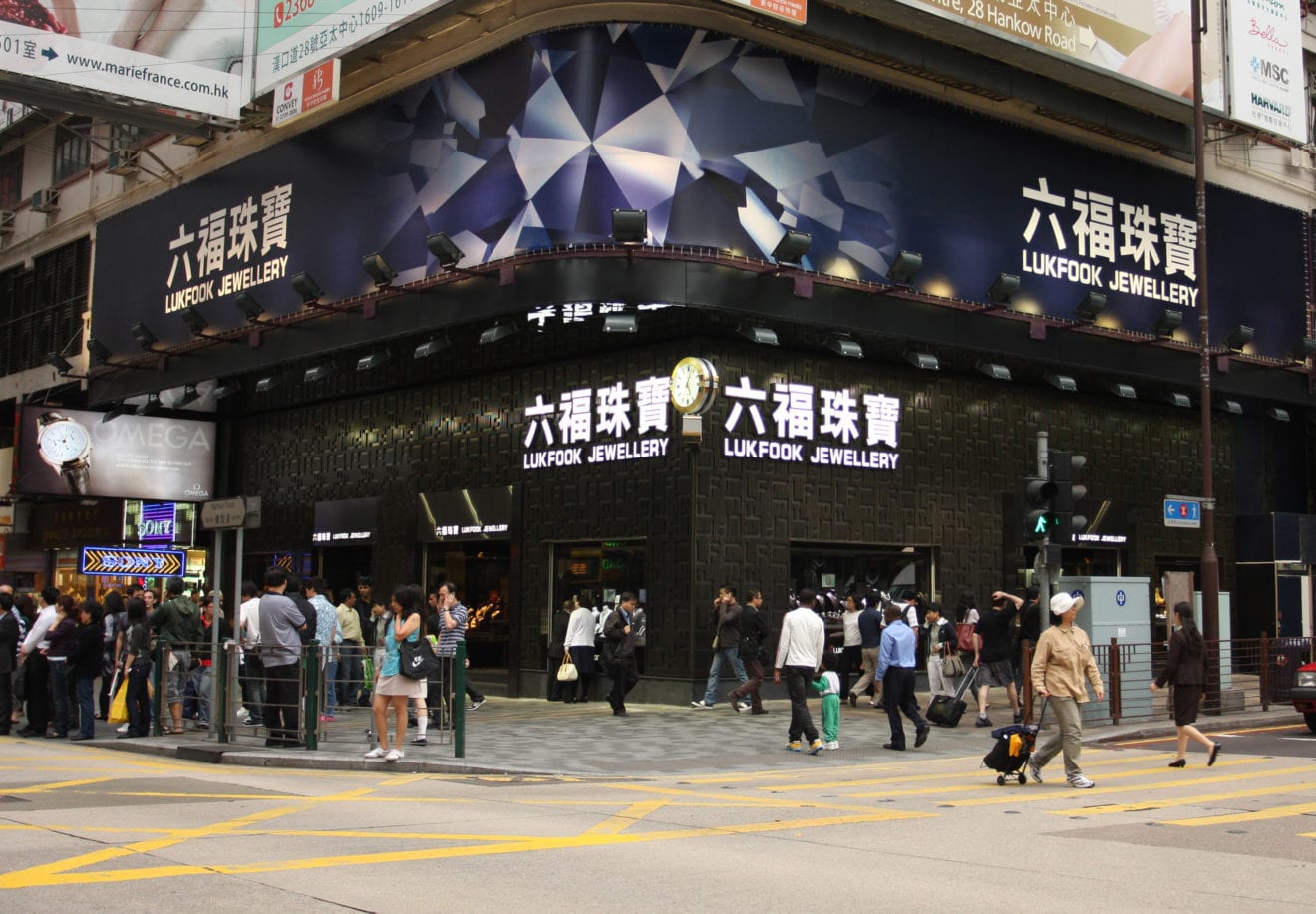
    Jeweller Luk Fook Holdings is looking to Mainland China to restore growth after a heavy drop in profits due to the Hong Kong and Macau market slump.

    Lukfook Group says its sales declined 7.7 per cent to HK$6.965 billion in the half year to September 30 and profit attributable to shareholders slumped 42.4 per cent to $463 million.

    Same store sales across the business fell 11.6 per cent, largely due to falling sales of gem‐set jewellery products in Hong Kong and Macau. Sales fell 16.2 per cent in Macau alone.

    However in Mainland China, gem-set jewellery sales rose 17.5 per cent, marking the 10th consecutive quarter of positive growth in that market.

    Wong Wai Sheung, chairman and CEO of Lukfook Group said the slowing economic growth in Mainland China, relaxed visa requirements and currency devaluation in Europe, Japan and Korea as well as a strong Hong Kong dollar against other currencies had caused Mainland tourists to switch to overseas for consumption.

    “These adversely affected the retail industry in Hong Kong and Macau and hindered the recovery of the retail business of the group.”

    Hong Kong rents also took their toll on Luk Fook profits.

    “The decrease in revenue, together with the increase in total rental expenses mainly contributed by the high rental of the loss‐making new shops in certain Hong Kong prime locations, resulted in the increase in the total operating expenses to revenue ratio to 14.6 per cent (2014:13.0%),” the company said in its filing.

    The company opened a net total of 29 Lukfook shops (including 23 licensed shops and six self‐operated shops), and four 3D‐Gold self‐operated shops established by the new joint venture (the group has 51 per cent equity) with a licensee in Mainland China. The number of shops in Hong Kong and Macau and overseas remained unchanged. As at September 30, the group had 1412 Lukfook shops globally in Mainland China, Hong Kong, Macau, Singapore, Korea, the US, Canada and Australia; and four 3D‐Gold shops operated in Mainland China.

    Mainland Chinese visitors remained the primary customer group for the Hong Kong retail business, which contributes 60 per cent of the group’s turnover.

    Wong Wai Sheung said with continuing uncertainty in the global economy, the overall operating environment will remain challenging in the short term.

    “However, in the long run, as the per capita income in Mainland China increases, the group believes that there will still be strong customer demand for jewellery products, therefore the group remains positive about the mid‐ to long‐term business prospects. The group will continue to optimise the retail network, maintain the expansion strategy of focusing on the development in the Mainland China market, and further strengthen the cooperation with eCommerce platforms to expand our distribution channels, and also offer more fashionable and affordable jewellery products which are suitable for wearing in workplace, in order to attract middle‐class consumers.”

  • German start-up Number26 launches pan-European mobile bank

    German start-up Number26 launches pan-European mobile bank

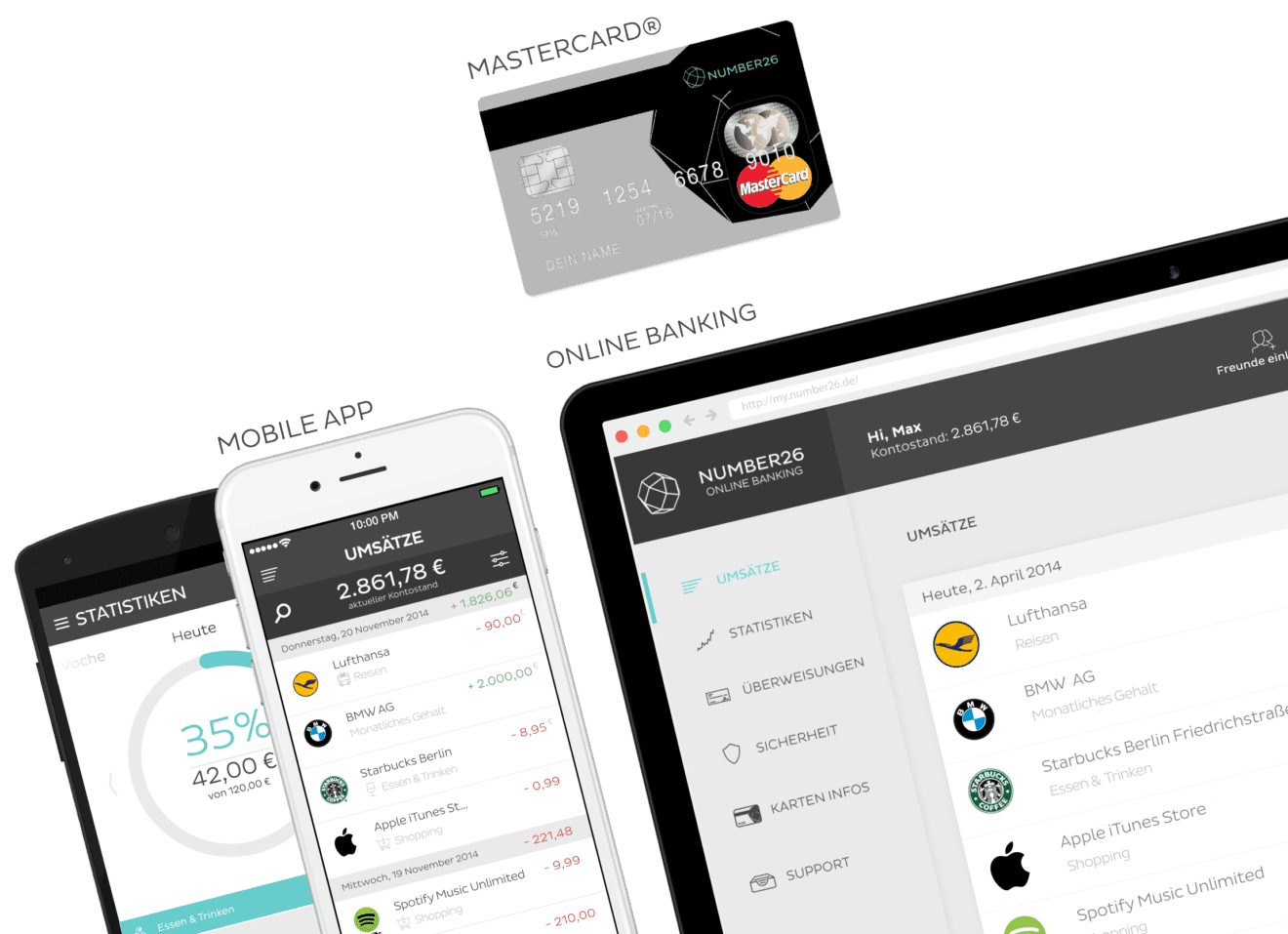
    Number26 is looking to succeed where traditional lenders have struggled, by relying on mobile phones to build a true pan-European bank.

    The German financial services start-up is expanding into six European markets, making it the first mobile phone bank to straddle the region’s borders, it said on Thursday.

    Number26 is entering France, Italy, Spain, Slovakia, Greece and Ireland, the latter being a test for moving into Britain, and eventually plans to develop a continent-wide bank.

    Founded by two Austrians and based in Berlin, the company revealed plans to offer a MasterCard and basic current accounts via a licence from its partner Wirecard Bank of Germany, which guarantees funds using the German Deposit Protection Fund. Its parent, Wirecard, also supplies Number26 with core banking software and transaction processing.

    Without branches, legacy computer infrastructure and by relying on selective outsourcing, mobile-first banks can compete with little up-front capital against big banks, all while promising lower lending rates and higher rates on savings.

    Number26 also has a jump on rival mobile-first banks including Atom Bank which took a UK bank licence in June and Tandem, which received a licence this week. Both plan to start operating in Britain next year. BBVA, Spain’s No. 2 bank, has taken a 29.5 per cent stake in Atom.

    “The model for these mobile start-ups is to compete on fees,” said Andrew Copeman, an analyst with financial research firm Aite Group. “Banks can’t afford to go after those rates because they are saddled with big overhead from branch networks and old systems.”

    Taken by surprise, banks have responded by ploughing more money into fixing creaky systems, rolling out mobile apps of their own and shuttering many branches. Worldwide, banks could cut half their jobs in 10 years as they fight to stay relevant, the former head of Barclays has said. “I don’t see banks at all as my competitors. They just can’t move fast enough,” Number26 chief executive Valentin Stalf, 30, said in an interview.

    The company, which launched this year in Germany and Austria, provides more than 80,000 customers with accounts for cash withdrawals, deposits and overdraft services up to ?2,000 via a slick smartphone app. “We see the current account as just a starting point,” said Maximilian Tayenthal, 35, Number26’s co-founder and chief financial officer. Credit, savings and insurance products will follow, he said.

    It recently began offering a retail checkout-based alternative to ATM machines for cash withdrawals and deposits in Germany.

    It now counts 6,000 cash outlets including supermarket chain Rewe, or more ATMs than Deutsche Bank and Commerzbank combined.

    The Number26 name refers to the optimal number of quarter turns it takes to solve a Rubik’s Cube puzzle and is a play on the most efficient route it can find to reinvent banking.

    Mobile phone-based banks aim to tear up the rule-book of an earlier generation of direct banks, which used online sites and telephone call centres to woo millions of customers away from bank branches starting in the 1990s.

    ING’s DiBa and others are now some of Europe’s biggest retail banks after being spun out of parent banks to offer a wide array of services created within those banks.

    By contrast, Number26 is looking to evolve rapidly into a full-service banking hub, providing not just services of its own but those from third parties. It is in talks to offer money transfers from TransferWise, loans from LendingClub and deposit comparison site SavingGlobal on its platform.

    The 75-employee company has raised ?12.5 million in venture funding. Backers include Peter Thiel, founder of PayPal and one of Silicon Valley’s top investors, Earlybird Venture Capital and Axel Springer Plug & Play, both of Germany, and Swiss-based Redalpine Venture Partners.

  • Telstra retail boss resigns after short stint in the job

    Telstra retail boss resigns after short stint in the job

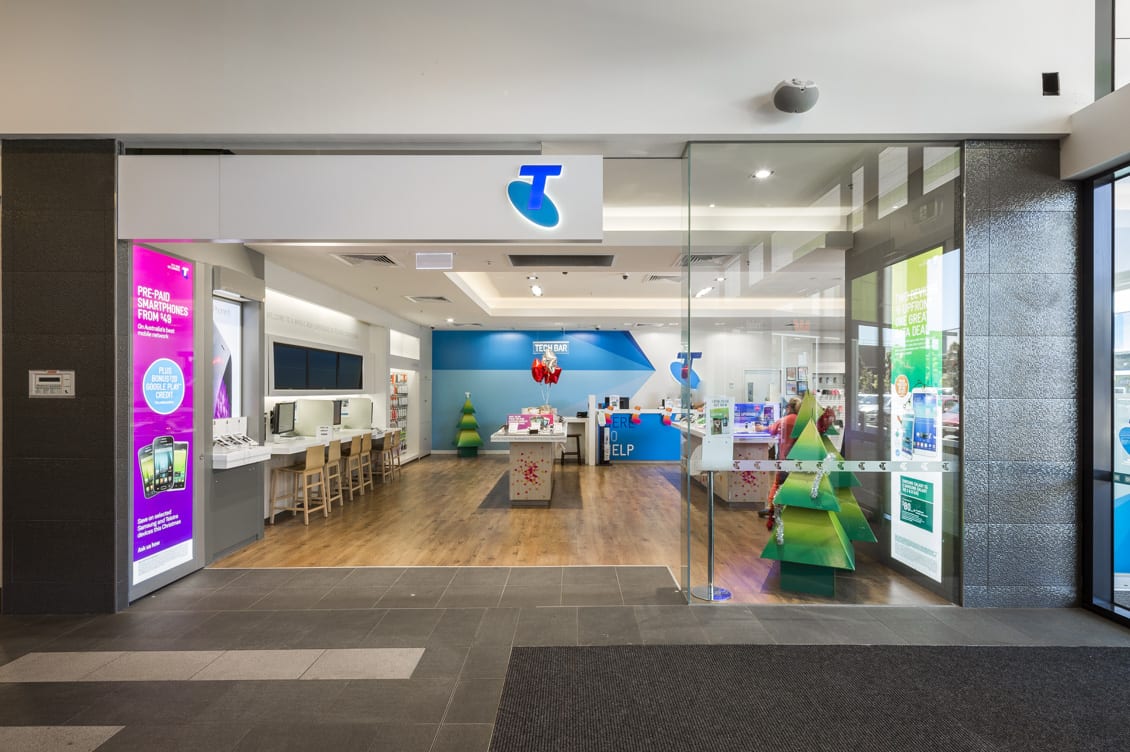
    Telstra head of retail Karsten Wildberger has resigned after less than two months in the job.

    Wildberger is leaving the telco for ‘personal reasons’ and will return to Germany around the middle of next year to take up an executive role outside the telecommunications industry.

    Wildberger was appointed to the retail role when Telstra undertook a management reshuffle after of the resignation of Gordon Ballantyne. Wildberger, who had been an executive in Telstra’s consumer division since 2013, replaced Ballantyne as retail group executive.

    Telstra CEO Andy Penn announced Wildberger’s resignation this morning, saying he was sorry that Dr Wildberger would be leaving Telstra, “as he was a very capable telecommunications executive who had contributed to Telstra’s progress”.

    “Karsten is a great executive.  We will be disappointed to see him go but understand his personal reasons.  Karsten brings great energy and passion to our business and has significant global experience.”

    Penn said a successor to Wildberger will be announced in the near future.

    Wildberger is a former partner and managing director with The Boston Consulting Group and held Executive Vice President roles in Finance, Sales and Marketing for Deutsche Telekom in the UK and Germany. He also worked with Vodafone as an executive and interim CEO in Romania and is a Director of the Telstra Foundation and Telstra Ventures.

    The Telstra Retail business includes consumer and business divisions, product and digital business units with broader enterprise-wide responsibilities and a strong focus on customer advocacy.  The division is responsible for a significant portion of the Telstra’s revenue and profit.

    In a brief statement, Wildberger said “I have thoroughly enjoyed my time at Telstra and in Australia and am excited by the company’s prospects.

    “I was privileged to be selected by Andy Penn to lead the retail team.  I am grateful to this incredible company, its people and its customers for three years of achievement and inspiration.”

  • Zara Home to launch its online platform in Australia

    Zara Home to launch its online platform in Australia

    Zara Home, the Inditex Group trademark devoted to homewear and home decor, is due to launch its online platform in Australia (www.zarahome.com) on 3 December.

    This launch marks the start of Inditex’s e-commerce operations in the Southern Hemisphere. This move emulates the decision taken back in 2007 to use Zara Home as the first Group retail format to spearhead online sales. The rollout of Inditex’s first virtual store in Australasia coincides, moreover, with the opening of the chain’s 500th establishment, namely a 480m2 flagship store in Sydney’s Pitt Street Mall.

    The product catalogue available at the new online store includes home textiles from sheets and towels to tablecloths as well as a selection of furniture, dishware, cutlery, home decoration objects and gift items; in short, all the same products as are available in the physical stores.

    The e-commerce platform will also be configured for the chain’s official app which is available in iOS and Android format. www.zarahome.com users will be offered new items weekly and monthly lookbooks and videos with all the latest trends.
    To celebrate its arrival in Australia, all orders placed online during the first week following the launch will enjoy free delivery.

    Zara Home store #500

    In parallel to the arrival of www.zarahome.com in the Australian market, the Inditex Group’s homeware chain will inaugurate its 500th store in Sydney’s Pitt Street Mall. The new establishment, a two-storey flagship store spanning 480m2, will accommodate all of the brand’s collections, including the Zara Home Kids line.

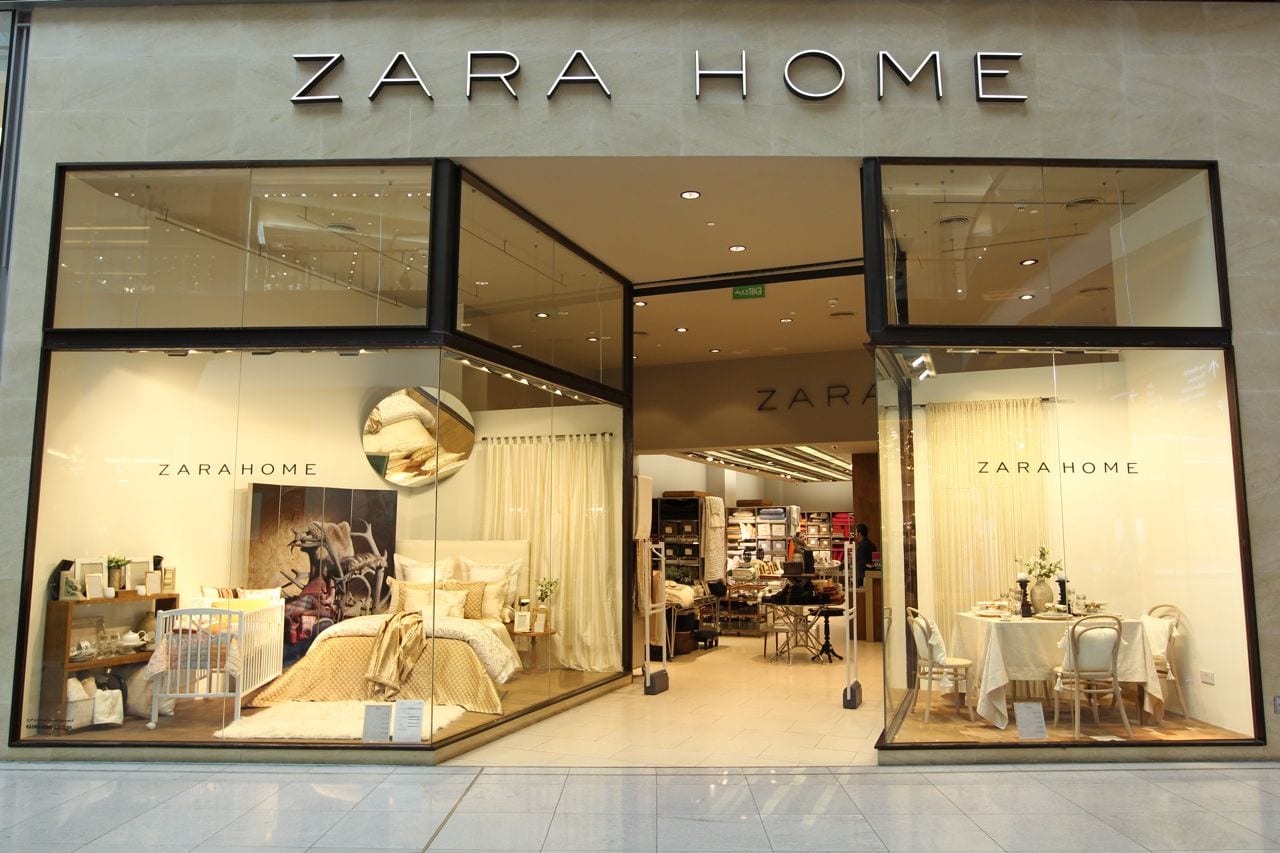
    The establishment will showcase an innovative store design, in keeping with the newest Zara Home image being deployed worldwide. The architecture team has sought to respect the building’s original façade, which is punctuated by characteristic gold logos and white lattice anagrams on the windows.

    The store combines a vanguard and elegant design with a penchant for simplicity and respect for nature, as is evident in the materials used. The neutral colour palette, the use of chestnut timber and marble floors which echo mother-of-pearl are some of the hallmark traits of this new Zara Home store in Sydney.

    As with the rest of the Zara Home stores around the world, the Sydney store will launch two collections a year. To this end, the design teams will present ideas which pick up on the latest trends each season. In parallel, the product range will be refreshed with new items twice a week.

    About Zara Home
    Zara Home is the Inditex Group chain specialised in homewear and home decor. Its collections take their inspiration from the latest fashion trends and materialise in a catalogue encompassing home textiles, such as bedding, towels and tablecloths, as well as furniture, dishware, cutlery, ornaments, gift items, loungewear and a line of bathroom and bodycare products. Since its launch in 2003, Zara Home has grown rapidly and its footprint currently extends to 62 markets, including Australia, with a total of 500 stores.

    Moreover, it sells its products online in 22 markets. Underpinned by a team of over 3,500 professionals, the brand offers the latest trends in home decor and fashion every season, restocking and rolling out new products across its store network every week.

    Zara Home – the milestones

    • 2003 – Zara Home was set up as an Inditex Group retail format in the month of August. By the end of that year it had already opened 26 stores: 22 in Spain, two in Portugal, one in the UK and one in Greece.
    • 2004 – Zara Home registered substantial growth in its second year in existence, opening 36 new stores and entering two new markets: Mexico and Netherlands.
    • 2005 – The trademark forged ahead with its expansion, opening 48 new establishments and penetrating nine new countries by year-end: Italy, Belgium, Cyprus, Turkey, Saudi Arabia, United Arab Emirates, Kuwait and Andorra.
    • 2006 – Zara Home disembarked in France. By October of that year, the Inditex Group store network reached the 3,000 mark as Zara Home opened a new store in Valencia. The brand ended that year with 152 stores worldwide.
    • 2007 – Zara Home penetrated four new markets: Qatar, Jordan, Oman and Lebanon. That same year it would initiate online selling in 14 European markets. Sales floor expansion, meanwhile, continued apace, with 52 new store openings.
    • 2008 – Zara Home established itself in four new countries: Romania, Malta, Bahrain and Morocco. That year it also inaugurated a flagship store in Saint Petersburg (Russia) in a neoclassical building on the city’s emblematic Nevsky street, with new openings that year tallying 35.
    • 2009 – Zara Home opened the doors of its first ‘eco-efficient’ store, on Portal del L’Angel street in Barcelona. It was the first European establishment to obtain LEED certification, endorsing compliance with the most stringent sustainable building standards. It also opened its first store in Poland that year and ended 2009 with 22 new openings.
    • 2010 – Zara Home unveiled a flagship store in Milan (Italy), on Piazza San Babila. That same year, a total of 27 new stores opened their doors for the first time.
    • 2011 – The homeware brand opened its maiden store in Asia: in Peking. In November of that year, Zara Home celebrated its #300 store opening when it opened a flagship store in the heart of A Coruña (Spain).
    • 2012 – Zara Home chose Sao Paulo for its first store in Brazil. That year it also penetrated four new markets: Colombia, Peru, Guatemala and the Dominican Republic. 2012 was also marked by the inauguration of the chain’s e-commerce platform in the US.
    • 2013 – The brand celebrated its tenth anniversary with store openings in 11 new markets: Canada, Honduras, Hong Kong, Indonesia, Japan, Kazakhstan, Panama, Thailand, Taiwan, Sweden and Uruguay. And it opened two new flagship stores: one on Paris’s Champs Elysees and one on Barcelona’s Paseo de Gracia.
    • 2014 – Zara Home rolled out its online platform in Mexico and Russia. The chain’s bricks & mortar presence was extended to encompass South Korea, Hungary and Algeria.
    • 2015 – Having docked in Australia (Melbourne in February and Sydney in December), Chile, Austria and Switzerland, Zara Home has extended its physical reach to 62 markets, ending the year with 500 stores worldwide. It also initiated online sales in Australia, thereby spearheading the Inditex Group’s e-commerce strategy for the Southern Hemisphere.###
    Inditex: Zara Home to launch its online platform in Australia
    Inditex: Zara Home to launch its online platform in Australia
  • Singapore to invest US$15 million on pharmacy industry

    Singapore to invest US$15 million on pharmacy industry

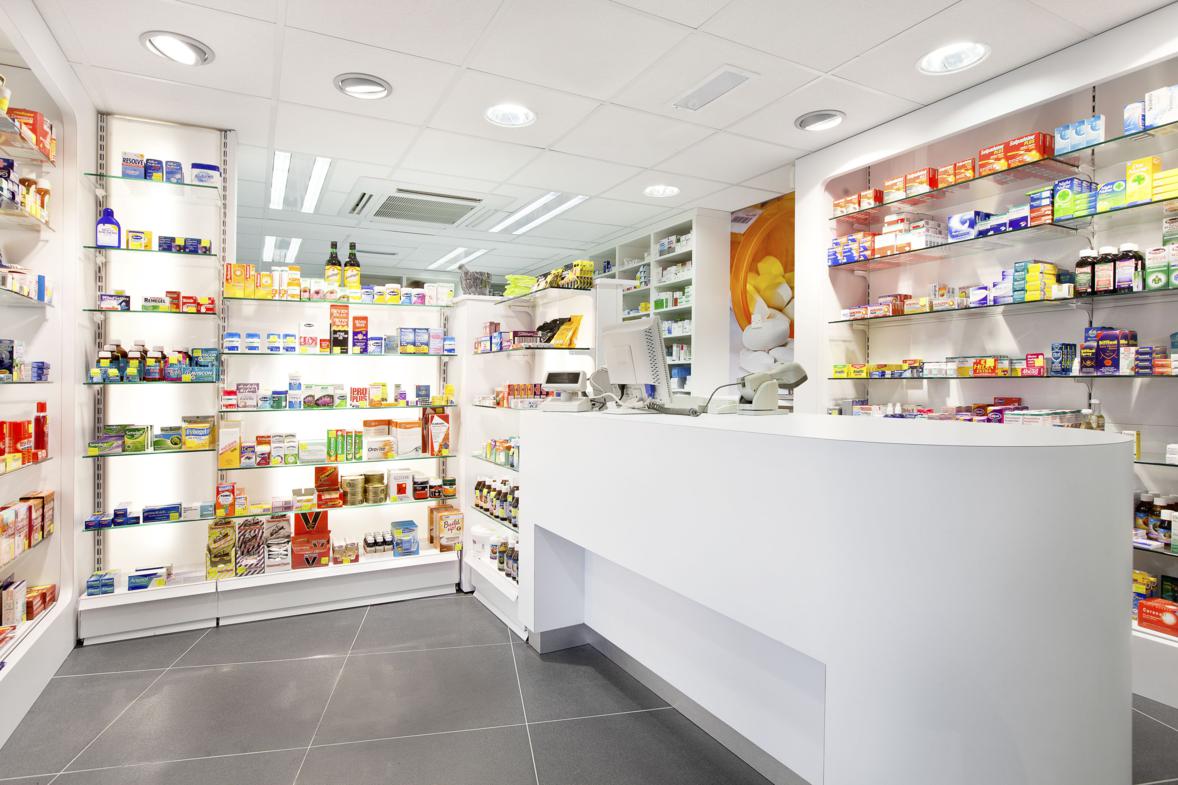
    Singapore has stated its interest to invest in the pharmacy industry worth US$15 million.

    “Singapore will use the three-hour service facility system in arranging the permit of its plan to make investment in the pharmacy sector,” Chief of Investment Coordinating Board Franky Sibarani stated on a press release received here on Sunday.

    Franky said the candidate investor company has a data centre operated in India with employment reached 12 thousand people in the world.

    The company employs 600 researchers and markets their products to 18 European countries and also more than 30 others in the world. The investor is the first company who utilize nano technology for pharmacy industry.

    “Its product is a medicine used to protect live cell from cancer and eliminate cancer,” Franky said.

    According to Franky, the company is interested to invest in Indonesia because the country has big market, added with other ASEAN countries.

    Indonesia, says Franky, need investment in pharmacy industry to boost technology transfer.

    The Board noted that the company also is a also a challenge to Indonesia, particularly the related ministries, to provide service for permit in a short length of time.

    “Thus, the coordinating board pushes the relevant agency to process permits in three hours as the investment will involved an amount of US$8 million,” Franky went on.

    The coordinating agency has met several Singaporean companies engaged in telecommunication, pharmacy, real estate and maritime sectors.

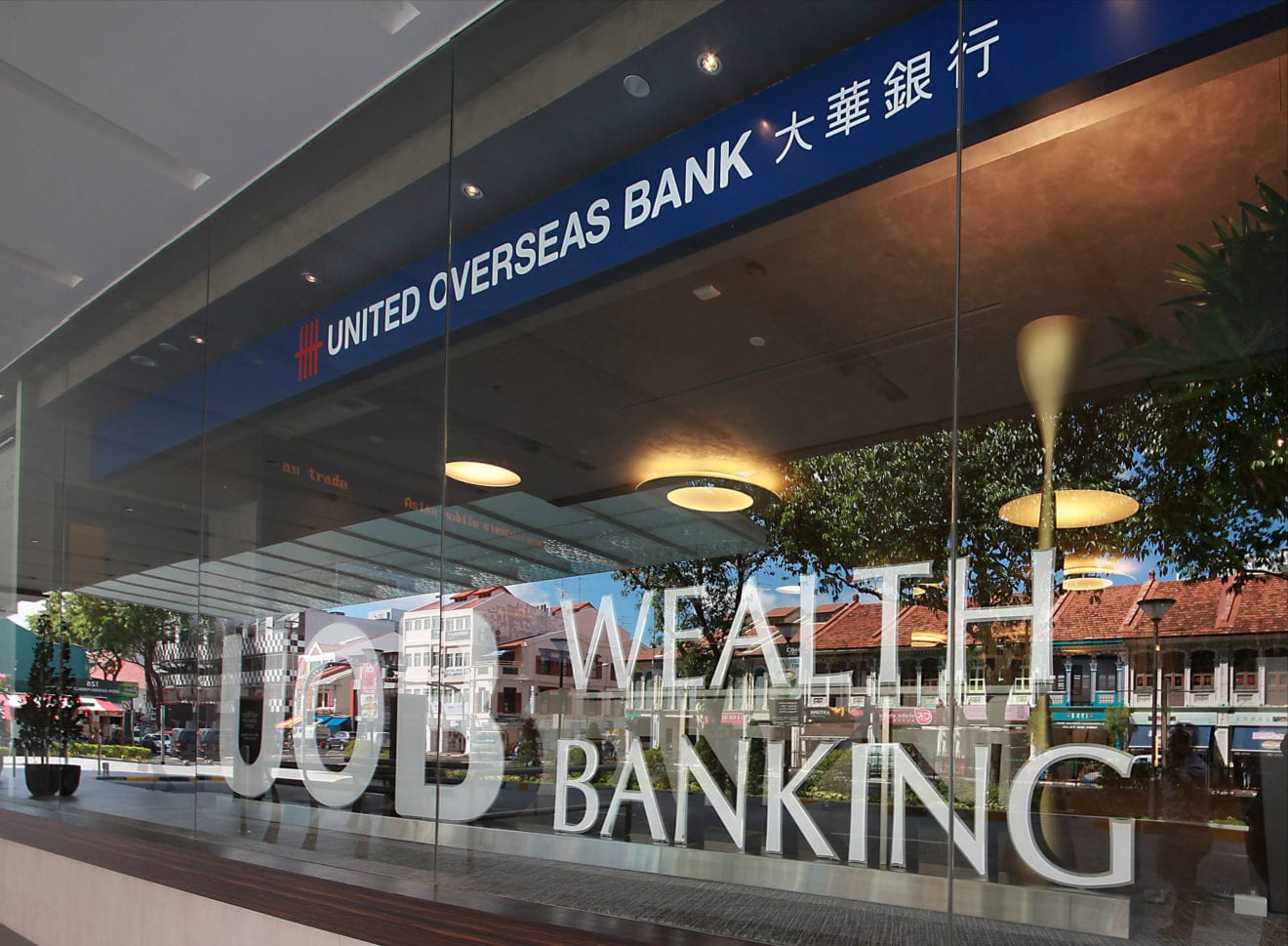
    During the meeting, the agency also signed a Memorandum of Understanding (MoU) with UOB Bank to promote investment potential.

    Singapore is one of the biggest foreign direct investment source to Indonesia.

    The country has noted Foreign Direct Investment up to the third quarter of 2015 at US$ 30 billion with 6,868 projects in the transportation, telecommunication, warehousing, plantation, mining, mineral and non-metal sectors as well as in the power generator sector.

  • Indonesia needs 1 million tonnes of rice from Vietnam

    Indonesia needs 1 million tonnes of rice from Vietnam

    Indonesia plans to import one million tonnes of rice from Vietnam to meet the country’s high demand, according to Indonesian Ambassador to Vietnam Mayerfas.

    He made the statement at a press conference in Hanoi on December 4 to introduce an Indonesia trade fair and an Indonesia-Vietnam business forum slated for the middle of this month at the Hanoi International Centre for Exhibition.

    Indonesia also has great demand for Vietnamese coffee, the ambassador said, adding that the country imported 40-50 million USD worth of the commodity in 2014 and the figure is expected to increase from 2016.

    He affirmed that the trade fair and business forum, as part of the activities to celebrate 60 years of diplomatic ties between Vietnam and Indonesia, will be a valuable opportunity for both nations’ enterprises to bolster cooperation and set up business links.

    Some 100 Indonesian enterprises will showcase their high-quality products at the fair, including automobiles and spare parts, pharmaceutical and medical equipment, food and beverages, among others.

  • UOB to help Jakarta draw investments

    UOB to help Jakarta draw investments

    United Overseas Bank (UOB) is linking up with an Indonesian government agency to encourage more foreign direct investment (FDI) into Indonesia.

    Under an agreement signed yesterday, the Investment Coordinating Board (BKPM) will allow UOB clients to apply for what is called a Principle Licence here without having to travel to Indonesia.

    A foreign company must obtain the licence as an initial step to incorporating an entity there.

    BKPM, which is under the direct supervision of President Joko Widodo, supports foreign investment into the country and helps Indonesian companies venturing overseas.

    UOB said it will support Indonesian investors looking to expand overseas through BKPM’s Indonesia Investment Promotion Centre in Singapore.

    BKPM will also help UOB clients take advantage of business opportunities in Indonesia.

    Last year, Indonesia was the second-largest recipient of foreign direct investment inflows into Asean, receiving US$28.5 billion (S$40.2 billion), UOB noted.

    China’s FDI into Indonesia has increased more than fivefold over the past three years, growing from US$141 million in 2012 to US$800 million last year, UOB said.

    Mr Sam Cheong, head of UOB Foreign Direct Investment Advisory, said opportunities in the region will be boosted by the upcoming Asean Economic Community.

    Under China’s “One Belt, One Road” initiatives, trade and investment between China and South-east Asia will likely continue growing, he added.

    BKPM chairman Franky Sibarani said in a statement: “(The agreement) will help to promote investments in Indonesia across major sectors, such as the infrastructure, maritime, import substitution, export-oriented, agriculture, downstream mining, industrial estate and tourism industries.”

  • Wirecard brings mobile Tcash service to Indonesian retailers

    Wirecard brings mobile Tcash service to Indonesian retailers

    Wirecard’s Indonesian subsidiary PT Prima Vista Solusi has teamed up with PT Finnet Indonesia and PT Telekomunikasi Selular (Telkomsel) to support the acceptance of contactless, NFC-based electronic money “TCASH” at major retailers with their nationwide network.

    Customers at the retail stores can pay for their purchases and utility bills using their NFC mobile phones. Wirecard provides the NFC point-of-sale acceptance, which is integrated with the retailer’s front-end store system for optimal transaction speed and accuracy.TCASH is an electronic wallet product of Telkomsel, a subsidiary of PT Telekomunikasi Indonesia (Telkom) and Singapore Telecommunication Ltd (SingTel). The wallet enables Telkomsel’s subscribers to pay for bills, goods and services through their mobile phones, which are embedded with the TCASH NFC stickers, both online as well as point-of-sales. Telkomsel is Indonesia’s largest cellular operator with network coverage of more than 95 percent of the population in Indonesia.PT Finnet Indonesia, a joint venture between Telkom (Cq. PT. Multimedia Nusantara) and Yayasan Kesejahteraan Karyawan Bank Indonesia (Cq. PT. Mekar Prana Indah) was formally formed in January 2006 to provide IT infrastructure and services to support financial transactions nationwide. Syaiful Rahim Soenaria, Director of Business and Services, PT Finnet Indonesia (Finnet) stated: “Finnet is proud to engage strong partners like Wirecard Indonesia to continuously expand our service infrastructure, as well as bringing in innovative value-added solutions for our clients in Indonesia. It is our goal to provide the public sector with a good variety of electronic payment transaction methods for more convenience and security.”

    Ms Widhayati Darmawan, Managing Director of PT Prima Vista Solusi said: “The partnership with Telkomsel and Finnet to broaden TCASH acceptance in major retailers in Indonesia is a showcase of Wirecard’s commitment in providing relevant technologies to facilitate cashless transactions. With an approximately 250 million population and sizeable unbanked segment, Indonesia presents good potential in terms of the addressable market for electronic money and micro payment solutions.”

  • Inside the new Valentino Bangkok boutique

    Inside the new Valentino Bangkok boutique

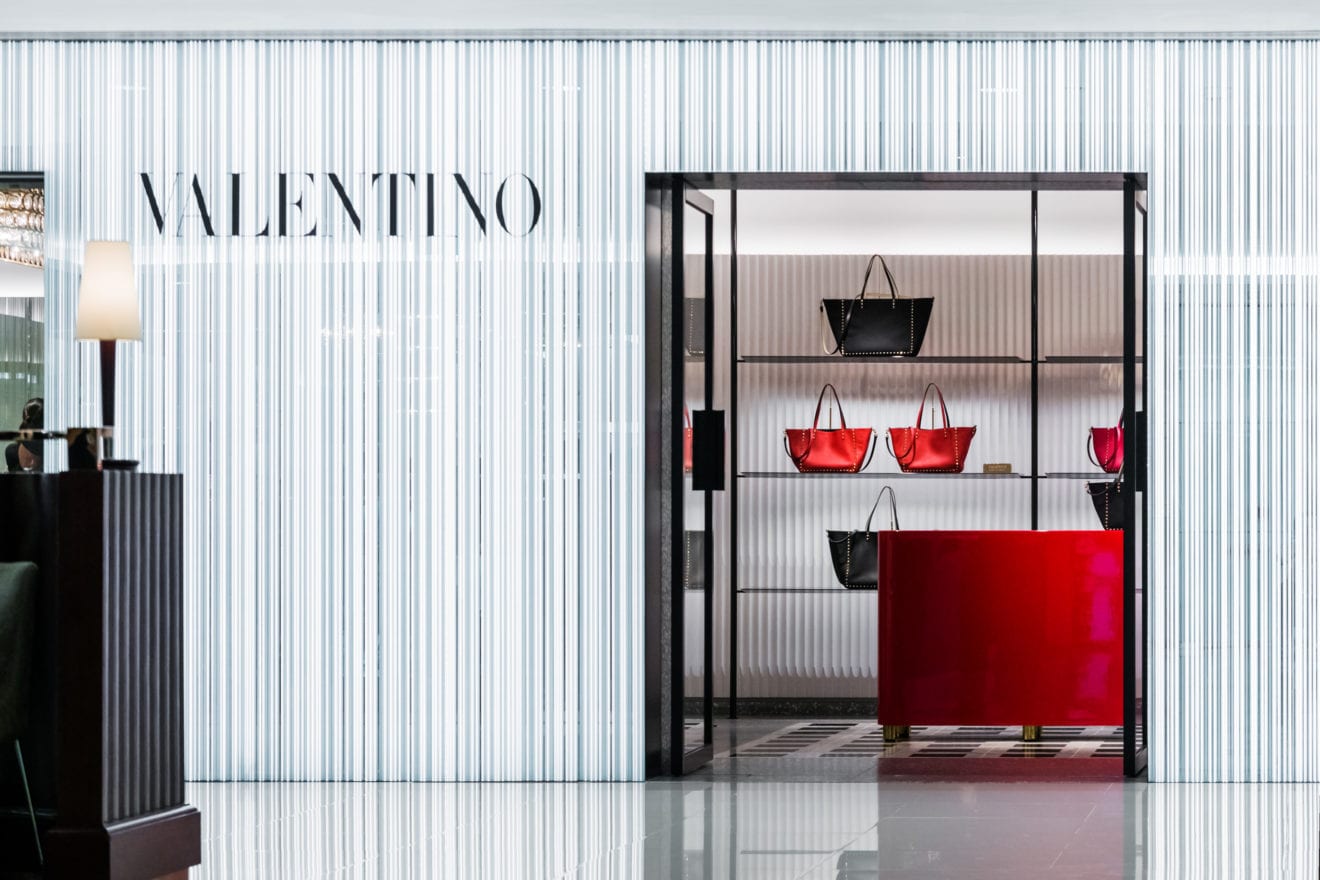
    A new Valentino Bangkok boutique has opened in the upmarket Emquartier shopping centre on Sukhumvit.

    Valentino Emquartier  Bangkok 3

    The store has 380 sqm of floor space in what the fashion brand describes as “a one-of-a-kind brand experience” which “caters to an elite clientele, serving both its male and female clients in a single location”.

    Valentino Emquartier  Bangkok 2

    As the photos show, the design is contemporary and minimalist, creating a sense of space with matching stone textured walls and floors and simple wooden display cabinets.


    Valentino, founded in 1960, is headquartered in Milan, Italy.

    Valentino Emquartier  Bangkok 1

  • Thailand among top 10 investors in Vietnam

    Thailand among top 10 investors in Vietnam

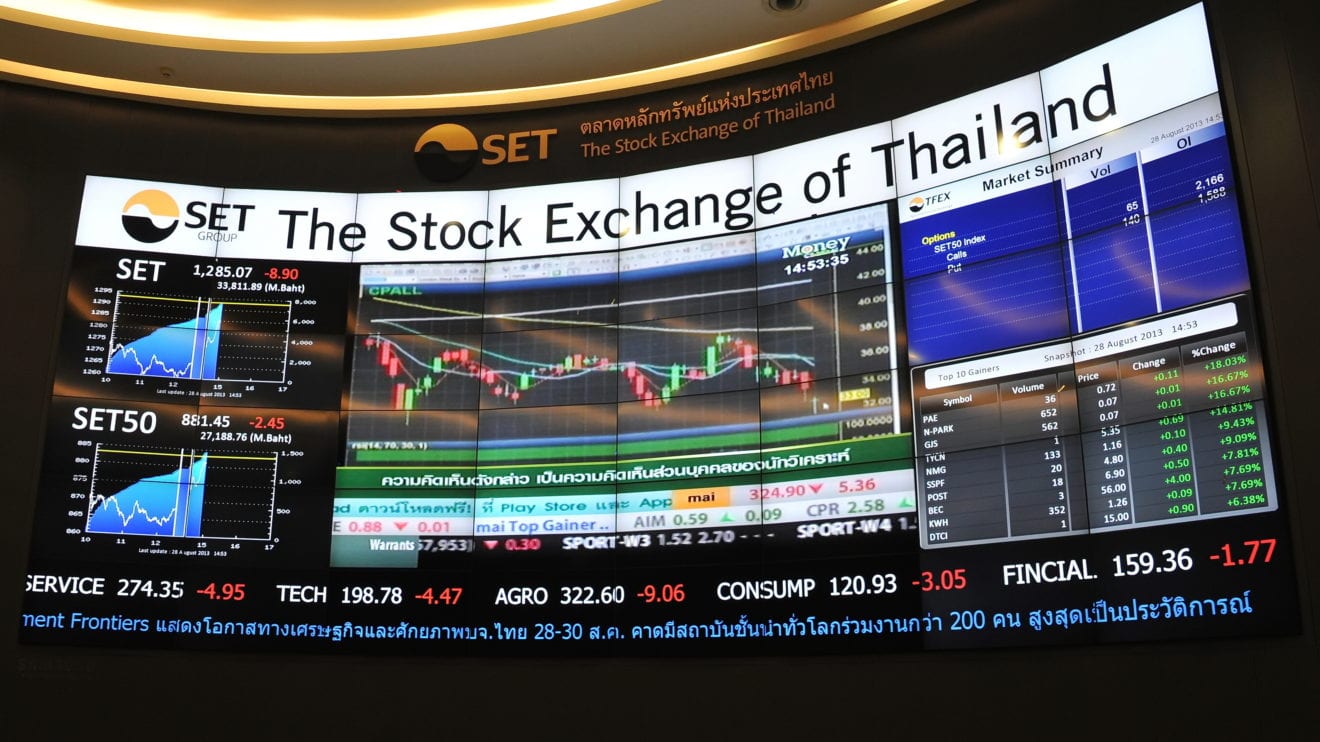
    The new face from Thailand on the Vietnam stock market is Ton Poh Thai Fund – an investment fund that purchases shares through transactions on the bourse.

    As of October 31, Ton Poh Thai Fund had net assets of about $135 million. Last year, the profitability ratio of this fund reached 25% and 20% on average during the past 10 years.

    Ton Poh currently owns 2.5 million shares of Cotec Construction JSC (5.79%); 1.2 million shares of Kien Giang – Superdong Speedboat JSC (5.02%) and 11.37 million shares of Hoang Huy Services Investment JSC (4.88% of capital).

    The number of shares held by Ton Poh is not large, but the fund has potential and is expected to continue disbursing capital on Vietnam’s stock market in the coming time.

    Thai businessman Chatikavanij established this fund in 2005, expecting to capture investment opportunities following the 1997-1998 financial crisis in Thailand. The fund with over $130 million has invested in 10 to 15 types of shares for the medium- and long-term.

    If Ton Poh is getting “acquainted” with investment in Vietnam, many Thai corporations have targeted Vietnamese businesses through direct and indirect investment forms.

    In the retail sector, Berli Jucker of Thaibev, which is owned by the second richest man in Thailand, billionaire Charoen Sirivadhanabhakdi, now takes a controlling share in Vietnamese firm Thai An, thereby controlling 99% stake in Phu Thai Group.

    BJC Thailand has bought Metro Vietnam while Central Group through Power Buy bought 49% shares of NTK, the owner of Nguyen Kim Trading Company, a big name in electronic product distribution in Vietnam.

    In the food industry, Thaibev has obtained ownership of Fraser & Neave (F & N) – the largest drink group in Singapore, which currently holds 11% stake in Vinamilk, Vietnam’s largest dairy product producer. CP Group has set a firm foothold in the Vietnamese livestock market.

    In the industrial sector, Thailand’s SCG has acquired Prime Corporation, through The Nawaplastic Industries. SCG also owns more than 20.4% of the shares in Binh Minh Plastics JSC and 23.84% stake in Tien Phong Plastic JSC.

    PTT, Thailand’s oil and gas corporation, has recently expressed its intention to invest in Nhon Hoi petrochemical project in Binh Dinh province.

    In the field of logistics, Kan Air of Thailand is now part of a joint venture with Vietjet Air of Vietnam that will establish ThaiVietjet Airlines with 51% of capital from Air Kan and 49% from Vietjet Air.

    This joint venture was licensed in late 2014 and began operating on March 29, 2015. Thai Vietjet will operate domestic flights in Thailand as well as international routes from Thailand to destinations in the region like Myanmar, Laos and Cambodia, to expand the flight network from Vietnam exploited by Vietjet Air.

    Later this year, the ASEAN Economic Community (AEC) will be formally established. AEC will become a single market. Accordingly, goods, services, investment, capital and skilled labor will flow freely between countries in the bloc. Thai capital flow into Vietnam will skyrocket.

  • Samsung’s Galaxy phone most valuable brand in South Korea

    Samsung’s Galaxy phone most valuable brand in South Korea

    South Korean tech giant Samsung Electronics’ Galaxy smartphone was selected as the most valuable brand in South Korea for the fifth consecutive year, a survey showed Sunday.

    The Samsung Galaxy phone ranked first in the brand survey by Seoul-based market researcher Brandstock, followed by E-Mart, a discount store chain by retail giant Shinsegae Co.

    Incheon International Airport, South Korea’s gateway airport, climbed up one notch to take third place.

    Kakao Talk, South Korea’s biggest mobile messenger with 47 million users, and Naver, the nation’s No. 1 Internet portal, came next, the researcher said.

    The brand value of German automakers suffered after Volkswagen admitted that millions of its diesel cars worldwide were equipped with software that was used to cheat on emissions tests.

    BMW’s rank tumbled from 12th to 31st, and Volkswagen, which ranked 71st last year, dropped out of the top 100, following the emissions cheating scandal, it said.

  • Cafe concept a huge boost for Muji Singapore

    Cafe concept a huge boost for Muji Singapore

    The recently opened cafe inside the Muji Singapore store on Orchard Rd has had a huge impact on the store’s overall trading.

    In an extensive feature written by the Straits Times and published online by Asia One, which details the trend of merging dining with traditional retail offers, Muji Singapore GM Jasmine Sng has revealed the store’s sales have increased 40 per cent since the cafe began trading.

    “Customer traffic has increased. The cafe draws customers to the store and, after a meal, they usually shop at the retail section too.”

    The 122 sqm Muji cafe opened in early September as part of an expansion and renovation of the Japanese lifestyle department store in the Paragon shopping centre.

    The brand operates its Cafe&Meal dining concept in 23 stores in Japan as well as in Chengdu, Taiwan and Hong Kong.

    The Cafe&Meal concept is described as “minimalist chic” (much like a lot of Muji’ anti-brand product range) featuring simple natural wood furniture in a plain, modern backdrop fitout.

    The menu will feature Japanese deli-style foods using locally-sourced ingredients, with a broad range of desserts.

    Customer Diana Low, 35, who visits a Muji outlet at least once every two weeks, told the Straits Timesthat Cafe&Meal has created a better shopping experience at Muji.

    “It completes the lifestyle concept of Muji and makes me want to linger longer in the store and spend more,” she said.

    Muji is just one of a growing number of stores adding a food and beverage offer to their retail space to enhance dwell time, broaden their product offer and to provide an in-store experience which cannot be replicated online.

  • Foodpanda Singapore to deliver food in 30 minutes

    Foodpanda Singapore to deliver food in 30 minutes

    foodpanda is promising to drastically reduce delivery time in Singapore to 30 minutes. This, it said, will be achieved by its own fleet of over 500 couriers, along with advanced delivery technology.

    “foodpanda’s service is all about delivering the most popular dishes around Singapore from kitchen to doorstep as quickly as possible. Having our own foodpanda fleet of riders means our service is now more consistent and speedier than ever, ensuring food consistently arrives on time,” said Jakob Angele, CEO for foodpanda Singapore.

    Using proprietary technology with advanced algorithm, delivery routes of riders are intelligently optimized.

    Recently, it signed partnerships with new healthy and popular restaurants to offer an even wider choice of healthy options at home and in the office. New partner
    restaurants include Sushi Burrito, District 10, The Assembly Ground and Nandos.

    foodpanda also exclusively offers delivery of hearty soups, stews, salads and sandwiches from The Soup Spoon.

    Anna Lim, Executive Director of The Soup Spoon Pte Ltd, says foodpanda’s fleet has allowed them to focus on more pressing elements such as service and the quality of food.

    “With foodpanda, we don’t have to dispatch our own staff or hire a third party delivery company anymore, which saves us an incredible amount of time,” she said. “We are also very pleased that each driver now has a receipt printer allowing them to have a copy of the bill – a common customer request.”

  • Monica Vinader Hong Kong opens at Harbour City and Sogo

    Monica Vinader Hong Kong opens at Harbour City and Sogo


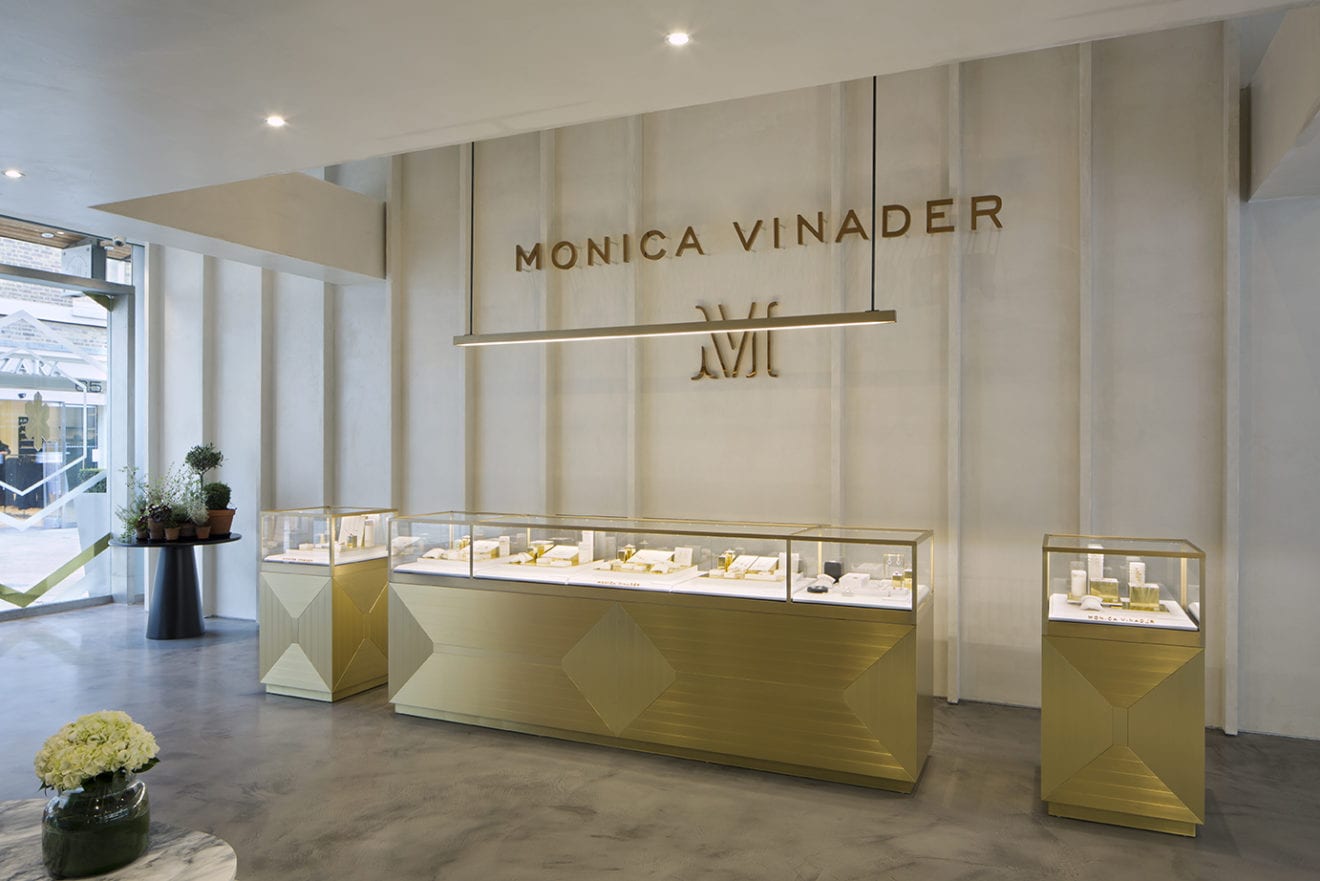
    A year since the opening of its first store at IFC Mall, jeweller Monica Vinader has opened a second store at Harbour City in Kowloon and a counter at the prestigious department store Sogo.

    Monica Vinader Hong Kong

    “I am honoured that the brand has been so well received in Hong Kong, which is such a sophisticated, international city,” said Monica Vinader, CEO & founder of the brand.

    The new Monica Vinader Hong Kong store’s interior features custom fixtures and fittings that create a vibrant and welcoming luxury shopping environment.

    Monica Vinader Hong Kong 1

    It offers all the Monica Vinader collections, from the recognisable Friendship bracelets, to bespoke cut gemstone jewellery and contemporary diamond collections.

    The retailer’s complimentary, same-day engraving service, offered in Monica Vinader stores around the world, will also be available from the Harbour City boutique. Customers will be able to engrave personal messages, motifs or hand-drawn doodles onto bracelets and pendants to make them truly unique.

    The store is located on Level 3 of Ocean Terminal and trades from 10am to 10pm.

    Monica Vinader Hong Kong 2