Tag: asia

  • Ascend expands its Asean reach

    Ascend expands its Asean reach

    “The move is to drive Ascend, both iTrueMart and Weloveshopping, to be the e-commerce market leader in the AEC by 2018,” Punnamas Vichikulwongsa, president of Ascend Group, said yesterday.

    According to Euromonitor 2015, the report of Euromonitor International, a business-intelligence research house, the business-to-consumer e-commerce market in the AEC will grow by 20 per cent per year to US$7 billion (Bt249 billion) in 2017 from nearly $5 billion this year.

    Thailand’s e-commerce market is worth about Bt42 billion with annual growth of 20 per cent.

    The company will engage in operating, fulfilment including warehousing and logistics, and marketing actives in seven countries in the AEC – the Philippines, Indonesia, Malaysia, Vietnam, Singapore, Myanmar and Cambodia.

    It will start with the Philippines by the end of this year and follow with the other six countries in 2016.

    The AEC market should help double its sales to Bt6 billion next year from Bt3 billion this year, which all comes from the Thai market.

    E-commerce in Thailand and the AEC has high potential since it now accounts for only 1 per cent of total retail shopping. In five years, it will be about 7-8 per cent of the retail industry in Thailand.

    E-commerce makes up 9 per cent in the United States and 13 per cent in the United Kingdom.

    “E-commerce is a market for the big boys, since it needs huge capital. In each market, there are only one or two e-commerce players dominating the market. We want to be ‘top of mind’ in the e-commerce business in the region,” he said.

    The business model of iTrueMart is different from Weloveshopping. iTrueMart acts as an online shopping department while Weloveshopping serves as a e-commerce marketplace.

    Ascend claims itself as the e-commerce leader in Thailand with 14,000 orders per day, split evenly between the two websites.

    Seubsakol Sakolsatayadorm, general manager of the iTrueMart division at Ascend Commerce, said iTrueMart’s conversion rate of 4.2 per cent of visits was higher than the market average of only 2 per cent.

    At iTrueMart, information-technology gadgets and accessories are still the largest contributor at 70 per cent. Orders have gone up fivefold this year since product categories were diversified from hard lines to soft lines, such as personal care and beauty products, and home lines such as household appliances.

    “The latest is a mum-and-kids category, since it is one of the largest in e-commerce in many countries,” he said. ITrueMart has invested heavily in fulfilment, warehouses and logistics. It has more than a million products, or more than 20,000 stock-keeping units, stored in its warehouse. The company delivers products through its own distribution system in Greater Bangkok with a 20-vehicle fleet and outsourcing to logistics partners.

  • Indonesia ICT sector assessment

    Indonesia ICT sector assessment

    Information and communications technology (ICT) connectivity in Indonesia as a growing economy faces huge challenges in preparing for the future.

    The world’s largest archipelago consisting of more than 17,500 islands with a population of nearly 250 million requires substantial investments in domestic ICT infrastructure and international connectivity to meet the strong growing demand from the private and public sectors.

    New technologies require an ICT infrastructure with sufficient capacity. Reliable interconnection with other ASEAN member countries to remain competitive in the interconnected world is another aspect of why ICT should be considered a priority sector.

    In October 2014 the Indonesian government unveiled a Rp 278 trillion broadband connectivity plan in order to boost economic growth. The plan defines broadband development in Indonesia and sets the strategy and major milestones for the coming five years.

    The main purposes of broadband development are to encourage economic growth and increase the competitiveness of the nation, to support the improvement of human development and to safeguard the sovereignty of the nation.

    The Networked Readiness Index (NRI) 2015, published by the World Economic Forum, includes 143 countries and measures the propensity for the countries to exploit the opportunities offered by information and communications technology.

    The NRI considers several indicators, such as the political and regulatory environment, the business and innovation environment, infrastructure and digital content, affordability, skills, individual usage, business usage, government usage, economic impacts and social impact.

    In the last assessment in 2014, in which 146 countries were covered, Indonesia dropped 15 places to 79th, while Singapore claimed first, Australia 16th, Malaysia 32nd, China 62nd, Thailand 67th, the Philippines 76th, Vietnam 85th, Lao PDR 97th, Cambodia, Timor-Leste 134th and Myanmar 139th.

    To attract local and foreign investments a more business friendly environment is required in Indonesia. The business society in particular is demanding a fight against corruption, the cutting of red tape, infrastructure development and the improvement of the tax system. The same applies, of course, for the Indonesian ICT sector.

    To meet the requirements and keep pace with international developments, including connectivity to other ASEAN member countries, the broadband connectivity plan, which describes the path to the right direction, should be implemented in the given timeframe. Further considerations, recommendations and implications related to ICT development in Indonesia are pointed out in the following:

    As addressed in the broadband connectivity plan, educational and training skills, including English language skills, should be enhanced by connecting schools to the Internet and implementing e-Education and e-Learning programs. Competence centers consisting of experts from academia and the private sector should be established to boost research and development (R&D) in Indonesia.

    World Bank data shows that Indonesia spent the equivalent of 0.07 percent of its gross domestic product (GDP) on R&D in 2010. Meanwhile, Malaysia spent 0.63 percent, Singapore 2.2 percent and Thailand 0.25 percent in the same period.

    For a modern technology infrastructure, state-of-the-art data centers for public use (e.g. national and international telecommunications operators and companies) are required in major cities and business centers, taking into consideration environmental risks (e.g. earthquakes, floods, landslides and volcanos), redundancy aspects (backups and disaster recovery), security (access, surveillance and stable power) and professional operations.

    Cross-sector infrastructure sharing reduces costs. Ducts, towers, masts, power grids, facilities, etc. can be shared between the telecommunications, the energy and the transportation sectors.

    For public-private partnership (PPP) opportunities identify and classify infrastructure development and new public service provisions that will improve ICT usage and convergence in Indonesia (e.g. increased Internet penetration, improved mobile services, improved opportunities for convergence, content development, etc.).

    Beside manufacturing of ICT products, promoting niche markets or new technologies and trends like mobile applications, IT outsourcing, hosting services, enterprise private clouds, 4G/5G, Internet of Things (IoT), Machine to Machine (M2M) communications, Green ICT, Call Centers, etc. shall be considered.

    International development and trends in the ICT sector should be observed to ensure harmonization of policies and regulations including cross-sector regulation.

    For international connectivity, Indonesia is depending on international submarine cables, most of them currently routed via Singaporean and Malaysian waters. New submarine cables with diverse routes are planned for the coming years. For example, the Southeast Asia-US submarine cable will connect Manado in Indonesia as the new eastern Indonesian gateway and Davao in the southern Philippines via Guam to the United States’ west coast.

    When completed in 2017 at an approximate cost of US$250 million, the approximately 15,000-kilometer cable system will provide an additional 20 terabits per second (tbps) capacity, connecting Indonesia and the Philippines to the US with state-of-the-art 100G technology.

    Redundancy and diverse routing of submarine cables is important to protect connectivity against terrorist attacks, sabotage and cable cuts by natural disasters such as seaquakes or by anchors.

    The announcement of the Indonesian government for the formation of the National Cyber Agency (NCA) is a step in the right direction. With regard to cyber-attacks, Indonesia is ranked as one of the world’s top three targets. The NCA should develop and implement strategies for the defense against rising cyber-attacks to protect Internet users, the government, financial services institutions and other businesses, including sensitive sectors like the transportation and the energy sectors.

    Strengthening the awareness of the public about privacy and cybercrime committed through e-mail scams, SMS or social media should be another focus area of the NCA.

    On behalf of consumers, the government of Indonesia shall ensure that the service quality of telecommunications operators improves and minimum international accepted quality of service (QoS) standards shall be enforced and regular monitored for all segments (fixed, mobile, Internet and broadcasting services). With currently more than 280 million SIM cards issued to users, mobile is the main access to the Internet.

    “Last mile” and campus/in-house cabling are very often bottlenecks for high speed landline data connections. Even if the fiber optic backbones of the telecommunications operators allow high speed data, cable connections between the exchanges of the operators and campuses or buildings (“the last mile”) of the consumers are often old and faulty copper cables that do not allow high speed data transfer. The telecommunications cabling on campuses and in buildings (“in-house cabling”) is mostly the sole responsibility of the landlords.

    With its young population, Indonesia has a market potential of about 250 million consumers. Taking the right measures, considering the actual international development and best practice experiences in the global ICT sector, Indonesia has a realistic chance to strengthen its national ICT sector in the coming years and so play an equal role in the very competitive Asian and global markets.

  • Li Ning sells stake in Double Happiness

    Li Ning sells stake in Double Happiness

    Sportswear maker and retailer Li Ning has sold a 10 per cent stake in the Double Happiness table tennis business to Viva China.

    The deal is worth RMB 125 million in cash and will increase Li Ning’s net cash position by 25 per cent relative to the reported interim net cash position.

    Li Ning says it expects an additional disposal gain in excess of RMB200 million, in part from the revaluation of the company’s remaining 47.5 per cent stake in Double Happiness.

    “The net proceeds will be mainly used for investment in product development of the five core sports categories under Li-Ning brand and further expansion of the company’s distribution channels, and general corporate purposes,” the company said in a statement.

    “The transaction increases transparency for investors with respect to Li Ning’s core business through the deconsolidation of Double Happiness. It will also allow the management of Li-Ning and Double Happiness brands to better focus on their respective businesses.”

    After the settlement, Li Ning will remain the largest shareholder in Double Happiness, but will no longer have control of the business.

    Terence Tsang, Li Ning’s CFO, said Double Happiness is one of the top performing brands for the company.

    “This transaction will help unlock its embedded value and provide it with flexibility to develop its strategy. At the same time, Li Ning’s improved cash position will boost our liquidity further so that we are better positioned to capture any upcoming business opportunities in terms of product development and distribution channel expansion.”

  • McDonald’s China rebounds

    McDonald’s China rebounds

    After a long running series of quarterly sales declines, McDonald’s says it global sales rose four per cent in the last three months.

    And McDonald’s China has played a key role in the recovery.

    President and CEO Steve Easterbrook said the company was encouraged by its operating performance for the quarter, with positive comparable sales across all segments, including the US, “as well as sales recovery in China following the prior year supplier issue”.

    “In the High Growth Markets segment, third quarter comparable sales increased 8.9 per cent, reflecting very strong comparable sales performance in China and positive performance in most other markets. Operating income increased 39 per cent (68 per cent in constant currencies). Emphasis on value and breakfast during the quarter contributed to China’s sales recovery.”

    The company suffered a major setback in China a year ago after some of its stores were found using expired products.

    Elsewhere in the world, McDonald’s has also seen recovery in the UK, Australia and German markets.

    Easterbrook said the latest figures underline the “fundamental strength of the McDonald’s System”, perhaps a reference to recent media commentary questioning the concept and estimating as many as 30 per cent of McDonald’s franchisees in the US are technically insolvent.

    Unfortunately, the company did not releases specific breakdowns on sales by country market within its ‘High Growth Markets’ business unit which comprises countries like China and Vietnam.

    In its home market, initiatives like extending the breakfast menu to all day and new product lines were helping lure customers back in store.

    In tandem with its results announcement, the fast food company made a commitment to phasing out chicken fed antibiotics.

  • C-star Retail Trade Fair Returns to Shanghai

    C-star Retail Trade Fair Returns to Shanghai

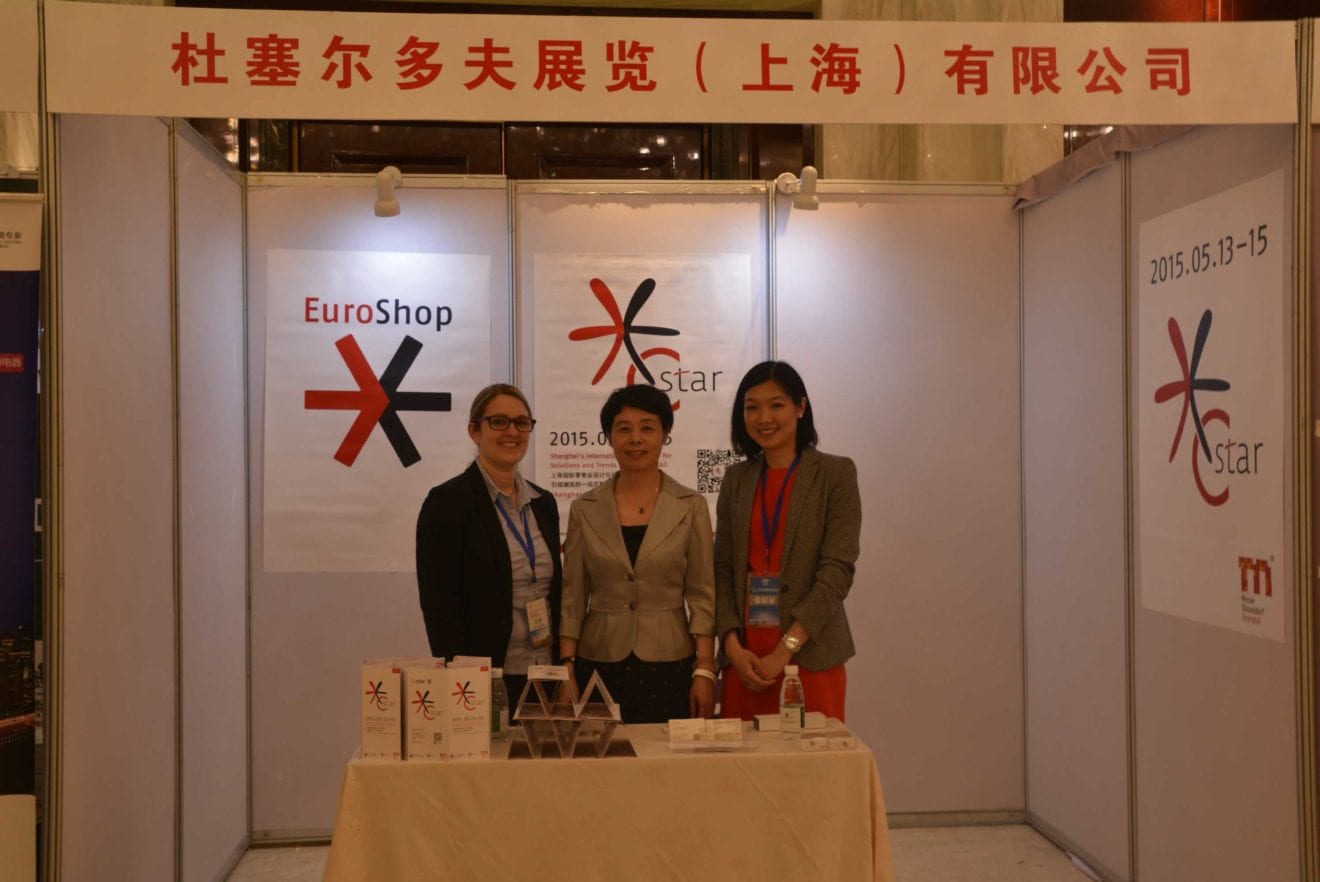
    After its successful premiere in 2015, C-star, Shanghai’s International Trade Fair for Solutions and Trends all about Retail, will return to the Shanghai New International Expo Centre from May 18 – 20, 2016. Next year, C-star will occupy two halls in order to give exhibitors more space to present their latest innovations and solutions for the retail sector.

    C-star will again be organized by Messe Düsseldorf Shanghai, a subsidiary of Messe Düsseldorf located in Germany. Messe Düsseldorf is renowned as the organizer of EuroShop (The World’s Leading Retail Trade Fair) held every three years in Düsseldorf, Germany,

    C-star 2016 will be clearly divided into four segments:

    • Store fitting and design, lighting, refrigeration
    • Retail technology
    • Visual merchandising and marketing
    • Stand design

    Hall N5 will be dedicated to POP marketing, expo and event marketing, store fitting and design with a strong focus on non-food retailing, while hall N4 will complete the exhibition range with food technology and equipment, energy management and retail technology.

    A new special area will be the Retail Technology Village. Modeled after the EuroCIS trade fair in Düsseldorf, the Village is a response to the fast-growing demand for state-of-the-art technology especially for the retail market, ranging from innovative payment systems and sophisticated security systems to complex IT solutions.

    Another highlight will be the Designer Village where leading design agencies will present their latest holistic solutions in visual merchandising and store design.

    An extensive supporting program will complement the C-star 2016 exhibits. One of the show’s highlights will be the C-star Retail Conference, a 2-day event with international retail experts sharing their exclusive industry insights. The conference topic will be “Local Heroes” and will focus on innovative retail concepts of both Chinese and international industry players. With conference chairman Prof. Dr. Helmut Merkel – former CEO of Karstadt, former President of the International Group of Department Stores and Chairman of Eurasia – as well as the strong support of associations such as the EHI Retail Institute and Mall China, the C-star Retail Conference will be an important meeting point of retail industry leaders.

    Another highlight will be the annual EuroShop Retail Design Award (ERDA) ceremony. At this renowned gala event, the best store concepts worldwide are rewarded by the EHI Retail Institute together with Messe Düsseldorf.

    The C-star experience will be rounded off by the in-hall C-star Forum and the C-star Retail Tour. At the Forum, leading international industry peers will talk about their experiences with the Chinese retail market. The 1-day C-star Retail Tour will visit Shanghai’s most innovative and sophisticated shopping malls.

    Despite a recent slowdown in the Chinese economy, China’s retail market is still of key importance to international retailers and has kept posting impressive year over year growth numbers of more than 10% throughout 2014 and 2015. Innovative retail solutions are in high demand on the Chinese market. With its clear structure and a unique show concept, C-star is geared to the needs of the Chinese retail sector. C-star’s international exhibitor structure will meet the demand of Chinese retailers for innovative solutions and products from international suppliers. With the extensive ancillary program, the trade fair will also cater to international retailers looking for information about the Chinese retail market.

    The first staging of C-star in 2015 attracted 162 exhibitors from 23 countries and more than 5,700 trade visitors.

    For further information on visiting or exhibiting at C-star 2016, contact Messe Düsseldorf North America, 150 North Michigan Avenue, Suite 2920, Chicago, IL 60601. Telephone: (312) 781-5180; Fax: (312) 781-5188; or visit our web site www.mdna.com.


  • King Power duty free sales +47% in Thailand

    King Power duty free sales +47% in Thailand

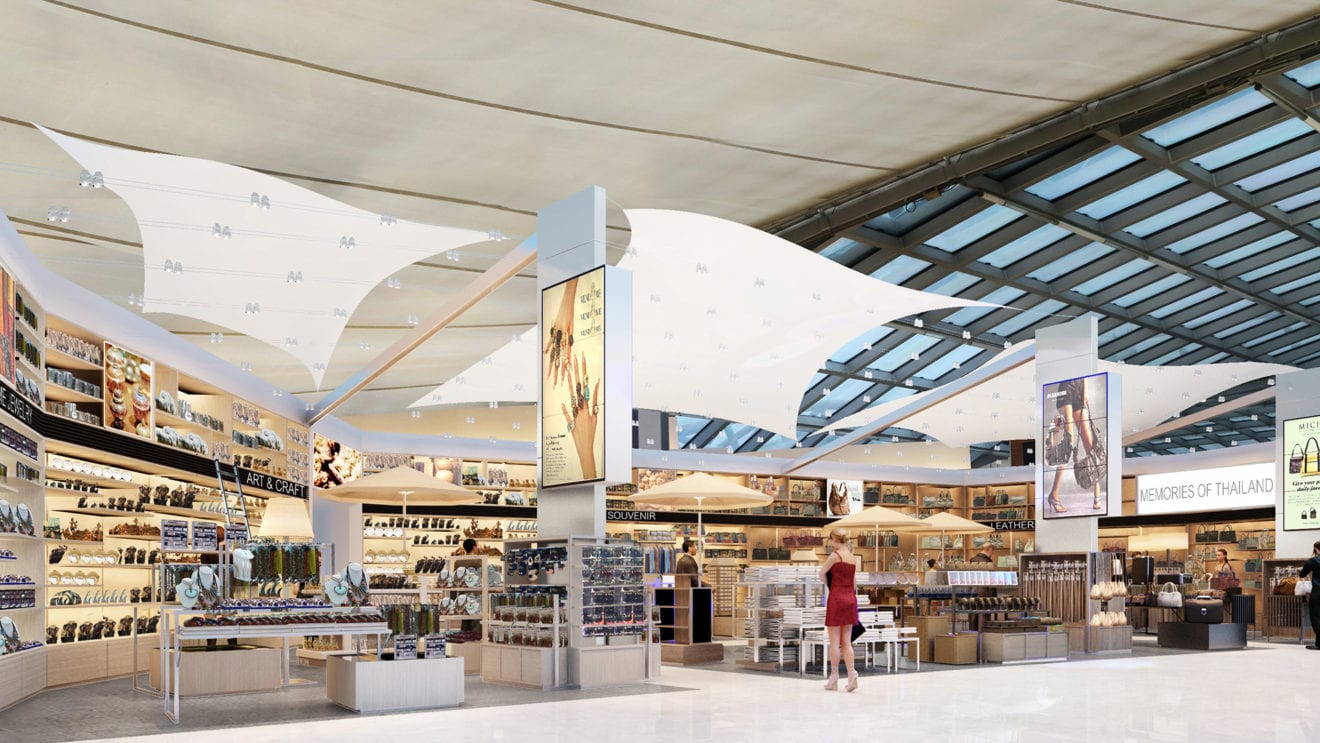
    Forward bookings from airlines and indicators from leading travel agents suggest that Chinese arrivals to Thailand will reach record levels in 2015, as the King Power International Group reports sales up by 47% this year.

    Speaking to TRBusiness in a detailed interview this month, she said: “With the exception of the tragic bombing in August, 2015 to date has been a very good year for the group. Traffic to Bangkok particularly has increased very significantly.

    “Overall traffic at Suvarnabhumi is up 19.16%, to the end of August, and traffic at Don Muang is up 65%. Within those overall traffic numbers there are specific nationality changes that have generally had a very positive impact on sales.

    “Total Chinese traffic at Suvarnabhumi is up 151% to 5,651,591 passengers. Indian passengers are another very important customer group for us and the traffic with them is up by 20% – and of the other key customer groups, Korean and Japanese traffic levels are up 38% and 13.3% respectively.”

    She added that these positive increases have offset the decrease in Russian passengers (-49.8%) and Thai nationals, who are down by 14.73%. more happily she said: “Overall group sales are up 47%, versus the same period last year.”

    Whelan pointed to an outstanding +72% sales performance by the cosmetics and skincare category, followed by watches (+76.68%), Jewellery (77.05%), tobacco (+ 30.08%) and leather goods(+ 30.94%).

    She says this impressive growth has been driven by a combination of factors, including organic passenger growth and aforementioned rises in high spending overseas visitors.

    An interview with Susan Whelan appears on page 30 of the October Cannes exhibition issue of TRBusiness and also on pages 81-85 in the bonus retail section of the Top 10 International Retailers 2015.

  • Starboard brings luxury pro on board in Asia

    Starboard brings luxury pro on board in Asia

    LVMH-owned Starboard Cruise Services has hired a seasoned luxury goods executive, Emily Wong, to the new role of Vice President/General Manager for Asia – signalling the possible direction its on-board cruise retail offer will take in the region.

    Wong joins from sister Moët Hennessy Louis Vuitton company, the fashion label Marc Jacobs, where she was the Managing Director for Asia Pacific for just over three years until August 2015.

    Before that she worked at Nike for almost five years, Timberland for two years, and Swiss leather goods house bally for 17 years.

    In her new role based in Hong Kong and also Shanghai, Wong will report to David Goubert, Senior Vice President, Luxury Cruise Retail & Asia Office.

    CRUISELINES PLACE FAITH IN CHINA

    Earlier this year at the TFWA show in Singapore, Goubert was very upbeat about cruise prospects in Asia.

    He said that large cruise lines were committing strongly to the region and that, for example, Royal Caribbean Cruise Line’s new ship Quantum of the Seas is based out of Shanghai. He said that sister newcomer Ovation was also set to be placed in the region from Q2 2016. RCCL is a partner of Starboard.

    “On board it’s about the brands,” says Goubert. “The ships are a global destination and our mission is to give our guests an unforgettable experience and create a memory of their vacation.”

  • E-commerce startups: a wild card for the industrial market?

    E-commerce startups: a wild card for the industrial market?

    THE bulls and bears of Singapore’s industrial property market often reflect the pace of economic growth and the composition of the manufacturing sector. Since its post-independence days, the manufacturing sector in Singapore has evolved to be a key contributor to gross domestic product (GDP) at approximately 20 per cent with strong support stemming from the chemicals, electronics and precision engineering clusters in 2014.

    In recent times, however, the Republic’s manufacturing activities have slowed down due to the external and internal headwinds which this export-reliant nation is highly susceptible to.

    The government has long recognised the need to boost the island’s overall productivity and export competitiveness in the region to maintain economic growth. To this end, Singapore’s manufacturing sector has been undergoing economic restructuring to shift the value-chain upwards to focus on higher value-added industries. More emphasis is placed on higher automation and less labour-intensive manufacturing activities as firms grapple with rising labour costs and lean manpower.

    Post-Global Financial Crisis, the rapid recovery in GDP in 2010 was accompanied by a spike in manufacturing output. As one of the underlying demand drivers for industrial space, the increase in manufacturing activities propelled the demand for industrial space, as indicated by the positive net absorption islandwide. On the back of limited net supply, this translated to occupancy rates hovering above the range of 93 per cent until 2011.

    Subsequently, demand for space began to soften from 2012. The softening is primarily attributed to three key factors – the hike in labour costs, rising competition from neighbouring countries that offer an alternative cheaper manufacturing base and weakening external demand from Asian economies, especially China. Cost containment became a top priority, which led to existing demand being mainly driven by renewals and consolidations.

    On the back of rental and capital value escalations in 2011, the government introduced a slew of industrial property measures such as tighter occupation requirements for industrial space, seller’s stamp duty, shortened land tenures, and ramped up supply through the Industrial Government Land Sales (IGLS) Programme to cool the market. This eventually resulted in a surge of supply which far surpassed demand from 2013 onwards.

    Furthermore, a strong supply of industrial space is expected to be completed in 2015 and 2016. In the face of decelerating economic growth and contracting industrial output, it is likely that demand for industrial space will remain subdued in the near term, as the surge in supply corresponds to twice the amount of the 10-year average demand of 10.42 million square feet (see chart).

    Given this supply overhang situation and less favourable economic conditions, it is imperative to explore other complementary uses for industrial space while adhering to existing JTC Corporation and Urban Redevelopment Authority (URA) guidelines.

    ANCILLARY USE

    Under URA guidelines, industrial properties are segregated for use by a 60 per cent-40 per cent quantum, where 60 per cent is predominantly used for core industrial activities and 40 per cent for ancillary uses. To obtain Written Permission for the 40 per cent ancillary use such as industrial canteens, showrooms and selected commercial uses, occupiers have to comply with the following requirements:

    • Capping industrial canteens at 5 per cent of total proposed gross floor area (GFA) or 700 square metres, whichever is lower.
    • Showrooms are only allowed to display products which are typically not transacted over the counter and are predominately delivered and installed off-site.
    • Selected commercial uses include clinics, banking hall/ATMs, minimarts and fitness centres and are capped at 10 per cent of total proposed GFA per development or 200 sq metres, whichever is lower, on the first storey of the building only.

    As long as the proposed ancillary uses conform to the above guidelines, it provides landlords with the flexibility to revamp the use of existing industrial space and widen the pool of potential occupiers.

    In the past, industrial spaces were primarily used for core industrial activities namely, manufacturing and warehousing. However in 2004, the Economic Development Board (EDB) introduced the Warehouse Retail Scheme – an initiative which ended in 2007 – which led to megastores such as Ikea, Giant, Courts and Big Box operating in industrial locations.

    Notwithstanding the short-lived three-year tenure of this initiative, in 2015, Gain City and NTUC FairPrice incorporated retail components into their industrial developments under the 40 per cent ancillary use.

    While adhering to the 60 per cent allocation for warehousing, Gain City’s Sungei Kadut development, for instance, sets aside 20 per cent for retail, and incorporates other uses such as offices, café, sky terraces, a children’s play area and a diesel pump area. Consolidation of uses into one location enables industrialists to enjoy cost-saving benefits, which have been passed on to consumers. Gain City, in fact, reported 20 per cent in cost savings with its consolidation exercise.

    Through a similar re-adaptation of industrial spaces, it is plausible to extend the same cost-saving benefits to entrepreneurs. For one, e-retailers could potentially benefit from a re-think on warehouse space usage. By designating 60 per cent to store e-retailers’ inventories in self-storage, the remaining 40 per cent can be further proportioned to develop an all-encompassing pro-business environment with courier services, serviced offices, Wi-Fi-equipped cafés and showrooms.

    A development that has adopted a similar concept is the Entrepreneur Business Centre, a self-storage and serviced office facility with ancillary uses, namely baby-care retail and delicatessen.

    The purpose of incorporating Wi-Fi-equipped cafes and showrooms in industrial developments is to transform industrial estates into a one- stop e-commerce hub for startups.

    Firstly, business operations and logistics are supported through having 24/7 wireless access, storing inventories in self-storage and having shared in-built courier services. Secondly, it attracts clientele as displaying products in showrooms creates an experiential retailing concept for consumers to touch and feel e-retailers’ products prior to purchasing them online.

    One retailer that offers this omni- channel retailing experience through the online-to-offline (O-2-O) concept is Decathlon, a sporting goods firm which only had an online presence in Singapore. The introduction of the Decathlon eXperience showroom has encouraged customers to have more hands-on interaction with the products before proceeding to purchase them online. Undeniably, this creates a cost-friendly working environment as it promotes the growth of e-commerce by compressing e-retailers’ risks through reduction of overhead costs and lock-in periods.

    GATEWAY FOR E-COMMERCE

    There is strong support for Singapore to grow as an entrepreneurial hub. Firstly, more industrial spaces are being slated for entrepreneurial activities such as at JTC Launchpad @ one-north, and secondly, there is rising investment interest in Singapore’s startups, especially in the e-commerce sector.

    According to Techlist, 80 per cent of venture funds raised by Internet companies are being invested in Singapore where the beneficiaries are predominantly e-commerce players such as Lazada, Zalora and Reebonz.

    This is not surprising as Singapore is ranked 14th on the 2015 Global Retail E-commerce Index, indicating the strong fundamentals which have established Singapore as the gateway for e-commerce.

    According to Euromonitor International’s June 2015 study on retailing in Singapore, Internet retail sales grew 12.5 per cent year-on-year to S$1.08 billion, while mobile Internet retail sales expanded even more significantly by 53.9 per cent to S$280.9 million.

    All these indicate that Singapore’s e-commerce sector is poised to expand further, which could potentially be the next underlying demand driver for the industrial market.

    Leveraging on the aforementioned opportunities, the pool of end-users for industrial space may be extended further to include e-commerce startups. Previously, this group of users was hindered by barriers of entry such as high occupancy costs and inability to occupy the minimum GFA requirement in industrial developments. However, by consolidating uses and re-adapting the 40 per cent ancillary use, this creates a win-win situation for landlords, consumers and entrepreneurs.

    In addition to injecting fresh demand for a muted industrial market, it creates a viable operating business environment for startups, thus promoting the development of the e-commerce scene.

    Instead of depending on external trade and manufacturing to propel demand for the industrial market, widening the list of potential occupiers to startups may potentially inject life into industrial estates. That may be the solution to cost containment which businesses are seeking.

  • Online, mobile luxury spending rises in China

    Online, mobile luxury spending rises in China

    Online and mobile commerce for luxury brands in China has risen at an exponential pace while smartphone penetration continues to grow rapidly, results of a recent survey shows.

    The new study of online spending in the country was conducted by KPMG in partnership with Mei.com, a China-based online luxury flash sales retailer, and Weibo, an online social media platform in China.

    Among the key findings is that 45 percent of respondents said they purchased most of their luxury items through online options, and the maximum amount they felt comfortable paying online for a single item is RMB4,200 ($660.8), far higher than the RMB1,900 ($298.9) they indicated in a similar survey in 2014, or an increase of 121 percent.

    The average spend levels also went up about 28 percent compared to the previous 2014 survey.

    China’s consumers are spending close to one-third more on online purchases – averaging around RMB2,300 ($361.9) on each single luxury transaction.

    The top driver for purchasing online remains pricing and better deals, however, close to one-third of respondents had made luxury online purchases at the full, non-discounted price.

    “Price is becoming less of a driver. But value remains important as customers are well informed about global prices since most of them travel physically or digitally,” said Thibault Villet, CEO of Mei.com.

    The survey likewise points to an increase in the average amount spent on luxury purchases in most product categories.

    A higher amount was spent on average for popular categories such as bags (109 percent), women’s apparel (58 percent) and cosmetics (18 percent), and also noted a significant increase in spending on categories such as watches (126 percent) and jewelry (65 percent) that accounts for a relatively smaller share of total online luxury sales.

    Cosmetics is the most popular product bought online, followed by women’s shoes, bags and leather goods, women’s apparel and accessories.

    The survey finds that among the key online triggers to purchase luxury e-commerce, the most persuasive one is reading about a product on a blog or social site and seeing the product in an online shop.

    While online shops are setting up temporary or pop-up stores, most luxury brands are also increasingly developing their China websites and shops on popular e-commerce platforms.

    “The pace of change in today’s marketplace in China is taking retailers and brands by surprise. This change is unrelenting and now outrunning the company strategy in many cases,” Egidio Zarrella, Clients and Innovation Partner, KPMG China, noted.

    In addition to luxury items, the survey finds increased numbers of luxury services purchased online, including online hotel and restaurant bookings, followed by domestic and overseas trips.

    Forty-eight percent of respondents said they had bought items overseas over the previous 12 months, close to a majority. More than two-thirds of these claimed they increased their overseas online luxury purchases in the past 12 months.

    The survey sees a near doubling of Chinese luxury online consumers planning to buy overseas trips online – from 35 percent who indicated they bought an overseas trip online during the past 12 months, to a forecast 61 percent during the next 12 months, or a growth of more than 70 percent.

    “Chinese consumers have a significant propensity to spend, they are technology savvy and want the best quality. Therefore, both new and existing entrants to China must expect to compete in a dynamic and fast-paced market. They must develop the right strategies to survive and thrive in an increasingly disruptive environment,” Zarrella concluded.

  • Less energy-efficient air-cons to be phased out

    Less energy-efficient air-cons to be phased out

    In a bid to cut Singapore’s energy consumption, the National Environment Agency (NEA) will phase out less energy-efficient air-conditioners by September next year.

    Currently, air-conditioning models sold here must have at least one tick on the energy label, which is used to help consumers gauge how energy-efficient a particular electrical appliance is.

    From September next year, however, the Minimum Energy Performance Standards (MEPS) will be raised and all models here will be required to have at least two ticks.

    The electrical appliance will be the first to have the minimum requirement of two ticks, meaning it uses less energy.

    The switch will help a household save $100 annually in energy costs, the agency said, adding that it is giving importers, manufacturers and retailers enough time to clear their existing stocks.

    Products that are on the market or imported before Sept 1 next year will be exempted from regulations for a year, meaning that they can be on sale until September 2017.

    The NEA added that it will review the MEPS from time to time and assess whether standards for household appliances should be raised.

    Introduced in 2008, the Mandatory Energy Labelling Scheme also covers refrigerators and clothes dryers. Under it, the more ticks awarded, the more energy-efficient the product is.

    According to a 2012 NEA study on household energy consumption, air-conditioning accounted for about 37 per cent of total household electricity consumption – the highest among all home appliances.

    The labelling scheme is part of the Government’s bid to reduce its energy consumption and ecological footprint.

    Singapore has pledged to reduce the amount of greenhouse gases emitted for each dollar of gross domestic product by 36 per cent from 2005 levels by 2030.

    Retailers The Straits Times spoke to yesterday said that they generally had no issues about phasing out the less efficient air-conditioners.

    Retailer Gain City, for instance, said that only 3 per cent of its air-conditioners are one tick.

    Furniture and electronics retail giant Courts Singapore said it stopped selling one tick air-conditioners last year.

    While retailers say air-conditioners that are more energy-efficient are likely to cost more, it will not deter some, like housewife Wendy Choo, from buying them.

    “I’ll pay more for energy savings,” said the 57-year-old. “In the long term, you can save a lot in terms of usage cost.”

  • Local PEFs emerge as big players in M&A market

    Local PEFs emerge as big players in M&A market

    Breaking with their traditional role as mutual fund managers or short-term profit seekers, homegrown PEFs have now transformed into strategic investors to spearhead the recent boom of mega-sized M&As. And leading the pack is Seoul-based MBK Partners Ltd.

    Beating global big-name PEFs like KKR & Co. and Affinity Equity Partners, MBK Partners clinched a 7.2 trillion won (US$6.37 billion) deal last month to acquire U.K. retail giant Tesco Plc’s Korean unit Homeplus, South Korea’s second-largest supermarket chain with 8.6 trillion won in sales last year. It is the country’s largest takeover deal in size.

    Last year, Hahn & Co., the second-largest PEF based in South Korea, bought a controlling 70 percent stake in Hanon Systems, formerly Halla Visteon Climate Control Corp., a leading automotive thermal management solutions provider, for about 4 trillion won.

    Taihan Electric Wire Co., South Korea’s second-largest electrical materials manufacturers, was sold to No. 3 IMM Private Equity last month for 300 billion won.

    Local PEFs’ aggressive investments have spiced up the long-slumped local M&A market as they have registered huge returns from leveraged company buyout deals amid a low interest rate trend.

    Many well known brands are owned by PEFs, ranging from Burger King and KFC to NEPA Co., an outdoor apparel manufacturer, and Coway Co., a leading water purifier firm.

    PEF managers offer a series of distinct private equity funds to make investments in various equity securities after raising capital from cash-rich individuals and institutional investors such as public pension plans, insurance companies and foundations.

    South Korea opened the PEF market in 2004 to encourage corporate takeovers and investment to provide capital to venture start-ups.

    According to data compiled by the Financial Supervisory Service (FSS), a total of 51.2 trillion won in assets were under management by 277 PEFs at the end of 2014, compared with 400 billion won tallied in 2004 when two PEFs were floated for the first time in the country.

    They have attracted more than 5 trillion won every year since 2008 and collected 9.8 trillion won in investment last year alone.

    PEFs have started to draw attention from institutional investors, including the National Pension Service, as the South Korean economy has seemingly entered a low-growth cycle and the benchmark KOSPI has moved in a narrow box range since the 2008 global financial crisis.

    Recently, the South Korean government relaxed regulations in a bid to fuel the M&A market by luring PEFs. It has loosened the so-called double reviewing process by the state anti-trust agency and stakeholder filing requirements.

    MBK Partners is in the forefront to explore the PEF-led M&A market.

    Founded by former Carlyle managers in 2005, MBK Partners has grown into one of the biggest Asian buyout funds with about 14 trillion won in assets under management, with a focus on South Korea and other Asian regions.

    It has invested in 23 companies including Coway, cable TV operator C&M Co., NEPA Co. and Homeplus. Its total assets amount to that of Dongbu Group, the 20th largest conglomerate, with 14.6 trillion won.

    Hahn & Co. has assets of 3.3 trillion won with 12 businesses including Hanon Systems, Daehan Cement and Woongjin Foods Co. under management. No. 3 IMM Private Equity operates 100 firms worth 2.8 trillion won in total assets, followed by Mirae Asset Global Investments Co. with 2.2 trillion won and Vogo Investment with 1.9 trillion won.

    “In the beginning, most PEFs were founded by retired government officials and fund managers with a career in global PEFs. They were financial investors, who bought stakes and sold them to lock in profits,” said Kim Kyung-young from the Asset Management Supervision Office at the FSS.

    “Now they are changing into strategic investors, or buyout investors, playing a major role in acquiring large companies and carrying out corporate restructuring.”

    Although such PEFs have successfully made their presence felt in the local M&A market, South Korean investors are wary of such buyout funds as many PEFs have still disappeared from the market due to worse-than-expected profitability in a takeover deal.

    “PEF-led M&As are not always successful,” said Koo Kyung-hoe, a senior analyst at Hyundai Securities Research Center. “About 66 percent of PEFs reach target profit rates, but we have to bear in mind that the rest, 34 percent, end up in vain.”

    For example, MBK Partners, regarded as having the Midas touch in the financial market, took over C&M in 2008 for about 2 trillion won, but its plan to resell the company has been stalled due to a long slump in the cable TV industry.

    He said they have to expand the range of investors as nearly all local PEF clients are institutions like pension funds and financial firms.

    “In advanced countries, PEFs collect money from universities, foundations and even cash-rich individuals,” said Koo. “They need to draw up plans to lure them as they can serve as an effective, appropriate alternative investment tool in the future.”

    Experts also noted that local PEFs have to overcome the negative public perception in South Korea that they clash with labor unions over restructuring after a takeover.

    U.S. Lone Star Funds’ purchase and resale of Korea Exchange Bank has deepened such negative perceptions toward PEFs among South Koreans, according to experts. Lone Star bought KEB in 2003 for 1.38 trillion won and then sold it to Hana Financial Group Inc. in 2012, pocketing a profit of 4.5 trillion won.


  • CIMB Thai to target less aggressive loan growth

    CIMB Thai to target less aggressive loan growth

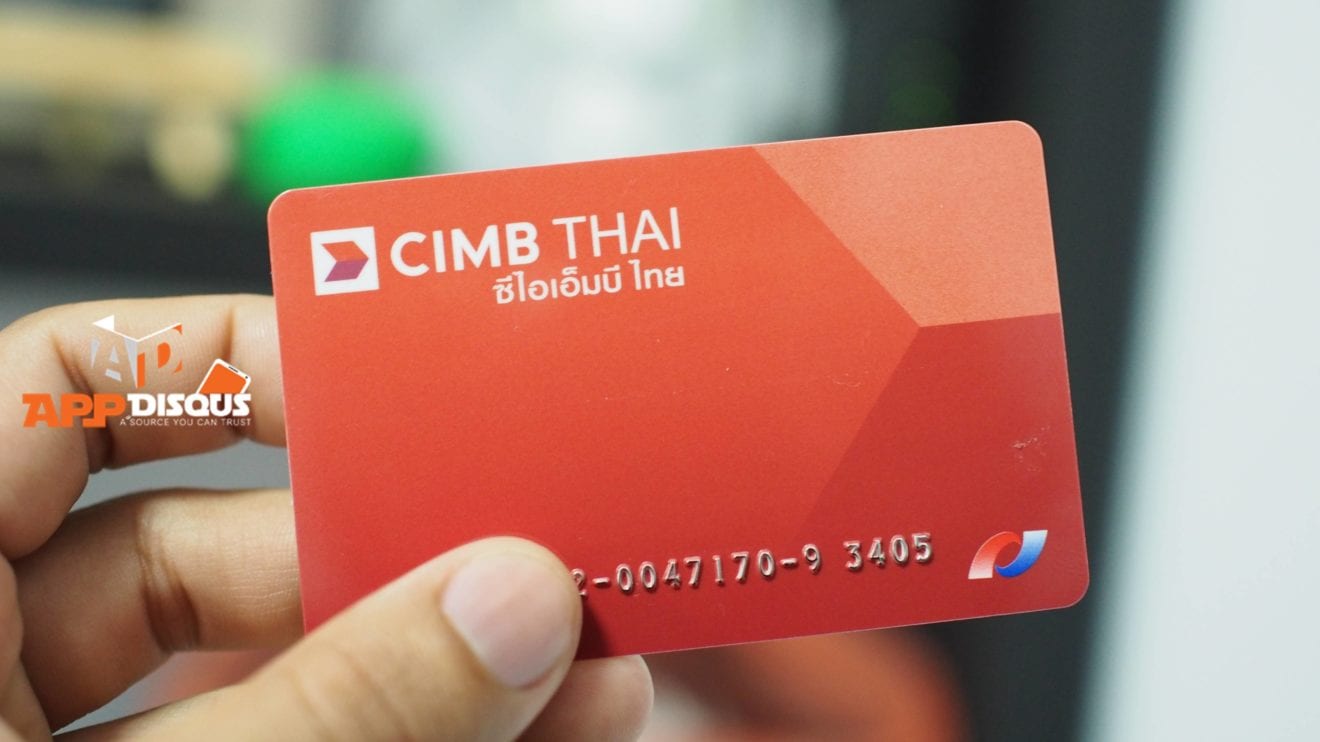
    For the past five years, CIMB Thai Bank has accelerated its loan growth, especially in retail banking, to comply with Malaysia-based CIMB Group’s policy.

    This has been achieved via housing loans in the retail – or individual – segment in order to build up the bank’s customer base, he said.

    The strategy has resulted in a housing-loan portfolio of Bt50 billion to Bt60 billion, against less than Bt10 billion five years ago, giving CIMB Thai Bank a total retail-banking portfolio of nearly Bt100 billion.

    During this period, the bank targeted overall annual loan growth of above 20 per cent, but this was only achieved in 2013, when lending expanded by 23.2 per cent.

    Last year’s loan growth came in at 11 per cent, with growth of just 4.7 per cent being achieved in the first nine months of this year, against a target of 15-20 per cent, said the CEO.

    In terms of asset size, CIMB Thai Bank’s Bt300 billion gives it a ranking of eighth out of the 11 listed banks in Thailand.

    “Singapore-based United Overseas Bank (Thai) has an asset size of Bt350 billion, and they are okay with this size, as well. With the current scale of CIMB Thai Bank, we should not be aggressive and we should keep to [loan] growth of 10 per cent per year,” Subhak said

    “We discussed this with the group in Malaysia and they agreed with our way. The economic slowdown of the past two years [in Thailand] has impacted on retail lending, causing the bank to spend much more time than expected on expanding business to retail clients and resulting in our return on equity being lower than the target of 5 to 6 per cent,” he said.

    CIMB Thai Bank reported a return on equity of 9.58 per cent for 2012, followed by 7.18 per cent for 2013 and 4.44 per cent for last year, while net profit came in at Bt1.58 billion, Bt1.49 billion and Bt988.8 million, respectively.

    For the first nine months of this year, the bank posted net earnings of Bt847 million, down 6 per cent from Bt900 million in the same period last year.

    Subhak said he expected full-year net profit to be similar to or a little higher than last year’s level, because even though it had posted the highest third-quarter percentage growth among its peers, the sum needed to be put aside as additional provisioning, especially during the current economic environment.

    CIMB Thai Bank recorded a year-on-year rise of 81 per cent in third-quarter net profit to Bt498 million.

    However, the Thai unit of CIMB Group hopes to achieve a return on equity of 10-12 per cent in the next three years, by focusing on non-interest income from areas such as investment banking, treasury products, bancassurance and mutual funds, Subhak said.

    While non-interest income at present contributes 30-35 per cent of the bank’s income, it will not overtake interest income as the main contributor despite the planned shift to a lower gear for loan growth in the coming years, he said.

    In the next two to three years, non-interest income should reach 40 per cent, he added.

    CIMB Group is strongly committed to its investment in Thailand, as reflected in its approval of the local bank’s capital increase of Bt3.68 billion via the issuance of new shares, he stressed.

    CIMB Thai Bank will increase its registered capital from Bt10.54 billion to Bt13.7 billion by issuing 6.325 billion new shares.

    The subscription period is October 26-30 and, after the additional funds are mobilised, its capital-adequacy ratio will rise to 15 per cent, from the current 13.7 per cent.

    CIMB Group is happy with the bank’s performance because of the quarterly profit contribution of 8-10 per cent that it makes to the group, he said.

    Furthermore, the Thai unit has a substantial role in strengthening cross-border deals for the Malaysian banking group.

    The bank is one of four institutions mandated as lead arrangers for a syndicated term loan of US$1.25 billion (Bt44.25 billion) to Charoen Pokphand Group, with CIMB Labuan – part of CIMB Group’s Malaysian operations – lending $250 million as part of the deal.

    CIMB Thai Bank, meanwhile, is the onshore security agent for a $400-million loan to Maxtop Management Corp, a TCC Group company.

    CIMB Labuan is the lender and arranger and offshore security agent, while CIMB SG – CIMB Group’s Singaporean arm – provides the bank account for the deal.

  • Tina Tam sets up new Hong Kong company

    Tina Tam sets up new Hong Kong company

    Tina Priscilla Tam has resigned from Burberry, where she was Vice President of Travel Retail Asia, to set up her own company called Paccaya Resources Ltd in Hong Kong, where she is now pursuing new personal opportunities.

    Formerly with Celine, Lancaster, and prior to that some nine years with La Prairie, Tina Tam said she ‘was pleased with her experience at Burberry’.

    Besides her professional career background, Tina Tam is also known for her extensive work with the excellent industry charity organisation, Women in Travel Retail (WiT) where she has worked hard with many other volunteers to promote the membership and subsequently raise lots of funds for good causes.

    Some of these include Hand in Hand for Haiti; seriously handicapped children in villages near Ramnagar in India; the Hong Kong-based NGO ‘A Drop of Life’, raising funds to get clean water to remote communities in Northern China; and transport facilities for children in Sierra Leone.

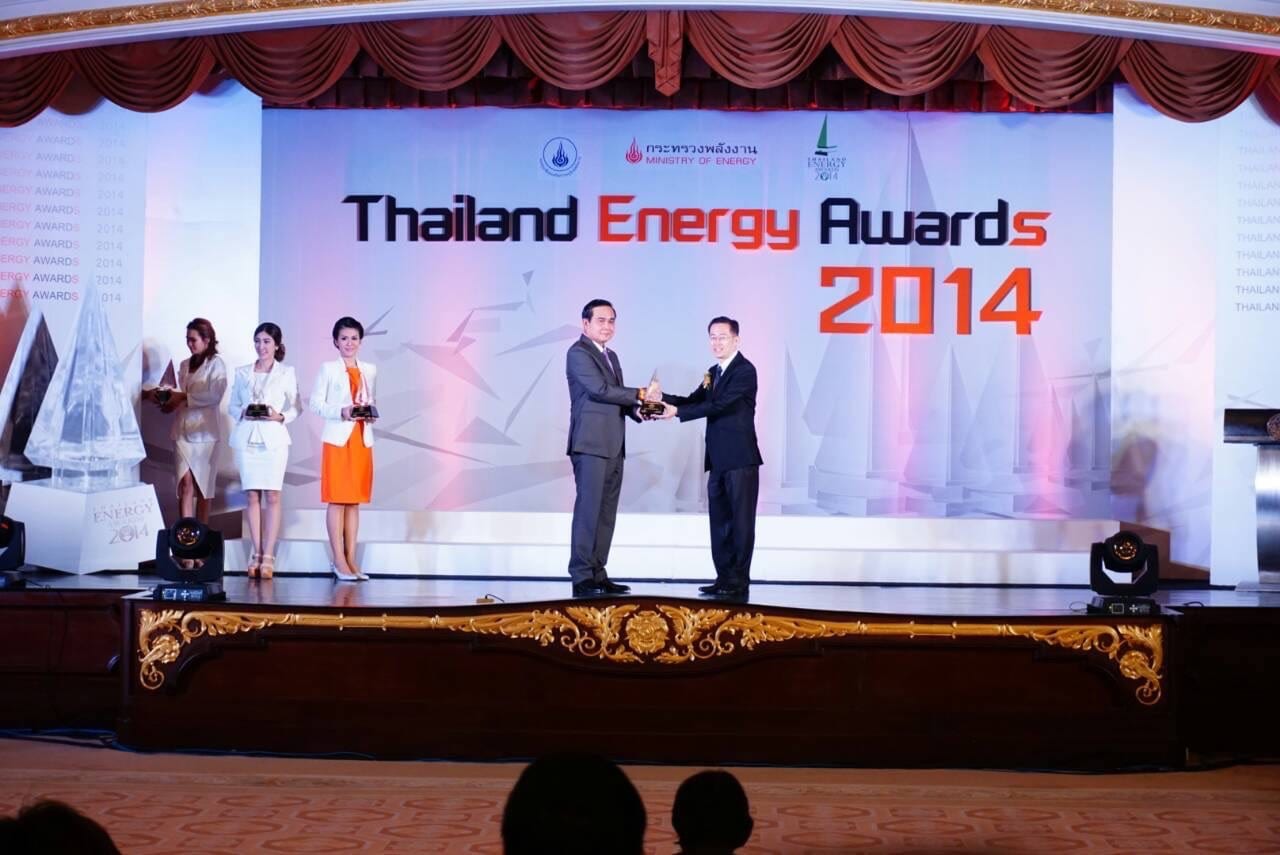
  • Thailand sweeps energy awards

    Thailand sweeps energy awards

    Thailand was the big winner at the Asean Energy Awards, reflecting growing awareness on energy efficiency.

    The awards were presented as part of the 33rd Asean Energy Ministers Meeting in Kuala Lumpur. Thailand submitted 30 projects for the 64 available awards and 26 of them won, said Energy Minister General Anantaporn Kanjanarat after returning from the meeting.

    The projects were selected through a national-level competition called the Thailand Energy Awards, which encouraged private companies to embark on energy-efficiency programmes.

    Of the 26 winning projects, one from Tip Sukhothai Bio Energy Co, a sugar manufacturer, was the most outstanding. The project, requiring an investment of Bt1.6 billion, uses molasses to generate electricity and steam and more than 90 per cent of the output is sold.

    Indorama Ventures issues overseas bond

    Indorama Ventures has successfully issued its first overseas senior unsecured bond to the amount of $195 million Singapore dollar (Bt4.95 billion) to institutional investors in Singapore through its wholly-owned subsidiary, IVL Singapore, according to its filing to the Stock Exchange of Thailand yesterday.

    The Bond has been rated AA (Stable) by Standard and Poor’s and has a tenor of 10 years with an interest rate of 3.73 per cent per annum. It is guaranteed by Credit Guarantee & Investment Facility (CGIF), a trust fund of the Asian Development Bank and listed on the SGX-ST. The proceeds from this issuance will be used for working capital and general corporate purposes within the group.

    Latest partner

    TMB Bank has added Manulife Asset Management as latest partners in helping strengthen its “TMB Open Architecture” mutual funds offerings.

    TMB Open Architecture allows all of TMB’s customers to invest in funds from different asset management firms, offering wider investment choices with the benefit of potentially higher returns from more quality funds. The bank expects Assets Under Management this year to rise by 30 per cent from the year before, said Marie Ramlie, TMB Bank’s Head of Retail Products.

    TMB is the only commercial Thai bank that offers Open Architecture service to all of its customers. This service responds to customer needs, simplifying their life, as quality mutual funds from leading asset management firms are centralised at one single-service point exclusively for TMB customers.

    The project has received an overwhelming response since its launch in the middle of 2014 with the number of mutual funds unit-holders rising by close to 20 per cent to 220,000.

    MPC gains new member

    Apichai Boontherawara was appointed to the Monetary Policy Committee at a special Bank of Thailand meeting on Monday, the BOT announced.

    He resigned as vice chairman of the executive board of Southeast Insurance and Finance Group and as director of the Export-Import Bank of Thailand in order to accept the MPC post.

    The appointment came into effect yesterday. Apichai replaces Veerathai Santiprabhob, who resigned from the MPC on October 1 taking over as governor of the central bank.

  • Philippines ranked among most vulnerable to retail systems hacking

    Philippines ranked among most vulnerable to retail systems hacking

    The Philippines ranked among the countries in the region most vulnerable to hackers who target electronic retail systems, cybersecurity company Trend Micro’s Philippine unit said on Wednesday in a media briefing.

    Point-of-sale (POS) system malware incidents, affecting purchases made through a credit card or a debit card, are among the most prevalent cyber crimes in the Philippines.

    In the Asia-Pacific, the Philippines had the fifth highest rate of POS attacks at 6% while the United States topped the list at 31%. Countries in second to fourth place were Australia (10%), Taiwan (9%), and Brazil (8%).

    The study covers the first half of 2015.

    POS systems are becoming increasingly available to even small to medium enterprises due to the influx of card-swiping devices employing cheap hardware, it sad.

    “It’s not just the cards, but the system server where the data is stored or the gadget being used to swipe the card is also vulnerable,” said Myla V. Pilao, Trend Micro Philippines’ Director of Marketing Communications said.

    Meanwhile, online banking was also an area of concern, as the Philippines had the fourth highest number of attacks in the region. There were over one million malware detections in the Philippines for the third quarter alone, Trend Micro said.

    As Filipinos become more accustomed to make their purchases through e-commerce, Trend Micro noted that local banks still do not use the most modern security practices for their credit and debit cards.

    Financial institutions in the Philippines still do not employ EMV cards that come with embedded chips as an added security feature to the personal identification number.

    “Anything that is connected to the Internet, we have to assume that it is a target,” said Ms. Pilao.

    “It would take us years to put up regulation (against cybersecurity threats), that is the biggest hurdle. We also need capacity building. Our law enforcement, they are used to investigating crimes on the street but to get them to investigate online won’t be easy because it’s not their habit,” she said.

    The country’s e-commerce law, which Ms. Pilao pointed out, is outdated based on what is happening in real world attacks. — Nicolo Paolo A. Pascual